The Transparency Problem: Swimwear designers – from DIY home sewers to professional manufacturers – often struggle with fabrics turning see-through when wet or stretched. Ensuring modesty and confidence in a swimsuit starts with addressing this common textile issue.
Why It Matters: A see-through swimsuit can be embarrassing for the wearer and damaging for a brand's reputation. Understanding the technical causes of fabric transparency (and how to prevent them) is crucial for anyone making swimwear. For a broader foundation before diving in, explore our swimwear fabric guide or browse our full fabric guides hub.
Understanding Swimsuit Fabric Transparency
What is Opacity vs. Transparency? Opacity refers to how much light a fabric blocks. A highly opaque swim fabric won't show what's beneath, while a transparent (or "sheer") fabric allows light (and eyes) to pass through. Factors like fiber density, color, and moisture affect opacity.
Causes of See-Through Swimsuits:
Low Fabric Weight: Thin fabrics (low GSM) have fewer fibers per area, making them prone to being semi-sheer, especially when stretched. Many lightweight knits under ~150 GSM can turn transparent over curves or tension. Our fabric weight guide provides a full breakdown of GSM ranges and how weight affects opacity and coverage in swimwear applications.
Excessive Stretch: Even quality fabric can become see-through if overstretched. A small swimsuit or high-elastane material pulled taut may thin out and reveal skin. Over time, chlorine or sun damage can also snap elastic fibers, causing sagging and transparency. Our spandex care guide covers how to preserve elastane recovery through chlorine exposure and laundering.
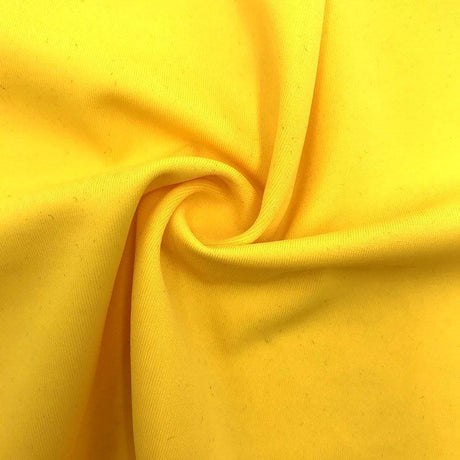
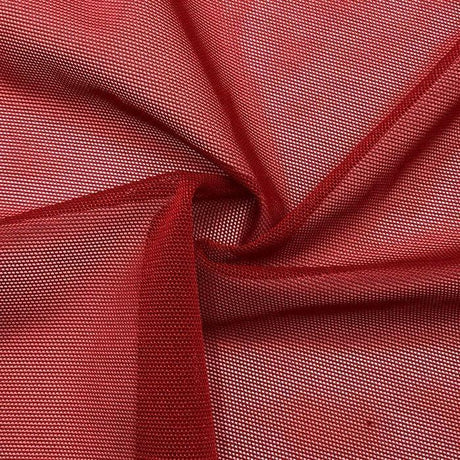
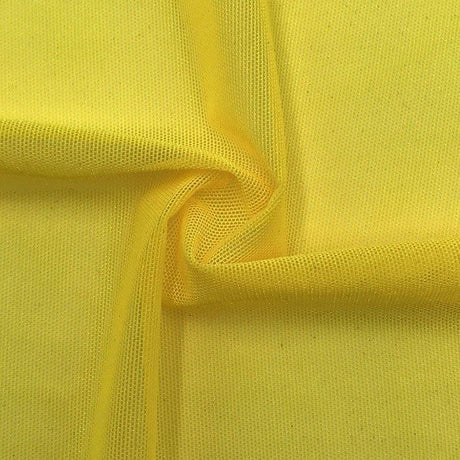
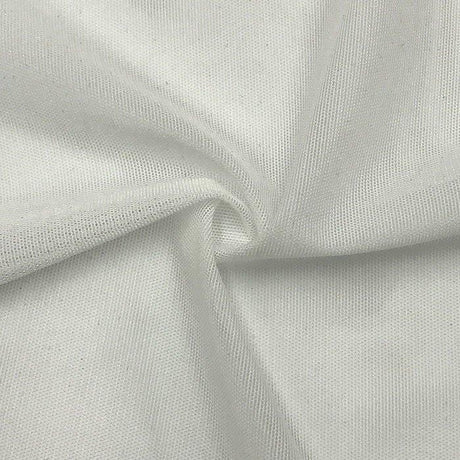
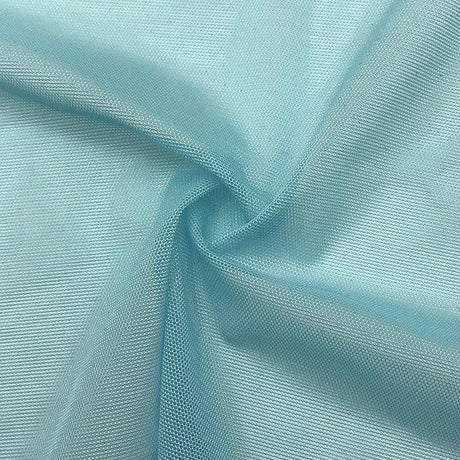
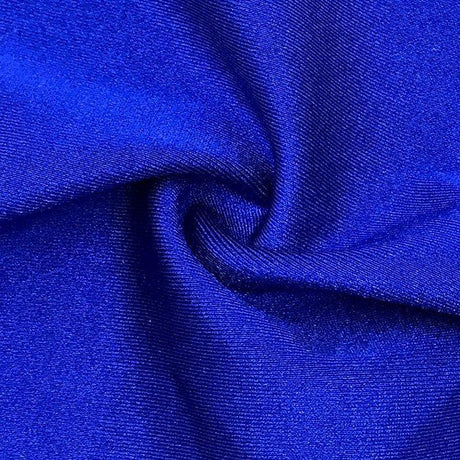
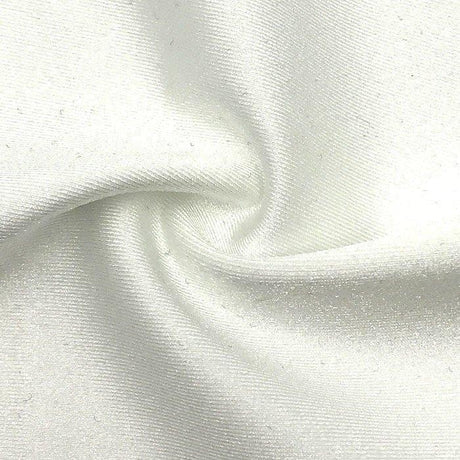
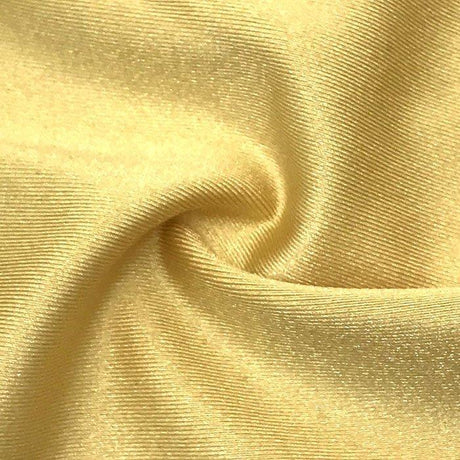
Light Colors & Wetness: Light-colored suits (white, yellow, pastels) are more likely to show through, especially when wet. Water reduces refraction in fibers, making a fabric appear more see-through. Always wet-test a fabric or sample suit to see how much it reveals when soaked.
Single-Layer Designs: Unlined or single-layer swimsuits have no backup if the shell fabric is thin. Without a lining or second layer, a fabric that looks fine dry might become transparent when in use. Our swimwear fabric guide covers lining strategies and when double-layer construction is essential for modesty.
How to Spot Transparency Issues: Perform a quick fabric test – hold a stretch of the swim fabric up to a bright light and pull it taut. If you can clearly see light or shapes through it, it will likely be see-through on the body. Also, check if the suit has a double-layer front panel or built-in lining; quality swimwear usually includes this to prevent see-through.
Key Technical Specifications for Opaque Swimwear Fabric
Fabric Weight (GSM): Fabric weight is a major factor in whether a swimsuit will be see-through. Higher GSM means a denser, thicker material. Fashion swimwear often uses ~180–200 GSM fabric (usually with a lining), while quality performance swimwear can be 250–300 GSM to ensure opacity and support. Many experts consider ~200 GSM a sweet spot for balancing stretch and coverage in swimwear. Choosing a higher GSM or a double-knit construction is crucial if modesty is a priority. Our fabric weight guide makes it easy to cross-reference GSM with coverage requirements across all common swimwear applications.
Fiber Blend (Nylon vs. Polyester, Spandex %): Swim fabrics are typically blends like 80–90% Nylon or Polyester with 10–20% Spandex (elastane). Opacity depends more on knit density than whether it's nylon or poly. Nylon-spandex is soft and stretchy; polyester-spandex or PBT blends are tougher and often used in competitive suits. Ensure the elastane percentage is sufficient (around 15–20%) – too low spandex content (<10%) can indicate a flimsy fabric that won't snap back and might stay stretched (baggy and see-through). Our nylon-spandex fabric guide covers how nylon-spandex compares to polyester-spandex in opacity, recovery, and chlorine resistance for swimwear applications.
Stretch & Recovery: Four-way stretch is standard for swimwear, meaning the fabric stretches both widthwise and lengthwise. More important is recovery – the ability to spring back to original shape. A fabric with poor recovery may remain elongated (thinner) after wear, increasing transparency. Choose materials with strong elastic fibers (Lycra®/Spandex) that feel firm when stretched and rebound immediately. Our stretch fabric types page explains how to evaluate and compare recovery ratings when selecting swimwear fabric.
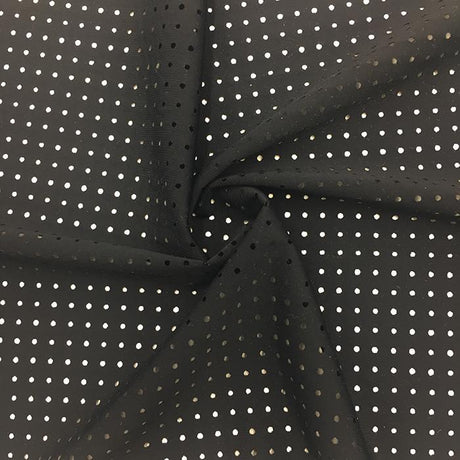
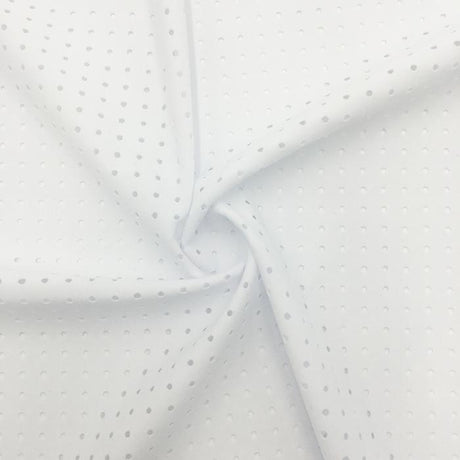
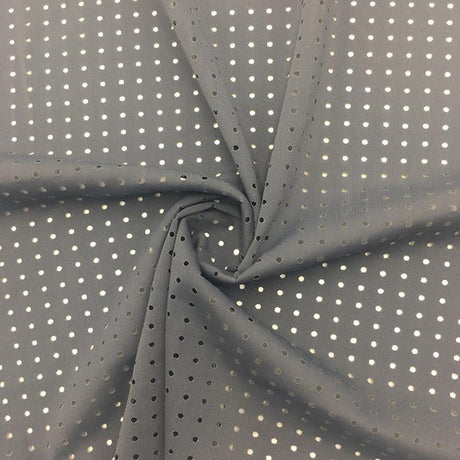
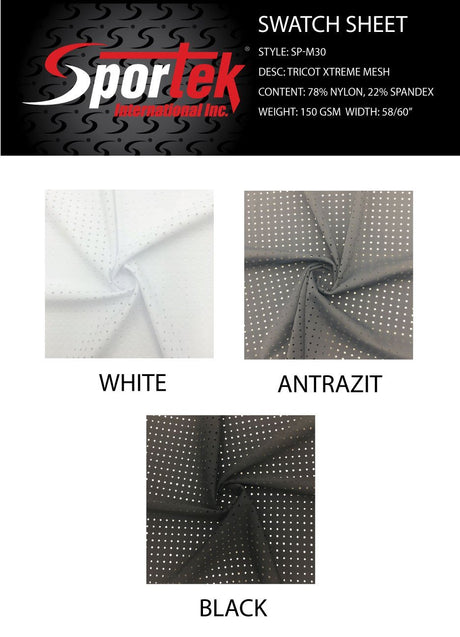
Knit Structure & Opacity: Warp-knit tricot is common in swimwear – it has a flat, smooth face and good strength. Some tricots are double-knit or have a tighter gauge, making them more opaque. A dense double-knit tricot (~280 GSM) can often be used single-layer without see-through, even in light colors. By contrast, an open or mesh structure likely needs a lining. Many garments compensate by using two layers of a light fabric if one layer would be sheer.
Opacity Testing (Professional): In manufacturing, tests like SATRA TM215 involve stretching a fabric sample by 40% over a black background to see if the black is visible. If it shows through (dry or wet), the fabric fails and a lining is recommended. While you may not perform lab tests at home, this principle underscores the importance of stretch-testing your materials before cutting. Our swimwear fabric guide covers how to apply professional opacity testing principles to home sewing and small-batch production.
Choosing the Right Fabric for Swimwear (Use-Case & Coverage)
Our how to choose fabric guide walks through the broader selection framework for all common swimwear styles and end uses.
Match Fabric to Swimsuit Style: A one-piece swimsuit or swim shorts cover more area and undergo more stretch across the body; they benefit from a thicker or supportive fabric (and often a lining) to stay opaque. A bikini or smaller pieces might use lighter fabric but rely on double layers in crucial areas. The more surface area a design covers (or the more it must stretch over curves), the heavier or more supportive the fabric should be.
Consider the Use-Case:
Competitive/Training Swimwear: These often use poly/PBT blends for durability. Such fabric is very chlorine-resistant but can be thin with limited stretch – as a result, competitive suits almost always have a front lining for modesty. If you're producing a competition suit or training swimwear, plan for a liner even if the fabric is "strong," because performance fabrics sacrifice some opacity for speed. Our swimwear fabric guide covers chlorine-resistant fabric options and performance-specific construction considerations for competitive swim applications.
Fashion/Luxury Swimwear: Look for high-density Nylon-Spandex fabrics that feel silky but are knitted tightly. Many luxury brands use Italian or Carvico® fabrics (e.g. Vita) known for a sleek hand and excellent coverage. These fabrics might be in the 200–220 GSM range but with quality yarns that make them opaque and ultra-soft. They're great for boutique bikinis or one-pieces where you want minimal bulk but no see-through surprises. Our nylon-spandex fabric guide covers premium nylon-spandex constructions used in luxury swimwear applications.
Frequent-Use or Active Swimwear: For swimwear that will see a lot of pool time (lap swimming, water aerobics, swim lessons), polyester-spandex is a smart choice for longevity. Choose a mid-weight poly-spandex (around 200–230 GSM) that won't degrade quickly. These fabrics tend to hold color and shape longer, and if you go slightly heavier, they provide coverage too. Our swimwear fabric guide covers polyester-spandex options and chlorine resistance ratings for high-use aquatic applications.
Body Coverage & Size Considerations: A design intended for fuller figures or maternity swimwear might need extra support and opacity – heavier fabric or power mesh inserts can prevent transparency when the material is under greater tension. For modest coverage styles (swim dresses, high-waisted bottoms, rash guards), prioritize opaque textiles and ensure any high-spandex fabric is also thick enough or double-lined for coverage.
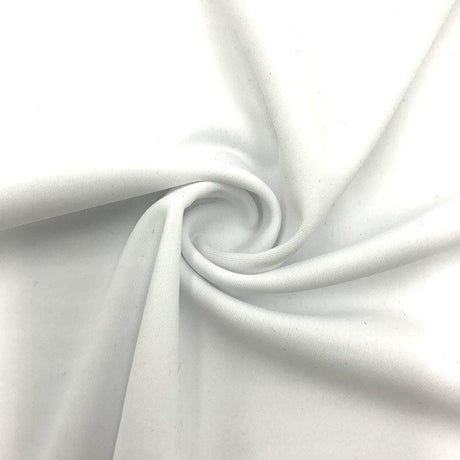
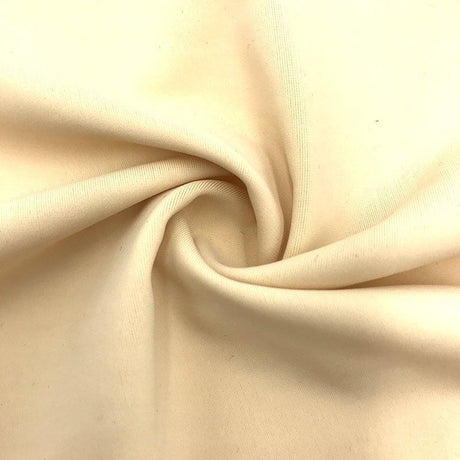
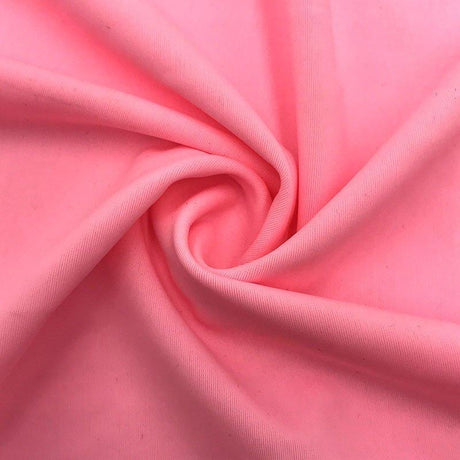
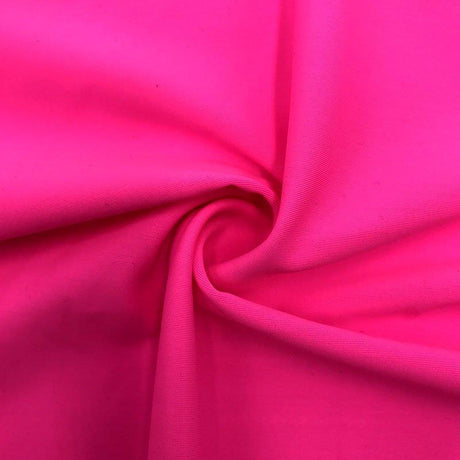
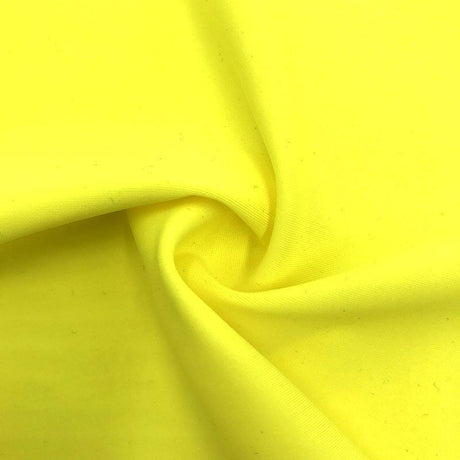
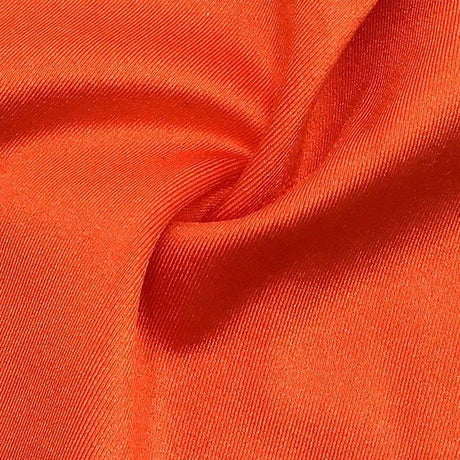
Color and Print Selection: If you love light colors or trendy prints, plan accordingly. Pastel or neon fabrics can be unforgivingly sheer if not of high quality. Opt for prints on a white base only if the fabric is thick, or the print is very busy. Dark solid colors generally conceal more, but even black can go sheer when overstretched. For white swimwear, use a nude or pale-colored lining rather than white-on-white. White outer fabric over a white lining can still appear transparent, whereas a lining in skin tone or a very light blue can actually trick the eye and provide better coverage. This trick comes from synchronized swimming costume makers who found pale blue works best under white to mask transparency.
Opaque Fabric Checklist (Quick Reference)
When evaluating swimwear fabric, use this checklist to ensure it won't turn see-through:
Weight (GSM): Is the fabric at least mid-weight (~180–200 GSM or higher for single-layer use)? Thicker fabrics generally provide better coverage. See our fabric weight guide for GSM thresholds matched to different swimwear styles.
Stretch & Recovery: Does it have 4-way stretch and bounce back readily? Stretch a swatch – it should snap back to shape. Poor recovery = potential bagging and transparency. See our stretch fabric types page for recovery ratings across common swimwear constructions.
Knit Density: Hold it up to the light. Can you see the light clearly through it when not stretched? If yes, it's likely too sheer on its own – consider it an outer layer that needs lining. A tight knit or double-knit fabric will block light better.
Fiber Quality: What's the spandex percentage? Aim for ~15% or more for good recovery. Also, check if it's a reputed swim fabric – these tend to have consistent opacity and UV protection built-in. Our nylon-spandex fabric guide covers how to identify quality yarn construction in swimwear fabrics.
Lining or Double Layer: Does the swimsuit design include a lining layer in front/back? If not, can your fabric pass the stretch-light test and wet test solo? When in doubt, add a lining layer of swim lining fabric (preferably in a nude or matching color). Our swimwear fabric guide covers lining fabric selection and layering strategies in detail.
Color Considerations: For light or bright colors, extra caution is warranted. Ensure the fabric is labeled "not see-through" or is thick, and always line light-colored areas with an appropriate lining (avoid white-on-white; use nude for most skin tones or pale blue under white).
Test Swatch in Water: If possible, get a test swatch of the fabric, wet it, and lay it over a dark surface or your hand. You should see little to nothing of what's behind the fabric if it's truly opaque.
Common Mistakes and How to Avoid Them
Choosing the Wrong Lining Color: Simply lining a swimsuit isn't enough if you use the wrong lining. A white lining under a white swimsuit is a classic rookie mistake – it can actually highlight what's underneath when wet. Instead, use flesh-toned/nude or specialized pale blue lining for light fabrics. This provides contrast reduction and much better concealment. Our swimwear fabric guide covers lining color selection strategies for all common swimwear colorways.
Ignoring Fabric Weight for Style: Picking a fabric solely for a cute print or texture, without minding its weight, can lead to disasters. A trendy crochet-like or ribbed knit might look great but could be too open or lightweight for swimwear (unless properly lined). Always balance aesthetics with functional weight. Our fabric weight guide helps you identify the minimum GSM needed for adequate coverage across different swimwear styles.
Not Testing Under Real Conditions: Swimsuits will be stretched and wet in use. Failing to do a wet-fit test (even just under the faucet or in a basin) is risking an unpleasant surprise. Make it a habit to test swim prototypes or fabric samples in water and under sunlight before finalizing.
Overstretching the Size/Fit: Sometimes transparency is a result of the swimsuit being too small/tight, forcing the fabric beyond its intended stretch. Use the right size pattern and consider fabric stretch percentage during design; if someone is between sizes, going up a size can prevent over-stretch and see-through. Our stretch fabric types page explains how stretch percentage relates to sizing and fit planning in swimwear construction.
Skimping on Quality to Save Cost: Lower-quality swim fabrics might be cheaper, but they often have lower GSM, poor knit tightness, or less Lycra – all recipes for see-through trouble. It's more cost-effective long-term to invest in a reputable, high-density fabric for swimwear. As industry advice goes, "invest in quality swimsuit material to reduce the likelihood of transparency incidents." Our expert help and advice page can help you evaluate specific fabric options and identify quality indicators before purchasing.
Assuming "Any Stretch Fabric Will Do": Sewing enthusiasts sometimes use generic spandex or dancewear fabric for swimwear. Swim-specific fabrics have additives and constructions (chlorine resistance, UV coatings, etc.) that often coincide with opacity. Stick to fabrics labeled for swimwear or activewear; they're designed with these requirements in mind. Our swimwear fabric guide covers how to identify swim-specific fabrics and what certifications or labels to look for.
When to Use Alternative Fabrics for Better Coverage
Double-Knit Tricot: This specialty knit creates a two-layer structure within one fabric. With weights around 250–300 GSM, a double-knit tricot provides firm compression and full opacity. It's ideal when you want a single-layer suit that still "hides everything." High-compression swim garments (like water polo suits or swimwear for synchronized swimming) often utilize these heavier warp-knit textiles so they don't require separate lining. Our fabric weight guide covers double-knit tricot GSM ranges and their coverage properties.
Scuba Knit (Poly-Spandex): Scuba is a double-knit fabric known for being extremely thick and structured (think 350–400 GSM). Scuba knit is used in surf swimwear, some modest swim designs, and even swim leggings because it's completely opaque and adds a bit of insulation. It has a smooth surface and 4-way stretch, though less stretchy than standard tricot. Use case: if you need a swimsuit or swim short that absolutely won't show even a silhouette of what's underneath, scuba fabric is an excellent choice. Our stretch fabric types page covers scuba knit constructions and how they compare to standard tricot for coverage applications.
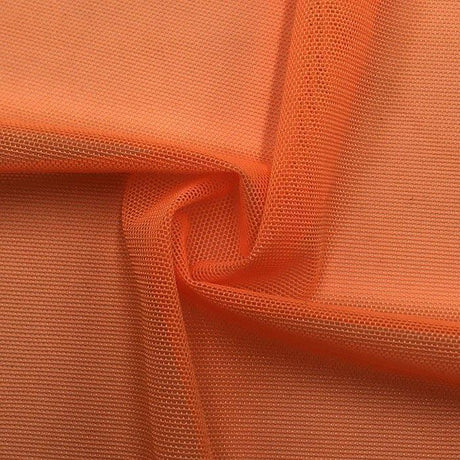
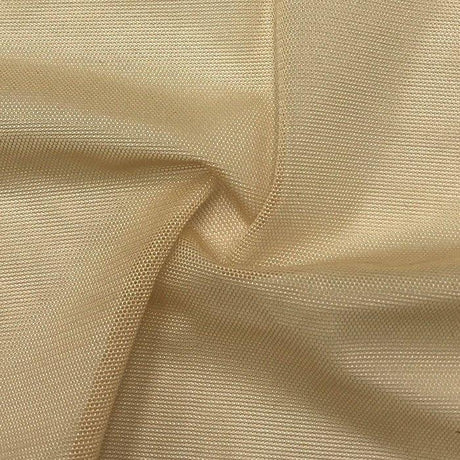
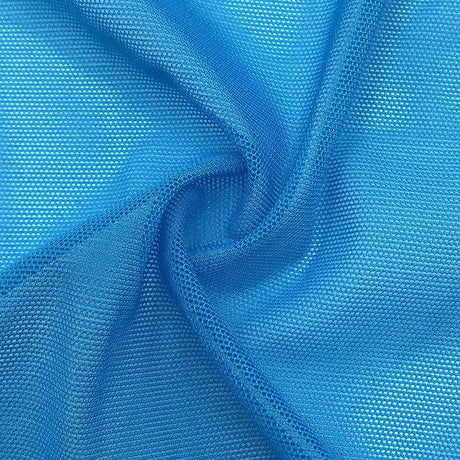
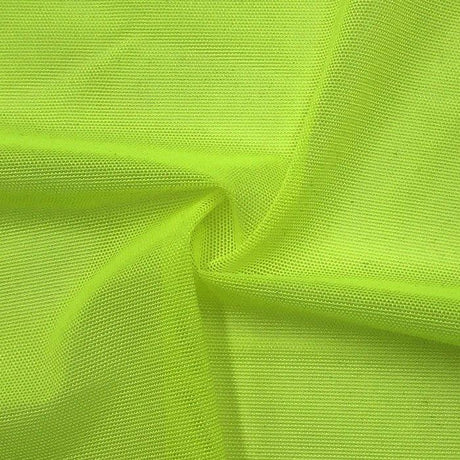
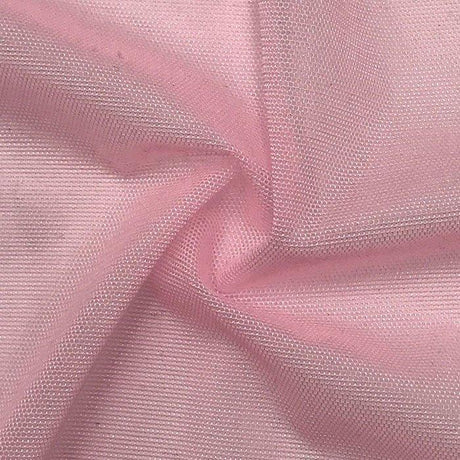
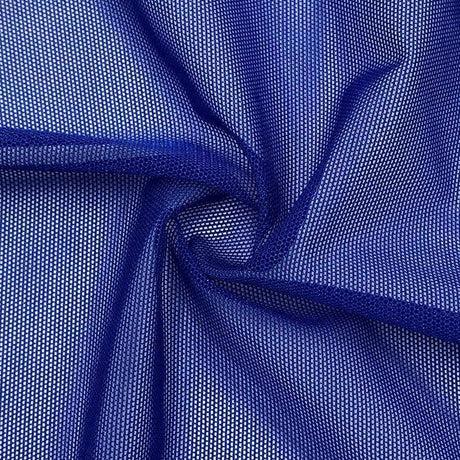
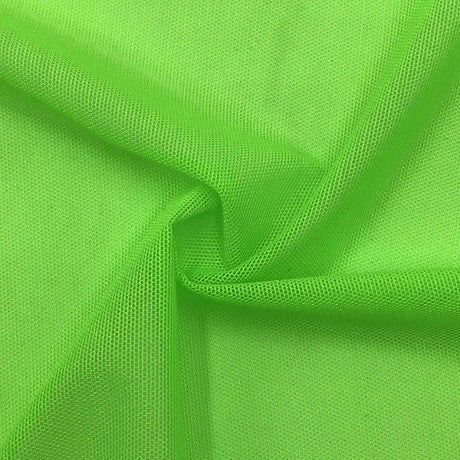
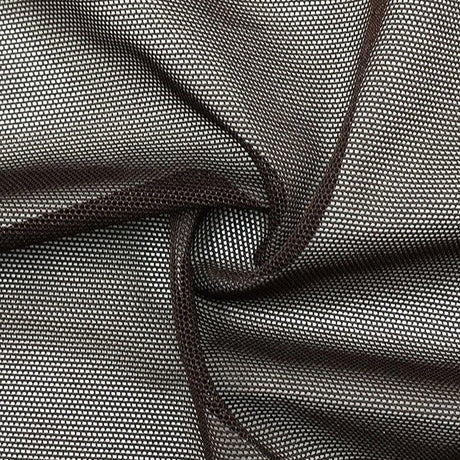
Power Mesh & Lining Combinations: For areas requiring extra security (like bust or bottom panels), using a layer of power mesh in addition to the outer fabric can help. Power mesh is typically semi-transparent on its own, but when sandwiched between two layers or used as an inner layer, it adds support and keeps the outer fabric from stretching too far. Many professional swimwear makers will line a sensitive area with both a lining and power mesh if the fabric is light-colored or the client is concerned about show-through. Our activewear fabric guide covers power mesh layering strategies for support and opacity in structured swimwear.
Performance Nylon Blends: Some high-end nylon-spandex fabrics are engineered for superior coverage without extreme weight. These often use high filament-count yarns and special knitting techniques. Use these when you want the best of both worlds: a comfortable, luxury feel with trustable opacity. Our nylon-spandex fabric guide covers premium nylon constructions used in fashion swimwear and their opacity and UV protection characteristics.
Textured Opaque Fabrics: Don't overlook textured swim fabrics (ribbed, crinkle, etc.) that are popular now. Many of these are knit with an additional layer or backing which makes them more opaque. A ribbed swim fabric might be 250 GSM with a fine inner mesh – the texture provides style, and the built-in layering provides coverage. If you use a textured fabric, verify that the valleys of the texture aren't see-through. Quality textured swim fabrics will explicitly state that they are "not see-through" and often have a high GSM (e.g. 250 GSM ribbed fabric). Our fabric finishes guide covers textured surface treatments and how they interact with opacity and UV resistance in swimwear fabrics.
Conclusion: Ensuring Confidence in Your Swimwear
Blend Style with Science: Making a swimsuit fabric "not see-through" ultimately means finding the right balance between aesthetics and technical specs. By understanding GSM, stretch, and fiber content, you can choose materials that look good and perform flawlessly in water. This expert overview has shown how weight, construction, and layering all contribute to a suit's opacity – knowledge that empowers you to create swimwear with confidence.
Practical Takeaway: Whether you're a home sewer crafting a custom bikini or a manufacturer developing a swim line, the key is to plan for opacity from the start. Select high-quality, opaque materials and incorporate linings or appropriate backups for light areas. Test your fabric and sample products in real conditions (wet, stretched, and under bright light) before finalizing.
Ready to find the right fabric for your swimwear project? Explore our swimwear fabric guide for curated opacity-focused fabric recommendations, use our fabric weight guide and stretch fabric types page to compare your options, and visit our how to sew stretch fabric guide for construction and lining techniques. Our spandex care guide and fabric care guide will keep finished swimsuits performing beautifully season after season. Have questions about specific fabric options or opacity testing? Our expert help and advice page and FAQ are always available. Sign up for SpandexByYard Rewards to earn points on every purchase – every opaque, well-crafted swimsuit you create reinforces your reputation for quality and care