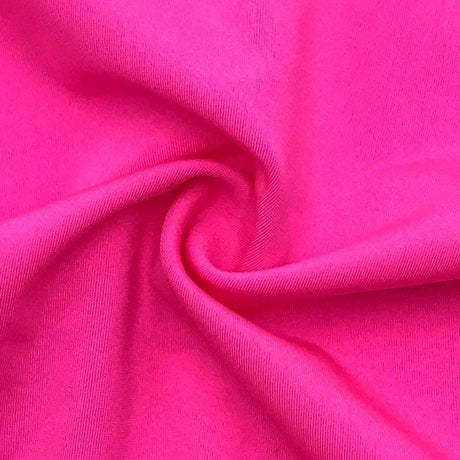
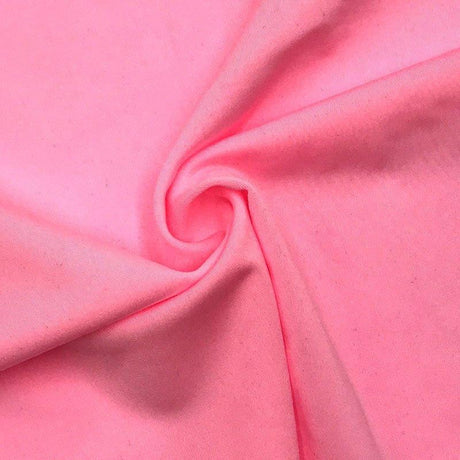
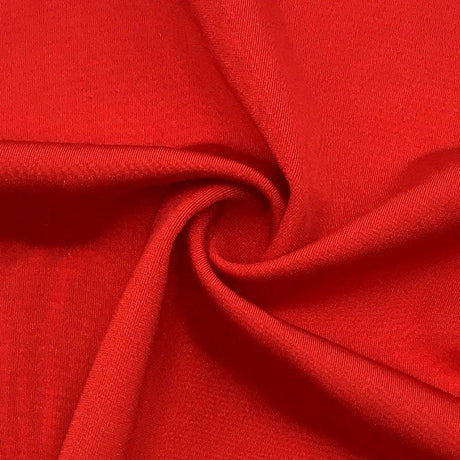
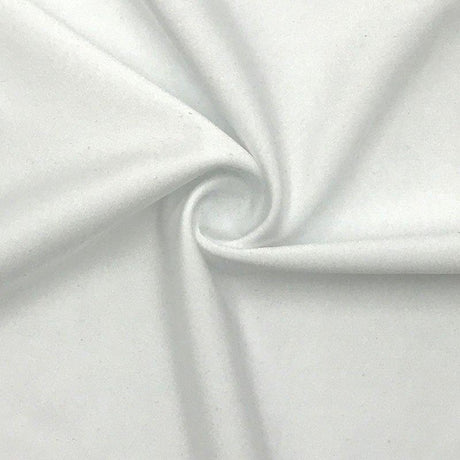
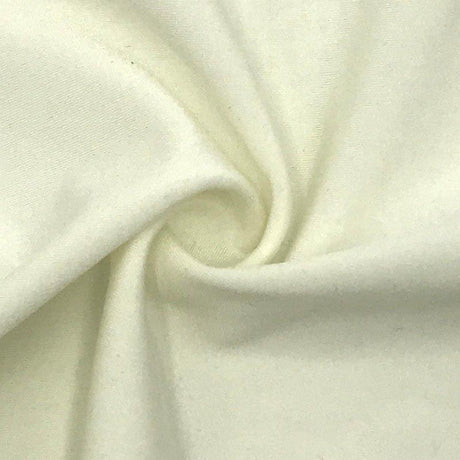
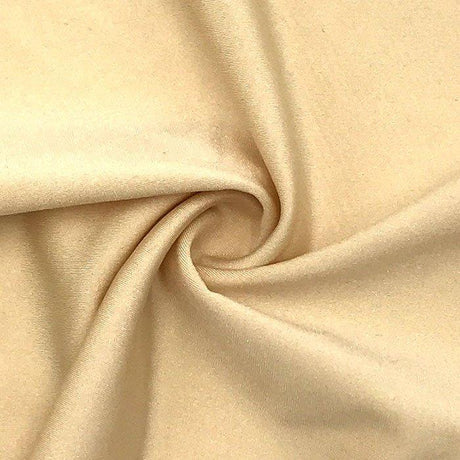
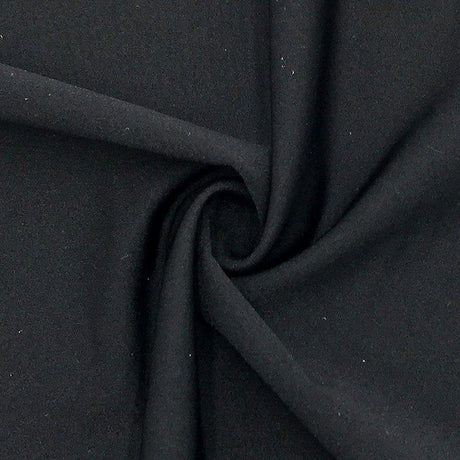
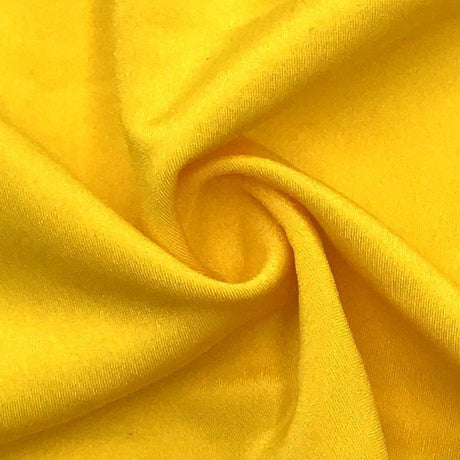
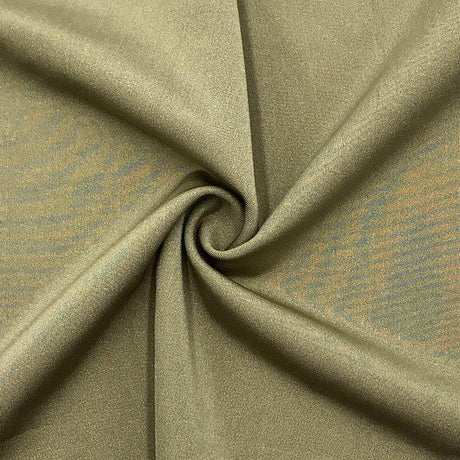
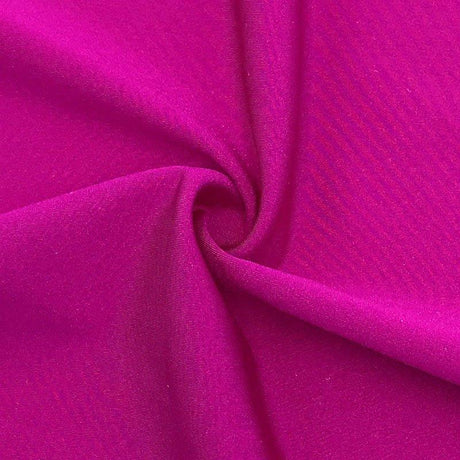
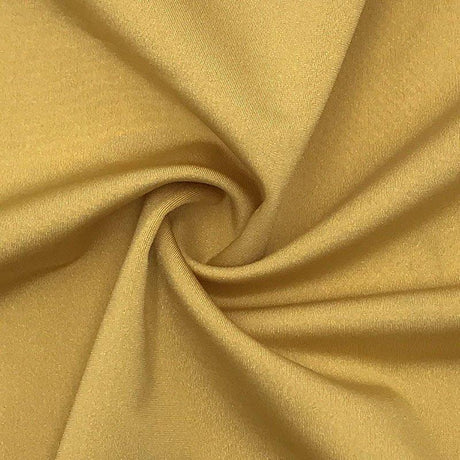
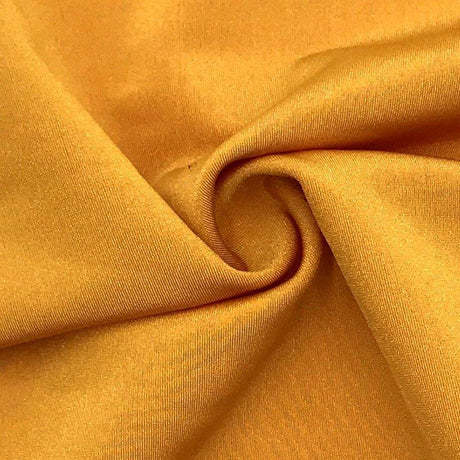
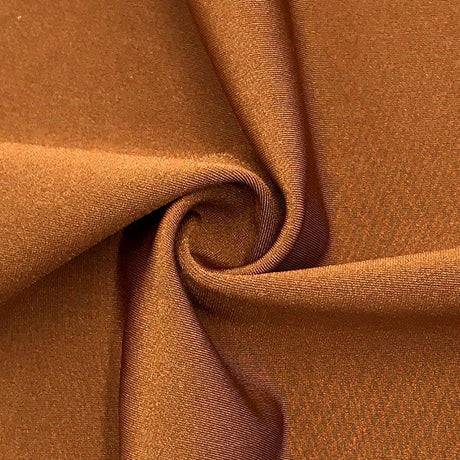
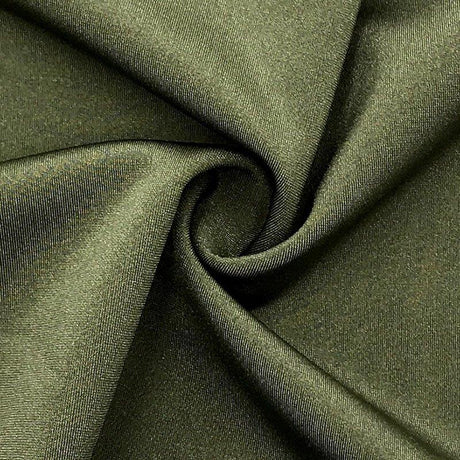
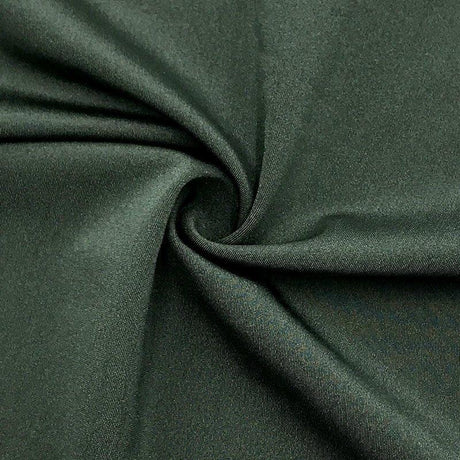
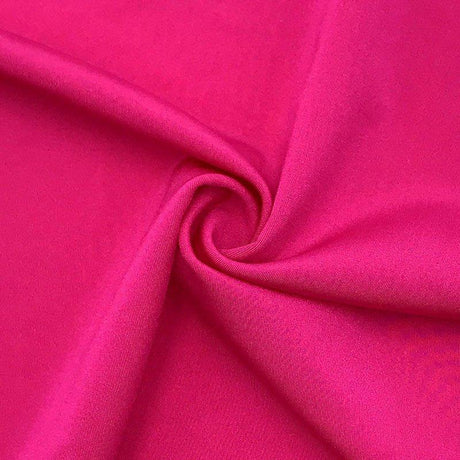
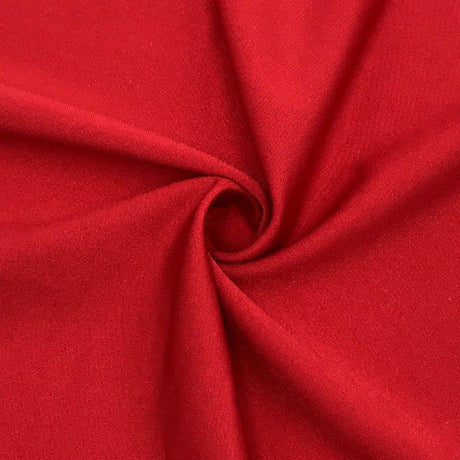
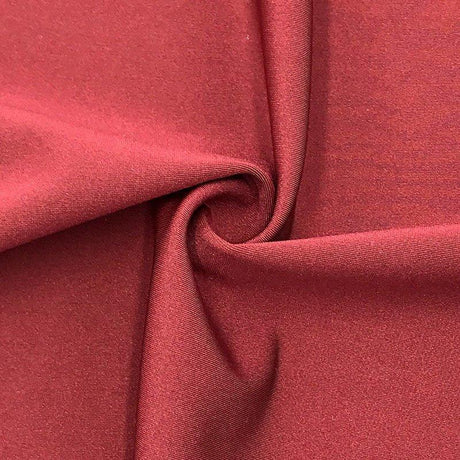
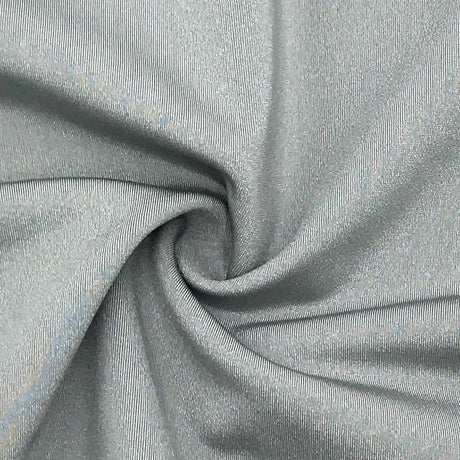
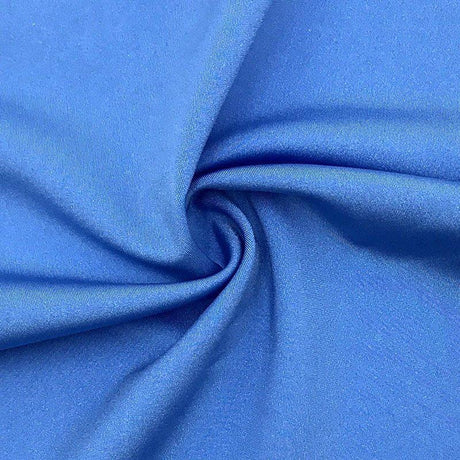
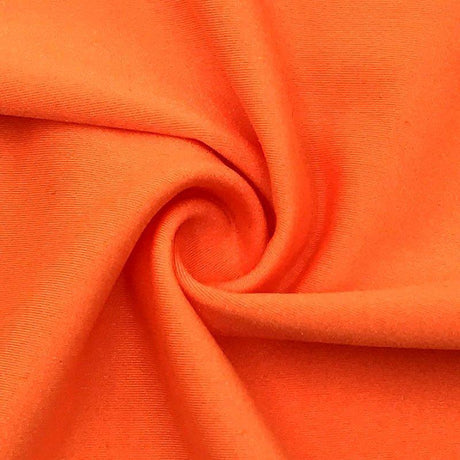
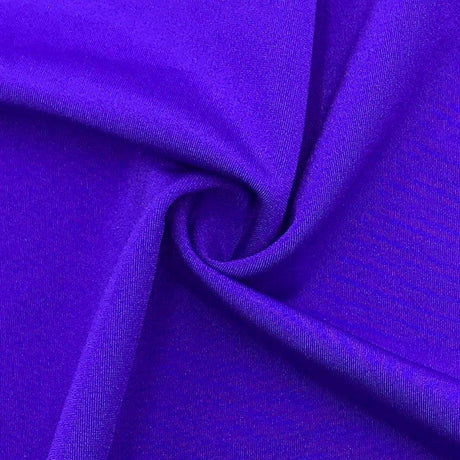
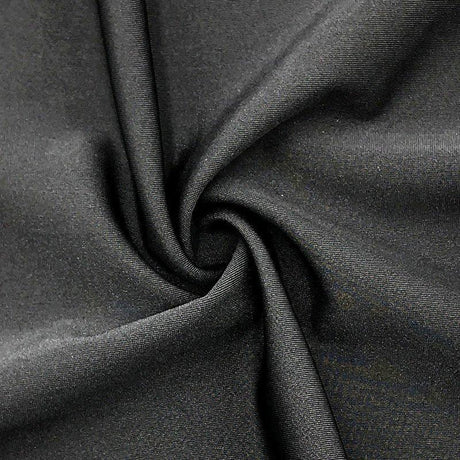
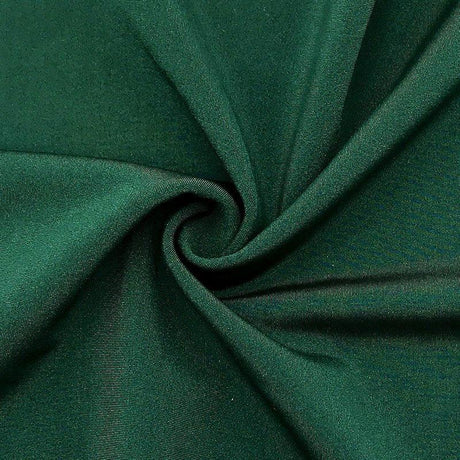
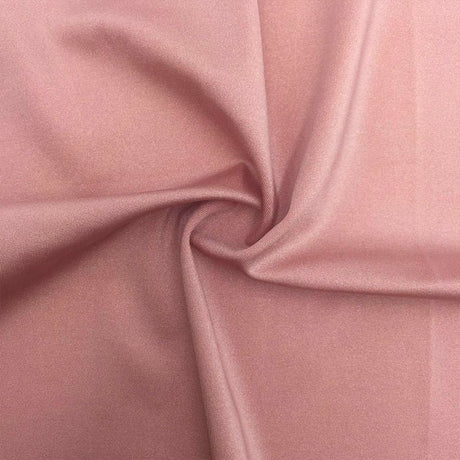
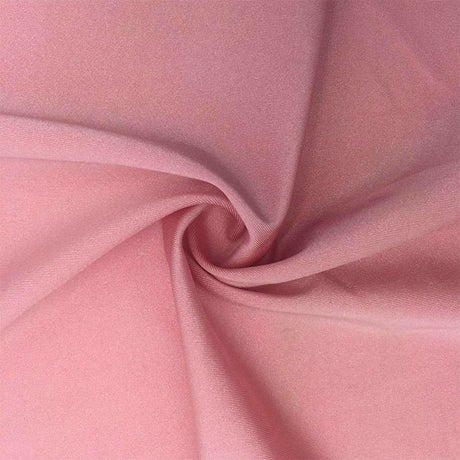
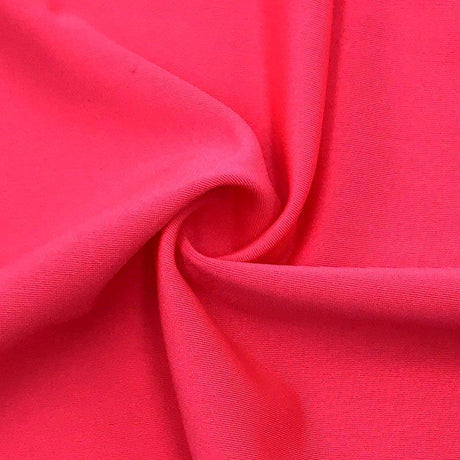
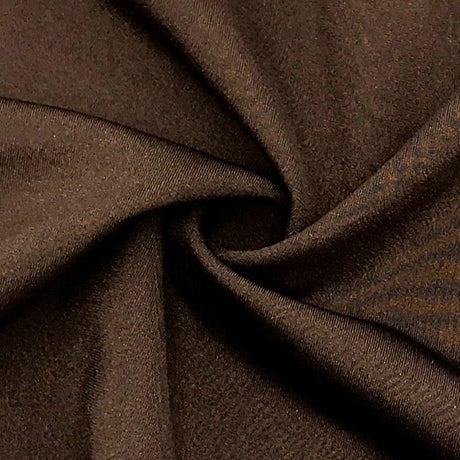
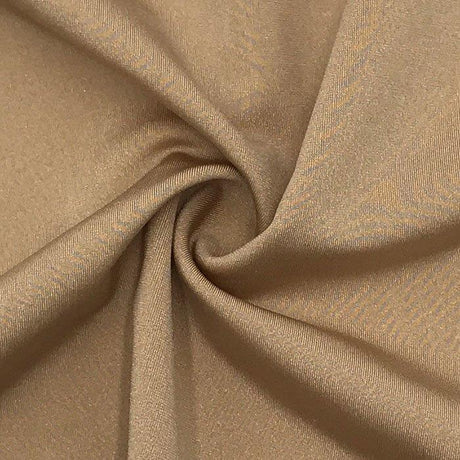
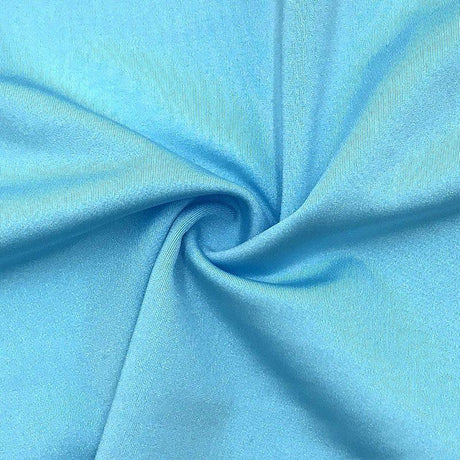
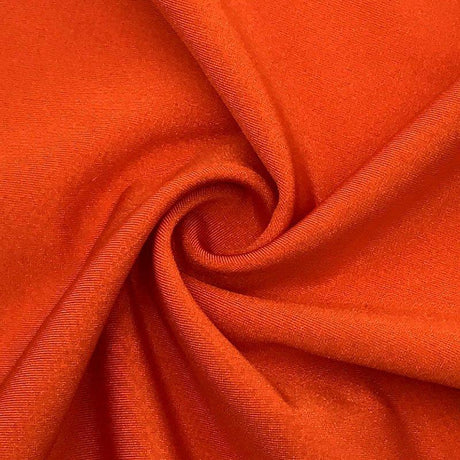
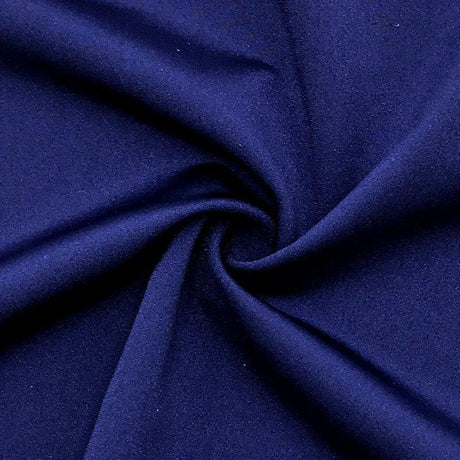
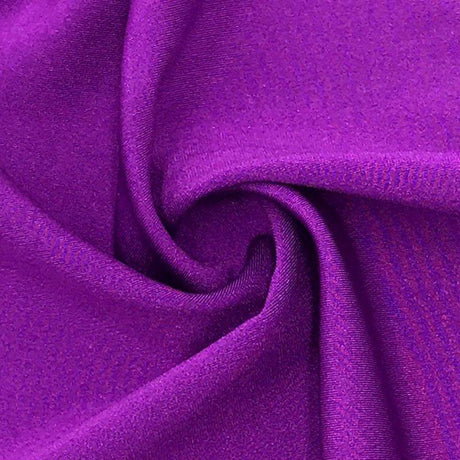
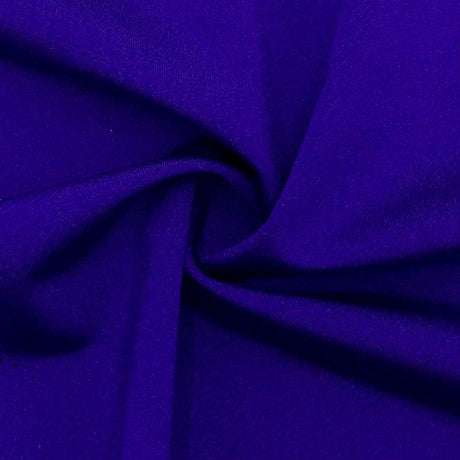
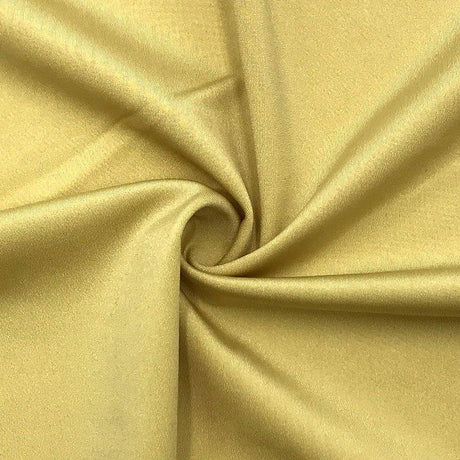
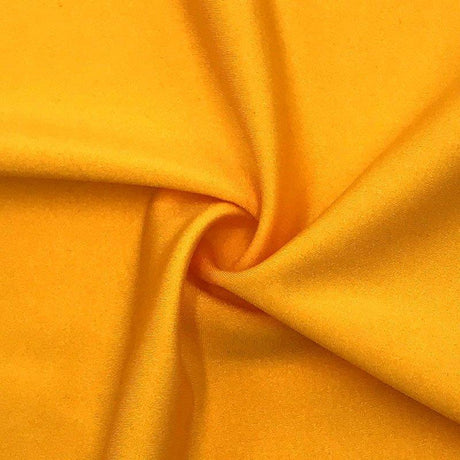
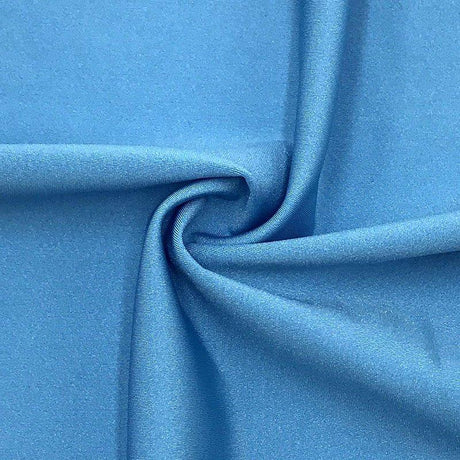
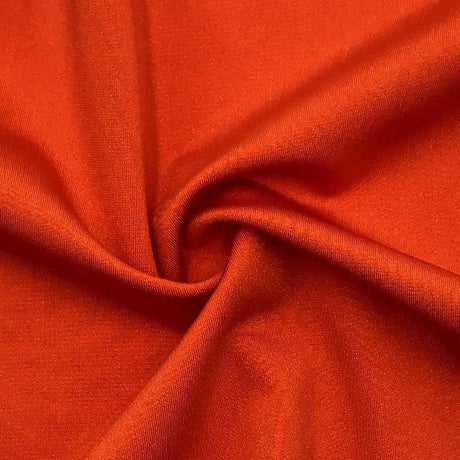
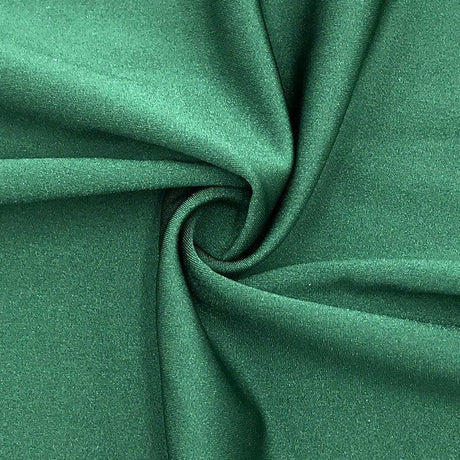
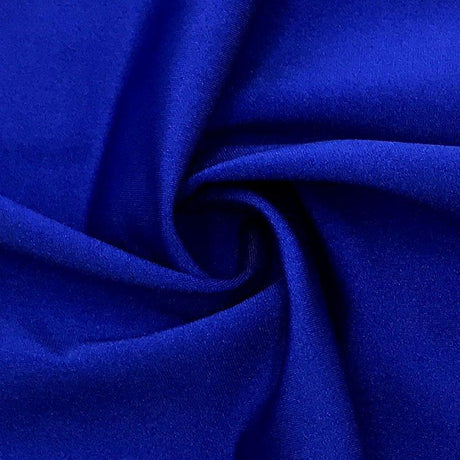
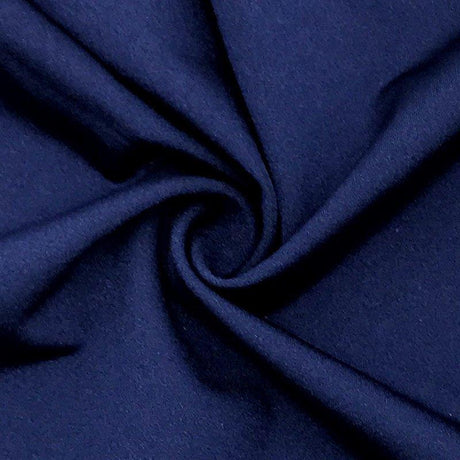
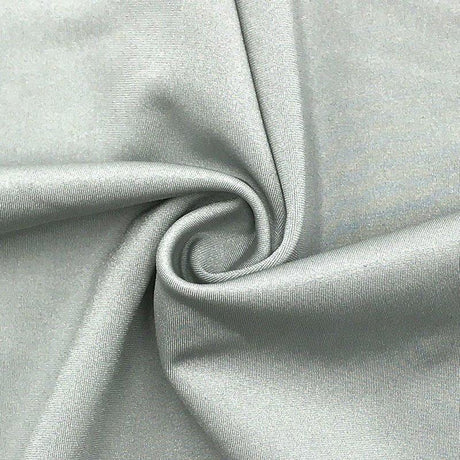
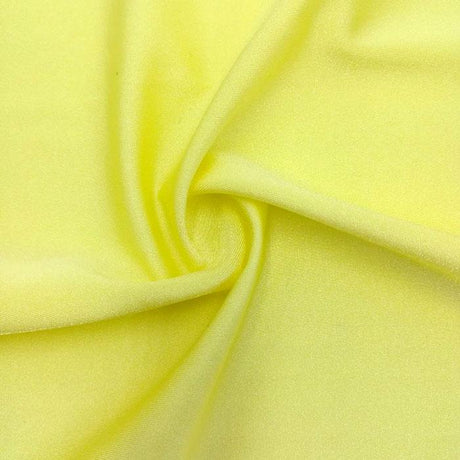
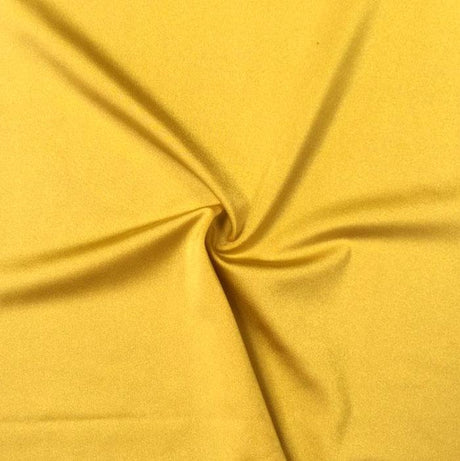
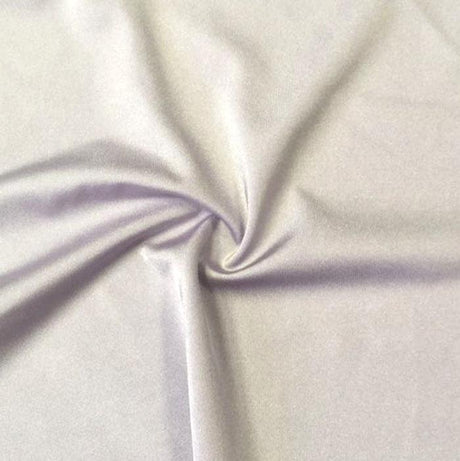
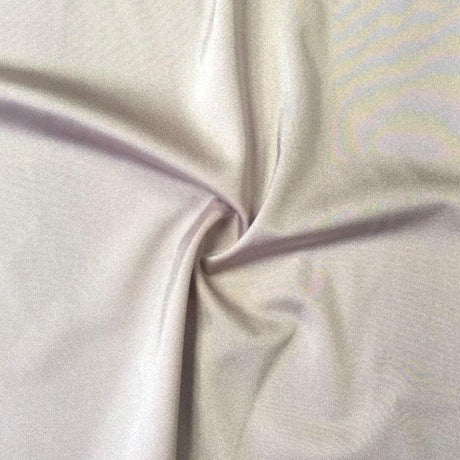
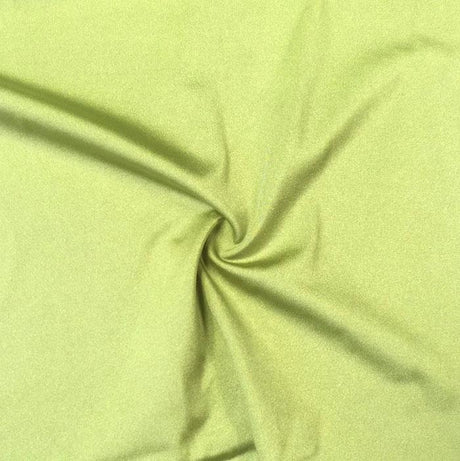
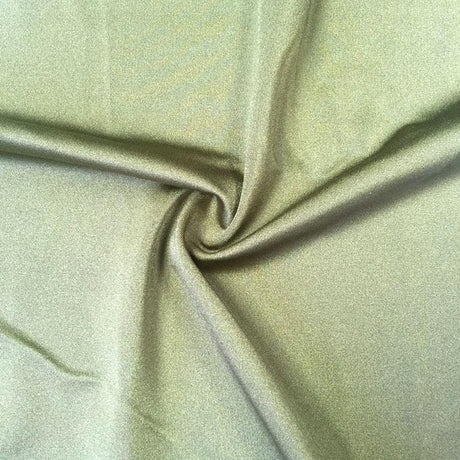
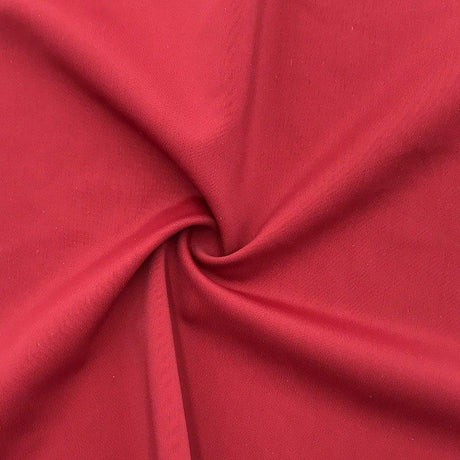
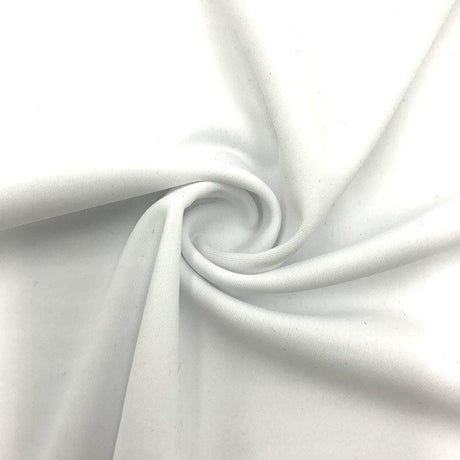
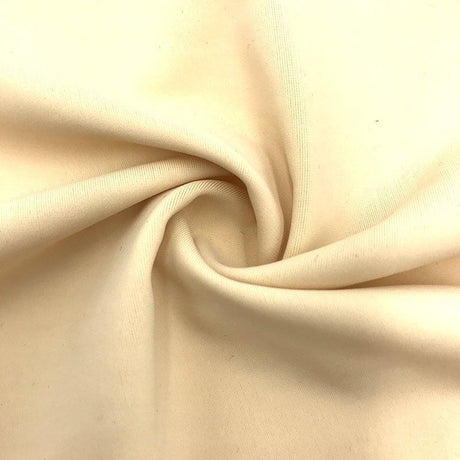
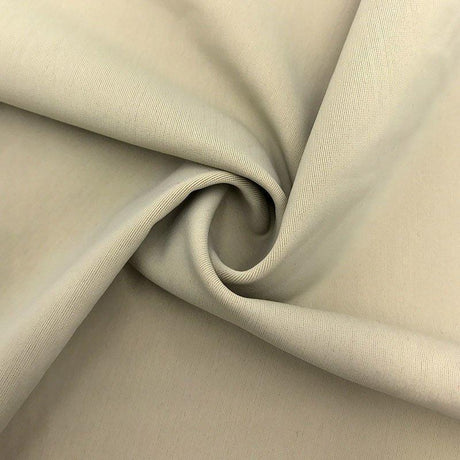
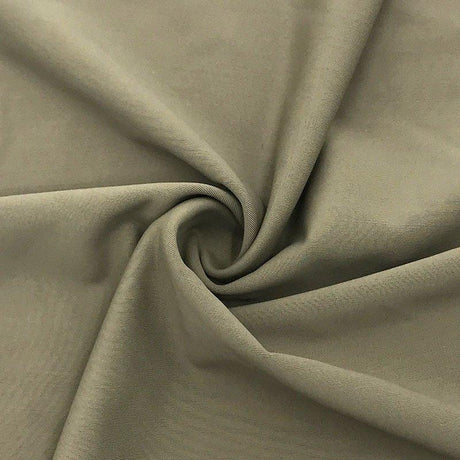
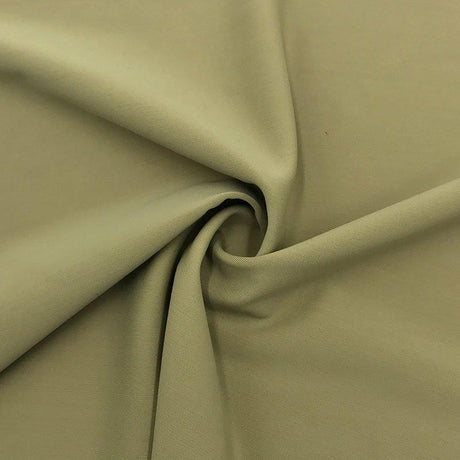
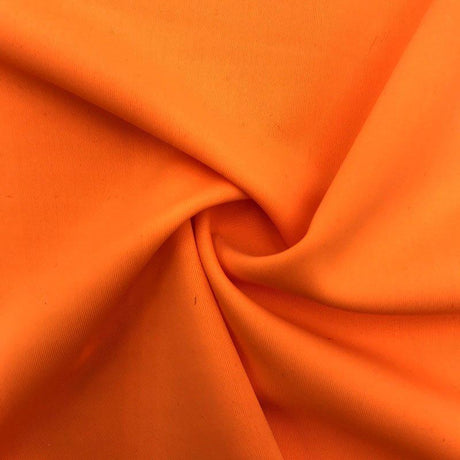
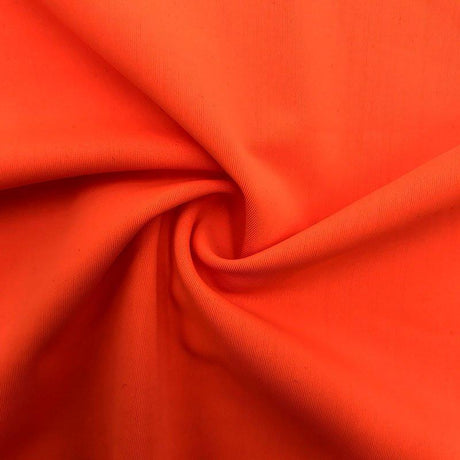
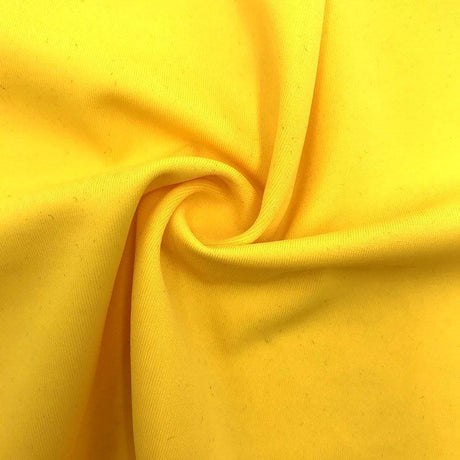
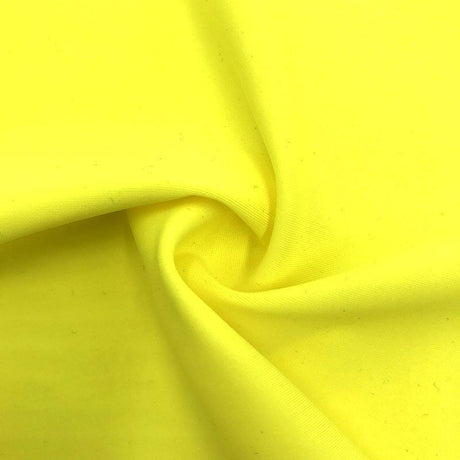
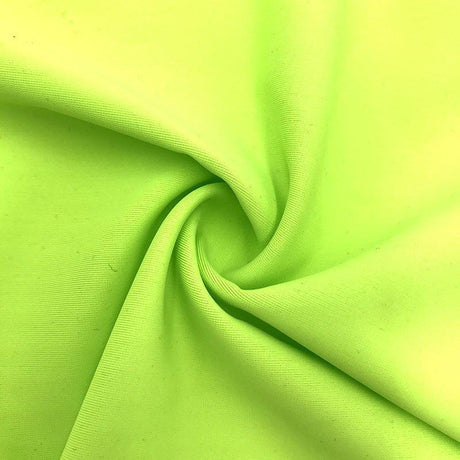
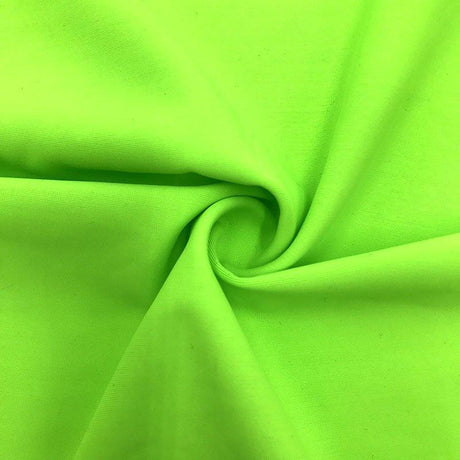
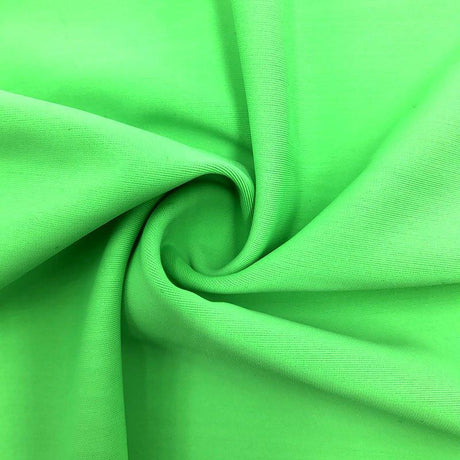
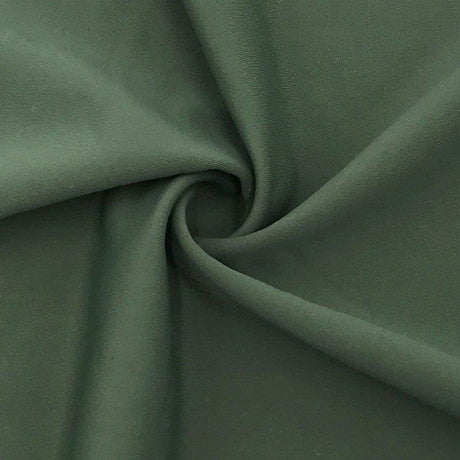
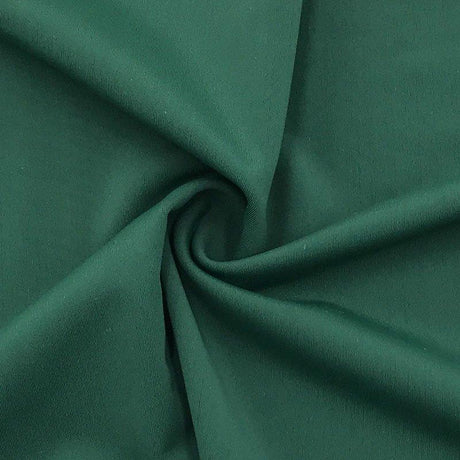
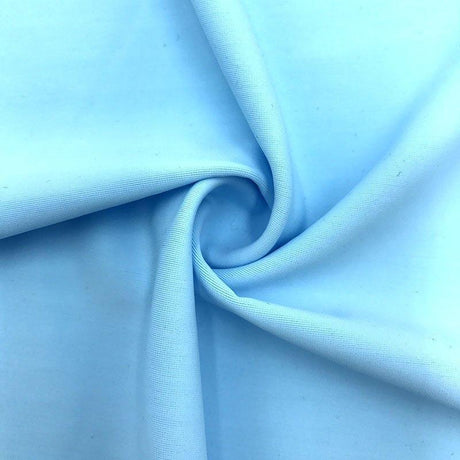
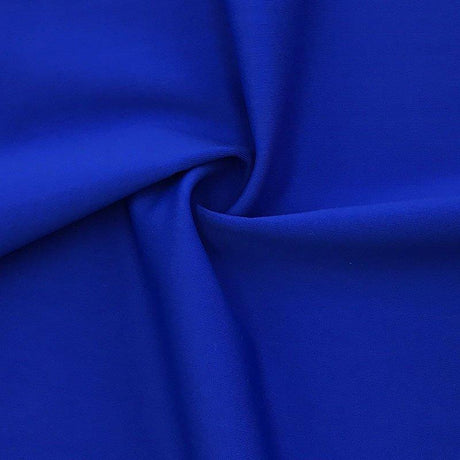
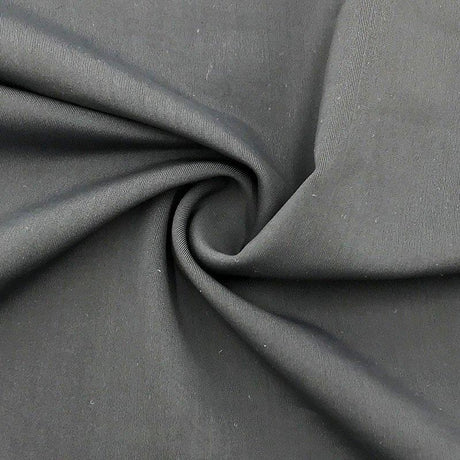
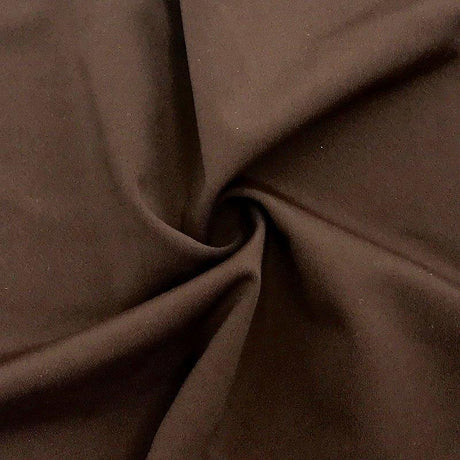
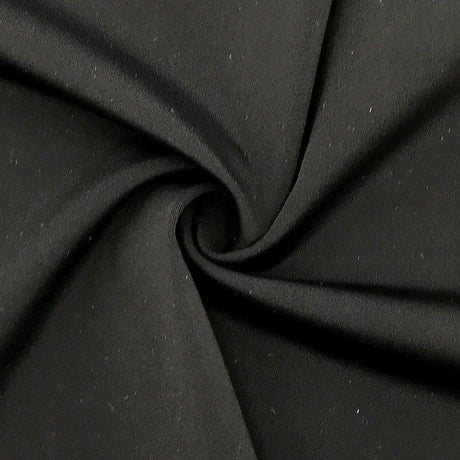
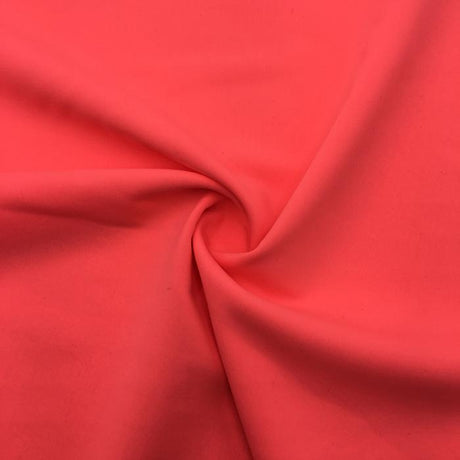
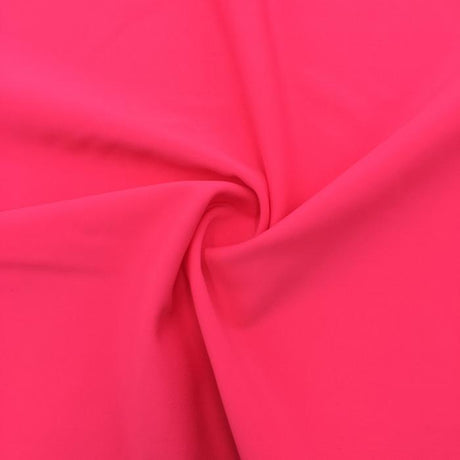
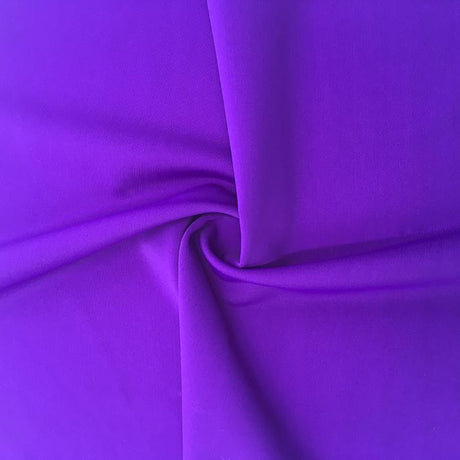
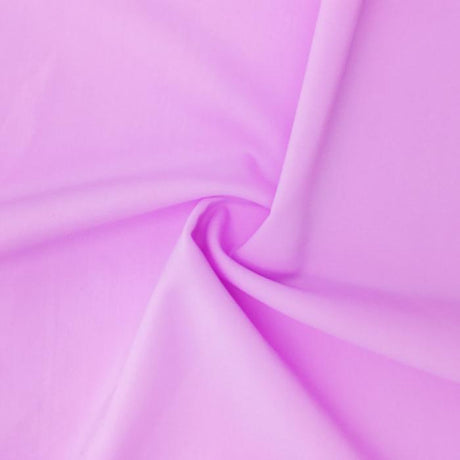
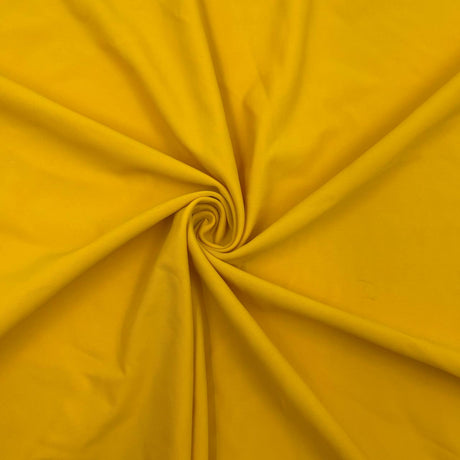
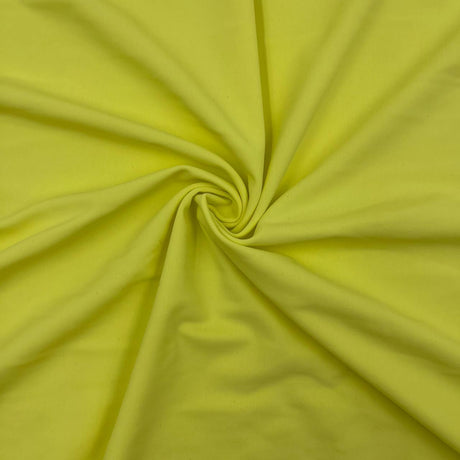
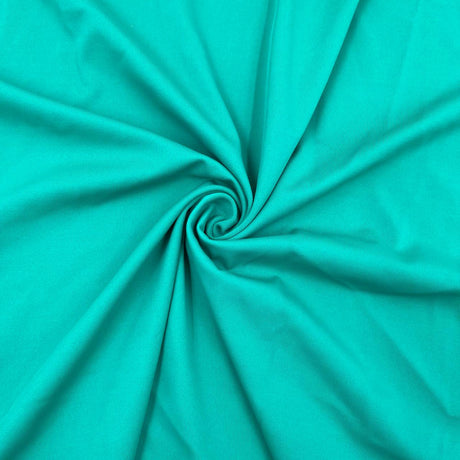
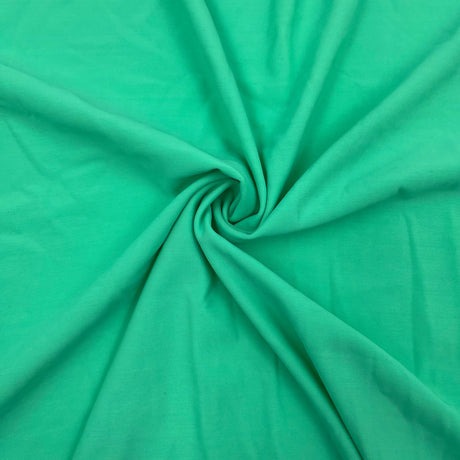
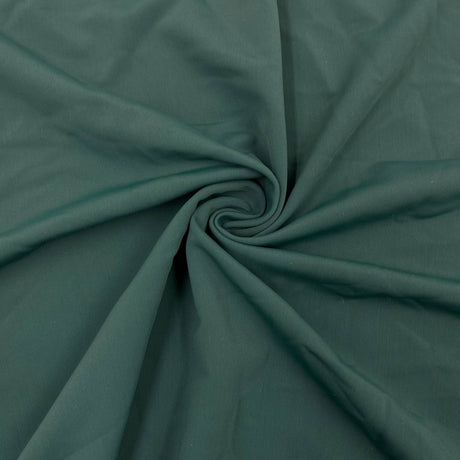
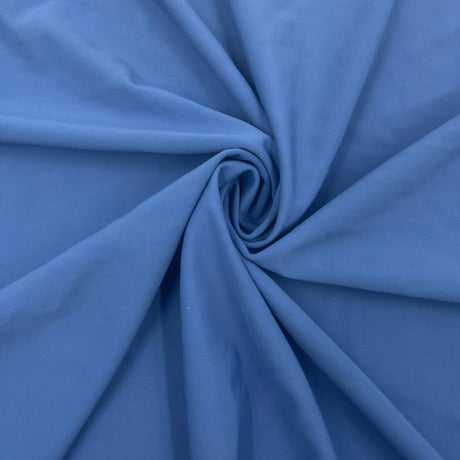
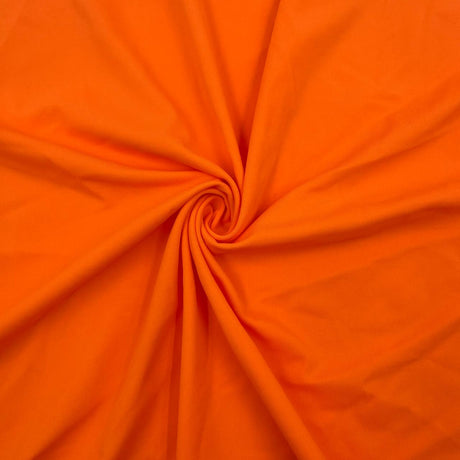
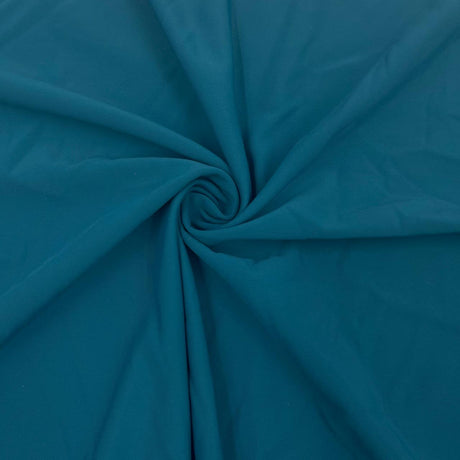
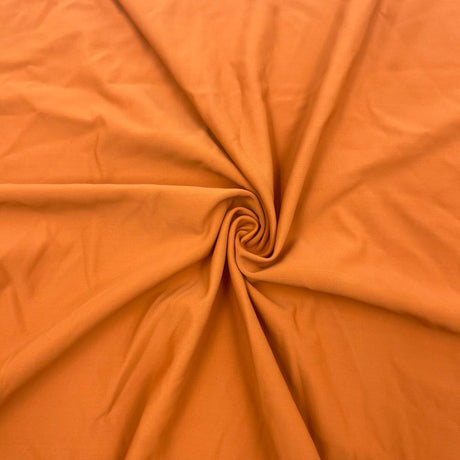
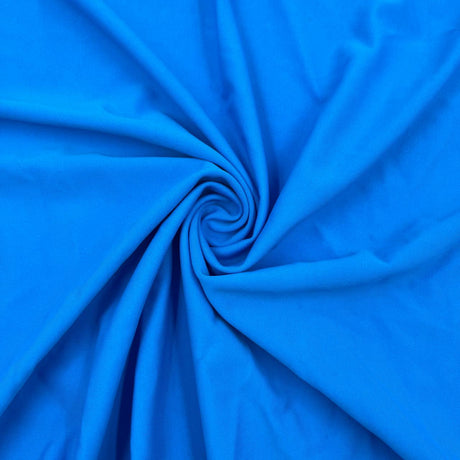
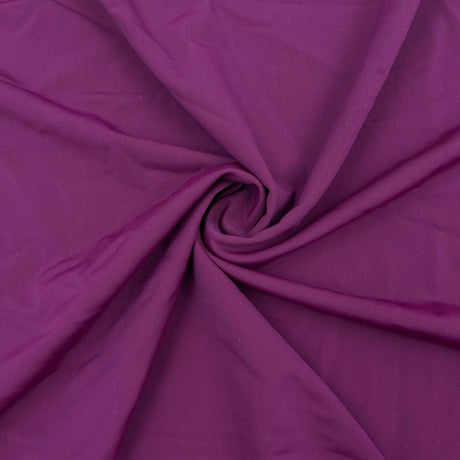
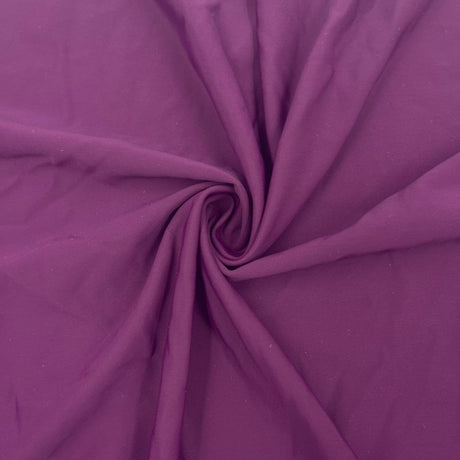
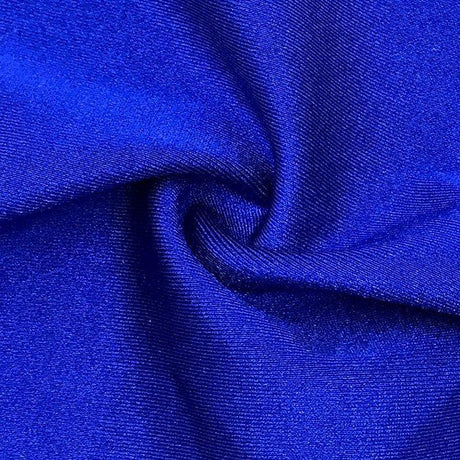
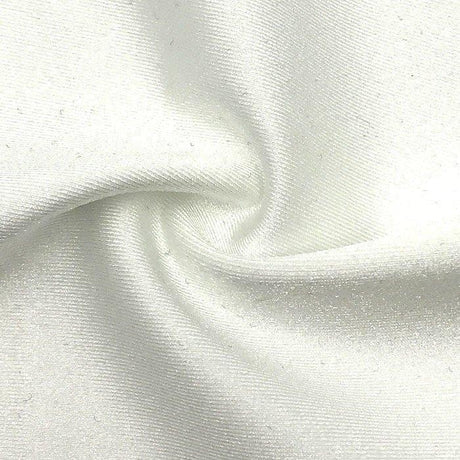
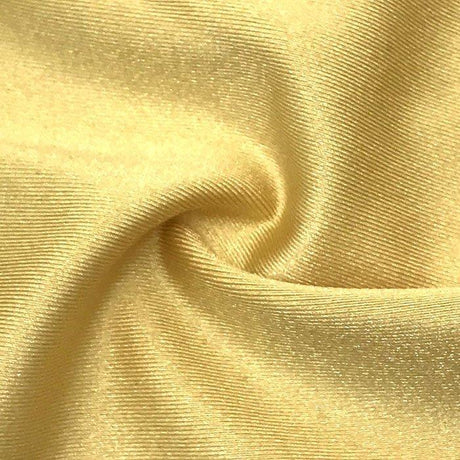
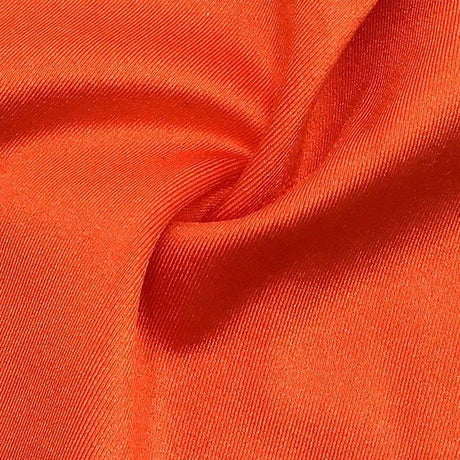
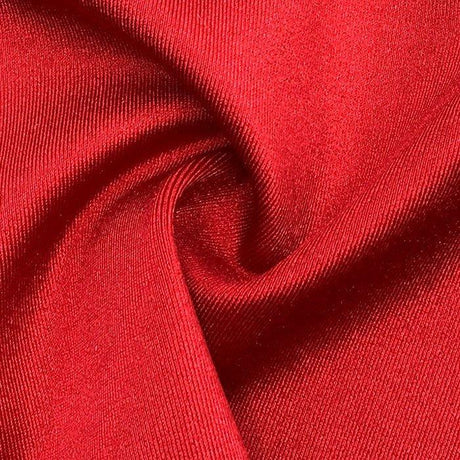
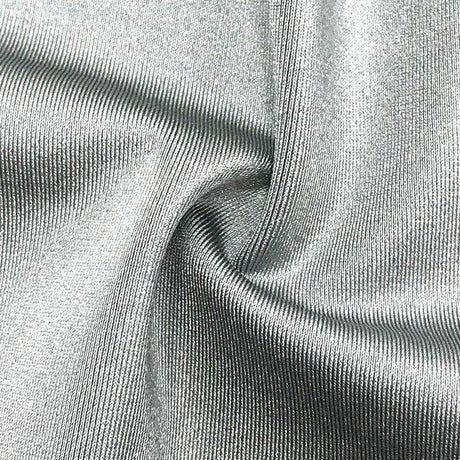
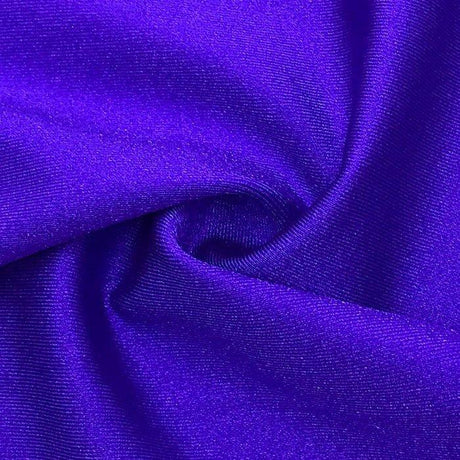
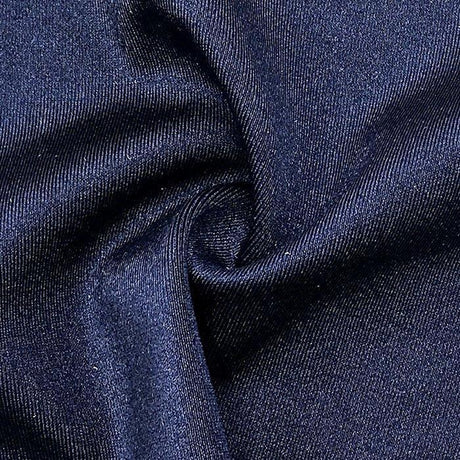
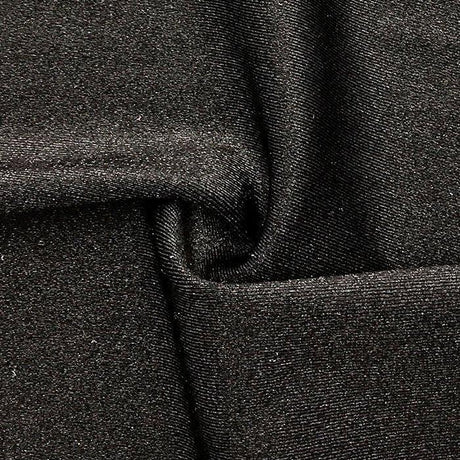
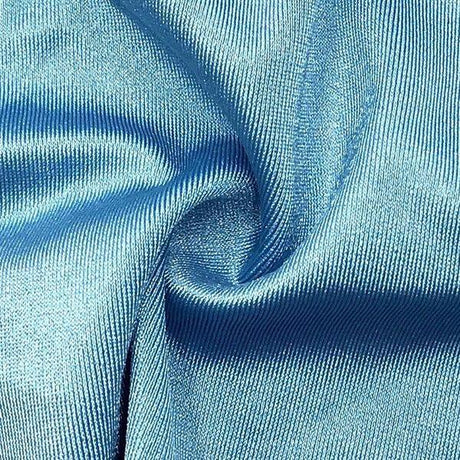
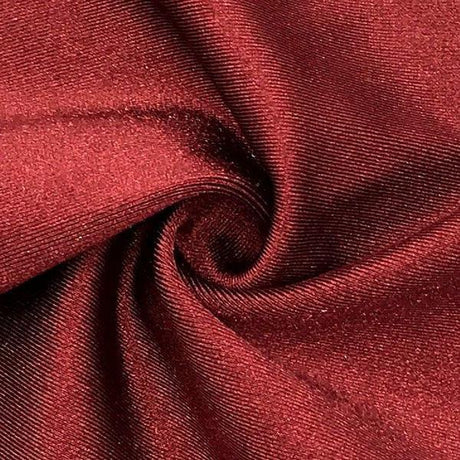
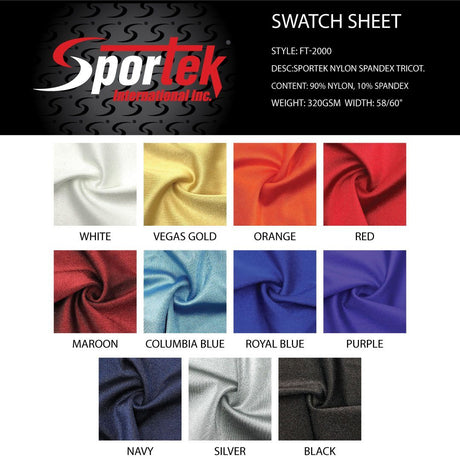
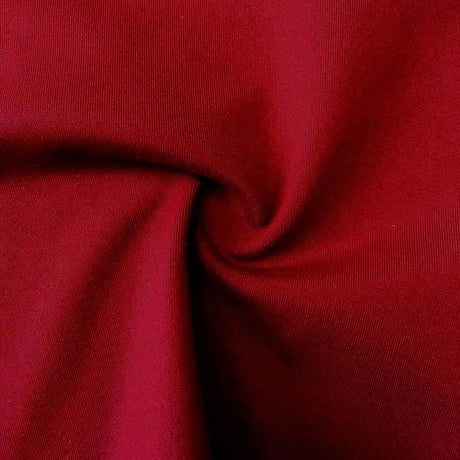
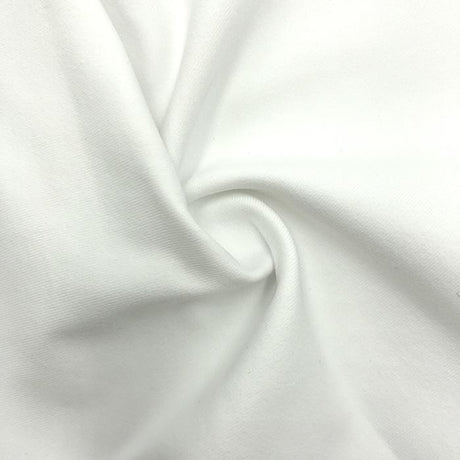
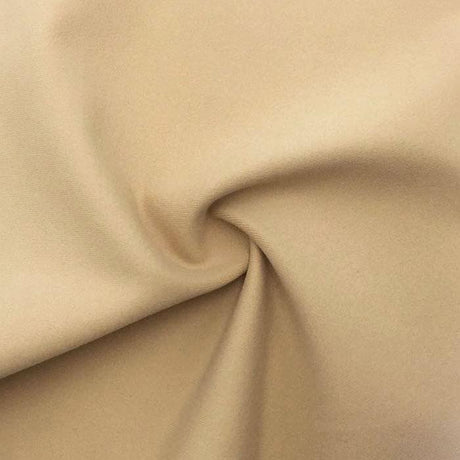
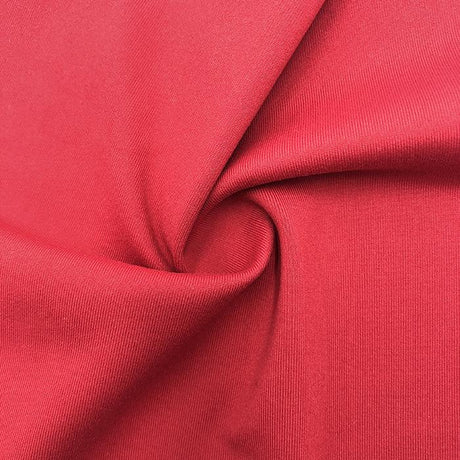
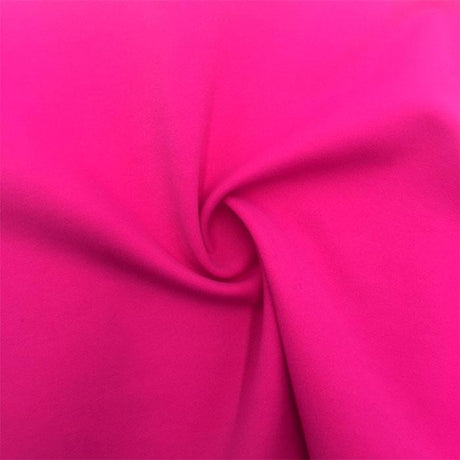
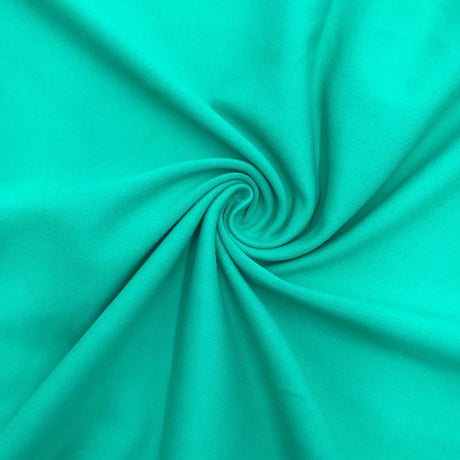
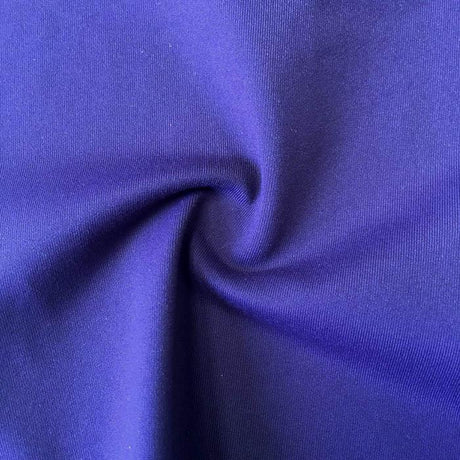
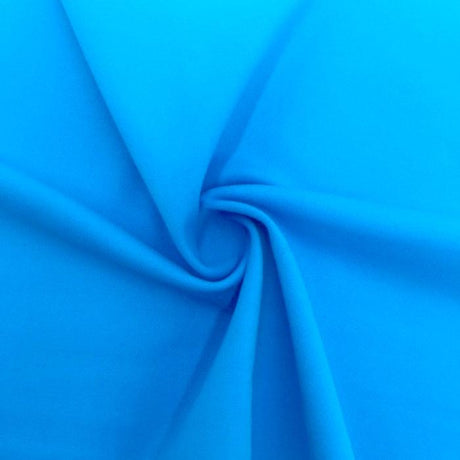
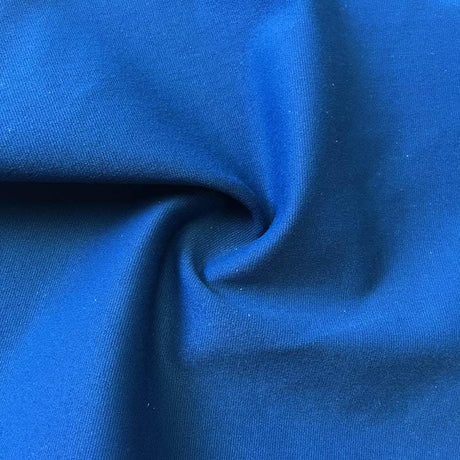
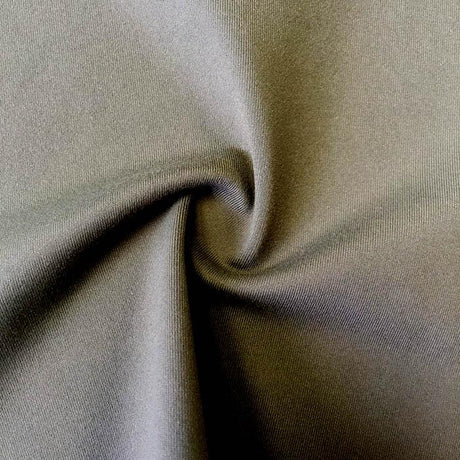
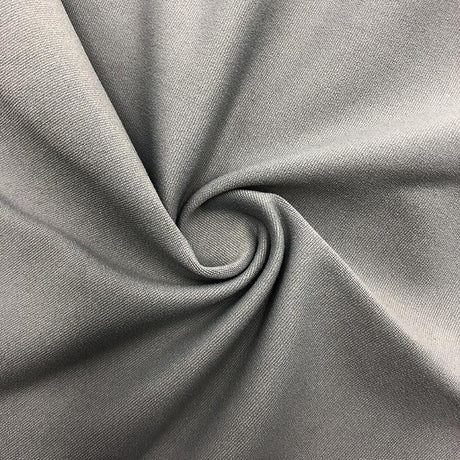
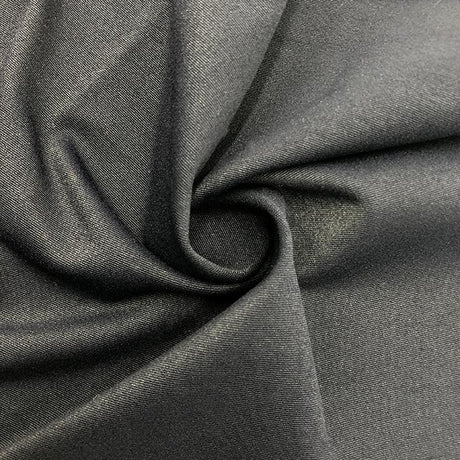
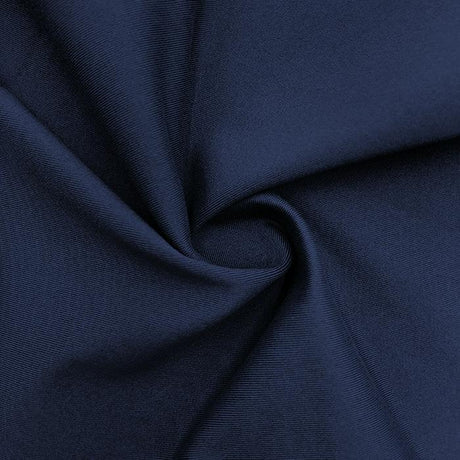
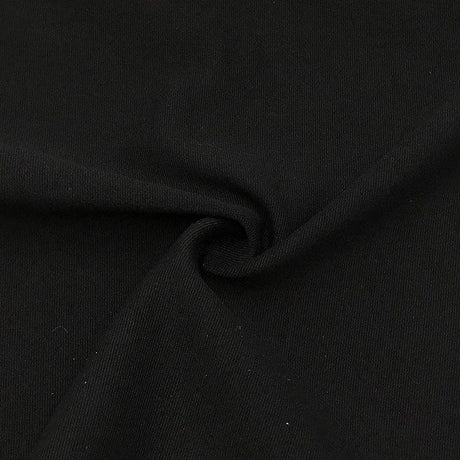
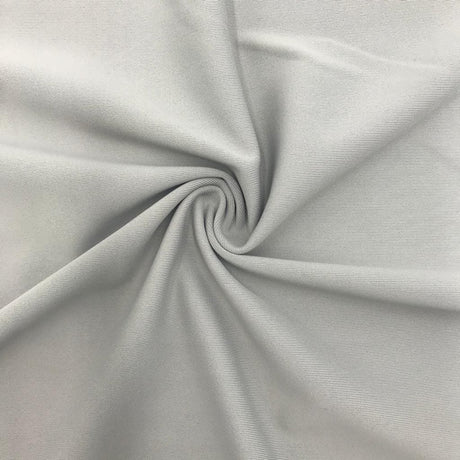
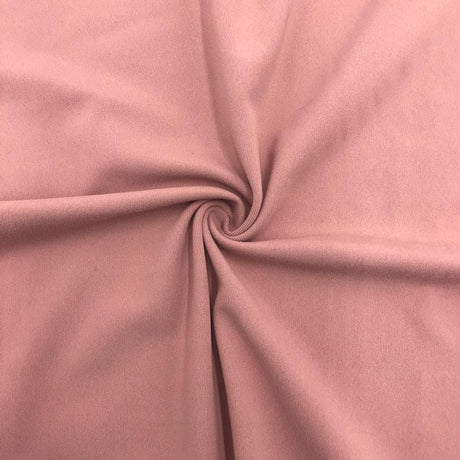
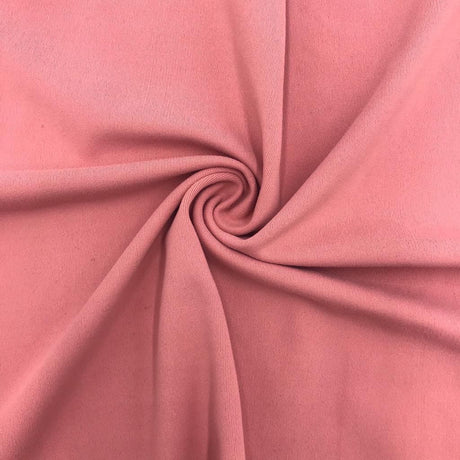
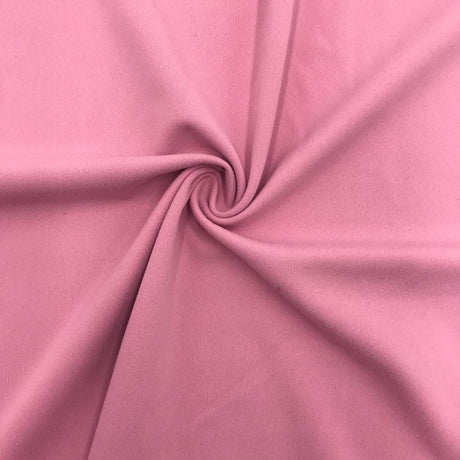
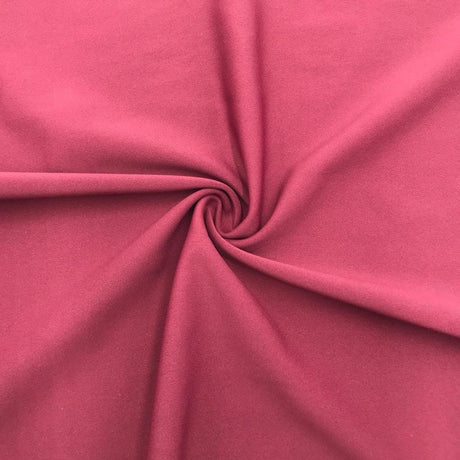
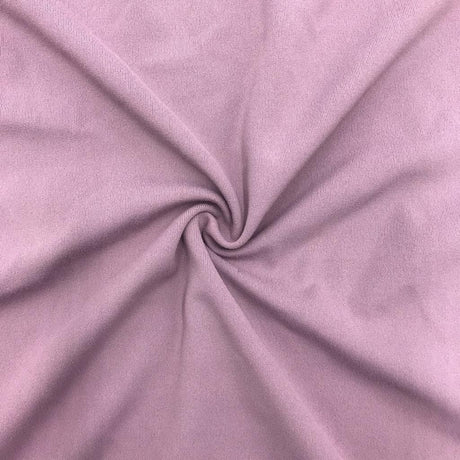
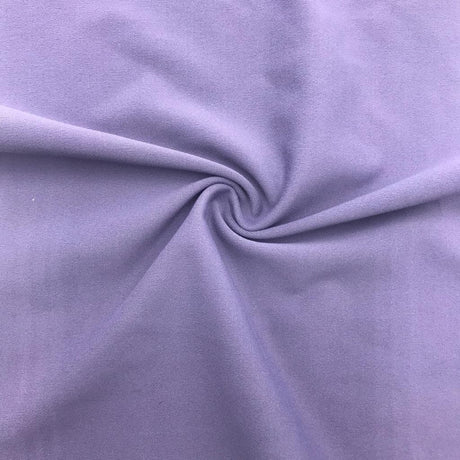
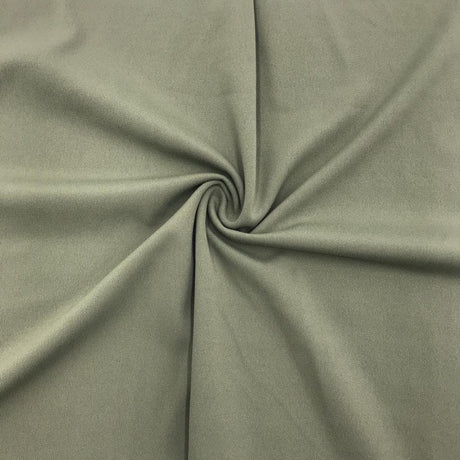
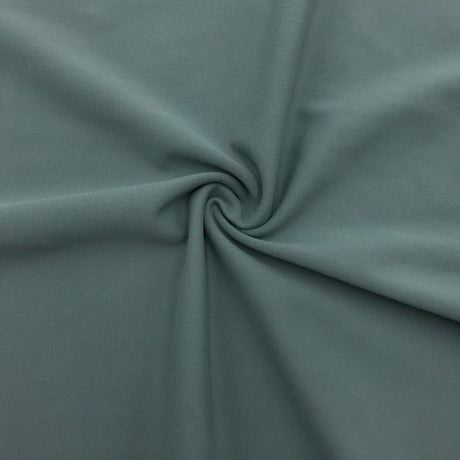
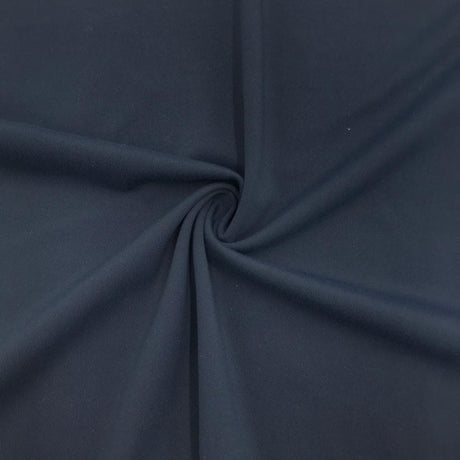
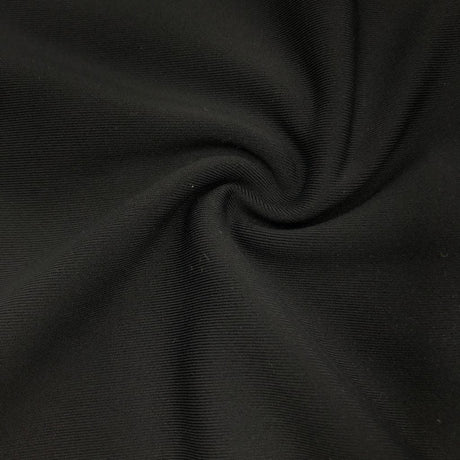
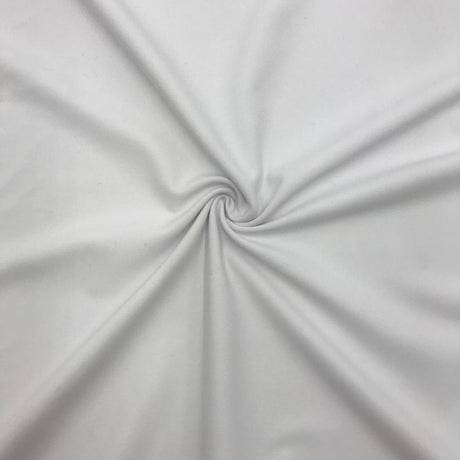
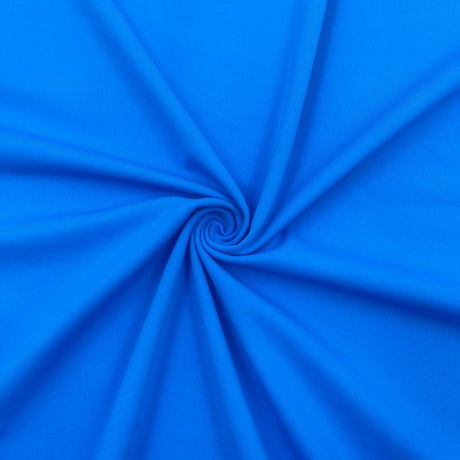
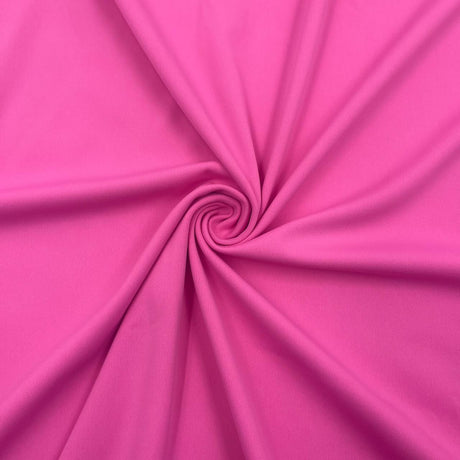
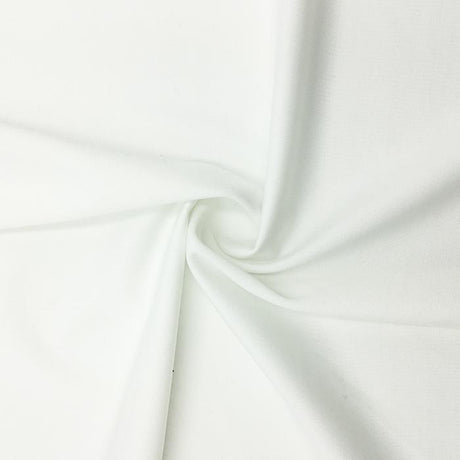
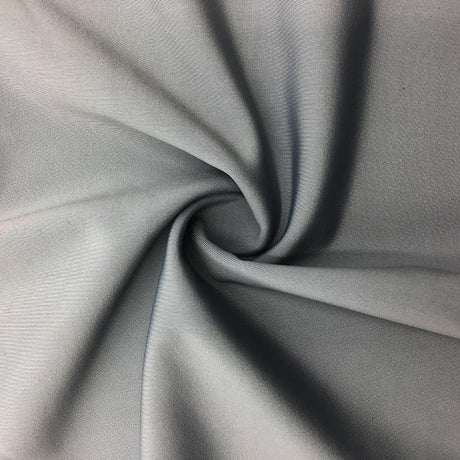
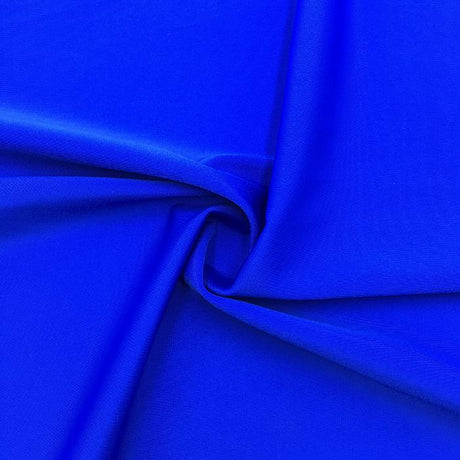
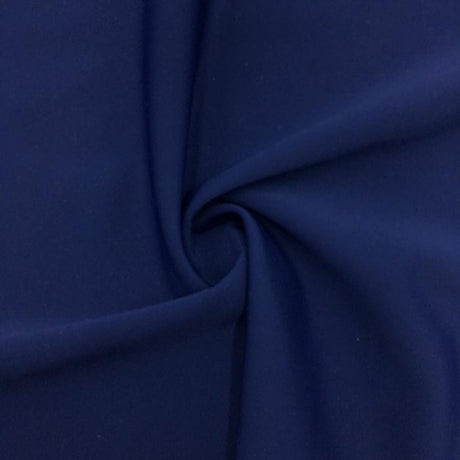
The Stretch Fabric Dilemma: Printed spandex fabrics are popular for their vibrant designs and stretch, making them a top choice in dance, cosplay, and skating costumes. However, once you’ve picked your printed costume fabric picks for a project, a new challenge arises – finding a suitable lining that won’t compromise that stretch.
Why Lining Matters Here: Lining a stretchy printed fabric is tricky because the lining must move with the outer spandex without distorting the print or restricting motion. A good lining prevents show-through (many printed spandex have a white backing that can turn sheer when stretched) and keeps the costume comfortable against the skin.
What This Guide Covers: In this article, we’ll explain the importance of linings for stretch costumes, compare common stretch lining fabrics (with metrics like GSM and stretch %), and give tailored advice for selecting the right lining whether you’re making a leotard for dance, a superhero bodysuit for cosplay, or an ice skating dress.
Why Linings Matter for Spandex Costumes
- Coverage & Modesty: A proper lining adds opacity to spandex costumes, preventing any transparency under stage lights or stress. Especially with thin or light-colored prints, a lining ensures the audience sees the design – not what’s underneath – even during extreme stretches.
- Support & Structure: The right lining can provide gentle support or shaping without sacrificing flexibility. For example, power mesh panels are often used inside leotards for extra hold. A lining with good recovery (like a high Lycra® content tricot) helps the costume keep its shape and prevents sagging over time.
- Durability & Longevity: Lining protects the outer fabric from sweat, friction, and strain. It takes on some wear so the printed spandex doesn’t overstretch or get damaged as quickly. This extends the costume’s life, crucial for competition outfits that see a lot of movement.
- Comfort (Softness & Moisture Management): A soft lining for costumes keeps the garment comfortable for the wearer. Smooth linings (like nylon/spandex tricot) sit gently against the skin, covering any scratchy seams or embellishments. Many linings also help wick sweat away from the body, so the performer stays drier. A breathable mesh lining allows airflow to cool the skin, which is a lifesaver under hot stage lights.
- Aesthetic Finish: Lining can improve the drape and look of the costume. It can prevent the outer spandex from clinging awkwardly and ensure the printed design looks smooth. Also, choosing a lining color close to the outer fabric (or the wearer’s skin tone for illusion panels) makes seams and edges less visible from the outside.
Technical Comparison of Common Lining Fabrics for Stretch Costumes
- Overview: Not all linings are equal – especially for 4-way stretch Here we compare popular stretch lining fabrics in terms of composition, stretch percentage, weight (GSM), breathability, drape, and recovery. Each lining option has pros and cons, and the best choice depends on the project’s needs (support vs. lightweight, etc.).
- Common Stretch Lining Options:
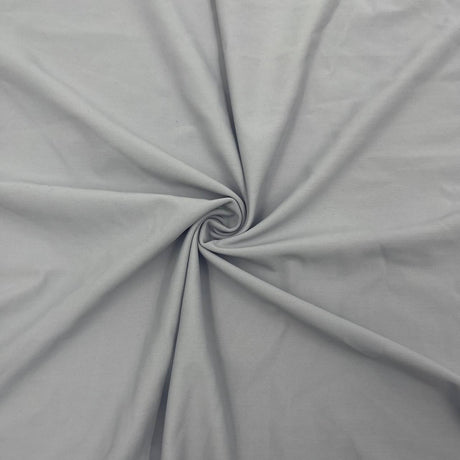
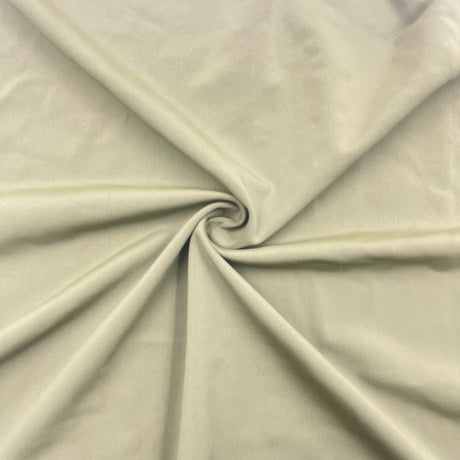
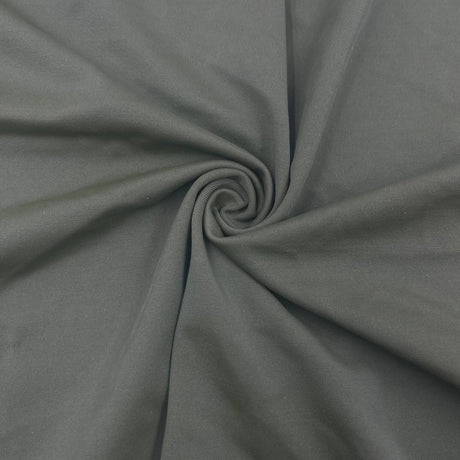
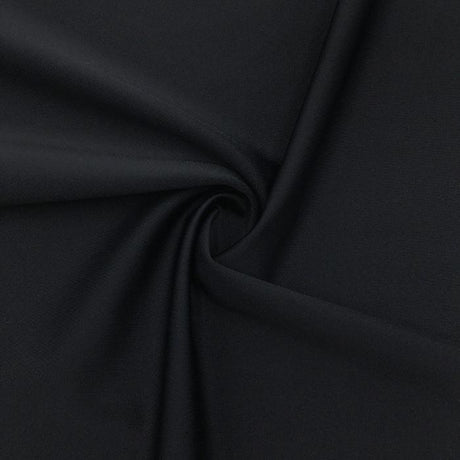
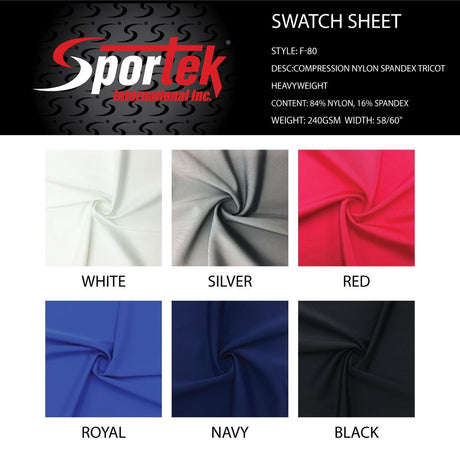
- Nylon-Spandex Tricot Lining: A smooth knit lining with all-way stretch, often 80–90% nylon and 10–20% spandex. It’s usually lightweight (around 90 gsm) but very strong. Known for its fast recovery and soft feel, this lining is used in swimwear and dancewear because it matches the stretch of outer spandex. Provides coverage without adding bulk.
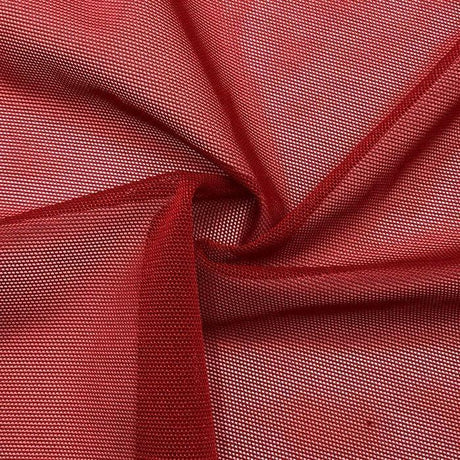
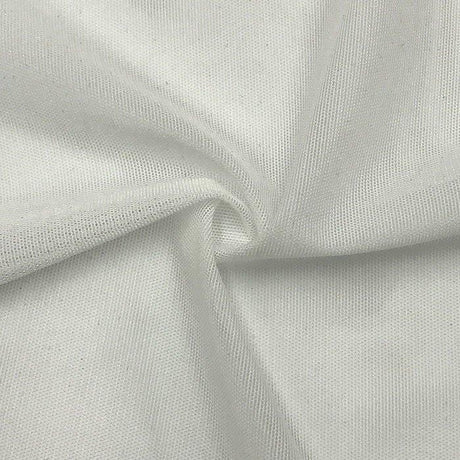
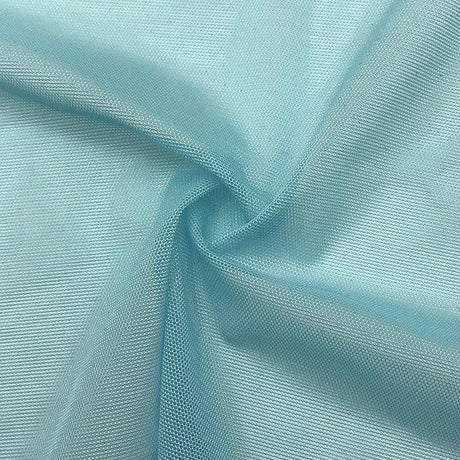
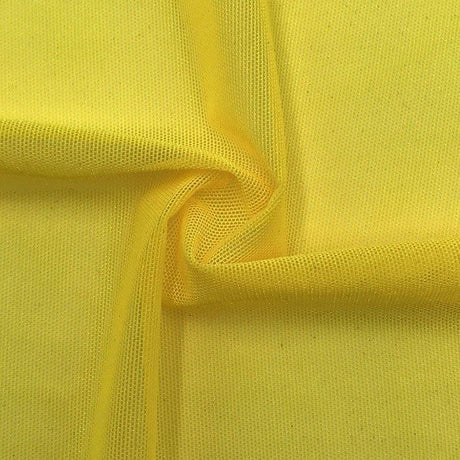
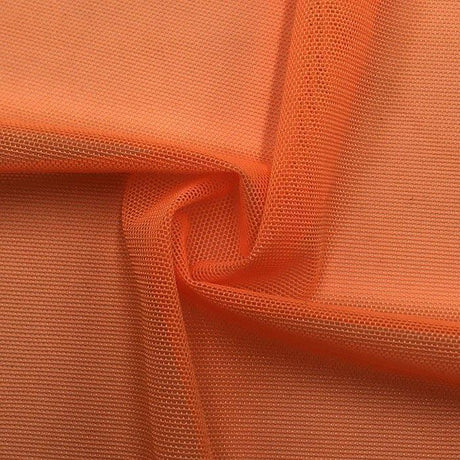
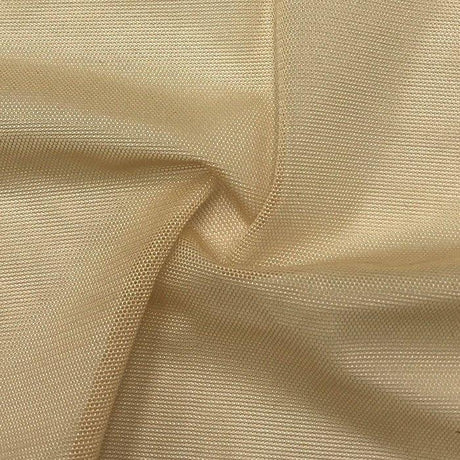
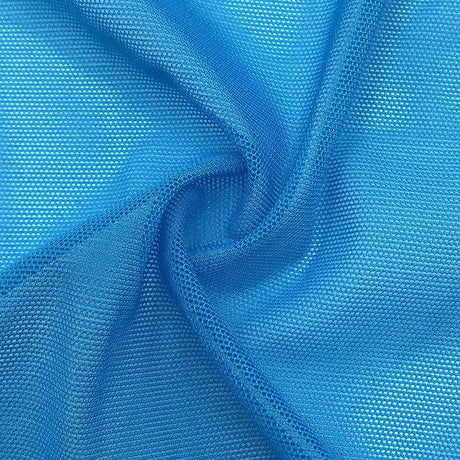
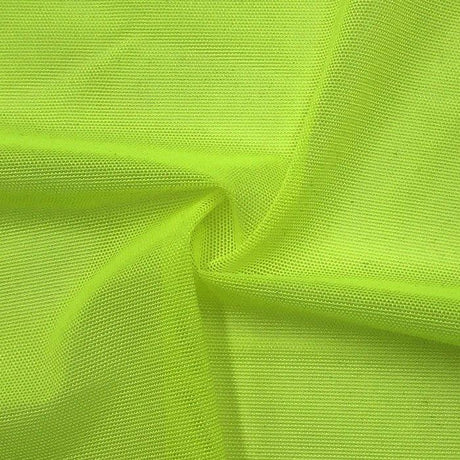
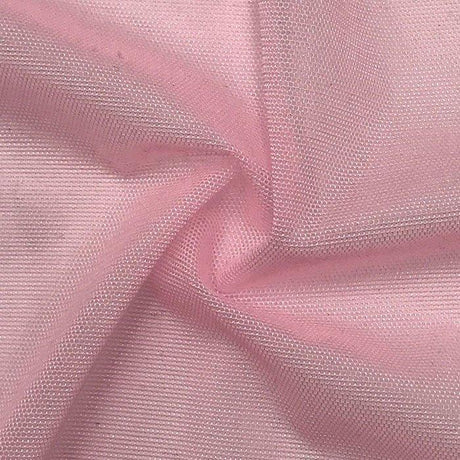
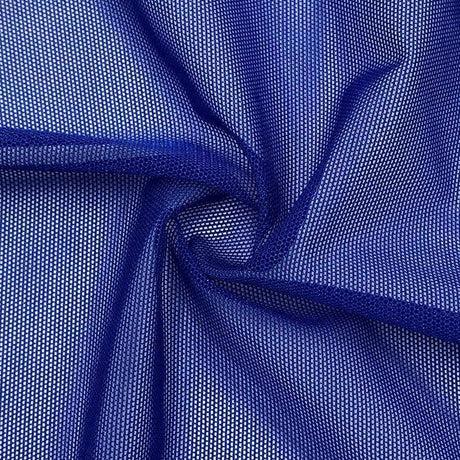
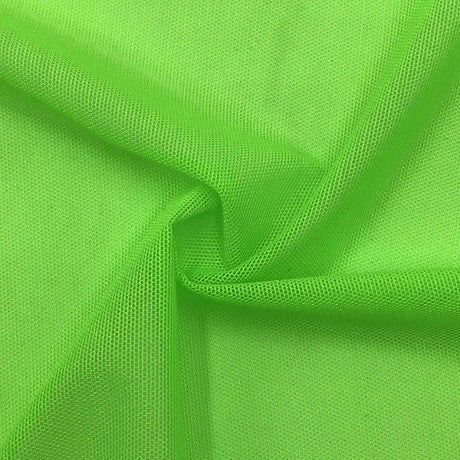
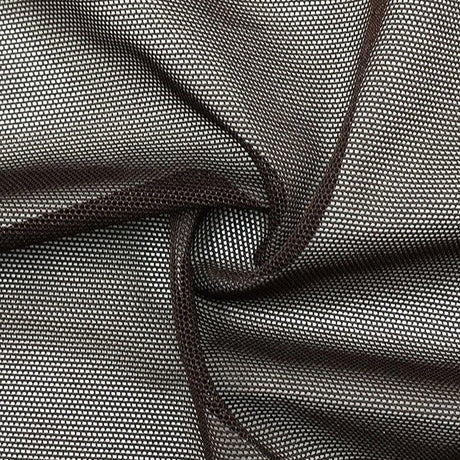
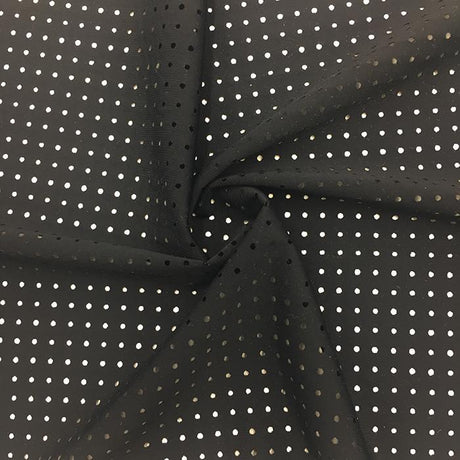
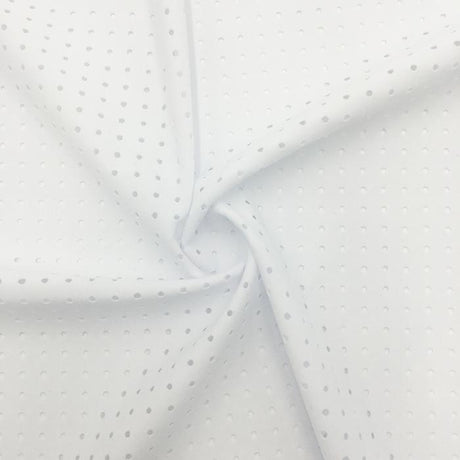
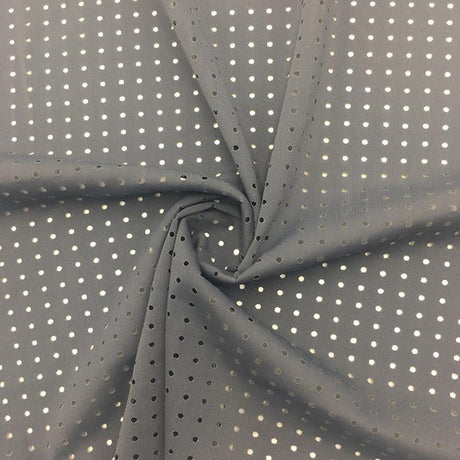
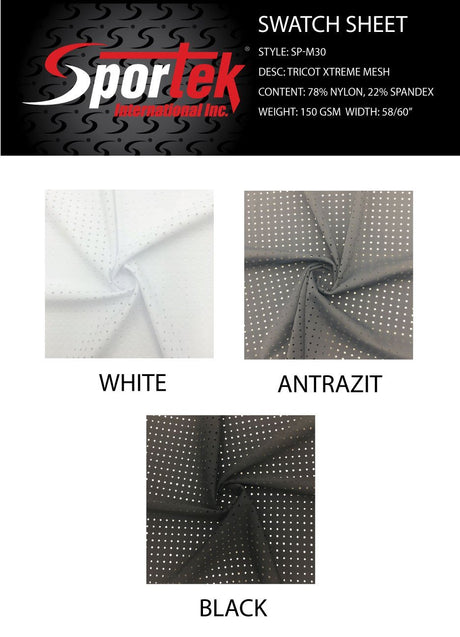
- Power Mesh (Nylon-Spandex Mesh): An open knit mesh with 4-way stretch, typically ~85% nylon/15% spandex. Often ~90–100 gsm, it’s sheer but surprisingly supportive. Power mesh offers excellent breathability (due to the tiny holes) and a bit of compression/support for areas like stomach or bust. It stretches and “snaps back” well (e.g. ~20% vertical, 35% horizontal stretch in some varieties) and is great when you need a breathable yet supportive lining layer.
- Stretch Mesh (Lightweight version): Similar to power mesh but thinner and drapier. Has 4-way stretch but less supportive – used when you want a very light, breathable layer just for coverage. Often used in sleeves or flowy areas that need to move freely. It won’t provide much structure, but it adds modesty and airiness.
- Polyester Interlock/Tech Lining: A synthetic knit lining (sometimes 100% polyester) that offers durability and moisture-wicking. Typically has 2-way stretch (some give in one direction) – good for breathability and strength but you must ensure it doesn’t restrict a 4-way stretch outer. Often used in athletic wear linings treated to manage sweat and odor. If used, choose one with spandex blend or adequate mechanical stretch so it’s not “too stiff” against a highly elastic outer.
- Power Net: A cousin of power mesh with a tighter knit and higher weight. It has strong compression (great for shapewear or support panels). Power net is less common for full lining (because it’s firm), but for targeted areas in a costume (like abdominal panel in a bodysuit) it can be useful. It usually has slightly lower stretch but high recovery and is very durable.
-
Choosing from These: In summary, nylon-spandex tricot is a great all-around soft lining for costumes that needs equal stretch and comfort, power mesh adds support and airflow (good for high-sweat or structured areas), and poly knit linings excel in moisture-wicking but ensure the stretch aligns with your outer. The comparison table above highlights these differences side by side for quick reference

How to Choose the Right Lining for Printed Spandex Costumes
Selecting a lining isn’t one-size-fits-all – consider the specific costume type and performance needs. Below is a project-by-project guide and a handy checklist to pick the ideal lining:
Dancewear & Gymnastics Costumes
- Match the Stretch: High-energy dance or gymnastic outfits (leotards, unitards) require the lining to stretch just as much as the outer spandex. A 4-way stretch nylon/spandex lining (like swimwear lining fabric) is ideal so it won’t impede splits or jumps. Avoid any lining that is less elastic than the outer fabric.
- Breathability for Heat: Dancers work hard under hot lights, so choose a lining that breathes. A lightweight breathable mesh lining or moisture-wicking tricot keeps the dancer cool and dry. For instance, power mesh or specialized athletic linings allow sweat to evaporate, preventing discomfort during long routines.
- Modesty & Coverage: Dance costumes often use nude or matching-color linings in the front bodice or bottom area for coverage during movement. A soft, beige nylon tricot can ensure the costume isn’t see-through under stage lighting, without needing heavier fabric.
- Keep It Light: Every extra layer can affect how a costume moves. Use the thinnest lining that does the job – e.g., a thin swimwear lining that does not change the fit or weight significantly. This preserves the flow of skirts or the second-skin feel of a leotard.
- Durability: Dance costumes see a lot of strain. A quality lining with good recovery (high spandex content) will withstand frequent stretching and snap back each time. This helps the costume hold up through rehearsals and performances without the liner bagging or tearing.
Cosplay & Costume Play
- All-Day Comfort: Cosplayers often wear costumes for hours, so comfort is king. Choose a soft lining for costumes that will be worn all day – something like a smooth knit lining (nylon or even a cotton-spandex jersey) that feels good against bare skin. This prevents itchiness from sequins or printed fabric backing and reduces sweat contact.
- Maintaining Flexibility: Many cosplay suits (superheroes, etc.) are form-fitting. A 4-way stretch lining (like the tricot or mesh) ensures you can pose and move freely. Steer clear of any lining that could restrict bending or create a “rigid” section in your bodysuit – even carrying props or walking a convention requires flexibility!
- Appearance & Finish: If the cosplay outer fabric is a printed spandex with a white base, consider the lining color. Using a lining that matches the outer print’s dominant color or the wearer’s skin tone can prevent the white backing from showing or the colors looking washed out when stretched. Also, lining the costume gives a professional look – covering up raw seam allowances on the inside.
- Temperature Considerations: Convention halls can be hot or cold. A breathable lining helps prevent overheating in a full-body suit. Conversely, a slightly thicker lining (like a double knit or even doubling the main fabric in non-stretch-critical areas) can add warmth if needed for an outdoor cosplay shoot. Balance comfort with realism of the costume.
- Weight & Bulk: Cosplay costumes might include armor or multiple layers. Keep the base bodysuit lining lightweight so it doesn’t add bulk under other pieces. Test the full costume on – the lining shouldn’t cause the outer fabric to wrinkle or fit smaller than expected (if it does, you may need to adjust the sizing or switch to a lighter lining).
Figure Skating & Performance Costumes
- Warmth and Coverage: On the ice, performers appreciate a bit of extra warmth. Linings in skating dresses or bodysuits can serve to take the chill off without restricting movement. Consider slightly thicker nylon-spandex linings or even brushing the interior for warmth, but ensure it remains 4-way stretch. Some skating dresses are fully lined with stretch mesh for a nude look that still adds a layer against the skin.
- Illusion & Skin Tone Matching: Many skating costumes use illusion mesh (nude power mesh) for sleeves or chest panels. Choosing a power mesh lining that matches the skater’s skin tone can create a seamless illusion while providing support. These linings need to be high stretch to accommodate graceful arm movements and body bends.
- Support in Key Areas: Jumps and spins exert force on the costume. A common technique is to line areas like the torso with power net or a strong tricot to keep the costume snug during motion (no wardrobe malfunctions during that axel!). Ensure any supportive lining is sewn in a way that it still moves with the fabric (stretch seams, etc.).
- No Show-Through on Ice: Ice rink lighting can be unforgiving. A well-chosen lining prevents undergarments or pads from showing. For instance, skating skirts may be made of a single layer of mesh for floatiness but then lined with a soft brief made of nylon/spandex so the athlete feels secure. Always check that the print or sparkle of the outer fabric isn’t dulled by the lining choice – nude or matching colors usually work best to let the design shine.
- Moisture Management: Skaters can sweat during intense programs. A lining with moisture-wicking properties (like a technical poly blend) can be beneficial, pulling sweat away so the skater doesn’t get chilled when they finish performing. Quick-drying linings are also useful since skating costumes might be used multiple times in a day.
Common Mistakes to Avoid When Lining Stretch Costumes
- Using a Non-Stretch or Stiff Lining: The biggest mistake is choosing a lining that doesn’t match the stretch of the outer fabric. A woven or low-stretch lining will fight against your spandex, leading to restricted movement, ugly ripples, or even seam tears when the wearer tries to move. Always use a 4-way stretch lining for 4-way stretch fabrics – if the outer stretches 50%, the lining must as well.
- Lining That’s Too Heavy: A thick or heavy lining can make a stretchy costume feel bulky and slow. It may also cause the outer printed fabric to drape poorly or sag. For instance, doubling up the main spandex as a lining without adjusting fit can reduce stretch so much that the costume fits too tight. Avoid over-lining; use the lightest effective option to maintain the costume’s agility.
- Poor Stretch Recovery in Lining: If the lining fabric has subpar recovery, the costume will bag out in areas (like knees or elbows) after wear. This often happens if someone uses a cheap cotton knit or an old swimsuit lining that’s lost its elasticity. A lining with poor stretch recovery will not spring back, leaving your outfit looking stretched out. Stick to quality nylon/spandex blends that hold shape wear after wear.
- Visible Lining or Seams: Another mistake is a lining that shows when the costume is worn. This could mean the lining color peeks through a lighter outer fabric, or the lining’s edge rolls out at the neckline or cuffs. It can also refer to the outline of bulky lining seams visible from the outside (a problem if the lining is poorly constructed or not smoothly attached). To avoid this, trim excess lining, choose matching colors, and consider understitching or basting the lining in place so it stays hidden. The goal is for the audience to never know the garment is lined.
- Ignoring Fabric Compatibility: Sometimes a lining and outer fabric just don’t “play nice” – e.g., one might cling to the other or cause static, or shrink at different rates when washed. It’s a mistake to skip testing: always wash fabrics first and layer them to see how they move together. If the outer is a slick printed spandex and the lining is also slick, the two layers might shift – in that case, you might flatline them (treat as one) or choose a lining with a bit more friction or use spray baste.
- Not Adjusting the Pattern: Remember that adding a lining can change fit. A common error is not accounting for the extra layer’s thickness (even minimal) – this can make a tight costume too tight. Especially if you line with the same spandex as outer, you may need to size up slightly. Check the fit with lining in mind, and use stretch stitches so both layers can expand together rather than the seam constraining the stretch.
Conclusion
- Lining Elevates Your Costume: The right lining makes a huge difference in the comfort, look, and lifespan of a spandex costume. It can provide coverage, support, and a professional finish that separates a homemade outfit from a stage-ready garment. Don’t skip it just because spandex is flashy on its own – use it to enhance performance and wearability.
- Always Consider Stretch & Purpose: When in doubt, prioritize a lining that matches the stretch and weight of your outer fabric. Think about the costume’s purpose: a breathable dance leotard lining might differ from a structured cosplay piece. By understanding the properties of various lining fabrics (from power mesh to tricot), you can pick one that complements your project’s needs.
- Test and Iterate: Before committing, test small swatches of your chosen outer fabric and lining together. Make sure the combination behaves as expected – stretches, recovers, and appears correct under light. This extra step can save you from major mishaps.
- Confidence in Craft: With the knowledge of common linings (their GSM, stretch %, drape, etc.) and awareness of pitfalls to avoid, you can approach your next project with confidence. Whether you’re sewing for a professional dancer or creating a DIY cosplay, you now have the insight to choose the optimal lining and ensure the final costume is comfortable, durable, and stunning in action. Enjoy the process of creation knowing your lining will have your back (literally)!