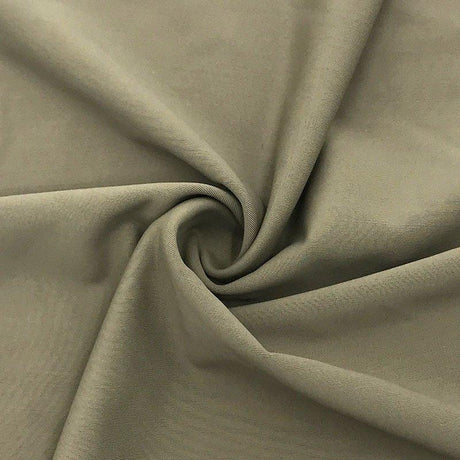
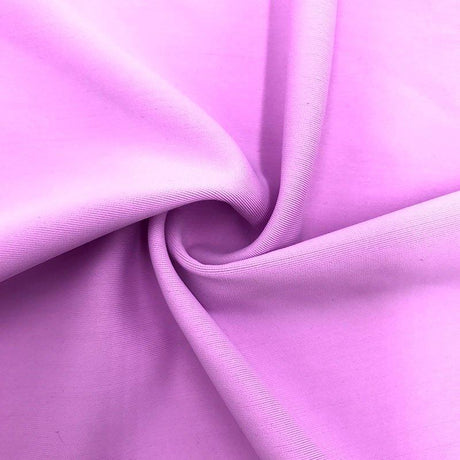
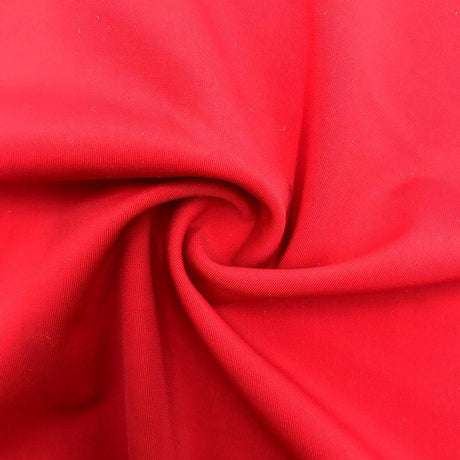
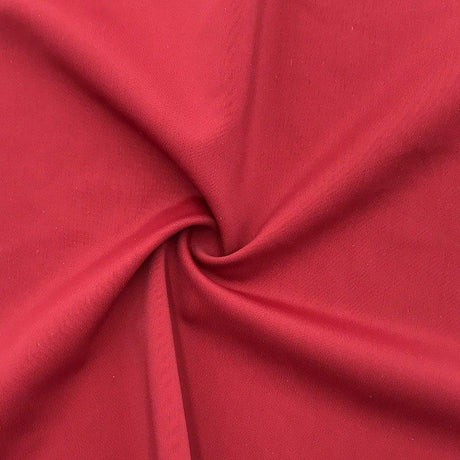
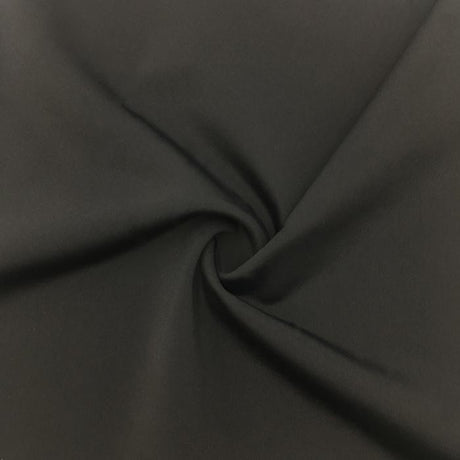
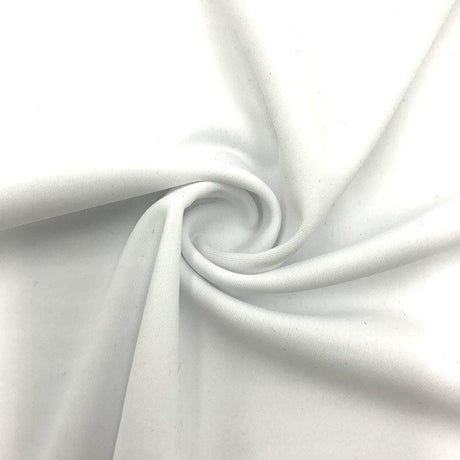
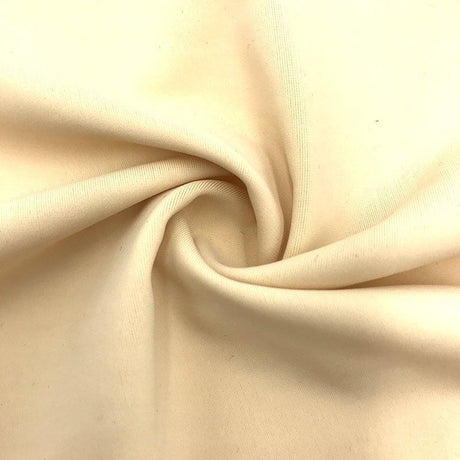
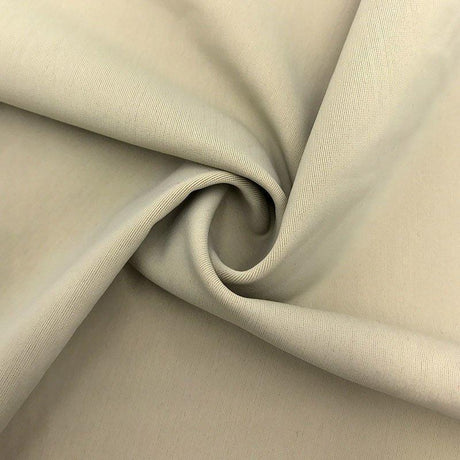
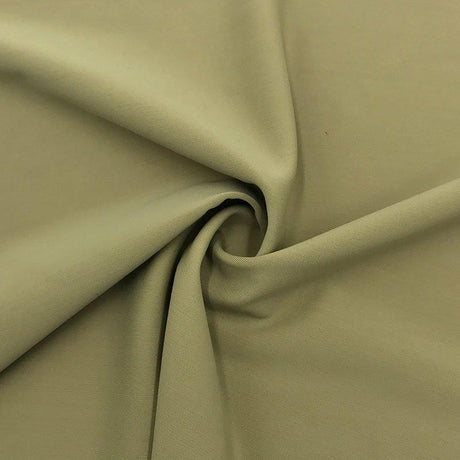
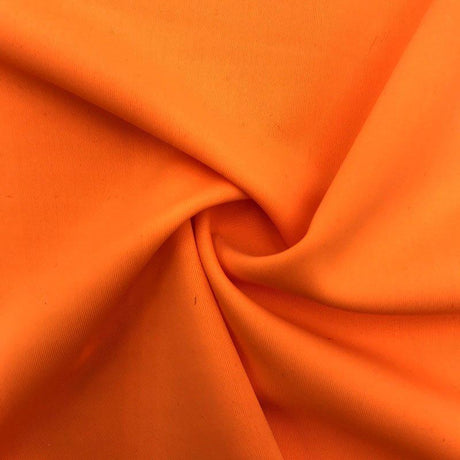
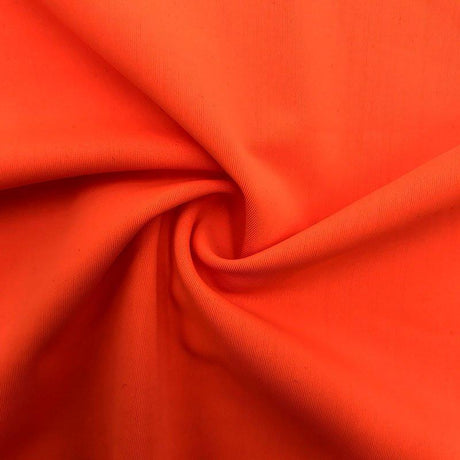
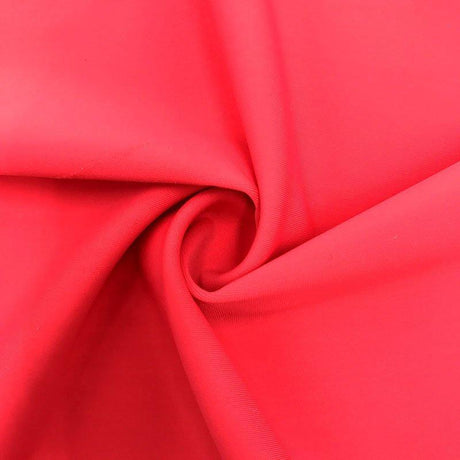
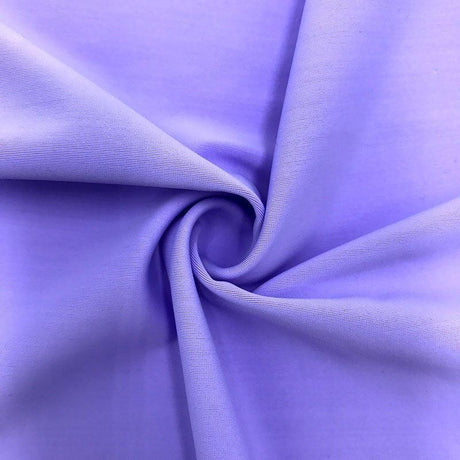
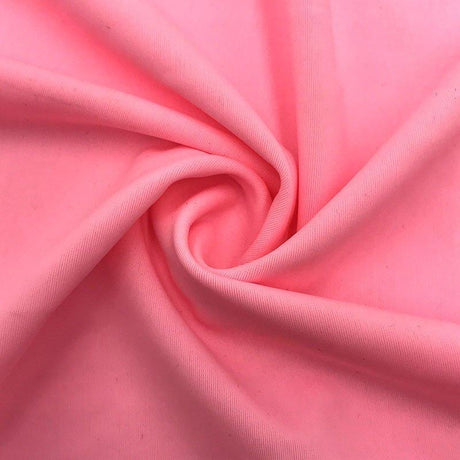
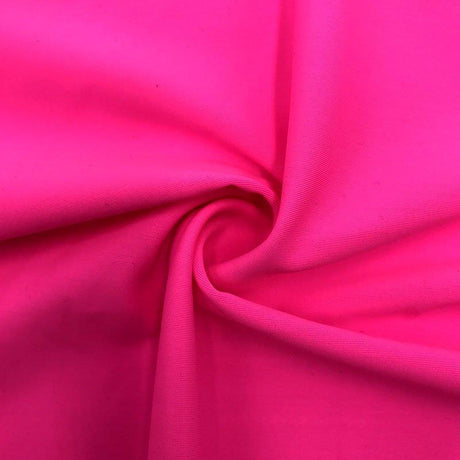
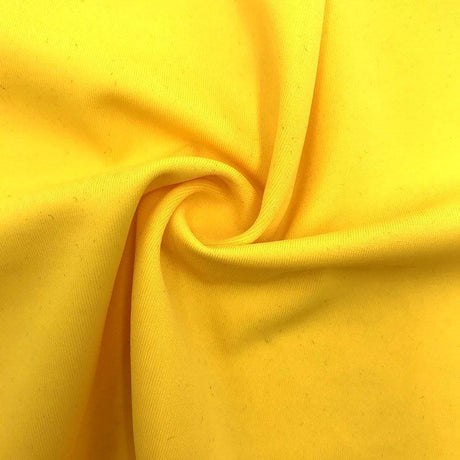
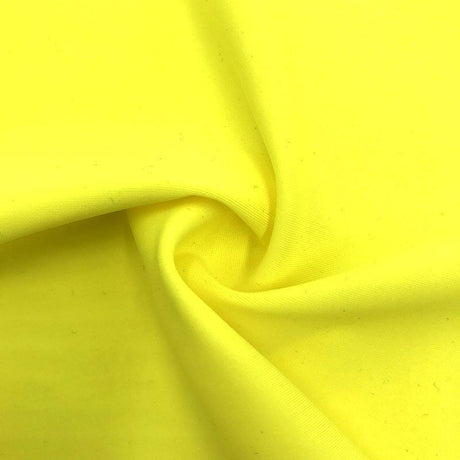
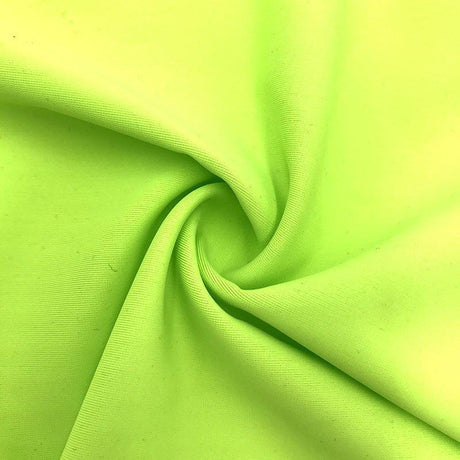
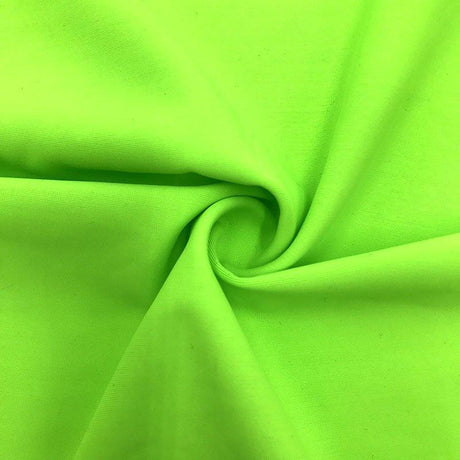
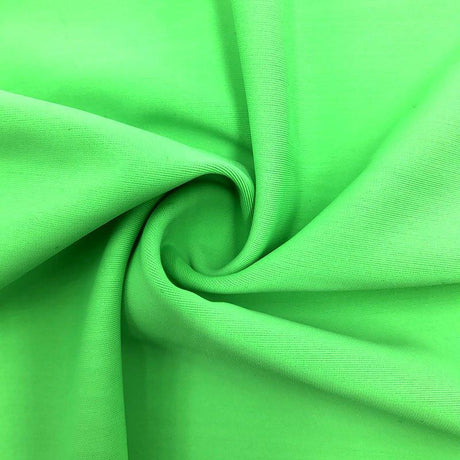
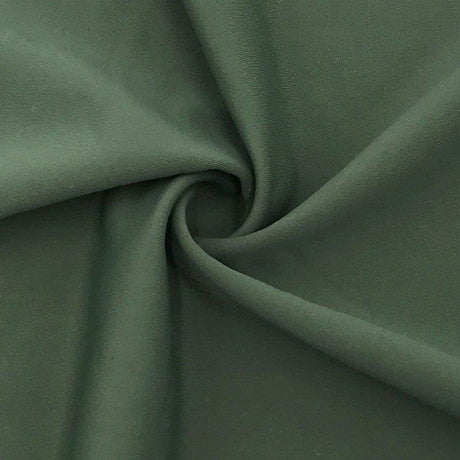
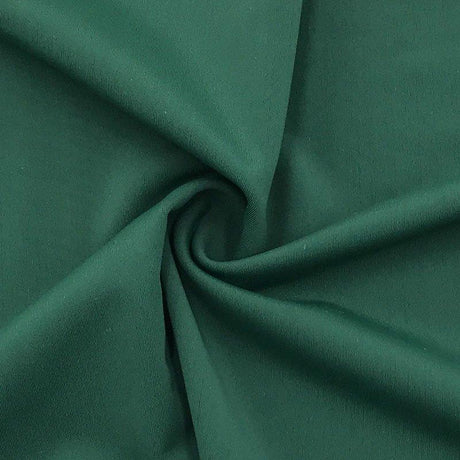
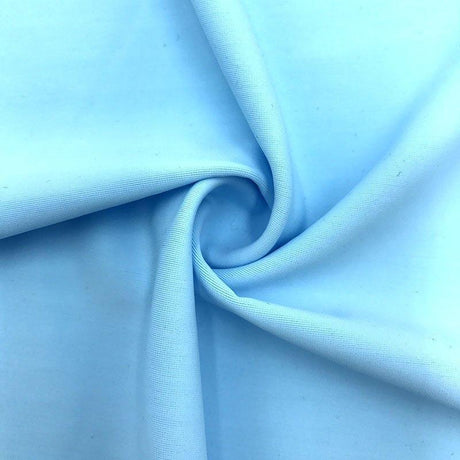
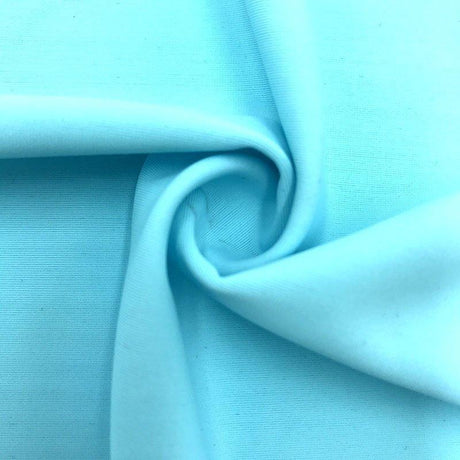
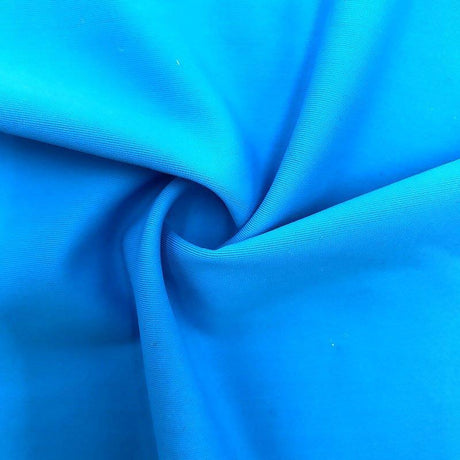
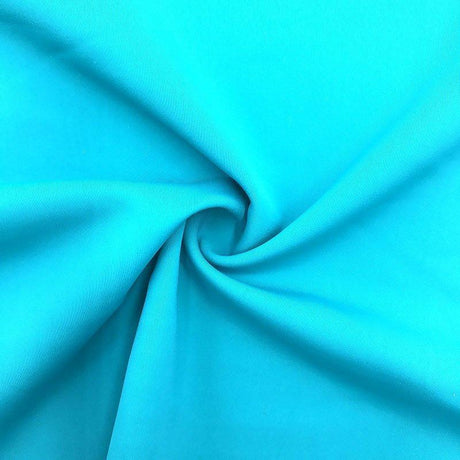
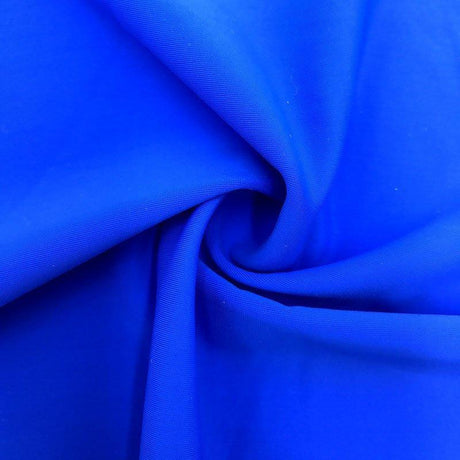
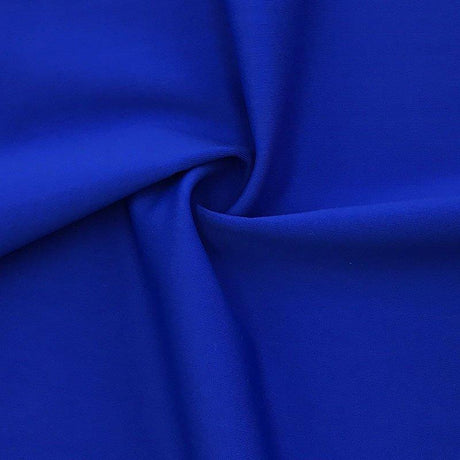
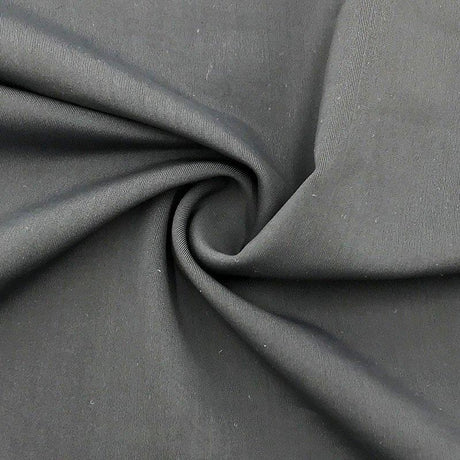
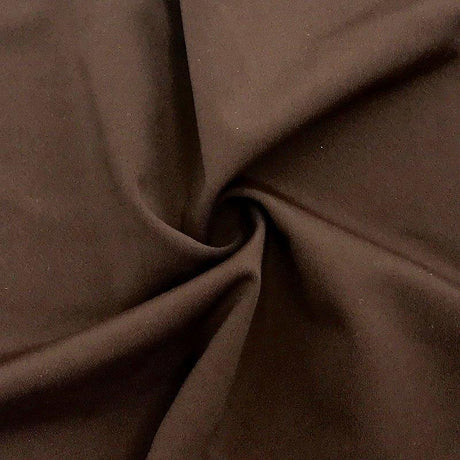
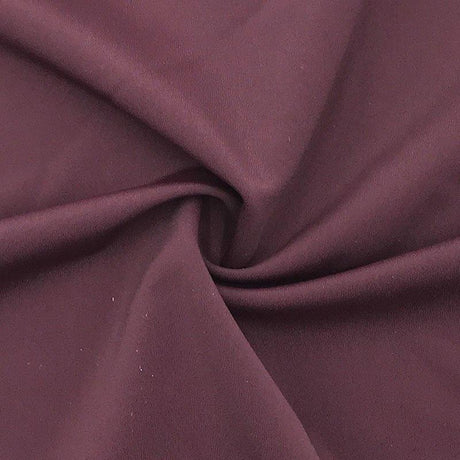
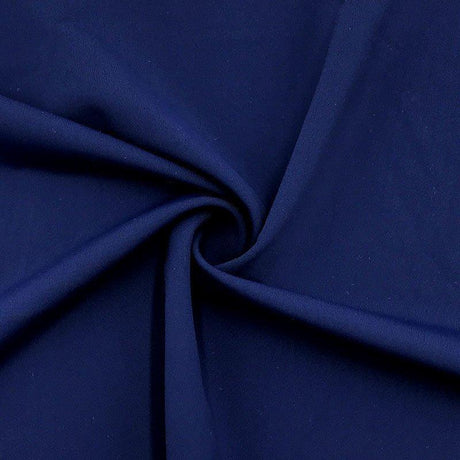
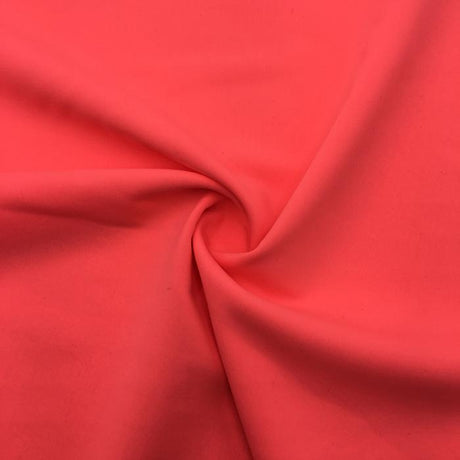
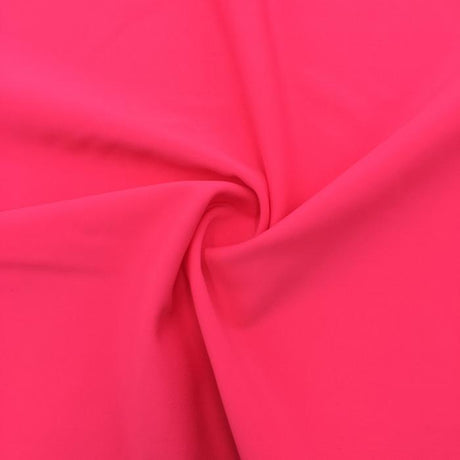
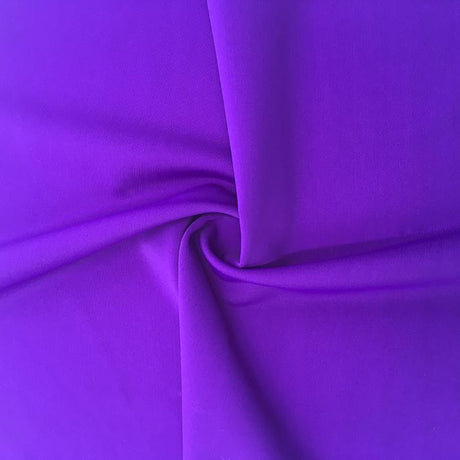
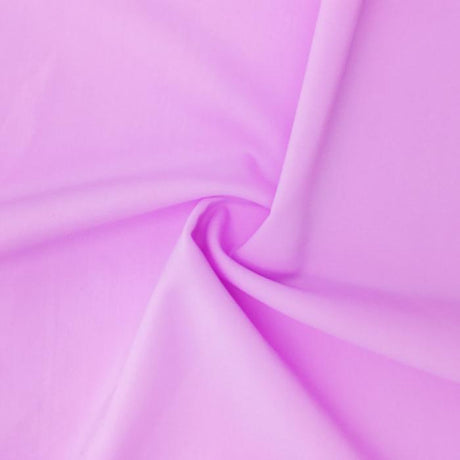
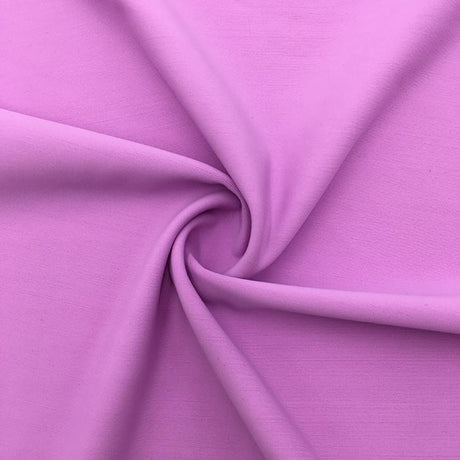
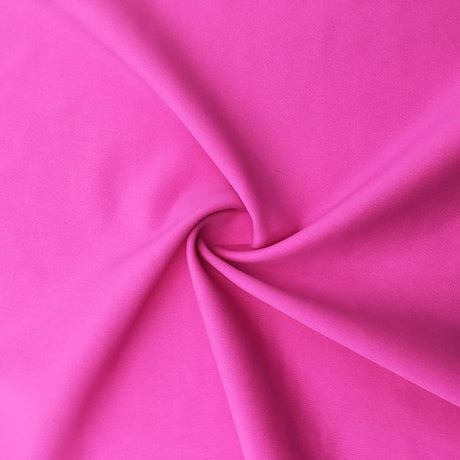
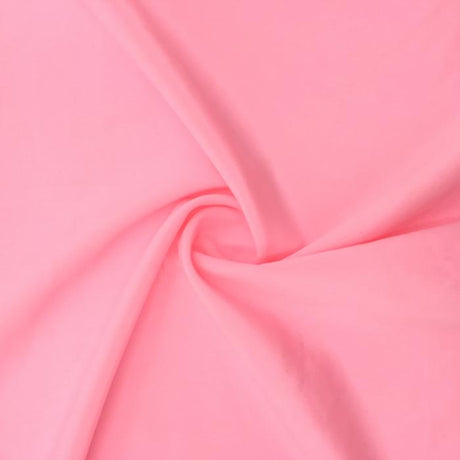
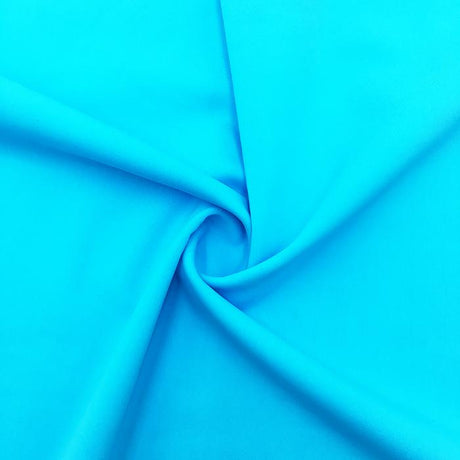
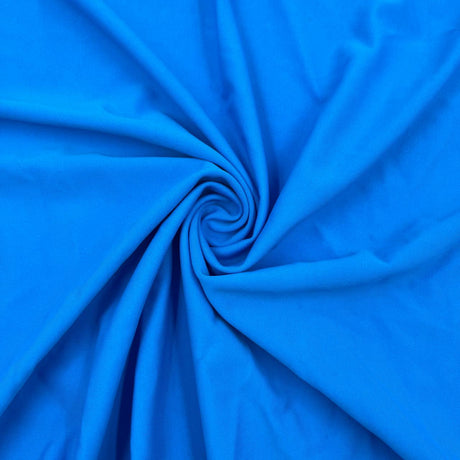
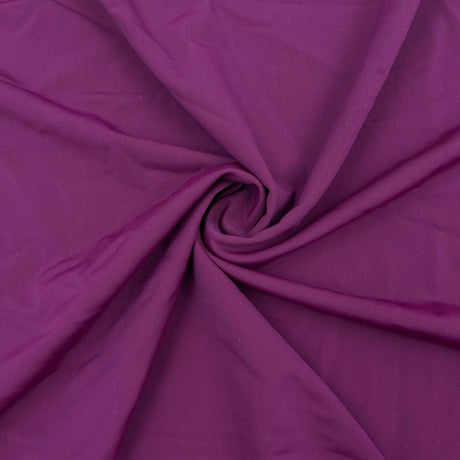
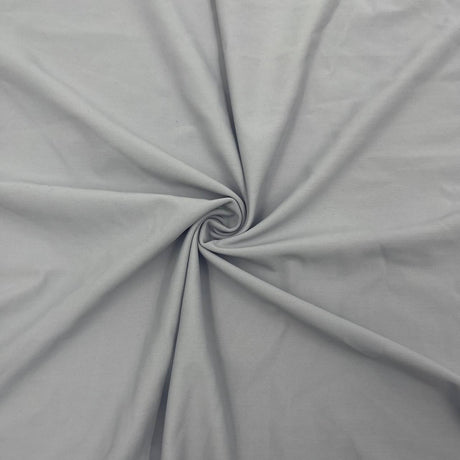
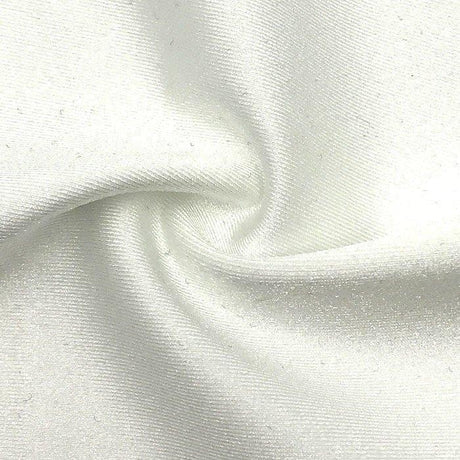
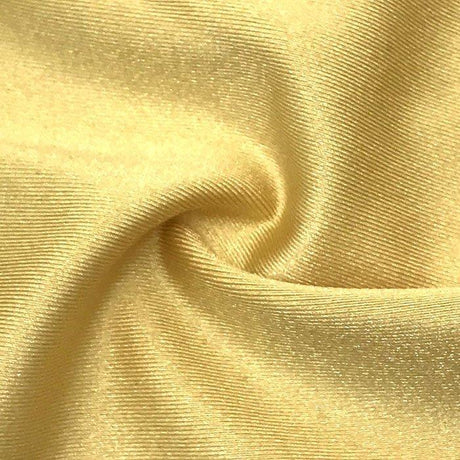
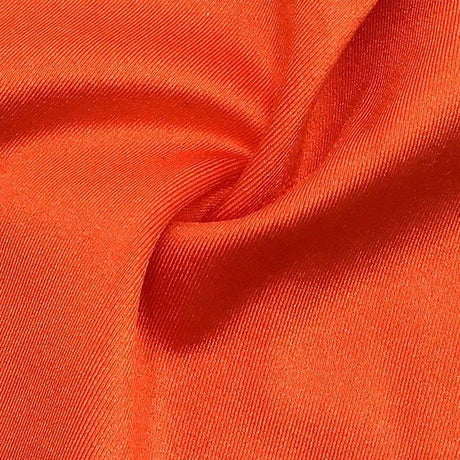
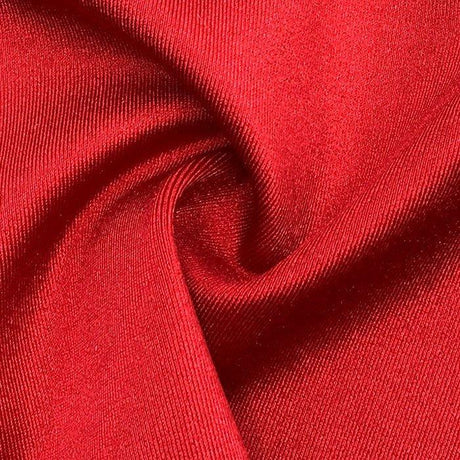
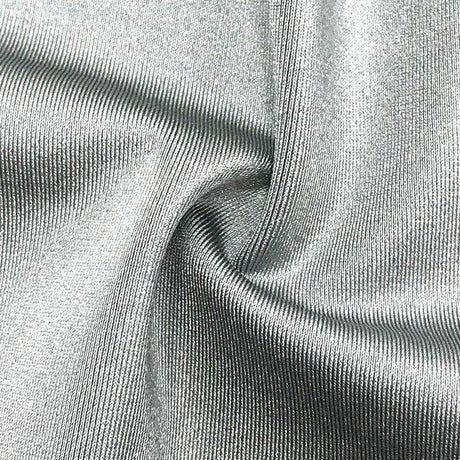
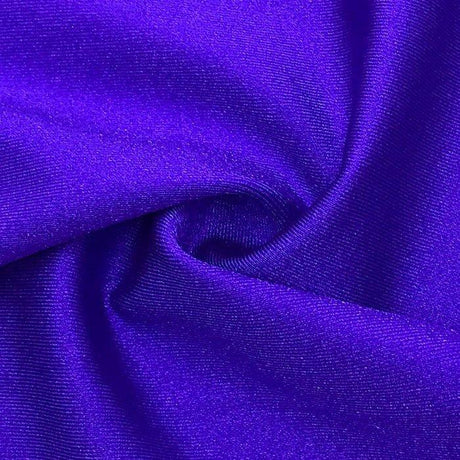
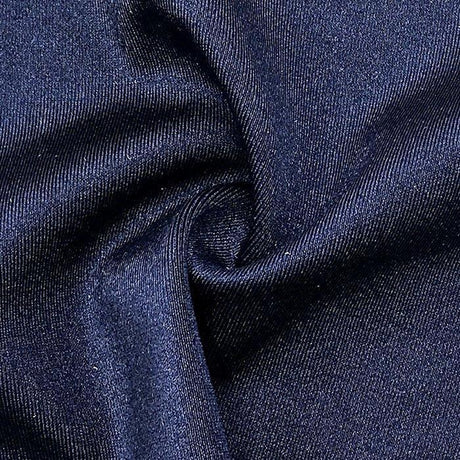
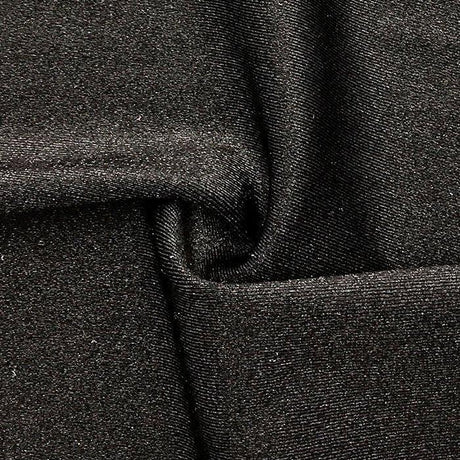
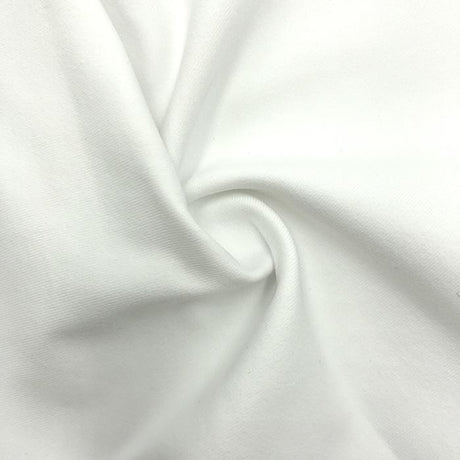
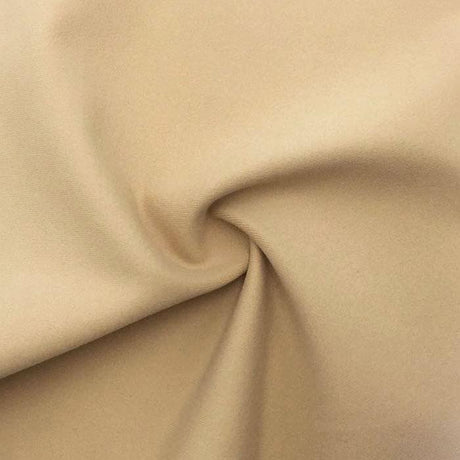
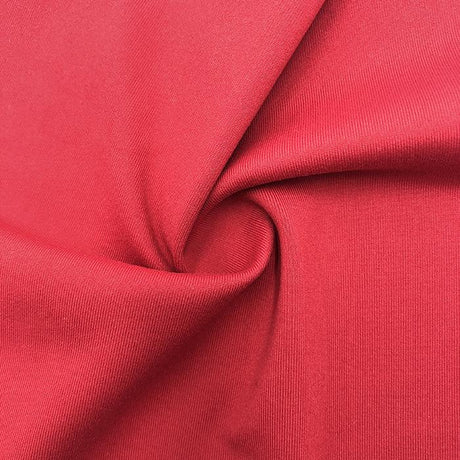
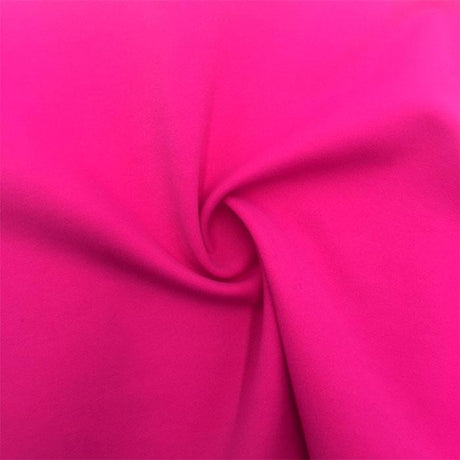
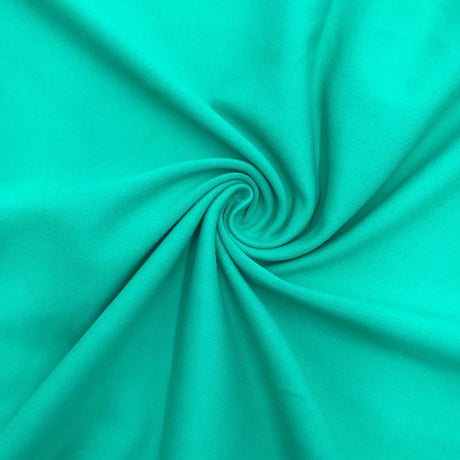
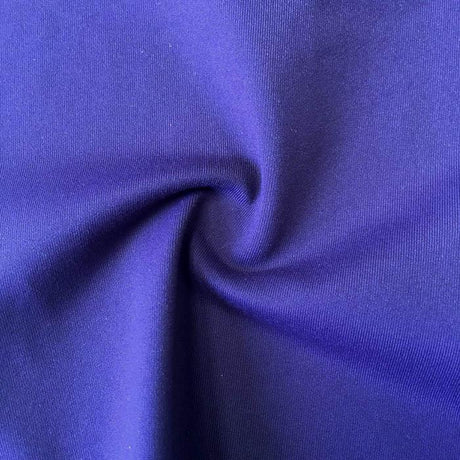
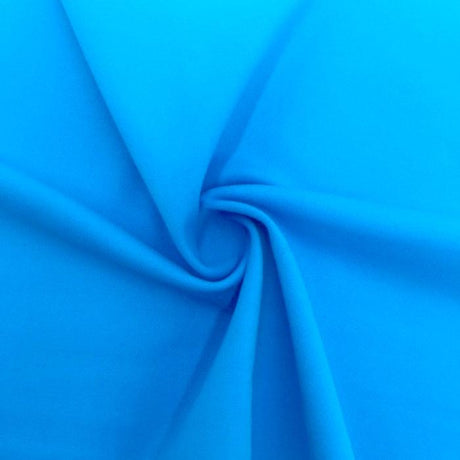
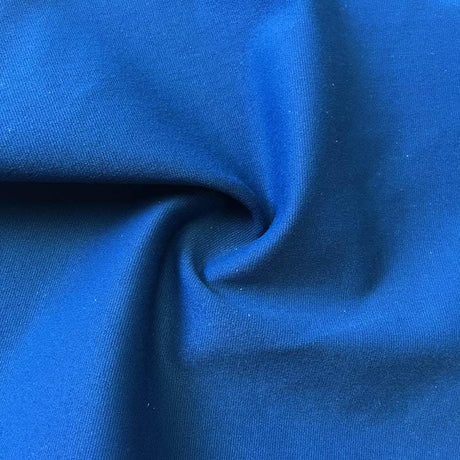
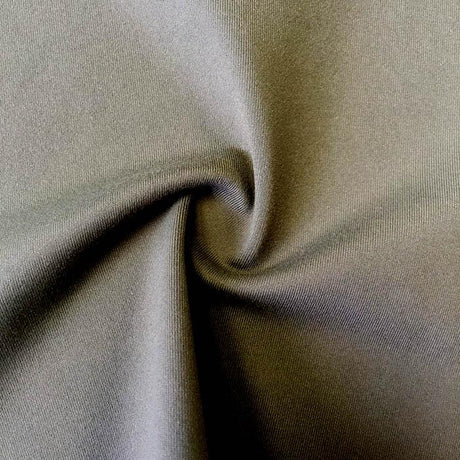
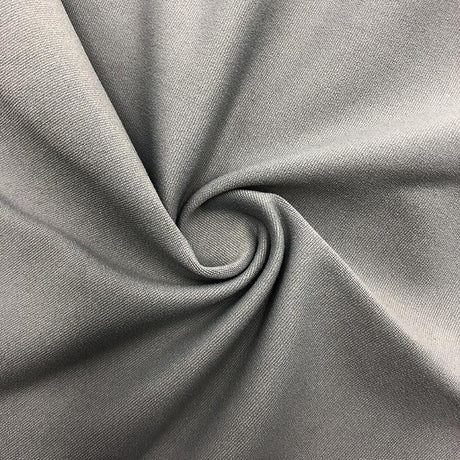
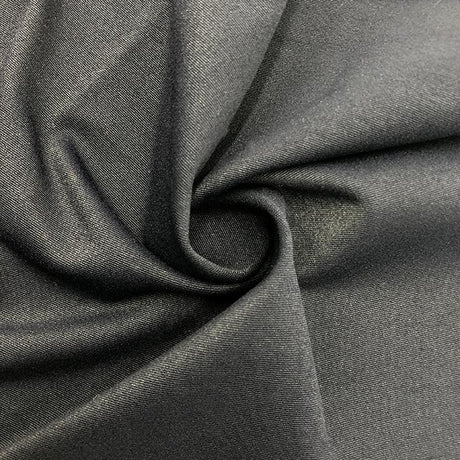
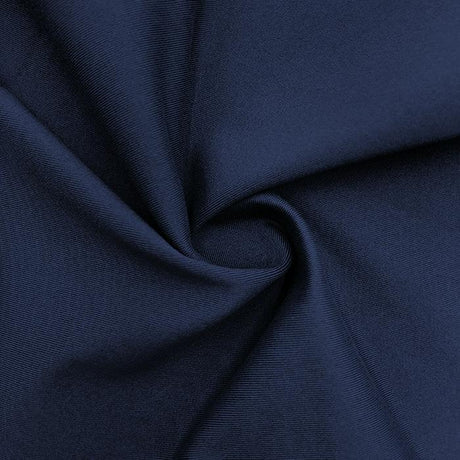
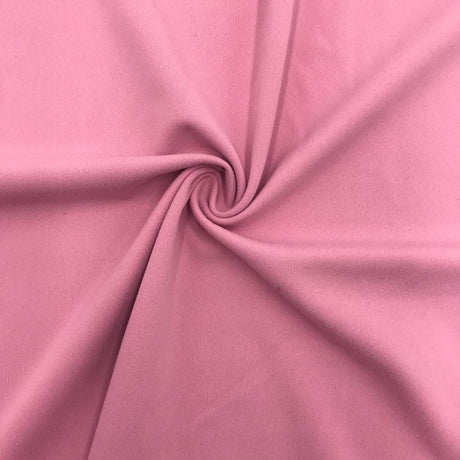
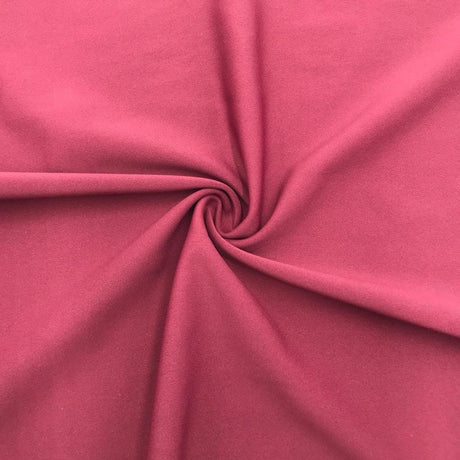
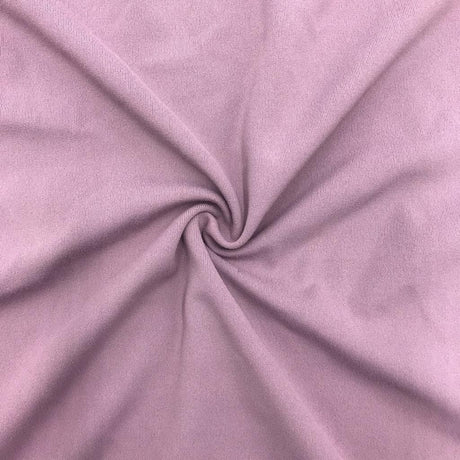
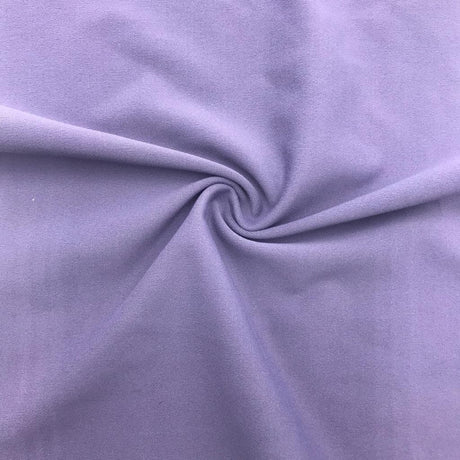
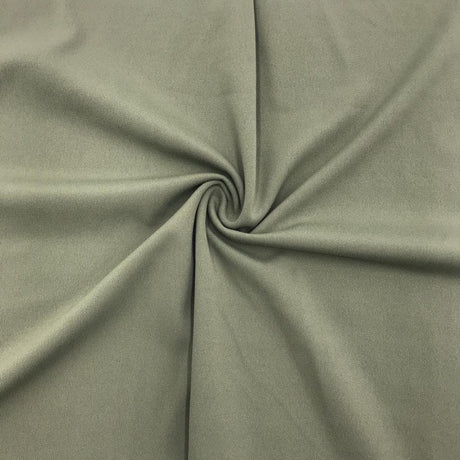
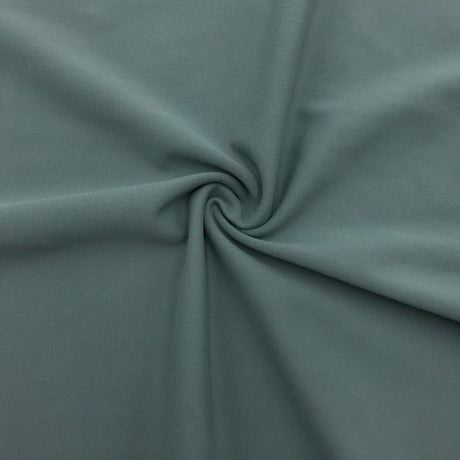
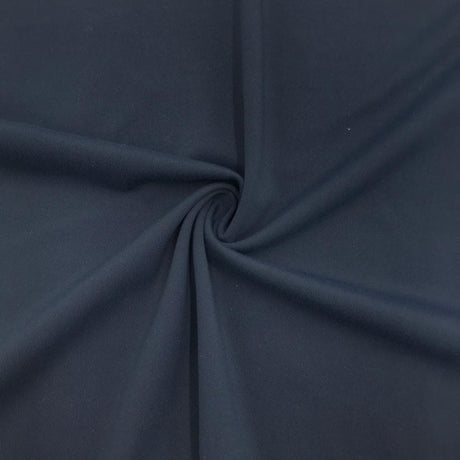
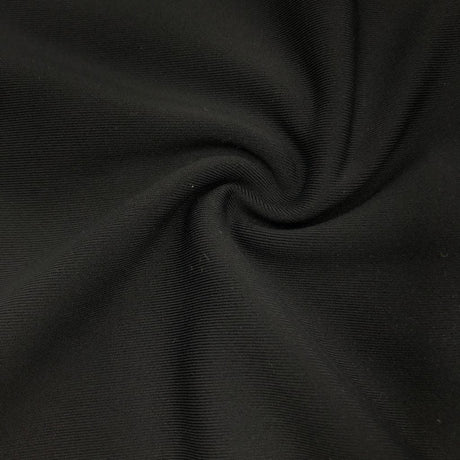
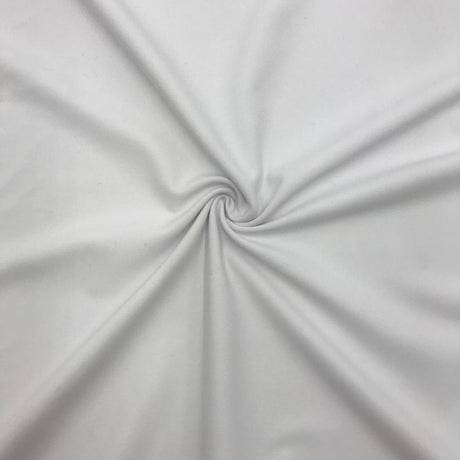
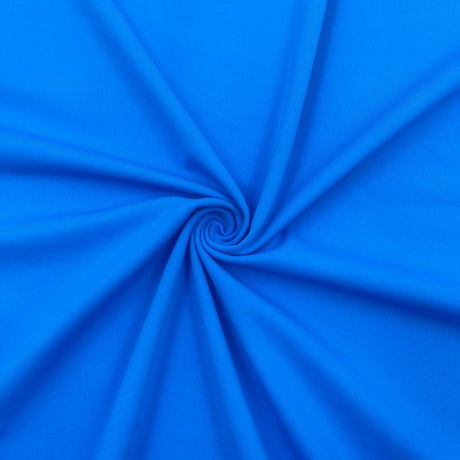
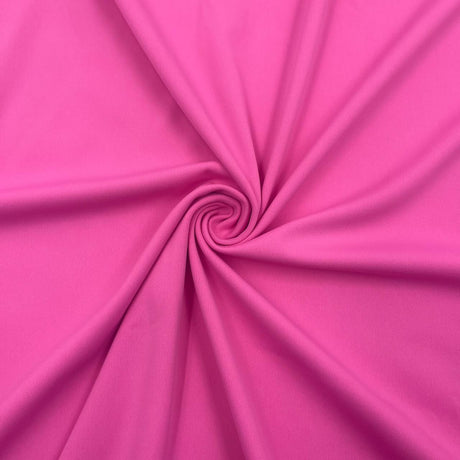
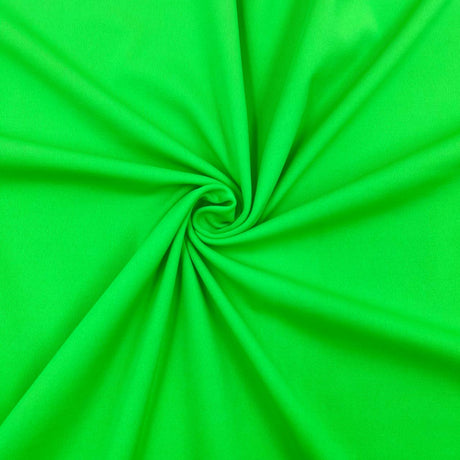
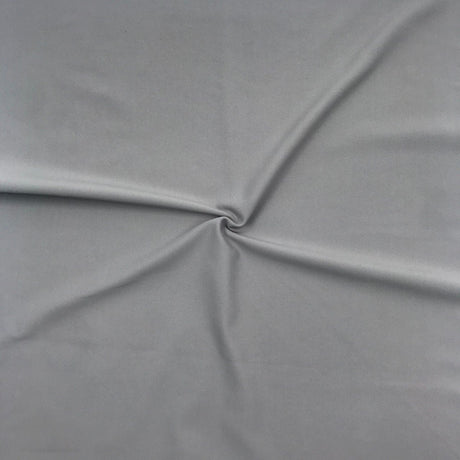
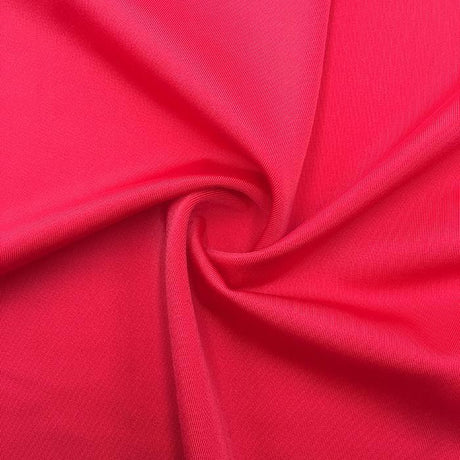
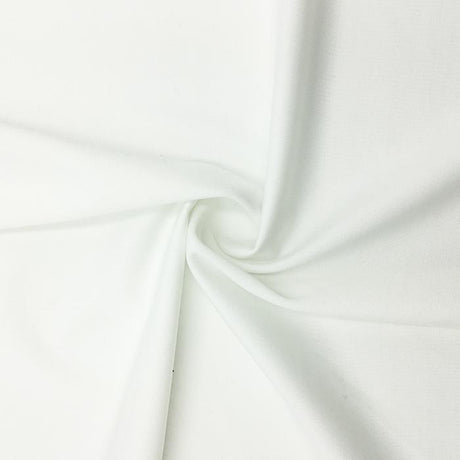
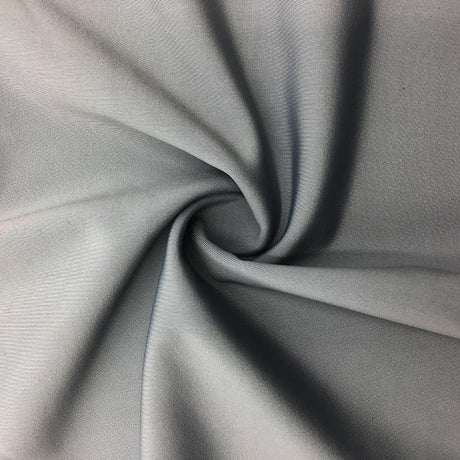
Selecting the right cosplay spandex fabric can make or break the look and comfort of your costume. Spandex (also known as Lycra or elastane) is a go-to material for many cosplayers – especially for superheroes, video game characters, and any design that requires a form-fitting, flexible outfit. For a broader foundation on spandex fabric properties before diving in, explore our stretch fabric types page or browse our full fabric guides hub.
Why Spandex is a Cosplay Favorite
Stretch and Mobility: Spandex is extremely stretchy and elastic, which means it moves with your body. Cosplay costumes often have body-hugging designs that need to maintain their shape but still allow free movement. A quality stretch fabric lets you pose, dance, or fight imaginary villains without tearing a seam. Our stretch fabric types page covers how spandex percentage affects stretch, recovery, and compression across all common blend types.
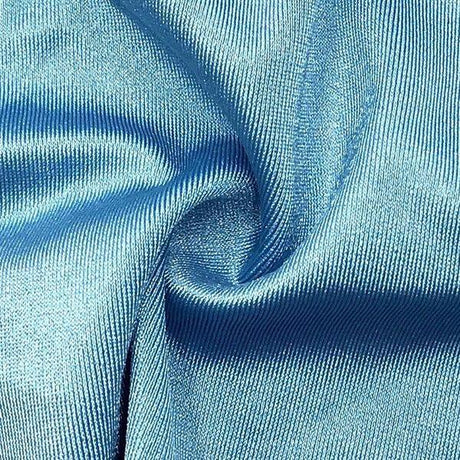
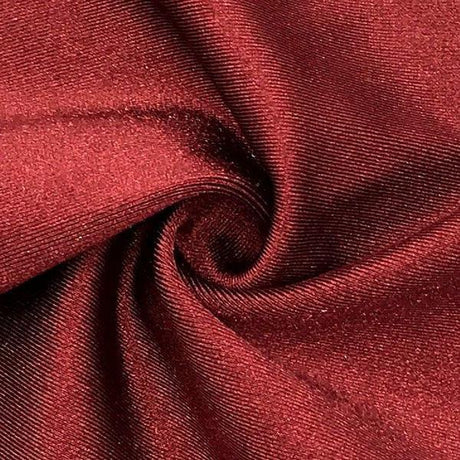
Second-Skin Fit and Aesthetics: This fabric has a knack for creating a "second skin" effect. The material also comes in many finishes – from matte to high-gloss – allowing you to achieve the exact look your character demands. Our fabric finishes guide covers matte and shiny surface treatments and how each interacts with different lighting conditions.
Comfort and Wearability: Despite being form-fitting, spandex is generally comfortable because it's lightweight and moves with you. Blends like nylon-spandex are known for strength and flexibility, offering a good balance of durability and comfort in cosplay wear. Our nylon-spandex fabric guide covers how nylon-spandex constructions achieve this combination of smooth hand feel, strength, and 4-way stretch.
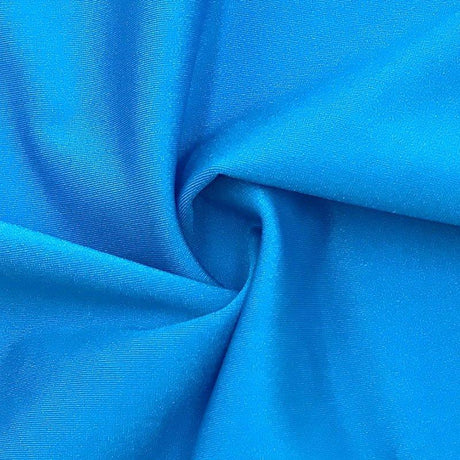
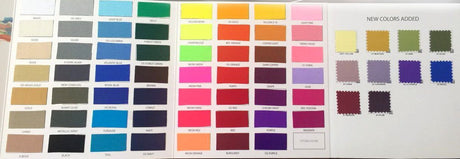
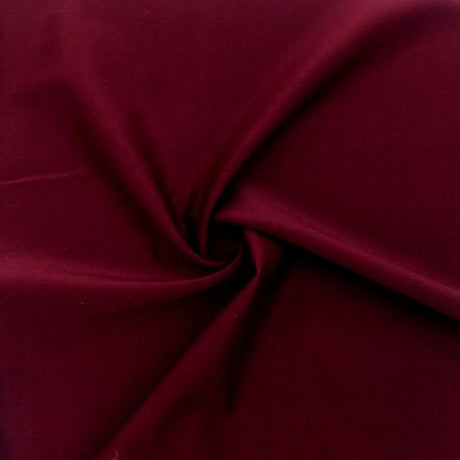
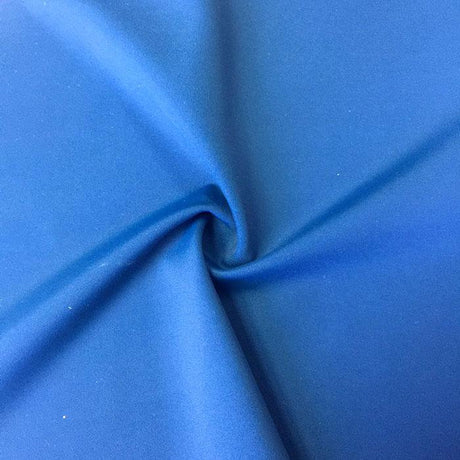
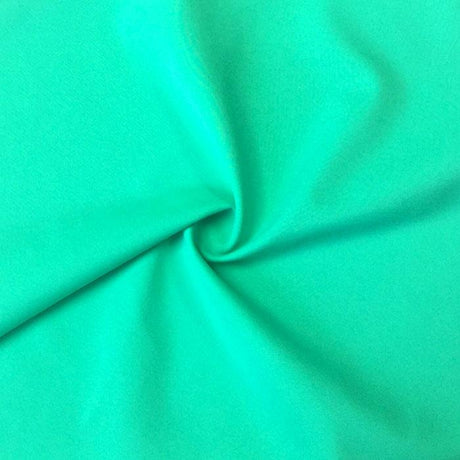
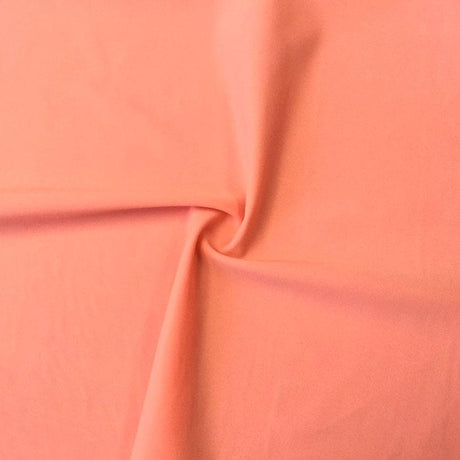
Visual Versatility: Spandex fabrics come in virtually any color and a variety of textures or sheens. Whether you need the bold glossy shine of a comic-book superhero or the muted look of a stealth suit, there's likely a spandex for that.
Types of Spandex Fabrics for Cosplay
Matte vs. Shiny Spandex
One of the first decisions is whether you want a matte or shiny finish on your costume. Our fabric finishes guide covers the full technical difference between matte and shiny surface finishes and how each interacts with stage lighting and photography.
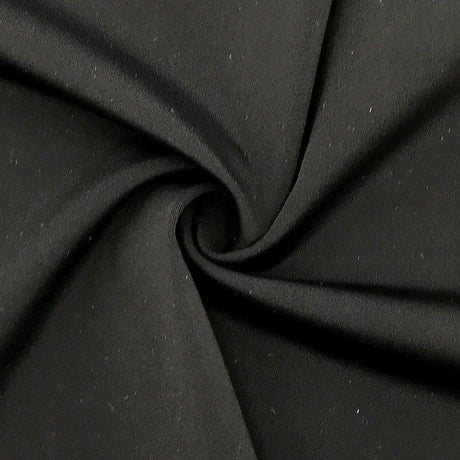
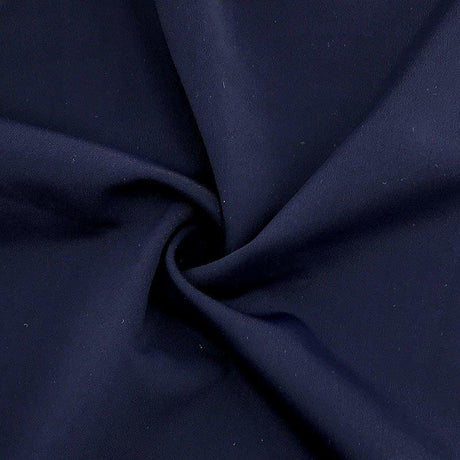
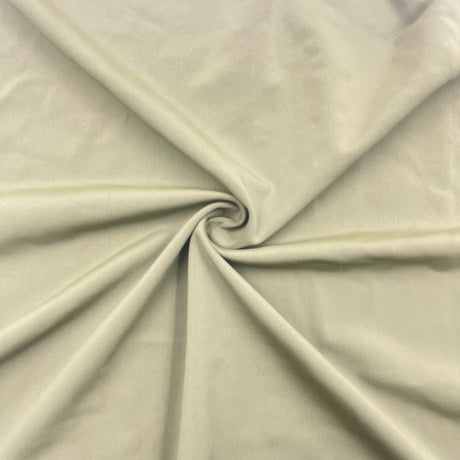
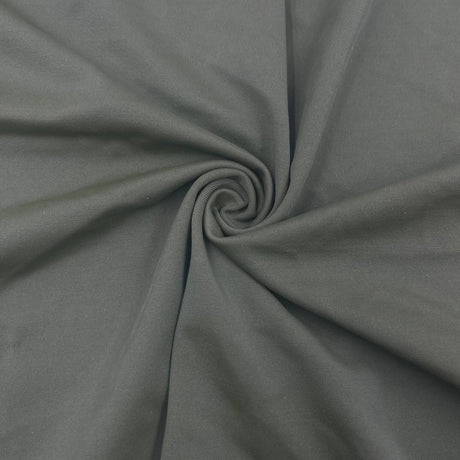
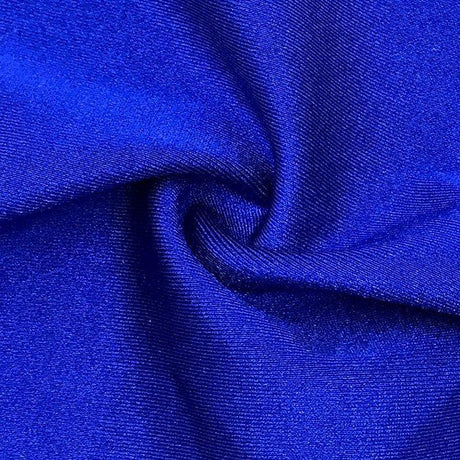
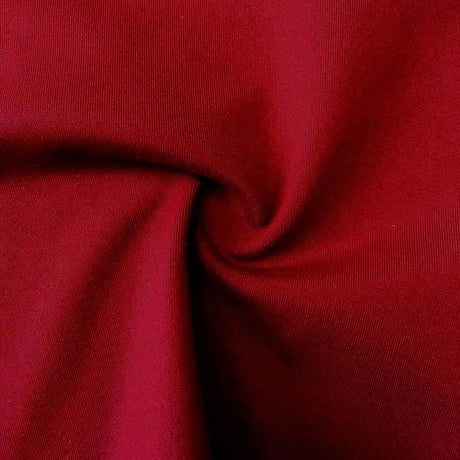
Matte Spandex: Matte spandex has a non-reflective, smooth finish. It doesn't shine under light, which gives it a more understated, natural look. Many cosplayers choose matte spandex for a clean, timeless aesthetic that photographs well without glare. Matte fabric is also very flattering, as it diffuses light – smoothing out lumps or bumps. Matte spandex is often engineered for breathability and moisture-wicking, especially athletic or tricot versions.
Shiny Spandex (Wet-Look): Shiny spandex is sometimes called "wet look" or "liquid" spandex. This fabric has a glossy, reflective surface that catches the eye immediately. Under stage lights or camera flash, shiny spandex will gleam, making it ideal for performance-oriented costumes or characters known for their bold outfits. Keep in mind that high-shine fabrics will highlight every curve and seam – sometimes even showing undergarment lines more than matte fabric would.
You can even mix them – use matte spandex for the main suit and add shiny spandex accents or panels to make certain parts pop. The weight of the fabric also plays a role: a heavy-weight matte spandex gives a structured, substantial look, while a lightweight shiny spandex drapes more fluidly. Our fabric weight guide covers how GSM affects drape, opacity, and visual appearance across both matte and shiny spandex constructions.
Metallic and Holographic Spandex
Metallic Spandex: Metallic spandex has a shimmering, reflective metallic finish, usually achieved by blending in metallic fibers or applying a special foil coating to the surface. It comes in many colors – gold, silver, copper, red – often with a mirror-like or glossy foil look. Quality metallic spandex still retains good stretch and durability despite the coating. As a tip, avoid ironing metallic spandex, as high heat can damage the foil coating.
Holographic Spandex: Holographic spandex features an iridescent, color-shifting sheen – meaning as you move or the light changes, the fabric reflects different colors, producing a rainbow or "oil slick" effect. It's a go-to for cosplays that need a futuristic or magical touch. Both metallic and holographic versions are stretchy and come in 4-way stretch, but the surface might be a bit plastic-like to the touch due to the special coating. These fabrics may not be as breathable as plain spandex, so plan your costume's lining or ventilation accordingly.
Printed Spandex Fabrics
Printed spandex in endless designs is typically 4-way stretch fabric printed with patterns or images using methods like dye sublimation or digital printing. Printed spandex can be extremely useful for cosplay because it allows you to achieve complex designs without hand-painting or applique – galaxy patterns, animal prints, camouflage, florals, or even character-specific motifs. Some cosplayers design custom prints and have them printed onto spandex yardage. Our sublimation guide covers how sublimation printing works on polyester-spandex fabrics, and our sublimation paper and sublimation transfer paper pages cover the tools needed for professional print quality.
Check the print method – dye-sublimated spandex retains the fabric's original softness and stretch because the ink is embedded in the fibers, whereas some cheaper printed spandex might have a plastic-y ink layer that reduces stretch.
"Wet Look" Spandex
Wet look spandex imitates the look of wet latex or leather. It's usually a black or vividly colored spandex with a high-gloss sheen. Cosplayers love wet-look spandex for catsuits, slick superhero uniforms, or villain costumes where a leather or latex appearance is desired but you still need the comfort and stretch of fabric. Wet look spandex fabrics are typically 4-way stretch and can range from slightly shiny to mirror shine. The coating that gives it the wet shine can trap heat, so breathability is lower compared to matte fabrics.
Sheer Mesh and Power Mesh
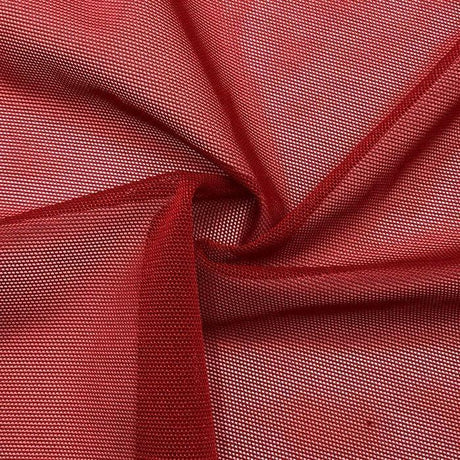
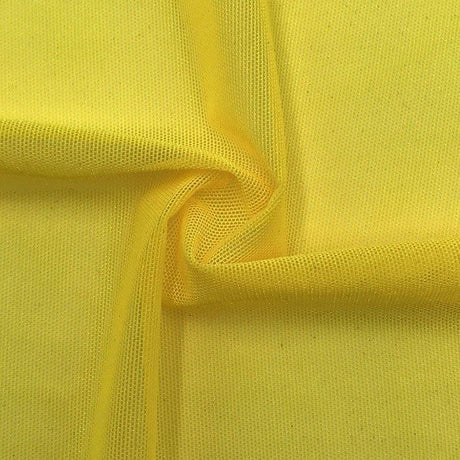
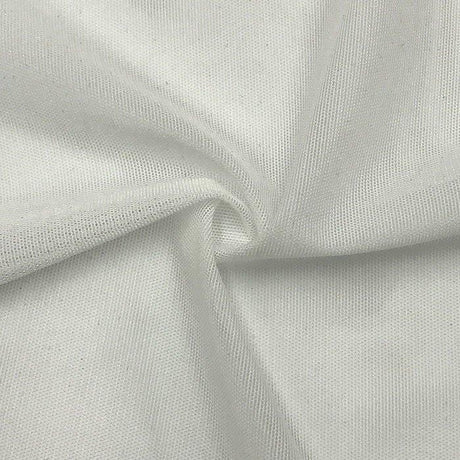
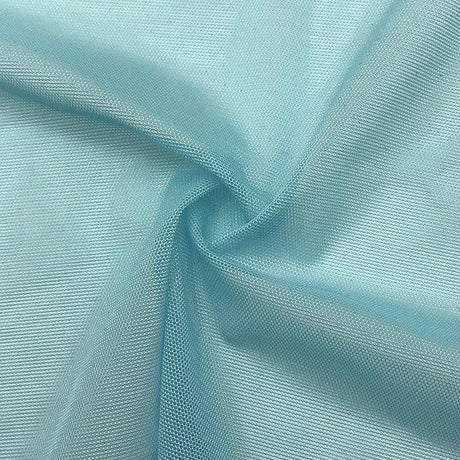
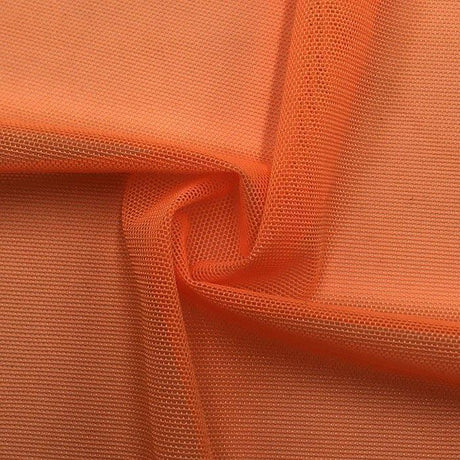
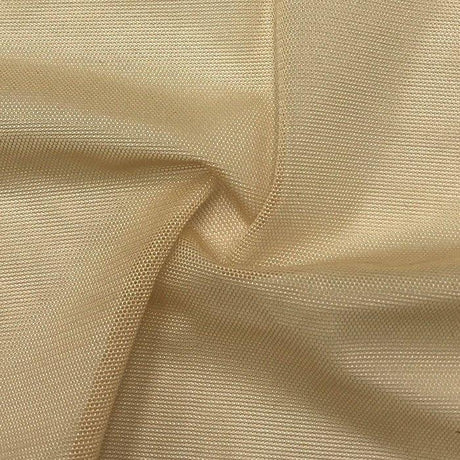
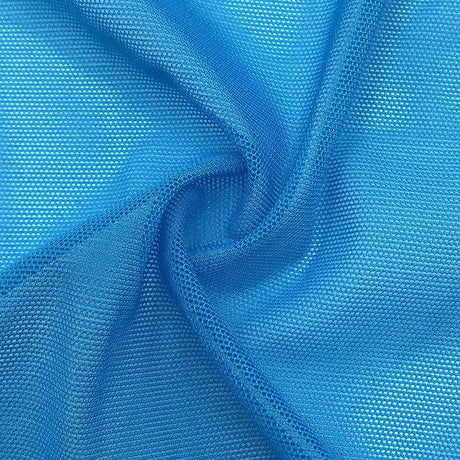
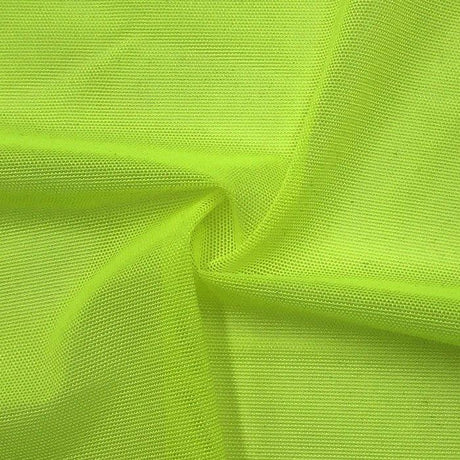
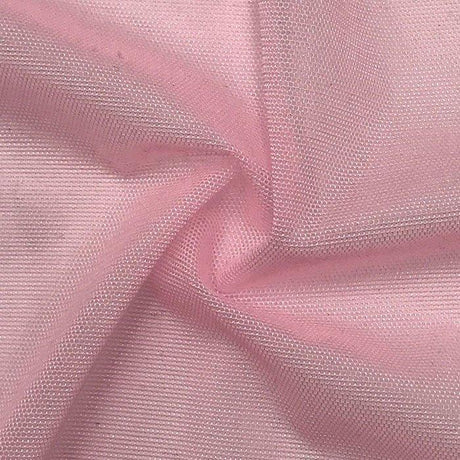
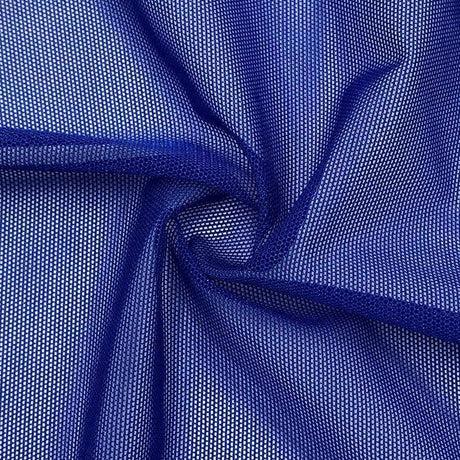
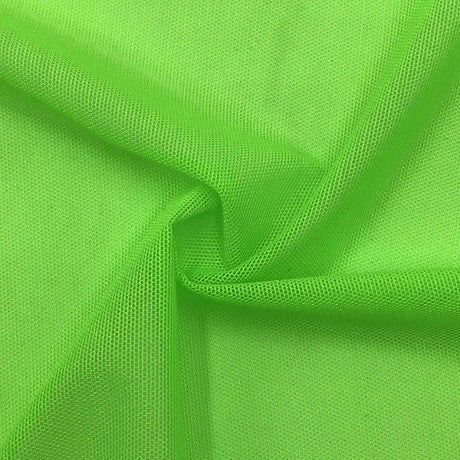
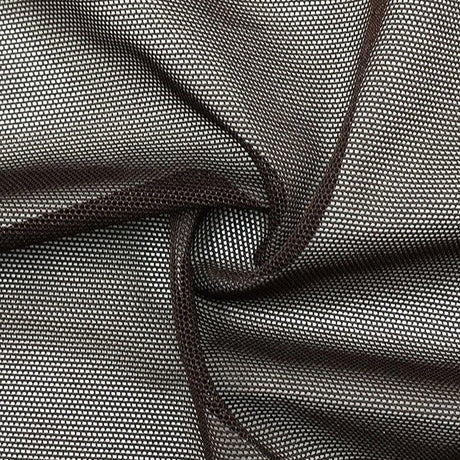
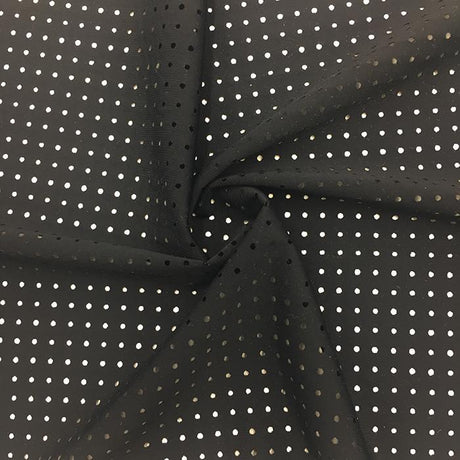
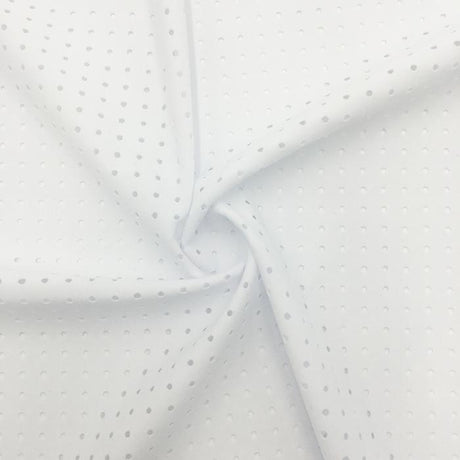
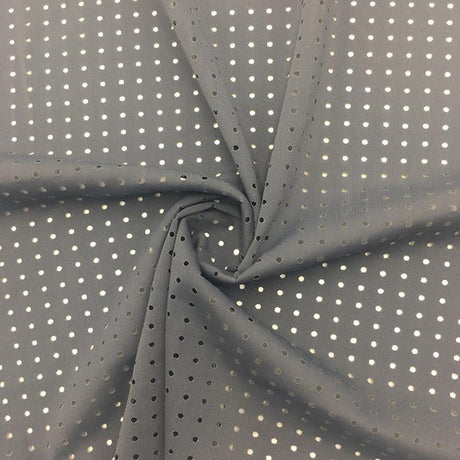
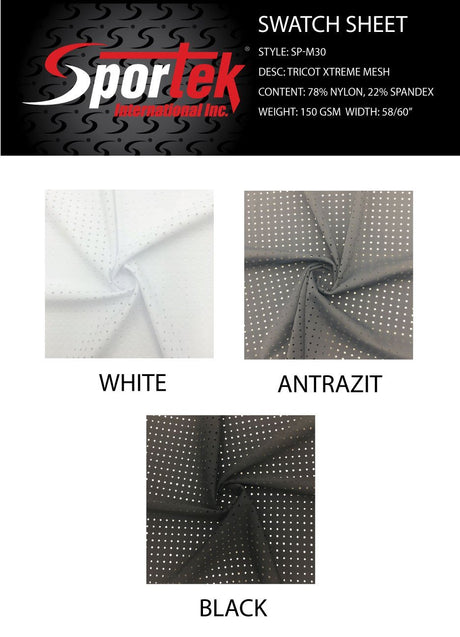
Sheer Stretch Mesh: This is a lightweight, see-through spandex mesh that usually has 4-way stretch. Sheer mesh is used for illusion panels, sleeves, or yokes – anywhere you want a bit of transparency or a lighter look while still having stretch. Many cosplay designs use nude-colored stretch mesh to create the illusion of "cut-outs" or to hold difficult shapes. Mesh also provides extra ventilation for areas like behind knees or under arms.
Power Mesh (Power Net): Power mesh is a stronger, tighter-knit mesh made of spandex (elastane) and nylon or polyester. In cosplay, you might use power mesh to line a bodysuit that needs a bit of compression or to reinforce areas like knees or elbows without losing stretch. It's also great for semi-transparent costume pieces that still require some strength. Our fabric weight guide covers the GSM ranges for sheer mesh vs. power mesh and how weight affects opacity, support, and breathability across different mesh constructions.
When sewing with mesh, use fresh fine needles. Mesh edges can curl or roll, so some people like to fold-over hem or bind the edges for a neat finish if exposed.
Understanding 2-Way vs. 4-Way Stretch
When shopping for spandex fabric, you'll often see it labeled as 2-way stretch or 4-way stretch. This is crucial for cosplay because it affects how the fabric will behave on the body and whether it's suitable for your pattern. Our stretch fabric types page covers the full technical difference between 2-way and 4-way stretch constructions and how to verify true multidirectional stretch when evaluating fabric.
2-Way Stretch: A 2-way stretch spandex might only stretch across the grain (from selvedge to selvedge) but has little to no stretch in the perpendicular direction. If you have a 2-way stretch fabric, you must align the stretch in the direction you need (typically around the body's width, not height).
4-Way Stretch: Four-way stretch means the fabric stretches in both directions – horizontally and vertically. Most true spandex fabrics are 4-way stretch. If a sewing pattern calls for 4-way stretch and you use a 2-way stretch fabric, you'll likely end up with a piece that won't stretch enough in one dimension, making it hard or impossible to wear.
Generally, 4-way stretch is more forgiving and preferred for form-fitting costumes like catsuits, leggings, gloves, or anything skin-tight. If you do end up with a 2-way stretch material, you might need to add zippers or openings to get in and out of the garment since it won't stretch as much to accommodate pulling it on.
Key Considerations: Color, Thickness, Opacity, and More
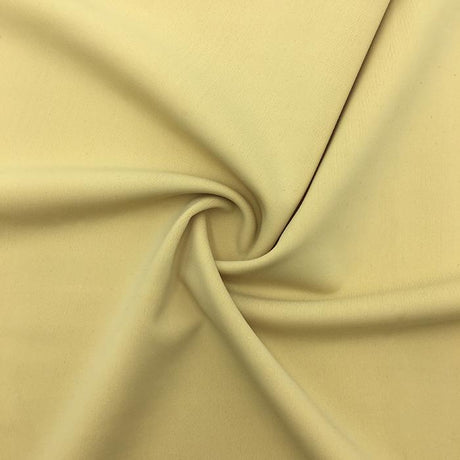
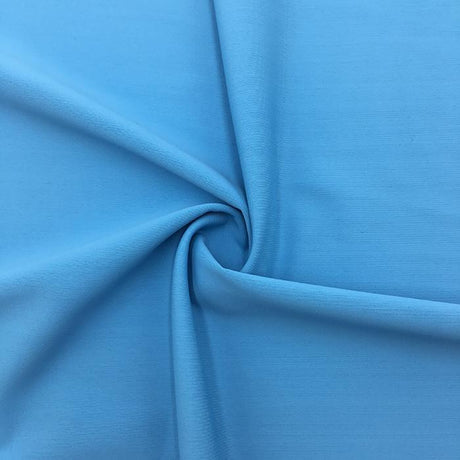
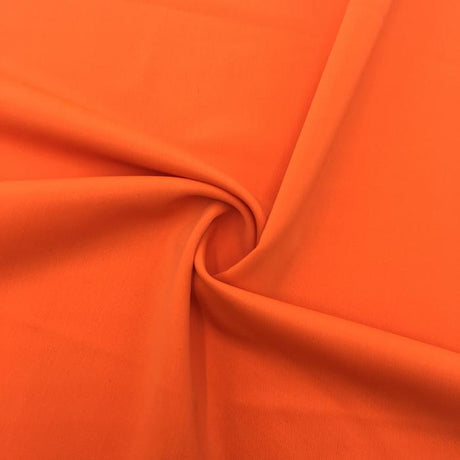
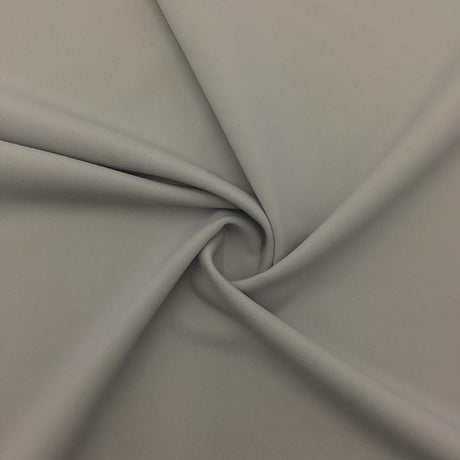
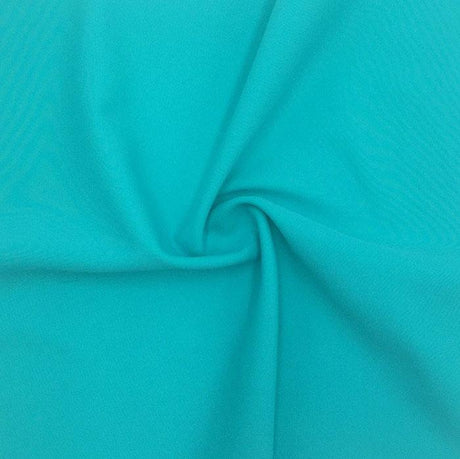
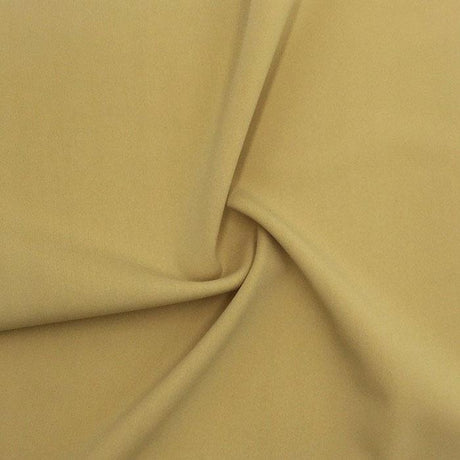
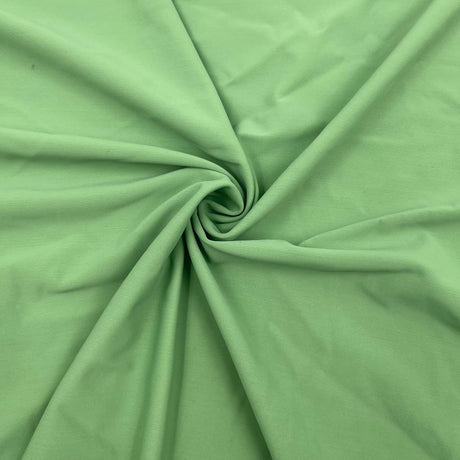
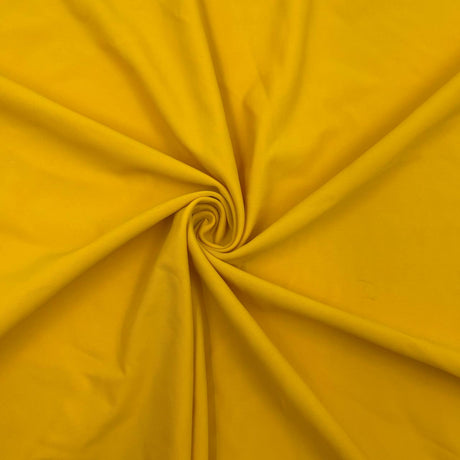
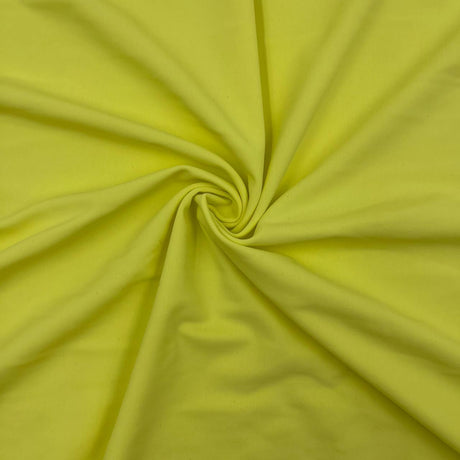
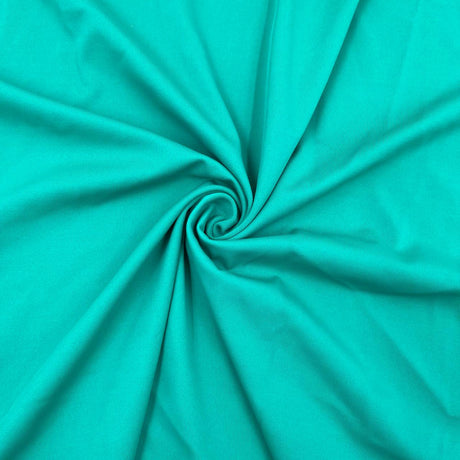
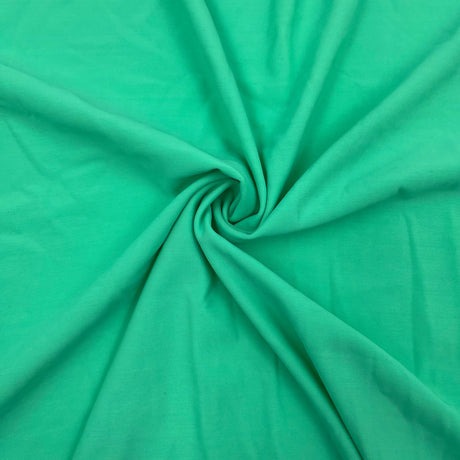
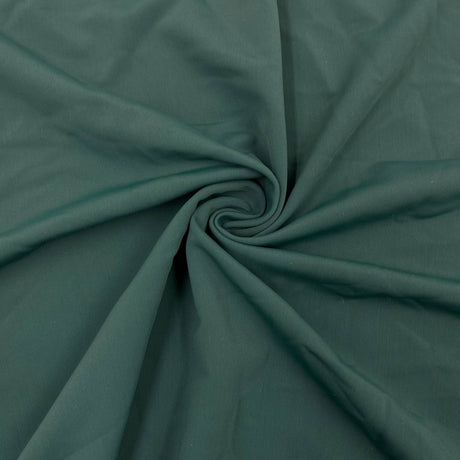
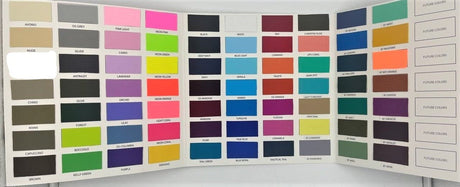
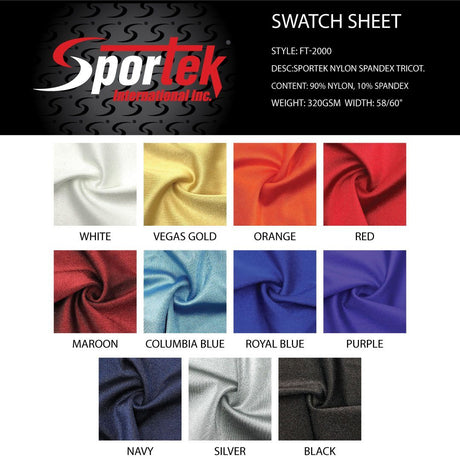
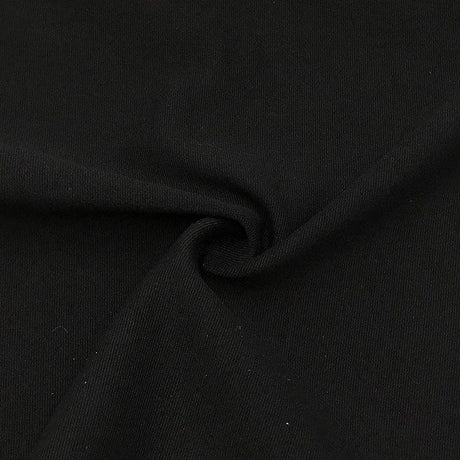
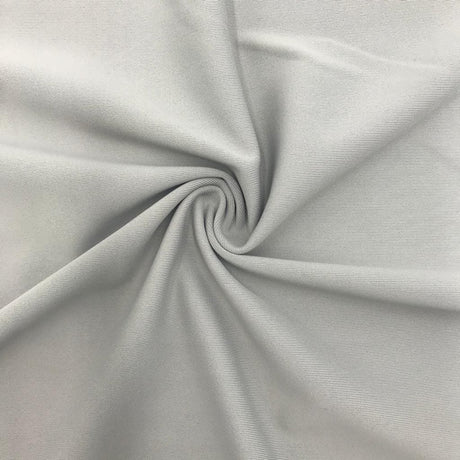
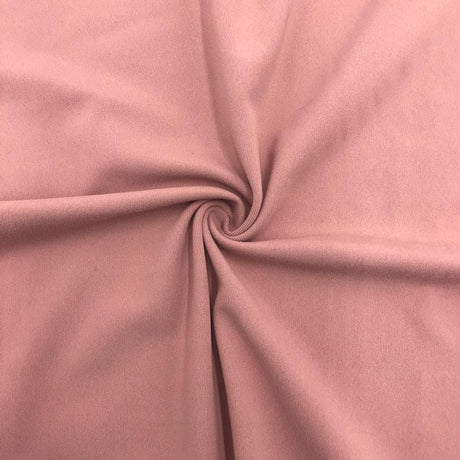
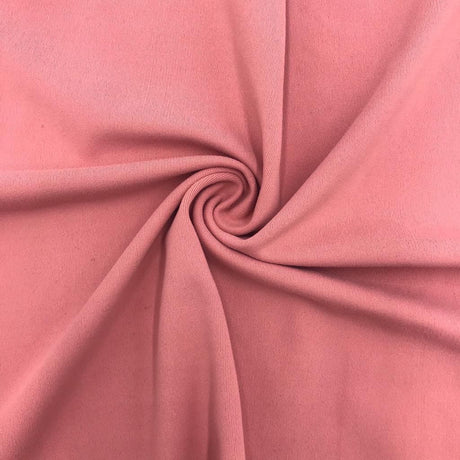
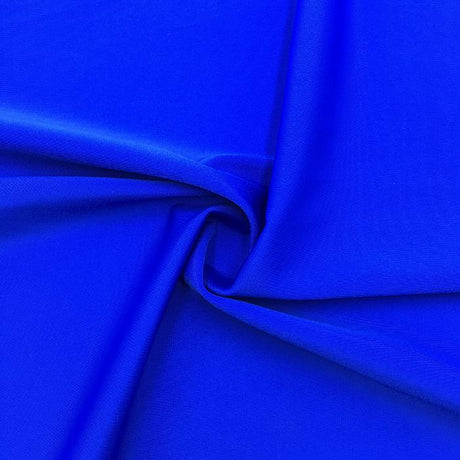
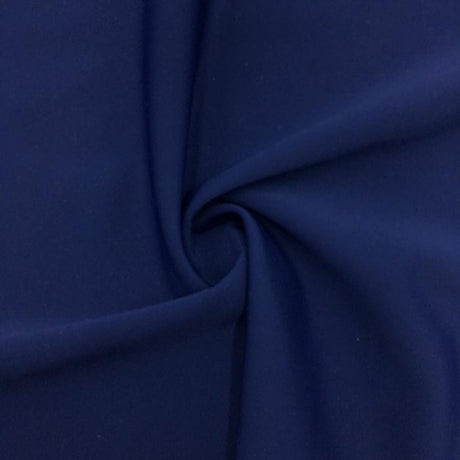
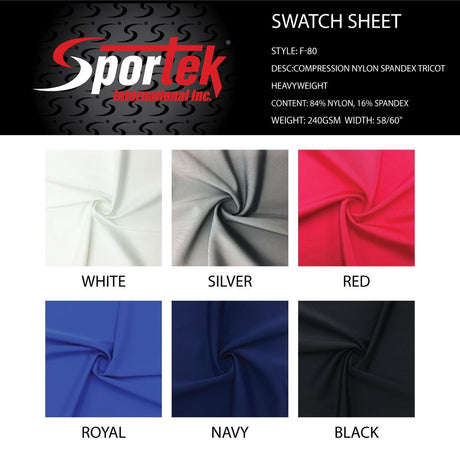
Color Accuracy: Colors on your screen may differ from real life due to lighting or monitor settings. If you need a perfect color match, it's wise to order a sample swatch before buying yards. Also note that some spandex (especially lighter colors or flesh tones) can be slightly translucent, showing darker tones beneath.
Fabric Weight & Thickness: Spandex fabrics come in different weights, usually measured in GSM (grams per square meter). Heavier-weight spandex is thick, very opaque, and often has a firm stretch. Lighter-weight spandex is thinner, more drapey, and might be semi-opaque. A heavier spandex holds its shape more and can smooth out your silhouette (almost like mild shapewear), whereas a thin spandex will contour to every detail and might require lining. Our fabric weight guide provides a full breakdown of GSM ranges and how weight affects opacity, compression, breathability, and durability across all common spandex-blend constructions.
Opacity and Lining: With spandex, opacity is crucial – especially for light colors (white, yellow) or pastels, which can sometimes reveal undergarments. To ensure modesty and accuracy, you might line your spandex garment or wear a base layer. Some specialty spandex fabrics have a built-in lining that adds opacity. Investing in a better-quality spandex can save you the trouble of multiple layers. If you do line, use a stretchy lining (another layer of spandex or a nude power mesh) so you don't lose functionality. Our swimwear fabric guide covers opacity evaluation techniques for stretch fabrics that translate directly to cosplay bodysuit applications.
Breathability: Nylon-spandex milliskin will feel cool and smooth, whereas a poly-spandex with foil might feel more plasticky and trap sweat. Matte spandex fabrics often advertise better breathability. You can plan your costume with small ventilation tricks: hidden mesh panels in high-sweat areas, or choosing a lighter weight fabric for parts that will be under others. Our activewear fabric guide covers moisture-wicking ratings across all common spandex-blend constructions – useful when selecting the base fabric for a long-wear cosplay bodysuit.
Layering and Mixing Fabrics: An important rule is to try to match the stretch of layered materials. If you put a non-stretch layer over a stretch bodysuit, you might negate the flexibility of the spandex. Use elastic trims or appliqués that can stretch, or only attach things at certain points so the spandex can still move. Power mesh is your friend when you need to layer while maintaining stretch.
Durability: A higher spandex percentage (say 15–20%) often indicates a more resilient fabric for tight fits. Some coated spandex (glitter, foil) can lose sparkles or foil with heavy wear. Take care of your spandex costumes by washing them gently (cold water, mild detergent, hang dry) to prolong their life and color. Our spandex care guide and fabric care guide cover complete care protocols for all common spandex-blend garment types.
Sewing and Handling Tips for Spandex
Our how to sew stretch fabric guide covers all of the following topics in full detail, including needle selection, stitch type, machine settings, and edge finishing for all common spandex constructions. It's an essential reference before starting any cosplay spandex project.
Use the Right Needle: Always sew spandex with a stretch needle or ballpoint needle. These needles have a slightly rounded tip that slides between the fibers rather than piercing them. A size 75/11 or 90/14 stretch needle is a good choice for most spandex weights.
Choose Stretch-Friendly Stitches: A straight stitch will break on spandex seams. Instead, use a zigzag stitch or another stretch stitch setting. A narrow zigzag (width 2.5 mm, length 2.5 mm) works well for standard seams, allowing the seam to stretch. If you have a serger, a 3- or 4-thread overlock stitch is perfect for seaming spandex.
Cutting Fabric – Prevent Slippage: Cut in a single layer on a flat surface. Use a rotary cutter and cutting mat with pattern weights instead of scissors. The rotary cutter lets you slice through without lifting the fabric. Pattern weights are better than pins for spandex because pinning can cause the fabric to recoil or bunch.
Handling & Sewing Techniques: Do not stretch the fabric excessively under the presser foot. Let the machine feed it naturally, or you'll end up with wavy, lettuce-edged seams. Always sew some tests on scraps of your spandex to dial in the tension and stitch length before sewing your actual pieces.
Finishing Seams and Edges: One nice thing about spandex: it doesn't fray. Common ways to finish hems include a basic zigzag stitch near the edge, a twin-needle hem, or attaching a binding of the same fabric. Use a bit of clear elastic or rubber elastic to reinforce areas that might stretch out, such as the shoulders of a bodysuit or a deep neckline.
Pressing: Always use a low synthetic setting and a press cloth, or you could melt or glaze the fabric (especially anything with foil or holographic coatings – those can melt quickly!). Finger-press or use mild heat just to flatten seams.
Practice and Patience: If you're new to sewing stretch fabrics, practice on some cheaper spandex scraps before cutting into your expensive cosplay fabric. Even minor imperfections will often not be noticeable when the costume is worn and stretched on the body.
Shopping for Cosplay Spandex Fabric Online
Use Reputable Retailers: Specialty stores often have better quality control and more information on each product (like exact stretch percentage, fabric weight, and recommended uses) compared to generic listings on marketplaces. For dancewear-grade or activewear-grade spandex that will hold up through multiple wears, our activewear fabric guide covers the specifications that distinguish performance-grade spandex from lower-quality alternatives.
Read Product Descriptions Carefully: Look for details like fabric content (e.g. "80% Nylon, 20% Spandex"), stretch type (2-way or 4-way), weight (GSM), and opacity clues. Our nylon-spandex fabric guide covers how to distinguish nylon and polyester companion fibers by feel and performance – essential when evaluating online descriptions.
Order Swatches: If you have time, order swatches especially when color matching or checking the texture. Investing a few dollars in swatches can save you from buying 5 yards of something unsuitable. If you're very particular about a color or finish, this step is practically essential. Our how to choose fabric guide covers what to evaluate when a physical sample arrives.
Check Width and Calculate Yardage: Most spandex fabric is wide (around 58–60 inches/150 cm). When buying stretch fabric, you often need less yardage than a non-stretch project because patterns can be more form-fitting. It's usually safe to get an extra half-yard "just in case."
Beware of "Dancewear" Quality vs "Costume" Quality: Materials marketed for dancewear, swimwear, or activewear are typically higher quality – meant to withstand movement, sweat, and multiple uses. For serious cosplays you'll wear multiple times, invest in the better grade fabric. Our dancewear fabric guide covers the fabric quality standards used in professional dancewear that translate directly to high-wear cosplay applications.
Don't Forget Notions: Along with your spandex fabric, consider ordering matching thread (polyester thread works well; wooly nylon is great for serging seams), elastic (for any waistbands or stability), and perhaps lining material (power mesh or nude spandex) if needed. Our how to sew stretch fabric guide covers all notion selection for stretch sewing projects.
Have questions about specific fabric options or sourcing? Our expert help and advice page connects you with knowledgeable staff, and our FAQ page answers common ordering and specification questions. Sign up for SpandexByYard Rewards to earn points on every purchase – because the right spandex is what transforms a costume into a character.