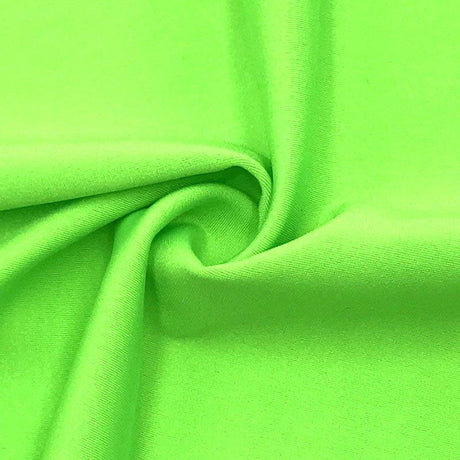
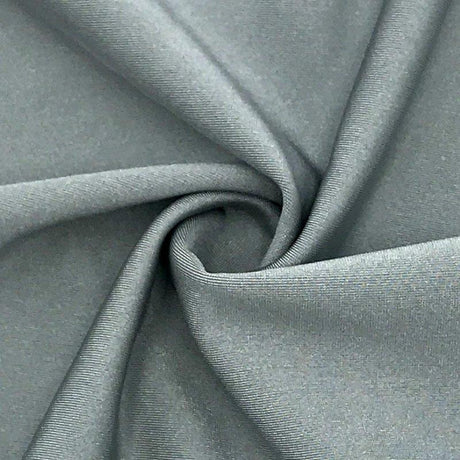
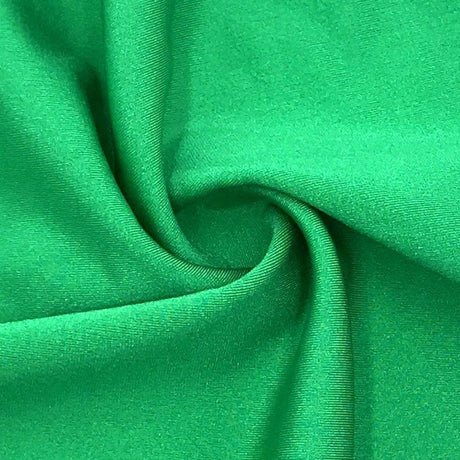
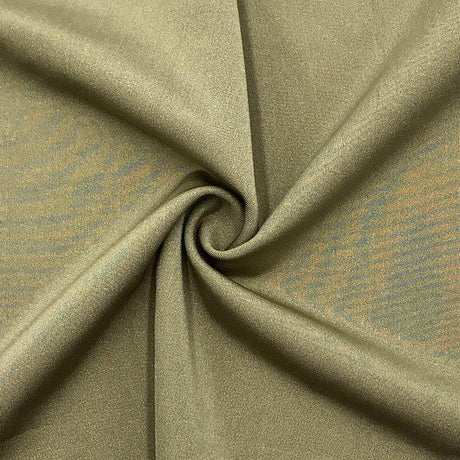
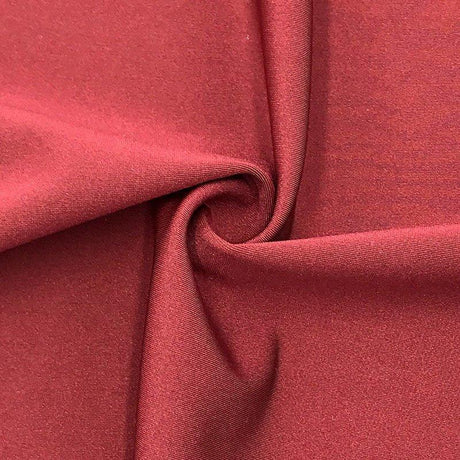
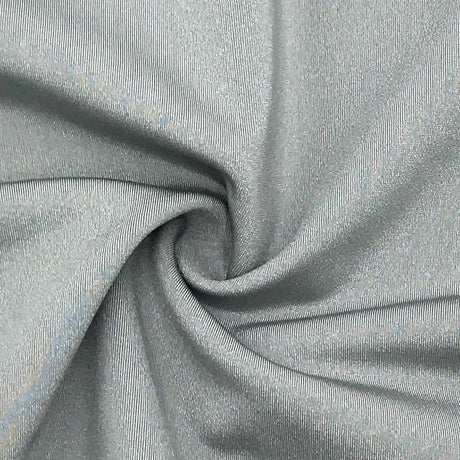
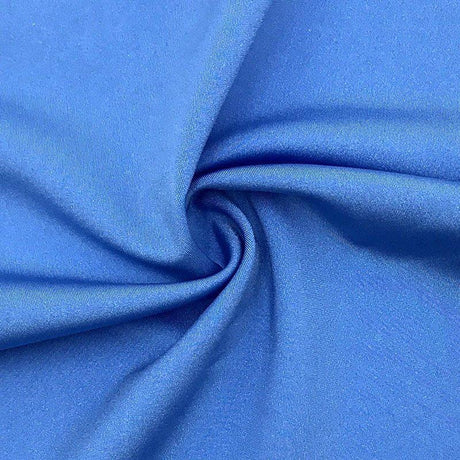
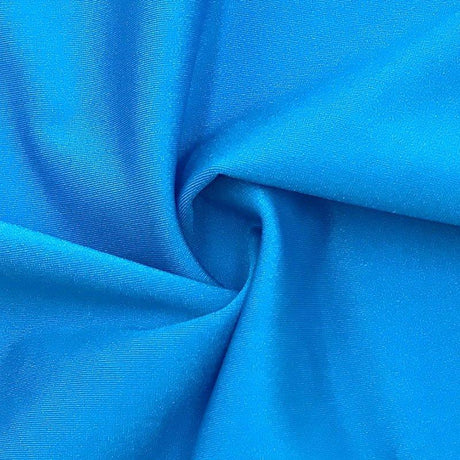
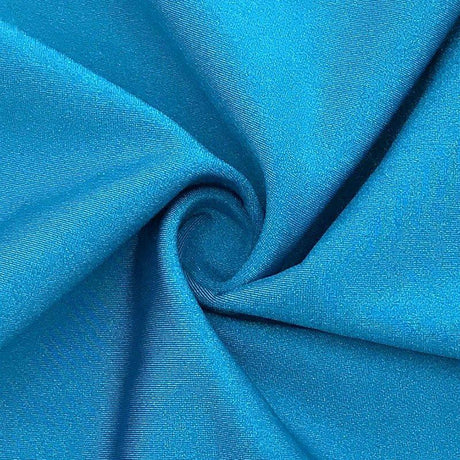
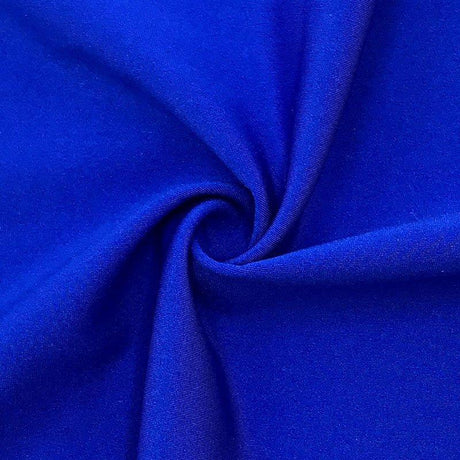
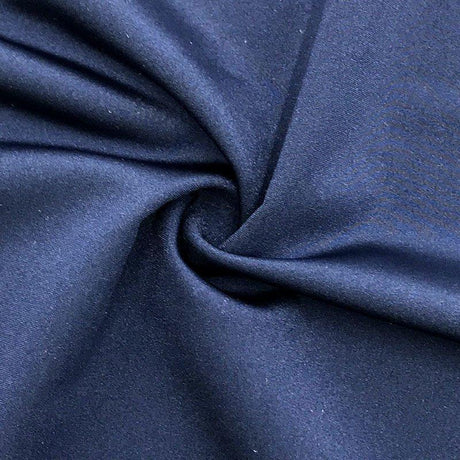
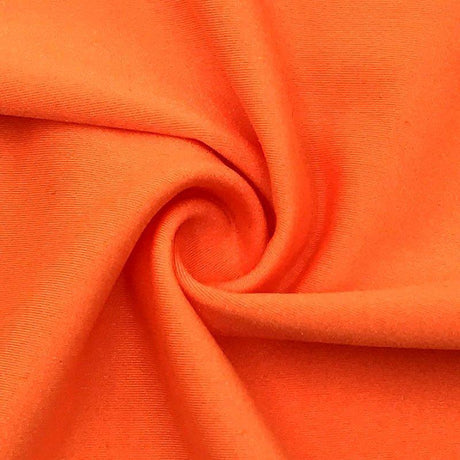
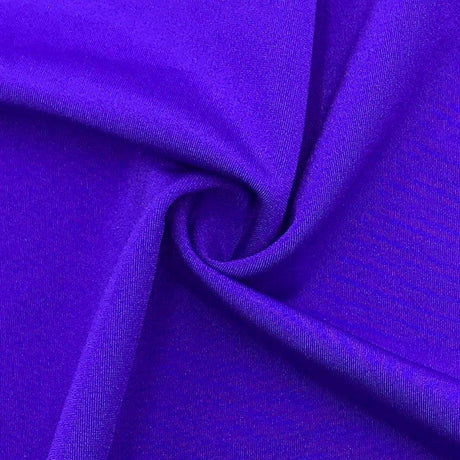
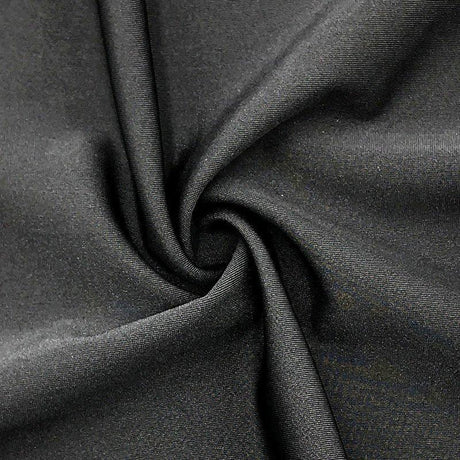
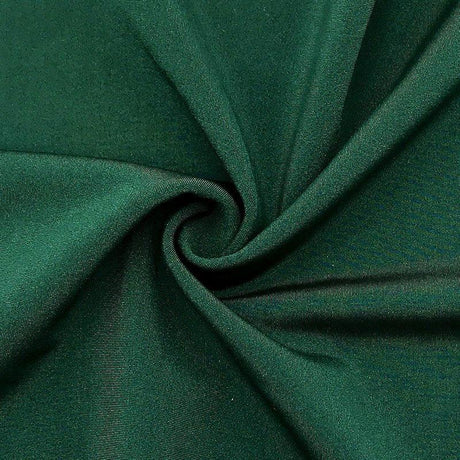
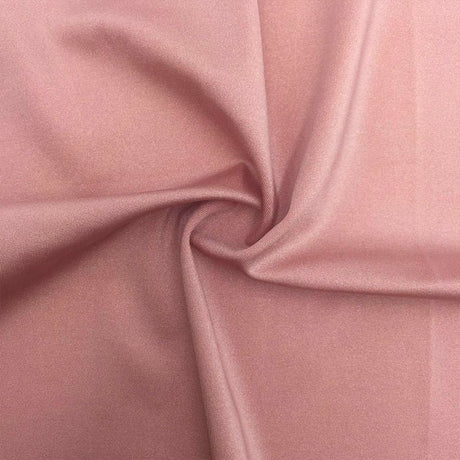
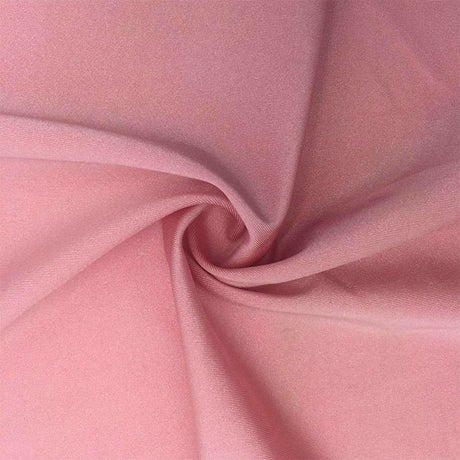
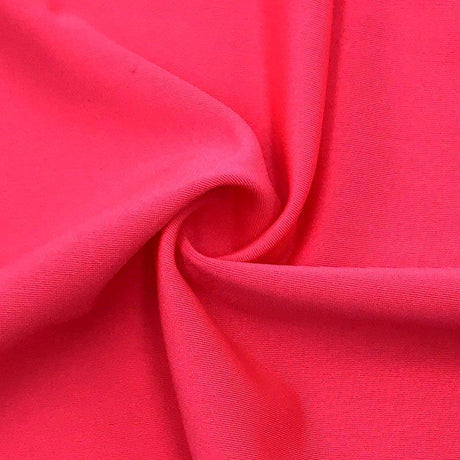
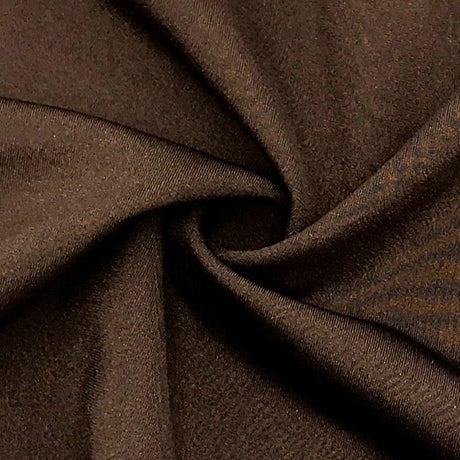
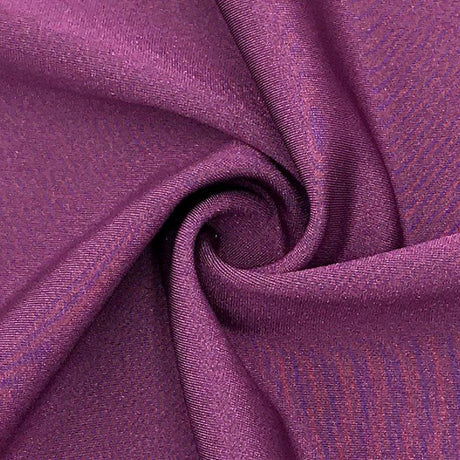
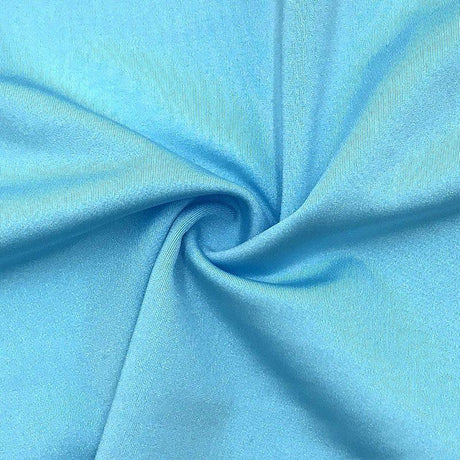
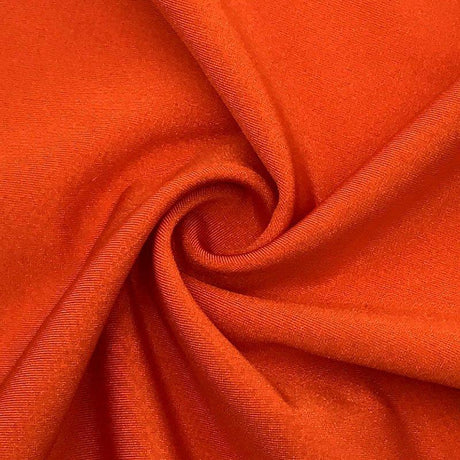
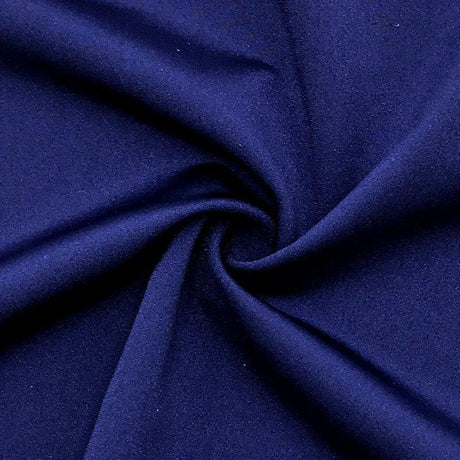
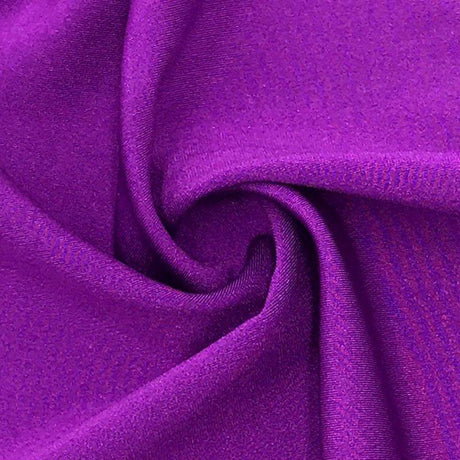
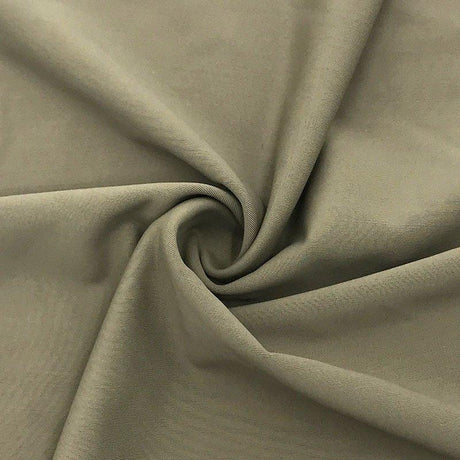
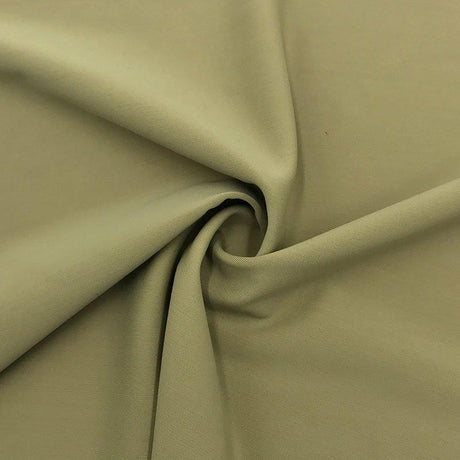
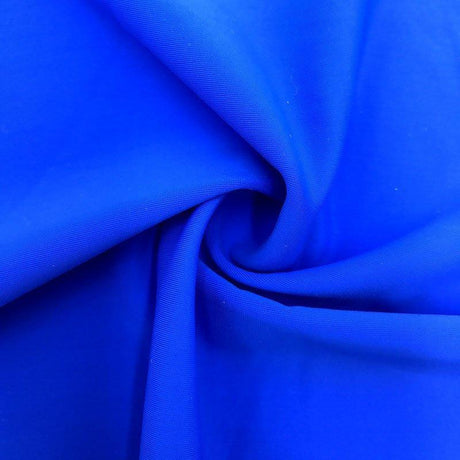
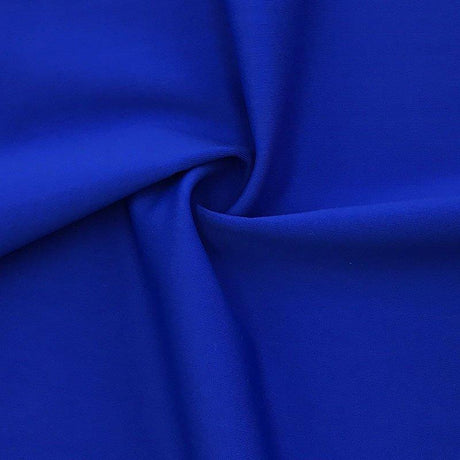
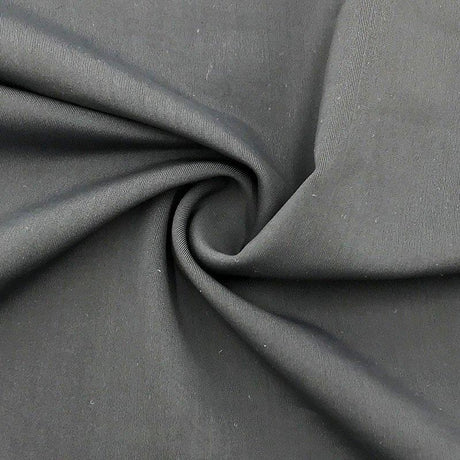
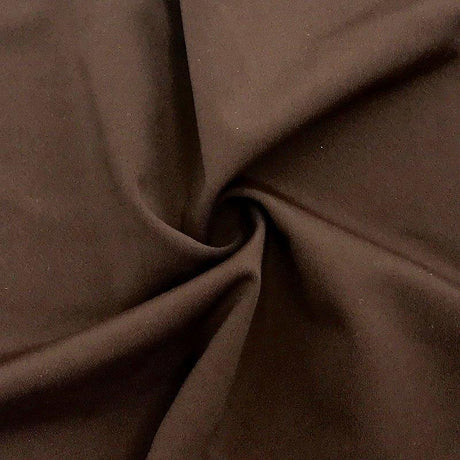
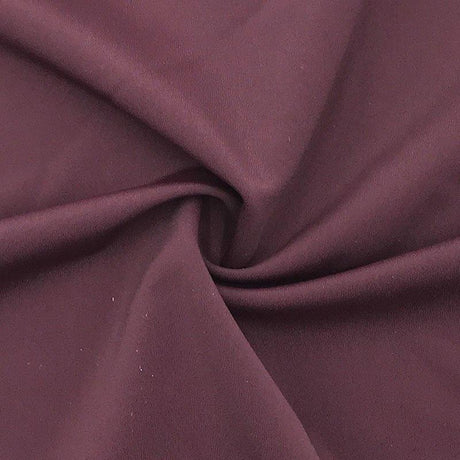
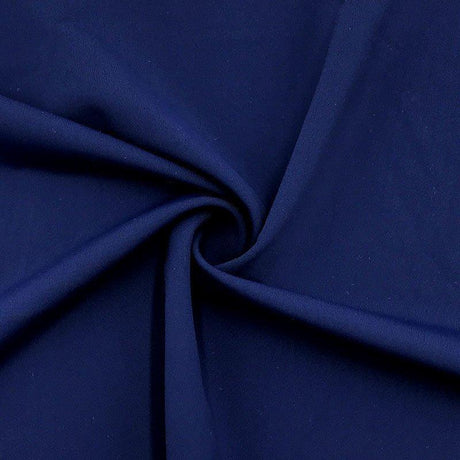
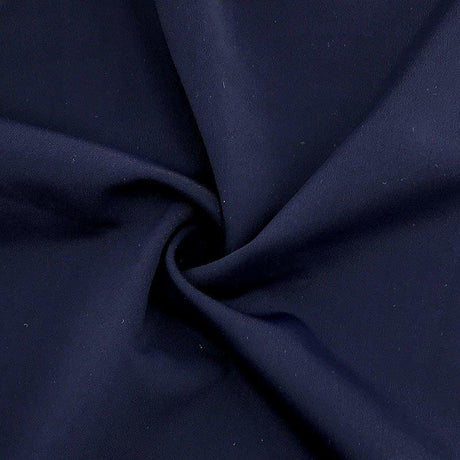
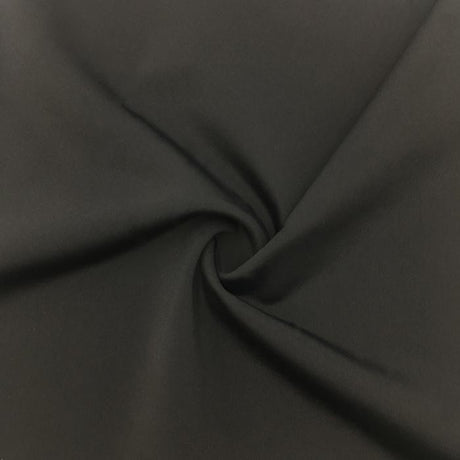
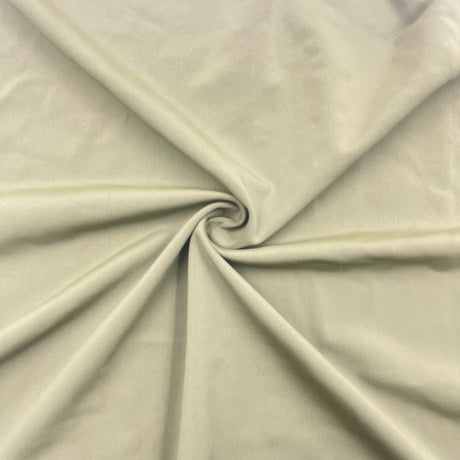
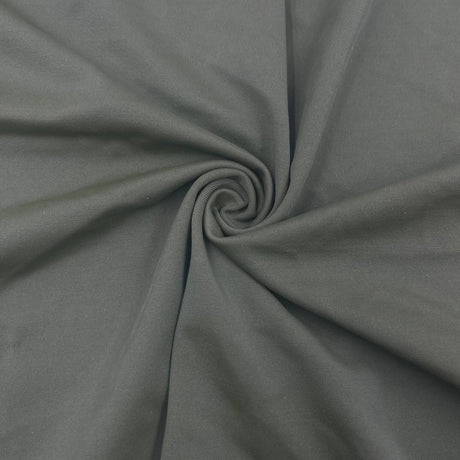
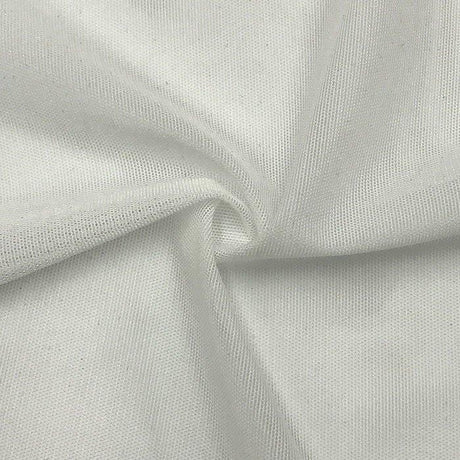
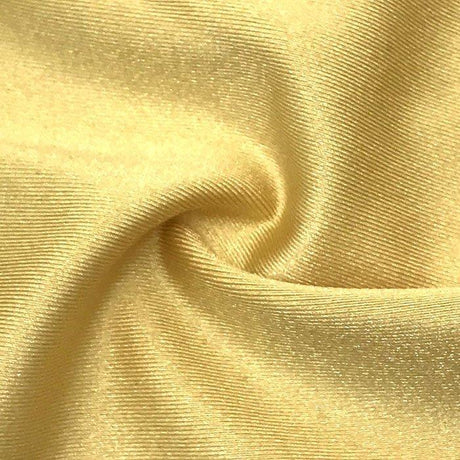
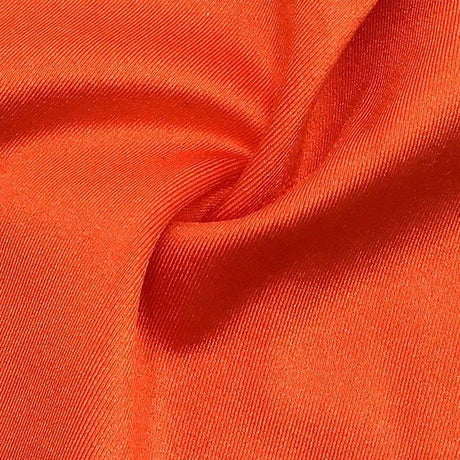
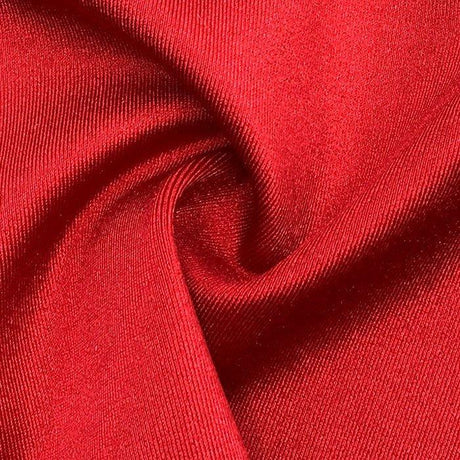
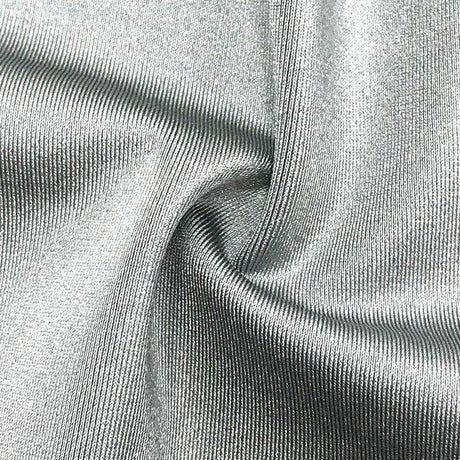
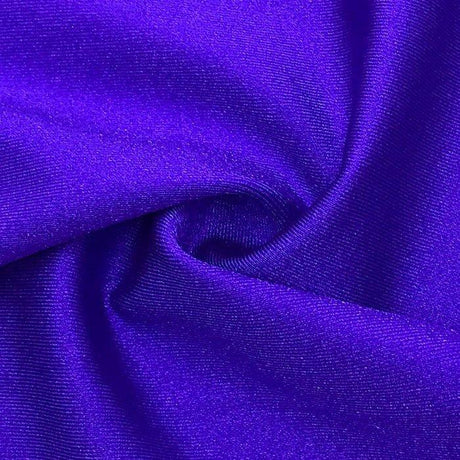
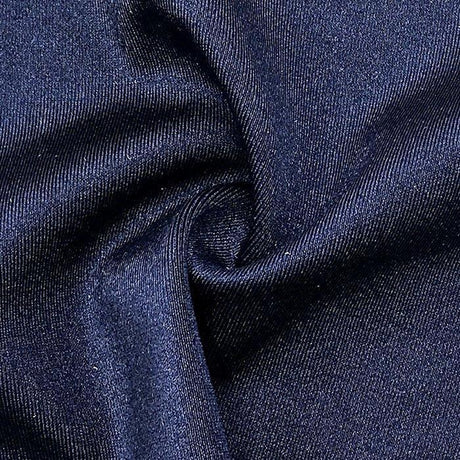
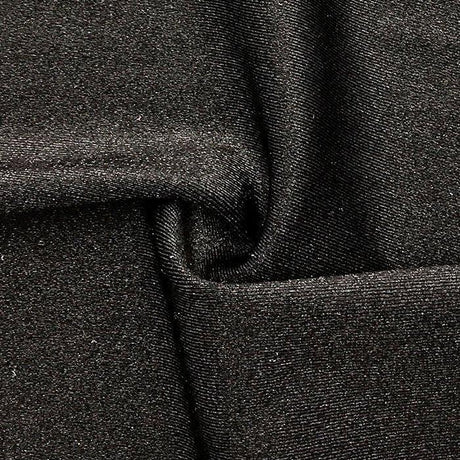
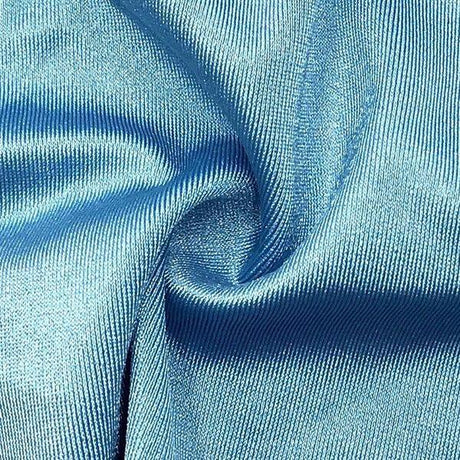
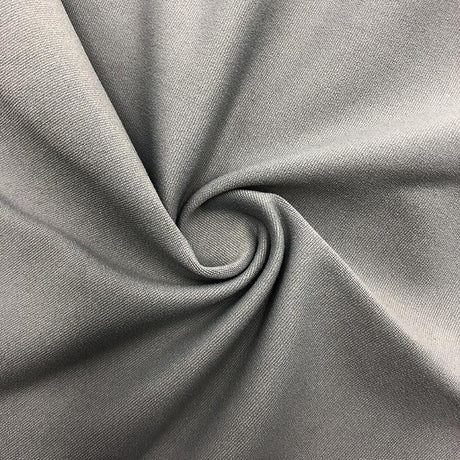
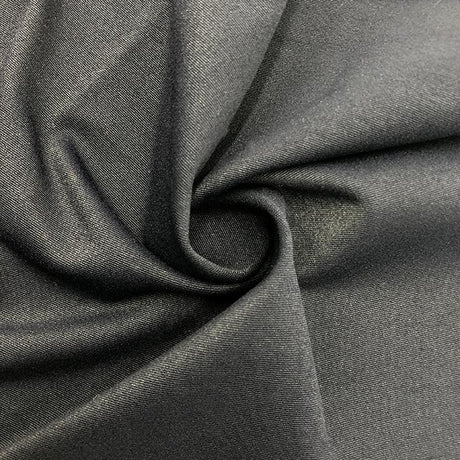
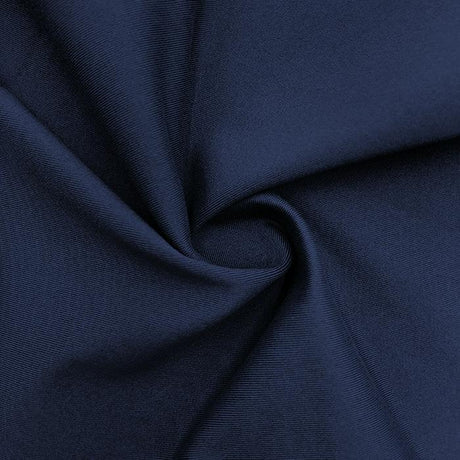
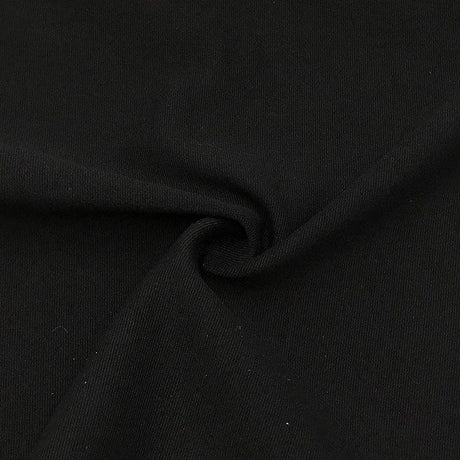
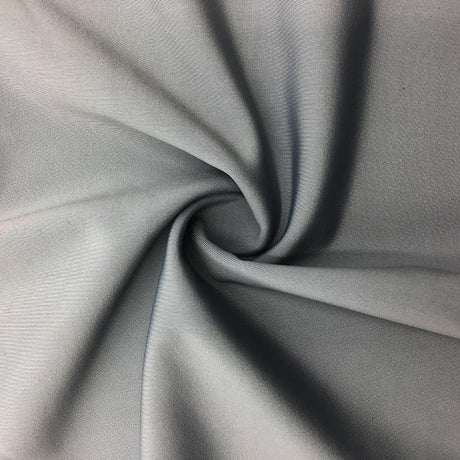
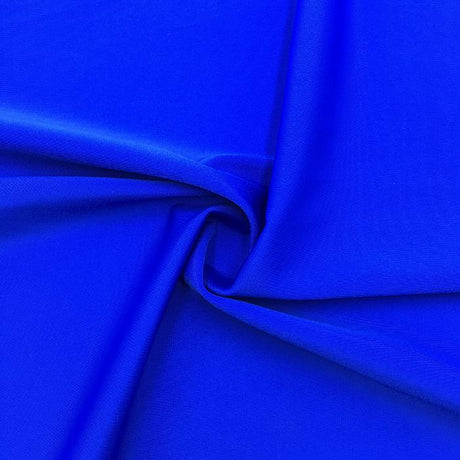
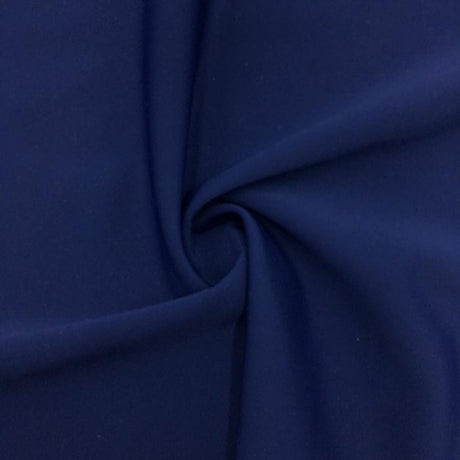
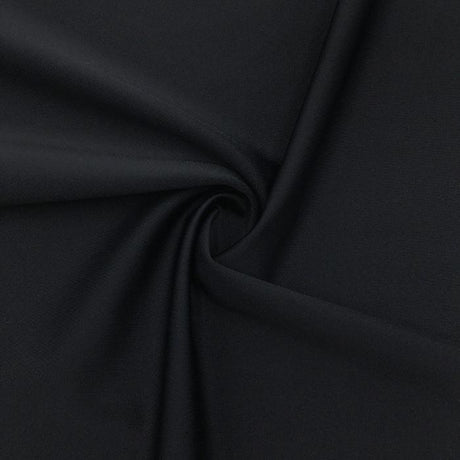
Medical compression spandex refers to high-elastane textile materials engineered to apply therapeutic pressure on the body. These fabrics are fundamental in healthcare garments – from compression socks to surgical binders – where controlled, graduated pressure can improve circulation and support healing. In this guide, we explore what high-compression spandex is, its composition and construction, and how it's used in medical applications. For a broader foundation on spandex fabric properties before diving in, explore our stretch fabric types page or browse our full fabric guides hub.
What is High-Compression Spandex?
High-compression spandex fabric is a textile that contains a significant percentage of elastane (spandex) fibers, allowing it to stretch and exert substantial compressive force on the body. Typically, these fabrics are blends such as nylon/spandex or polyester/spandex, often with 15–30% spandex content. The non-elastane portion (nylon or polyester) provides strength and durability, while spandex provides elasticity.
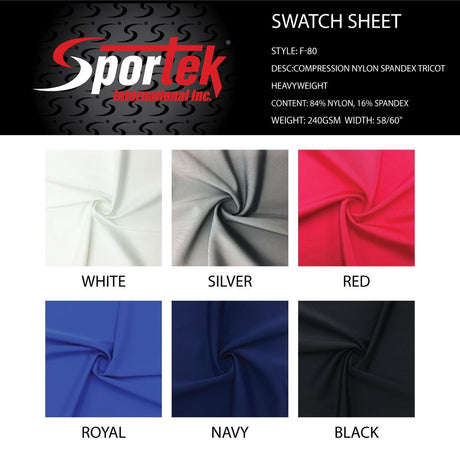
Nylon (polyamide) is often preferred for medical compression due to its smoother texture, high strength, and superior moisture management. An industry comparison found that an 80/20 nylon-spandex blend can deliver firm 4-way stretch compression (holding about 25 mmHg of pressure) with about 92% recovery and high abrasion resistance (~50,000 cycles). In contrast, comparable polyester-spandex blends may show lower elastic recovery (~75%) and can degrade under UV exposure. Our nylon-spandex fabric guide covers how nylon-spandex constructions achieve this combination of strength, softness, and controlled stretch across performance and medical applications.
Stretch Levels and 4-Way Elasticity: High-compression fabrics are engineered for significant stretch in all directions (4-way stretch). This ensures the material can conform snugly around complex body contours and exert even pressure. A quality medical compression fabric might elongate 150–250% in length and width while still recovering to its original size. Our stretch fabric types page covers how to measure, compare, and specify stretch percentages and recovery ratings across all common spandex-blend constructions.
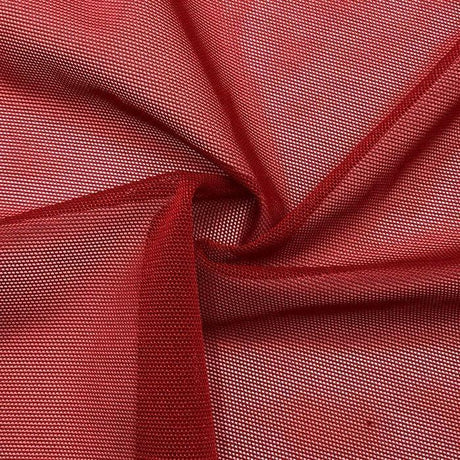
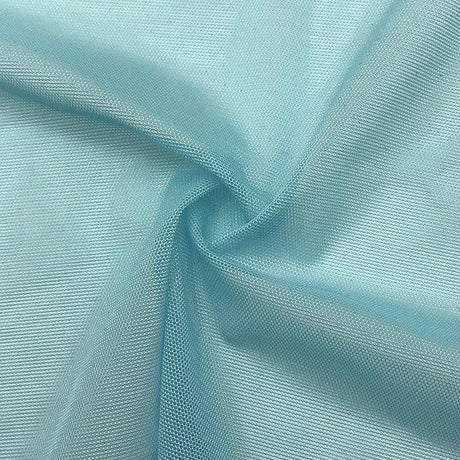
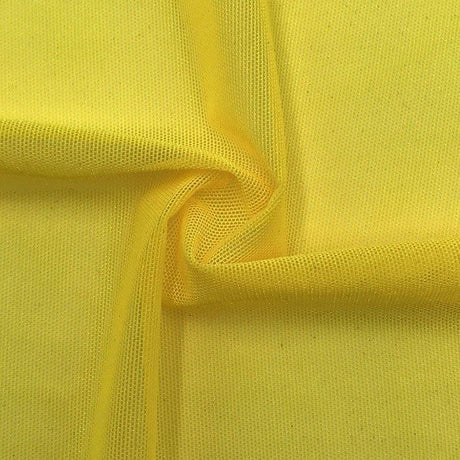
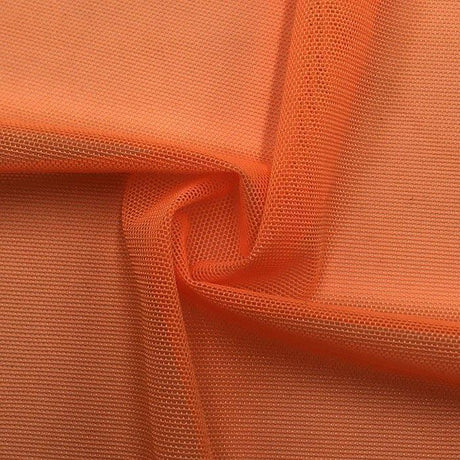
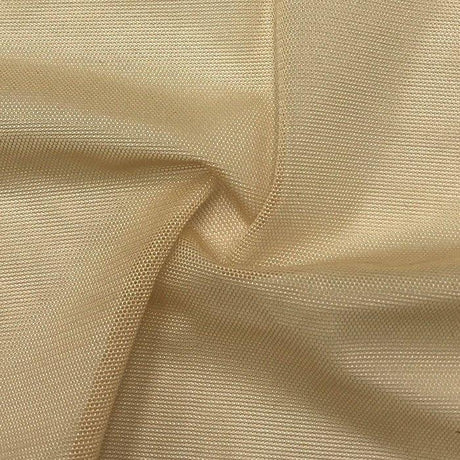
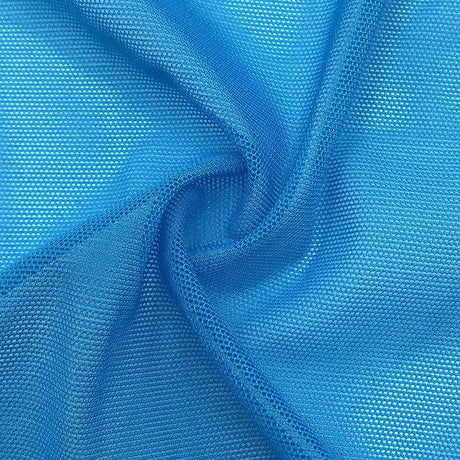
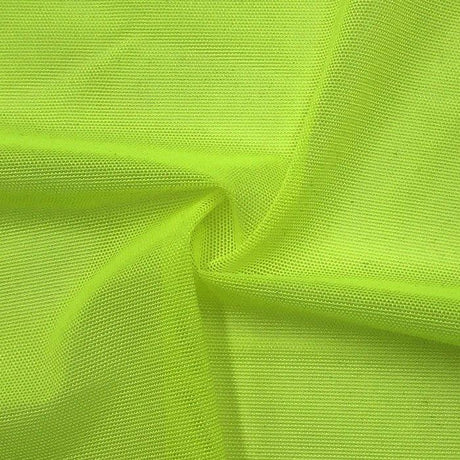
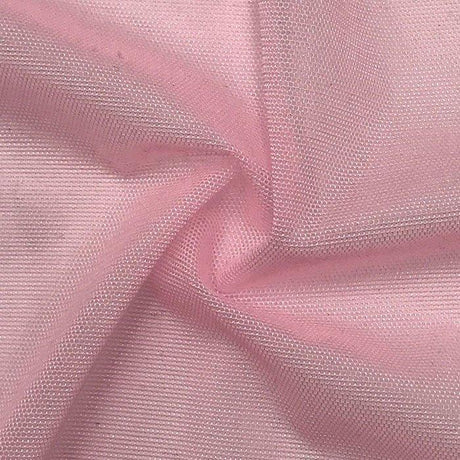
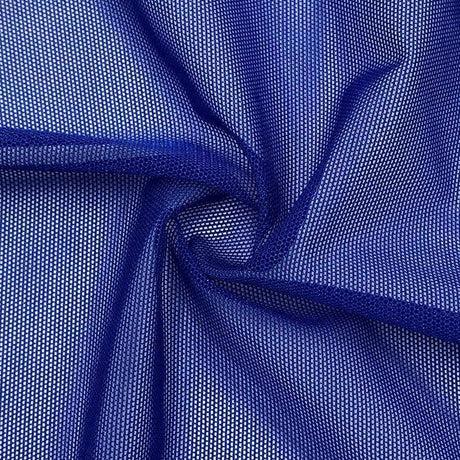
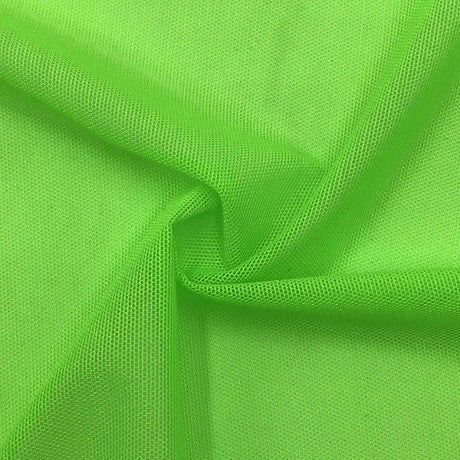
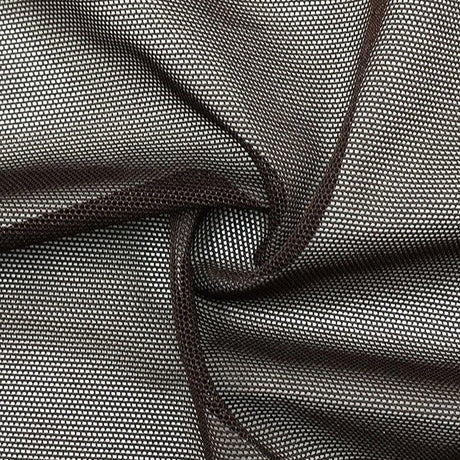
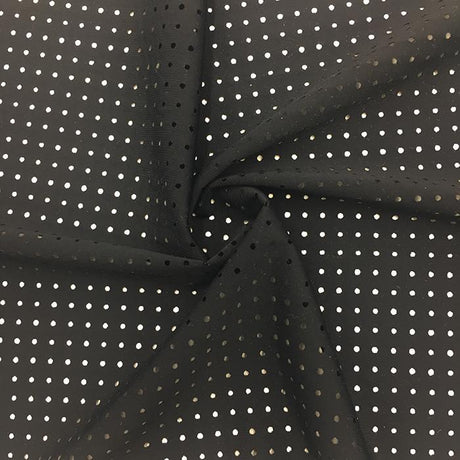
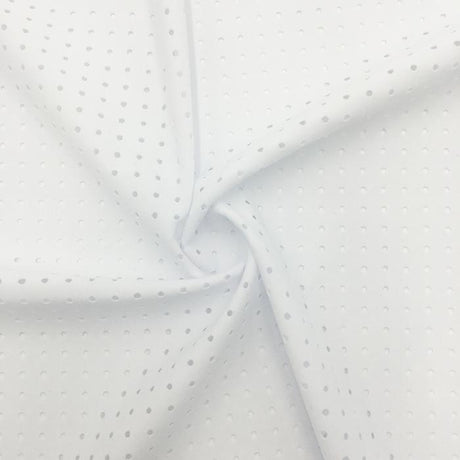
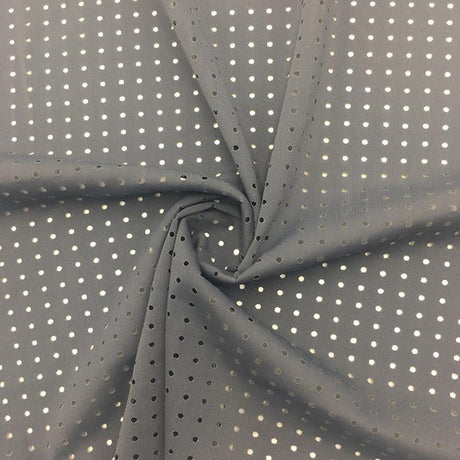
The knitting technique plays a major role in controlling stretch. Warp-knit constructions are commonly used for compression fabrics because they produce a more stable, less stretchy structure ideal for consistent, strong support. Warp knitting yields fabrics with controlled elasticity and excellent recovery that maintain consistent compression over time. Examples include powernet and power mesh fabrics used in medical and shapewear products. Powernet is a tightly knitted mesh (usually nylon/elastane) known for significant support and compression. Power mesh is a lighter variant with greater stretch and drape, offering gentler compression useful as a lining or for mild support. For medical compression spandex applications, warp-knit fabrics or hybrid constructions are favored to achieve the required high tension and long-term shape retention.
Construction Methods: Common construction methods for high-compression spandex fabrics include circular knitting (producing seamless tubes like compression stockings) and cut-and-sew from warp-knit yardage (for custom garments with panels). Circular-knitted compression stockings are typically seamless and provide graduated compression by varying stitch tension during knitting. Flat-knit garments allow creation of different panels with varying stretch properties – a garment might incorporate a high-compression powernet panel at an abdominal section and a lighter stretch fabric elsewhere to create zones of differing compression.
Medical Uses of Compression Fabrics
High-compression spandex materials are used to fabricate a variety of medical and therapeutic garments.
Post-Surgical Garments: After surgeries (orthopedic procedures, abdominal surgery, liposuction or other plastic surgery), patients often wear compression garments to support tissues and reduce swelling. By applying uniform pressure over the surgical area, they help prevent fluid buildup (seromas) and provide gentle support to incisions. Medical compression spandex fabrics used here must balance firm support with comfort for continuous wear. Our spandex care guide covers the gentle laundering protocols essential for medical compression garments worn in post-surgical recovery.
Lymphedema Sleeves and Garments: Lymphedema is managed with compression to encourage lymph fluid drainage. Compression sleeves or stockings for lymphedema are usually made of strong, stiff elastic fabrics that provide graded pressure (highest at the distal end) to push fluid out of the swollen limb. The spandex fabric must sustain a therapeutic pressure (often Class II or III compression) throughout daily activity. Fabrics are chosen for durability and stiffness, as lymphedema garments often face prolonged use.
Varicose Vein and Venous Insufficiency Support: Perhaps the most common use of compression spandex is in compression stockings for chronic venous disorders. By applying external pressure on the legs, these stockings help vein valves function and prevent blood pooling. Medical compression stockings are knit to deliver graduated compression (strongest at the ankle, decreasing upward) which improves venous return. Mild cases might use Class I (15–20 mmHg) stockings, whereas pronounced varicose veins or venous ulcers require Class II or higher (20–40+ mmHg) support. These fabrics also need good moisture wicking and anti-microbial properties because stockings are worn for long hours daily.
Orthopedic Bracing and Support: Compression fabrics are integrated into orthopedic supports like knee braces, ankle sleeves, or back supports. High-compression elastic panels provide joint stabilization and reduce swelling in injuries. The medical compression spandex must be robust (withstanding repetitive movement) and often has 4-way stretch so it doesn't restrict range of motion while still applying pressure. Our stretch fabric types page covers how spandex percentage and knit construction type combine to determine compression power in performance and medical applications.
Burn Scar Management: In burn therapy, custom pressure garments made of high-compression spandex fabric are crucial for scar management. These garments apply continuous pressure to healing burn wounds or grafts to flatten hypertrophic scars. Research and clinical practice suggest that maintaining a pressure around 20–30 mmHg on a maturing scar for 23+ hours a day can significantly reduce excessive scar tissue formation. Burn compression garments are typically made from powernet or strong Lycra®-type fabric that can deliver this pressure uniformly.
Diabetic Circulation Aids: People with diabetes may use mild compression socks or sleeves to improve circulation in the legs and feet. Medical compression spandex socks in the 15–20 mmHg range are sometimes recommended to reduce edema and enhance blood flow. These diabetic support socks are usually made from softer, seamless knit fabrics (often with added cotton or anti-microbial fibers like silver) to minimize friction and moisture.
Technical Attributes of Medical-Grade Compression Fabric
Several technical attributes differentiate medical compression spandex fabrics from ordinary stretch fabrics.
Pressure Rating (mmHg): Medical compression fabrics are classified by the pressure (in millimeters of mercury) they exert on the body. Medical-grade compression usually starts at around 20 mmHg or above. The pressure is measured using specialized instruments that simulate the limb circumference; manufacturers knit or calibrate the fabric tension so that at a given stretch, it delivers the target mmHg.
4-Way Stretch and Elastic Modulus: Medical compression textiles have high multidirectional stretch. 4-way stretch means the fabric can extend both widthwise and lengthwise significantly, allowing garments to conform to body curves while maintaining even pressure. High-compression spandex fabrics often use knit structures that provide graduated elasticity, enabling gradient compression profiles. Our fabric weight guide covers how GSM interacts with spandex percentage to determine compression level across different warp-knit and circular-knit constructions.
Strong Recovery and Fatigue Resistance: Recovery refers to how well the fabric returns to its original shape after stretch, and fatigue resistance refers to how many cycles of stretch the fabric can endure before losing elasticity. Medical compression garments are worn daily and stretched repeatedly, so the fabric must not quickly "relax" or lose compression. Quality compression spandex is made with durable elastane (often double-covered yarns to protect the elastic core) to achieve thousands of stretch cycles with minimal degradation. Warp-knit powernet fabrics are known for maintaining their compressive force over time.
Breathability and Moisture Management: Because compression garments fit tightly and may be worn for extended periods, breathability and moisture-wicking are key. Medical compression spandex fabrics often incorporate microfiber nylon or special polyester to pull sweat away from the skin and allow airflow. Good moisture management prevents skin maceration and discomfort – a dry, breathable garment reduces itchiness and bacterial growth. Our fabric finishes guide covers the moisture management treatments and surface finishes applied to medical and performance compression fabrics.
Anti-Microbial and Skin-Friendly Finishes: Given the close-to-skin, prolonged wear nature of these garments, many medical compression spandex fabrics include anti-microbial treatments. Silver-ion or zinc treatments, or inherent yarn properties (like bamboo-charcoal or copper-infused fibers), can inhibit bacteria and fungus growth, reducing odor and risk of infections. Additionally, fabrics are often tested for biocompatibility – they should be latex-free and may be certified to OEKO-TEX® Standard 100 (meaning they contain no harmful substances). Our fabric guides hub covers OEKO-TEX® and GRS certifications and what they mean for fabric safety and chemical content.
Graduated Compression & Fabric Design: A hallmark of medical compression garments is graduated compression – higher pressure distally, easing proximally. While this is more of a garment design aspect than a raw fabric property, it's achieved through the fabric's knit pattern and tension settings. The ability of a compression fabric to be engineered to create these pressure differentials is a key attribute. Fabrics used must respond predictably to stretch – which is why standardized elastic testing is done to ensure reproducibility across production batches.
Compression Classes and Fabric Characteristics
Medical compression garments are grouped into compression classes based on their pressure level (mmHg).
| Compression Class | Pressure Range (at ankle) | Recommended Fabric Characteristics |
|---|---|---|
| Class I (Light) | 18–21 mmHg | Soft, highly elastic fabric with moderate spandex content (e.g. ~15–20% elastane). Often a lightweight circular knit or smooth warp-knit that is easy to don and comfortable for all-day wear. Emphasizes breathability and softness for mild compression needs. |
| Class II (Moderate) | 23–32 mmHg | Stronger fabric with higher elastane (often 20–30% spandex) and firmer stretch. Warp-knit powernet or tight circular knit used to ensure consistent moderate pressure. Fabric should have excellent recovery and durability yet still allow 4-way stretch for ease of movement. |
| Class III (Strong) | 34–46 mmHg | Heavy compression fabrics, usually warp-knitted with high elastane or layered construction. High-stiffness (low stretch) to provide a high level of containment. Often custom-made flat knit garments. Strong nylon-spandex blends (sometimes >30% spandex) with reinforced seams or panels. |
| Class IV (Very Strong) | ≥ 49 mmHg | Extremely firm compression, generally reserved for advanced lymphedema or unusual cases. Very dense knits or multiple layers of compression fabric with minimal stretch. Only custom garments (made-to-measure) achieve Class IV. These fabrics prioritize support over comfort, though they must still be breathable and skin-safe. |
Our stretch fabric types page covers how spandex percentage and knit construction type combine to determine compression power across all four compression classes. Our nylon-spandex fabric guide covers the nylon-spandex blend constructions that are most commonly specified for Class II and above applications.
Note: The above classes correspond to the widely used German RAL standard. Regardless of class, all medical compression spandex fabrics must deliver a controlled, gradually decreasing pressure from the distal to proximal end to be effective.
Selecting the Right Compression Fabric
Choosing the appropriate medical compression spandex fabric for a project involves considering the medical purpose, patient needs, and practical garment construction.
Match Fabric to Intended Medical Use: The condition or therapy will dictate the compression class and thus the fabric requirements. Designing a post-surgical compression vest might call for a moderate Class II fabric that is breathable and easy to don, whereas a garment for managing burn scars or stage II lymphedema might require a firmer Class III fabric to provide higher sustained pressure. Always select a fabric capable of safely delivering the needed mmHg range for the target use. Our how to choose fabric guide provides a systematic evaluation framework for matching fabric specifications to end-use requirements.
Consider Skin Sensitivity and Comfort: Patients who wear compression garments often have sensitive skin. Selecting a fabric with a soft touch and skin-friendly properties is crucial. Look for microfiber nylon or cotton-blend compression fabrics if the patient has tactile sensitivity – these tend to feel softer and cooler on the skin. Ensure the fabric is latex-free and ideally certified for safety (OEKO-TEX®). If the garment will be worn in warm climates or by an active person, moisture-wicking and breathable fabric is a must. Never sacrifice patient comfort: a slightly lower compression that the patient will actually wear consistently is more effective than a higher compression fabric that is too uncomfortable and ends up not being used.
Layering and Garment Design Requirements: Think about how the compression fabric will be used in the final product. If the garment will be worn under regular clothing, a thinner profile and low-friction exterior might be important – many medical hosiery fabrics have a smooth knit that won't catch on pants. Consider also the donning/doffing needs: higher compression classes can be very difficult to put on, so fabrics with a bit of surface slip or using a two-way stretch might be strategic. If layering garments, ensure the fabric is breathable enough to prevent overheating and that seams or edges are thin to avoid pressure points. Our fabric weight guide covers how GSM affects drape, thickness, and wearability across compression fabric constructions.
Desired Compression Zones and Paneling: When a garment needs variable compression in different areas, you can select a single fabric that has graduated knit tension built-in, or design the garment with different fabrics for different panels. If choosing the latter, pair fabrics that have compatible stretch characteristics to avoid mismatch at the seam. For instance, you might use a heavy powernet for the front panel of a post-liposuction abdominal binder, but a slightly lighter-weight power mesh at the sides for comfort and flexibility. Ensure that transitions are smooth and won't cause a tourniquet effect at the seams. Use flatlock or covered seams and possibly add a thin lining under seam lines for high-compression garments.
Compliance with Standards and Verification: Choose fabrics from reputable suppliers who provide data on compression performance and have certified quality standards. Look for compression fabrics that come with documentation of their pressure ratings (mmHg) at various stretches or sizes. If you're developing a product that needs regulatory approval or clinician acceptance, using a proven fabric that meets standards (such as RAL Grade compression or ISO certifications) can save a lot of validation effort. Always obtain samples and perform your own stretch/pressure tests to verify that the fabric choice actually achieves the design goal. Our expert help and advice page connects you with knowledgeable staff who can assist with fabric specification and sourcing for specialized applications.
Measurement, Testing, and Standards
Medical compression fabrics and garments undergo rigorous testing to ensure they deliver the prescribed pressure and are safe for therapeutic use.
Measuring Compression (mmHg): Compression levels are quantified in millimeters of mercury (mmHg). Manufacturers measure this by simulating the garment on a leg or arm model with known circumference and using pressure sensors. Manufacturers use devices like the HOSY (Hohenstein System) or MST compression tester to verify the pressure profile on finished garments. Testing protocols ensure that even during movement, the pressure stays within safe bounds and that gradient is maintained.
Certification and Standards (RAL, ISO, etc.): In Europe, the RAL-GZ 387/1 standard is a well-known guideline for medical compression stockings. Manufacturers of medical compression textiles often adhere to ISO 13485 (medical device quality management) to ensure consistent production. Since these garments are worn next to skin, many products are certified to be free of harmful chemicals. Our fabric guides hub covers OEKO-TEX® certification and what it means for fabric safety and chemical content in garments worn in prolonged skin contact.
FDA and Regulatory Guidelines: In the United States, compression garments intended for medical use are regulated by the FDA, typically as Class I medical devices. FDA doesn't "approve" fabrics, but if your garment is audited, you'd need to show it consistently meets the therapeutic claims. Adhering to recognized standards (RAL class, etc.) helps in certifications and insurance reimbursements.
Quality Control – Ensuring Consistency: Producing medical compression garments is a precise process – any variation in yarn, knit, or finishing can alter compression. Fabrics might be tested for elongation force at various points to ensure the elastic modulus hasn't deviated. Garments are often randomly pressure-tested from production lines. When selecting a fabric supplier, look for one that can provide test data or certification for medical use. Our stretch fabric types page covers the stretch and recovery testing methodology that underlies this quality verification process.
Conclusion
High-compression spandex fabrics are the backbone of many therapeutic garments – providing healing support from the operating room to everyday living with chronic conditions. By blending elastane with high-strength fibers in smart knit constructions, these medical compression spandex textiles achieve something remarkable: they apply controlled, measurable pressure to the human body in a comfortable and wearable form.
Designing or choosing a compression fabric is a balancing act between technical performance and human factors. A medical compression spandex fabric must deliver the right pressure while also being something a patient can tolerate wearing daily. With advances in textile technology – such as new moisture-wicking fibers, 3D knits for variable compression, and ever more durable elastanes – today's compression fabrics are more effective and comfortable than ever.
Ready to evaluate compression fabric options for your project? Use our stretch fabric types page and fabric weight guide to understand the technical specifications that govern compression performance, our nylon-spandex fabric guide for full performance profiles on the most common compression fabric blend, and our how to choose fabric guide to build a systematic evaluation framework. Our spandex care guide and fabric care guide cover laundering protocols that preserve elastane recovery in compression garments through repeated therapeutic use. Have questions about specific fabric specifications or sourcing? Our expert help and advice page and FAQ are always available. Sign up for SpandexByYard Rewards to earn points on every purchase – because the right compression fabric, precisely specified and properly maintained, is the foundation of every effective therapeutic garment.