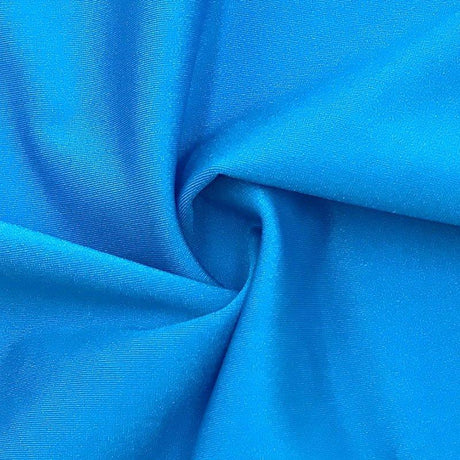
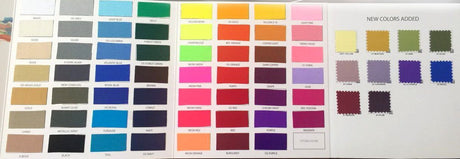
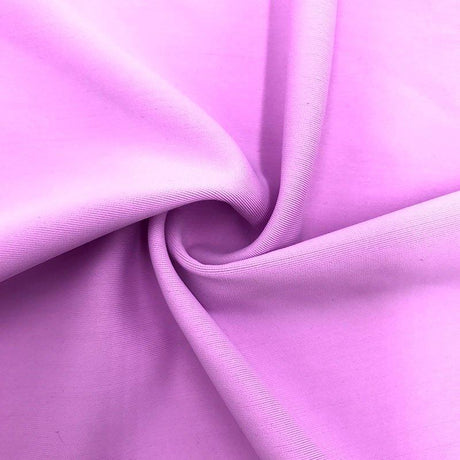
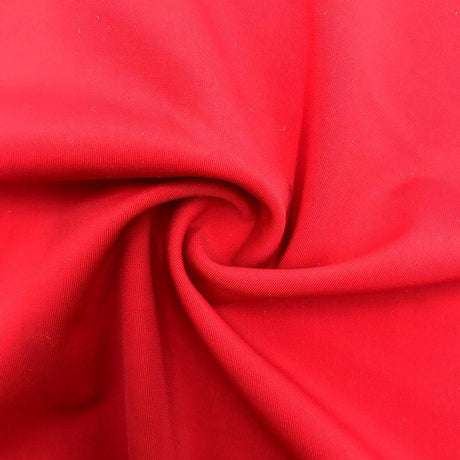
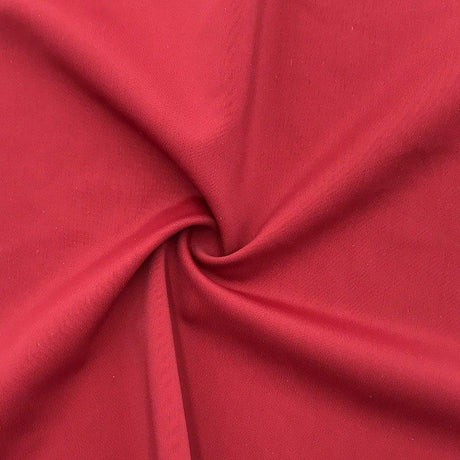
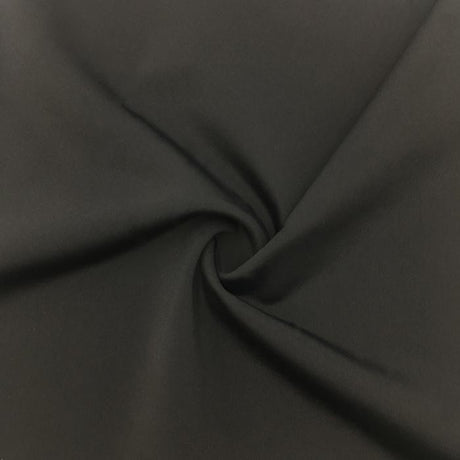
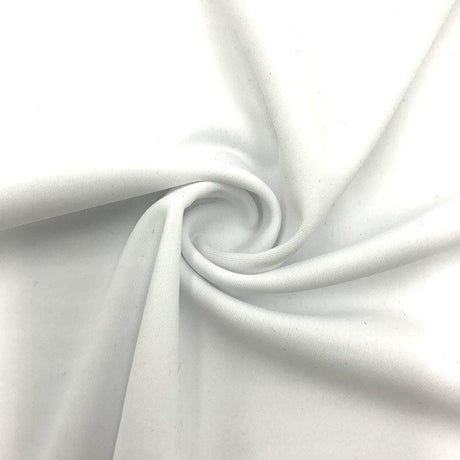
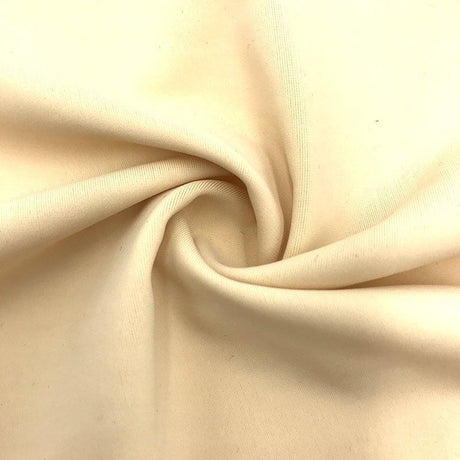
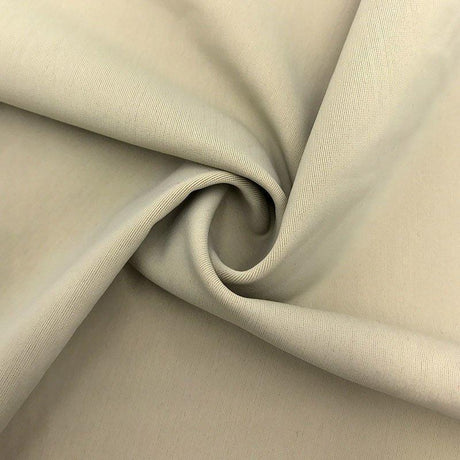
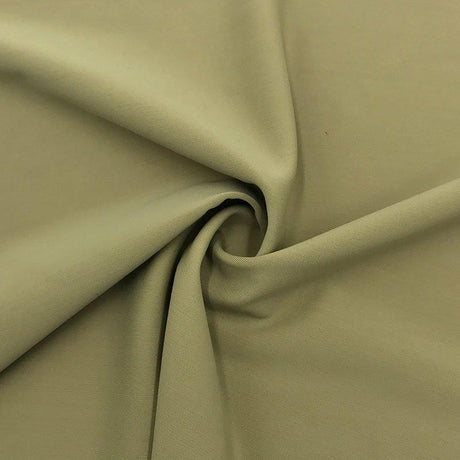
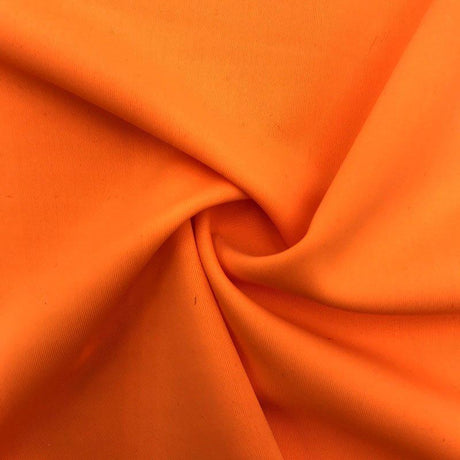
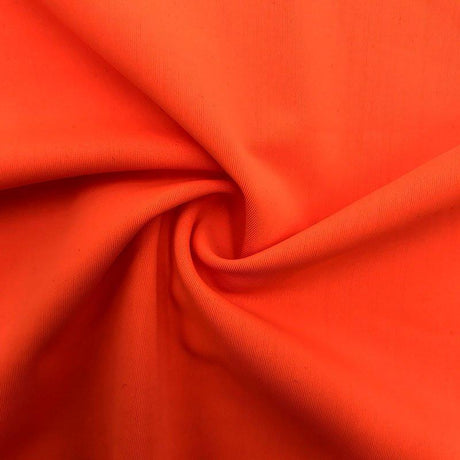
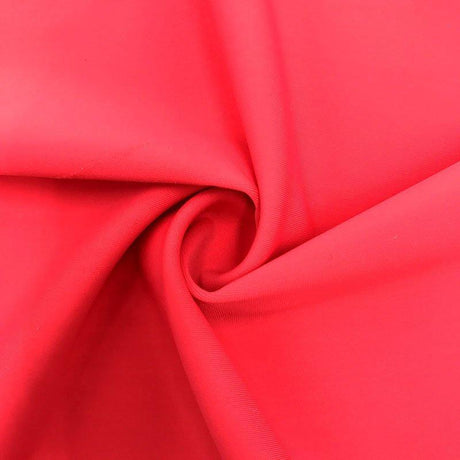
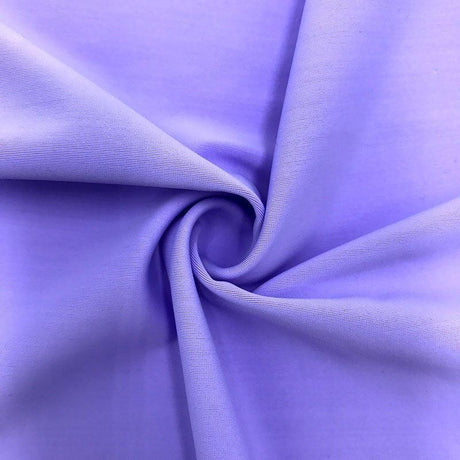
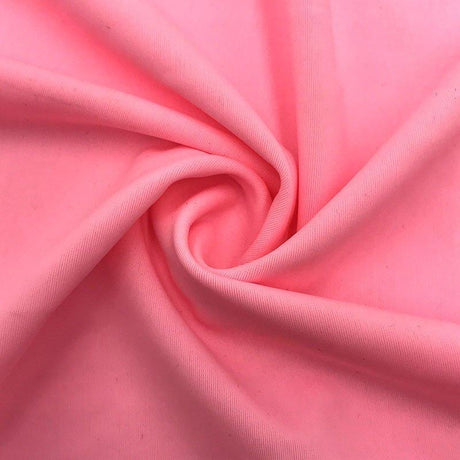
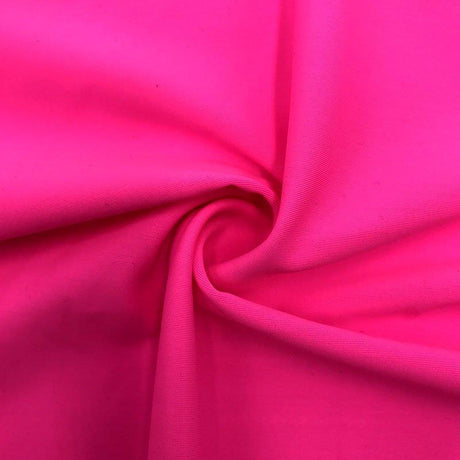
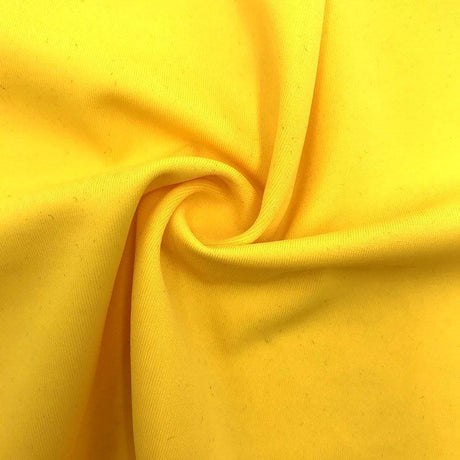
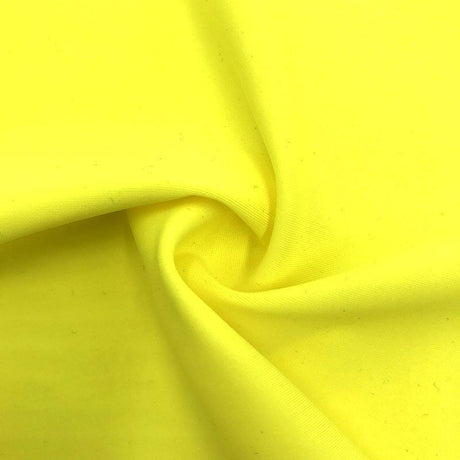
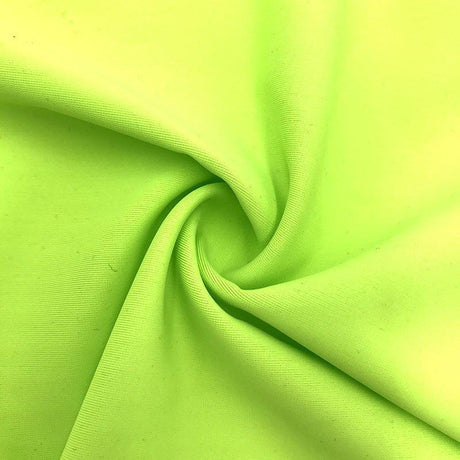
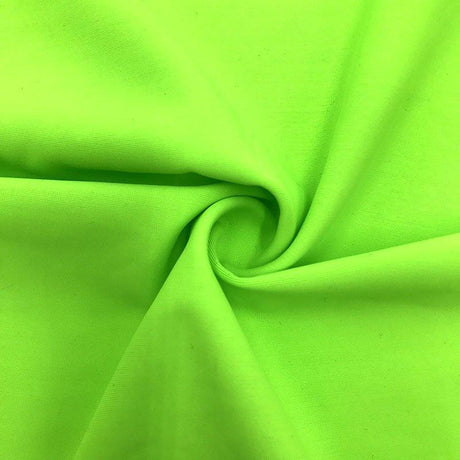
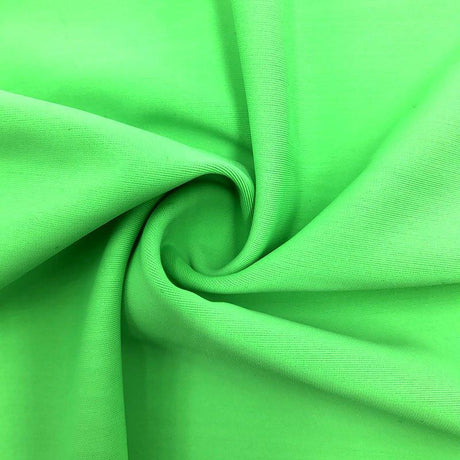
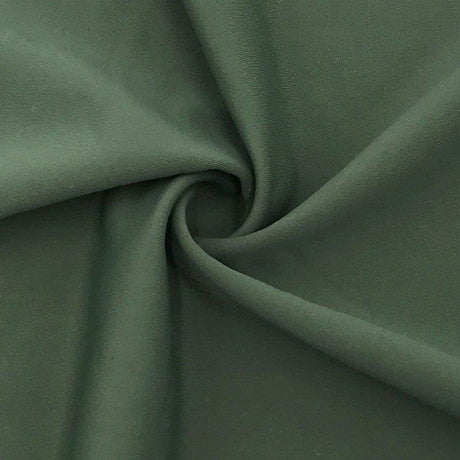
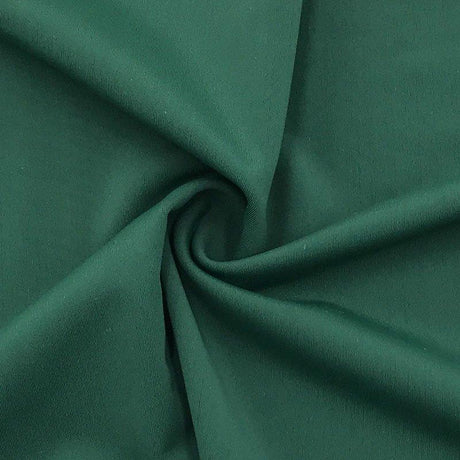
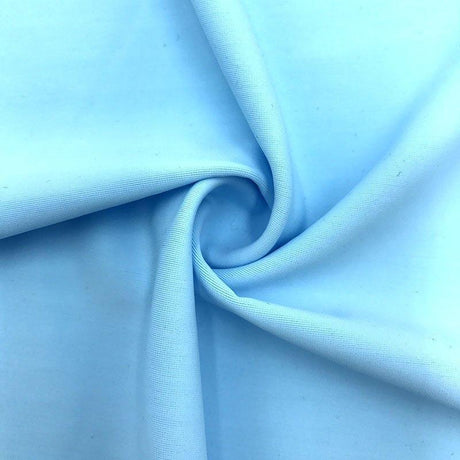
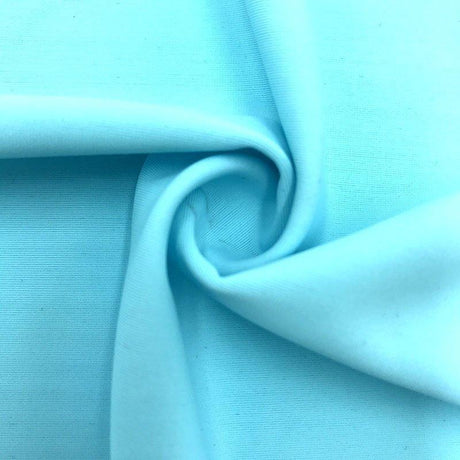
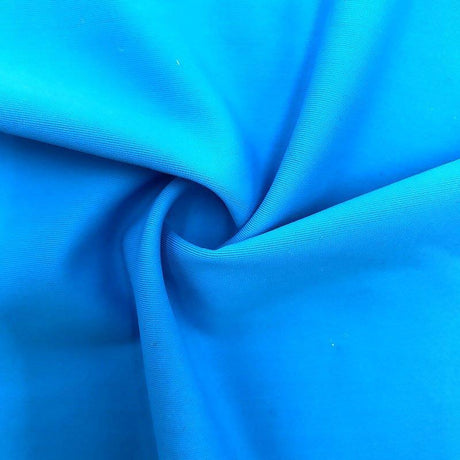
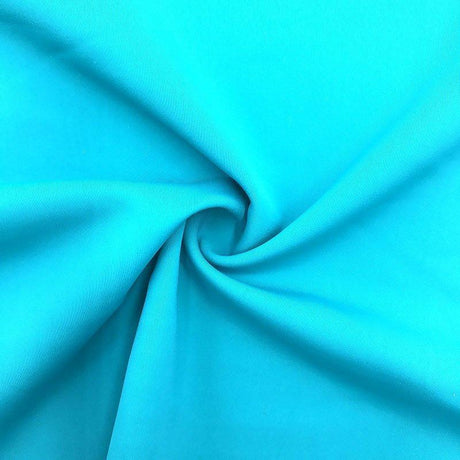
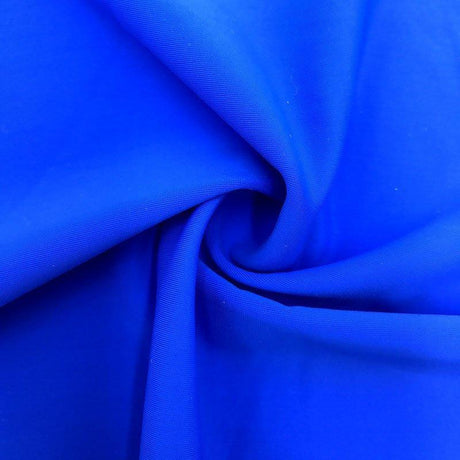
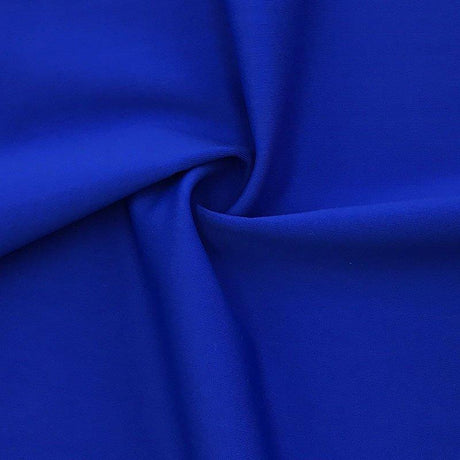
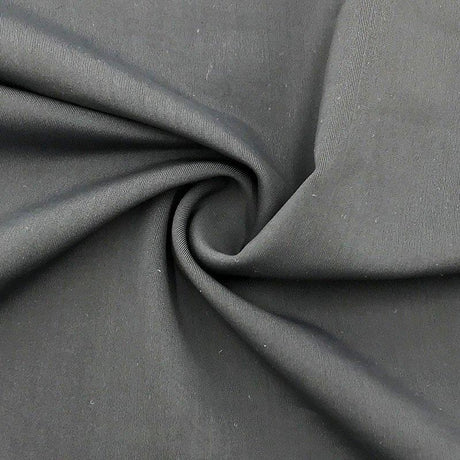
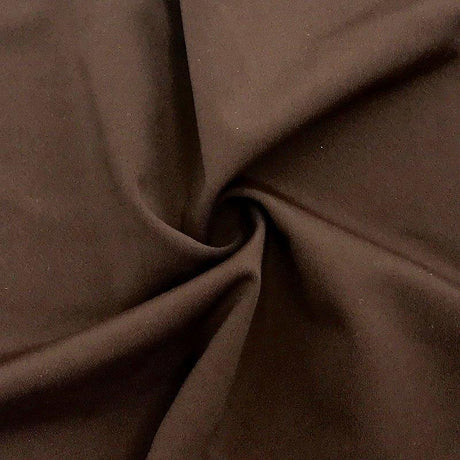
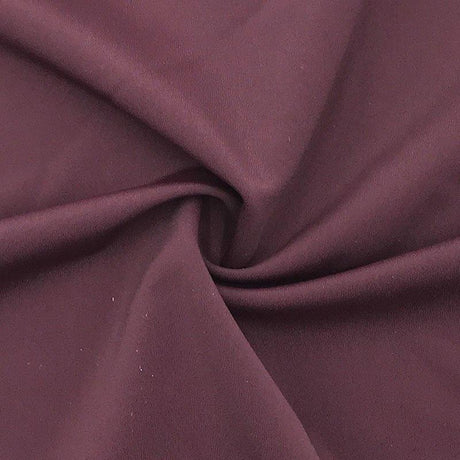
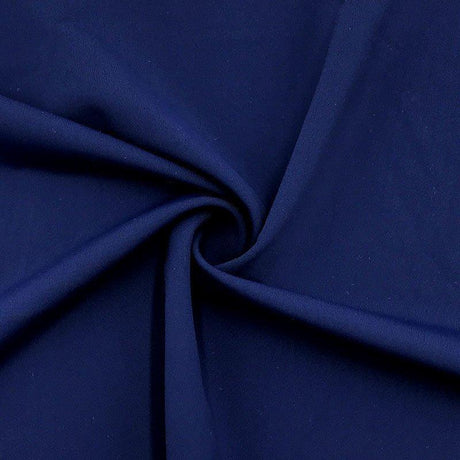
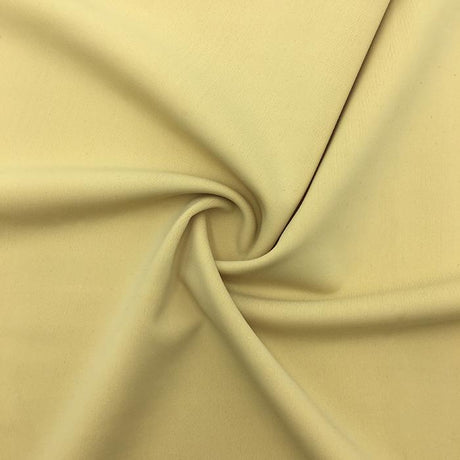
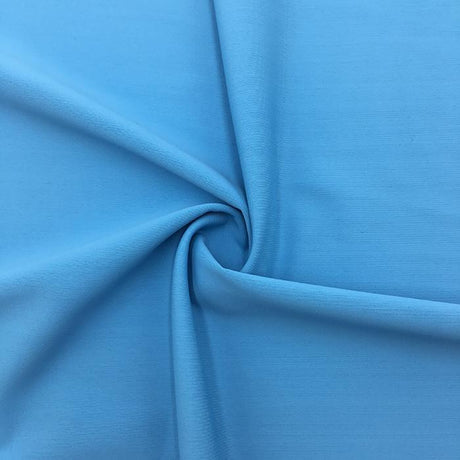
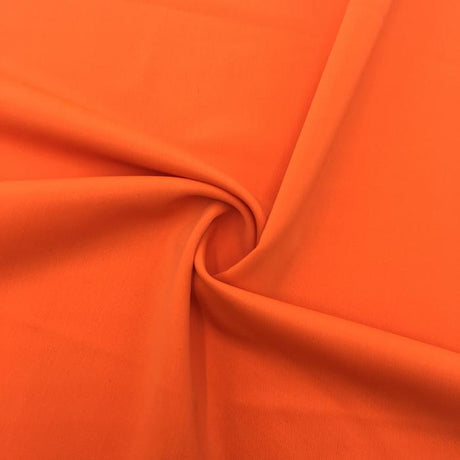
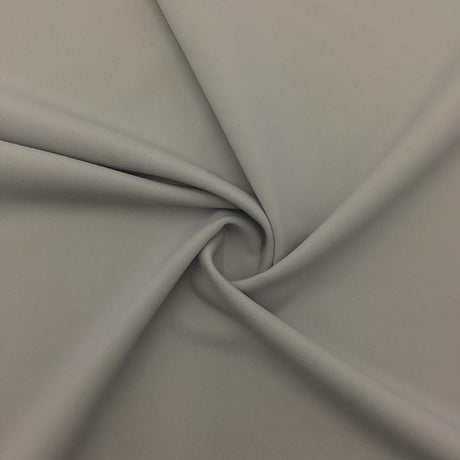
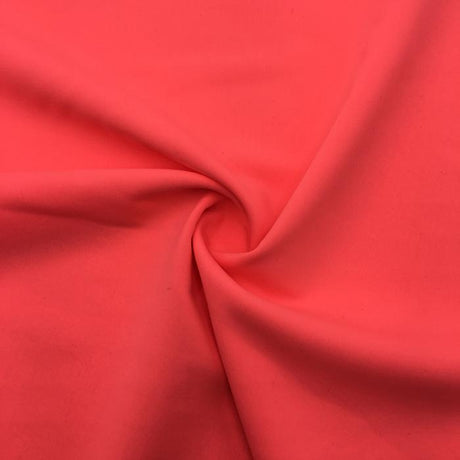
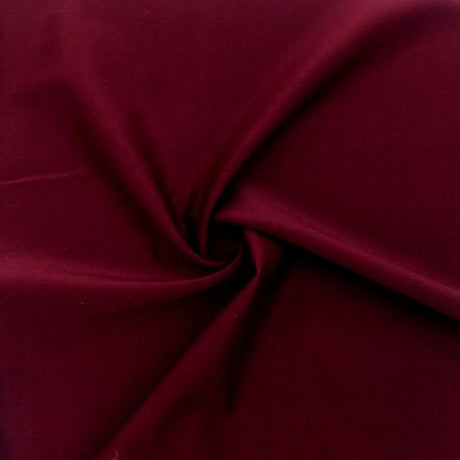
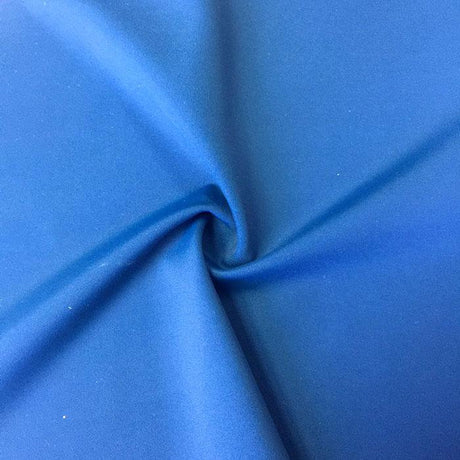
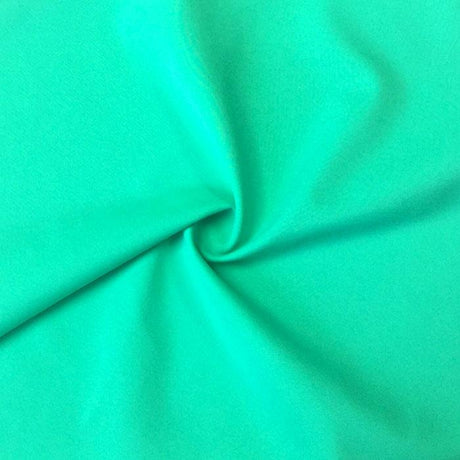
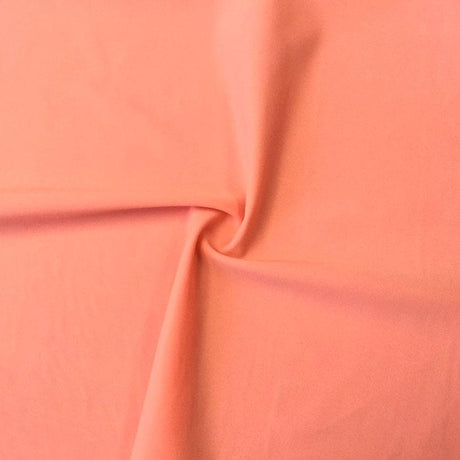
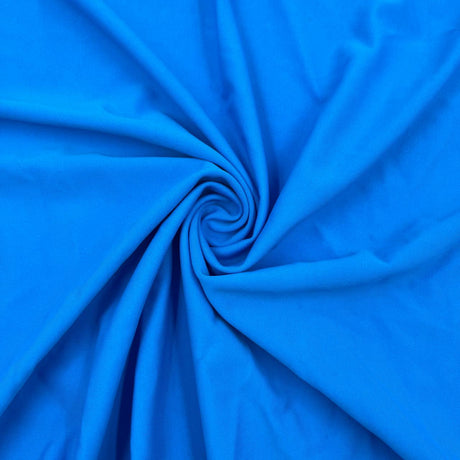
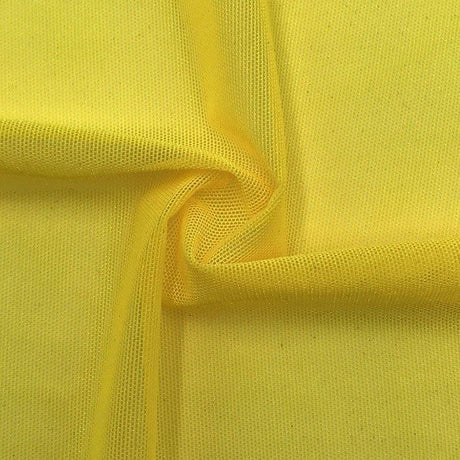
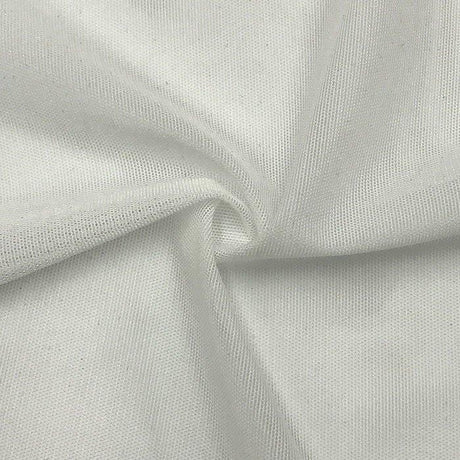
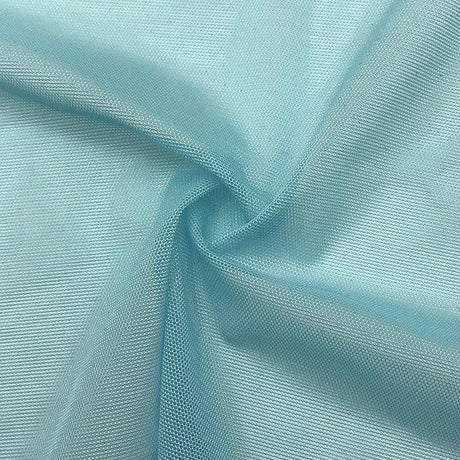
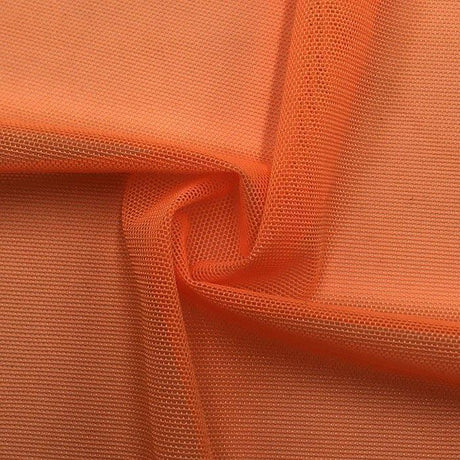
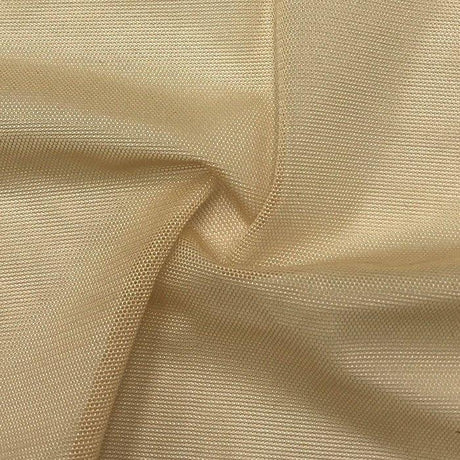
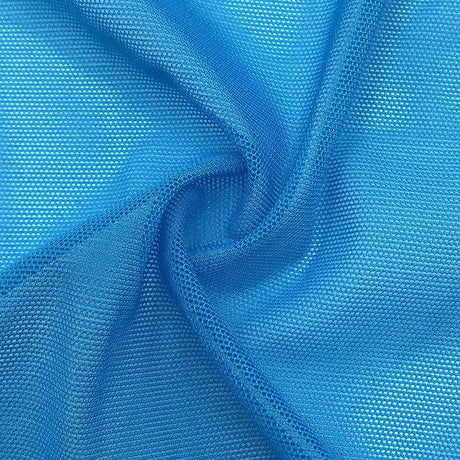
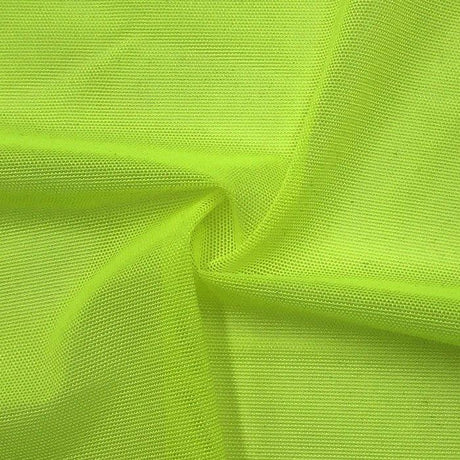
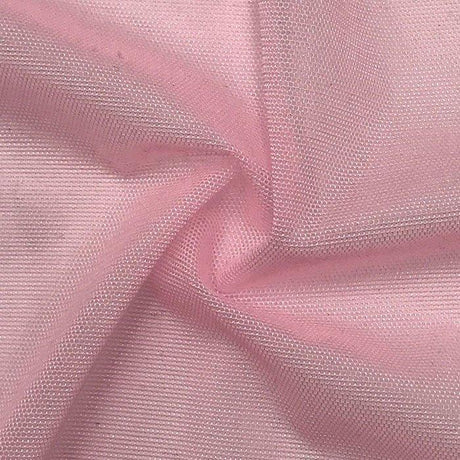
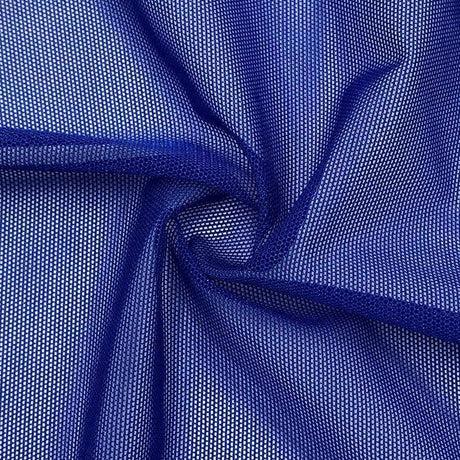
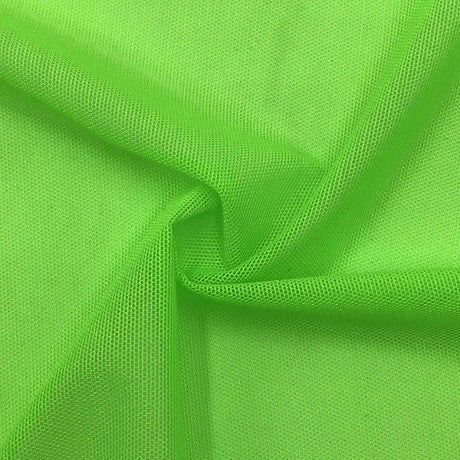
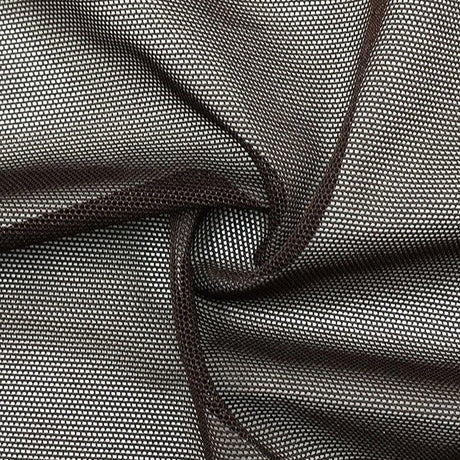
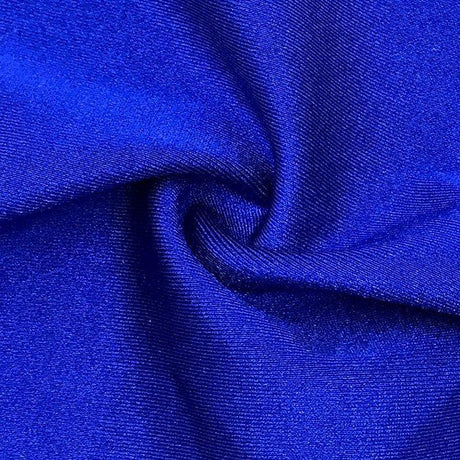
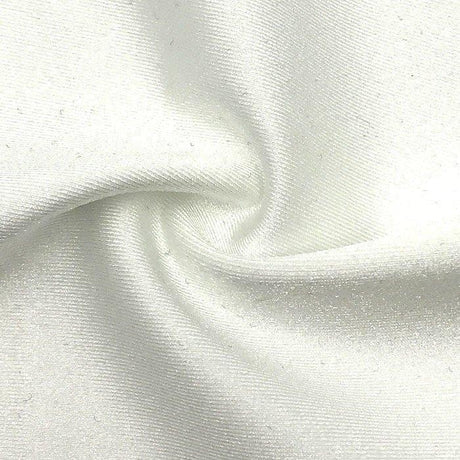
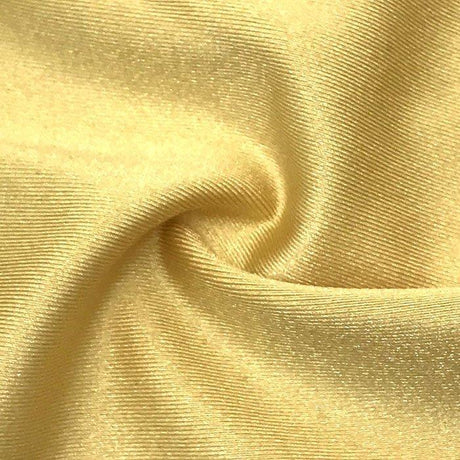
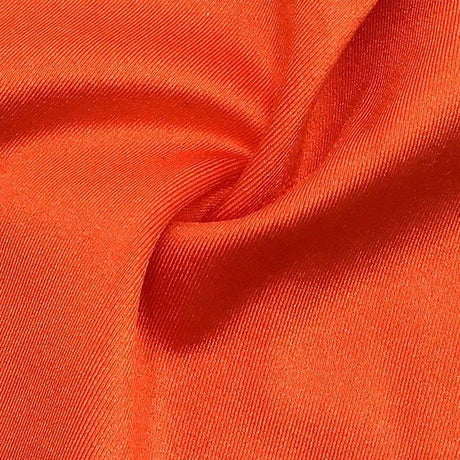
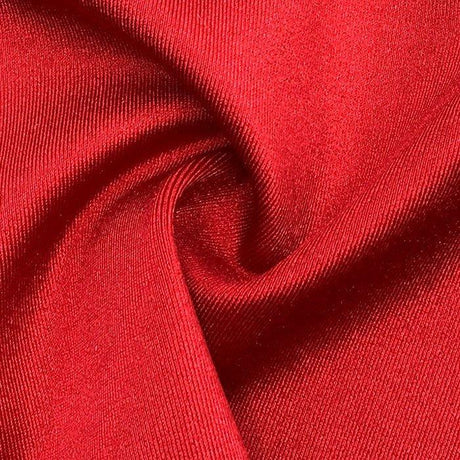
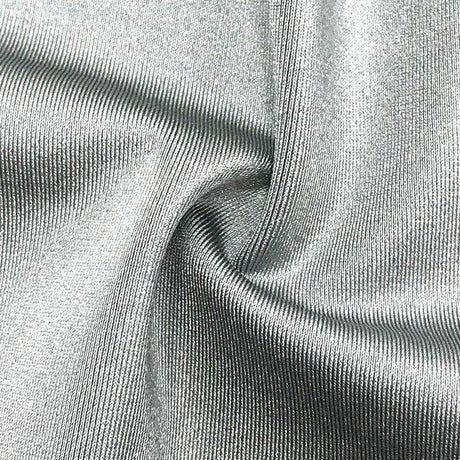
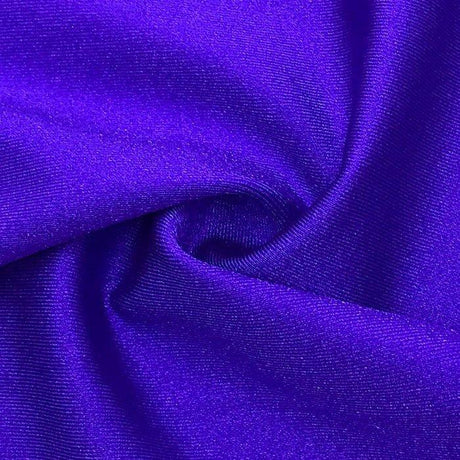
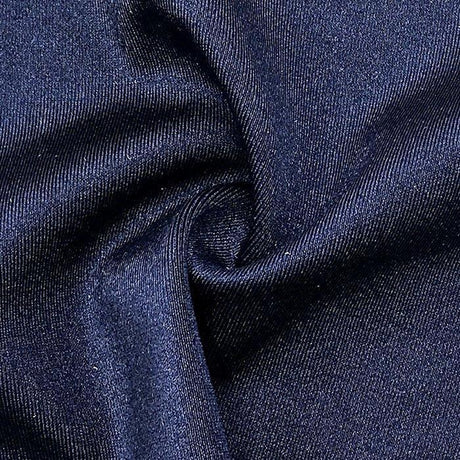
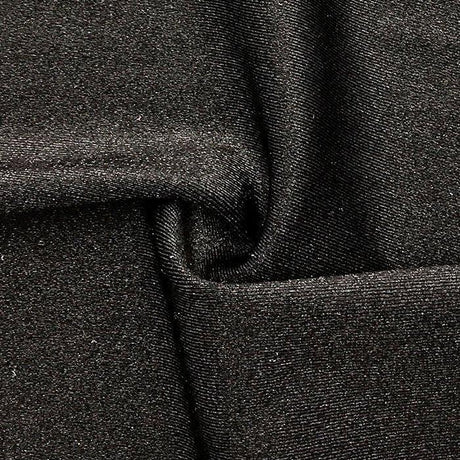
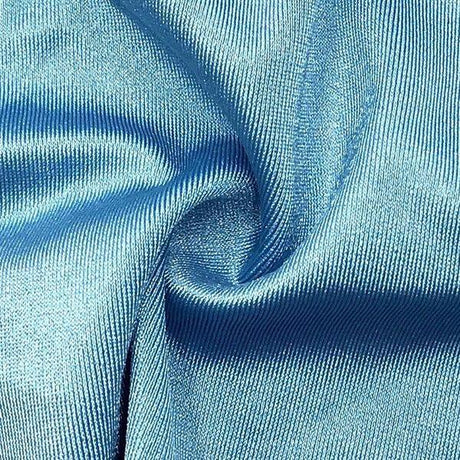
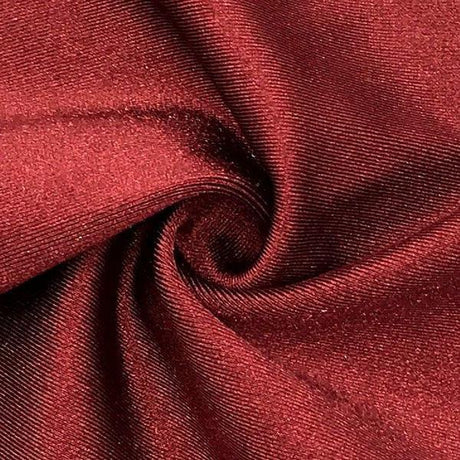
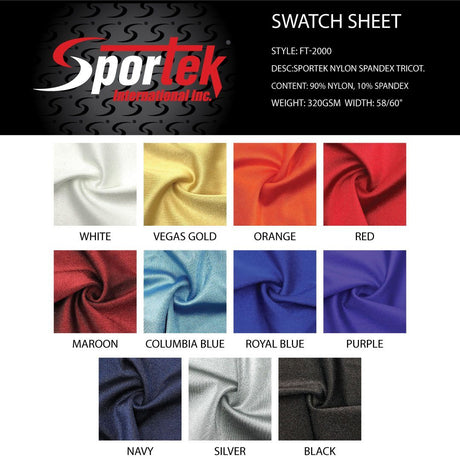
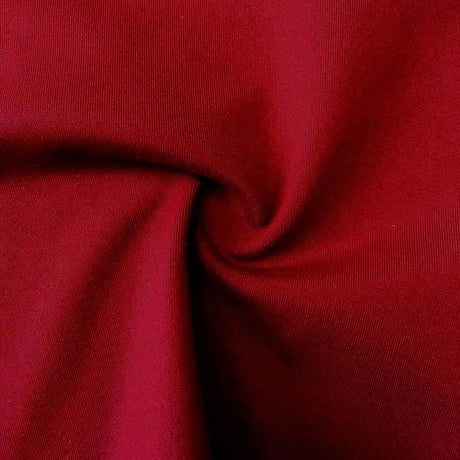
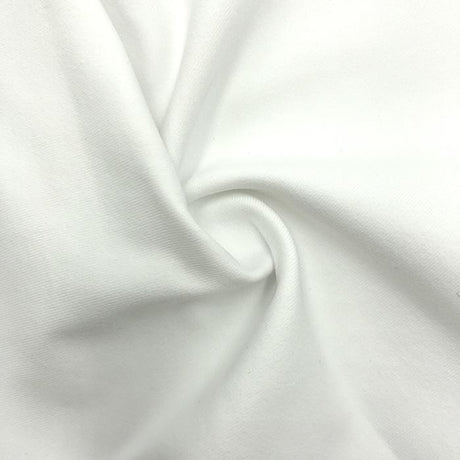
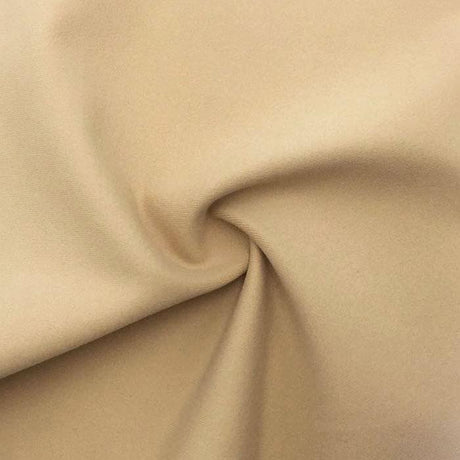
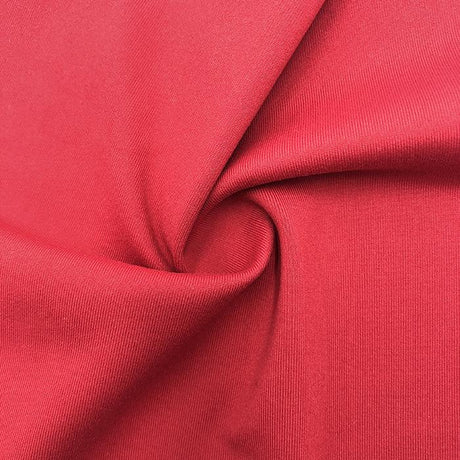
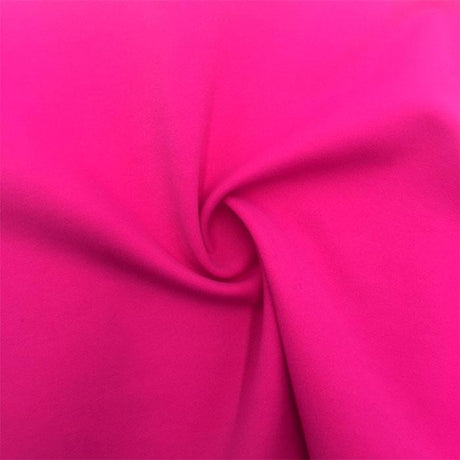
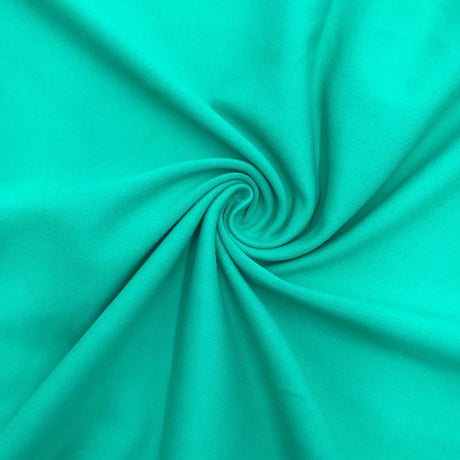
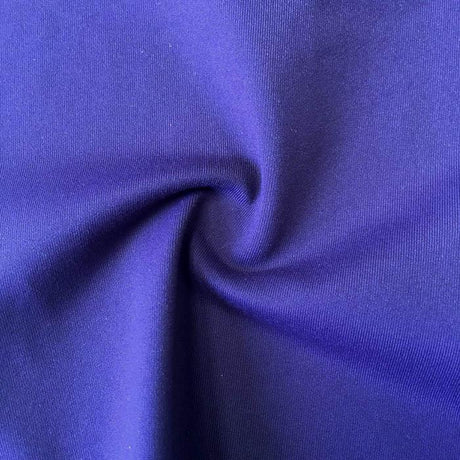
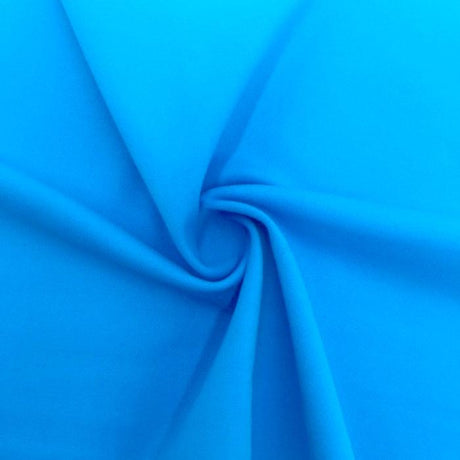
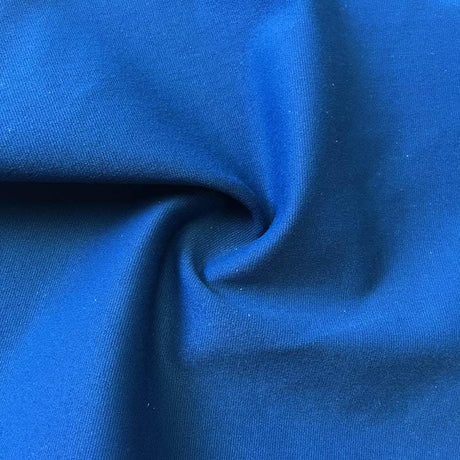
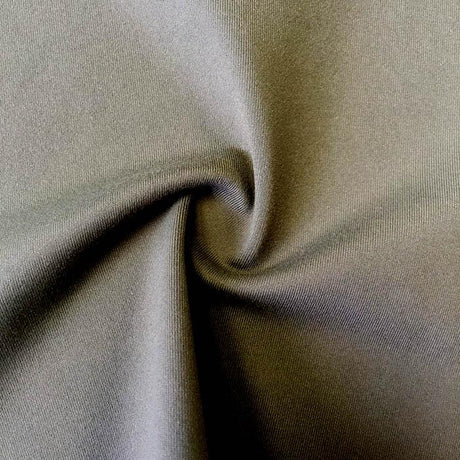
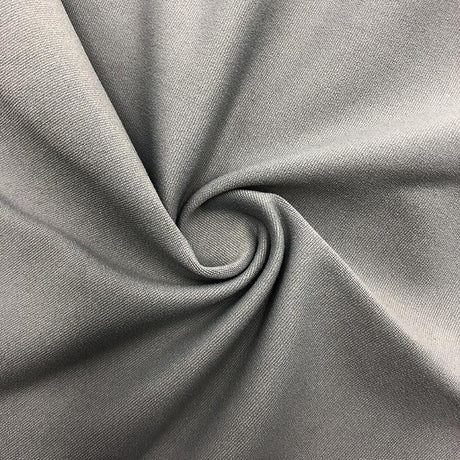
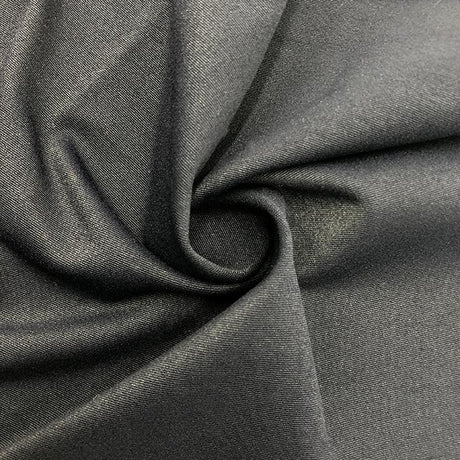
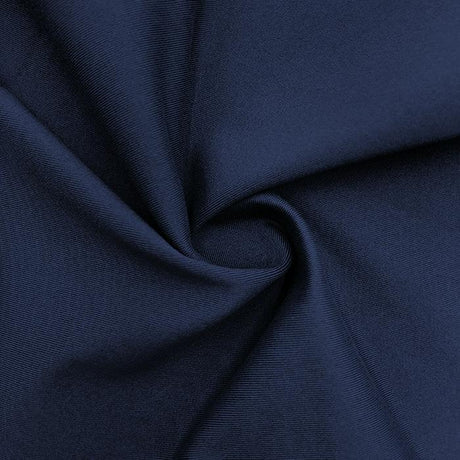
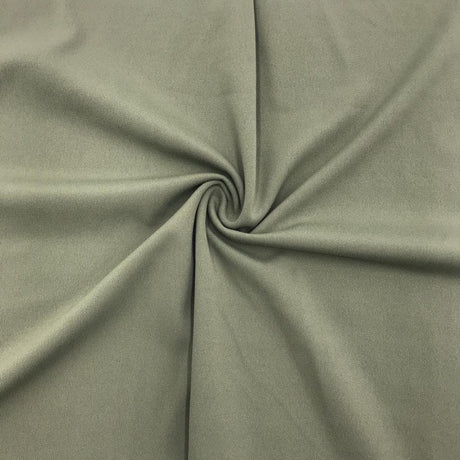
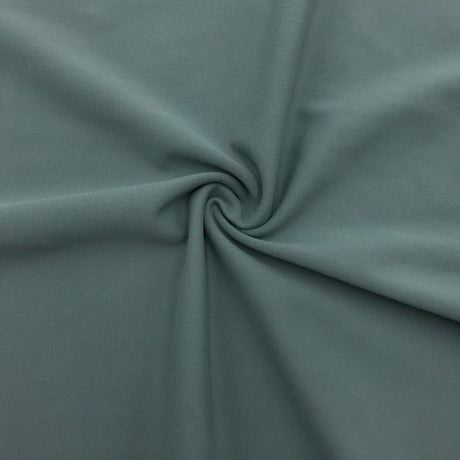
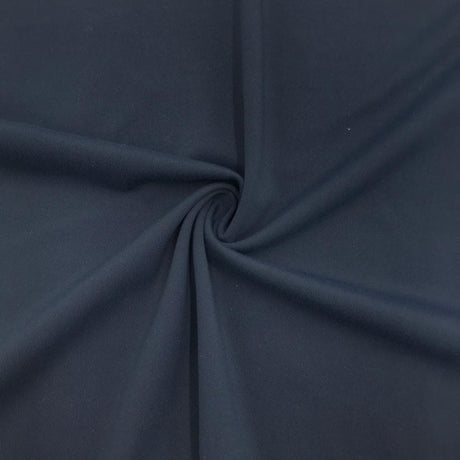
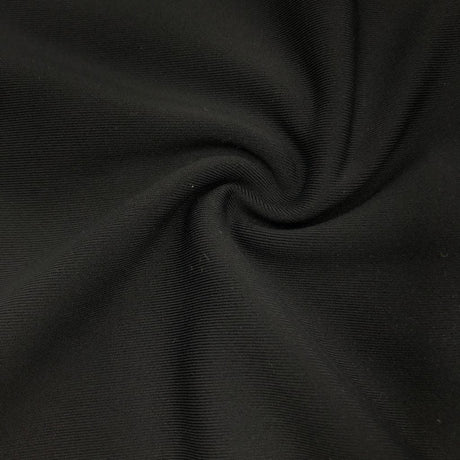
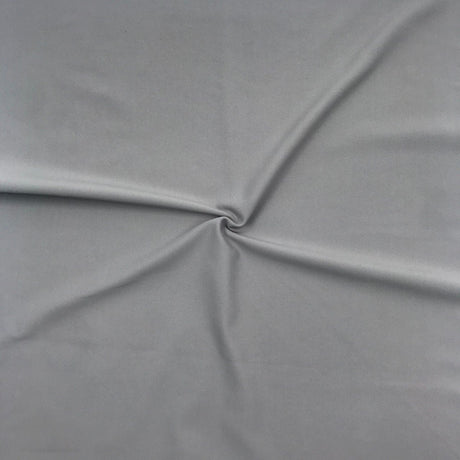
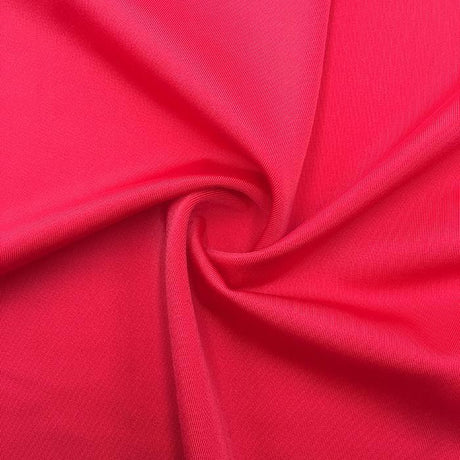
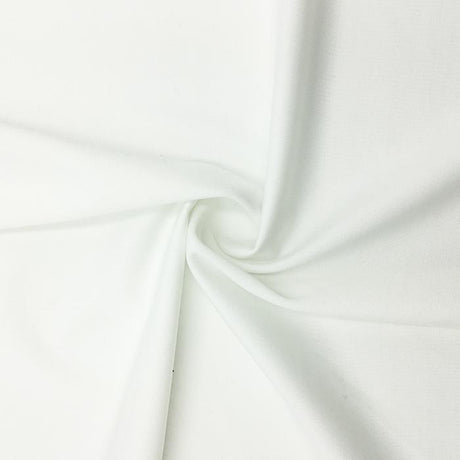
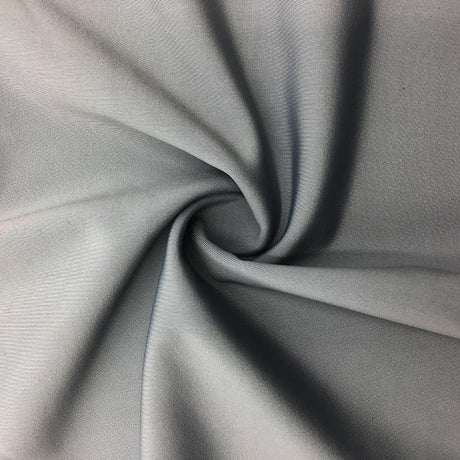
When it comes to stretch fabrics in apparel, two common knit types stand out: tricot fabric and jersey knit. Both are often blended with spandex (elastane) to add elasticity, but they differ fundamentally in how they are made and how they perform. Understanding these differences is crucial for designers and manufacturers when choosing the right material for swimwear, activewear, intimates, dance costumes, shapewear, and other applications. For a broader foundation before diving in, explore our stretch fabric types page or browse our full fabric guides hub.
What is Tricot Fabric? (Warp Knit Definition)
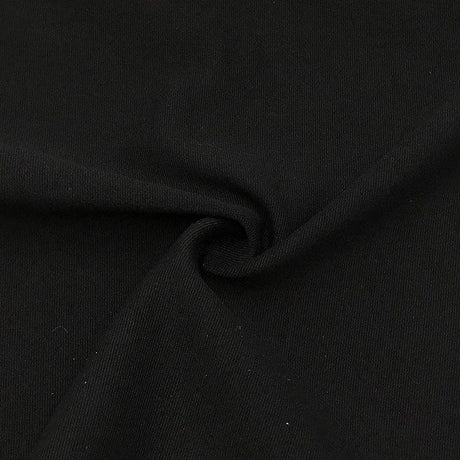
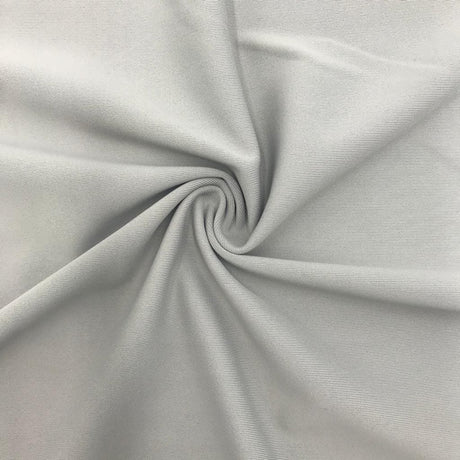
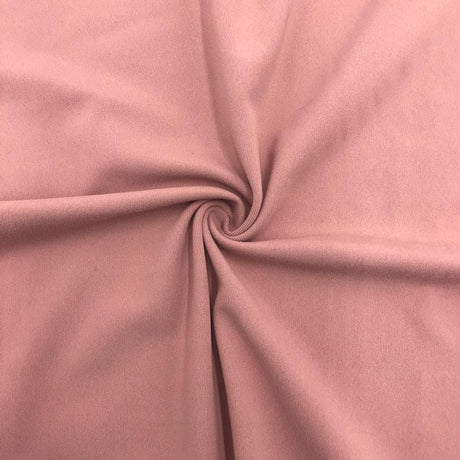
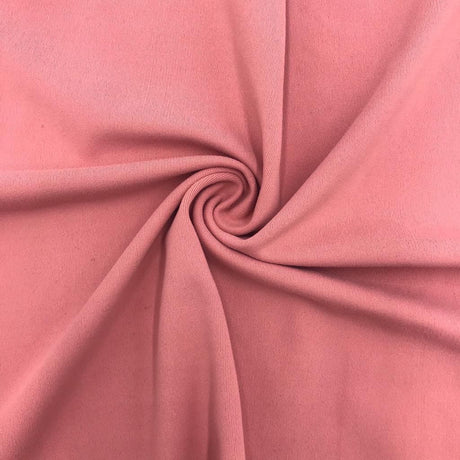
Tricot fabric is a type of warp-knit textile constructed with yarns that knit in a vertical zigzag fashion along the fabric's length. In warp knitting, each needle on the knitting machine has its own yarn, forming loops that interlock down the length of the fabric rather than across its width. This produces a very stable yet flexible material. Tricot is characterized by having one side that is smooth (the technical face) and another side that is textured with fine horizontal ribs (the technical back) due to the zigzag loop structure.
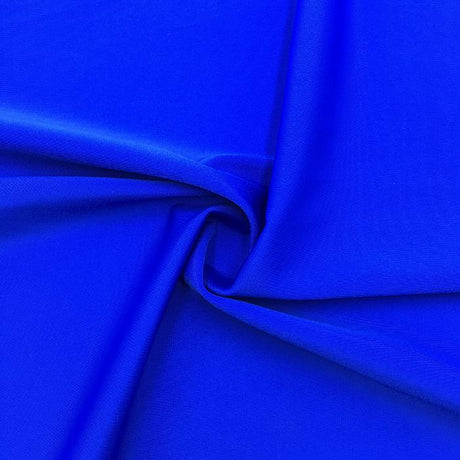
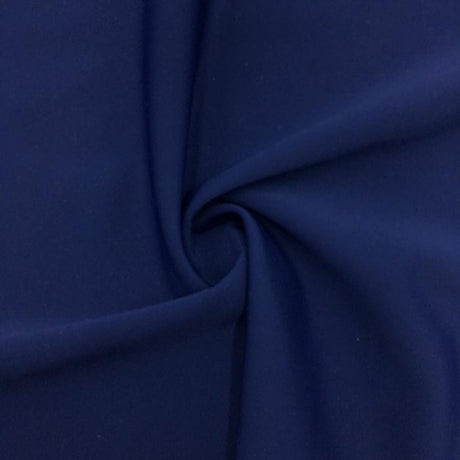
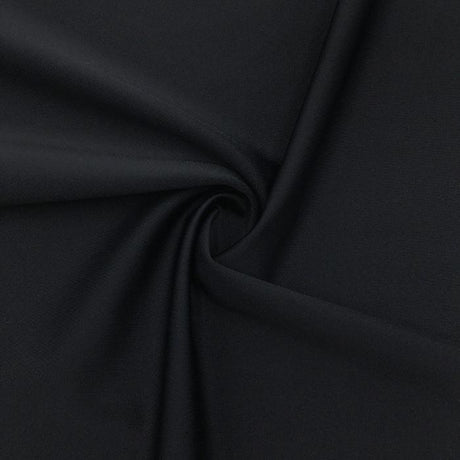
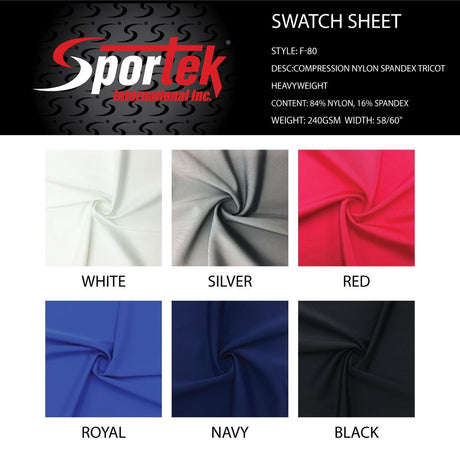
Typically, tricot fabrics are made from filament yarns such as nylon or polyester, often blended with 10–20% spandex for stretch. The use of fine filament fibers gives tricot a silky, smooth touch on the face and a soft, slightly textured feel on the back. Tricot knit fabric is known for its excellent lengthwise stretch and good elasticity, especially when spandex is included, yet it remains dimensionally stable. The warp-knitting construction also makes tricot run-resistant – it doesn't unravel or ladder if cut or if a yarn is broken. Our nylon-spandex fabric guide covers how nylon-spandex tricot constructions achieve this combination of strength, softness, and controlled stretch.
Because of these properties, tricot is widely used in form-fitting and high-performance garments. You'll commonly find tricot fabric in lingerie, swimwear, athletic wear, dancewear, and linings. In summary, tricot is a specialized knit that provides a soft, smooth, and sturdy stretch fabric ideal for many technical applications.
What is Jersey Knit Fabric? (Weft Knit Definition)
Jersey knit is a weft-knit fabric (often produced on circular knitting machines) made by looping one continuous yarn across the fabric's width, row by row. Classic single jersey is constructed with all knit stitches on the face and purl stitches on the back. Jersey fabrics were originally wool, but today they are made from a variety of fibers – cotton, cotton blends, polyester, nylon, rayon – often with a bit of spandex to increase stretch.
Jersey knit is known for being soft, supple, and very stretchy. A plain cotton jersey without spandex typically has two-way stretch – mostly across the width – but when spandex is added it becomes a four-way stretch fabric, extending both widthwise and lengthwise with excellent recovery. Jersey is usually a light to medium weight fabric with a fluid drape, which is why it's so popular for t-shirts, draped tops, knit dresses, underwear, and even bedsheets. Our cotton-spandex fabric guide covers cotton-spandex jersey's full performance profile, including stretch behavior, moisture management, and care requirements for everyday apparel applications.
One thing to note about jersey is that its edges tend to curl when cut – this is a hallmark of single jersey and can make it a bit tricky to lay out and sew. Jersey can also run or ladder if a stitch is broken. Despite these quirks, jersey knit remains one of the most common and versatile fabrics in apparel due to its softness, stretch, and comfort.
Structural Differences: Warp Knit vs Weft Knit
The fundamental difference between tricot and jersey starts with how they are knitted. In warp knitting (tricot), multiple yarns are fed in parallel along the fabric's length, and each yarn forms loops that interlock with loops from adjacent yarns in a zigzag pattern down the length. By contrast, in weft knitting (jersey), one yarn works horizontally across the fabric, forming one loop after another in sequence across the width, then moving to the next row.
Because of these construction differences, tricot fabric will not unravel in the same way a jersey can. All weft-knitted fabrics (like jersey) can be unraveled by pulling a cut yarn end – the loops will come out sequentially along the row. In contrast, a tricot warp-knit has interlocked yarns that won't easily come undone. This is why tricot is called run-resistant or fray-resistant – it doesn't ladder or fray at cut edges.
Another structural telltale is edge behavior. A cut edge of jersey will curl strongly – an inherent trait of stockinette-type weft knits. Tricot and other warp knits lie much flatter when cut and resist curling. This can be a practical advantage in cutting and sewing tricot fabrics – pattern pieces maintain their shape without edges rolling up. Our how to sew stretch fabric guide covers construction techniques and seam finishing strategies for both tricot and jersey knit constructions.
Stretch Direction and Elastic Recovery
One of the most important differences between tricot and jersey knit spandex fabrics is how they stretch. Tricot fabrics have a controlled stretch that is usually greater in one direction than the other. Specifically, a classic tricot warp knit stretches primarily in the lengthwise (warp) direction and has limited stretch in the width. By contrast, jersey knit stretches readily in both directions. When spandex is added to jersey, it typically becomes a true 4-way stretch material, extending significantly in both the crosswise and lengthwise directions and snapping back. Our stretch fabric types page covers how to measure, compare, and specify stretch percentages and recovery ratings across both tricot and jersey-knit spandex constructions.
Tricot fabrics often incorporate spandex (often 15–20%) to achieve 4-way stretch, especially for athletic and swimwear applications. Modern tricot knits with spandex do stretch in both directions – however, the knit construction still usually yields a firmer stretch in one direction and more power or resistance in the other. A nylon-spandex tricot used in swimwear might stretch 75% in the vertical direction but only 30–50% in the horizontal direction, giving it a supportive "snap-back" fit.
When it comes to elastic recovery, both fabric types benefit from spandex. However, even without spandex, warp-knit tricots tend to have better inherent recovery and dimensional stability than weft knits. Jersey knits without spandex (like 100% cotton jersey) can suffer from bagging at elbows and knees with wear. Our spandex care guide covers how to preserve elastane recovery in both tricot and jersey garments through proper laundering.
In summary: Tricot fabric (warp knit) – engineered stretch with more in the vertical direction; very good recovery and shape retention; provides controlled compression. Jersey knit (weft knit) – generous stretch in all directions (especially widthwise); with spandex it's extremely elastic; tends to have a softer stretch and needs spandex for strong recovery.
Fabric Weight (GSM) and Drape
Both tricot and jersey knit spandex fabrics come in a range of weights (measured in GSM – grams per square meter), but they often occupy different niches. Tricot fabrics are frequently produced in medium to heavier weights for supportive apparel. A tricot used in swimwear or activewear might be around 180–200 GSM. Heavier tricot variants, like powernet used in shapewear, can be 200–300 GSM or more. On the lighter end, sheer tricot meshes and linings can be under 100 GSM. Our fabric weight guide provides a full breakdown of GSM ranges and how weight affects opacity, compression, breathability, and durability across both tricot and jersey constructions.
Jersey knit fabrics tend to be used at lighter weights for many everyday garments. A standard cotton or cotton-blend t-shirt jersey is often ~120–180 GSM. A polyester-spandex jersey for leggings or yoga pants often falls in the midweight category (~200–250 GSM). As a rule, if you need a very heavy, strong knit (like for high compression), you'd likely choose a warp-knit tricot; if you need an ultra-light drapey stretch, a weft knit might be more common.
When it comes to drape, jersey fabrics are generally known for a soft, flowing drape whereas tricot has a controlled, structured drape. Tricot will of course fold and bend (it's still a knit), but it tends to "snap" back and not form deep bias drapes. This is advantageous in applications like swimwear or sportswear, where you don't want the fabric growing or sagging out of shape.
Breathability and Opacity
Both tricot and jersey knit fabrics can be quite breathable, but their breathability often depends on fiber content and knit openness. Jersey fabrics (especially those made from natural fibers like cotton) are known for being breathable and absorbent. Jerseys tend to have a bit more inherent "airiness" because the loops create tiny spaces in the fabric. A dense jersey will also be fully opaque, with the loops packed closely enough that you can't see through it. Our activewear fabric guide covers moisture-wicking and breathability ratings across both tricot and jersey spandex constructions for performance applications.
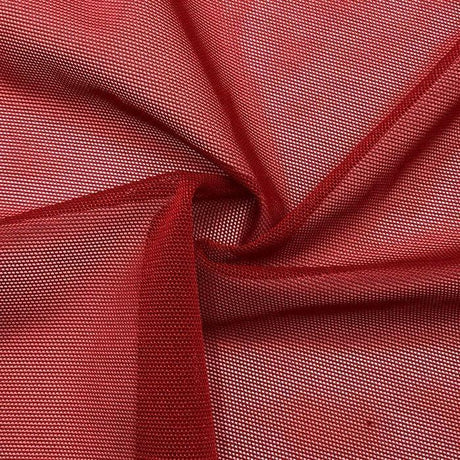
Tricot fabric can also be breathable, though it often uses synthetic fibers (nylon/poly) which are not absorbent. Instead of absorbing sweat, a nylon tricot will wick moisture to some extent. Tricot fabrics can strike a balance between opacity and breathability, depending on yarn thickness and knit density – they range from slightly sheer to fully opaque. For instance, a 40-denier nylon tricot might be semi-sheer and very breathable, whereas a heavier swimwear tricot will be opaque and still allow some air exchange. Our swimwear fabric guide covers how tricot's non-clinging properties and breathability make it the preferred choice for competitive swimwear applications.
In practical terms, both fabrics can be made opaque enough for modesty or sheer for design effect. If you require absolute opacity – say, for squat-proof athletic leggings or compression shorts – you would choose a higher weight or tighter-knit jersey or tricot. Our fabric weight guide covers the GSM thresholds for reliable opacity across both construction types.
Texture and Softness
Jersey knit is typically very soft to the touch, with a comfortable, slightly plush hand (particularly if made from cotton or other natural fibers). The right side of a single jersey is smooth and the back side has a faint ribbed or pebbled feel from the purl loops. A cotton jersey has a matte, cozy softness. A rayon or silk jersey feels extra smooth and slinky. Nylon-spandex jersey tends to be softer and smoother than poly-spandex jersey. Our fabric finishes guide covers brushed and peachskin surface treatments that can significantly improve the hand feel of polyester-spandex jersey constructions.
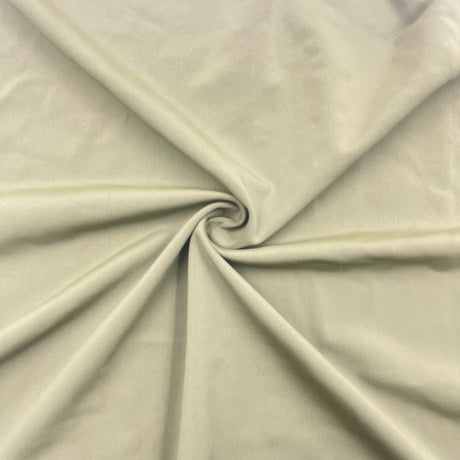
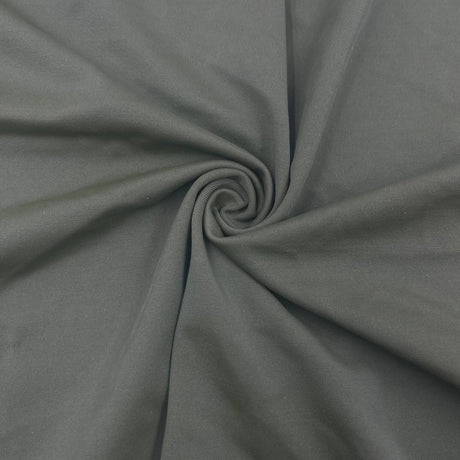
Tricot fabric is often described as silky on the front side and slightly textured on the back. The technical face of tricot is very smooth and sleek, thanks to the fine filament yarns and the knit structure that presents closed loops on the surface. The back of tricot has tiny horizontal ribs that you can feel if you run your hand over it – not rough by any means, but you notice a faint texture compared to the ultra-smooth front. Overall, tricot is smooth and soft against the skin and these fabrics are favored for intimate apparel and swimwear because they glide over the body without friction.
In terms of surface appearance, jersey is usually matte (unless it's a shiny fiber). Tricot can have a slight sheen on its smooth side, particularly with nylon or polyester filaments. There are also tricot variations like satin tricot that are deliberately shimmery. This visual difference matters for applications like dancewear, where sheen enhances stage appearance – our dancewear fabric guide covers when to choose tricot vs jersey-based fabrics for different performance costuming applications.
To summarize: jersey knit (especially cotton or rayon) gives a soft, cushy, cozy feel; tricot fabric provides a smooth, cool touch – the kind of softness found in fine lingerie or quality swimwear, hugging the skin gently without irritation.
Durability and Stability
Durability refers to how well the fabric holds up to wear, stress, and washing, while stability refers to maintaining shape and not distorting. Here, tricot warp-knit fabrics have a clear advantage in many respects. The construction of tricot makes it highly durable and resistant to runs or unraveling. If you cut a tricot fabric, the edges will not fray and the loops won't start pulling out. Tricot's dimensional stability means even after repeated stretching or washing, it tends to retain its original shape much better than a weft knit. Our stretch fabric types page covers how recovery and dimensional stability differ between warp-knit and weft-knit spandex constructions.
Jersey knit fabrics, especially those in lower weights or made of natural yarns, are typically less durable in the long run. Because a jersey is one continuous yarn, a small break can cause a "ladder." Jersey fabrics can also be prone to pilling (forming little fuzz balls on the surface). Warp-knit tricots, using filament yarns, are generally resistant to pilling and known for being snag-resistant and run-resistant – able to handle the rigors of activities like rubbing against pool edges or repeated stretching better without getting damaged.
Dimensional stability is another aspect: Jersey knits can sometimes suffer from distortion – a T-shirt might twist after laundering if not properly stabilized. Warp knits are usually very stable in dimension, won't skew or torque, and resist edge curling, which is a form of stability in cut-and-sew operations. Our fabric care guide covers the laundering protocols that best preserve dimensional stability in both tricot and jersey spandex garments.
In short, tricot fabric offers excellent durability and shape stability, not fraying or laddering and holding up under stress. Jersey knit is very durable for everyday wear but relatively less stable under high tension or long-term stress.
Fiber Composition and Its Impact
Both tricot and jersey can be made from various fiber compositions, and this choice greatly affects the feel and performance of the fabric.
Nylon (Polyamide) + Spandex: Very common for tricot fabrics (e.g., 80% nylon, 20% spandex for swimwear) and also used in some high-end jersey knits. Nylon-spandex fabrics are generally softer and smoother than polyester-spandex, with a very silky hand and high strength. Our nylon-spandex fabric guide covers this blend's full performance profile across both tricot and jersey constructions.
Polyester + Spandex: Extremely common in jersey knits for activewear and also used in some tricots. Polyester-spandex fabrics are typically more affordable and have excellent color retention – polyester holds dye well and is more UV/fade resistant than nylon. A poly-spandex jersey may feel a bit slick or cool, with a matte finish in many cases. Our activewear fabric guide covers polyester-spandex performance ratings across both tricot and jersey knit constructions for different activity types.
Cotton + Spandex: A common jersey knit composition for casual wear, underwear, and some athletic wear. Cotton brings a very soft, natural feel and high breathability/absorbency, while a small amount of spandex (5–10%) adds stretch and recovery. You won't typically find cotton in tricot fabrics – since tricot machines use filament yarns, cotton isn't commonly warp-knit. Our cotton-spandex fabric guide covers this blend's full performance profile and ideal applications.
Rayon or Modal + Spandex: Also for jersey knits mostly. Viscose rayon or modal can make jersey incredibly drapey and cool to the touch. They are very soft and lend a luxurious drape. However, they have low recovery (hence spandex is needed) and can be less durable when wet. Great for fashion tops and dresses where a flowing drape is desired.
The performance summary: Nylon-spandex tricot – ultra-smooth, strong, good stretch, for high-end applications. Poly-spandex tricot – strong, slightly firmer hand, very colorfast, for athletic and swim. Cotton-spandex jersey – soft and breathable, holds moisture; great for comfort, not high compression. Poly-spandex jersey – durable and wicking, a bit less soft; used in tons of sports apparel. Knowing these differences, a designer might choose tricot fabric with nylon/spandex for a swimsuit, or a poly/spandex jersey for a printed sport legging to ensure the print stays vivid.
Common Applications in Apparel
Swimwear: Tricot is almost synonymous with swimwear fabric. Tricot swimwear fabric provides a snug fit that doesn't bag out when wet, can withstand the tension of movement and water, and resists runs. Jersey knit is less common as a swimwear shell fabric, though it appears in rashguards or as a lightweight lining in swim trunks. Generally, designers choose tricot fabric for swimwear due to its proven performance in water. Our swimwear fabric guide covers tricot vs jersey options for competitive and fashion swimwear applications in detail.
Activewear and Sportswear: Both fabrics see heavy use here but in different garment types. High-compression leggings often use a warp-knit tricot because it gives a supportive feel and doesn't become see-through. Sports bras frequently utilize warp knits in certain parts – powernet tricot panels for extra support or a tricot lining. Athletic tops and tees are usually jersey knits (poly or poly blends) because they are light, breathable, and drapey. Our activewear fabric guide covers when to specify tricot vs jersey for different activewear garment types and compression levels.
Intimates and Lingerie: Tricot has a long history in lingerie. Classic nylon tricot fabric was used for decades in making slips, panties, nightgowns, and bra linings. Powernet tricot is used in shaping lingerie or the backs of bras for extra firm control. Jersey also appears in intimate apparel, particularly for comfort-focused items – cotton-spandex jersey is common in underwear because it's breathable and soft. High-end lingerie often combines both: bra cups in a rigid tricot and brief panels in cotton jersey for comfort.
Dancewear and Costumes: Dance and performance garments (like leotards, unitards, gymnastics costumes, figure skating dresses) commonly use tricot spandex fabrics for their good 4-way stretch, lustrous or matte finishes, and ability to maintain a tight fit without becoming see-through. Jersey knit fabrics can be used in dancewear for practice clothes or looser pieces. For the classic leotard, warp-knit tricot is king because it gives that second-skin fit and sheen. Our dancewear fabric guide covers fabric selection across all classical and contemporary dance forms in detail.
Shapewear and Compression Wear: This is a domain where warp-knit fabrics (tricot, powernet, etc.) are heavily favored. Powernet tricot fabrics are designed for high compression – they use high denier nylon with a lot of elastane and a fairly tight knit structure to create a fabric that strongly pulls back to shape the body. Even in medical compression garments, warp knitting is used to precisely control elasticity. Jersey knit could be used for lighter compression, but for serious compression, warp knits dominate. Our stretch fabric types page covers compression level specifications and how spandex percentage and knit construction type combine to determine compression power.
Identifying Tricot vs Jersey: Tips and Tests
Face and Back Appearance: Tricot fabric typically has one side that is smooth with fine vertical wales and the opposite side that has horizontal zigzag ribs. Jersey knit has a distinct knit vs purl side: the front will show tiny V-shaped knit stitches in columns, and the back will show small semi-circular purl loops in rows.
Stretch Test: Hold the fabric and stretch it lengthwise and widthwise. Tricot fabric often stretches more (or more easily) in one direction – usually the length. Jersey knit tends to stretch fairly easily in both directions, with perhaps a bias toward stretching more in width. More anisotropic (directional) stretch = likely tricot; more uniform 4-way stretch = likely jersey. Our stretch fabric types page covers step-by-step stretch testing methodology for identifying and comparing fabric constructions.
Edge Behavior: Cut a small swatch or find a raw edge. Jersey knit edges will curl notably – a cut edge will roll up on itself, which is a dead giveaway of single jersey. Tricot edges, when cut, generally lie flat without significant curling. Also, check if the edge frays or unravels: if you start to pull at a cut edge of jersey, you might be able to pick off a yarn that will cause a whole row of loops to undo. With tricot, picking at a cut edge usually does nothing.
Look for the "Zigzag" or "V" Patterns: With keen eyes, look closely at the fabric structure. On one face of a tricot, you might discern tiny zigzag lines. On a jersey face, you'll see V shapes (loops) in a grid. On the back of a tricot, look for sideways lines. On the back of a jersey, look for round loop shapes.
Feel and Sound: A tricot fabric made of filament yarn has a very smooth, cool hand and even a slight "swish" sound when rubbed. Jersey, especially cotton jersey, feels warmer and plushier by comparison.
Choosing Between Tricot and Jersey: Practical Tips for Designers
Stretch and Fit Requirements: If you need high compressive force or support (shapewear, athletic compression, structured swimwear), a warp-knit tricot with controlled stretch is often the better choice. For garments that need maximum flexibility, drape, or comfort stretch, a jersey knit may be preferable. Our how to choose fabric guide walks through this decision framework systematically for all common garment types.
Appearance and Surface: If you desire a smooth, slightly lustrous look, tricot fabrics often provide that finish. If you want a matte, cottony or heathered look, jersey is easier to source in those appearances. For custom printing, sublimation on polyester-based tricot or jersey both work well. Our sublimation guide covers base fabric requirements for sublimation printing, and our sublimation paper and sublimation transfer paper pages cover the complete printing workflow for both fabric types.
Durability and Use Case: For garments that will undergo heavy strain, frequent use, or need longevity, lean toward tricot or other warp knits. For everyday wear that gets lots of laundering, a cotton jersey might be preferred by consumers for its comfort. Consider environmental exposures: chlorine, UV, saltwater – these are scenarios where a polyester-spandex tricot might outperform a jersey in retaining shape and color.
Manufacturing Practicality: Jersey is produced in huge quantities for the fashion market, often available in small quantities. Tricot, especially specialized blends for swim/dance, might require ordering from a specialty mill with larger yardage minimums. On the production line, jersey's curling edges can make cutting and sewing more challenging. Tricot, not curling and not fraying, can often be cut and even left unhemmed in some applications. Our how to sew stretch fabric guide covers construction techniques for both tricot and jersey including edge finishing, needle selection, and stitch type.
Comfort and End-User Preference: For garments worn all day (like underwear or casual leggings), comfort is paramount and a soft jersey might be more appreciated. For athletic or swim use, users expect the slightly tighter, smoother feel of warp knit. Many sports designs combine fabrics – a jacket with a tricot front for wind resistance and a jersey knit back panel for ventilation.
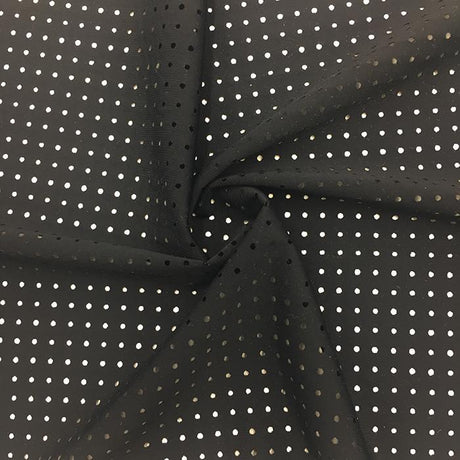
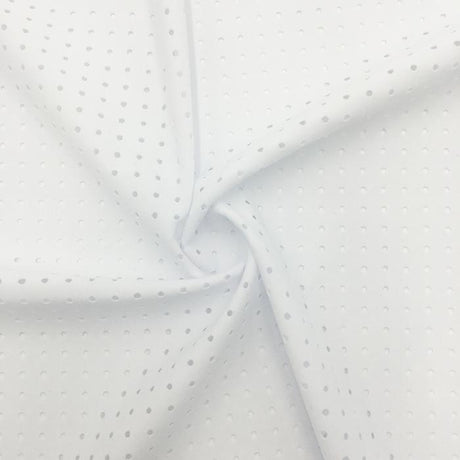
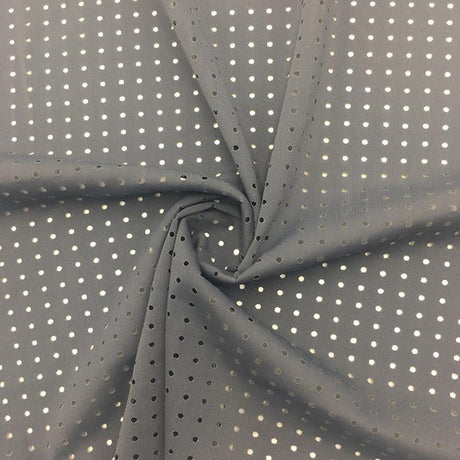
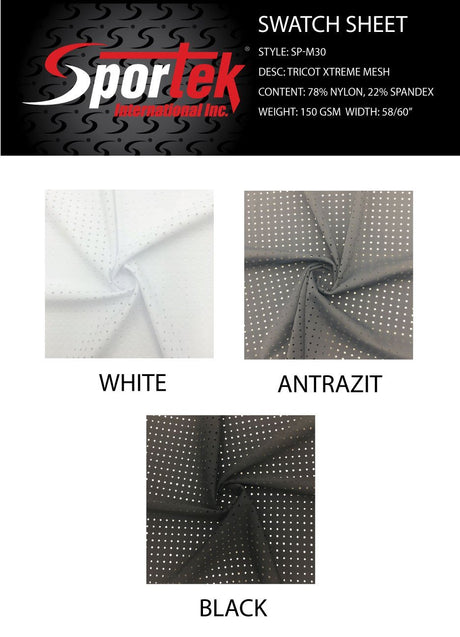
Design Detailing: If your design calls for laser-cut holes or edges that don't need hemming, a warp-knit tricot is suitable since it won't fray. A jersey would curl terribly if cut into lots of little holes. On the other hand, if you plan to incorporate gathers or pleats, a softer jersey might drape into them more gracefully than a springy tricot.
Cost and Availability: Generally, jersey knits (especially cotton or poly) are more readily available and often cheaper per yard than high-quality tricot. If budget is a constraint and the project can tolerate either, jersey might be the economical choice. Our fabric weight guide covers how to evaluate cost-to-performance ratios across both construction types.
In many cases, the decision isn't strictly one or the other. A competitive swimsuit might use tricot for the outer layer (for strength and opacity) and a thin jersey mesh lining at the gusset for a soft feel. By understanding the distinct qualities of tricot fabric vs jersey knit, you can intelligently place each in a garment where it plays to its strengths.
Conclusion
Tricot and jersey are both essential knit fabrics in the world of stretch apparel, each excelling in different arenas. Tricot fabric, a warp-knit, provides superior stability, durability, and controlled stretch – it's the technical workhorse for everything from swimsuits that must endure chlorine and tension to shapewear that sculpts the body. Jersey knit, a weft-knit, offers versatility, softness, and balanced 4-way stretch, making it the go-to for garments that prioritize comfort, drape, and ease.
In summary, use tricot fabric when you need a strong yet flexible backbone for a garment – one that won't easily run, will maintain its shape, and give firm but comfortable support. Opt for jersey knit when you desire softness, fluid movement, and everyday wearability.
Ready to find the right fabric for your next project? Use our stretch fabric types page and fabric weight guide to evaluate technical specifications, our nylon-spandex fabric guide and cotton-spandex fabric guide for full blend performance profiles, and our how to choose fabric guide to evaluate all factors systematically. For construction guidance, visit our how to sew stretch fabric guide. Our spandex care guide and fabric care guide will keep every garment performing at its best. Have questions? Our expert help and advice page and FAQ are always available. Sign up for SpandexByYard Rewards to earn points on every purchase – because understanding your fabric construction is the first step to building something exceptional.