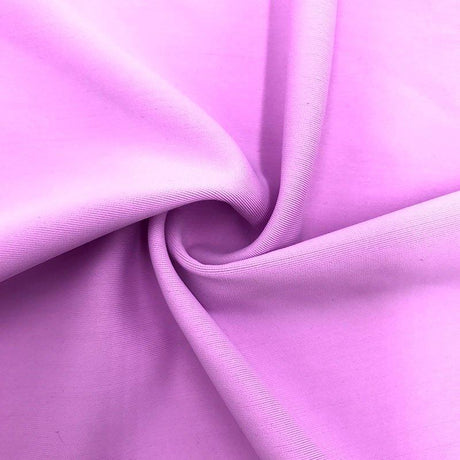
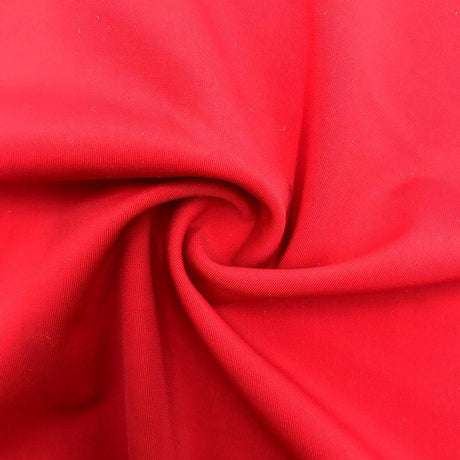
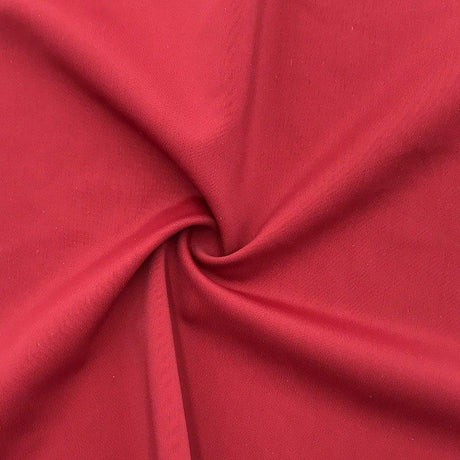
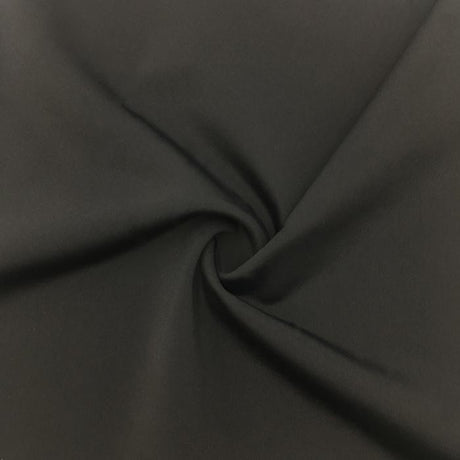
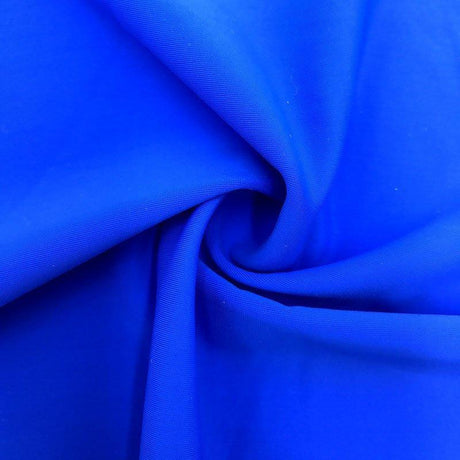
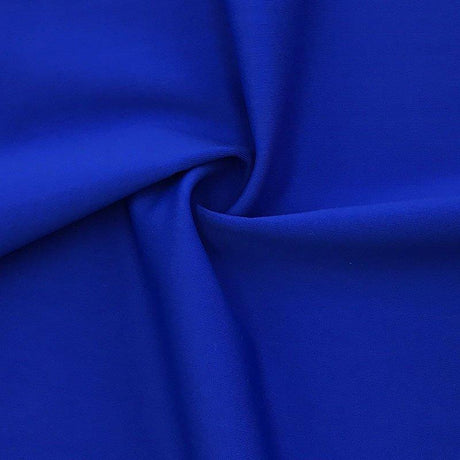
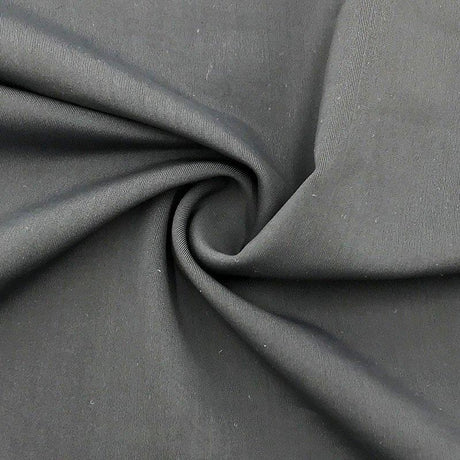
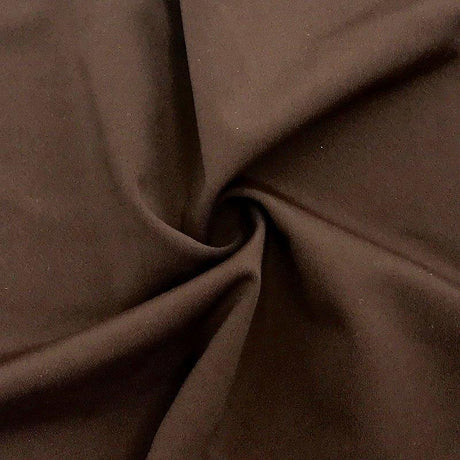
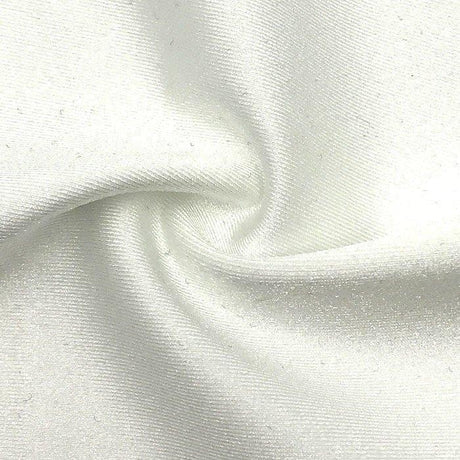
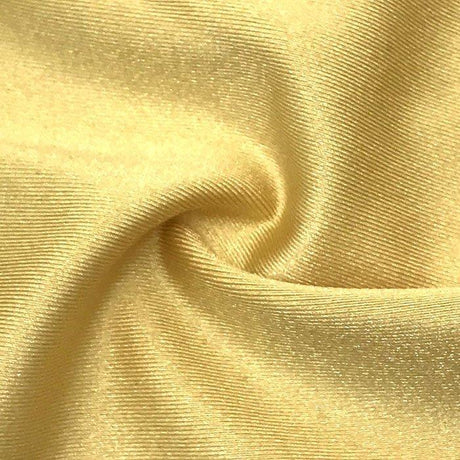
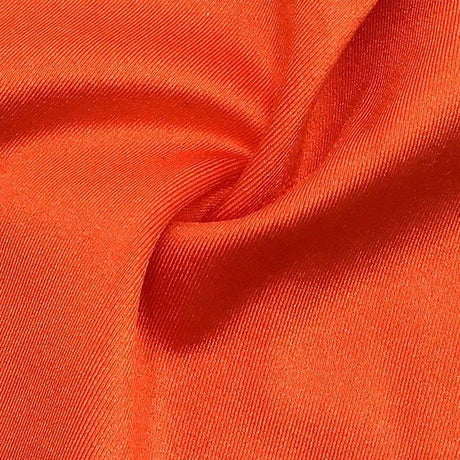
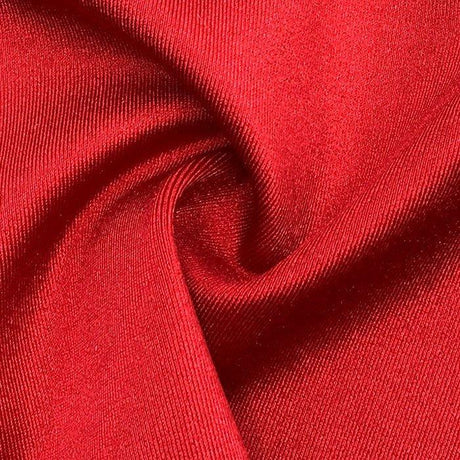
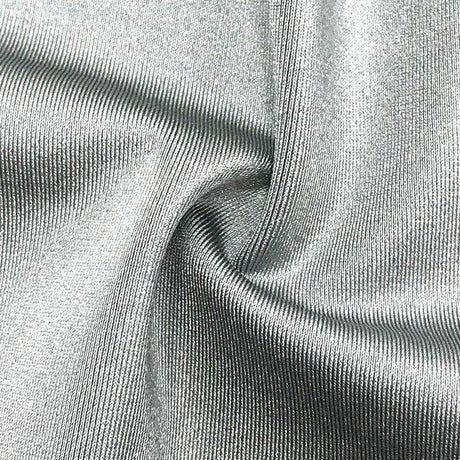
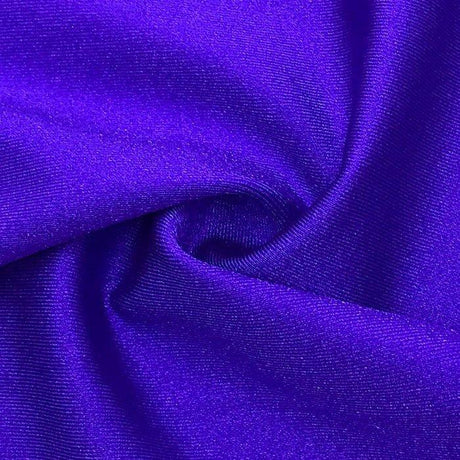
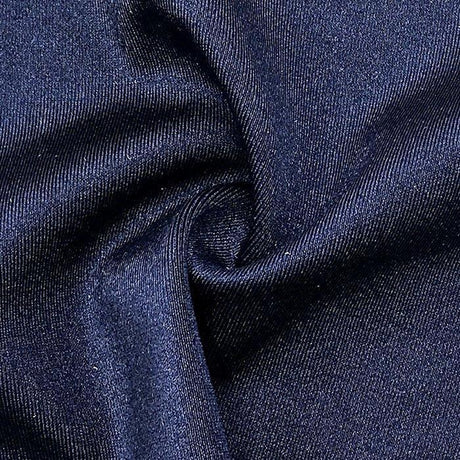
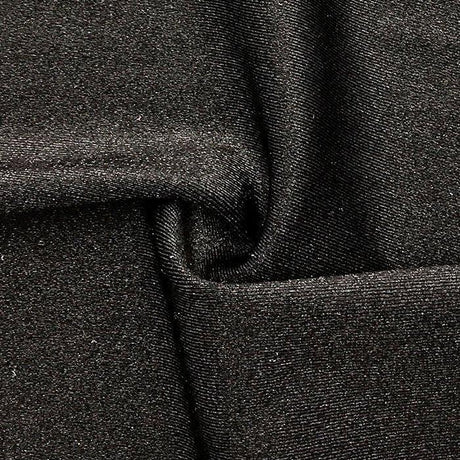
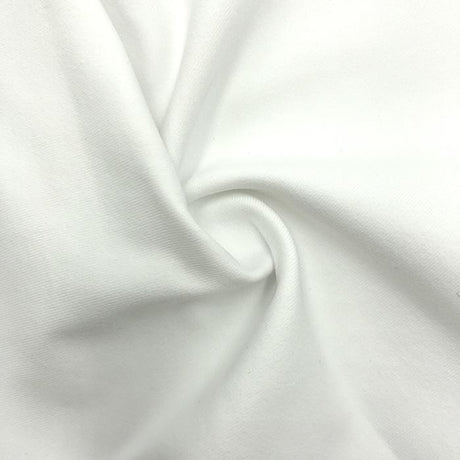
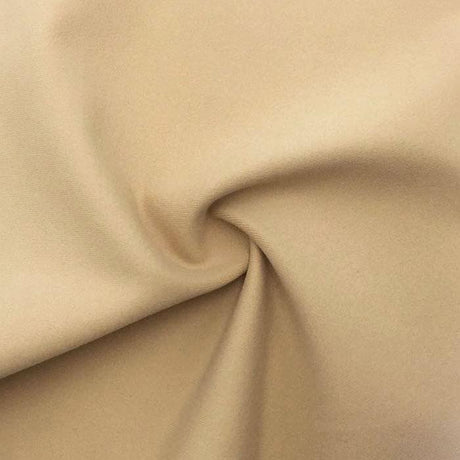
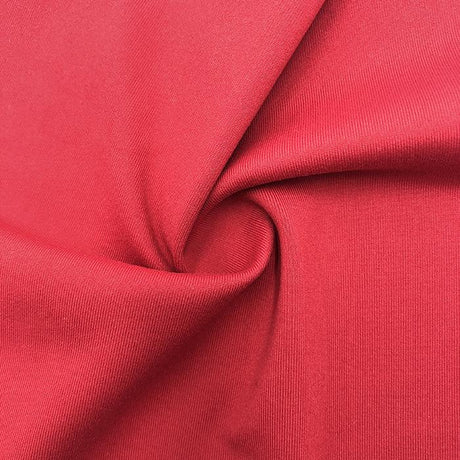
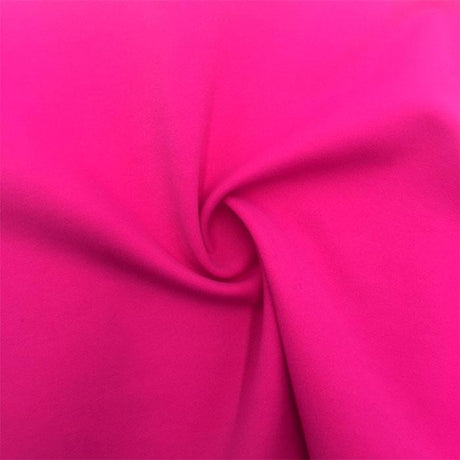
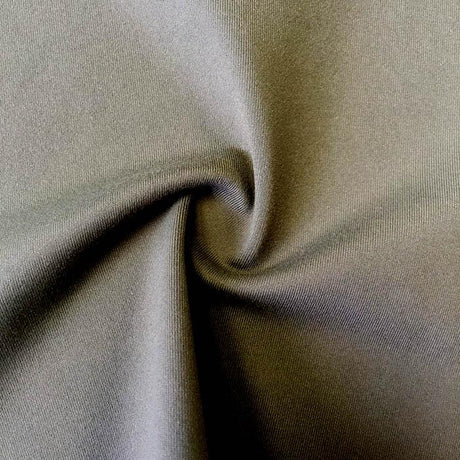
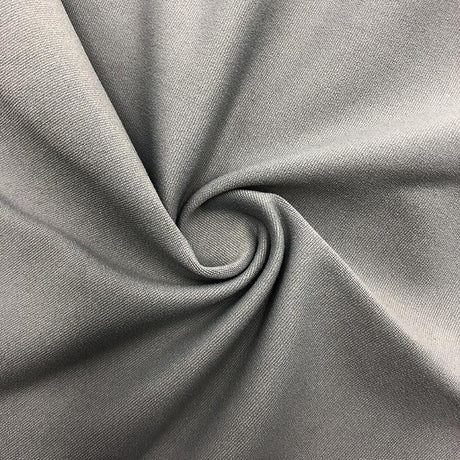
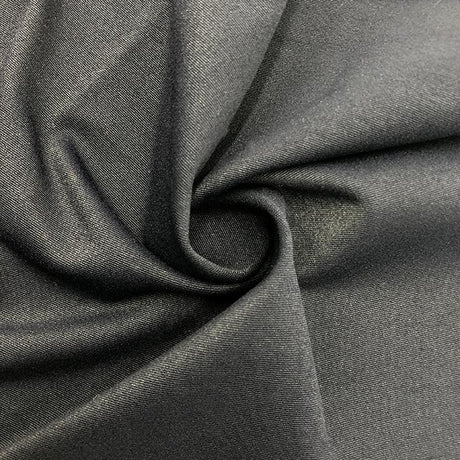
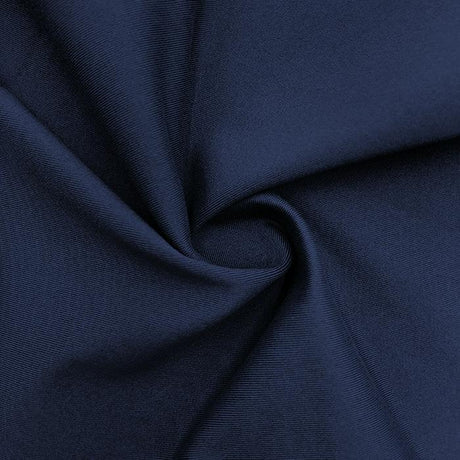
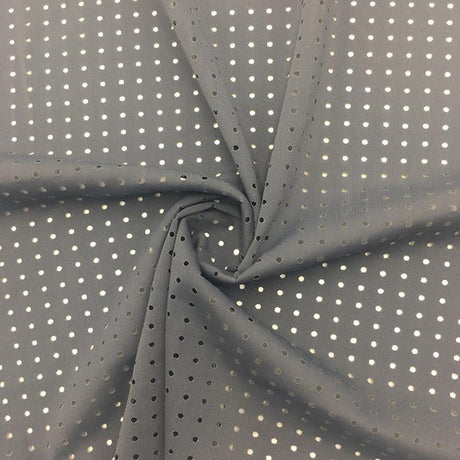
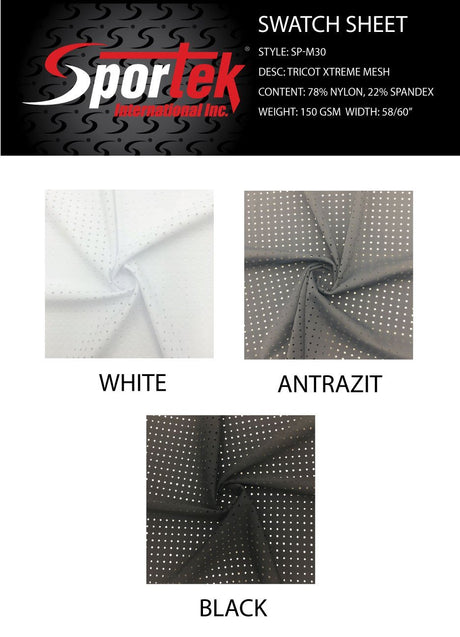
Durable Water Repellent (DWR) is a specialized fabric finish that makes textiles shed water. In this guide we explore how DWR coatings work on spandex-containing stretch fabrics, where they're used, and how to care for them. For a broader foundation on spandex fabric properties before diving in, explore our fabric finishes guide or browse our full fabric guides hub.
Understanding Durable Water Repellent (DWR) Coatings
DWR coatings are often composed of long-chain polymers (historically fluorocarbon-based, though newer versions use silicone or hydrocarbon compounds) that bond to a fabric's surface. These polymers create a microscopic hydrophobic layer: when water contacts a DWR-treated fabric, it cannot spread out. Instead, droplets bead up and roll off, much like water on a freshly waxed car. The DWR increases the surface tension on the fabric's face, causing moisture to form beads that slide away rather than soaking in.
This surface treatment is water-repellent but not fully waterproof – it lets the material breathe and doesn't seal it completely. Over time and use, however, DWR effectiveness diminishes as the coating wears off or gets contaminated by dirt and oils. Modern outdoor gear often advertises PFAS-free DWR, meaning it avoids long-chain fluorochemicals for environmental reasons, instead using safer chemistries (short-chain fluoropolymers, silicones, waxes, etc.) with a slight trade-off in longevity. Our fabric finishes guide covers DWR and all other surface treatments in detail, including how to evaluate their durability and compatibility with different spandex-blend constructions.
Characteristics of Stretch Fabrics like Spandex (Elastane/Lycra)
Spandex (also known as elastane or by the brand name Lycra) is a synthetic fiber celebrated for its exceptional elasticity. It is a polyurethane-based copolymer that can stretch 5–8 times its original length and spring back to shape. Typically, spandex fibers are used in combination with other materials (like nylon, polyester, or cotton) rather than alone – often only a small percentage (5–20%) of a garment's composition is spandex, woven or knitted together with the other fibers. Our stretch fabric types page covers how spandex percentage translates to real-world stretch, recovery, and compression ratings across all common blend types.
One key trait of spandex-containing fabrics is their open, breathable structure. When spandex yarn is knitted into material, the fabric tends to be porous and air-permeable. This makes it comfortable and moisture-wicking for active use, but it also means water and wind can pass through easily – the very properties that make it breathable also make it vulnerable to the elements. The challenge for textile engineers has been to bridge this gap: to give stretchy, breathable fabrics some of the water resistance of a rain jacket without losing their elasticity or comfort.
Applying DWR to Stretch Fabrics: Challenges and Adaptations
Treating a stretch fabric (such as a nylon-spandex blend) with a DWR finish is the primary way to make it water-repellent while preserving its flex. The DWR chemistry can be applied to the entire fabric, coating each fiber in a hydrophobic finish. Our nylon-spandex fabric guide covers how nylon-spandex constructions respond to surface treatments including DWR, and how the nylon companion fiber's surface properties affect DWR adhesion and durability.
The main technical challenge is ensuring the DWR coating remains effective despite constant stretching and flexing. A rigid or brittle water-repellent coating could crack or delaminate when the fabric stretches. To address this, modern DWR formulations are designed to be thin, flexible, and well-anchored to fibers. Rather than a heavy continuous film, the DWR exists as a nanoscale treatment on the fiber surfaces, so when the fabric stretches, the hydrophobic agents move with the fibers instead of splitting apart.
Another consideration is adhesion: spandex fibers are smooth and can be chemically different from polyester/nylon, so manufacturers may use a primer or a specific DWR chemistry that bonds well to spandex's polyurethane chemistry. Often, a two-step process is used in factories – a binding agent or cross-linker is applied with the DWR to help it adhere through stretches and washes, preserving performance.
It's important to note that even with these adaptations, DWR-treated stretch fabrics are meant for water resistance, not full waterproofing. Because the base fabric is still porous and uncoated between fibers, heavy rain will eventually seep through once the surface is saturated. For serious waterproof protection, manufacturers often add an internal membrane layer under a DWR-coated stretch face fabric – a 3-layer laminate: a stretchy outer fabric (nylon/spandex blend) with DWR, a thin waterproof-breathable membrane beneath it, and a soft inner lining.
Applications and Benefits of DWR-Coated Stretch Fabrics
Activewear and Outdoor Apparel
For athletes and outdoor enthusiasts, having gear that moves with you and keeps you dry is a game-changer. DWR-coated stretch fabrics are widely used in running jackets, hiking pants, softshells, and leggings. The DWR finish means a sudden light rain or drizzle won't immediately soak your clothing; water beads off the surface, so the garment stays lighter and dries faster. Meanwhile, the spandex content ensures the apparel is flexible and form-fitting, allowing full range of motion for activities like trail running, cycling, climbing, or skiing.
Modern softshell pants used for hiking and climbing often contain around 5–15% spandex woven with nylon or polyester, treated with a DWR finish on the face fabric. You can scramble over wet ground or brush against dewy foliage without getting soaked, while the pants remain breathable and stretchy enough for steep ascents. Our activewear fabric guide covers polyester-spandex and nylon-spandex constructions that are commonly used as the base fabric for DWR-treated outdoor performance apparel.
In high-output activities, breathability matters as much as water protection. A DWR-treated stretch jacket won't trap sweat like a coated raincoat might; because the fabric stays unsaturated, it retains its air permeability. Many lightweight running jackets blend nylon/spandex and use DWR for exactly this reason – they keep a bit of rain at bay, block wind, and let excess body heat escape. Our fabric weight guide covers how GSM affects breathability and moisture management in DWR-treated stretch constructions used for outdoor performance applications.
Swimwear and Water Sports
One of the more striking uses of DWR on stretch fabrics is in competitive swimwear and water sport apparel. Competitive swimsuits (typically a tight blend of nylon and spandex) are designed not just for elasticity and muscle compression, but also to minimize drag in the water. Manufacturers treat these suits with durable water repellents so that they don't absorb water. Famous examples include Speedo's Fastskin and LZR Racer suits, made of extremely fine nylon/spandex fibers in a dense weave and coated with a hydrophobic treatment to prevent water absorption, resulting in a fabric that stayed drier and lighter in the pool. Our swimwear fabric guide covers nylon-spandex and polyester-spandex constructions used in competitive and recreational swimwear, including how DWR and chlorine-resistant treatments interact with different fiber types.
The benefit in swimwear is immediate: less drag and faster swim times, because the suit isn't holding onto water and creating weight or resistance. It also means the suit dries rapidly once out of the water. In water sports like surfing or paddle boarding, DWR-treated stretch fabrics are used in rash guards, board shorts, or surf leggings. Triathlon suits often have DWR-treated panels – the athlete can exit the swim and the suit will shed water quickly, making for a lighter, more comfortable transition to cycling.
Performance swimsuits using full-body DWR coating were credited with numerous world records (leading to certain types being banned in 2009 for giving swimmers unfair advantages). Even in recreational swimwear, a DWR finish on a swimsuit or swim leggings means it won't sag or gain weight when wet, and will dry out much faster after use.
Athleisure and Everyday Wear
The benefits of DWR on stretch fabrics have also trickled into everyday clothing and athleisure. In urban and travel apparel, it's increasingly common to see items like commuter pants, joggers, or hoodies made from stretch cotton/spandex blends with a DWR treatment. These garments look and feel like regular comfortable clothes, but have hidden superpowers: you can spill a coffee or get caught in light rain and the liquid just rolls off. Our cotton-spandex fabric guide covers how cotton-spandex blends respond to DWR treatment and which cotton-blend constructions are most compatible with water-repellent finishing.
Some brands make stretch denim or canvas jeans with a small amount of spandex for comfort and a DWR finish for weather protection. Many golf or travel pants use polyester/spandex with DWR so that they handle a sprinkle or spill with ease. Some yoga and fitness apparel brands have introduced "rain resistant" leggings using DWR-treated nylon/spandex fabric, targeting people who want to transition from indoor to outdoor activities seamlessly.
Another everyday advantage is stain resistance: DWR finishes often repel not just water but also oils and dirt to some extent. That means DWR-coated stretch clothes tend to stay cleaner – mud or wine is less likely to soak in, buying you time to wipe it off. This is great for travel clothing or kids' outdoor apparel.
Limitations and Care Considerations
While DWR-treated stretch fabrics are highly versatile, it's important to understand their limitations and how to care for them.
Not Permanently Waterproof: DWR only repels water on the surface; it is not a 100% waterproof barrier. In a heavy downpour or prolonged exposure, a stretch fabric will eventually let water through once the DWR is overwhelmed. For sustained rain, you'd still need a dedicated rain shell or an integrated membrane layer beneath the DWR fabric.
Durability and Reapplication: DWR coatings are not permanent. With repeated stretching, abrasion, and especially laundering, the DWR layer will wear off or lose effectiveness over time. Many manufacturers recommend periodically reapplying a DWR treatment – about once per season of use, or whenever you notice water no longer beading up. Spray-on or wash-in DWR renewers are available for consumer use.
Proper Washing: How you wash DWR-coated stretch garments has a big impact on their longevity. Avoid strong detergents, bleach, or fabric softeners, as these can strip or mask the DWR finish. Instead, use mild detergent (or special technical fabric wash) and cold or warm water. Do not use fabric softener; it leaves residues that reduce water-repellency and breathability of technical fabrics. Our spandex care guide and fabric care guide cover complete laundering protocols for all common spandex-blend garment types, including specific guidance on preserving DWR treatments and elastane recovery through repeated washing.
Heat Reactivation: After washing, heat can help reactivate the DWR coating. Many DWR-treated garments benefit from a brief tumble dry on low or medium heat (if the care label permits) to redistribute and re-bind the finish. Spandex-blend fabrics can generally handle low heat, but avoid high heat which could damage the elastic fibers. This step can restore some water-shedding ability without needing to reapply chemicals.
Eco-Friendly DWR Considerations: As brands move to more eco-friendly DWR formulas (switching from long-chain fluorocarbons to short-chain or fluorine-free DWRs), be aware that these newer finishes may sacrifice a bit of performance or require more frequent care. Some PFC-free DWR treatments might need reapplication sooner than the old formulations. This is not a reason to avoid them – they're far better for the environment – but users should be diligent about testing their gear's repellency and renewing the treatment when needed.
By following these care tips, you can significantly extend the effective life of your DWR-coated stretch garments. Regularly check if water still beads on the fabric – sprinkle some droplets and if they soak in and darken the fabric, it's time to revive the DWR.
Conclusion
In summary, a DWR coating on spandex-containing fabrics marries the best of both worlds in performance apparel: you get the freedom, comfort, and breathability of stretch textiles, along with the water-shedding capabilities of a rainwear finish. The science behind it involves clever surface chemistry – hydrophobic polymers that guard each fiber – and the result is a fabric that can flex and move yet cause rain to roll right off.
DWR treatments aren't magic; they require upkeep and have limits in foul weather. But with proper care, your DWR spandex gear can stay resilient through many adventures, be it morning runs in misty weather, alpine hikes in light snow, or simply tackling your day-to-day errands without worry of spills.
Ready to explore stretch fabrics with performance-enhancing finishes? Use our fabric finishes guide for a full breakdown of DWR and all other surface treatments, our nylon-spandex fabric guide and activewear fabric guide for curated fabric recommendations, and our swimwear fabric guide for swim-specific DWR and finish considerations. Our spandex care guide and fabric care guide will keep every DWR-treated garment performing at its best wash after wash. Have questions about specific fabric finishes or sourcing? Our expert help and advice page and FAQ are always available. Sign up for SpandexByYard Rewards to earn points on every purchase – because the right finish keeps you dry, comfortable, and ready for anything.