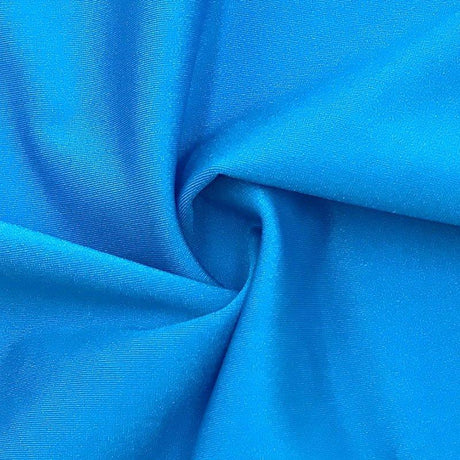
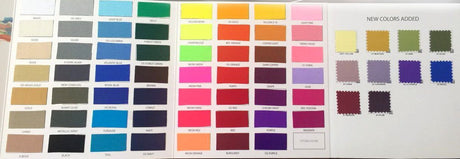
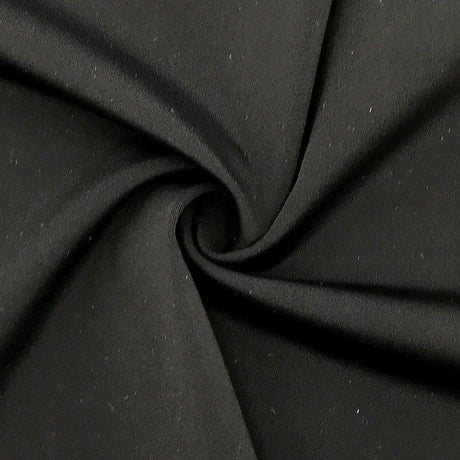
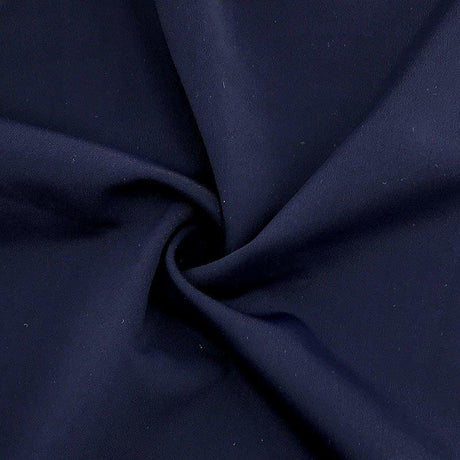
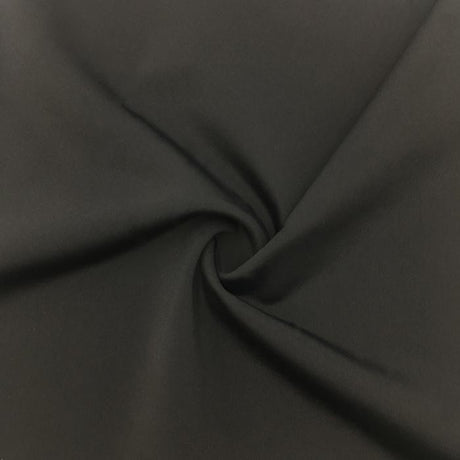
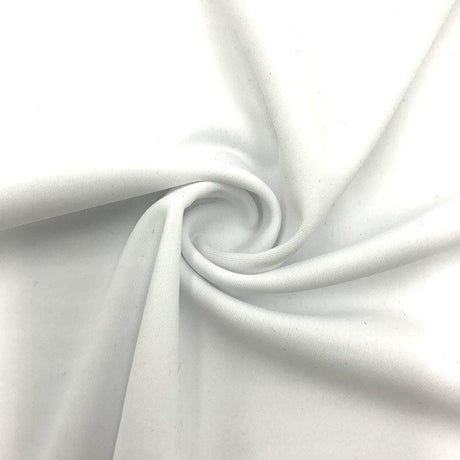
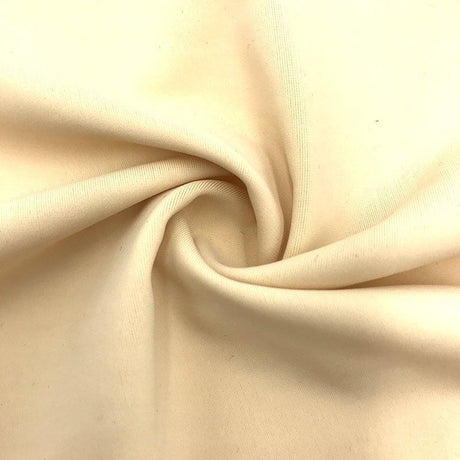
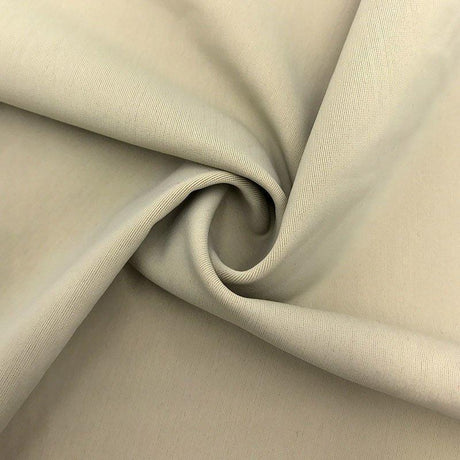
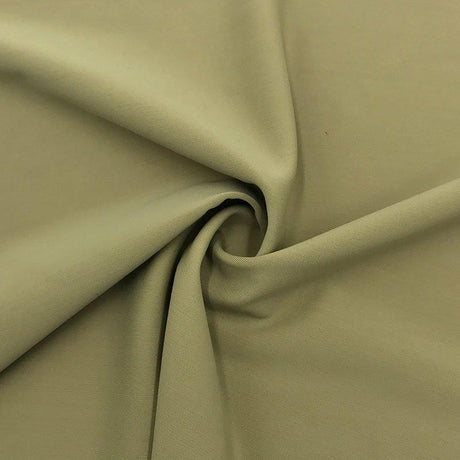
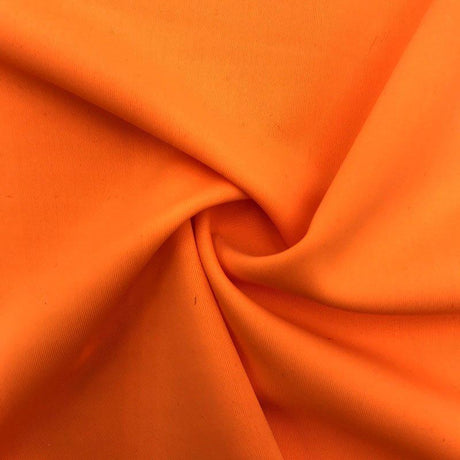
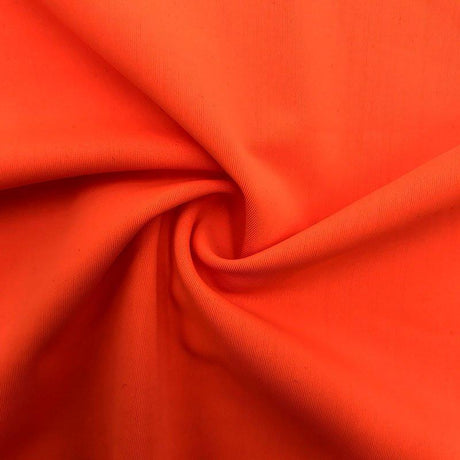
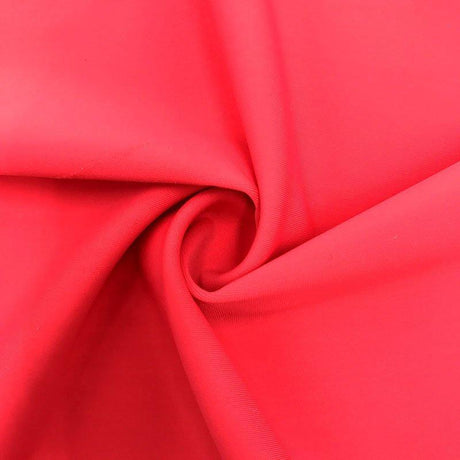
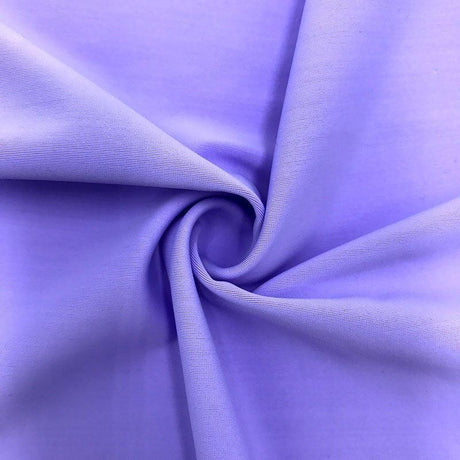
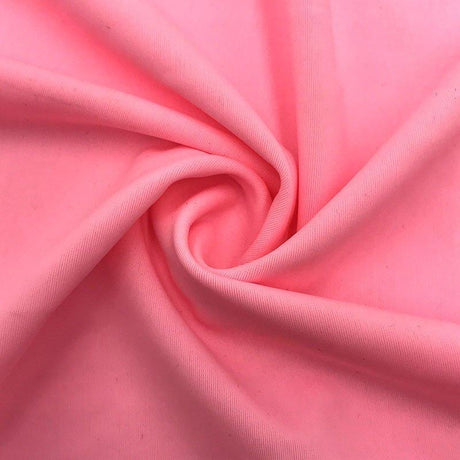
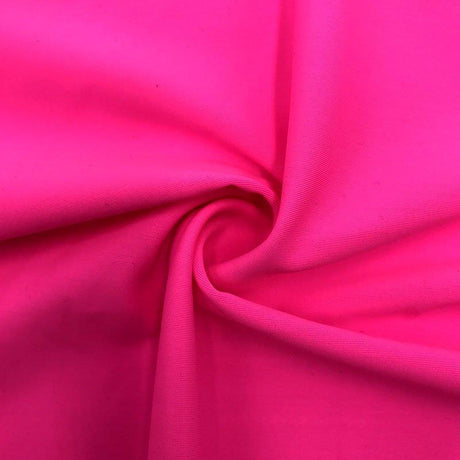
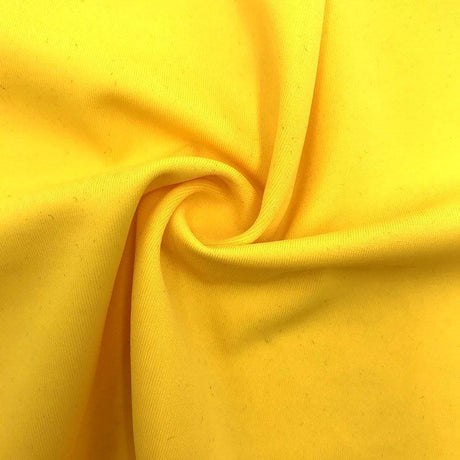
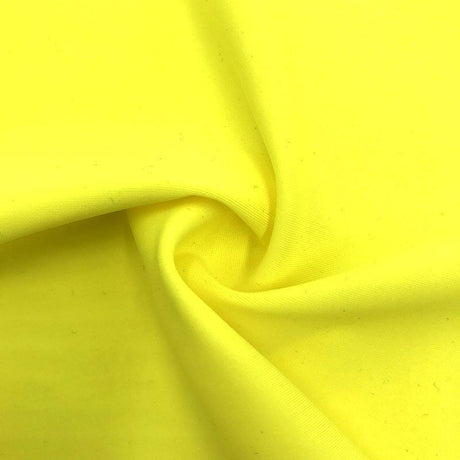
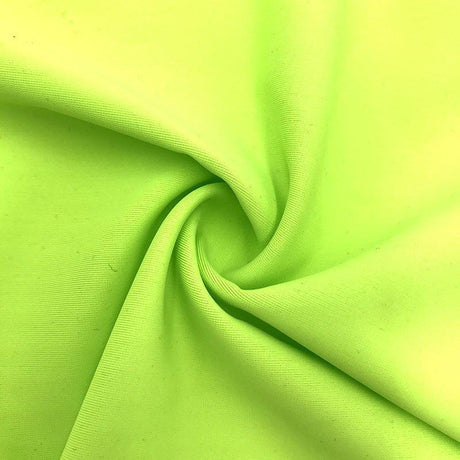
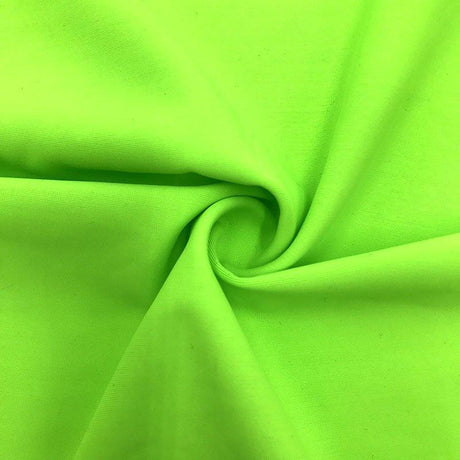
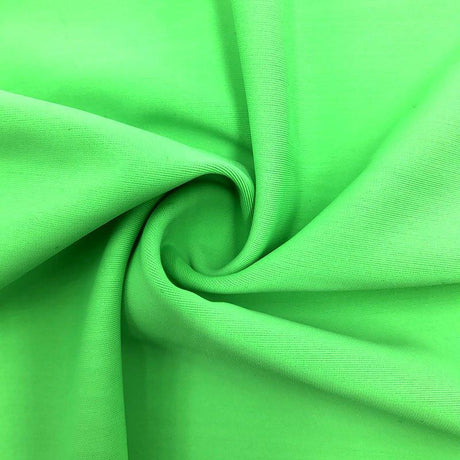
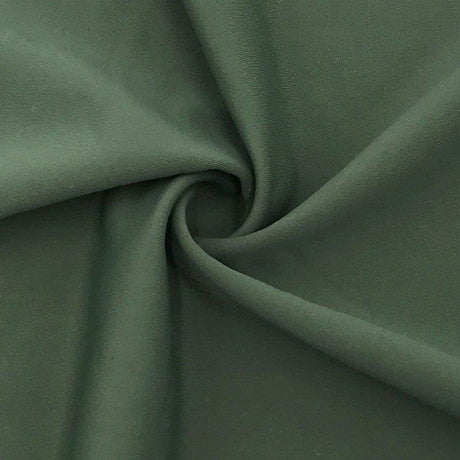
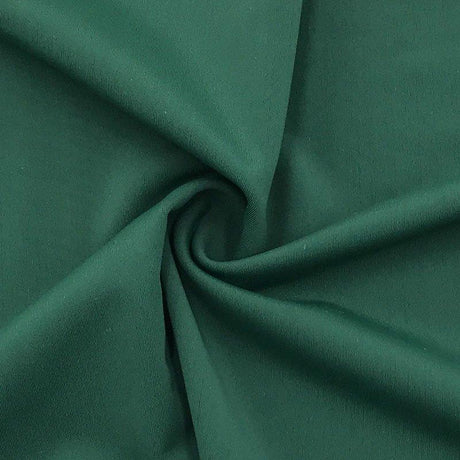
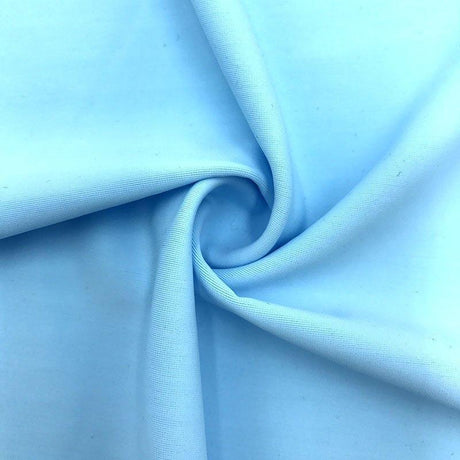
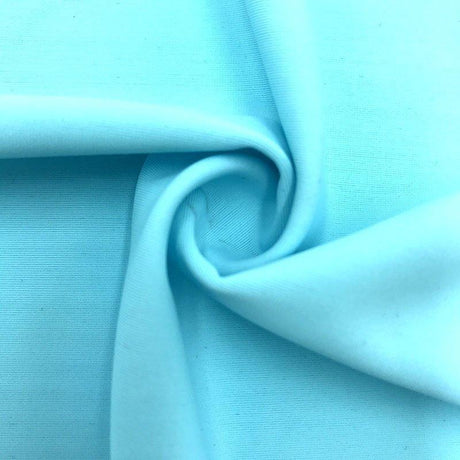
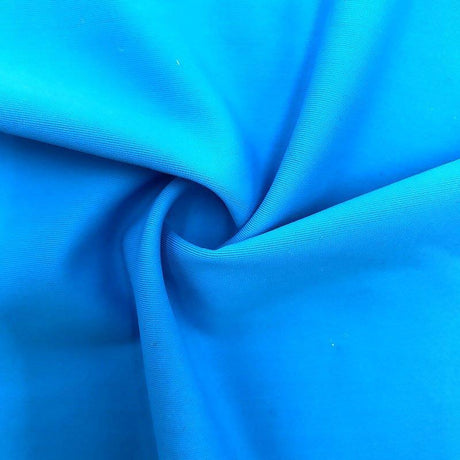
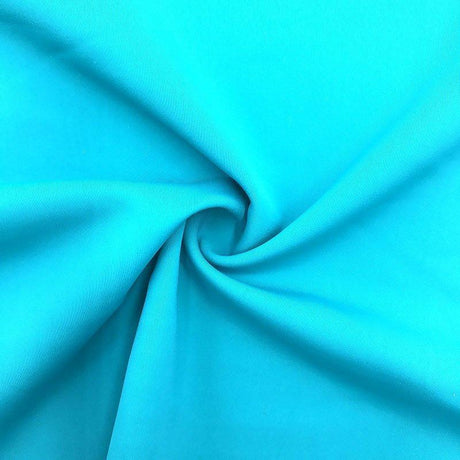
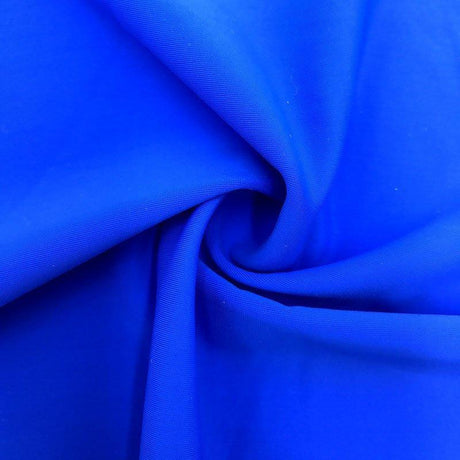
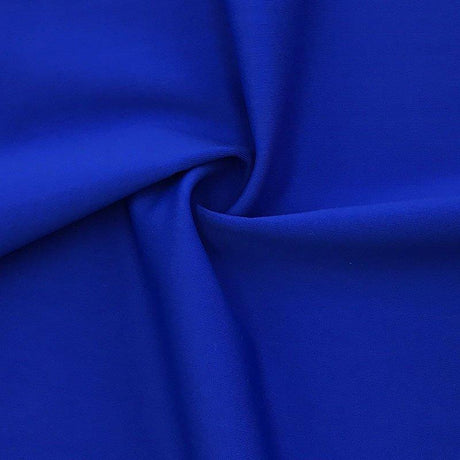
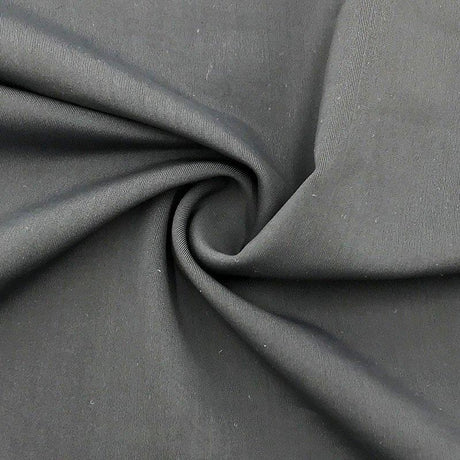
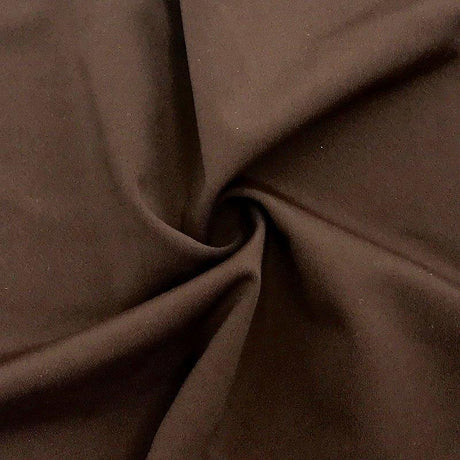
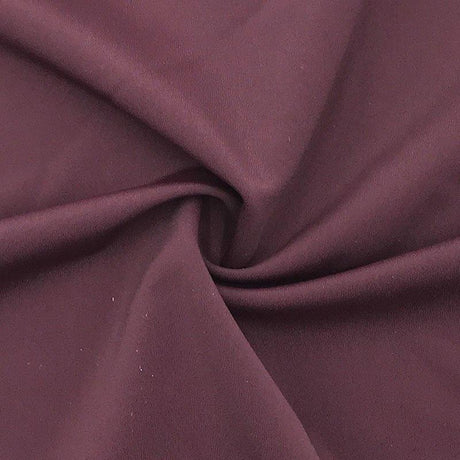
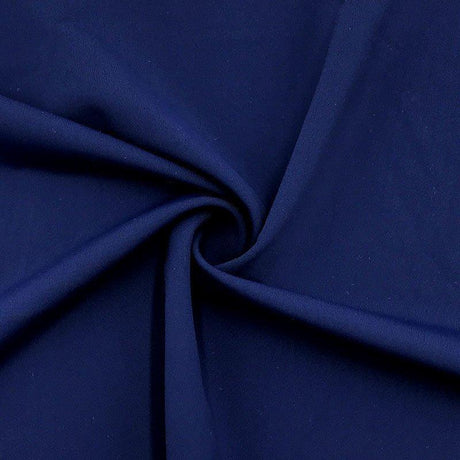
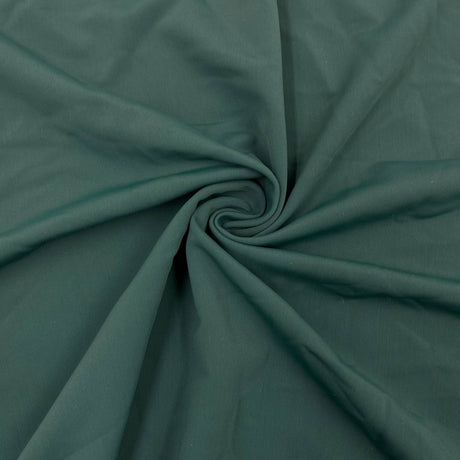
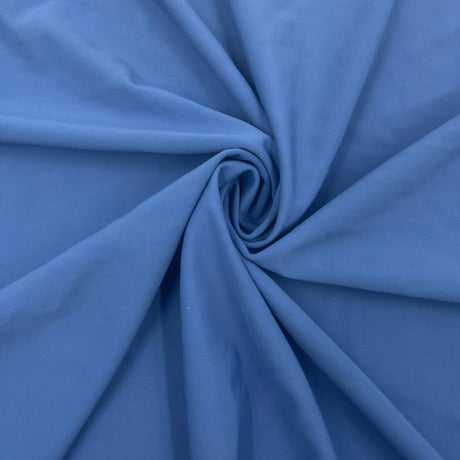
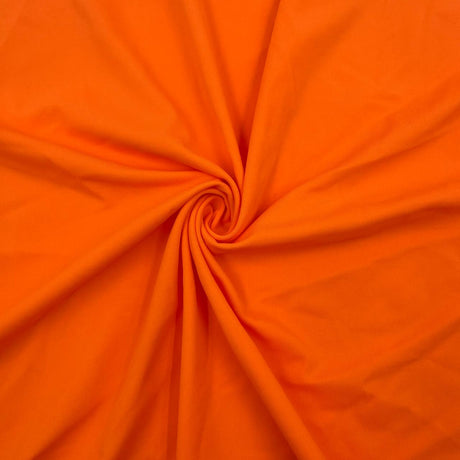
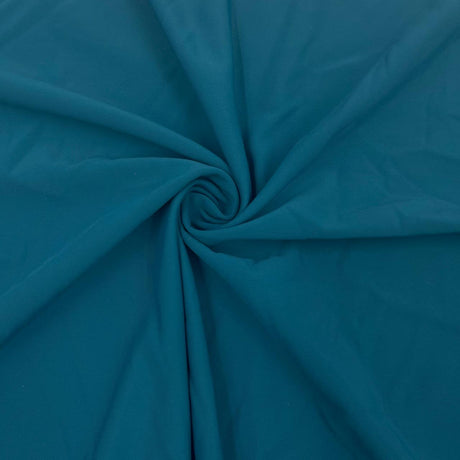
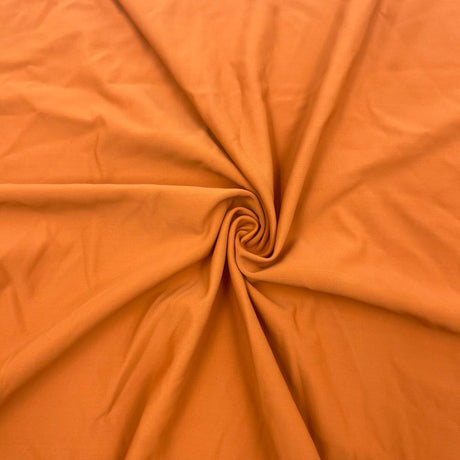
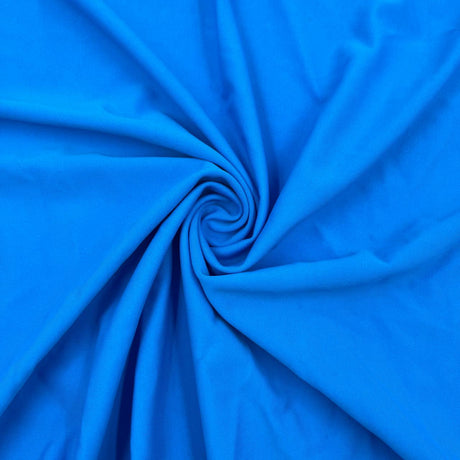
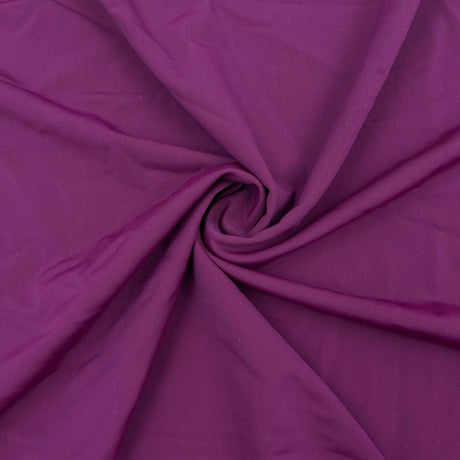
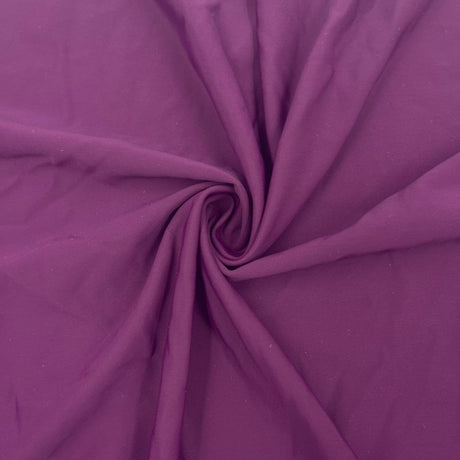
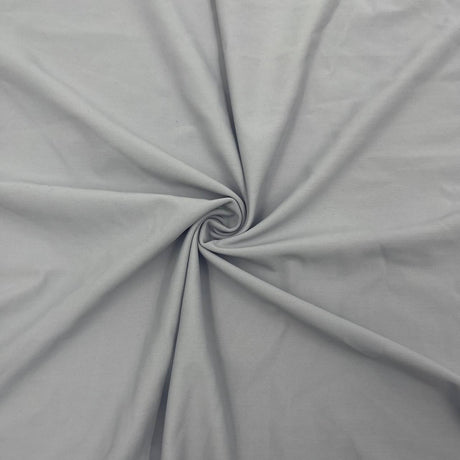
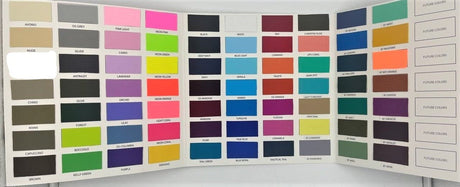
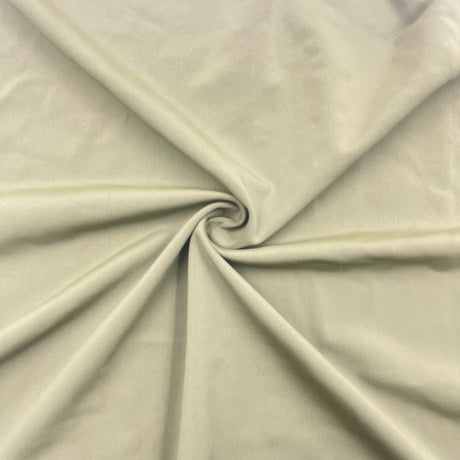
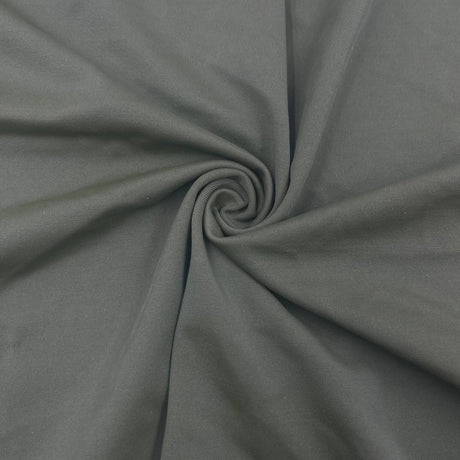
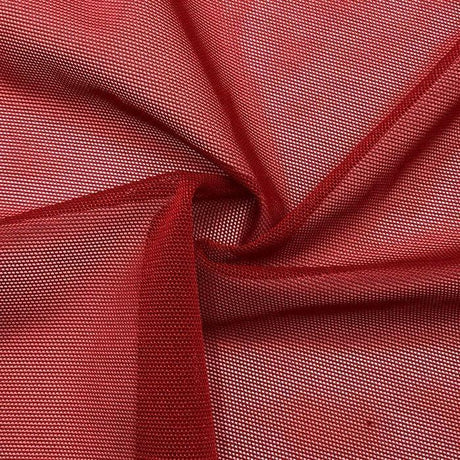
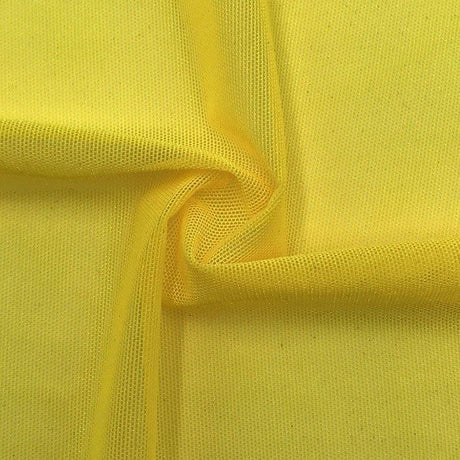
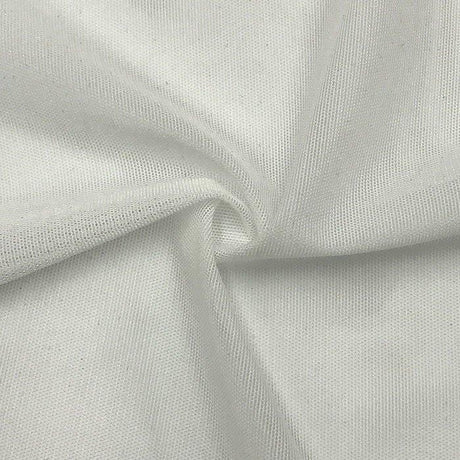
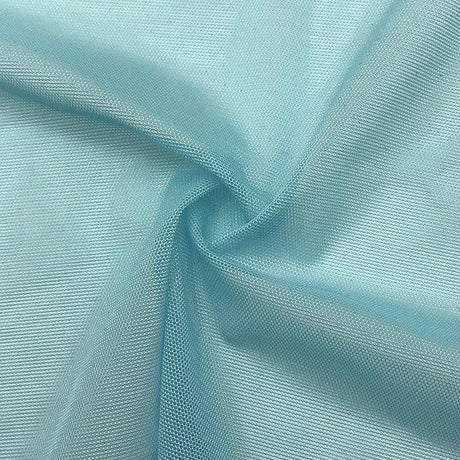
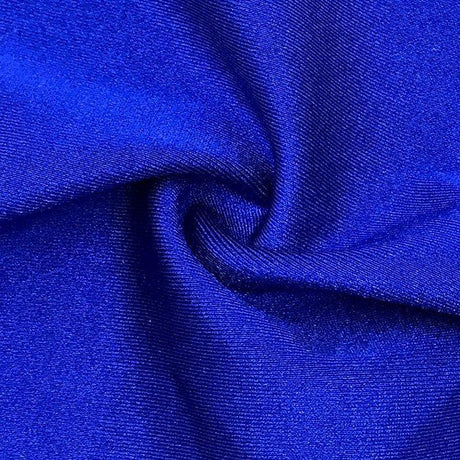
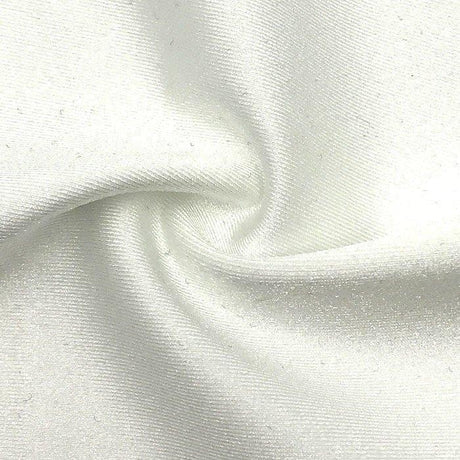
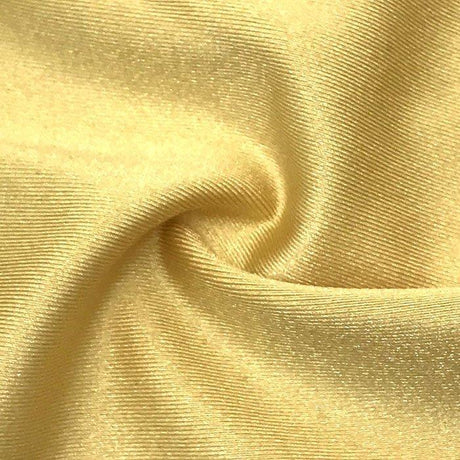
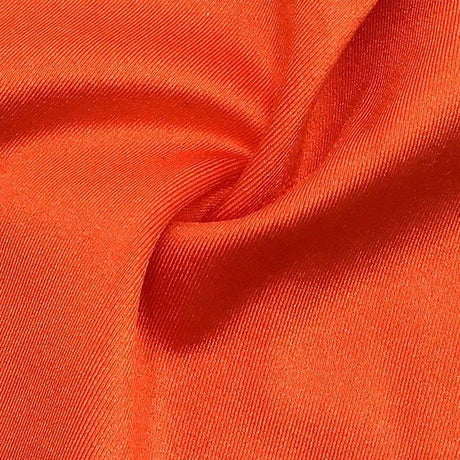
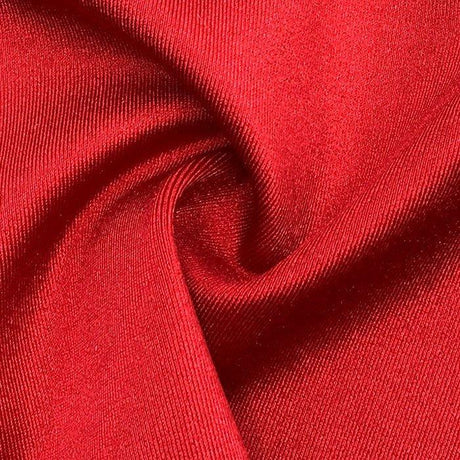
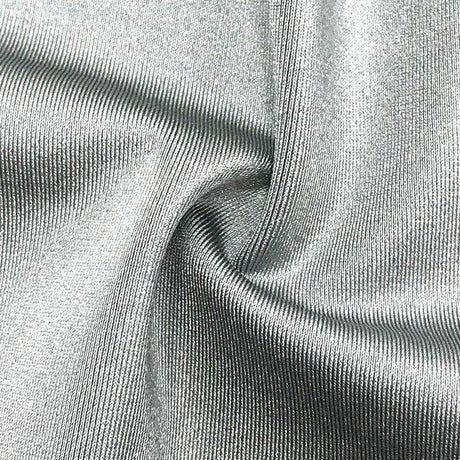
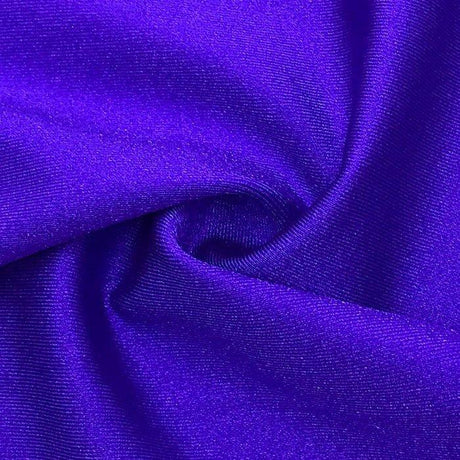
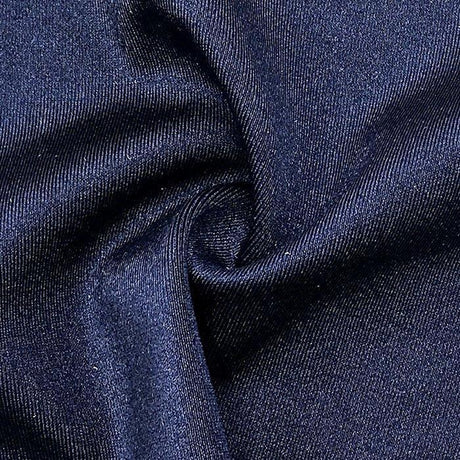
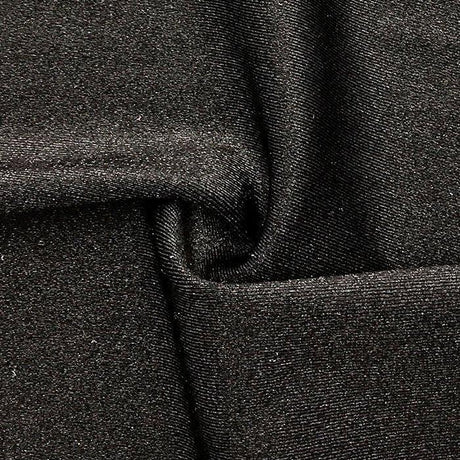
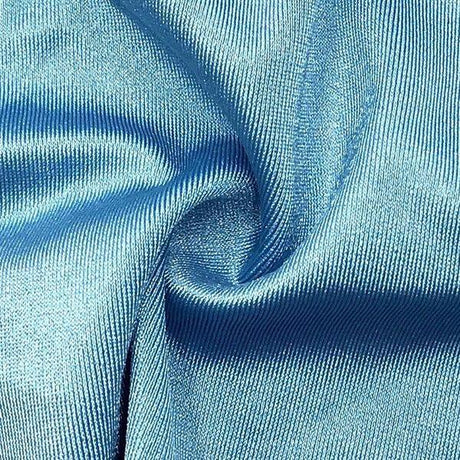
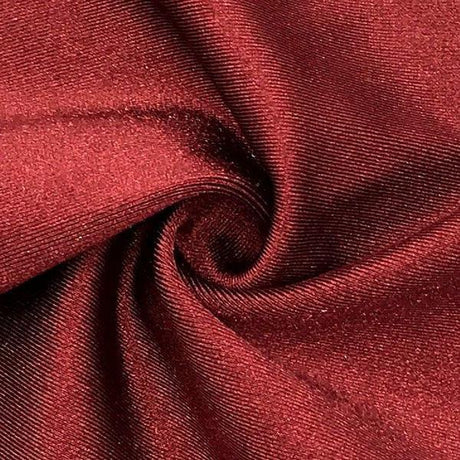
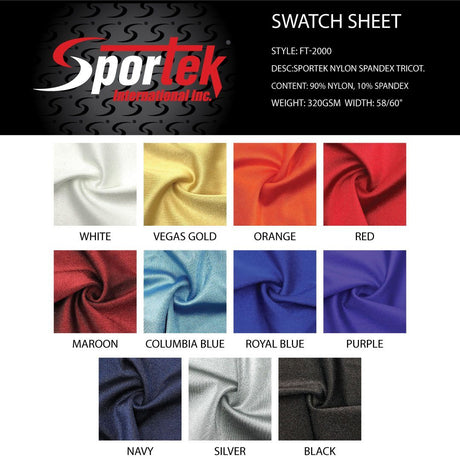
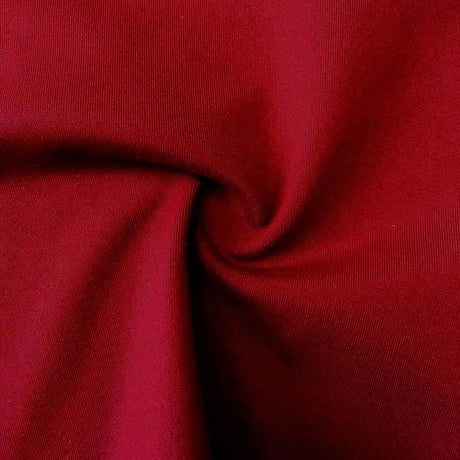
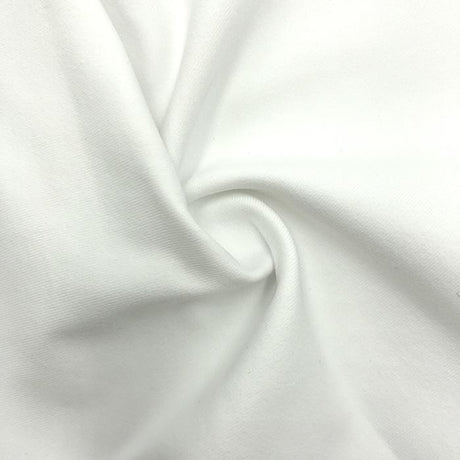
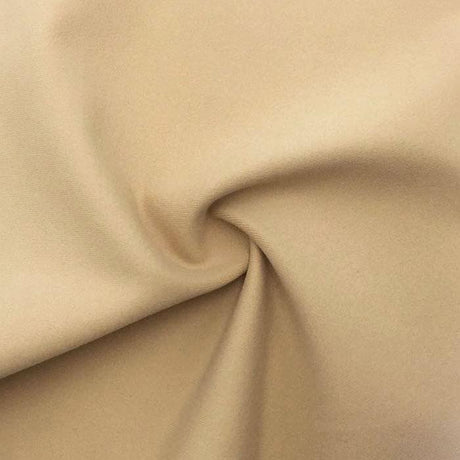
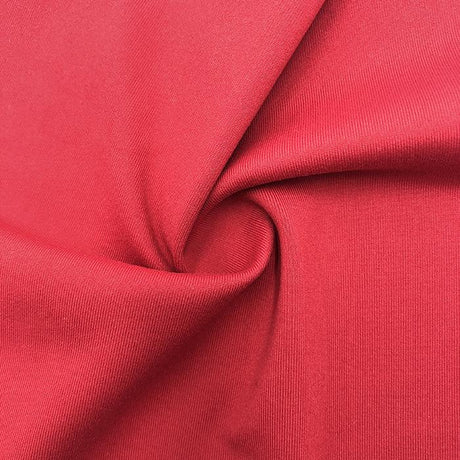
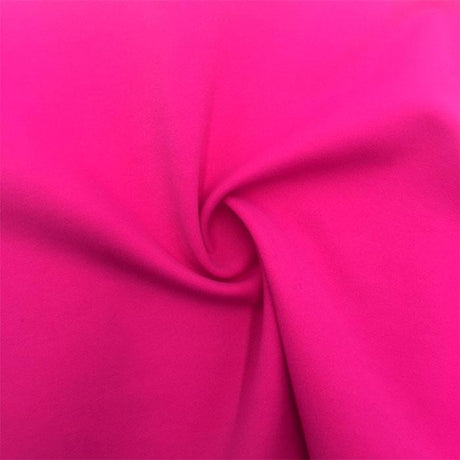
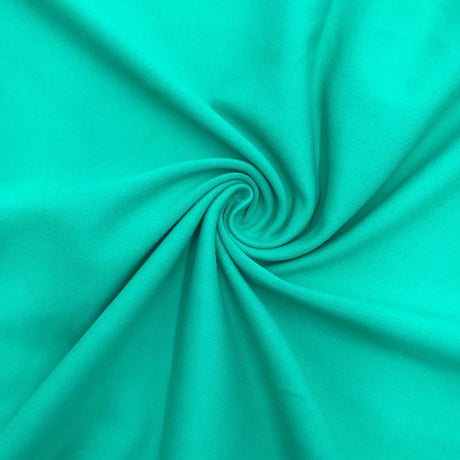
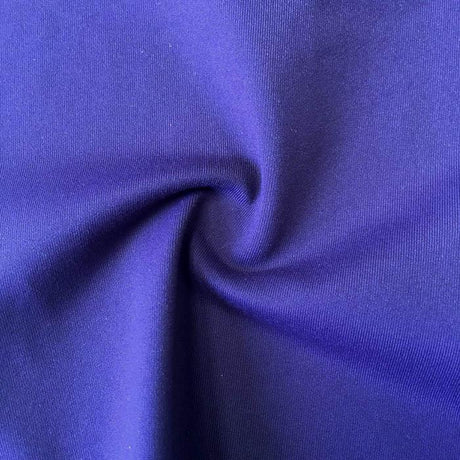
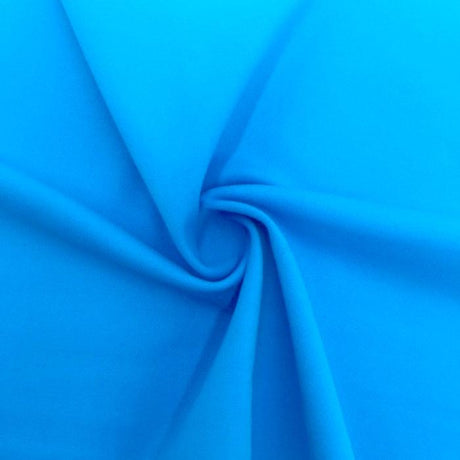
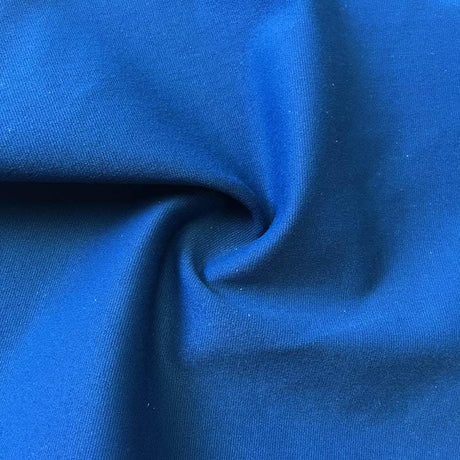
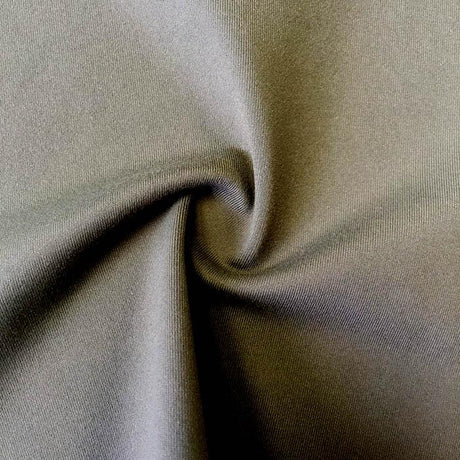
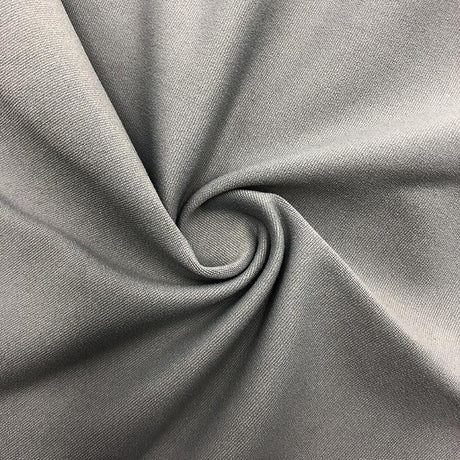
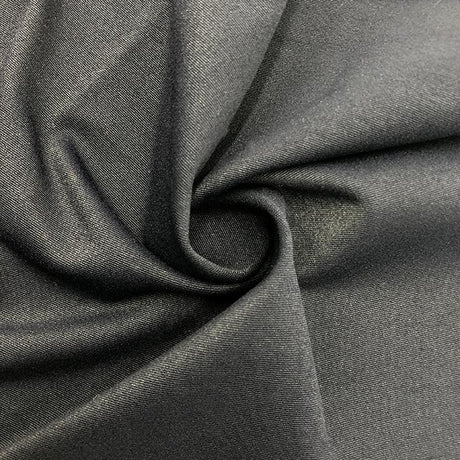
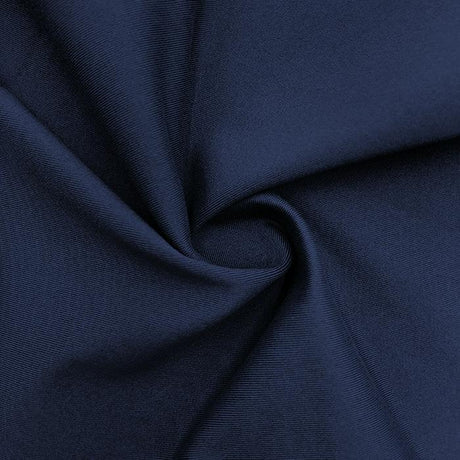
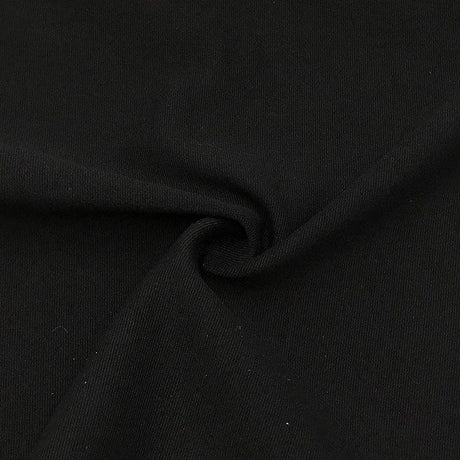
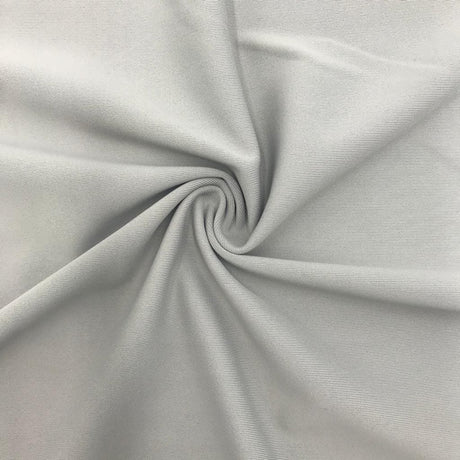
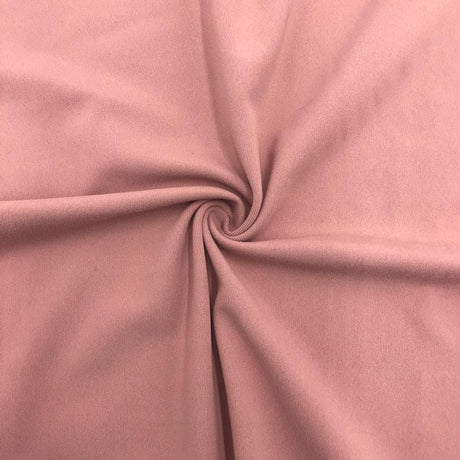
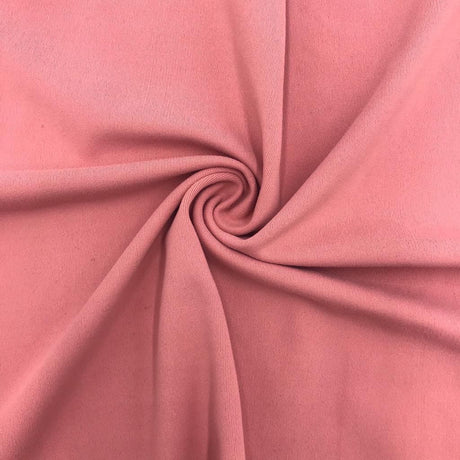
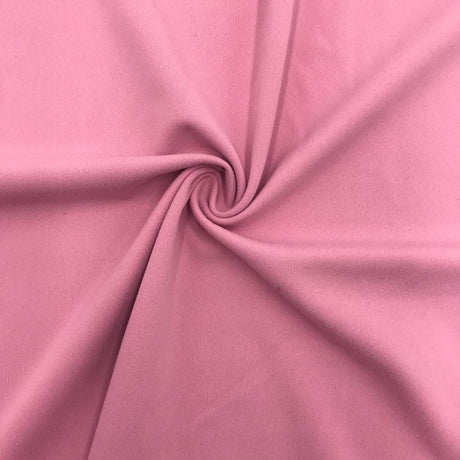
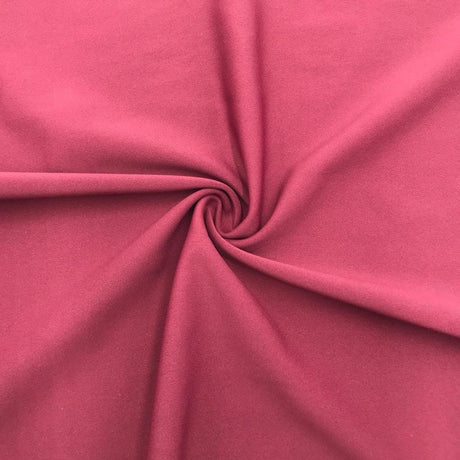
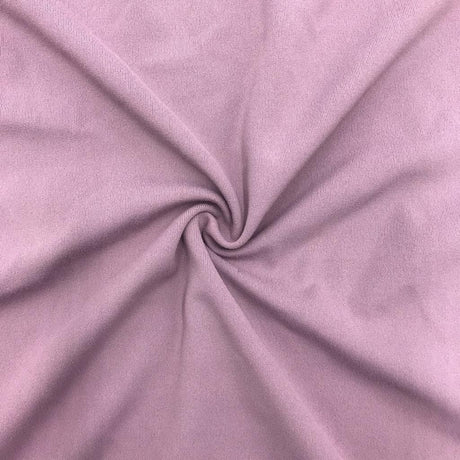
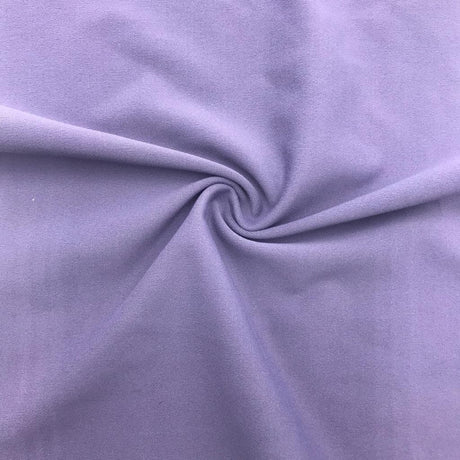
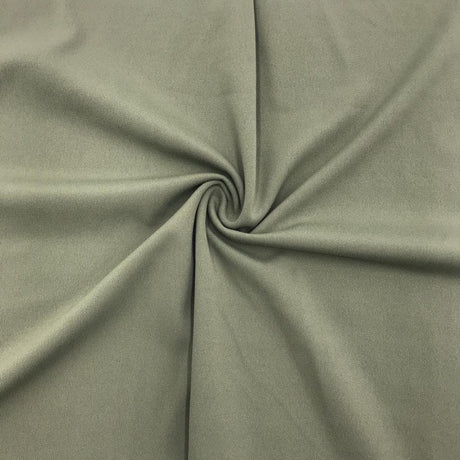
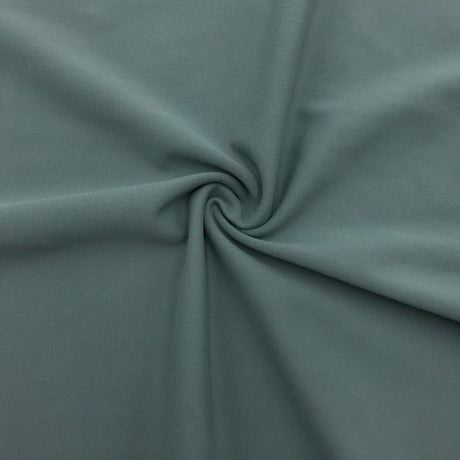
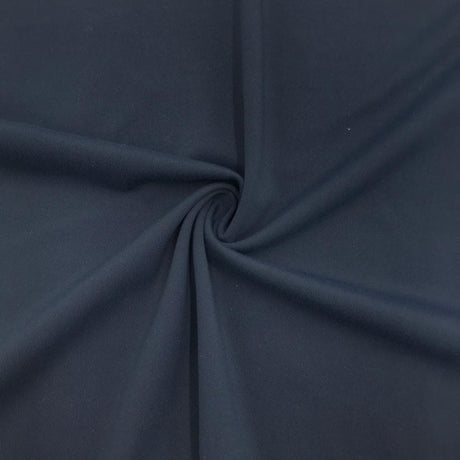
Enhancing Wearer Comfort: Brushed lining fabrics solve the need for garments that feel soft and cozy against the skin. By mechanically raising fuzzy fibers on a fabric's surface (the "nap"), manufacturers create a plush interior that reduces chafing and irritation. This soft, brushed interior acts like a built-in comfort layer – for example, many winter jackets use a brushed lining in the body to keep you comfortable, while opting for slippery linings in the sleeves for easy on/off. For a broader foundation before diving in, explore our activewear fabric guide or browse our full fabric guides hub.
Improving Thermal Warmth: Another key problem brushed linings tackle is insufficient insulation in lightweight apparel. The napped fibers create tiny air pockets that trap body heat, effectively turning thin fabrics into mild insulators. This added warmth is a big benefit for cold-weather gear and athletic wear used in chilly conditions. For instance, fleece-lined leggings and tops often have a brushed inner face that locks in heat for dry warmth during winter activities. Unlike bulky added layers, a brushed lining delivers noticeable heat-retention without much weight, solving the need to stay warm in cooler temperatures while preserving mobility.
Educational Section: What is Brushed Lining?
Definition & How It's Made: Brushed lining refers to any fabric (often a knit) used as a garment lining that has been mechanically "brushed" to raise a soft nap on one side. Industrial brushes or sanded rollers abrade the fabric's surface, lifting fine fibers to create a velvety fuzz (nap). This brushing process can be applied to many base fabrics – cotton, polyester, nylon, etc. – and is commonly done on one side of the material (the side that will face the body). The result is a lining material with one smooth side and one suede-like, fuzzy side. In short, brushed lining is not a specific fiber but a finishing technique that makes a lining fabric soft and cozy by literally brushing up its fibers. Our fabric finishes guide covers brushing and other surface treatments in detail, including how the napping process affects stretch, breathability, and care requirements.
Types of Brushed Lining: There are several popular types of brushed lining fabrics, each suited to different applications. Brushed tricot is a warp-knit (often polyester/spandex blend) with a smooth outer face and a plush inner nap, used in activewear jackets and hoodies. Brushed jersey is a weft-knit (like t-shirt material) that's been brushed, such as double-brushed poly knits used for leggings and loungewear (typically ~95% polyester, 5% spandex). You'll also encounter brushed interlock or brushed French terry, where one side of a heavier knit is brushed (these are common in sweatshirts and sweatpants). Each type has a slightly different feel – brushed tricot tends to be thin and slick on one side but fleecy on the other, whereas double-brushed jersey is fuzzy on both sides for maximum softness. Our stretch fabric types page covers brushed knit constructions and how they compare to unbrushed alternatives in stretch percentage and recovery.
Key Properties: No matter the type, brushed linings are prized for exceptional softness, noticeable heat retention, and reduced skin friction. The softness comes from the myriad of tiny fibers that cushion the skin. Heat retention is achieved by those same fibers creating insulating air pockets. And by having a fuzzy texture, brushed linings tend to glide comfortably over the skin or other layers, minimizing friction and hot spots during movement. A quality brushed lining fabric will be soft to the touch, warmer than it looks, and gentle in motion. Our fabric care guide covers how to preserve the nap and softness of brushed fabrics through repeated laundering.
Usage Note: Brushed linings are sometimes called "peached" fabrics (as in peach skin) or even "fleece" when the nap is especially thick. Whether it's a brushed tricot knit or a micro-fleece lining, the concept is similar: fibers have been raised for comfort.
Technical Specifications
Comparison Table – Common Brushed Linings:
| Fabric Type | Composition | Weight (GSM) | Stretch % |
|---|---|---|---|
| Brushed Tricot Knit (Poly/Spandex) – one side brushed | ~85% Polyester, 15% Spandex | ~250 GSM | 2-way stretch (moderate 15–20% crosswise), good recovery |
| Brushed Jersey Knit (Double-Brushed Poly) – both sides brushed | ~95% Polyester, 5% Spandex | ~180–200 GSM | 4-way stretch (high, ~50% or more each direction), excellent recovery |
| Brushed Woven Lining (e.g., flannelette or peached twill) – one or both sides brushed | 100% Cotton or Poly/Cotton blend | ~150–200 GSM | Minimal stretch (woven), relies on ease in garment; very soft but no elastic recovery |
For a full explanation of how these GSM ranges translate to warmth, breathability, and performance across brushed constructions, visit our fabric weight guide. For a side-by-side comparison of stretch percentages and recovery ratings across brushed knit types, see our stretch fabric types page.
Durability & Wear Discussion: A well-made brushed fabric is durable and holds up to wear, but the raised fibers can be prone to pilling or flattening if the fabric is low-quality or improperly cared for. High-end brushed linings often address this with anti-pilling treatments – some polyester brushed knits are engineered to resist pilling, fading, and shrinkage and will stay fuzzy and soft even after many wash cycles. Our fabric finishes guide covers anti-pilling treatments and other surface finishes that extend the lifespan of brushed lining fabrics.
Because many brushed linings are knit with spandex, they usually have good stretch and snap-back. Ensure the fabric you choose has sufficient spandex (10–15% for activewear projects) so that it doesn't "bag out" after stretching. Technical specs to check include: GSM (for warmth/thickness), stretch percentage and direction, fiber content (poly vs. cotton, spandex %), and any anti-pilling or moisture-wicking finishes. Our spandex care guide covers how to preserve elastane recovery in brushed knit fabrics through repeated laundering.
Benefits and Use Cases
Activewear & Leggings: Brushed lining fabrics shine in activewear applications where comfort meets performance. Many running jackets and training leggings feature a lightweight brushed tricot lining that provides an extra layer of warmth without sacrificing breathability. In leggings, a brushed interior is especially popular – it gives yoga pants or running tights a cozy feel and keeps muscles warm during cool morning workouts. The brushed lining keeps you warm during activity and also prevents the clammy feeling against skin that some slick synthetics can cause by wicking sweat and reducing friction. Our activewear fabric guide covers brushed performance fabric options and how they compare to unbrushed technical knits for cold-weather training applications.
Winterwear (Jackets, Coats, Base Layers): In the realm of cold-weather clothing, brushed linings are a go-to solution for adding insulation. Winter jackets frequently use a brushed or sherpa-fleece lining in the body and hood to retain body heat. For base layers and thermal underwear, a brushed polyester knit is common – these garments are designed to be worn next to skin, and the brushed surface both increases warmth and feels pleasant. A classic use case is a brushed microfleece half-zip for skiing: it traps warmth efficiently but is light enough to layer. Additionally, brushed linings in winterwear manage moisture by pulling perspiration off the skin (so it can evaporate), which keeps you dry and warm. Our fabric weight guide covers GSM recommendations for brushed linings in different cold-weather applications.
Intimates & Loungewear: Brushed linings aren't only for athletics and outdoors – they also enhance everyday comfort in intimate apparel and lounge clothing. Many sports bras and athletic shorts have a thin brushed lining layer to prevent irritation on sensitive areas and to absorb sweat. In loungewear and sleepwear, brushed cotton or poly linings (like flannel-backed satin or brushed jersey pajamas) give you the best of both worlds: a smooth stylish outer look with a cozy interior. For intimates, a brushed lining can also reduce friction and thus extend the garment's life (less rubbing on the skin or other fabric).
Moisture-Wicking vs. Insulation – Finding the Balance: Brushed linings can be engineered to emphasize different benefits. In activewear, moisture-wicking is often as important as insulation. Many brushed performance fabrics are made of technical polyester that not only insulates but also spreads sweat out across the fibers to speed evaporation. For high-exertion activities, a lighter brushed knit that prioritizes moisture management will keep you comfortable. For low activity or very cold environments, a heavier brushed fleece that maximizes loft is desirable. Many modern fabrics try to strike a balance – for example, grid fleeces that are partially brushed in a grid pattern, providing both breathability (in the channels) and warmth (on the brushed grid areas). Our activewear fabric guide covers how to evaluate moisture management and thermal ratings across different brushed fabric constructions.
How to Choose the Right Brushed Lining
Checklist by Project Type: Our how to choose fabric guide walks through the selection framework for all common garment types. Here's a quick checklist for common brushed lining applications:
For leggings or activewear: Prioritize a brushed fabric with high stretch (at least 10–15% spandex) so it moves with the body and a smooth, non-shedding nap. Look for moisture-wicking poly/spandex blends that are mid-weight – heavy enough to add warmth but light enough to breathe during workouts. Our activewear fabric guide covers specific brushed knit recommendations for this application.
For thermal base layers (long underwear): Seek a brushed knit that balances warmth and breathability, like a poly or merino wool blend that's lightly brushed inside. It should be snug fitting, so elasticity is key, but also needs to dry fast. Our stretch fabric types page covers base layer fabric constructions and how stretch direction affects fit and mobility.
For jackets or hoodies: Determine if you need full insulation or just a touch of comfort. A common choice is a brushed tricot or microfleece lining for the body for warmth, and a slippery taffeta in the sleeves for ease of layering. If the jacket is for severe cold, a thicker high-pile fleece lining might be warranted.
For kids' apparel or intimates: Prioritize soft-brushed natural fibers (like cotton flannel linings) if skin sensitivity is a concern, and ensure any prints/colors won't bleed through. Our cotton-spandex fabric guide covers soft cotton-blend lining options suited to sensitive skin applications.
In all cases, it's smart to order swatches or feel the fabric if possible. Finally, match the care needs of the lining to the project: a winter coat lining should be durable and washable, a luxury loungewear lining might be fine if it's hand-wash only. Our fabric care guide covers care requirements for all common brushed lining fabric types.
Stretch & Recovery Considerations: If your project is form-fitting or involves a lot of movement (leggings, fitted tops, stretch cuffs, etc.), you must choose a brushed fabric with adequate stretch and recovery. Knit linings with spandex are ideal here. A brushed jersey with 5–15% spandex will ensure your garment can stretch comfortably and spring back without sagging. By use case:
- Leggings and activewear: Go with a 4-way stretch brushed knit (double-brushed poly, brushed nylon blends, etc.) for maximum mobility.
- Thermal tops: A 2-way stretch might suffice if it's not skin-tight, but 4-way is great for base layers.
- Jackets: Linings can be non-stretch if the garment has ease, but if it's a performance jacket, a bit of stretch in the lining can improve comfort.
Always align the stretch orientation with the garment: if using a brushed tricot that primarily stretches crosswise, cut and sew so that stretch goes around the body (circumferential) rather than vertical. Our how to sew stretch fabric guide covers grain alignment, cutting techniques, and stretch direction considerations for brushed knit linings.
Common Mistakes to Avoid
Overheating in High-Exertion Garments: One pitfall is using too heavy or insulating a brushed lining in apparel meant for intense activity. Heavily brushed/polar fleece interiors, while warm, increase thermal insulation to the point of causing sweat and discomfort if the activity level is high. To avoid this, match the lining's warmth to the activity: use lighter brushed linings or those with open structures (like grid fleece or moisture-wicking finishes) for aerobic apparel. Our activewear fabric guide covers how to match brushed lining weight to activity intensity for different performance applications.
Ignoring Stretch Direction When Cutting: Many brushed linings are knit fabrics with distinct stretch directions (e.g., a tricot might stretch more in width than length). Cutting pattern pieces without paying attention to which way the fabric stretches most can result in a garment that is tight where it should be flexible. Always identify the direction of greatest stretch in your brushed knit lining and align it horizontally around the body. Ensure multiple pieces (like a lining and an outer fabric) have compatible stretch. Our how to sew stretch fabric guide covers grain alignment, stretch direction testing, and cutting techniques for brushed knit fabrics in detail.
Improper Washing & Care: Brushed fabrics require a bit of extra care in laundering to maintain their cozy texture. Washing a brushed-poly lining in hot water and then machine-drying it fully can cause it to lose some softness and increase pilling. Always check the care instructions; many brushed linings prefer gentle, cold wash and low-heat or air drying. Turn garments inside-out before washing to protect the brushed side. Avoid bleach and fabric softener – bleach can deteriorate fibers, and softeners can leave residues that reduce fluffiness. Pre-washing your brushed fabric before sewing is also important to prevent shrink surprises. Our fabric care guide covers gentle laundering protocols for all common brushed lining types, and our spandex care guide addresses heat sensitivity in elastane-blend brushed knits.
When to Use Fleece Instead
Understanding Fleece vs. Brushed Lining: "Fleece" is essentially a type of heavily brushed knit – typically a thicker, loftier fabric where the brushing process creates a deep pile. Fleece fabrics (like polar fleece, sherpa, etc.) have a much higher nap/pile, meaning more air is trapped for insulation. They are significantly warmer but also bulkier than a light brushed tricot. A brushed lining is usually thinner with a short, dense nap – providing moderate warmth in a sleeker profile. Our fabric weight guide covers the GSM ranges that distinguish brushed linings from fleece and how weight affects warmth, bulk, and breathability in each category.
Comparison Table – Fleece vs. Brushed Lining:
| Factor | Brushed Lining (short nap) | Fleece (deep nap) |
|---|---|---|
| Warmth | Adds mild to moderate insulation (enough for cool temps or layering) | High insulation for cold weather (traps significantly more heat) |
| Bulk & Weight | Low bulk, thin profile; minimal impact on garment thickness | Thick and fluffy; noticeably increases bulk and weight of garment |
| Softness | Very soft to the touch (smooth, velvety feel) | Extremely soft and plush (fluffy, teddy-bear feel) |
| Breathability | Generally more breathable (less fiber bulk for air to pass) | Can be less breathable, especially high-pile fleece |
| Stretch | Usually has some stretch (knit + spandex blends common) | Can be non-stretch or 2-way stretch; less likely to include spandex unless "stretch fleece" |
| Typical Uses | Lining for activewear, casual jackets, base layers | Standalone sweaters, mid-layer jackets, heavy coat linings, blankets |
| Example Fabric | Brushed tricot or single-sided microfleece (~200 GSM) | Polar fleece or sherpa fleece (~300 GSM and up) |
Ideal Use Cases for Fleece: You'll want to choose a fleece instead of a lighter brushed lining in scenarios where extra warmth or a cozy aesthetic is the primary goal. Outdoor winter wear often uses fleece: a ski mid-layer or an inner lining for a parka might be made of thick fleece to ensure the wearer stays warm in freezing conditions. If you're making a garment like a hoodie or sweatpants for loungewear, a plush brushed fleece gives that comforting, high-loft feel that people associate with snug hoodies. Blankets and accessories (like neck warmers, ear bands) are another area where fleece shines – here, maximum softness and warmth matter more than how thin the material is. Opt for fleece when you need "extra everything" – extra warmth, extra fluff, extra cushion – and opt for a standard brushed lining when you need some warmth/softness but want to keep things light and sleek. If you need help deciding between the two for your specific project, our expert help and advice page connects you with knowledgeable staff.
Conclusion
Recap of Core Uses & Benefits: In summary, brushed lining fabrics are a versatile tool in apparel design, offering an elegant solution to improve comfort and warmth without major weight or bulk. We've seen that they are used in everything from high-performance athletic wear to cozy winter pajamas. The core idea is simple but powerful: a soft brushed inner surface that makes any garment more comfortable to wear. Whether it's implementing a thin brushed tricot to take the chill off a running shirt, or going with a heavy sherpa fleece to line a winter coat, the range of options means there's likely a brushed fabric suited to your needs.
Confidence in Selection: Now that you're armed with knowledge about brushed lining fabric uses, types, technical specs, and pitfalls to avoid, you should feel confident in selecting the right lining for your next project. Remember to consider your audience and intent – an outdoor gear manufacturer might lean towards brushed poly with performance finishes, while a DIY sewist making lounge pants might choose a cotton flannel lining.
Ready to get started? Explore our activewear fabric guide for curated brushed lining recommendations, use our fabric weight guide and stretch fabric types page to compare your options, and visit our how to sew stretch fabric guide for construction and stretch alignment techniques. Our fabric care guide and spandex care guide will keep finished garments soft and cozy through every wash. Have questions about which brushed lining is right for your project? Our expert help and advice page and FAQ are always available. Sign up for SpandexByYard Rewards to earn points on every purchase – your customers (or you, if it's a personal project) will quite literally feel the difference!