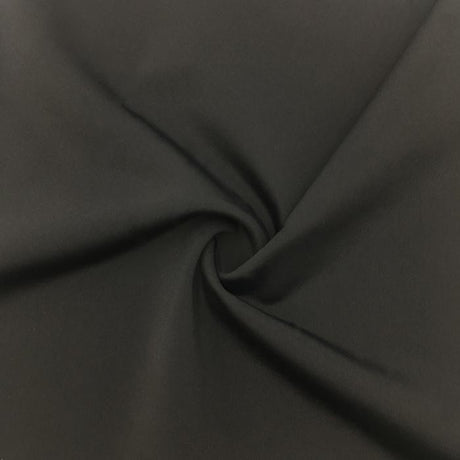
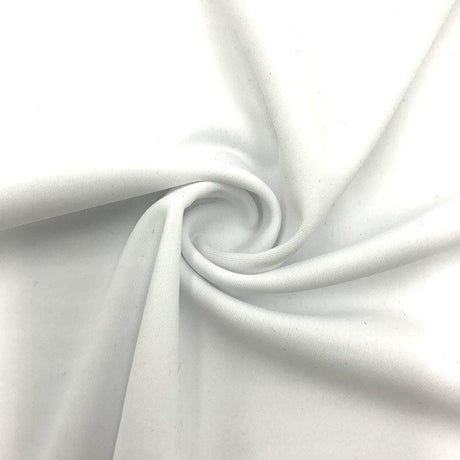
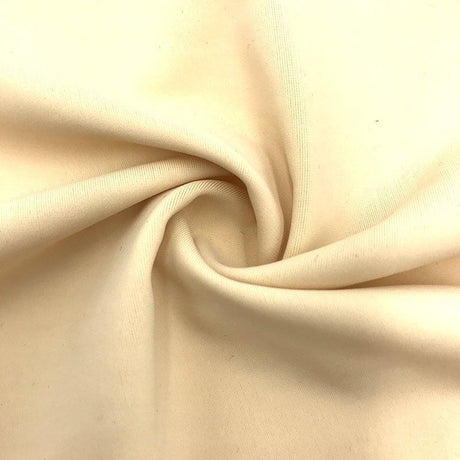
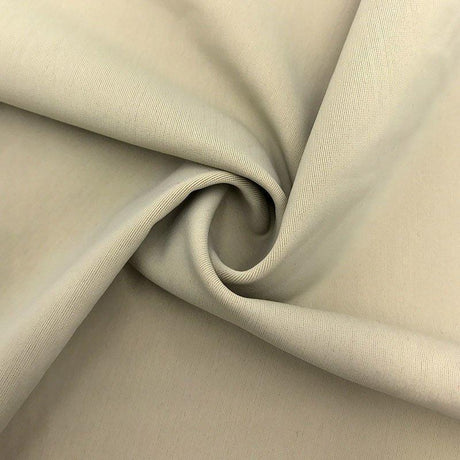
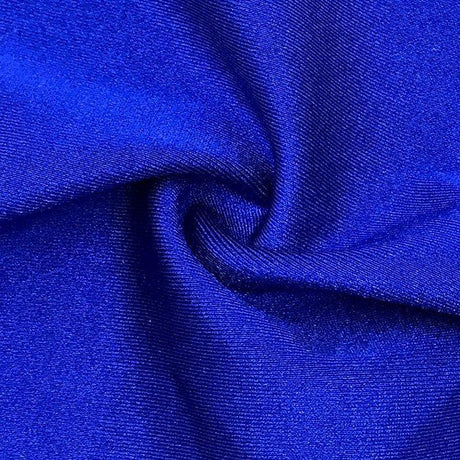
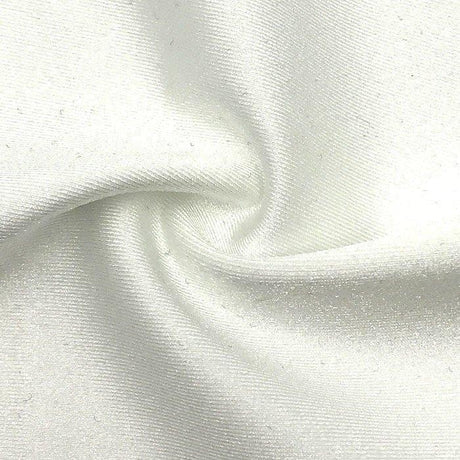
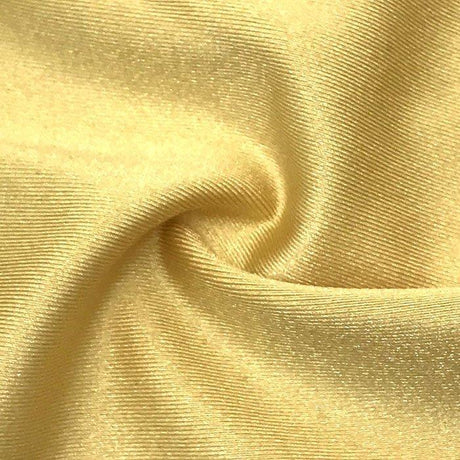
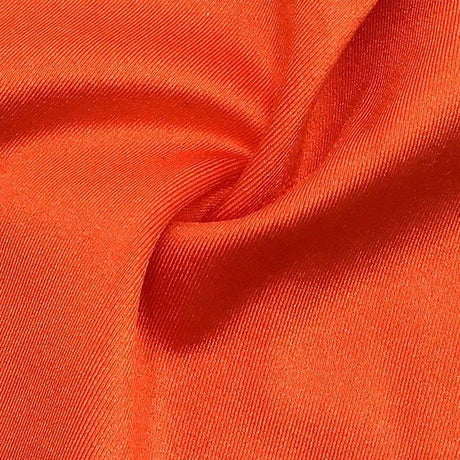
Choosing the best fabric for yoga pants is a careful balance of flexibility, support (compression), and opacity for coverage.
Yoga apparel makers – from professional brands to DIY sewers – must ensure materials move freely, stay squat-proof when stretched, and provide the right snugness during poses.
This guide addresses common fabric challenges (stretch vs. see-through vs. compression) without any sales pitch, giving both manufacturers and hobbyists the knowledge to select or sew leggings with confidence. For a broader foundation before diving in, explore our activewear fabric guide or browse our full fabric guides hub.

Types of Stretch Fabrics in Yoga Apparel
4-Way vs. 2-Way Stretch
4-way stretch: Fabric stretches in both width and length (ideal for yoga, allows full range of motion). 2-way stretch: Fabric stretches in only one direction (less flexibility; uncommon in quality yoga pants). Yoga pants almost always use 4-way stretch knits so they can bend and recover in every direction without restriction. Our stretch fabric types page explains the full difference between 2-way and 4-way constructions and how to verify true multidirectional stretch before purchasing.
Common Fabrics for Yoga Leggings
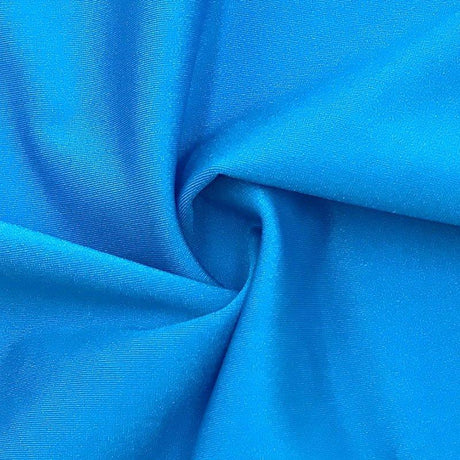
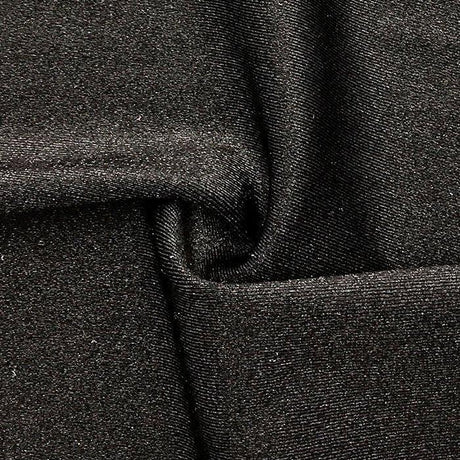
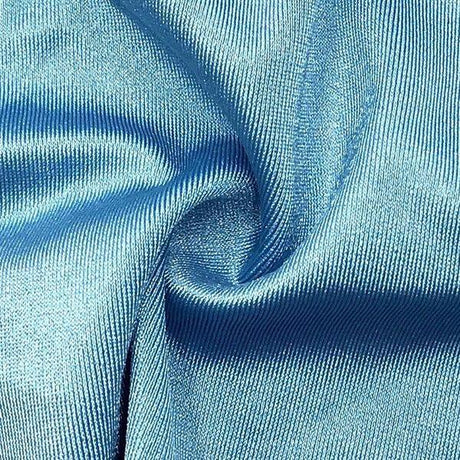
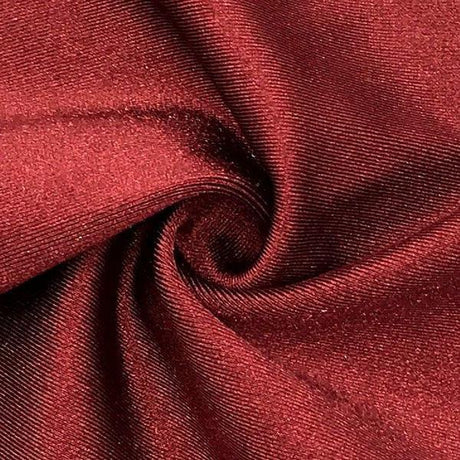
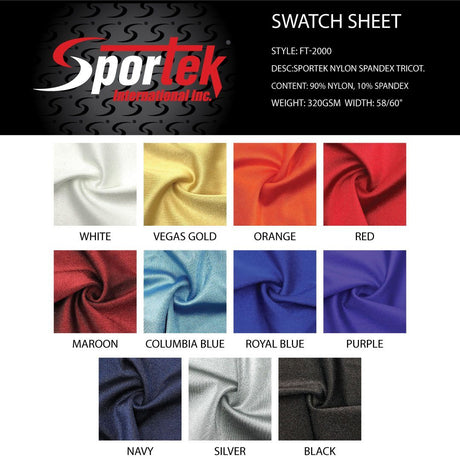
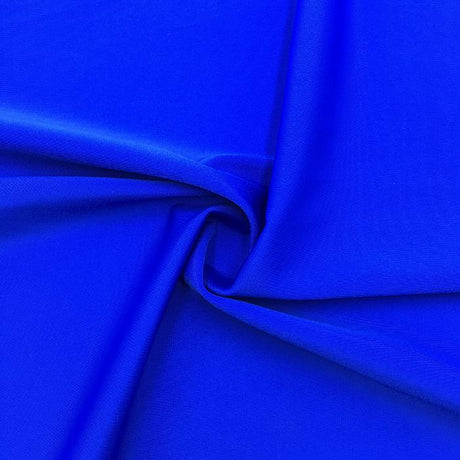
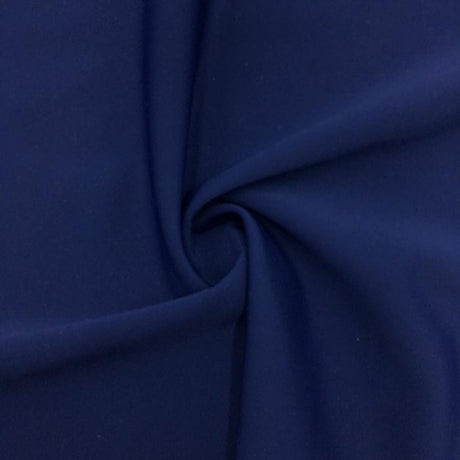
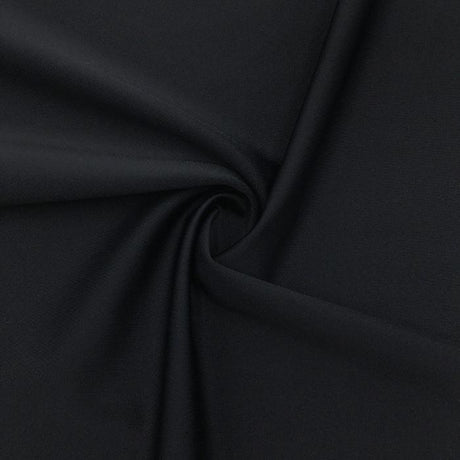
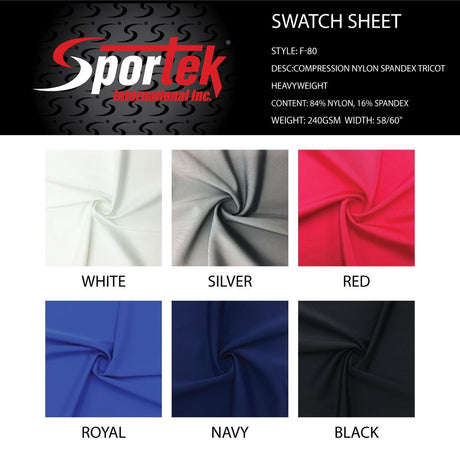
Nylon-Spandex Blends: Soft, silky feel and very strong. Provide a supportive "second-skin" stretch and excellent opacity (even when thin). Often ~70–80% nylon with 20–30% spandex for high flexibility and durability. Our nylon-spandex fabric guide covers this blend's full performance profile, including how it compares to polyester-spandex in stretch, recovery, and handfeel for yoga applications.
Polyester-Spandex Blends: Moisture-wicking and quick-drying. Slightly less soft than nylon but very durable and colorfast. Commonly ~80–90% polyester with ~10–20% spandex, balancing firmness with stretch. Our activewear fabric guide covers polyester-spandex moisture management ratings and breathability for different yoga and fitness applications.
Cotton-Spandex Blends: Natural feel, very breathable and cozy for casual wear. Often 90–95% cotton with 5–10% spandex (just enough stretch for comfort). Great for gentle yoga or lounge pants, but cotton holds sweat and can lose shape in intense workouts. Our cotton-spandex fabric guide covers when cotton blends are appropriate for yoga applications and what performance trade-offs they involve.
Note: Some eco-friendly or specialty blends (e.g. recycled polyester, bamboo rayon with spandex) are also used, offering unique touches like enhanced softness or sustainability. Our fabric guides hub covers many of these alternative fiber types and their performance characteristics.
Role of Spandex (Elastane) Content
Elastane percentage: The amount of Lycra/Spandex in a fabric is key to its stretch and recovery. Even a small percentage of spandex boosts stretch; higher content means greater elasticity and snap-back recovery. For example, ~20% spandex yields extremely stretchy, form-hugging fabric, whereas 5% provides only mild comfort stretch. Our stretch fabric types page explains how spandex percentage translates to real-world stretch and recovery ratings across all common yoga fabric constructions.
Compression vs. comfort: A higher elastane blend delivers more compression-friendly stretch (a firmer, supportive hold). This is ideal for high-impact activities, while lower-spandex fabrics feel more relaxed for gentle practice. Yoga tights for intense workouts might use ~20–25% spandex for muscle support, versus ~10% in casual leggings.
Technical Comparison: Weight, Stretch & Opacity
Fabric Weight (GSM): Measured in grams per square meter, it influences thickness, support, and coverage. Heavier knits (higher GSM) are thicker and more opaque, offering greater compression and squat-proof coverage, while lighter fabrics (lower GSM) are thin and breathable but can be sheer. Our fabric weight guide provides a full breakdown of GSM ranges and how weight affects opacity, compression, and breathability across all common yoga legging fabric types.
Optimal GSM for leggings: Many designers target mid-weight fabrics (~180–250 GSM) as the "sweet spot" for yoga pants – generally opaque but still flexible. (~180–220 GSM is often cited as ideal for most yoga leggings, providing solid coverage without feeling too bulky.)
Stretch Percentage & Recovery: Quality yoga materials often have 50–100% stretch (meaning they can nearly double in length) with excellent recovery so they don't bag out. High spandex content and knit structure together ensure the fabric snaps back and maintains its fit after each wear. Our spandex care guide covers how to preserve this recovery through proper laundering so your yoga pants maintain their fit over the long term.
Opacity (Squat-Proof Test): Opaque fabric is a must for confidence in deep bends. Factors that ensure opacity include sufficient spandex (at least ~20% elastane to prevent thinning when stretched) and adequate weight/density. High-quality leggings use tightly knit, mid-to-heavy weight fabric so they remain non-see-through even during a squat or stretch.
Nylon vs. Polyester Performance: Both are durable 4-way stretch synthetics, but nylon tends to be softer and more resilient (premium yoga lines favor nylon for its smooth feel and quick drying) while polyester is very tough, moisture-wicking, and often more budget-friendly. Both are usually blended with spandex to marry strength with stretch. Our nylon-spandex fabric guide covers this comparison in full detail for yoga and activewear applications.
Selection Criteria for the Best Yoga Pant Fabric
Our how to choose fabric guide walks through this decision framework systematically for all common yoga and activewear garment types.
Activity & Intensity: Match fabric to workout type. High-intensity training or running in yoga pants may demand a compressive, high-spandex fabric that holds you in, whereas gentle yoga or Pilates can use a softer, more forgiving stretch. For vigorous routines, a tighter knit with strong recovery will support muscles; for restorative or everyday wear, comfort might trump compression. Our activewear fabric guide covers fabric recommendations across the full spectrum of yoga and fitness activity levels.
Climate & Sweat: In hot yoga or summer weather, lightweight moisture-wicking blends (poly-spandex or light nylon blends) keep you cool and dry. In cooler climates or for outdoor yoga, a slightly heavier fabric (higher GSM) can provide warmth and coverage. Cotton-heavy fabrics would stay damp after heavy sweating. Our fabric weight guide helps you identify the right GSM range for your climate and activity conditions.
Opacity & Coverage Needs: If you'll be doing deep stretches or studio classes, squat-proof fabric is non-negotiable. Look for dark or high-density materials, perform a squat test under good lighting, and ensure at least ~20% spandex with ~220 GSM or above for maximum opacity. Our fabric weight guide covers GSM thresholds for reliable opacity under studio lighting and mirrors.
Comfort & Hand-Feel: Some prefer the smooth, compression-friendly stretch of slick performance knits, while others like a softer stretch for yoga tops and lounge pieces (like cottony or brushed fabrics). Also consider features like breathability vs. warmth based on when/where you wear them. Our stretch fabric types page compares handfeel and surface finish across nylon, polyester, and cotton-spandex yoga fabric constructions.
Durability & Care: If you need leggings that last, opt for high-quality technical fabrics (nylon/spandex blends or treated polyester) known for shape retention. Check care tags: can it handle frequent washes? Our fabric care guide covers laundering protocols for all common yoga legging fabric types to preserve stretch, color, and opacity over time.
Key Tips for Fabric Selection
- ✓ 15–20% spandex (or elastane) for strong stretch recovery – see stretch fabric types
- ✓ 180–250 GSM for opaque, squat-proof coverage – see fabric weight guide
- ✓ Do a squat test to check for transparency
- ✓ Moisture-wicking finishes for sweaty workouts – see activewear fabric guide
- ✓ Softer blends for all-day comfort vs. high-compression fabrics for support and performance – see how to choose fabric guide
Common Mistakes with Performance Spandex Fabrics
Wrong sewing needle or thread: Using a regular sharp needle (instead of a ballpoint/stretch needle) or non-elastic thread can snag fibers and cause skipped stitches or popped seams. Always use a ballpoint needle and polyester or nylon thread that will stretch with the fabric. Our how to sew stretch fabric guide covers needle selection, thread pairing, and machine setup for all common yoga legging fabric types.
Using a straight stitch on seams: A normal straight stitch will break as soon as the fabric stretches. This leads to seam threads snapping when the leggings are worn. Use stretch-friendly stitching (zigzag, serger, or specialty stretch stitches) so seams can expand without tearing. Our how to sew stretch fabric guide covers stitch selection, tension settings, and serger setup for clean, durable yoga pant seams.
Pulling or stretching fabric while sewing: Manhandling the fabric (over-stretching or pushing it through the machine) causes wavy, distorted seams. Let the feed dogs move the fabric naturally and use even pressure – otherwise the finished pant may not lie flat. Our how to sew stretch fabric guide covers differential feed adjustment and presser foot recommendations for flat, smooth seams on stretch knits.
Skipping reinforcement on stress points: Failing to stabilize areas like the crotch seam or waistband (where tension is high) can result in sagging or ripped seams. Insert a gusset or use clear elastic in seams to give those sections extra strength and recovery. Our how to sew stretch fabric guide covers gusset construction and elastic application techniques for high-stress yoga pant areas.
Improper care in laundry: Performance fabrics are sensitive to heat and chemicals. Washing in hot water or using a hot dryer can shrink or degrade elastane fibers, and never use fabric softener – it leaves residue that dulls the fabric and attracts odor-causing bacteria. Always wash leggings in cold water, gentle detergent, and air-dry or tumble low to protect their stretch. Our spandex care guide covers heat sensitivity and laundering best practices for elastane-blend yoga fabrics, and our fabric care guide provides complete care protocols for all common yoga legging fabric types.
Alternatives & Special Fabrics for Yoga Wear
Cotton or Cotton-Blends: Cotton-rich yoga pants excel in comfort. They're perfect for low-key stretching, yoga nidra, or daily wear – soft, breathable, and non-irritating. Just remember the trade-off: cotton absorbs sweat and can get soggy and heavy in vigorous workouts, plus pure cotton lacks the snap-back recovery (you'll want a bit of spandex in the mix to avoid baggy knees). Our cotton-spandex fabric guide covers cotton-spandex blend options and what activity levels they're best suited to.
Bamboo Viscose & Modal: These rayon-based fabrics offer an ultra-soft touch and are often touted as eco-friendly options. They provide a softer stretch for yoga tops and leggings meant for gentle practice or leisure. They typically need 5–10% spandex added for sufficient elasticity and recovery – 100% bamboo or modal will sag and not hold shape. These materials shine in low-to-medium intensity classes where comfort is key, but they won't give the high compression or longevity of a nylon/poly blend. Care is often more delicate (cold wash, no high heat drying) to prevent shrinkage or fiber damage. Our fabric care guide covers gentle laundering protocols for bamboo and modal-blend yoga fabrics.
Recycled & Sustainable Synthetics: Many brands now offer recycled polyester or nylon fabrics which perform like standard activewear textiles but with a lower environmental footprint. They can be a great choice if you want the moisture-wicking, durable benefits of synthetics while supporting sustainability. Similarly, newer fibers like Tencel (lyocell) or organic cotton blends might be used in yoga apparel to prioritize eco-friendliness. Always ensure there's enough elastane in the blend so you still get that needed stretch. Our fabric guides hub covers sustainable fiber options and their performance characteristics across yoga and activewear applications.
Conclusion
Recap of key factors: The ideal yoga pant fabric hits the sweet spot between stretch, compression, and opacity – allowing you to flow through poses comfortably while staying confidently covered. Whether it's a high-performance nylon/spandex or a cozy cotton blend, knowing the fabric's weight, stretch percentage, and composition is crucial to gauge how it will perform. Our fabric weight guide and stretch fabric types page are your best references for evaluating these properties before purchasing or cutting.
Empowering your choice: With an understanding of material types and technical specs, you can now identify what makes a quality legging fabric. Use this knowledge to compare options and do hands-on tests (stretch it, hold it up to light) before you buy or sew.
Ready to find the perfect yoga pant fabric? Explore our activewear fabric guide for curated recommendations, use our how to choose fabric guide to narrow down your options, and visit our how to sew stretch fabric guide when you're ready to start constructing. Our fabric care guide and spandex care guide will keep your finished leggings performing beautifully wash after wash. Have questions? Our expert help and advice page and FAQ are always available. Sign up for SpandexByYard Rewards to earn points on every purchase – so you can practice with both comfort and confidence in your gear.