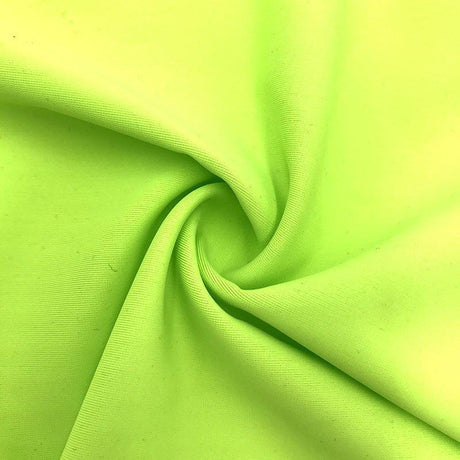
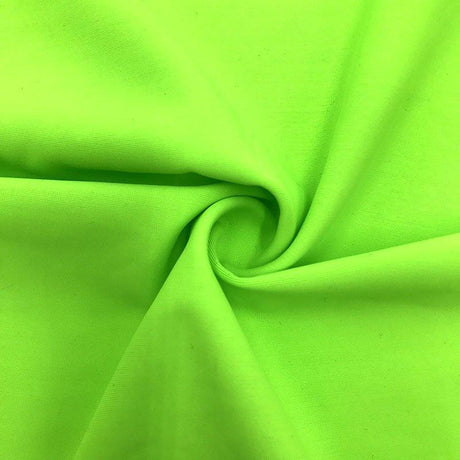
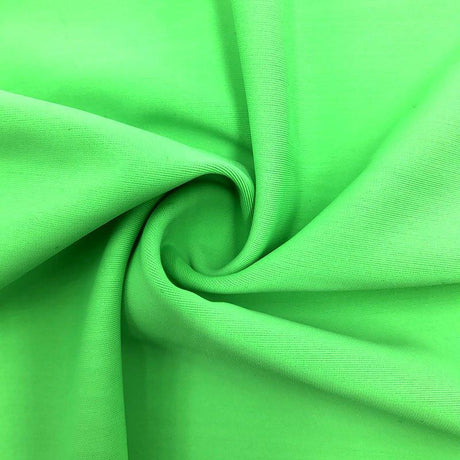
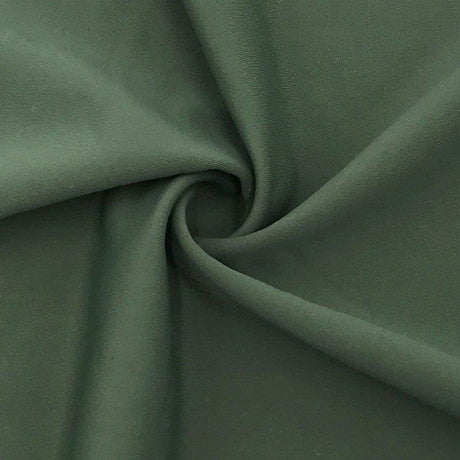
Sewing spandex fabric often comes with a unique set of challenges. Skipped stitches, thread breakage, and puckered seams are common frustrations, and in most cases these problems can be traced back to using the wrong needle or an incompatible thread.
Because spandex and Lycra blends are designed to stretch significantly and recover instantly, they demand specialized sewing tools that can work with elasticity rather than against it. The correct needle type and thread pairing allow stitches to form cleanly, remain durable under strain, and maintain a professional finish.
This guide explains how to select the best needle for spandex fabric, compares needle types and sizes, and explores thread choices that support skip-free stitching and long-lasting seams. For a broader foundation before diving in, visit our how to sew stretch fabric guide or explore our full fabric guides hub.
Understanding Stretch Fabrics and Their Sewing Demands
Spandex Elasticity and Recovery
Spandex fibers provide extreme elasticity, allowing fabrics to stretch and snap back repeatedly. This rapid recovery is valuable in garments such as activewear, swimwear, and dance costumes, but it also creates difficulty during stitching. Fabric can stretch under the needle and then recoil immediately, which often disrupts stitch formation if tools are not optimized. Our stretch fabric types page explains how different spandex percentages and knit constructions affect recovery – understanding these properties is the first step to choosing the right tools.
Fabric Structure in Spandex Blends
Most spandex fabrics are knitted rather than woven. Knit loops behave differently under a sewing needle, and a sharp point can pierce or cut the yarns, leading to weakened seams or laddering. For this reason, needle tips designed to separate fibers gently – rather than puncture them – are essential. Our nylon-spandex fabric guide and cotton-spandex fabric guide cover how different spandex blends are constructed and what that means for sewability.
Why Skipped Stitches Occur
Skipped stitches are especially common on highly elastic spandex. The slippery surface and fast rebound can prevent the thread loop from forming correctly, particularly when a universal needle is used. Stretch-specific needle designs help the bobbin hook catch the loop reliably, reducing missed stitches and uneven seams. Our how to sew stretch fabric guide covers skipped stitch troubleshooting in detail alongside other common construction challenges.
The Role of Testing
Spandex sewing outcomes vary depending on fabric composition, knit structure, and stretch percentage. Professional results depend on trial seams using fabrics to test needle choice, allowing stitch quality to be evaluated before construction begins. If you need guidance on identifying your fabric's composition before testing, our expert help and advice page connects you with knowledgeable staff who can assist.
Types of Needles for Spandex
Ballpoint Needles vs. Stretch Needles
Ballpoint (jersey) needles feature a rounded tip that slides between knit fibers. They perform well on medium-stretch knits where the fabric loops need to remain intact.
Stretch needles are engineered for highly elastic fabrics with significant spandex content. They have a deeper scarf and specialized design that reduces skipped stitches on ultra-stretchy materials. For performance knits and swimwear fabrics, stretch needles are often the most reliable option. Our swimwear fabric guide and activewear fabric guide both include guidance on needle selection for their respective fabric types.
Twin Needles for Professional Topstitching
Twin needles are frequently used for hemming and decorative stitching on stretch fabrics. They create two parallel rows of straight stitches while maintaining elasticity. This technique is common in activewear finishing, producing a professional appearance without compromising stretch. For more on finishing techniques in performance garments, see our how to sew stretch fabric guide.
Limitations of Universal Needles
Universal needles can cause problems on spandex because their sharper tip may snag elastic fibers. This can create small holes, runs, or visible damage. Universal needles also increase the likelihood of skipped stitches on high-stretch fabrics, making them less suitable for demanding spandex projects.
Technical Specifications to Compare
Needle Size and Fabric Weight
Needle size corresponds closely with fabric thickness. Lightweight spandex fabrics, such as those used for leggings or dancewear, typically pair well with sizes 70/10 or 75/11. Thicker stretch fabrics, such as scuba knit or stretch denim, often require a stronger needle such as 90/14. Choosing the correct size prevents excessive holes in delicate fabrics while still allowing proper stitch formation in heavier materials. Our fabric weight guide explains GSM ranges across common spandex fabrics, making it easy to cross-reference weight with needle size.
Stretch Recovery and Needle Tip Shape
Needle point design plays a critical role in preserving fabric recovery. Medium ballpoint tips prevent yarn cutting, while stretch needle scarf engineering ensures consistent loop capture during recoil. This reduces stitch skipping and maintains seam integrity even when fabric stretches aggressively. Our stretch fabric types page covers how stretch percentage and recovery ratings relate to needle and construction requirements.
Thread Pairings and Tension Balance
Thread selection is equally important. Polyester all-purpose thread is widely considered the best standard option for spandex sewing because it has slight give and does not snap under stretch.
For projects requiring maximum elasticity, textured nylon or woolly nylon threads are often used in serger loopers or bobbins. These threads expand and contract with the seam, supporting high-movement applications in dancewear, swimwear, and activewear.
Machine tension must remain balanced when using stretch threads. Excessive tension can lead to puckering, while insufficient tension may cause loose seams. Our how to sew stretch fabric guide covers tension settings and stitch length recommendations for all common stretch fabric types.
Needle and Thread Comparison Table
| Needle Type | Best Use Case | Common Sizes | Ideal Fabric Stretch | Recommended Thread |
|---|---|---|---|---|
| Ballpoint (Jersey) | Medium-stretch knits | 70/10–90/14 | 20–50% stretch | Polyester thread |
| Stretch Needle | High-spandex fabrics | 75/11–90/14 | 50–100%+ stretch | Polyester or woolly nylon |
| Twin Needle | Hems and topstitching | 2.5–4.0 mm width | Moderate to high stretch | Polyester thread |
For a full breakdown of stretch percentages and how they map to fabric type, visit our stretch fabric types page. For weight-based guidance, our fabric weight guide is the ideal companion reference.
Choosing the Right Needle and Thread Combination
Matching Tools to End Use
Needle and thread choice depends heavily on the project:
Activewear and dancewear require seams that withstand constant movement, making stretch needles paired with strong polyester or textured nylon threads a common solution. Our activewear fabric guide and dancewear fabric guide cover fabric-specific construction requirements for both categories.
Swimwear fabrics benefit from stretch needles and chlorine-resistant polyester thread, ensuring durability in harsh conditions. Our swimwear fabric guide includes seam and thread guidance specific to pool and ocean environments.
Thicker stretch upholstery or structured knits may perform best with ballpoint needles and heavier-duty thread for strength. Our fabric weight guide helps identify when a heavier needle-and-thread combination is warranted.
Thread Type Considerations
Polyester thread remains the most versatile option for spandex projects. Specialty stretch threads increase elasticity in high-stress seams, though their thickness must align with the needle eye size. For garments that will see chlorine, saltwater, or heavy perspiration, thread durability matters as much as elasticity – our fabric care guide and spandex care guide cover how different thread and fabric combinations hold up through repeated laundering.
The Importance of Practice and Testing
Successful spandex sewing often begins with trial stitching on a stretch fabric for practice, allowing tension, stitch length, and needle choice to be refined. Testing ensures seams stretch without popping and remain smooth under wear. Our how to sew stretch fabric guide walks through a complete test-seam process from setup to evaluation.
Quick Selection Checklist
- Fabric stretch percentage evaluated (see stretch fabric types)
- Needle type chosen (ballpoint vs. stretch)
- Needle size matched to fabric weight (see fabric weight guide)
- Polyester or stretch-compatible thread selected
- Machine tension adjusted
- Test seams completed before final sewing
Common Mistakes to Avoid
Using a dull or incorrect needle size is one of the most frequent issues. Old needles increase skipped stitches and can damage spandex fibers. As a rule, change your needle every project or every 8–10 hours of sewing time. Our how to sew stretch fabric guide includes a full troubleshooting section for needle-related problems.
Thread incompatibility is another common problem. Cotton thread lacks elasticity and may break when seams stretch, while tension that is too tight can cause puckering or snapped stitches. Always pair your spandex fabric with polyester or specialty stretch thread, and test tension before sewing the final garment.
Skipping test swatches often leads to discovering problems only after fabric has been damaged. Trial seams remain essential for professional results, especially when working with new fabric compositions or unfamiliar machines. If you're uncertain about a fabric's composition or behavior before testing, our expert help and advice page is a great resource.
When Alternative Fabrics May Be Better Than Spandex
High-spandex fabrics are not always necessary. Projects that do not require extreme stretch may be easier to sew with lower-spandex knits or stable two-way stretch fabrics.
Cotton-spandex blends with small elastane content provide comfort and moderate stretch without the same sewing difficulty. Ponte knits and stretch denim offer structure and stability for garments that do not need full elasticity. Our how to choose fabric guide walks through the decision framework for matching stretch level to end use, helping you avoid over-engineering your fabric choice.
When a unique printed design is the priority, sublimated stretch fabrics may provide both visual appeal and easier handling, especially when the base knit is more stable than pure spandex. Our sublimation guide and sublimation transfer paper resources cover how to create custom printed stretch fabrics suited to your project.
Choosing alternatives can reduce frustration while still meeting functional needs, particularly in home sewing environments without specialized equipment.
Conclusion
Selecting the right needle and thread combination is one of the most important steps in sewing spandex successfully. Proper tools prevent skipped stitches, reduce seam puckering, and create durable seams that stretch and recover with the fabric.
A test-first approach remains the foundation of professional results. Using trial seams and a reliable stretch fabric for practice allows settings to be refined before final construction. With the correct needle design, compatible thread, and thoughtful preparation, spandex sewing becomes smoother, more predictable, and significantly longer-lasting.
Ready to get started? Visit our how to sew stretch fabric guide for step-by-step construction techniques, browse our stretch fabric types page to find the right fabric for your project, and use our fabric weight guide to match GSM to needle size. Our FAQ page answers common ordering questions, and our expert help and advice team is always available for personalized guidance. Sign up for SpandexByYard Rewards to earn points on every purchase – because the right tools and the right fabric make all the difference.