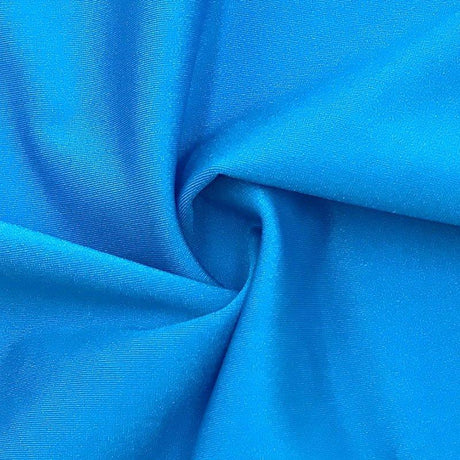
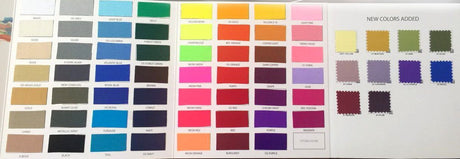
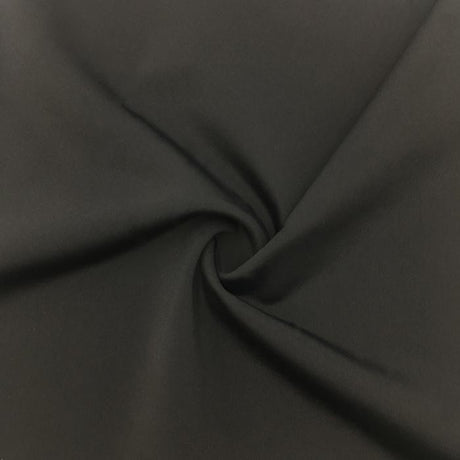
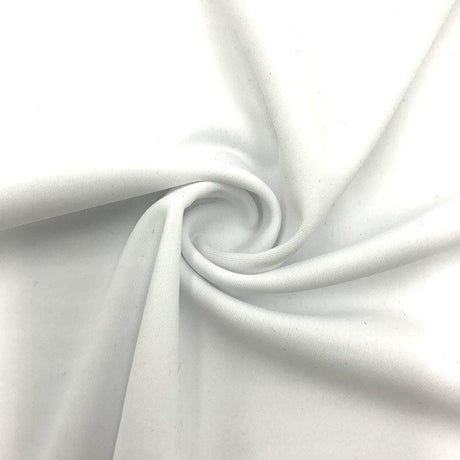
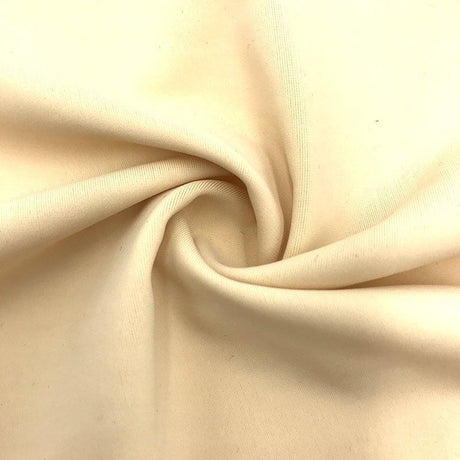
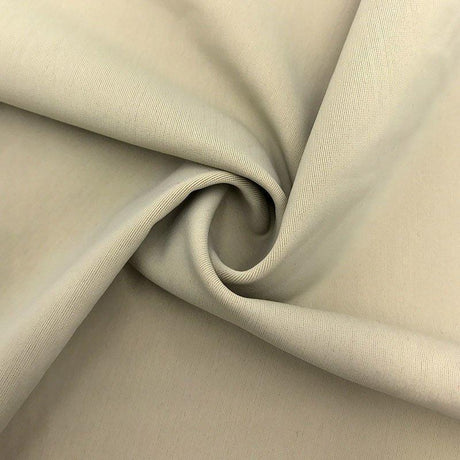
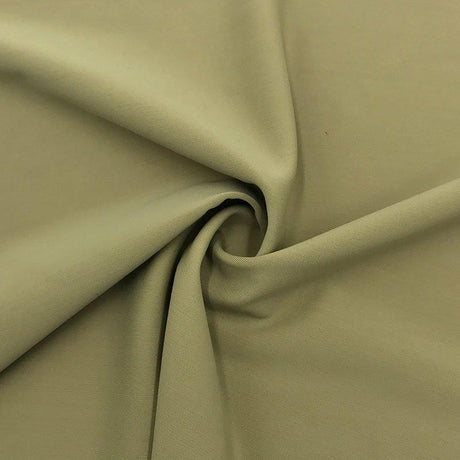
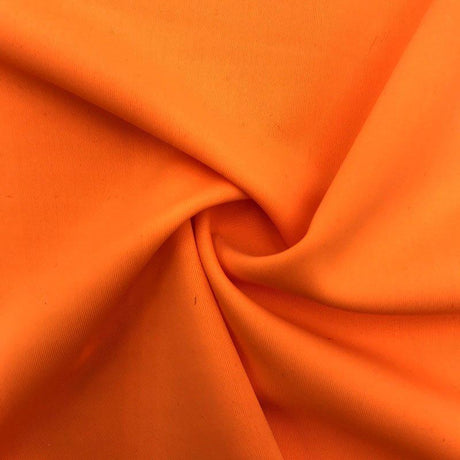
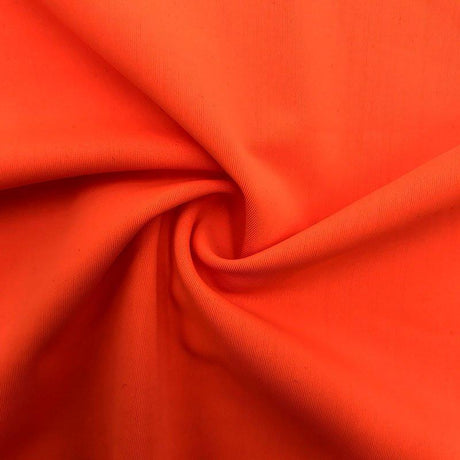
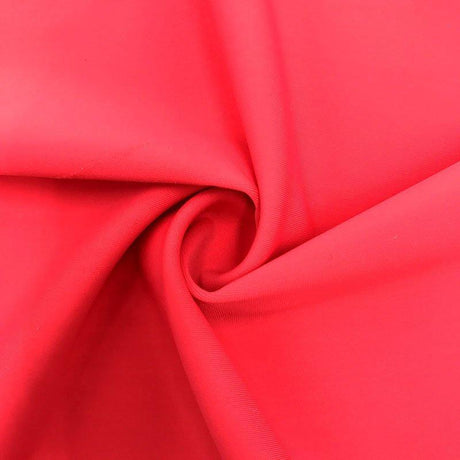
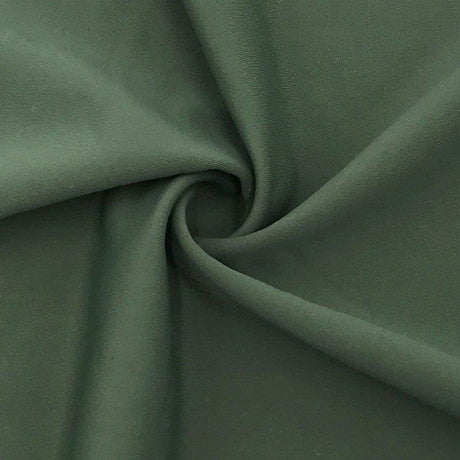
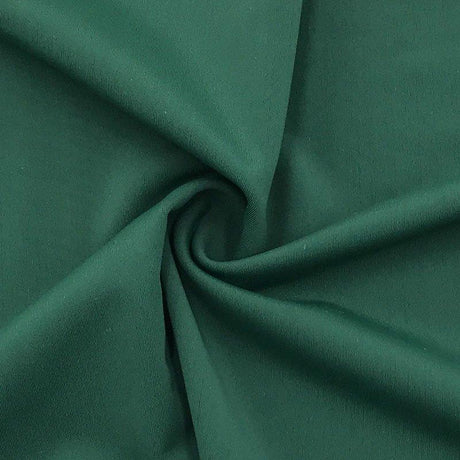
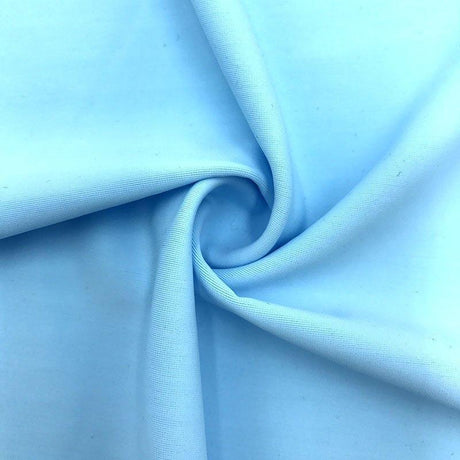
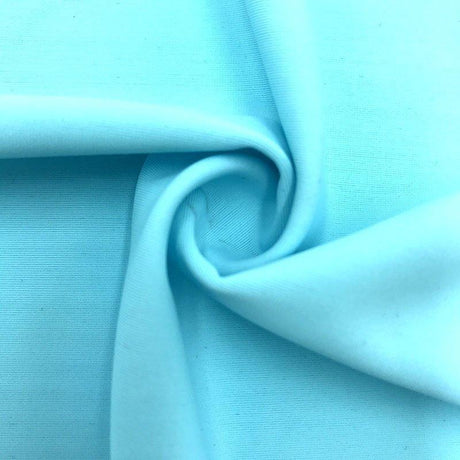
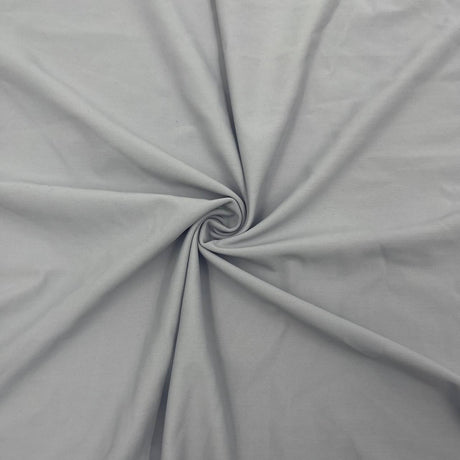
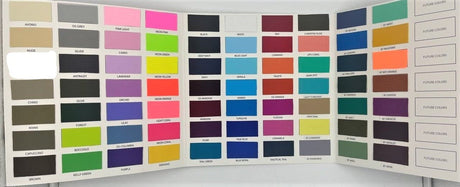
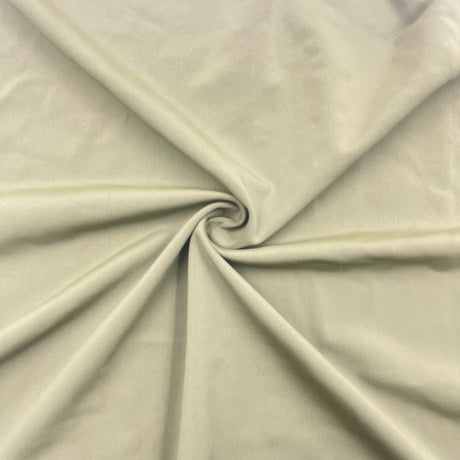
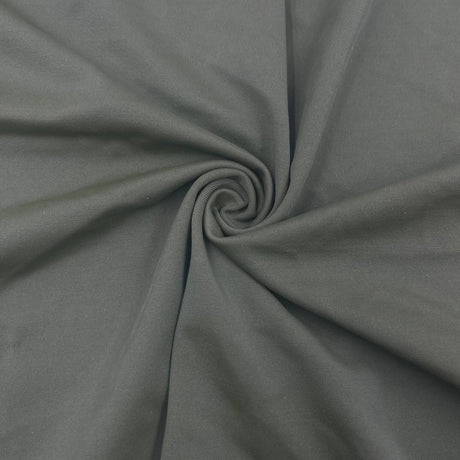
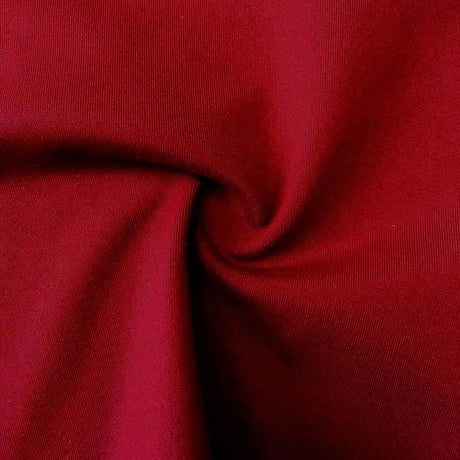
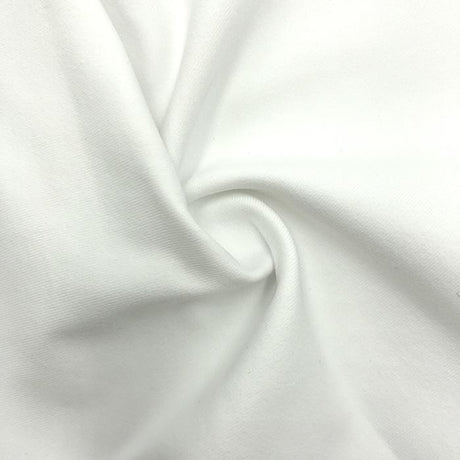
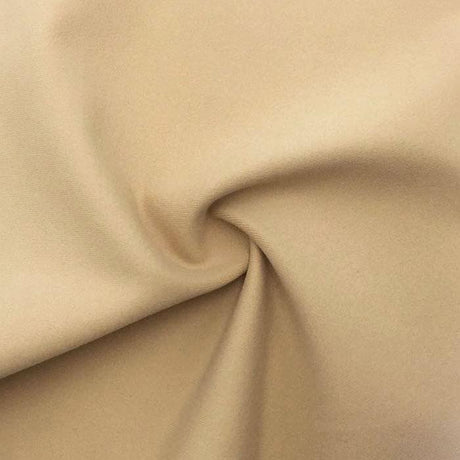
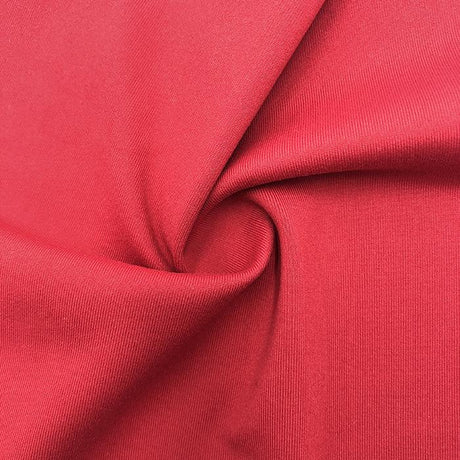
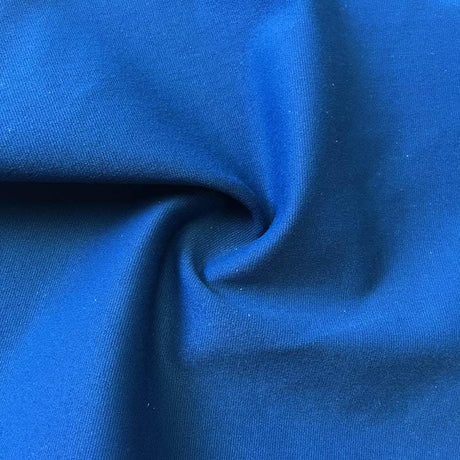
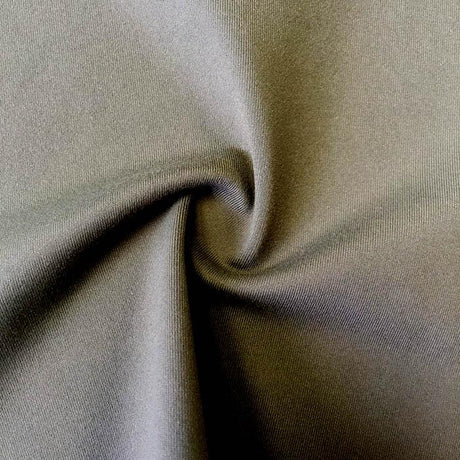
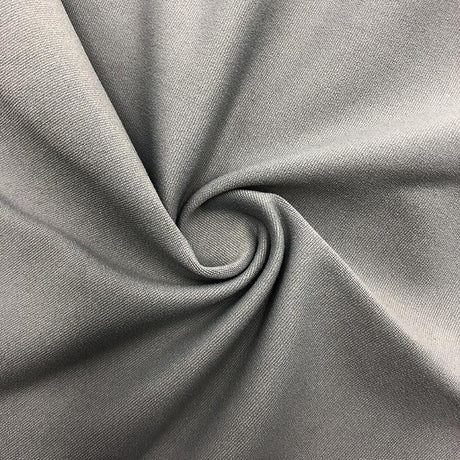
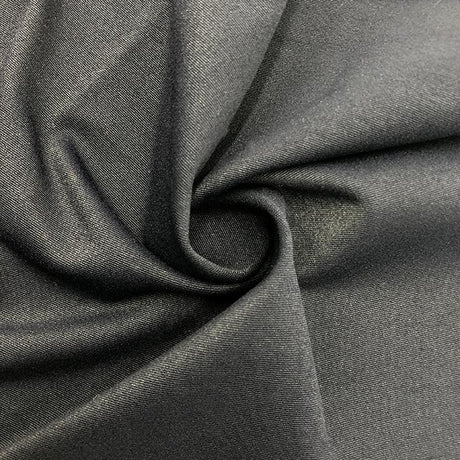
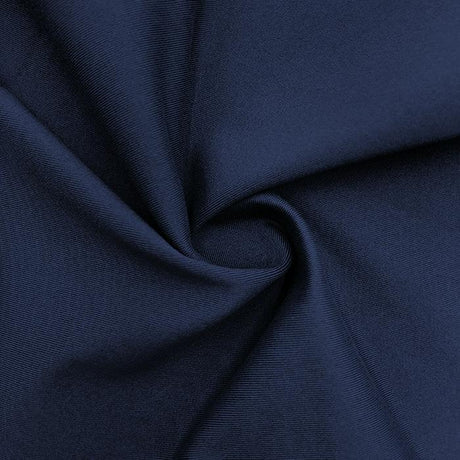
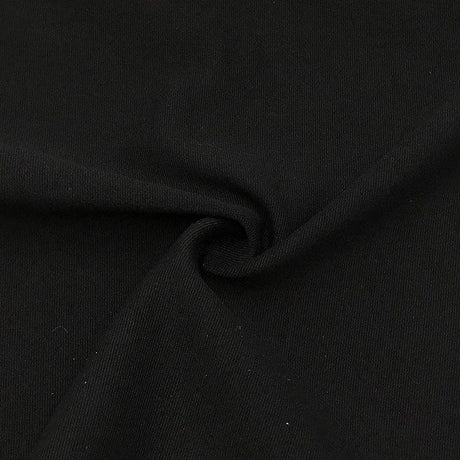
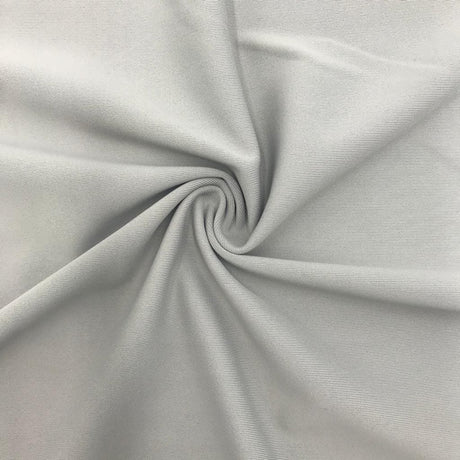
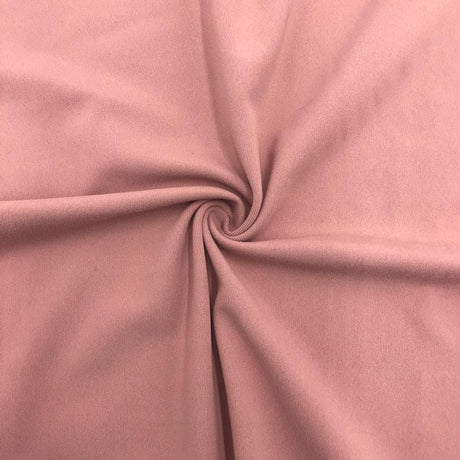
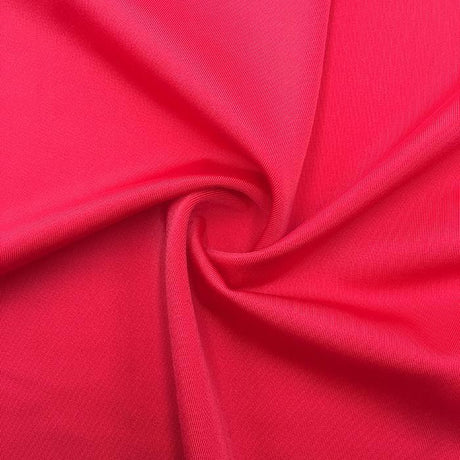
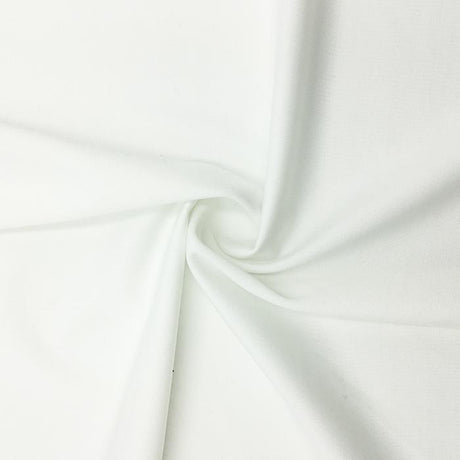
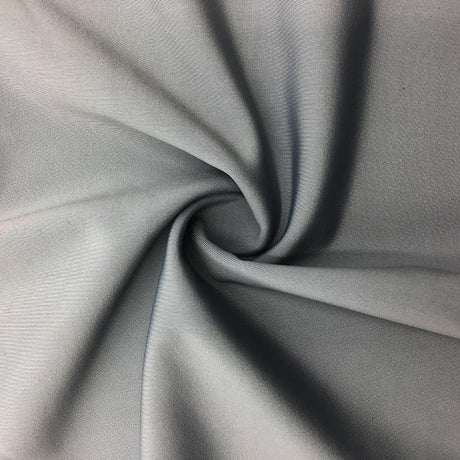
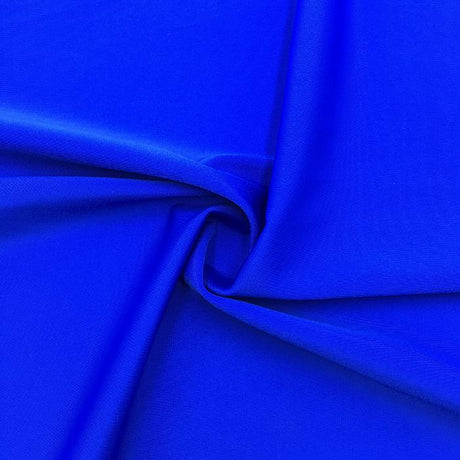
Printed spandex fabrics are popular for their vibrant designs and stretch, making them a top choice in dance, cosplay, and skating costumes. However, once you've picked your printed costume fabric for a project, a new challenge arises – finding a suitable lining that won't compromise that stretch. For a broader foundation on stretch fabric properties before diving in, explore our dancewear fabric guide or browse our full fabric guides hub.
Why Lining Matters Here: Lining a stretchy printed fabric is tricky because the lining must move with the outer spandex without distorting the print or restricting motion. A good lining prevents show-through (many printed spandex have a white backing that can turn sheer when stretched) and keeps the costume comfortable against the skin.
Why Linings Matter for Spandex Costumes
Coverage & Modesty: A proper lining adds opacity to spandex costumes, preventing any transparency under stage lights or stress. Especially with thin or light-colored prints, a lining ensures the audience sees the design – not what's underneath – even during extreme stretches.
Support & Structure: The right lining can provide gentle support or shaping without sacrificing flexibility. For example, power mesh panels are often used inside leotards for extra hold. A lining with good recovery (like a high Lycra® content tricot) helps the costume keep its shape and prevents sagging over time. Our stretch fabric types page covers how spandex percentage translates to real-world recovery ratings – essential for evaluating whether a lining will maintain its snap-back through repeated performance use.
Durability & Longevity: Lining protects the outer fabric from sweat, friction, and strain. It takes on some wear so the printed spandex doesn't overstretch or get damaged as quickly. This extends the costume's life, crucial for competition outfits that see a lot of movement.
Comfort (Softness & Moisture Management): A soft lining for costumes keeps the garment comfortable for the wearer. Smooth linings (like nylon/spandex tricot) sit gently against the skin, covering any scratchy seams or embellishments. Many linings also help wick sweat away from the body. Our activewear fabric guide covers moisture-wicking ratings across all common spandex-blend lining constructions for performance applications.
Aesthetic Finish: Lining can improve the drape and look of the costume. Choosing a lining color close to the outer fabric (or the wearer's skin tone for illusion panels) makes seams and edges less visible from the outside.
Technical Comparison of Common Lining Fabrics for Stretch Costumes
Not all linings are equal – especially for 4-way stretch. Here we compare popular stretch lining fabrics in terms of composition, stretch percentage, weight (GSM), breathability, drape, and recovery. Our fabric weight guide covers how GSM affects compression, opacity, breathability, and durability across all common lining constructions.
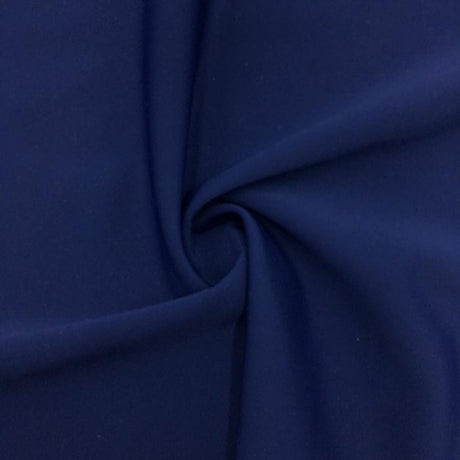
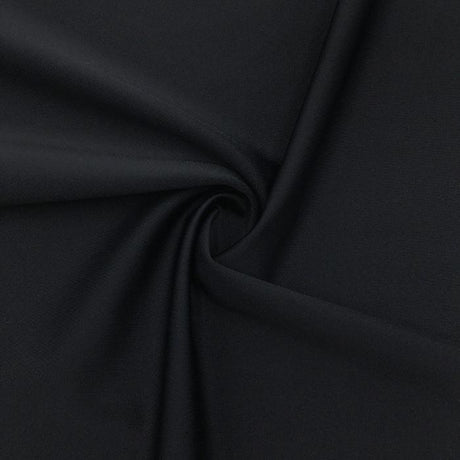
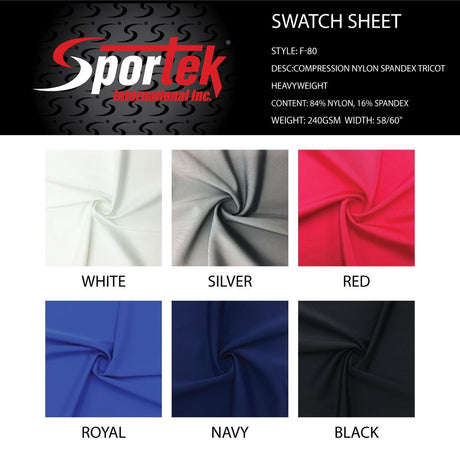
Nylon-Spandex Tricot Lining: A smooth knit lining with all-way stretch, often 80–90% nylon and 10–20% spandex. Usually lightweight (around 90 GSM) but very strong. Known for its fast recovery and soft feel, this lining is used in swimwear and dancewear because it matches the stretch of outer spandex. Provides coverage without adding bulk. Our nylon-spandex fabric guide covers how nylon-spandex tricot constructions achieve this combination of smooth hand feel, strength, and 4-way stretch.
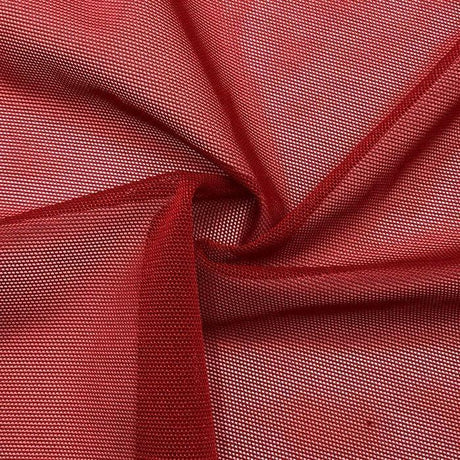
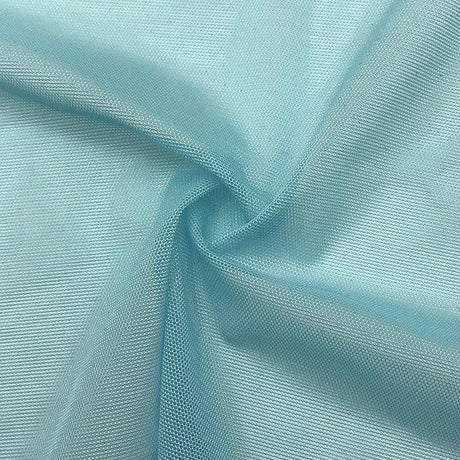
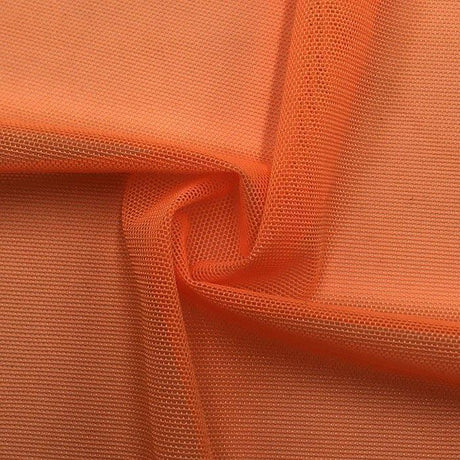
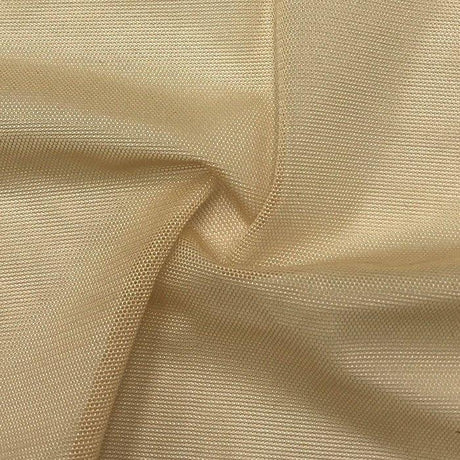
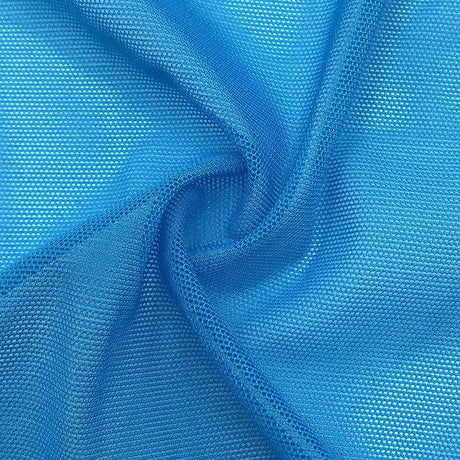
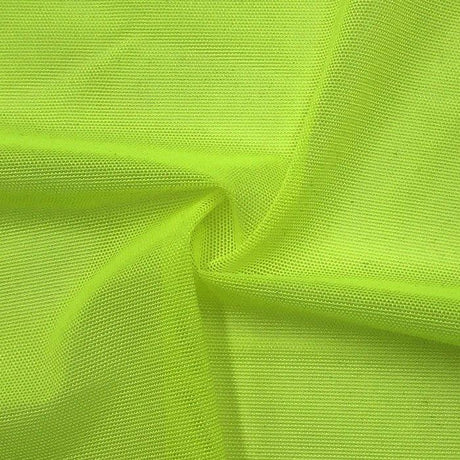
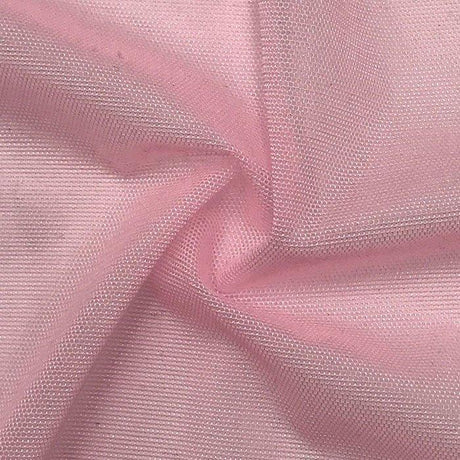
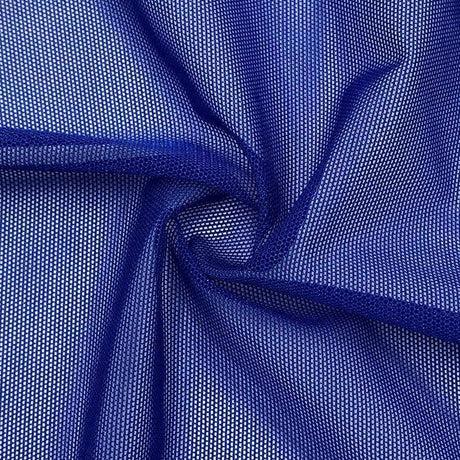
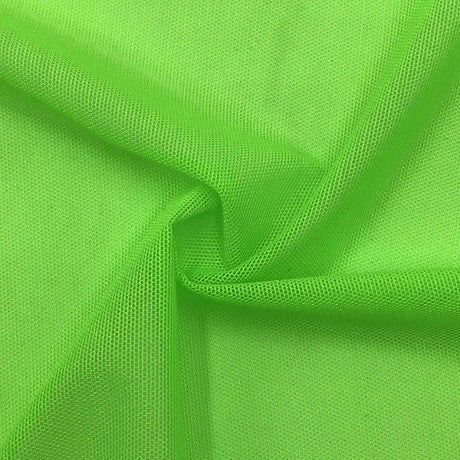
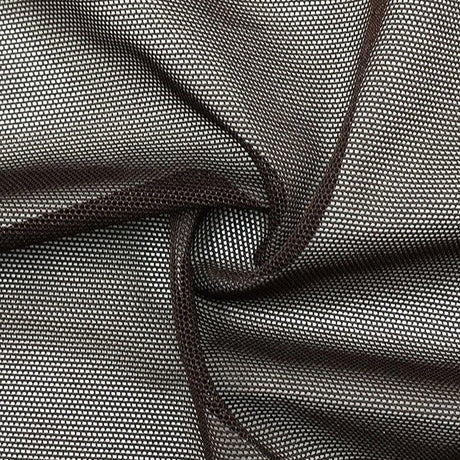
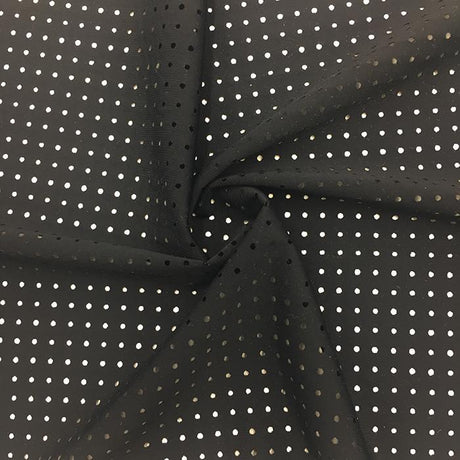
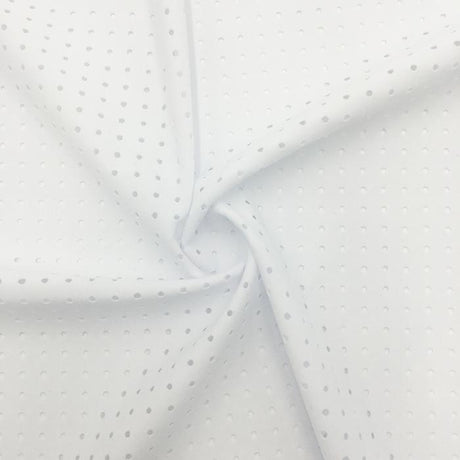
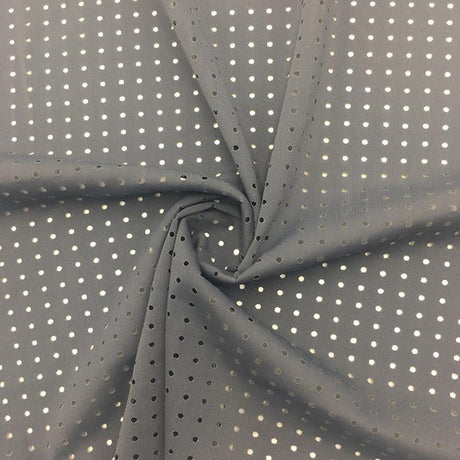
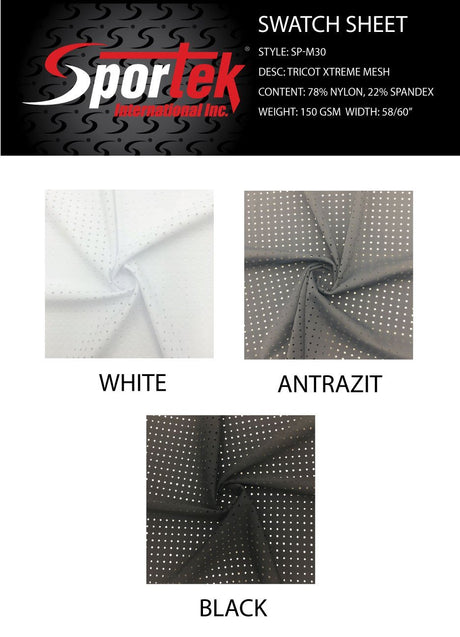
Power Mesh (Nylon-Spandex Mesh): An open knit mesh with 4-way stretch, typically ~85% nylon/15% spandex. Often ~90–100 GSM, it's sheer but surprisingly supportive. Power mesh offers excellent breathability (due to the tiny holes) and a bit of compression/support for areas like stomach or bust. It stretches and "snaps back" well and is great when you need a breathable yet supportive lining layer.
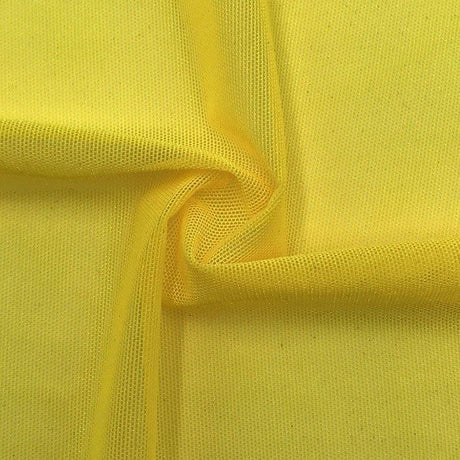
Stretch Mesh (Lightweight version): Similar to power mesh but thinner and drapier. Has 4-way stretch but less supportive – used when you want a very light, breathable layer just for coverage. Often used in sleeves or flowy areas that need to move freely.
Polyester Interlock/Tech Lining: A synthetic knit lining that offers durability and moisture-wicking. Typically has 2-way stretch – good for breathability and strength but you must ensure it doesn't restrict a 4-way stretch outer. If used, choose one with spandex blend or adequate mechanical stretch so it's not "too stiff" against a highly elastic outer.
Power Net: A cousin of power mesh with a tighter knit and higher weight. It has strong compression (great for shapewear or support panels). Power net is less common for full lining (because it's firm), but for targeted areas in a costume (like an abdominal panel in a bodysuit) it can be useful.
Choosing from These: Nylon-spandex tricot is a great all-around soft lining for costumes that needs equal stretch and comfort, power mesh adds support and airflow (good for high-sweat or structured areas), and poly knit linings excel in moisture-wicking but ensure the stretch aligns with your outer. Our swimwear fabric guide covers how these same lining fabrics are used in swimwear construction – techniques that translate directly to costume applications.
How to Choose the Right Lining for Printed Spandex Costumes
Dancewear & Gymnastics Costumes
Match the Stretch: High-energy dance or gymnastic outfits (leotards, unitards) require the lining to stretch just as much as the outer spandex. A 4-way stretch nylon/spandex lining (like swimwear lining fabric) is ideal so it won't impede splits or jumps. Avoid any lining that is less elastic than the outer fabric. Our dancewear fabric guide covers lining selection across all common dancewear and performance costume applications.
Breathability for Heat: Dancers work hard under hot lights, so choose a lining that breathes. A lightweight breathable mesh lining or moisture-wicking tricot keeps the dancer cool and dry. Power mesh or specialized athletic linings allow sweat to evaporate, preventing discomfort during long routines.
Modesty & Coverage: Dance costumes often use nude or matching-color linings in the front bodice or bottom area for coverage during movement. A soft, beige nylon tricot can ensure the costume isn't see-through under stage lighting, without needing heavier fabric.
Keep It Light: Use the thinnest lining that does the job – e.g., a thin swimwear lining that does not change the fit or weight significantly. This preserves the flow of skirts or the second-skin feel of a leotard.
Durability: A quality lining with good recovery (high spandex content) will withstand frequent stretching and snap back each time. Our spandex care guide covers the care protocols that preserve elastane recovery in performance lining fabrics through repeated washing.
Cosplay & Costume Play
All-Day Comfort: Cosplayers often wear costumes for hours, so comfort is king. Choose a soft lining for costumes that will be worn all day – something like a smooth knit lining (nylon or even a cotton-spandex jersey) that feels good against bare skin. This prevents itchiness from sequins or printed fabric backing and reduces sweat contact.
Maintaining Flexibility: Many cosplay suits (superheroes, etc.) are form-fitting. A 4-way stretch lining (like the tricot or mesh) ensures you can pose and move freely. Steer clear of any lining that could restrict bending or create a "rigid" section in your bodysuit. Our stretch fabric types page covers how to verify true 4-way stretch and compare stretch percentages when matching lining to outer fabric.
Appearance & Finish: If the cosplay outer fabric is a printed spandex with a white base, consider the lining color. Using a lining that matches the outer print's dominant color or the wearer's skin tone can prevent the white backing from showing or the colors looking washed out when stretched.
Weight & Bulk: Keep the base bodysuit lining lightweight so it doesn't add bulk under other pieces. The lining shouldn't cause the outer fabric to wrinkle or fit smaller than expected.
Figure Skating & Performance Costumes
Warmth and Coverage: On the ice, performers appreciate a bit of extra warmth. Linings in skating dresses or bodysuits can serve to take the chill off without restricting movement. Some skating dresses are fully lined with stretch mesh for a nude look that still adds a layer against the skin.
Illusion & Skin Tone Matching: Many skating costumes use illusion mesh (nude power mesh) for sleeves or chest panels. Choosing a power mesh lining that matches the skater's skin tone can create a seamless illusion while providing support. These linings need to be high stretch to accommodate graceful arm movements and body bends.
Support in Key Areas: A common technique is to line areas like the torso with power net or a strong tricot to keep the costume snug during motion. Ensure any supportive lining is sewn in a way that it still moves with the fabric (stretch seams, etc.). Our how to sew stretch fabric guide covers the construction techniques for attaching and aligning multiple stretch fabric layers cleanly.
No Show-Through on Ice: Ice rink lighting can be unforgiving. A well-chosen lining prevents undergarments or pads from showing. Always check that the print or sparkle of the outer fabric isn't dulled by the lining choice – nude or matching colors usually work best to let the design shine.
Moisture Management: A lining with moisture-wicking properties (like a technical poly blend) can be beneficial, pulling sweat away so the skater doesn't get chilled when they finish performing. Quick-drying linings are also useful since skating costumes might be used multiple times in a day.
Common Mistakes to Avoid When Lining Stretch Costumes
Using a Non-Stretch or Stiff Lining: The biggest mistake is choosing a lining that doesn't match the stretch of the outer fabric. A woven or low-stretch lining will fight against your spandex, leading to restricted movement, ugly ripples, or even seam tears when the wearer tries to move. Always use a 4-way stretch lining for 4-way stretch fabrics.
Lining That's Too Heavy: A thick or heavy lining can make a stretchy costume feel bulky and slow. It may also cause the outer printed fabric to drape poorly or sag. Use the lightest effective option to maintain the costume's agility. Our fabric weight guide covers the GSM thresholds that separate lightweight mesh linings from heavier compression constructions.
Poor Stretch Recovery in Lining: If the lining fa