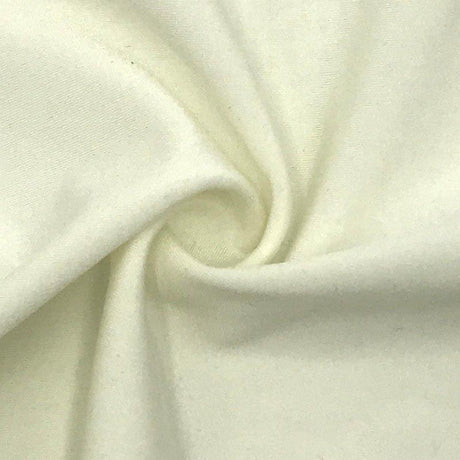
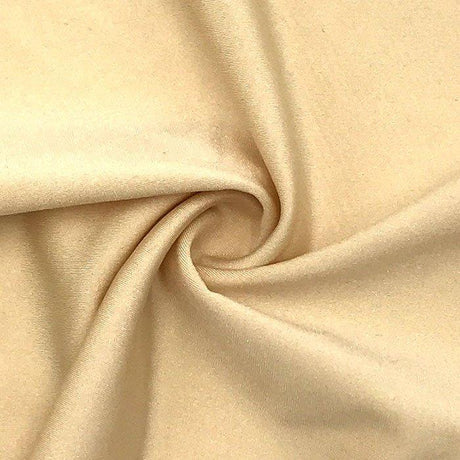
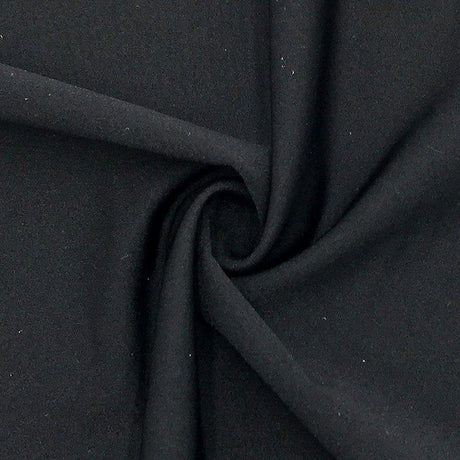
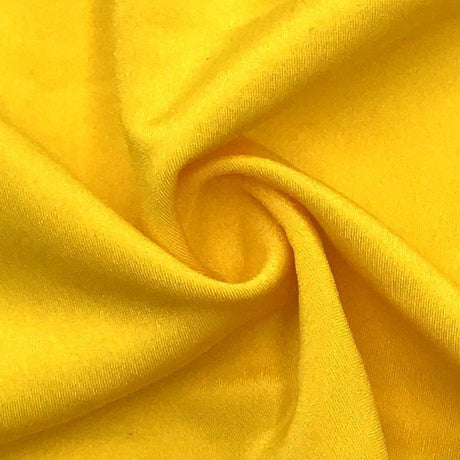
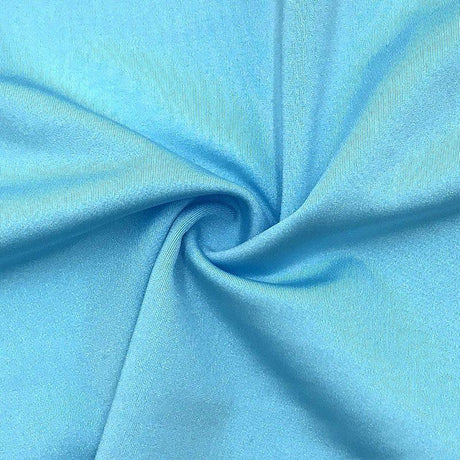
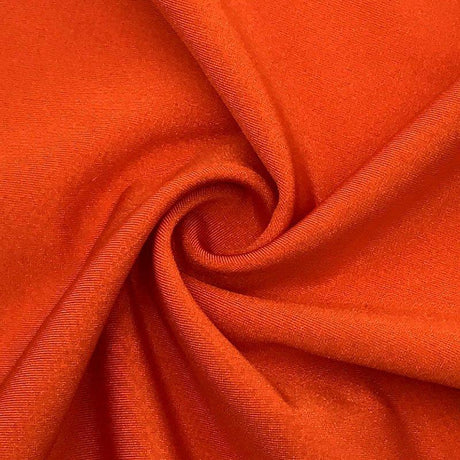
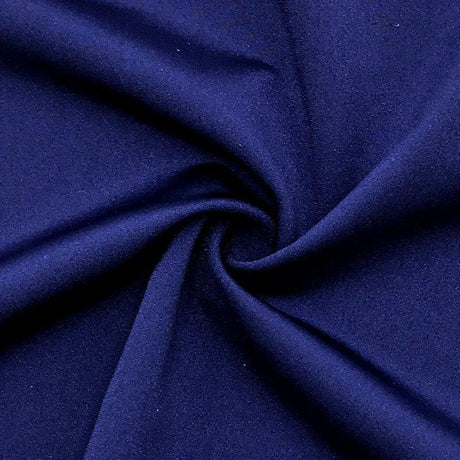
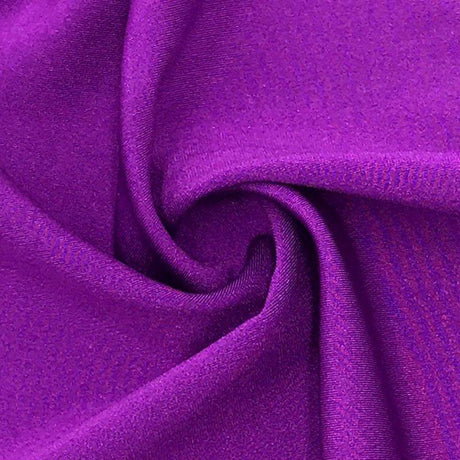
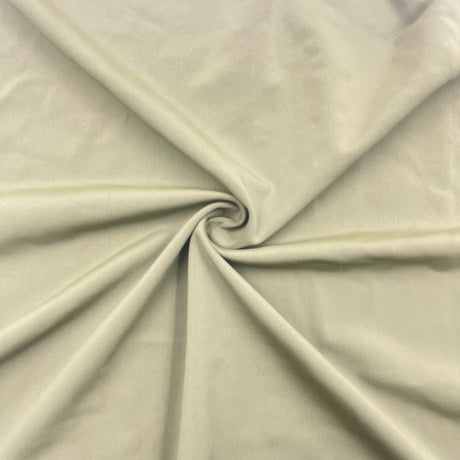
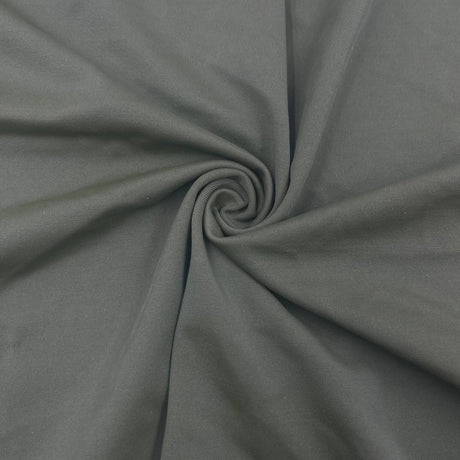
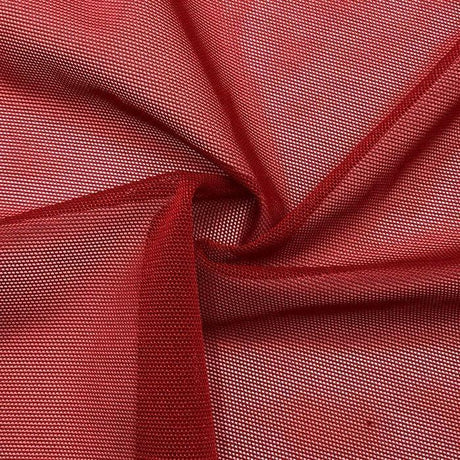
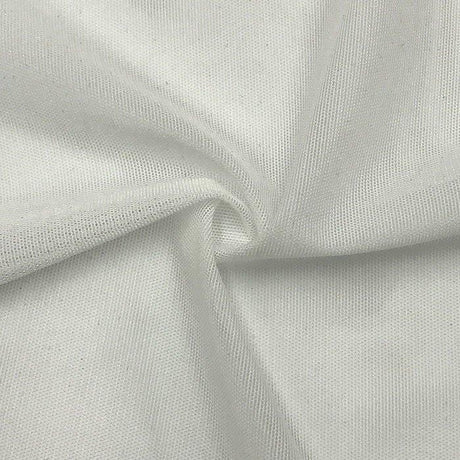
Selecting the right fleece fabric can make or break the comfort and quality of your hoodies and loungewear. Whether you're a professional apparel manufacturer aiming for consistent bulk quality or a DIY enthusiast sewing a single cozy hoodie, understanding fleece options will help you make the best choice for your project. For a broader foundation on fabric weight and construction before diving in, explore our fabric weight guide or browse our full fabric guides hub.
Hoodies and lounge pieces need to be soft, warm, and flexible. The challenge is finding material that offers warmth without sacrificing stretch or comfort.
Understanding Fleece Fabric for Hoodies & Loungewear
In apparel, fleece typically refers to a knit fabric with a brushed, soft pile on one side (sometimes on both sides). Fleece fabrics can be made from different fibers:
Cotton or Cotton-Blend Fleece: Often used in classic sweatshirt hoodies. These are breathable and naturally soft, usually with a smooth outer face and fuzzy inside. Cotton blends (e.g. 80/20 cotton-poly) add polyester for durability and less shrinkage. Our cotton-spandex fabric guide covers how cotton-spandex blends achieve the soft-touch stretch that makes them popular for casual and loungewear applications.
Polyester Fleece: A synthetic fleece (like polar fleece) known for being lightweight yet warm and quick-drying. Common in outdoor or athletic hoodies, it resists moisture but may not be as breathable as cotton. It's also very durable and resists pilling if treated.
Spandex-Enhanced Fleece: Many modern fleece fabrics include a small percentage of spandex (elastane). This gives 4-way stretch capability, ideal for form-fitting or active hoodies where mobility is key. For example, a polyester fleece with 5–10% spandex offers both warmth and excellent stretch recovery. Our stretch fabric types page covers how spandex percentage translates to real-world stretch percentages and recovery ratings across all common blend types.
Other Variations: Specialty fleeces include microfleece (very lightweight, fine-pile polyester fleece) and Sherpa fleece (heavy, high-pile, wool-like texture). French terry, which is sometimes confused with fleece, is actually a different knit (looped back, not brushed) – we'll discuss it as an alternative later on.
Fabric Technical Specifications: GSM, Stretch %, and Durability
Weight (GSM): Grams per Square Meter (GSM) measures fabric weight/thickness. A higher GSM means a heavier, typically warmer fleece. Hoodie fleeces usually range from about 250 GSM up to 400+ GSM. A lightweight fashion hoodie or summer lounge set might use ~250 GSM; a standard midweight fleece is around 280–320 GSM (good warmth without being too heavy); and heavyweight fleece is 350–450 GSM (very warm, structured hoodies for winter or premium feel). Our fabric weight guide provides a full breakdown of how GSM affects compression, breathability, and durability across all common fabric constructions.
Stretch Percentage: This spec tells you how much the fabric can stretch and recover. A fleece with 2-way stretch usually stretches in one direction (often horizontally across the garment). 4-way stretch means it stretches in both directions (width and length), usually thanks to spandex or special knit construction. For comfortable hoodies, look for at least some give; around 20–30% stretch provides mild give (good for looser fits or cotton blends), whereas 50%+ stretch indicates a very elastic fleece (ideal for activewear or very fitted styles). Also consider recovery – quality spandex-blend fleece will snap back to shape without getting saggy. Our stretch fabric types page covers the step-by-step stretch and recovery testing methodology in detail.
Durability & Care: Look for anti-pilling fleece if available, so your hoodies don't develop lots of fuzz balls after washing. Also, check if the fleece is pre-shrunk (important for cotton-heavy fleeces to avoid post-sewing shrinkage). Most fleeces are easy-care (machine washable), but high heat can damage or shrink them – cotton fleeces may shrink and polyester can melt or pill under high dryer heat. Our fabric care guide covers complete laundering protocols for all common fleece and blend fabric types.
Key Factors in Selecting the Best Fleece Fabric
Warmth and Weight: Decide how warm and heavy you want the garment. For a thick, warm hoodie or sweatpant set, choose a higher GSM fleece (350+ GSM). For a year-round lightweight hoodie or layering piece, a midweight or light fleece (250–300 GSM) is better.
Stretch and Fit: Consider how much stretch the pattern or style requires. Tight-fitting or athletic designs benefit from a fleece with spandex (4-way stretch) so the wearer can move freely. Always match the fabric stretch to the garment's purpose – a yoga or gym hoodie should have ample stretch and stretch recovery to keep its shape through movement.
Softness and Comfort: The inside face of the fleece should be brushed to a soft, fuzzy nap that will feel cozy against the skin. If possible, request swatches or feel the fabric: a high-quality fleece should not be scratchy and shouldn't shed excessively.
Breathability: If the hoodie will be worn during physical activity or fluctuating temperatures, breathability matters. Cotton blends and French terry are more breathable (but hold moisture); polyester fleece is warm but can trap heat, unless it's a technical moisture-wicking type. Our activewear fabric guide covers moisture-wicking and breathability ratings across all common performance fabric constructions.
Durability and Quality: Look for anti-pill properties and strong recovery (doesn't stay stretched out). A durable fleece fabric means happier customers or a longer-lasting favorite hoodie in your personal wardrobe. Our fabric finishes guide covers how anti-pill and other surface treatments are applied to fabrics and how to evaluate their durability.
Ease of Sewing: Very thick fleece can be a bit challenging to feed through a regular sewing machine and may require sturdy needles. A fabric that is stable and not too slippery or shedding will be easier for DIY projects. Our how to sew stretch fabric guide covers complete needle selection, stitch type, machine settings, and edge finishing guidance for all common stretch knit constructions.
How to Choose the Right Fleece by Project Type
Activewear Hoodies (Athleisure & Gym Wear)
Stretch & Recovery: Activewear hoodies demand excellent stretch. Look for polyester-spandex fleece blends that offer 4-way stretch. This ensures the hoodie moves with the body during workouts or yoga and snaps back into shape afterwards.
Moisture Management: Many athletic fleece fabrics are designed to pull sweat away and dry quickly (often marketed as "dry-fit" or moisture-wicking fleece). A predominantly polyester content is best here, since polyester won't hold moisture like cotton.
Weight & Breathability: Midweight (around 250–300 GSM) is usually ideal for active hoodies – heavy enough to provide some warmth, but not so thick that it overheats the wearer or restricts movement.
Durability: Activewear gets frequent washing and hard use. A performance fleece with anti-pilling treatment and strong fibers (poly/spandex) will endure wear and laundering better. Our activewear fabric guide covers performance benchmarks across all common activewear fabric constructions.
Loungewear Hoodies (Everyday Comfort)
Softness: This is your top priority. A cotton-rich fleece or a special ultra-soft blend can give that deliciously cozy feel. The inside should be plush and inviting.
Moderate Stretch: While lounging doesn't require performance-level stretch, some give is important for comfort. A bit of spandex (even 5%) or just a naturally stretchy knit structure ensures stretch comfort for loungewear garments.
Weight: Medium weight works well here. Around 280–330 GSM is common for sweatshirts and hoodies meant for comfort – heavy enough to feel substantial and warm on a chilly evening, but not so heavy that you overheat indoors.
Breathability: Since loungewear is often worn indoors, 100% polyester fleece that doesn't breathe might cause overheating. Blends or specialty fleeces like bamboo fleece could be excellent for staying comfortable over long periods.
Ease of Care: Loungewear gets a lot of washing. Ensure the fleece is easy to wash and doesn't require special handling. Our spandex care guide covers why heat is so damaging to elastane fibers – directly relevant for any stretch fleece containing spandex content.
Performance & Outdoor Hoodies (High Durability/Weather)
Warmth-to-Weight Ratio: For outdoor use, synthetic fleece shines. A high-quality polyester microfleece can provide a lot of warmth without being heavy. Think about layering: a midweight fleece hoodie can act as a mid-layer under a jacket or as outerwear on a cool dry day.
Quick Drying: In outdoor or active scenarios, getting wet (from rain or sweat) can be an issue. A predominantly polyester technical fleece will dry much faster than a cotton one. It also won't lose insulation when damp, whereas cotton fleece would stay wet and cold.
Stretch & Reinforcement: Some spandex is great for freedom of movement. Some performance fleeces have tighter-knit outer faces to resist wind or abrasion, and an ultra-soft inner.
Durability: A 100% polyester fleece, especially one labeled as anti-pill, will likely hold up better in the long run than a cotton-heavy fleece which might tear or fray under strain.
When to Use Alternative Fabrics Instead of Fleece
French Terry vs. Fleece: French terry is a popular alternative for hoodies and sweatshirts. It has a looped back (no brushed fuzz) and typically a lighter feel. When to use it: If you're making a lightweight, spring or summer hoodie, or want something with a bit more drape and breathability. It's still usually stretchy (especially if it has spandex) and very comfortable, just less insulated than fleece.
Jersey Knit or Interlock: For certain loungewear pieces (like a thin hoodie or long-sleeve tee hoodie hybrid), a cotton or bamboo jersey knit could work well. When to use it: If stretch and softness are needed but warmth is not a big factor. A drapey lounge cardigan or a hoodie T-shirt for summer evenings might be better in a jersey fabric.
Softshell or Scuba Knit: If you are considering a hoodie that doubles as outerwear in wind or light rain, you might skip traditional fleece and go with a bonded fleece (softshell) or a scuba knit. These trade some of the cozy factor for wind-resistance or style.
In any project, consider the requirements: if your design doesn't need the heavy insulation of fleece, or if you want a sleeker/less casual look, an alternative fabric will be the better choice. Our how to choose fabric guide walks through the decision framework for matching fabric specifications to garment function across all common garment types.
Conclusion & Final Thoughts
Choosing the right fleece for your hoodie or loungewear project is a balance of function and feel. Remember to match the fabric's qualities to your project's goals: a high-stretch, moisture-wicking fleece for that active gym hoodie, or a plush cotton-blend fleece for the ultimate lazy Sunday sweatshirt. Pay attention to weight, stretch, and quality so you get a material that is comfortable to wear and easy to work with.
Ready to find the right fleece for your project? Use our fabric weight guide and stretch fabric types page to evaluate technical specifications, our activewear fabric guide for performance-oriented recommendations, and our how to sew stretch fabric guide for complete construction guidance. Our fabric care guide and spandex care guide keep every finished garment performing at its best. Have questions? Our expert help and advice page and FAQ are always available. Sign up for SpandexByYard Rewards to earn points on every purchase – happy hoodie-making!