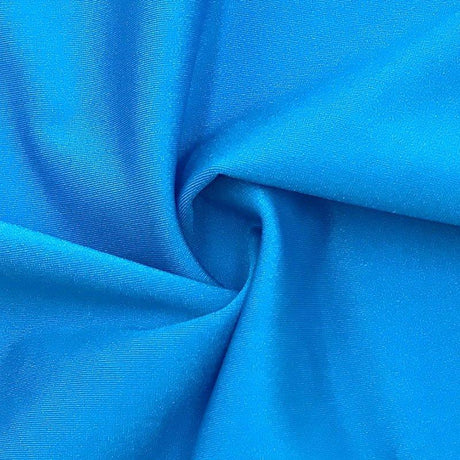
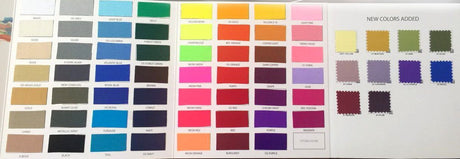
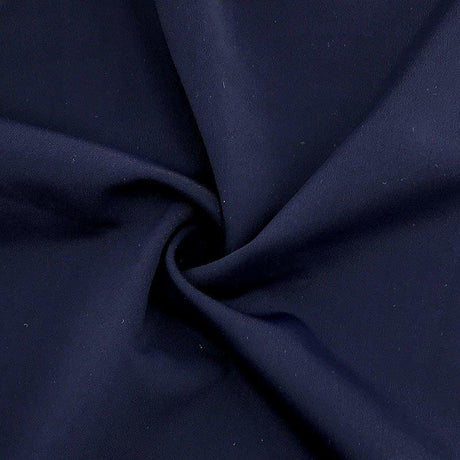
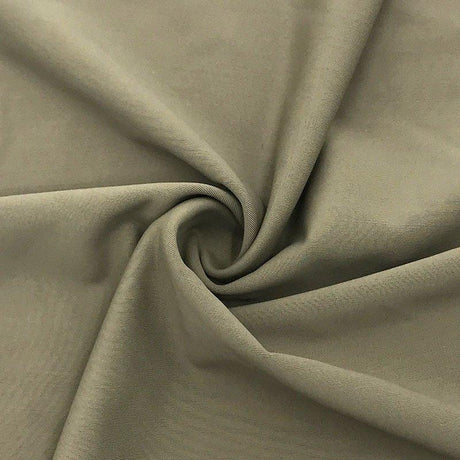
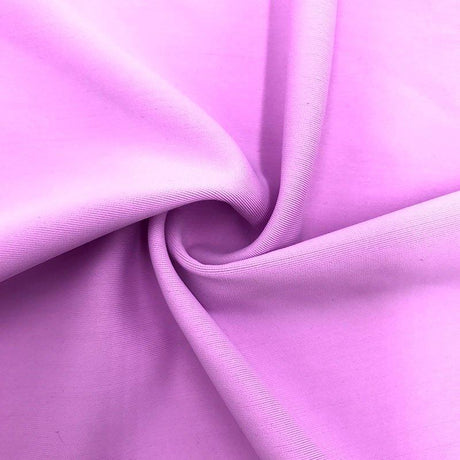
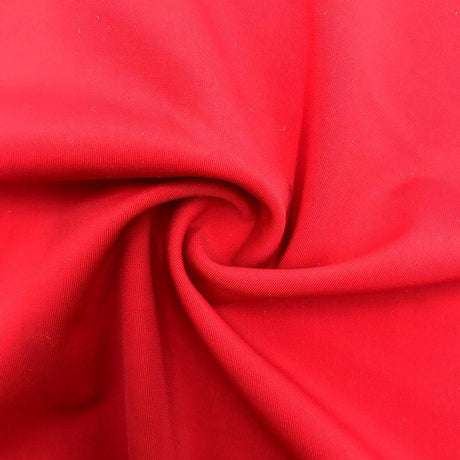
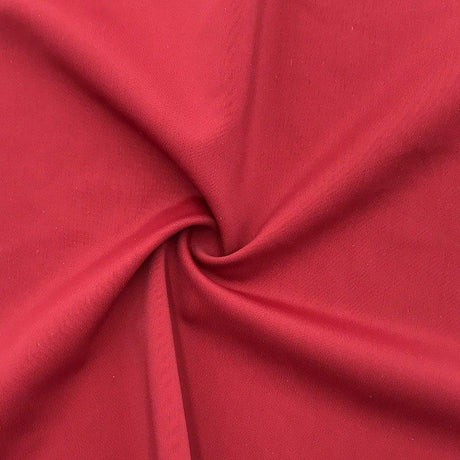
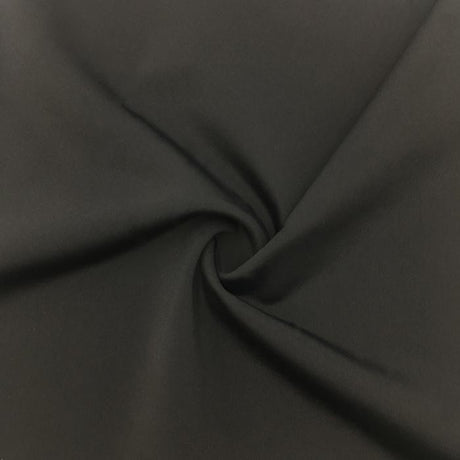
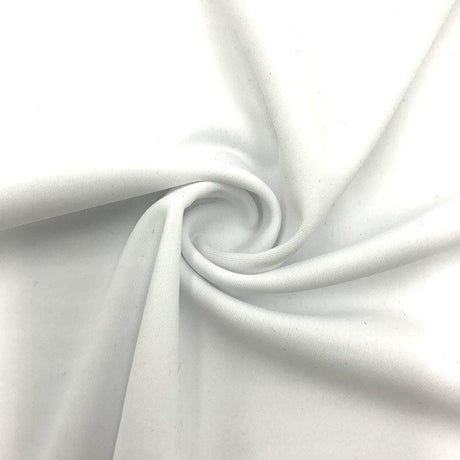
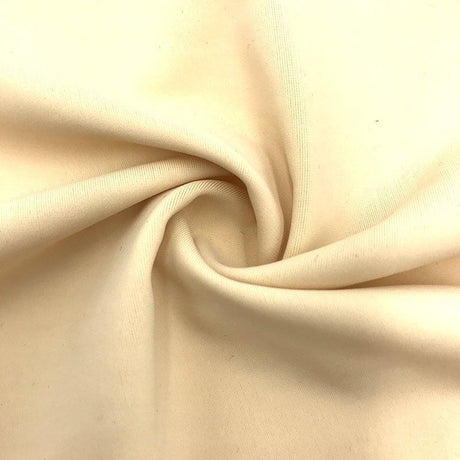
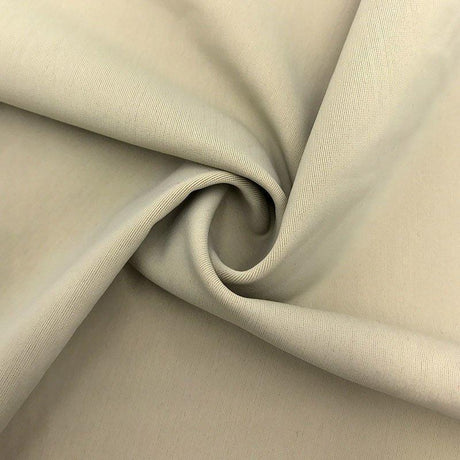
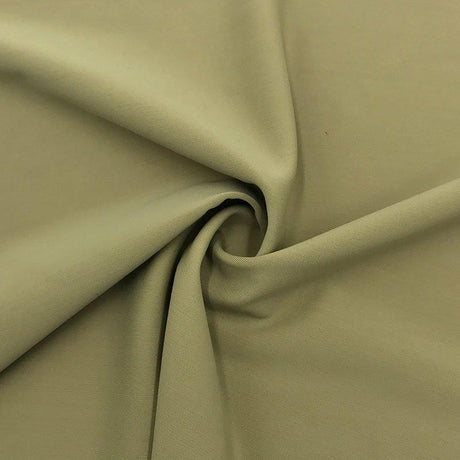
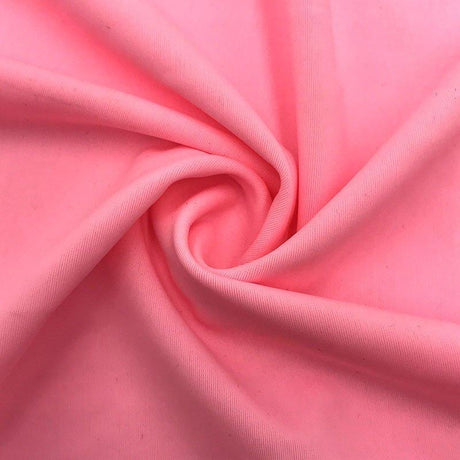
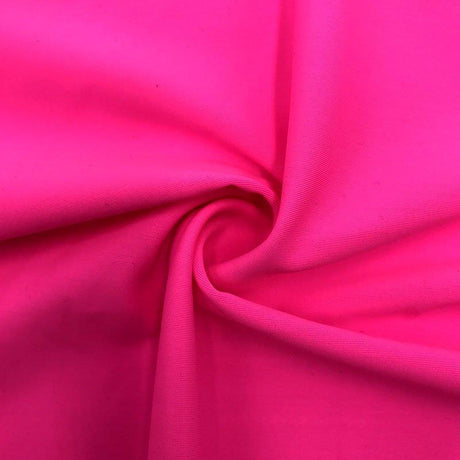
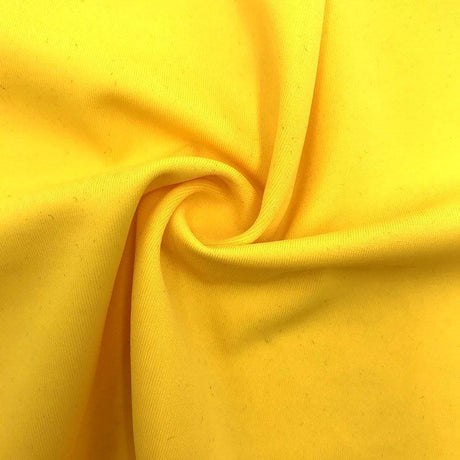
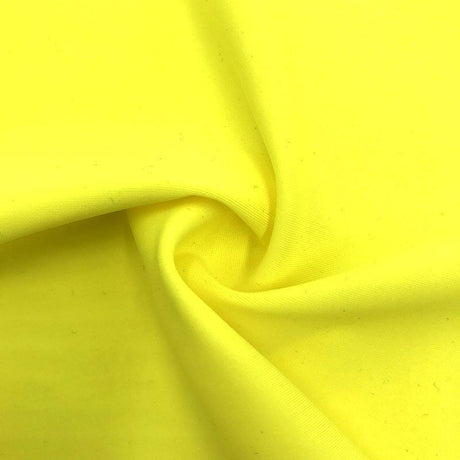
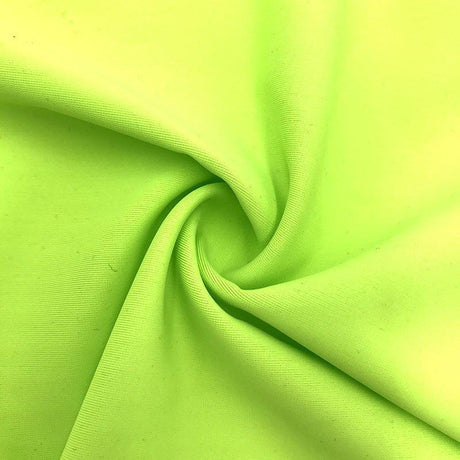
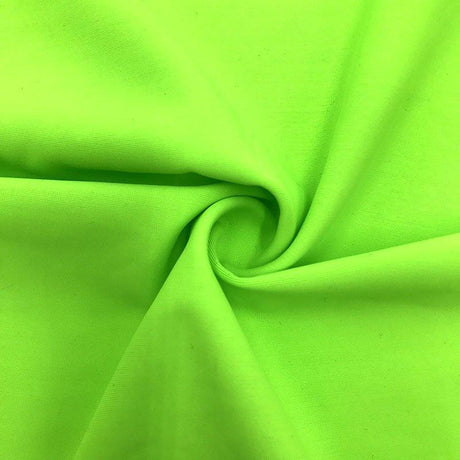
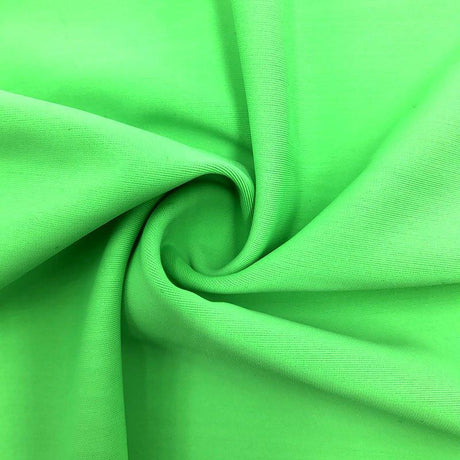
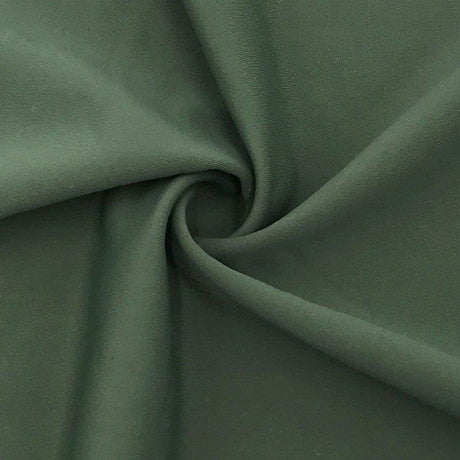
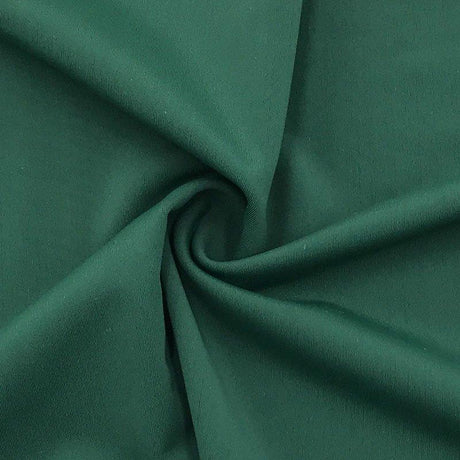
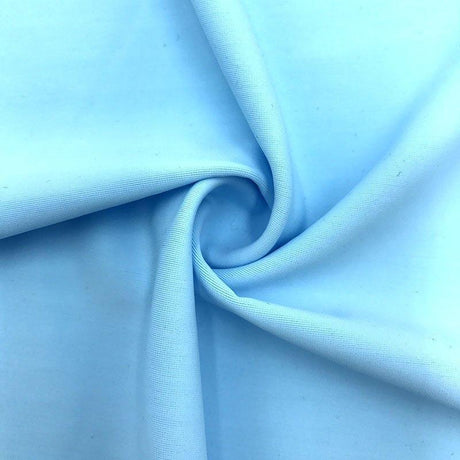
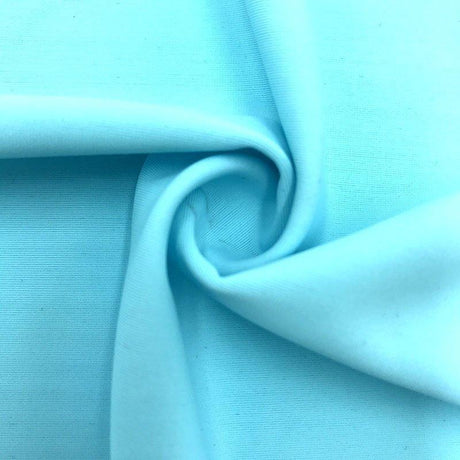
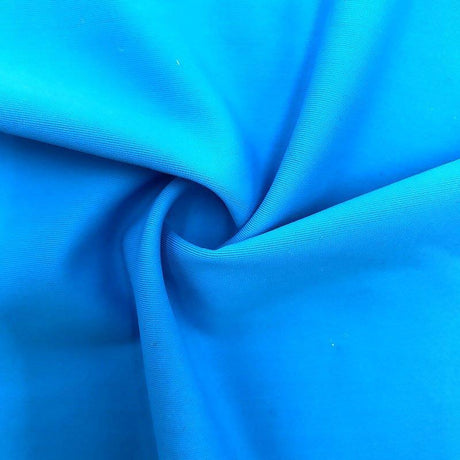
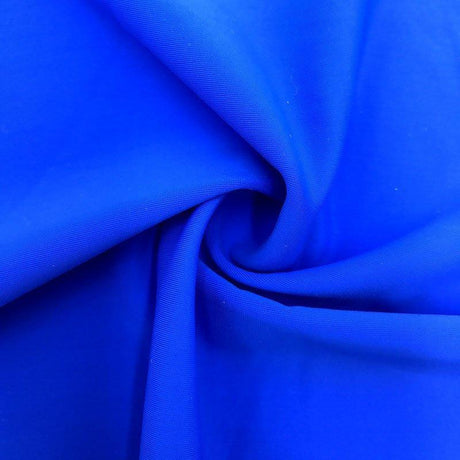
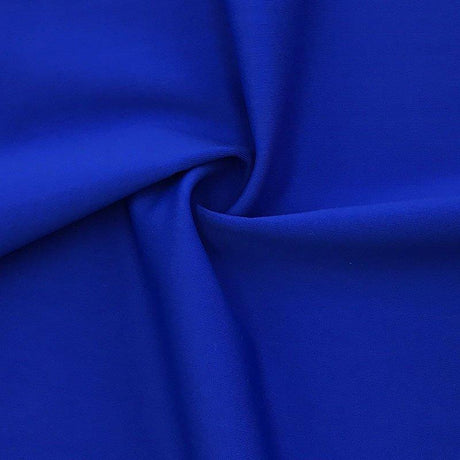
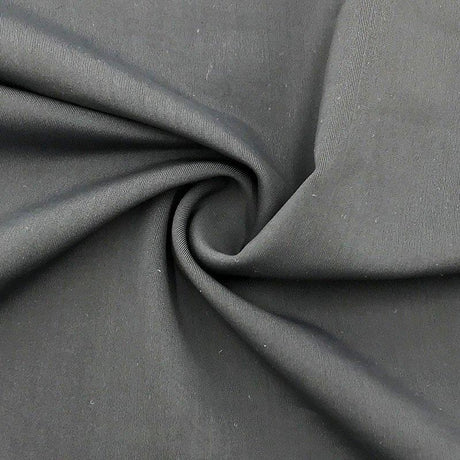
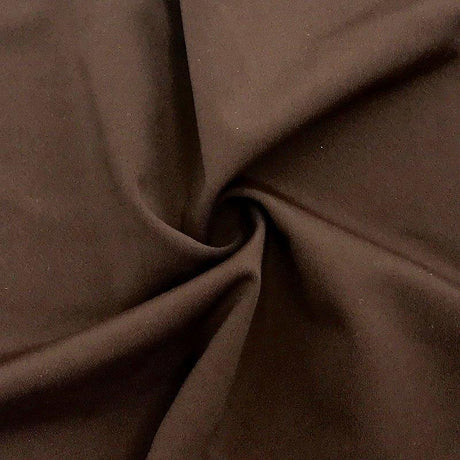
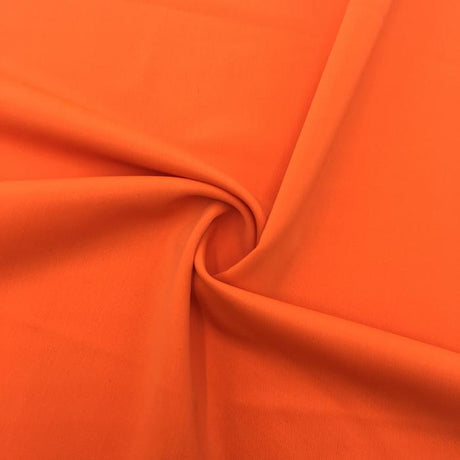
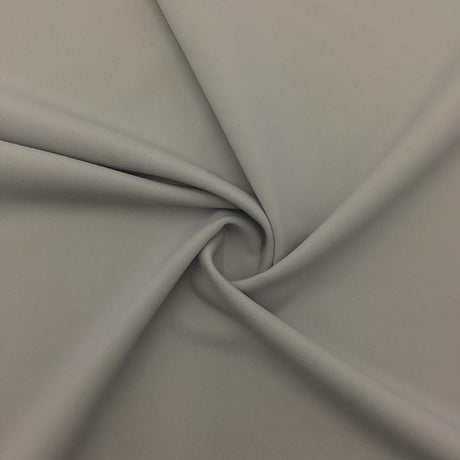
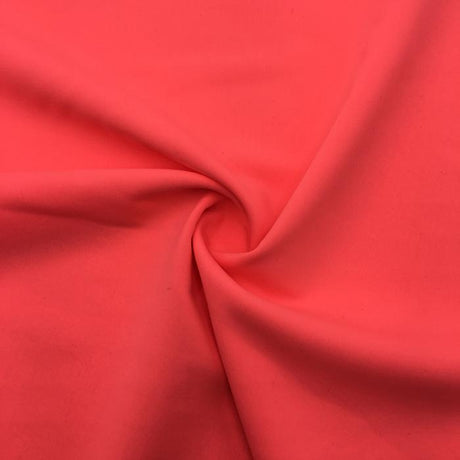
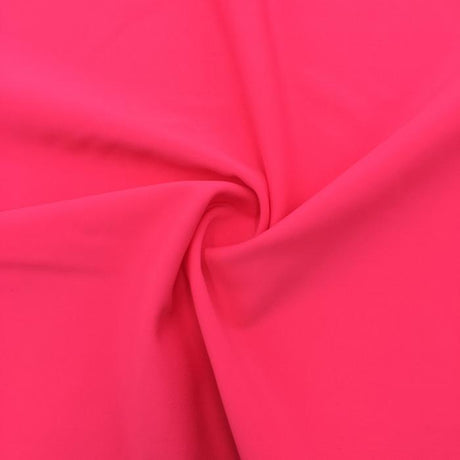
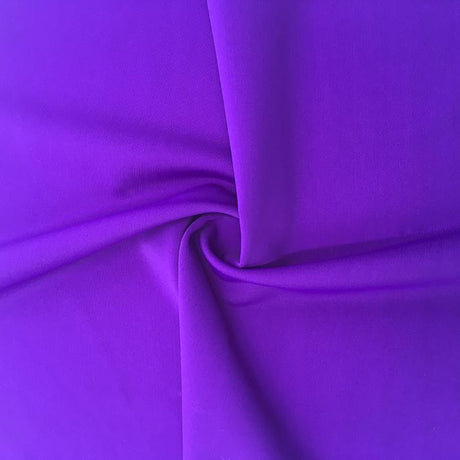
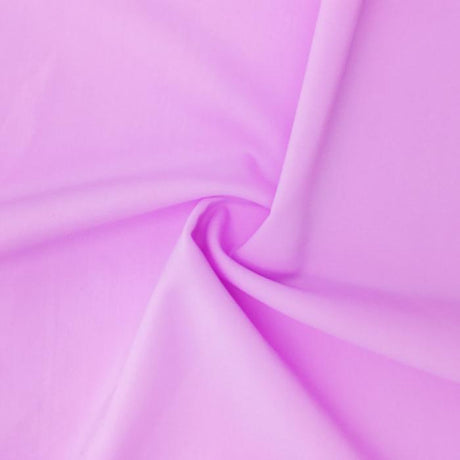
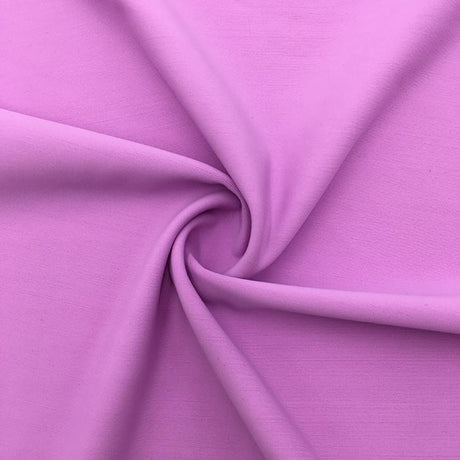
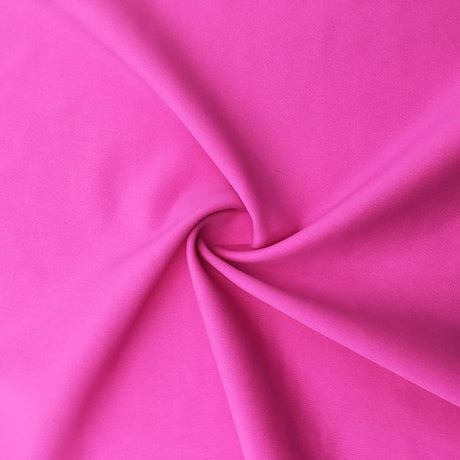
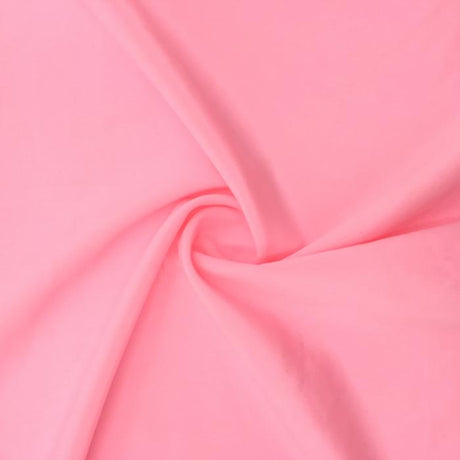
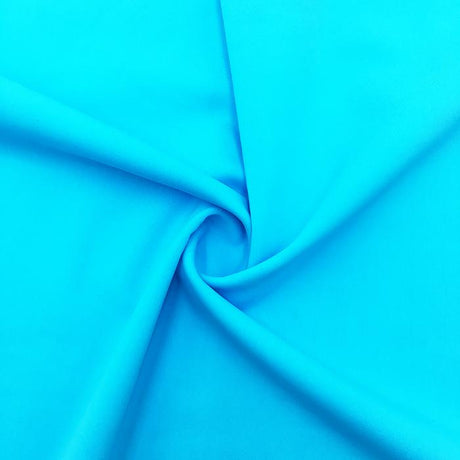
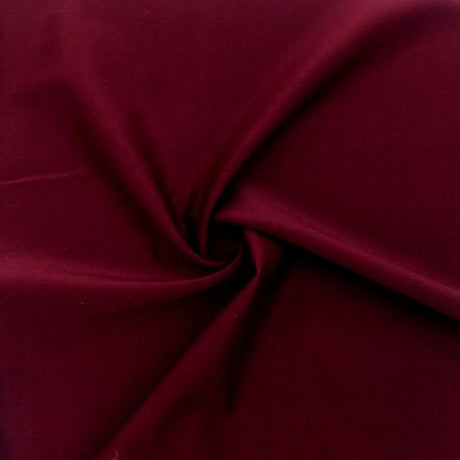
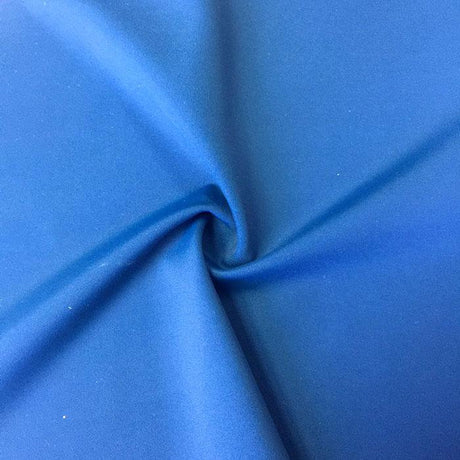
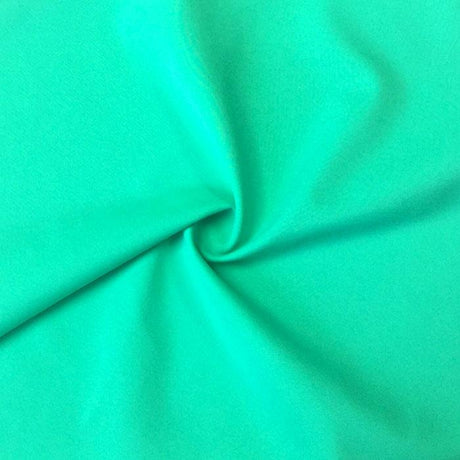
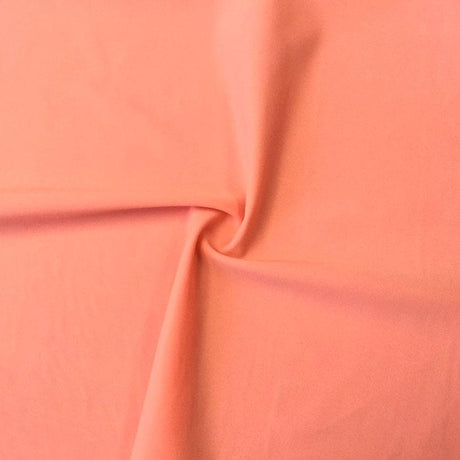
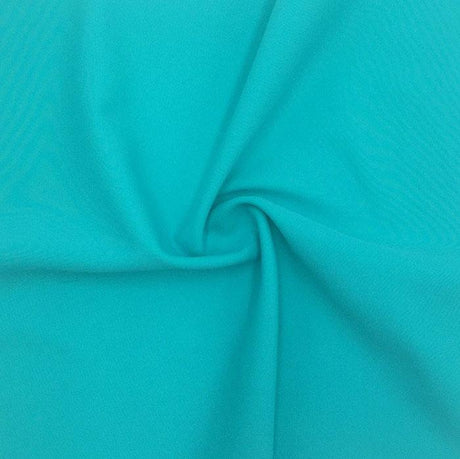
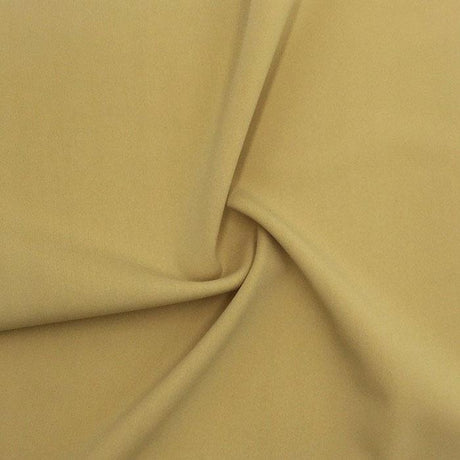
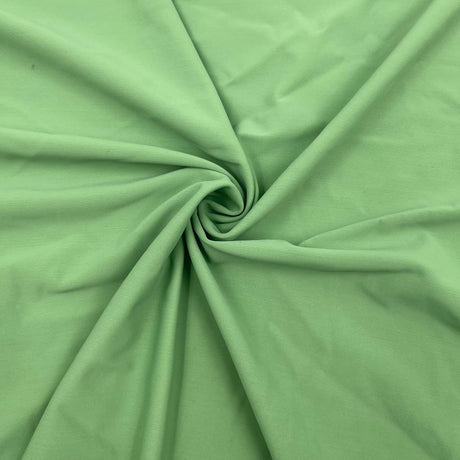
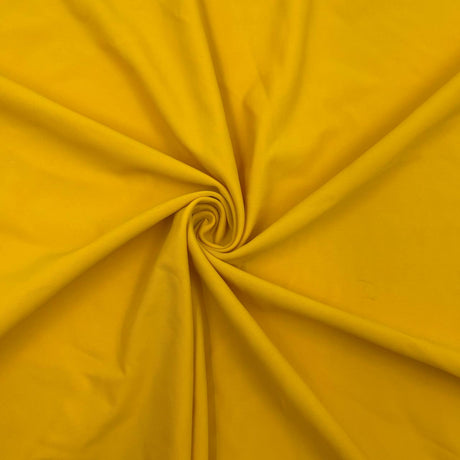
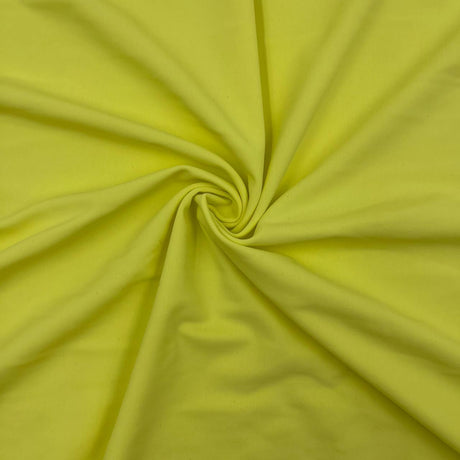
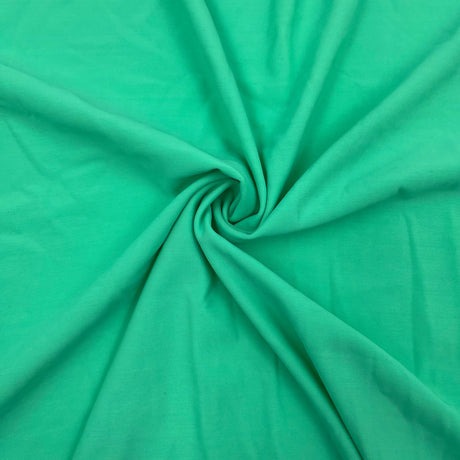
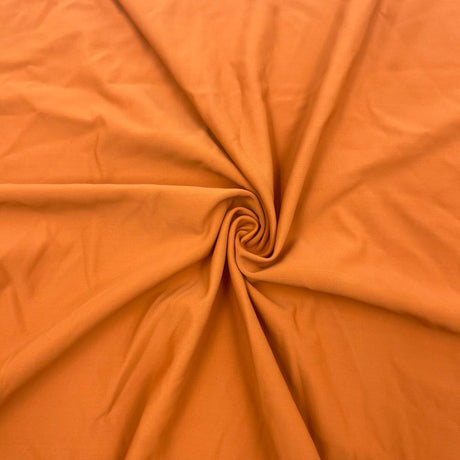
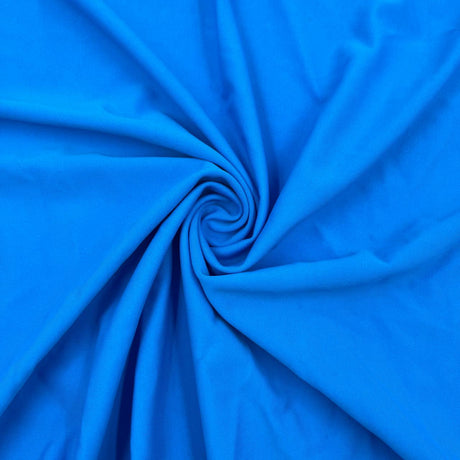
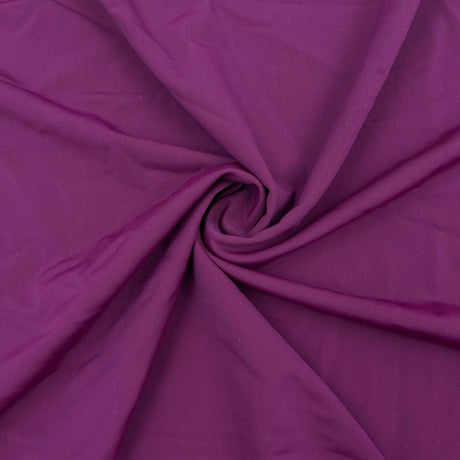
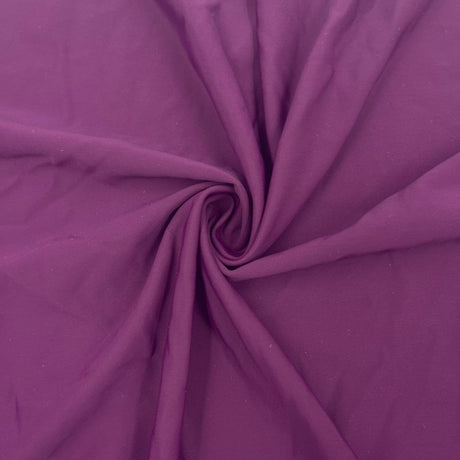
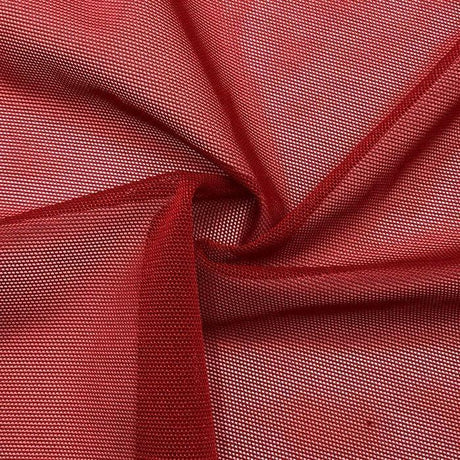
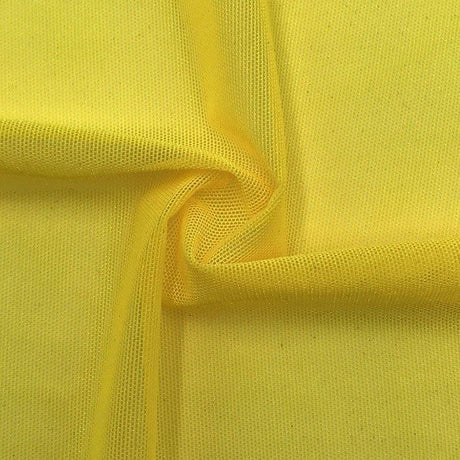
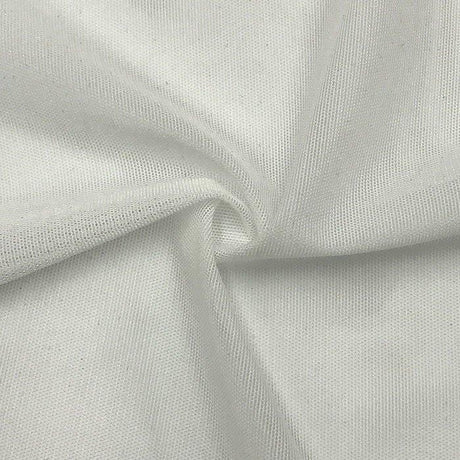
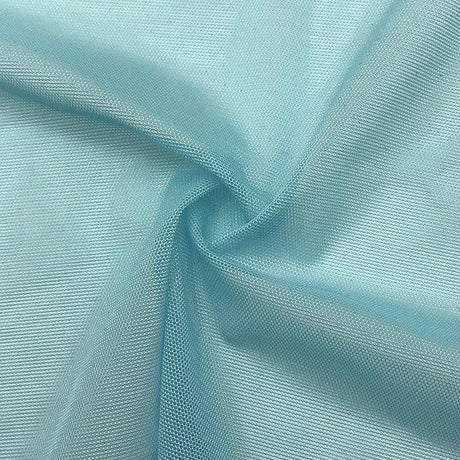
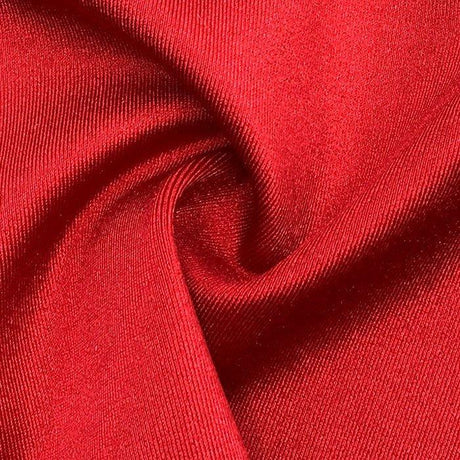
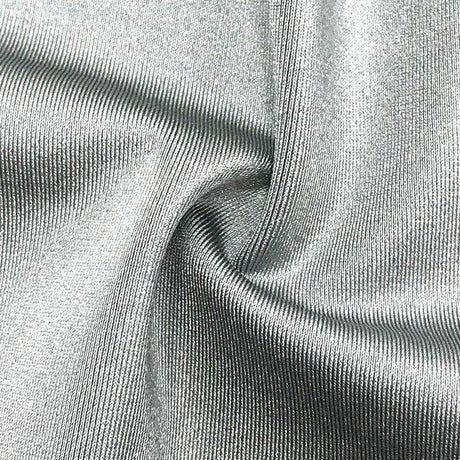
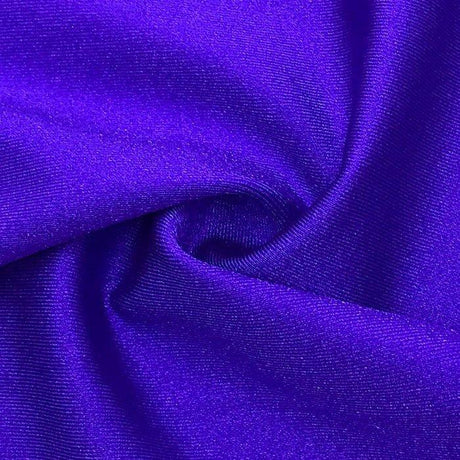
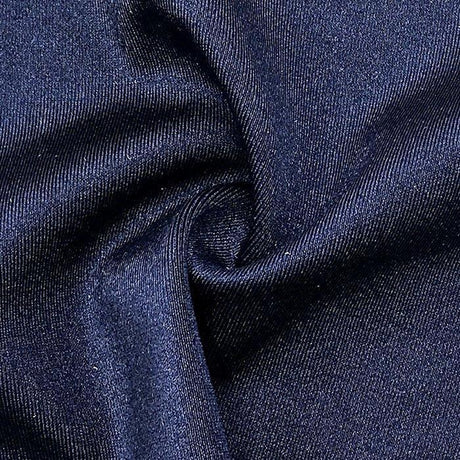
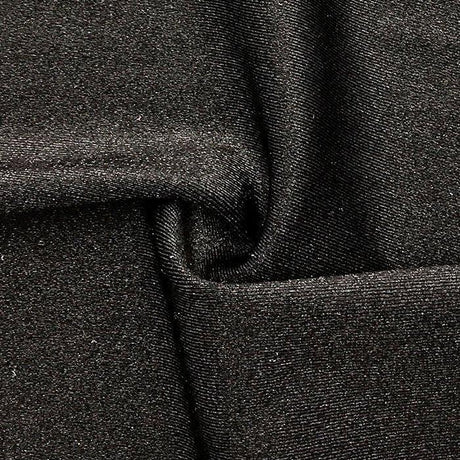
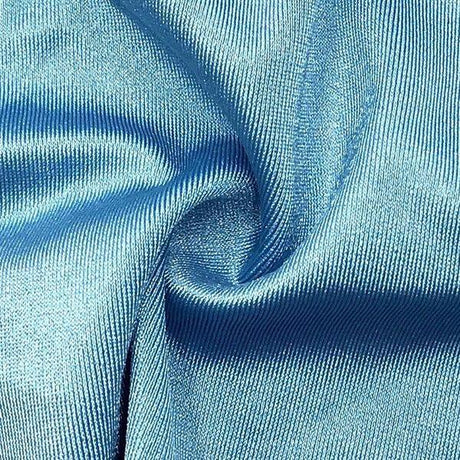
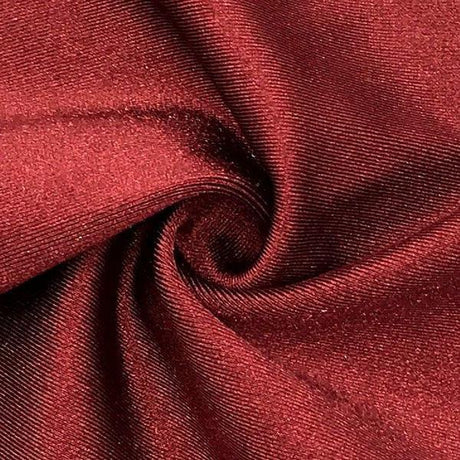
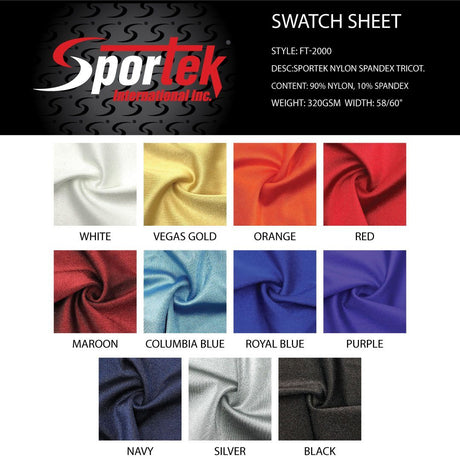
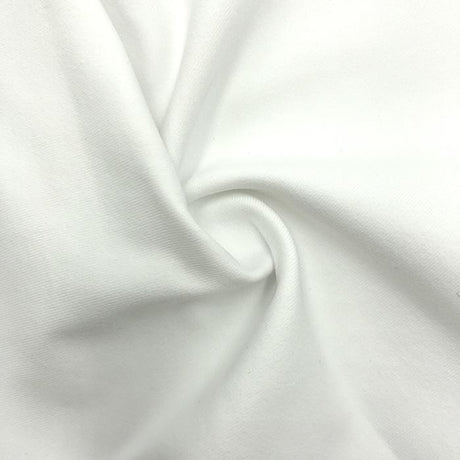
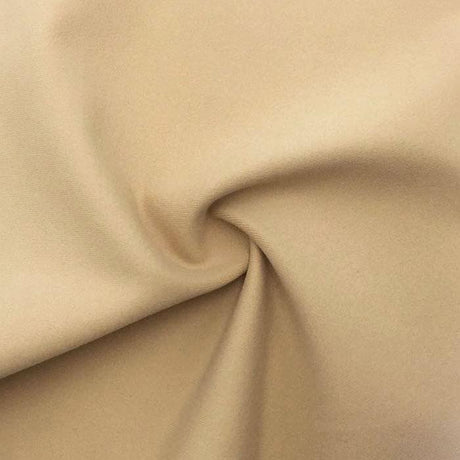
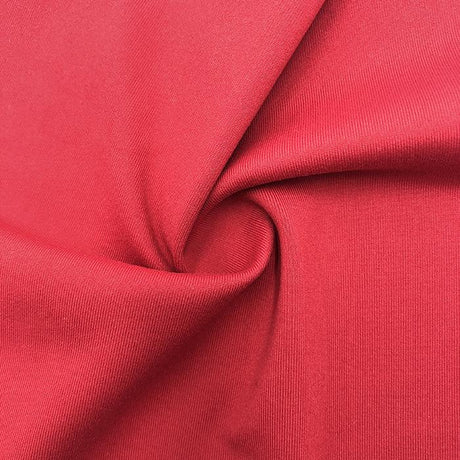
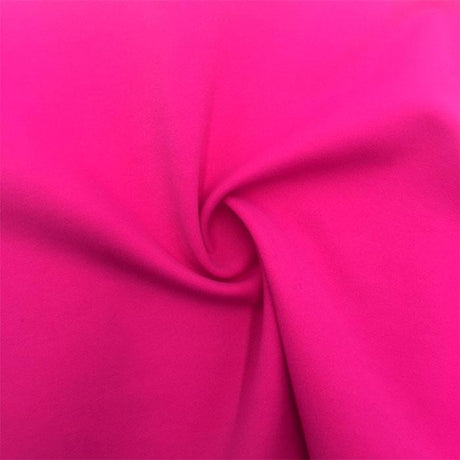
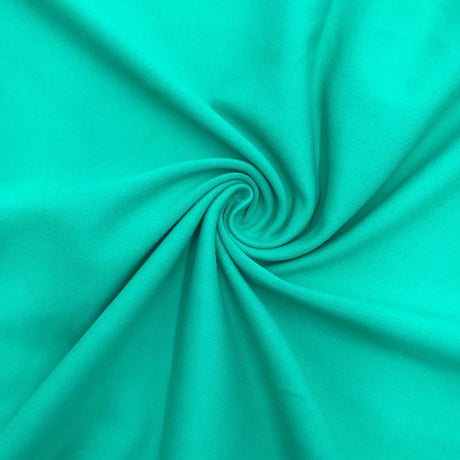
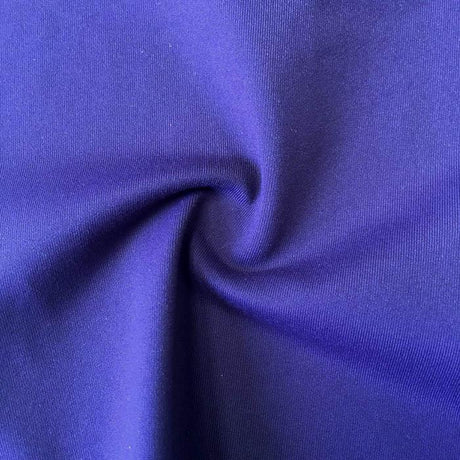
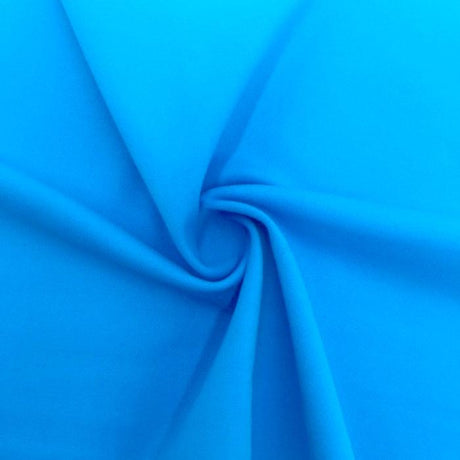
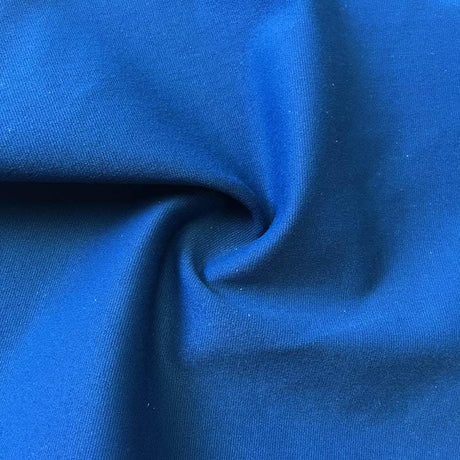
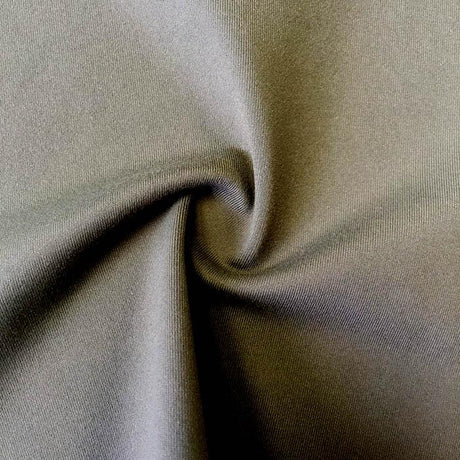
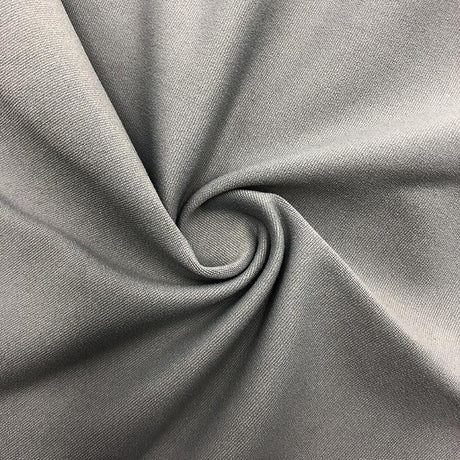
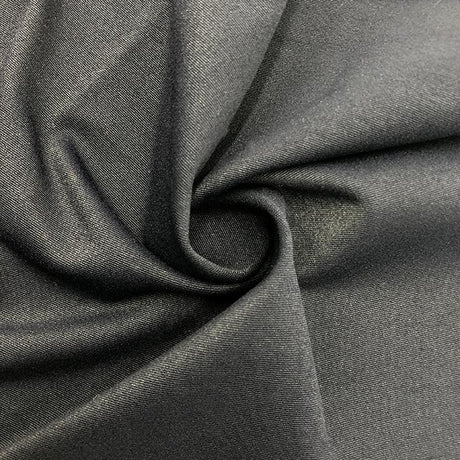
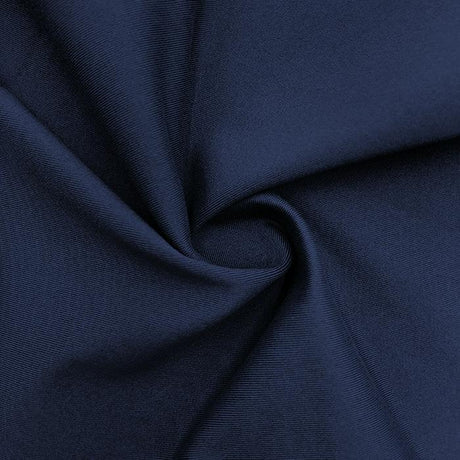
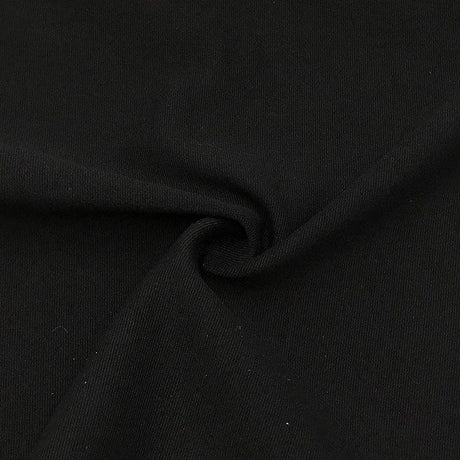
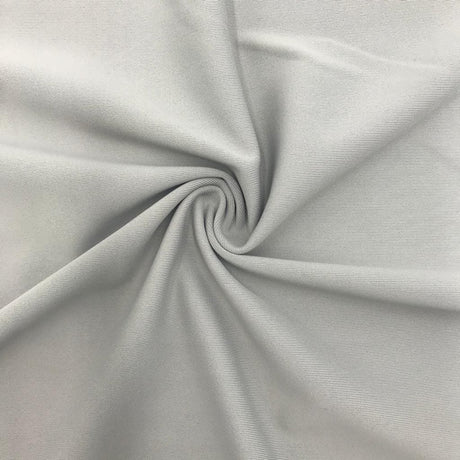
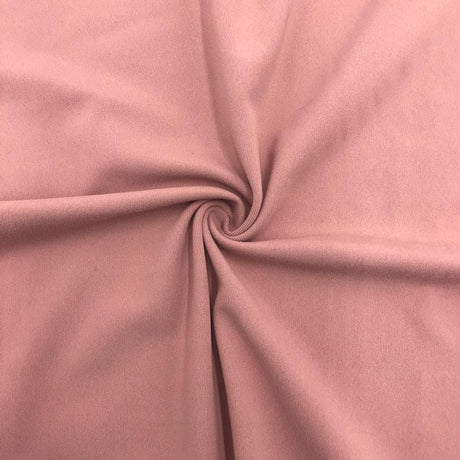
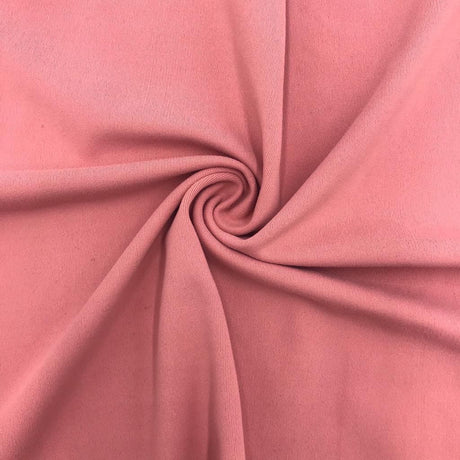
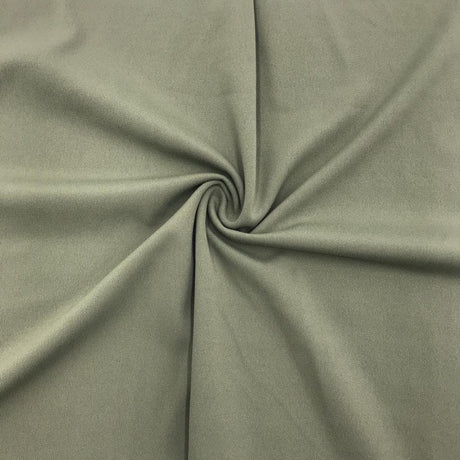
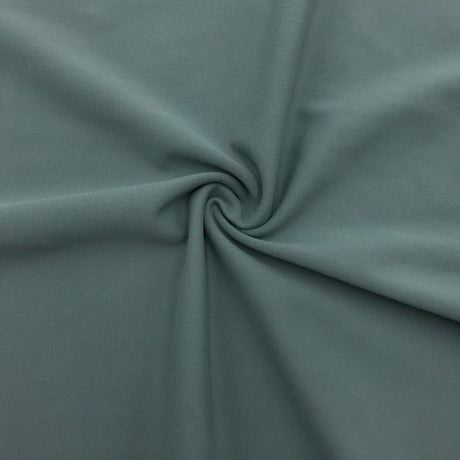
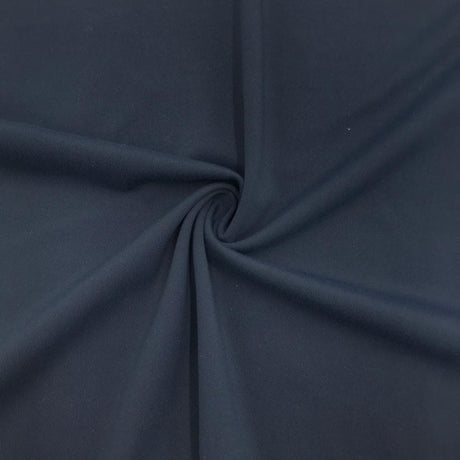
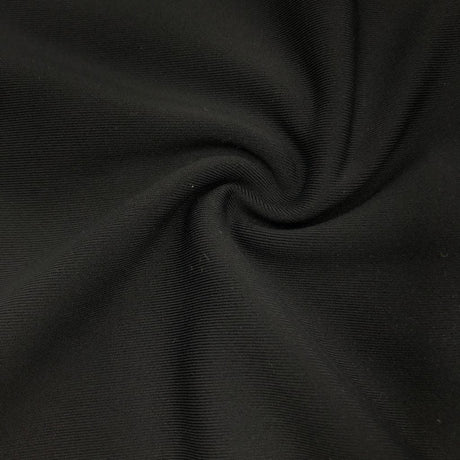
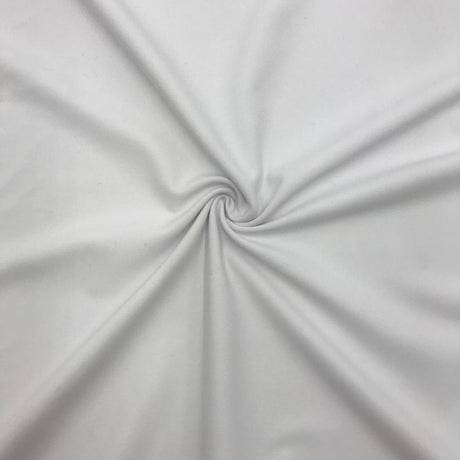
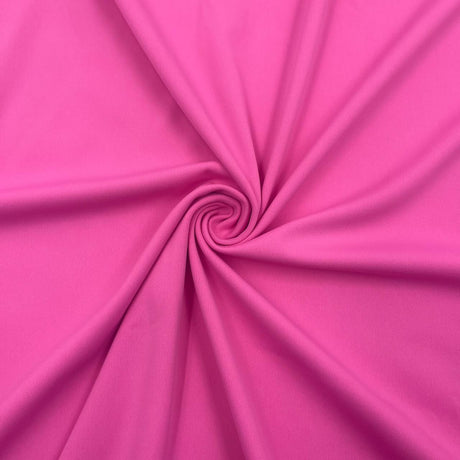
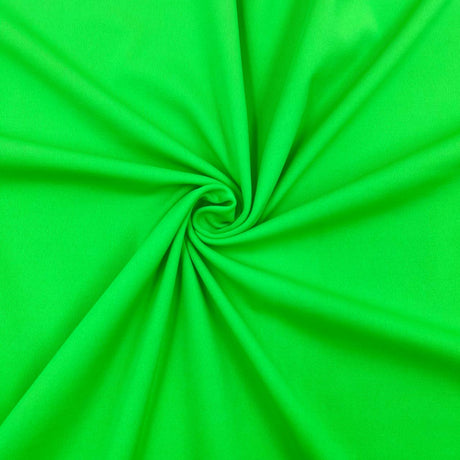
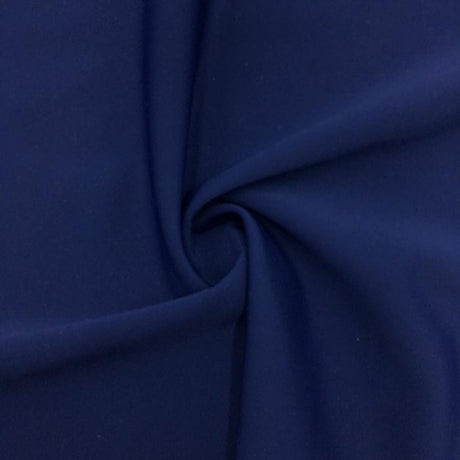
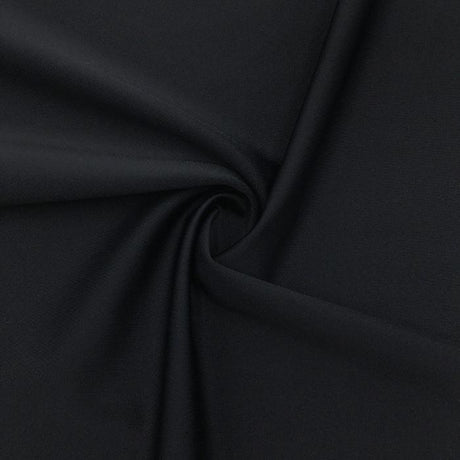
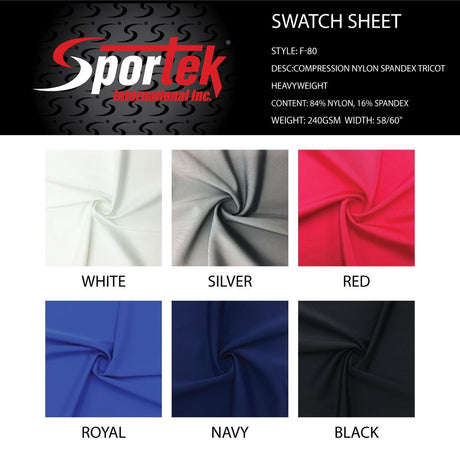
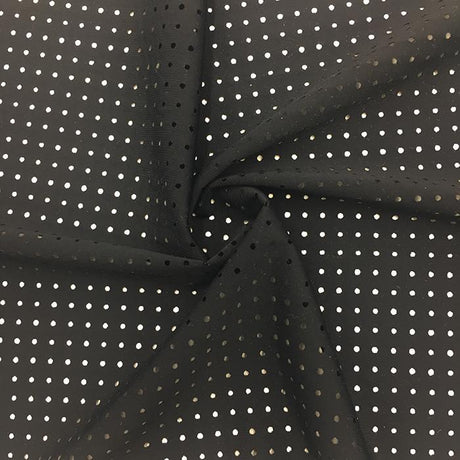
Choosing the proper fabric is a crucial first step in swimsuit production. There are countless swim fabric options for swimsuits available, and the wrong choice can result in swimwear that fades, sags, or irritates the skin. For a broader foundation on swimwear fabric properties before diving in, explore our swimwear fabric guide or browse our full fabric guides hub.
Swimwear fabrics must meet high performance standards (stretch, recovery, chlorine resistance) while also feeling good and looking stylish. Factors like stretch percentage, fabric weight (GSM), and fiber content all play a role in how a custom suit will perform.
Educational Overview of Stretch Fabrics
Stretch Fabric Basics: Swimwear requires four-way stretch fabric (stretches both widthwise and lengthwise) for optimal fit. Two-way stretch materials (stretching in one direction only) are generally not suitable for one-piece swimsuits – using them can cause restricted movement or even seam splits. Our stretch fabric types page covers the full technical difference between 2-way and 4-way stretch constructions and how to verify true multidirectional stretch when evaluating swimwear fabric.
Nylon blends for swimwear: Most fashion swimwear relies on nylon-spandex blends (e.g. 80% nylon, 20% Lycra). Nylon blends provide a soft, "second skin" feel and outstanding elasticity for a flattering fit. However, they are less resistant to chlorine and UV exposure compared to polyester. Our nylon-spandex fabric guide covers how nylon-spandex constructions compare to polyester-spandex in stretch, recovery, softness, and chlorine durability across all swimwear applications.
Polyester blends: Polyester-spandex fabrics are known for durability and chlorine resistance, making them common in competitive and kids' swimwear. Polyester doesn't break down as quickly in chlorine or sunlight, so these suits hold their shape and color longer.
Required Lycra/Spandex Content: Ensure the fabric has around 10–20% spandex (elastane) fiber in its content. This high elastane percentage gives the material its stretch and recovery power. Anything below 10% spandex is generally not suitable for swimwear use.
Stretch and Recovery: It's not just about stretchability, but also recovery – the ability to snap back to the original shape. Quality swim fabrics should stretch easily and spring back without permanent elongation. Excellent recovery ensures the swimsuit won't become baggy or loose-fitting after multiple wears.
Other Performance Properties: Look for features like chlorine resistance, UV protection (UPF), and quick-drying capability, depending on your end use. Our fabric finishes guide covers UV-blocking surface treatments and how to evaluate their durability across performance swimwear constructions.
Technical Comparisons: Stretch %, GSM Weight & Composition
Stretch Percentage: A good swim fabric typically offers at least 50% stretch in both directions. In practical terms, a 4-inch strip of fabric should comfortably stretch to ~6 inches. Always test the stretch against your pattern requirements. Our stretch fabric types page covers the step-by-step stretch and recovery testing methodology in detail.
Fabric Weight (GSM): Most fashion swimwear fabrics fall around 180–200 GSM – lightweight enough for comfort and quick drying, but thick enough to provide coverage and hold shape. Heavier fabrics (200–220+ GSM) are used for competitive suits or structured styles, offering greater compression and support. Our fabric weight guide provides a full breakdown of how GSM affects opacity, compression, and durability across all common swimwear fabric constructions.
Recovery & Fatigue Resistance: High-quality swim textiles contain premium spandex (Lycra) that can be stretched hundreds of times and still return to shape. A simple recovery test: stretch the material and ensure it snaps back completely without any rippling or permanent stretch.
Fiber Composition: In swimwear, fiber blend matters. As a rule, you'll see blends like 80/20, 85/15, or 90/10 (the first number nylon or polyester, the second spandex). A higher spandex ratio generally yields more stretch. It's wise to request swatches and perform your own stretch tests, especially if you're comparing different suppliers. Our how to choose fabric guide covers what to evaluate when a physical swatch arrives, including stretch testing, opacity testing, and hand feel assessment.
Fabric Finish & Feel: Compare textures and finishes of fabrics – some have a matte finish, others shiny; some are double-brushed for softness, others have a slick competitive coating. Obtain physical samples whenever possible to feel the fabric and see how it behaves.
Quick Checklist: What to Look For in Swimwear Fabric
✅ 80–90% Quality Synthetic + 10–20% Spandex: Ensure a high elastane content for stretch (e.g., ~20% Lycra) and a durable base (nylon or polyester)
✅ Four-Way Stretch (≥50%): Fabric should stretch significantly both widthwise and lengthwise for full mobility and comfort in any style
✅ Excellent Recovery: Material snaps back to shape immediately when released – no permanent stretch, no sagging
✅ Appropriate Weight & Opacity: Choose a GSM that provides enough coverage and suits the support needs of your design. Light colors or thin fabrics should always be lined to prevent transparency. Our fabric weight guide covers the GSM thresholds at which swimwear fabrics maintain reliable opacity when stretched or wet
✅ Chlorine and UV Resistance: Especially important for competitive or frequent-use swimwear. Our swimwear fabric guide covers chlorine resistance ratings across all common swimwear fabric constructions
✅ Soft Texture & Comfort: The fabric should feel comfortable against bare skin
✅ Verified for Swim Use: Only use fabrics specifically intended for swim/active wear. Always test a swatch in water for color bleed and transparency before committing
Choosing Fabric by Project Type
Adult Swimwear (Fashion/Recreational)
Prioritize Comfort & Style: Nylon-spandex blends are a top choice here for their buttery-soft feel and high stretch, creating that desirable "second skin" fit. These fabrics drape nicely and often have a slight sheen that gives a rich look. Our nylon-spandex fabric guide covers how nylon-spandex constructions achieve the smooth hand feel and 4-way stretch that define quality fashion swimwear.
Aesthetic Options: Adult swimwear allows for creative fabric choices – consider specialty stretch fabrics like ribbed textures, matte vs. shiny finishes, or even printed scuba-knit. For custom sublimation printing on swimwear, our sublimation page covers how to evaluate polyester-spandex fabric suitability for sublimation printing, and our sublimation paper and sublimation transfer paper pages cover the complete printing workflow.
Support and Shaping: It's common to use a slightly heavier or high-compression fabric in specific areas of an adult swimsuit (for example, a lined tummy panel in a one-piece). Choose fabrics labeled for "compression" or higher GSM if the goal is to shape the body.
Durability Considerations: Adult swimmers who are frequent pool-goers should consider polyester blends for longevity. For someone doing water aerobics daily, lean toward a chlorine-resistant textile.
Children's Swimwear
Safety & UV Protection: Always opt for fabrics with inherent UPF (Ultraviolet Protection Factor) to shield young skin from sunburn. Many quality swim fabrics for children are polyester-spandex blends that naturally provide UV blocking due to tight knit structure. Check labels for a UPF 50+ rating (blocks ~98% of UV rays). Additionally, look for certifications like Oeko-Tex® Standard 100 indicating the material is free from harmful substances.
Durability & Chlorine Resistance: Polyester-spandex fabrics are often recommended for kids' swim classes and swim teams due to their ability to withstand constant pool use. These fabrics maintain color and elasticity longer. Also, choose fabrics with four-way stretch so the suit can handle kids pulling it on and off without losing shape.
Softness & Comfort: Select materials with a soft touch and good breathability. Avoid heavy compression fabrics or very tight binding finishes on leg holes and straps; children will find these uncomfortable. Ensure the lining is soft – consider using a soft lining tricot in areas that touch the skin directly.
Design & Visibility: For kids, bright colors and fun prints can also improve visibility in crowded pools or beaches. Many swim fabrics for children come in vibrant, fade-resistant colors (solution-dyed polyesters are excellent for colorfastness). Line light-colored children's suits fully, since kids will be in and out of water frequently.
Competitive Swimwear (Athletic/Performance)
High Performance & Longevity: Select polyester-based or poly/PBT blend fabrics that are specifically labeled for competitive swim or "chlorine-proof" use. Many racing suits use a blend of polyester with PBT (a chlorine-resistant polyester fiber) or 100% polyester knit; these maintain a consistent tight fit over time.
Compression & Fit: Competitive suits are typically designed to fit very snugly. Look for fabrics with firm stretch and high recovery that can compress muscles. The fabric should snap back and have minimal water absorption.
Chlorine & UV Resistance: Because competitive swimmers spend many hours in pools, chlorine resistance is essential. Polyester suits excel here – swimmers often report poly suits lasting months or years longer in chlorinated water than nylon/Lycra suits. Look for terms like "Endurance fabric" or "Chlorine-resistant" – those indicate the material is predominantly polyester/PBT.
Examples & Expectations: For training or competitive racing, you might choose a fabric such as 100% polyester tricot or a 55% PBT polyester / 45% polyester blend. Advise competitive clients that while the suit may not feel as "comfortable" as a leisure swimsuit, the performance benefits (compressive support, durability, and maintained fit) are the priority for this category.
Common Mistakes to Avoid (Cutting, Sewing & Care)
Using Non-Swim Fabric: Always verify that the fabric is labeled for swimwear or activewear use. It should contain adequate spandex and be described as chlorine-resistant or UV-tested.
Wrong Stretch Orientation: Pay attention when cutting – the fabric's greatest stretch should usually go around the body (horizontally around the torso). If you cut the pieces off-grain or in the wrong direction, the finished suit may lack necessary stretch where it's needed.
Improper Sewing Techniques: Always sew swimwear with either a zigzag, stretch stitch, or serged seam that can stretch with the fabric. Use a ballpoint/stretch needle. Our how to sew stretch fabric guide covers complete needle selection, stitch type, machine settings, and edge finishing guidance for all common swimwear construction scenarios.
Using the Wrong Thread/Elastic: Use polyester thread for all construction (it's rot-resistant). For elastic casings or bands, use swimwear elastic – this is formulated to last in pools and sea water. Our how to sew stretch fabric guide covers elastic application techniques and stitch settings for swimwear applications.
Skipping the Lining or Wrong Lining Choice: Use a proper swim lining material. Incorporate a sturdy lining mesh for swim support (e.g., power mesh) in areas that need extra strength or shaping, and use a lightweight nylon tricot lining for comfort elsewhere. The key is the lining should have equal or greater stretch than the shell fabric and be colorfast. Our swimwear fabric guide covers lining fabric options and opacity evaluation techniques for all common swimwear applications.
Messy Cutting of Stretch Fabric: Use sharp rotary cutters or scissors and consider cutting on a single layer with pattern weights for precision. Some professionals lay tissue paper under the fabric to prevent it from stretching out while cutting.
Neglecting Fabric Care: Always rinse swimsuits in cool fresh water immediately after use to remove chlorine or salt. Gently squeeze out water (do not wring) and lay flat or hang dry in the shade (never use a dryer or iron). Our spandex care guide and fabric care guide cover complete laundering protocols for all common swimwear fabric types.
Fit and Pattern Mistakes: Always match your fabric to the pattern's recommended stretch percentage. Swimwear is typically sewn with negative ease (smaller than body measurements), meaning the fabric must stretch to fit the body. If your fabric doesn't have the recovery to handle that, the fit will be off.
When to Use Alternative Fabrics
Neoprene (Scuba Suit Material): Neoprene is known for insulation – commonly used in wetsuits or surf suits. Use Cases: High-end neoprene bikinis, scuba diving suits, or retro-inspired pieces. Considerations: Neoprene is much less stretchy than typical swim tricot and requires different sewing techniques (often glued or blind-stitched seams).
Textured & Trendy Fabrics: Ribbed swim fabrics and stretch velvet add visual interest – ribbed fabric gives a matte, structured look, and velvet gives a rich texture. Use Cases: Boutique fashion swimwear, statement pieces intended more for poolside lounging than intense swimming. Considerations: Ensure any textured fabric still has the necessary stretch. Velvet can hold more water and may fade with prolonged chlorine exposure.
Eco-Friendly Swim Fabrics: ECONYL® (a regenerated nylon yarn made from recycled waste like old fishing nets) and REPREVE® (a brand of recycled polyester made from post-consumer plastic bottles) offer eco-conscious alternatives. Use Cases: Any swimwear where you want to market sustainability. Considerations: These fabrics generally perform on par with standard nylon/poly (same stretch, feel, and durability). Look for Global Recycled Standard certification for reassurance.
Conclusion & Key Takeaways
The Fabric Makes the Suit: The longevity, comfort, and performance of a swimsuit all start with fabric selection. Remember that a great swimsuit fabric strikes the right balance for your needs – whether that's the gold-standard nylon/Lycra blend for a stylish, form-fitting resort bikini, or a durable poly/PBT textile for a chlorine-proof training jammer.
Confidence in Your Choice: With an understanding of fabric properties and project requirements, you can choose swimwear fabric with confidence and authority. Use the comparison table and checklist as references when evaluating options.
Final Tips: Always order swatches if possible – feeling the stretch and thickness in your hands will tell you more than any spec sheet. Don't be afraid to conduct your own tests (stretch, chlorine soak, etc.) on a sample. Our how to choose fabric guide covers what to evaluate when a physical swatch arrives.
Ready to find the perfect swimwear fabric for your next project? Use our swimwear fabric guide for curated recommendations across all swimwear applications, our nylon-spandex fabric guide for full performance profiles of nylon-spandex constructions, and our fabric weight guide and stretch fabric types page to evaluate technical specifications. Our how to sew stretch fabric guide covers all construction techniques for swimwear. Our spandex care guide and fabric care guide keep every finished suit performing at its best. Have questions? Our expert help and advice page and FAQ are always available. Sign up for SpandexByYard Rewards to earn points on every purchase – happy sewing and even happier swimming!