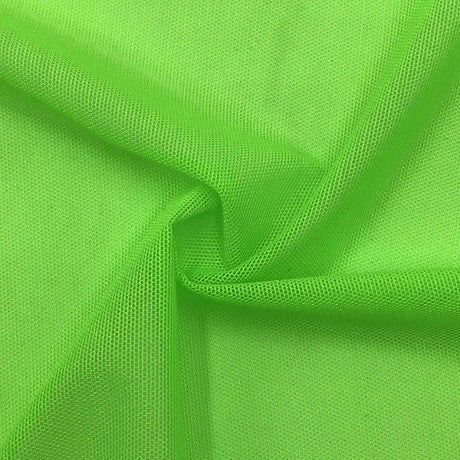
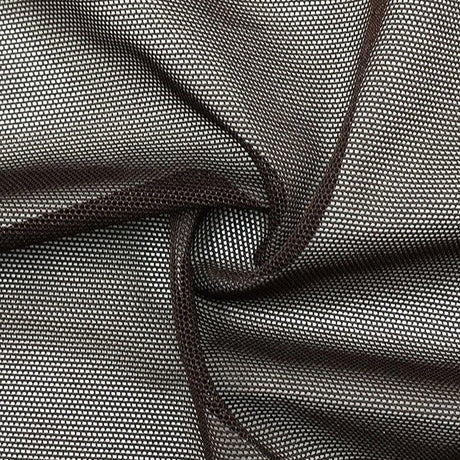
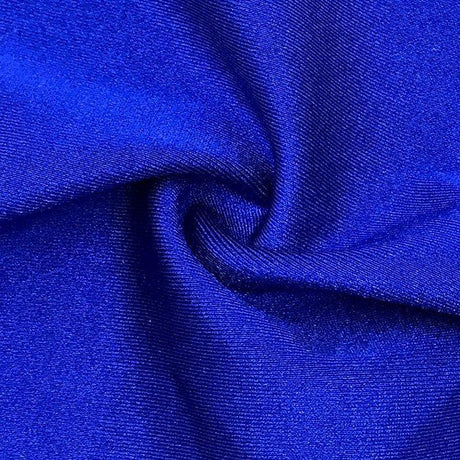
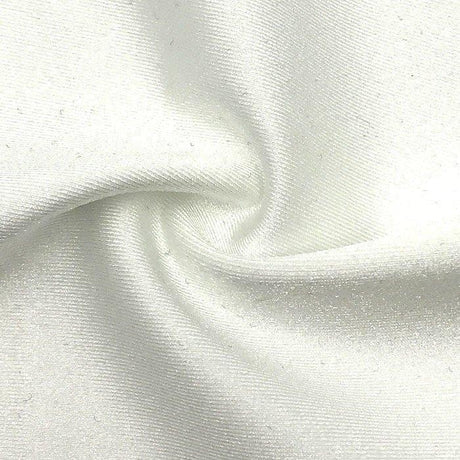
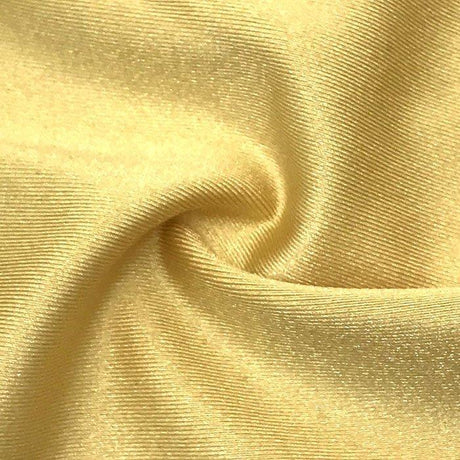
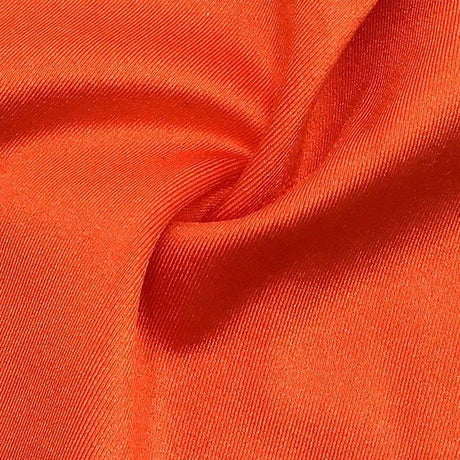
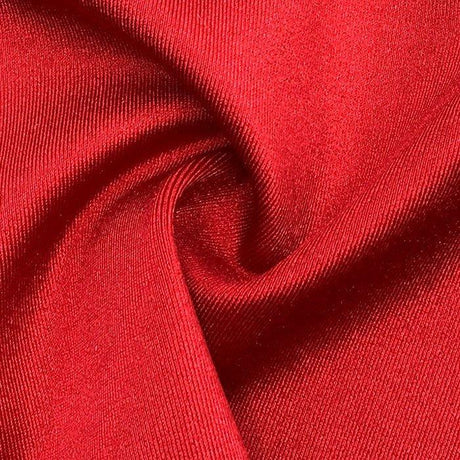
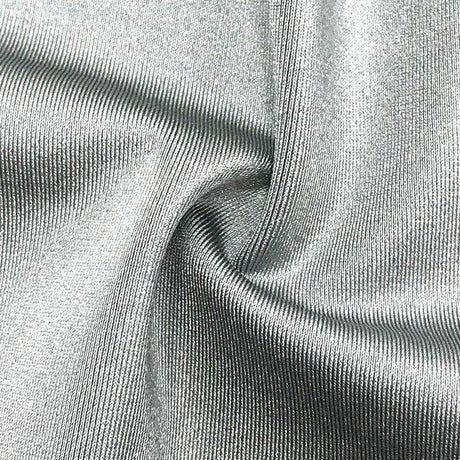
Choosing the right fabric is critical when making reusable DIY face masks for everyday public use. Not all textiles filter particles equally, and factors like breathability, washability, and fit can make or break a mask’s effectiveness. In this complete guide, we’ll compare popular materials – from cotton and polyester to nylon and spandex blends – in terms of filtration, comfort, durability, moisture control, and layering. Our focus is on non-medical cloth face masks that can be worn by the public, so you can craft a mask that is both safe and comfortable. Let’s explore which fabrics work best and how to layer them for optimal protection.

A typical reusable cloth face mask. Choosing the proper fabric (or combination of fabrics) is key to balancing filtration and comfort.
Why Fabric Choice Matters for DIY Masks
Fabric choice determines how well a homemade mask can block respiratory droplets and aerosols while remaining wearable. Key performance aspects include:
- Filtration effectiveness: How well the material captures particles (both large droplets and fine aerosols).
- Breathability: How easy it is to breathe through the fabric (pressure drop).
- Washability and durability: Whether the fabric holds up to frequent washing without losing performance.
- Fit and comfort: How the fabric feels on skin and whether it can form a snug seal (important for preventing leakage).
- Moisture control: How the fabric handles moisture from exhaled breath or sweat (absorbent vs. wicking).
- Layering potential: How fabrics can be combined in multiple layers or with filter inserts to improve protection.
A mask’s overall performance is a balance of these factors. For example, a material with high filtration but poor breathability won’t be practical, and a comfortable stretchy fabric might be easy to wear but provide less filtration on its own. As we compare cotton, polyester, nylon, and spandex-blended fabrics, keep in mind how each property contributes to a well-rounded mask design.
Filtration Effectiveness of Different Fabrics
Not all fabrics filter particles equally. Laboratory tests have shown a huge range in filtration efficiency for various common materials. For instance, one study found that a single-layer bandana filtered as little as 9% of 0.3 micron particles, whereas a good cloth mask filtered around 16–23% of those particles under test conditions. By comparison, surgical masks typically filter ~42–88% and N95 respirators over 95% of 0.3 micron particles. Clearly, cloth masks are not as efficient as medical masks, but they can still capture a meaningful portion of particles and greatly reduce the spread of droplets.
Cotton is often cited as the gold standard for cloth mask material. A tightly woven cotton (high thread count) provides a strong mechanical barrier to particles. Researchers found that 100% cotton shirt fabric filtered ~69% of 1-micron particles, and a cotton blend (cotton/polyester) shirt filtered about 74%. Even for smaller virus-sized particles (~0.02 microns, roughly the size of coronavirus aerosols), cotton fabrics in tests still captured at least 50% on average. The top performers in one Cambridge University test were a vacuum cleaner bag (95% at ~1 micron) and a dish towel (83%), but those materials are less breathable. Meanwhile, common cotton materials like T-shirts and pillowcase cotton achieved around 50–70% filtration of micron-scale particles. The takeaway is that cotton can filter reasonably well, especially at higher weave densities, though it won’t match a certified medical mask.
Synthetic fabrics like polyester and nylon generally have lower mechanical filtration when used alone (particularly if they are thin or loosely woven). However, they can contribute an electrostatic filtering effect. Fabrics such as natural silk or chiffon (a sheer polyester or polyester–nylon blend) can hold a static charge that helps trap particles. In fact, combining materials can yield much better results than any single layer: A study at Argonne National Lab found that hybrid combinations like cotton layered with natural silk or chiffon filtered out >80% of small (sub-micron) aerosols and >90% of larger (>300 nm) particles. This high efficiency is attributed to the mechanical barrier of cotton plus the electrostatic attraction of the synthetic layer. In other words, cotton catches many particles by physically blocking them, while fabrics like polyester or silk can attract and hold onto tiny particles due to static charge.
Spandex blends (Lycra) by themselves are usually not known for high filtration – spandex is a stretchy fiber often used in knit fabrics (like jersey or athletic material). A pure spandex knit is generally thin and porous for breathability during exercise. However, spandex is almost always blended with other fibers (cotton, polyester, nylon) rather than used alone. When integrated as a small percentage in a cotton or poly fabric, spandex doesn’t necessarily improve filtration (its role is to provide stretch). In one experiment, researchers tested masks made of various combinations of cotton, Lycra (spandex), and a PTFE filter membrane. Depending on the layering, filtration for 0.1–1 µm particles ranged widely from 23% up to 88%. The highest performance in that case likely came from including the PTFE filter layer, but the data shows that clever layering with spandex-blended fabrics can approach the filtration levels of surgical masks. The key is that spandex alone isn’t a great filter, but a spandex-containing fabric can be part of a multi-layer design that performs well.
No matter the fabric, more layers generally improve filtration. Adding a second or third layer gives particles more obstacles to get through. The CDC specifically recommends using multiple layers of tightly woven, breathable fabric for cloth masks. However, there are limits to layering, as we will see in the breathability section. In one test, doubling layers of a cotton T-shirt or pillowcase only improved filtration by a few percentage points, while doubling a thicker dish towel layer boosted filtration 14% (but made it as hard to breathe through as an N95). The quality of layers matters more than sheer quantity – two or three well-chosen layers (for example, high-thread-count cotton plus a non-woven filter insert) can be very effective, whereas piling on many layers of poor fabric could still perform poorly and be unwearable.
Finally, mask fit is as important as fabric for effective filtration. Even a great fabric will leak air (and particles) if the mask doesn’t seal well to your face. Researchers found that even small gaps from an improper fit can reduce filtration efficiency by over 60%. This means a modest material in a well-fitted mask can outperform a better material in a loose, gapping mask. We’ll discuss fit in detail later, but it’s worth noting here: choosing fabrics that allow a snug fit (e.g. with some stretch or moldability) can substantially improve real-world protection.
Breathability and Comfort Considerations
Breathability is the other side of the coin to filtration. Generally, the tighter a fabric’s weave or the more layers you add, the harder it becomes to breathe through. A mask that’s difficult to breathe in won’t be worn consistently, so maintaining comfort is critical. The goal is to maximize filtration while keeping breathing resistance low.
Interestingly, some of the best filtering household materials in lab tests were among the worst in breathability. For example, that high-efficiency vacuum bag material and thick dish towel mentioned earlier filtered a lot of particles but were over twice as hard to breathe through as a standard surgical mask when used in two layers. In contrast, fabrics like t-shirt cotton, pillowcase cotton, lightweight scarfs, or linen had lower filtration but were easier to breathe through than a surgical mask. The Cambridge study concluded that the best overall materials for DIY masks are those that strike a balance – medium filtration with high breathability. They picked cotton T-shirts and pillowcase cotton as top choices because these filtered roughly ~50% of small particles and were as easy to breathe through as a normal mask.
To quantify breathability, scientists measure the pressure drop across a fabric (the resistance to airflow). In practical terms, you can test at home by seeing how it feels to inhale and exhale through one or two layers of the material. A simple tip is to hold the fabric up to your mouth and breathe: if it’s very hard to draw air, that fabric (or number of layers) may be too stifling for a mask. Comfort is not just a luxury – a comfortable mask is one you can wear longer and without needing to adjust it frequently.
Materials differ in breathability: cotton is fairly breathable, especially lighter weight or knit cotton. Polyester can vary – a finely woven polyester (or poly-cotton) might actually be less breathable than cotton of similar weight, because synthetic fibers don’t wick moisture and can create a tighter barrier (some studies noted finely woven polyester crepe or high-thread-count cotton are not very breathable). Nylon in things like stocking material or athletic mesh is usually thin and breathable, but that comes with larger pore sizes (less filtration). Spandex blends used in stretchy knits (like jersey, spandex athletic wear, or yoga fabrics) are often quite breathable due to the knit structure – they tend to have more open, interlooped stitches compared to dense weaves. In fact, many people found that masks made from lightweight knit (t-shirt type) fabrics were very easy to breathe through. A sewing expert recommends using a lightweight cotton or bamboo knit with at least 50% stretch for the best breathability in a stretch mask. The stretch ensures the mask fits snugly even in a single or double layer, and the light knit means you’re not struggling for air. Keep in mind that while such a mask is comfortable, its filtration might be on the lower side – so it’s a trade-off made for ease of breathing.
Comfort also involves how the fabric feels on the skin and whether it causes irritation. Cotton is soft and generally skin-friendly (one reason it’s used in so many garments). Polyester can sometimes feel less breathable and lead to sweatiness, but modern polyester fabrics can be very smooth. Some synthetics are treated to be “moisture-wicking” which actually improves comfort (common in sportswear). We’ll talk more about moisture and comfort in a moment, but one example: a polyester/spandex athletic fabric mask can feel very soft and cool on the face and stretch to avoid pressure points, whereas a starched high-count cotton might feel stiffer on the nose and cheeks. Everyone’s preferences differ, so you might try different inner layer fabrics (a soft cotton jersey versus a crisp cotton quilting fabric, for instance) to see what you find most comfortable for extended wear.
In summary, aim for a mask design that filters well and breathes well. This usually means 2–3 layers of reasonably fine fabric rather than an excessive number of layers or very thick material. It can also mean mixing a dense layer with a lighter layer to balance protection and airflow. We’ll discuss layering strategies later, but always test your mask: you should be able to breathe comfortably through it for as long as you need to wear it. If not, consider using a slightly lighter fabric or reducing layers, because a mask that you can’t tolerate isn’t going to be effective in practice.
Washability and Durability of Fabrics
Because cloth masks are reusable, the fabric must withstand frequent washing and sanitization. Regular washing is essential to clean the mask of trapped particles, oils, and moisture and to keep it hygienic. Let’s compare how our various fabrics hold up over time:
Cotton is highly durable under washing. In fact, one study subjected cotton mask samples to 52 cycles of machine washing and drying and found no significant loss in filtration efficiency afterwards. The only notable change was a slight increase in breathing resistance (~20 Pa increase, which is modest) due to the cotton fibers fraying and “fuzzing up” a bit, which can actually help capture particles. Scanning electron microscope images showed some breakage of cotton fiber surfaces after dozens of washes, but the masks still filtered effectively. So, a well-made two-layer cotton mask can be washed many times (even in hot water) and remain functional. Cotton also tolerates high heat drying and even ironing, which can be ways to sanitize. Being a natural fiber, cotton may shrink slightly on the first wash (pre-shrinking your fabric is a good idea), but after that it’s quite stable.
Polyester and nylon are synthetic plastics, which generally means they are very durable and don’t break down easily in water. These fabrics won’t shrink and can handle many wash cycles. However, extremely high heat (like boiling water or hot ironing) can deform or melt pure synthetics. In practice, normal machine washing (warm or cool water) is fine for poly/nylon. One consideration: repeated washing might reduce any static charge benefits unless the fabric is rubbed to recharge it. Also, if a synthetic fabric has special coatings (antimicrobial treatment, DWR coating, etc.), those can wear off after multiple washes. But standard polyester or nylon cloth will physically hold up for a long time. They also dry quickly due to low water absorption.
Spandex (elastane) is a bit more sensitive. Spandex fibers don’t like high temperatures or harsh chemicals. Hot water, high-heat drying, or bleach can degrade the elastic properties over time. For example, a spandex fabric supplier suggests using cold water and mild detergent, and avoiding chlorine bleach, to extend the life of high-spandex fabrics. Spandex can lose its stretch and become brittle if repeatedly exposed to heat above about 60°C (140°F) or to chlorine bleach. Therefore, if your mask has a high spandex content (like a stretchy ear loop or a whole mask made of a spandex blend), it’s wise to wash it in cool or warm water rather than boiling. Air drying is gentler on elastic than a hot dryer (though a brief low-heat dry is usually okay). Despite these cautions, spandex-blended fabrics can still be washed routinely – just treat them like you would athletic wear or swimwear, with a bit more care. Anecdotally, many users have washed their cotton/spandex or poly/spandex fabric masks dozens of times with only minimal loss of elasticity.
It’s also worth noting that reusable cloth masks are a sustainable option compared to disposables. Cotton in particular is biodegradable, and using a washable mask helps reduce waste. Just ensure you have a washing routine: a mask should be washed after each day of use (or more often if it becomes saturated). A gentle cycle with regular detergent is effective at cleaning and removing pathogens. If you use a spandex-rich fabric, avoid extremely hot water; for cotton or sturdier fabrics, hot water can be used if desired. The good news is studies have found that even after many washes, well-made cloth masks continue to perform, so you can focus on making a mask that you love and know it will last.
Fit and Stretch: Achieving a Snug Mask
A critical aspect of any face mask is how well it fits the contours of your face. Gaps around the edges or nose can let unfiltered air leak in or out, greatly reducing the mask’s effectiveness. This is where fabric choice can influence fit and comfort.
Stretchy fabrics (spandex blends) shine when it comes to fit. A mask made from a stretch knit fabric can snugly conform to the face without being uncomfortable, reducing gaps. Woven cotton by itself has no give, so many cotton mask patterns include pleats, darts, or adjustable ties to achieve a good seal. In contrast, a mask cut from a four-way stretch material can wrap around the face, adapting to different shapes and movements. For example, a pattern for a stretchy mask made of cotton knit fabric notes that the stretch allows one size to fit various face sizes because it gently clings to the face. If you smile or talk, a stretchy mask will move with you more than a rigid fabric would. This can maintain a tight seal along the cheeks and nose where leaks often occur.
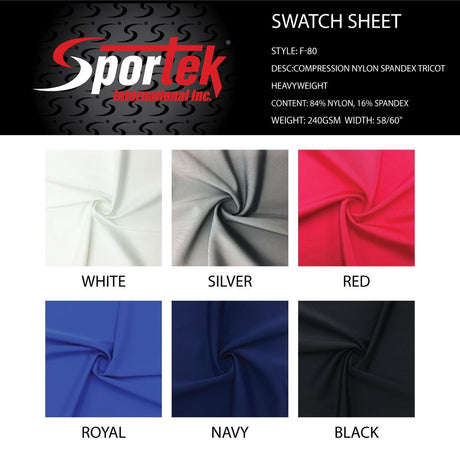
A popular hybrid approach is to use spandex or elastic only for certain parts of the mask, such as the ear loops or head straps, rather than the whole mask body. Most ear loop elastics are made of a rubber or spandex core that provides the needed stretch. If traditional 1/4″ elastic is unavailable or uncomfortable, you can make DIY straps: one solution is cutting binding strips from a high-spandex fabric (like a nylon/spandex tricot) to use as ear loops or ties. These fabric strips curl into a round cord and act like elastic bands. They tend to be very soft on the ears compared to braided elastic, alleviating the problem of ear pain from prolonged mask use. Using fabric ties around the head (instead of ear loops) is another way to improve fit and is often more secure, though less convenient to put on.
Beyond ear loops, spandex-blended fabrics in the mask panel can improve fit around tricky areas like the nose and chin. Stretch fabrics will “recover” (spring back) to hug the under-chin area or the bridge of the nose, whereas a non-stretch might stand away if not perfectly cut. That said, even with stretch fabric, it’s important to have a good pattern. Test your mask for gaps by cupping your hands around the edges and feeling for escaping air when you breathe. A flexible wire at the nose (in a casing or between fabric layers) is often added to any mask type to help mold it to the face.
One caution with stretchy masks: if the material is very elastic, it might tend to pull the mask tight against the face in a way that could be uncomfortable on the nose or could collapse slightly when inhaling. The fabric choice and pattern should balance stretch with structure. Some designs use a combination – e.g., a center panel of cotton for filtering with stretchy side panels or trim to create a good seal.
It’s also worth mentioning a creative hack involving nylon stockings: Researchers have found that placing a sleeve of nylon pantyhose material over a cloth mask can dramatically improve fit by pressing the mask edges tight to the face, boosting filtration efficiency. This is not exactly comfortable or visually appealing for everyday use, but it underscores how crucial eliminating gaps is. For most people, simply choosing a well-shaped mask and perhaps incorporating some stretch material will be enough to ensure a snug, gap-free fit without resorting to nylon overlays.
In summary, fabrics with spandex (or any stretch) offer a big advantage in achieving a secure fit, which in turn raises the mask’s effective filtration. The trade-off, as we will explore next, is that those same fabrics might not filter as well per layer as a sturdy cotton – so the optimal design often uses stretch strategically (for fit and comfort) combined with effective filtering layers.
Moisture Control and Wicking
When you wear a mask, it inevitably gets exposed to moisture – from your breath (humidity, droplets) and from external conditions (like rain or sweat). How the fabric handles moisture can affect both comfort and filtration.
Cotton is a hydrophilic fiber, meaning it loves water and readily absorbs it. This means a cotton mask will soak up moisture from your exhaled breath. The upside is that this can increase filtration performance: as cotton fibers get damp, they swell slightly and the moist environment can cause tiny aerosol particles to grow larger and stick to fibers more easily. A recent NIST study showed that at the high humidity levels of breath, cotton fabrics filtered on average 33% more effectively than in dry conditions. In other words, a bit of breath humidity improves a cotton mask’s capture of particles. (Synthetic fabrics, on the other hand, saw no improvement in filtration under humid conditions – they filtered the same dry or wet.) This is a fascinating benefit of cotton: your mask may actually work better after you’ve been wearing it for a few minutes, as it becomes slightly humidified by your breath. Importantly, the NIST researchers also found that this level of humidity did not make it harder to breathe through cotton – breathability remained the same.
However, there’s a limit to how much moisture is good. The study noted that a two-layer cotton flannel absorbed only about 150 milligrams of water from breath over time (just a drop or two of liquid) to achieve that improved filtration. If a mask becomes saturated (for instance, if you’re caught in the rain, or you wear it during heavy exercise and it gets very sweaty), it can become difficult to breathe and less effective. A soaked mask can also transfer moisture (and any contained pathogens) more readily. So the CDC advises replacing a mask if it gets wet to the point of saturation. For everyday use like running errands or moderate activity, a cotton mask will usually stay only mildly damp at most, which is fine.
Polyester and nylon are hydrophobic – they do not absorb water into their fibers. Instead, moisture tends to stay on the surface or pass through. This means a synthetic outer layer can help repel external droplets (like someone else’s cough spray) acting as a shield. Many designs use a polyester or nylon as the outer layer for this reason: it keeps liquid droplets from immediately soaking into the mask. On the inside of the mask, however, hydrophobic fabric can feel damp or clammy because it won’t absorb your sweat or breath droplets. To address this, fabric technologists developed “wicking” polyester blends (often used in sports jerseys) that have special knit structures or finishes. These don’t absorb moisture like cotton, but they can channel it along the fiber surface and evaporate it quickly. A wicking inner layer can pull humidity away from your face, keeping you feeling drier. Some mask makers recommend a moisture-wicking knit for the inner layer for comfort. For example, a thin polyester-spandex athletic fabric with a wicking treatment can serve as a comfortable inner lining that moves moisture outward, where it can evaporate through a more absorbent outer layer or into the air.
Spandex itself doesn’t absorb moisture (it’s a type of polyurethane). But since spandex is always blended, the moisture behavior depends on the other fibers in the fabric. A cotton-spandex jersey will behave mostly like cotton (absorbent), whereas a nylon-spandex or poly-spandex knit will behave more like synthetic (non-absorbent). The key point with spandex in masks is to avoid trapping moisture. Because spandex fabrics are often tight knit and form-fitting, if used as an inner layer they should ideally have some wicking ability or be thin enough to not hold lots of moisture against the skin.
The layering order of fabrics can be chosen to optimize moisture control. A commonly recommended configuration (including by the WHO) for a three-layer mask is: - Inner layer: Absorbent material (e.g., cotton) to soak up exhaled droplets and sweat. - Middle layer: Filter material (e.g., non-woven polypropylene) to trap particles. - Outer layer: Hydrophobic material (e.g., polyester or polyester-cotton blend) to fend off external moisture.
This way, your breath’s moisture is absorbed rather than pooling, and any splashes from outside are resisted by the outer layer. One manufacturer of stretch fabrics similarly advises using a hydrophobic fabric like polyester or nylon for the outer layer, positioned so that inner moisture can ideally wick outward and evaporate. They caution against using fully waterproof fabrics for the whole mask – while it would block droplets, it would also trap all humidity inside and get uncomfortable fast. The goal is a breathable barrier, not a raincoat on your face.
In summary, cotton’s moisture-handling is a double-edged sword – a little humidity boosts its filtration, but too much wetness is problematic. Polyester and spandex blends won’t get wet as easily, which can keep the mask lighter and drier, but they also don’t get that humidity-related filtration boost. Many DIY designs try to get the best of both worlds by mixing these fabrics in different layers. As a maker, consider an absorbent inner layer if you find your mask gets damp inside, or try a wicking fabric to stay cool. Just remember to swap out your mask for a fresh one if it becomes wet to the point of being soaked. Regular washing will also help remove any residues (salts from sweat, etc.) that could affect fabric performance over time.
Layering Strategies for Homemade Masks
Layering is one of the most effective ways to improve a DIY mask. Each layer of fabric adds an additional hurdle for particles to get through, and different materials in combination can address each other’s weaknesses. Here are some layering strategies and tips:
- Use at least two layers of fabric. A single-layer mask is generally not sufficient for good filtration. Adding a second layer can significantly increase capture of particles (even if, as some tests showed, the gain is small for very breathable cotton, it’s still an improvement). Most DIY cloth mask patterns call for 2 or 3 layers. The CDC recommends multiple layers of tightly woven fabric for cloth masks.
- Mix different fabrics in layers. As discussed, hybrid combinations like cotton + silk or cotton + chiffon perform better than either alone. You can apply this by, for example, using cotton for one layer and a polyester or nylon sheer for another. The cotton provides a good base filtration and absorbs moisture, while the synthetic can add electrostatic filtering and repel droplets. Another common combo is a cotton layer outside and a non-woven polypropylene layer inside (or sandwiched in the middle). Polypropylene, the material of many reusable shopping bags or vacuum cleaner bags, carries an electrostatic charge and is a great filter. It’s also quite breathable and washable (melt-blown polypropylene filters in surgical masks aren’t washable, but spunbond polypropylene fabric can be reused to an extent). You can sew a layer of spunbond polypropylene (from a new, clean tote bag or specialty fabric) into your mask, or create a pocket to insert a piece.
- Incorporate filter inserts. If you sew a mask with a pocket, you can insert disposable filter media when extra protection is needed. Common filter inserts include PM2.5 activated carbon filters (commercially sold for masks), cut pieces of vacuum cleaner bags (make sure they don’t contain fiberglass), HVAC or HEPA filter material, or even coffee filters or paper towels in a pinch. These can raise filtration close to N95 territory in some cases, but be mindful that they also make breathing harder. If using a high-efficiency insert, it’s best to use it for shorter durations or when really necessary, and remove it for easier breathing at other times. The advantage of a filter pocket is flexibility: you can wear the mask with just its cloth layers for everyday comfort, and add a filter for higher-risk situations.
- Double masking as layering. Another approach that became popular is wearing a disposable surgical mask with a cloth mask on top (or two masks of different materials). Research showed that a tight-fitting cloth mask over a surgical mask can improve overall filtration by improving fit and adding layers. Essentially, the surgical mask provides good filter media, and the cloth mask presses it closer to the face and plugs gaps. The CDC endorsed double-masking (specifically, a cloth mask over a medical procedure mask) as a way to boost protection in early 2021. If you don’t want to sew filters into your masks, double-masking is an effective alternative layering strategy. Just ensure you can still breathe easily and that the masks together don’t cause too much heat buildup.
- Avoid excessive layers. More is not always better if it makes the mask too thick. As noted, beyond 3 layers, you often hit diminishing returns in filtration but significant gains in breathing resistance. A study noted that layering multiple masks or many fabric layers can improve filtration to even approach an N95, but the breathability of such a combination becomes “unsuitable” for regular use. So, aim for quality layers rather than sheer quantity. A well-designed 2-layer mask (especially with a filter insert) can outperform a poorly-made 4-layer mask that leaks or suffocates the wearer.
- Secure the layers together properly. If sewing, stitch the layers so they lay flat without gaps between them. If you’re inserting filters, make sure the filter lies smooth and covers as much of the mask area as possible (cut to shape, if you can). A crumpled insert or one that is much smaller than the mask won’t be as effective. Also, replace filter inserts regularly (they are usually not washable). If using reusable filter fabric, take it out and wash/clean it per guidelines.
In practice, a common DIY mask design that hits a good balance is: two layers of quilting cotton (high thread count), plus a pocket for an optional filter. The two cotton layers by themselves give decent filtration (maybe 50-60% of small aerosols) and good breathability, and adding a filter when needed can raise that filtration closer to 90% (depending on the filter material). If you want stretch and a better fit, you might do one layer cotton, one layer poly-spandex knit (for stretch and comfort) – just recognize that the knit layer is more porous so consider an added filter or third layer. Experimentation is part of the DIY process: you can try combinations like cotton outer + non-woven interlining + spandex knit inner, or polyester outer + cotton inner, etc., to see which gives you the best mix of protection and wearability.
Comparing Common Mask Fabrics: Pros and Cons
Let’s break down the strengths and limitations of the four types of fabrics in focus – cotton, polyester, nylon, and spandex blends – particularly for their roles in DIY face masks:
Cotton Fabrics (100% Cotton)
Pros: Cotton is widely recommended for cloth masks. It has good filtration for a fabric (especially high-thread-count or twill/weave cotton) thanks to its fine fibers and weaves. It’s breathable (particularly in light/medium weights), and it’s highly washable – you can wash in hot water, tumble dry, and even iron it with minimal degradation. Cotton is also skin-friendly and comfortable, and it absorbs moisture which helps contain your respiratory droplets inside the mask (and even enhances filtration when slightly humid). It’s biodegradable and cheap, plus easy to sew.
Cons: Cotton has no stretch, so a pure cotton mask must be carefully designed to fit well (including features like pleats or nose wires). If not, gaps can reduce its effectiveness. It also absorbs moisture which, if excessive, can make the mask feel damp and could harbor microbial growth until washed. A wet cotton mask also becomes harder to breathe through. Cotton can lose some strength when wet (though not usually an issue in masks) and can shrink if not pre-washed. Another point: the filtration of cotton depends greatly on weave/tightness – a loose woven fabric (like cheesecloth or lightweight muslin) may filter poorly, so not all cotton is equal. Always choose a densely woven cotton for mask making (hold it up to light – minimal light showing through is a good sign, as long as you can still breathe through it).
Best use in masks: As primary filtering layers. For example, two layers of quilting cotton make a solid mask. Cotton is excellent for inner layers (comfortable against skin and absorbent). It can also serve as the outer layer if you don’t have a specific water-resistant layer, or you can do cotton both inner and outer. If you need a bit of stretch in a cotton mask, consider fabrics like cotton jersey or cotton knit (T-shirt fabric) which have some natural give or a small percentage of spandex. Overall, cotton is an essential component in many DIY mask designs due to its well-rounded properties.
Polyester Fabrics
Pros: Polyester is durable, washable, and hydrophobic (repels water). An outer layer of polyester (like from a poly blend fabric) can help keep external moisture out. Polyester can be finely woven – think of high thread-count poly-cotton blends or even things like microfiber – which can provide a decent physical barrier. It also can hold an electrostatic charge (especially if you rub it or use multiple layers), which can boost filtration of small particles. Polyester doesn’t shrink and dries quickly. It’s widely available (old polyester curtains, tablecloths, or clothes can be repurposed for masks). Some poly fabrics (e.g., chiffon, organza) are thin and can be layered without too much bulk, adding an electrostatic filter effect as shown in studies.
Cons: By itself, polyester may not filter as well as cotton of similar weight. The fibers are often smoother and can let very fine particles slip through unless multiple layers or static charge are involved. If tightly woven to improve filtration, it can become less breathable than cotton. For instance, certain polyester fabrics were noted to be not very breathable compared to cotton or silk in some tests. Polyester can also feel less comfortable if directly against the skin – it might cause sweating since it doesn’t absorb moisture (unless it’s a special wicking type). Also, if using repurposed polyester, ensure it’s not coated with anything irritating. A minor point: you can’t iron polyester at high heat (it can melt), so sanitizing via ironing must be done carefully (low heat or with a pressing cloth).
Best use in masks: As an outer layer to provide structure and water resistance. Many makers use a poly/cotton blend fabric as the outer shell – it has a tighter weave and a bit of both fiber types’ advantages. Also, sheer polyester fabrics like chiffon can be used as an inner layer on top of cotton to add electrostatic trapping. If you have non-woven polypropylene (which is a cousin of polyester) that’s ideal for a filter layer, but pure polyester woven can work in multiple layers too. Another use: some polyester knits with spandex (swimwear, athletic fabric) can serve as comfortable inner layers that also contribute stretch. Just remember to include at least one layer that provides strong mechanical filtration (cotton or a filter) if using a poly knit, because those knits alone (like a single gaiter made of thin poly-spandex) have shown relatively low filtration. In combination, polyester is a great team player in mask construction.
Nylon Fabrics
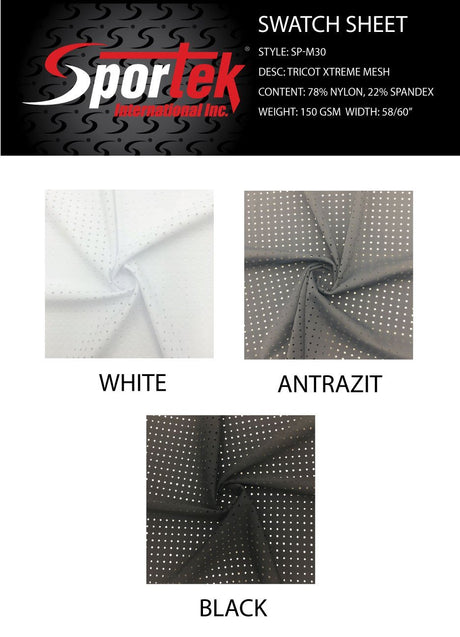
Pros: Nylon is another synthetic with properties similar to polyester, but it’s often found in slightly different forms. One notable use of nylon in masks has been nylon stocking material: a study found that a layer of nylon hosiery over a mask can improve fit and filtration dramatically by eliminating edge leakage. Nylon can also carry static charge, so layers of nylon (like nylon organza or tulle) have been tested as filter layers. It’s strong and stretchy (think of ripstop nylon or spandex-containing nylon fabrics), making it durable through washes. It’s hydrophobic like polyester, so it doesn’t absorb moisture.
Cons: Plain nylon (like a single pantyhose layer) isn’t a great filter by itself; its main benefit in masks is as a supporting player for fit or static charge. Woven nylon fabrics (e.g., ripstop nylon) can be too windproof – meaning not very breathable – if they are the outdoor gear type. On the other hand, very thin nylon sheer is breathable but filters poorly alone. So choosing the right nylon is important. Also, like other synthetics, nylon can be uncomfortable against skin for some people and can build up heat since it doesn’t absorb sweat.
Best use in masks: Improving fit and sealing edges (using a nylon layer over the mask, or a nylon/spandex blend for the mask itself as discussed in spandex section). Also, nylon could serve as an outer layer – for instance, some people used two layers of cotton and then laminated a layer of nylon chiffon on the outside for added filtering. If you have nylon tulle or chiffon, you can test it layered with cotton. Another niche use: some masks include a nylon filter layer (there are commercial filter inserts made of melt-blown nylon nanofiber mat, for example). If you happen to have materials like non-woven nylon from industrial filters, those could work as inserts. In DIY practice, nylon is not as commonly used as cotton or poly, but don’t overlook the value of an old nylon stocking to tighten up a mask’s fit if needed!
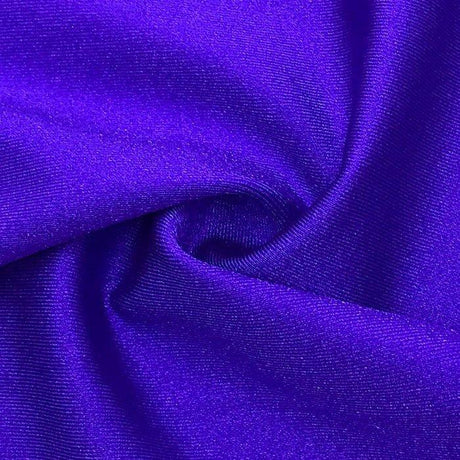
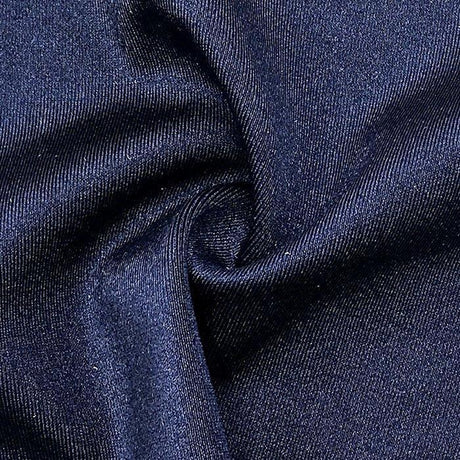
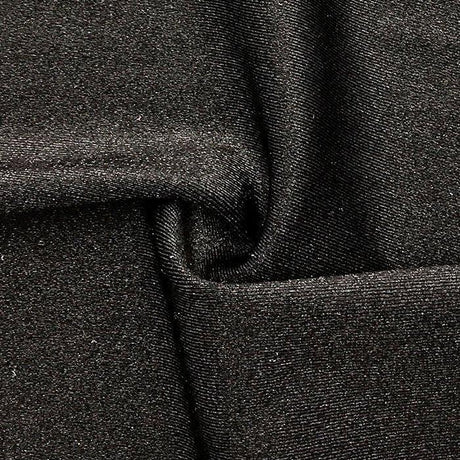
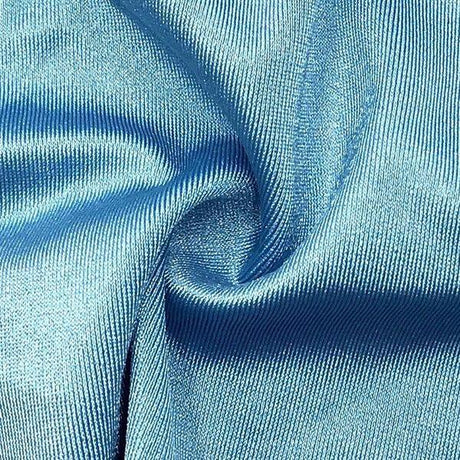
Spandex-Blended Fabrics (Stretchy Knits)
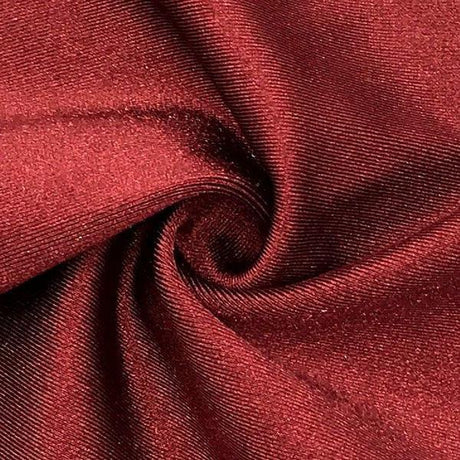
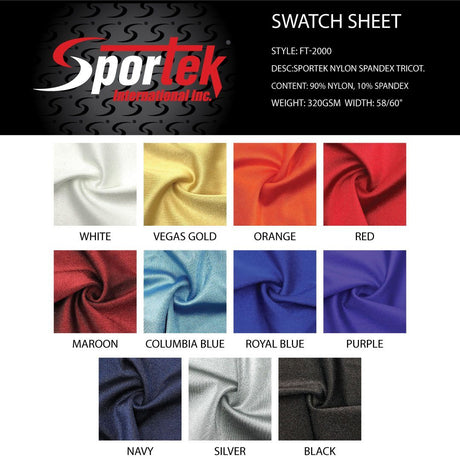
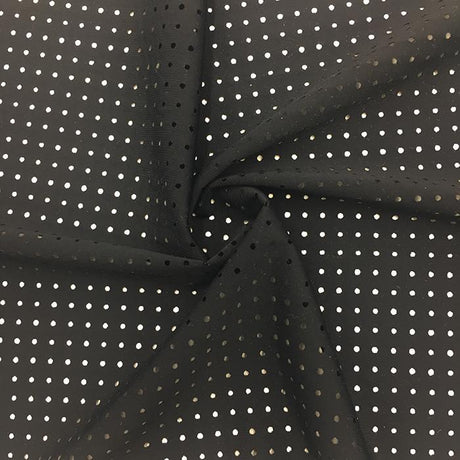
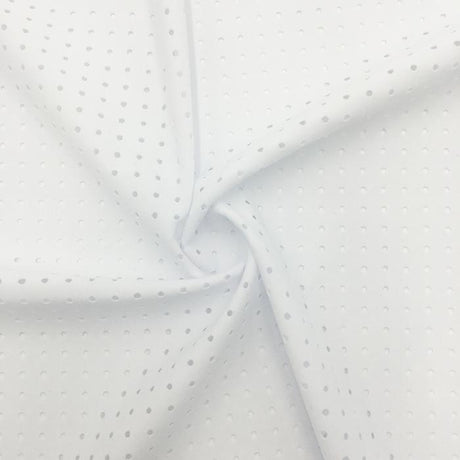
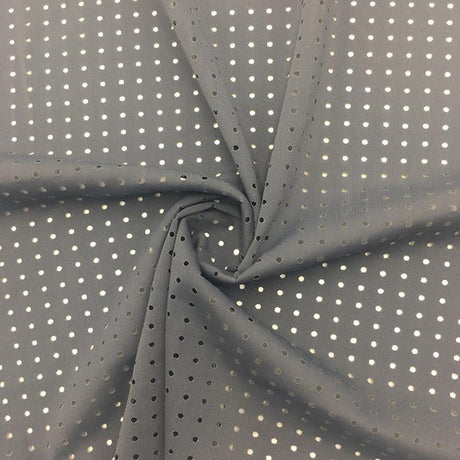
Spandex (also known by brand names like Lycra or elastane) is almost always used in combination with other fibers. Common examples relevant to masks: cotton/spandex jersey (like t-shirt or leggings fabric), polyester/spandex athletic knit, nylon/spandex swim fabric, etc. These fabrics are knit constructions with a certain percentage (often 5–20%) of spandex fibers to provide stretch.
Pros: The big advantage is stretch and recovery, which yields superior fit and comfort. A mask made partially or wholly of a spandex blend can fit more faces and maintain a secure seal even as you move your jaw. Stretch fabrics also prevent the mask from being overly tight; they distribute tension evenly and avoid that feeling of a mask cutting into your skin. Many people find a well-made spandex-blend mask is so comfortable they forget they’re wearing it. Additionally, spandex blends are usually wrinkle-free and form-fitting, giving a sleeker look (purely aesthetic, but some appreciate that). They are durable in terms of not tearing, and if handled properly (gentle washing), they last a long time. A spandex blend will also often have a soft, smooth texture which can reduce skin irritation.
Cons: The primary drawback is filtration efficiency. Most spandex-blend fabrics are knits with larger pore sizes than a tight cotton weave. For example, a two-layer cotton/spandex jersey mask (the type some might make from T-shirt fabric) might be very breathable and comfortable, but it could potentially only filter a modest portion of aerosols – likely on the lower end compared to dense cotton. One source indicated that even after adding multiple layers, cloth masks with cotton+Lycra didn’t exceed ~23% efficiency for sub-micron particles unless a special filter layer was included. This highlights that spandex fabrics typically need to be combined with a strong filter layer to achieve high filtration. Another con: spandex can degrade with high heat, as mentioned, so disinfecting by boiling or ironing is not suitable – you must stick to washing. Also, very stretchy masks can potentially pull inward when you breathe (especially if thin fabric), touching your lips and nose, which some wearers dislike. This can be mitigated by choosing a slightly thicker or less stretchy fabric for the center panel, or a design that keeps the fabric slightly off the mouth.
Best use in masks: Spandex blends are best used for improving fit and comfort, paired with good filter layers. For instance, you might make a 3-layer mask where the inner layer is a poly-spandex wicking knit (soft and stretchy against the face), the middle layer is a non-woven filter or high-thread-count cotton, and the outer layer is a stable woven or another stretch fabric. This way, you get the benefit of stretch on the edges and comfort on the skin, but you still have a solid filter in place. Another great use is for ear loops or ties, as we discussed – cutting strips from a spandex material can yield stretchy ties that are soft and strong. Some people have even made entire masks from athletic spandex material (like those one-piece face coverings). These can work for general public use, but if you go that route, consider making it two-ply and perhaps insert a filter pocket, because a single thin layer won’t filter much. Remember, fit vs. filtration is a trade-off with spandex: you gain on the fit, but you should compensate for filtration by adding layers or filter inserts. When done right, a spandex-blend mask can be one of the most comfortable options that still provides respectable protection.
Conclusion
So, what is the best fabric for a DIY face mask? The answer is often a combination of materials. Each fabric type has strengths: cotton for solid filtration and robustness, polyester/nylon for water-resistant and electrostatic properties, and spandex blends for superb fit and comfort. The ideal homemade mask leverages these strengths – for example, a mask with a high-thread-count cotton layer, a filter insert (like polypropylene), and a smooth spandex blend inner layer might tick all the boxes: good filtration, breathability, secure fit, and comfort.
For most makers and sewists, tightly woven cotton (like quilting cotton or cotton sheet fabric) will be the cornerstone of a reliable mask. From there, you can enhance it by adding layers: perhaps an outer poly layer to repel moisture, or a sewn-in filter material. If maximum filtration is needed, include a non-woven filter or double-mask with a surgical mask. If maximum comfort is the goal (for instance, for kids or long shifts at work), incorporate spandex for stretch or use a softer cotton knit inner layer, but keep at least two layers and consider a filter for safety.
In summary, no single fabric is “best” in every category, but cotton comes close for general use due to its balance of filtration, breathability, and washability. Polyester and nylon can’t be ignored for their special abilities (especially in layered designs), and spandex-blends can dramatically improve fit which is crucial for real-world efficacy. By understanding these properties, you can design a DIY face mask that is well-suited to your needs – whether that’s maximum protection, all-day comfort, or a smart blend of both.
Key takeaways: Use multiple layers of quality fabric, ensure a snug fit (stretch fabrics or proper design to avoid gaps), and don’t forget regular washing. A well-made cloth mask, using the right fabrics, can be a safe, reusable, and comfortable tool to protect yourself and those around you. Happy mask making, and stay safe!