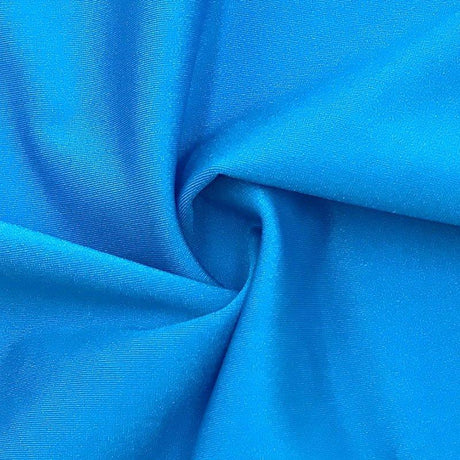
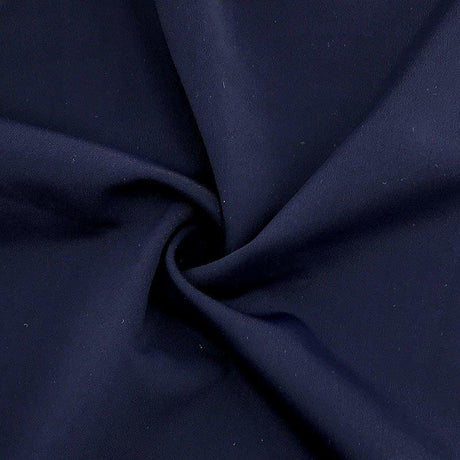
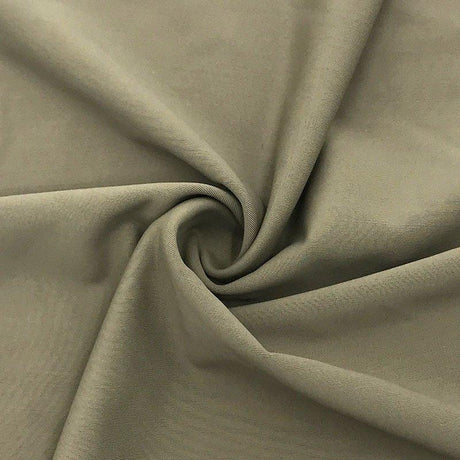
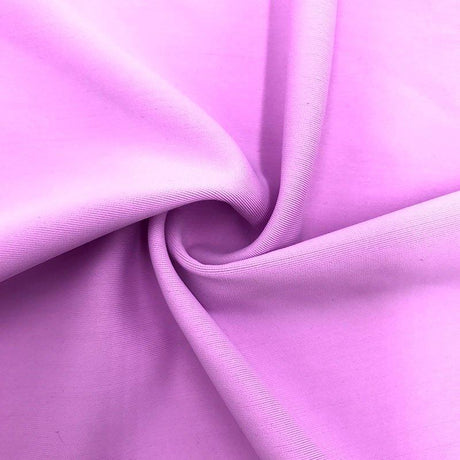
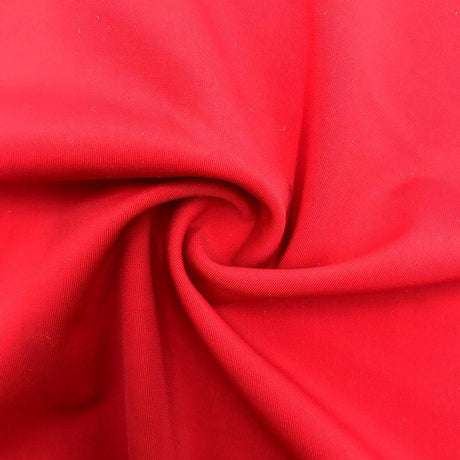
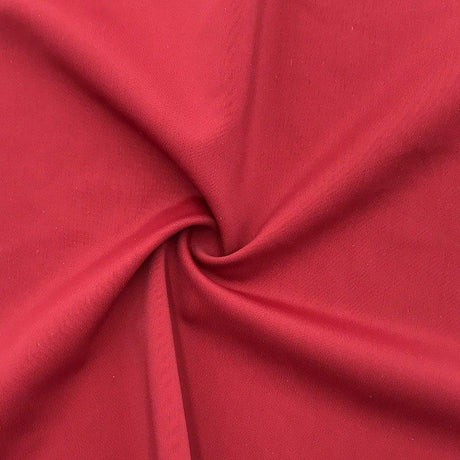
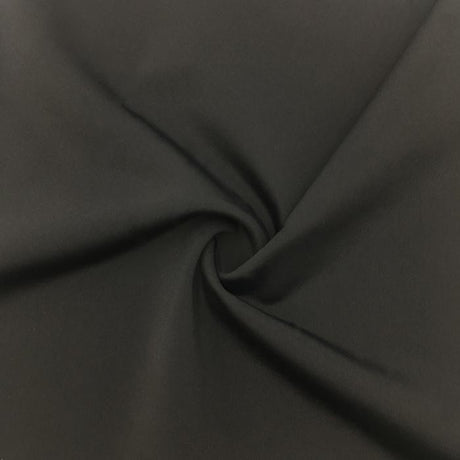
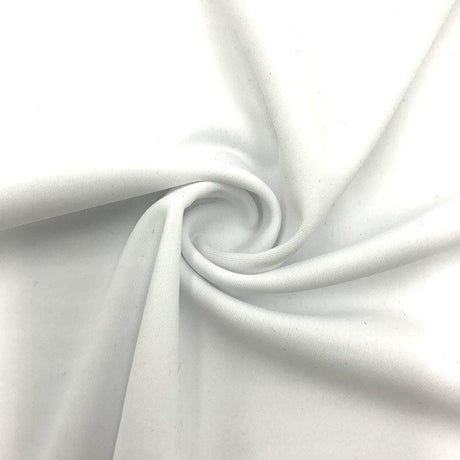
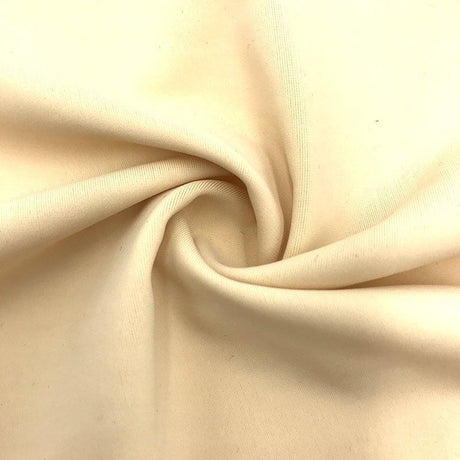
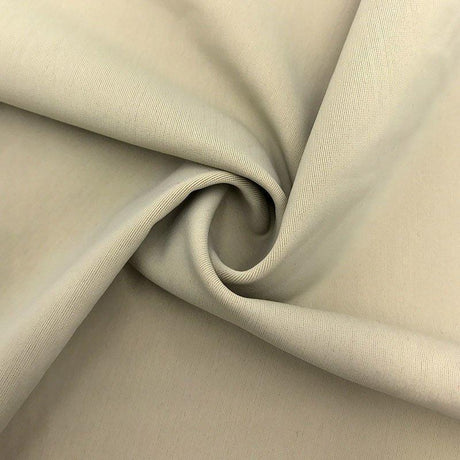
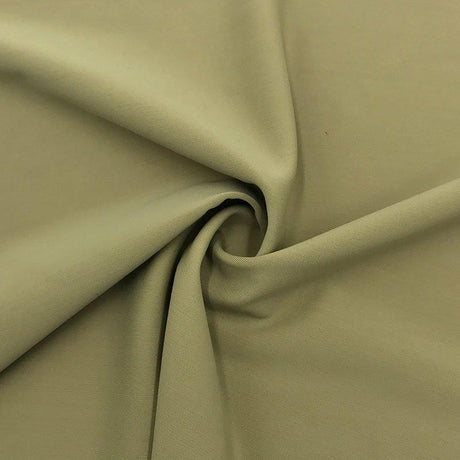
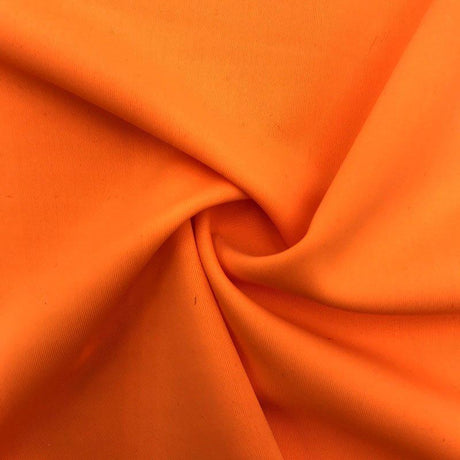
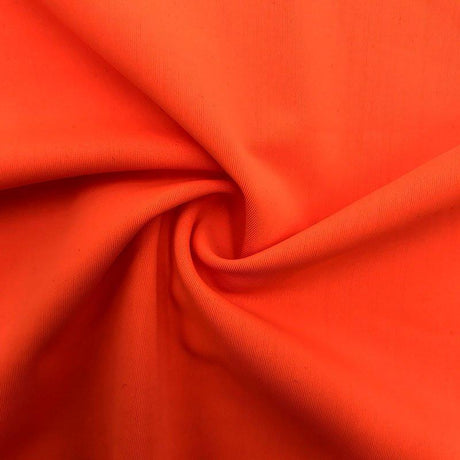
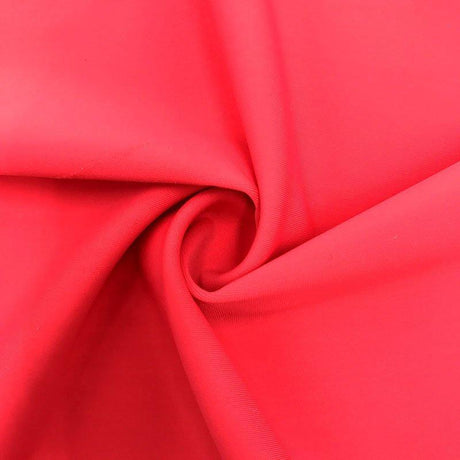
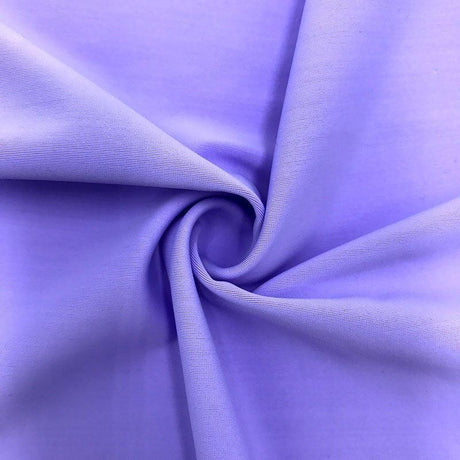
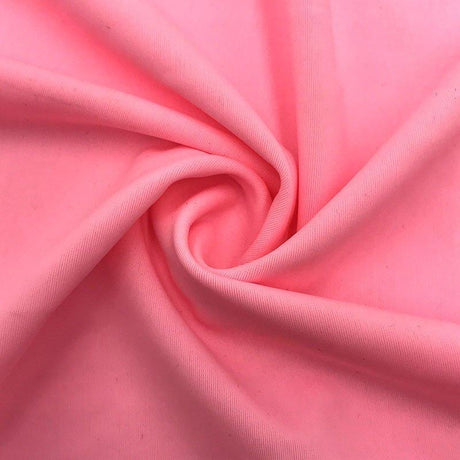
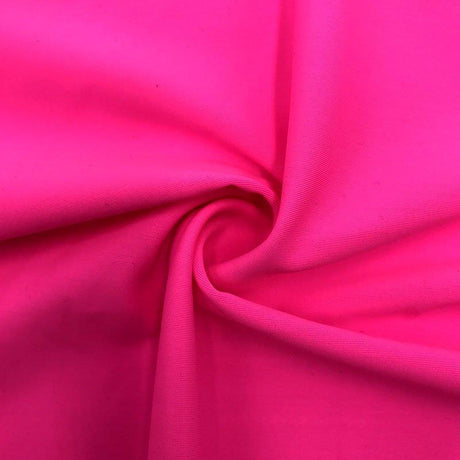
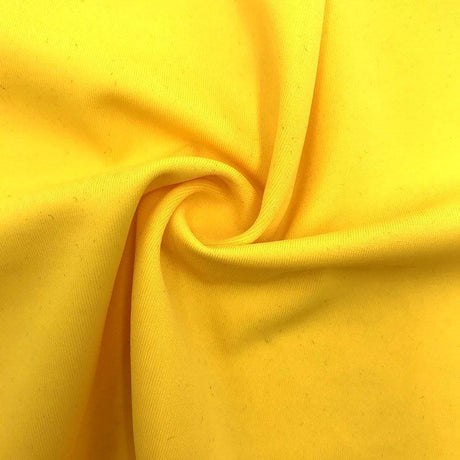
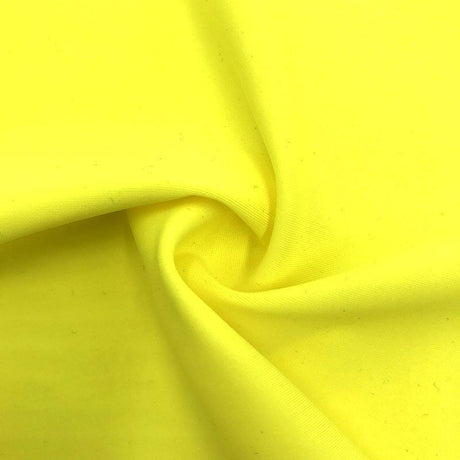
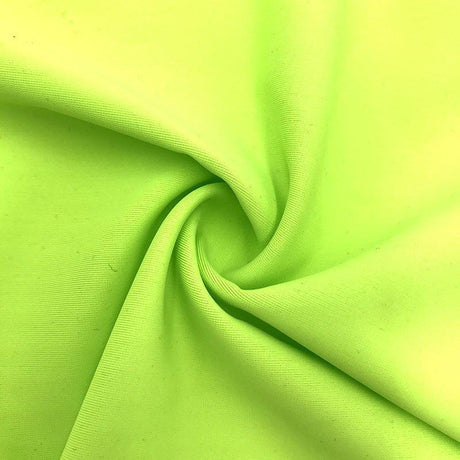
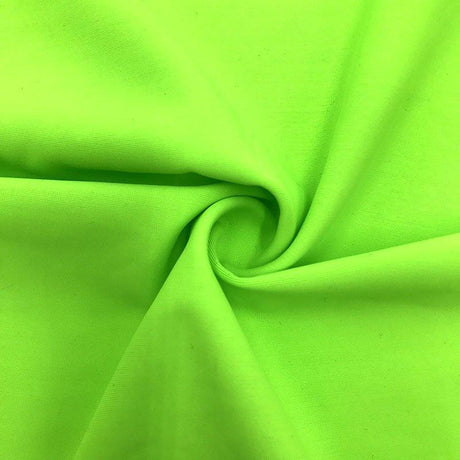
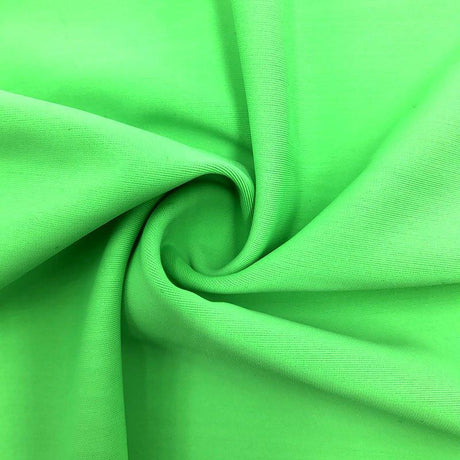
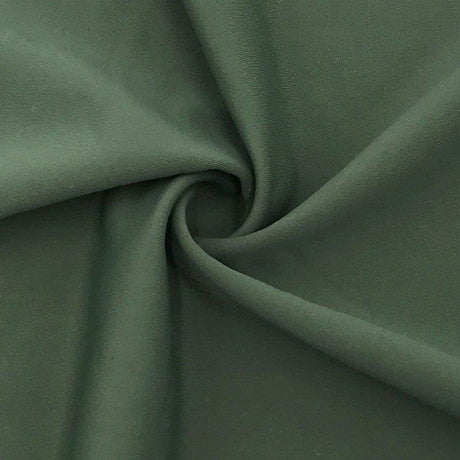
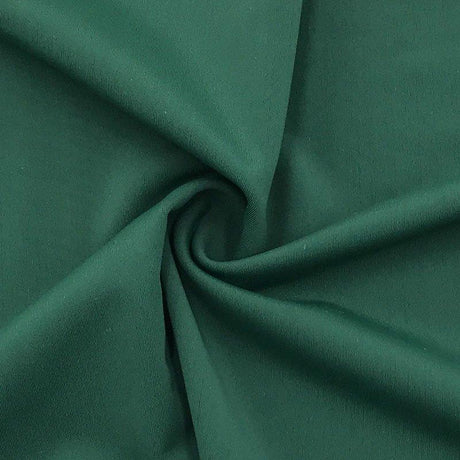
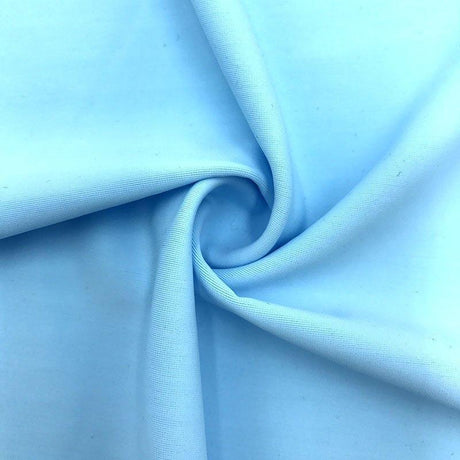
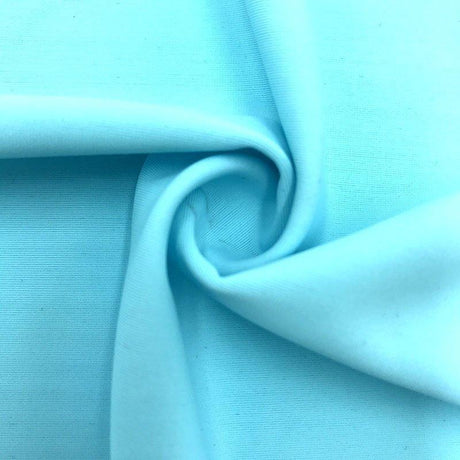
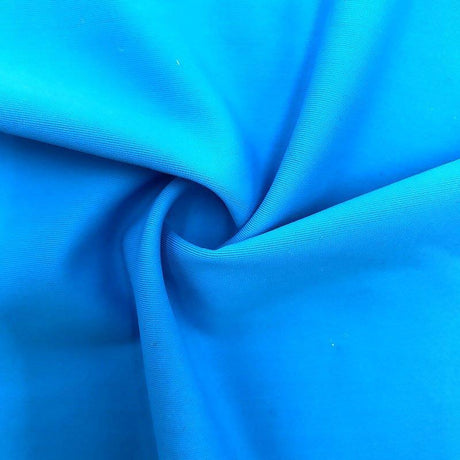
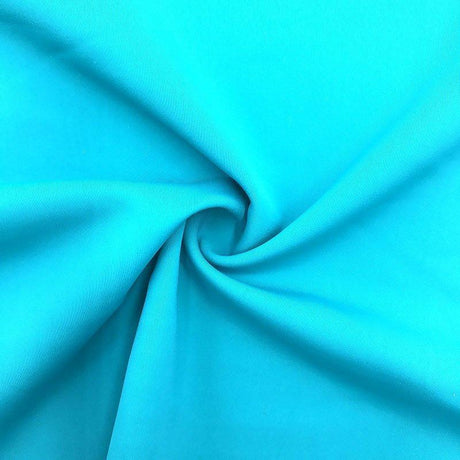
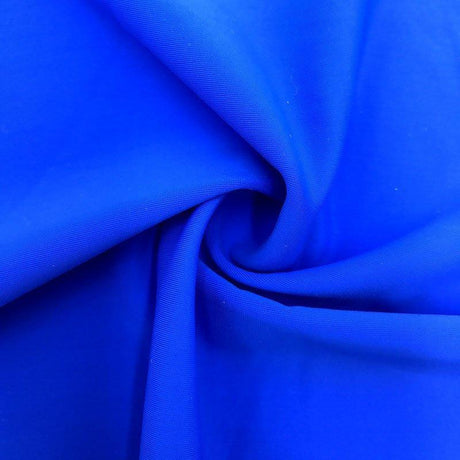
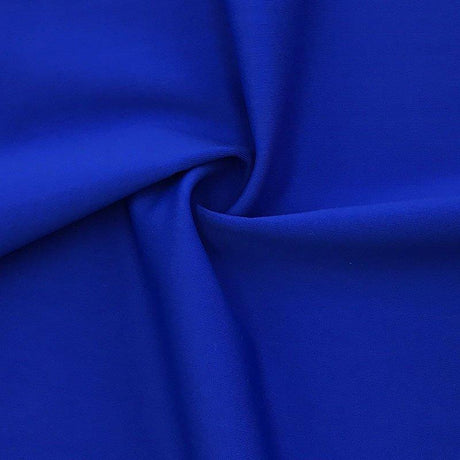
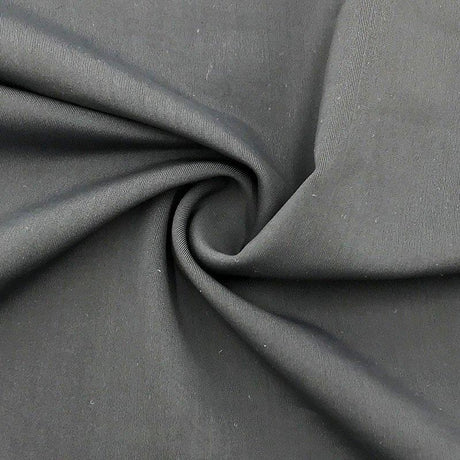
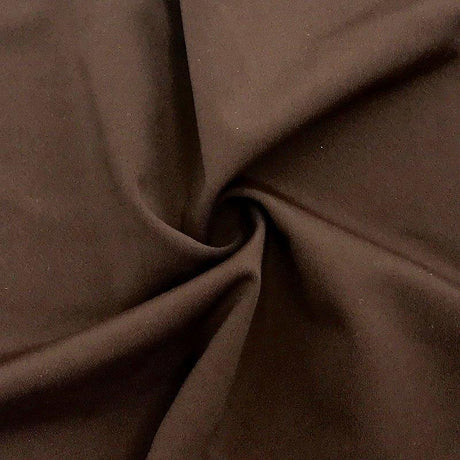
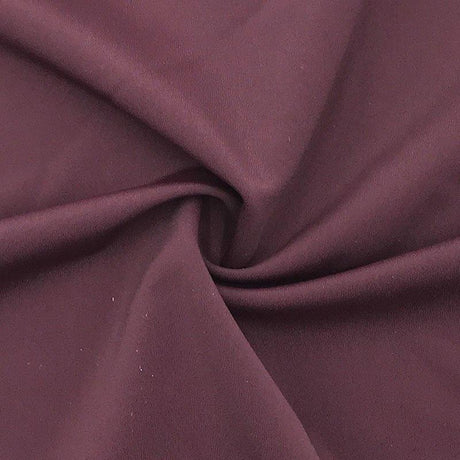
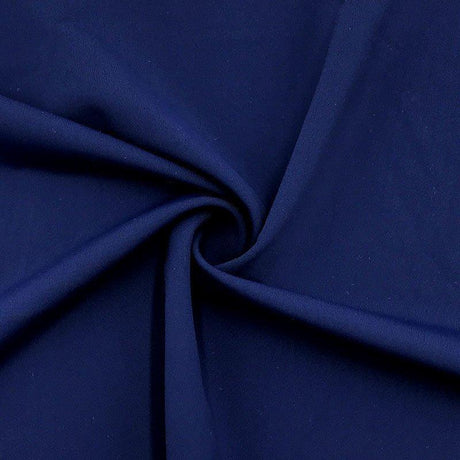
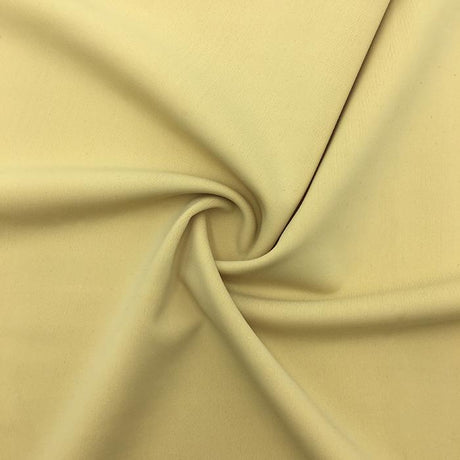
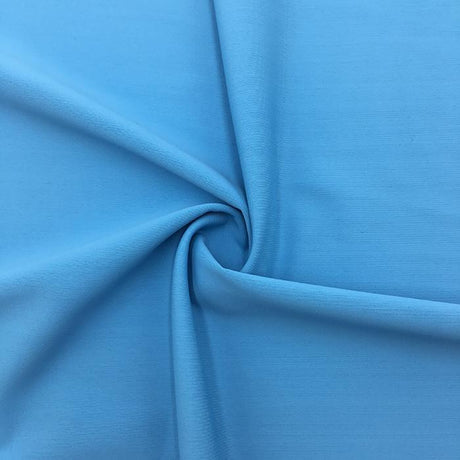
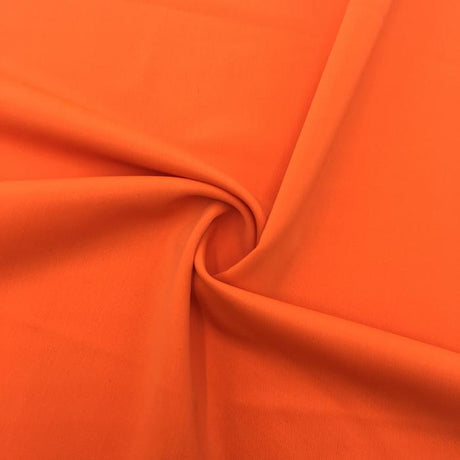
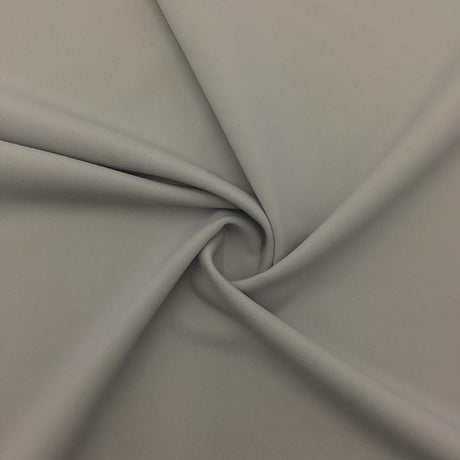
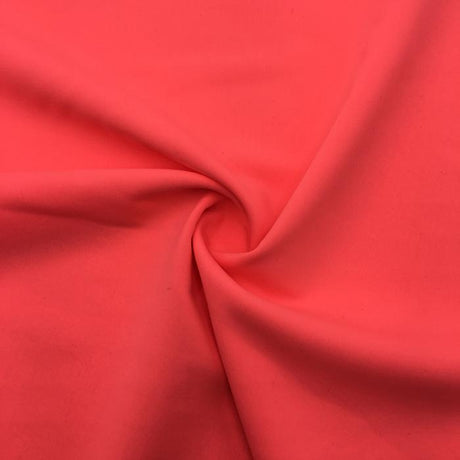
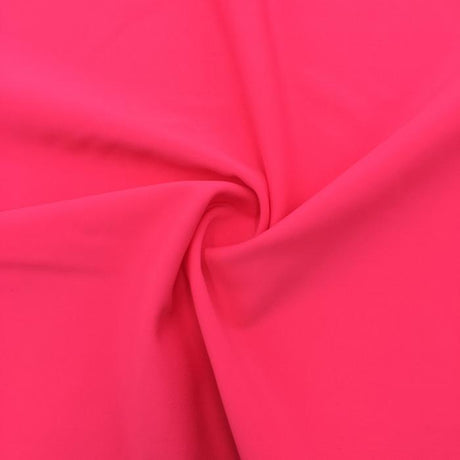
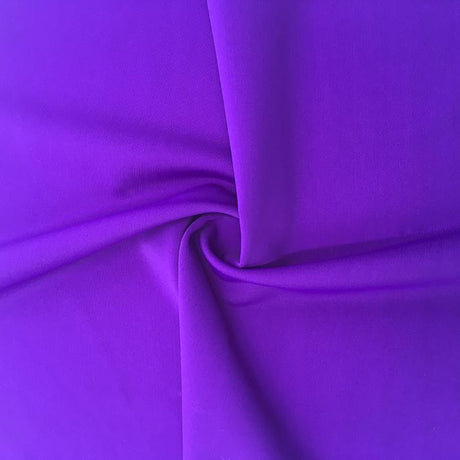
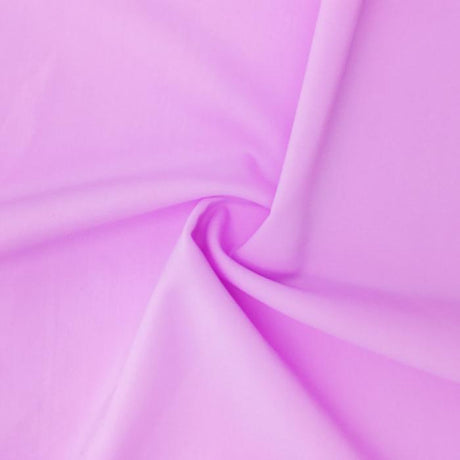
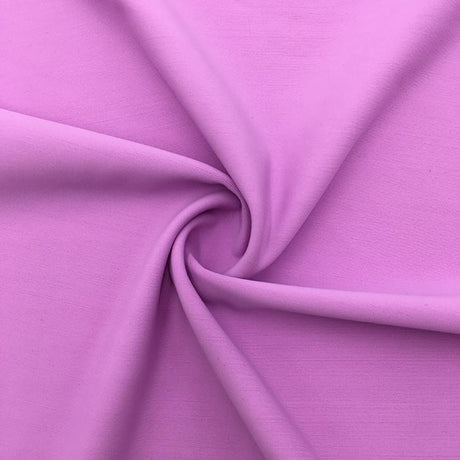
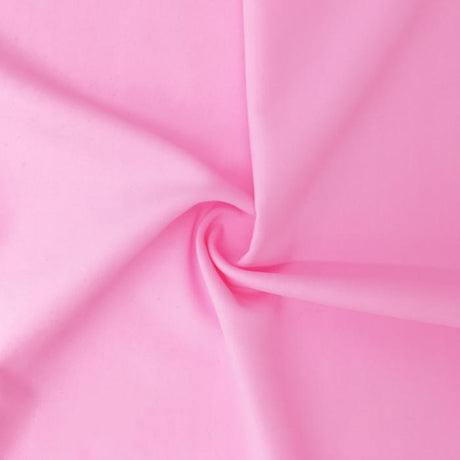
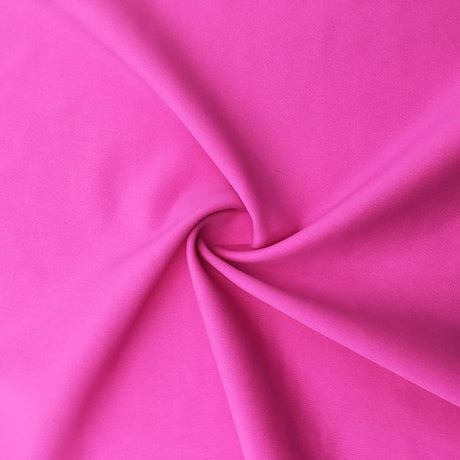
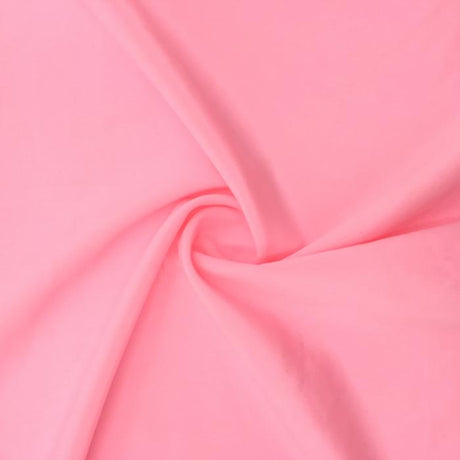
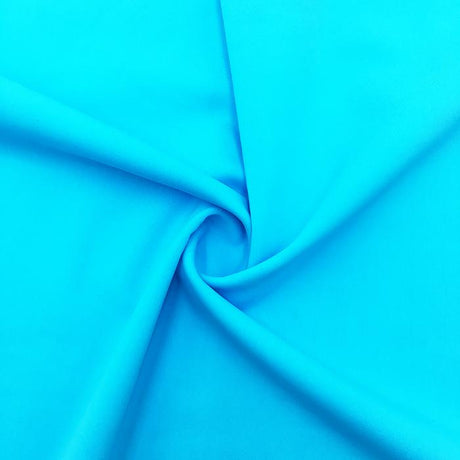
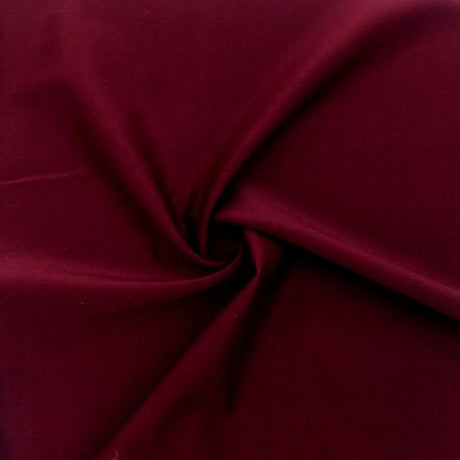
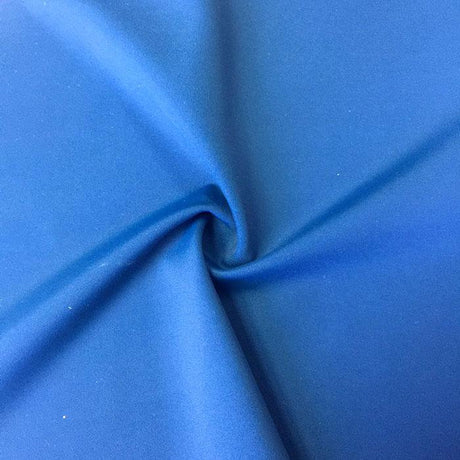
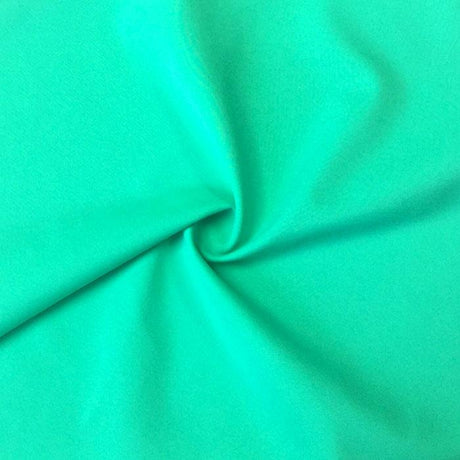
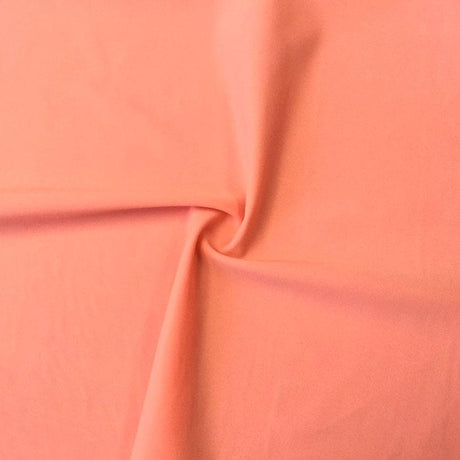
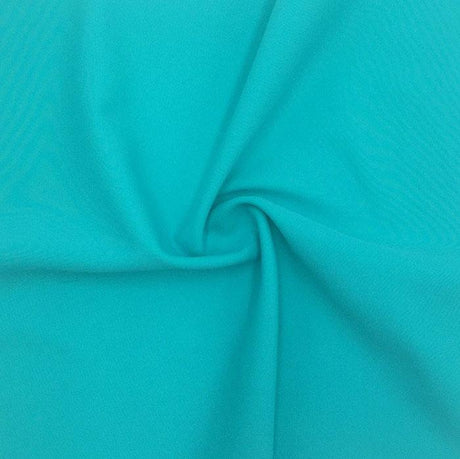
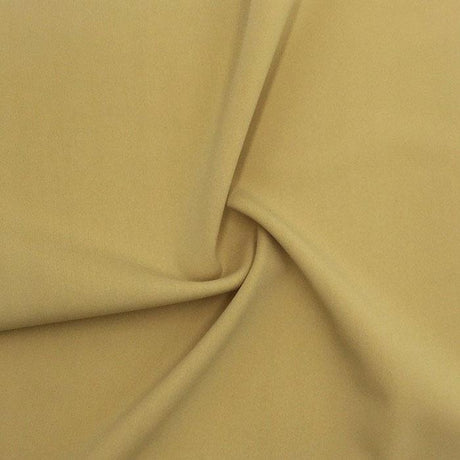
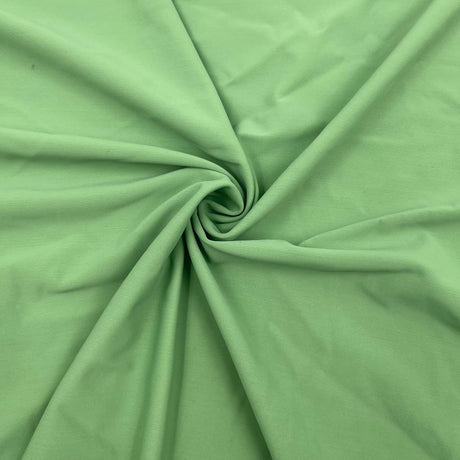
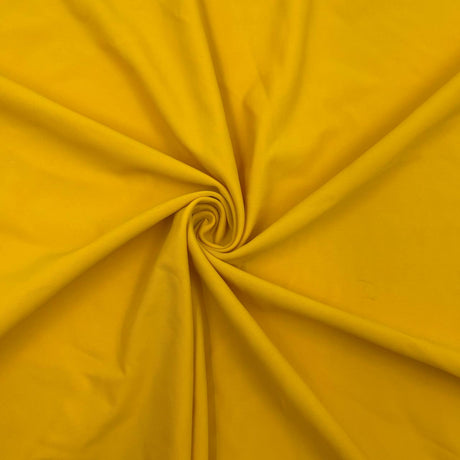
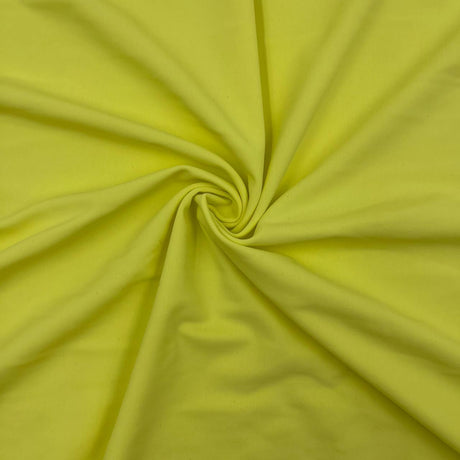
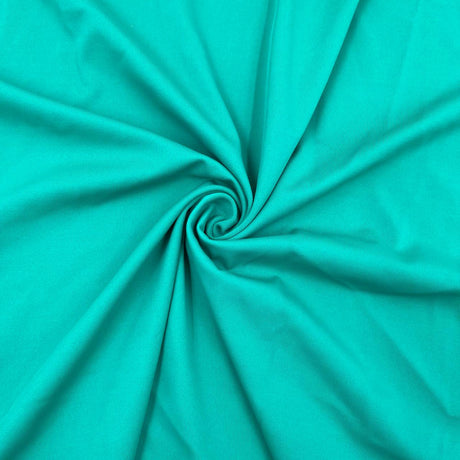
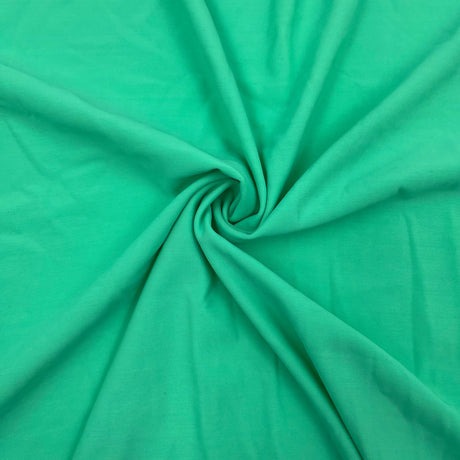
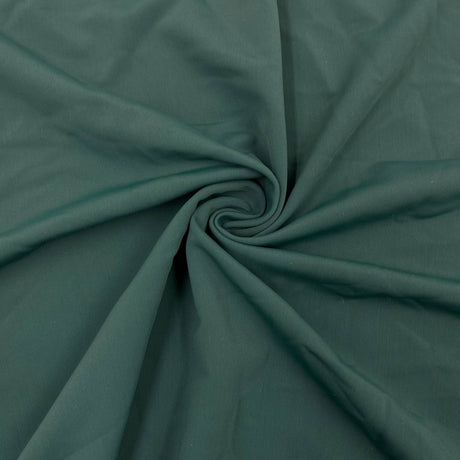
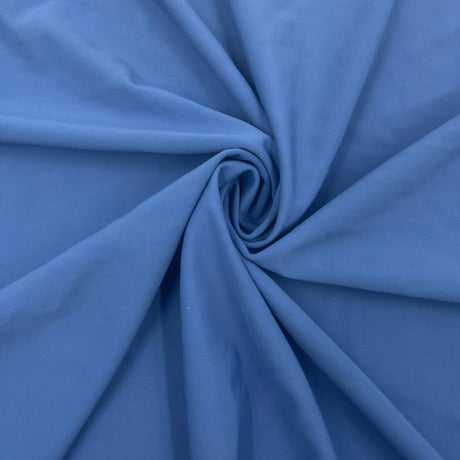
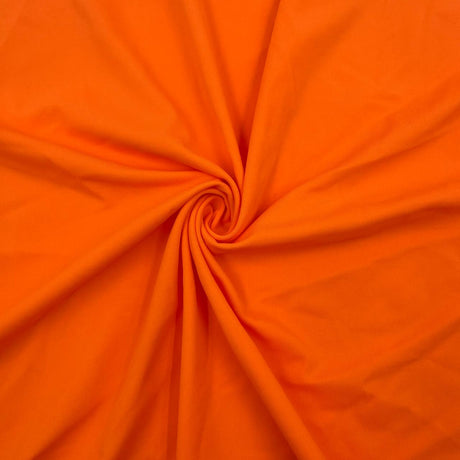
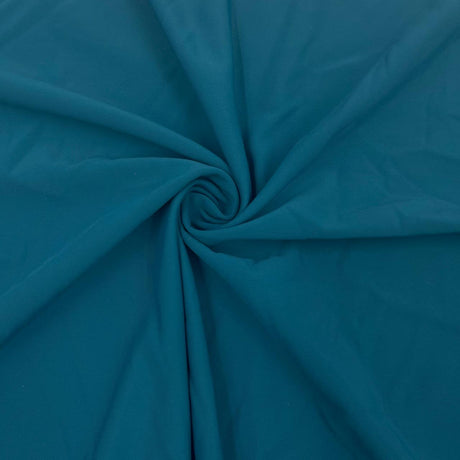
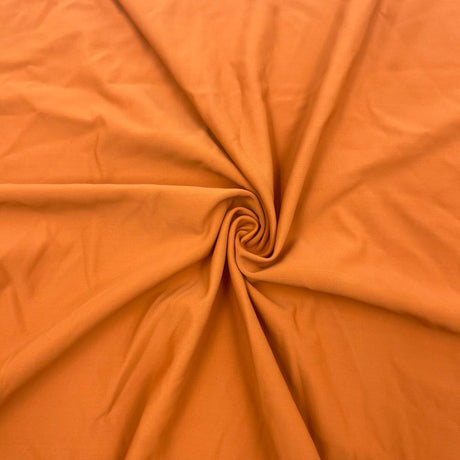
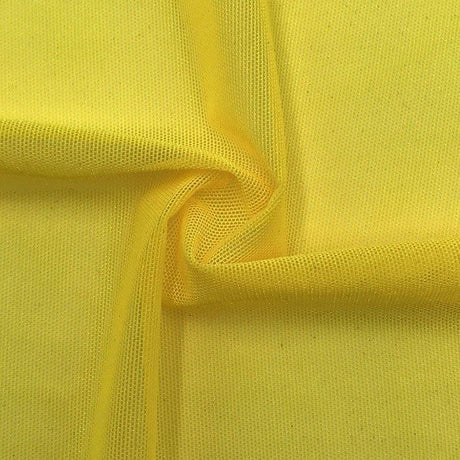
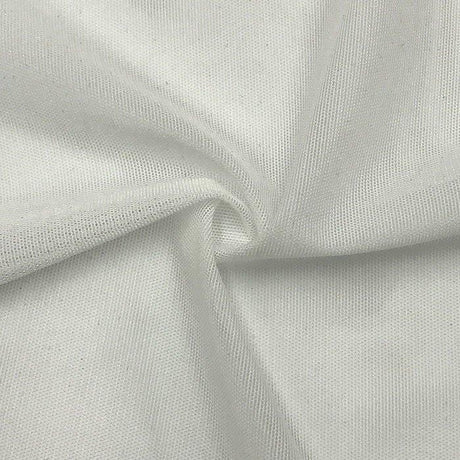
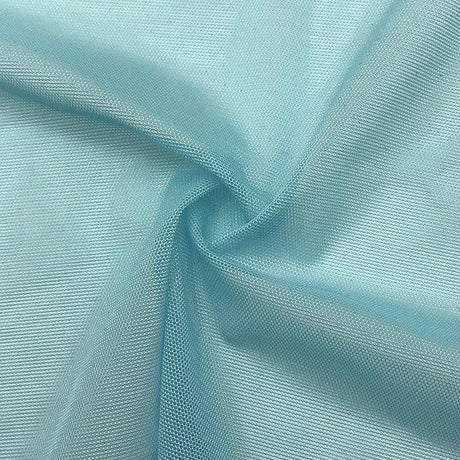
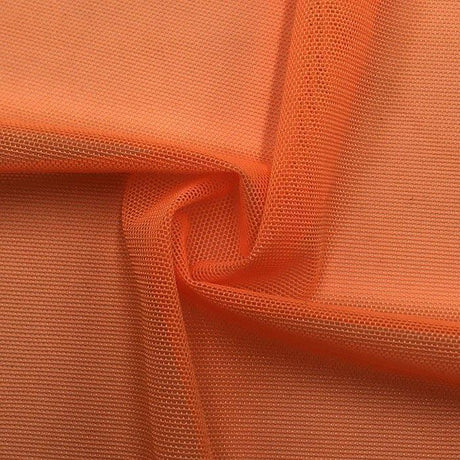
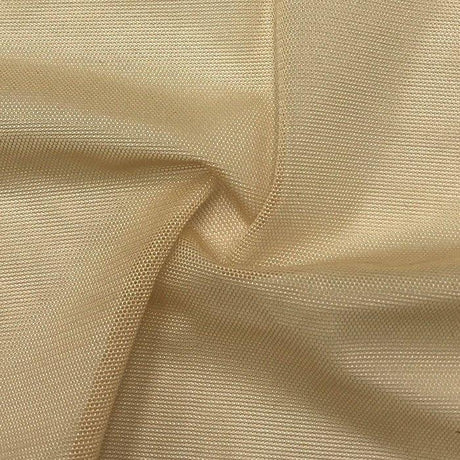
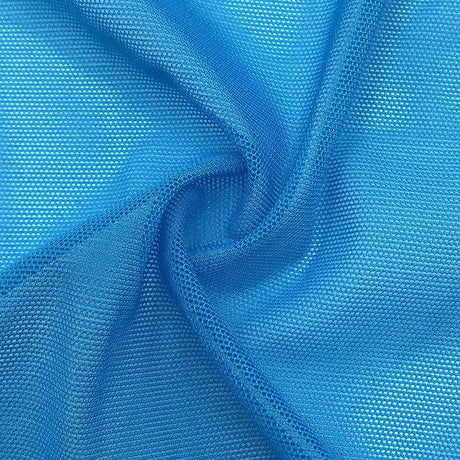
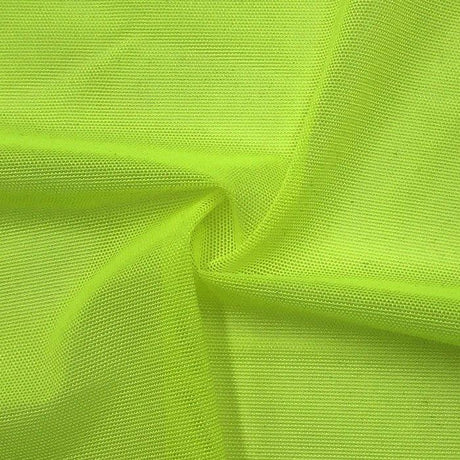
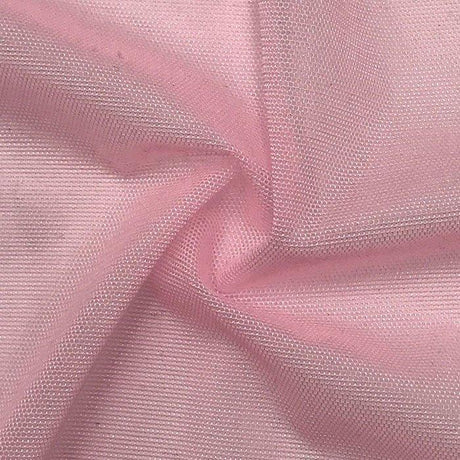
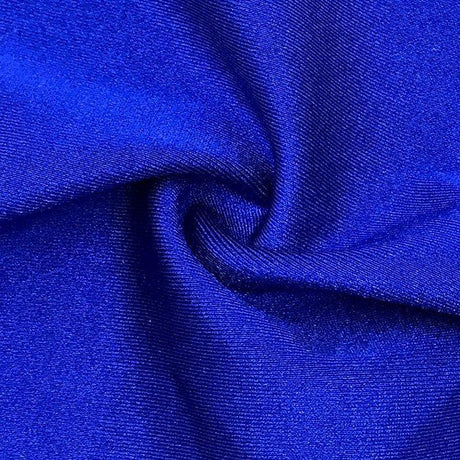
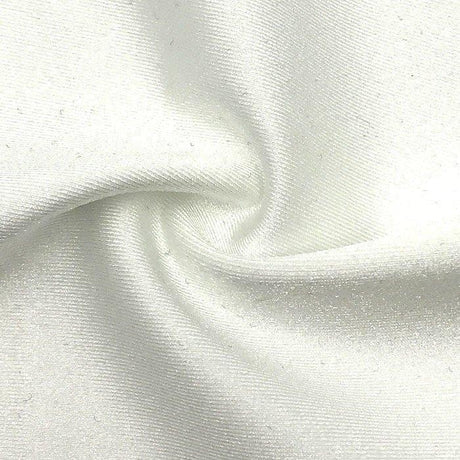
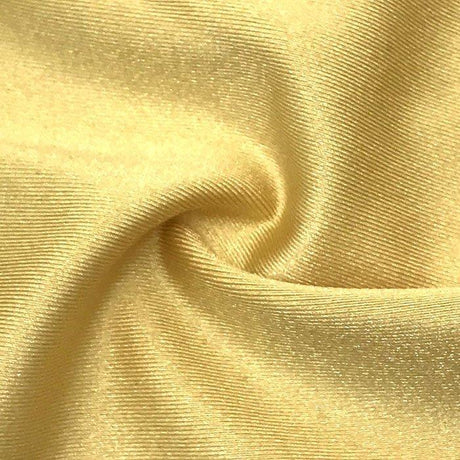
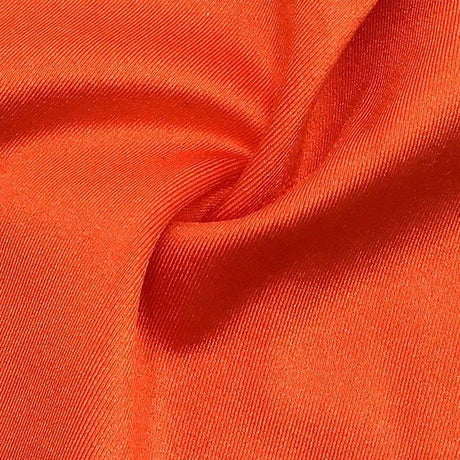
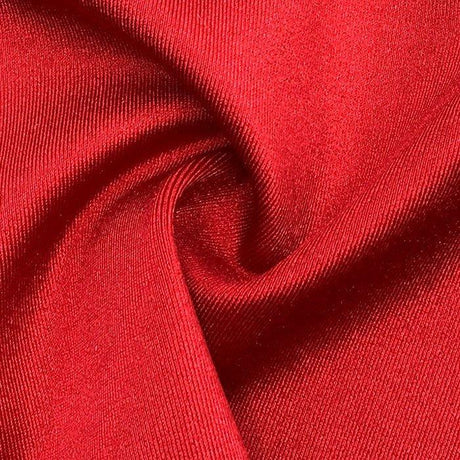
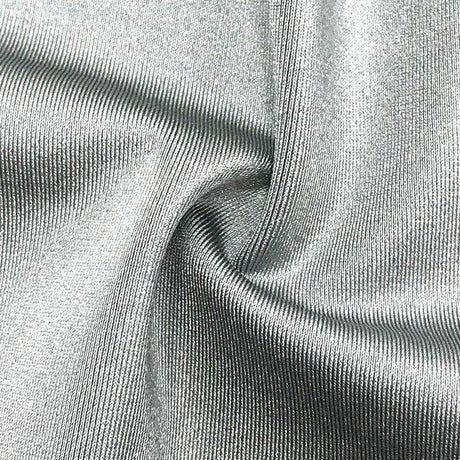
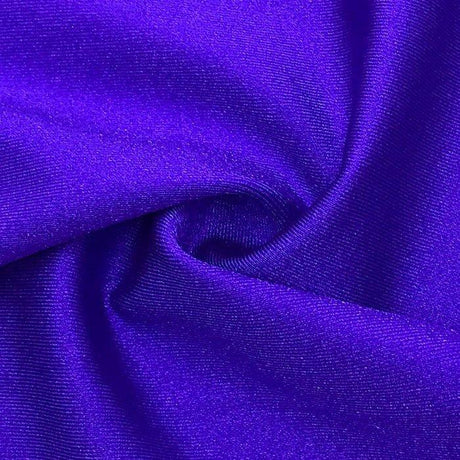
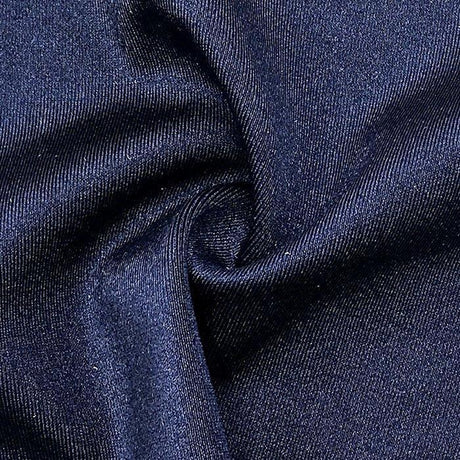
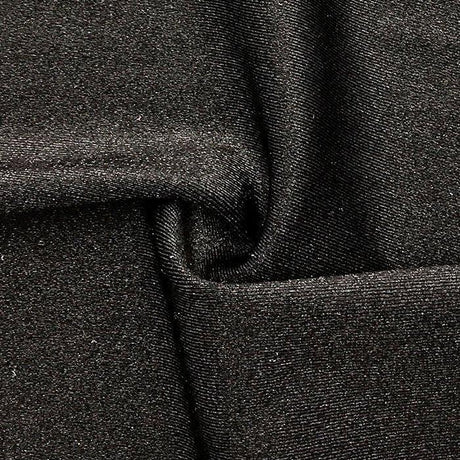
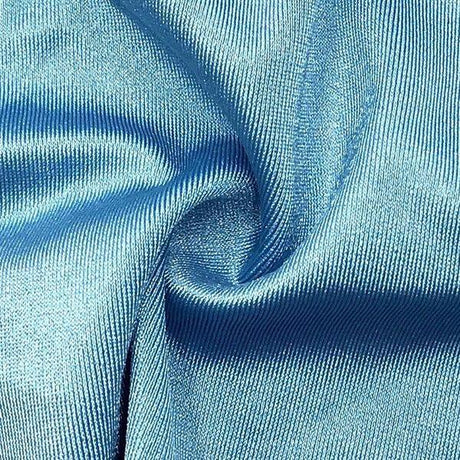
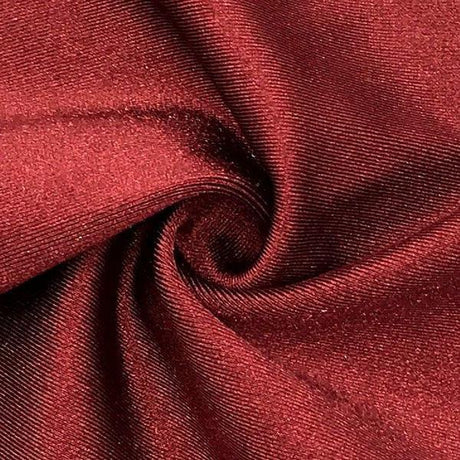
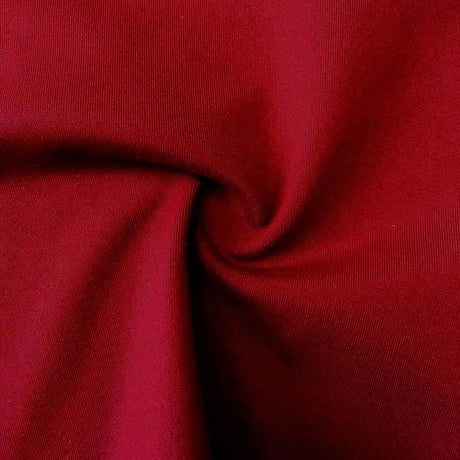
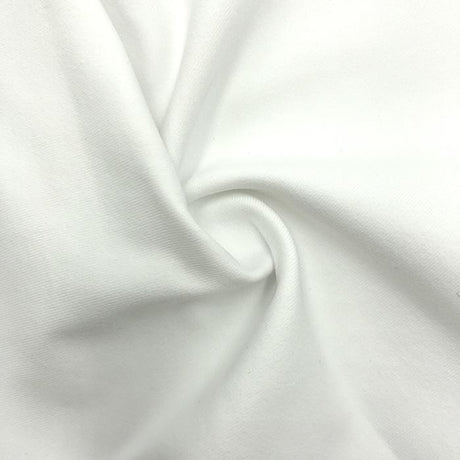
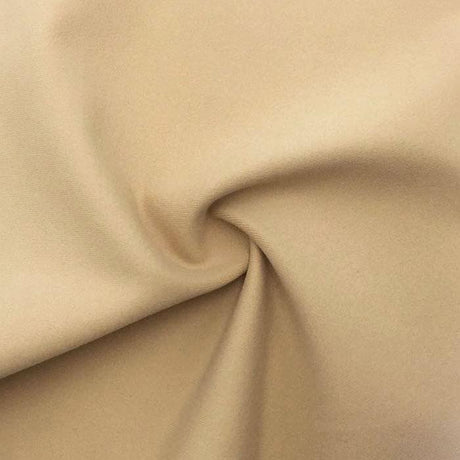
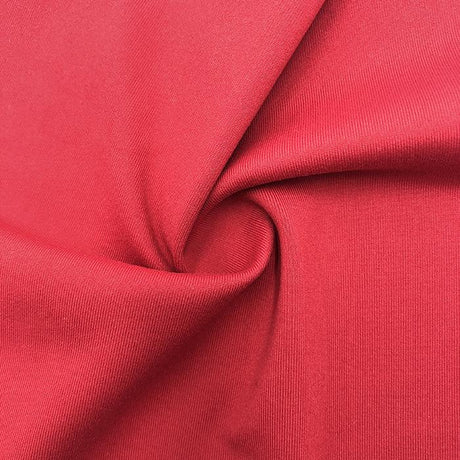
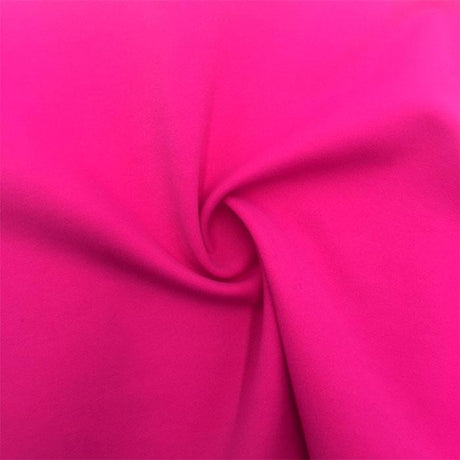
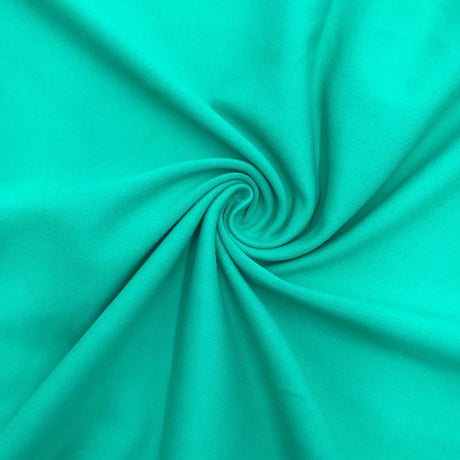
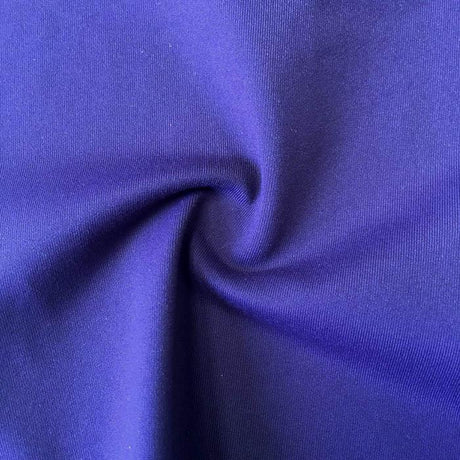
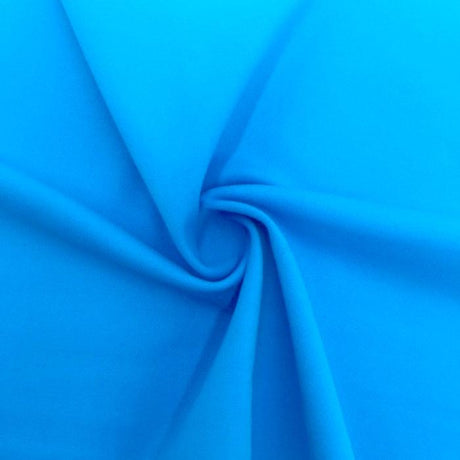
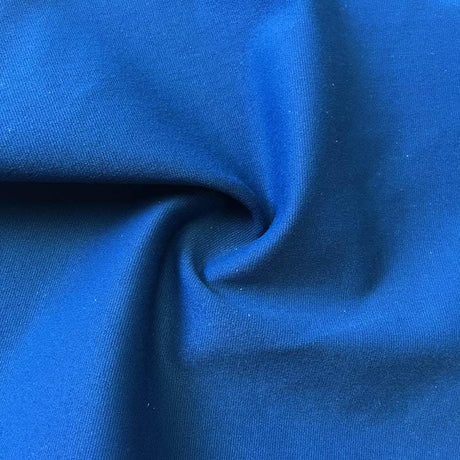
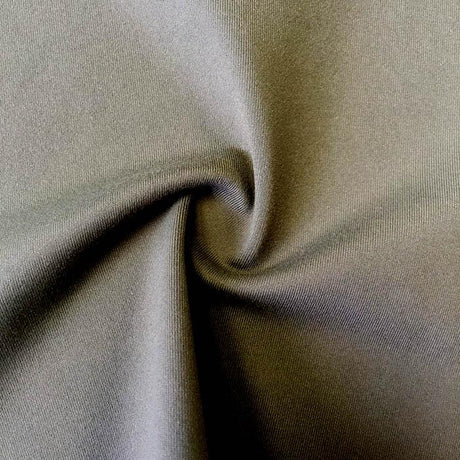
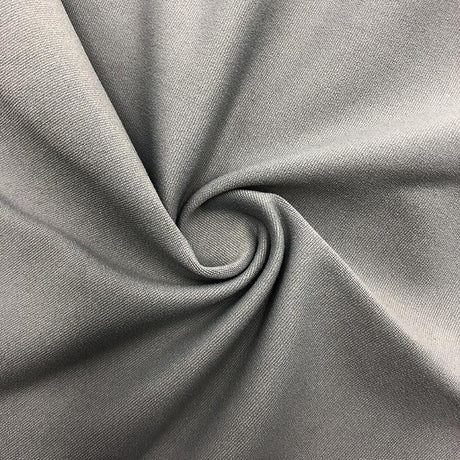
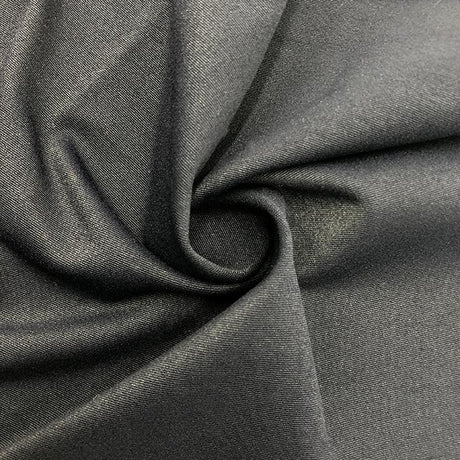
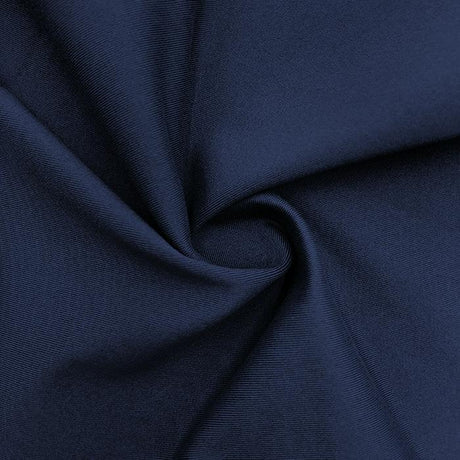
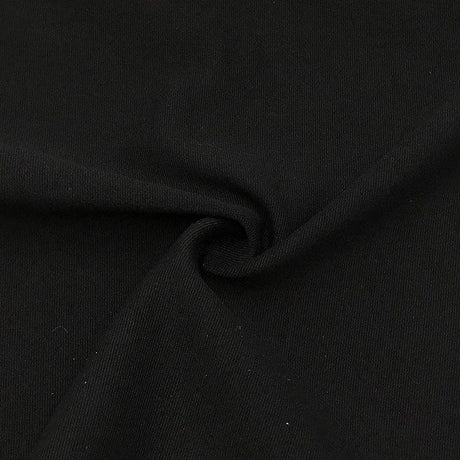
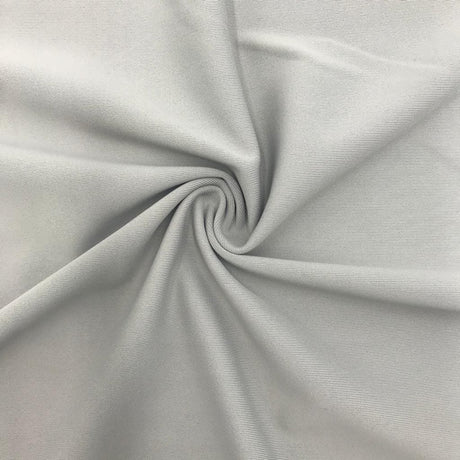
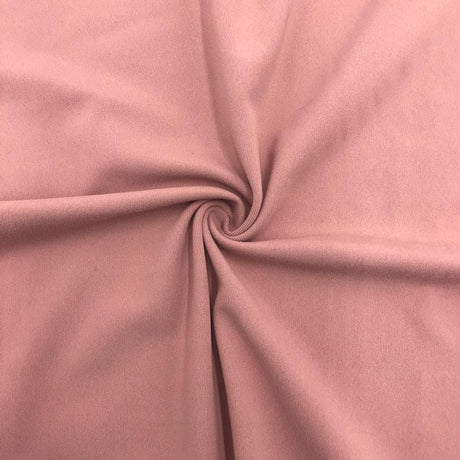
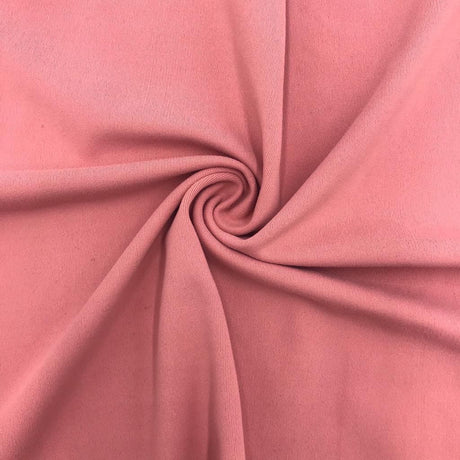
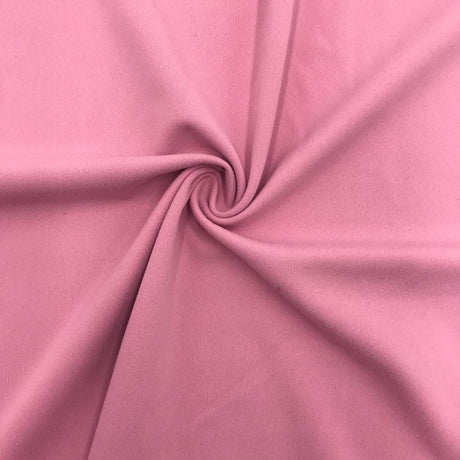
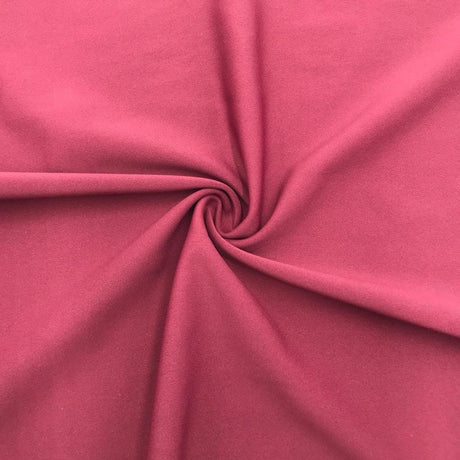
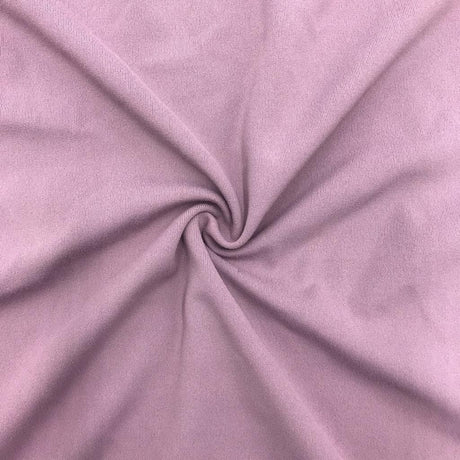
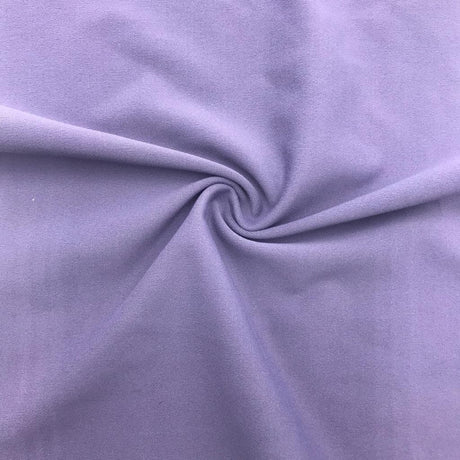
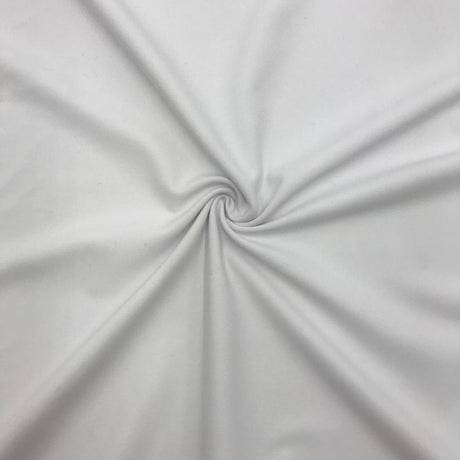
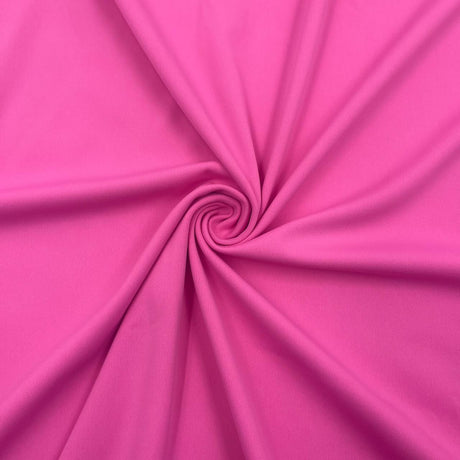
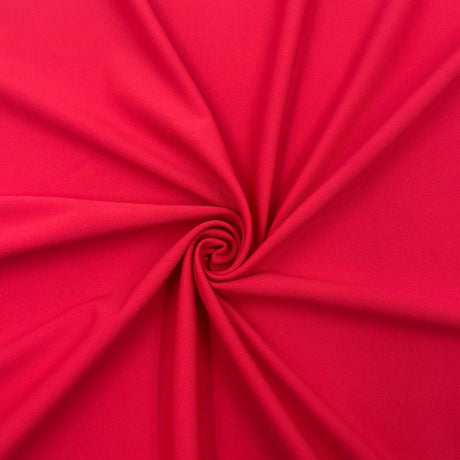
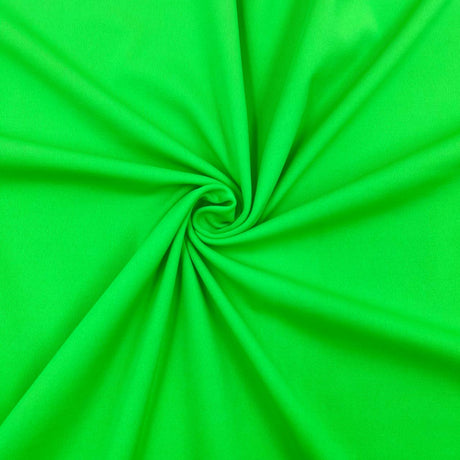
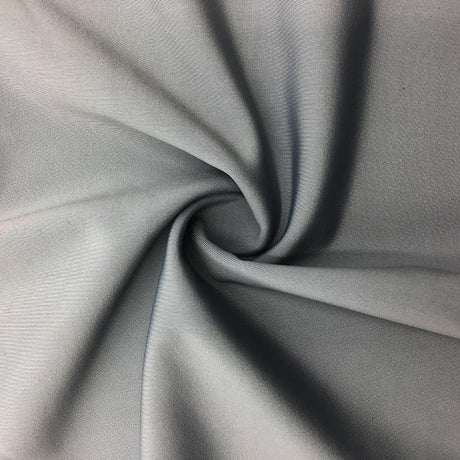
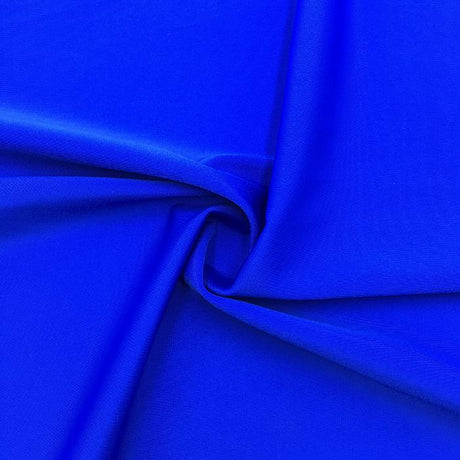
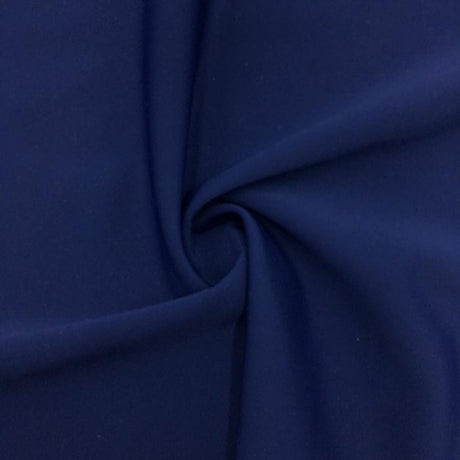
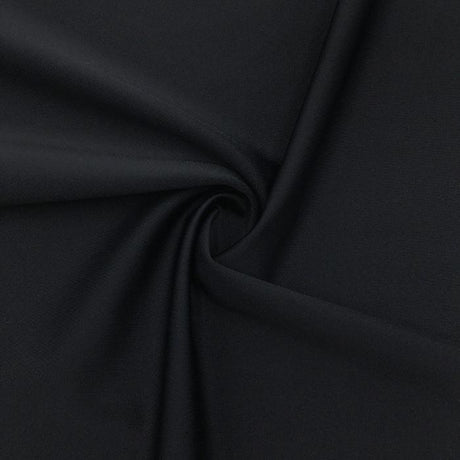
Sportek UV50+ Soccer Interlock Knit is a high-performance fabric engineered for athletic and outdoor apparel. It is a 100% polyester interlock knit material that combines durability with advanced moisture management and UV protection features. As an interlock, it has a smooth, soft hand on both sides of the fabric and a stable, dense knit structure. In this guide, we will explore the technical construction of this fabric, its fiber content, key performance characteristics (breathability, moisture wicking, UPF 50+ sun protection, durability), the concept of “soft hand feel” and how it’s achieved, applications in sportswear (especially soccer uniforms), comparisons to other performance knits, and best practices for fabric care and sewing. This in-depth look will help apparel designers, sportswear manufacturers, and informed consumers understand why Sportek’s UV50+ Soccer Interlock is well-suited for high-performance applications.
Technical Construction and Fiber Content
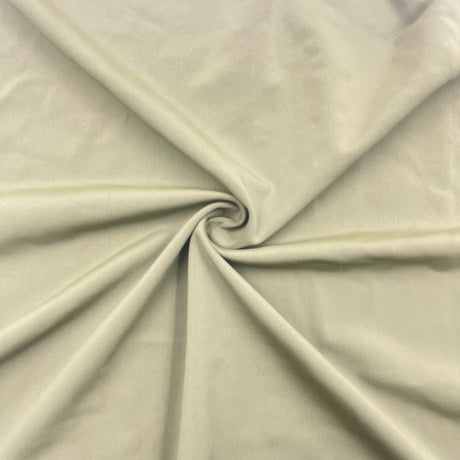
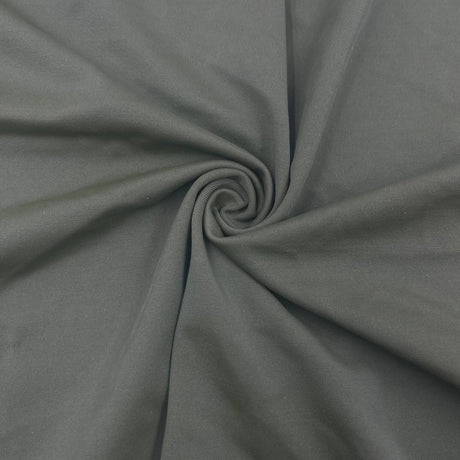
Fabric Construction: Sportek UV50+ Soccer Interlock is constructed as an interlock knit, which is a type of double-knit fabric. Unlike single jersey knit, interlock is made by interconnecting two layers of knit together, resulting in identical faces on both sides of the fabric. This gives the material a smooth, uniform surface front and back and a more stable structure. You can recognize interlock by the fine, V-shaped knit ribs on both faces and the fact that cut edges resist curling. The knit is relatively tight and dense, providing the fabric with a “fuller” handle and opacity; interlock is thicker and more opaque than comparable single jerseys, which means it offers good coverage and usually doesn’t require a lining. The Sportek interlock has a weight of 160 GSM (grams per square meter), classifying it as a lightweight to mid-weight performance fabric. It comes in a generous width of 64–66 inches, which is advantageous for cutting efficiency in manufacturing, yielding more garment pieces per yard.
Fiber Content: This fabric is made from 100% polyester fibers. Polyester (specifically PET, polyethylene terephthalate) is a synthetic polymer fiber known for its strength and versatility. Using 100% polyester gives the material inherent durability and flexibility while also making it resistant to shrinking and stretching out of shape. Polyester interlock knits are strong and resilient, resisting wear, abrasion, and wrinkling better than many natural fibers. In the case of Sportek’s UV50+ interlock, the polyester yarns are likely fine-denier (microfiber) filaments that contribute to the fabric’s soft hand feel and smoothness. The interlock knit’s tight construction results in the “smoothest surface and nicest hand” among knits, meaning it feels very soft to the touch. Despite being 100% synthetic, modern knitting techniques and fiber engineering allow this polyester fabric to mimic the suppleness that one might expect from a cotton or blended knit, while retaining the performance advantages of polyester.
Because it is a knitted (not woven) fabric, there is also a degree of natural stretch. Interlock has moderate four-way stretch due to the knit loops, even without elastic fibers. It stretches comfortably across the width and a bit along the length, with good recovery (returning to shape after stretching). This ensures garments made from this fabric maintain their shape and don’t become baggy easily. The firm knit structure also means the fabric will not unravel or run (no laddering like hosiery) and cut edges won’t curl up, which simplifies sewing and hemming. Overall, the technical construction of Sportek’s interlock provides a combination of softness, stability, and stretch that is ideal for athletic apparel.
Performance Characteristics of Sportek UV50+ Interlock
Sportek UV50+ Soccer Interlock is designed for high performance, offering multiple functional benefits required in sportswear. Key characteristics include breathability, moisture wicking, UV protection, and durability. Below, we examine each of these properties and how this fabric achieves them.
Breathability and Moisture Wicking
Staying cool and dry is critical in active sports. This interlock fabric is engineered with MaxDri Moisture Management technology, which gives it excellent moisture-wicking performance. In practice, moisture wicking means that the fabric can quickly draw sweat away from the skin and transport it to the outer surface of the material, where it can evaporate. The polyester fibers and knit structure create tiny capillary channels that pull moisture from the inside to the outside. Unlike a cotton T-shirt that absorbs sweat and becomes soggy, a moisture-wicking polyester shirt disperses sweat, helping it evaporate faster. This process leaves the wearer feeling drier and cooler because sweat isn’t trapped next to the skin.
Additionally, the Sportek interlock is described as breathable, meaning the fabric allows air to circulate through. The knit construction inherently has small gaps between yarns (even though interlock is a tight knit, it still permits airflow). These tiny interstices, along with the wicking action, contribute to ventilation and evaporative cooling. As a result, the wearer’s body heat can escape and sweat can evaporate, preventing overheating during intense activity. This is why the material is noted to “keep you dry and comfortable, no matter the intensity of the activity”. In practical terms, a soccer jersey made of this fabric will help manage perspiration during a match, whereas a non-wicking shirt might become soaked and heavy.
It’s worth noting that polyester itself is hydrophobic (it doesn’t absorb water into the fiber). Instead, moisture-wicking polyester fabrics rely on fiber shape or special coatings to encourage moisture to spread out on the surface. Sportek’s MaxDri likely refers to a particular fiber technology or finish that enhances this capillary action. Many athletic jerseys and shirts similarly advertise features like Nike’s Dri-FIT or adidas Climalite, which are conceptually similar to MaxDri. Breathability in this context works hand-in-hand with wicking; as one Pine Crest technical article puts it, wicking fabrics are breathable and “do not allow sweat to absorb and leave you feeling weighed down”, since moisture isn’t retained in the fabric. Instead, the sweat is moved out and can evaporate, “leaving you dry and cool”.
In summary, Sportek UV50+ interlock is designed to keep athletes dry. The fabric draws sweat off the skin to the outside surface where it evaporates, preventing that clammy feeling and helping regulate body temperature. Combined with the airflow through the knit, this makes for a highly breathable material ideal for vigorous sports. Indeed, products like this are often described as “lightweight, breathable and moisture-wicking – ideal for use as soccer jersey fabric”.
UV Protection (UPF 50+)
A standout feature of this fabric is its UV50+ sun protection rating. UV50+ (often phrased as UPF 50+) means the material has been tested to Ultraviolet Protection Factor 50+ standards, blocking 98% or more of harmful UV radiation from passing through. In other words, it greatly reduces the wearer’s UV exposure, which is important for outdoor sports like soccer, running, tennis, or golf. A UPF 50 fabric allows only 1/50th of the UV rays to penetrate (about 2% or less), providing an “excellent” category of sun protection. By comparison, a regular white cotton T-shirt might have a UPF rating around 5 to 15 (much lower), depending on how tight the knit is and whether it’s wet or dry.
Sportek’s interlock achieves this high UPF in a few ways. First, the tight interlock construction itself helps – a tighter knit means less UV light can filter through the tiny gaps. The fabric’s moderate weight (160 GSM) and opacity also contribute; thicker or more densely knit fabrics generally transmit less UV. Secondly, the polyester fiber has an inherent advantage: polyester is quite good at disrupting UV radiation compared to some other fibers. Synthetic fibers like polyester and nylon tend to absorb or scatter more UV than, say, untreated cotton, which can let a lot of UV through. Moreover, there may be special additives or UV-blocking treatments applied to the yarn or fabric. Many performance textiles include UV inhibitors or certain dye technologies to boost their UPF rating. Sportek specifically advertises this fabric as “engineered with UV50+ sun protection”, implying that the UV resistance is an intended and tested feature of the material.
For athletes and outdoor enthusiasts, wearing apparel made from UV50+ fabric adds an important layer of skin protection. While sunscreen might wear off or sweat away, a UPF-rated garment continuously shields covered areas from both UVA and UVB rays. This is particularly relevant in sports like soccer where players are under direct sun for extended periods. Even for training tops, running shirts, or hiking gear, having UPF built-in is a valued attribute. The UV protection does not impact the comfort – the fabric remains lightweight and breathable – but it gives peace of mind that it is “protecting against UV in the sun” during use. To maintain the fabric’s UV protective qualities, care should be taken (as discussed later) since heavy wear, stretching, or prolonged wetness can potentially reduce any fabric’s effective UPF over time. Nonetheless, starting at a UPF 50+ means this Sportek interlock is well suited for outdoor sportswear, “offering excellent sun protection for outdoor sports and activities”.
Durability and Quick-Drying Properties
Another critical performance aspect is durability. The Sportek UV50+ interlock is built for the rigors of sports use and repeated laundering. As a 100% polyester fabric, it exhibits high tensile strength and abrasion resistance – qualities essential for athletic uniforms that face physical contact, frequent washing, and exposure to sweat. Polyester interlock is noted for being “strong, durable, resists shrinking and wrinkles, and dries quickly.”. Unlike natural fibers, polyester will not rot or weaken from moisture and is less prone to tearing. The interlock knit, being a double-knit, also contributes to durability: it is less prone to snagging than very open mesh fabrics and will not develop runs if cut or if a small snag does occur.
The “soft hand” of this interlock does not mean it’s delicate – in fact, it’s quite tough for how soft it feels. The fabric’s description explicitly lists “100% Polyester for durability” as a key feature. Users can expect the garments to handle extensive use; whether it’s a soccer jersey sliding on grass or a training shirt that’s washed after every workout, the fabric holds up well. Additionally, polyester’s resistance to stretching out means a shirt will maintain its fit and structure over time – it won’t sag or bag even after many wears, thanks to the fiber’s resilience and the knit’s good recovery characteristics.
Another benefit is quick drying. Polyester does not retain moisture the way cotton does; any water (from sweat or washing) tends to evaporate quickly from the surface. Combined with the moisture-wicking design, this means that after washing, the fabric can air dry rapidly – a great convenience for active apparel. If needed, it can also be machine dried. Polyester can tolerate higher dryer temperatures than most elastane (spandex) blends, and in fact its higher melting point makes it suitable for heat transfer processes like sublimation printing. However, to extend the garment’s life, moderate drying temperatures or hang-drying are recommended. The manufacturer Pine Crest notes that 100% polyester can be tumble dried on high heat if necessary, but using low or medium heat is advised to reduce energy use and wear. In any case, a quick-dry fabric lets athletes wash and reuse their gear quickly, and it prevents that damp feeling during wear – the material releases moisture to the air efficiently.
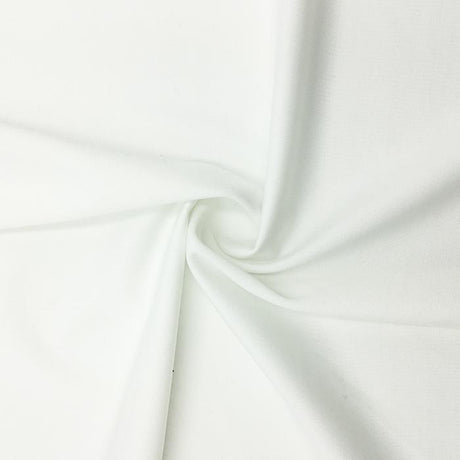
Colorfastness and Sublimation-Ready: An additional aspect of performance is how the fabric handles colors and customization. Sportek’s interlock is “PFP White (Prepared For Print) for sublimation”, meaning the white version of the fabric has been prepared to accept sublimation dye prints with optimal results. Sublimation printing is a common method to add vibrant, permanent graphics (like team logos, numbers, and designs) to polyester sportswear. This fabric’s smooth surface and 100% polyester content make it ideal for sublimation — the dyes bond well with polyester, resulting in sharp, vivid prints that are long-lasting. The wide width (64–66") also means larger sublimation layouts can be accommodated or more jersey panels can be printed in one go. The material’s colorfastness is high since sublimated ink essentially becomes part of the fiber; the prints won’t peel or crack. Additionally, polyester’s resistance to UV and chlorine (if that were relevant for, say, swimming) means colors stay bright. Sportek’s emphasis on sublimation-readiness indicates this fabric is tailored for team sports uniforms, where custom graphics are crucial.
In summary, the Sportek UV50+ Soccer Interlock is built to withstand demanding use while maintaining its performance attributes. It is tough but lightweight, and it balances a soft, comfortable feel with the longevity needed for sports uniforms and activewear. This durability, coupled with quick drying and excellent printability, underscores why it is considered a “high-performance fabric” for active environments.
Engineered Soft Hand Feel in a Synthetic Knit
One of the notable traits of this fabric is its soft hand feel – essentially, how soft and pleasant the material feels when you touch it or wear it. Achieving a “soft hand” in a synthetic (polyester) knit is both a function of material choice and fabric engineering.
Several factors contribute to the softness of Sportek’s interlock:
- Fine Denier Yarns: The polyester fibers used are likely very fine (thin) filaments. Fabrics made with finer yarns tend to feel softer and smoother because the fibers create a more supple texture. In the context of interlock, using fine yarns yields a very smooth, almost silky surface. As one fabric guide notes, “the softness comes from using fine yarns, [and] the smooth and tight double knit structure”. Traditionally, cotton is praised for softness, but modern microfiber polyesters can rival that softness. By using micro-denier polyester, manufacturers can produce a knit that doesn’t have the coarse or plasticky feel that older polyester jerseys once had. Instead, it’s soft and pliable to the touch, earning the description “soft-hand interlock”.
- Interlock Knit Structure: The interlock construction itself gives a nicer hand feel compared to many other knits. Because interlock has two layers of knit intermeshed, it has a smooth, even surface on both sides with no roughness. There are no pronounced ridges or waffles (as in a pique knit), and no floats or loose loops (as in some textured knits). The tightness of the knit results in a very smooth and soft face – Pine Crest Fabrics notes that interlock has “the smoothest surface and nicest hand” among knit fabrics due to its tight, balanced structure. The term “soft-hand interlock” in the product name highlights that this fabric was engineered to maximize that smooth comfort.
- Fabric Finishing: Although not explicitly stated in the product info, fabric finishing processes can further enhance softness. Polyester knits can be finished with mechanical or chemical softeners. Mechanical finishing could include a light brushing or sueding of the surface (though interlock is usually left smooth rather than brushed). More commonly, chemical softeners, such as silicone or resin-based finishes, can be applied to the fabric to give it a silkier touch. For example, textile finishing chemicals exist that impart a “durable soft hand with hydrophilic properties” to polyester. Sportek may use proprietary finishing agents to ensure the fabric doesn’t feel clammy or synthetic. The mention of “soft hand feel” suggests that beyond just the knit, they paid attention to hand-feel in production – possibly through such softening finishes or by using specialty yarns.
- No Spandex, Yet Soft: Interestingly, many stretchy sports fabrics achieve softness by blending in spandex (elastane), which can give a fabric a soft, stretchy, and form-fitting character. Here, the fabric is 100% polyester with no spandex. This means the softness is not from a spandex content (spandex can sometimes give a more cottony stretch feel), but purely from the polyester itself. This is beneficial because spandex, while soft, can hold onto sweat and can degrade with heat and chlorine. By avoiding it, the fabric stays lighter and dries even faster. The interlock knit still provides enough give and comfort without needing elastic fibers. The result is a soft, breathable jersey fabric that is not heavy or overly warm, and it won’t lose its recovery over time as spandex can.
- Smoothness against the Skin: Soft hand feel is also about comfort in contact with skin. The Sportek interlock’s smooth surfaces mean that whether someone wears it as a loose soccer jersey or a snug training tee, it feels gentle, with no itchiness or friction. There are no raised yarn ends (as you might have in a pique or mesh) to irritate. This makes it suitable for prolonged wear and for people with sensitive skin. It’s even used for items like “non-medical face masks and neck gaiters”, which are worn on the face/neck – applications that demand a soft, non-abrasive touch.
In essence, “soft hand feel” in this Sportek fabric is the result of material selection (fine polyester) and knit engineering (tight interlock), potentially enhanced by finishing. It demonstrates how modern textile technology can create a polyester fabric that doesn’t just perform well, but also provides next-to-skin comfort. Gone are the days when performance polyester had to be scratchy or rough; fabrics like this one are described as “Breathable, Soft, and [UV protective]” all at once. For apparel designers, this means you don’t have to trade comfort for performance – you can have both in one fabric. The soft hand feel is especially important for athletes, as comfortable gear can reduce distraction and chafing. It also makes the fabric versatile beyond sports – it could be used in athleisure or casual wear where softness is expected by consumers.
Applications in Sportswear and Activewear
Sportek UV50+ Soccer Interlock Knit is highly versatile and was developed with sports and active uses in mind. As the name suggests, a primary application is in soccer apparel, but its uses extend to many types of performance clothing. Let’s explore how and why this fabric is suited to various applications:
- Soccer Jerseys and Sports Team Uniforms: The fabric’s feature set reads like a checklist for an ideal soccer jersey material. Soccer players need uniforms that are lightweight (to not impede movement), breathable and moisture-wicking (to stay cool and dry through 90 minutes of play), and durable (to withstand pulls, slides, and frequent washing). This interlock knit checks all those boxes – it is “perfect for sportswear & activewear” and “ideal for creating sports tops, soccer wear, and more”. Many modern soccer jerseys use polyester interlock or similar warp-knit fabrics with small pinholes; Sportek’s material can serve the same role with the advantage of UPF protection for sunny day matches. Its white variant being sublimation-ready is crucial because soccer jerseys often have complex multicolor designs, sponsor logos, player numbers, etc., which can be efficiently applied by sublimation printing. The wide width allows full jersey panels (front and back) to be printed without seams for graphics. Additionally, the soft feel ensures players remain comfortable, reducing the risk of skin irritation during play. The fabric’s slight stretch accommodates dynamic movements – from sprinting to jumping – without tearing or restricting motion.
- Activewear Tops and Training Gear: Beyond soccer, any sport or exercise can benefit from the properties of this fabric. It can be used for running shirts, gym workout tops, fitness tank tops, yoga wear (tops), or cycling jerseys (for looser-fit styles). For runners and outdoor enthusiasts, the UPF 50+ protection is a selling point, as it helps guard against sunburn during long runs or hikes. The moisture management keeps athletes dry during high-intensity training. The description mentions it’s great for “outdoor sports apparel like golf and yoga wear” as well – in golf, the sun protection and a clean, smooth look are valued; in yoga, the softness and flexibility enhance comfort. While yoga pants typically require stretch (spandex), yoga tops or loose-fitting exercise shirts could be made from this fabric to prioritize breathability and softness.
- Athletic Jerseys and Uniforms (General): Sports like basketball, tennis, lacrosse, or even American football (for practice jerseys or compression shirts under pads) could use a similar interlock. The fabric is noted to be “versatile” and even recommended for “custom headwear [and] face masks”. This indicates it can be cut-and-sewn into a variety of products. For example, neck gaiters and face masks became popular for sun protection and during the pandemic; this material’s combination of UV protection, breathability, and softness made it suitable for non-medical face masks and neck gaiters. It’s thick enough to provide coverage, but breathable enough to allow comfortable breathing through a two-layer mask, and it feels soft on the face.
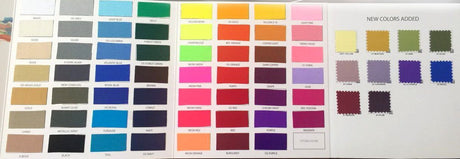
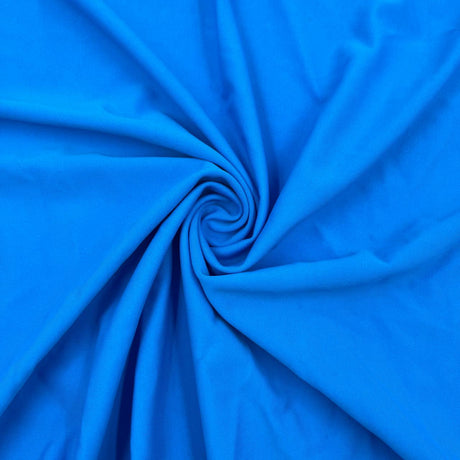
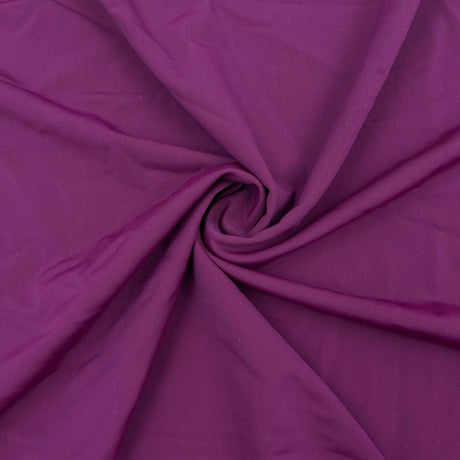
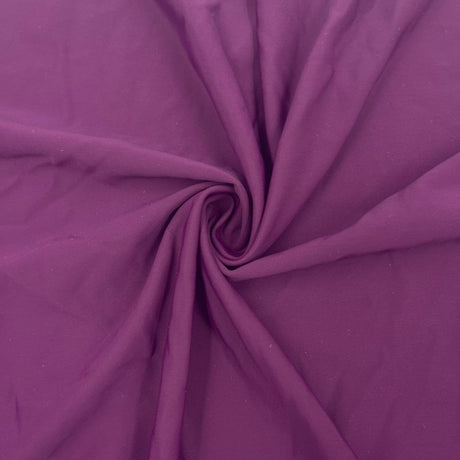
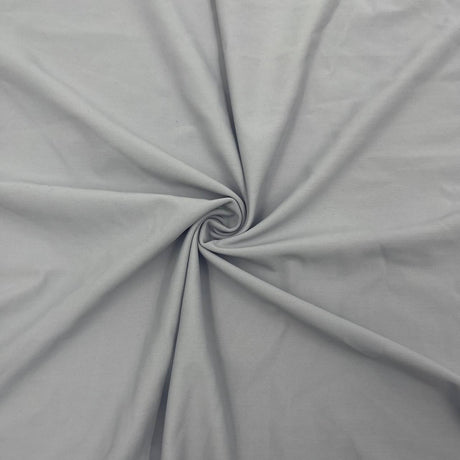
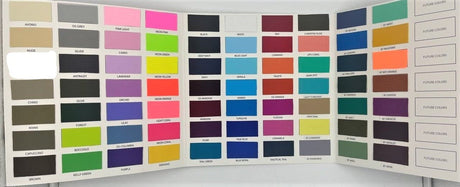
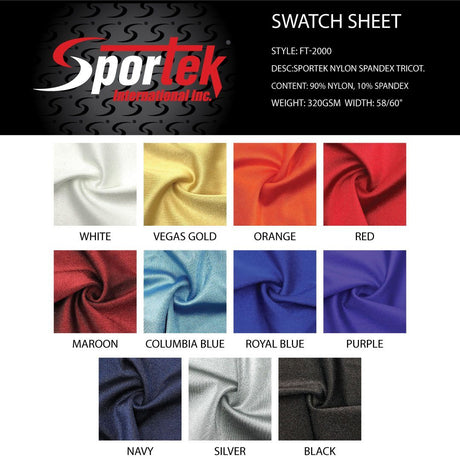
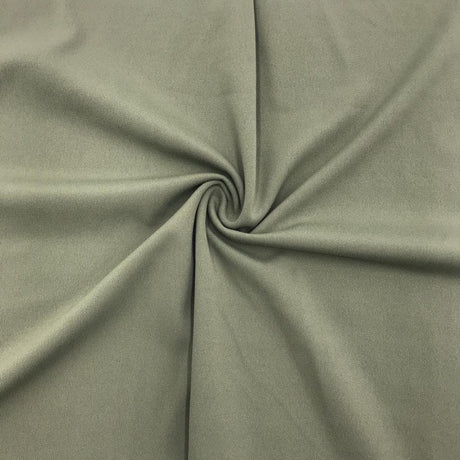
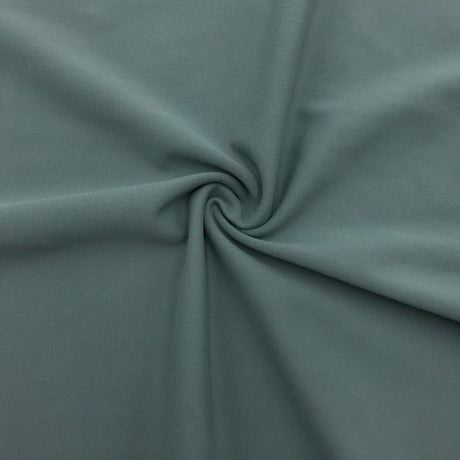
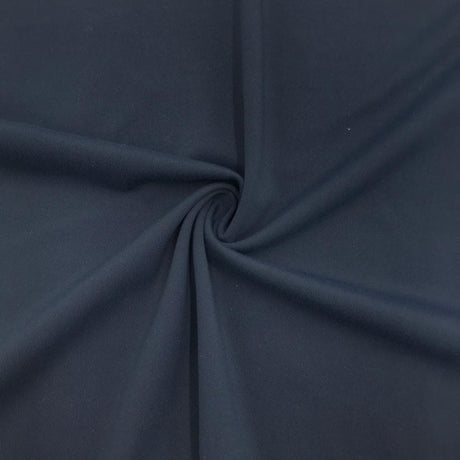
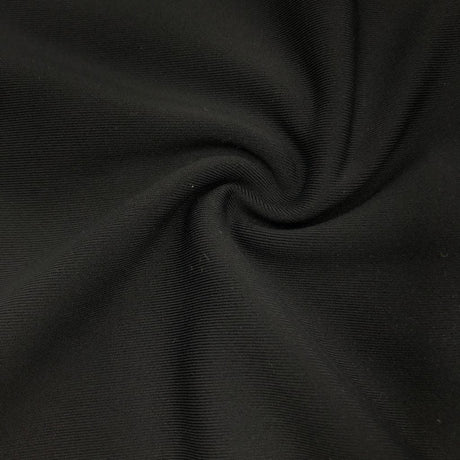
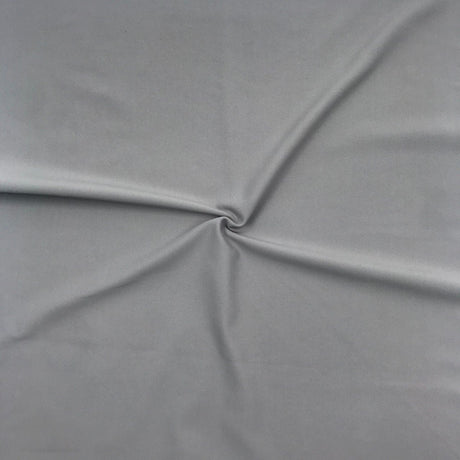
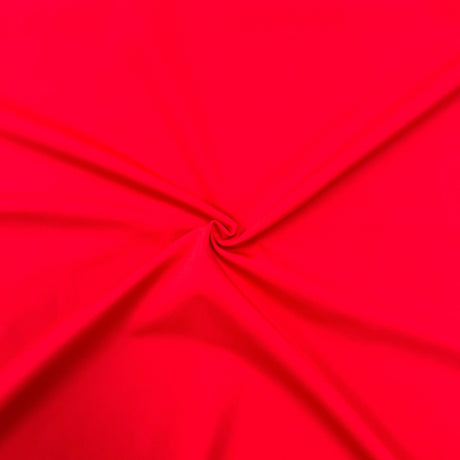
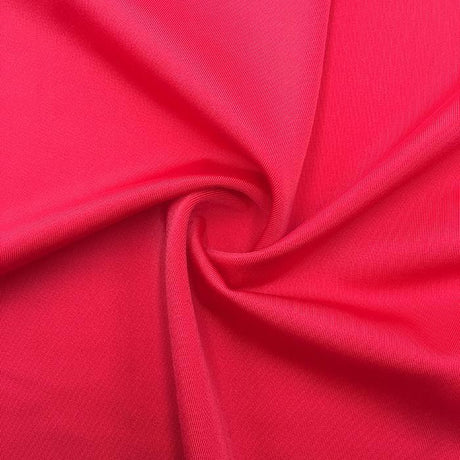
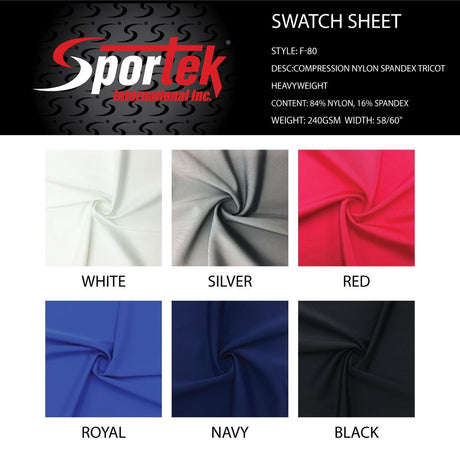
- Sublimated Team Apparel: The fabric is clearly targeted at team sports gear that often features bright colors and logos. Sublimation printing on the white fabric yields rich colors that do not fade easily. This is perfect for soccer team jerseys, but also for e-sports jerseys, custom athletic shirts, or school team uniforms. Small runs of custom uniforms can be done since the fabric is available by the yard at retail, meaning both large manufacturers and small team outfitters can use it. The fact that Sportek offers a color card with White, Gray, Black (and presumably other colors) suggests that the fabric can also be obtained in solid colors for cut-and-sew without printing. Black or colored versions (with the same UV and wicking properties) could be used for referee jerseys, practice jerseys, or any training apparel.
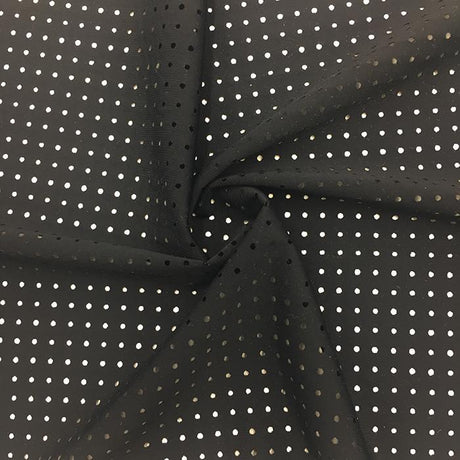
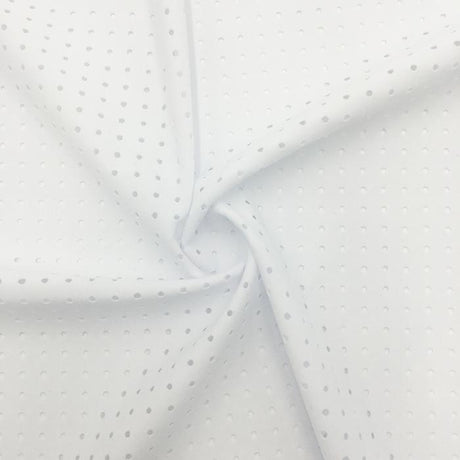
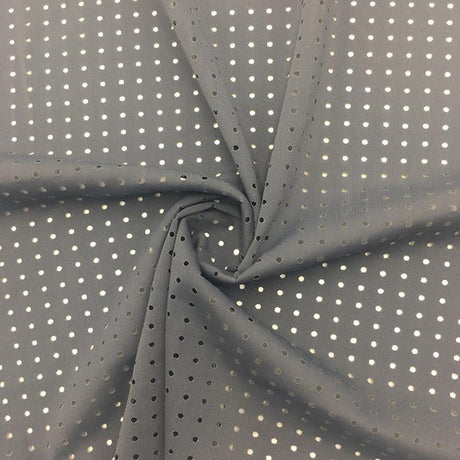
- Comparison to Other Sports Fabrics in Application: It’s informative to compare why one might choose this interlock over other knit fabrics for a particular application. For instance, mesh fabrics (like pinhole mesh or eyelet mesh) are sometimes used in sports jerseys for enhanced airflow. Those are extremely breathable but often less soft and can be see-through or less comfortable against skin. Sportek’s interlock, in contrast, provides a balance: it’s still breathable but offers more coverage and a smoother feel. Some soccer kits incorporate mesh panels in high-sweat zones (underarms, sides) while using interlock or similar knit for the main body – a combination approach that could certainly include this fabric for the body.
Another common fabric for polos and some jerseys is piqué knit, which has a textured, waffle-like surface. Compared to piqué, interlock is very smooth and has higher stretch. Piqué’s texture gives it slightly more airflow and a structured look, but interlock typically feels softer and more “modern” for performance tees. In fact, in cotton versions, “pique is more structured and very durable, whereas interlock is softer and more flexible”. For a soccer jersey that needs to be lightweight and allow freedom of movement, the interlock’s flexibility and drape might be preferred over a stiffer pique. Also, interlock provides an excellent surface for printing detailed graphics, whereas pique’s texture can interfere with print clarity. This is one reason interlock (or smooth polyester jersey) is typically used for uniforms that carry a lot of sublimated design.
- Athleisure and Casual Wear: Although designed for sports, the soft feel and ease of care of this fabric also make it suitable for athleisure garments – everyday wear that looks like athletic clothing. For example, a casual T-shirt or long sleeve tee for outdoor use could be made from this for people who want sun protection and moisture wicking during hiking or travel. The fabric’s stability and no-curl edges mean even beginner-friendly sewing projects (like making a basic tee) could handle it, extending its use to hobbyist apparel creation.
In summary, the applications of Sportek’s UV50+ interlock span soccer jerseys, sports tops, training and workout apparel, outdoor activity clothing, and customizable team gear. Its combination of comfort and functionality means it can serve anywhere a lightweight, breathable, and protective fabric is needed. Sportek’s own marketing notes it is “ideal for sportswear tops, neck gaiters, and sublimated team apparel”, highlighting its adaptability. When choosing fabric for high-performance athletic wear, this interlock stands out for bringing together multiple desirable attributes in one textile.
Comparison with Other Performance Knit Fabrics
To appreciate the advantages of Sportek UV50+ Soccer Interlock, it’s useful to compare it with other types of knit fabrics commonly used in performance gear. Each fabric has its own strengths, and the choice can depend on the specific garment requirements. Here are some comparisons:
- Interlock vs. Single Jersey Knit: Single jersey (a basic T-shirt knit) is the most common knit fabric. It’s usually lighter and can be very breathable, but it has some drawbacks: it tends to curl at cut edges and can have an uneven texture on the back side (since the purl side is different from the face). Interlock, being a double-knit, is thicker, smoother on both sides, and doesn’t curl. In performance terms, a single jersey polyester might feel a bit thinner or stretchier, but it might also cling more when sweaty and be slightly more transparent. The Sportek interlock offers more structure and opacity than a thin jersey, which is great for coverage and a quality feel. It still provides ample stretch and breathability, but with a more substantial hand. Single jersey can sometimes snag or run more easily; interlock’s tighter knit resists runs and snags better. Therefore, for a durable soccer uniform that needs to endure contact, interlock has an edge in resilience. Jersey might be used for cheaper training shirts, whereas this interlock would give a more premium, long-lasting garment.
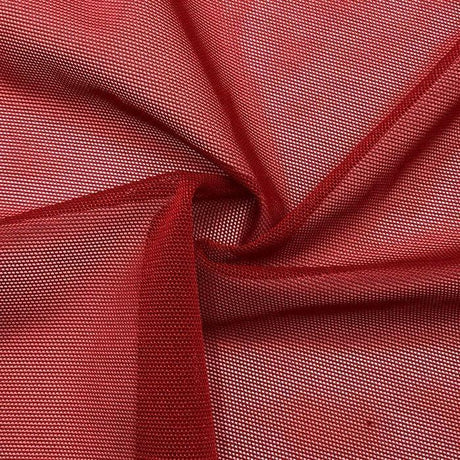
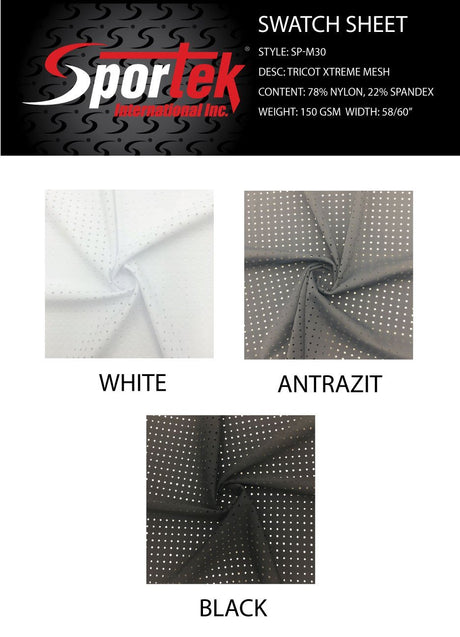
- Interlock vs. Mesh (Warp Knit or Weft Knit Mesh): Mesh fabrics (like those with obvious small holes) are used in basketball jerseys, pinnies, and ventilated panels of shirts. Mesh is extremely breathable due to its openness, but that comes at the cost of sun protection and often softness. A large-hole mesh can be rough and obviously see-through. Sportek’s interlock, on the other hand, provides UPF 50+ protection and full coverage – something mesh cannot do (mesh would allow a lot of UV through). The interlock is also softer against the skin. However, mesh might dry slightly faster just because there’s less material (more air). In critical sweat zones, some designers might still prefer mesh inserts, but for the majority of a jersey, a fabric like this interlock offers a good balance of ventilation and comfort. Notably, there are engineered meshes with wicking and soft yarns, but they typically won't have the same level of printability or sun protection.
- Interlock vs. Piqué Knit: Pique knit (used often in polo shirts and some retro soccer jerseys) has a textured pattern (like a waffle or honeycomb). It’s known for being breathable and giving a smart, structured look. Comparing cotton versions, pique is rated as highly breathable and very durable, while interlock is very soft with high stretch. In polyester sportswear, the same ideas apply: a polyester pique polo will feel a bit coarser and more structured, whereas the polyester interlock will feel smoother and stretchier. Piqué’s texture can trap some sweat, but it also can help show less sweat because of the surface texture. Interlock being smooth might show sweat spots but since it wicks and evaporates moisture quickly, that’s minimized. For sports where a polished look is desired (like a golf polo), pique is common, but even many modern polos use interlock or jersey for a softer, performance feel. Considering durability, both pique and interlock can be very durable in polyester form. Pique might hold its shape slightly better (less drape), which is good for collared shirts, whereas interlock drapes and moves fluidly with the body, which is better for active T-shirts. One source sums it up: “Choose pique for structured, breathable, and polished garments... choose interlock for soft, stretchy, and skin-friendly clothing where print quality matters.”. Since soccer jerseys typically prioritize lightweight comfort and bold graphics, interlock is the appropriate choice.
- Interlock vs. Polyester/Spandex Blends: Many athletic garments, especially compression gear or women’s activewear, use blends like 90% polyester / 10% spandex (lycra). Adding spandex yields greater elasticity (4-way stretch) and a tighter fit. However, spandex can make the fabric slightly warmer (less breathable) and can reduce the fabric’s wicking efficiency (spandex is not moisture-wicking and holds sweat a bit). Sportek’s interlock forgoes spandex, which makes sense for a soccer jersey or loose-fit top – you don’t need extreme stretch in a loose jersey. The benefit is you get better moisture management (100% poly can wick and dry faster than a blend with spandex) and the fabric will be less prone to retaining odors (spandex can retain oils more, and also can degrade from repeated high-heat drying or chlorine). A polyester/spandex knit would be used for compression undershirts or leggings where a tight fit is needed. For a standard soccer jersey, the 100% polyester interlock is ideal – it provides enough give for comfort but doesn’t cling excessively or compromise on breathability. It’s also simpler to sew (no special handling for high stretch) and typically more affordable per yard than a high-spandex content fabric.
- Interlock vs. Tricot (Warp Knit): Some sportswear uses warp-knit tricot (for example, certain soccer shorts or track jackets). Tricot is a very stable, run-resistant warp knit that can also be made with moisture-wicking polyester. Tricot fabrics tend to be smooth on one side and textured on the other (e.g., shiny outside, mesh inside). They are often extremely durable and snag-resistant. However, tricot can be less soft or flexible in drape compared to interlock; it’s great for compressive leggings or linings, but for a loose jersey, it might feel stiffer. Tricot excels in things like compression tights or swimwear (especially with spandex) due to its strength. Interlock, being a weft knit, offers more natural stretch and a softer hand which is preferable for tops. Tricot could be a contender if maximum durability was needed, but at 160 GSM, this Sportek interlock already provides plenty of toughness while feeling nicer to wear.
In conclusion, Sportek UV50+ Soccer Interlock holds its own among performance fabrics by delivering balanced performance: it is nearly as breathable as a mesh or pique, yet softer and more protective; it is as durable as heavier knits, yet lightweight and drapey; it doesn’t have spandex, yet offers comfortable stretch. These comparisons emphasize why an apparel designer might choose this fabric for a soccer jersey or training shirt: it hits the sweet spot between comfort and functionality. As one promotional description for a similar product noted, “polyester interlock fabric is breathable and moisture-wicking, ideal for use as [a] soccer jersey”. When choosing fabrics for athletic wear, understanding these differences ensures the final garment meets the intended performance and comfort criteria.
Care and Sewing Tips for Sportek UV50+ Interlock
To get the best results from this fabric, both in garment production and in long-term use, it’s important to follow proper care and sewing practices. Here are some guidelines:
Fabric Pre-Treatment: Before cutting and sewing, it’s recommended to pre-wash the fabric. Although polyester doesn’t shrink, pre-washing removes any finishes or oils from manufacturing and ensures any minimal relaxation shrinkage is out of the way. Use a gentle cycle with cold or warm water. This also gives a sense of how the fabric handles in a wash and its drying time.
Sewing Tips:
- Cutting: One advantage of interlock is that it lies flat and doesn’t curl at the edges, making it easier to cut accurately. Still, lay the fabric flat and unstretched when cutting patterns. Use sharp fabric scissors or a rotary cutter for clean edges. Because the fabric has some stretch, avoid hanging it off the table while cutting (to prevent distortion). Pattern weights or fine pins can be used to secure your pattern – pins should be placed within seam allowances to avoid making visible holes, although interlock’s closed knit usually won’t show pin holes much. Some prefer using ballpoint pins or clips to be extra gentle on knits.
- Needles: Use a ballpoint (jersey) needle on your sewing machine. Ballpoint needles have a slightly rounded tip that slides between knit fibers instead of piercing them, which prevents snags or runs. “The ballpoint needle is ideal for stretch fabrics, allowing the machine to glide over the fabric without punching big holes.”. A size 75/11 or 80/12 ballpoint is typically good for light to mid-weight interlock. If you experience skipped stitches, you can also try a stretch needle, which is designed for very elastic knits, but for 100% poly interlock, ballpoint is usually sufficient.
- Thread: Polyester thread is a good choice as it has some give and won’t snap with stretch. It also has strength to match the fabric’s durability. A Tex 27–30 polyester sewing thread (regular all-purpose thread) works well. Avoid cotton thread, which lacks elasticity and can weaken from the constant flexing in a knit garment.
- Stitch Type: Because this fabric stretches moderately, you need stitches that won’t break when the fabric stretches. A straight stitch can pop if used on a seam that needs to stretch (like a shirt side seam when you pull it on). It’s recommended to use a zig-zag stitch or stretch stitch on a regular sewing machine for seams. A narrow zig-zag (for example, 0.5–1.0 mm width, 2.5 mm length) works nicely to seam the pieces; it will allow the seam to stretch with the fabric. “The recommended stitch for stretch fabric is the zigzag stitch, as it weaves between the stretches of the fabric and allows the fabric to stretch within the thread without breaking.”. If you have a serger/overlock machine, that is ideal for sewing seams in knits – a 3- or 4-thread overlock stitch will seam and finish the edges in one go while providing stretch. Interlock doesn’t fray, but an overlock gives a professional finish and optimal elasticity.
- Hems: For hemming, you can use a zig-zag or a twin needle to mimic a coverstitch. A twin needle on a regular machine creates two parallel lines on the top and a zig-zag on the back, providing a flexible hem that looks like retail sportswear. If using a twin needle, be sure to slightly lengthen the stitch and maybe reduce upper tension to avoid tunneling. Another option is to simply use a small zig-zag on the hem or a stretch blind hem stitch if you want a nearly invisible finish. Since interlock doesn’t curl, hemming is straightforward – you won’t be fighting a rolling edge as with jersey. Tip: It can help to press the hem (on a low synthetic setting) and use a bit of washable wonder tape or a few hand basting stitches to hold it in place before stitching, ensuring it doesn’t shift.
- Sewing Machine Settings: Use a light pressure on the presser foot if adjustable, so as not to stretch the fabric while sewing. If the machine tends to “eat” the fabric at the start of seams, start a little in from the edge or use a leader scrap. A walking foot attachment can be helpful for some machines to evenly feed the knit. Interlock is actually one of the more stable knits to sew, so it’s friendly even for those new to sewing stretch fabrics.
Care Instructions:
To maintain the fabric’s performance (moisture wicking, UV protection) and longevity, proper care is important:
- Washing: Machine wash in cold or warm water with like colors. Cold water is gentler and perfectly sufficient for cleaning sweat from synthetic fabrics. Avoid high temperatures in wash to prevent any potential minor shrinkage or damage to finishes. Using a mild detergent is recommended. Do not use chlorine bleach, as it can deteriorate polyester fibers (and is unnecessary for synthetic fabric cleaning). For tough stains (like grass or mud on a soccer jersey), pre-treat with a stain remover or a bit of detergent by gently rubbing, and launder promptly. Turning garments inside out before washing is advised – this protects any sublimated graphics from abrasion and also reduces friction on the outer surface, minimizing pilling or snagging from zippers or velcro in the wash.
- Fabric Softener: Do not use fabric softeners or dryer sheets on moisture-wicking performance fabric. While fabric softener can make materials feel extra soft by depositing a coating, that coating will clog the fabric’s capillaries and impair the moisture-wicking ability. Experts warn that “the coating fabric conditioner leaves behind can harm the ability of these fabrics to wick”. It essentially weatherproofs the fabric, which is the opposite of what you want for breathability. Softener residue can also lock in odors. Fortunately, Sportek’s interlock is naturally soft, so it doesn’t need additional softening. If static is a concern, a small amount of fabric softener can reduce static, but it’s better to use alternative methods (like line drying or using wool dryer balls) to avoid any performance reduction. In short, skip the softener, and the fabric will stay at peak performance.
- Drying: For best results, air dry or tumble dry on low. Polyester fabrics dry very quickly on a line or hanger, often in under an hour for a thin shirt. This saves energy and is gentle on the fabric. If using a dryer, low heat is preferred. The care guidelines from Pine Crest suggest that while 100% polyester can technically be dried at high heat, using low or medium will extend the garment’s life. High heat can over time cause any applied logos or prints to deteriorate and can potentially reduce the effectiveness of moisture-wicking finishes. It can also cause static. Removing the garments promptly when dry prevents wrinkles (polyester doesn’t wrinkle much anyway). Avoid over-drying, as excessively long, hot drying could possibly shrink the fabric slightly or make it shiny.
- Ironing: Polyester interlock generally does not need ironing, as it is wrinkle-resistant. If you must remove a crease or press a seam, use the cool synthetic setting on the iron (usually marked for polyester) and avoid lingering in one spot. Always use a pressing cloth to avoid scorching or melting. Never use a hot iron directly, as polyester will melt or glaze with high heat. And do not iron directly on sublimation prints – they could reactivate and smear. If prints need pressing, do it inside out with a cloth between iron and fabric, at low heat.
- Storage: Store the garments folded or hung as you would any athletic apparel. Because the fabric is resistant to wrinkles, it will be ready to wear without special care. Keep in mind that long exposure to sunlight (when not being worn) can eventually degrade any fabric, so storing in a cool, dry place is best for long-term durability.
By following these care tips, the Sportek UV50+ interlock fabric will maintain its performance and appearance over many uses. Users have noted that quality polyester activewear can last for years when properly cared for – it resists the kind of shrinkage or decay you might see in cotton. The color (especially sublimated color) will remain vibrant since it’s embedded in the fiber. The UV protective quality should also persist as long as the fabric is intact, though extremely old or heavily abraded garments might lose a bit of effectiveness. Proper washing (no harsh chemicals or bleach) ensures those UV and wicking treatments remain functional.
From a sewing perspective, using the right needle and stitch will ensure your seams are secure yet flexible. Sewists often find interlock one of the easier knits to sew due to its stability. Its no-curl edges and run-resistant nature mean even if you make a small mistake, the fabric is forgiving (you won’t suddenly unravel a whole row of knit by accident). Whether you’re an apparel manufacturer or a DIY enthusiast, you can achieve professional results by handling the fabric appropriately – test your stitch on a scrap, adjust tension if needed, and you’ll find that this fabric responds well.
By understanding the construction, properties, and proper handling of Sportek UV50+ Soccer Interlock Knit, one can fully leverage its benefits. This fabric exemplifies the modern generation of technical textiles that marry comfort (soft hand, gentle stretch) with performance (moisture wicking, UV protection, durability). Its design is rooted in meeting the needs of athletes and active individuals: keeping them cool, dry, protected, and comfortable in all conditions. At the same time, it offers practical advantages in manufacturing (wide width, printability) and end-user care (easy wash, quick dry, no special maintenance). Whether it becomes a soccer jersey sprinting under the sun, a marathon runner’s top, or a piece of everyday sun-protective activewear, this interlock fabric is up to the task. It serves as a go-to solution for high-performance sportswear, proving that one fabric can indeed provide a “complete package” of technical qualities without sacrificing wearer comfort.