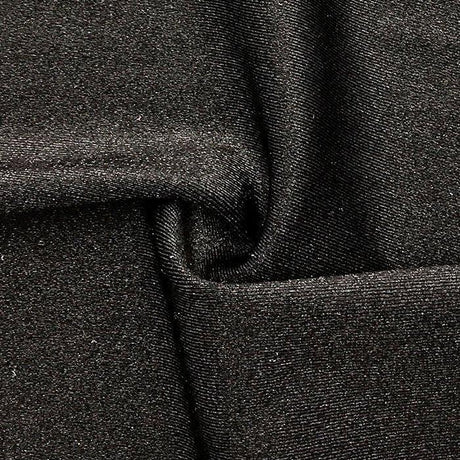
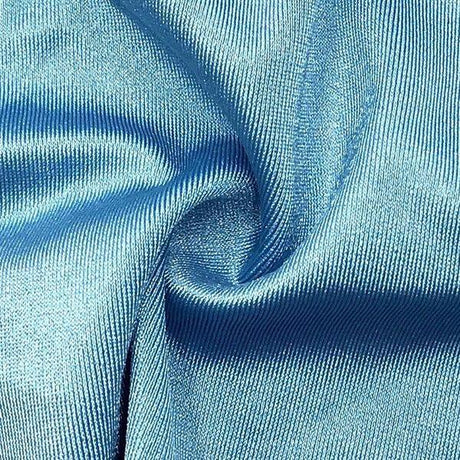
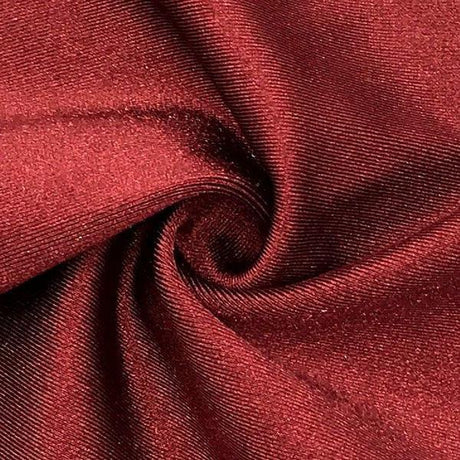
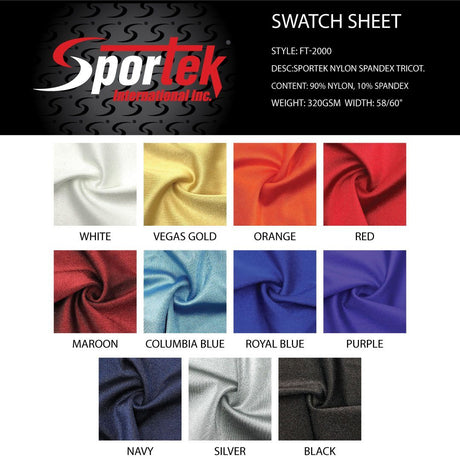
Choosing the right fabric is crucial for creating a T-shirt that is both comfortably soft and reliably stretchy for everyday wear. With so many material options – from natural cotton and modal to synthetics like polyester and spandex – it can be confusing to figure out which is best. The core challenge is finding a fabric that offers enough elastic stretch for freedom of movement while still feeling breathable, soft, and holding its shape throughout the day.
Every fabric comes with trade-offs. Natural fibers (like cotton) excel in breathability and comfort, whereas synthetic fibers (like polyester or spandex) bring added durability and elasticity. Blended fabrics (such as cotton-spandex or tri-blends) often combine the best of both – improving stretch, shape retention, and overall comfort. In this guide, we'll break down what makes a fabric "stretchy," go over key technical specs (like GSM weight, stretch percentage, and fiber content), and provide expert tips on choosing the perfect material for any style of T-shirt. For a broader foundation before diving in, explore our activewear fabric guide or browse our full fabric guides hub. Whether you're a professional apparel maker or a DIY sewist, this comprehensive guide will help you navigate your options with confidence.
What Makes a Fabric "Stretchy"?
To understand the best fabric for a stretchy T-shirt, it helps to know where stretch comes from. A fabric's stretchiness depends on two things: how it's made and what it's made of. Most everyday T-shirts are made of knit fabrics (like jersey), which naturally have some give. Knitting involves looping yarns together, creating small interlocking loops – this structure lets the fabric bend and expand slightly (unlike woven fabrics, which have little stretch on grain). For example, a 100% cotton jersey knit T-shirt will stretch a bit across its width just from the knit structure. However, if you add even a small percentage of spandex (elastic fiber) to that knit, the shirt suddenly gains a lot more elasticity in all directions. Spandex (also known as elastane or Lycra) is the "secret sauce" that gives modern stretch fabrics their snap – even 5% spandex blended into cotton or polyester can dramatically increase a fabric's stretch and recovery. In short, knit structure provides baseline comfort stretch, and spandex content provides enhanced stretch and resilience. Our stretch fabric types page explains how different constructions and spandex percentages translate to real-world stretch performance.
Stretch Types: You'll often hear fabrics described as "2-way stretch" or "4-way stretch." A 2-way stretch fabric stretches in only one direction (usually sideways across the width) and has little give in the other direction. A 4-way stretch fabric stretches in both directions – horizontally and vertically – offering multidirectional flexibility. Many standard T-shirt jerseys without spandex are effectively 2-way stretch: they stretch around your torso but not significantly head-to-bottom. When you introduce spandex (or use certain high-stretch knit constructions), you get a true 4-way stretch that moves with you in every direction. A quick way to test this is the "stretch test" – grab a swatch of the fabric and tug it horizontally and vertically. If it only gives one way, it's 2-way stretch; if it gives both ways, it's 4-way. Our stretch fabric types page covers this distinction in full detail.
Fiber Blends and Stretch: The fiber content of a fabric also affects its stretch and feel. Natural fibers like cotton or rayon (modal) are prized for softness and breathability, but on their own they don't provide much elasticity. The real stretch hero is spandex (elastane), which is almost always used in blends rather than alone. A small blend like 95% cotton / 5% spandex or 90% polyester / 10% spandex marries the comfort or durability of the base fiber with the stretch of elastane. Our cotton-spandex fabric guide and nylon-spandex fabric guide cover how these two popular blends differ in feel, stretch, and application.
Technical Specifications – Stretch Metrics, GSM, and Fabric Properties
When evaluating fabrics for a stretchy T-shirt, there are some key technical specs and attributes to compare. Understanding these will help you pick a fabric that not only stretches well, but also meets your needs for weight, drape, and durability.
Stretch Percentage: Stretchiness is often quantified as a percentage, indicating how much the fabric can elongate relative to its original length. For example, 50% stretch means a 10-inch sample can stretch to 15 inches. Typical everyday knit T-shirts might have around 20–50% stretch across the width (moderate comfort stretch), whereas specialized activewear or dancewear fabrics (with lots of spandex) can stretch 75–100% or more. Equally important is stretch recovery – how well the fabric springs back to its original size. A great stretchy tee fabric shouldn't just stretch a lot; it should also recover without staying baggy. Our stretch fabric types page explains how to evaluate recovery ratings when comparing fabrics.
2-Way vs. 4-Way & Content: A 4-way stretch fabric (usually a knit with elastane) will give in all directions, which is preferable for anything form-fitting or active. A 2-way stretch can work for looser, everyday T-shirts where extreme mobility isn't needed. Knowing the spandex content is a quick indicator: fabrics with 3–5% spandex are often moderate stretch jerseys (great for tees that need comfort with a bit of snap-back), while those with 10–20% spandex are typically high-stretch materials used for sportswear, dance, or fitness garments. Our dancewear fabric guide covers high-stretch applications where 4-way construction is essential.
Fabric Weight (GSM): The weight or GSM (grams per square meter) of the fabric influences the shirt's thickness, drape, and opacity. T-shirt fabrics generally range from lightweight ~130 GSM up to heavy ~220 GSM or more. A lighter fabric (~120–140 GSM) will feel thin, airy, and very drapey – great for summer or layering. Mid-weight fabrics (~150–180 GSM) are the most common "everyday" T-shirt weights, offering a balance of softness and coverage. Heavyweight jerseys (~200+ GSM) feel more substantial and are used for structured or premium tees. Our fabric weight guide provides a full breakdown of GSM ranges and how weight affects drape, opacity, and performance across fabric types.
Durability and Recovery: The best stretchy T-shirt fabric should not only feel good initially, but last through many wears and washes. Polyester is renowned for durability – it resists tearing and can handle lots of washing. Cotton can be very durable too, but 100% cotton tees may warp or lose shape over time without any elastic fiber to help. Even a small amount of spandex helps the shirt "snap back" and maintain its fit. A balance of 2–8% spandex is common for durable stretch apparel. For tips on preserving stretch and recovery through laundering, see our spandex care guide and fabric care guide.
Breathability: A comfortable everyday T-shirt shouldn't just stretch; it should also allow your skin to breathe. Generally, natural fibers (cotton, bamboo, rayon/modal) are more breathable than pure synthetics. Cotton's fiber structure and moisture-absorbing quality help it stay comfortable in heat. Modal (rayon) is particularly known for its silky feel and breathability, often described as "cool to the touch." Spandex itself is not very breathable – but since it's usually only a small percentage, it won't make or break the fabric's comfort as long as the majority fiber is breathable. Our activewear fabric guide covers breathability ratings and moisture management in detail for performance-oriented T-shirt projects.
How to Choose the Right Fabric – Matching Material to End Use
Not all stretchy tees are created equal – the best fabric depends on what style of shirt you're making and how it will be worn. Our how to choose fabric guide is a great companion resource as you work through these decisions:
Relaxed Everyday Wear: For a casual everyday tee, prioritize softness and moderate stretch. A medium-weight cotton or cotton-blend jersey with 2-way stretch is usually sufficient. You might choose a cotton-spandex blend (around 5% spandex) for a bit more give. Look for fabrics around 150–170 GSM for a nice drape that isn't clingy. Breathability is key for daily wear, so a high cotton or rayon content is ideal. Our fabric weight guide makes it easy to identify the right GSM range for relaxed, non-clingy silhouettes.
Form-Fitted Styles: If you're making a fitted or body-hugging fashion tee, you'll need a fabric with excellent recovery and 4-way stretch. A blend with spandex is almost a must to achieve that snug fit that moves with the wearer. Fabrics like 95/5 cotton-spandex jersey, rib knit, or rayon/spandex jerseys all work well. A cotton-modal-spandex blend ensures a "second skin" fit that still breathes and feels soft. Our stretch fabric types page compares these constructions side by side.
Activewear T-Shirts: For athletic or performance tees (for gym, yoga, running), mobility and moisture management are top priorities. You'll want a 4-way stretch, high-elastane fabric, often in combination with polyester or nylon-spandex for moisture-wicking and durability. These blends can stretch 60–100% without issue and snap back into shape. Look for descriptions like "moisture-wicking," "quick-dry," or mesh panels if ventilation is needed. The GSM might be lower (130–150 GSM) to keep it lightweight and cool. Our activewear fabric guide covers technical knit constructions for performance tees in detail.
Layering Basics (Undershirts & Tanks): When the stretchy tee is meant as an undershirt or layering piece, you'll want it to be thin, soft, and moderately stretchy. A lighter-weight cotton or modal blend is preferred so it adds minimal bulk under other clothing. A popular choice for high-end undershirts is micromodal/spandex jersey because it's ultra-soft, smooth, and has 4-way stretch for a body-forming fit. Aim for lightweight to mid-weight fabrics (~120–150 GSM) so that the undershirt breathes and you don't overheat. Our fabric weight guide helps identify the right GSM for close-fitting layering pieces.
Use-Cases and Examples – Stretch Fabrics in Action
Yoga or Workout Tees: For a yoga top or gym tee, you'll want maximum flexibility so the shirt never restricts poses or exercise movements. A fabric like nylon-spandex (e.g. 80/20) or polyester/spandex (90/10) is ideal. These blends are commonly used in athleticwear because they offer a high stretch percentage (often 70% or more) and excellent recovery. Look for activewear knit fabrics labeled "4-way stretch," "moisture-wicking," or "cooling." Our activewear fabric guide and dancewear fabric guide both cover high-stretch knit options suited to movement-intensive applications.
Undershirts or Base Layer Tees: For an undershirt, the priorities are breathability, lightweight comfort, and enough stretch for a close fit. A great choice might be a cotton-modal blend or rayon from bamboo jersey, possibly with a touch of spandex. For example, a 48% cotton / 47% modal / 5% spandex blend would tick all the boxes – cool, moisture-absorbing, resistant to shrinking, and stretchy enough to stay snug under your outer shirt. Our cotton-spandex fabric guide covers modal-cotton-spandex combinations and their care requirements.
Fitted Fashion Tees: For a trendy, fitted tee, you want a fabric that gives a clean, sleek look on the body. A rayon/spandex jersey (like 95% rayon, 5% spandex) has fabulous drape and a slight sheen, making a simple tee look a bit more elevated while hugging the figure nicely. Fabrics for fitted fashion tees should have good recovery (so the shirt doesn't develop elbow or waist ripples after wear) – again, spandex is key for that. Our stretch fabric types page explains how recovery ratings translate to real-world fit longevity.
Specialty Cases (Graphic Tees, Print Designs): If your project involves printing a graphic or doing heat transfers on the T-shirt, the fabric choice can affect your results. 100% cotton (with lower stretch) often takes screen prints and heat vinyl well, whereas very stretchy fabrics (especially those high in spandex or nylon) might require special inks or techniques to avoid cracking when stretched. Tri-blends (typically 50% poly, 25% cotton, 25% rayon) are hugely popular for vintage-look graphic tees because they are super soft with a bit of give. For custom sublimated prints on stretch fabrics, see our sublimation guide and sublimation transfer paper resources.
Common Mistakes to Avoid with Stretch Fabrics
Skipping Pre-Wash: Always pre-wash (and dry) your fabric before cutting your pattern. Stretchy knit fabrics, especially those with cotton or rayon, can shrink after the first wash. Pre-washing in the same manner you'll care for the finished shirt also lets the fabric relax and removes any finishing chemicals. Our fabric care guide covers pre-washing protocols for all common T-shirt fabric types.
Using the Wrong Needle or Thread: Sewing stretchy T-shirt material with a regular sharp needle or a non-stretch thread can spell disaster. A ballpoint or stretch needle is essential for knits – it has a rounded tip that slips between knit fibers rather than piercing them, preventing snags or runs. Choose a polyester thread or specialized stretch thread; cotton thread has no give and can snap on stretchy seams. Our how to sew stretch fabric guide covers needle selection, thread pairing, and machine settings for every type of stretch knit.
Wrong Stitch (or Tension) on Seams: A very common mistake is sewing a stretchy tee with a straight stitch. A straight stitch does not stretch – so the first time the shirt is pulled on, the seams might pop or the thread could break. Instead, use a zigzag stitch, stretch stitch, or serger/overlock stitch for seams. Always test on a scrap of your fabric: stretch the stitched scrap to ensure the seam threads themselves don't restrict movement. Our how to sew stretch fabric guide walks through stitch settings and tension adjustment for clean, durable stretch seams.
Stretching the Fabric While Sewing: It's easy to unintentionally stretch knit fabric as it goes through the machine, which can lead to wavy, lettuce-edged seams once the garment is off the machine. Let the feed dogs do the work without yanking the fabric through. Use a walking foot if you have one, which feeds the fabric evenly. Our how to sew stretch fabric guide covers feed techniques and presser foot recommendations for different knit weights.
Ignoring Fabric Care (Heat Damage): One big no-no is using high heat on fabrics that contain spandex. High ironing or drying temperatures can melt or weaken spandex fibers, causing the fabric to lose elasticity or even warp. Always press using a low heat setting (and preferably with a pressing cloth). When laundering, avoid hot water and high dryer heat – opt for cool wash and hang or tumble dry low. Our spandex care guide covers heat sensitivity across different spandex blends, and our fabric care guide provides laundering best practices for all common T-shirt fabric types.
When to Use Alternatives (No Spandex Blends)
While spandex and high-stretch fabrics are fantastic for many applications, there are times when you might choose a fabric with little or no spandex for your T-shirt:
Breathability & Natural Comfort: If ultimate breathability or a natural fiber feel is your priority, opt for fabrics like 100% cotton, cotton/linen, or bamboo/cotton blends that contain no spandex. On a scorching summer day, a lightweight 100% cotton tee can feel cooler and airier than a cotton-spandex blend. If your use-case is a boxy, relaxed tee or a summer weight shirt, a fabric without spandex could be perfect. Our fabric guides hub covers natural fiber options and their breathability characteristics across a range of knit constructions.
Loose or Oversized Styles: For oversized, boxy T-shirts or streetwear styles, having high stretch isn't very important because the fit is already generous. Here, you might choose a heavier 100% cotton jersey or a cotton-poly blend without spandex. A heavyweight cotton (200 GSM+) can give a structured look that holds an oversized shape nicely. Our fabric weight guide helps you identify the right GSM for structured, non-clingy silhouettes.
Printing and Graphics: Sometimes you might choose a less stretchy fabric for better compatibility with certain embellishment methods. For detailed screen prints or direct-to-garment prints, a 100% combed cotton tee is often ideal. A tri-blend or cotton/poly (with no spandex) can also work well and tends to have less shrinkage than all-cotton, which helps preserve a print's alignment after washing. For sublimation printing on stretch bases, see our sublimation guide and sublimation paper resources.
Drape and Fashion Effects: Some stylish tees or tops are made from fabrics that are more about drape than stretch. A trendy loose tee might be made of 100% rayon challis or a linen jersey – these materials have lovely drape and breathability but virtually no elastane. If you want that slinky, almost semi-transparent look, a modal or rayon knit without spandex could achieve it. Our how to choose fabric guide covers drape as a selection criterion alongside stretch, weight, and fiber content.
Longevity & Sustainability: Some designers or consumers prefer 100% natural fiber shirts because at end-of-life they biodegrade (whereas any amount of spandex is not biodegradable). If you're making a line of sustainable apparel, you might choose organic cotton or hemp jersey with no spandex to keep the garment compostable. Our fabric guides hub includes resources on sustainable fiber options for apparel applications.
Examples of Spandex-Free Stretch: You can still have a comfortable stretch without spandex by leveraging knit structure or alternative fibers. Rib knits (a 1x1 or 2x2 rib in cotton) can be extremely elastic. Tri-blends (typically polyester, cotton, rayon) have become a beloved T-shirt fabric because they're super soft, lightweight, and have a little stretch from the rayon's drape and the knitting process – all achieved with zero spandex content. Our stretch fabric types page covers spandex-free stretch constructions and how they compare to elastane-blended alternatives.
Conclusion
Selecting the best fabric for a stretchy T-shirt ultimately means balancing stretch, comfort, and performance to suit your project's needs. By understanding key factors – from how fiber blends affect softness and breathability, to how spandex percentage and fabric weight influence stretch and drape – you can make an informed choice with confidence. Remember that a great everyday tee fabric will provide enough give for easy movement, feel good against the skin, and hold up to repeated wear.
Ready to find the right fabric for your project? Explore our stretch fabric types page and fabric weight guide to compare your options, use our how to choose fabric guide to narrow down the field, and visit our how to sew stretch fabric guide when you're ready to start constructing. Our fabric care guide and spandex care guide will keep your finished tees looking and fitting great wash after wash. Have questions along the way? Our expert help and advice page and FAQ are always there to help. And don't forget to sign up for SpandexByYard Rewards to earn points on every purchase – because the right fabric makes every stitch worth it.