![Best Fabric for [TOPIC]: Comfort, Durability & Performance - Spandexbyyard](http://spandexbyyard.com/cdn/shop/articles/best-fabric-for-topic-comfort-durability-performance-2971671.webp?v=1776836837&width=1600)
In DIY tote bag design and professional manufacturing alike, adding organized pockets and soft linings is a common challenge. A lightweight mesh pocket can solve this by providing breathability and quick-drying performance, while a plush lining keeps contents cushioned. For a broader foundation on stretch fabric properties before diving in, explore our stretch fabric types page or browse our full fabric guides hub.
What Is Mesh Pocket Fabric?
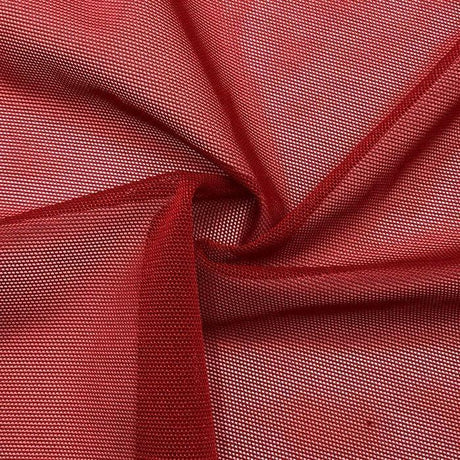
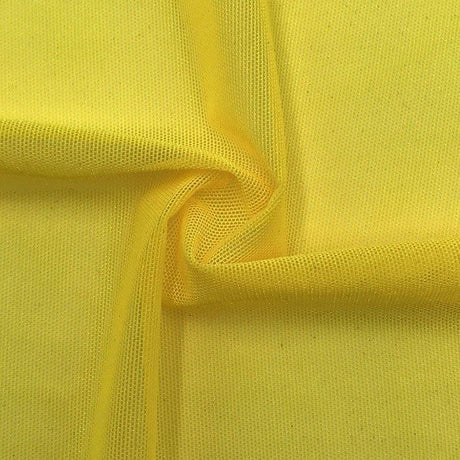
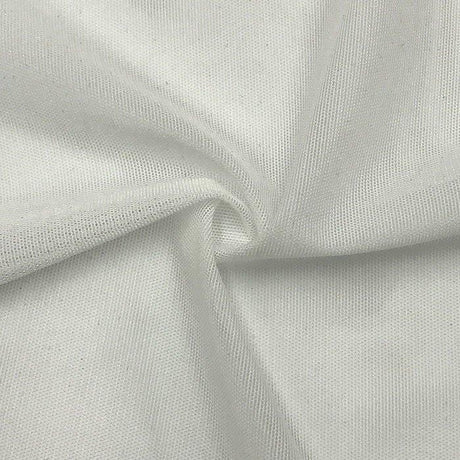
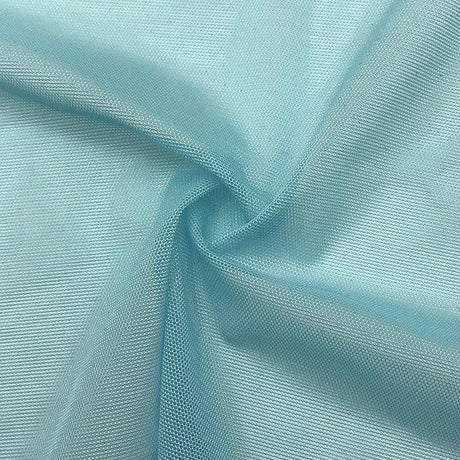
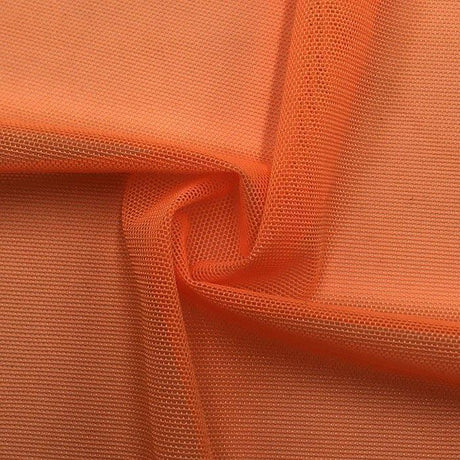
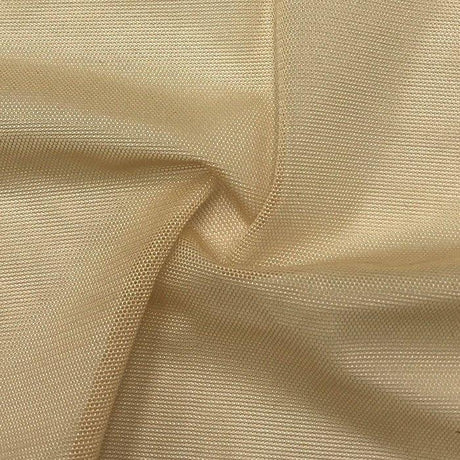
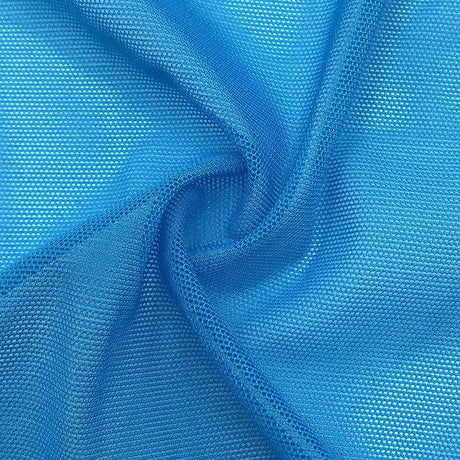
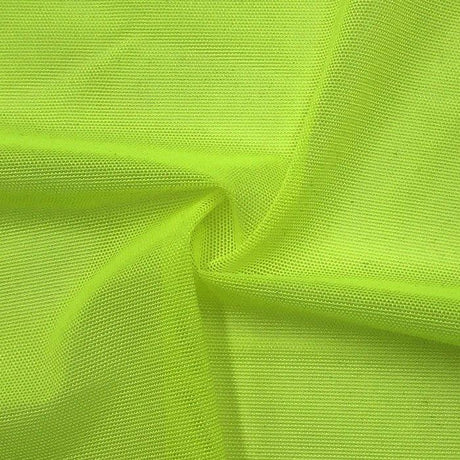
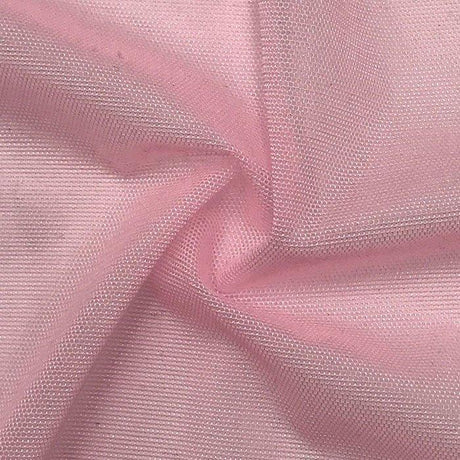
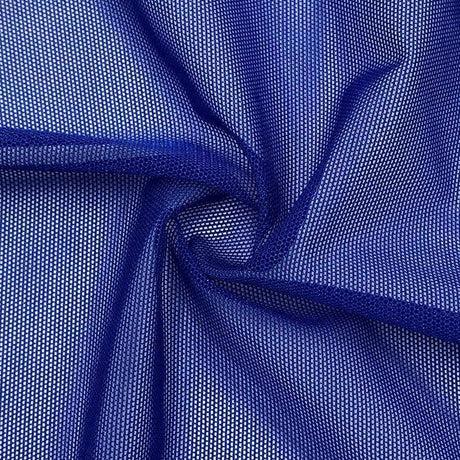
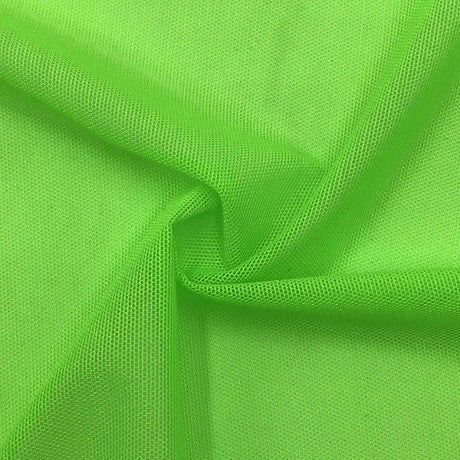
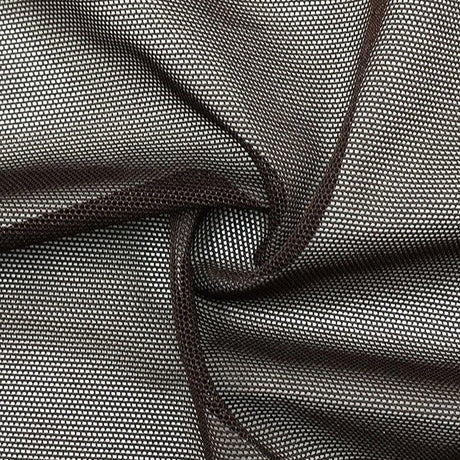
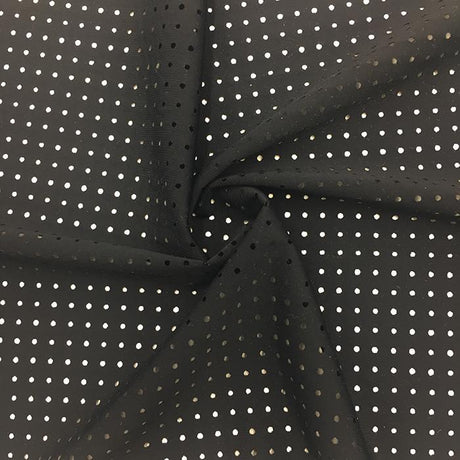
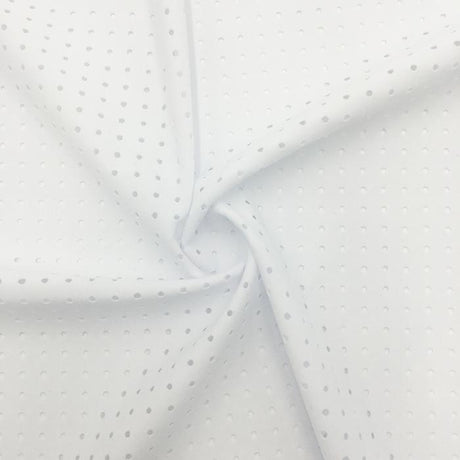
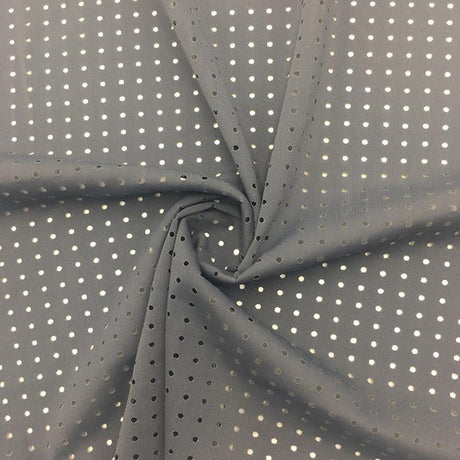
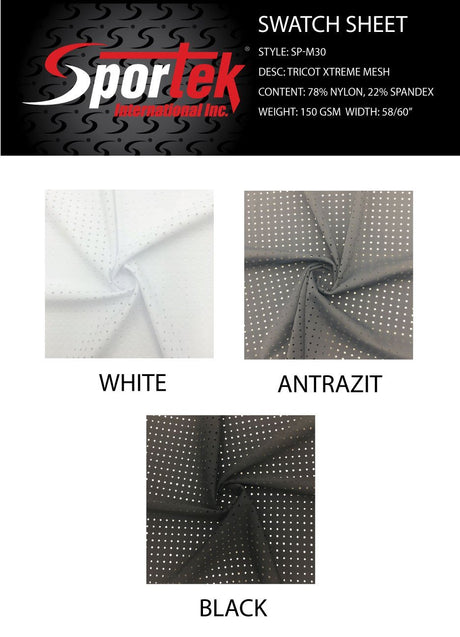
Mesh pocket fabric differs from other knit fabrics in its structure: it has large holes that allow air and light to pass through, whereas jerseys or fleece are solid knits. It can range from relatively stiff "power mesh" (a nylon-spandex net with 4-way stretch) to softer, more drapey athletic meshes with minimal spandex. A basic 100% polyester pocket mesh is mechanically stretchy, whereas a power mesh version with Lycra offers four-way elasticity and extra support. In summary, mesh pocket fabric is a breathable, open-weave knit (often polyester/nylon) built for ventilation and light weight. Our nylon-spandex fabric guide covers how nylon-spandex power mesh constructions achieve the combination of strength, 4-way stretch, and breathability that defines quality performance mesh.
Key Performance Characteristics
Breathability & Moisture Management: The open-knit structure of mesh allows air to circulate freely, so heat and moisture escape quickly. Polyester mesh is inherently moisture-wicking and quick-drying due to its synthetic fiber and holes. This makes mesh pockets ideal for sweaty or wet environments (gym gear, beach towels) where ventilation is crucial. Our fabric finishes guide covers moisture-wicking surface treatments and how to evaluate their durability across all common mesh fabric constructions.
Stretch & Recovery: Mesh fabrics can be either rigid or stretchy, depending on their yarn content. A plain polyester mesh (100% poly) has only mechanical stretch – it gives a little under tension but does not recover strongly (no lycra content). In contrast, power mesh (nylon/spandex) features Lycra or elastane yarns, giving it four-way stretch and excellent bounce-back. Choose a power mesh if pocket elasticity and shape retention are needed; choose a non-stretch mesh if you want a stable netting that won't sag. Our stretch fabric types page covers the step-by-step stretch and recovery testing methodology in detail.
Weight (GSM) & Durability: Mesh for pockets is typically lightweight. Common weights range from ~100 to 150 GSM. In general, heavier mesh (higher GSM) will feel more substantial and stand up to abrasion better. Polyester and nylon meshes are both durable fibers; polyester mesh can withstand regular wear and tear while maintaining shape, and nylon mesh is known for high tensile strength and abrasion resistance. Our fabric weight guide provides a full breakdown of how GSM affects breathability, durability, and structure across all common mesh constructions.
Handfeel & Softness: Mesh handfeel depends on yarn thickness and knitting. Heavier industrial meshes may feel coarse; athletic meshes are usually smoother. A naked open-hole mesh might feel slightly scratchy to the touch. If ultimate softness is needed (for wearable pockets or linings), consider a brushed mesh or jersey netting instead.
Special Traits: Mesh's large pores inherently make it non-insulating and non-waterproof. However, optional finishes can add performance: antimicrobial, anti-odor, or moisture-wicking coatings are common. Some sport meshes are treated to resist UV fading or bacteria if the tote is for outdoor use. Many performance fabrics are also PFP (polyester-fiber-print) ready for vivid sublimation prints. Our sublimation page covers how sublimation printing bonds dye into polyester-spandex fibers to achieve permanent, saturated color, and our sublimation paper and sublimation transfer paper pages cover the complete printing workflow.
Comparison with Similar Fabrics
Mesh Pocket Fabric: 100% polyester or nylon open-knit (netting); may include elastane in power mesh. Mechanical stretch (no Lycra) or 4-way stretch if spandex included. Highly breathable and lightweight; dries quickly and resists odors. Durable polyester/nylon yarn. Less insulating and not water-resistant; may fray or snag if not treated.
Nylon-Spandex (Activewear): Blended knit (often 80–90% nylon, 10–20% spandex). Four-way stretch with excellent recovery. Very elastic and form-fitting. Best for leggings, active tops, swimsuits. Exceptionally soft, smooth "buttery" feel and strong stretch; excellent wicking (nylon). Less breathable than mesh; can feel slick or slippery. Our nylon-spandex fabric guide covers how nylon-spandex constructions compare to polyester-spandex in hand feel, moisture management, and durability.
Cotton-Spandex (Stretch Knit): Blended knit (≈90–95% cotton, 5–10% spandex). Two-way stretch (weft direction mainly) with moderate recovery. Best for casual wear, yoga pants, and everyday totes where softness is desired. Exceptionally soft and breathable; comfortable natural fiber feel. Poor moisture management (catches sweat, dries slowly); less durable (prone to pilling/wrinkling). Our cotton-spandex fabric guide covers how cotton-spandex blends compare to synthetic alternatives in stretch behavior and moisture management.
Best Uses & Applications
Tote Bags and Casual Carryalls: A mesh pocket is perfect for stashing damp items (like umbrellas or swim gear) and letting them dry, or holding quick-grab items (water bottles, sunglasses) while keeping them visible. For example, an outdoor or gym tote with an exterior sport mesh for pockets lets air out sweaty gym clothes. Inside the bag, a soft brushed tricot lining cushions contents and adds polish.
Activewear and Sports Gear: In activewear and sports gear, mesh is used for pocketing and ventilation: workout shorts often have inner mesh briefs or phone pockets; athletic jerseys and dancewear use mesh panels to wick sweat. Our activewear fabric guide covers how mesh panels are used in compression and ventilation applications across all common activewear categories.
Beach and Pool Bags: On beach or pool bags, mesh compartments allow sand and water to shake out easily. For swim-specific applications where chlorine resistance matters, our swimwear fabric guide covers fabric construction options that hold up to pool and saltwater exposure.
Fashion DIY: For fashion DIY, you might use a printed mesh or embroidered mesh to add style in a breathable way. On the other hand, solid performance fabrics (like scuba neoprene or nylon canvas) are used for the bag body for structure and durability, while mesh is reserved for pockets or accent panels.
How to Choose the Right Fabric
Purpose and Use: For heavy gear (tools, laptops), pick a heavier base fabric and reserve mesh for small pockets. If moisture is involved (wet swimsuit, gym gear), favor polyester or nylon-based fabrics (mesh and lining) that dry fast. Our how to choose fabric guide covers what to evaluate when a physical swatch arrives, including stretch testing, opacity testing, and hand feel assessment.
Stretch Requirements: If your design involves fitted pockets or curved seams, using a stretch mesh (with spandex) may be advantageous. Otherwise, a stable knit mesh (no Lycra) is fine. Always pre-stretch and test the recovery if elasticity matters.
Climate/Weather: In hot, humid conditions, breathable meshes (100% polyester) and moisture-wicking linings are ideal. If water resistance is needed, you may opt for a light DWR coating on the main fabric, but still use mesh in lower pockets for ventilation.
Print vs. Solid: Polyester-based fabrics (including mesh and tricot) accept dye-sublimation prints vividly. If you want bold graphics on the bag exterior or linings, look for sublimation-ready materials (brushed tricot with PFP white finish is excellent for bright prints). Cotton blends cannot be printed that way, so they are best for plain or screen-printed designs.
Budget & Availability: Performance fabrics can vary in cost. Basic polyester mesh and tricot are generally affordable; specialty prints, neoprene, or high-end power meshes cost more. Have questions about ordering? Our expert help and advice page and FAQ cover everything you need to know.
Common Mistakes to Avoid
Wrong Needle or Stitch: Using a regular sharp needle on knits leads to skipped stitches or runs. Always use a ballpoint or stretch needle to gently part the knit fibers. Likewise, avoid a standard straight stitch on stretchy mesh; use a narrow zigzag or stretch stitch. Our how to sew stretch fabric guide covers complete needle selection, stitch type, machine settings, and edge finishing guidance for all common mesh and stretch fabric construction scenarios.
Skipping Pre-Wash: Some synthetics can shrink slightly or bleed color on first wash. Always pre-wash and dry a scrap of your mesh (and any lining or exterior fabric) before cutting.
Ignoring Stretch Grain: Mesh knits have a stretch direction (usually widthwise). Cut and sew with the natural grain or stretch direction in mind. If you accidentally cut on a stretch bias, pockets can warp or twist.
Poor Seam Finishing: Mesh can fray at cut edges. Use appropriate seam finishes (overlock or zigzag) and consider a narrow seam allowance if pocket lip exposure is minimal. For heavy bags, reinforce mesh pockets with bartacks or binding at stress points.
Improper Care: Don't assume mesh can be ironed or tumble-dried on high heat. Treat mesh like any Lycra: wash cold, gentle cycle, and air-dry. Our spandex care guide covers why heat degrades elastane fibers and the care protocols that maximize fabric lifespan.
Ready-to-Use Checklists
- Pre-wash and dry all fabrics; test fabric stretch and recovery; ensure colors don't run
- Use ballpoint/stretch needles for knits, and polyester or nylon core thread for strength; avoid cotton thread on spandex
- Use a stretch or zigzag stitch on mesh; straight stitches will pop under tension
- Match seams with the grain or pattern; align mesh holes for a uniform look; clamp or pin carefully, as mesh can slip
- For bulky pockets, consider light fusible interfacing on non-visible parts or narrow binder tape to reinforce edges
- Press seams gently with a low iron if needed (or use a cloth); inside-out ironing prevents shiny marks on synthetics
Care & Longevity Tips
Washing: Always wash mesh and spandex fabrics in cold or cool water on a gentle cycle. Use a mild detergent, and avoid chlorine bleach or harsh chemicals which can weaken fibers. Turn the tote inside-out (and remove any metal hardware) to protect prints and prevent abrasion. Our spandex care guide and fabric care guide cover complete laundering protocols for all common spandex-blend fabric types.
Drying: Air-drying is best. Either lay flat or hang to drip-dry away from direct sun. If using a dryer, choose a low or tumble-press setting; high heat can melt or warp synthetics.
Ironing: In general do not iron mesh or spandex surfaces directly. If absolutely needed, use a very low iron on the reverse side with a pressing cloth.
Storage: Store your tote folded (to avoid stretching out shoulder straps) in a cool, dry place. Keep it away from sharp objects that could snag the mesh.
Spot Cleaning: Small stains on mesh or lining can often be spot-cleaned with mild soap and water. Gently dab; do not wring the mesh to avoid hole distortion.
When to Consider an Alternative Fabric
Cotton-Spandex vs Nylon-Spandex: Choose cotton-spandex blends when you want a very soft, natural feel and breathability for casual, low-impact uses. However, remember cotton holds moisture and dries slowly; it's also less durable than synthetic blends. On the other hand, nylon-spandex fabrics offer superior strength, quick-drying, and recovery – ideal for rigorous use and moisture-prone environments (gym bags, swim bags). Our nylon-spandex fabric guide covers how nylon-spandex constructions compare to cotton-spandex in durability, recovery, and moisture management.
Neoprene (Scuba) vs Mesh: Neoprene is excellent for protecting gear in wet conditions, but neoprene is not breathable – a neoprene pocket will trap heat and moisture. If breathability or light weight is needed, mesh is a better choice. For example, a beach or swim tote might use neoprene for the main body but include small mesh pockets on the inside or exterior to let sand/water drain.
When Mesh Makes More Sense: Consider mesh whenever you want transparency and airflow. If you're debating between a solid synthetic (like polyester twill) and mesh for a pocket, ask whether breathability is more important than privacy. If yes, go with mesh.
Conclusion
Mesh pocket fabric brings unique advantages to tote bag design. Its open-knitted structure (usually polyester or nylon) delivers unmatched breathability, lightness, and moisture-wicking capability. This makes it ideal for pockets and panels where air flow and visibility are key. When paired with a soft lining like brushed tricot, you get a tote that is both high-performing and comfortable inside.
To choose wisely, consider your tote's purpose: ventilate and dry with mesh pockets, insulate or waterproof with alternatives. Always test your fabrics, sew with the right needles, and follow care tips (cold wash, air dry). Sign up for SpandexByYard Rewards to earn points on every purchase – with the right mesh pocket fabric, your tote bag will be as functional as it is stylish!
FAQ
Q: Is mesh fabric good for tote bag pockets? A: Yes. Mesh is ideal for tote pockets because it's lightweight, breathable, and quick-drying. A polyester or nylon mesh pocket will allow air circulation and visibility (so you can see contents), and won't hold moisture. Just be sure to finish the edges properly so the open weave doesn't fray.
Q: How durable is mesh pocket fabric for long-term use? A: Fairly durable if you choose a good weight. Polyester mesh in the ~100–150 GSM range can resist everyday wear and tear. For long life, reinforce seams and avoid overloading mesh compartments. Our fabric weight guide covers the GSM thresholds that distinguish lightweight from midweight mesh constructions.
Q: How should I care for mesh pocket fabric? A: Treat mesh like other performance knits. Wash it cold on a gentle cycle. Use mild detergent and skip the dryer, or tumble-dry on low. High heat can warp synthetic fibers. Our spandex care guide covers complete care protocols for all common spandex-blend fabric types.
Q: What sewing techniques or needles are best for mesh pocket fabric? A: Use stretch-friendly tools. A ballpoint or stretch needle is a must for knits like mesh. Also use a narrow zigzag or stretch stitch rather than a straight stitch. Our how to sew stretch fabric guide covers all needle selection and machine setup guidance for mesh and stretch fabric construction.