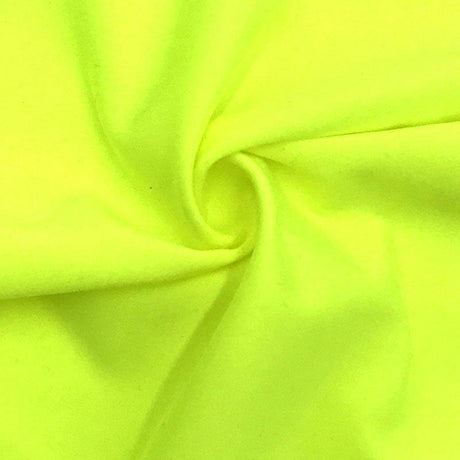
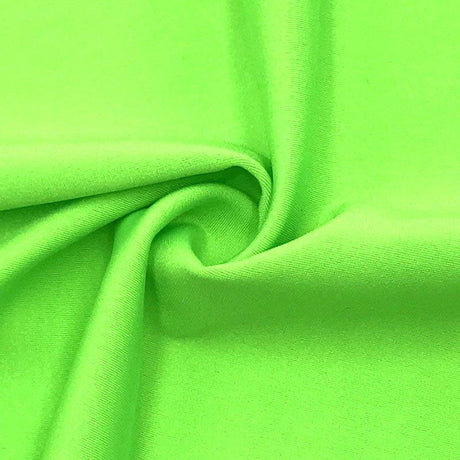
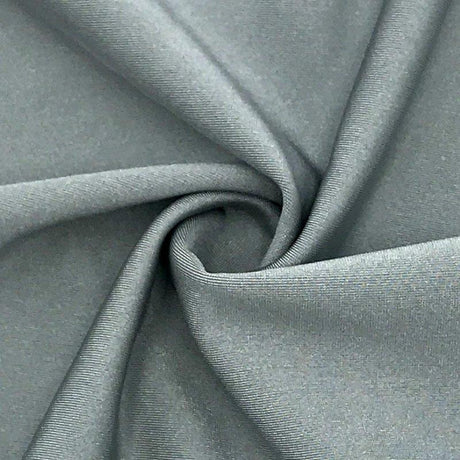
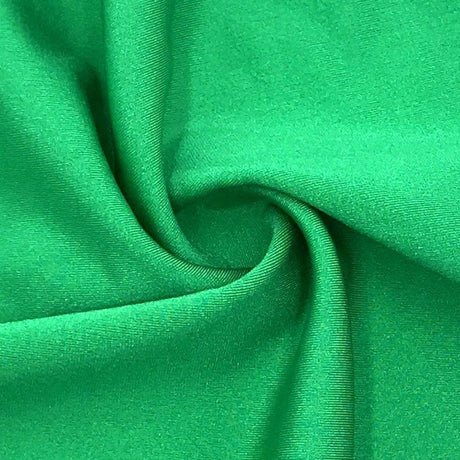
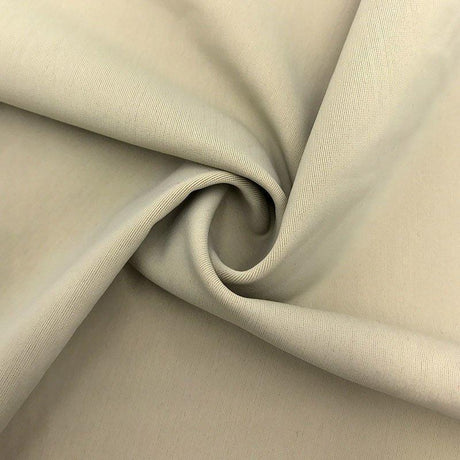
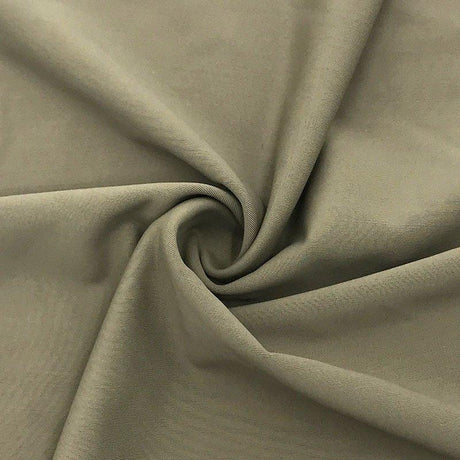
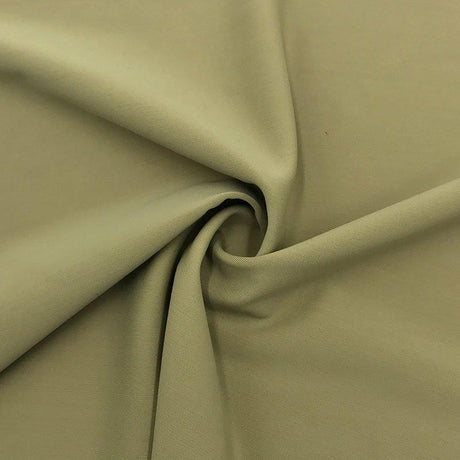
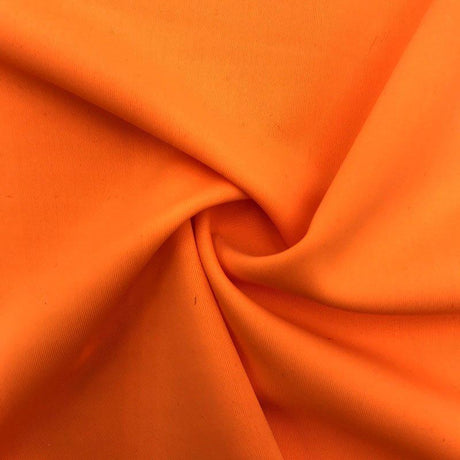
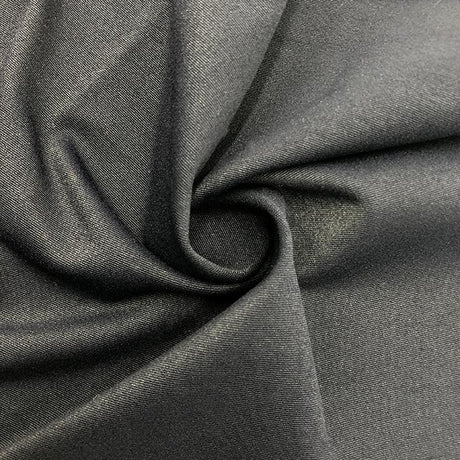
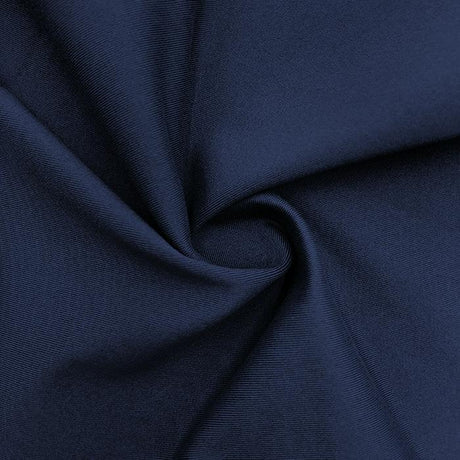
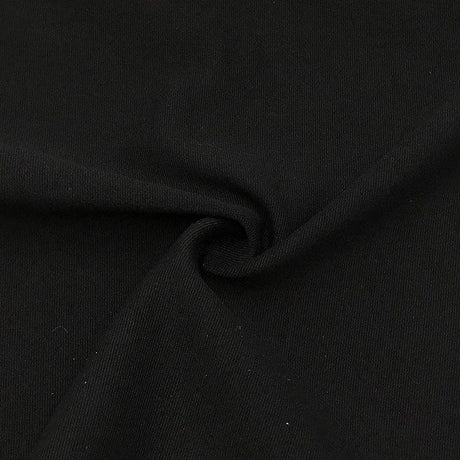
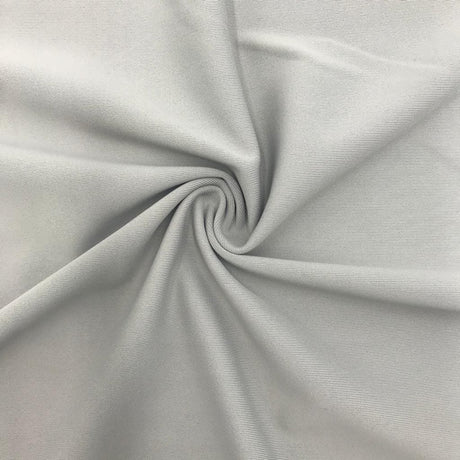
Running puts unique demands on fabric – sweat, constant movement, and temperature spikes can quickly reveal a material's weaknesses. A shirt that seems fine for casual wear might chafe, cling, or overheat once you start logging miles. This makes fabric choice a critical first step for anyone designing or sewing running apparel. For a broad overview of performance textiles before diving in, explore our activewear fabric guide or browse our full fabric guides hub.
Performance textile challenges: High-output activities require materials that keep you cool, dry, and unrestricted. Fabrics need to breathe to release heat, wick moisture so sweat doesn't pool, and stretch to move with the runner. If any one factor is lacking (e.g. poor ventilation or no elasticity), the runner will feel discomfort or even risk rashes and overheating. Establishing the importance of breathability, moisture management, and stretch up front sets the stage for selecting the best fabric.
Without any sales pitch, it's clear that choosing the right fabric can make or break a piece of running gear. Both professional apparel designers and DIY makers should prioritize technical fabric properties over just looks or trendiness. The sections below explore what "breathable, wicking, and stretchy" really mean, compare popular fabric types, and provide a roadmap for picking the perfect textile for your running shirt project.
Fabric Performance Fundamentals
What Makes a Fabric Ideal for Running? It comes down to three key attributes – breathability, moisture-wicking, and stretch (with recovery). These ensure the runner stays comfortable and the garment holds its shape during intense activity.
Breathability: This refers to how well a fabric allows air and sweat vapor to pass through. A breathable fabric prevents overheating by promoting airflow. Generally, lighter and looser knit materials with porous structures are more breathable. (Test tip: hold a fabric up to light – more light visible means more air can likely pass through.) Our activewear fabric guide covers breathability ratings and fabric structures in detail.
Moisture-Wicking: A wicking fabric actively pulls sweat away from your skin and spreads it across the outer surface to evaporate quickly. Typically, hydrophobic fibers like polyester or nylon excel here – they don't absorb water, so sweat is guided along the fiber threads to the outside. Special yarn shapes or coatings (e.g. capillary channels) enhance this effect. The goal is a shirt that never feels soaked – it should dry almost as fast as you sweat. See our fabric finishes guide for a breakdown of wicking coatings and treatments applied at the mill.
Stretch & Recovery: Running involves repetitive motion, so a fabric must stretch with each movement and then spring back (recovery) to avoid sagging. 2-way stretch fabrics extend in one direction (usually widthwise), suitable for looser fits. 4-way stretch fabrics extend both widthwise and lengthwise, providing a full range of motion ideal for performance wear. Elastane (spandex) blends give fabrics this multidirectional elasticity and a snug fit that moves with the body. Recovery means the material returns to its original shape – high recovery prevents a shirt from becoming baggy after many uses. Our stretch fabric types page explains 2-way vs. 4-way constructions in full detail.
Importance of Comfort in Motion: Beyond technical definitions, it's crucial to remember the end-user experience. A runner's shirt should minimize friction, prevent chafing, and feel barely there even during a long run. That's why soft yarns, smooth finishes, and thoughtful placement of seams or panels matter. The right fabric will not only manage sweat and stretch but also maintain a comfortable touch on the skin when you're in motion and as the miles add up. Our how to sew stretch fabric guide covers seam placement and construction techniques that maximize comfort in performance garments.
Key Fabric Types for Running Shirts
Understanding common fabric options will help in choosing the best fabric for a given project. Here we compare popular performance textiles and what they offer in terms of breathability, wicking, and stretch.
Polyester Blends: The workhorse of athletic wear, polyester is prized for being lightweight, breathable, and fast-drying. It doesn't absorb moisture, so sweat evaporates from the surface quickly. Modern polyester knits can be very breathable, especially when designed as micro-mesh. However, pure polyester has limited stretch on its own – it's often blended with a small percentage of spandex for improved elasticity. Polyester blends are also durable and easy to care for, making them ideal for high-use running shirts. Our activewear fabric guide goes deeper on polyester knit constructions and their performance characteristics.
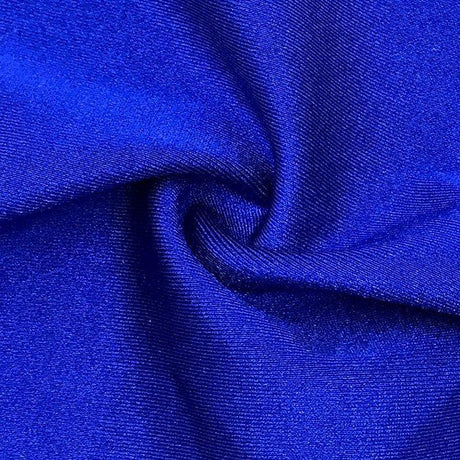
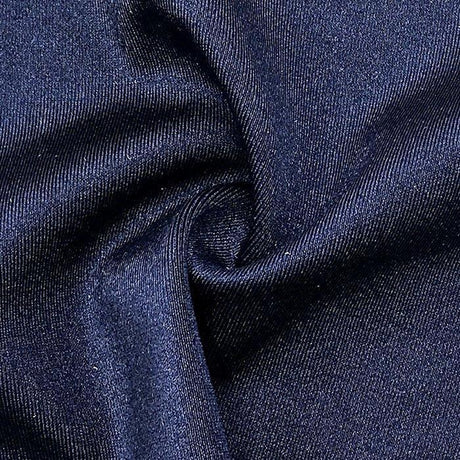
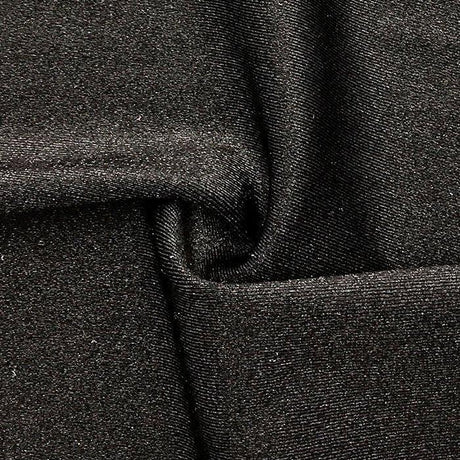
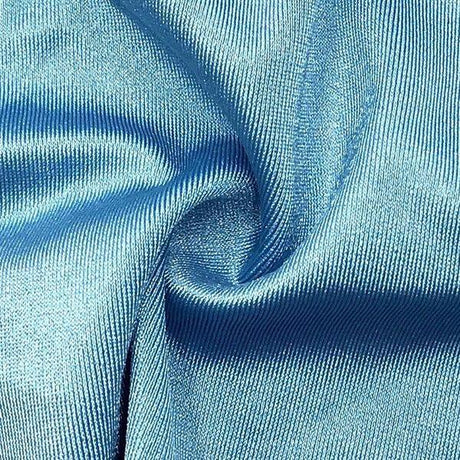
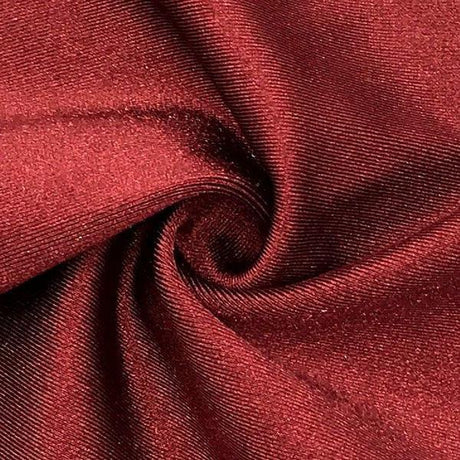
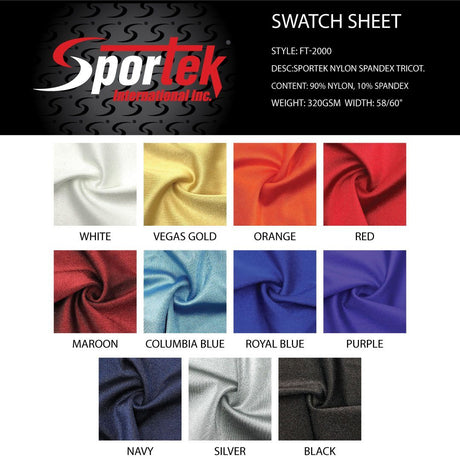
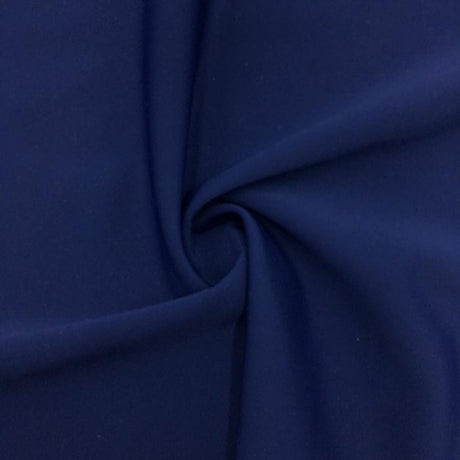
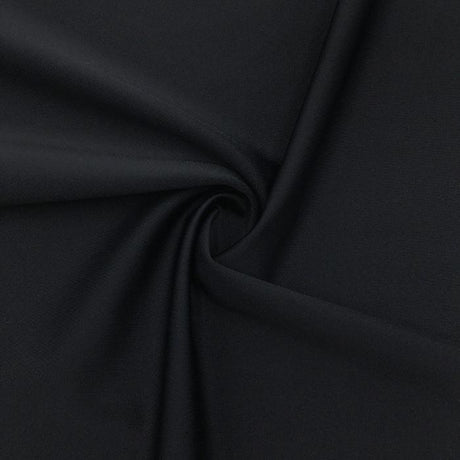
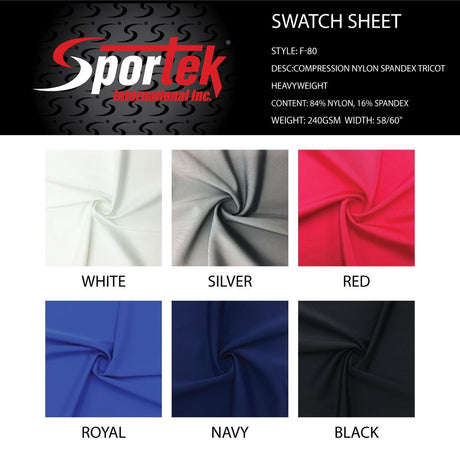
Nylon-Spandex Blends: Nylon is another synthetic popular in running gear, often teamed with spandex (elastane). Nylon brings a smooth, slightly softer handfeel than polyester and excellent strength. It's highly abrasion-resistant, so it withstands repeated wear and movement without pilling or thinning. Like polyester, nylon wicks moisture well and dries fast. When combined with spandex (anywhere from ~10–20%), the result is a fabric with 4-way stretch that hugs the body and recovers its shape. These blends are common in compression tops or fitted long-sleeve running shirts where supportive stretch is needed. Visit our nylon-spandex fabric guide for a complete breakdown of this blend's performance properties, and browse our nylon-spandex fabric selection to find the right option for your project.
Bamboo Viscose (and Emerging Naturals): Bamboo viscose is an example of a newer, more sustainable fabric making its way into activewear. It's incredibly soft and has natural breathability and odor resistance. Moisture-wise, viscose can absorb and wick reasonably well, though not as efficiently as synthetics. It tends to feel cooler to the touch in hot conditions. However, pure bamboo fabric lacks the durability of poly/nylon; it's often blended with cotton or spandex for better recovery. Other emerging materials include Tencel (lyocell) and merino wool hybrids, which aim to offer eco-friendly or comfort benefits. Our fabric guides hub covers many of these newer sustainable performance textiles.
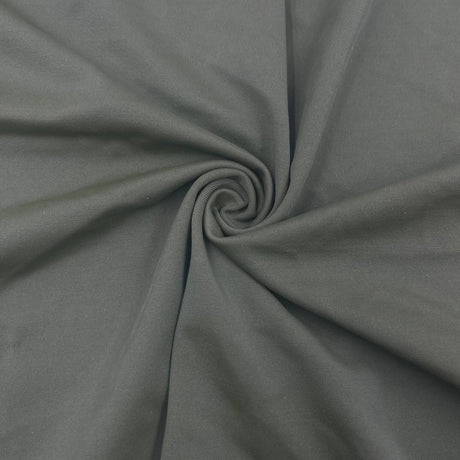
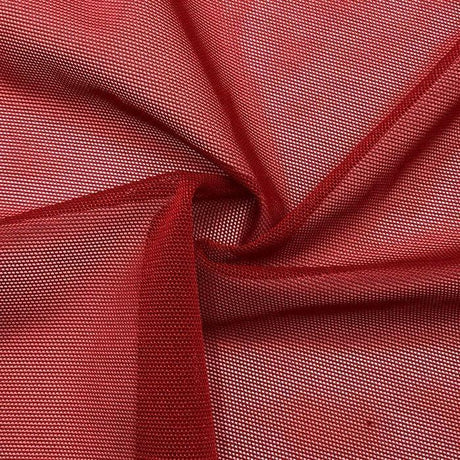
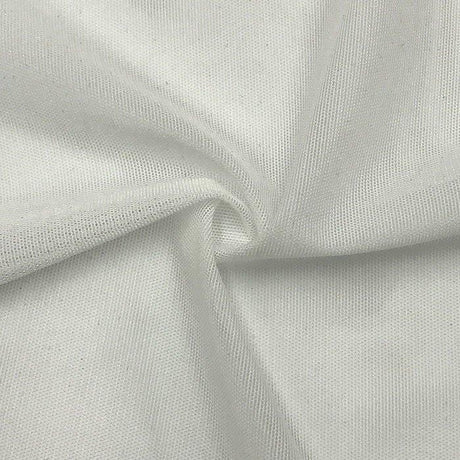
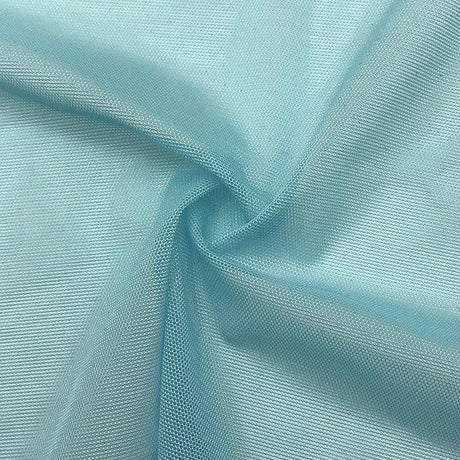
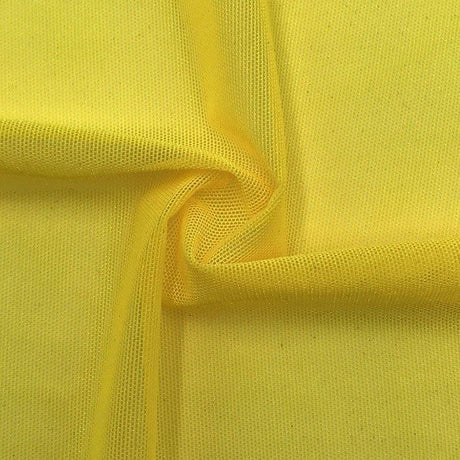
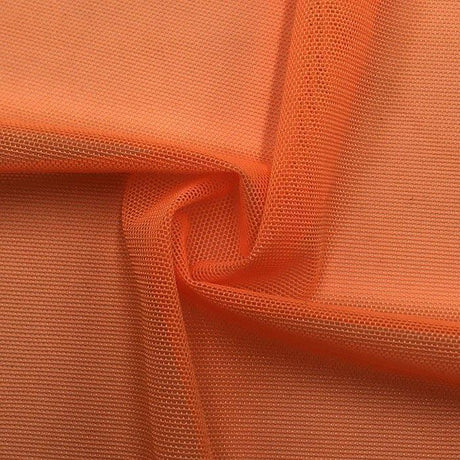
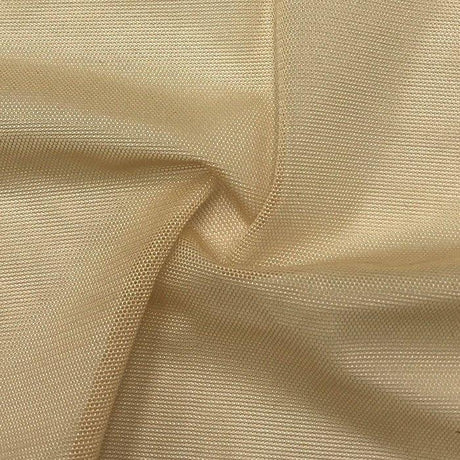
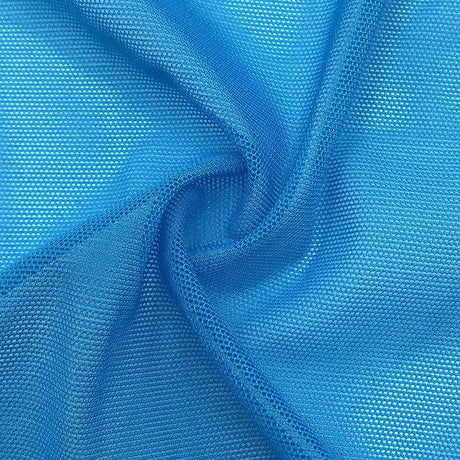
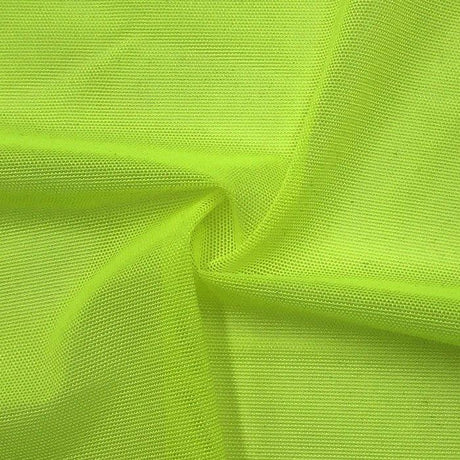
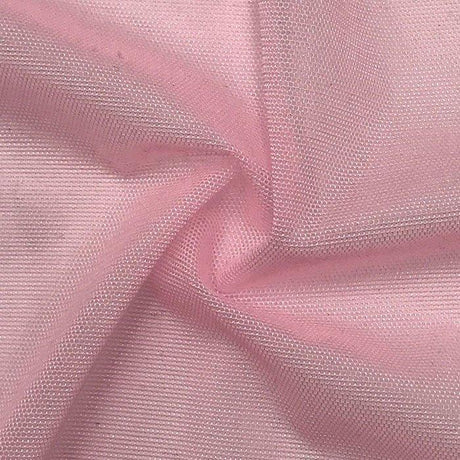
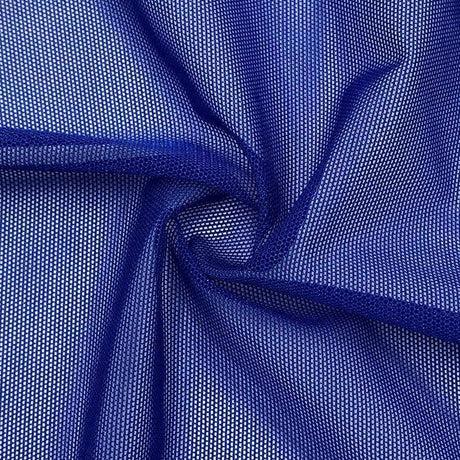
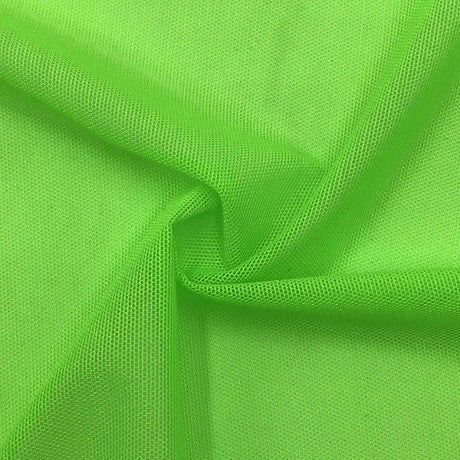
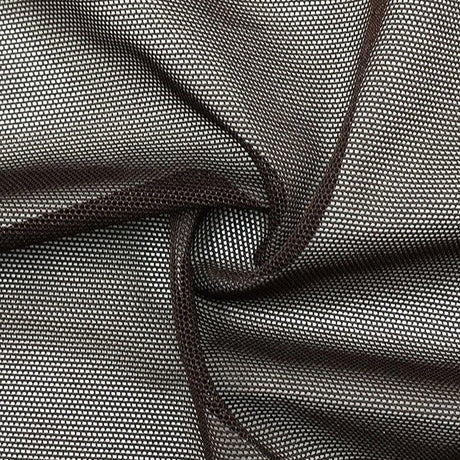
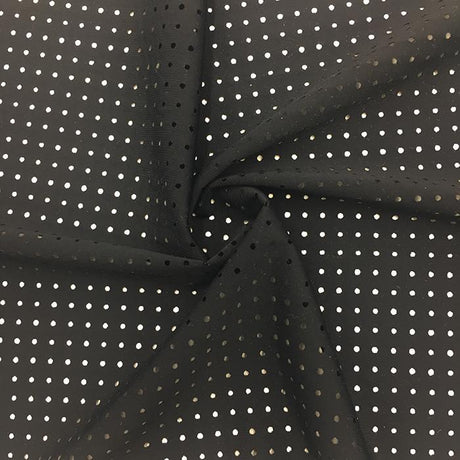
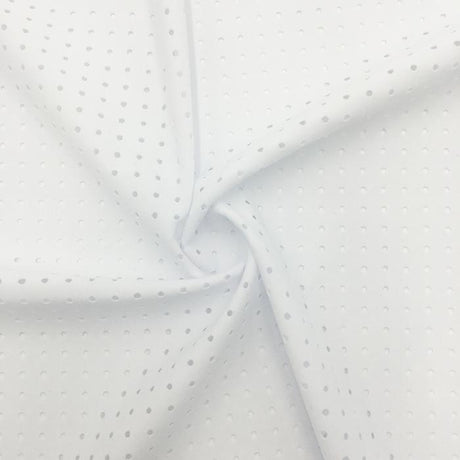
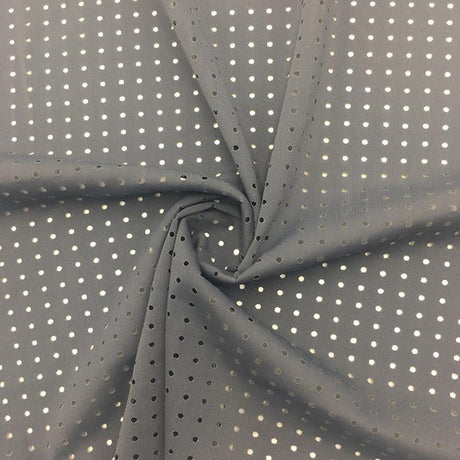
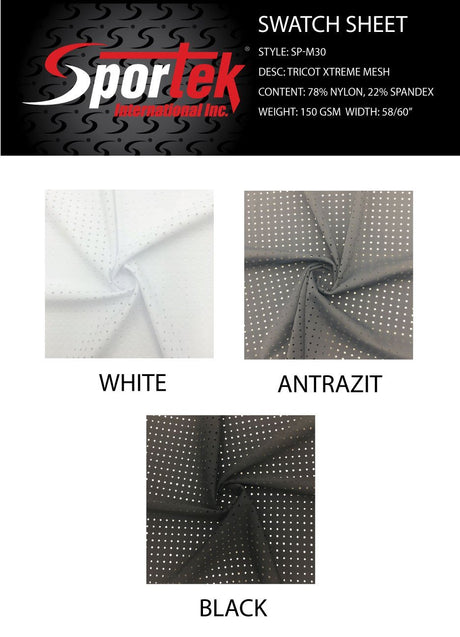
Sport Mesh Panels: Many high-performance shirts use mesh in key zones (underarms, back, etc.) rather than one fabric throughout. A breathable sport mesh can dramatically increase airflow where runners sweat the most. Mesh fabrics have an open knit structure, so they trade a bit of opacity for maximum breathability. They're typically used as panels or overlays, not the entire garment, to strategically enhance cooling. Our stretch fabric types page covers mesh constructions and how they compare to solid-knit performance fabrics.
Comparison Table – Fabric Types for Running Shirts
| Fabric Type | Typical GSM | Stretch & Recovery | Moisture Wicking | Composition Example | Durability |
|---|---|---|---|---|---|
| Polyester Blend | ~100–140 GSM | Moderate stretch (often 10% spandex) with good recovery | High – very quick drying | e.g. 90% polyester / 10% spandex | High (resists wear, no pilling) |
| Nylon-Spandex | ~120–150 GSM | 4-way stretch; excellent recovery | High – wicks and dries fast | e.g. 80% nylon / 20% spandex | Very High (nylon is abrasion-resistant) |
| Bamboo Viscose Blend | ~140–180 GSM | 2-way if 100%; adds spandex for 4-way; moderate recovery | Medium – decent wicking but slower drying | e.g. 70% bamboo viscose / 30% cotton or 5% spandex | Medium (soft but can wear faster, may pill) |
| Merino Wool | ~150 GSM | Natural give; good shape retention if blended | Medium-High – absorbs some moisture but wicks vapor; stays odor-free | e.g. 100% merino or 85% merino / 15% nylon | Medium (good if cared for, but less abrasion resistant) |
(GSM = grams per square meter, a measure of fabric weight. Lower GSM generally means thinner, more breathable fabric. See our fabric weight guide for a full breakdown of GSM ranges and how to match weight to end use.)
Technical Specifications That Matter
Now that we know the fabric options, let's look at the key technical specs and terms you'll encounter when selecting a running shirt material:
Fabric Weight (GSM): For running shirts, lightweight is the name of the game – typically in the 100–150 GSM range for optimal breathability. Lower GSM fabrics feel airier and help sweat evaporate faster, which is why a marathon singlet might be ~120 GSM. Higher GSM (e.g. 170 GSM) might be used in cooler-weather running tops or where durability/coverage is a concern. Always balance weight with durability: extremely low GSM fabrics are cooler but can be delicate if not constructed well. Our fabric weight guide explains exactly how to read and apply GSM data when selecting performance textiles.
Stretch & Recovery Ratings: Look for whether a material is 2-way or 4-way stretch. Many fabric suppliers will list a "stretch percentage" (e.g. 50% stretch means a 10 cm swatch can stretch to 15 cm). More important is the recovery – does it snap back to original length? High elastane content (10% or more) usually indicates excellent recovery. For running shirts, 4-way stretch is ideal for tight fits, while a looser fit top can work with 2-way stretch as long as it's comfortably mobile. Our stretch fabric types page walks through how to compare stretch ratings across different fabric constructions.
Moisture-Wicking Technology: Many performance fabrics will highlight proprietary wicking technologies. Watch for terms like "hydrophobic fibers" (polyester, polypropylene) which repel water, and capillary action which is how the fabric's tiny channels pull sweat outward. Some fabrics are given a wicking finish or coating at the mill. Our fabric finishes guide explains the full range of performance coatings – from hydrophilic wicking treatments to DWR and UV-resistant finishes – so you know exactly what you're buying.
Additional Tech Features: Performance textiles often come with bonus specs. For running shirts, consider anti-odor treatments, UV protection ratings (some poly fabrics are UPF 30 or higher), and seamless or flat-seam construction. If your project has specific needs such as ultra-marathon shirts that must resist odor buildup, our expert help and advice page connects you with knowledgeable staff who can help match fabric to application.
How to Choose the Right Fabric for Your Project
Not all running shirts are created equal. Our how to choose fabric guide is a great companion resource as you work through these use-case decisions:
Competitive Long-Distance Runs: For marathoners or competitive runners, prioritize ultra-lightweight, highly wicking fabrics. Look for low GSM mesh or microdenier polyester that won't weigh the runner down. Also consider seamless or minimal-seam stretch fabrics to reduce chafing over long distances. Our how to sew stretch fabric guide covers seam and stitch techniques that minimize friction in high-wear zones.
Everyday Training & High-Mileage Use: Daily training shirts need a balance of performance and durability. A slightly heavier polyester or poly-nylon blend (~130–150 GSM) might be suitable to withstand frequent washes. This is where a nylon-spandex blend could shine, offering longevity and comfort in equal measure.
Hot Climate Running: When designing for tropical or summer conditions, maximize breathability. Integrate mesh for ventilation panels in high-sweat zones – for example, a mesh underarm gusset or full mesh back panel. Choose fabrics labeled "ultra-breathable" or that have an open knit. Our activewear fabric guide includes specific hot-climate fabric recommendations.
Cooler Weather or Layering Use: For mild or cool temperatures, opt for a fabric with a bit more heft or insulating property, such as a polyester blend with a brushed interior or light merino wool. Breathability is still important to let sweat out, but you might sacrifice a little airiness for thermal retention. Our fabric weight guide can help you identify the right GSM range for cold-weather performance layers.
Buyer Checklist: Key Fabric Selection Criteria
- Moisture Management: Does the fabric wick sweat and dry quickly? Choose materials marketed as wicking or do a quick spray test on a swatch. See our fabric finishes guide for guidance on identifying quality wicking treatments.
- Breathability Needs: Match fabric weight and knit to climate – ultra-light mesh for hot weather, or a slightly heavier knit for cool conditions. Our fabric weight guide makes this easy to navigate.
- Stretch & Fit: For tight, athletic fits, ensure 4-way stretch with at least 5–10% spandex content. Always check recovery – the shirt should keep its shape after repeated wear. Visit our stretch fabric types page for a full comparison.
- Durability vs. Softness: Daily training shirts need high durability (look for nylon-spandex or higher denier poly). A race-day singlet might trade some durability for a super light feel. The fabric should be soft enough to prevent chafing on long runs.
- Special Considerations: Anti-odor, UV protection, or sustainability features may be important for your audience. Our fabric guides hub covers specialty performance features across fabric types. If you're unsure which features matter most for your project, our expert help and advice page is always available.
Common Mistakes to Avoid
Choosing a fabric that's too heavy or dense: A common error is selecting a nice-looking knit that ends up sweltering when running. Always check the GSM and breathability; err on the side of lighter and airier for running purposes. Our fabric weight guide helps you avoid this by clearly mapping GSM to end-use performance.
Overlooking stretch recovery: Some DIY enthusiasts choose a stretchy fabric but don't realize it has poor recovery. The result? A shirt that sags or bags out after a few wears. Always test stretch fabrics by pulling and seeing if they spring back. Our stretch fabric types page explains what to look for when evaluating recovery ratings.
Ignoring how the fabric feels when saturated: That super-soft fabric might feel great when dry but perform poorly soaked in sweat. Materials like cotton or some rayons will turn heavy or clingy when wet, causing discomfort and chafing. Always consider sweat-wet performance – a good running fabric should remain light and non-irritating even when drenched.
Not pre-washing or accounting for shrinkage: If you're sewing a running shirt with natural fiber content like bamboo or cotton blends, failing to pre-wash can lead to post-construction shrinkage. Pre-wash all fabrics as per their care instructions before cutting, and prefer pre-shrunk or synthetic fabrics that won't change dimensions drastically. Our fabric care guide covers pre-washing protocols for all common performance fabric types, and our spandex care guide specifically addresses elastane-blend laundering best practices.
When to Use an Alternative Fabric
Casual or Low-Intensity Use: If you're making an athleisure-style running shirt or something for casual jogs, a cotton-poly blend might be acceptable. These blends offer comfort and a nicer handfeel for everyday wear, albeit with lower moisture-wicking. Our activewear fabric guide covers the athleisure spectrum and where performance fabrics give way to comfort-first options.
Compression or Support Garments: In cases where the goal is more about compression and muscle support, you might opt for specialized power mesh or high-compression Lycra fabric rather than a standard jersey knit. These fabrics (often nylon with 20–30% elastane) provide strong compression and are used in triathlon suits, compression base layers, and recovery garments. Our nylon-spandex fabric guide covers high-elastane blends in this application.
Eco-Friendly or Niche Materials: Sometimes the priority is sustainability or a specific property like odor control. Recycled polyester (rPET) performs similarly to virgin poly in moisture management while offering a greener story. Merino wool or merino blends could be chosen for trail running shirts where odor resistance and temperature versatility are valued. Use alternative fabrics when they align with the project's values or niche requirements, but ensure the performance trade-offs are understood. Our how to choose fabric guide helps you weigh these trade-offs systematically. Still not sure? Our expert help and advice team is happy to guide you toward the right choice for your specific project and budget.
Conclusion
Selecting the best fabric for a running shirt comes down to balancing breathability, moisture-wicking, and stretch to suit your specific needs. A technically advanced fabric that checks all three boxes will keep a runner cool, dry, and comfortable, directly contributing to better performance and enjoyment. By prioritizing materials that ventilate well, wick sweat away, and move with the body, you prevent common issues like overheating, chafing, and sagging garments.
In summary, breathability keeps you cool, wicking keeps you dry, and stretch keeps you moving freely – these are the pillars of a great running shirt fabric. As you evaluate options, rely on the fabric's specs and test results rather than just how it feels on the bolt. The technical qualities (GSM, fiber content, wicking capability, stretch percentage) are what will determine performance on the road or trail.
Ready to start building? Explore our activewear fabric guide for curated recommendations, use our how to choose fabric guide to narrow down your options, and check our FAQ page for answers to common ordering questions. Sign up for SpandexByYard Rewards to earn points on every purchase, and reach out via our expert help and advice page any time you need a second opinion on fabric selection. With the right material in hand, every stitch brings you closer to performance gear that truly goes the distance.