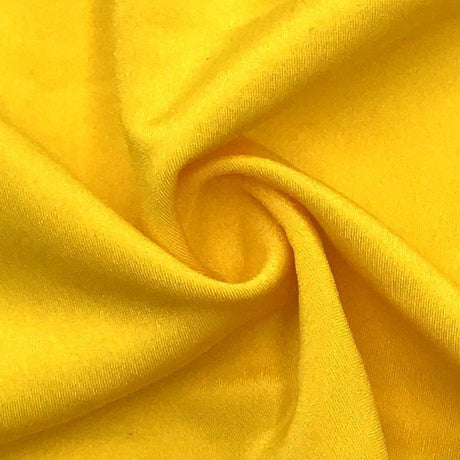
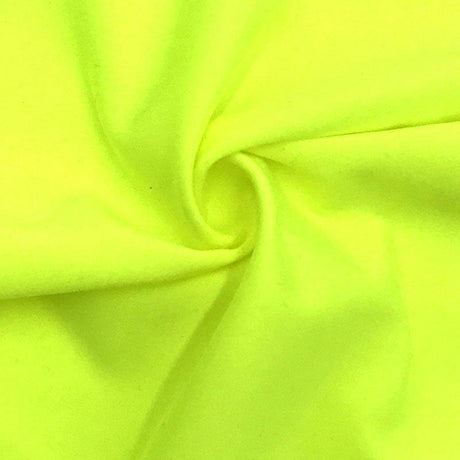
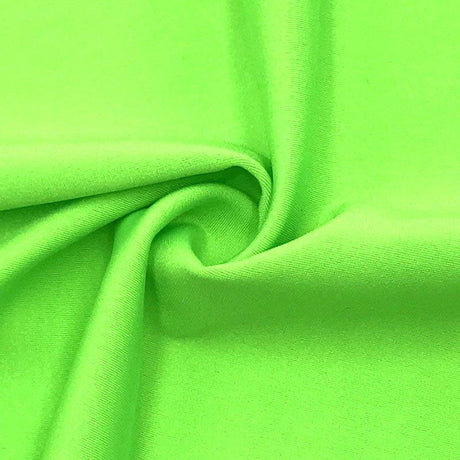
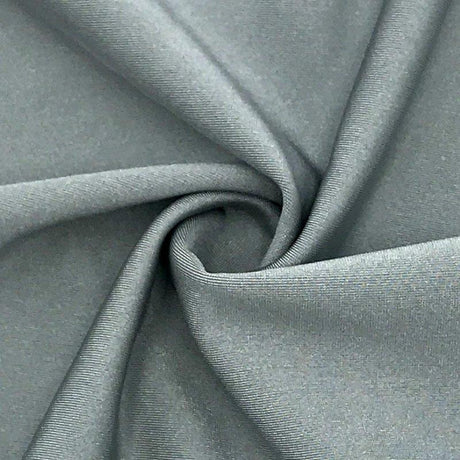
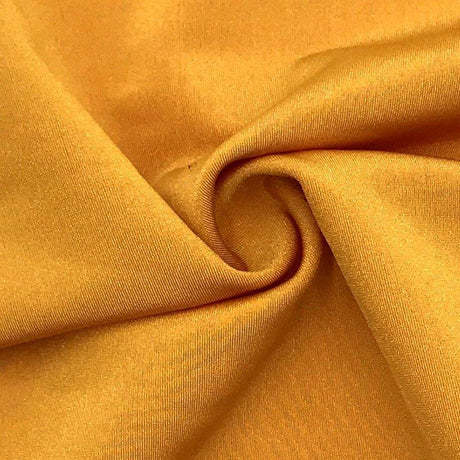
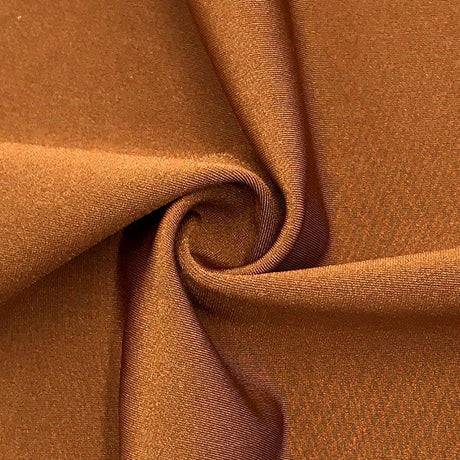
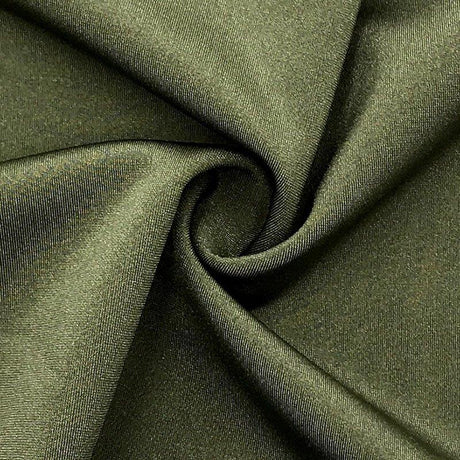
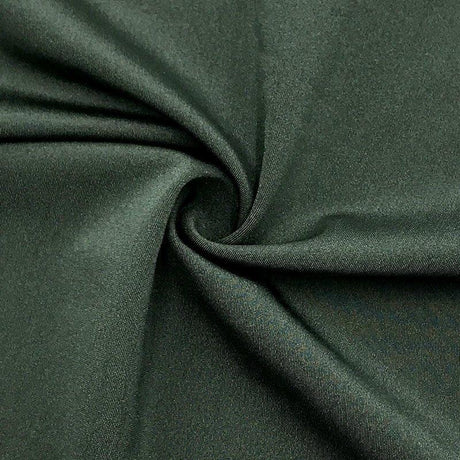
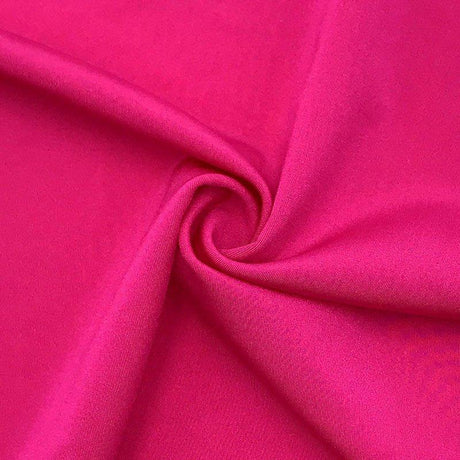
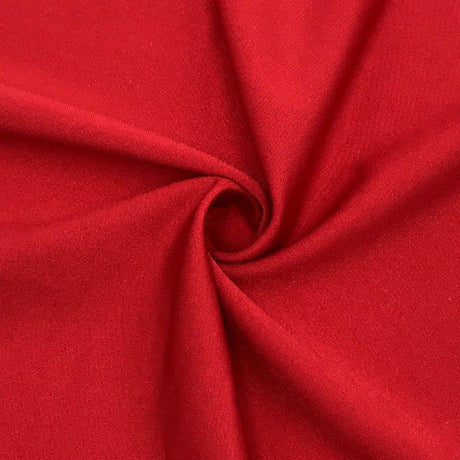
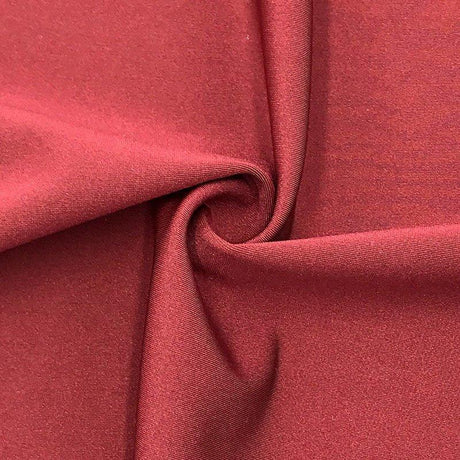
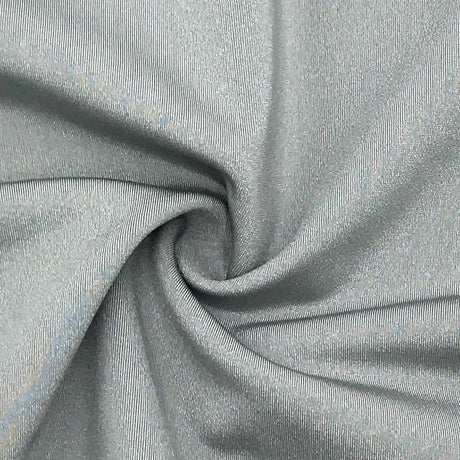
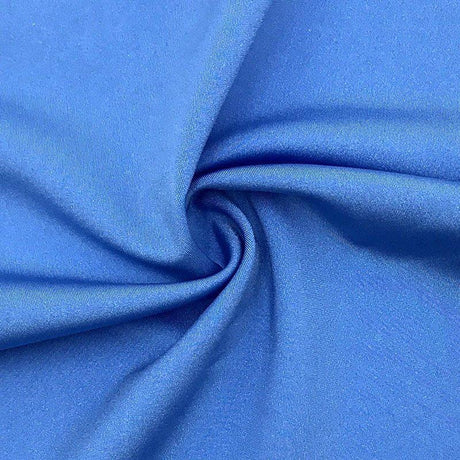
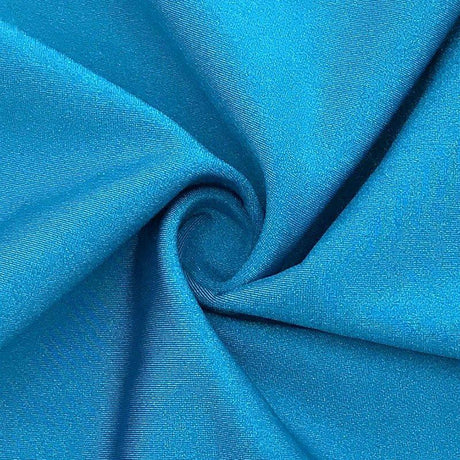
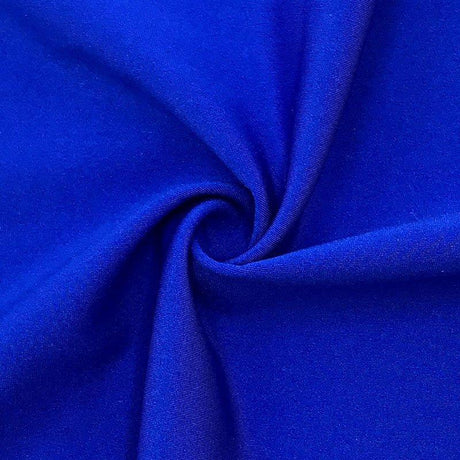
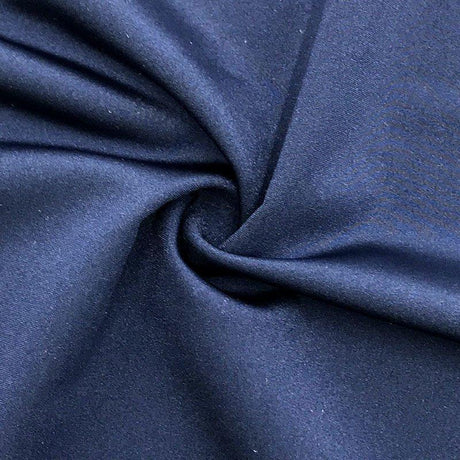
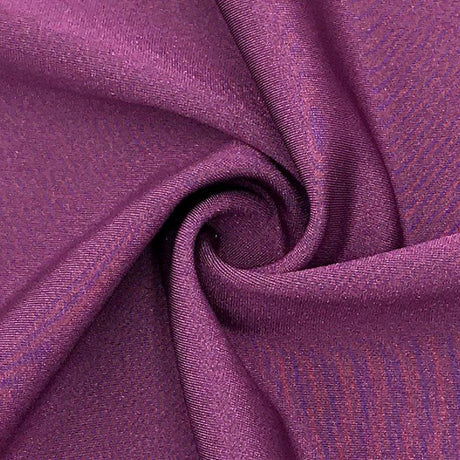
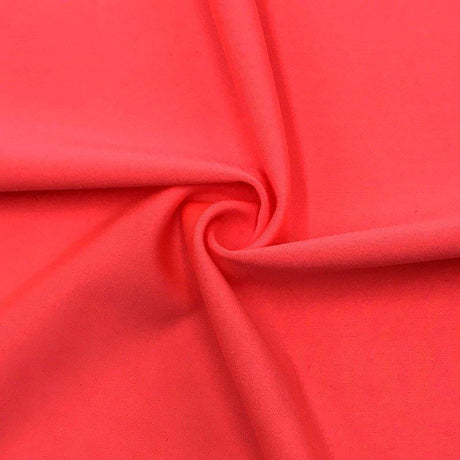
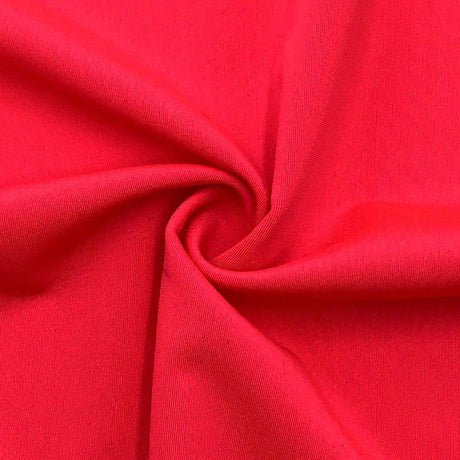
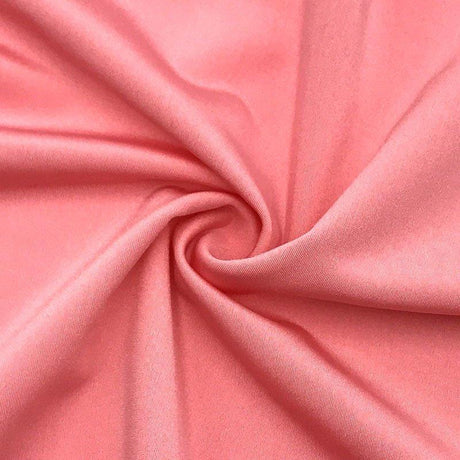
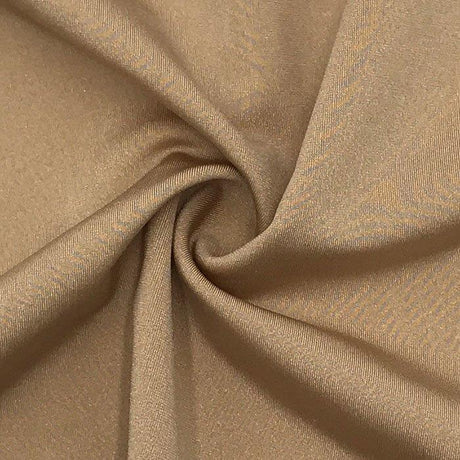
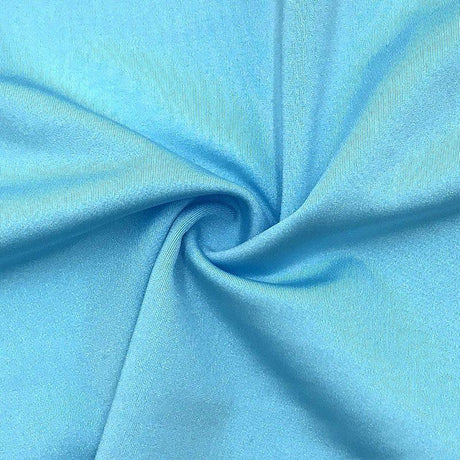
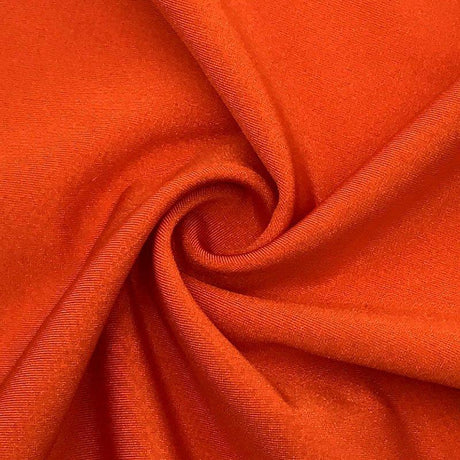
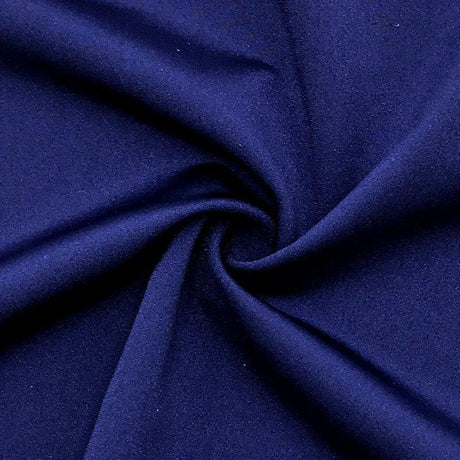
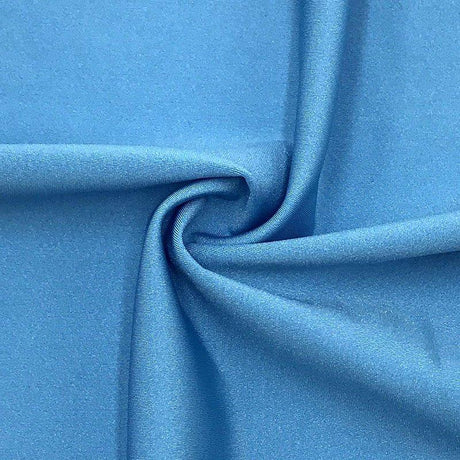
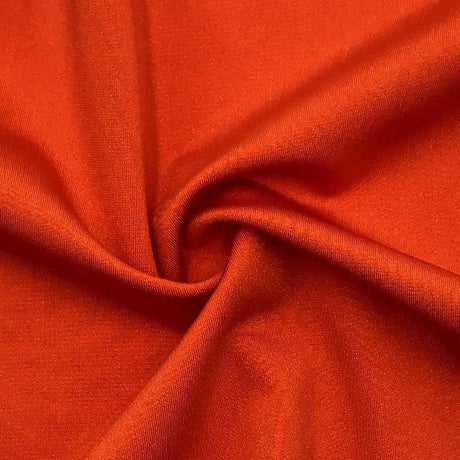
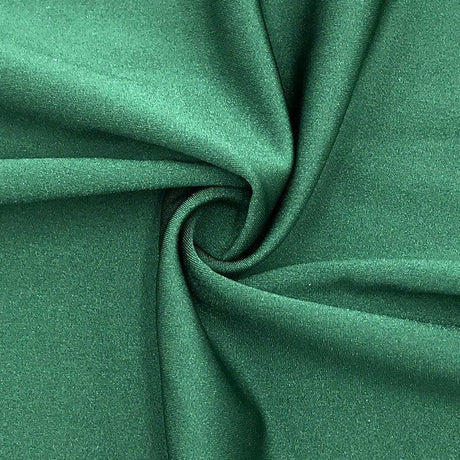
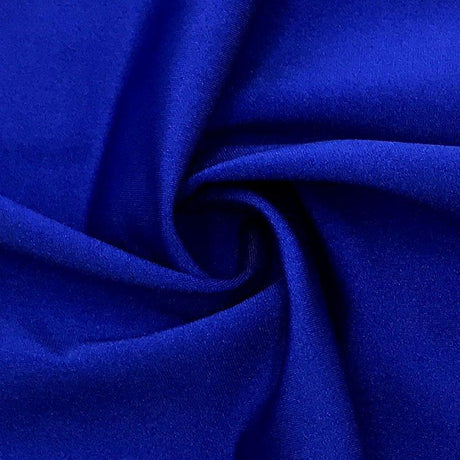
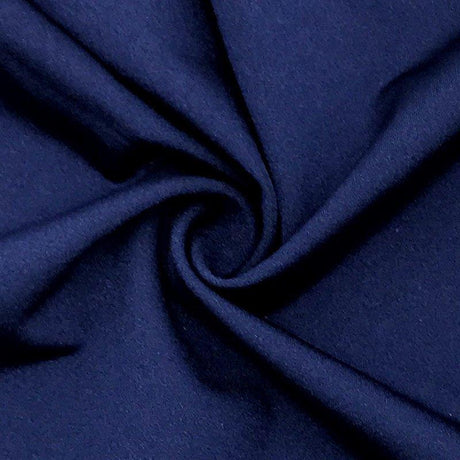
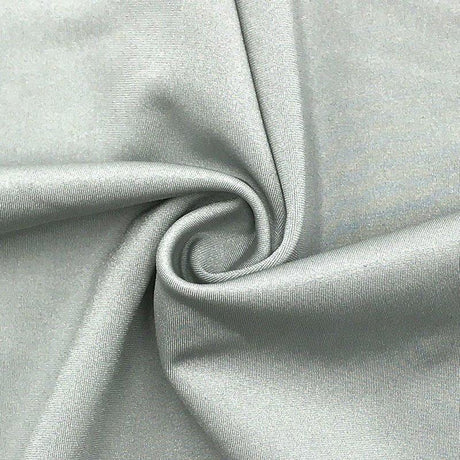
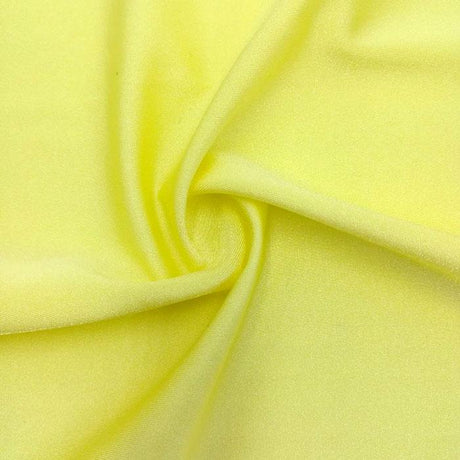
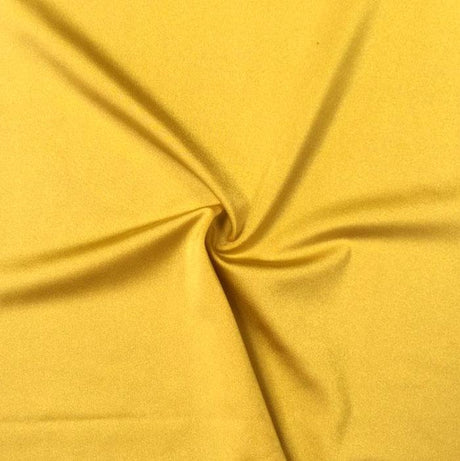
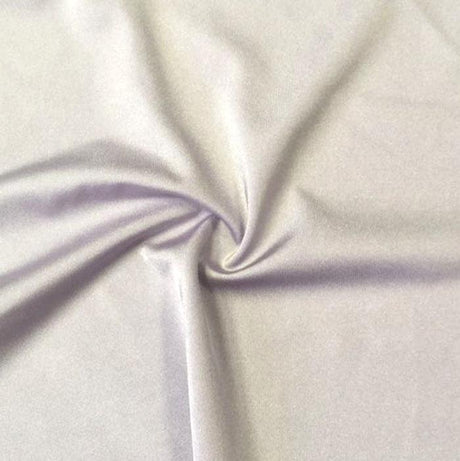
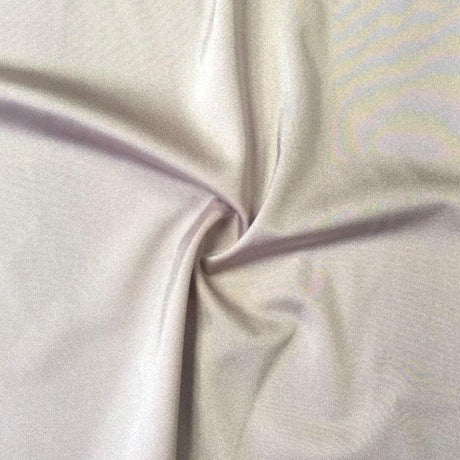
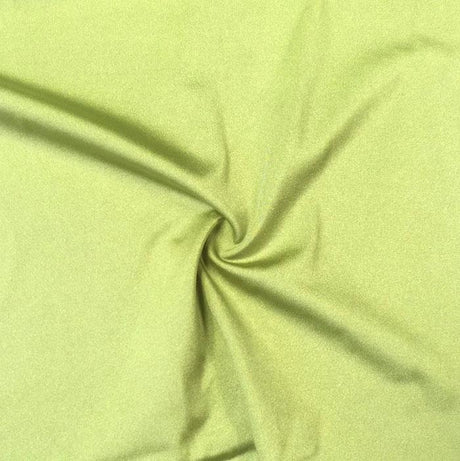
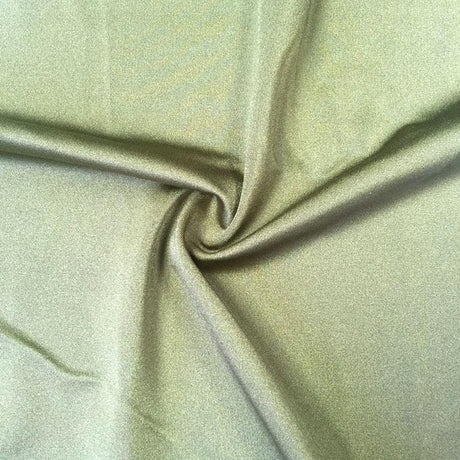
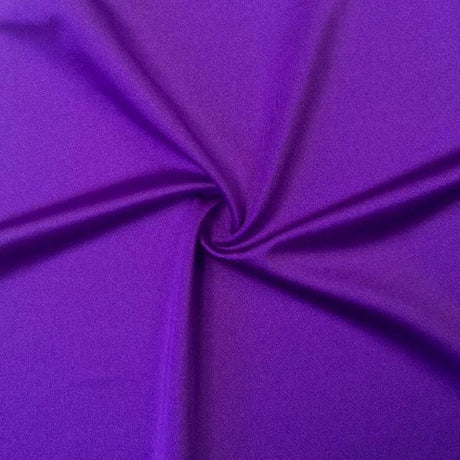
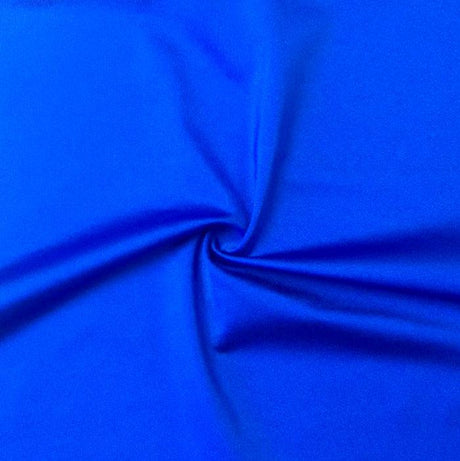
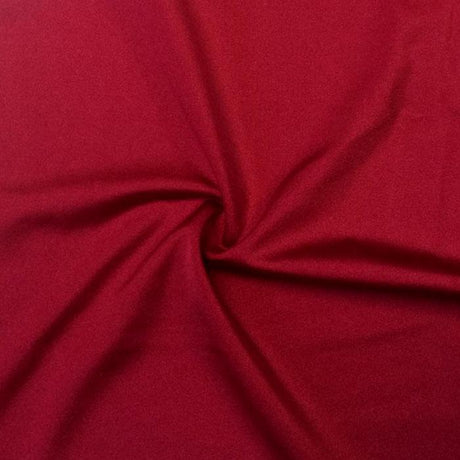
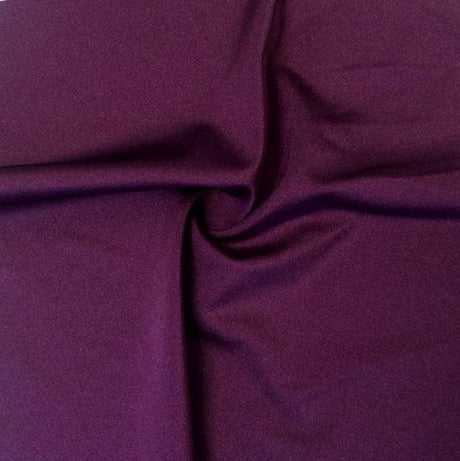
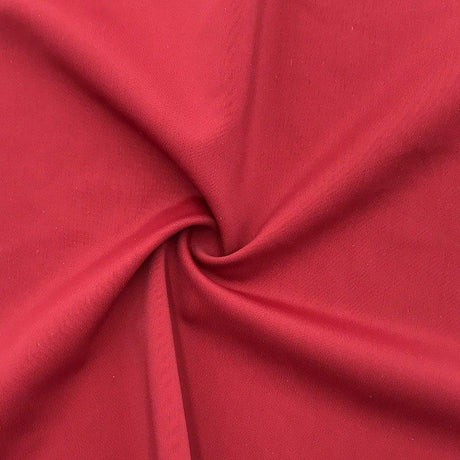
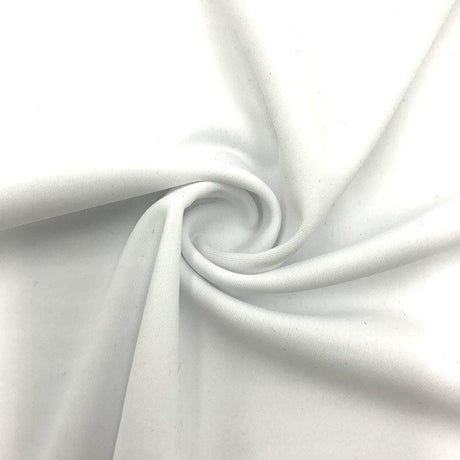
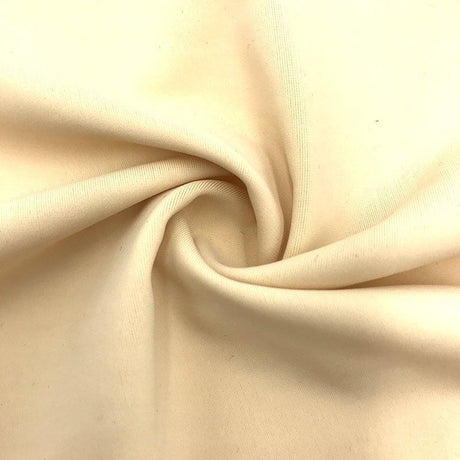
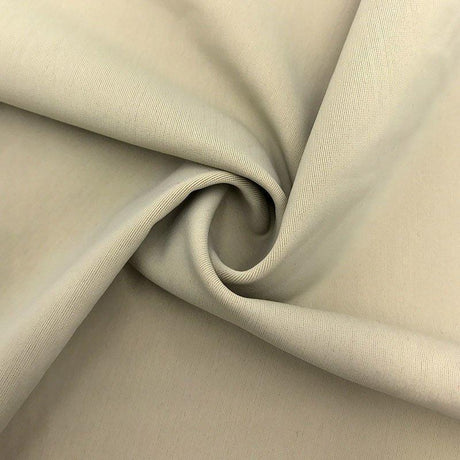
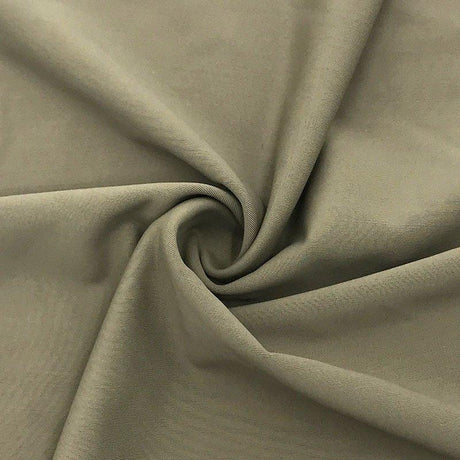
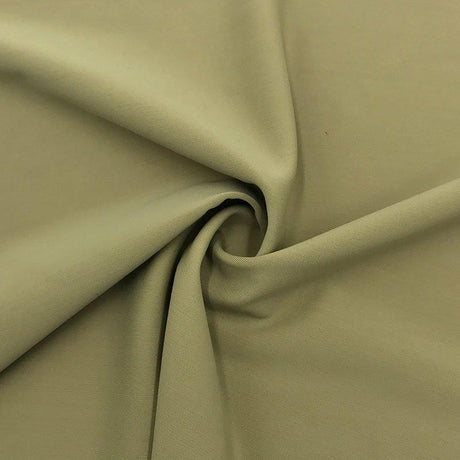
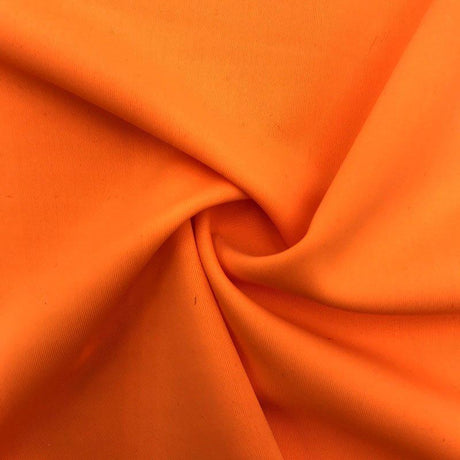
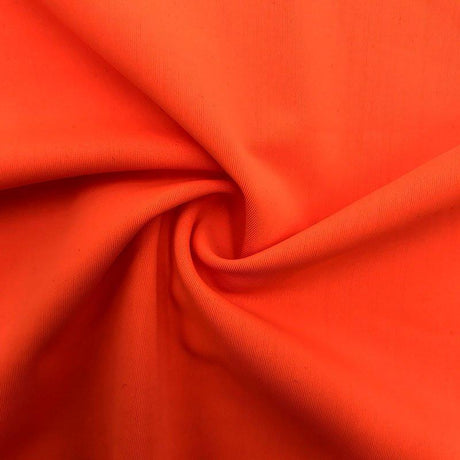
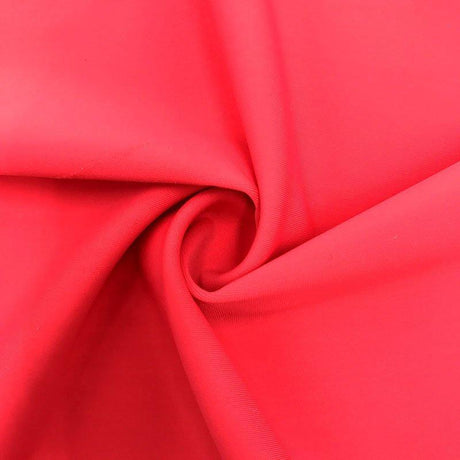
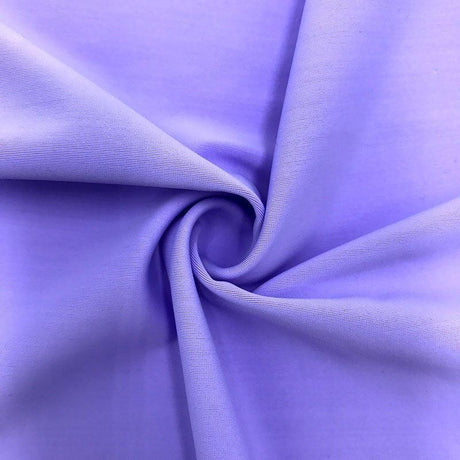
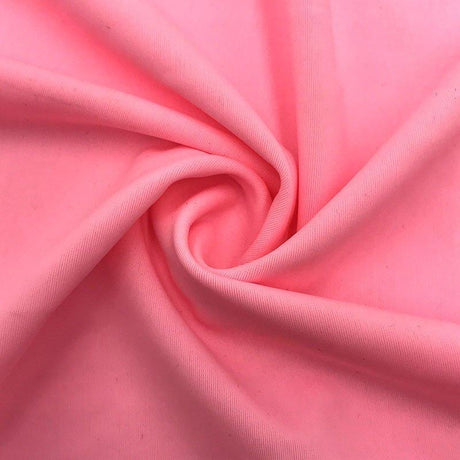
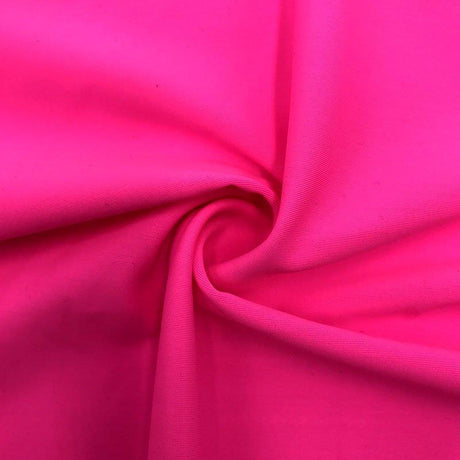
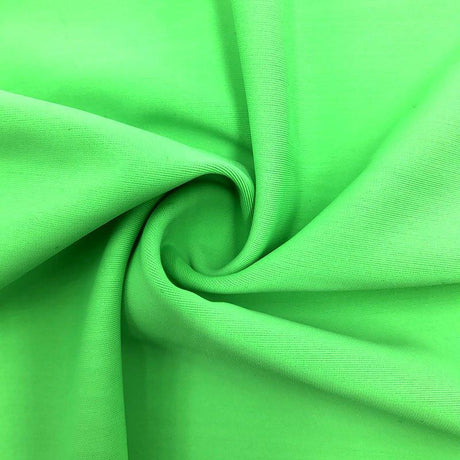
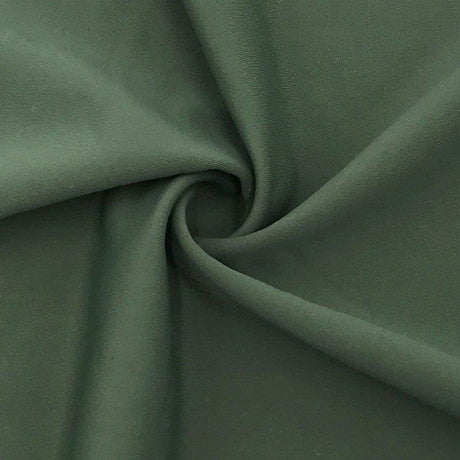
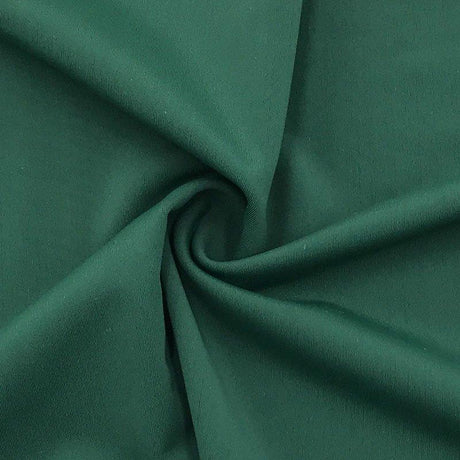
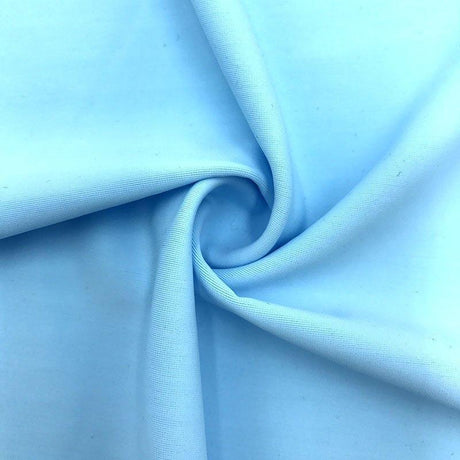
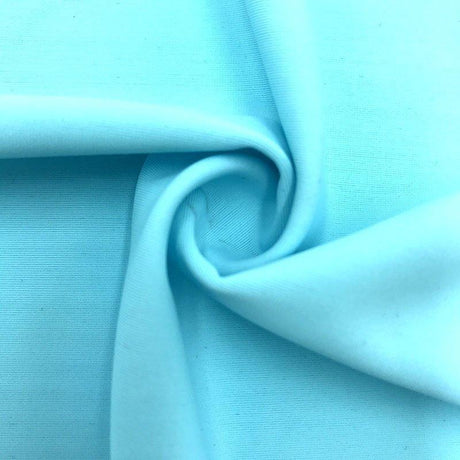
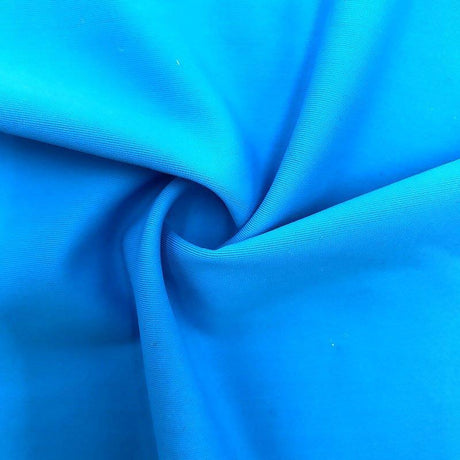
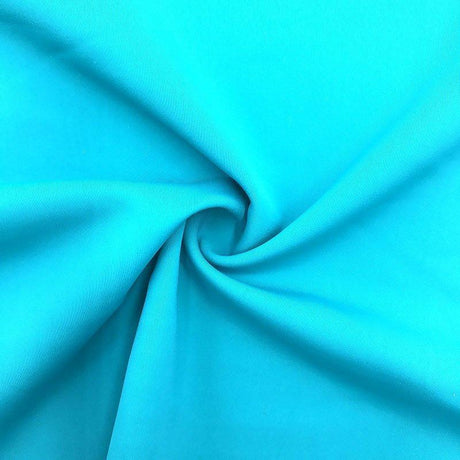
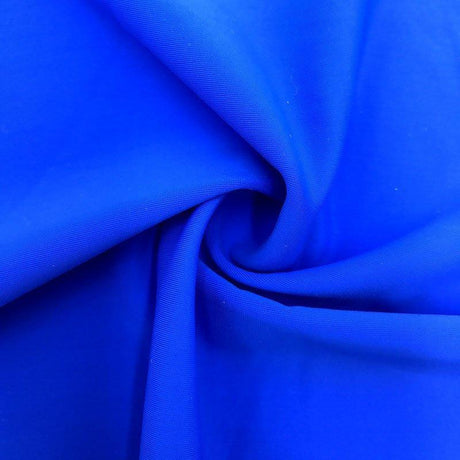
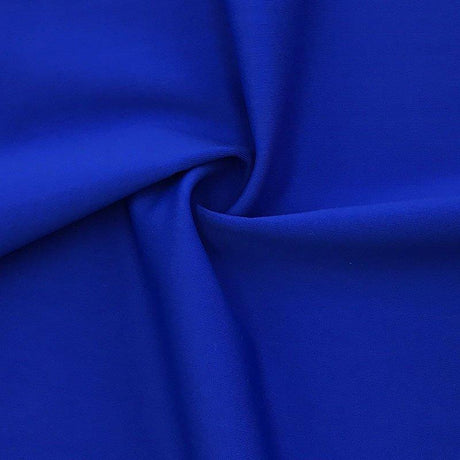
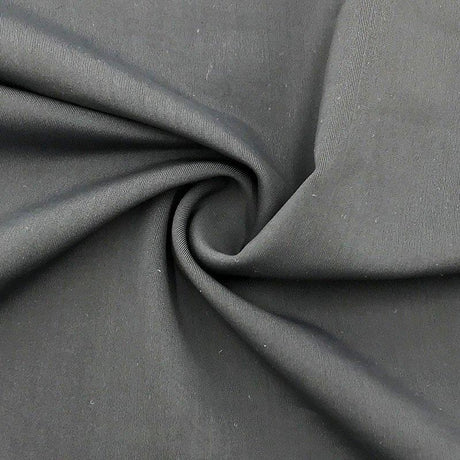
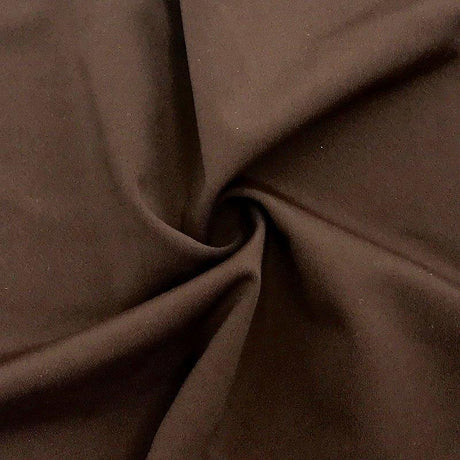
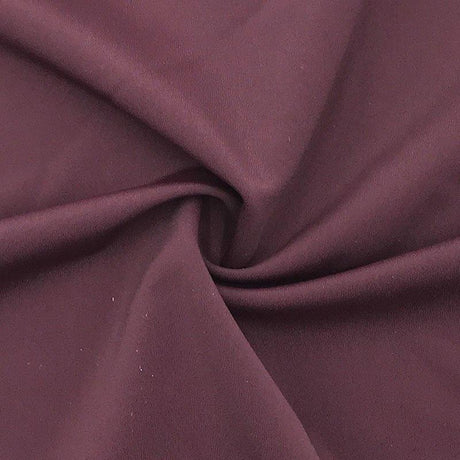
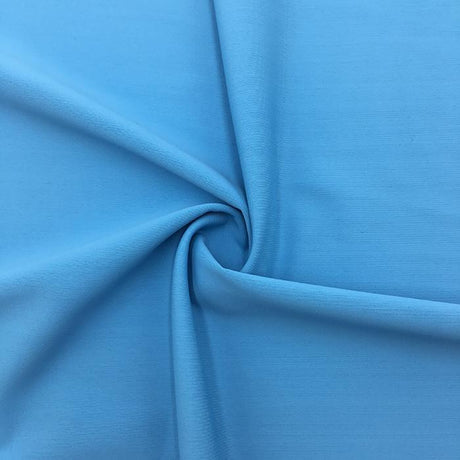
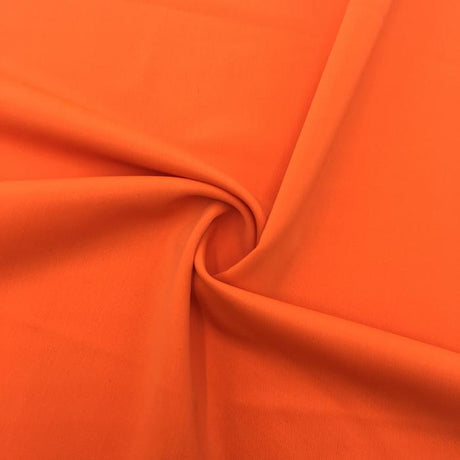
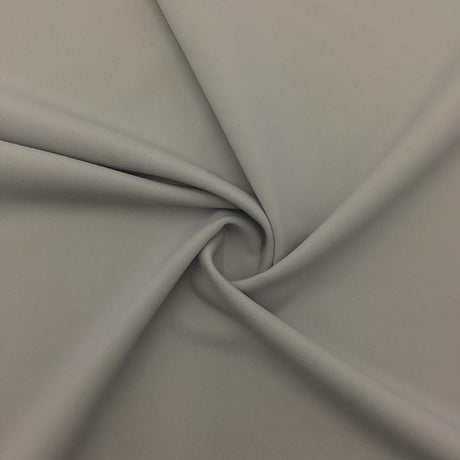
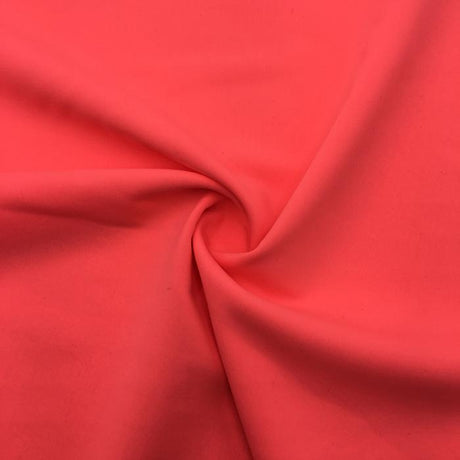
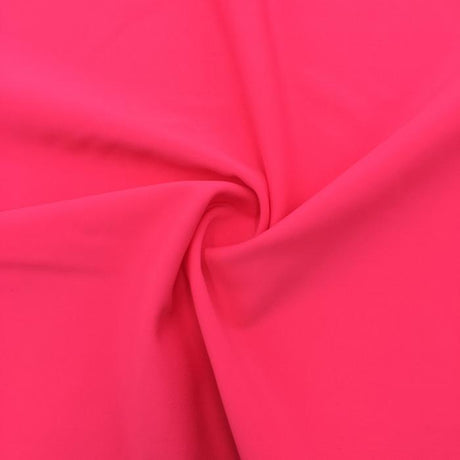
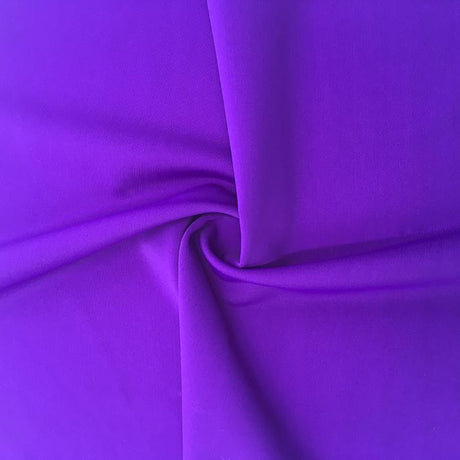
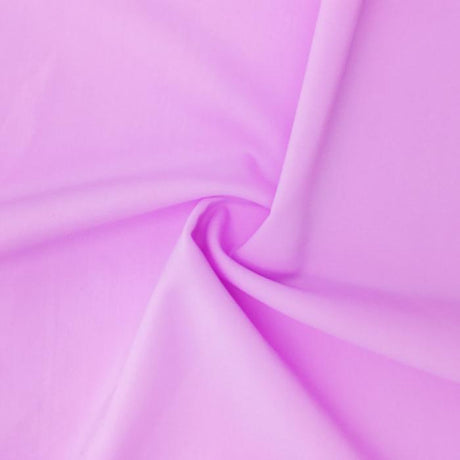
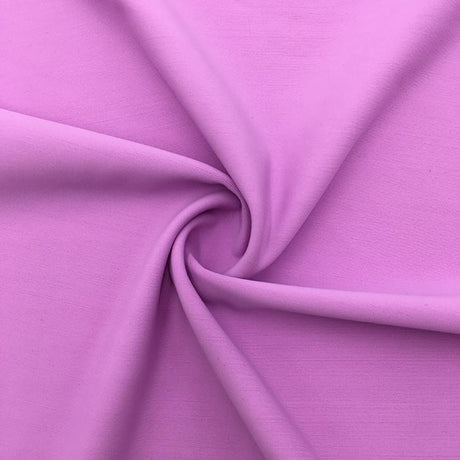
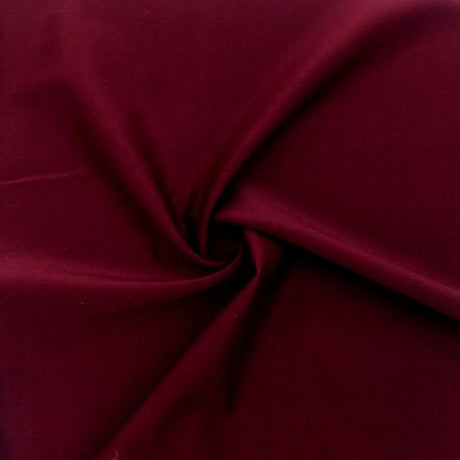
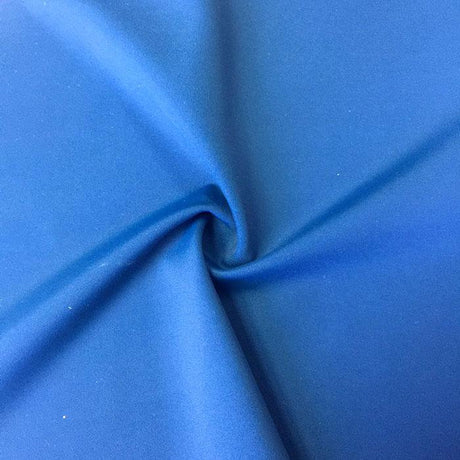
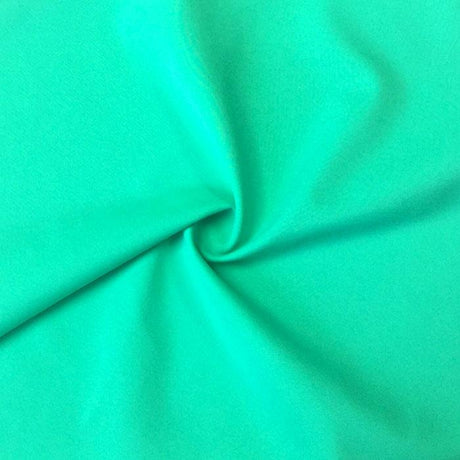
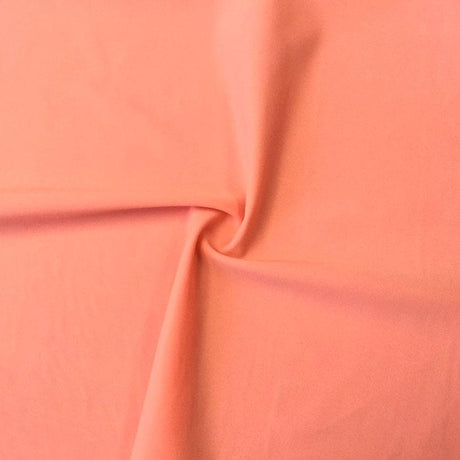
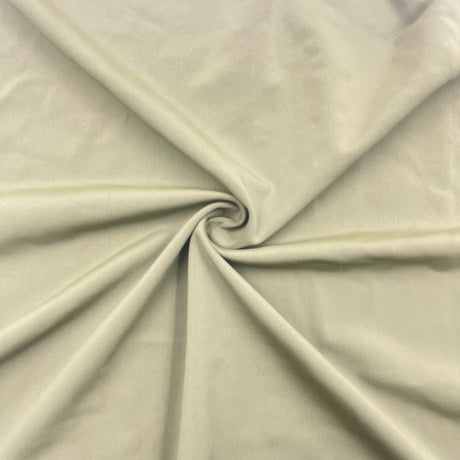
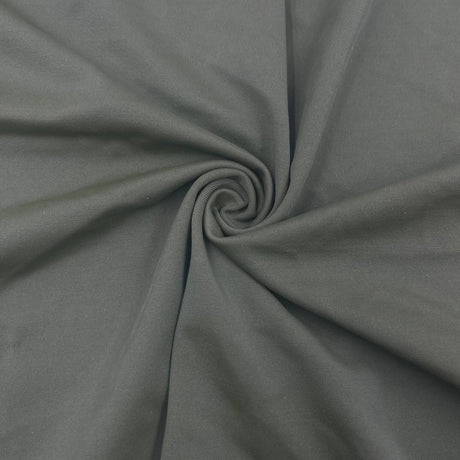
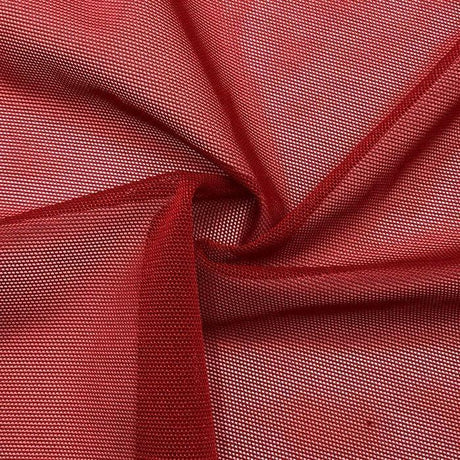
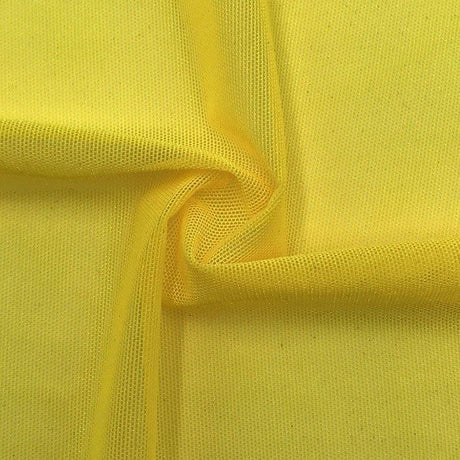
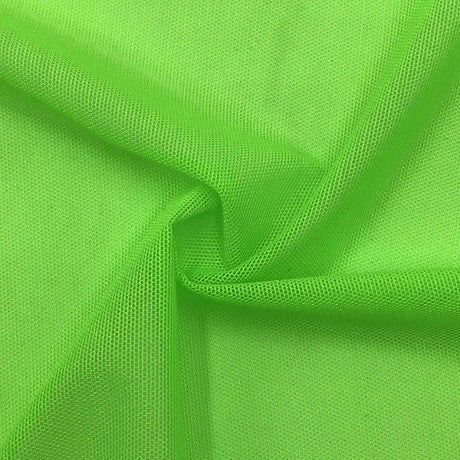
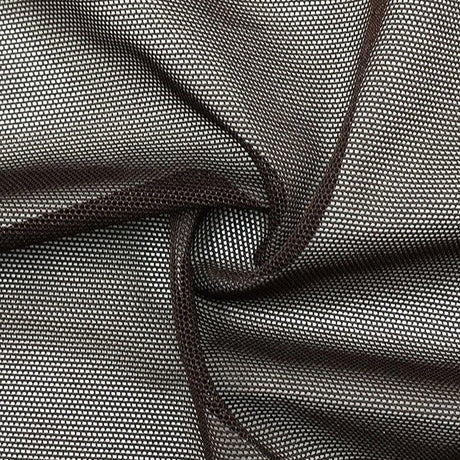
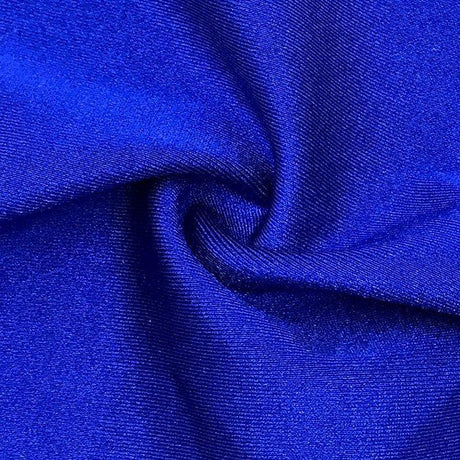
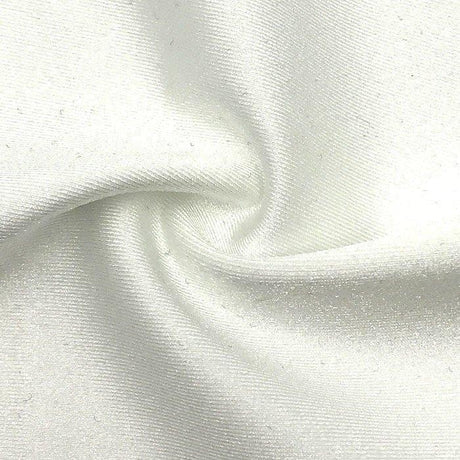
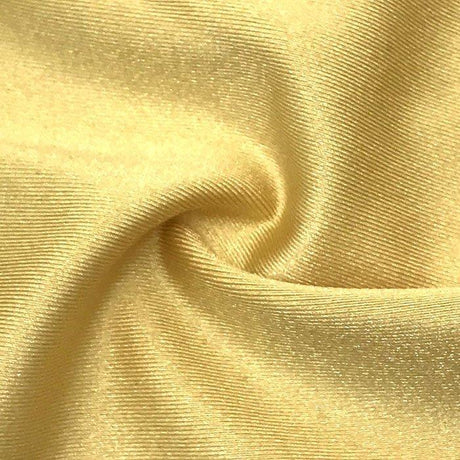
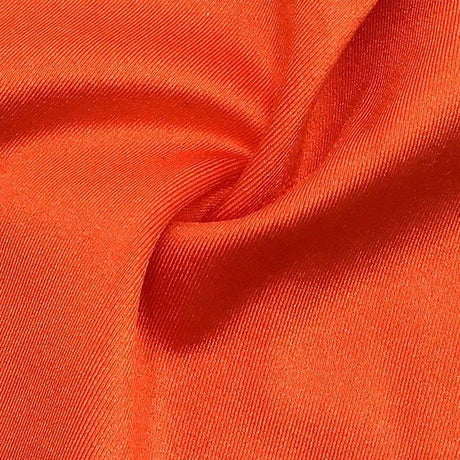
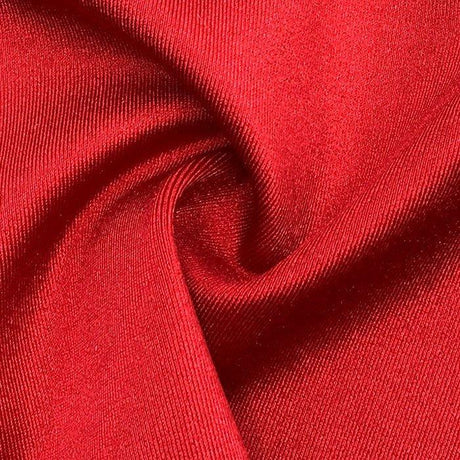
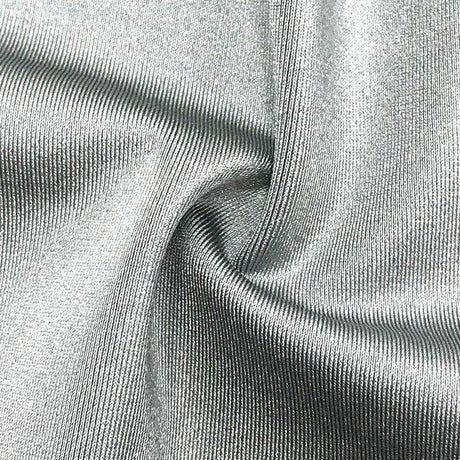
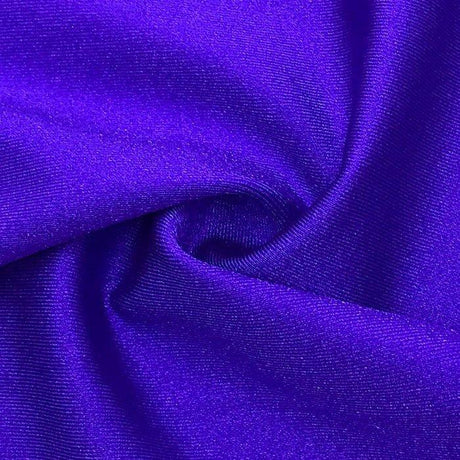
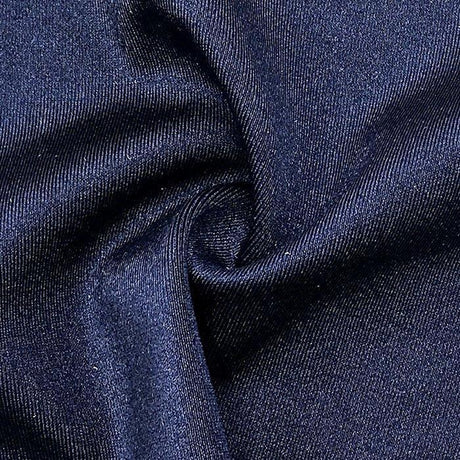
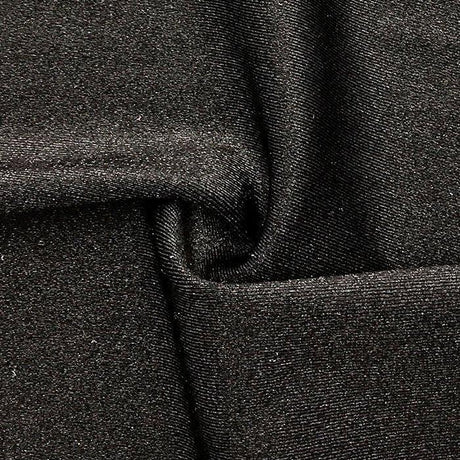
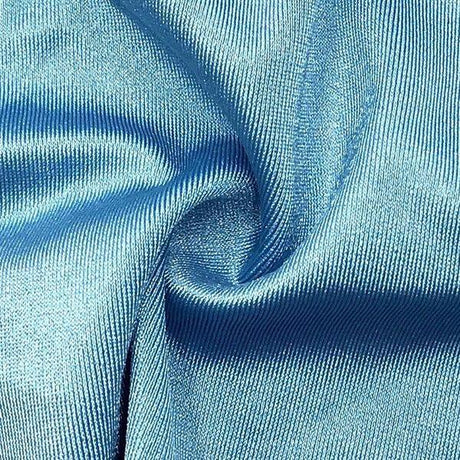
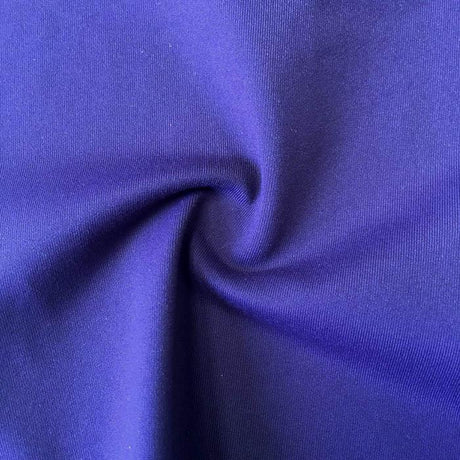
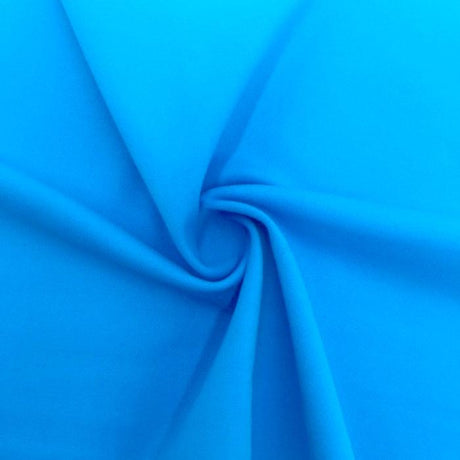
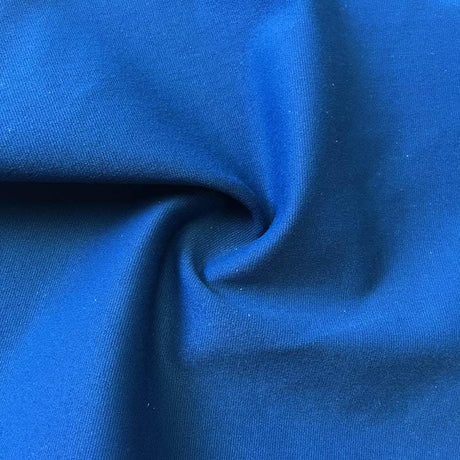
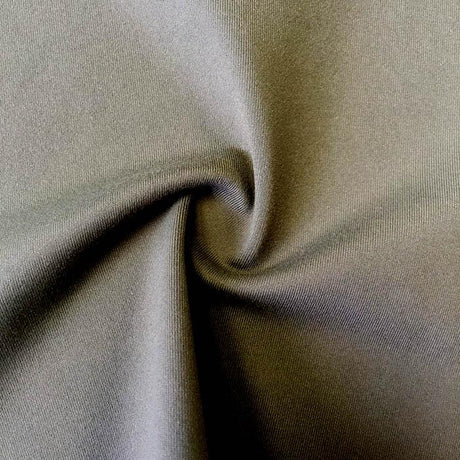
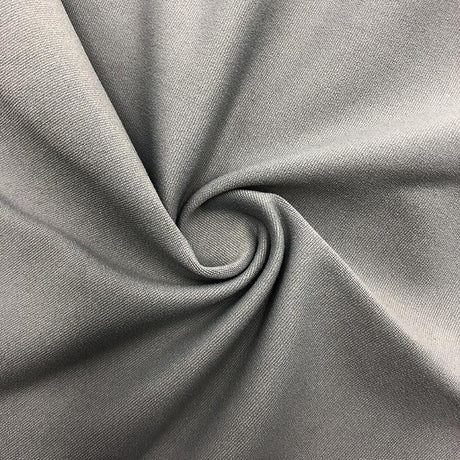
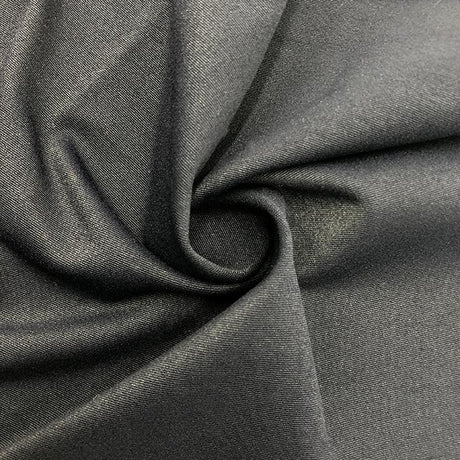
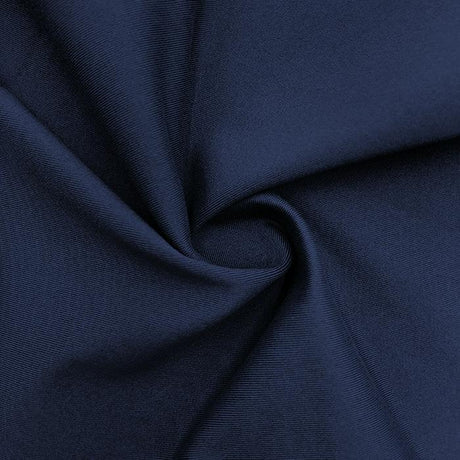
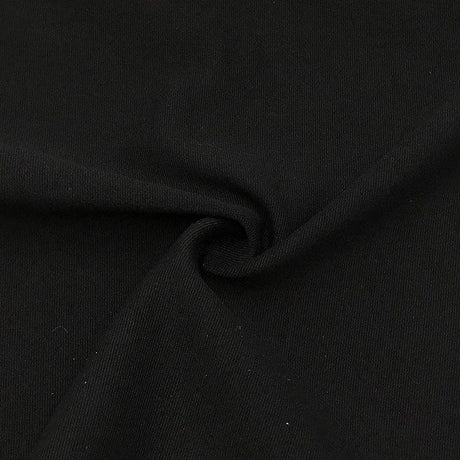
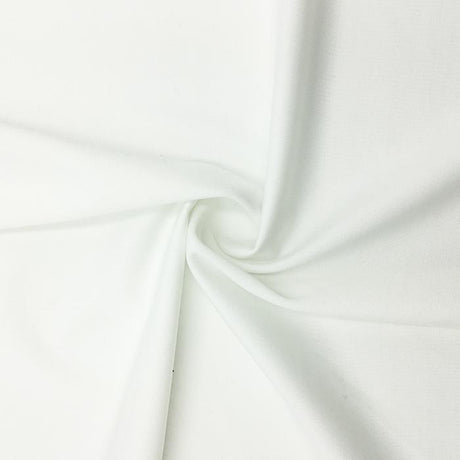
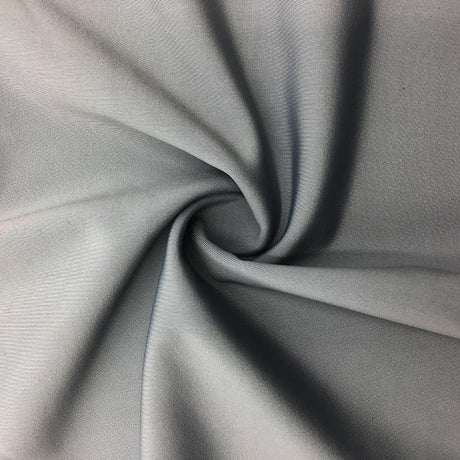
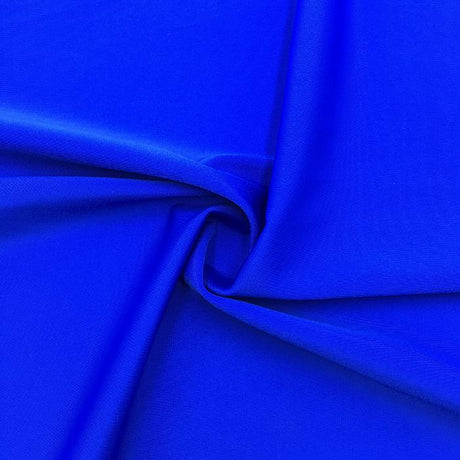
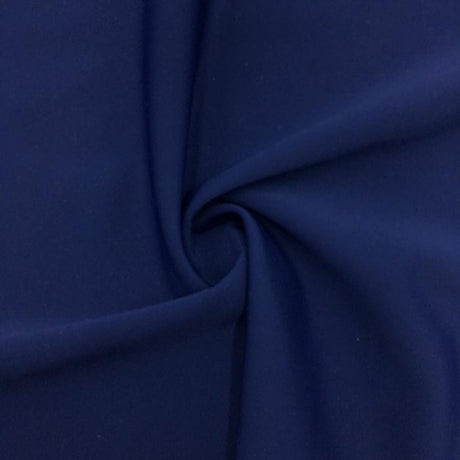
Activewear fabrics are often defined by one central tension: compression versus comfort. Some stretch textiles are engineered to provide firm support and muscle stabilization, while others prioritize softness, breathability, and freedom of movement. This balance between performance and wearability is one of the most important decisions in fabric selection for athletic garments. For a broader foundation on stretch fabric properties before diving in, explore our activewear fabric guide or browse our full fabric guides hub.
Understanding how stretch blends behave helps both manufacturers and home sewists choose materials that align with the intended function of a garment. Compression fabrics and comfort-stretch fabrics each serve distinct purposes, and the difference lies in fiber composition, elastane percentage, recovery, and overall fabric structure.
Understanding Fabric Stretch in Activewear
What Is Compression Fabric?
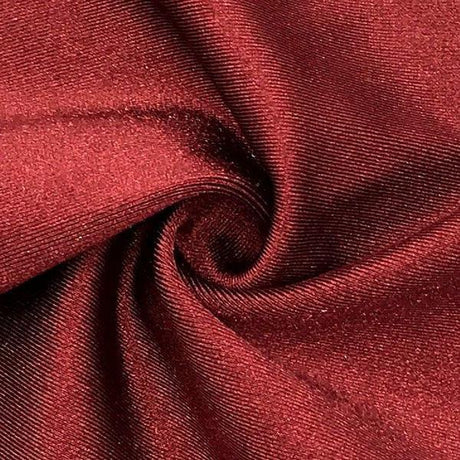
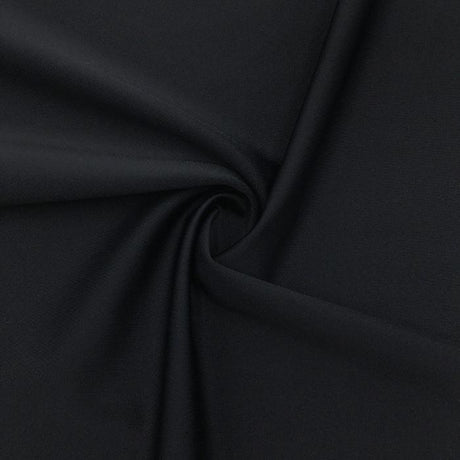
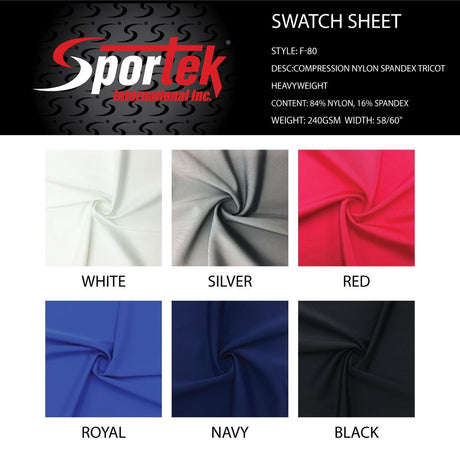
Compression fabric refers to high-performance stretch textiles designed to fit closely against the body. These fabrics typically contain a higher percentage of elastane, creating a firm, second-skin feel. By applying gentle pressure to muscles, compression fabrics support stability during movement and help garments remain secure during high-impact activity.
What Defines Comfort Fabric?
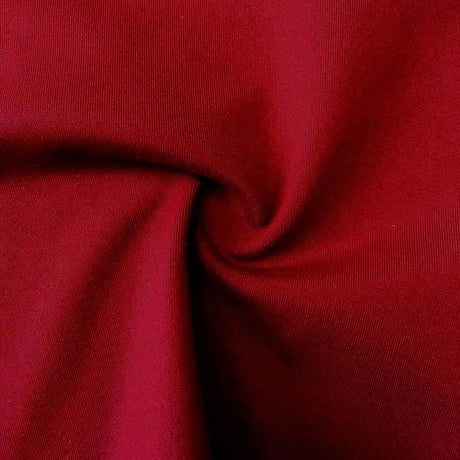
Comfort-stretch fabrics provide elasticity without strong compression. They are usually made with lower elastane content and are engineered for ease rather than intense support. These textiles emphasize softness, flexibility, and relaxed wearability, making them suitable for moderate exercise or everyday athletic-inspired clothing.
The Role of Elastane (Spandex)
Elastane percentage is one of the clearest technical markers separating compression and comfort fabrics. Compression textiles often contain 20% or more spandex, delivering strong stretch and recovery. Comfort fabrics more commonly fall within the 5–10% range, offering gentle elasticity with less restrictive support. Our stretch fabric types page covers how spandex percentage translates to real-world stretch percentages and recovery ratings across all common blend types.
Technical Specifications Comparison
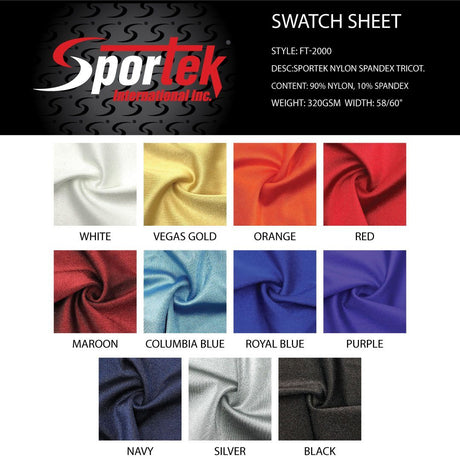
Compression and comfort fabrics differ across several measurable performance factors. These include weight, stretch capacity, durability, and recovery.
| Property | Compression Fabric | Comfort-Stretch Fabric |
|---|---|---|
| Typical GSM | 220–320 GSM | 160–220 GSM |
| Stretch % | 75–100%+ 4-way stretch | 30–60% moderate stretch |
| Composition | Nylon/Poly + 20–30% Spandex | Cotton/Poly + 5–12% Spandex |
| Recovery Rate | Very high, strong snap-back | Moderate, softer return |
| Durability | Built for high-stress wear | Best for low to mid impact |
Our fabric weight guide provides a full breakdown of how GSM affects compression, opacity, breathability, and durability across all common spandex-blend constructions. Support-focused fabrics are often described as supportive stretch blends, meaning they combine flexibility with firm structure for athletic performance.
Choosing the Right Blend Based on Activity
High-Impact Sports
In high-intensity activities such as running, HIIT, or cycling, compression fabrics provide stability and reduce garment shifting. Their firm recovery supports the body during repetitive motion and helps maintain a secure fit. Our nylon-spandex fabric guide covers how nylon-spandex constructions achieve the combination of smooth hand feel, strength, and 4-way stretch that defines quality compression activewear.
Yoga, Pilates, and Moderate Exercise
Comfort-stretch fabrics are well suited to activities that require flexibility and ease. These garments benefit from softer stretch that allows bending, holding poses, and extended wear without feeling restrictive. Our cotton-spandex fabric guide covers how cotton-spandex blends achieve the soft-touch stretch that makes them popular for yoga and studio applications.
Athleisure and Loungewear
Many modern activewear designs extend beyond the gym into daily life. In these cases, softer textiles designed as comfort stretch for casual wear offer all-day comfort, relaxed fit, and breathable movement.
Fit Guidelines by Project Type
Fabric performance depends on how it aligns with garment design:
Compression garments rely on negative ease and high recovery for true support. Moderate stretch blends provide versatility for multi-use gym wear. Light stretch fabrics with minimal spandex suit looser, comfort-driven designs.
Our how to choose fabric guide walks through this decision framework systematically for all common garment types, helping you match fabric stretch percentage to garment function.
Common Mistakes to Avoid with Stretch Fabrics
Stretch textiles require careful handling in both sewing and care. Problems often arise when fabrics are overstretched during stitching, which can distort seams and create waviness.
Needle and thread selection also matters. Regular needles may skip stitches or damage knit fibers, while ballpoint or stretch needles paired with polyester thread produce cleaner seams. Our how to sew stretch fabric guide covers complete needle selection, stitch type, machine settings, and edge finishing guidance for all common spandex-blend activewear constructions.
Fit issues frequently result from ignoring stretch direction. Activewear patterns depend on the fabric's greatest stretch aligning correctly with the body. Our stretch fabric types page covers how to verify 4-way stretch and align stretch direction correctly when cutting pattern pieces.
Laundering practices also influence longevity. High heat can degrade elastane fibers, reducing recovery and leading to premature loss of stretch. Our spandex care guide and fabric care guide cover complete laundering protocols for all common spandex-blend activewear garment types.
When Polyester-Spandex Blends Are the Best Choice
Polyester-spandex blends remain one of the most widely used activewear materials due to their balance of cost, durability, and performance.
Polyester fibers resist chlorine and UV exposure better than nylon, making these blends suitable for swimwear-inspired activewear or outdoor training garments. These fabrics provide moderate compression while maintaining a softer hand-feel, offering comfortable support without the expense of specialty compression textiles. Our activewear fabric guide covers polyester-spandex and nylon-spandex constructions across all common activewear categories, including moisture-wicking ratings and compression performance benchmarks.
Conclusion
Compression and comfort fabrics represent two ends of the stretch activewear spectrum. Compression textiles provide muscle support and secure fit, while comfort-stretch fabrics maximize mobility and softness.
Understanding technical factors such as elastane percentage, GSM weight, recovery rate, and care requirements allows buyers and designers to match fabric blends to their intended use. With this knowledge, selecting the right stretch fabric becomes a confident, informed process – balancing performance and comfort to create activewear that functions well and feels right in everyday wear.
Ready to find the right fabric for your project? Use our stretch fabric types page and fabric weight guide to evaluate technical specifications, our activewear fabric guide for curated recommendations by activity type, and our how to sew stretch fabric guide for complete construction guidance. Our spandex care guide and fabric care guide keep every finished garment performing at its best. Have questions? Our expert help and advice page and FAQ are always available. Sign up for SpandexByYard Rewards to earn points on every purchase – because the right stretch fabric is the foundation of every great activewear garment.