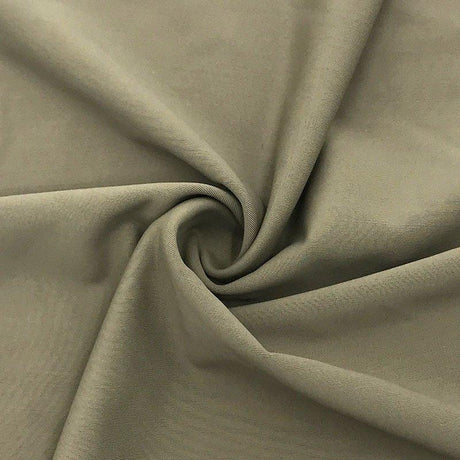
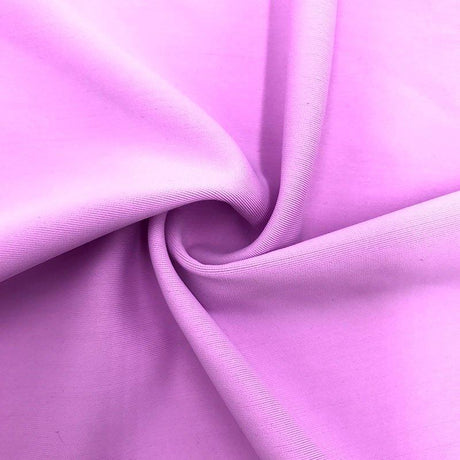
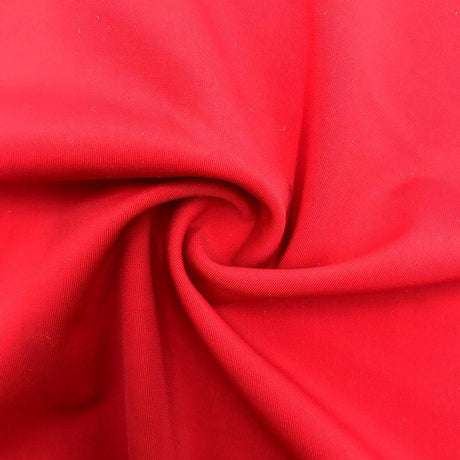
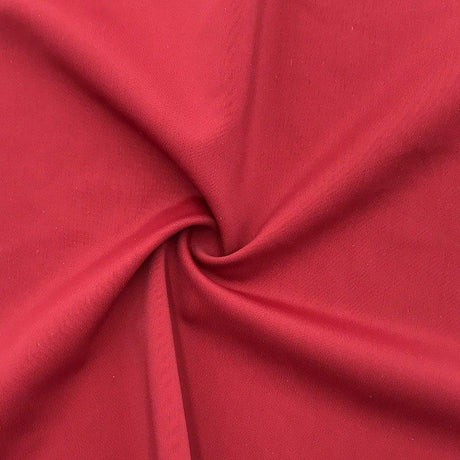
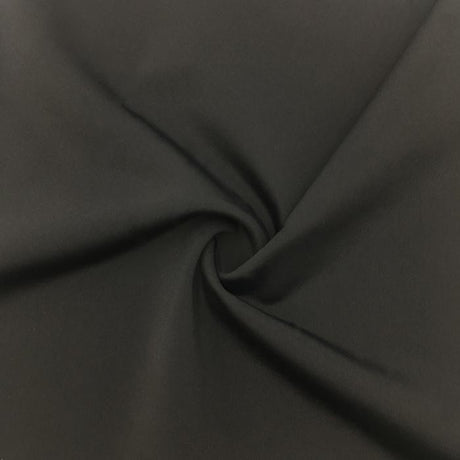
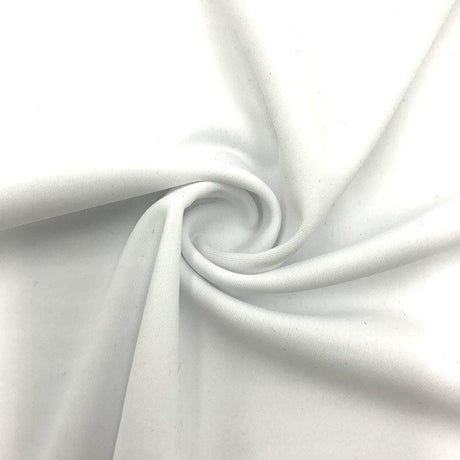
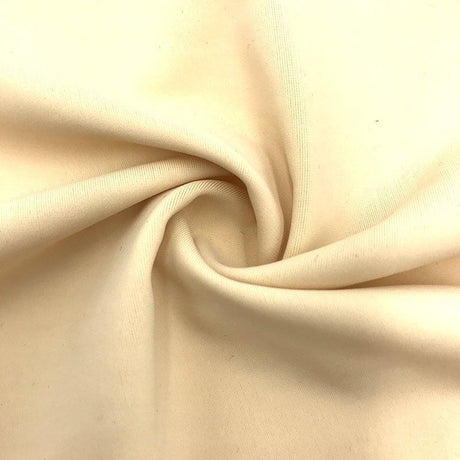
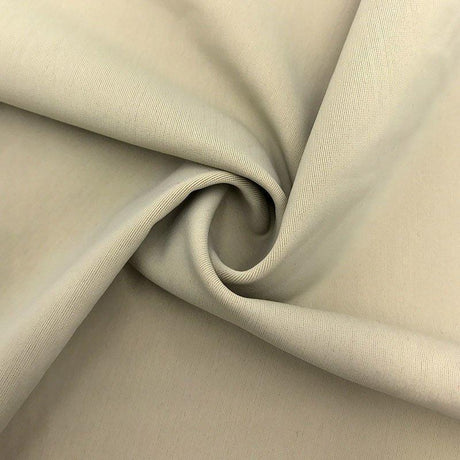
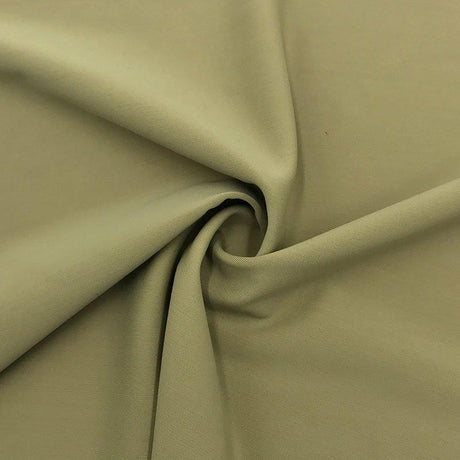
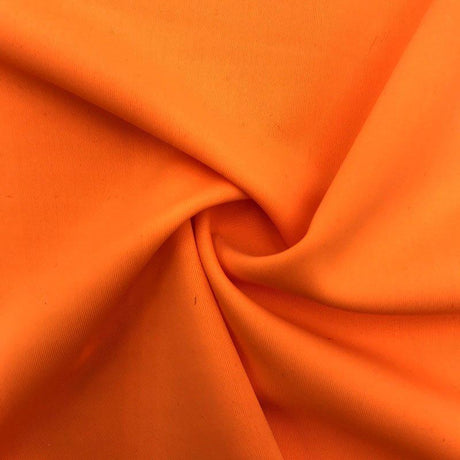
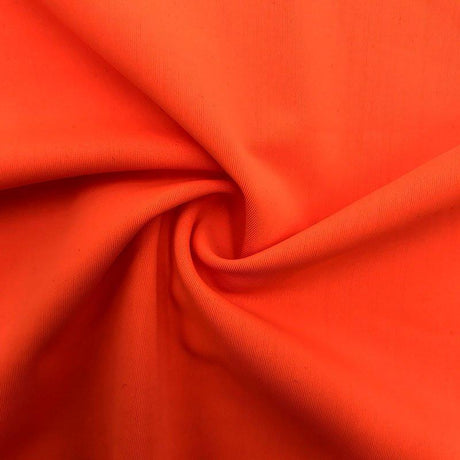
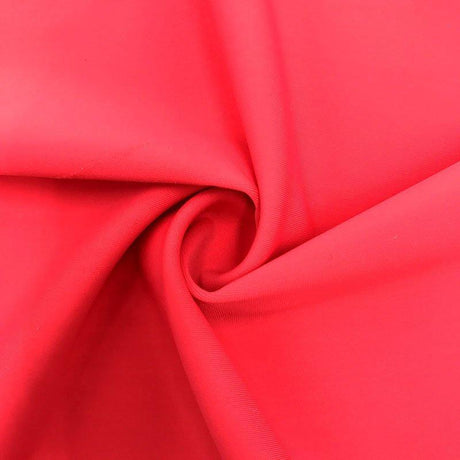
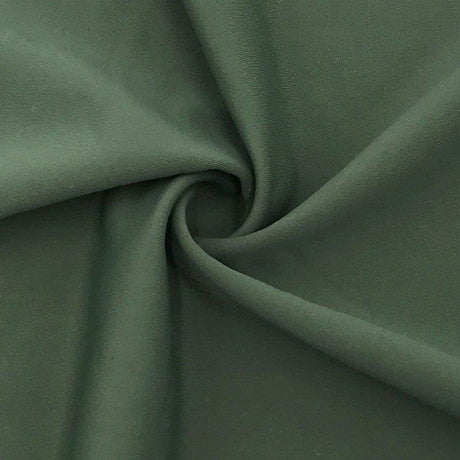
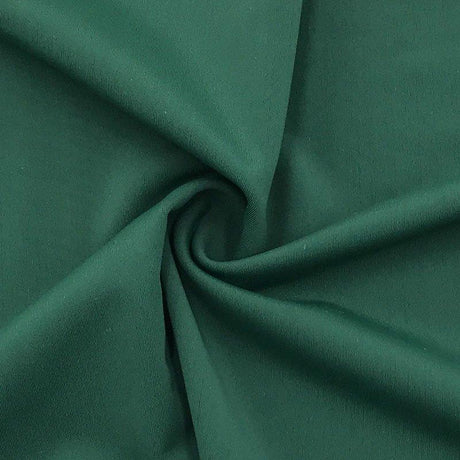
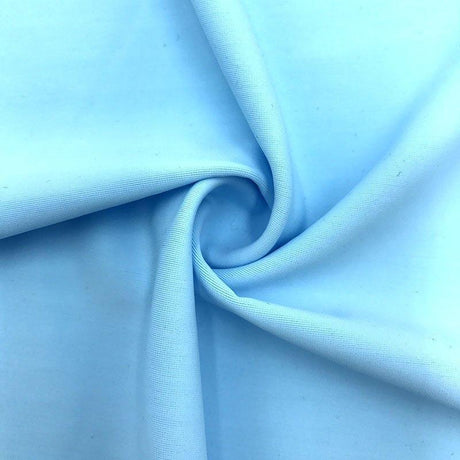
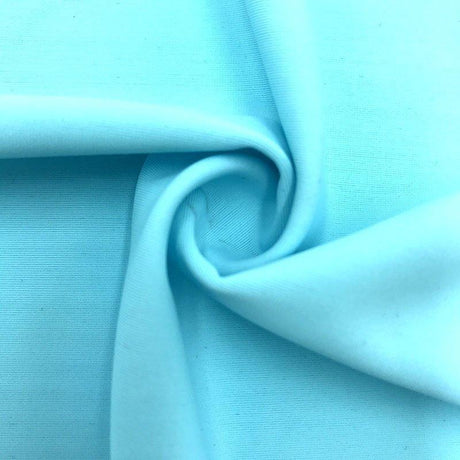
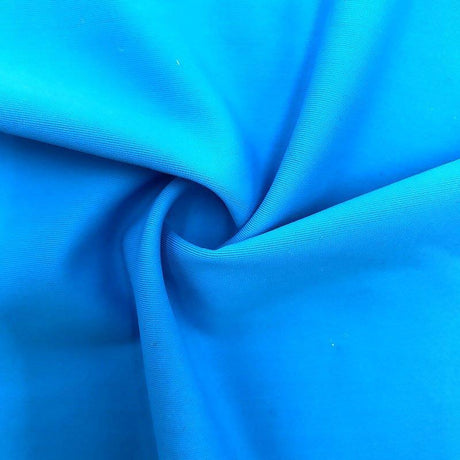
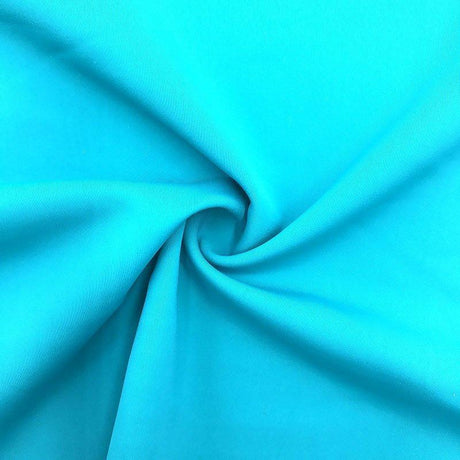
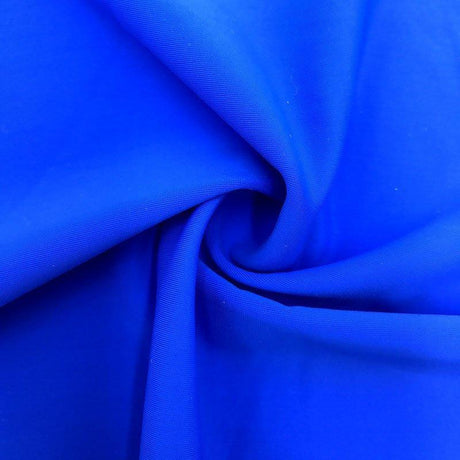
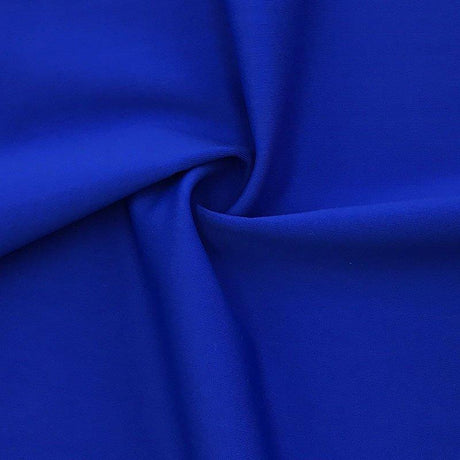
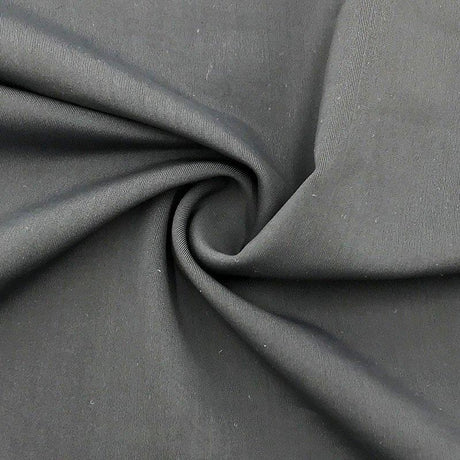
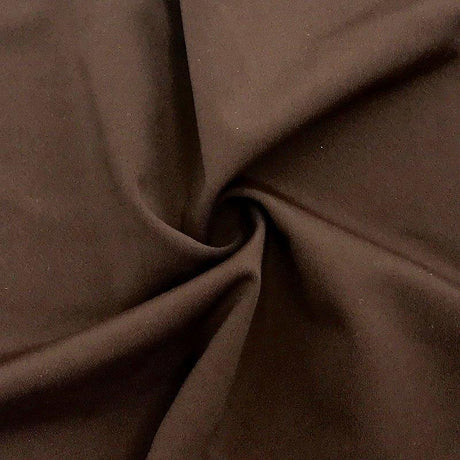
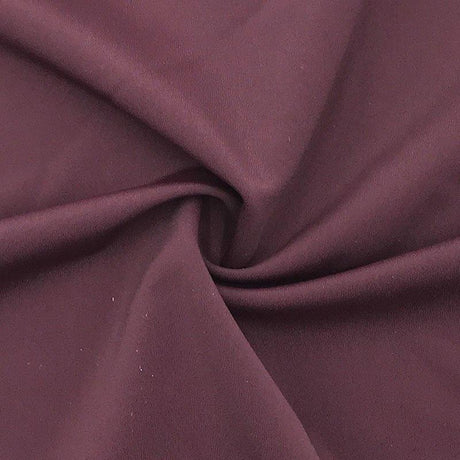
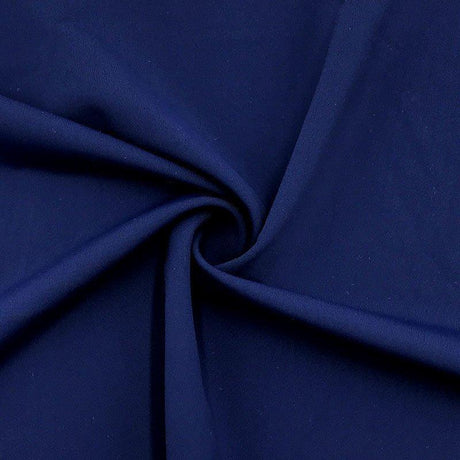
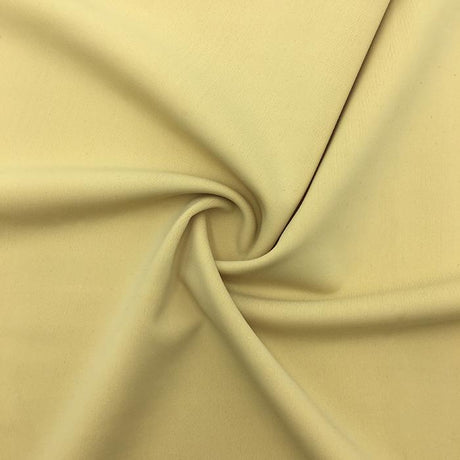
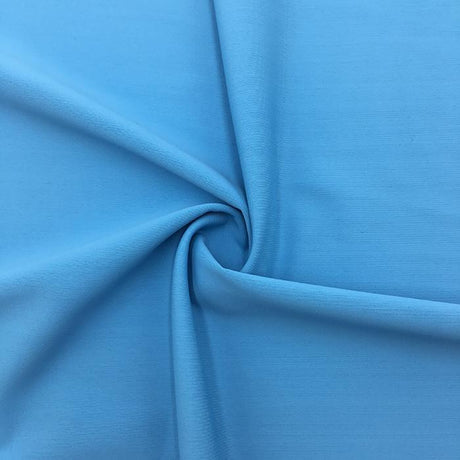
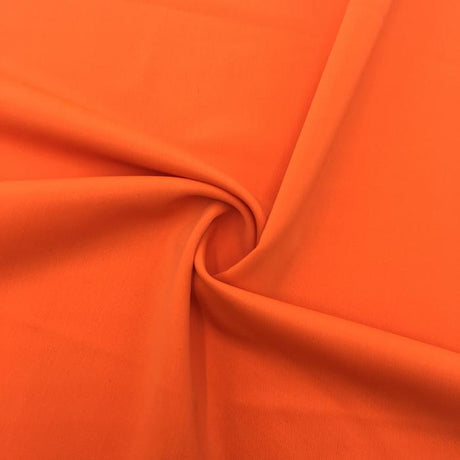
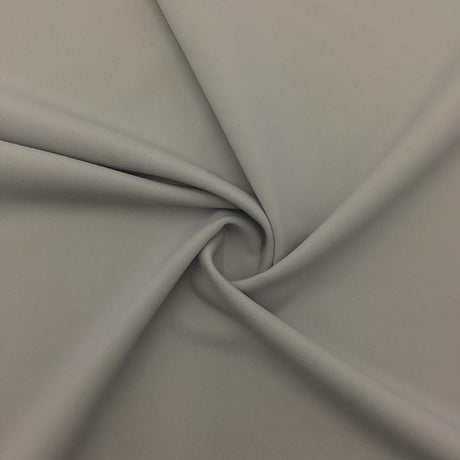
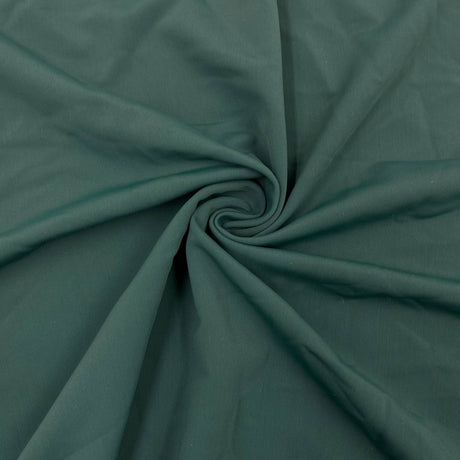
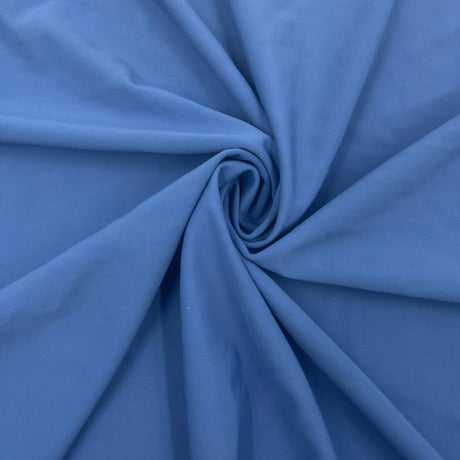
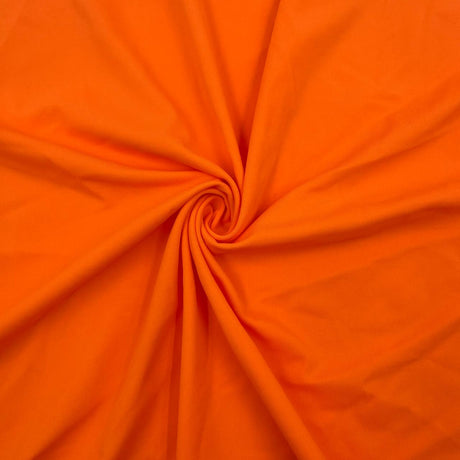
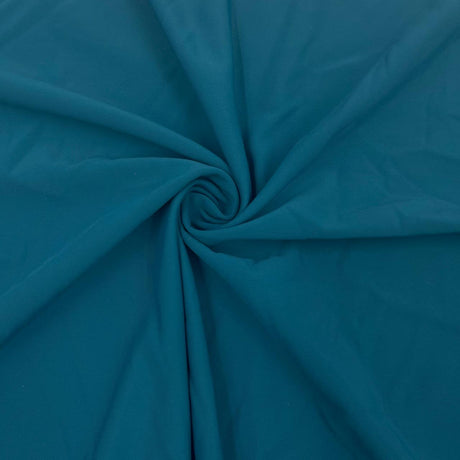
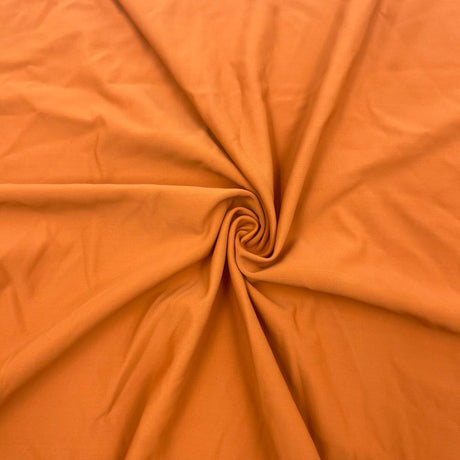
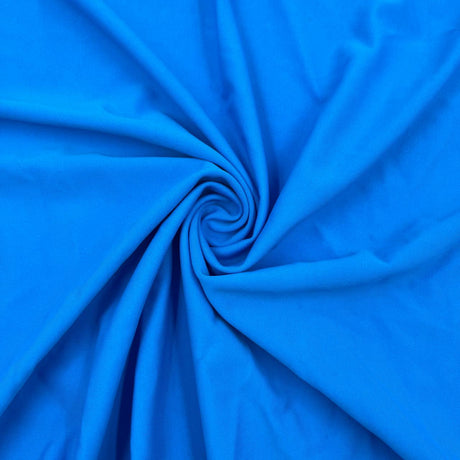
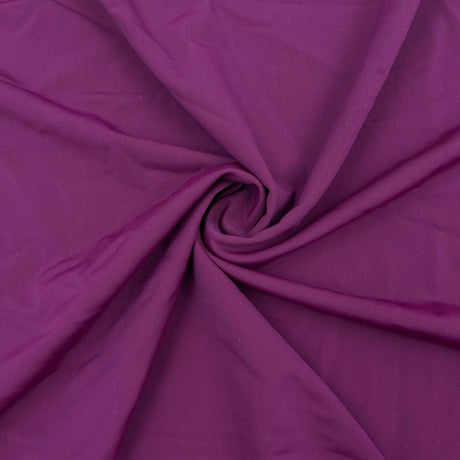
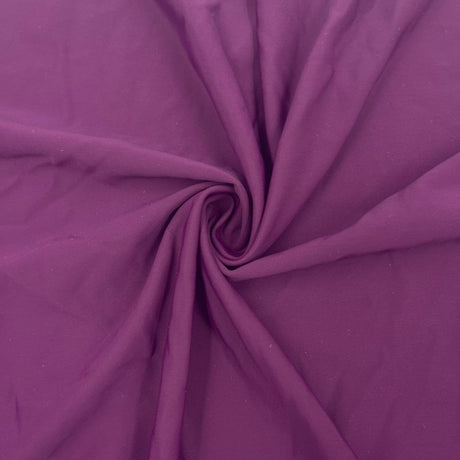
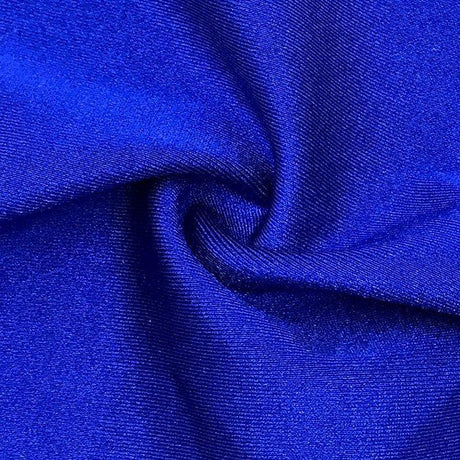
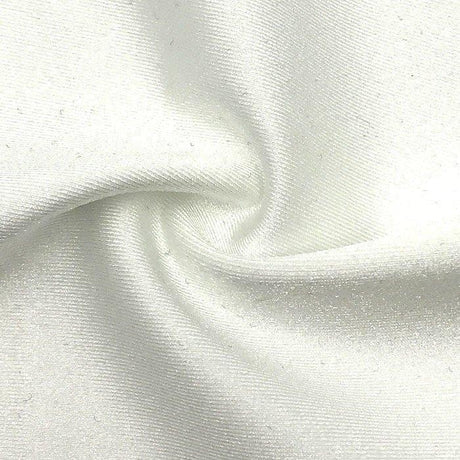
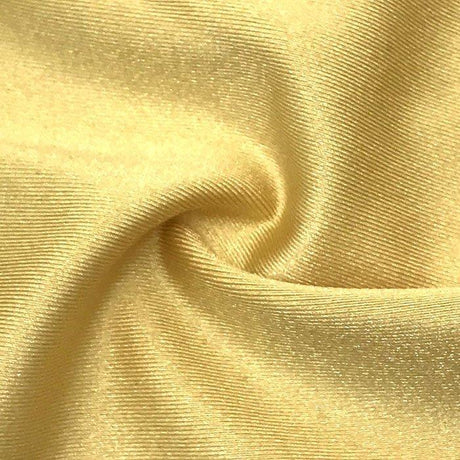
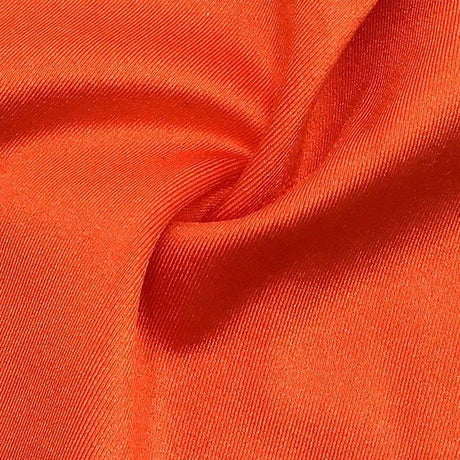
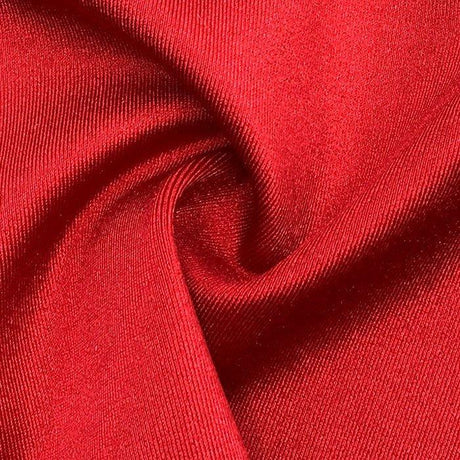
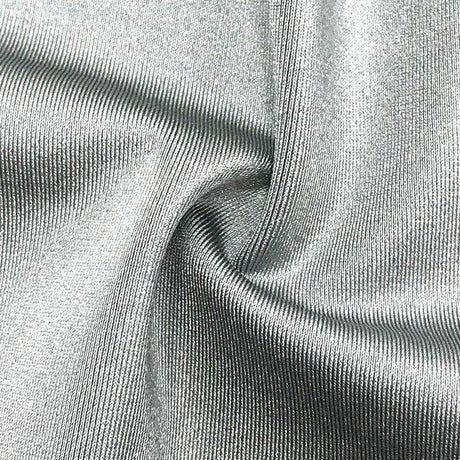
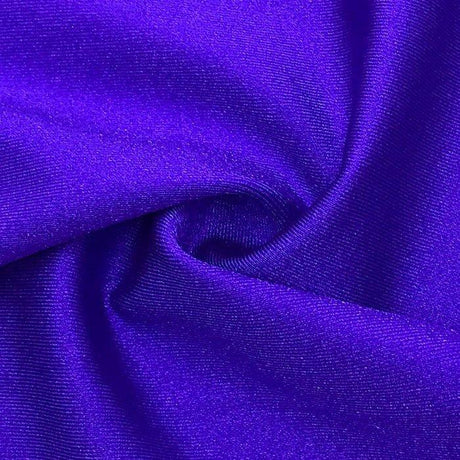
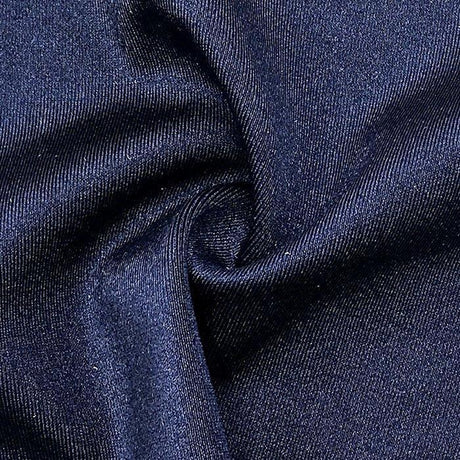
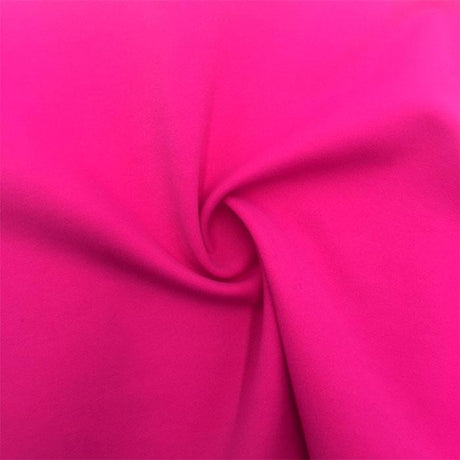
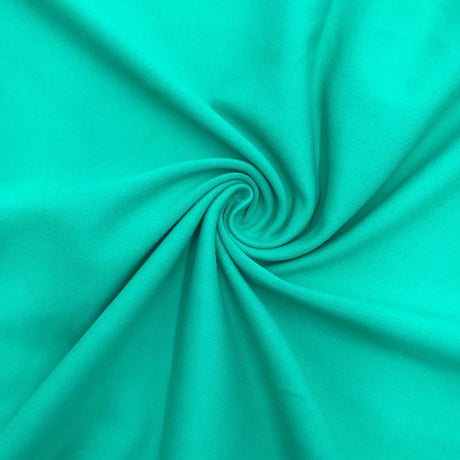
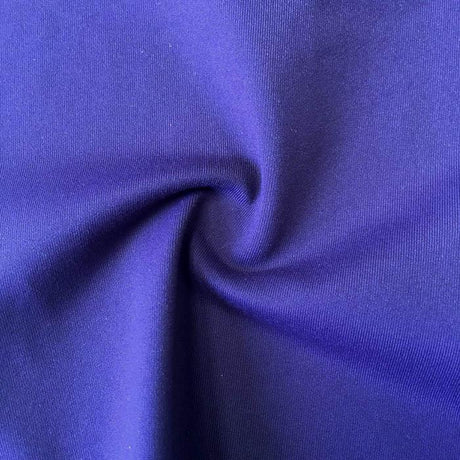
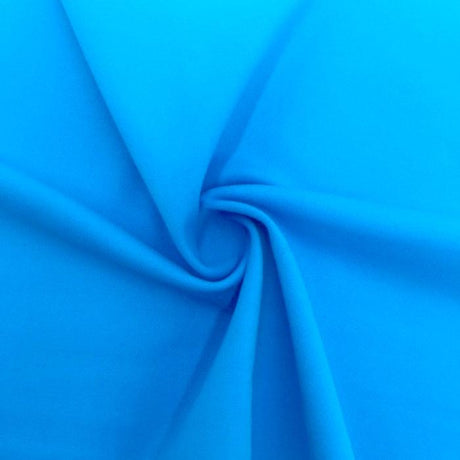
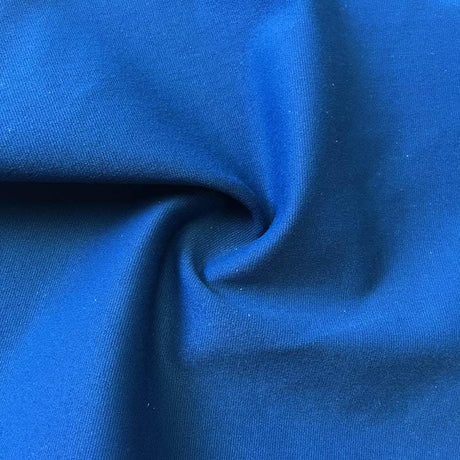
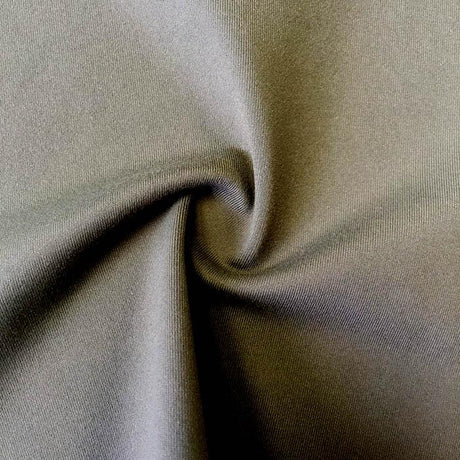
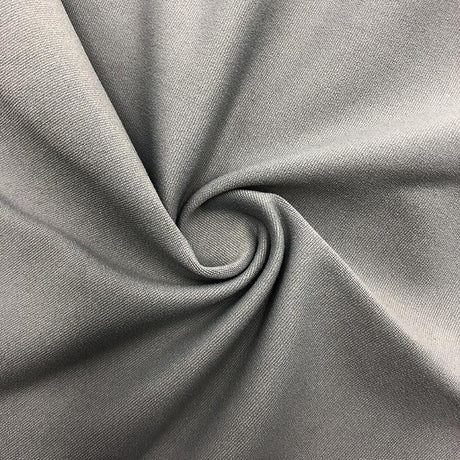
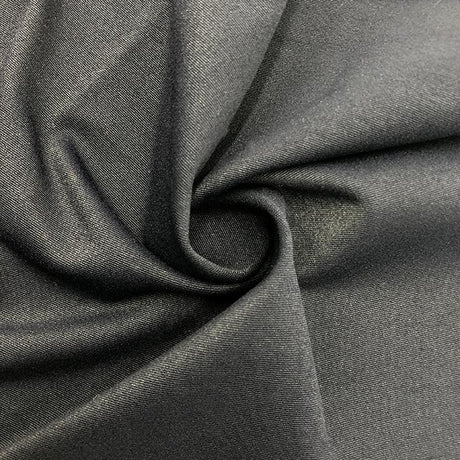
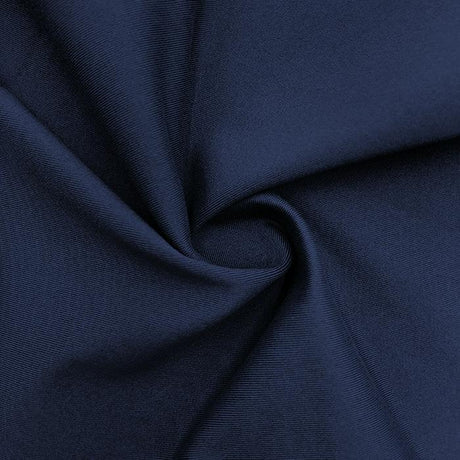
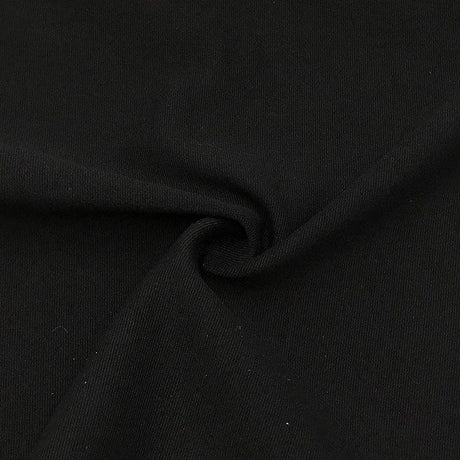
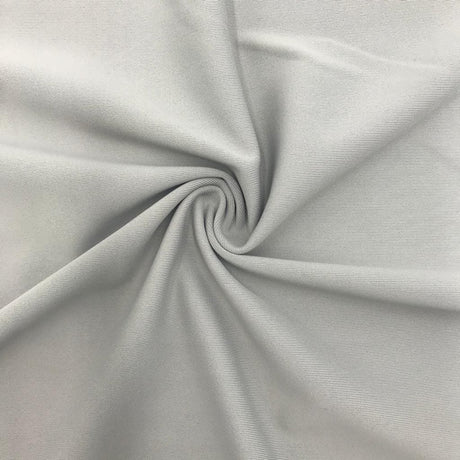
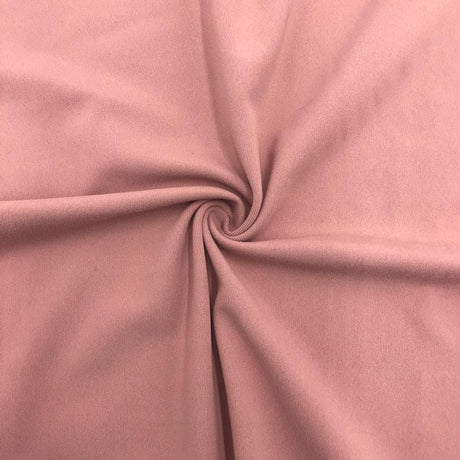
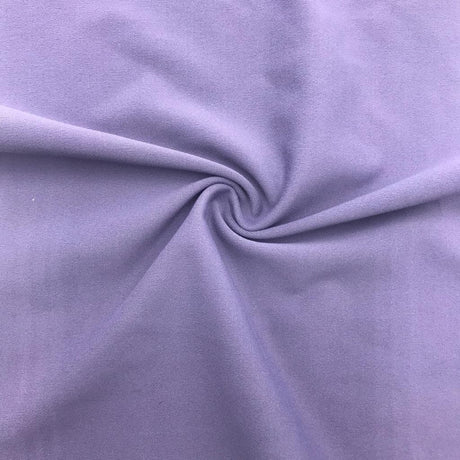
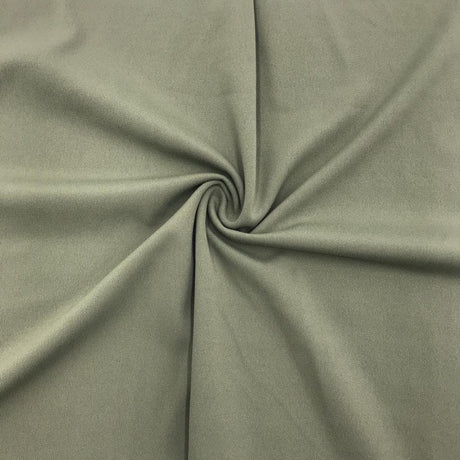
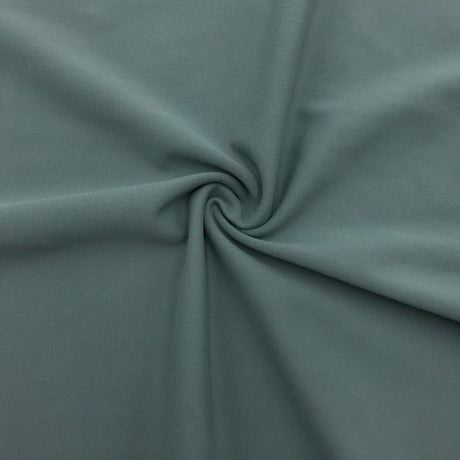
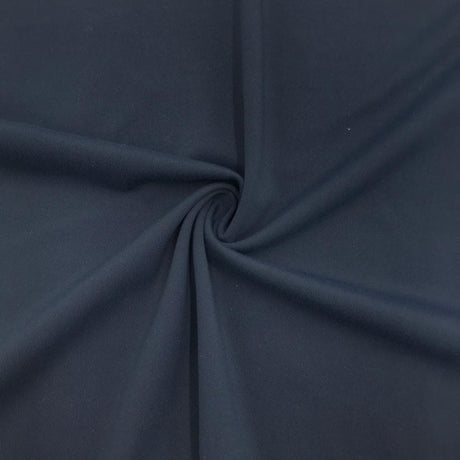
The Complete Activewear Fabric Guide: Best Performance Stretch Fabrics for Leggings, Sports Bras & Gym Wear
Activewear fabrics have evolved dramatically over the past decade as consumers demand apparel that combines comfort, flexibility, durability, and high performance. From leggings and sports bras to compression tights and gym apparel, choosing the right stretch fabric plays a major role in how a garment looks, feels, and performs. This complete guide explains the best activewear fabrics, how moisture-wicking textiles work, the role of GSM and compression, and how to choose the ideal performance stretch fabric for your next project.
Quick Answer: The best activewear fabrics are four-way stretch knits that blend nylon or polyester with 10–25% spandex. Nylon spandex feels soft and premium for leggings, yoga, and luxury athleisure; polyester spandex resists fading and wicks moisture for running, gym tops, and printed performance wear. Medium-weight 220–280 GSM fabrics deliver the squat-proof coverage and compression most leggings and sports bras require.
Table of Contents
- What Makes a Great Activewear Fabric?
- Nylon Spandex vs Polyester Spandex
- What Is Moisture-Wicking Fabric?
- Understanding Compression Fabrics
- Understanding GSM in Activewear Fabrics
- Best Fabrics for Leggings, Sports Bras & More
- Mesh Fabrics for Ventilation
- Brushed Nylon & Spandex Fleece for Cold-Weather Activewear
- Printed & Solid Activewear Fabrics
- How to Sew Activewear Fabrics
- Activewear Fabric Care Tips
- How Much Fabric Do You Need?
- Frequently Asked Questions
What Makes a Great Activewear Fabric?
A great activewear fabric performs across three dimensions at once: it moves with the body, manages moisture and heat, and holds its shape through repeated use. Falling short on any single one—sagging after a few washes, soaking up sweat, or restricting movement—turns an otherwise beautiful garment into a disappointment for the wearer.
Performance activewear fabrics should provide:
- Four-way stretch for unrestricted movement
- Moisture-wicking performance to keep skin dry
- Excellent recovery so the garment retains its shape
- Breathability for high-output activity
- Compression support without restriction
- Soft hand feel against the skin
- Durability through repeated wear and washing
Modern activewear blends typically combine nylon or polyester with spandex (elastane or Lycra) to balance all of these traits in a single fabric. For a foundational overview of how stretch fabrics are constructed, see our spandex fabric guide.
Nylon Spandex vs Polyester Spandex
The two dominant fiber blends in activewear are nylon spandex and polyester spandex. Both deliver excellent four-way stretch, but they shine in different applications. The right choice usually depends on whether you prioritize softness or performance.
Nylon Spandex Fabric
Nylon spandex is often considered the premium activewear material because of its silky hand feel and outstanding recovery. It hugs the body comfortably without restricting movement, making it the standard for high-end yoga, Pilates, and lifestyle athleisure.
- Smooth, luxurious texture
- Soft hand feel against the skin
- Excellent stretch and recovery
- Comfortable, body-contouring compression
- High durability through repeated wear
Nylon spandex is especially popular for luxury leggings, yoga wear, sports bras, compression apparel, and high-end athleisure. For premium peachy-soft surfaces, explore our Brushed Nylon Spandex Collection, and for clean, solid base fabrics, see our Nylon Spandex Solid Collection. For deeper specifics, the nylon spandex fabric guide walks through weights and finishes.
Polyester Spandex Fabric
Polyester spandex shines in performance-focused activewear. It absorbs very little water, wicks sweat efficiently, resists fading from sun and washing, and holds prints with sharp, vibrant detail—making it the go-to for running gear, team uniforms, and patterned collections.
- Excellent moisture management and quick drying
- Strong color retention that resists fading
- Long-term durability
- Sublimation print compatibility
- Strong performance under repeated washing
These fabrics dominate sports uniforms, running apparel, gym shirts, and athletic compression gear. Browse our Athleisure Fabric Collection for everyday performance options, and the Sublimation Spandex Tricot for custom-print projects.
Nylon Spandex vs Polyester Spandex at a Glance
| Feature | Nylon Spandex | Polyester Spandex |
|---|---|---|
| Hand feel | Soft, luxurious | Sleek, technical |
| Stretch & recovery | Excellent | Very good |
| Moisture wicking | Good | Excellent |
| Color retention | Good | Excellent |
| Print clarity | Good | Excellent (sublimation-ready) |
| Best for | Yoga, leggings, lifestyle | Running, performance, uniforms |
What Is Moisture-Wicking Fabric?
Moisture-wicking fabric pulls sweat away from the skin and spreads it across the fabric's surface so it can evaporate quickly, keeping the wearer cooler and drier during exercise. This is achieved through a combination of hydrophobic fibers (typically polyester) and engineered knit structures that channel moisture outward rather than absorbing it.
Benefits of moisture-wicking fabrics include:
- Improved comfort during workouts
- Reduced sweat buildup and clinging
- Better temperature regulation
- Faster drying performance
- Less chafing and skin irritation
For applications that demand maximum airflow, pairing a wicking knit with breathable mesh inserts produces the most effective ventilation. Browse our Mesh Fabric Collection for performance lining and panel options.
Understanding Compression Fabrics
Compression fabrics use higher spandex content and tighter knit structures to gently squeeze the body, providing supportive stretch that hugs muscles while still allowing full range of motion. The right level of compression improves blood flow, reduces muscle fatigue, and keeps the garment in place through dynamic movement.
Compression activewear is commonly used for:
- Performance leggings and capris
- Sports bras and crop tops
- Cycling apparel and bib shorts
- Running tights and base layers
- Training and recovery wear
Higher GSM fabrics generally deliver stronger compression and more structured support, while lighter weights offer a gentler hold suited to yoga and lifestyle athleisure.
Understanding GSM in Activewear Fabrics
GSM (grams per square meter) measures a fabric's weight and density—and weight directly affects opacity, compression, and feel. Matching the right weight to your project is one of the easiest ways to elevate the finished garment.
Lightweight Fabrics (120–180 GSM)
Lightweight stretch fabrics are ideal for:
- Breathable running tops and tank tops
- Mesh panels and ventilation inserts
- Light layering pieces
- Liner fabrics
Medium-Weight Fabrics (180–260 GSM)
Medium-weight fabrics hit the sweet spot for most performance apparel:
- Leggings and capris
- Sports bras
- Yoga and Pilates wear
- General activewear and athleisure
Heavyweight Compression Fabrics (260+ GSM)
Heavyweight fabrics deliver firm hold for:
- High-compression leggings
- Performance shapewear
- Supportive gym wear
- Structured athletic apparel and contour pieces
Learn more in our Fabric Weight Guide, and for stretch percentages and types, see stretch fabric types.
Best Activewear Fabrics for Different Uses
Different activities demand different fabric properties. Below are the most common use cases and what to look for in each.
Best Fabric for Leggings
The best legging fabric balances opacity, compression, and a soft, comfortable hand feel. Look for medium-to-heavy nylon spandex blends in the 220–280 GSM range with high spandex content (18–22%) for the squat-proof, sculpting fit shoppers expect.
- Squat-proof opacity even under stretch
- Strong compression and support
- Four-way stretch for full mobility
- Moisture-wicking performance
- Soft, skin-friendly hand feel
Premium nylon spandex remains the top choice for performance leggings.
Best Fabric for Sports Bras
Sports bra fabrics need to balance support, comfort, and breathability across a wide range of motion. Higher-recovery nylon spandex with quality power mesh lining produces the best fit and longevity.
- Strong stretch support without binding
- Excellent recovery to maintain shape
- Comfortable, soft-edge finish
- Breathability in high-heat zones
- Durability through repeated washing
Best Fabric for Running Apparel
Running gear should be light, breathable, and quick-drying. Polyester spandex knits and lightweight performance mesh dominate this category for good reason.
- Lightweight construction
- High breathability
- Strong moisture management
- Comfortable on the skin during long sessions
Best Fabric for Yoga and Pilates
Yoga apparel prizes a soft hand feel and gentle stretch over heavy compression. Brushed nylon spandex and lighter nylon blends are ideal for studio and lifestyle wear.
Best Fabric for Cycling and Cold-Weather Training
Cyclists and outdoor athletes need fabrics that compress, wick, and hold up against repeated friction. Heavier polyester spandex and structured nylon blends paired with mesh panels and warm fleece layers cover the full range of conditions.
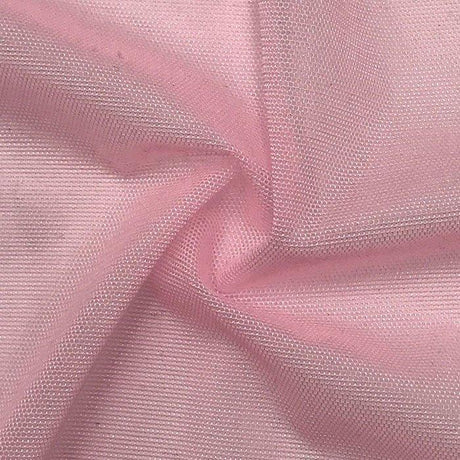
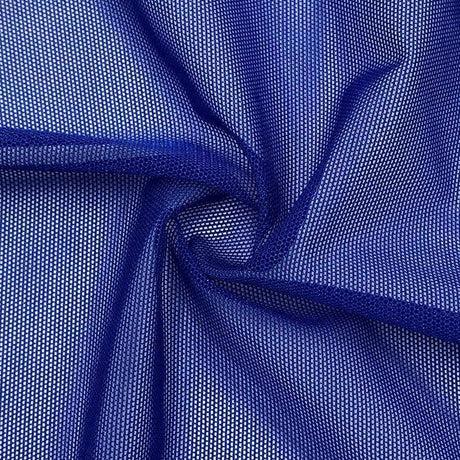
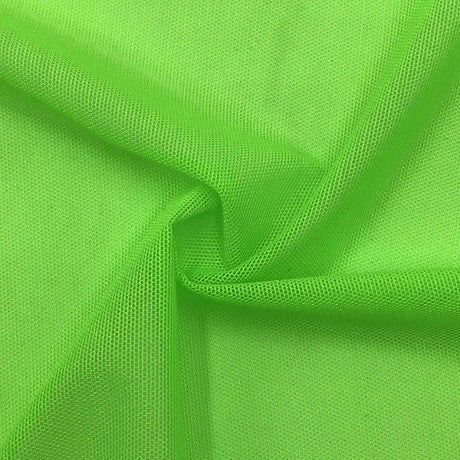
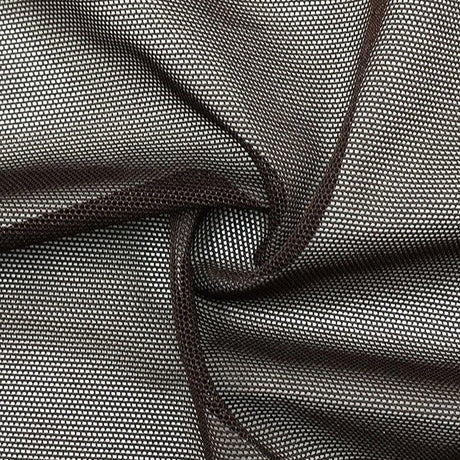
Mesh Fabrics for Activewear
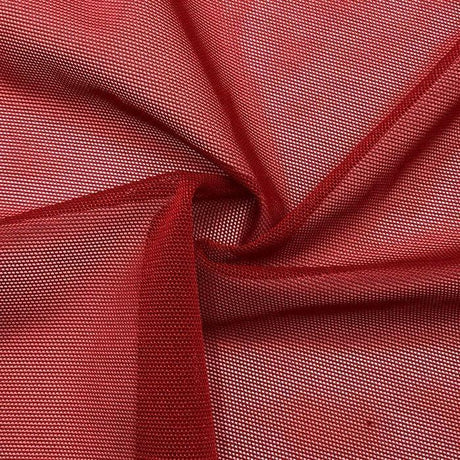
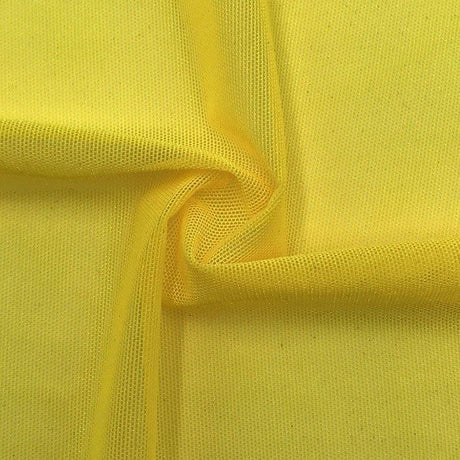
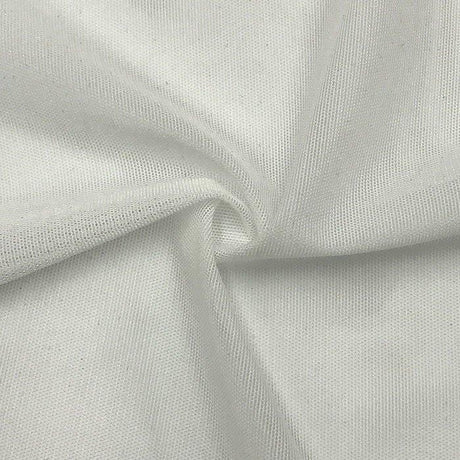
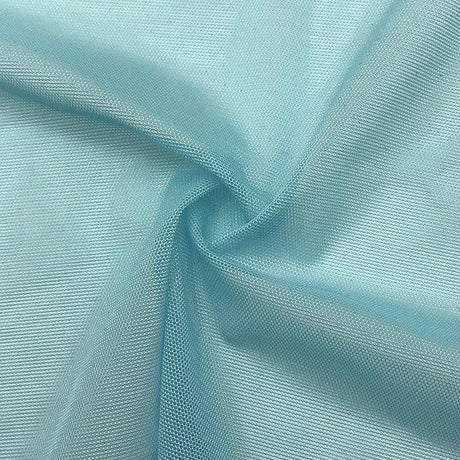
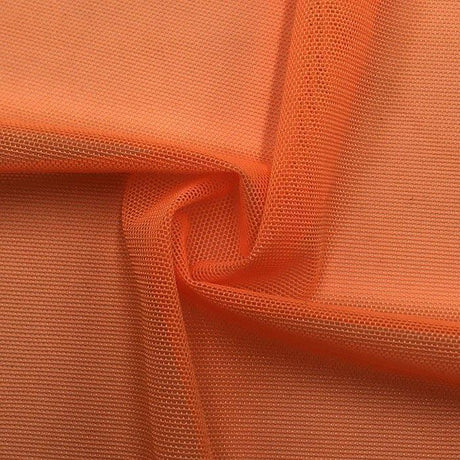
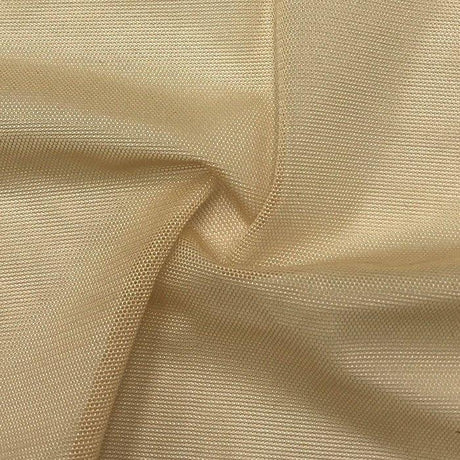
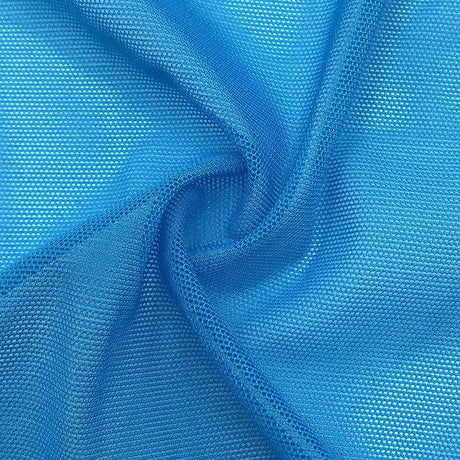
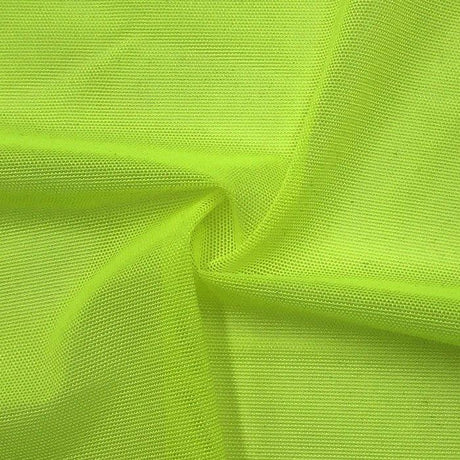
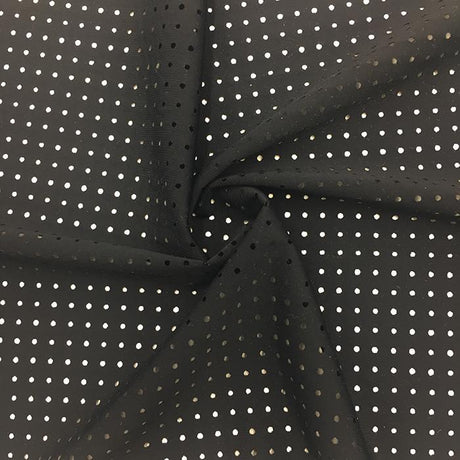
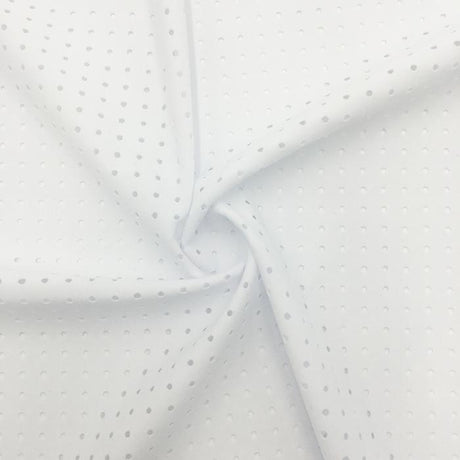
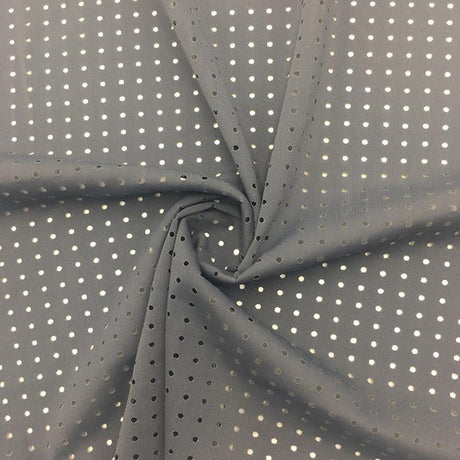
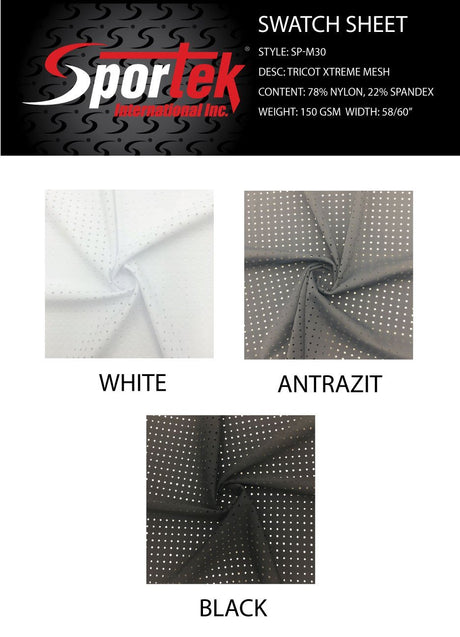
Mesh fabrics improve ventilation and airflow in athletic garments by creating an open knit structure that lets heat and moisture escape. They are essential for high-output performance pieces and add visual interest as fashion-forward overlays.
Mesh is commonly used for:
- Ventilation panels in tops and tights
- Lining for support and modesty
- Performance tops with breathable inserts
- Sports jerseys and team uniforms
- Layered fashion athleisure looks
Browse our Mesh Fabric Collection and check the mesh lining fabric guide for application tips.
Brushed Nylon & Spandex Fleece for Cold-Weather Activewear
When temperatures drop, soft and warm stretch fabrics extend your collection into outerwear and layering pieces. Brushed nylon spandex offers a peachy, plush surface ideal for cover-ups, fleece-feel leggings, and cold-weather tops. For full-on cold protection without sacrificing stretch, spandex fleece pro stretch adds warmth and structure while preserving four-way mobility—making it ideal for hoodies, joggers, and layering pieces in coordinated activewear collections.
Printed & Solid Activewear Fabrics
Activewear has become increasingly fashion-driven, with prints and bold solids carrying just as much importance as performance specs. Printed stretch fabrics let designers create signature looks without complex construction, while solid foundations enable color-blocking and coordinated set collections.
Popular printed categories include:
- Floral Spandex Fabric — timeless and feminine
- Geometric Spandex Fabric — modern, structured, athletic
- Abstract Spandex Fabric — artistic and social-media friendly
- Printed Spandex Collection — full range of patterns
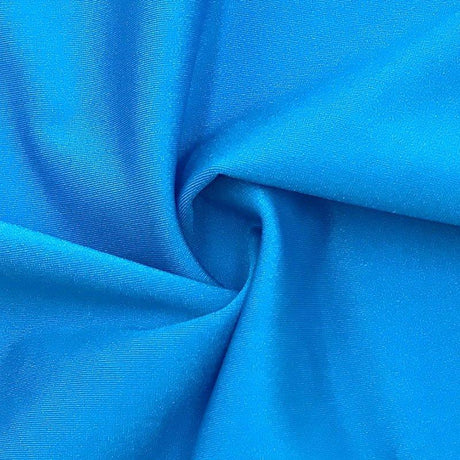
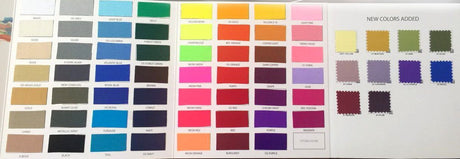
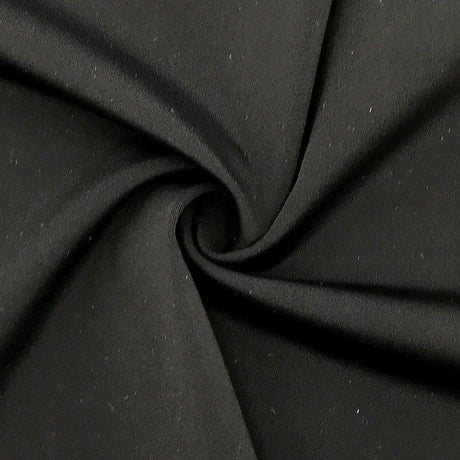
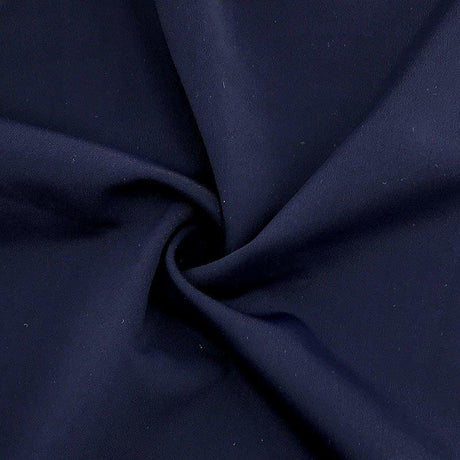
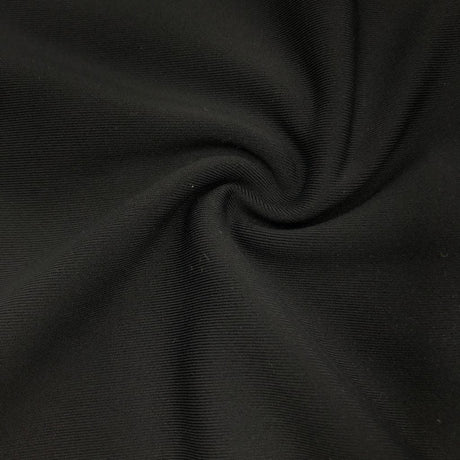
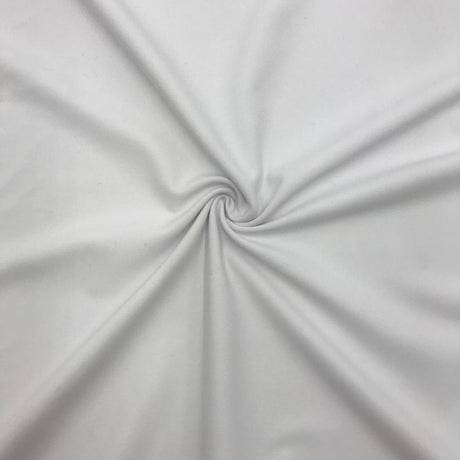
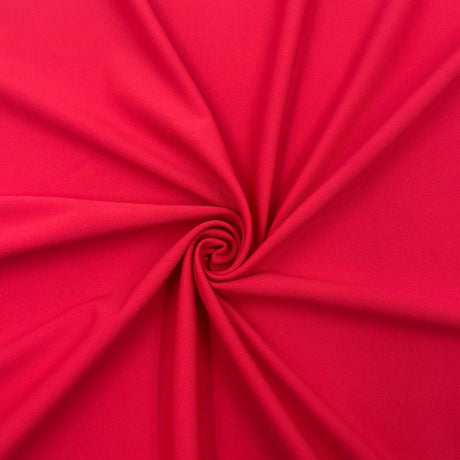
For solid foundations, browse solid spandex fabric, including bestselling black, crisp white, and confident red spandex options. For workflow guidance on prints, see the printed spandex fabric guide.
How to Sew Activewear Fabrics
Sewing high-performance stretch fabrics takes a slightly different approach than wovens, but the techniques are easy to learn. A few key adjustments will produce a professional, retail-ready finish.
- Use stretch or ballpoint needles to prevent skipped stitches
- Choose quality polyester thread for flexibility
- Use a zig-zag, twin needle, or serger for finished seams
- Avoid pulling the fabric while sewing
- Test stitch tension on a scrap before final construction
Visit our How to Sew Stretch Fabric Guide for step-by-step techniques.
Activewear Fabric Care Tips
Proper care protects elasticity, color, and moisture-wicking performance. The biggest enemies of activewear are heat, fabric softener, and harsh detergents.
- Wash in cold water on a gentle cycle
- Skip fabric softener (it coats wicking fibers and reduces performance)
- Avoid high-heat drying—air dry whenever possible
- Wash inside-out to protect prints
- Don't overload the machine, which causes pilling
For a complete routine, read our Fabric Care Guide.
How Much Fabric Do You Need?
Buying by the yard means ordering exactly what your project requires. As a general guide, a pair of full-length leggings needs about 1.5–2 yards, a sports bra typically takes half a yard, a fitted tank top runs around 1 to 1.25 yards, and a basic hoodie can require 2 to 2.5 yards. Always order a little extra to allow for pattern matching, directional cutting, and the occasional cutting mistake. To browse the latest options, see our new arrivals.
Frequently Asked Questions
What is the best fabric for leggings? Most premium performance leggings use a nylon spandex blend in the 220–280 GSM range with 18–22% spandex. This combination provides squat-proof opacity, strong compression, and a soft hand feel that lasts through repeated wear.
What makes fabric "squat-proof"? Squat-proof fabric stays fully opaque even when stretched. It comes down to high knit density, sufficient weight (typically 240+ GSM), and quality spandex content. Thin or low-recovery knits become sheer under stretch and should be avoided.
Is nylon or polyester better for activewear? Nylon spandex feels softer and more luxurious, making it ideal for yoga and lifestyle pieces, while polyester spandex wicks moisture and resists fading better, making it stronger for running and printed performance gear.
What GSM is best for sports bras? Most sports bras work well in the 200–260 GSM range. Lighter weights suit low-impact yoga styles, while heavier weights provide the structure and support needed for high-impact activity.
How do I keep activewear from pilling? Wash inside-out in cold water, skip fabric softener, avoid washing with rough garments like denim, and air dry when possible. Choosing higher-quality fabrics with tighter knit structures also reduces pilling.
What is compression fabric? Compression fabric is a high-recovery stretch knit that gently squeezes the body to support muscles, improve circulation, and keep the garment in place during movement. It typically uses higher spandex content (18–25%) and heavier weight than standard activewear.
Helpful Fabric Guides
- Activewear Fabric Guide
- Nylon Spandex Fabric Guide
- Spandex Fabric Guide
- Stretch Fabric Types
- Printed Spandex Fabric Guide
- Mesh Lining Fabric Guide
- Fabric Weight Guide
- Fabric Finishes Guide
- How to Choose Fabric
- How to Sew Stretch Fabric
- Fabric Care Guide
- Expert Help & Advice
Conclusion
Choosing the right activewear fabric comes down to balancing stretch, compression, comfort, durability, and moisture management for the garment's intended use. Nylon spandex blends excel at soft luxury and body-skimming yoga and athleisure pieces, while polyester spandex blends lead in moisture management, color retention, and printed performance wear.
Whether you are sewing leggings, sports bras, gym apparel, or full athleisure collections, premium stretch fabrics provide the flexibility and performance modern active lifestyles demand. Ready to start your next project? Explore our complete activewear and athleisure fabric collection, or reach out through our expert help and advice page if you need a personalized recommendation.