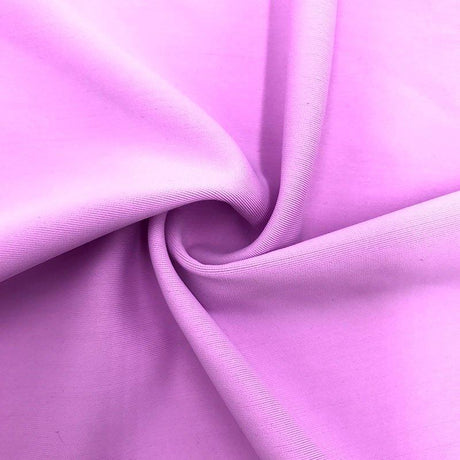
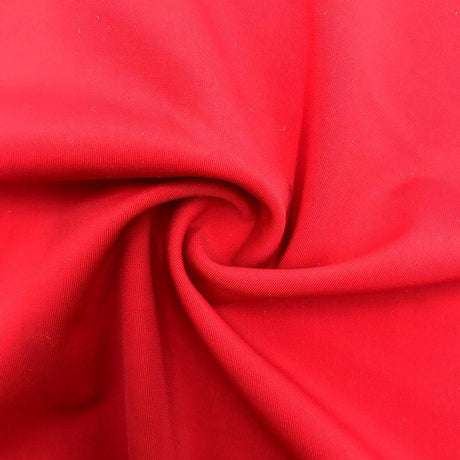
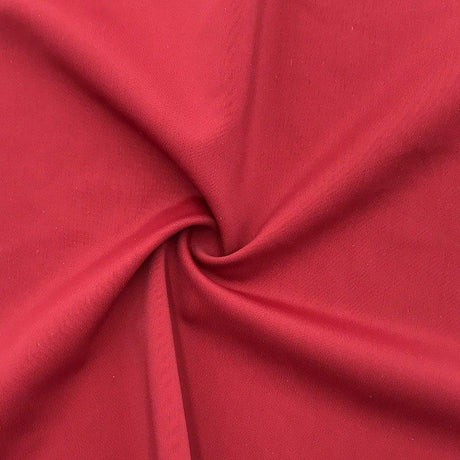
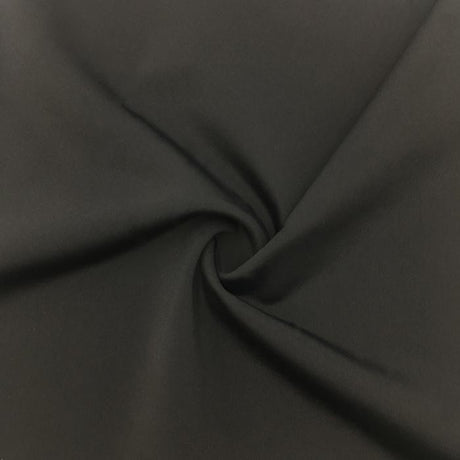
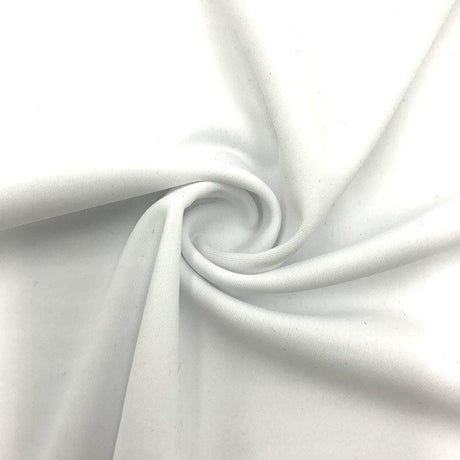
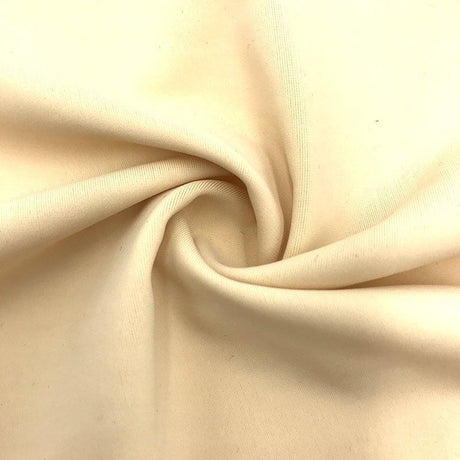
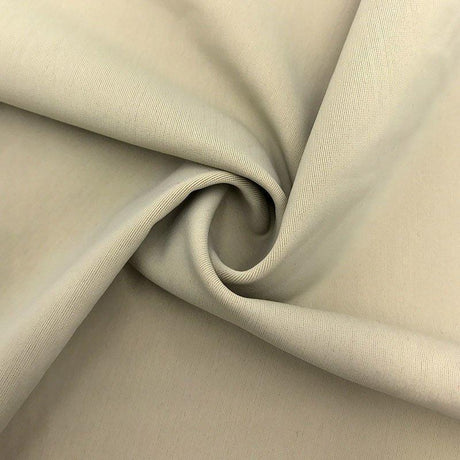
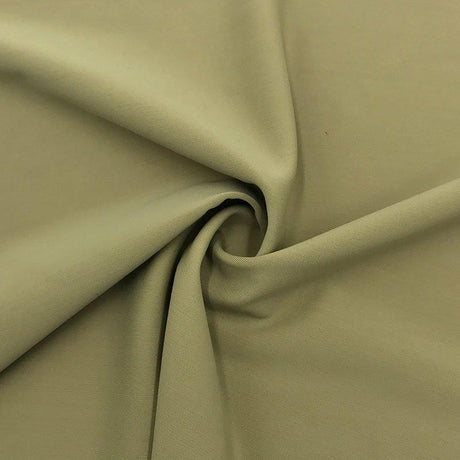
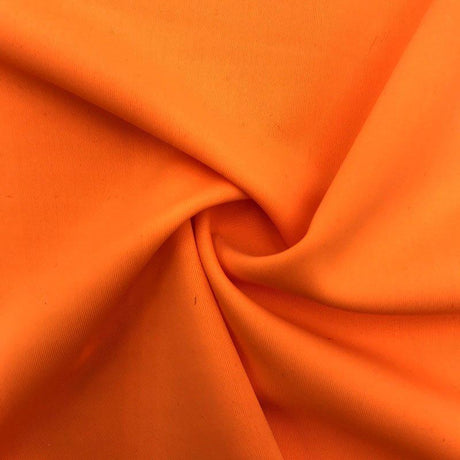
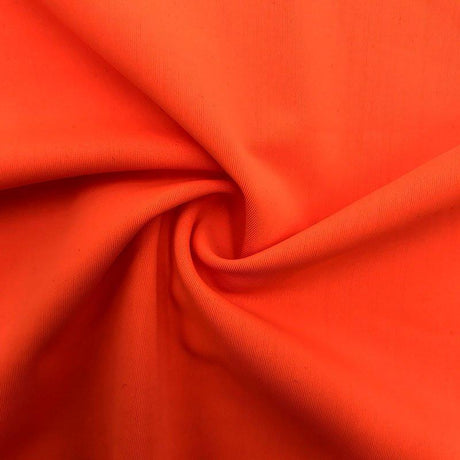
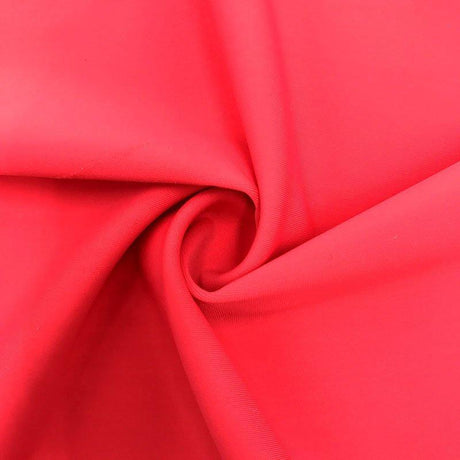
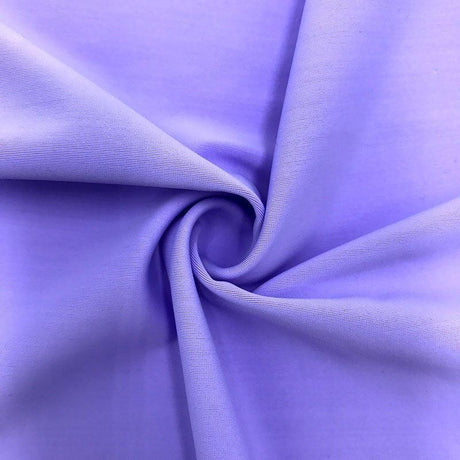
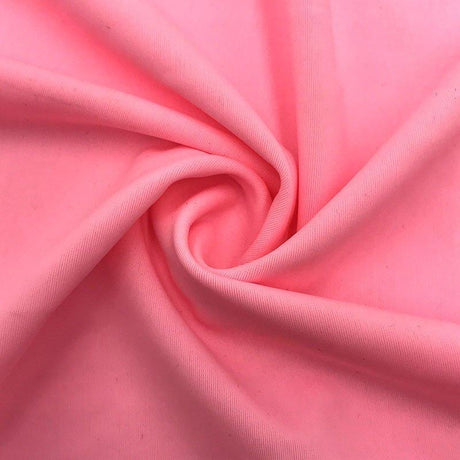
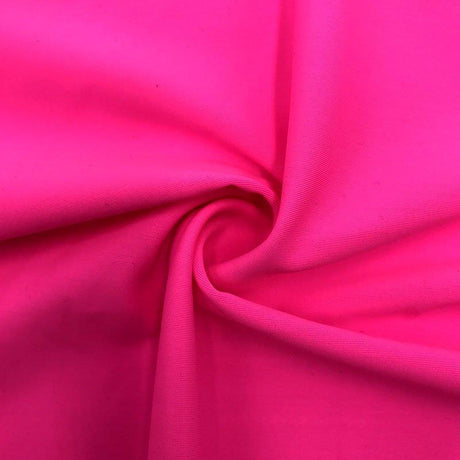
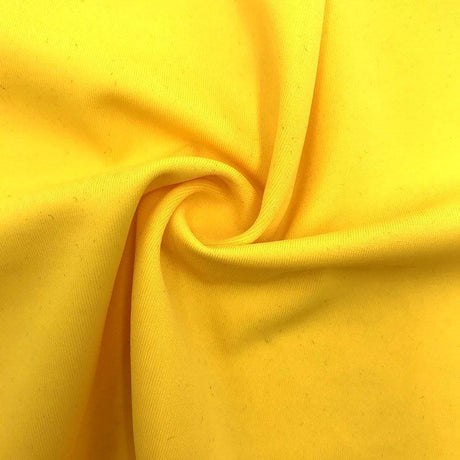
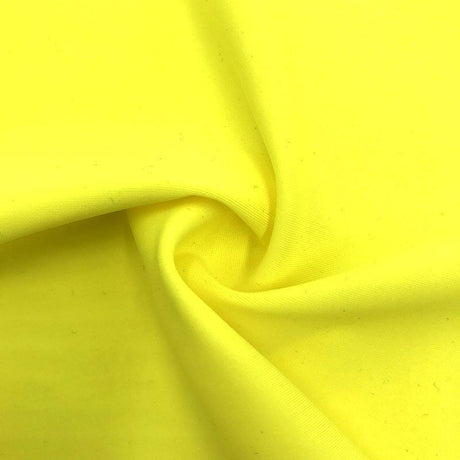
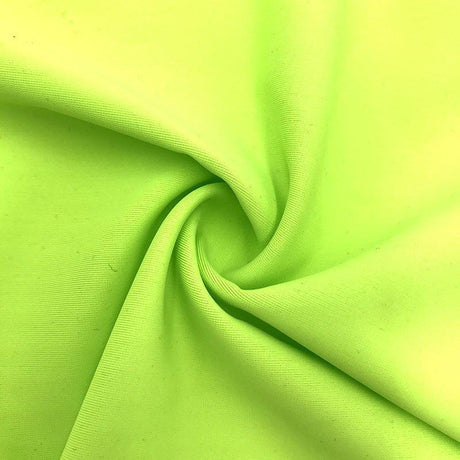
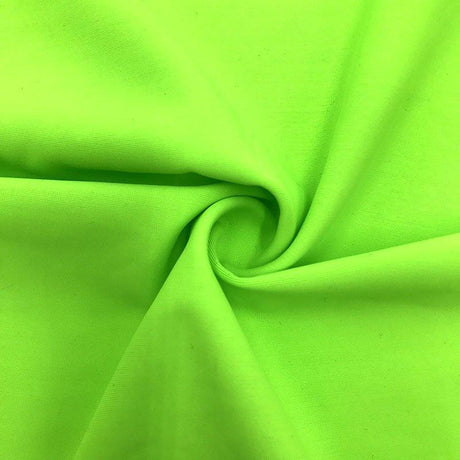
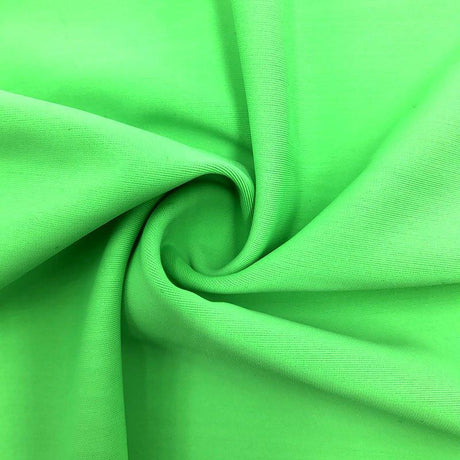
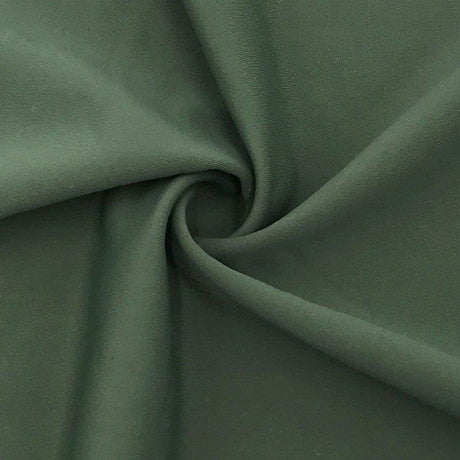
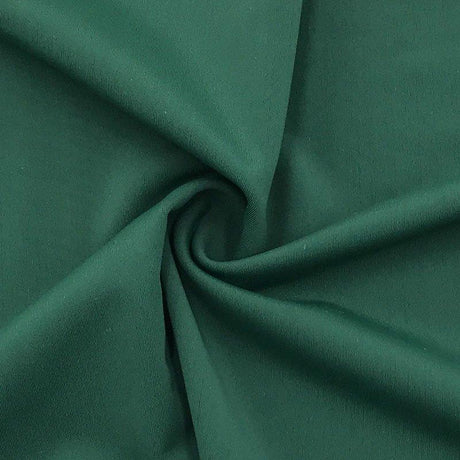
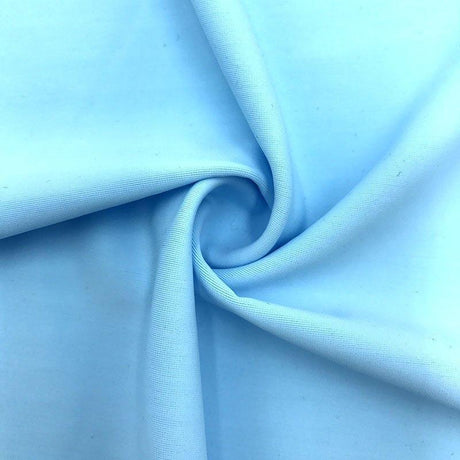
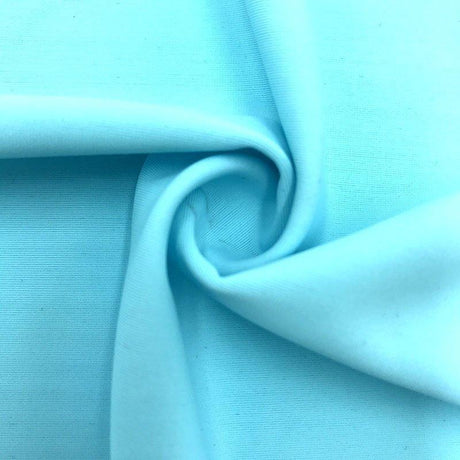
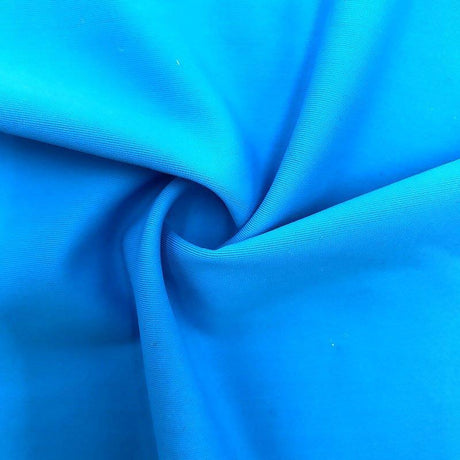
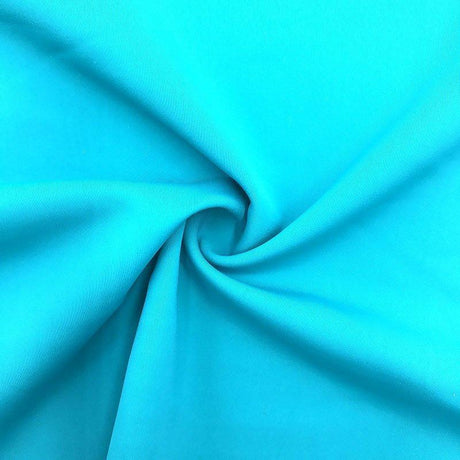
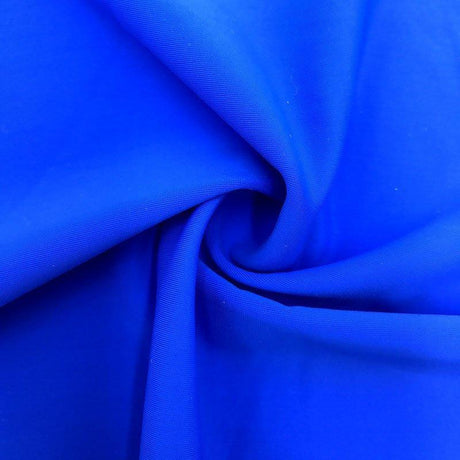
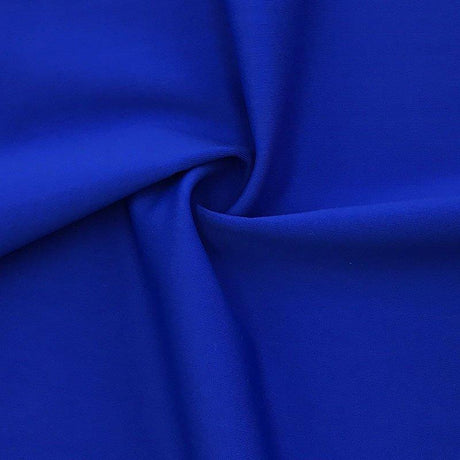
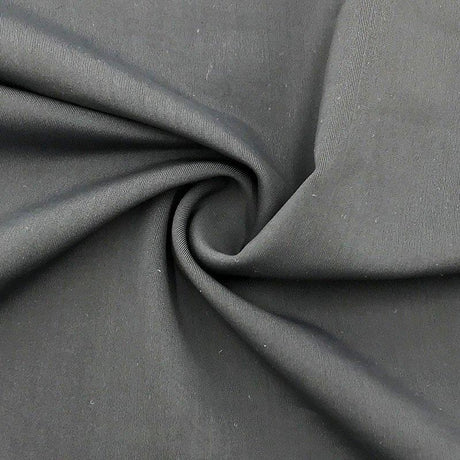
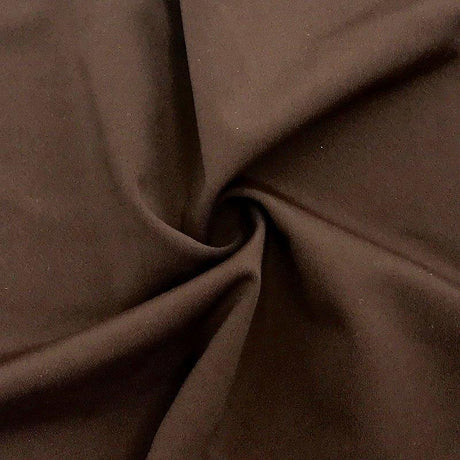
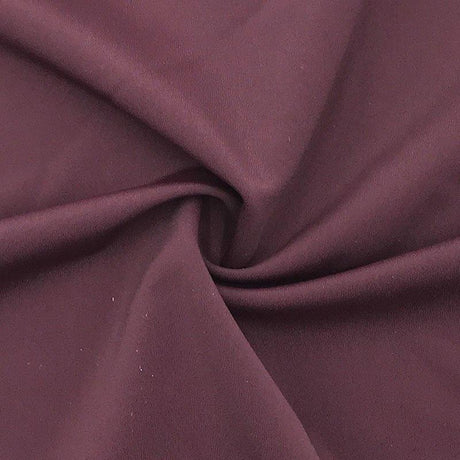
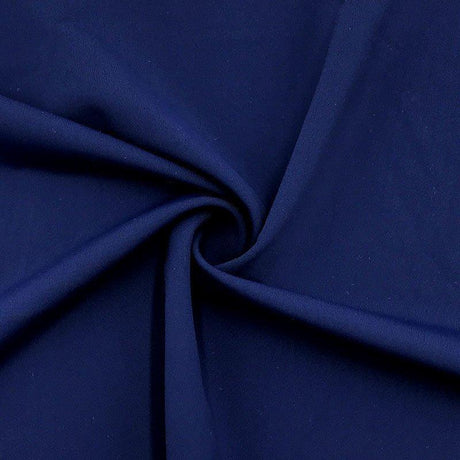
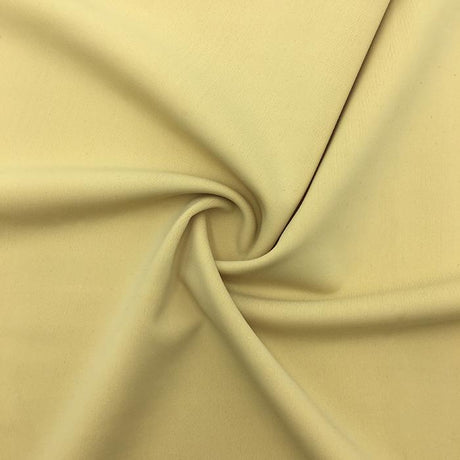
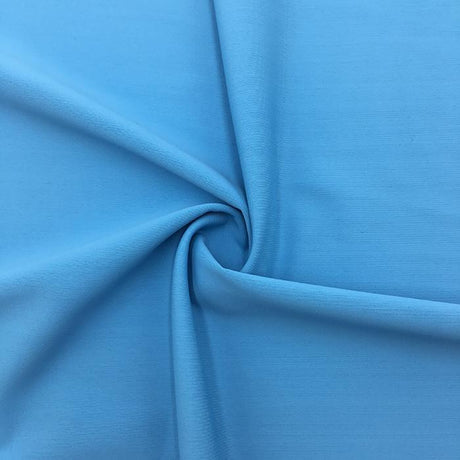
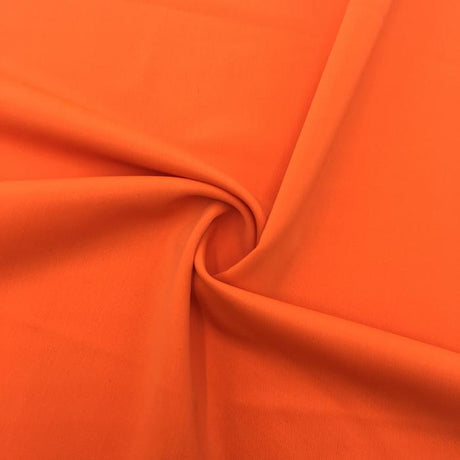
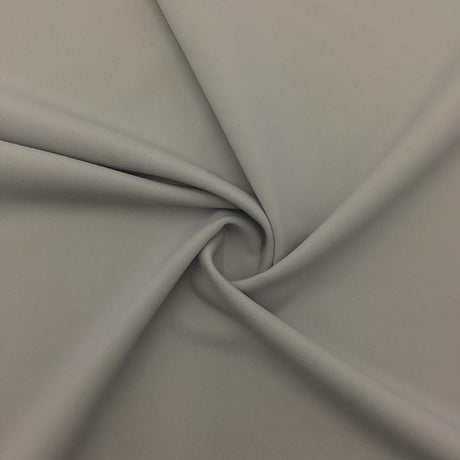
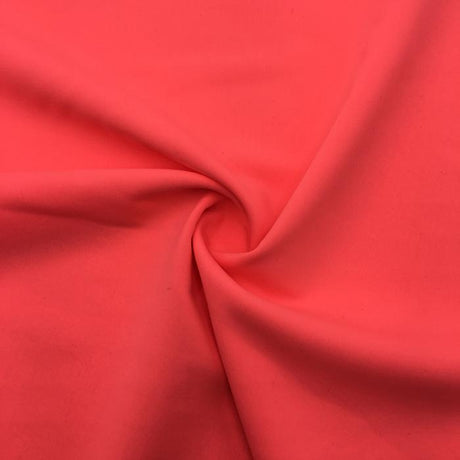
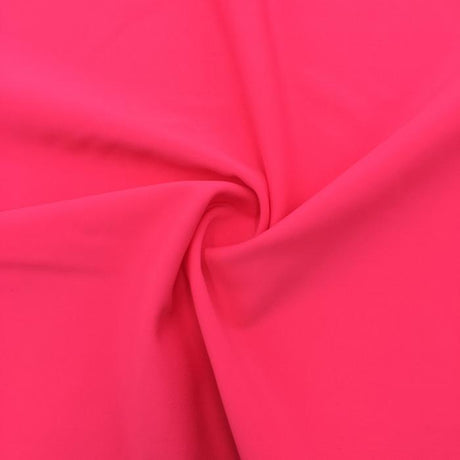
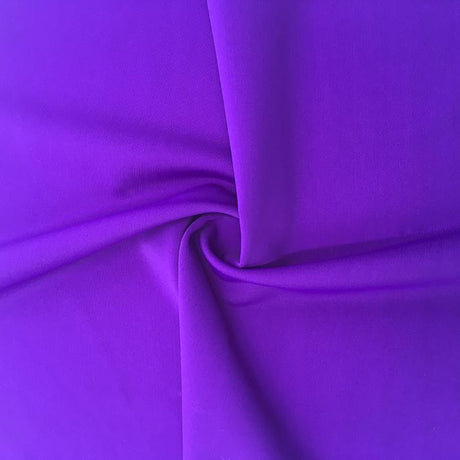
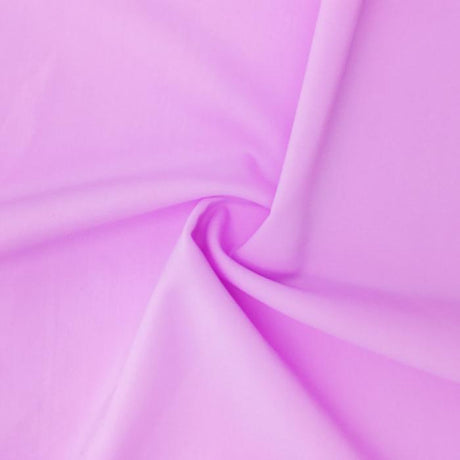
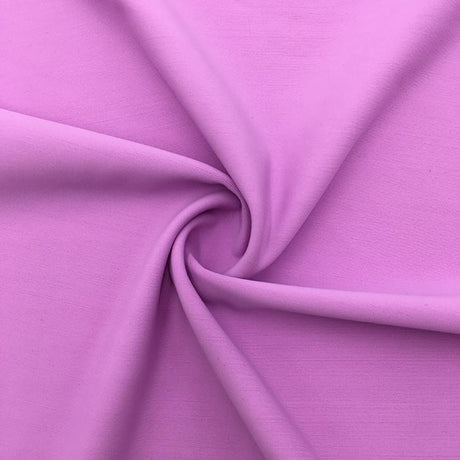
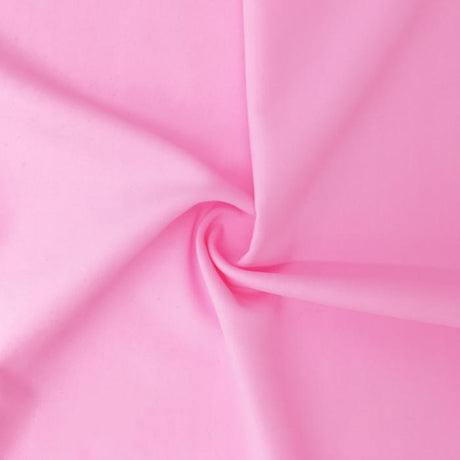
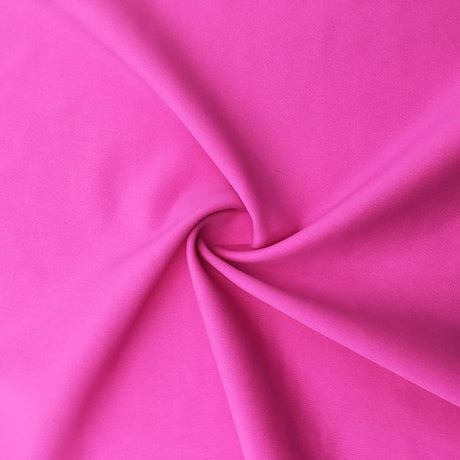
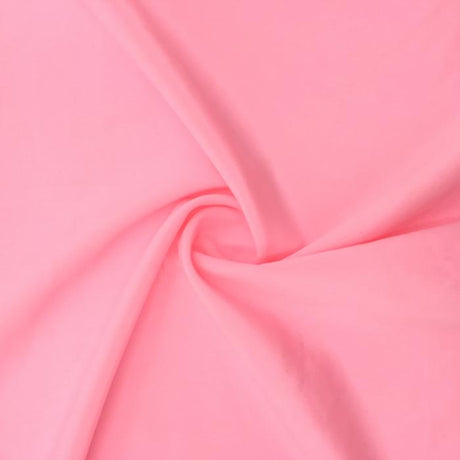
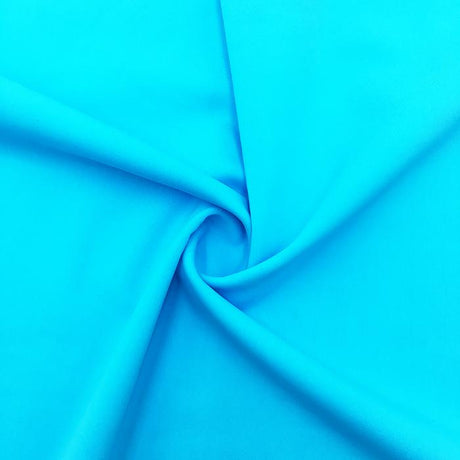
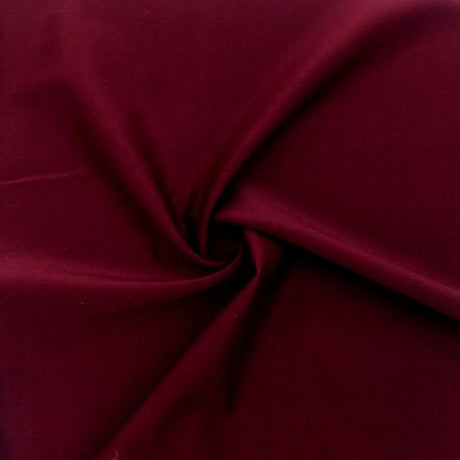
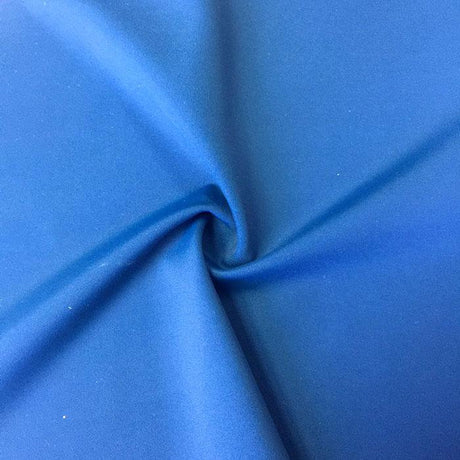
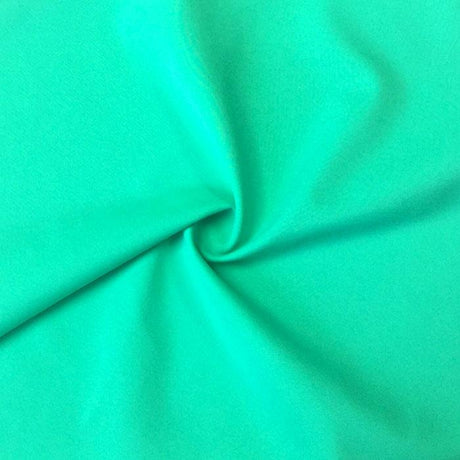
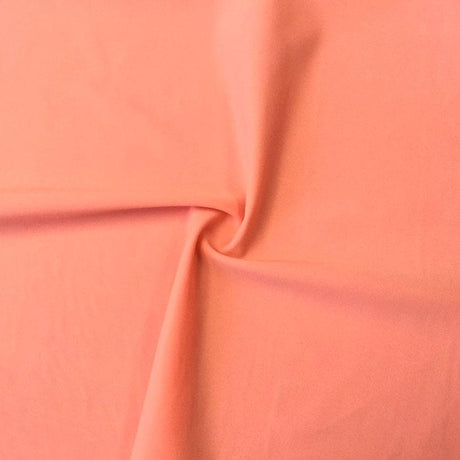
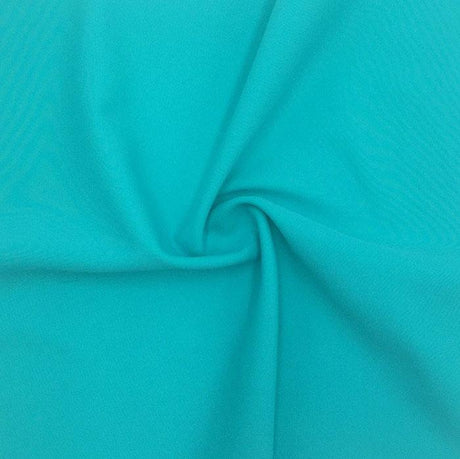
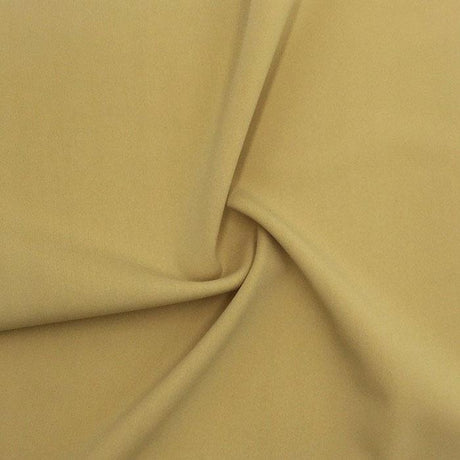
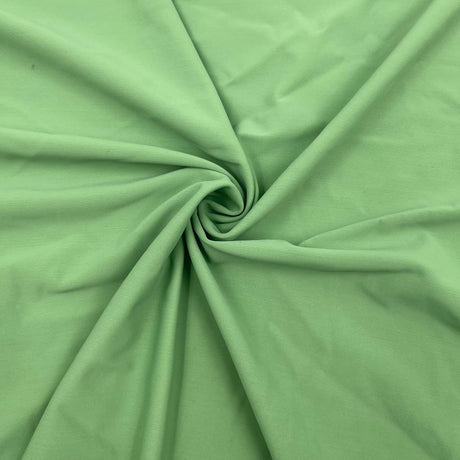
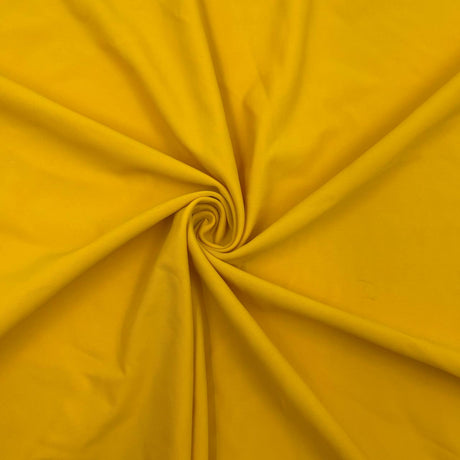
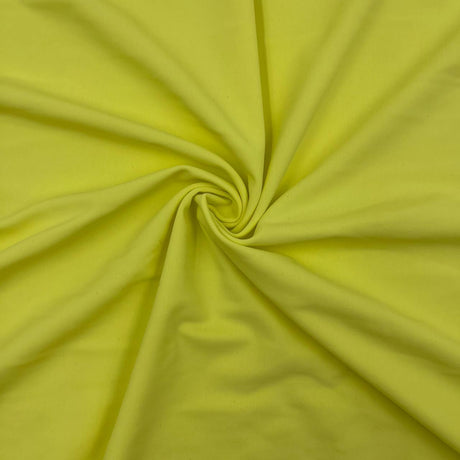
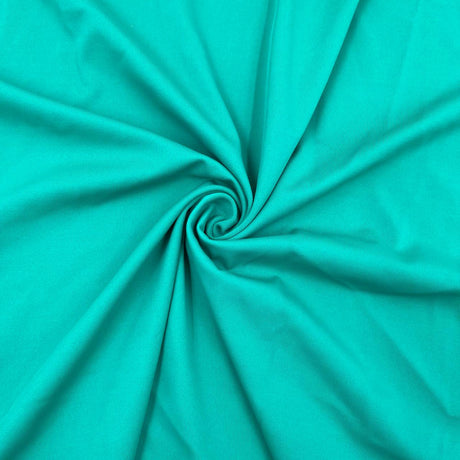
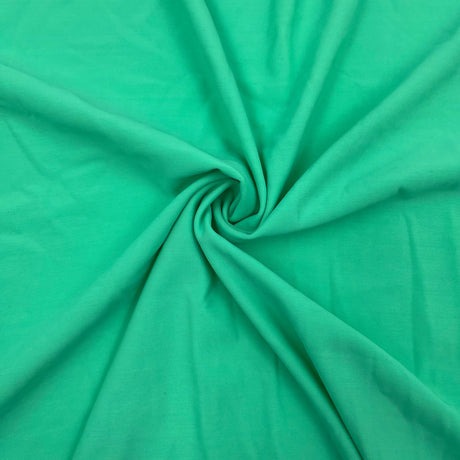
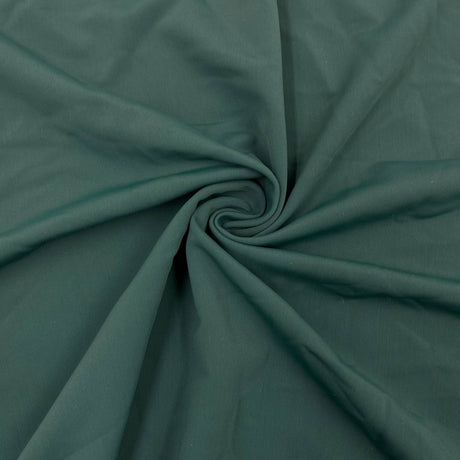
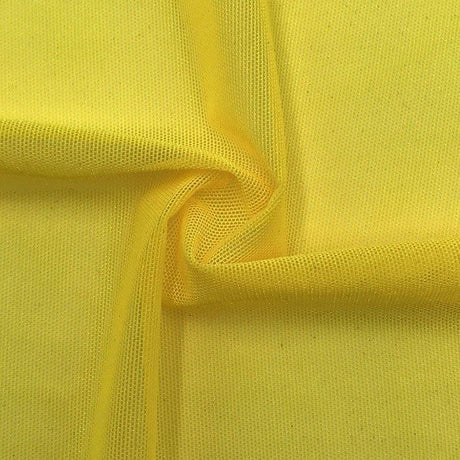
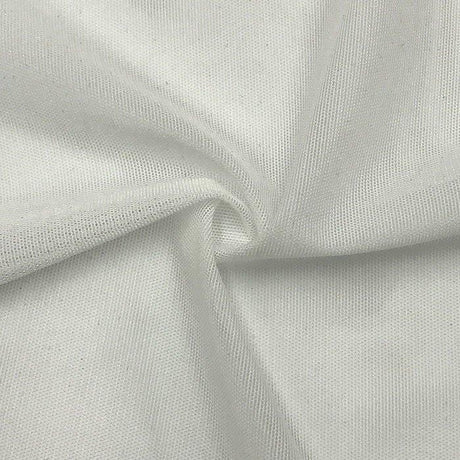
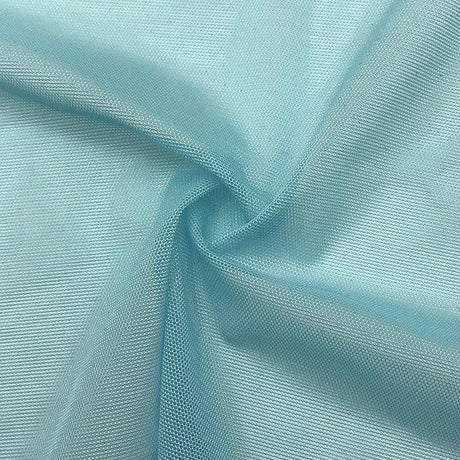
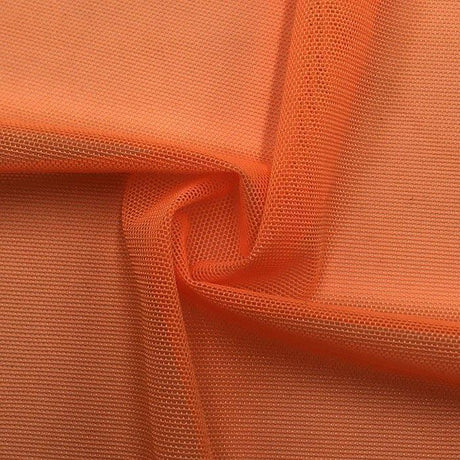
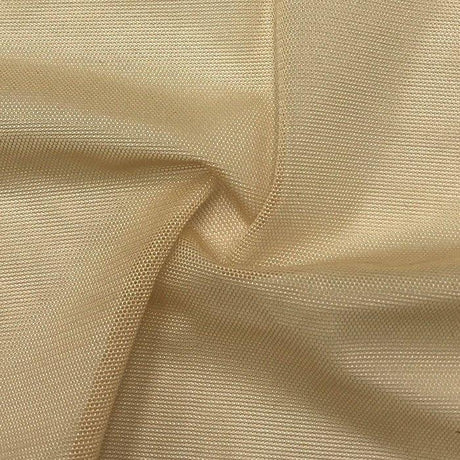
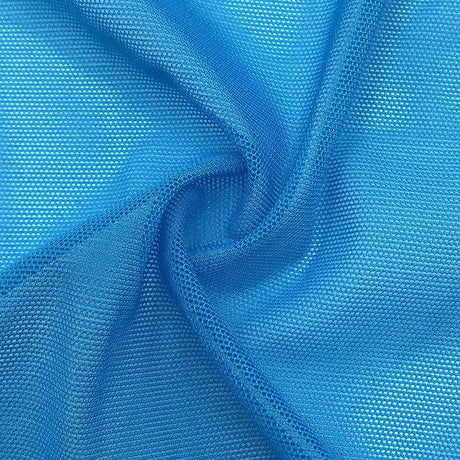
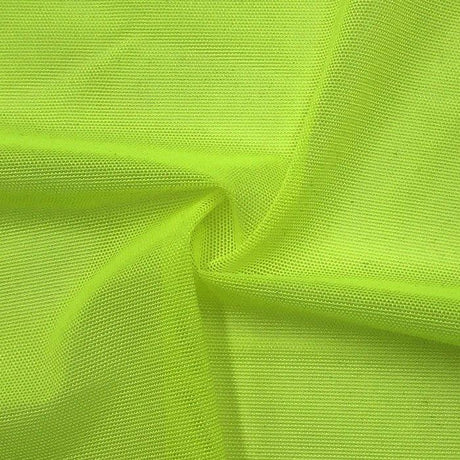
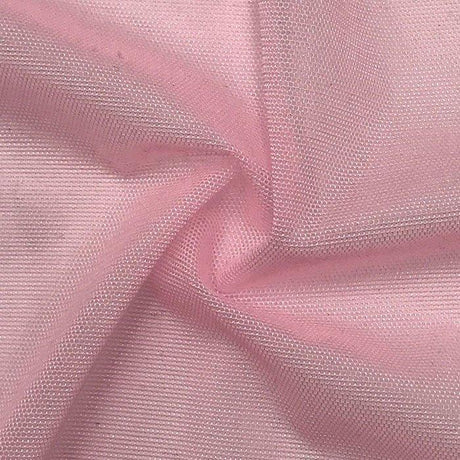
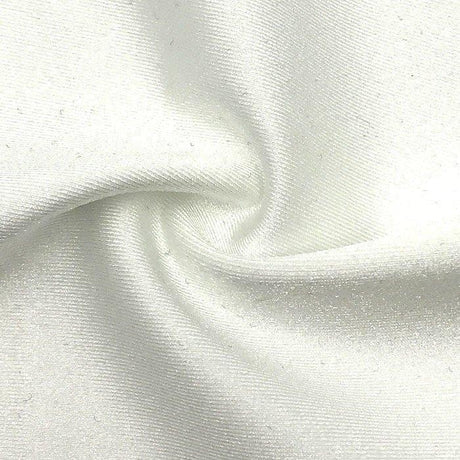
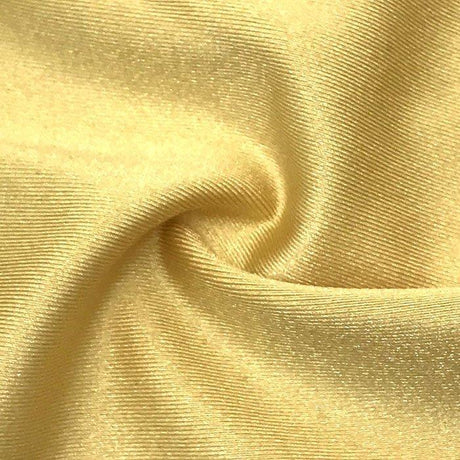
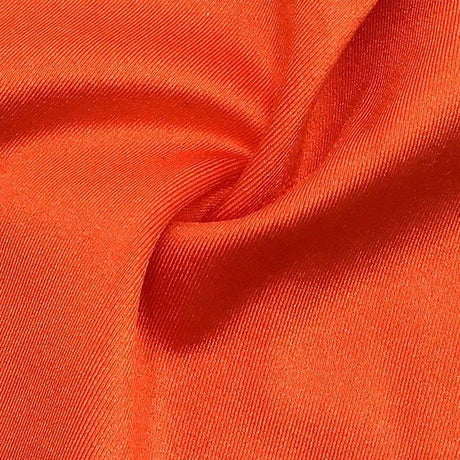
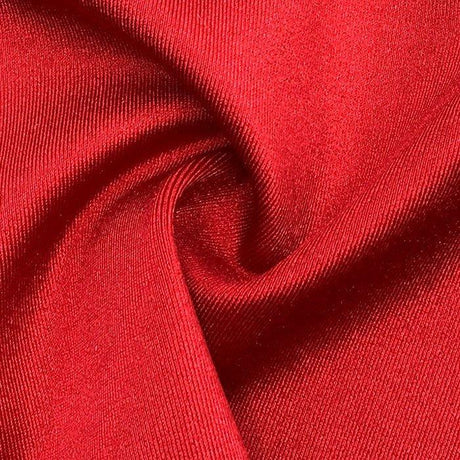
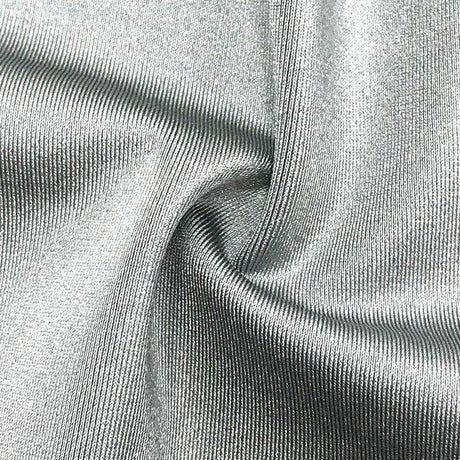
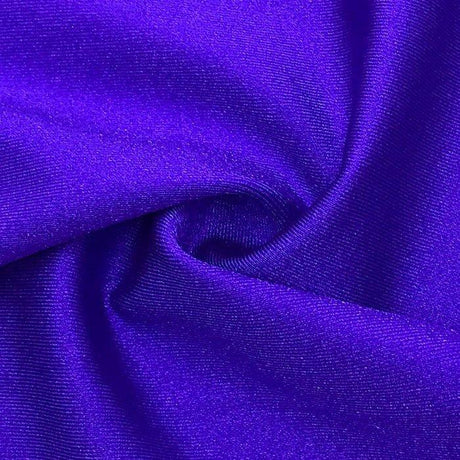
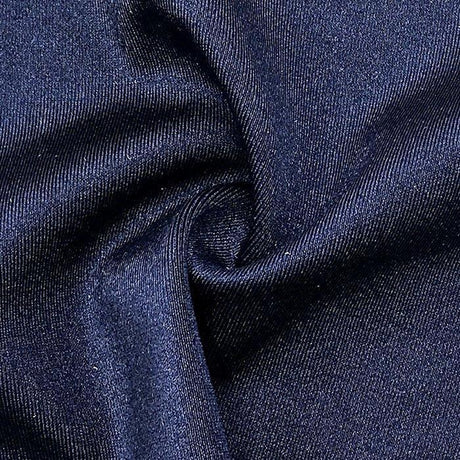
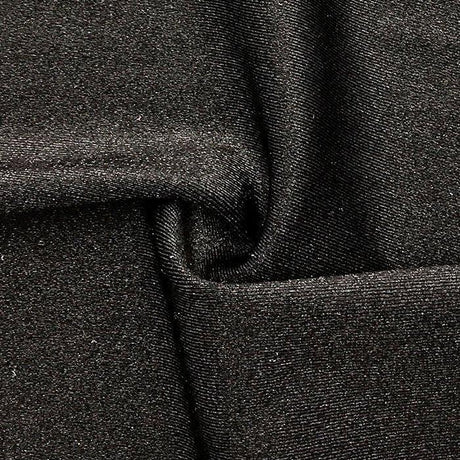
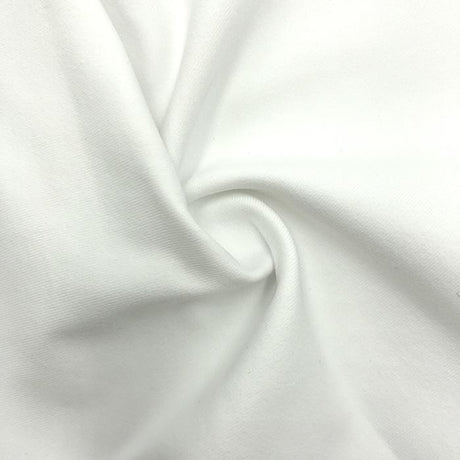
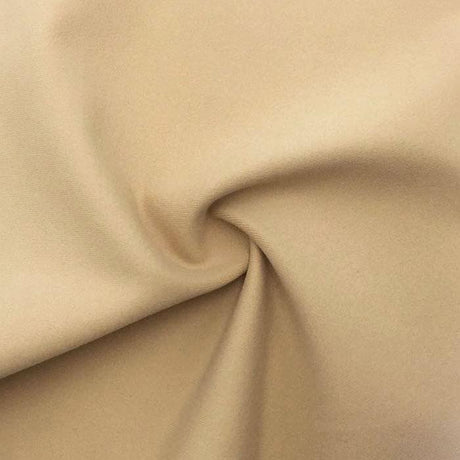
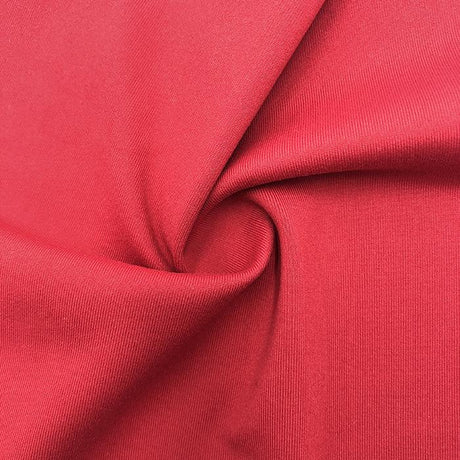
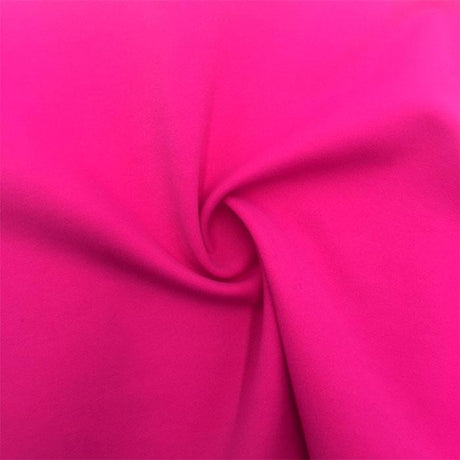
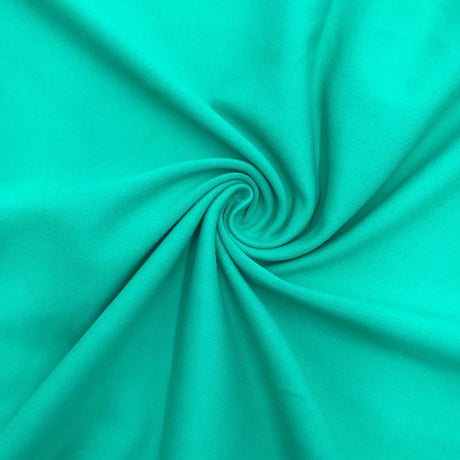
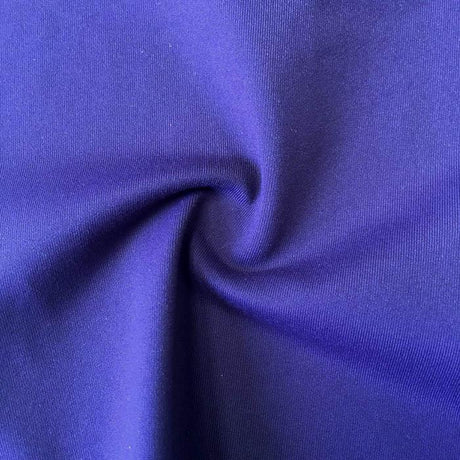
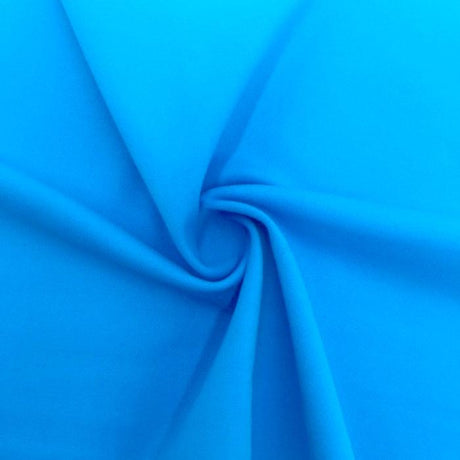
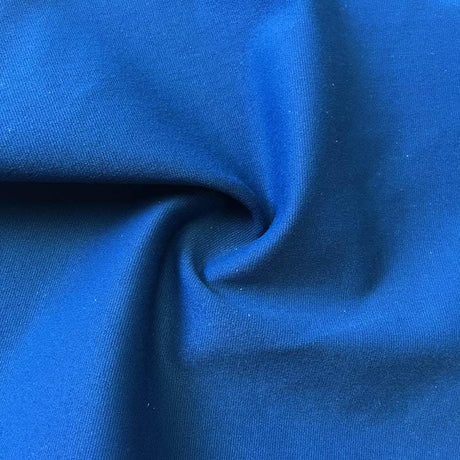
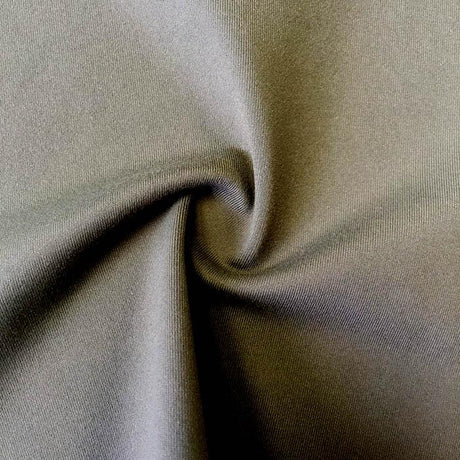
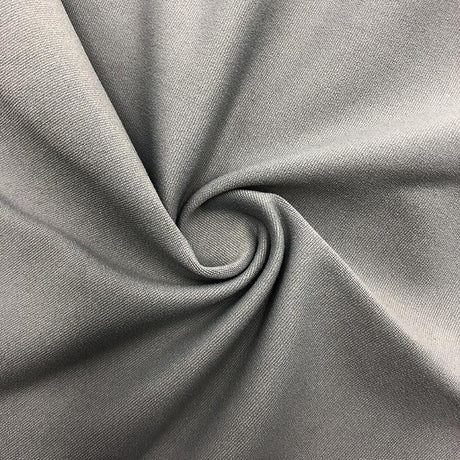
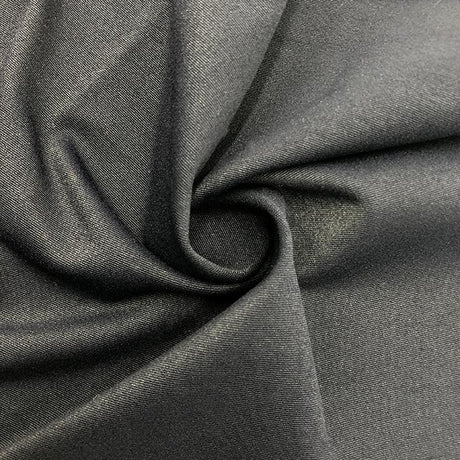
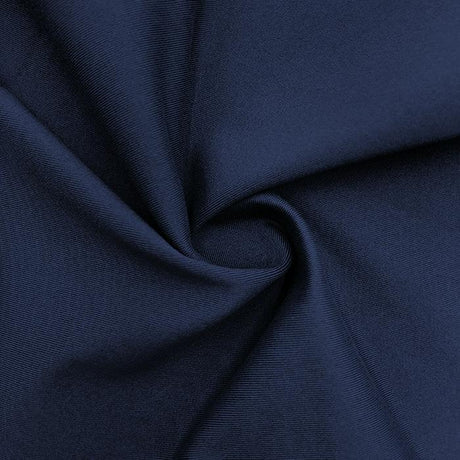
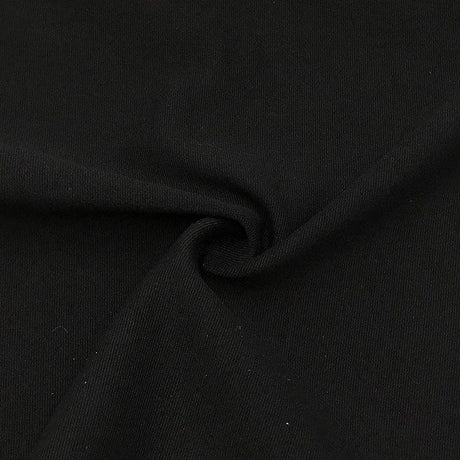
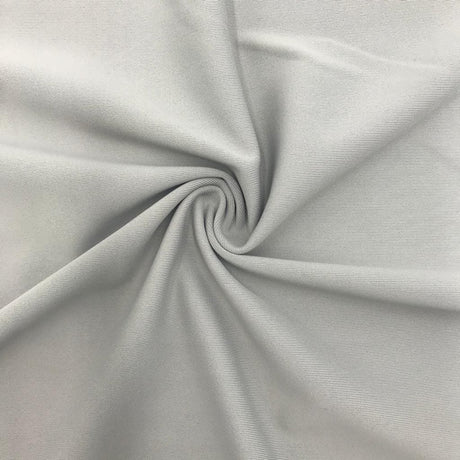
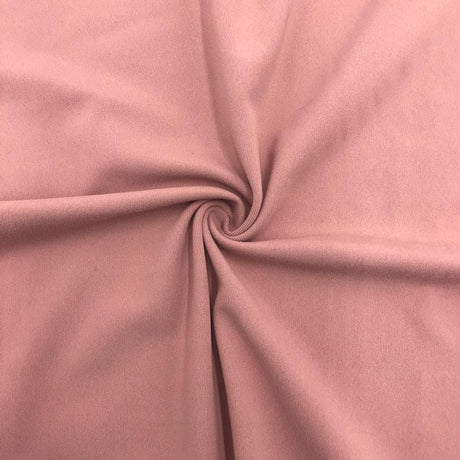
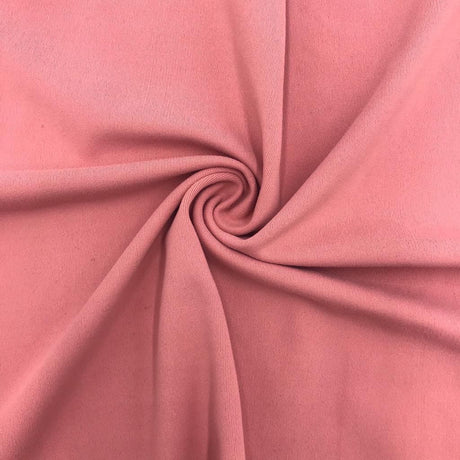
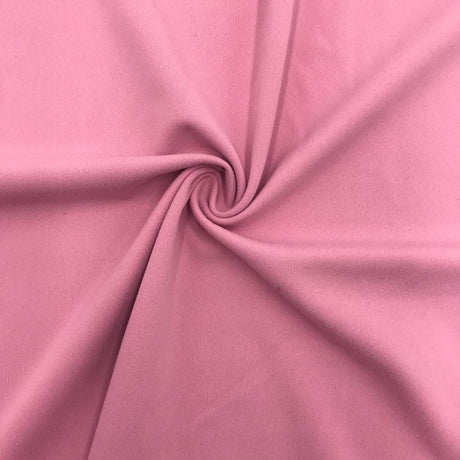
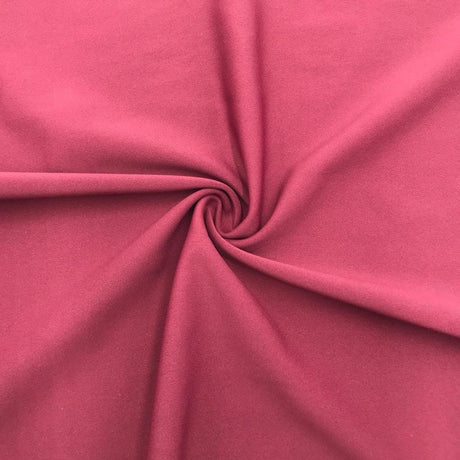
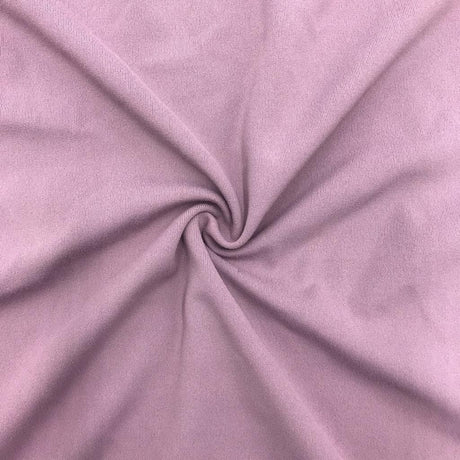
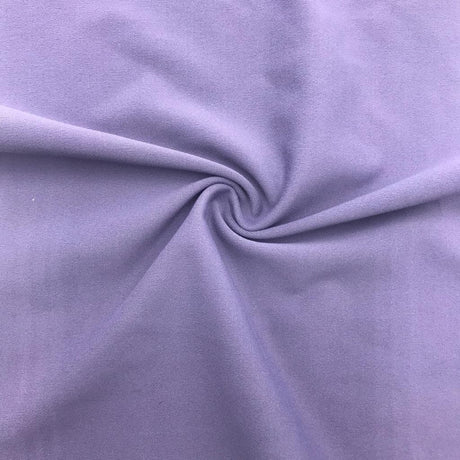
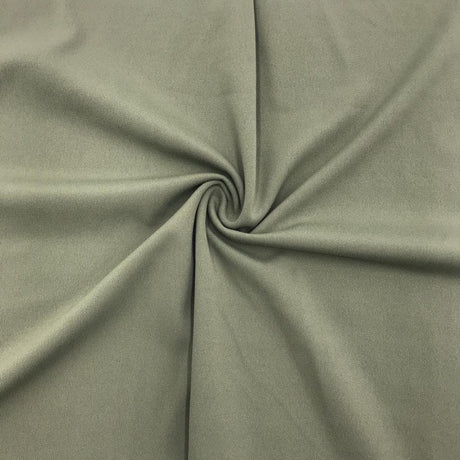
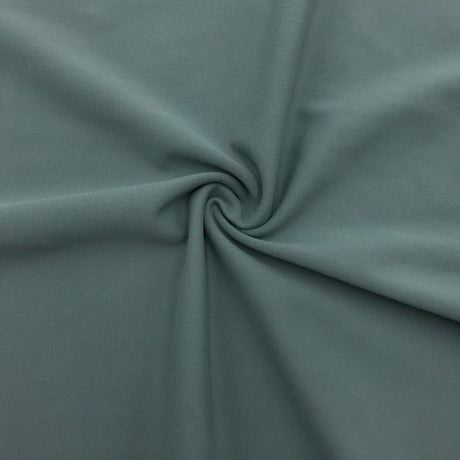
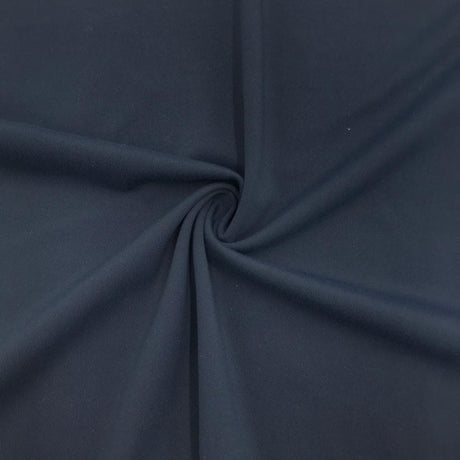
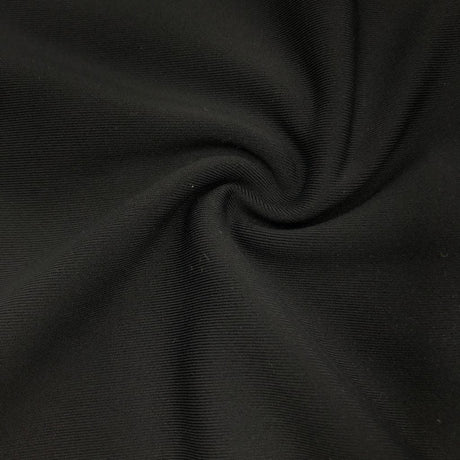
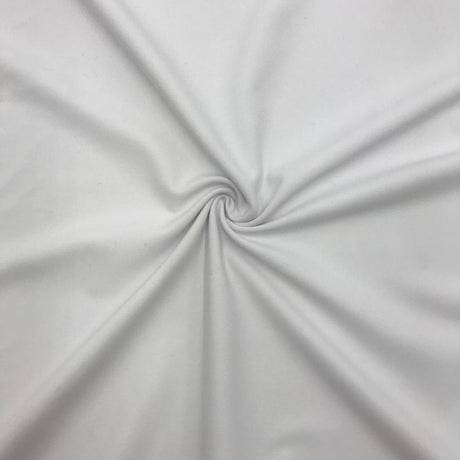
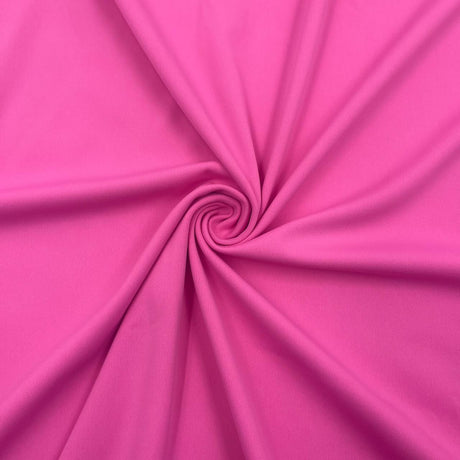
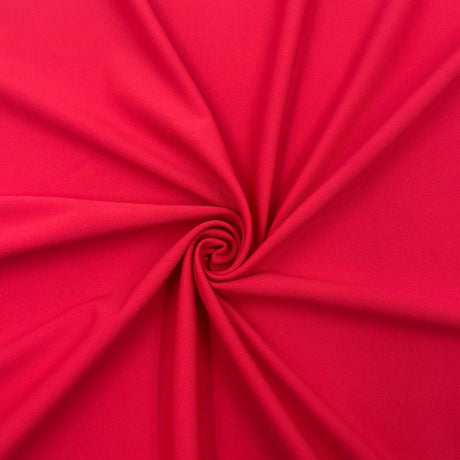
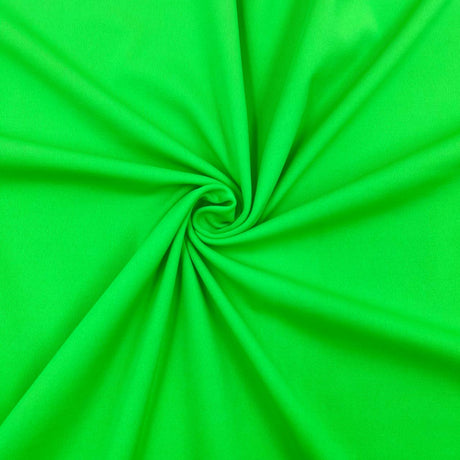
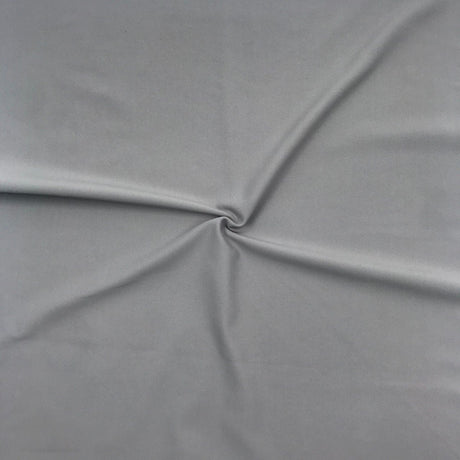
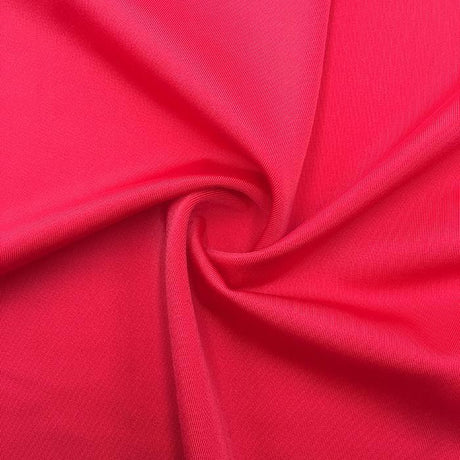
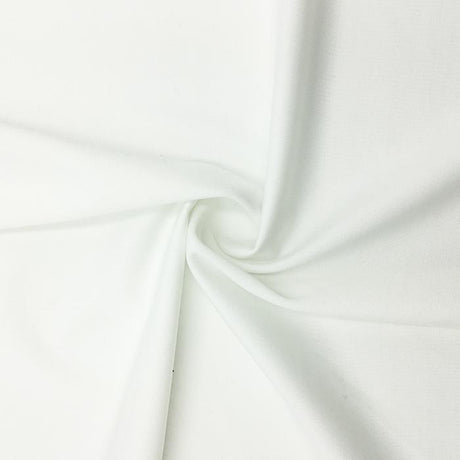
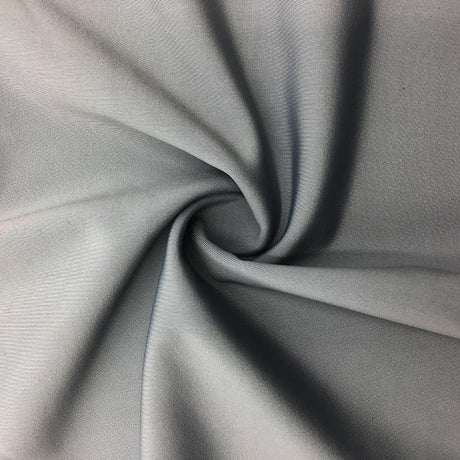
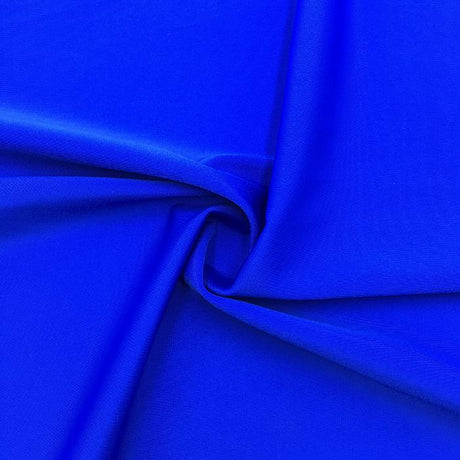
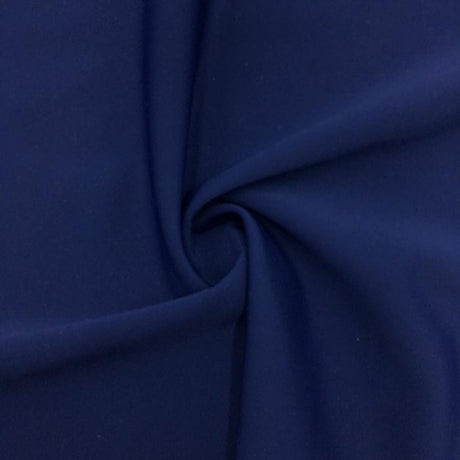
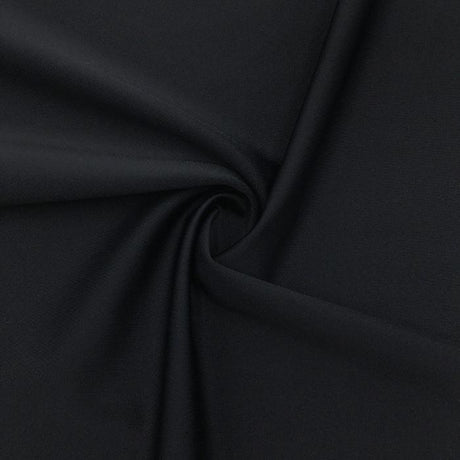
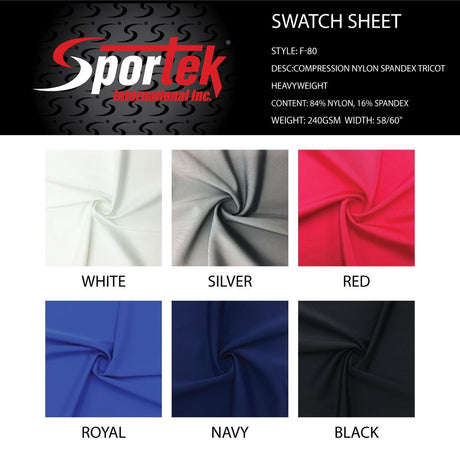
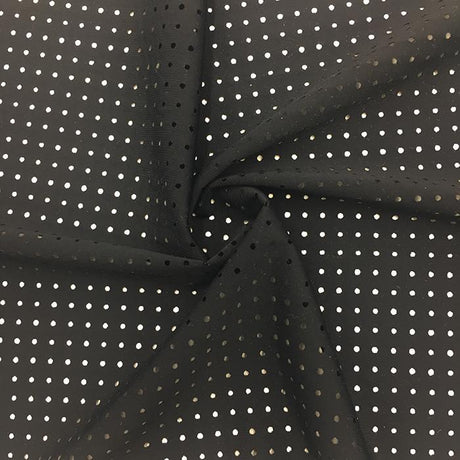
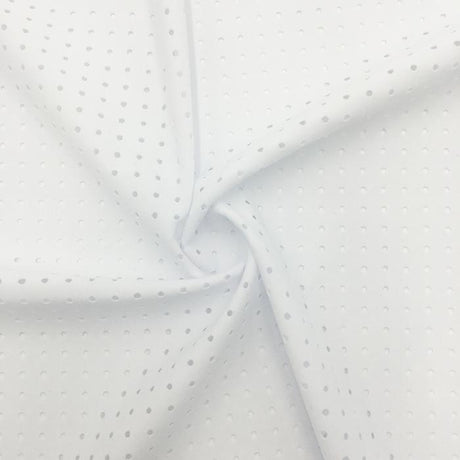
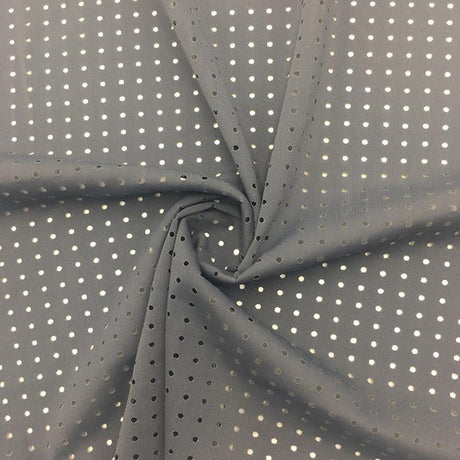
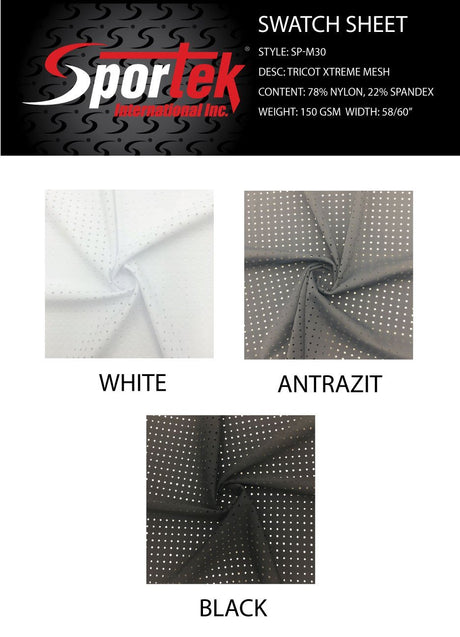
When selecting fabrics for activewear, swimwear, sportswear, and performance apparel, two common fabric constructions often appear: tricot and interlock. While both are widely used throughout the apparel industry, they offer different characteristics that can affect comfort, stretch, durability, appearance, and garment performance.
Understanding the difference between tricot and interlock fabrics helps designers, manufacturers, and sewing enthusiasts choose the right material for their projects. Although both fabric types can be produced using nylon spandex or polyester spandex blends, their knit structures create unique performance advantages depending on the intended application.
Tricot fabrics are known for their smooth face, excellent stretch recovery, lightweight feel, and versatility. They are commonly used in activewear, swimwear, dancewear, leggings, sports bras, and performance apparel. Interlock fabrics offer a thicker construction, soft hand feel, excellent durability, and additional stability, making them popular for athletic apparel, training garments, and premium activewear collections.
In this guide, we'll compare tricot and interlock fabrics, examine their performance characteristics, and explain which applications each fabric construction is best suited for. Whether you're developing activewear collections, sourcing fabrics for production, or creating custom apparel projects, understanding these differences can help ensure better results.
It Starts With How They're Knit
The single most important difference between tricot and interlock comes down to how each fabric is constructed, because that knit structure is what drives every performance trait that follows. Tricot is a warp knit, meaning the yarns run lengthwise and interloop vertically along the fabric. Interlock is a weft knit — specifically a type of double knit — where two layers of rib stitches are interlocked together into a single, stable fabric. Once you understand that distinction, the rest of the comparison falls into place naturally.
What Is Tricot Fabric?
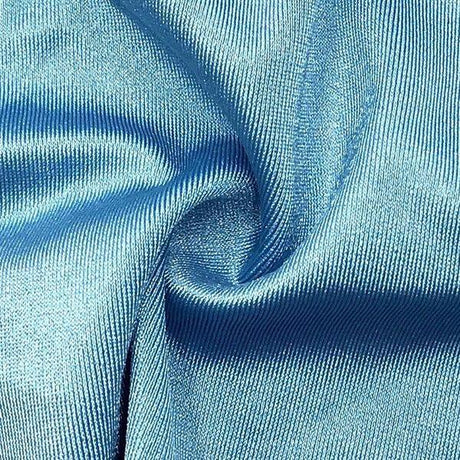
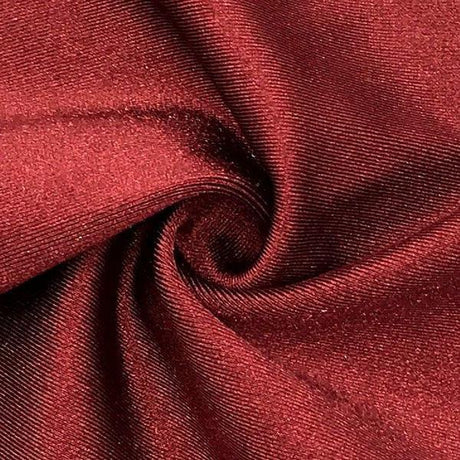
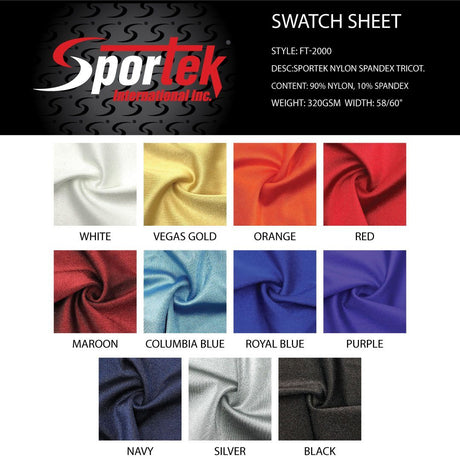
Tricot is a warp-knit fabric recognized for its smooth, refined face and slightly textured back. Because of the way it's knit, tricot is highly resistant to running and laddering — a snag won't unravel the way it can in many other knits — which makes it dependable in garments that take a lot of stress. It's typically lightweight, drapes beautifully, and offers excellent four-way stretch and recovery when blended with spandex.
That combination of smoothness, stretch, and run resistance is why tricot dominates close-fitting performance apparel. Its clean surface is ideal for printing and for garments worn directly against the skin, and its lightweight feel keeps pieces comfortable during high movement. Tricot is a staple in swimwear, dancewear, leggings, sports bras, linings, and activewear. You'll find tricot-style stretch fabrics throughout our Activewear Fabric Collection and Swimwear Fabric Collection.
What Is Interlock Fabric?
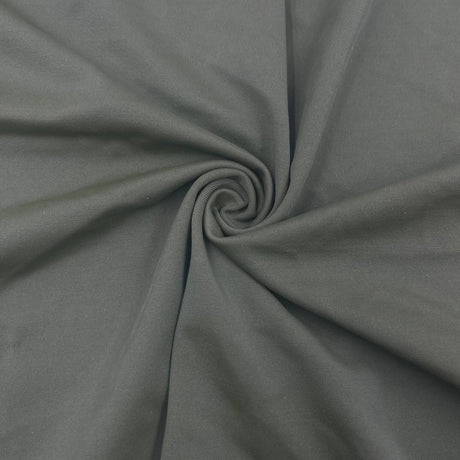
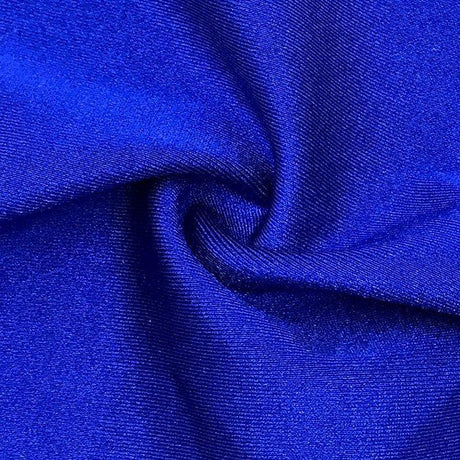
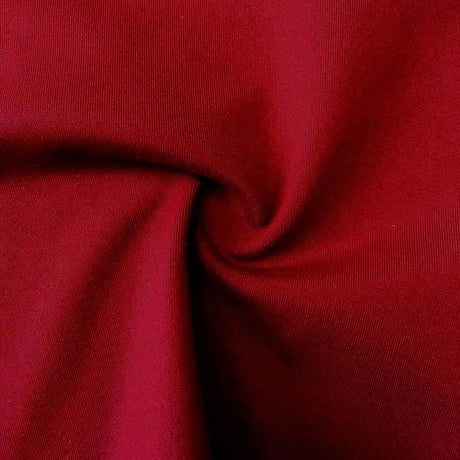
Interlock is a double-knit weft fabric, essentially two layers of rib knit locked together. This construction gives it a defining visual trait: both sides of the fabric look identical and smooth, with no "right" or "wrong" face and no curling at the edges — a practical advantage in cutting and sewing. Interlock is thicker and more substantial than tricot, with a soft, plush hand feel and strong dimensional stability.
Because it's denser and more structured, interlock holds its shape well and resists distortion, making it durable and comfortable for garments that benefit from a bit more body. It naturally offers good stretch, though it tends to feel more stable and less ultra-elastic than a high-spandex tricot. Interlock is popular for athletic tops, training garments, structured activewear, and premium pieces where a soft, substantial feel matters. For solid-color interlock and stable knits, our Nylon Spandex Solids and Solid Spandex collections are good starting points.
Tricot vs Interlock: Key Differences
Appearance
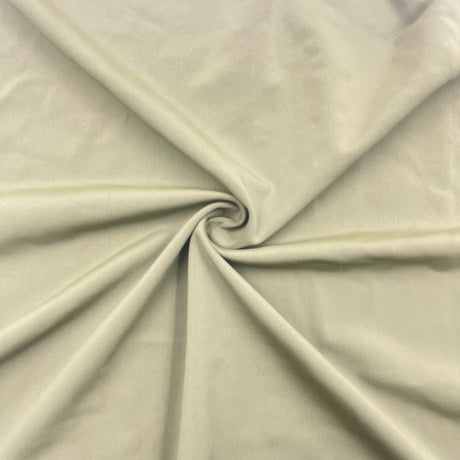
Tricot has a distinct smooth face and a different-textured back, so it has a clear right and wrong side. Interlock looks the same on both sides — smooth, clean, and reversible — and lies flat without curling at the edges.
Weight and Thickness
Tricot is generally lighter and thinner, making it ideal for sleek, body-skimming garments. Interlock is thicker and more substantial, giving garments more body, warmth, and a premium feel.
Stretch and Recovery
Both stretch well with spandex content, but tricot is prized for outstanding four-way stretch and crisp recovery, which is why it excels in high-movement, compression-style apparel. Interlock offers comfortable stretch with excellent stability, prioritizing shape retention over maximum elasticity.
Durability and Stability
Tricot's warp-knit structure resists running and laddering, holding up well under stress. Interlock's double-knit construction resists curling and distortion, giving it strong dimensional stability and a durable, structured feel. Both are durable — they simply express it differently.
Printing and Surface
Tricot's smooth face is an excellent canvas for prints, including sublimation on polyester-based versions — see our Printed Spandex options. Interlock also prints cleanly and offers a smooth, even surface on both sides.
Best Uses for Tricot Fabric
Tricot's lightweight feel, smooth surface, and superior stretch make it the go-to for garments that need to fit close and move freely. It's a natural choice for swimwear, where its smooth face, stretch, and run resistance perform well in and out of the water; for dancewear and performance costumes that demand full range of motion; and for leggings, sports bras, and activewear where a sleek, second-skin fit is the goal. Tricot is also widely used as a lining fabric, adding comfort and structure without bulk. For leggings and yoga apparel specifically, browse our Yoga & Legging Fabric.
Best Uses for Interlock Fabric
Interlock shines wherever a garment benefits from a bit more substance, softness, and stability. Its plush hand and structured body make it well suited to athletic tops, training tees, and warm-up layers, as well as premium activewear pieces where a substantial, quality feel is part of the appeal. Because it doesn't curl at the edges and looks the same on both sides, it's also easier to work with in certain constructions and lends itself to reversible designs. For garments needing extra support and compression, a dedicated Compression Fabric can complement an interlock-based collection.

Nylon Spandex and Polyester Spandex in Tricot and Interlock
Both knit constructions can be produced in nylon spandex or polyester spandex, and the fiber choice layers additional performance traits on top of the knit structure. Nylon spandex brings a soft, luxurious hand feel and excellent stretch recovery, making it especially attractive in tricot for premium swimwear and fashion-forward activewear. Polyester spandex adds outstanding durability, color retention, and moisture-wicking performance, and is the ideal base for vivid sublimation printing in both tricot and interlock.
In practice, this means you're really making two decisions: the knit (tricot for lightweight stretch and smoothness, interlock for substance and stability) and the fiber (nylon for hand feel, polyester for durability and printing). Choosing both deliberately is what produces a fabric perfectly matched to its end use.
Which Fabric Should You Choose?
Choose tricot when you need a lightweight, smooth, highly elastic fabric for close-fitting garments — swimwear, leggings, dancewear, sports bras, and sleek activewear. Choose interlock when you want a thicker, softer, more stable fabric with a premium hand for tops, training garments, and structured pieces. If your project calls for maximum stretch and a second-skin fit, tricot leads; if it calls for body, softness, and shape retention, interlock is the better fit. Many activewear collections use both — tricot for the performance pieces and interlock for the layering and lifestyle items — sourced from one consistent fabric range.
Related Fabric Collections
- Activewear Fabric Collection
- Nylon Spandex Solids (verify URL before publishing)
- Swimwear Fabric Collection
- Solid Spandex Fabric
- Yoga & Legging Fabric
- Printed Spandex Fabric (verify URL before publishing)
- Compression Fabric (verify URL before publishing)
- Shop All Collections
Final Thoughts
Tricot and interlock are both versatile, widely used knits, but their different constructions give them genuinely different strengths. Tricot — a smooth, lightweight warp knit — excels in stretchy, close-fitting garments like swimwear, leggings, and dancewear. Interlock — a stable, substantial double knit — shines in softer, more structured pieces like athletic tops and premium activewear. Layer in the right fiber, nylon spandex for hand feel or polyester spandex for durability and printing, and you can match construction to application with confidence. Understanding the difference helps designers, manufacturers, and makers choose materials that deliver the comfort, performance, and quality their projects demand.