

Swimwear Fabric by the Yard | Nylon & Poly Spandex
Swimwear Fabric Built for Performance & Style
Shop high-quality swimwear fabric by the yard, including nylon spandex, printed spandex, and stretch fabrics designed for performance in water. Our swim fabric offers 4-way stretch, durability, and comfort, making it perfect for bikinis, one-piece swimsuits, rash guards, and athletic swimwear.
Browse our full range of swimwear fabrics — including lining, compression, and fashion prints — all designed for long-lasting performance and vibrant color. Whether you're a professional swimwear designer, a home sewer building your first suit, or a boutique sourcing fabric for a production run, our catalog has the right material for your project at every price point.
All of our swimwear fabrics are selected specifically for aquatic use. That means resistance to chlorine and saltwater degradation, UV stability to prevent fading under sun exposure, quick-dry fiber construction, and shape retention through repeated wear and washing. These aren't general stretch fabrics repurposed for swim — they're purpose-built for it.
Our Swimwear Fabric Collection
We carry a carefully curated range of swim fabrics to cover every construction need — from the outer shell of a high-fashion bikini to the internal lining of a structured one-piece. Each type is designed with specific performance properties to match its application.
The industry standard for swimwear construction. Smooth, strong, and chlorine-resistant with excellent 4-way stretch and snap-back recovery. Available in solids, prints, and textures.
Vibrant all-over prints on a nylon or polyester spandex base. From tropical florals to geometric patterns and abstract designs — our prints are bold, colorfast, and water-safe.
Higher-density, firmer-knit fabric for structured swimwear and athletic performance suits. Provides light to moderate compression and excellent shape retention.
Lightweight stretch mesh and power mesh specifically designed for swimsuit lining. Soft against the skin, quick-drying, and sized to layer without adding bulk.
Polyester-based swim fabric offers superior chlorine resistance compared to nylon — ideal for competitive or lap swimmers with heavy pool use. Excellent color stability.
High-shine metallic and foil-finish swim fabrics for fashion-forward swimwear, competition suits, and resort collections. Water-safe finishes that hold up in use.
What Makes a Great Swimwear Fabric?
Not all stretch fabrics are created equal. Swimwear fabric must meet a higher set of performance standards than general activewear or dancewear fabric. Here's what to look for — and what you'll find in every fabric in our swim collection:
- 4-Way Stretch: True 4-way stretch means the fabric extends and recovers in both directions — along the grain and across it. This is essential for a swimsuit that moves with the body and returns to shape after each wear without bagging or stretching out.
- Chlorine Resistance: Pool water degrades fabrics over time through chemical oxidation. Chlorine-resistant fabrics are engineered at the fiber level to slow this process, maintaining elasticity and color longer than untreated knits.
- UV Stability: Prolonged sun exposure breaks down dyes and fiber structure. UV-stabilized swim fabrics resist this degradation, keeping colors vibrant and fabric integrity intact through a full season of beach and poolside wear.
- Shape Retention & Recovery: A quality swimwear fabric should recover fully after stretching — snapping back to its original dimensions rather than slowly distorting. This is largely determined by the elastane content and knit construction.
- Quick Dry: Swim fabrics are constructed to release water quickly rather than absorbing it. Fast-drying fabric is more comfortable during transitions from water to dry activities and reduces the risk of fabric degradation from prolonged moisture retention.
- Colorfast Printing: In printed fabrics, dye stability in water is critical. Our printed swim fabrics use reactive or sublimation dyeing processes that bond color deeply into the fiber rather than coating the surface, resulting in prints that stay vibrant through repeated pool and ocean exposure.
- Opacity: A swimwear fabric that becomes sheer when wet is a construction failure. All fabrics in our swim range are tested for wet opacity so what you see on the bolt is representative of how it will perform in water.
Nylon vs. Polyester Swimwear Fabric
The two most common base fibers for swimwear fabric are nylon and polyester, each blended with elastane (spandex/Lycra) for stretch. Both are excellent choices — the right one depends on your end use.
| Property | Nylon Spandex | Polyester Spandex |
|---|---|---|
| Feel | Softer, silkier hand | Slightly firmer, crisp |
| Chlorine resistance | Good | Excellent — preferred for lap swimming |
| UV resistance | Good | Very good |
| Color vibrancy | Excellent — takes dye beautifully | Very good — especially for sublimation prints |
| Stretch & recovery | Excellent | Very good |
| Best use | Fashion swimwear, bikinis, one-pieces | Athletic swimwear, competitive suits, heavy pool use |
| Price point | Mid to premium | Budget to mid |
What Can You Make with Swimwear Fabric?
Our swim fabrics are versatile enough to cover every garment type in the aquatic and resort categories. The right base fabric unlocks a wide range of constructions — from minimal triangle bikinis to fully boned and structured one-pieces.
Swimwear fabric is also widely used beyond aquatic garments. Its quick-dry, stretchy, and moisture-resistant properties make it popular for dance costumes, festival fashion, yoga wear, and active resort clothing. If you need a fabric that performs under physical stress and looks great doing it, swimwear fabric often outperforms general activewear knits.
Tips for Sewing with Swimwear Fabric
Swimwear fabric sews beautifully when you have the right tools and technique. Here are the key considerations for getting clean, professional results — whether you're using a serger or a standard sewing machine.
- Use a stretch or ballpoint needle: A size 75/11 or 80/12 ballpoint needle will pass through the knit loops without piercing and breaking them, preventing skipped stitches and snags along your seam line.
- Choose the right stitch: A narrow zigzag stitch (1.5–2mm wide) or a dedicated stretch stitch allows the seam to flex with the fabric. A straight stitch alone will pop under tension. On a serger, a 4-thread overlock stitch gives the strongest and most professional result.
- Use polyester or wooly nylon thread: Both resist chlorine and UV degradation far better than cotton thread. Wooly nylon is especially soft and is ideal in the serger looper for seam allowances that sit against the skin.
- Test tension on scraps: Swimwear fabric is unforgiving of incorrect tension — too tight causes puckering, too loose leaves weak seams. Always do a test run on a scrap piece before sewing your pattern pieces.
- Cut with sharp scissors or a rotary cutter: Dull blades drag and distort the fabric as you cut, leading to uneven seam allowances. A rotary cutter on a self-healing mat gives the cleanest, most accurate cuts.
- Don't stretch while feeding: Let the machine feed the fabric at its own pace. Pulling the fabric taut while sewing causes wavy, stretched-out seams that won't lie flat.
- Apply elastic correctly: Swimwear elastic should be slightly shorter than the fabric edge it's applied to, creating a gathered or snug finish. Use a stretch stitch and sew in segments to maintain even tension around curves.
How Much Swimwear Fabric Do I Need?
Fabric requirements vary depending on the garment type, your pattern sizing, and how you plan to use the stretch direction. Below are general estimates to help you plan your order:
- Bikini top: Approximately ⅓ to ½ yard for most sizes, plus additional yardage for any lining or boning channels.
- Bikini bottom: Approximately ⅓ to ½ yard, depending on coverage style (cheeky, full coverage, high-waist).
- One-piece swimsuit: Approximately 1 to 1.5 yards for the outer fabric, plus an additional ¾ to 1 yard for full lining.
- Rash guard (long sleeve): Approximately 1.25 to 1.75 yards depending on size and sleeve length.
- Swim shorts: Approximately ¾ to 1.25 yards depending on inseam length and size.
When in doubt, order slightly more than your estimate. Swimwear fabric cannot be restocked in identical dye lots, and having extra yardage allows for pattern adjustments, fitting changes, or future repairs. All of our swim fabrics are sold by the yard and can be ordered in continuous lengths.
How to Care for Finished Swimwear
Even the highest-quality swimwear fabric will degrade prematurely without proper care. Share these guidelines with your customers or follow them yourself to extend the life of finished garments:
- Rinse immediately after use: Rinse finished swimwear in cold fresh water after every swim to remove chlorine, salt, and sunscreen residue — all of which accelerate fiber breakdown over time.
- Hand wash or gentle machine cycle: Use cold water and a mild detergent or dedicated swimwear wash. Avoid hot water, which can break down elastane content and cause the suit to lose its stretch recovery.
- Never wring: Wringing swimwear distorts the knit structure. Instead, gently press out excess water and lay the garment flat to dry.
- Dry flat in shade: Direct sunlight accelerates UV degradation of both the dye and the fiber. Air dry in a shaded, well-ventilated area.
- Avoid tumble drying: High heat from a dryer damages elastane, causing rapid loss of stretch and shape retention.
- Store away from direct light: Keep finished swimwear stored in a drawer or opaque bag rather than on an open shelf in sunlight.

 Livraison gratuiteNouvelle arrivée
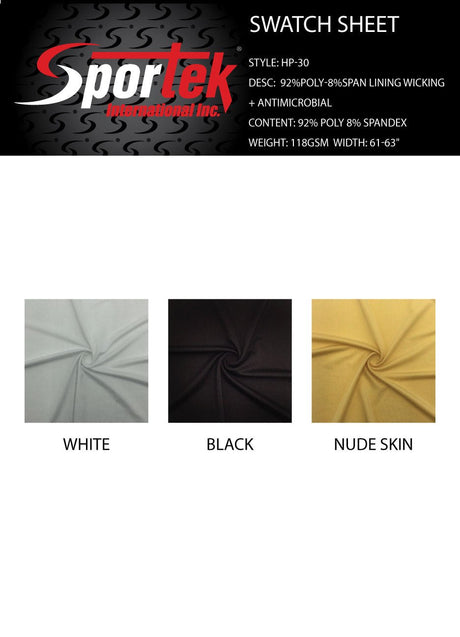
HP-30 Doublure sport entièrement fonctionnelle
Prix habituelDe $5.00 USDPrix unitaireEn stock (4221 unités)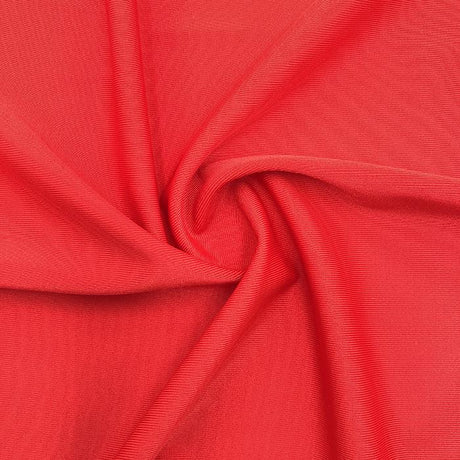
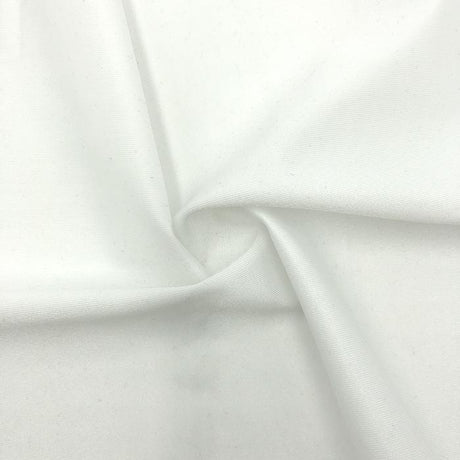
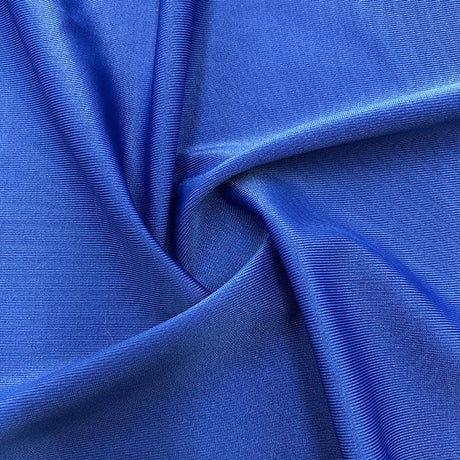
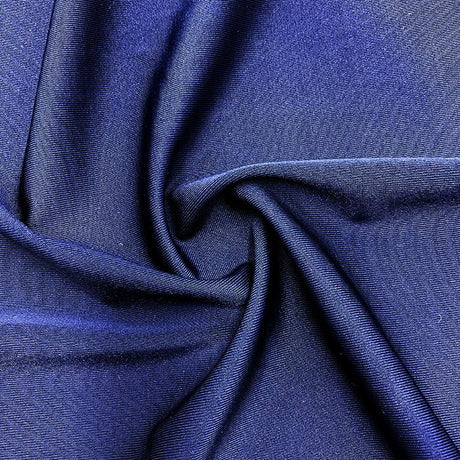
 Livraison gratuiteNouvelle arrivée
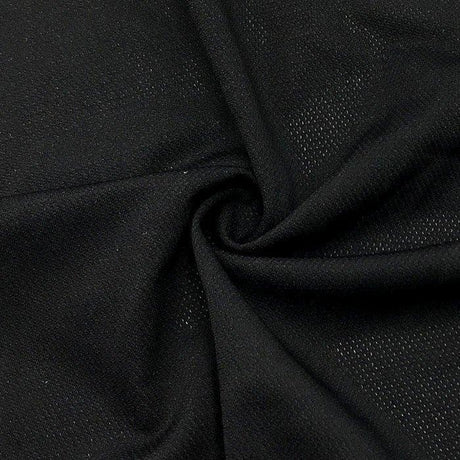
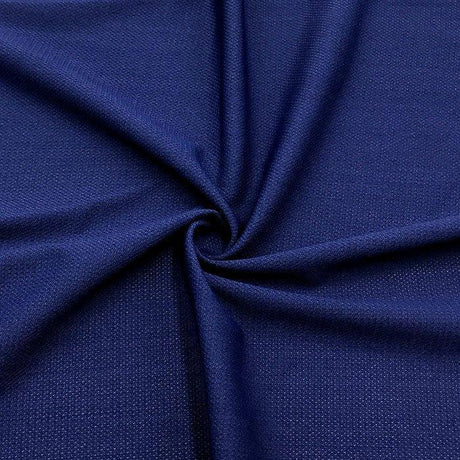
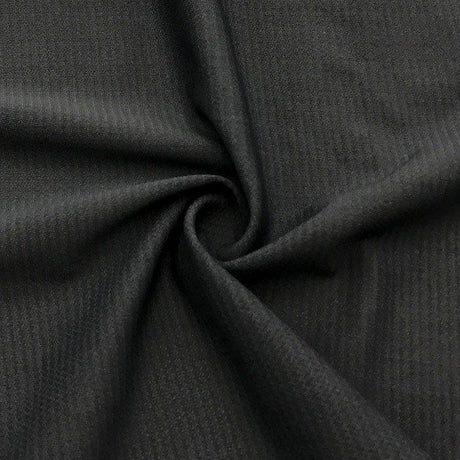
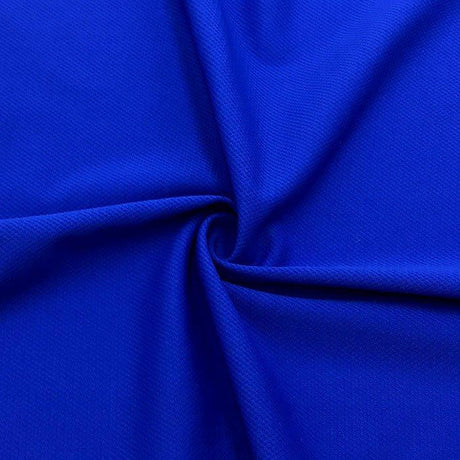
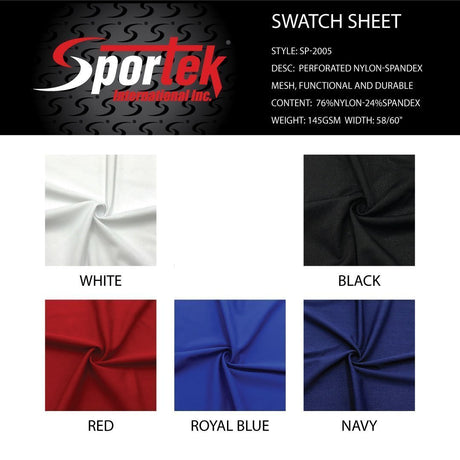 Livraison gratuite
SP-2005 Maille perforée en nylon-élasthanne
Prix habituelDe $5.00 USDPrix unitaireEn stock (3742 unités)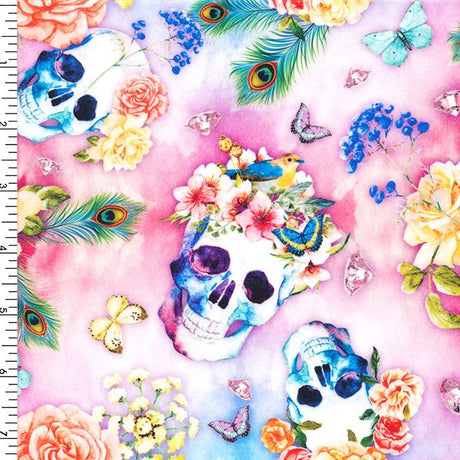
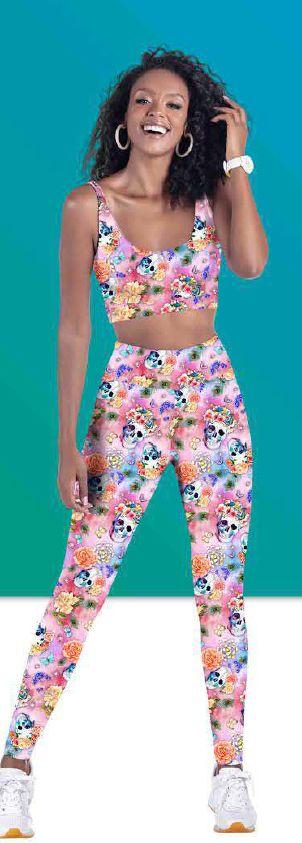 Livraison gratuite20% de réduction
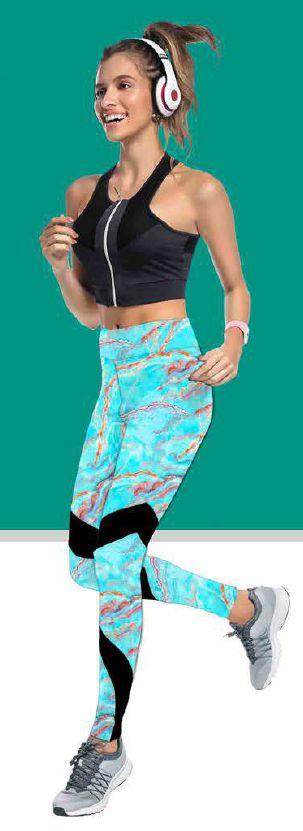
Impression numérique humide en polyélasthanne SP-DD62
Prix soldé $11.70 USD Prix habituel $14.55Prix unitaireStock très faible (6 unités)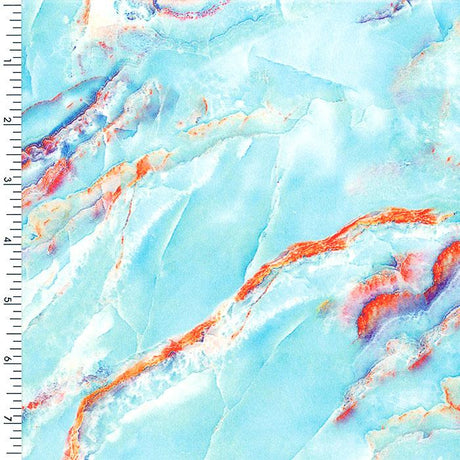
 Livraison gratuite20% de réduction
Impression numérique humide en polyélasthanne SP-DD73
Prix soldé $11.70 USD Prix habituel $14.55Prix unitaireEn stock (150 unités)
 Livraison gratuiteNouvelle arrivée
SP-F1 | Maille extensible | Micro-maille et œillets
Prix habituelDe $5.00 USDPrix unitaireEn stock (868 unités)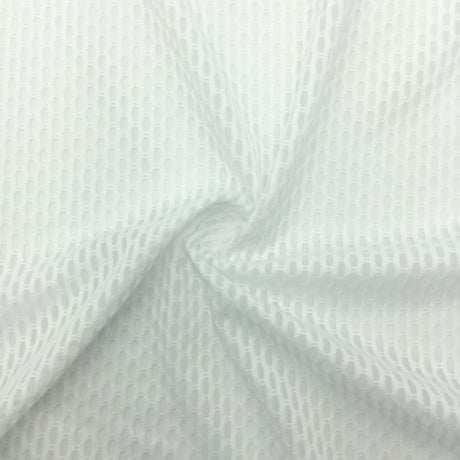
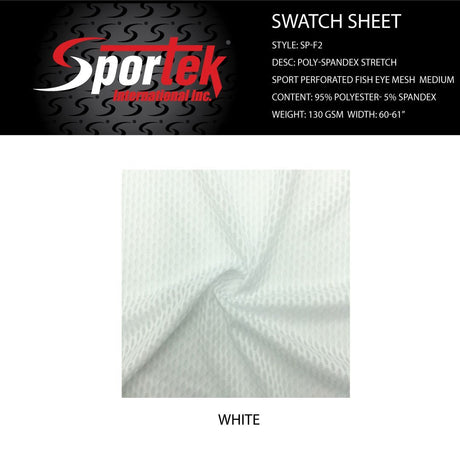 Livraison gratuiteÉpuisé
SP-F2 | Maille œil de poisson perforée extensible en polyélasthanne, taille M
Prix habituelDe $5.00 USDPrix unitaire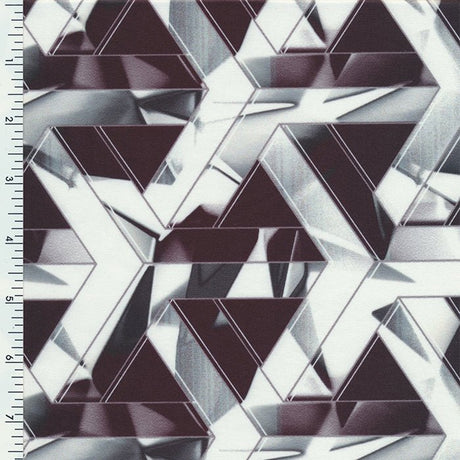
 Livraison gratuite20% de réduction
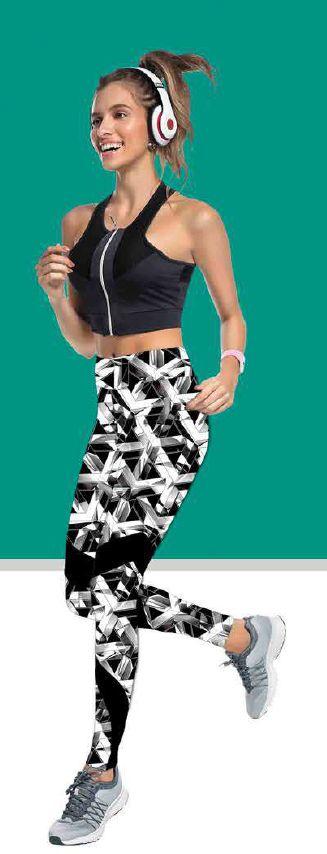
SP-DD65 Poly Spandex Impression numérique humide Noir Gris
Prix soldé $11.70 USD Prix habituel $14.55Prix unitaireStock très faible (26 unités)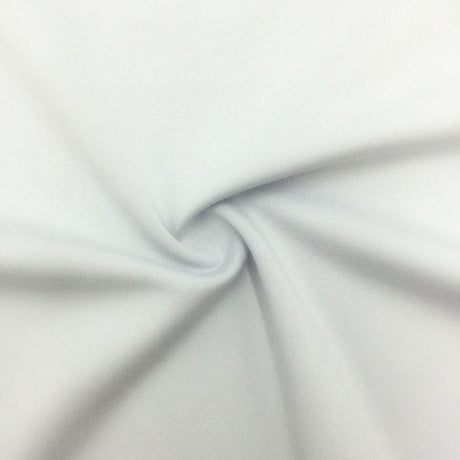
 Livraison gratuiteNouvelle arrivée
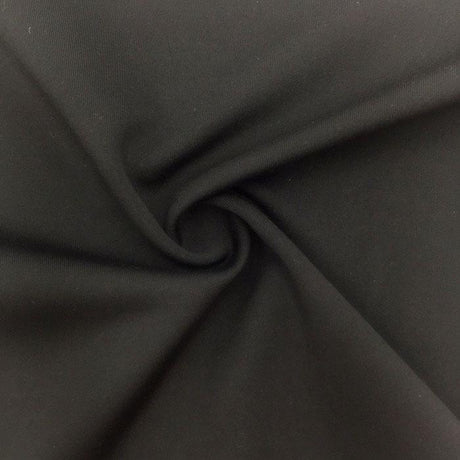
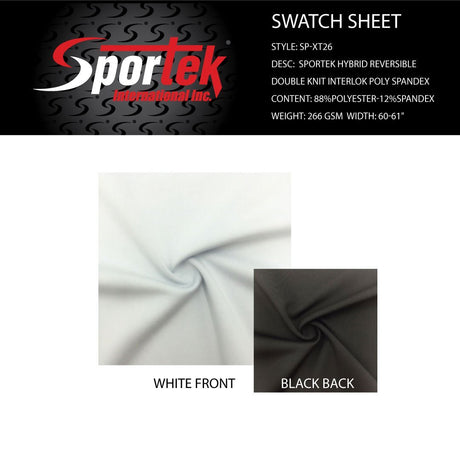
SP-XT26 Sportek Hybride Réversible double tricot interlock poly spandex
Prix habituelDe $5.00 USDPrix unitaireEn stock (3490 unités)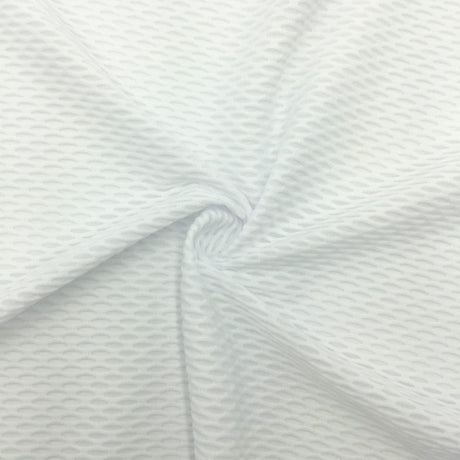
 Livraison gratuiteÉpuisé
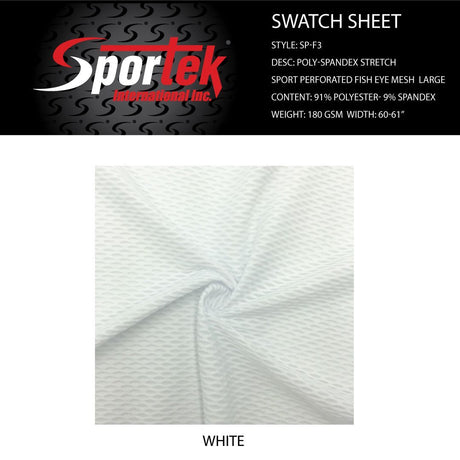
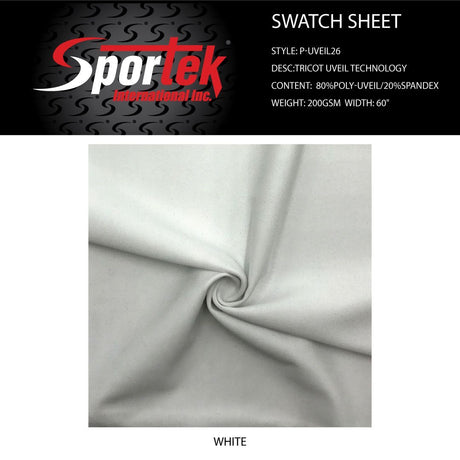
SP-F3 | Pantalon de sport en polyélasthanne extensible perforé, taille L
Prix habituelDe $5.00 USDPrix unitaire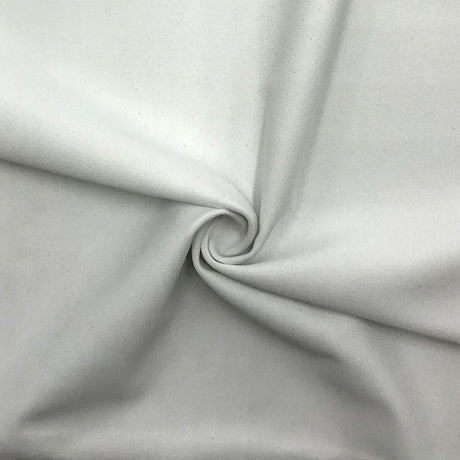
 Livraison gratuiteÉpuisé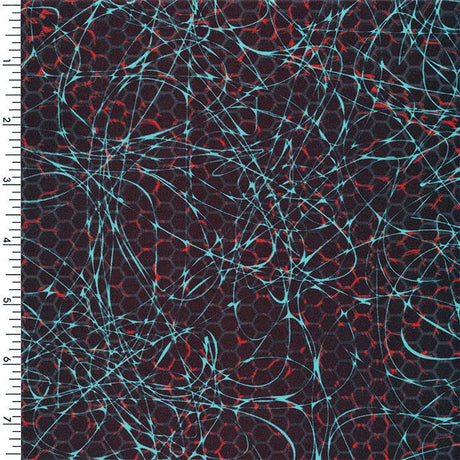
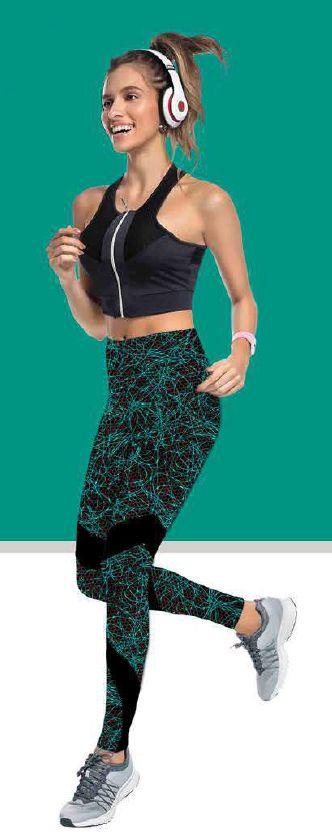 Livraison gratuite20% de réduction
Impression numérique humide sur polyélasthanne SP-DD67
Prix soldé $11.70 USD Prix habituel $14.55Prix unitaireStock très faible (24 unités)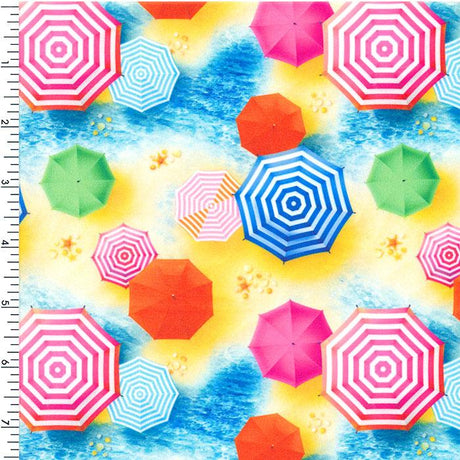 Livraison gratuite20% de réduction
Impression numérique humide en polyélasthanne SP-DD75
Prix soldé $11.70 USD Prix habituel $14.55Prix unitaireStock faible (68 unités)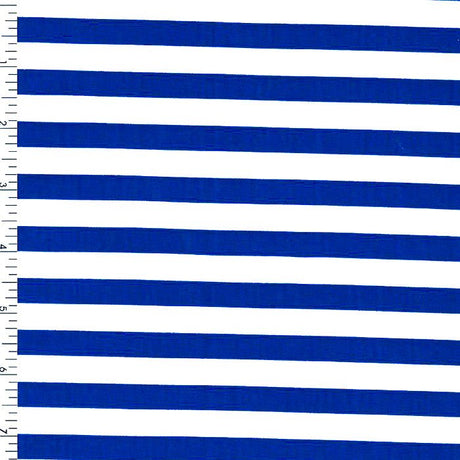 Livraison gratuite20% de réduction
AT-1044 Spandex imprimé à rayures blanches bleu marine
Prix soldé $11.70 USD Prix habituel $14.55Prix unitaireStock très faible (5 unités)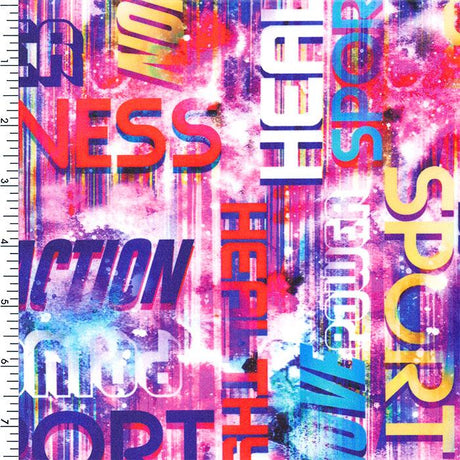
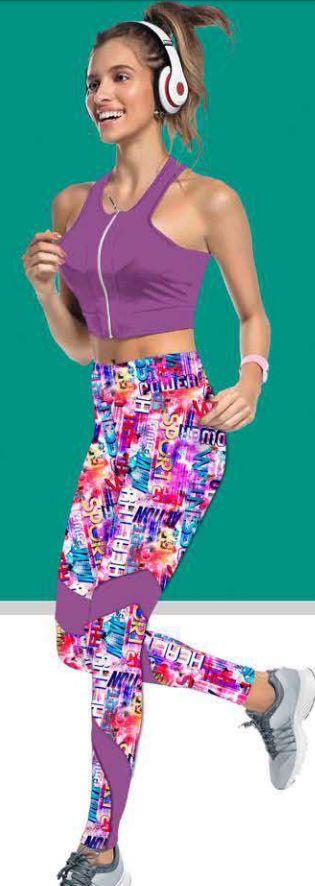 Livraison gratuite20% de réduction
Impression numérique humide en polyélasthanne SP-DD57
Prix soldé $11.70 USD Prix habituel $14.55Prix unitaireStock faible (61 unités)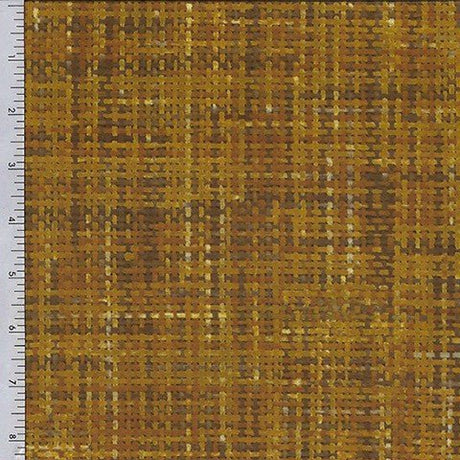
Mustard Gold Woven Texture Print Spandex – Polyester-Spandex Tricot Matte
Prix habituel $13.50 USDPrix unitaireStock très faible (24 unités)


