Identifying the Need: Choosing the right swimsuit lining fabric is a common challenge for swimwear makers. A wrong choice between mesh and full lining can impact comfort, durability, and appearance.
Mesh vs. Full Lining Dilemma: There are two primary options – mesh lining (breathable net fabric) and full fabric lining (smooth, solid knit). Each serves a different purpose, and knowing when to use which is key to a high-quality swimsuit. For a broader foundation before diving in, explore our swimwear fabric guide or browse our full fabric guides hub.
Guide Overview: In this swimsuit lining fabric guide, we'll break down the differences between mesh and full linings, explore technical specifications, and provide advice on selecting the best option for various swimwear projects (bikinis, one-pieces, athletic wear, kids' swimsuits).
Lining Options for Swimwear: Mesh vs. Full Fabric
Mesh Lining (Net Fabric)
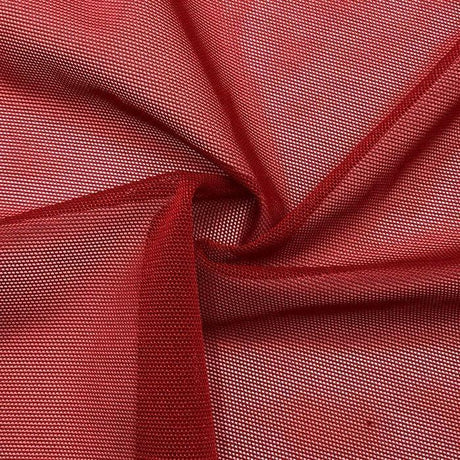
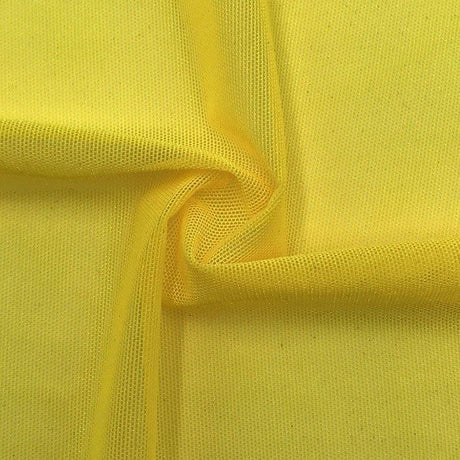
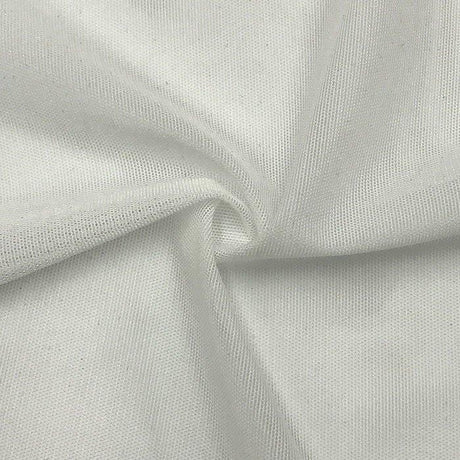
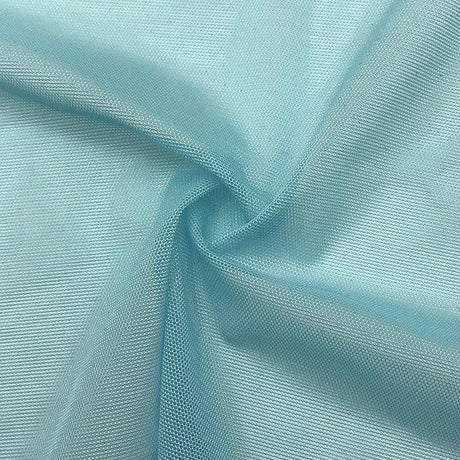
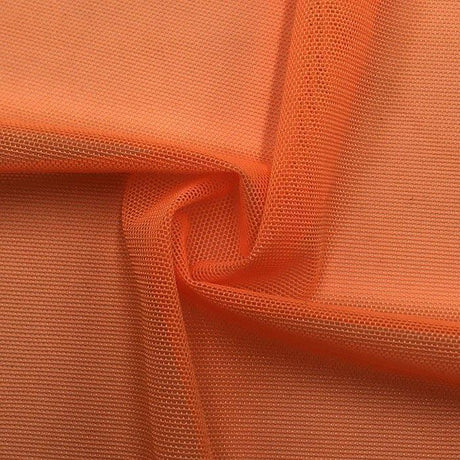
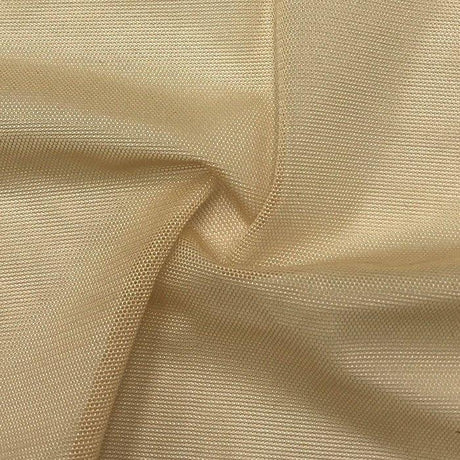
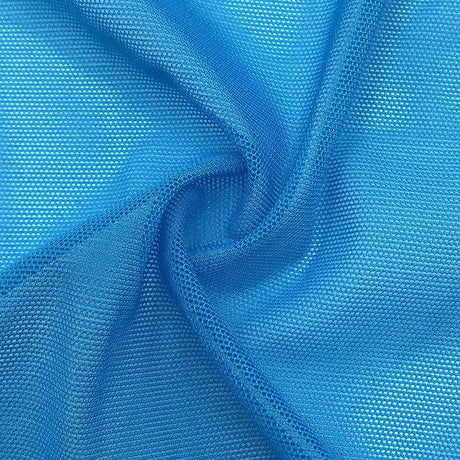
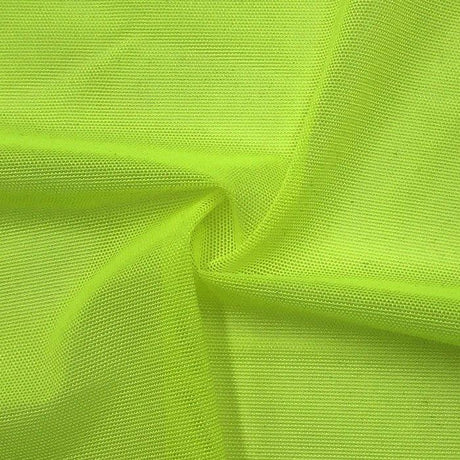
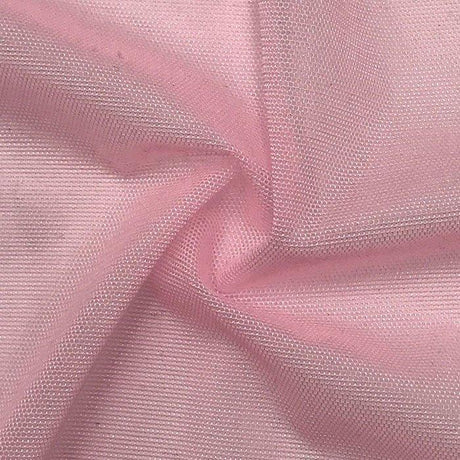
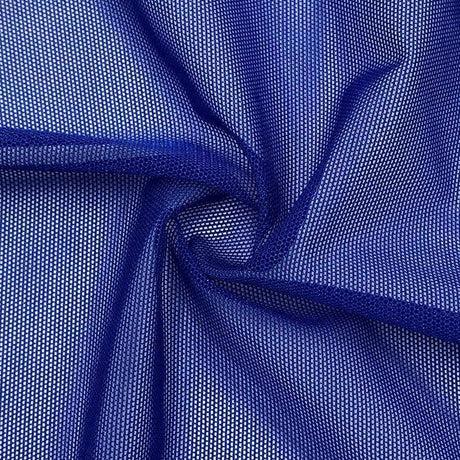
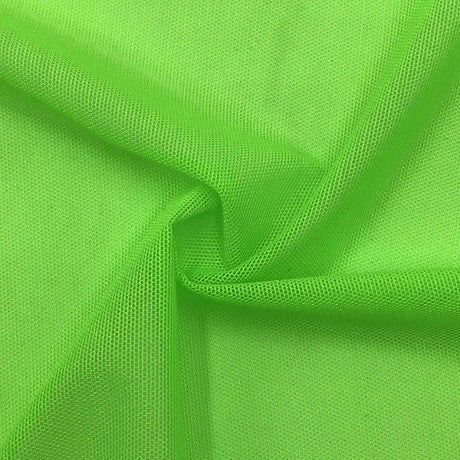
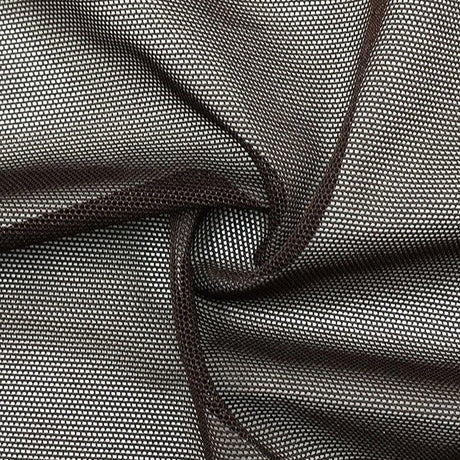
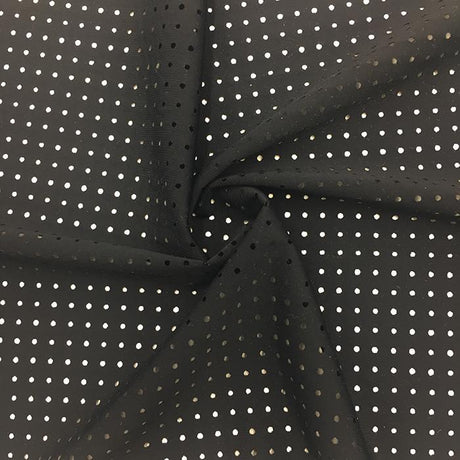
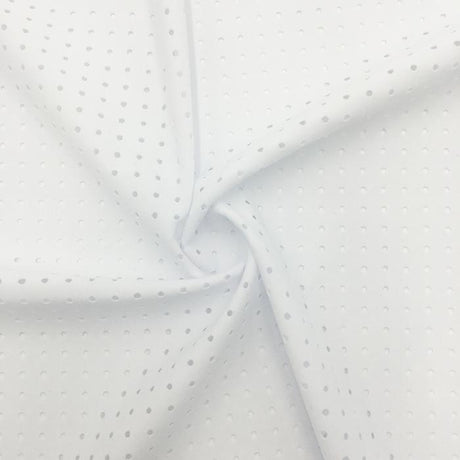
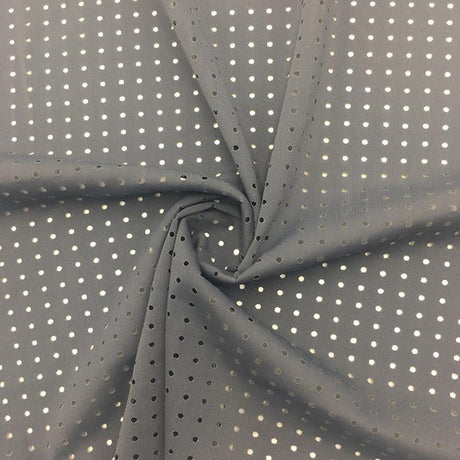
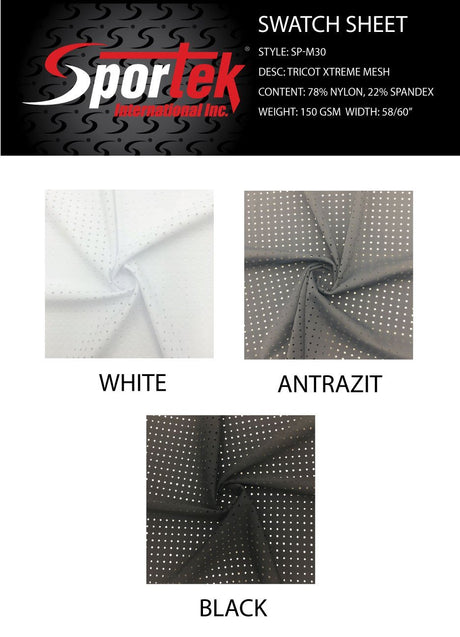
What It Is: A breathable, net-like swim lining mesh often made of polyester or nylon with holes for ventilation. Commonly seen in men's swim trunks and athletic swimwear for support and quick drainage.
Characteristics: Lightweight and fast-drying due to its open structure. Provides support (e.g., inner briefs) without adding much weight. However, mesh is semi-transparent and can feel less soft on the skin if used over large areas. Our stretch fabric types page covers mesh constructions and how they compare to solid tricot linings in stretch, recovery, and breathability.
Typical Uses: Ideal for areas that need breathability and support rather than coverage – for example, inner liners of board shorts or power mesh panels in women's swimsuits for targeted shaping (tummy control, bust support). Our activewear fabric guide covers power mesh panel strategies for compression and support applications that translate directly to swimwear construction.
Full Fabric Lining (Solid Tricot Knit)
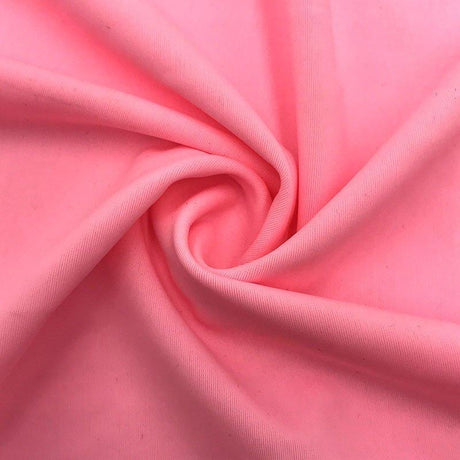
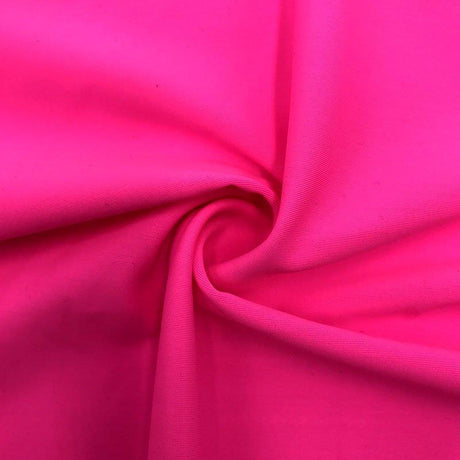
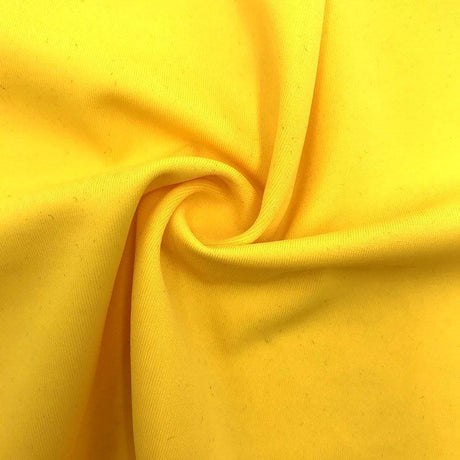
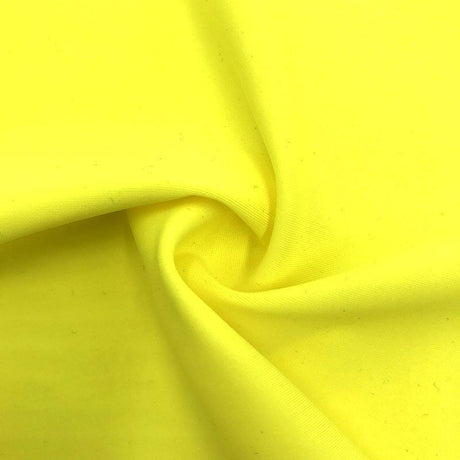
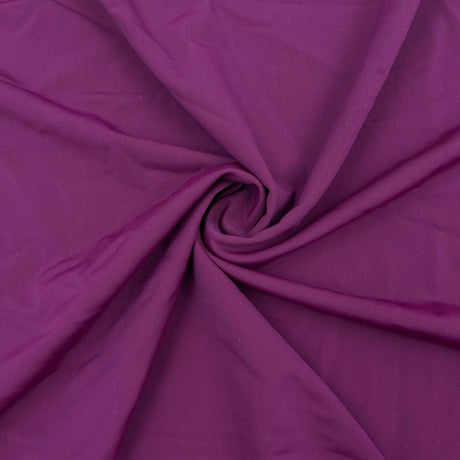
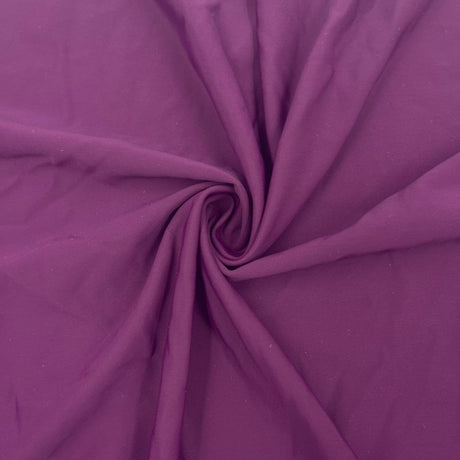
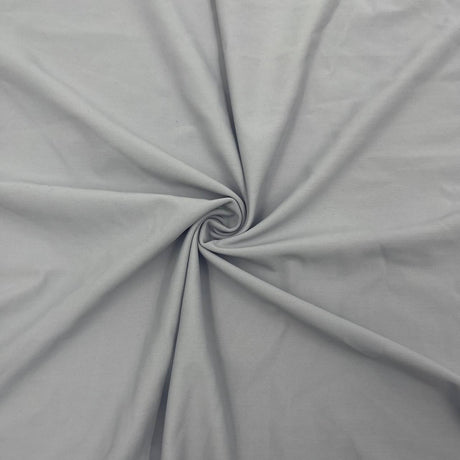
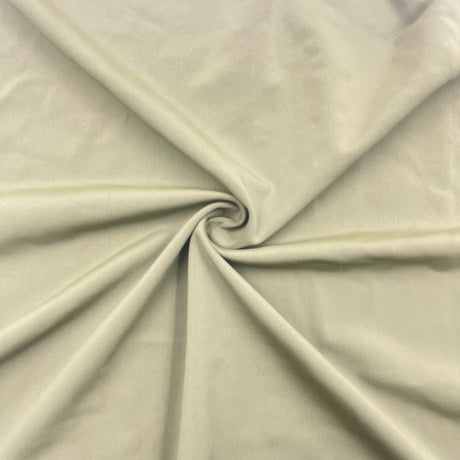
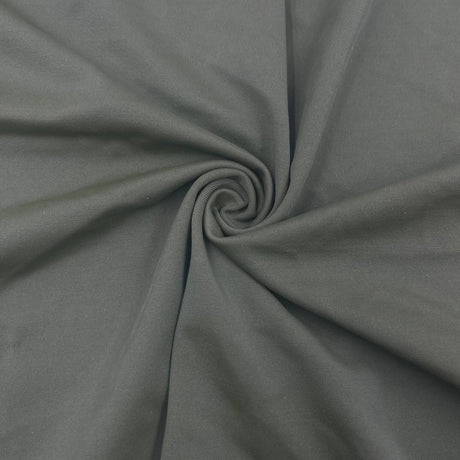
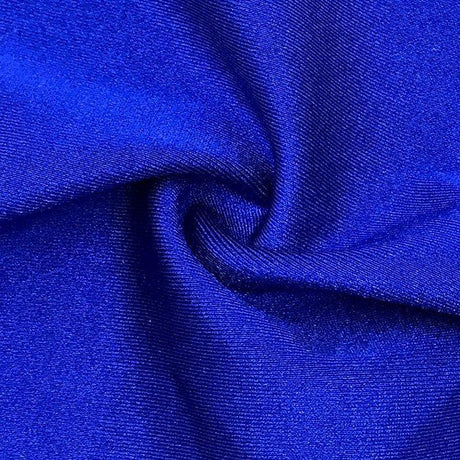
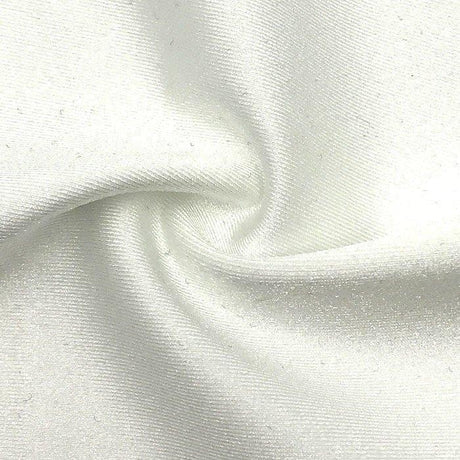
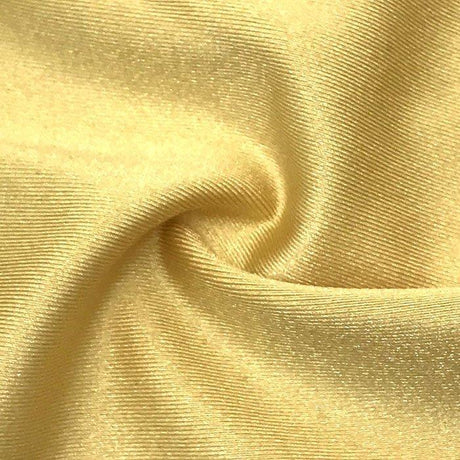
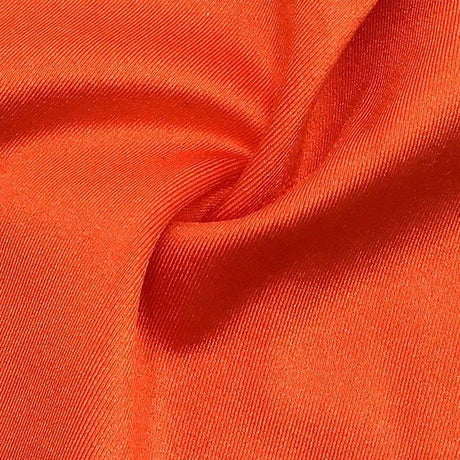
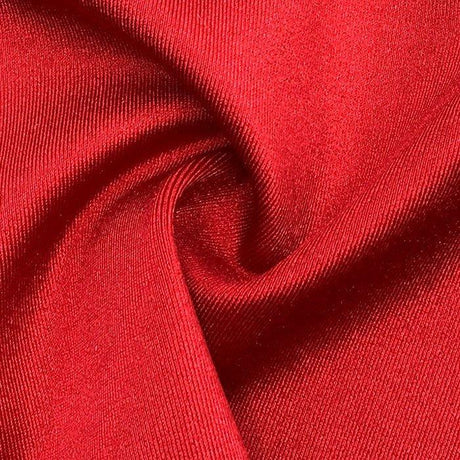
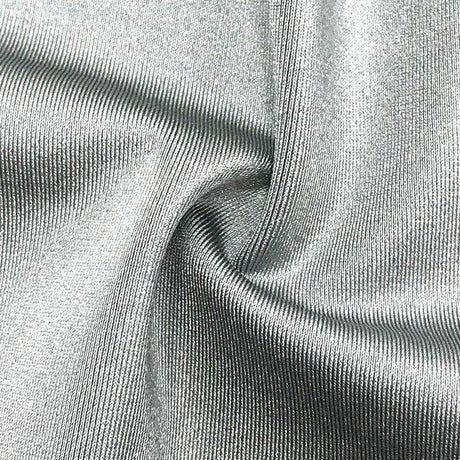
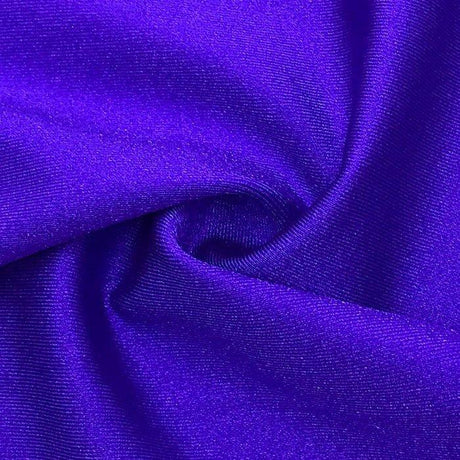
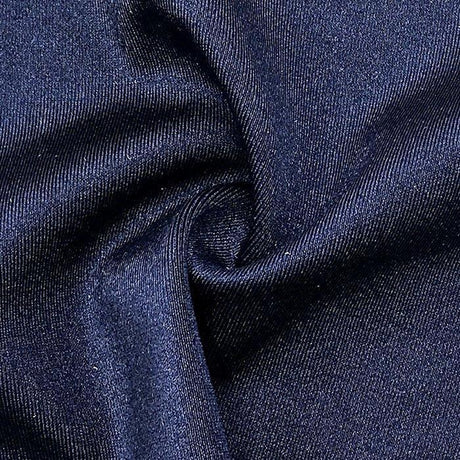
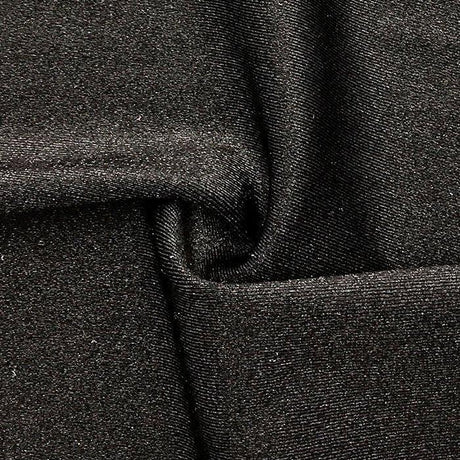
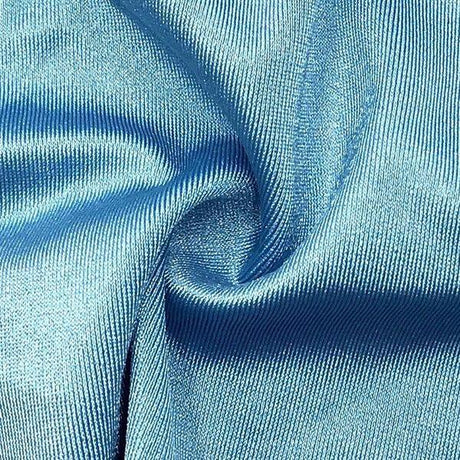
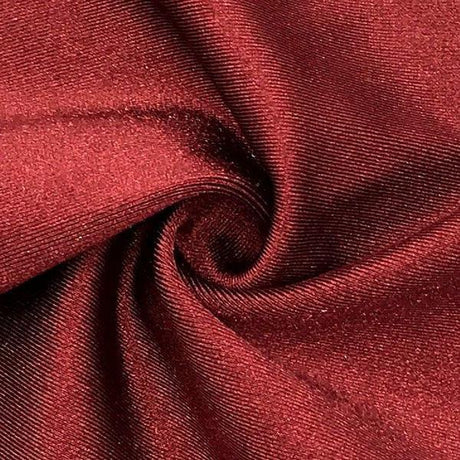
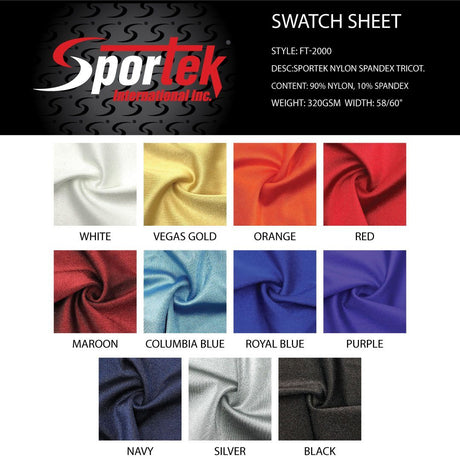
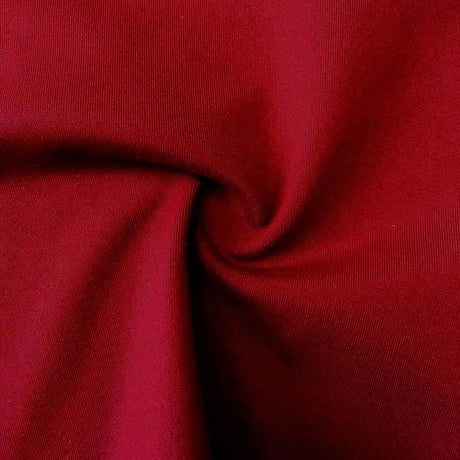
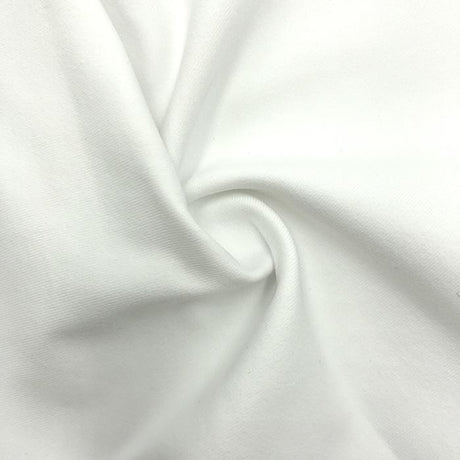
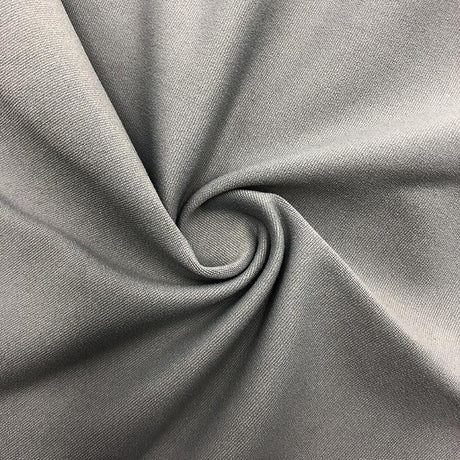
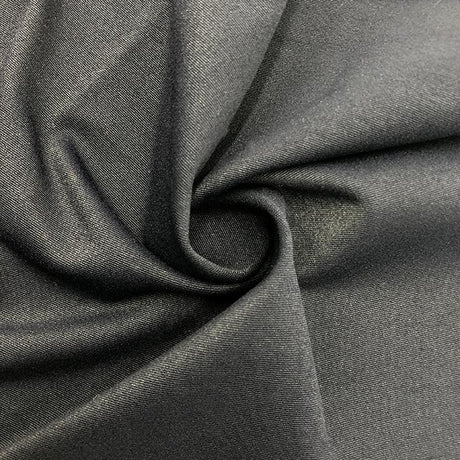
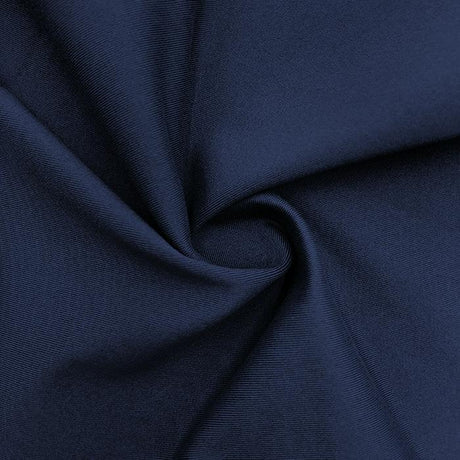
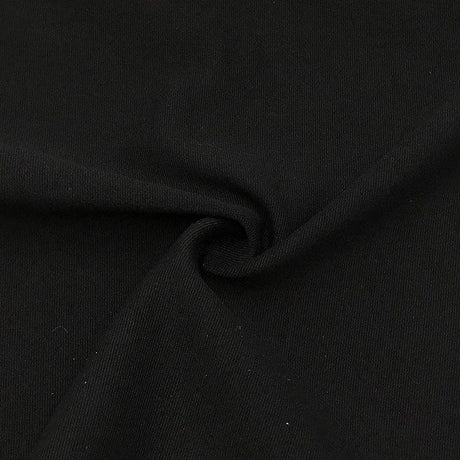
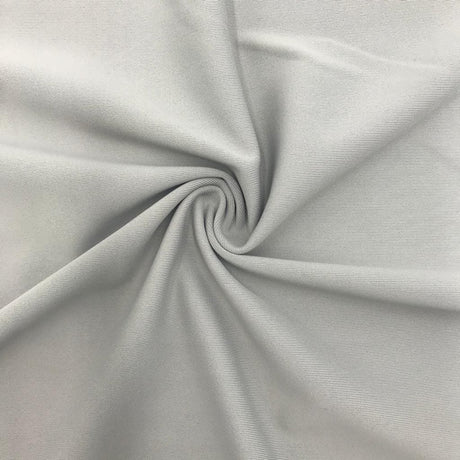
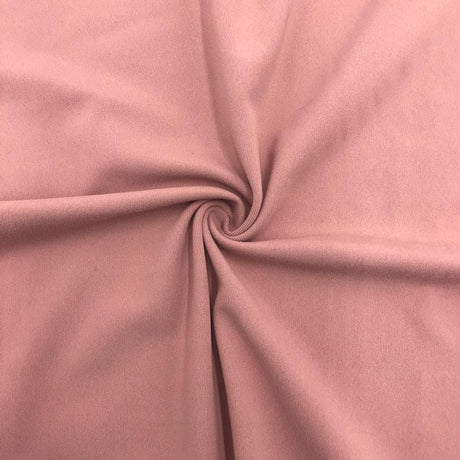
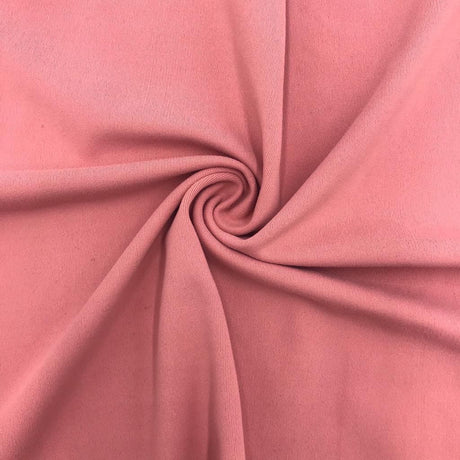
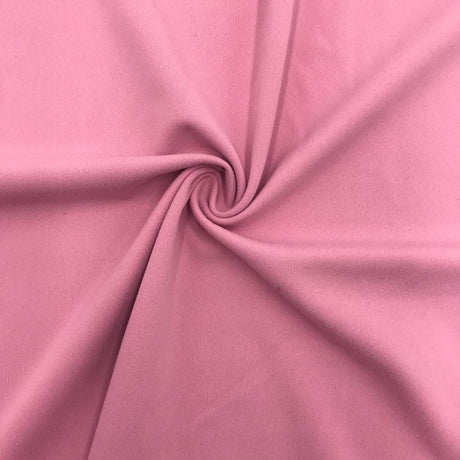
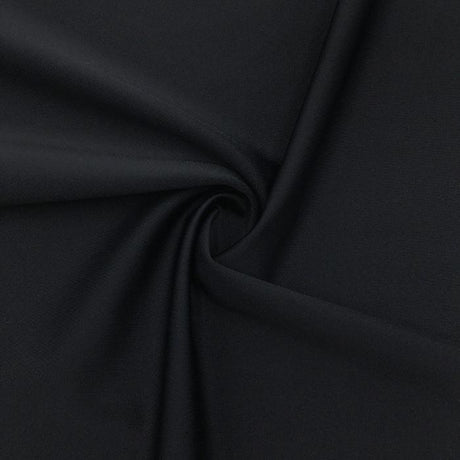
What It Is: A smooth, opaque lining fabric (usually a nylon or polyester tricot with spandex) that fully covers the inside of the swimsuit. Often referred to simply as "swimsuit lining" or stretch tricot.
Characteristics: Soft and smooth against the skin, providing a comfortable layer. Offers complete coverage to prevent transparency and adds structure to the suit. Typically has 4-way stretch for flexibility and is around 80–100 GSM in weight. Our nylon-spandex fabric guide covers tricot lining constructions and how nylon-spandex compares to polyester-spandex for next-to-skin comfort and chlorine resistance in swimwear applications.
Typical Uses: Used to fully line women's swimwear (bikinis and one-pieces) or any design where coverage and comfort are top priority. Common in light-colored or thin-fabric swimsuits to ensure nothing shows through when wet.
Technical Specifications: Mesh vs. Full Lining Fabrics
Fabric Weight (GSM): Mesh linings can range ~100–130 GSM (with power mesh on the higher end) while standard tricot linings are around 90–100 GSM. Lighter linings feel less bulky, but heavier mesh (power net) offers more compression support. Our fabric weight guide provides a full breakdown of GSM ranges and how weight affects opacity, compression, and drying speed across all common swimwear lining constructions.
Stretch & Recovery: Full fabric linings typically have excellent 4-way stretch (often 15–20% spandex) and strong recovery. Mesh linings vary – some offer 2-way stretch or a firmer 4-way stretch (power mesh has less stretch give). Always match the lining's elasticity to the outer fabric for swimsuits to avoid restricting movement or fit. Our stretch fabric types page explains how to verify stretch compatibility between lining and outer fabric before cutting. Our spandex care guide covers how to preserve elastane recovery through chlorine exposure and laundering.
Composition & Durability: Both mesh and solid linings come in nylon/spandex or polyester/spandex blends. Nylon linings are very soft and stretchy; polyester-based linings or meshes are more chlorine-resistant (better for heavy pool use). Ensure any lining chosen is labeled as chlorine, UV, and saltwater resistant for longevity. Our swimwear fabric guide covers chlorine-resistant lining options in detail and how to identify the right fiber for pool vs. ocean use.
Layering Impact: Adding a full lining layer increases opacity and support but also adds a bit of weight and can slow drying. Mesh adds minimal weight and dries quickly, but since it's see-through it's often used in addition to a solid lining or only in specific areas (not as the sole lining for thin, light-colored fabrics). Our fabric weight guide helps you cross-reference GSM with drying speed and coverage requirements when planning a layered swimwear construction.
How to Choose Based on Project Type
Choosing between mesh and full lining depends on the swimsuit style and end-use. Our how to choose fabric guide walks through the broader selection framework for all common swimwear applications.
Bikini (Two-Piece Fashion Swimwear): Generally use a full fabric lining for modesty and comfort (especially in bikini bottoms and the front panel of bikini tops). Mesh is rarely used except possibly as an extra support layer in specific areas (e.g., a power mesh sling inside a bikini top for added bust support). Our swimwear fabric guide covers lining recommendations for different bikini styles and coverage levels.
One-Piece Swimsuit: Typically fully lined with a smooth tricot fabric to ensure opacity and a comfortable feel. Mesh/power mesh may be added internally to certain zones (like a front tummy-control panel or an inner bra shelf), but it's not used as the only lining due to its transparency. Our nylon-spandex fabric guide covers smooth tricot lining constructions suited to one-piece swimsuit applications.
High-Performance / Athletic Swimwear: Competitive swimsuits or training swimwear often use thin yet strong linings. A full lining (often polyester-based for chlorine resistance) is common for durability. Mesh is usually avoided in racing suits to minimize drag, though a breathable mesh brief might be used in men's jammers or tri-suits for support without bulk. Our swimwear fabric guide covers performance-specific lining options and chlorine resistance ratings for competitive swim applications.
Kids' Swimwear: Prioritize comfort and coverage. Girls' swimsuits are usually front-lined (or fully lined) with soft fabric for modesty. Boys' swim trunks typically include a mesh lining brief for support, but some newer designs opt for a smooth fabric short liner to prevent irritation. A nylon-spandex tricot lining is often the gentlest choice for children's sensitive skin. Our fabric care guide covers laundering best practices for kids' swimwear linings that see heavy use and frequent washing.
Common Mistakes to Avoid
Mismatched Stretch: Using a lining that doesn't stretch as much as the outer swim fabric will cause fit issues (e.g. a non-spandex lining that restricts a stretchy swimsuit). Always ensure the lining has equal or greater stretch than the shell. Our stretch fabric types page explains how to verify stretch compatibility between lining and outer fabric before cutting.
Opacity Blunders: Choosing a lining that's too sheer or the wrong color can lead to see-through mishaps. For light or white swimsuits, use a full nude or color-matched lining so nothing shows through when wet. Avoid dark linings behind light fabrics (they can dull or alter the outer color). Our fabric weight guide covers GSM thresholds for reliable opacity in swimwear applications.
Chafing and Discomfort: Rough mesh directly against sensitive skin can cause irritation. Avoid placing coarse mesh in areas like the crotch or chest without a backing layer. If skin comfort is crucial, switch to a smooth lining for comfort or double up with an extra soft layer in those zones.
Overdoing the Power Mesh: Using a strong power mesh over large areas can make a suit too stiff or hard to put on. Power mesh/net is best used sparingly (e.g., as a front panel or inner bra support) in combination with a regular lining elsewhere. Don't line an entire swimsuit with heavy compression mesh, as it may restrict movement and reduce comfort. Our stretch fabric types page covers power mesh constructions and their appropriate applications in swimwear.
Wrong Fabric Choice: Using non-swimwear lining materials (like regular fashion lining or untested fabrics) is risky. These may not hold up to chlorine/salt or might not have the needed stretch and recovery. Stick to swim-specific lining fabrics to ensure your suit lasts and performs well. Our swimwear fabric guide covers how to identify swim-specific lining fabrics and what certifications or labels to look for.
When to Use Alternative Lining Fabrics
Power Mesh / Power Net: Use these in addition to the main lining when extra support or shaping is needed. Add a layer of power mesh in a one-piece's front panel for tummy control or inside a bikini top for bust lift. They provide excellent compression and support, but since they are semi-transparent and firm, they shouldn't replace the regular lining entirely. Our activewear fabric guide covers power mesh applications and layering strategies that translate directly to structured swimwear construction.
Self-Fabric as Lining: Sometimes the swimsuit's outer fabric itself can serve as the lining (e.g. in reversible swimsuits or designs that call for two layers of the same fabric). This ensures identical stretch and feel inside and out, and can be aesthetically pleasing. Be mindful it can increase thickness and drying time compared to a dedicated lightweight lining.
Specialty Tricot Linings: Consider high-end lining materials like microfiber tricot or branded swim linings for premium projects. These offer ultra-soft texture and moisture-wicking properties, enhancing comfort. They're great when you want a luxe feel inside the swimsuit or for individuals with sensitive skin. Use them in upscale swimwear or paired with power mesh for a balance of comfort and support. Our nylon-spandex fabric guide covers microfiber tricot constructions and how they compare to standard tricot linings for premium swimwear applications.
Men's Modern Linings: Instead of traditional mesh briefs, some men's swim trunks now use a smooth, stretchy boxer-brief style liner for added comfort and chafe prevention. This trend shows that a full fabric liner can be effective in menswear, offering support without the scratchiness of mesh.
For any questions about lining selection, sourcing, or construction, our expert help and advice page connects you with knowledgeable staff, and our FAQ page answers common ordering and specification questions.
Conclusion
Key Takeaways: Mesh and full linings each have distinct advantages – mesh excels in breathability and support, while full fabric linings provide coverage and comfort. Knowing these differences is crucial for making the right choice. Our swimwear fabric guide is the ideal companion reference as you finalize your lining selection for any swimwear project.
Match Lining to Project: Always consider the swimsuit type and wearer needs. For each style – from performance competition suits to kids' beachwear – align your lining choice with the project's requirements (support vs. modesty, single-layer vs. double-layer, etc.). Our how to choose fabric guide walks through this trade-off framework systematically.
Confident Selection: By understanding technical specs and avoiding common pitfalls, you can confidently select the optimal lining fabric for any swimwear project. Ready to get started? Explore our swimwear fabric guide for curated lining recommendations, use our fabric weight guide and stretch fabric types page to compare your options, and visit our how to sew stretch fabric guide for construction techniques. Our spandex care guide and fabric care guide will keep finished swimsuits performing beautifully season after season. Sign up for SpandexByYard Rewards to earn points on every purchase – the result will be a swimsuit that not only looks professional but also feels comfortable and performs well in the water.