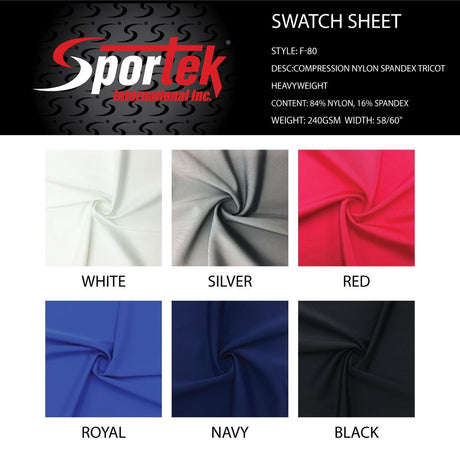
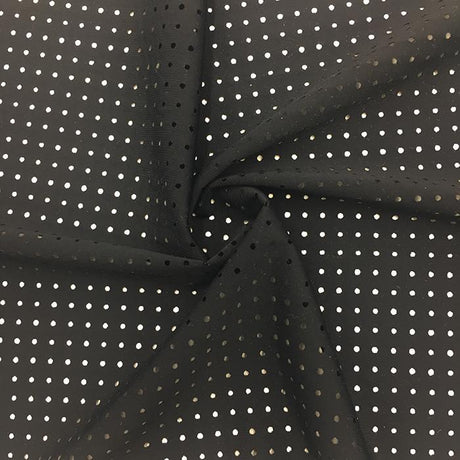
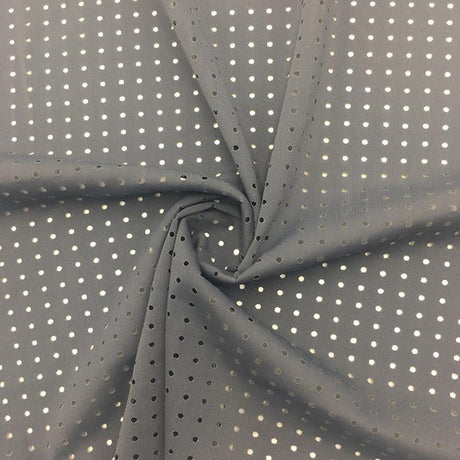
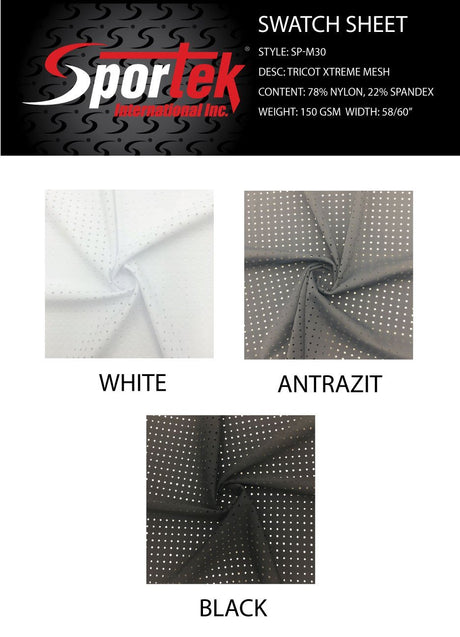
When shopping for activewear fabric, one of the most important specifications you'll encounter is GSM. GSM stands for grams per square meter and measures fabric weight. Understanding GSM helps designers and creators choose the right material for comfort, durability, stretch, and performance.
Whether you're designing leggings, sports bras, swimwear, yoga apparel, or performance clothing, selecting the right fabric weight can dramatically affect how a garment fits and feels.
Browse our Athleisure Fabric Collection and Swimwear Fabric Collection.
What Does GSM Mean?
GSM measures the weight of fabric over a square meter. Lower GSM fabrics generally feel lighter and more breathable, while higher GSM fabrics often provide more support, coverage, and compression.
Lightweight Fabrics: 180–220 GSM
Lightweight fabrics are ideal for garments requiring breathability and unrestricted movement.
Best uses:
- Yoga apparel
- Light leggings
- Tank tops
- Swimwear
- Summer activewear
Midweight Fabrics: 220–260 GSM
This range is often considered the sweet spot for activewear because it balances support and flexibility.
Best uses:
- Leggings
- Sports bras
- Training apparel
- Athleisure wear
Heavyweight Fabrics: 260–300+ GSM
Higher GSM fabrics are commonly used for compression garments and colder weather apparel.
- Compression leggings
- Winter activewear
- Base layers
- Performance wear
Explore our Thermal & Fleece Stretch Fabrics.
Nylon Spandex vs Polyester Spandex Weight Differences
Nylon Spandex often feels softer and smoother, while polyester blends are commonly selected for moisture performance and vibrant printing.
Explore Sublimation Spandex Fabric and Printed Spandex Fabric.
Final Thoughts
The best GSM depends on your project goals. Lightweight fabrics prioritize breathability, midweight materials balance comfort and support, and heavier fabrics increase compression and durability.
Need additional guidance? Visit our Fabric Weight Guide and How to Choose Fabric Guide.