Designing or sewing a garment that feels comfortable in motion usually comes down to one question: can heat and sweat escape fast enough? When they cannot, you get that overheated, "sticky-shell" feeling—common in tight activewear, lined items, or fabrics that look sleek but trap moisture. For a broader foundation on stretch fabric properties before diving in, explore our stretch fabric types page or browse our full fabric guides hub.
What Is "Breathable Fabric"?
A fabric is "breathable" when it allows the body's heat and perspiration to move away from the skin—primarily as airflow and/or as water vapor transfer (sweat evaporating and escaping through the textile).
In textile testing and product development, breathability is often discussed in two related (but not identical) ways: air permeability (how easily air passes through a fabric's pores at a defined pressure difference) and water vapor transfer / water vapor resistance (how easily moisture vapor passes through the material—critical in activewear and "breathable" shells).
Because brands, labs, and factories need repeatable ways to compare fabrics, breathability is frequently tied to recognized standards: ASTM D737 covers measurement of air permeability for most fabrics (including knitted and layered constructions); ASTM E96 provides gravimetric methods to measure water vapor transmission; and ISO 9237 describes a method for measuring permeability of fabrics to air across many fabric types.
For performance and stretch fabrics, it also helps to understand what "spandex" means technically. In ISO fiber naming, elastane (spandex) is a fiber category composed of at least 85% by mass of segmented polyurethane and is characterized by strong elastic recovery after stretching.
How Breathability Differs from Moisture-Wicking: Breathability and moisture-wicking work best as a team, but they are not interchangeable. Moisture-wicking / liquid moisture management focuses on moving liquid perspiration across fabric surfaces so it can evaporate faster. Breathability focuses on allowing vapor and heat to escape, reducing clamminess and overheating. A common lab method used for liquid moisture movement is AATCC TM195, which evaluates transport of liquid moisture on both surfaces and includes measures like wetting time, absorption, spreading speed, one-way transport, and an overall moisture management capacity (OMMC). Our fabric finishes guide covers moisture-wicking surface treatments and how to evaluate their durability across all common performance fabric constructions.
Key Performance Characteristics
Airflow and Pore Geometry: Air permeability is closely tied to porosity and to structural factors like thickness and density. Open structures (like mesh) breathe easiest, while tighter structures (like heavy compression tricots) usually reduce airflow. If you want an immediately breathable construction, mesh is the most direct solution. Our fabric weight guide provides a full breakdown of how GSM affects breathability and durability across all common stretch fabric constructions.
Moisture Vapor Transfer and Water-Vapor Resistance: In many performance contexts, "breathability" is treated as moisture vapor transfer. ISO 11092 specifies methods to measure thermal resistance and water-vapour resistance under steady-state conditions for textiles and related materials used in clothing systems. Some labs and testing providers express ISO 11092 results as Ret (resistance to evaporative heat loss), where a lower Ret indicates greater breathability.
GSM / Weight and Thickness: Weight (often stated as GSM) is one of the easiest "at-a-glance" clues, especially online. A lightweight micro mesh at 95 GSM is explicitly positioned for breathability and airflow in sportswear/lining use. But GSM is only part of the story: as thickness and density increase, airflow typically drops.
Stretch and Recovery: Breathability is not only about airflow—it is also about maintaining comfort while fabrics stretch on-body. Elastane (spandex) fibers provide elastic recovery. For manufacturers, stretch & growth performance matters over time (bagging at knees, sagging at elbows). Our stretch fabric types page covers the step-by-step stretch and recovery testing methodology in detail, including how to calculate stretch percentage from a home swatch test.
Durability and Abrasion Resistance: "Breathable" does not mean "fragile," but open structures and lighter weights may snag more easily depending on construction and end-use.
Special Performance Traits That Can Help or Hurt Breathability: Moisture management finishes/technologies can enhance next-to-skin comfort by moving sweat. Coatings and laminations can significantly reduce air permeability compared to uncoated base fabrics—so if you need water resistance or wind block, you will likely trade away some airflow, and you may need design ventilation (mesh panels, vents) to keep comfort high.
Compare Breathable Performance Fabrics Sold by the Yard
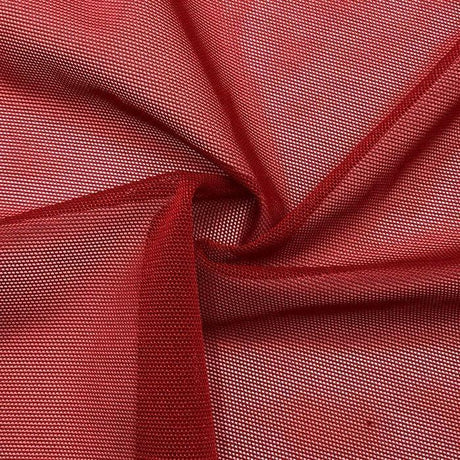
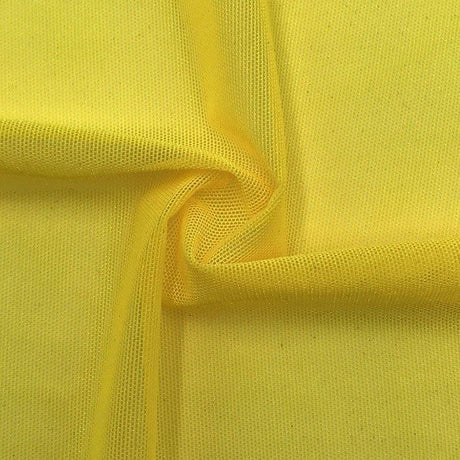
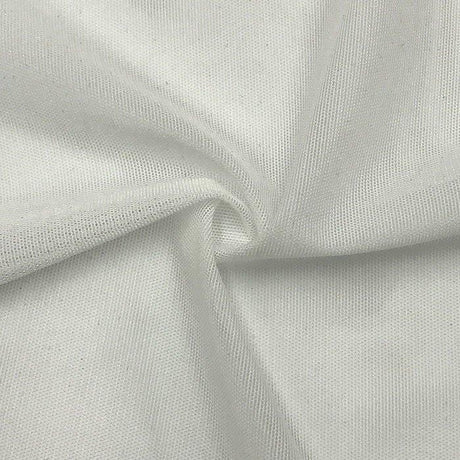
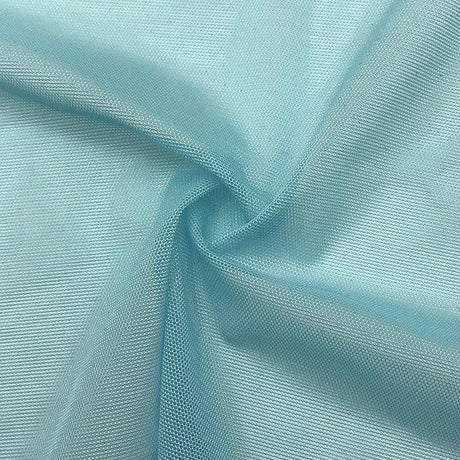
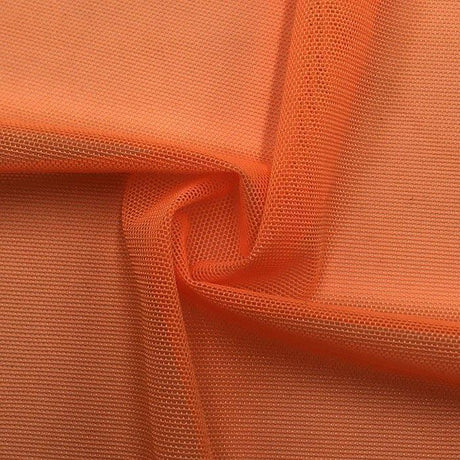
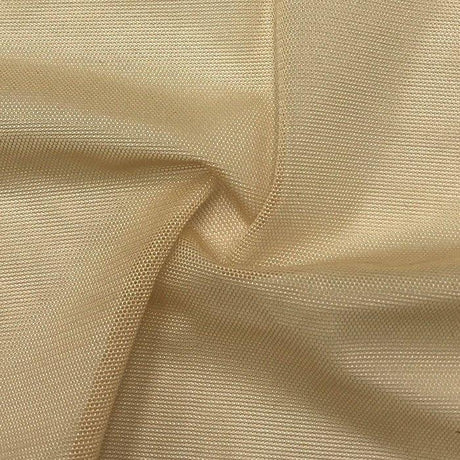
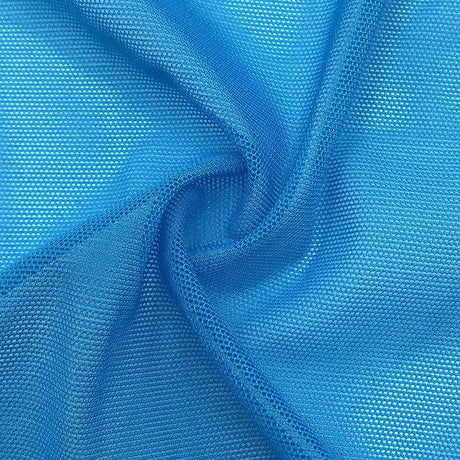
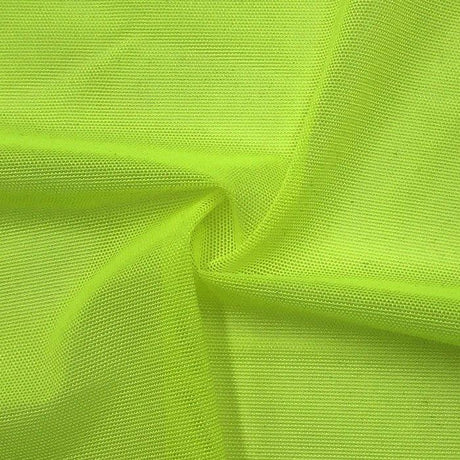
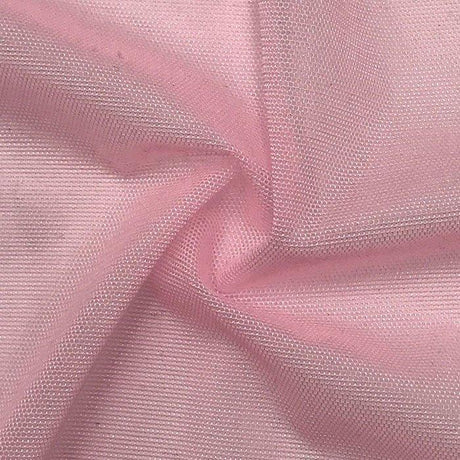
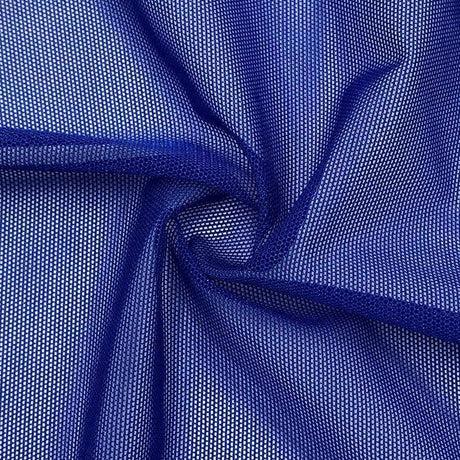
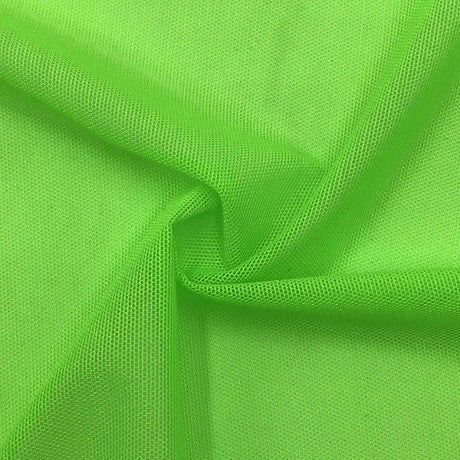
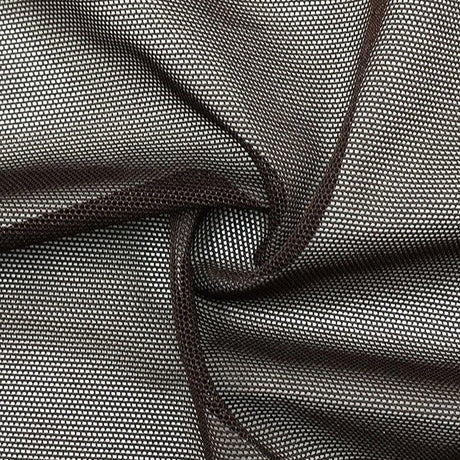
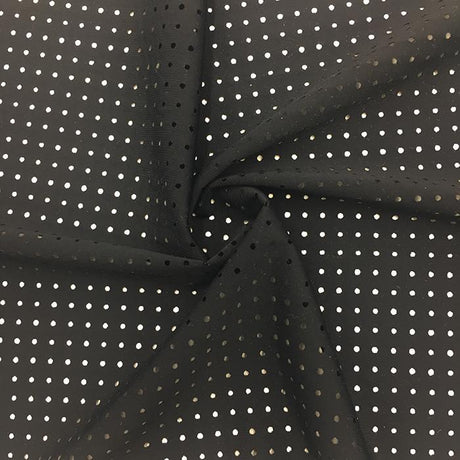
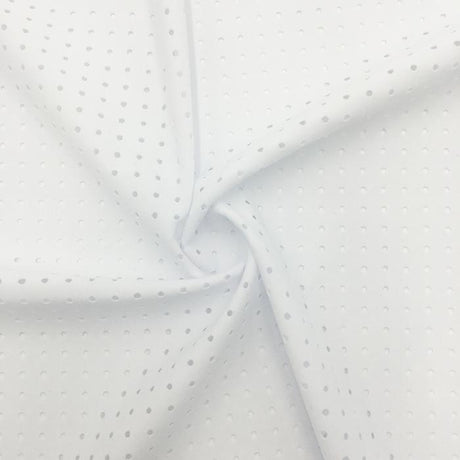
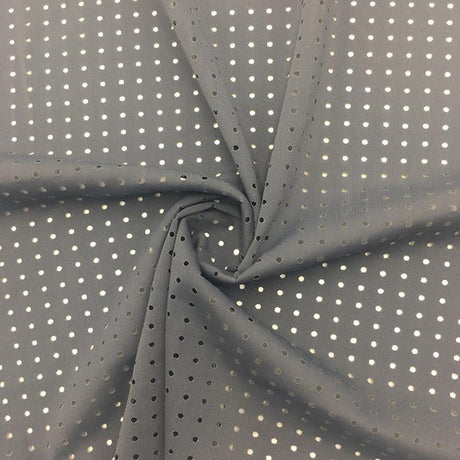
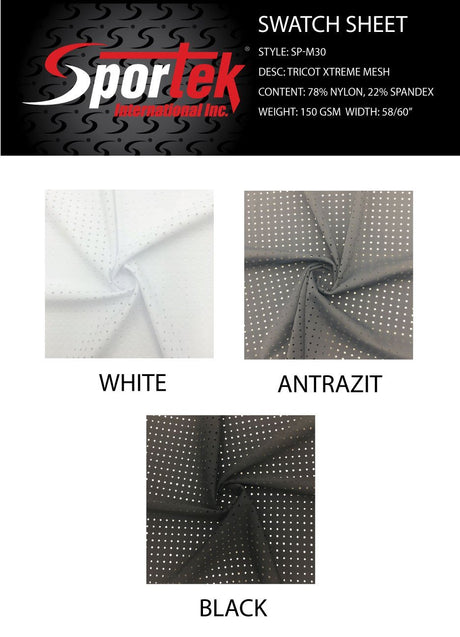
Breathable Mesh / Micro Mesh (open structure): Often polyester or nylon; may be non-stretch (100% poly) or stretch (poly/nylon + spandex). Net-like or micro-perforated knit for airflow. Depends: micro mesh may be limited stretch; stretch mesh commonly 4-way. Best for cooling zones, linings, airflow panels, hot climates, and high-sweat areas. Maximum airflow; fast-drying feel; great ventilation. Can be sheer; can snag; provides little warmth.
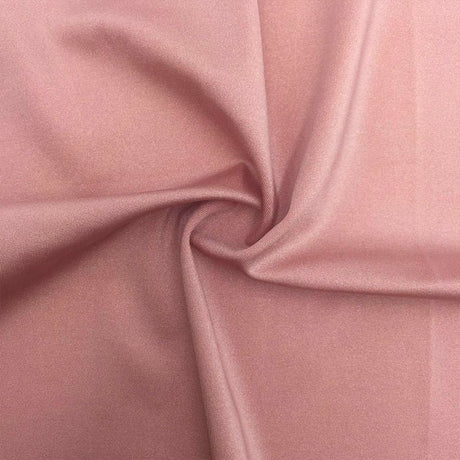
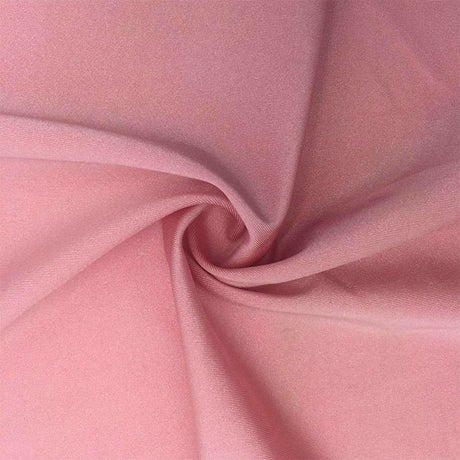
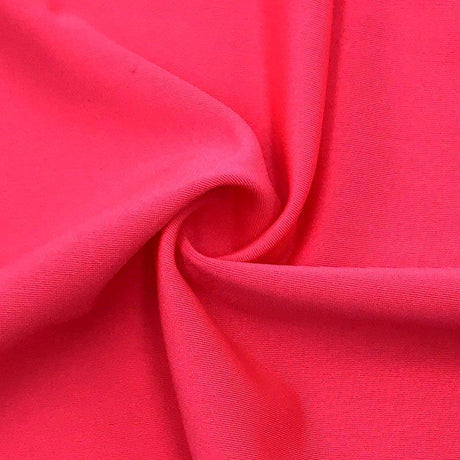
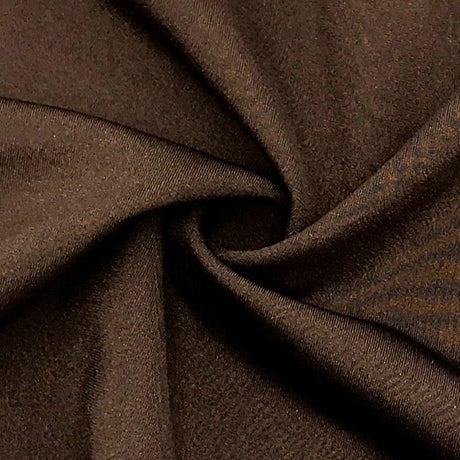
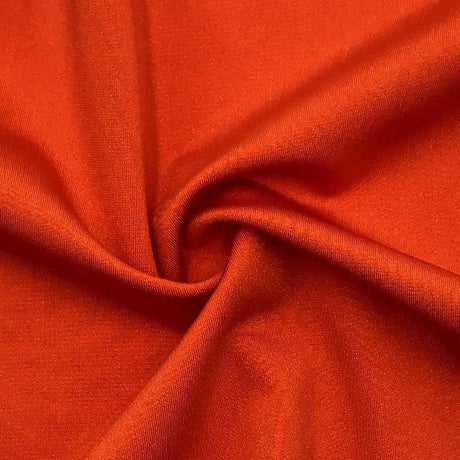
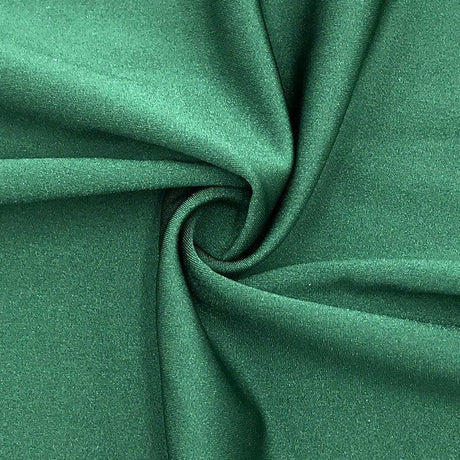
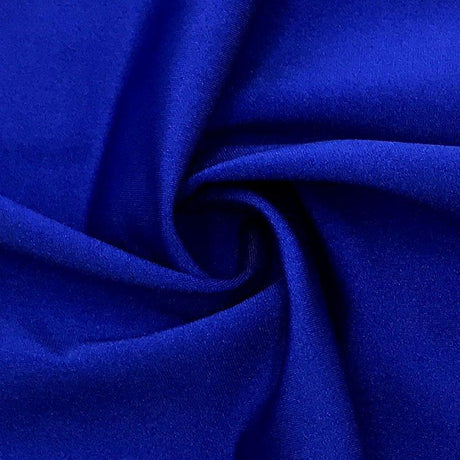
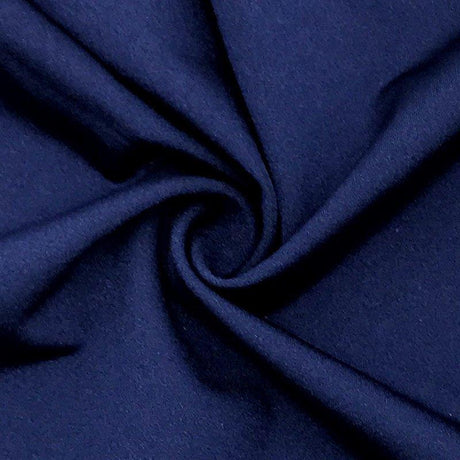
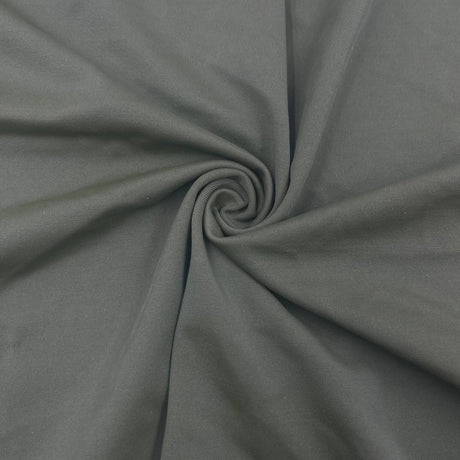
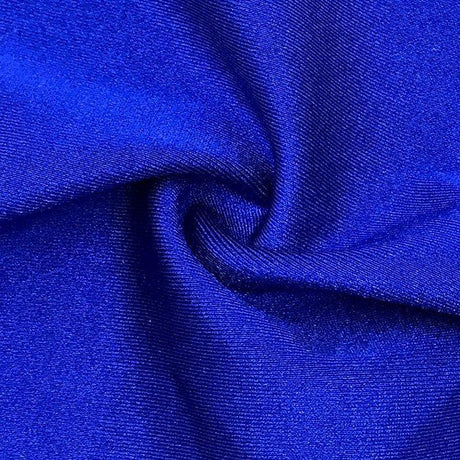
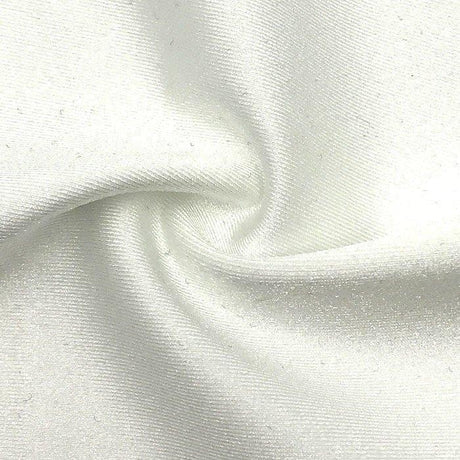
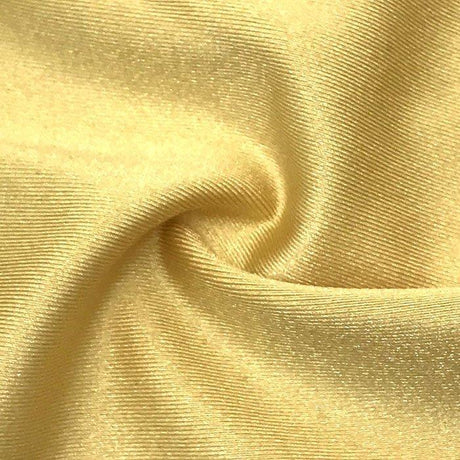
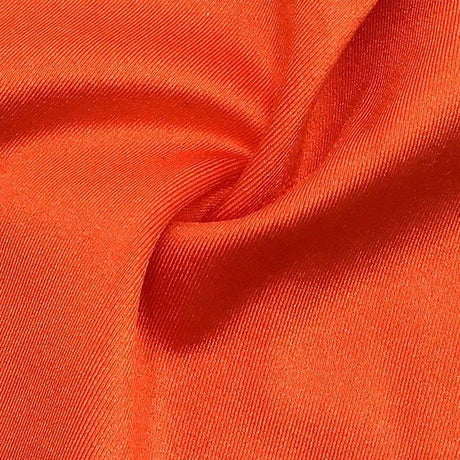
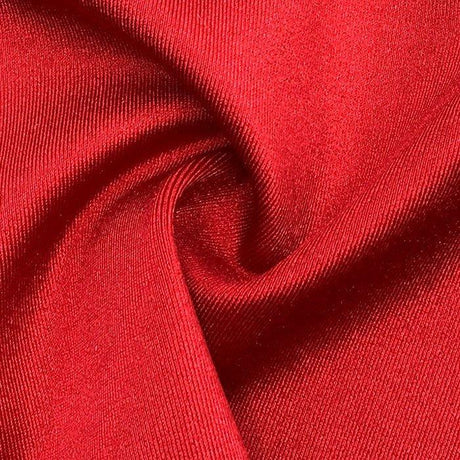
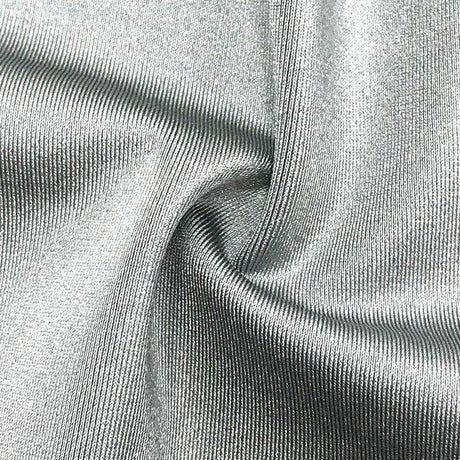
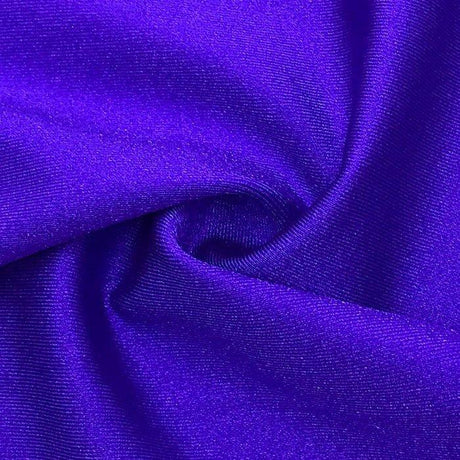
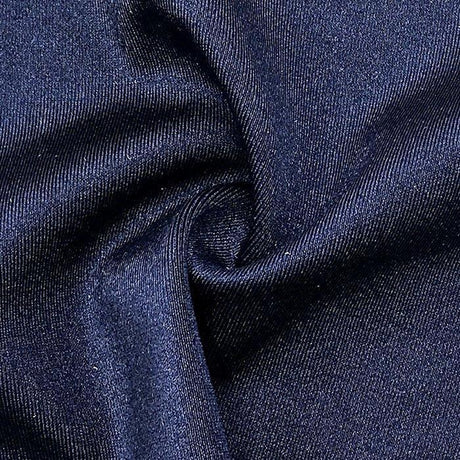
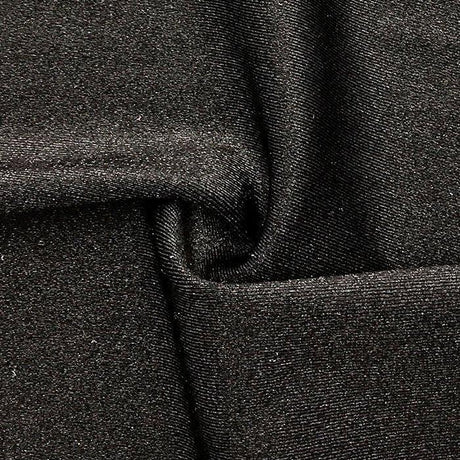
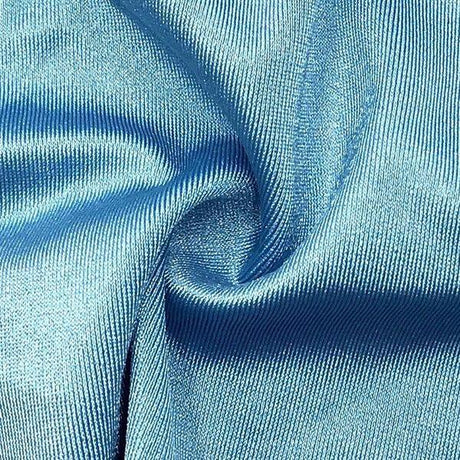
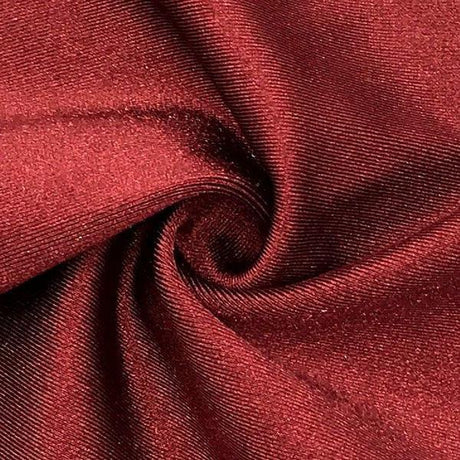
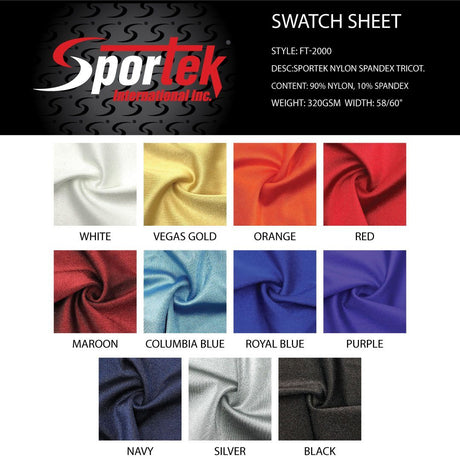
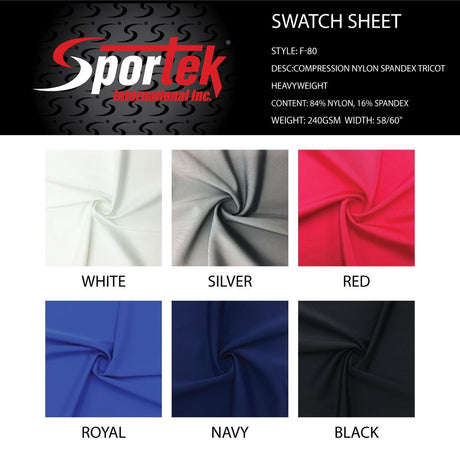
Nylon-Spandex Solids (tricot/jersey families): Nylon + spandex blends (various knit constructions). Typically tighter warp knits (tricot/raschel) or smooth knits. Commonly 4-way stretch in performance uses. Best for swimsuits, leotards, leggings, and performance fashion where coverage + snapback matter. Sleek handfeel; durable; reliable recovery; broad end-use. Less airflow than mesh; may feel warmer if heavy/compressive. Our nylon-spandex fabric guide covers how nylon-spandex constructions compare to polyester-spandex in hand feel, moisture management, and durability.
Moisture-Management Spandex Jerseys (wicking-focused): Often poly-spandex blends engineered for moisture control. Usually smoother, more closed knits than mesh; relies on wicking + evaporation. Commonly 4-way stretch (activewear-ready). Best for high-sweat training tops/leggings where "dry feel" is key. Comfort during exertion; enhanced sweat transfer; versatile for activewear. Not as airy as mesh; performance depends on garment design + layering.
Best Uses & Real-World Applications
Activewear (Leggings, Tops, Bras, Base Layers): For smooth, supportive pieces, nylon-spandex solids are positioned as go-to fabrics for leotards, athletic wear, and swimwear, with lightweight, breathable characteristics and strong durability. For sweat-heavy training, moisture management options are explicitly marketed to wick sweat away and remain breathable with 4-way stretch. Our activewear fabric guide covers moisture-wicking and breathability ratings across all common performance fabric constructions.
Swimwear (Bikinis, One-Pieces, Rash Guards): Swimwear needs stretch recovery plus comfort in heat. Swimwear fabrics highlight 4-way stretch, superior recovery, and resistance to chlorine, saltwater, and UV rays. Breathability in swimwear is often about fast drying and comfort, plus smart lining choices (mesh or tricot linings) to reduce cling and improve feel. Our swimwear fabric guide covers how to evaluate and source all common swimwear fabric constructions.
Fashion (Dresses, Bodysuits, Performance Costumes): Printed spandex lets you keep stretch performance while adding visuals. High-quality prints on nylon/polyester spandex blends are aimed at activewear and swimwear, with strong elasticity and resilience. Our sublimation page covers how sublimation printing bonds dye into polyester-spandex fibers to achieve permanent, saturated color, and our sublimation paper and sublimation transfer paper pages cover the complete printing workflow.
Mesh & Lining for Airflow: Mesh linings are described as open, net-like structures that promote airflow and quick drying, letting sweat pass through so it can evaporate—commonly used in shorts, jackets, and ventilation zones.
Fleece for Warmth Without Turning Into a Sauna: Breathable warmth is a real need for training layers and casual athleisure. Fleece can insulate while retaining comfort, especially as a second layer rather than a shell.
Everyday Wear Comfort: If the priority is softness and a more natural feel, cotton-spandex is described as breathable and comfortable, combining cotton's moisture-absorbing properties with spandex stretch. Our cotton-spandex fabric guide covers how cotton-spandex blends compare to synthetic alternatives in stretch behavior and moisture management.
Dancewear and Performance Costumes: Our dancewear fabric guide covers fabric selection across all common dancewear and performance costume applications, including how breathable mesh panels are used to manage heat in stage environments.
How to Choose the Right Breathable Fabric
Step One: Define Your "Breathability Problem":
Overheating (needs airflow): choose open structures (mesh) and consider panel placement. Clammy sweat (needs wicking + evaporation): choose moisture management stretch fabrics and avoid finishes that trap moisture. Heat + wind + sweat (needs controlled permeability): treat breathability as a system—fabric + lining + vents.
Step Two: Choose the Fabric Family (Fast Recommendations):
If airflow is the priority, start with stretch mesh—described as breathable and lightweight for uses like jerseys, workout garments, and swimwear. If you need sleek coverage with reliable stretch, choose breathable stretch blends—nylon spandex solids are positioned as breathable, durable, and elastic for leotards, athletic wear, and swimwear.
Step Three: Match Weight and Construction to the Job:
Panels/linings: micro mesh and stretch mesh add airflow with minimal bulk. Leggings/compression: smooth nylon-spandex or moisture management jerseys balance stretch, coverage, and comfort. Cold-weather layers: breathable fleece can insulate while retaining comfort (especially as a second layer).
Step Four: Decide Solid vs Print: For fashion + function, printed spandex offers elasticity and resilience while delivering visuals for activewear/swimwear. For dye-sublimation workflows, sublimation tricot is positioned for sharp prints while staying lightweight and breathable.
Our how to choose fabric guide covers what to evaluate when a physical swatch arrives, including stretch testing, opacity testing, and hand feel assessment. Have questions? Our expert help and advice page and FAQ are always available.
Common Mistakes to Avoid
Using the Wrong Needle on Stretch Knits: Skipped stitches and fabric damage are common when the needle is incompatible with knit structures. Use a Stretch needle when fabrics contain Lycra®/Spandex®. Our how to sew stretch fabric guide covers complete needle selection, stitch type, machine settings, and edge finishing guidance for all common stretch fabric construction scenarios.
Ignoring Stretch Recovery (Especially for Fitted Garments): A fabric can feel breathable on the bolt but still disappoint in wear if it "grows" at knees, elbows, or seat.
Choosing Airflow When You Really Needed Wicking (or Vice Versa): Mesh promotes ventilation and quick drying, but it may provide little warmth and may be too open for some coverage needs. If the garment is tight and sweat-heavy, moisture management + evaporation may matter more than open holes.
Overbuilding with Coatings/Finishes That Choke Airflow: If you add multiple coatings or high add-on finishes, air permeability can drop dramatically. If you need wind/water protection, compensate with smart vents and breathable linings.
Washing Errors That Destroy Elastane and Performance Finishes: Avoid hot water, bleach, and fabric softeners/dryer sheets (which can leave residues and degrade elastane). Our spandex care guide covers why heat and harsh chemicals degrade elastane fibers and the care protocols that maximize garment lifespan.
Ready-to-Use Checklists
Breathable Fabric Selection Checklist (Buyers + Product Developers):
- Define the main comfort goal: airflow vs moisture management vs both
- Confirm weight and structure: micro mesh vs stretch mesh vs solid knit (do not rely on GSM alone)
- For fitted items, prioritize recovery (avoid fabrics that "grow")
- Plan garment ventilation: place mesh panels/linings in high-sweat zones (underarm, back, inner thigh)
- If printing, match the print method to the fabric (e.g., sublimation tricot for dye-sub)
Sewing Checklist for Stretch + Breathable Performance Knits:
- Test a scrap first: stitch quality, stretch, recovery, and seam popping
- Use the right needle: stretch needles for spandex/elastane-containing knits
- Stabilize strategically (necklines, hems, high-stress points) so you do not distort breathable knits
- Match seams to grain and stretch direction (especially on mesh so panels do not torque)
- Align prints at stress points (center front/back, side seams) to avoid visual "warp" when stretched
Care & Longevity Tips
Washing: Turn items inside out, use a mesh laundry bag when possible, and wash on gentle/delicate with cold water (hot water can weaken elastic fibers over time). Use mild detergent and avoid chlorine bleach; also skip regular fabric softeners that leave residues and can degrade elasticity and trap odors. Our spandex care guide and fabric care guide cover complete laundering protocols for all common spandex-blend fabric types.
Drying: Heat is a consistent enemy of elastane. Air-drying is emphasized, warning against high dryer heat that can warp or weaken elastic fibers.
Ironing: Direct high heat can damage spandex; use low heat and a press cloth only if absolutely necessary.
Storage: Store clean and dry; avoid crushing or sharp Velcro contact that can snag mesh and stretch knits. Friction from rough items and fasteners can cause pilling or snags.
When to Consider an Alternative Fabric
When cotton-spandex makes more sense than nylon-spandex: Choose cotton-spandex when you want a softer, more casual handfeel and a breathable everyday comfort profile. Choose nylon-spandex when you need a more "technical" surface, strong durability, and performance use cases like leotards, athletic wear, and swimwear.
When neoprene is a better choice than "breathable" knits: Neoprene-style stretch fabrics are about structure and insulation more than maximum airflow—ideal for swimwear, outerwear, and performance costumes. Choose it when you need body/shape, engineered silhouettes, and a supportive base (and you can design ventilation elsewhere).
When mesh makes more sense than moisture-management jersey: If your biggest issue is overheating—or you need breathability in specific zones—mesh is often the simplest fix. Use mesh when you are building linings, vents, or strategic panels. Use moisture management jersey when you need a smooth, more opaque base layer and want sweat transport on skin-contact garments.
Conclusion
What makes fabric breathable is not a single ingredient—it is a combination of structure (pores/knit geometry), moisture vapor transfer, weight/thickness, stretch behavior, and finishing choices. Air permeability standards like ASTM D737 and ISO 9237 cover airflow through fabrics, while methods like ASTM E96 and ISO 11092 support evaluation of moisture vapor transfer and water-vapor resistance for comfort-focused performance textiles.
For buyers of performance fabrics sold by the yard, the fastest path to a confident choice is to match the problem (overheating vs clammy sweat vs cold-weather layering) to the right fabric family—mesh for pure airflow, smooth nylon-spandex or moisture management knits for fitted performance, and breathable fleece for warmth without suffocation.
When you choose with breathability in mind and respect sewing + care best practices (needle choice, recovery, washing temperature, avoiding softeners), breathable fabrics stay breathable—and your finished garment performs the way you designed it to. Sign up for SpandexByYard Rewards to earn points on every purchase!
FAQ
Is mesh always the most breathable fabric choice? Mesh is often the most breathable for airflow because of its open structure, and mesh linings are specifically described as lightweight, breathable, and quick-drying. However, for fitted base layers, a moisture management jersey may feel better because it manages liquid sweat transport even if airflow is lower. Our activewear fabric guide covers how these two breathability strategies compare across all common activewear applications.
How can I evaluate breathability when I'm buying fabric online? Look for: (1) structure (mesh vs solid), (2) weight (GSM), and (3) whether the fabric is designed for moisture management. Our fabric weight guide covers the GSM thresholds that distinguish lightweight from midweight fabric constructions across all common performance categories.
Is nylon-spandex breathable enough for leggings and dancewear? Yes—nylon spandex solids are positioned as lightweight and breathable with superb elasticity and durability and are commonly used for leotards and athletic wear. For extra comfort, add mesh panels (under knees/back) or choose moisture management variants for sweat-heavy training. Our nylon-spandex fabric guide covers full performance profiles of nylon-spandex constructions.
What is the biggest mistake that ruins the breathability and lifespan of spandex garments? High heat and incorrect laundry products. Use cold gentle washing, avoid bleach, and skip fabric softeners/dryer sheets because residues can degrade elastane and trap odors; heat can weaken elastic fibers. Our spandex care guide covers complete care protocols for all common spandex-blend fabric types.
What needle should I use to sew breathable stretch fabrics like spandex blends? A stretch needle is recommended when fabrics contain Lycra®/Spandex®/elastic. Our how to sew stretch fabric guide covers all needle selection and machine setup guidance for all common stretch fabric construction scenarios.