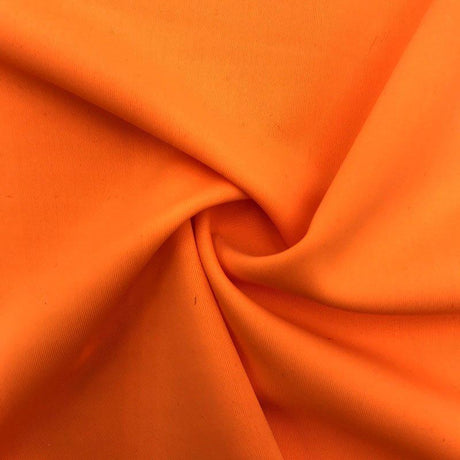
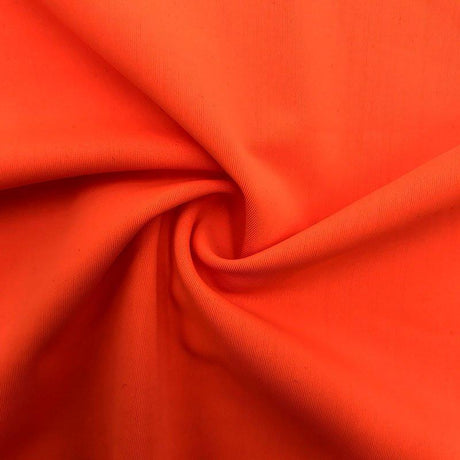
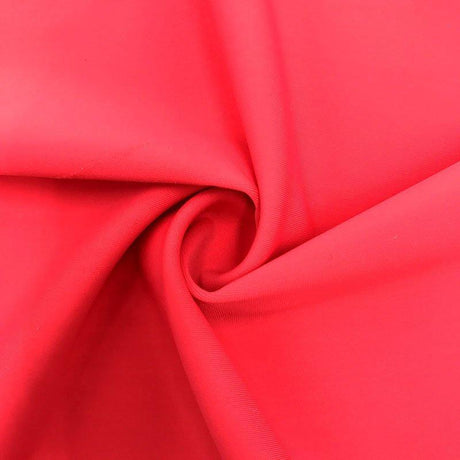
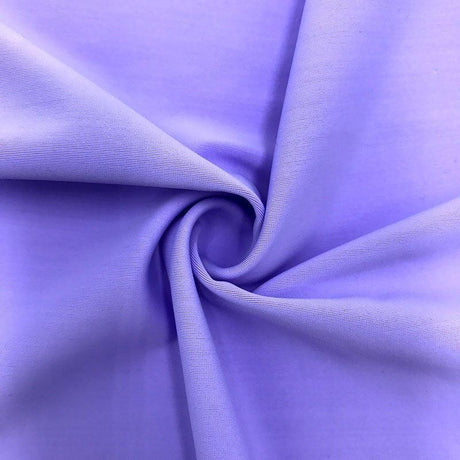
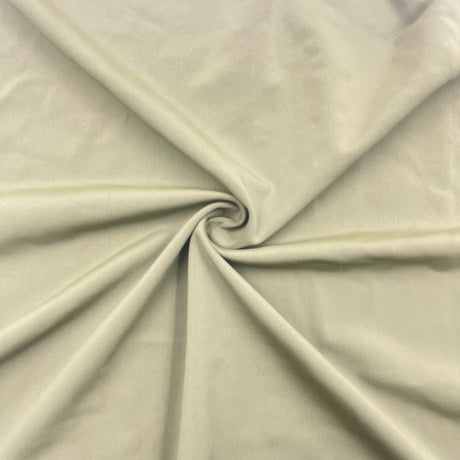
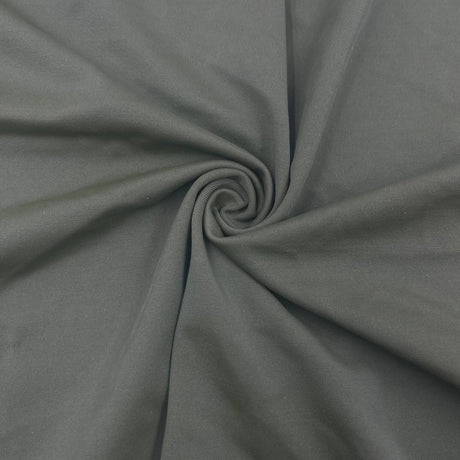
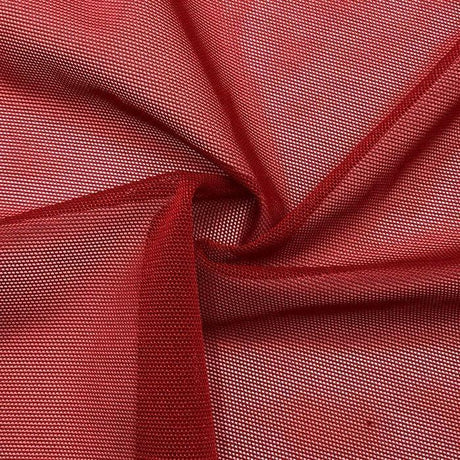
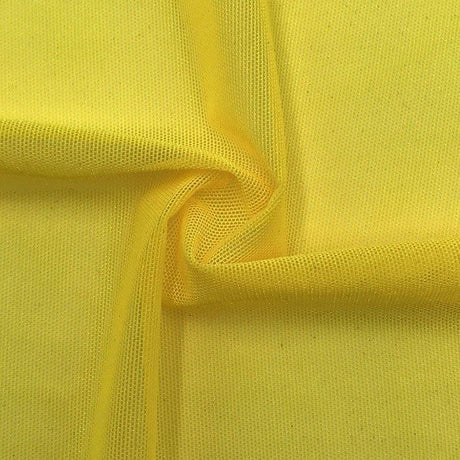
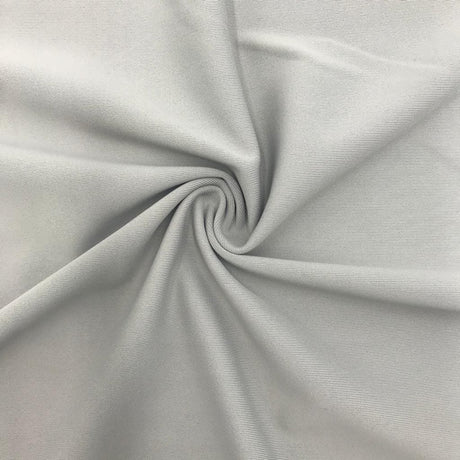
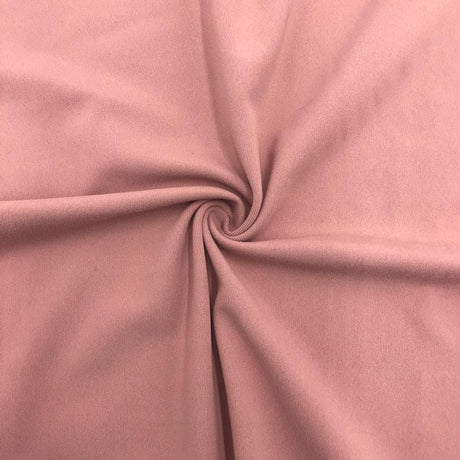
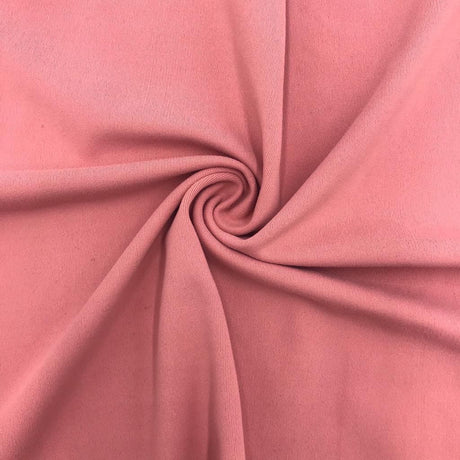
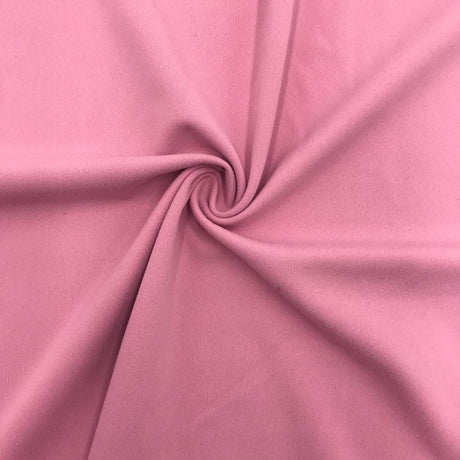
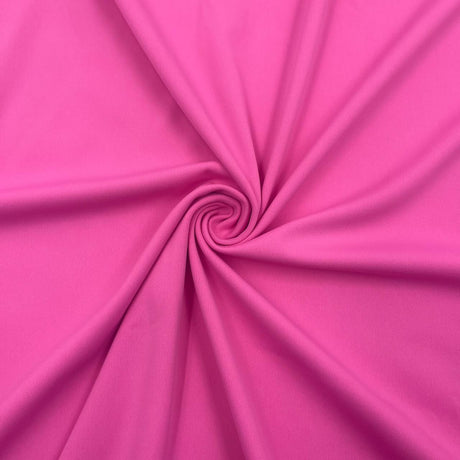
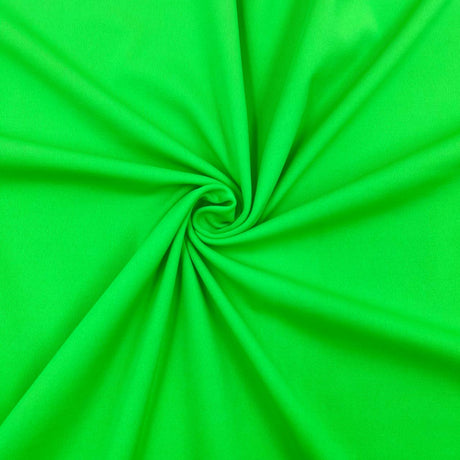
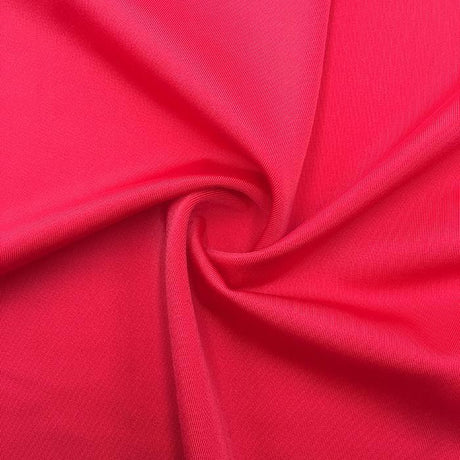
A costume cape should do two things at the same time: look dramatic and behave practically. On stage, at conventions, or in film production, the moment an actor raises their arms, runs, or repeats choreography, many capes reveal common problems—necklines that "creep," shoulders that bind, seams that pop, and stiff fabrics that ruin the flow you designed for. For a broader foundation on stretch fabric properties before diving in, explore our dancewear fabric guide or browse our full fabric guides hub.
Adding stretch inserts (like gussets or side panels) is one of the most reliable pattern-level fixes for mobility, because gussets add room and flexibility where the body needs it most. The catch: stretch inserts only work as well as the fabric you choose. In performance builds, you're effectively selecting a fabric system—an outer shell for drape and visuals, a high-recovery stretch fabric for inserts, and often a lining to control comfort against skin.
What Is Fabric for Costume Cape?
"Fabric for costume cape" isn't a single fabric type—it's the best match of structure + drape + performance for how the cape will be worn. In a stretch-insert cape build, that usually means combining a high-impact outer layer (solid, printed, or textured), a high-recovery stretch knit for inserts, and a comfort lining that controls feel, cling, and heat.
From a fiber standpoint, most "spandex" performance fabrics are blends where elastane (spandex/LYCRA®) provides stretch, and nylon or polyester provides the main handfeel and durability. Spandex is an elastomeric fiber composed of at least 85% polyurethane by weight and used for its highly elastic properties. Our nylon-spandex fabric guide covers how nylon-spandex constructions achieve the combination of smooth hand feel, strength, and 4-way stretch that defines quality performance fabric.
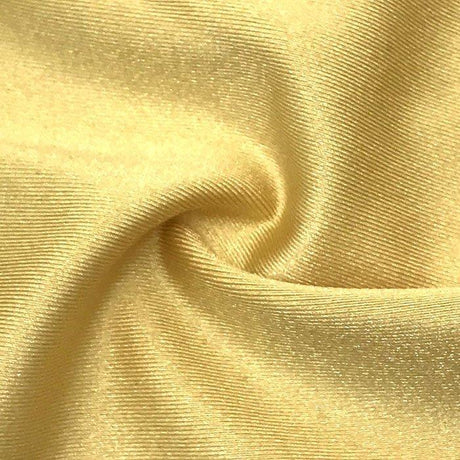
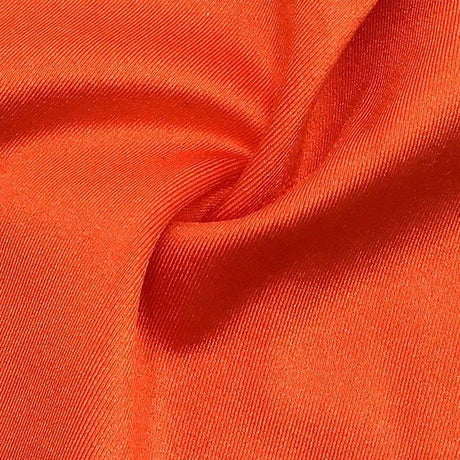
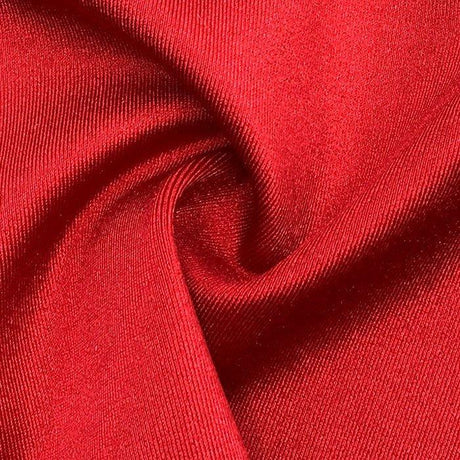
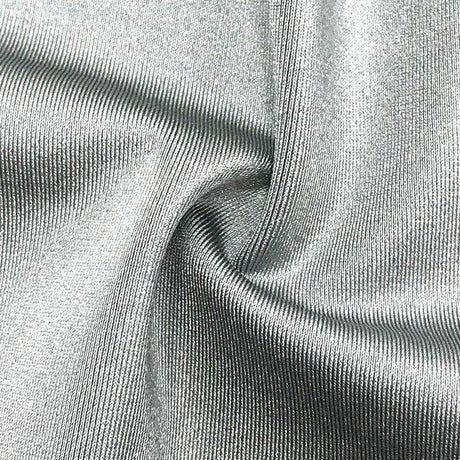
From a construction standpoint, many cape-friendly performance fabrics are knits, especially warp knits like tricot. Tricot is characterized by fine ribs running vertically on the face and horizontally on the back. Tricot's warp-knit structure helps it lie flatter when cut and be more run-resistant than many jersey knits—qualities that can make cape production easier and more consistent.
Key Performance Characteristics
Stretch and Recovery (Not Just Stretch): Spandex-based fabrics can stretch about 5–8× their normal length, and that "extreme stretch" is exactly what makes the fabric both powerful and tricky. Technical references describe spandex fibers stretching to nearly 500% of their length. For manufacturers, recovery can be formalized: ASTM D2594/D2594M covers measuring stretch and "fabric growth" (residual deformation) in low-power knitted fabrics—critical when you want inserts to spring back after wear. Our stretch fabric types page covers the step-by-step stretch and recovery testing methodology in detail.
Fabric Weight (GSM / oz/yd²) and Drape: Weight strongly affects how a cape hangs, swirls, and whether it reads "floaty" or "armored." Practical weight categories are often described as lightweight (≈2–4 oz), middleweight (≈4–8 oz), and heavyweight (≈8–14 oz). A 6 oz nylon-spandex tricot is a useful midweight reference point for capes that need controlled movement. Our fabric weight guide provides a full breakdown of how GSM affects drape, opacity, and durability across all common stretch fabric constructions.
Moisture Management and Breathability (Especially for Stage Wear): If the wearer is under stage lights or active, your cape system should manage sweat and heat. Moisture Management Spandex is designed to wick sweat away, with 4-way stretch and breathability for performance apparel. In lab language, moisture management is often measured with standards like AATCC TM195, which evaluates liquid moisture transport across fabric surfaces and reports factors like wetting time, spreading speed, and overall moisture management capacity (OMMC). Our fabric finishes guide covers moisture-wicking surface treatments and how to evaluate their durability across all common performance fabric constructions.
Durability and Abrasion Resistance: Capes see friction at the neck, shoulders, and sides (bags, armor pieces, props, seating). Nylon has high resistance to wear, heat, and chemicals—and nylon spandex is specifically marketed for long-lasting durability and resistance to oils and cosmetic products—relevant for stage makeup transfer.
Softness and Handfeel (Lining Strategy): Even a perfect outer shell can fail if it's scratchy, clingy, or overheats. Brushed Tricot is described as soft and durable with a brushed texture that traps air for warmth while remaining lightweight and breathable.
Special Performance Traits: Neoprene-style performance "scuba" knits can give capes structure and insulation—described as a nylon-spandex blend with stretchability and structure, plus insulating properties and shape retention for performance costumes. For rich visual texture, Stretch Velvet Fabric is positioned as a luxurious, soft, stretch fabric suited to performance costumes and high-end garments.
Comparison with Similar Fabrics
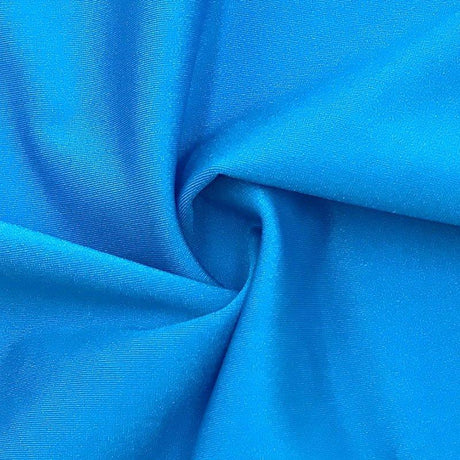
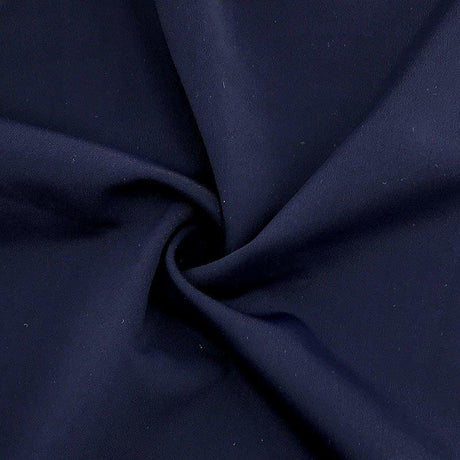
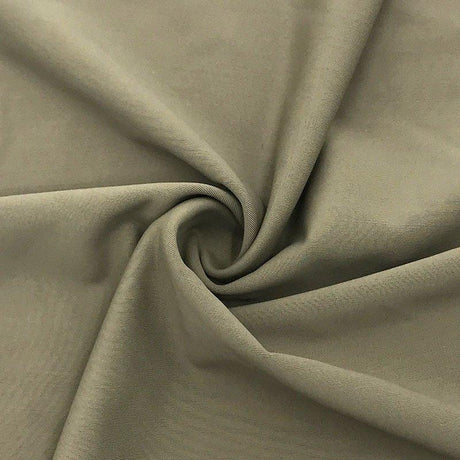
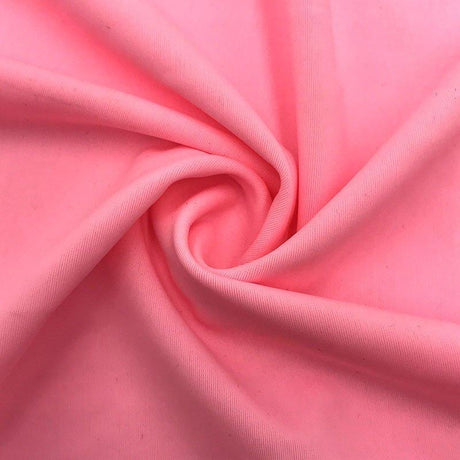
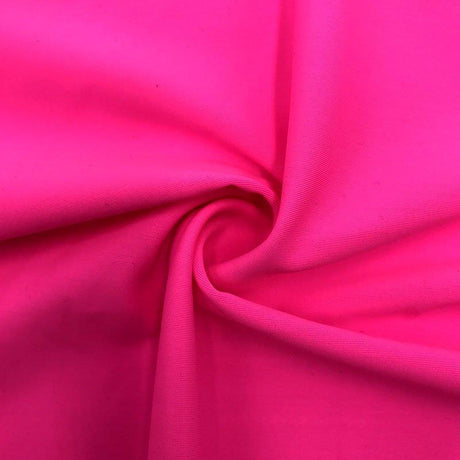
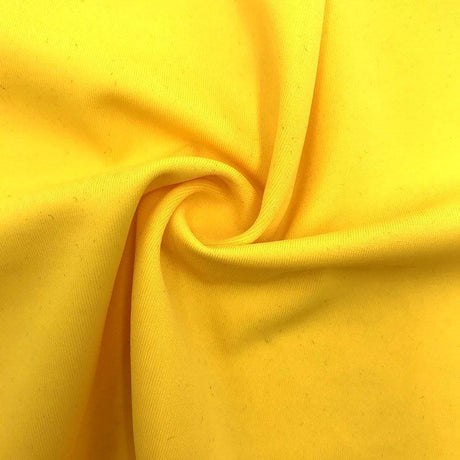
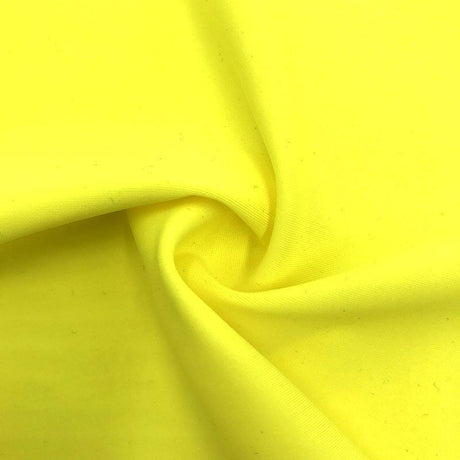
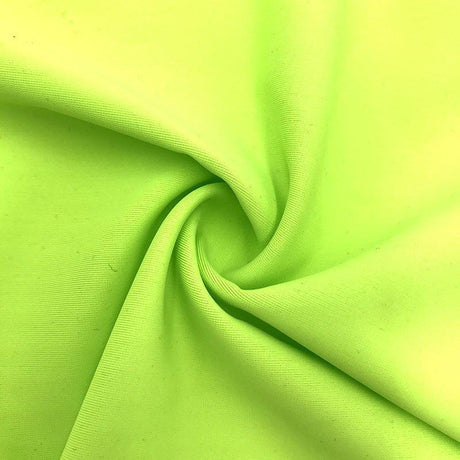
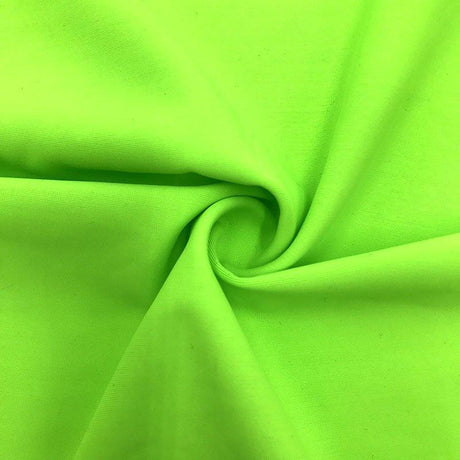
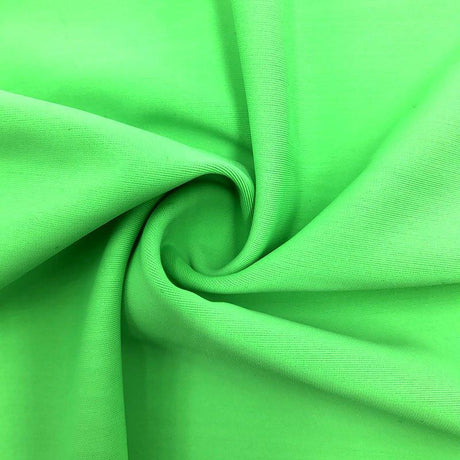
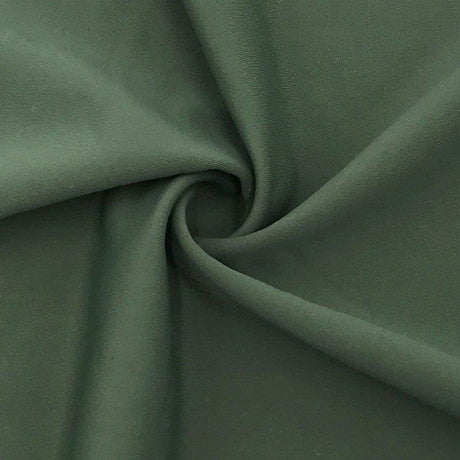
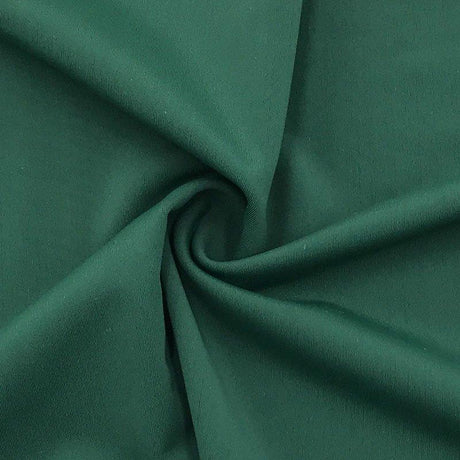
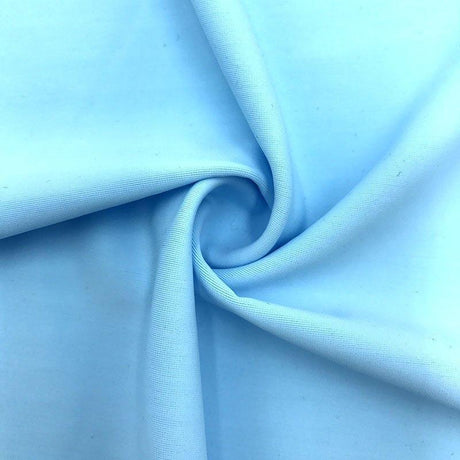
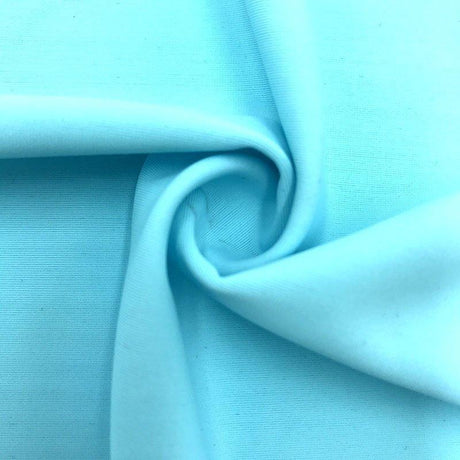
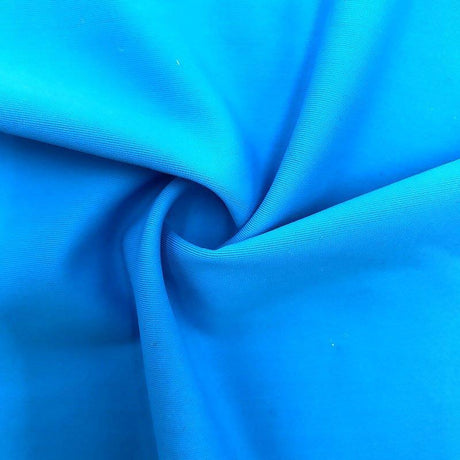
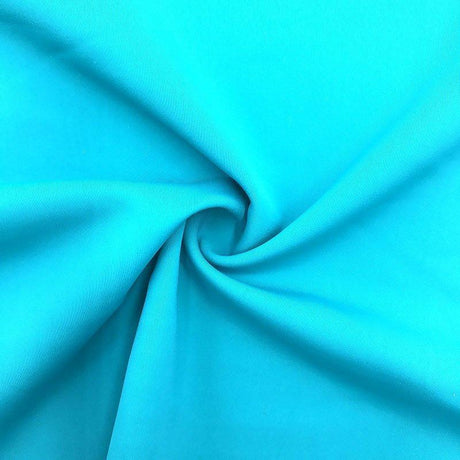
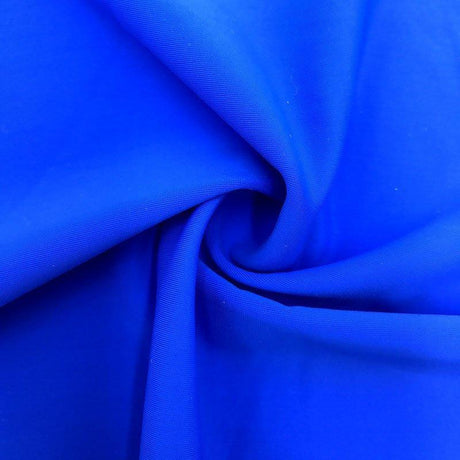
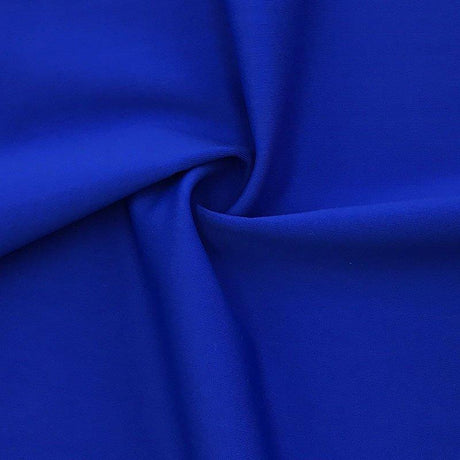
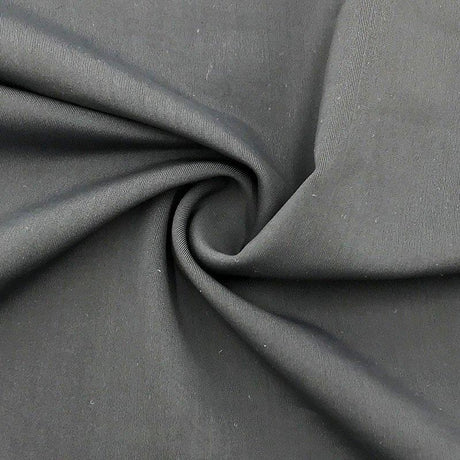
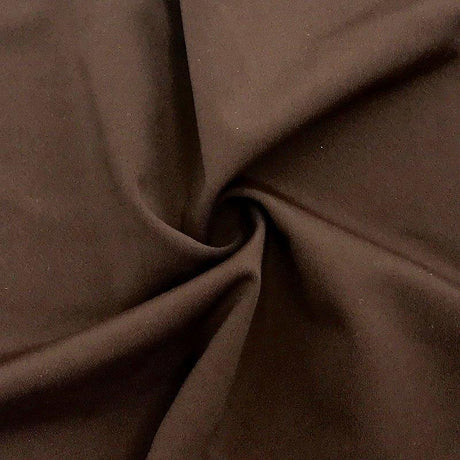
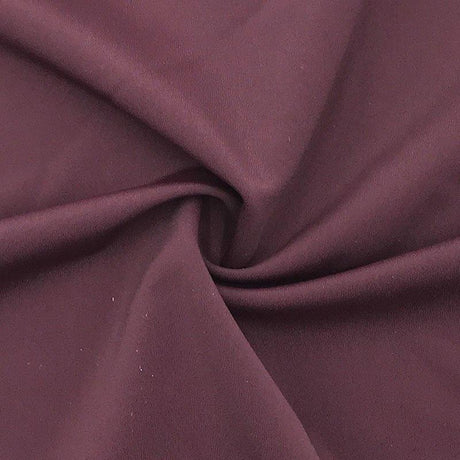
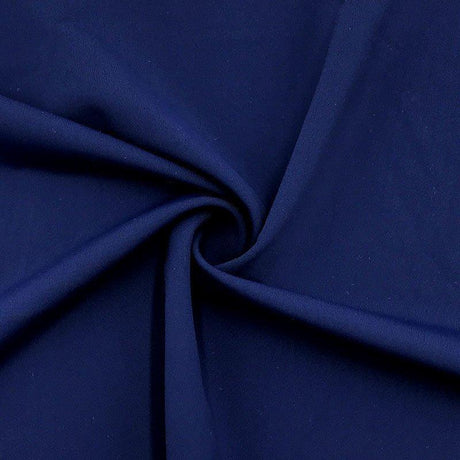
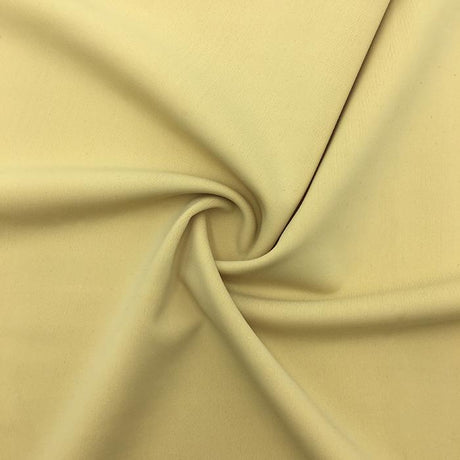
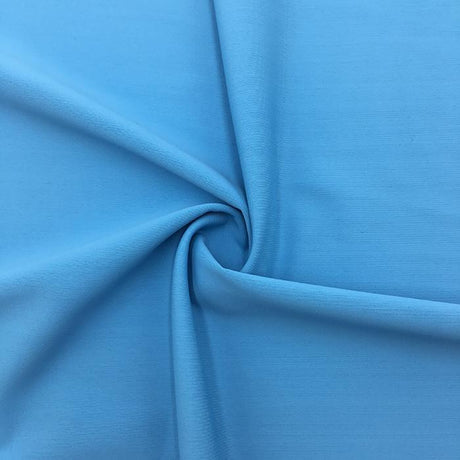
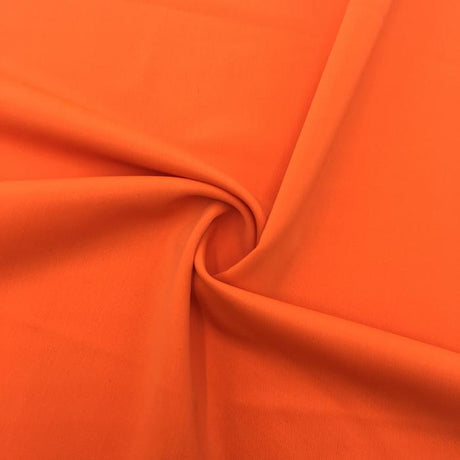
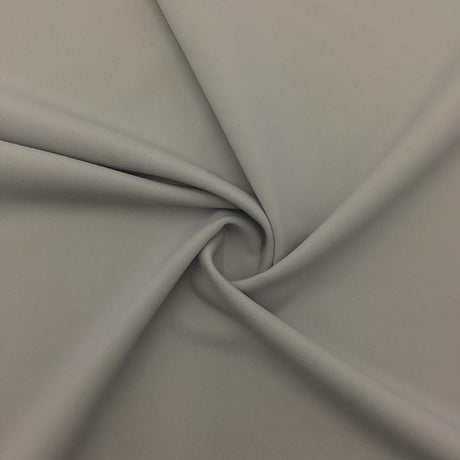
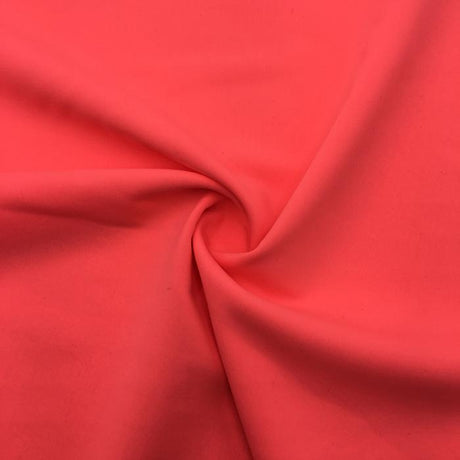
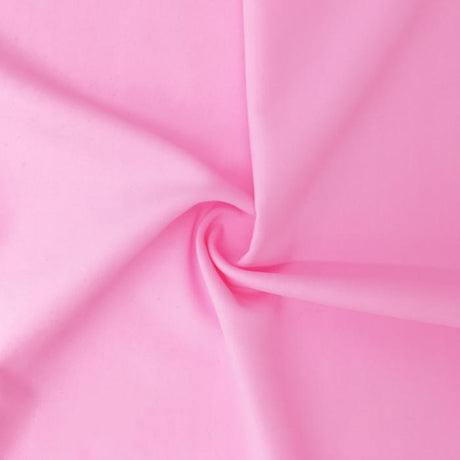
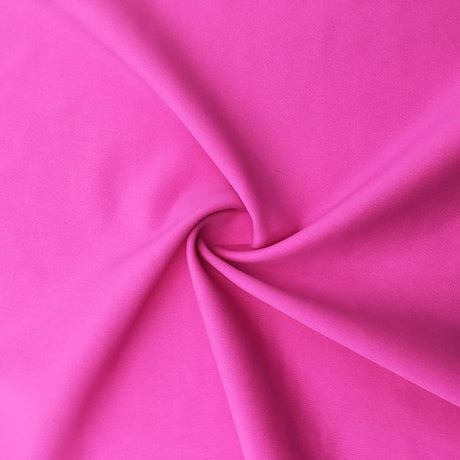
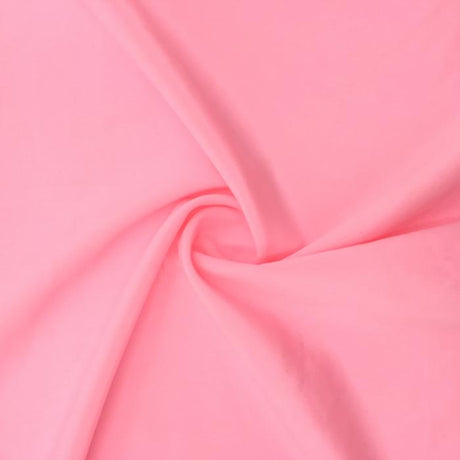
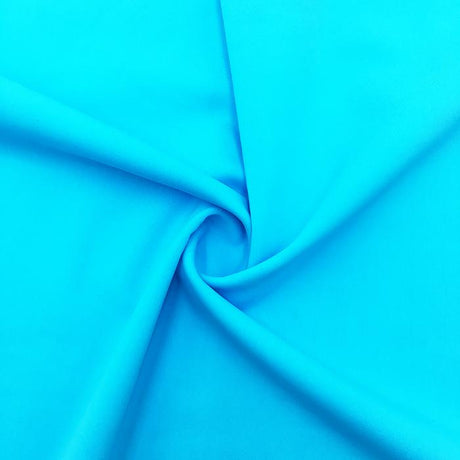
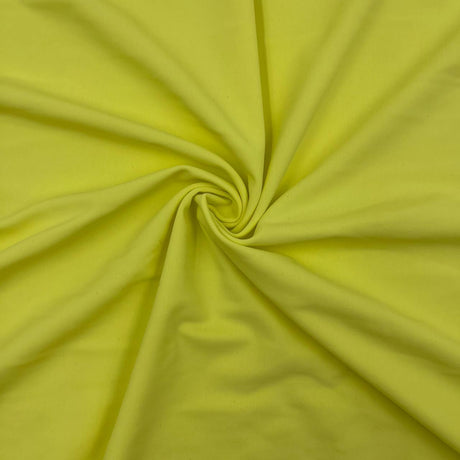
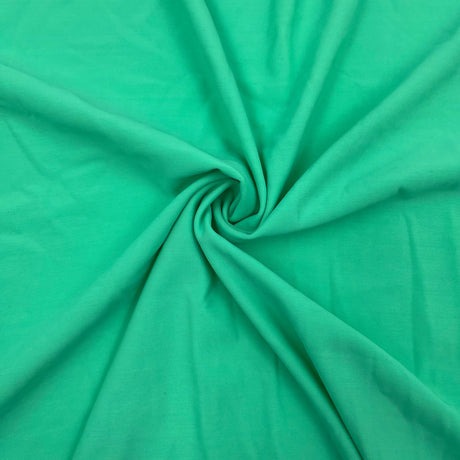
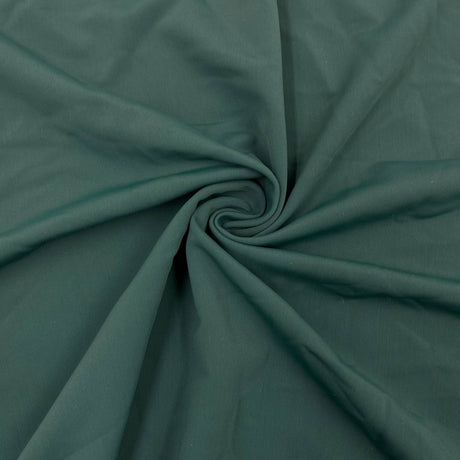
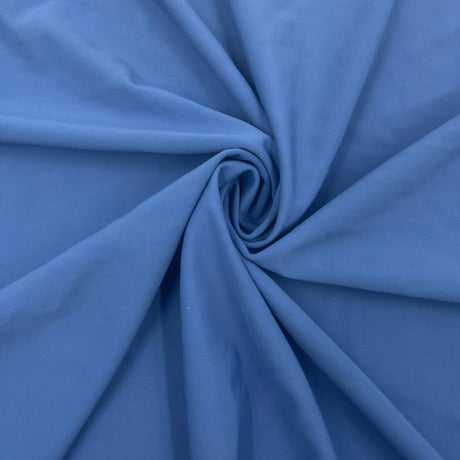
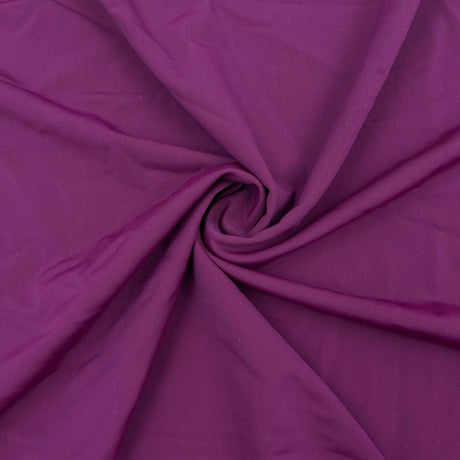
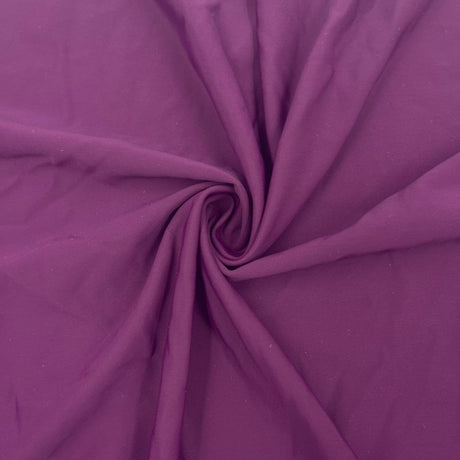
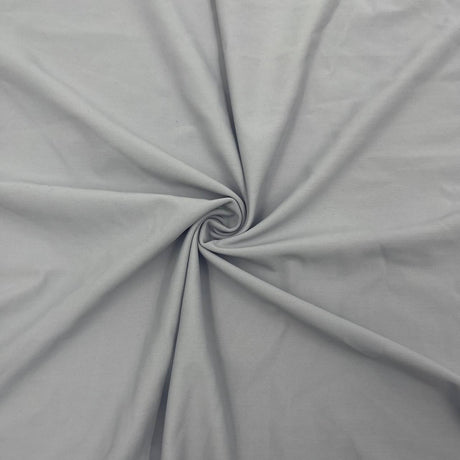
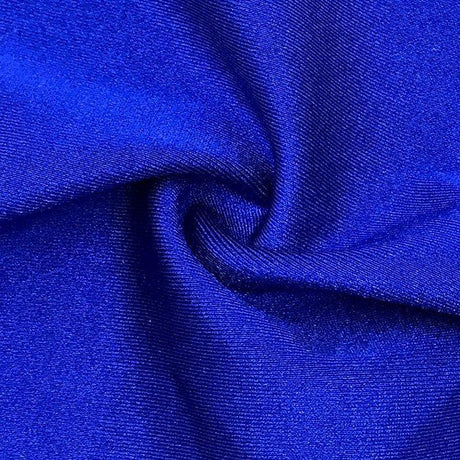
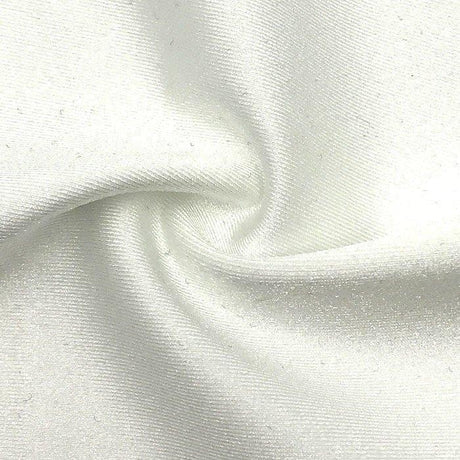
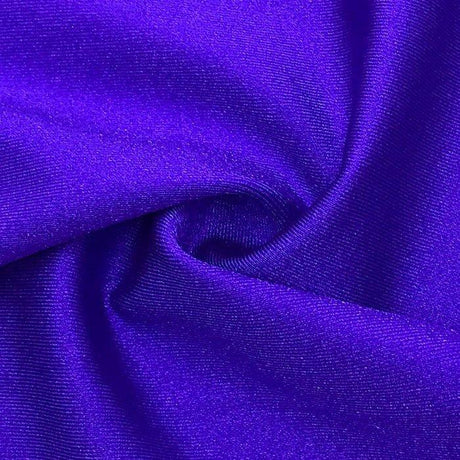
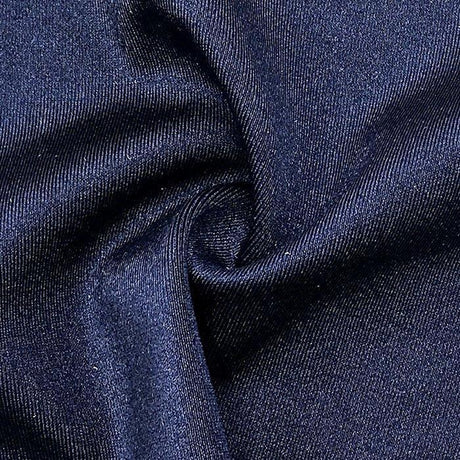
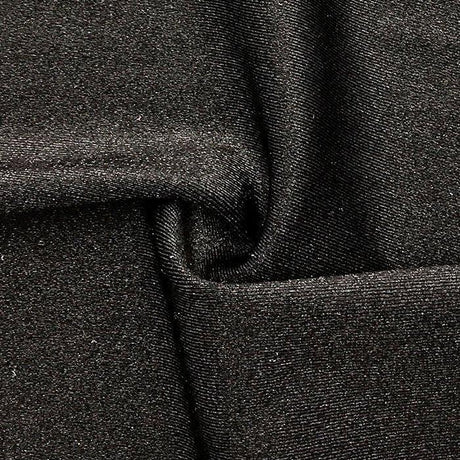
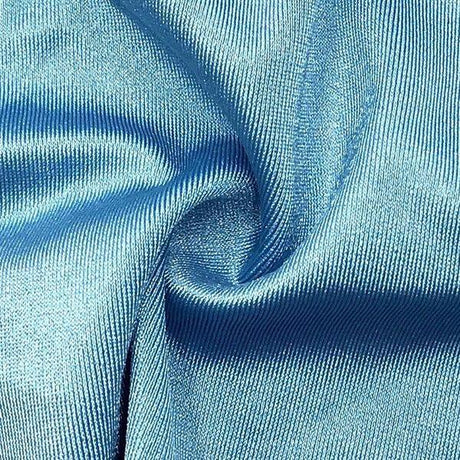
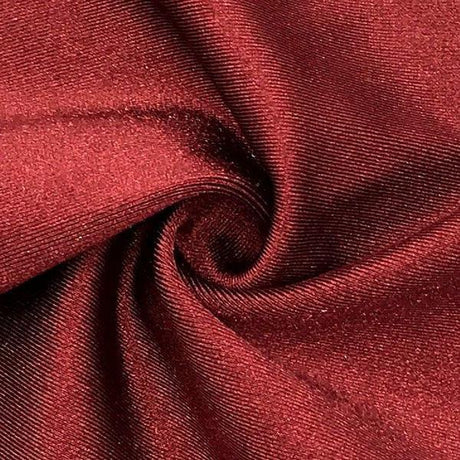
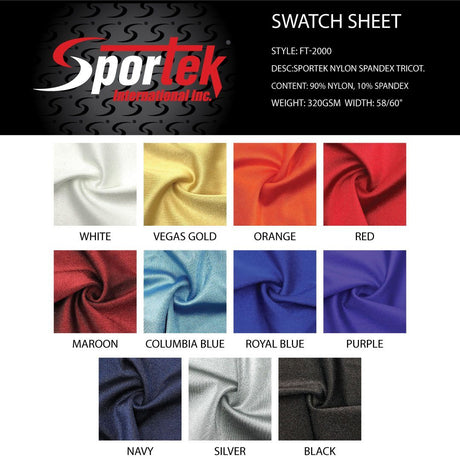
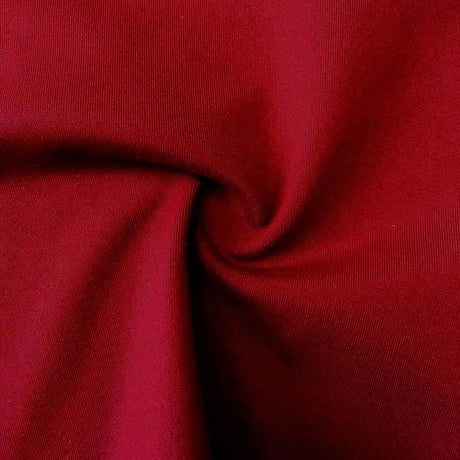
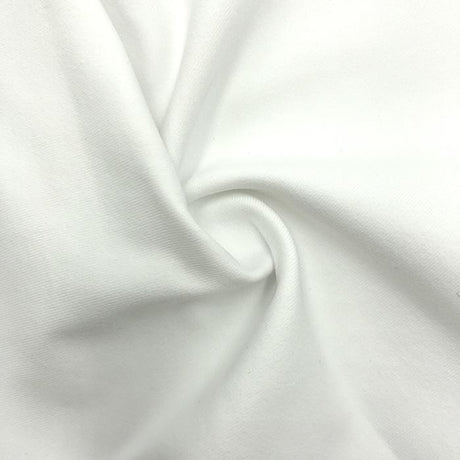
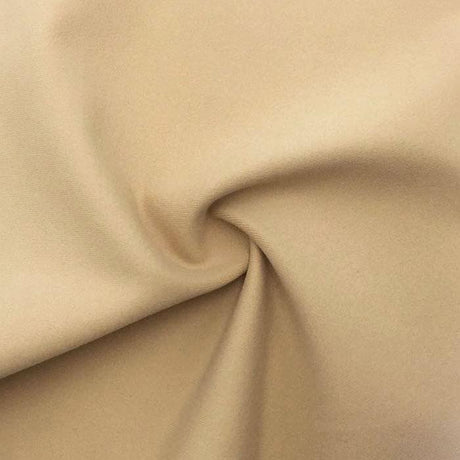
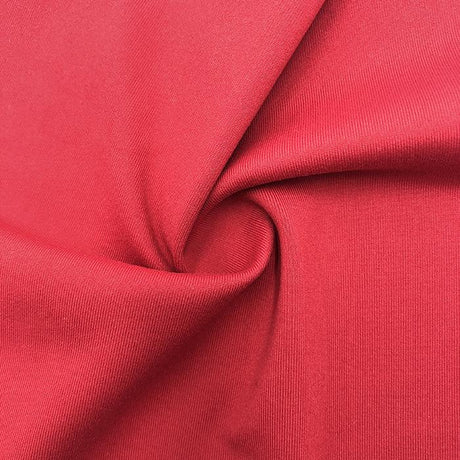
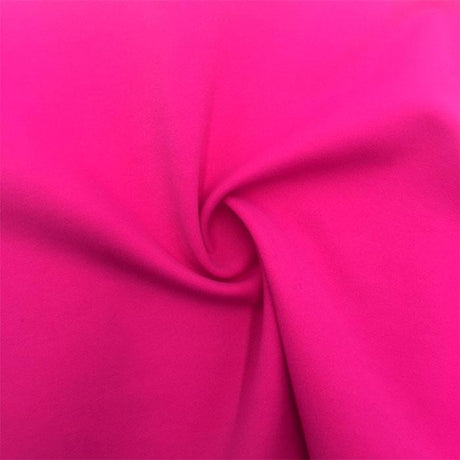
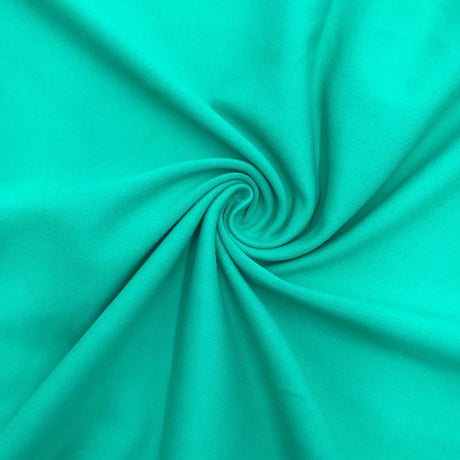
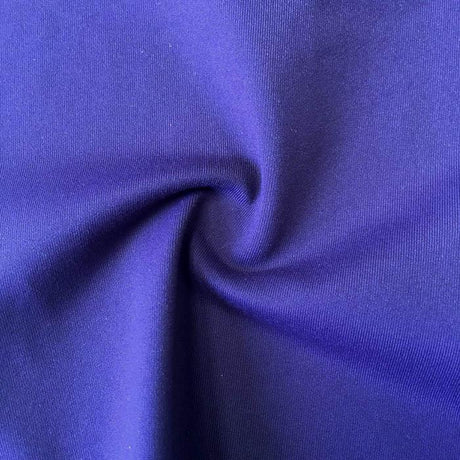
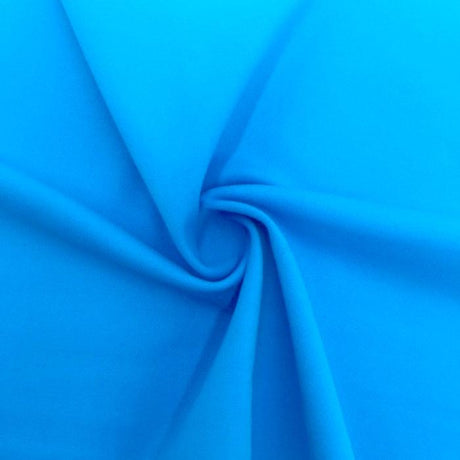
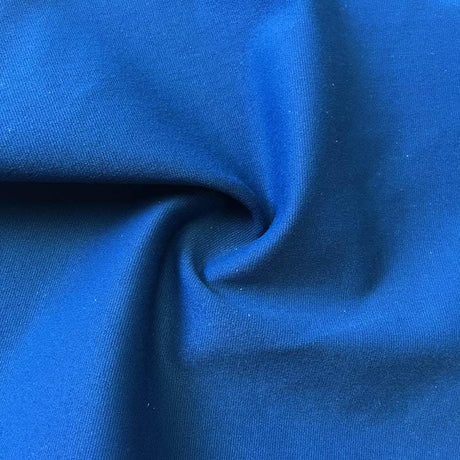
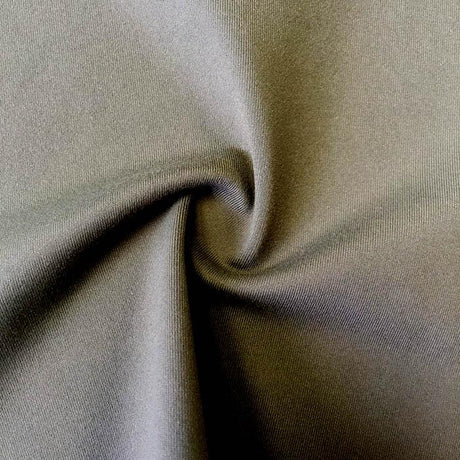
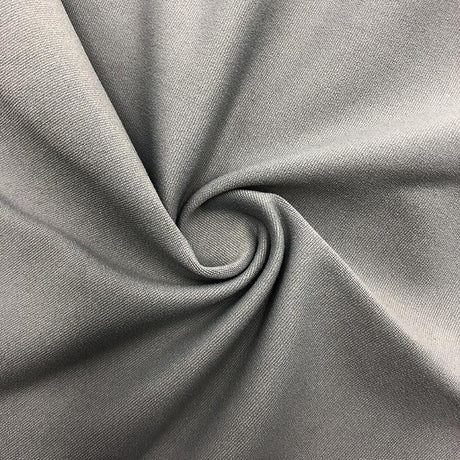
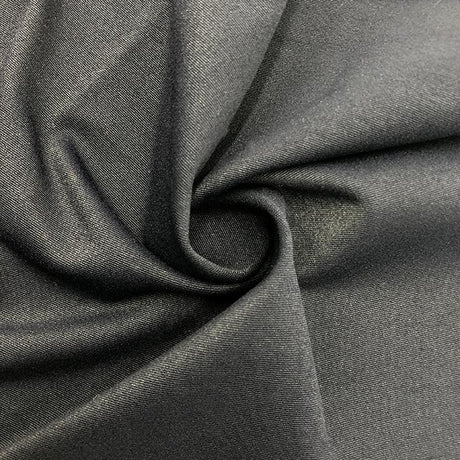
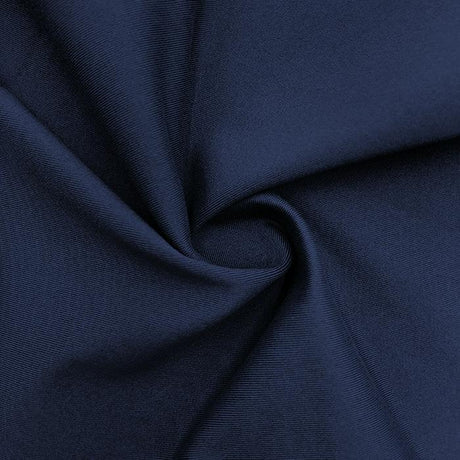
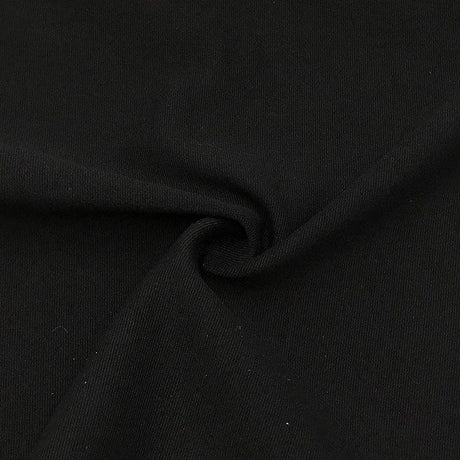
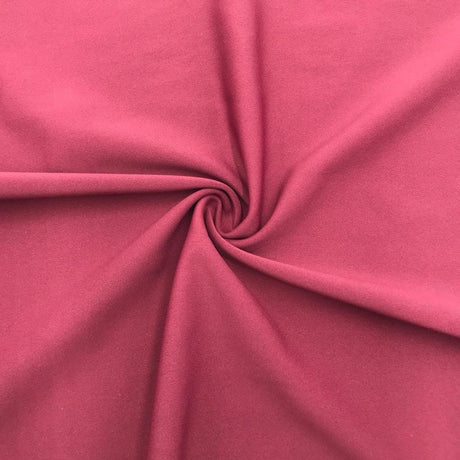
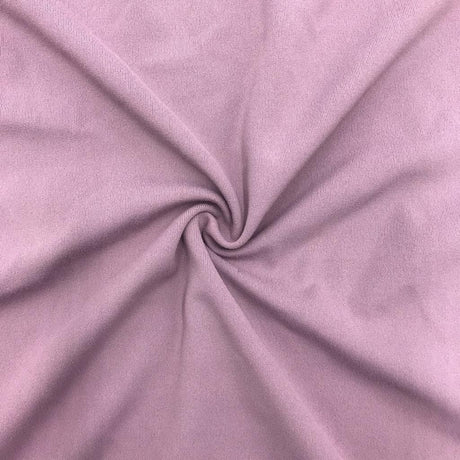
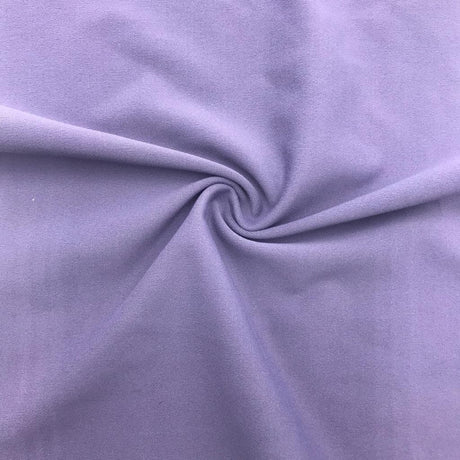
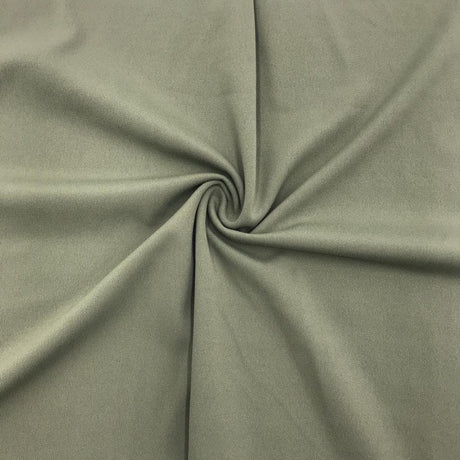
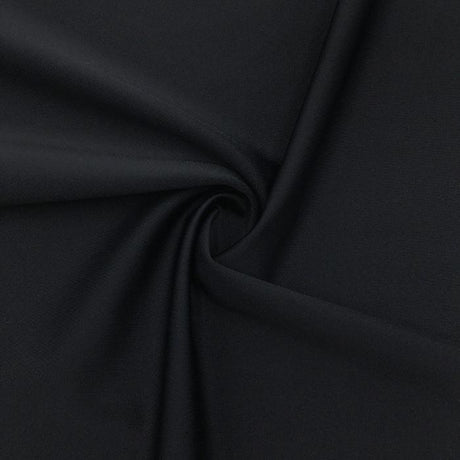
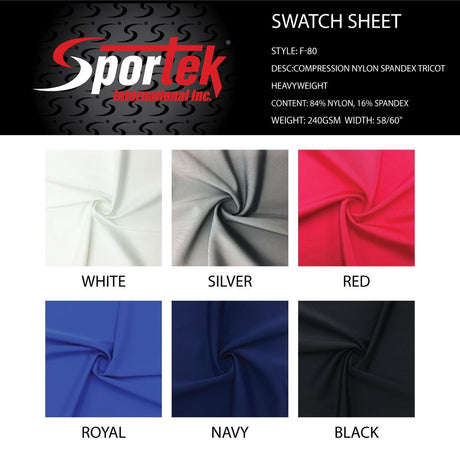
Nylon-Spandex Tricot (Solids): Nylon + spandex blend (active/swim staple). Commonly 4-way stretch options; designed for mobility. Best for stretch inserts (underarm gussets, side panels), fitted hoods, neck facings, and cape-to-shoulder joins. Durable, lightweight/breathable, trusted for performance garments; good wear life. Can show stress "whitening" if overstretched; requires correct needle/stitch to avoid popped seams.
Printed Spandex (Performance Prints): Prints on nylon and polyester spandex blends (including tricot wet printing options). High elasticity and resilience emphasized. Best for outer shells where visual storytelling matters (superhero prints, fantasy motifs, bold graphics). High-impact prints + performance stretch; "comfort + style" positioning. Print placement adds cutting complexity; you must plan motifs and grain direction.
Stretch Velvet (Luxury Stretch Pile): Stretch built into the velvet base for ease of movement. Best for regal cloaks, stage "luxury" capes, villain silhouettes, and period-inspired drama. Strong aesthetic: rich surface, light-catching pile, premium look on camera/stage. Can be heavier/warmer; pile can mark/crush; requires careful pressing and storage.
For custom printing on cape shells, our sublimation page covers how sublimation printing bonds dye into polyester-spandex fibers to achieve permanent, saturated color, and our sublimation paper and sublimation transfer paper pages cover the complete printing workflow.
Best Uses and Applications
For mainstream costume and apparel categories, nylon spandex is widely used for leotards, athletic wear, and swimwear—exactly the categories that demand range of motion and recovery. Printed spandex is also positioned for yoga leggings, sports bras, swimwear, dancewear, and more—use cases that translate well to capes when you want bold graphics that move, not stiff cloth that fights the body. Our dancewear fabric guide covers fabric selection across all common dancewear and performance costume applications.
Proven Cape Combinations:
Graphic hero capes and cosplay cloaks: Use printed fabric for the outer shell when the print is part of the character design, because the collection is built around performance-grade elasticity and resilience.
Mobility-focused capes: Install stretch inserts at the underarm/side seam junctions or where the cape joins shoulder pieces—nylon spandex is described as lightweight, breathable, and durable, making it a strong insert fabric.
Comfort-first capes and lined cloaks: Add a soft lining when you need a soft feel against skin and a bit of warmth without losing flexibility; brushed tricot is described as soft, breathable, and insulating via air-trapping.
How to Choose the Right Fabric
What is the cape's job? Is it cinematic drama (flow), functional warmth (cloak), athletic movement (stage/dance), or a character graphic (print)? Each goal implies a different outer shell and lining strategy. Our how to choose fabric guide covers what to evaluate when a physical swatch arrives, including stretch testing, opacity testing, and hand feel assessment.
Where does it need to stretch? Most capes don't need full-garment stretch—but they do need stretch at the joining points: neckline, shoulder yoke, underarm/side attachment, and any fitted hood. Substituting a 2-way stretch fabric when your pattern calls for 4-way can create fit and movement failures.
How hot will the wearer get? If the cape is worn over armor, under lights, or for long convention days, use moisture-management fabrics strategically. Moisture Management Spandex is described as wicking sweat away with excellent breathability and 4-way stretch.
What weight supports your drape goal? Use weight as a design dial, not a quality indicator. As a simple starting point, many makers use the "2–4 / 4–8 / 8–14 oz" lightweight-to-heavy framework.
Are you buying by the yard or producing in bulk? Some performance lines are positioned for bulk manufacturing with minimum orders of 50–100 yards per roll. Have questions? Our expert help and advice page and FAQ are always available.
A Simple Way to Spec a Cape System:
"Hero graphic" cape → Outer: Printed spandex (performance print) + Inserts: Nylon-spandex solids (high recovery) + Lining: Brushed tricot for comfort.
"Regal cloak" look → Outer: Stretch velvet + Inserts: Nylon-spandex in matching solid + Lining: Brushed tricot or moisture-management lining.
"Warm but mobile" → Outer: Medium-weight stretch shell + Inserts: Nylon-spandex gussets + Lining: Spandex fleece for warmth + stretch.
Common Mistakes to Avoid
Using the Wrong Needle on Knits and Stretch Inserts: Skipped stitches, snags, and broken threads often start at the needle. Stretch needles are designed to reduce skipped stitches and are increasingly suited as material elasticity increases; jersey/ball point needles are engineered to avoid breakage of knit fibers at stitch creation. Our how to sew stretch fabric guide covers complete needle selection, stitch type, machine settings, and edge finishing guidance for all common stretch fabric construction scenarios.
Sewing Stretch Inserts with a Straight Stitch That Cannot Extend: Seam "popping" is common when you use a standard straight stitch on spandex. A narrow zigzag seam provides flexibility and helps eliminate thread breakage and tears in stress areas.
Ignoring Recovery (Fabric Growth) When Selecting Inserts: In capes, "growth" shows up as saggy shoulder joins or droopy gussets after long wear. ASTM D2594 explicitly measures fabric growth after extension and removal—properties that are critical for selecting fabrics that must stretch and recover.
Cutting Printed Shells Without Planning Motif Placement and Stretch Direction: Cosplay spandex education stresses the importance of understanding 2-way vs 4-way stretch and aligning stretch direction to pattern requirements.
Overheating Spandex in Care or Finishing: Heat is a quiet fabric killer (especially for elastane). Use cold water, gentle cycles, and air-drying away from heat to extend the life of stretch garments. Our spandex care guide covers why heat and harsh chemicals degrade elastane fibers and the care protocols that maximize garment lifespan.
Ready-to-Use Checklists
Test and Prep:
- Pre-wash or at minimum wash-test a small swatch using cold water and gentle handling (especially for stretch blends)
- Stretch-test in both directions to confirm 2-way vs 4-way behavior before laying markers
- If moisture management is required, request test data aligned with AATCC TM195 (wetting, spreading, OMMC)
Sewing Setup:
- Use a stretch needle for highly elastic knits to reduce skipped stitches
- Use a jersey/ball point needle when appropriate to protect knit fibers
- Use a narrow zigzag seam for stretch zones to reduce thread breakage in stress areas
Cutting and Assembly:
- Match seams with print and grain/stitch direction (especially on capes with large visible panels)
- Stabilize lightweight areas if tunneling or distortion occurs
- Confirm recovery by stretching a sewn scrap seam and checking for popping or permanent waviness
Care and Longevity Tips
Washing: Use cold water and gentle cycles; avoid harsh chemicals. Our spandex care guide and fabric care guide cover complete laundering protocols for all common spandex-blend fabric types.
Drying: Air-dry away from heat whenever possible—heat accelerates elastane damage and reduces recovery across time.
Ironing/Pressing: Treat with caution. Many knits are better "finger pressed" and steamed at low settings through a press cloth. If you're working with pile fabrics like stretch velvet, pressing can crush the surface; plan construction to minimize heavy pressing and store to avoid pile marks.
Storage: Store capes hanging with broad support (or folded with minimal creasing) to protect drape and avoid crushing plush surfaces.
Print Care: Turn printed pieces inside out when washing and avoid aggressive abrasion. If you're building sublimated designs, note that polyester bases are widely used because dye sublimation becomes part of the material rather than a surface layer.
When to Consider an Alternative Fabric
When cotton-spandex can beat nylon-spandex: If the cape is worn close to skin or needs a more natural feel, cotton blends can be more comfortable in warm conditions because cotton absorbs and releases moisture quickly. Trade-off: nylon tends to win on wear resistance and durability in high-friction or long service life contexts. Our cotton-spandex fabric guide covers how cotton-spandex blends compare to synthetic alternatives in stretch behavior and moisture management.
When neoprene is the better choice: If your design needs a structured silhouette (standing collar, "armored" cloak drape, sculptural hood), neoprene-style knits provide body. Neoprene Fabric is described as supportive, shape-retaining, and insulating—commonly useful for performance costumes.
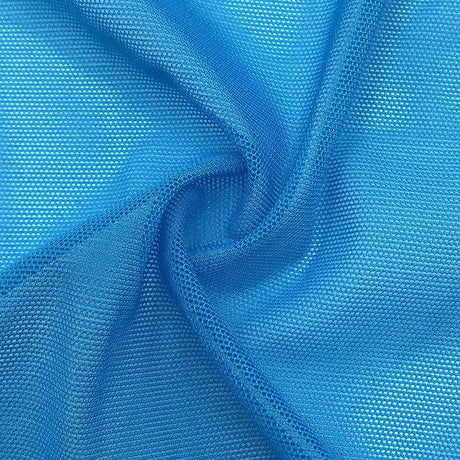
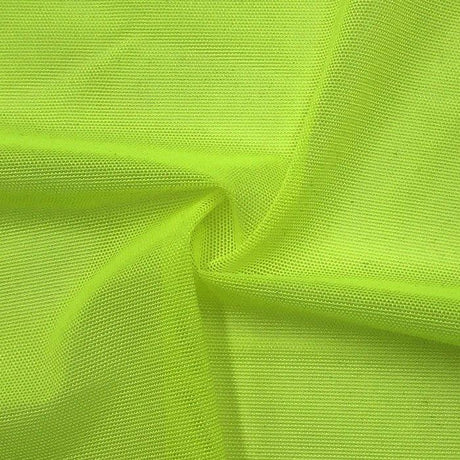
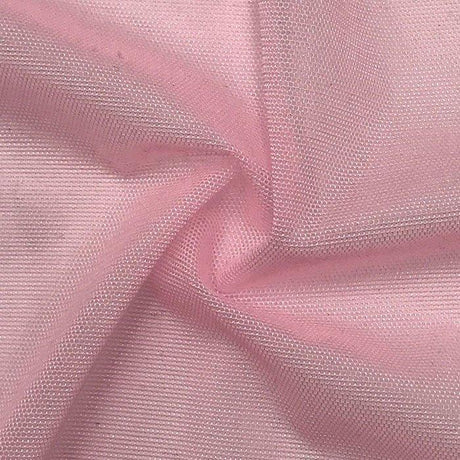
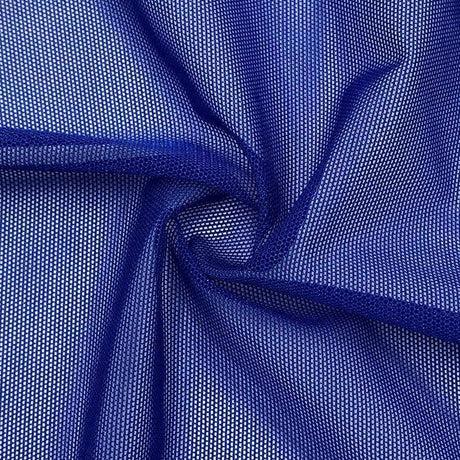
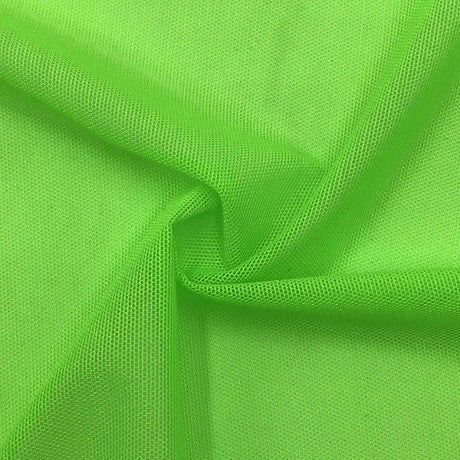
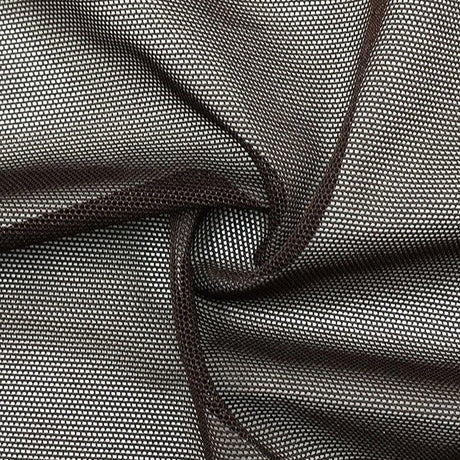
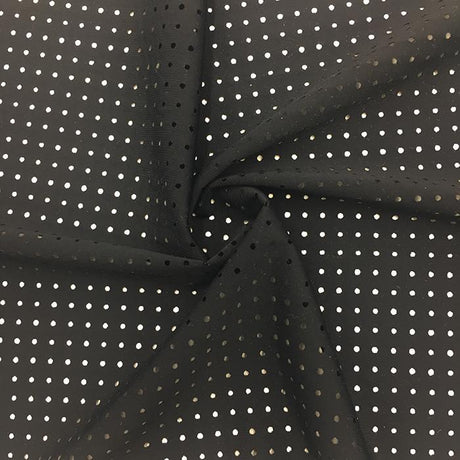
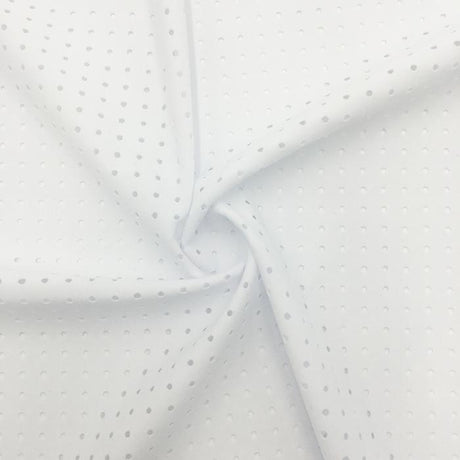
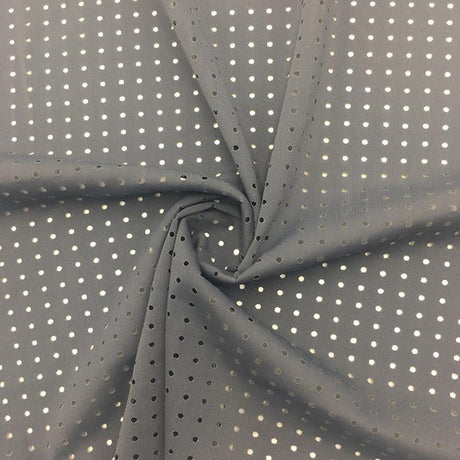
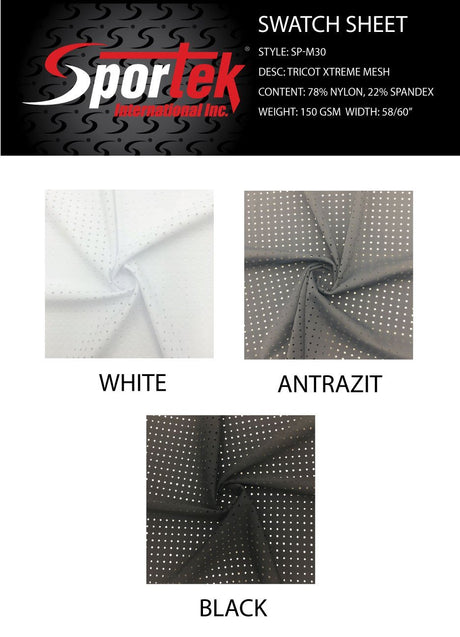
When mesh makes more sense: If the cape becomes a heat trap, add airflow zones. The Mesh collection includes very light micro mesh options (e.g., listings labeled 82 GSM), which can work as ventilation panels or lightweight linings.
When a swimwear fabric is the right "outer cape": For water scenes, pool performances, or costumes exposed to sweat, salt, or sun, swimwear fabrics can be the most reliable base. Our swimwear fabric guide covers 4-way stretch, recovery, and resistance to chlorine, saltwater, and UV rays across all common swimwear constructions.
Conclusion
The best fabric for costume cape is the one that matches your cape's movement needs as much as its look. In practice, the most reliable modern approach is a layered performance system: a visually strong outer shell (often printed or textured), nylon-spandex stretch inserts in mobility zones, and a lining that manages comfort and temperature.
If you remember only three rules: prioritize recovery (not just stretch), spec weight intentionally for drape, and sew stretch fabrics with needles and stitches designed for knits. Sign up for SpandexByYard Rewards to earn points on every purchase!
FAQ
Is nylon-spandex a good fabric for costume cape stretch inserts? Yes—nylon spandex is positioned as a go-to for leotards, athletic wear, and swimwear, which are exactly the categories that demand mobility, stretch, and durability, making it an excellent insert material. Our nylon-spandex fabric guide covers full performance profiles of nylon-spandex constructions.
Can I use printed spandex for a full-length cape? Yes, especially when you want a cape that moves with the wearer instead of fighting them. Printed spandex emphasizes performance prints with elasticity and resilience (including tricot-based print options), which can translate well to capes—just plan print placement carefully.
What lining works best to avoid itch and improve comfort? A soft lining like brushed tricot can improve comfort significantly. Brushed Tricot is described as soft, lightweight, and breathable with added warmth from its brushed finish.
How do I stop stretch seams from popping on cape inserts? Avoid straight stitches in high-stretch zones. Seam popping is common when a non-stretch stitch is used on spandex; a narrow zigzag seam is a classic flexible alternative recommended for knits and stretch fibers. Our how to sew stretch fabric guide covers all construction techniques for stretch seam finishing.
How should I wash and dry a spandex/nylon-spandex cape? Use cold water and a gentle cycle, avoid harsh chemicals, and air-dry away from heat. Our spandex care guide covers complete care protocols for all common spandex-blend fabric types.