How to Sew Swimwear Fabric Without Skipped Stitches
Sewing swimwear fabric can feel tricky at first. The fabric stretches, curls, slips, and sometimes your sewing machine decides to skip stitches like it has somewhere better to be. The good news is that most swimwear sewing problems come down to a few simple things: the wrong needle, the wrong stitch, too much pulling, or fabric that needs better support while sewing.
Whether you are making a bikini, one-piece swimsuit, rash guard, dancewear, or activewear, the right setup makes a huge difference. This guide will walk you through how to sew swimwear fabric cleanly, avoid skipped stitches, and get stronger seams that stretch with the body.
Why Swimwear Fabric Can Be Difficult to Sew
Most swimwear fabrics are made with nylon spandex, polyester spandex, or lycra-style stretch blends. These fabrics are designed to stretch and recover, which is great for comfort and fit, but it also means they move differently under the presser foot than cotton or woven fabric.
Swimwear fabric can cause problems like skipped stitches, wavy seams, puckering, thread breaking, or seams that pop when stretched. These issues usually happen because the machine is not catching the thread properly as the stretchy fabric moves under the needle.
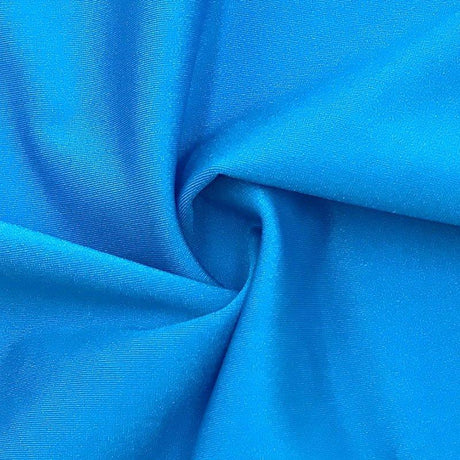
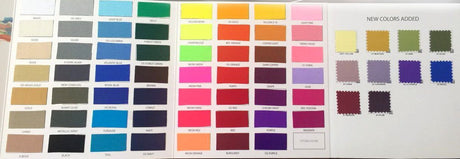
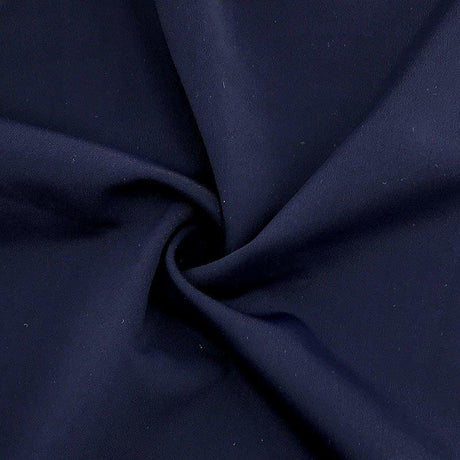
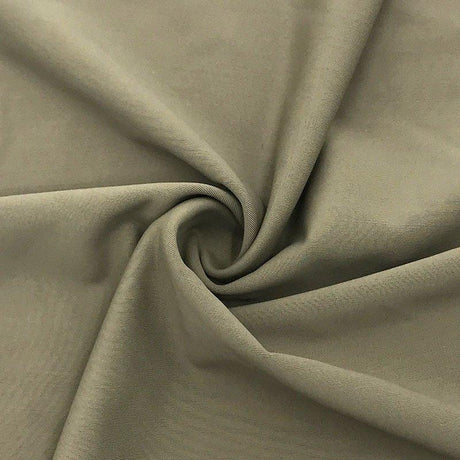
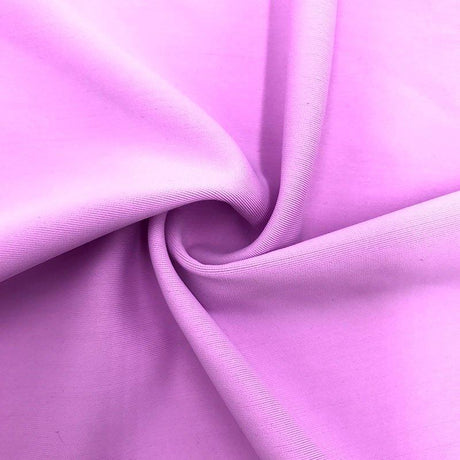
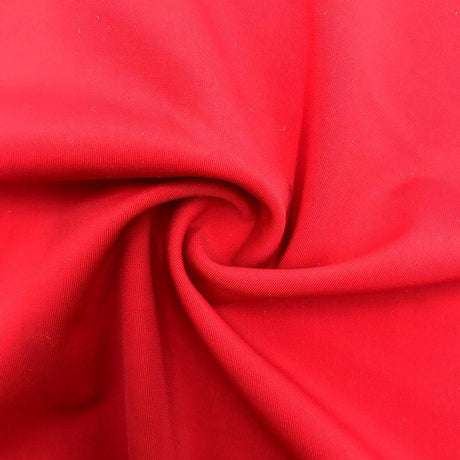
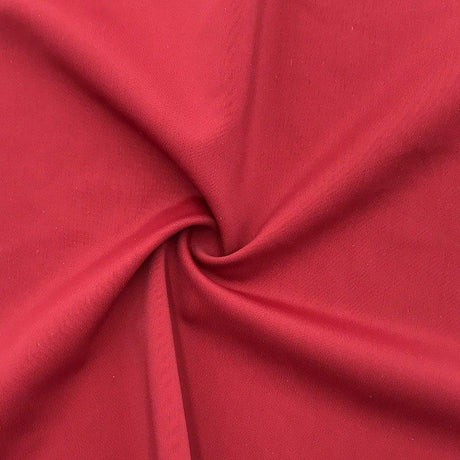
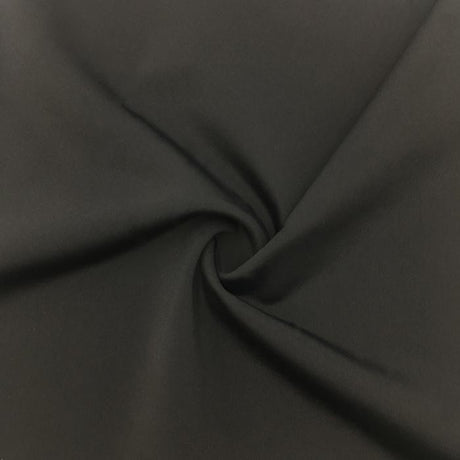
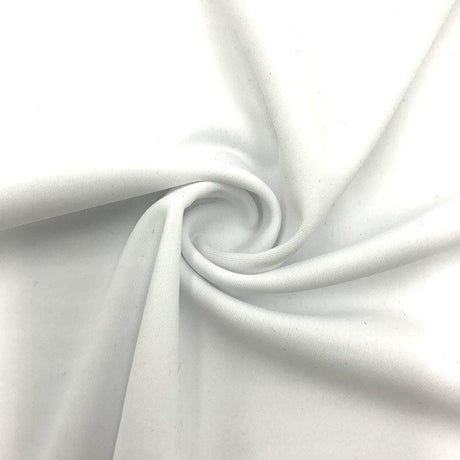
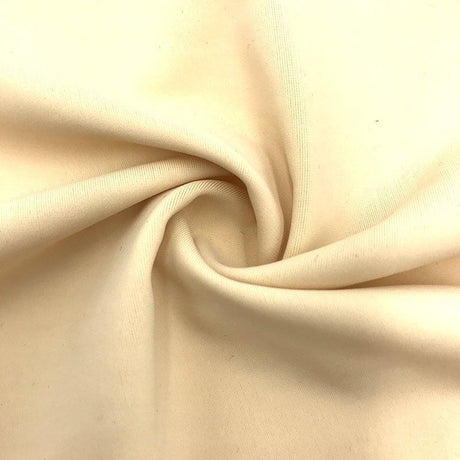
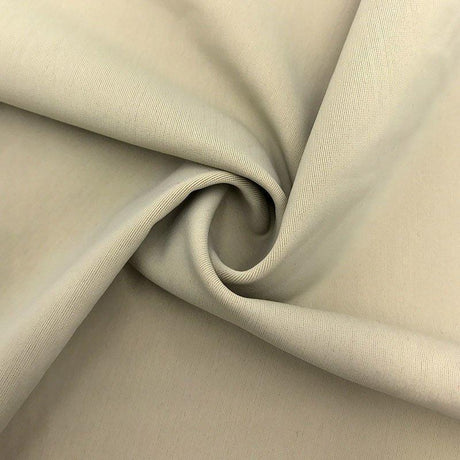
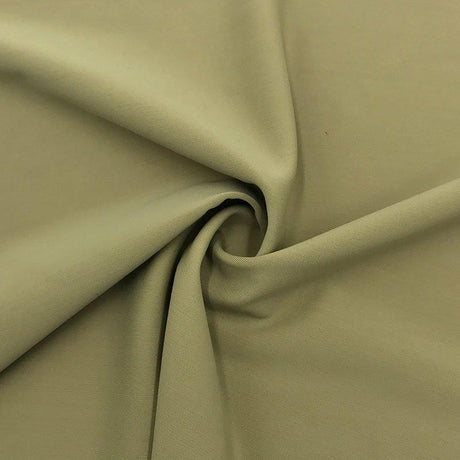
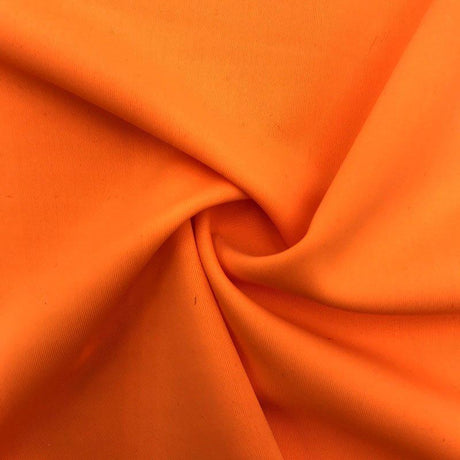
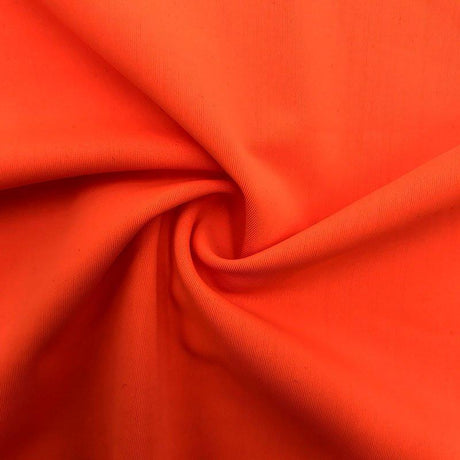
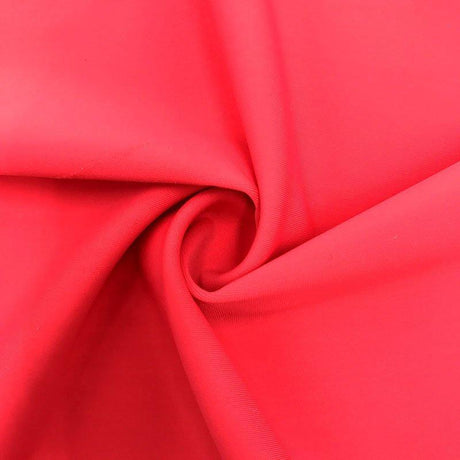
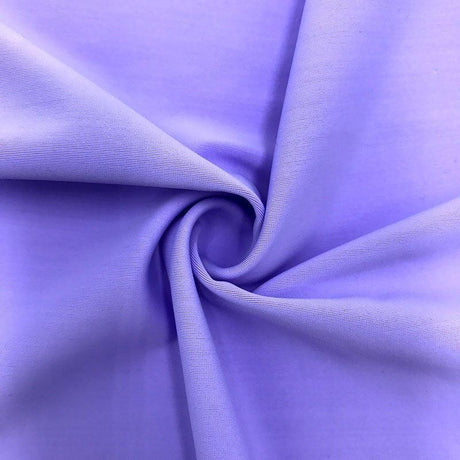
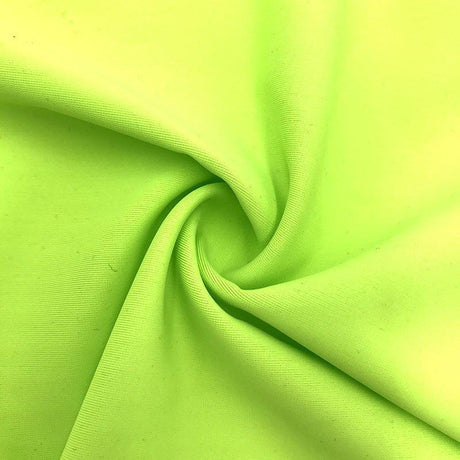
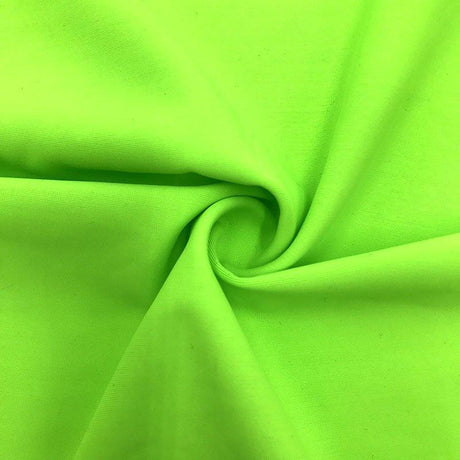
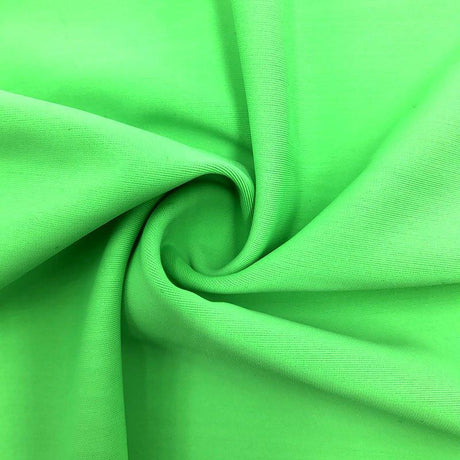
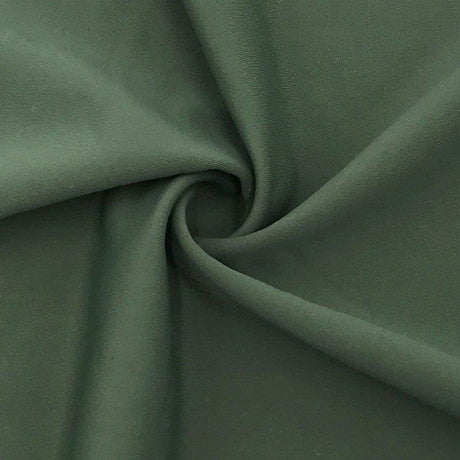
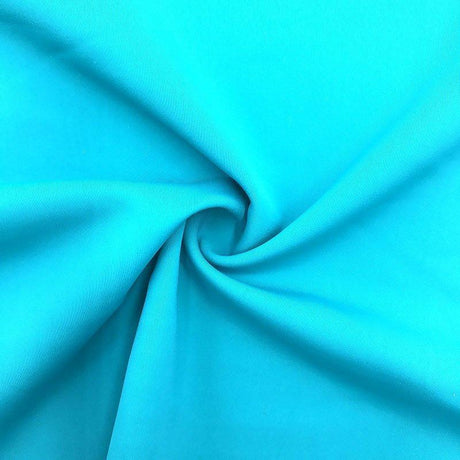
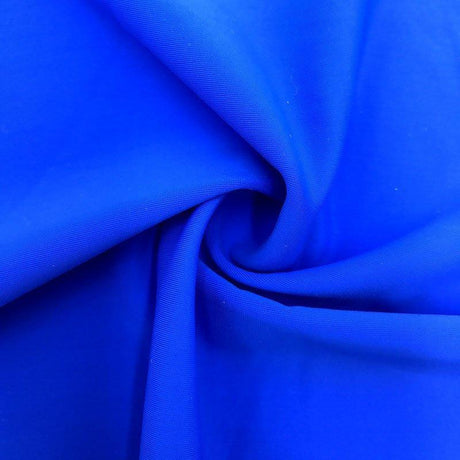
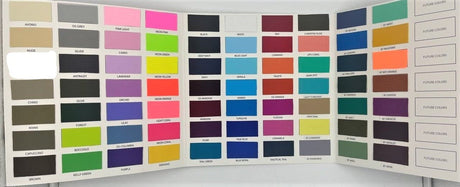
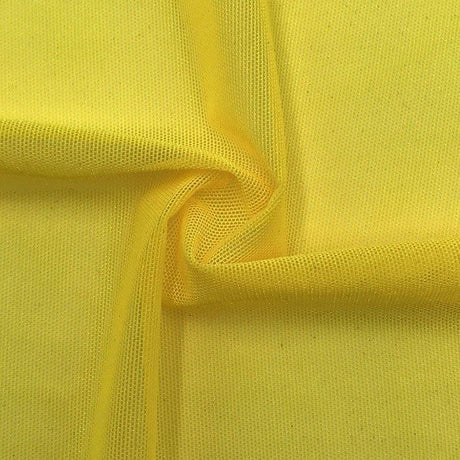
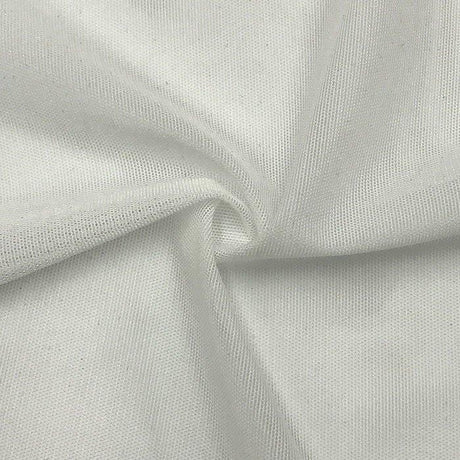
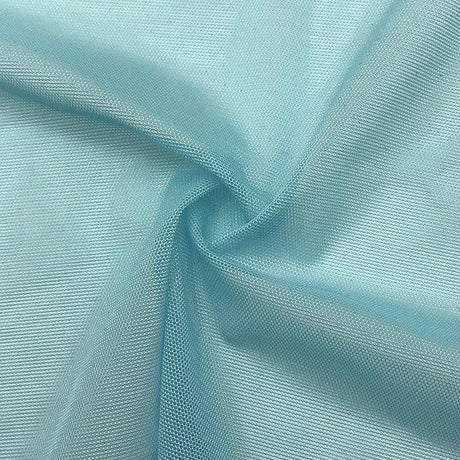
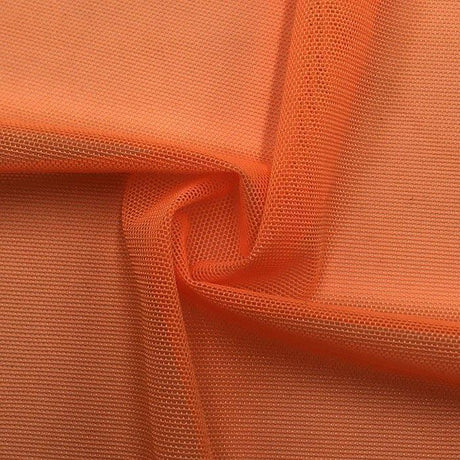
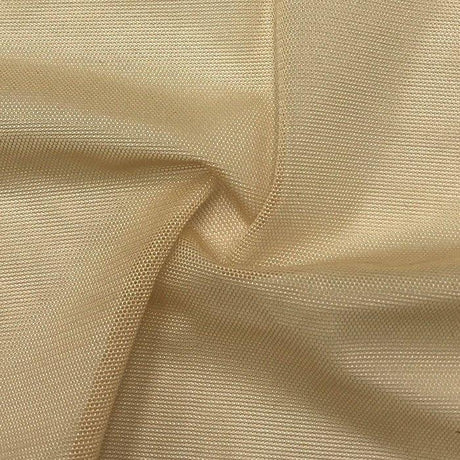
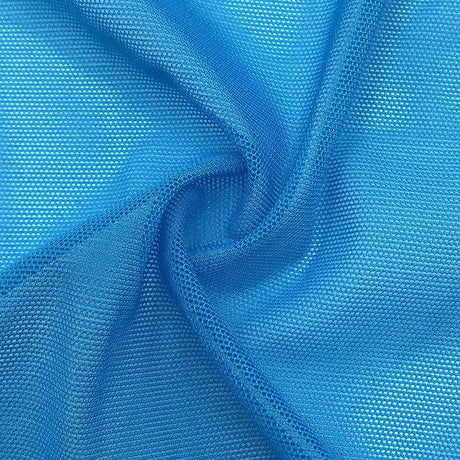
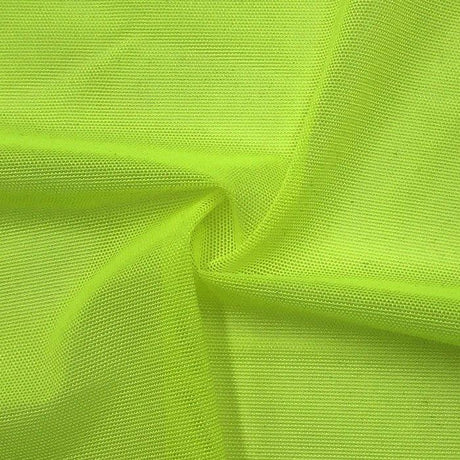
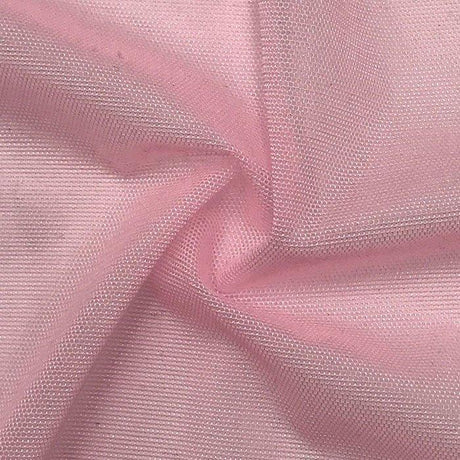
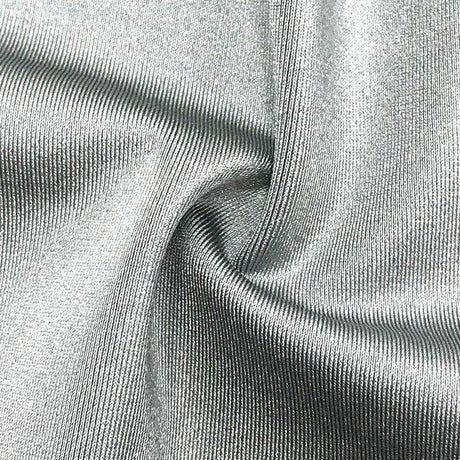
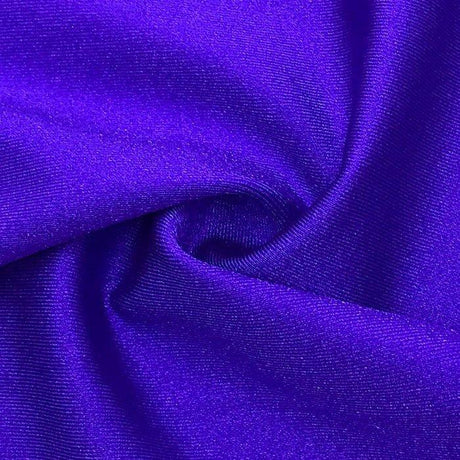
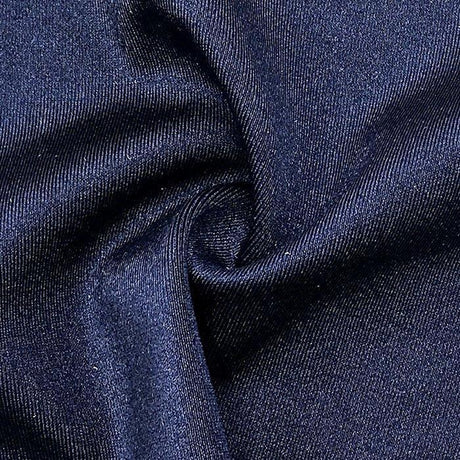
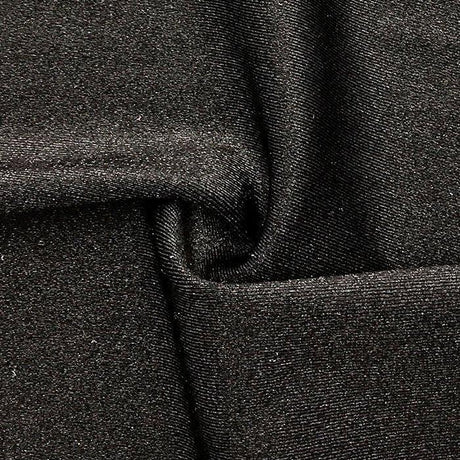
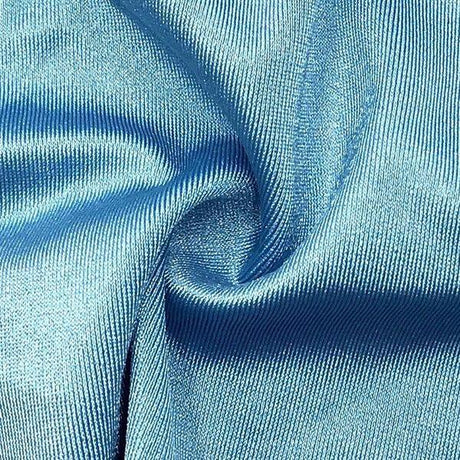
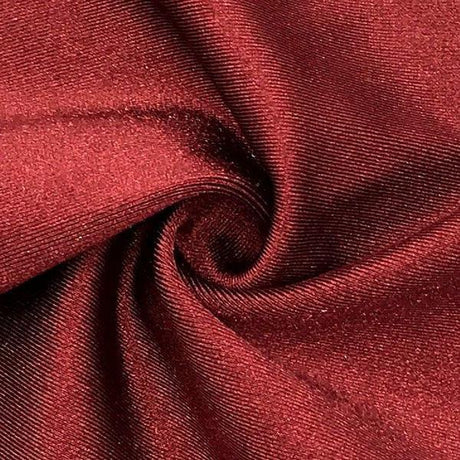
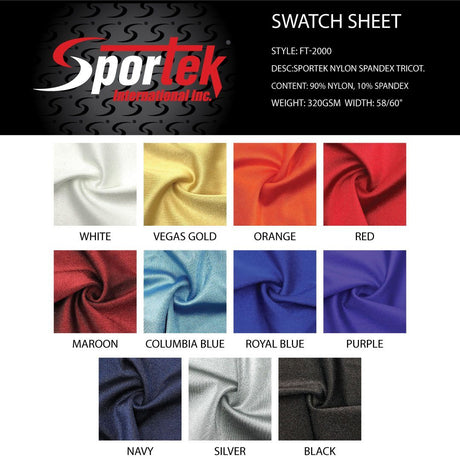
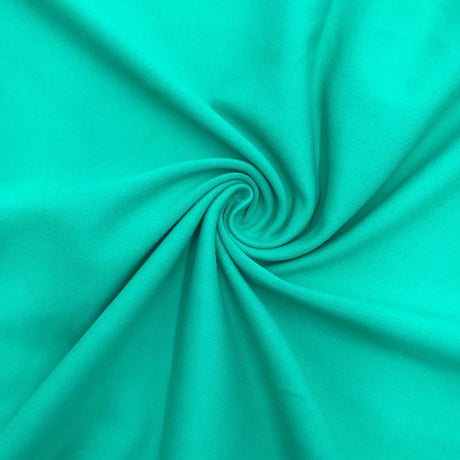
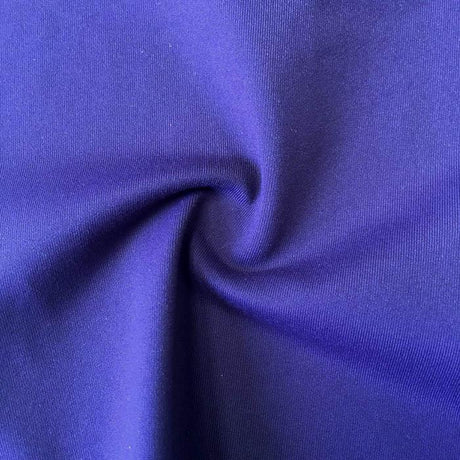
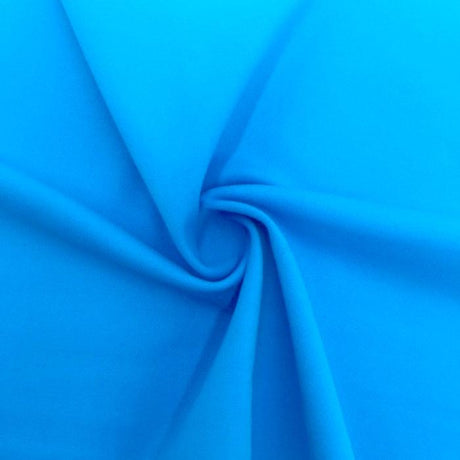
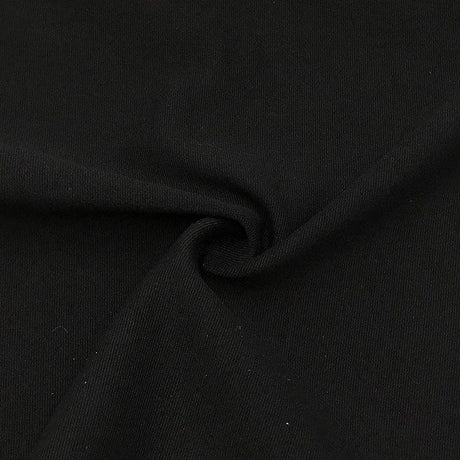
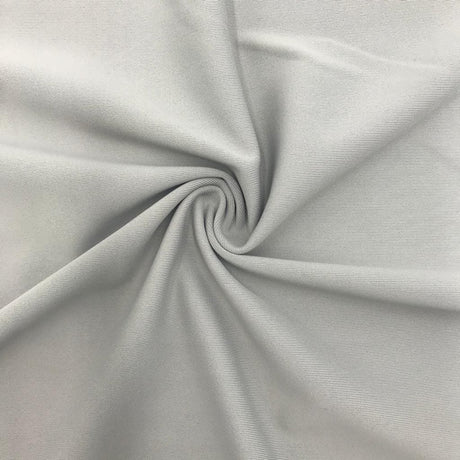
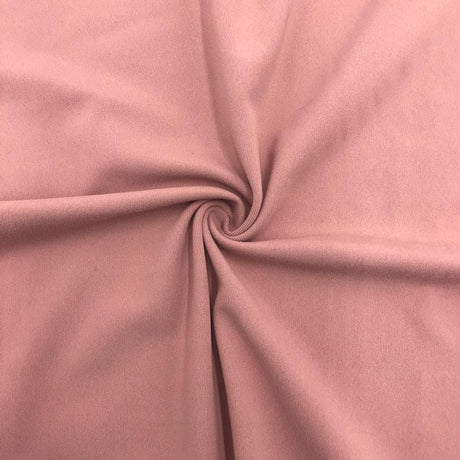
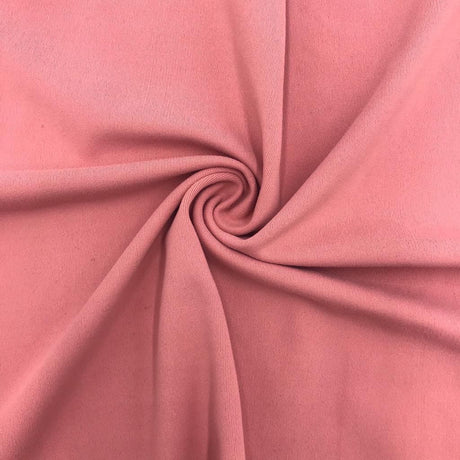
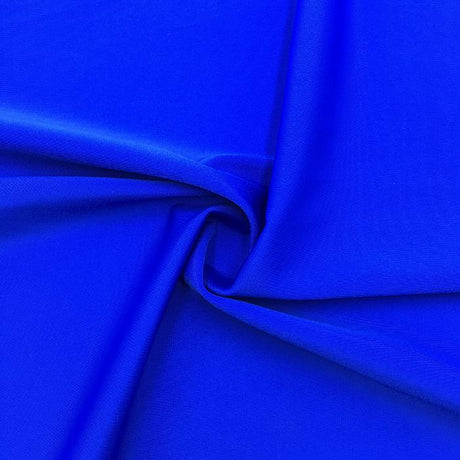
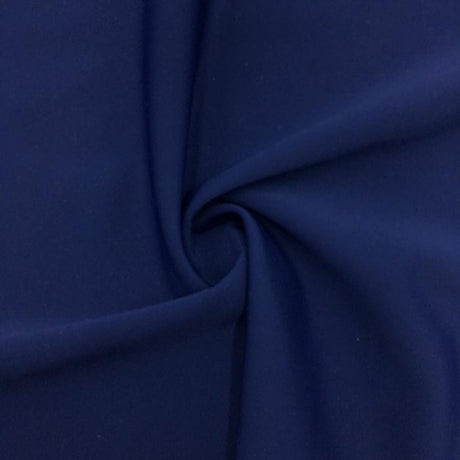
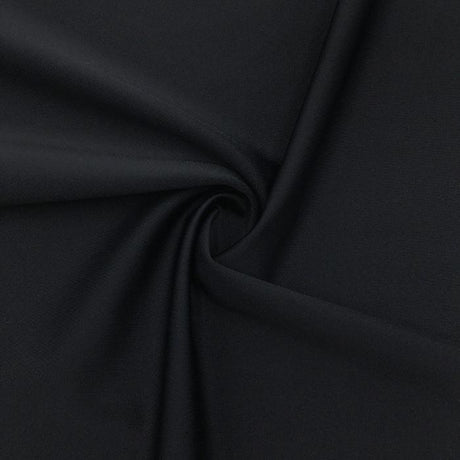
If you are still choosing material for your project, start with a quality stretch fabric from the swimsuit fabric collection. A fabric with good recovery is much easier to sew and will hold its shape better after wearing and washing.
Use the Right Needle for Swimwear Fabric
The needle is one of the biggest reasons people get skipped stitches when sewing spandex. Regular universal needles can pierce stretch fabric too sharply or fail to form a clean stitch loop.
For swimwear, use one of these needle types:
- Stretch needle: Best overall choice for swimwear, nylon spandex, and lycra.
- Ballpoint needle: Good for knit fabrics because it slides between fibers instead of cutting them.
- Microtex needle: Sometimes useful for very smooth or slippery performance fabrics.
A size 75/11 or 80/12 stretch needle is usually a good starting point. If the fabric is very lightweight, try 70/10. If it is thicker compression fabric, try 80/12.
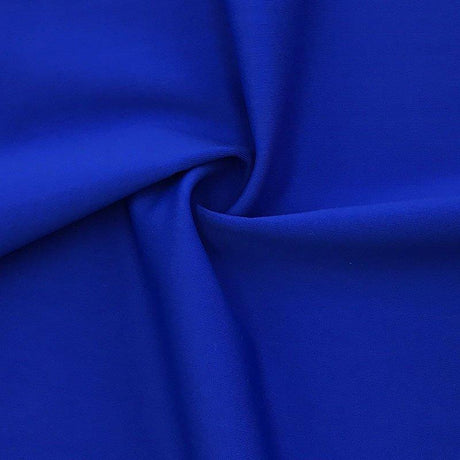
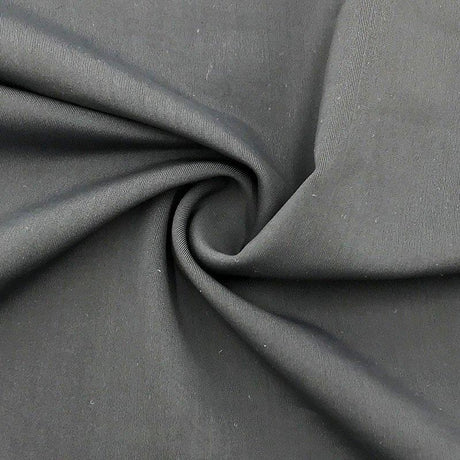
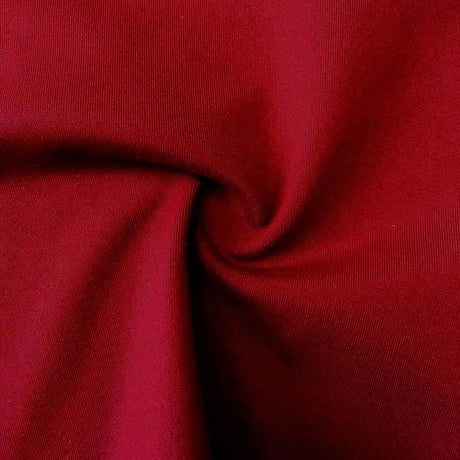
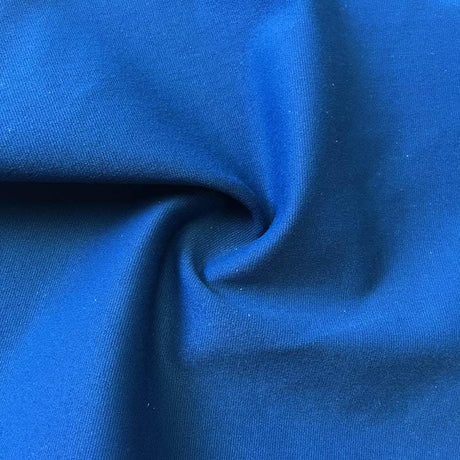
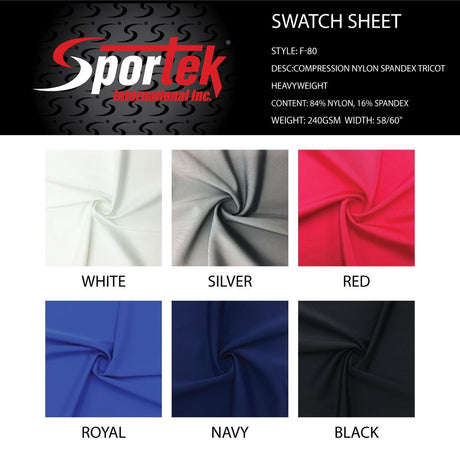
For heavier performance projects, check out our compression fabric options, which are popular for leggings, athletic wear, and supportive garments.
Choose the Right Thread
Polyester thread is usually the best choice for swimwear. It is strong, flexible, and holds up better against moisture than cotton thread. Cotton thread can weaken faster and may not stretch enough for swimwear seams.
Use quality all-purpose polyester thread or textured nylon thread if you are using a serger. Avoid old thread because it can snap easily and create messy stitches.
Best Stitches for Swimwear Fabric
Swimwear seams need to stretch. A straight stitch usually does not have enough give and may break when the garment is pulled on or worn.
Better stitch options include:
- Zigzag stitch: Great for basic seams and elastic.
- Three-step zigzag: Excellent for attaching elastic and reducing stress on the seam.
- Stretch stitch: Good if your machine has this setting.
- Serger stitch: Best for clean, stretchy seams if you have a serger.
For most home sewing machines, a narrow zigzag stitch works very well. Try a stitch width around 0.5 to 1.5 and a stitch length around 2.5 to 3.0. Always test on a scrap piece first.
How to Stop Skipped Stitches
If your machine is skipping stitches, do not panic. This is one of the most common issues when sewing stretch fabric.
Try these fixes:
- Switch to a stretch needle.
- Use a fresh needle, not an old dull one.
- Rethread the machine completely.
- Check that the bobbin is inserted correctly.
- Use polyester thread.
- Reduce presser foot pressure if your machine allows it.
- Do not pull the fabric while sewing.
- Use tissue paper or wash-away stabilizer under slippery fabric.
The needle change alone often fixes the problem. It is the tiny key that unlocks the whole sewing castle.
How to Prevent Wavy Seams
Wavy seams happen when the fabric stretches while being sewn. This can make the finished garment look rippled instead of smooth.
To prevent wavy seams, let the feed dogs move the fabric naturally. Do not stretch the fabric in front or behind the needle. You can gently guide it, but avoid pulling.
If your machine has adjustable presser foot pressure, lower it slightly. A walking foot can also help because it feeds the top and bottom layers more evenly.
After sewing, you can sometimes relax a wavy seam by gently pressing it with steam. Do not use high heat directly on spandex because heat can damage stretch fibers.
How to Sew Elastic Into Swimwear
Elastic is what helps swimwear hug the body and stay in place. For swimwear, use swim elastic or chlorine-resistant elastic. Regular braided elastic may break down faster in water.
A common method is:
- Pin or clip the elastic evenly around the opening.
- Sew the elastic to the wrong side using a zigzag stitch.
- Fold the elastic inward.
- Topstitch with a zigzag or three-step zigzag.
Stretch the elastic slightly as you sew, but do not stretch the fabric too much. The goal is gentle tension, not a wrestling match with the machine.
Best Fabrics for Swimwear Projects
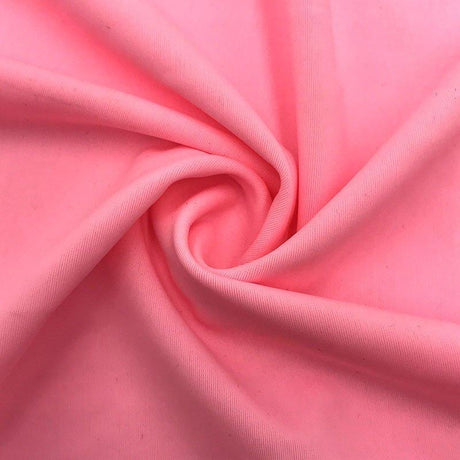
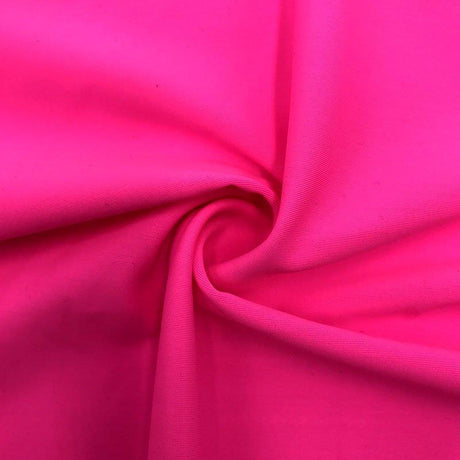
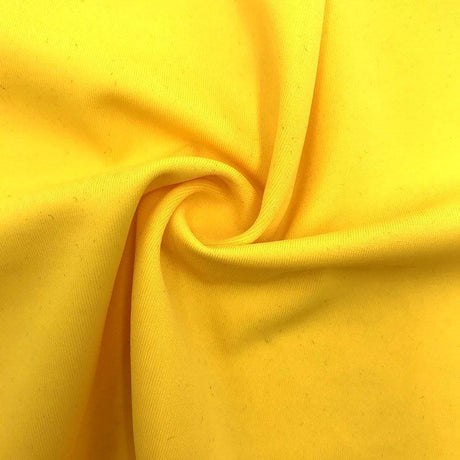
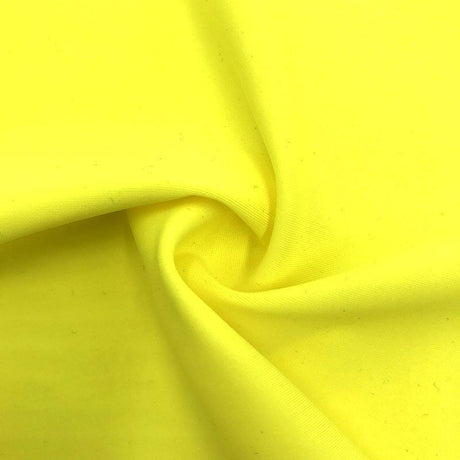
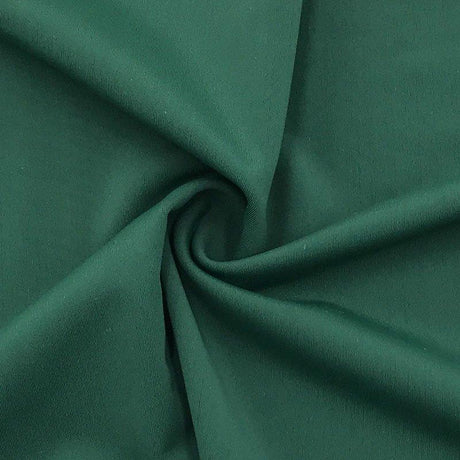
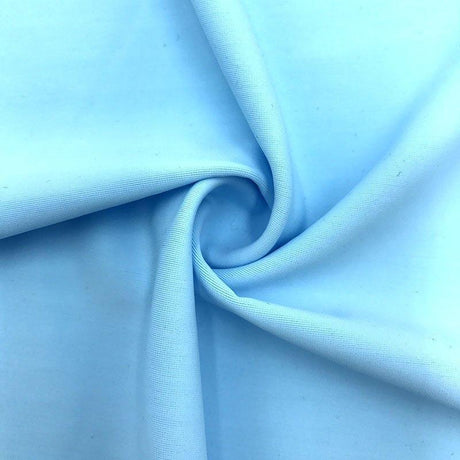
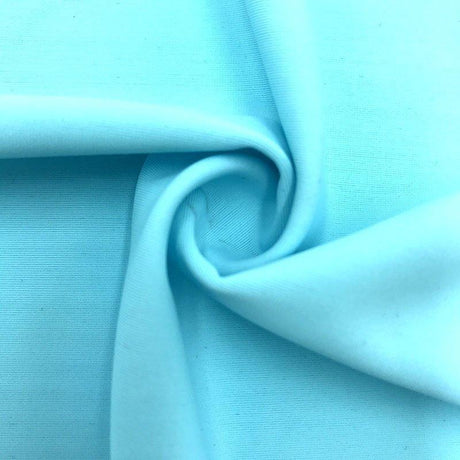
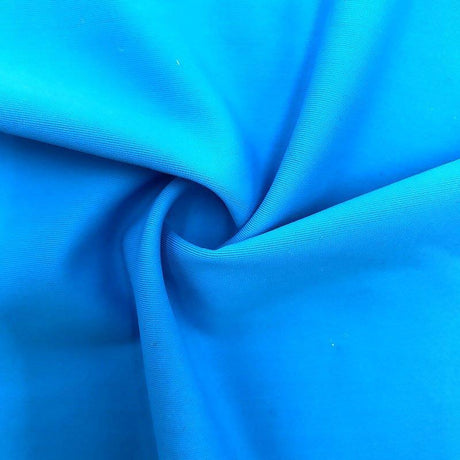
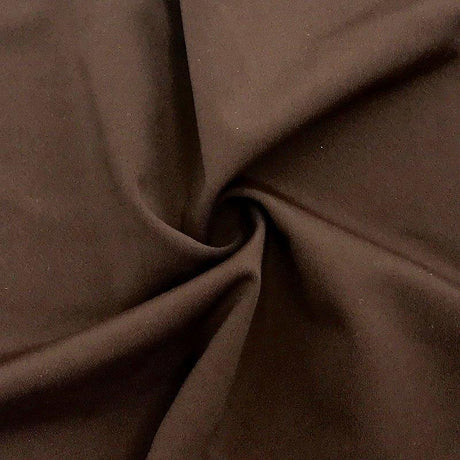
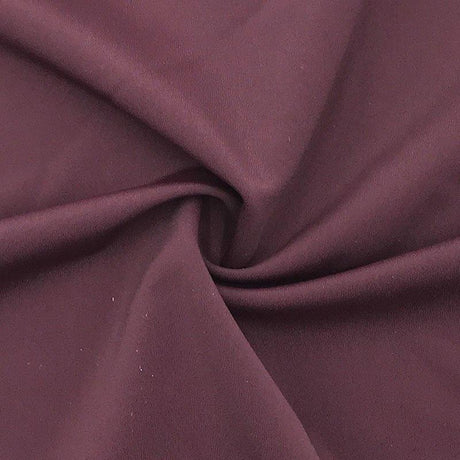
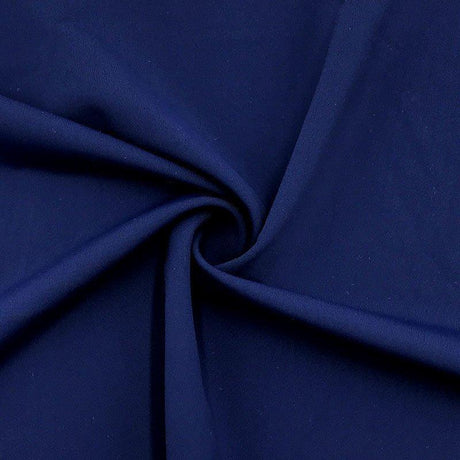
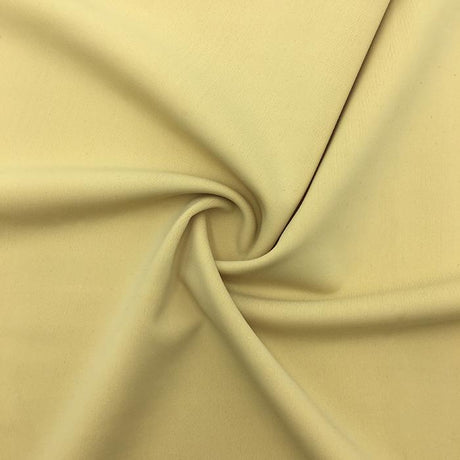
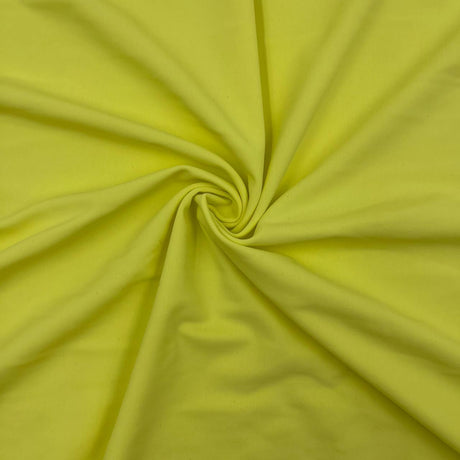
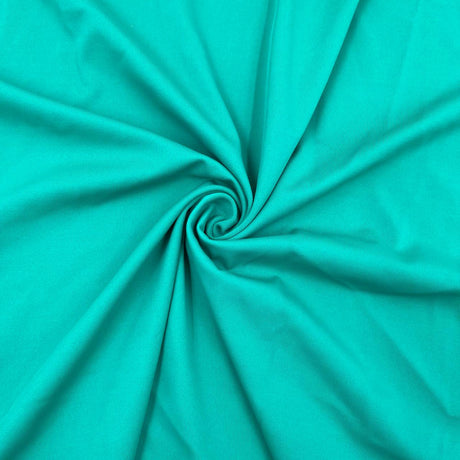
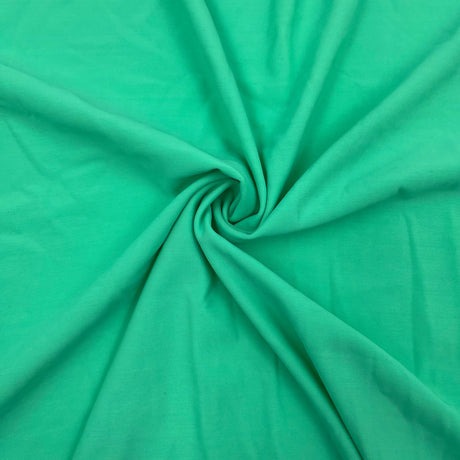
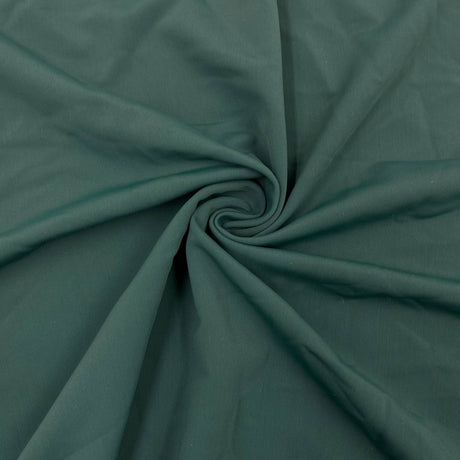
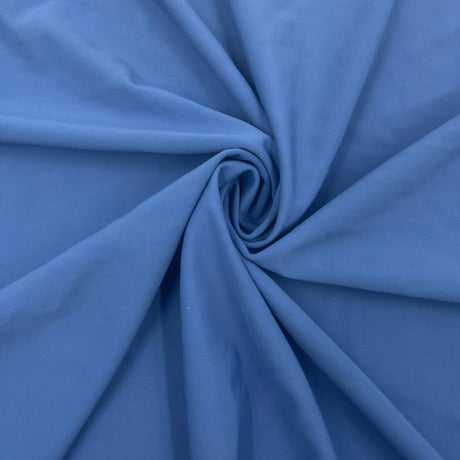
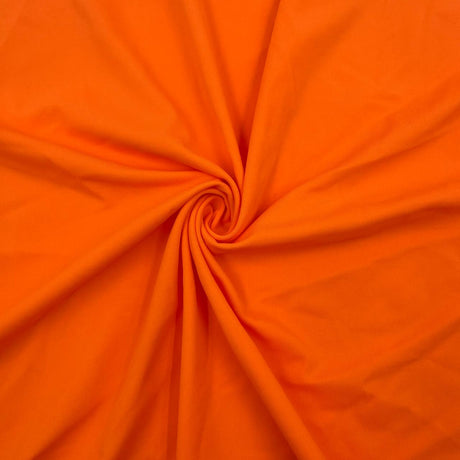
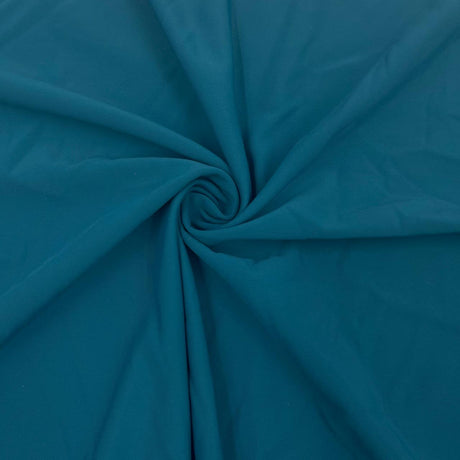
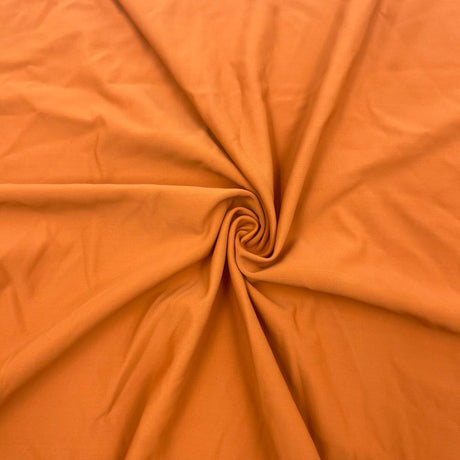
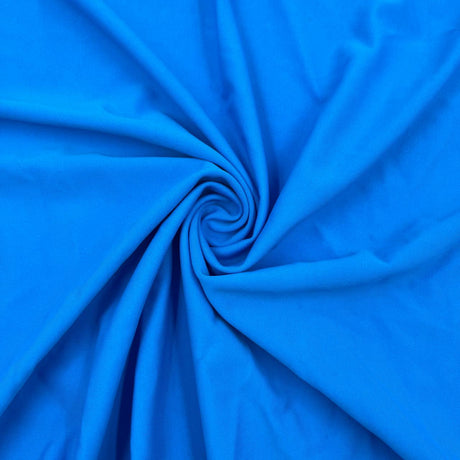
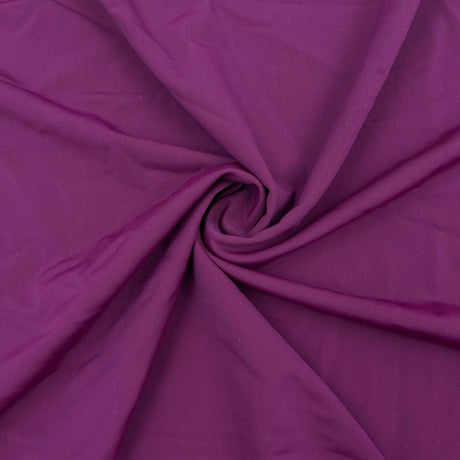
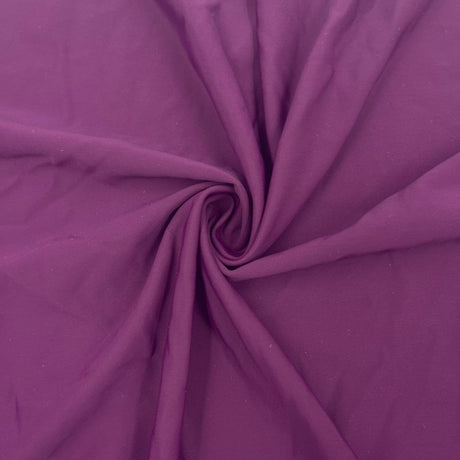
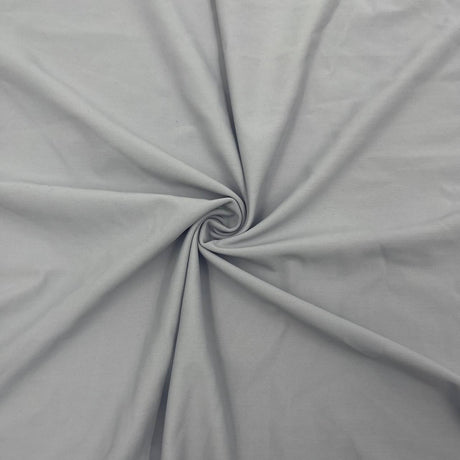
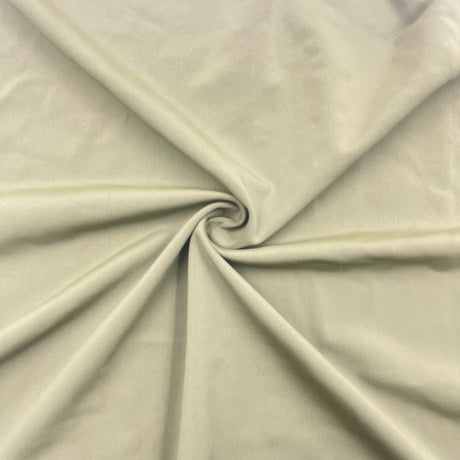
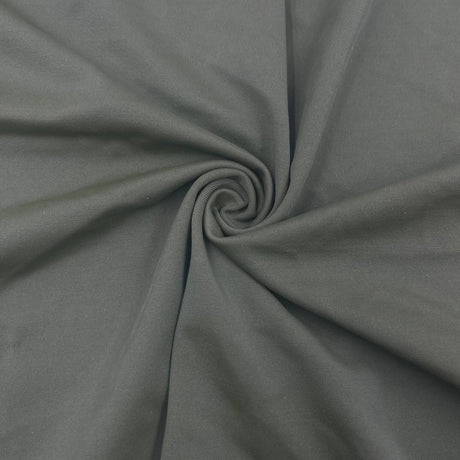
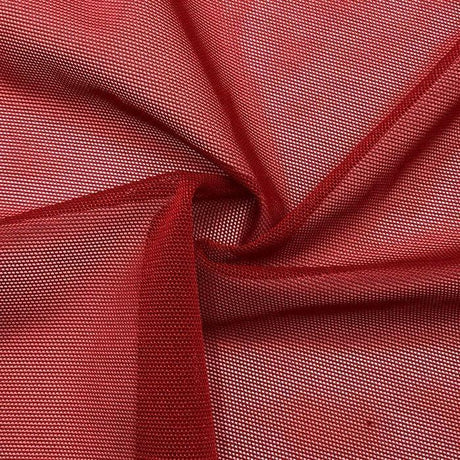
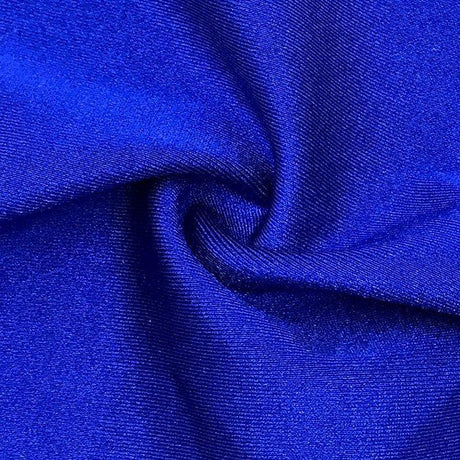
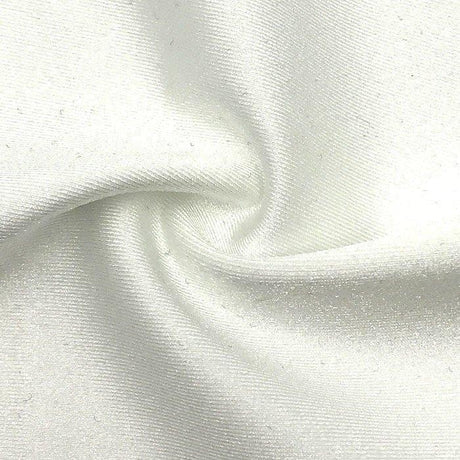
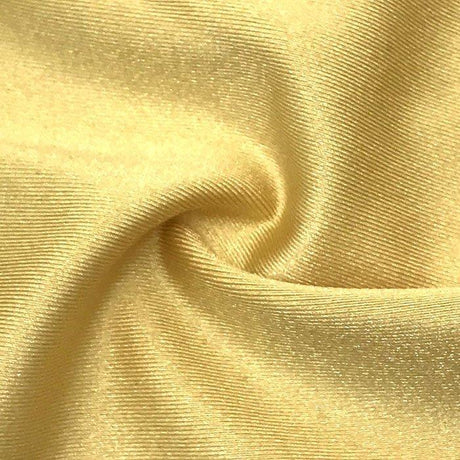
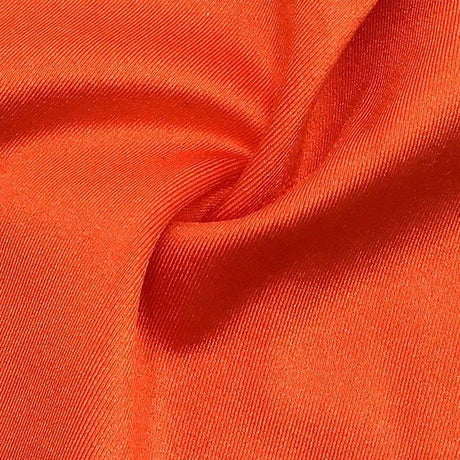
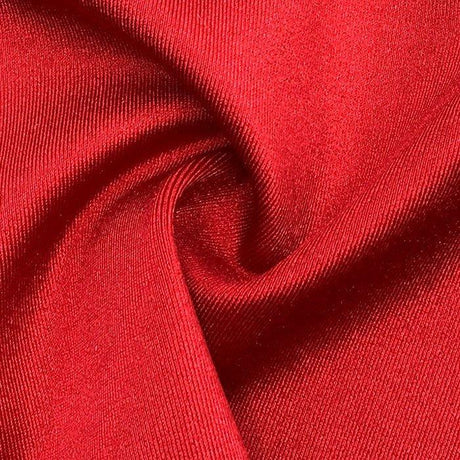
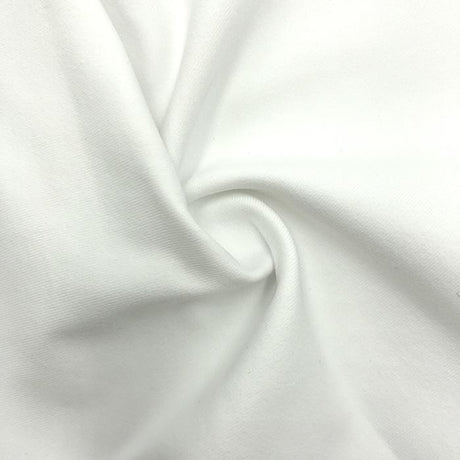
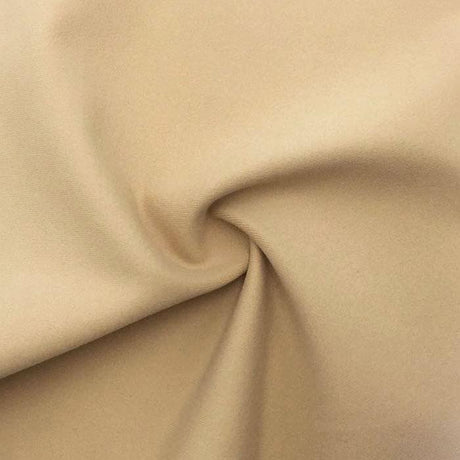
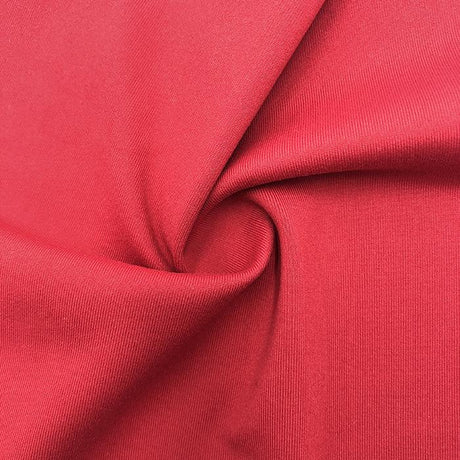
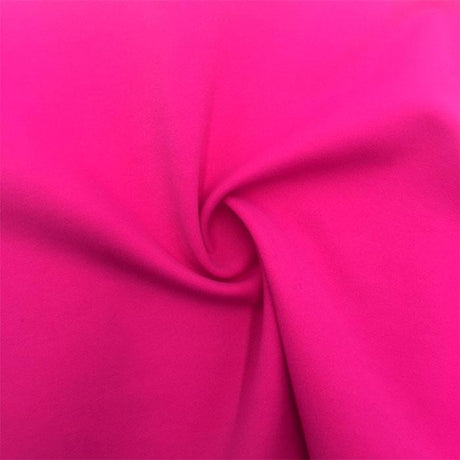
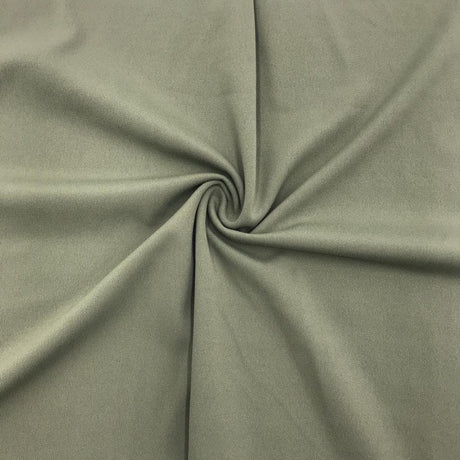
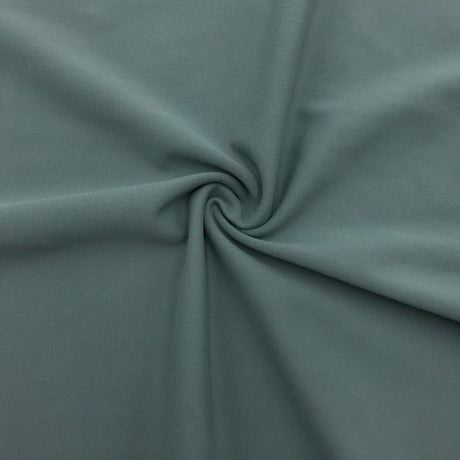
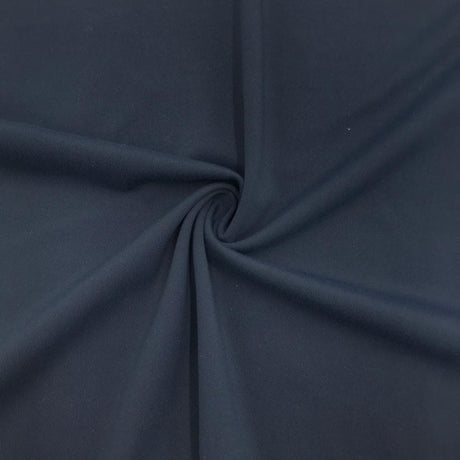
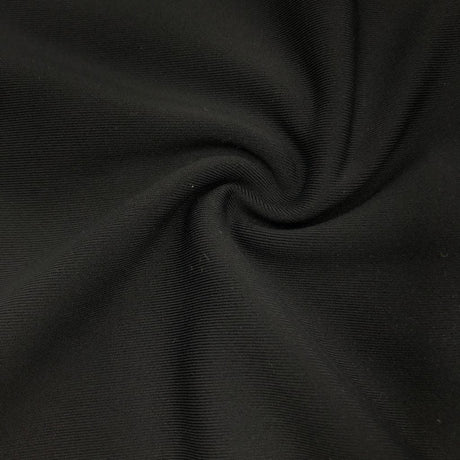
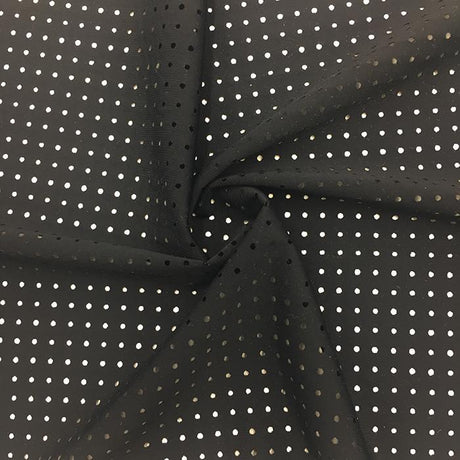
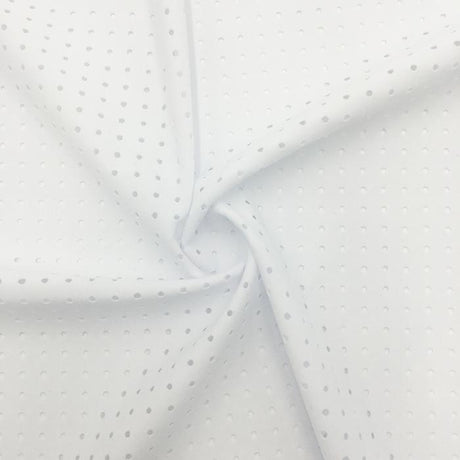
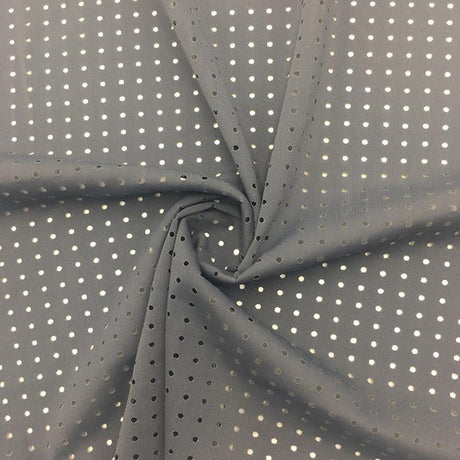
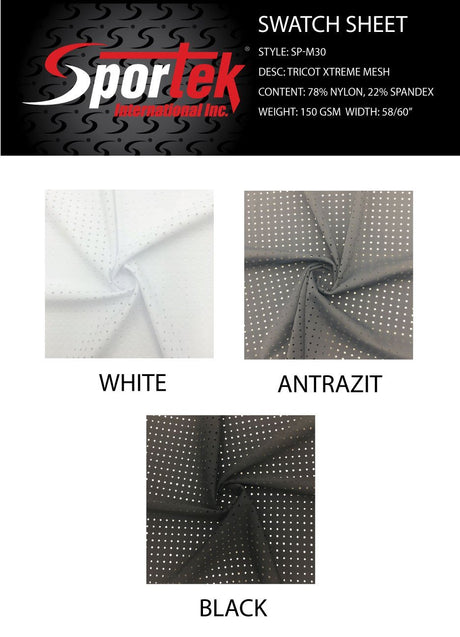
The best swimwear fabrics usually have strong stretch, smooth recovery, and enough weight to feel secure when wet. Nylon spandex is soft, smooth, and popular for swimwear. Polyester spandex is durable and often used for activewear, rash guards, and printed swim fabrics.
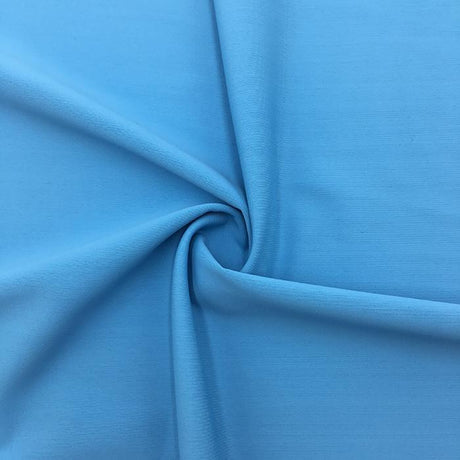
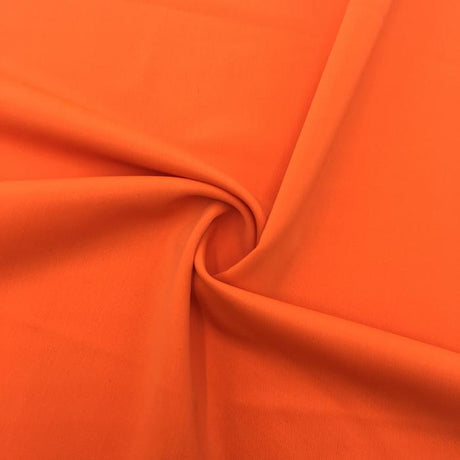
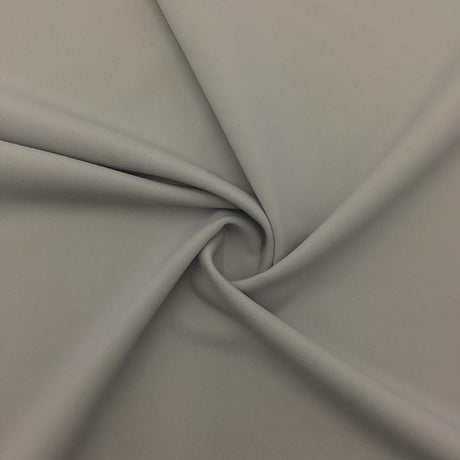
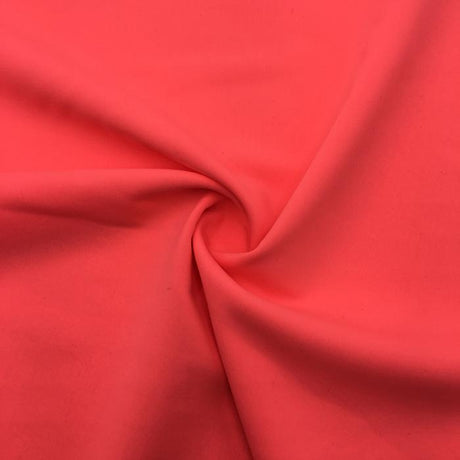
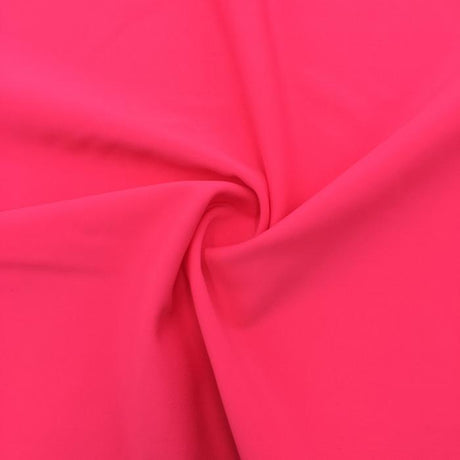
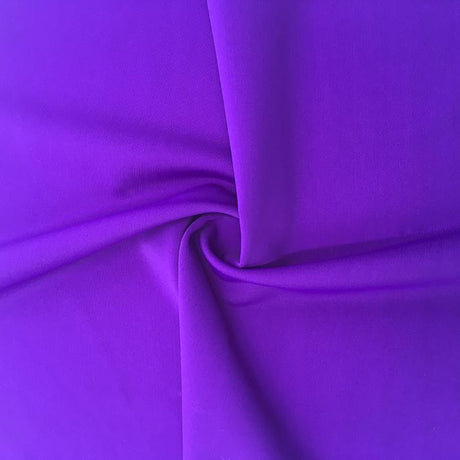
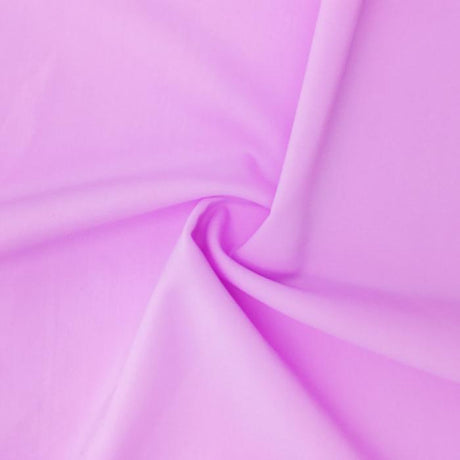
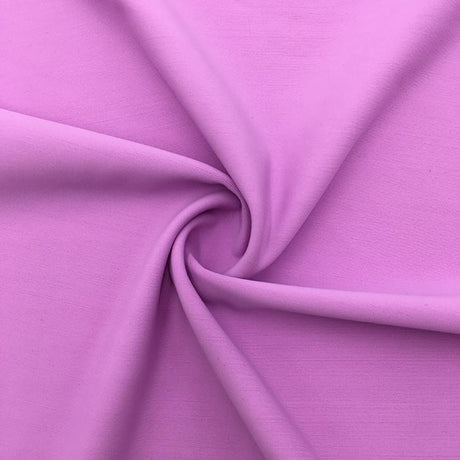
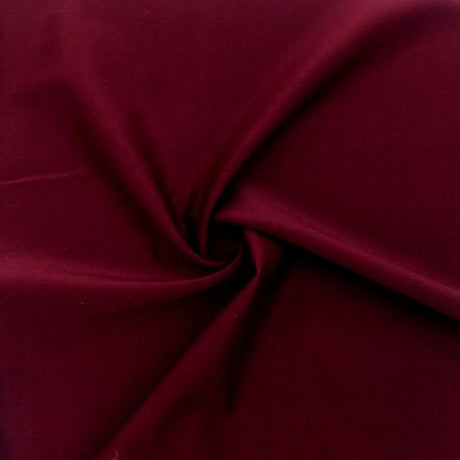
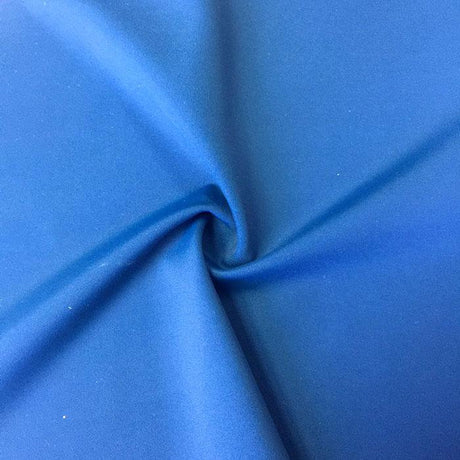
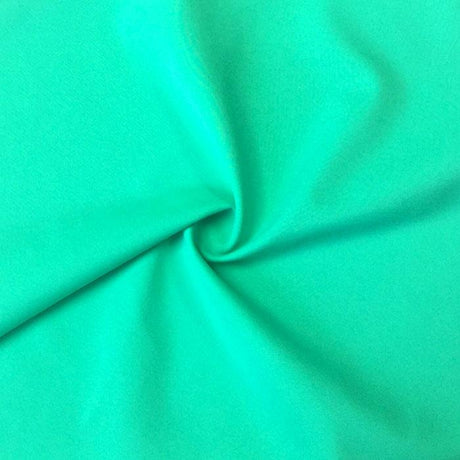
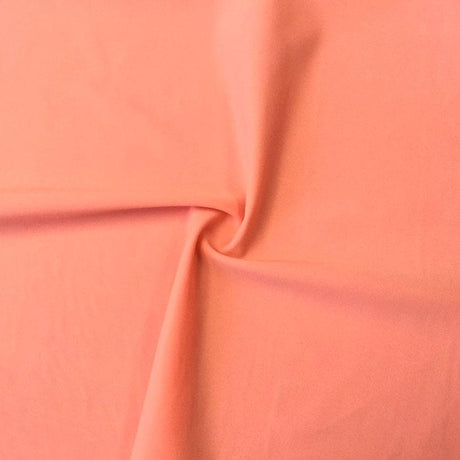
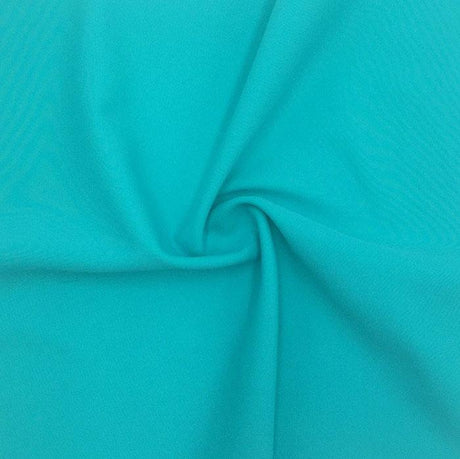
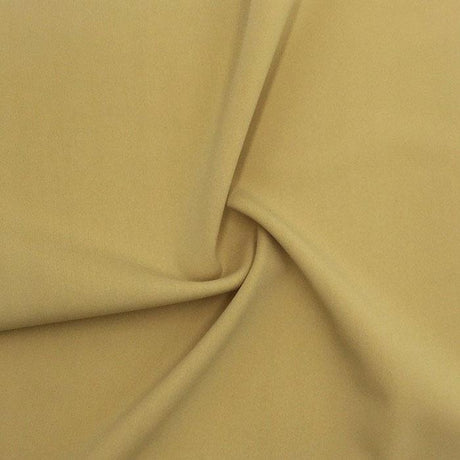
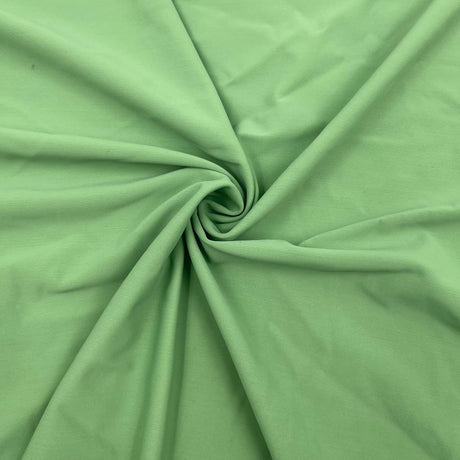
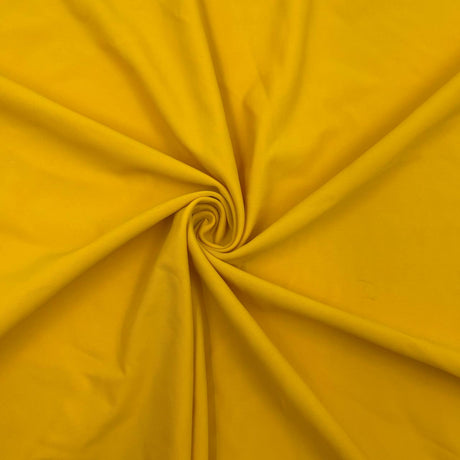
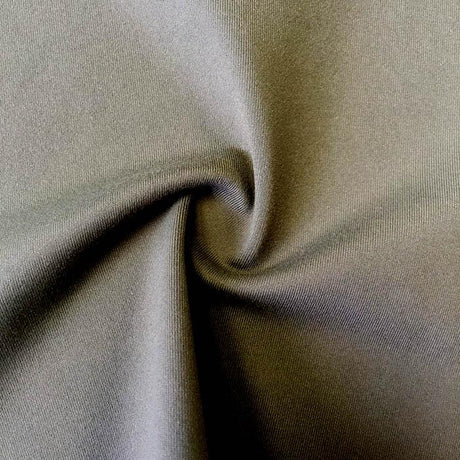
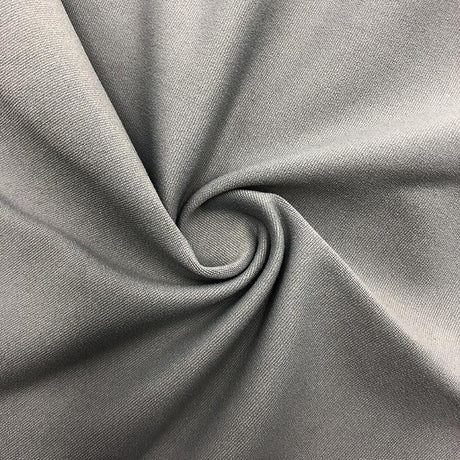
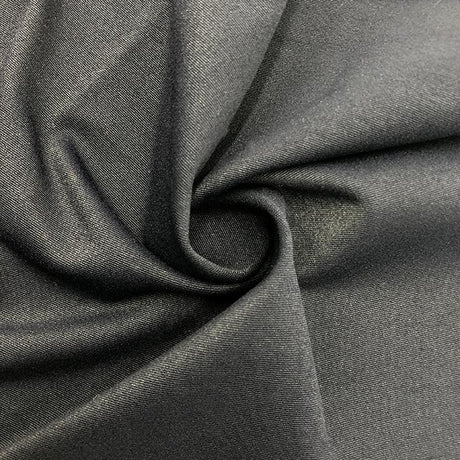
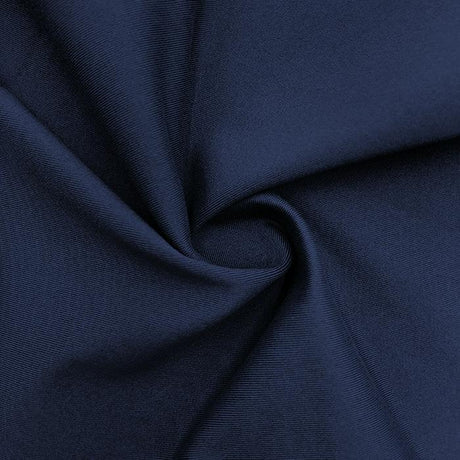
Explore these fabric options:
Test Before Sewing the Final Garment
Before sewing your final swimsuit, always test your needle, stitch, and thread on a scrap piece of the same fabric. Stretch the test seam with your hands. If the thread breaks, use a wider zigzag or a stretch stitch. If stitches skip, change the needle or adjust tension.
This small test can save the whole project. Think of it as a tiny dress rehearsal before the fabric hits the stage.
Common Swimwear Sewing Mistakes to Avoid
- Using a regular straight stitch for stretch seams.
- Using a dull or universal needle.
- Pulling the fabric while sewing.
- Using cotton thread instead of polyester thread.
- Skipping test stitches.
- Using regular elastic instead of swim elastic.
- Pressing spandex with too much heat.
Final Tips for Sewing Swimwear Fabric
Sewing swimwear gets easier once your machine is set up correctly. Start with a stretch needle, polyester thread, and a zigzag stitch. Sew slowly, guide the fabric gently, and test everything before sewing the final seams.
If you are new to sewing stretch fabric, you may also want to read our guide on how to measure yourself for spandex sewing and swimwear. Good measurements plus the right fabric make a much better finished garment.
With the right setup, swimwear fabric stops being scary and starts becoming fun. A little patience, a fresh needle, and quality fabric can turn a tricky project into something smooth, stretchy, and ready for the water.
FAQ: Sewing Swimwear Fabric
What needle should I use for swimwear fabric?
Use a stretch needle or ballpoint needle. A size 75/11 or 80/12 stretch needle works well for most swimwear fabrics.
Why is my sewing machine skipping stitches on spandex?
Skipped stitches usually happen because of the wrong needle, old needle, incorrect threading, or fabric stretching too much while sewing. Switch to a fresh stretch needle and test again.
Can I sew swimwear without a serger?
Yes. A regular sewing machine can sew swimwear using a zigzag stitch, stretch stitch, or three-step zigzag stitch.
What thread is best for swimwear?
Polyester thread is usually best because it is strong, flexible, and holds up better around moisture than cotton thread.
Should I use a straight stitch on swimwear?
A straight stitch is not ideal for stretch seams because it can break when the fabric stretches. Use a zigzag or stretch stitch instead.