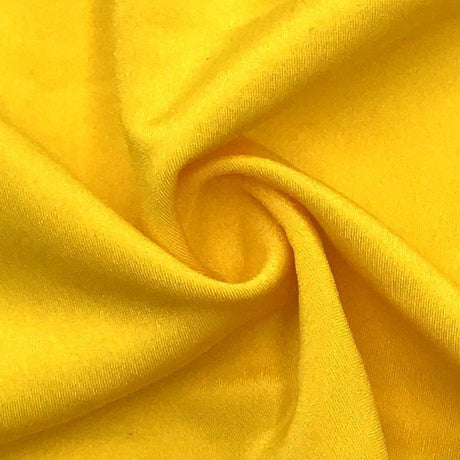
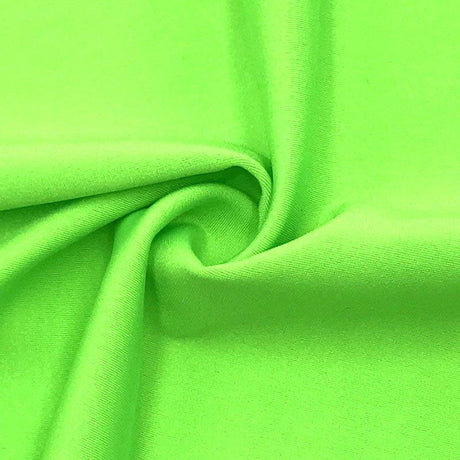
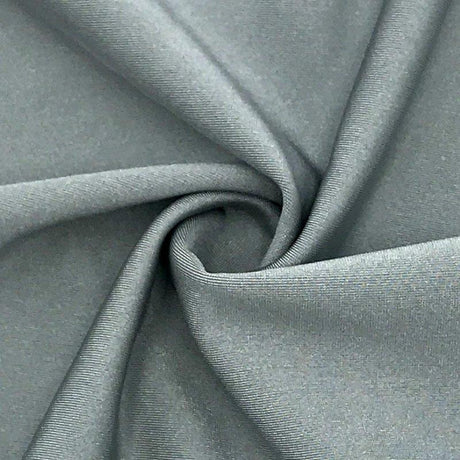
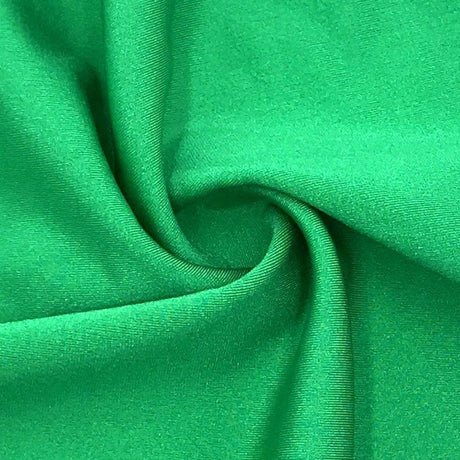
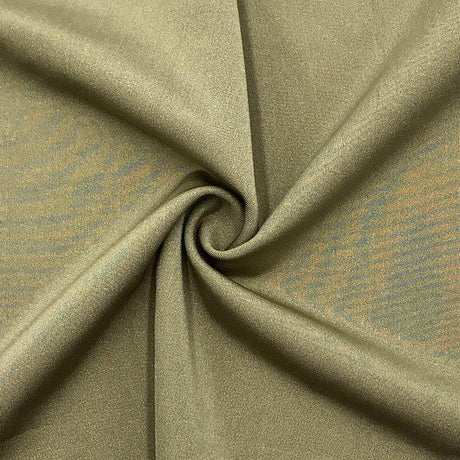
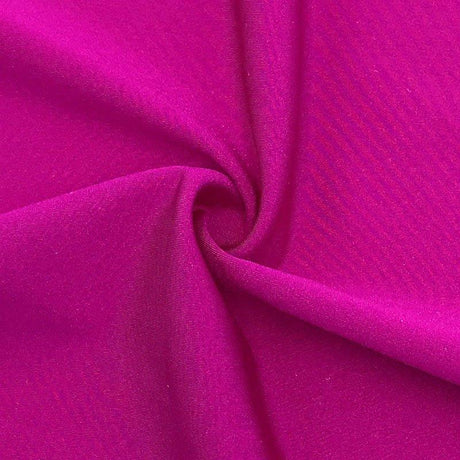
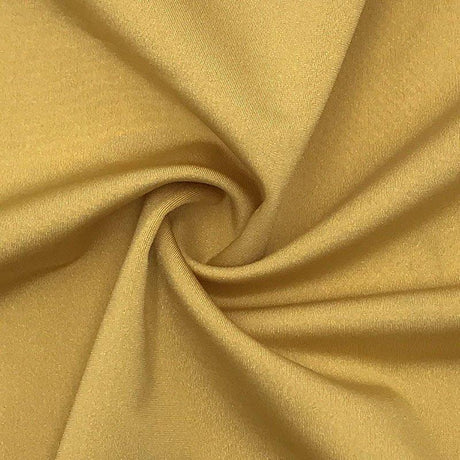
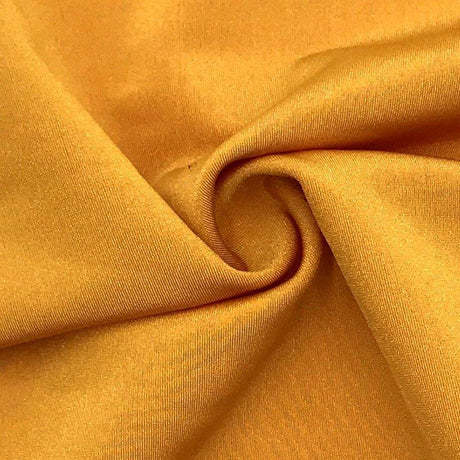
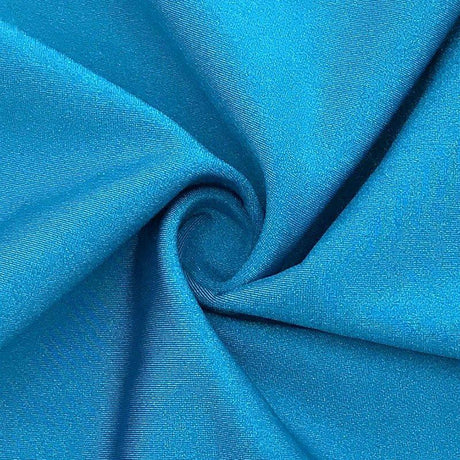
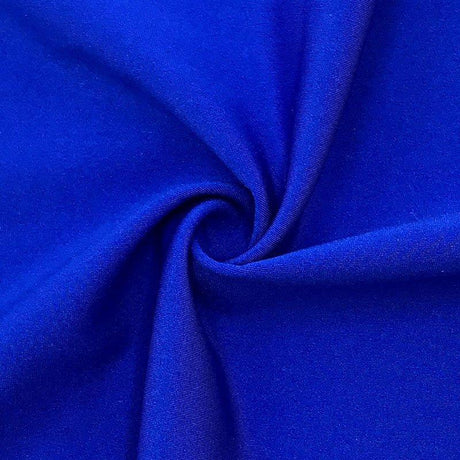
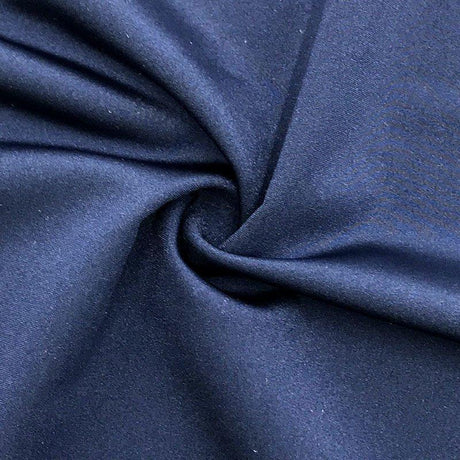
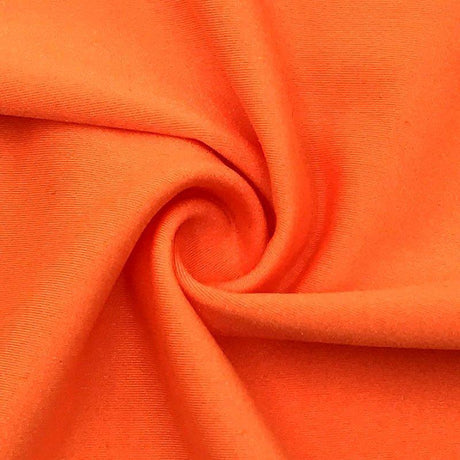
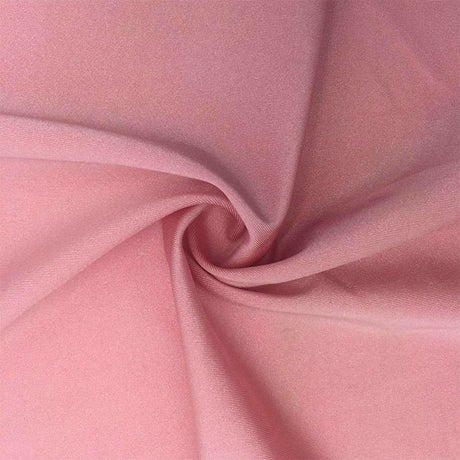
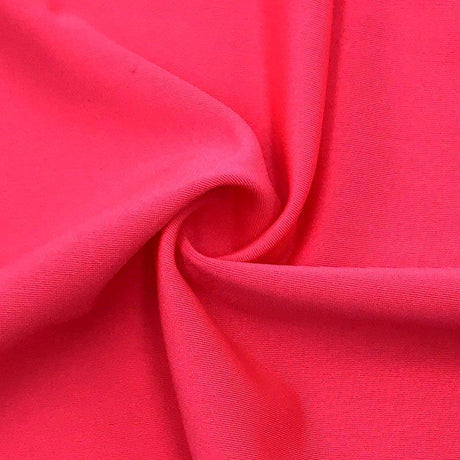
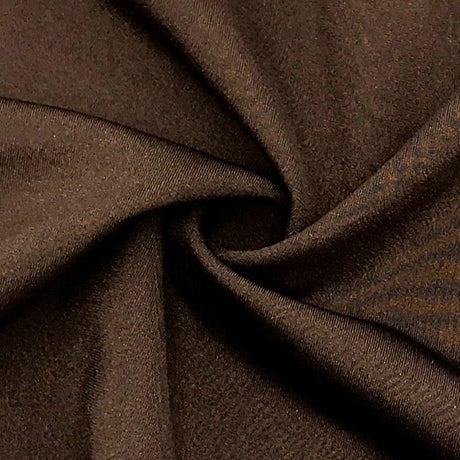
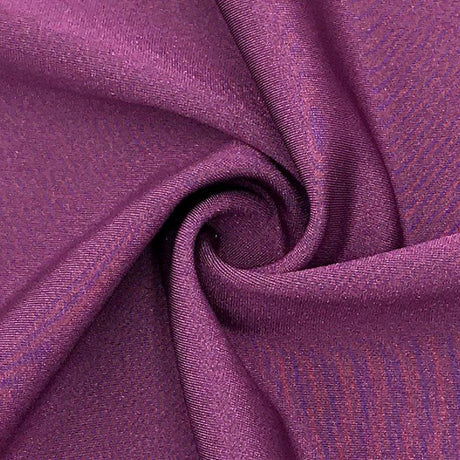
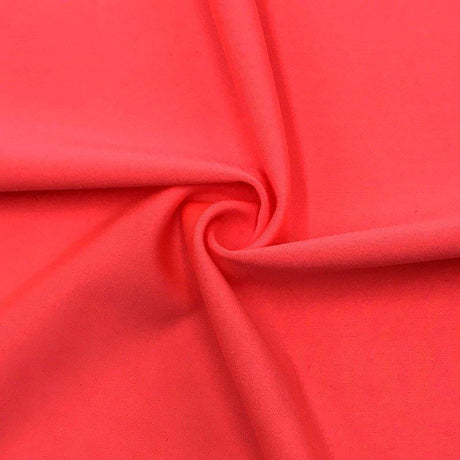
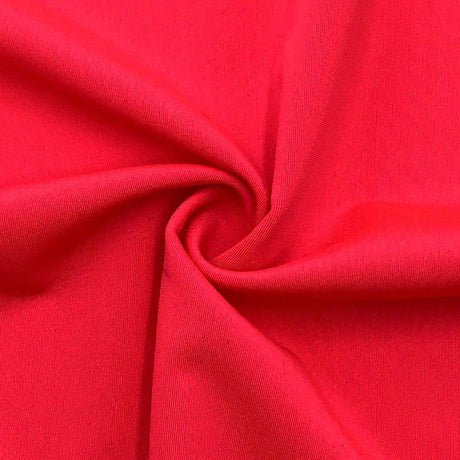
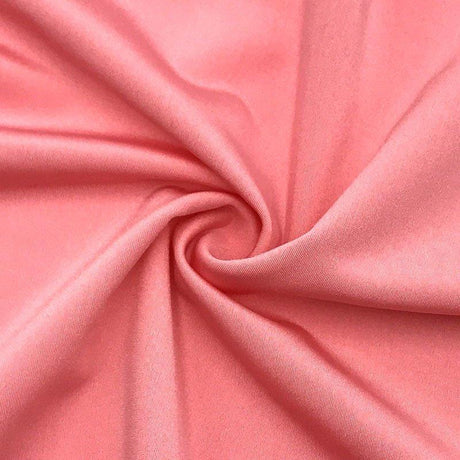
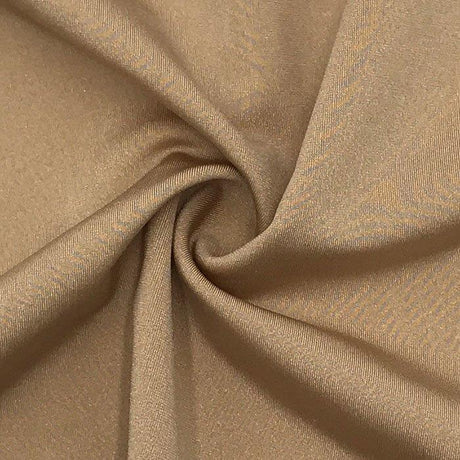
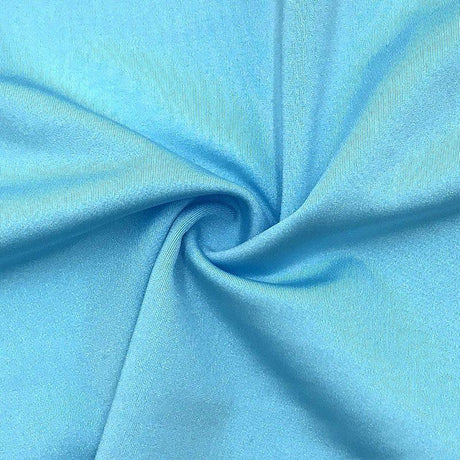
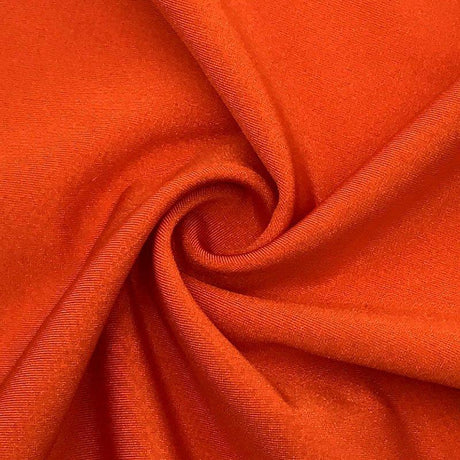
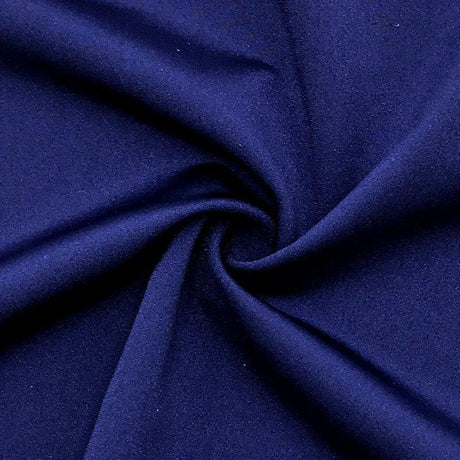
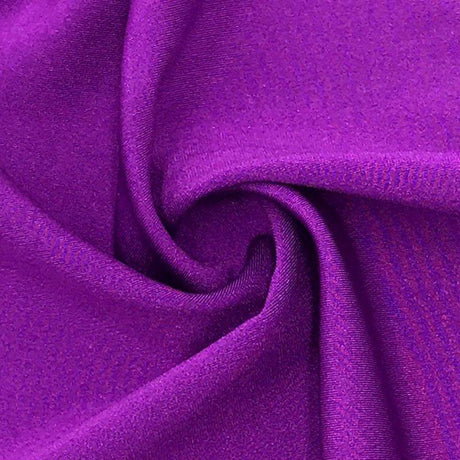
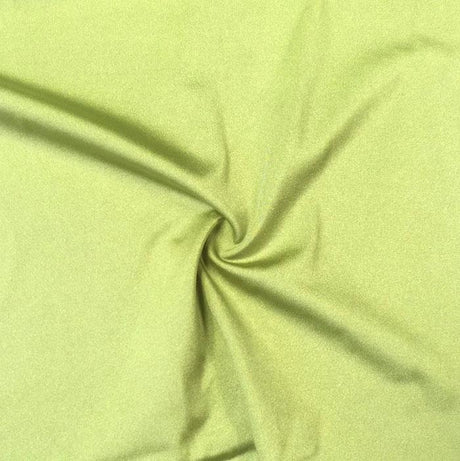
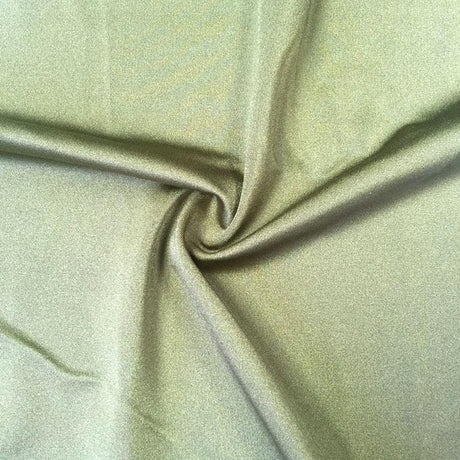
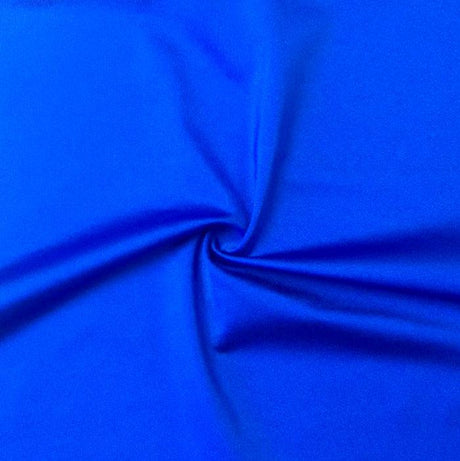
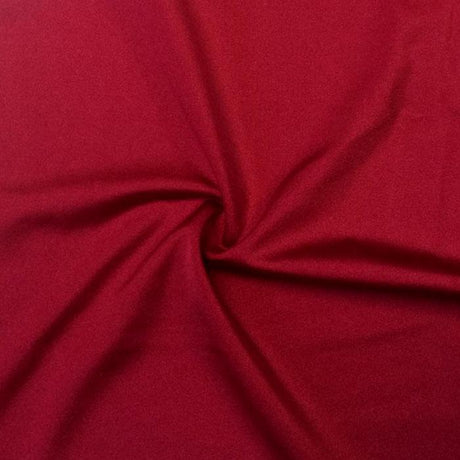
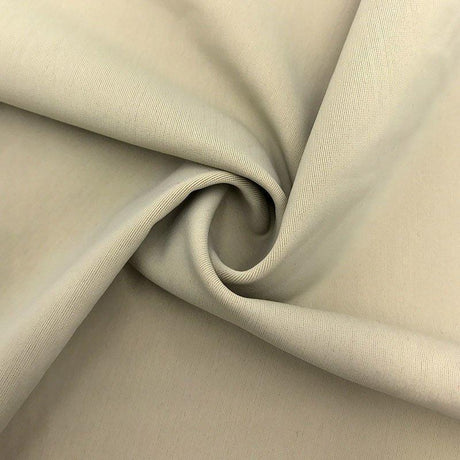
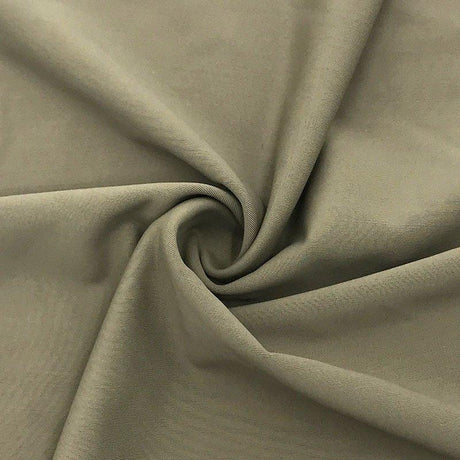
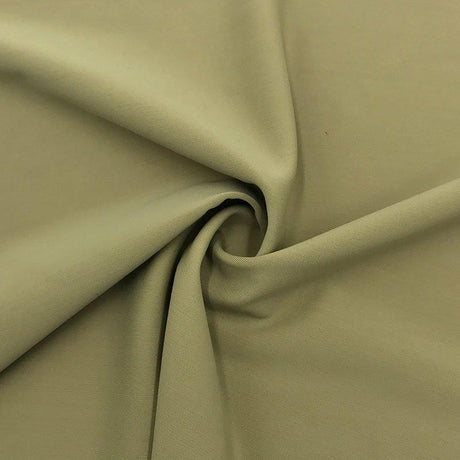
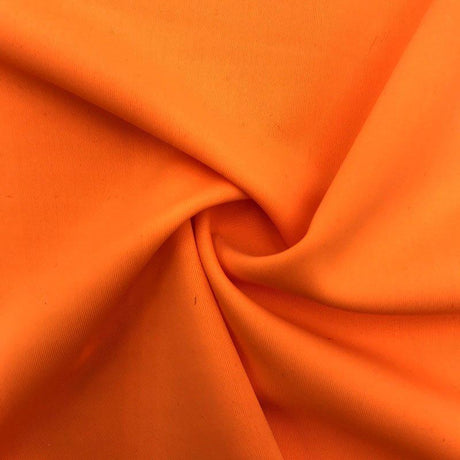
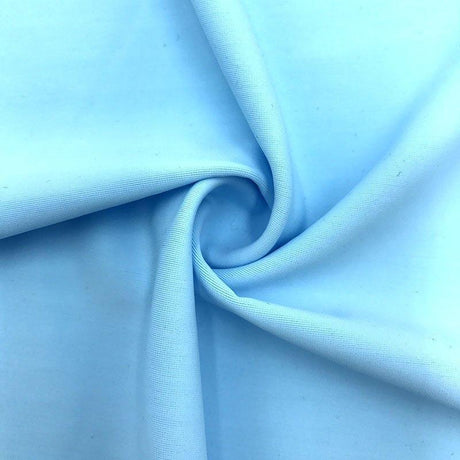
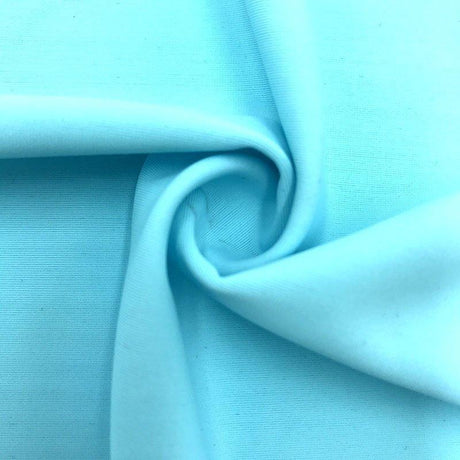
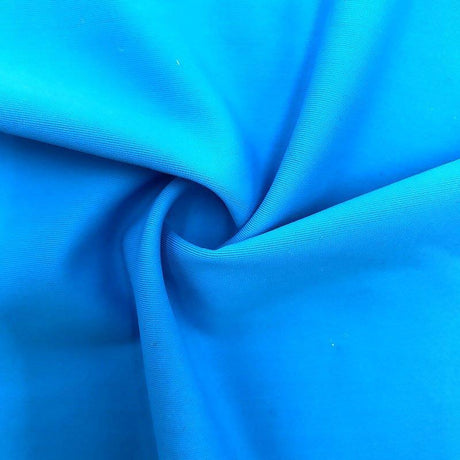
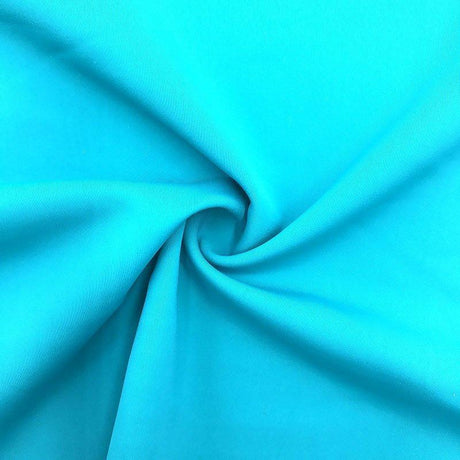
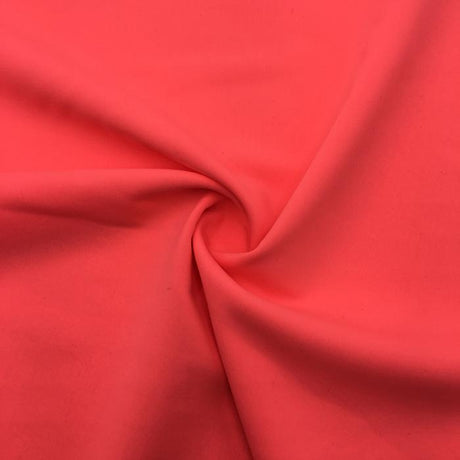
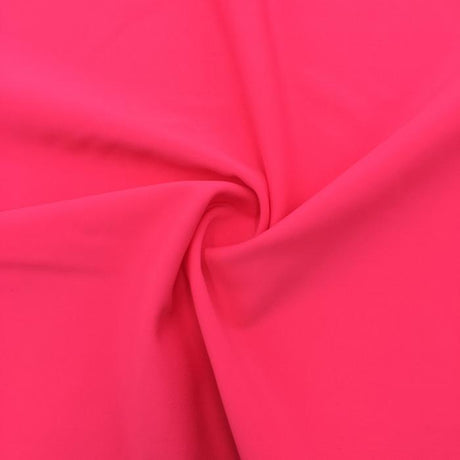
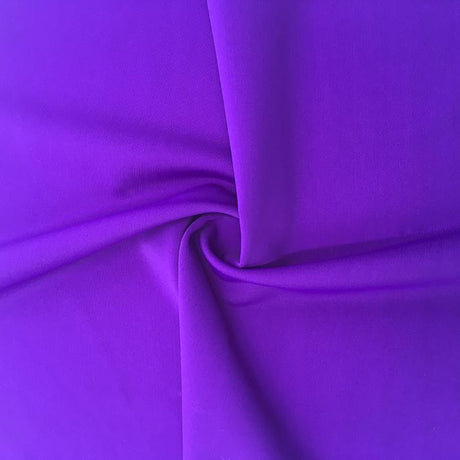
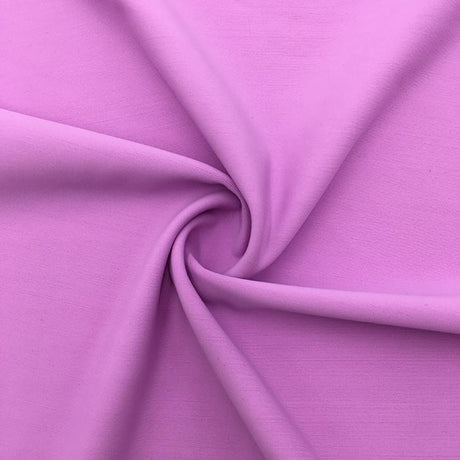
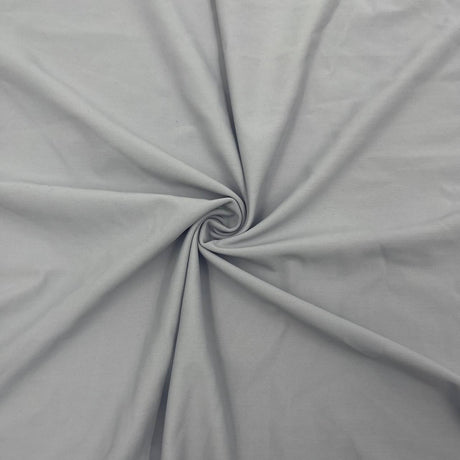
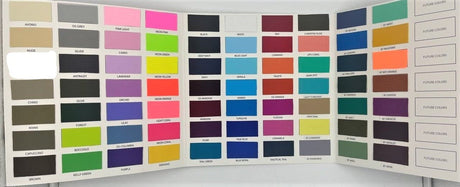
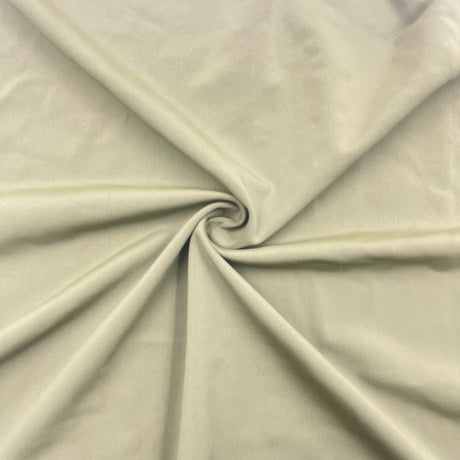
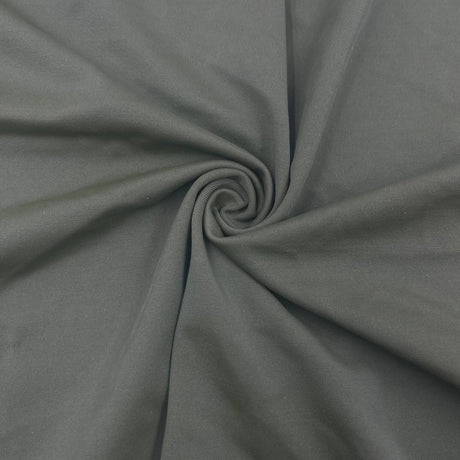
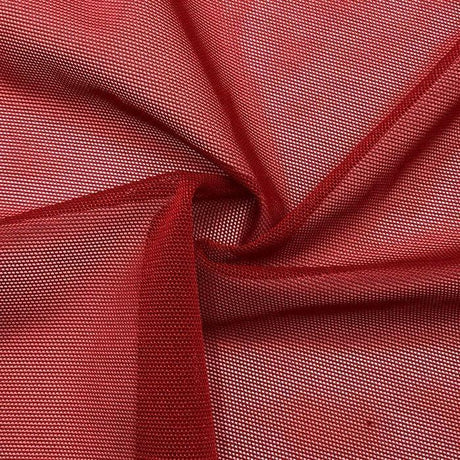
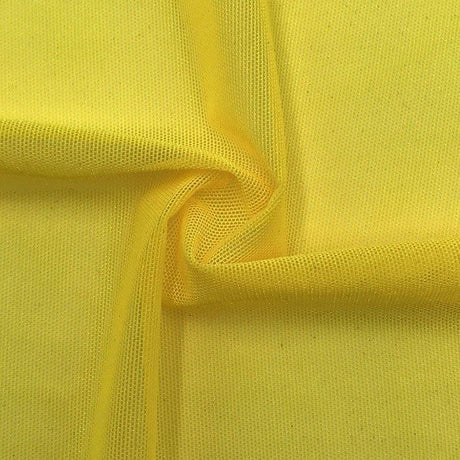
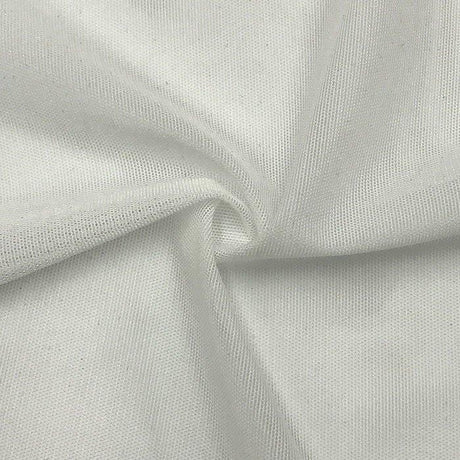
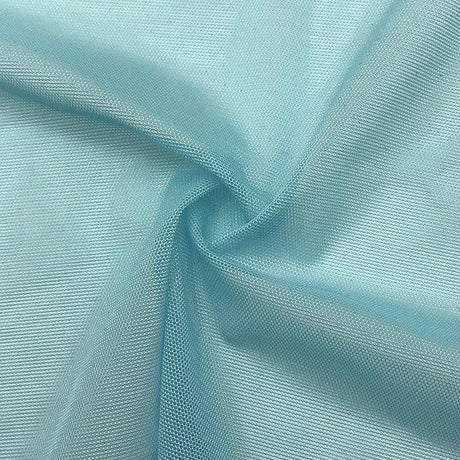
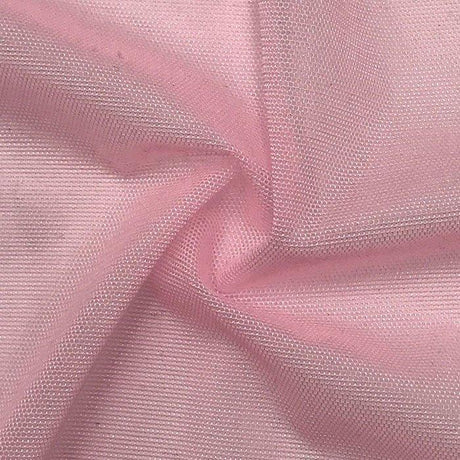
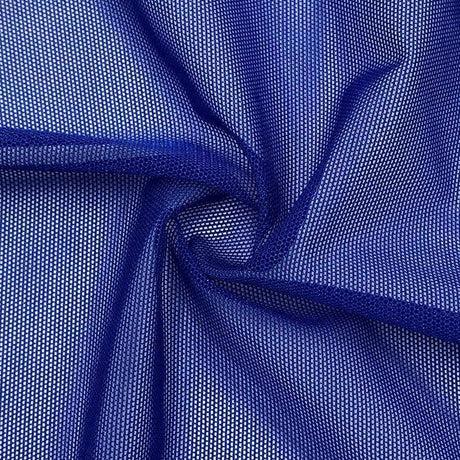
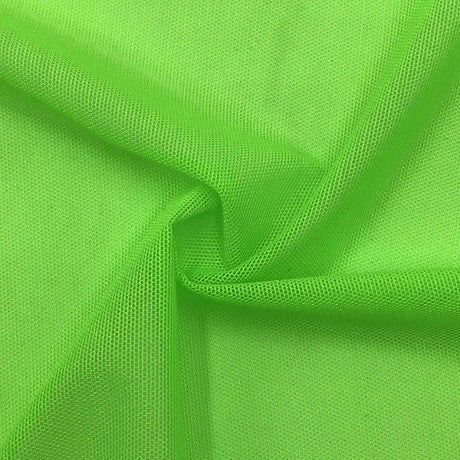
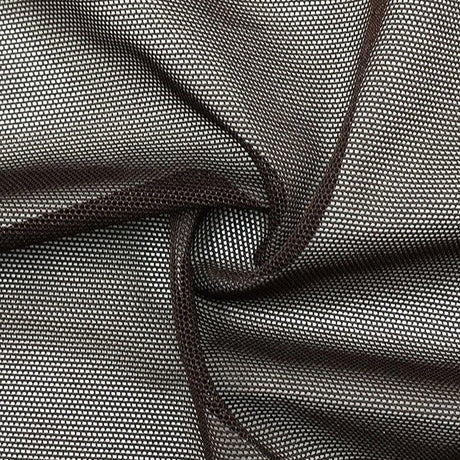
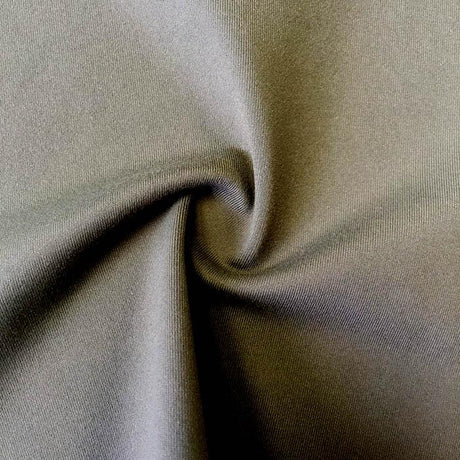
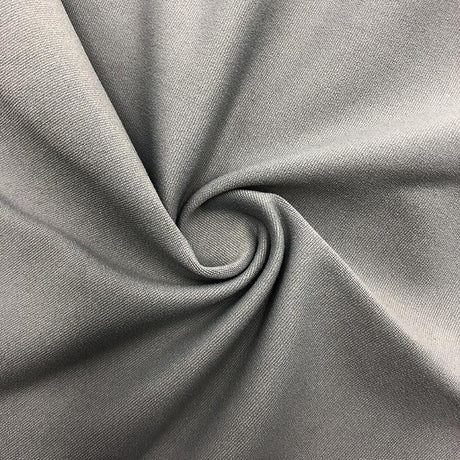
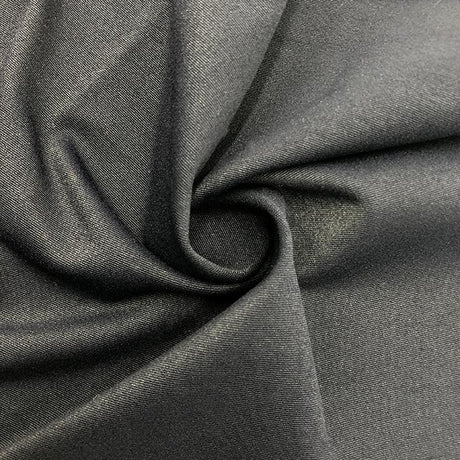
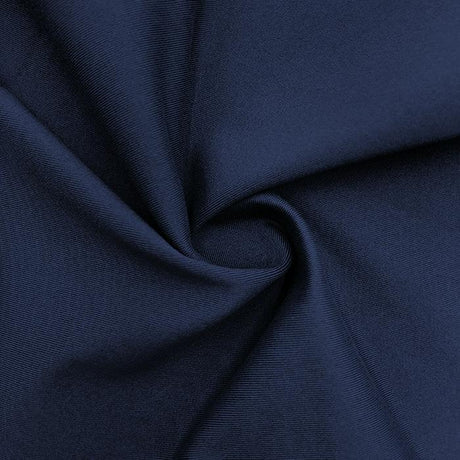
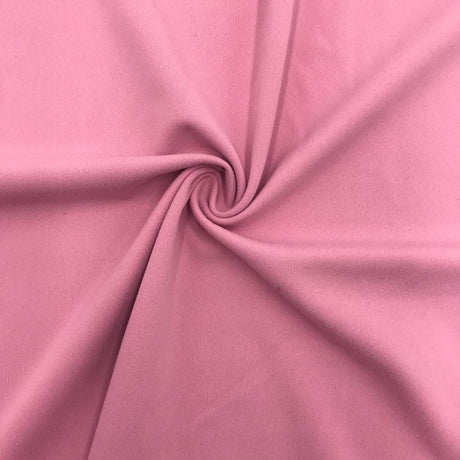
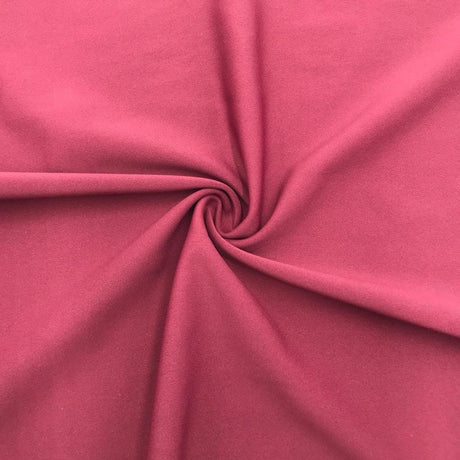
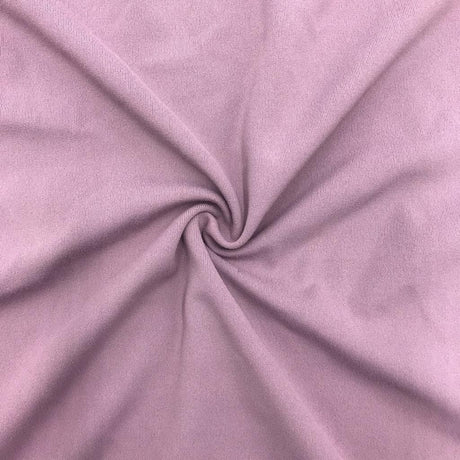
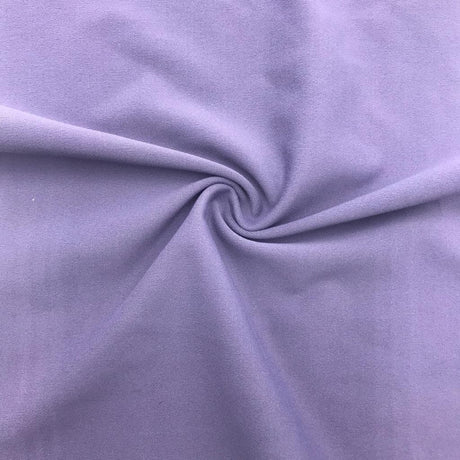
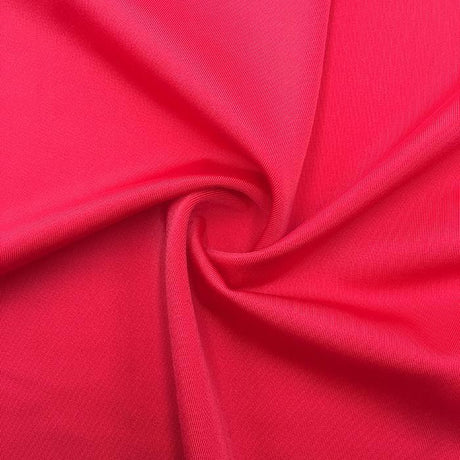
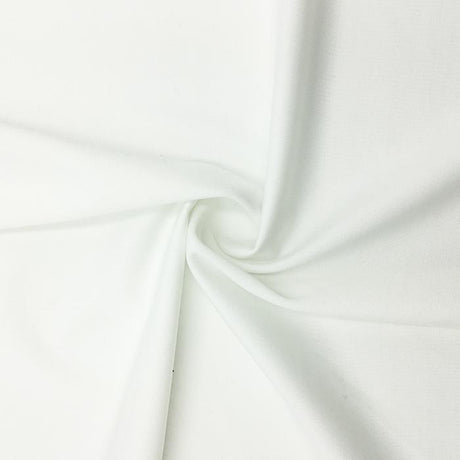
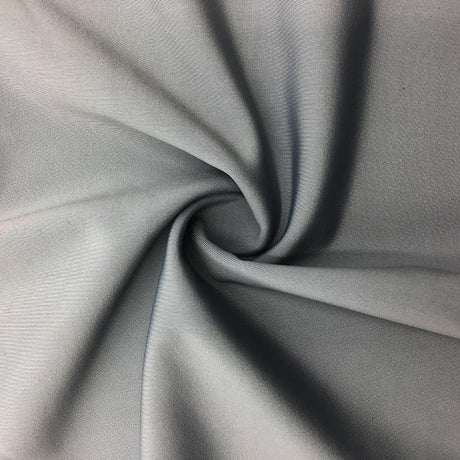
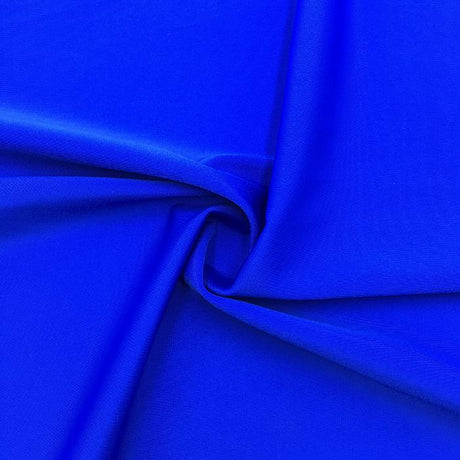
Designing dance costumes that look stage-ready is only half the job. The other half is keeping performers cool, supported, and unrestricted under hot lights, fast choreography, and long rehearsal days. Ventilation panels—side torso inserts, back yokes, underarm gussets, or strategic cut-out fills—solve overheating and comfort issues, but only if you choose the right breathable fabric for dance costume panels. For a broader foundation on stretch fabric properties before diving in, explore our dancewear fabric guide or browse our full fabric guides hub.
What Is Breathable Fabric for Dance Costume Panels?
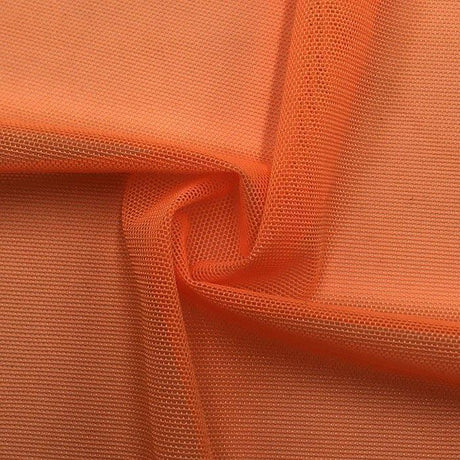
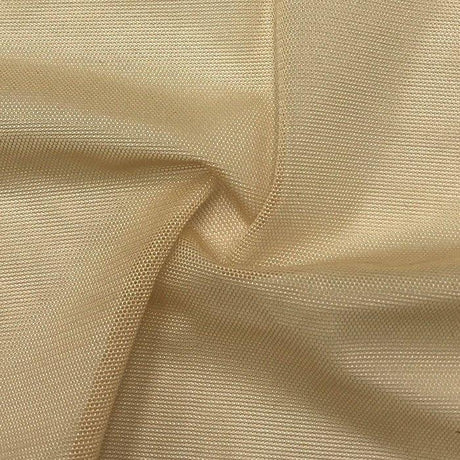
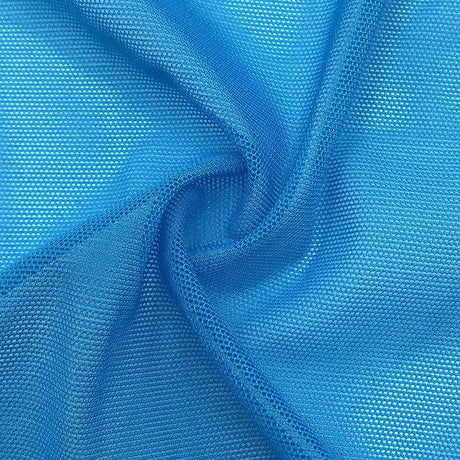
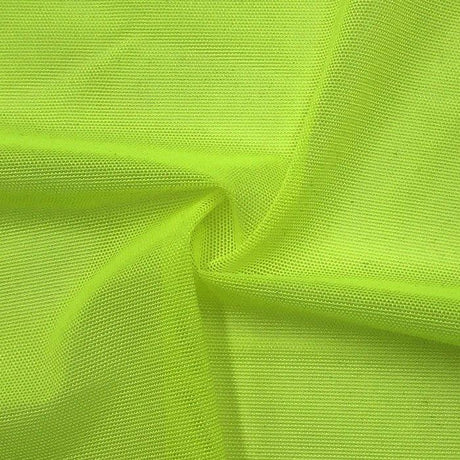
In dancewear and performance costumes, "breathable panel fabric" usually means a stretch mesh or sport mesh engineered to move with the body while allowing heat to escape. At a technical level, most breathable panel fabrics fall into these common families:
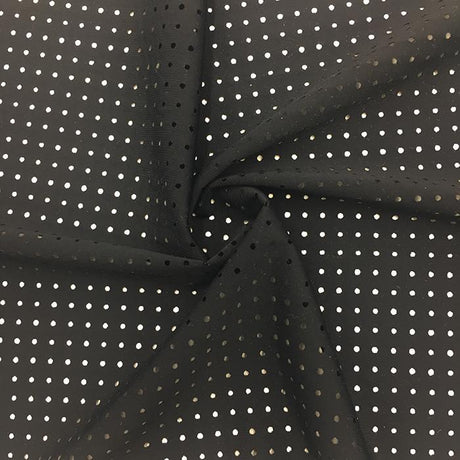
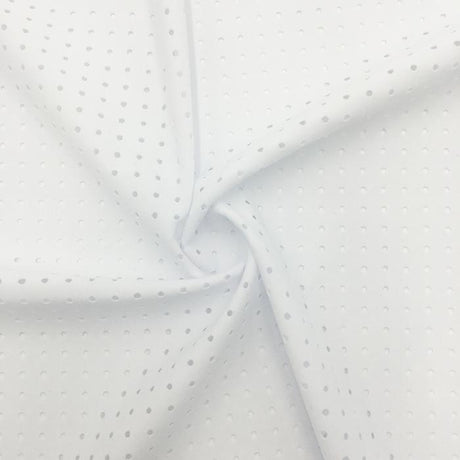
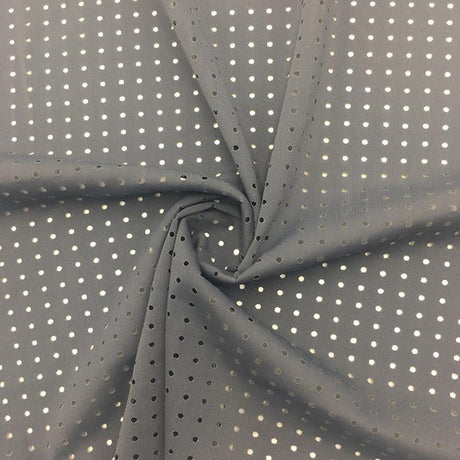
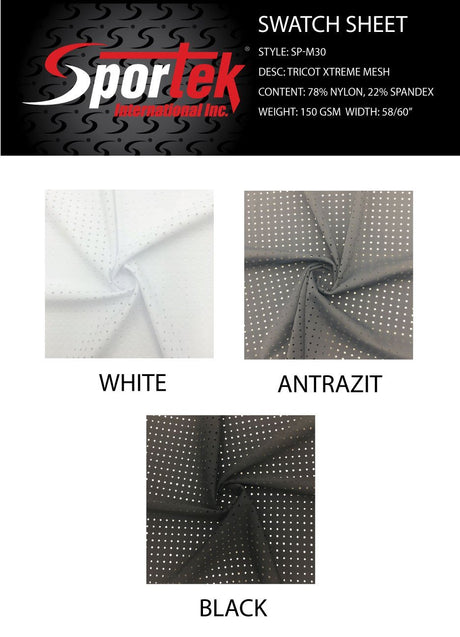
Stretch mesh (nylon-spandex or poly-spandex): These meshes combine open structure with elastane (spandex) for four-way movement. A perforated "fish-eye" sport mesh is listed as 95% polyester / 5% spandex and 170 GSM, designed for breathable "tops and panels," and also noted as ready for sublimation printing. Our nylon-spandex fabric guide covers how nylon-spandex constructions achieve the combination of smooth hand feel, strength, and 4-way stretch that defines quality performance mesh.
Power mesh / PowerNet (nylon-spandex high support mesh): These are firmer meshes often used where you want more hold (think built-in support, dancewear shaping, compression zones). Nylon-Spandex Power Mesh is described as 85% nylon / 15% spandex, while PowerNet is listed as 84% nylon / 16% spandex with 170 GSM—a spec combination that typically signals stronger recovery and more support than ultra-light micro meshes.
Sport micro mesh (often 100% polyester, ultra-light lining mesh): Micro mesh is a go-to for maximum airflow and minimal bulk—especially as breathable linings or larger back panels. Described as 100% polyester and 95 GSM, positioned as lightweight and breathable for activewear and lining use.
Moisture management perforated meshes (performance finishes + engineered transport): Some meshes combine perforation with finishes for sweat transport, featuring "MaxDri moisture management" and a "Microblok anti-microbial finish," designed for breathable performance use including dancewear. Our fabric finishes guide covers moisture-wicking and anti-microbial surface treatments and how to evaluate their durability across performance fabric constructions.
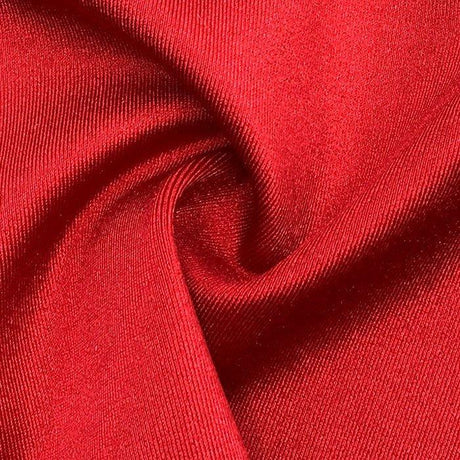
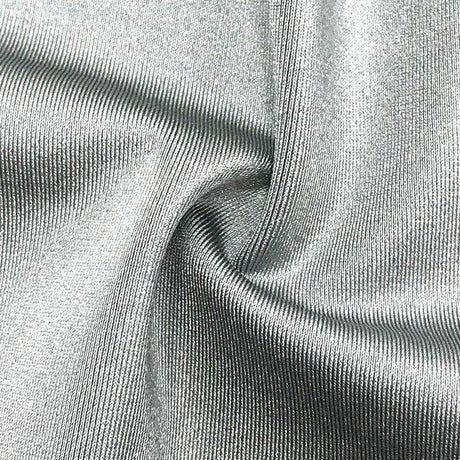
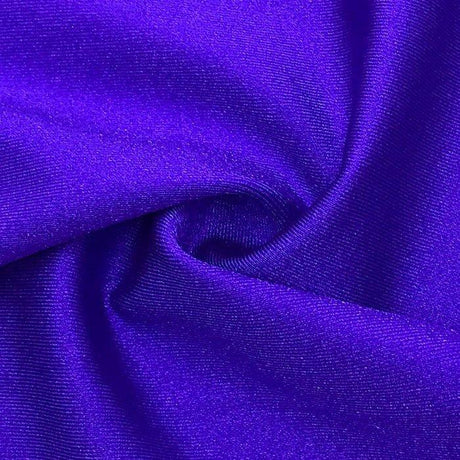
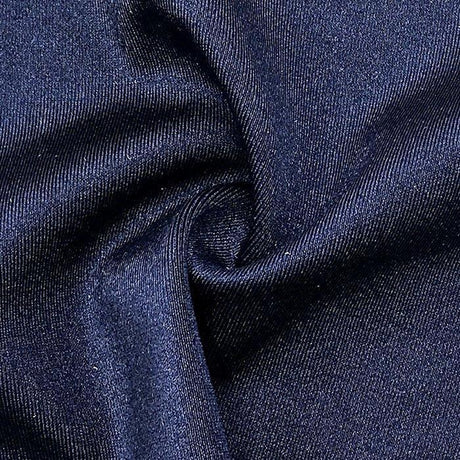
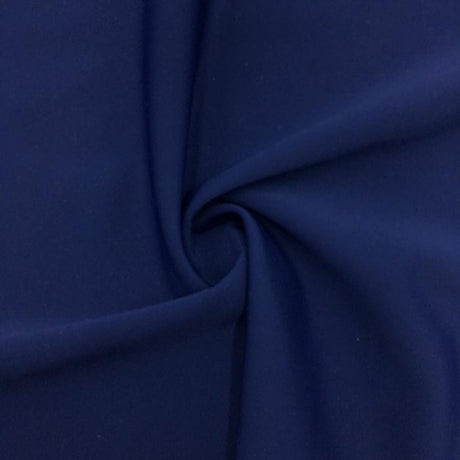
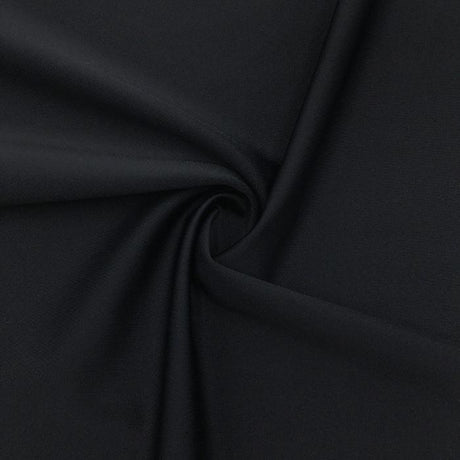
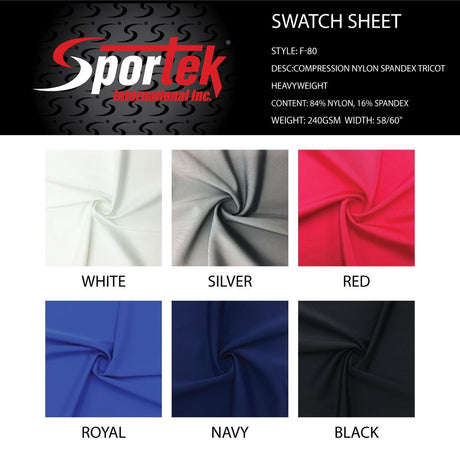
How it differs from other "stretch fabrics" used in costumes: Many dance costumes use nylon-spandex or polyester-spandex jersey/tricot as the main body fabric because it gives smooth coverage, snap-back stretch, and a sleek stage look. Breathable panel fabrics differ because the construction is more open (mesh, eyelet, perforation) specifically to increase ventilation.
Key Performance Characteristics
Stretch and Recovery: For dance, you need stretch (range of motion) and recovery (returning to shape after stress). Fabrics with poor recovery can "grow" at knees, elbows, or side seams—especially when panels are under tension. Standards like ASTM D2594 measure stretch properties of knitted fabrics and evaluate fabric growth after extension and release. Our stretch fabric types page covers the step-by-step stretch and recovery testing methodology in detail, including how to calculate stretch percentage from a home swatch test.
Fabric Weight (GSM) and Structure: Fabric weight (often stated in GSM, grams per square meter) affects panel opacity, durability, and how it behaves when sewn. GSM itself is commonly determined using standardized methods such as ASTM D3776. Why GSM matters for dance costume panels: 95 GSM micro mesh is extremely light—great for airflow and lining, but you'll want to test seam reinforcement and stage sheerness. 145 GSM perforated mesh balances structure and breathability while adding higher spandex content for compression and support. 170 GSM poly-spandex perforated mesh is still breathable but more substantial—often a sweet spot for paneling that must survive choreography and repeated laundering. Our fabric weight guide provides a full breakdown of how GSM affects opacity, breathability, and durability across all common mesh constructions.
Breathability and Moisture Handling: Breathability can refer to airflow, but in performance wear it also includes how the fabric deals with sweat. Moisture management can be evaluated with methods such as AATCC TM195, which evaluates factors like wetting time, absorption, spreading speed, one-way transport, and overall moisture management capacity.
Durability and Abrasion Resistance: Dance costumes face abrasion at underarm seams, waistbands, friction points from partnering lifts, and repeated laundering. Abrasion resistance is commonly assessed with standardized methods such as ASTM D4966 (Martindale abrasion tester method). Knowing abrasion testing exists helps you understand why heavier or tighter-structured meshes often survive longer in high-friction zones.
Handfeel and Comfort Against Skin: For panels that touch skin directly (side torso, back, underarm), consider softness, itch/scratch risk (especially if the mesh has textured yarns), and edge stability (does it curl, does it ladder, does it snag?).
Special Performance Traits: Depending on the costume brief, you may want compression/support (PowerNet-style meshes), sublimation-ready PFP for custom printed panels, or antimicrobial finishes for heavy rehearsal schedules. Our sublimation page covers how sublimation printing works on polyester-spandex fabrics, and our sublimation paper and sublimation transfer paper pages cover the complete printing workflow.
Comparison with Similar Fabrics
Stretch Mesh (Panel Mesh): Often nylon-spandex or poly-spandex; typically 2-way to 4-way depending on knit + spandex %. Best for side torso inserts, back panels, underarm gussets, "illusion" zones, and breathable shaping panels. Breathable + supportive options exist; many are durable and stage-friendly; can be sublimation-ready.
Sport Micro Mesh (Lining Mesh): Often 100% polyester at 95 GSM. Usually limited mechanical stretch unless elastane is included; best as breathable layer or looser panel. Best for large breathable back linings, shorts linings, jersey-style mesh looks, and lightweight costume layers. Maximum airflow, minimal bulk, easy layering; but can be too sheer for stage.
Printed Performance Spandex (Main Body): Printed spandex blends include nylon and polyester spandex options. High stretch with recovery (spandex/elastane blend); used for body-hugging silhouettes. Best for the main body of leotards/unitards/dresses where you want full coverage + color impact. Strong visual presence; designed for activewear/swimwear performance and comfort; wide variety of prints. Our activewear fabric guide covers how performance fabric constructions compare across all common dancewear applications.
Best Uses and Applications
Mainstream Apparel Categories That Overlap with Dance Needs: Stretch meshes are frequently positioned for jerseys, tights, workout garments, and swimwear—categories that parallel dancewear performance needs. Common performance garment categories where breathable panels excel include activewear tops and unitards, dance leotards and bodysuits, swimwear-style dance costumes (high leg cuts, open backs), and stage costumes requiring "illusion" coverage without overheating.
Dance Costume Panel Placement Ideas That Actually Work:
Side torso panels (rib-to-hip): This is one of the best zones for ventilation because it's a high heat area and also visually slimming. Use a stable stretch mesh that matches the stretch direction of the main body fabric.
Center-back panels (spine line or yoke): Great for airflow, especially in long-sleeve costumes. Micro mesh works well here when you want minimal bulk.
Underarm gussets: Choose a mesh with good recovery and abrasion resistance. A slightly higher GSM perforated mesh can be more durable than ultra-light micro mesh in this friction zone.
Bust/upper torso support panels (inside or layered): PowerNet and power meshes (nylon-spandex support meshes) can provide shaping/support while still offering breathability compared with solid knits.
Pairing Panel Fabrics with Body Fabrics: For most dance costumes, the cleanest build strategy is: pick a main body fabric (usually printed or solid spandex), add breathable mesh panels where needed, and reinforce high-stress seams correctly. Our how to sew stretch fabric guide covers all construction techniques for integrating mesh panels cleanly into performance costumes.
How to Choose the Right Fabric
Step One: Define the Purpose of the Panel. Is the panel for cooling (maximum airflow)? Mobility (stretch without binding)? Support/shaping (controlled stretch, high recovery)? Visual design (illusion, texture, or shine)? A microfiber sport mesh at 95 GSM prioritizes airflow and lightness. A perforated poly-spandex mesh at 170 GSM balances airflow with a more substantial body. A compression-oriented perforated mesh adds moisture management positioning and higher spandex content for support zones. Our how to choose fabric guide covers what to evaluate when a physical swatch arrives, including stretch testing, opacity testing, and hand feel assessment.
Step Two: Match Stretch Direction and Recovery to the Main Body. Spandex (elastane) is used specifically to add stretch and recovery to fabrics. But the amount of stretch and the stability of the knit structure matter just as much as fiber content. You should stretch-test both fabrics together (main body + panel) to see whether one is much stronger or looser; mismatched recovery is a common cause of warped seams and rippling.
Step Three: Choose GSM Based on Opacity, Durability, and Design Intent. Use GSM as a planning shortcut—then confirm by sampling. Ultra-light meshes (around 80–95 GSM) excel as airy layers but can be stage-sheer. Midweight perforated meshes (145–170 GSM) often handle seams and stress better.
Step Four: Decide Print vs Solid. If the costume's main body is printed, prioritize a mesh that either matches visually (same color family, similar finish) or is intentionally contrasting (for graphic paneling). If you're doing custom prints, look for meshes labeled as sublimation-ready/PFP.
Common Mistakes to Avoid
Using the Wrong Needle (Skipped Stitches, Damaged Mesh, Popped Seams): Highly elastic knits containing spandex benefit from specialized needles. A stretch needle has a medium ball point and is intended for highly elastic knits, especially those containing Lycra®/spandex/elastic. If seams are skipping on mesh, this is often the first fix. Our how to sew stretch fabric guide covers complete needle selection, stitch type, and machine settings for all common mesh and stretch fabric construction scenarios.
Ignoring Recovery (The "Bagging Panel" Problem): If your panel fabric stretches but doesn't recover well, it can grow and ripple after movement. ASTM D2594 exists specifically to measure stretch and fabric growth behavior in knitted fabrics—because this is a real, predictable performance issue.
Choosing Airflow but Forgetting Abrasion Zones: Underarm panels and side seams experience friction. Abrasion resistance testing standards like ASTM D4966 highlight how important controlled rubbing wear is in fabric durability. Don't automatically pick the lightest mesh for the highest-friction zone.
Wrong Stitch Selection (Popped Seams During Choreography): Straight stitches can "lock" a stretchy seam. Use stretch-capable seam construction (zigzag, stretch stitch, serger/overlock) so the seam can extend with the fabric.
Cutting Without Considering Grain / Stretch Direction / Print Alignment: On mesh, "grain" often shows up as the direction of greatest stretch and the direction the holes elongate. On printed main body fabrics, misalignment can be obvious under stage light and movement.
Ready-to-Use Checklists
Performance Costume Ventilation Panel Checklist:
- Pre-wash (or at least test-wash) swatches to confirm shrinkage, handfeel changes, and color behavior before cutting final pieces
- Test stretch + recovery by pulling panel and main body fabric together (confirm they act like a team, not competitors)
- Choose GSM based on your needs (lightweight airflow vs stronger panel durability)
- Use a ballpoint/stretch needle for elastic knits containing spandex to reduce skipped stitches
- Stabilize high-stress seams (underarm, waist, strap joins) and test seam stretch before committing
- If using sublimation-ready mesh, test print saturation and show-through on a sample first
- Under bright light, check opacity and "illusion" effect from stage distance (10–20 feet) before finalizing panel placement
Manufacturer-Focused Checklist (Small-Batch to Production):
- Confirm lot consistency (color, handfeel, stretch) with a control swatch per roll
- Record key specs: fiber content, width, GSM, and intended panel zones
- Define pass/fail criteria for breathability and comfort; if needed, reference standardized breathability tests like ASTM D737 or ISO 9237 for air permeability in your QA language
Care and Longevity Tips
Washing: Use gentle washing and avoid harsh treatment that can fatigue stretch fibers over time. Wash promptly after heavy sweat sessions when possible; sweat, body oils, and deodorant residues can build up and impact handfeel. Our spandex care guide and fabric care guide cover complete laundering protocols for all common spandex-blend fabric types, including why heat and harsh chemicals degrade elastane fibers over time.
Drying: High heat is a common enemy of stretch performance. Air drying spandex/Lycra items rather than using high-heat tumble drying is strongly recommended because heat can break down stretch fibers over time.
Ironing: Avoid direct high heat on mesh and spandex blends unless the fabric listing explicitly allows it. If you must press seams, use a low setting, press cloth, and minimal contact time—test on a scrap first.
Storage: Store costumes flat or folded with minimal stress on mesh panels (avoid hanging heavy costumes by thin straps). Keep away from rough hook-and-loop fasteners or sharp costume hardware that can snag mesh.
Print Care: Printed spandex fabrics are designed for performance applications like dancewear and activewear, but prints still benefit from gentle care to preserve vibrancy and elasticity over time.
When to Consider an Alternative Fabric
When Cotton-Spandex Can Beat Nylon-Spandex: Choose cotton-spandex when the costume is for lower-sweat performance (lyrical, contemporary rehearsal basics), you want a matte casual look and soft handfeel, or you want comfort-first for sensitive skin. Tradeoff: cotton-spandex is typically less "tech" in moisture handling than performance poly systems, and may feel heavier under stage lights. Our cotton-spandex fabric guide covers how cotton-spandex blends compare to synthetic alternatives in stretch behavior and recovery for different end uses.
When Neoprene (Scuba/Foam) Is a Better Choice: If your costume needs structure—architectural silhouettes, bold shapes, or built-in sculpting—neoprene-style materials can outperform mesh. Tradeoff: neoprene is generally warmer and less ventilating, so you may still need mesh inserts elsewhere.
When Mesh Makes More Sense Than "Moisture-Wicking Jersey": Choose mesh when the dancer's top priority is ventilation and heat release, you need "illusion" coverage with airflow, or you want a lightweight panel that minimizes bulk at seams.
Conclusion
The best breathable fabric for dance costume panels is the one that fits your exact performance problem: heat management, mobility, support, durability, or a mix of all four. Stretch meshes and sport meshes are popular because their open structures help release heat, while spandex content and knit structure help the panels move with the body—especially when you select the right GSM and recovery behavior for the zone.
For most builds, a reliable formula is: use printed or solid performance spandex for the main body, add stretch mesh or sport mesh panels in high-heat zones, and sew with stretch-correct tools (like a stretch needle) and seam methods that can move without popping.
FAQ
Is breathable fabric for dance costume panels good for underarm gussets? Yes—underarm gussets are a high-heat zone, and breathable mesh can help. Choose a mesh with strong recovery and enough durability for friction; abrasion-resistance considerations are real in high-rub areas, which is why abrasion test methods like ASTM D4966 exist. Our dancewear fabric guide covers mesh applications across all common performance costume construction scenarios.
What GSM should I look for in mesh panels? It depends on opacity and stress level. Ultra-light micro mesh options (like 95 GSM) maximize airflow, while midweight perforated meshes (145–170 GSM examples) often handle seams and movement better. Our fabric weight guide covers the GSM thresholds that distinguish lightweight from midweight mesh constructions.
What needle should I use to sew stretch mesh for costume panels? For highly elastic knits containing spandex, use a stretch needle design (medium ball point, deep scarf) intended to reduce skipped stitches in elastic knits. Our how to sew stretch fabric guide covers all needle selection and machine setup guidance for stretch mesh construction.
Can I sublimate custom designs onto breathable mesh panels? Often yes—some meshes are explicitly marketed as sublimation-ready/PFP. Always test a sample first for saturation, show-through, and stretch-related distortion. Our sublimation page covers the complete sublimation workflow for polyester-spandex fabrics.
How should I care for mesh-and-spandex dance costumes to keep stretch? Use gentle washing and avoid wringing/twisting. Air drying is widely recommended for spandex/Lycra-type garments because high heat can break down stretch performance over time. Our spandex care guide and fabric care guide cover complete care protocols for all common spandex-blend costume fabrics.
Ready to find the right mesh for your dance costume panels? Use our stretch fabric types page and fabric weight guide to evaluate technical specifications, our nylon-spandex fabric guide for full performance profiles of nylon-spandex mesh constructions, and our dancewear fabric guide and activewear fabric guide for end-use specific guidance. Have questions? Our expert help and advice page and FAQ are always available. Sign up for SpandexByYard Rewards to earn points on every purchase – great ventilation panels make great performances!