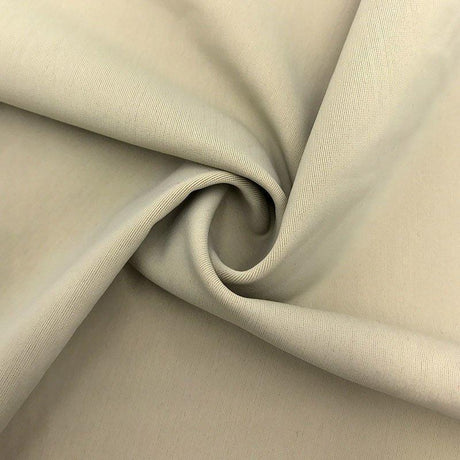
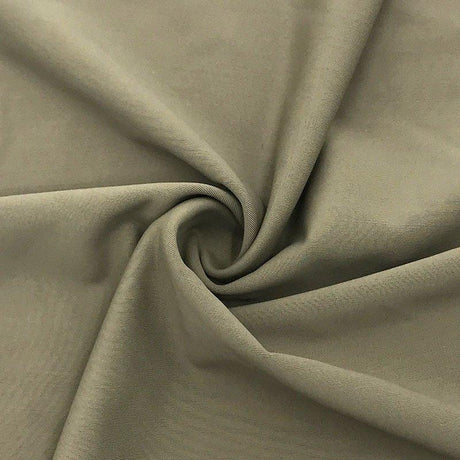
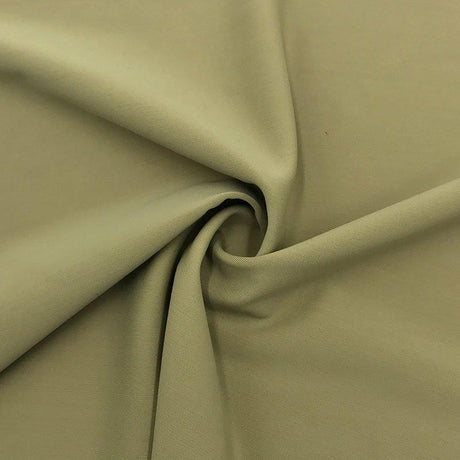
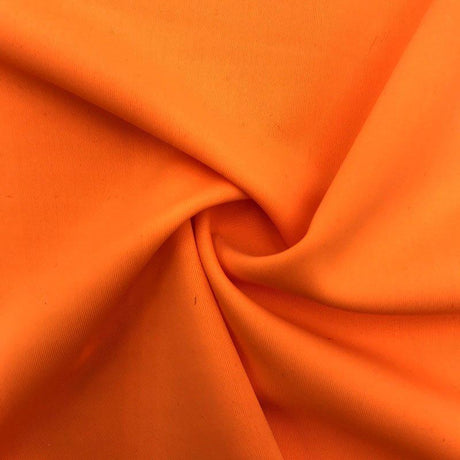
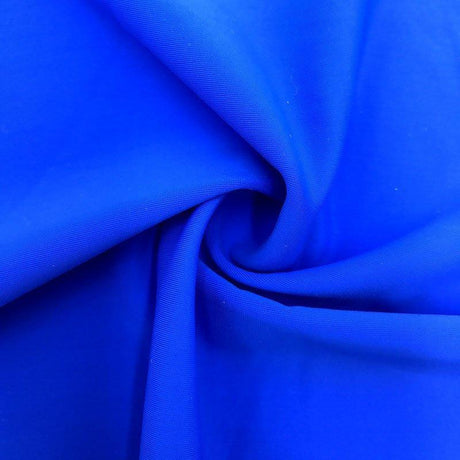
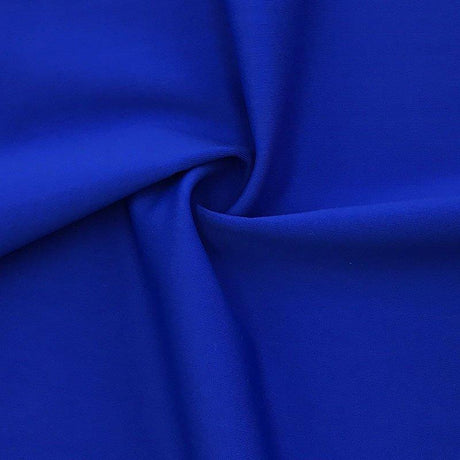
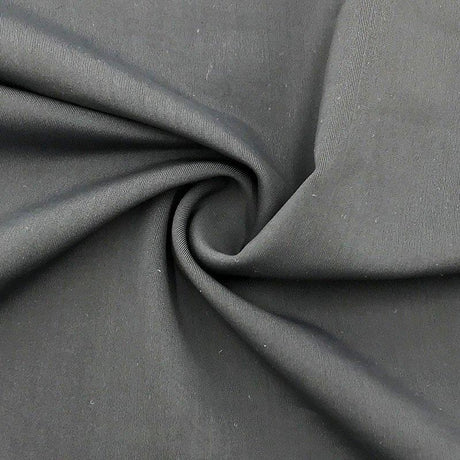
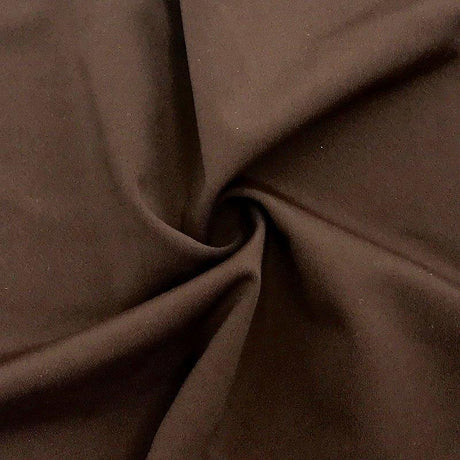
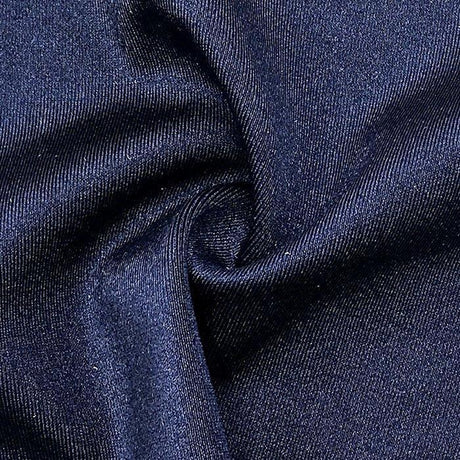
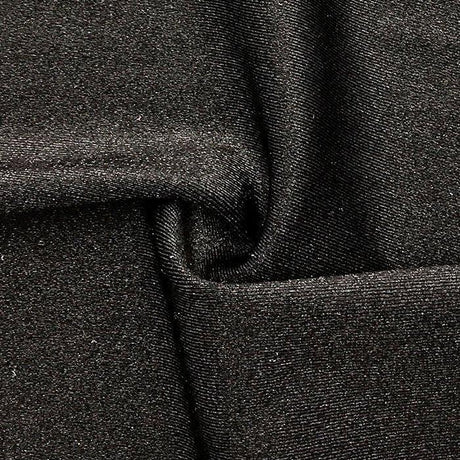
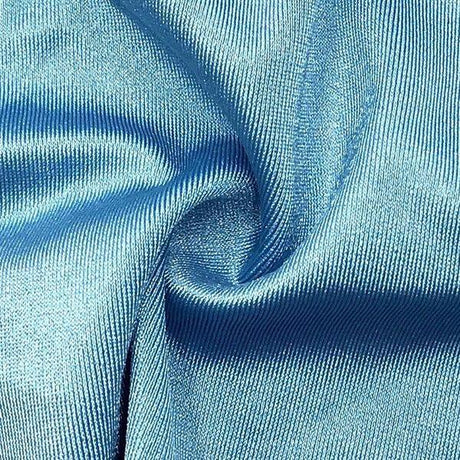
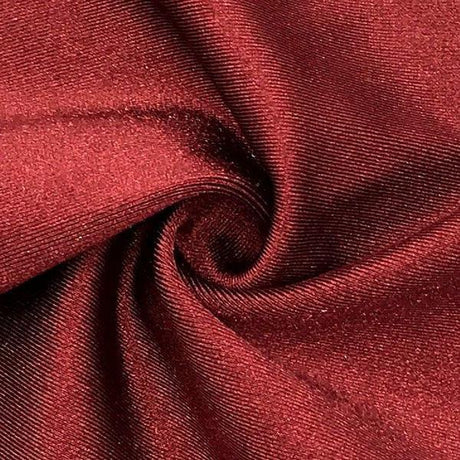
Pajamas should be the easiest garment in your closet—soft, stretchy, forgiving. Yet if you've ever made (or manufactured) a pajama set that came out of the wash with a twisted leg seam, a rotated side seam, or a top that suddenly feels shorter and tighter, you already know the uncomfortable truth: comfort is a performance spec. For a broader foundation on stretch fabric properties before diving in, explore our stretch fabric types page or browse our full fabric guides hub.
The two biggest "why did this happen?" complaints in stretchy sleepwear are dimensional change (shrinkage) and garment torque (often called spirality). Knit fabrics are inherently more prone to shrinkage than wovens, and achieving "no shrinkage" is difficult without the right construction and finishing controls. And for twisting, the culprit is rarely your imagination—spirality can shift seams and distort the way a garment hangs, especially after laundering.
What "Best Fabric for Stretchy Pajamas" Really Means
When shoppers search best fabric for stretchy pajamas, they're usually asking for a fabric that delivers four things at once: comfort stretch (movement without feeling clingy), recovery (doesn't bag out at knees, elbows, seat), dimensional stability (minimal shrinkage and seam distortion), and a soft hand (skin comfort for long wear).
In practice, the "best" answer is often a stable knit with elastane (spandex)—most commonly cotton-spandex jersey/interlock or bamboo-derived rayon-spandex jersey—chosen at the right weight and constructed/finished to reduce torque.
The Primary Fabric Topic: Cotton–Spandex Comfort Knits
Spandex (also called elastane) is a manufactured fiber made from a polymer comprised of at least 85% segmented polyurethane. This segmented structure is why it stretches and springs back so effectively. When spandex is blended into a cotton knit, you get a sleepwear-friendly combo: cotton contributes softness and familiarity against skin, while spandex contributes stretch and shape retention. Our cotton-spandex fabric guide covers how cotton-spandex blends compare to synthetic alternatives in stretch behavior, recovery, and moisture management for different end uses.
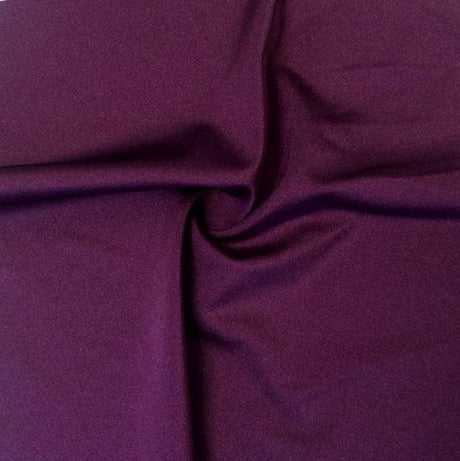
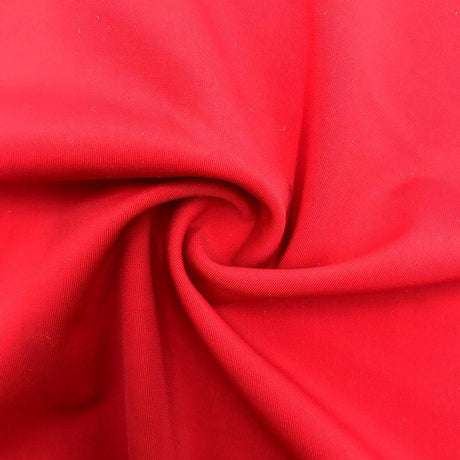
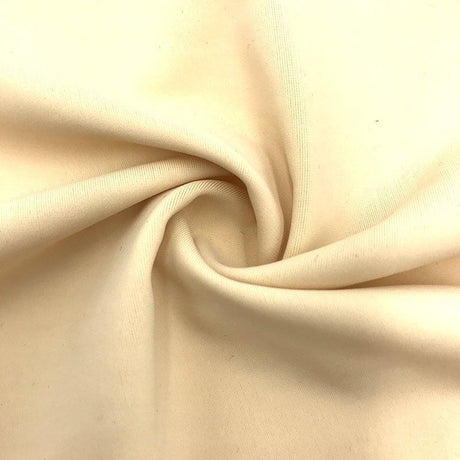
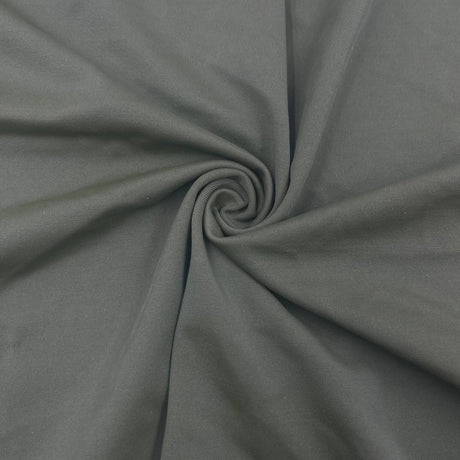
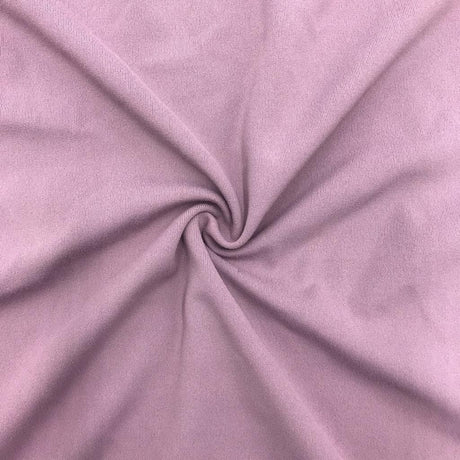
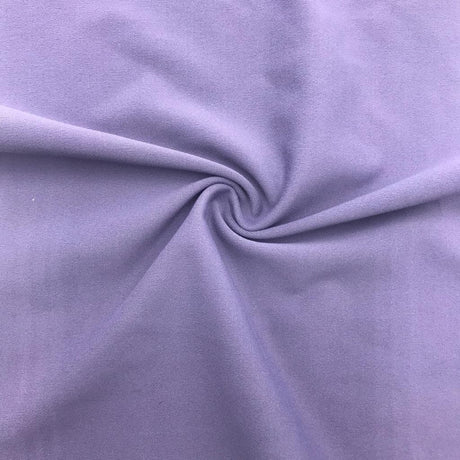
A concrete example spec: Egyptian Combed Cotton Spandex Jersey is listed at 90% cotton / 10% spandex, 240 GSM, and 60–61" width—a classic midweight range for comfortable, opaque knit garments.
How it differs from nylon–spandex, mesh, fleece, and tricot:
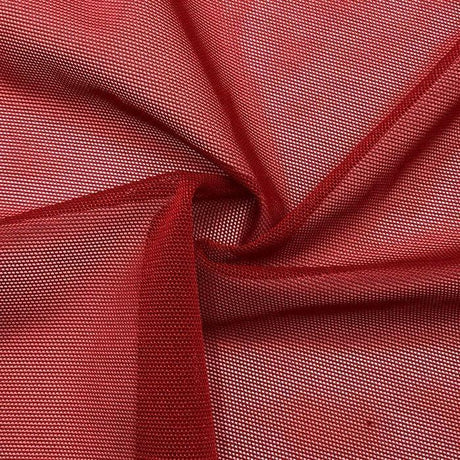
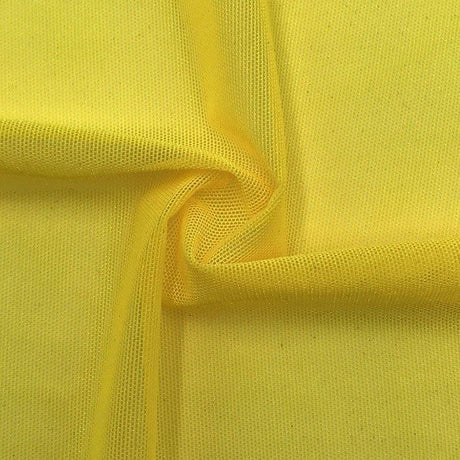
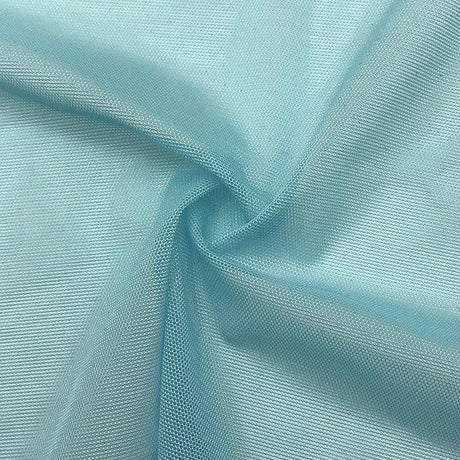
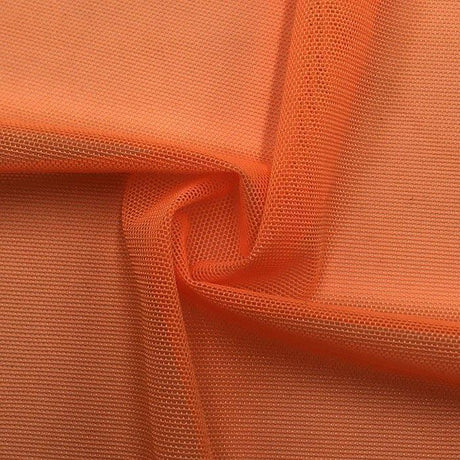
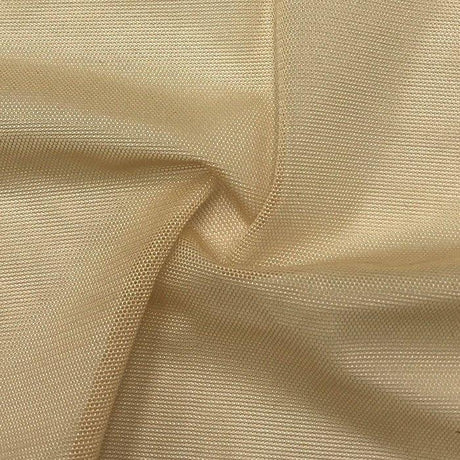
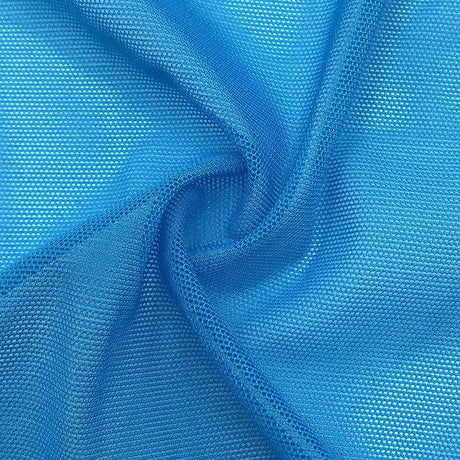
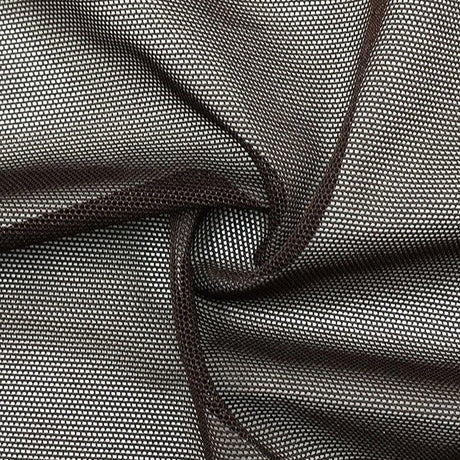
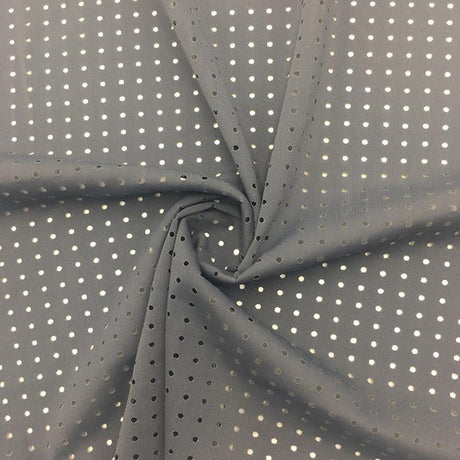
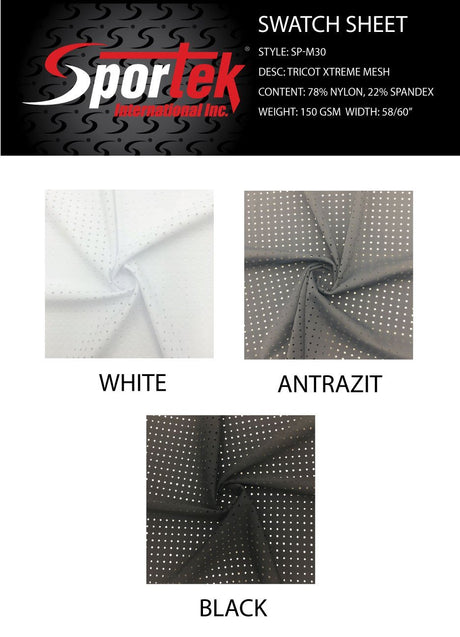
Nylon–spandex (common in swim/activewear) tends to prioritize smoothness, durability, and higher stretch-power. Our nylon-spandex fabric guide covers how nylon-spandex constructions compare in hand feel, moisture management, and durability. Mesh is about breathability and airflow; it's often used for panels/linings rather than full pajama bodies in most mainstream builds. Fleece is about warmth and loft; it can be cozy but needs careful shrink and pilling control. Tricot (warp knit) is common in swimwear and linings; warp knits can be more dimensionally stable than some weft knits, but the handfeel may be slicker than "pajama cozy" unless brushed/finished.
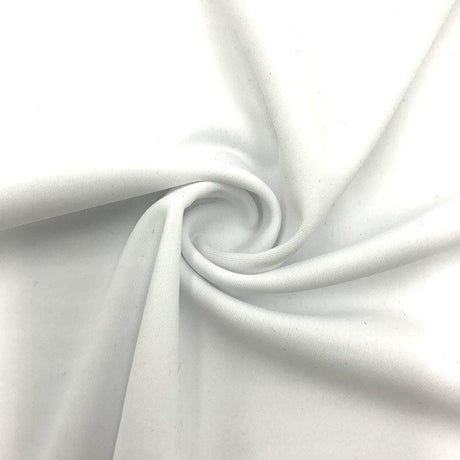
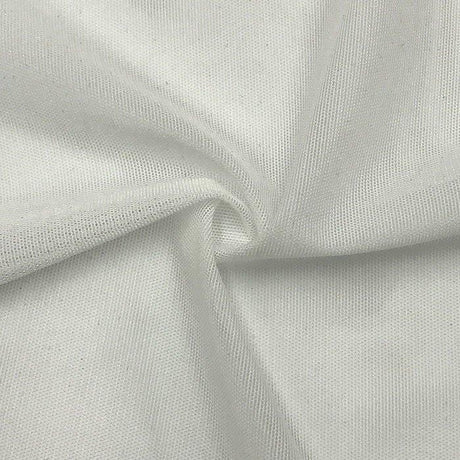
A particularly pajama-relevant option is brushed tricot—often used as a lining layer or for lightweight softness. Brushed tricot (100% polyester, 105 GSM, 61–62" width) is sublimation-ready for long-lasting prints. Our fabric finishes guide covers how surface treatments and finishes are applied to tricot fabrics and how to evaluate their durability across different performance applications.
Key Performance Characteristics That Prevent Twist and Shrink
Stretch and Recovery: For pajamas, you typically want comfort stretch, not aggressive compression. Spandex provides elastic recovery by design, which helps keep knees and elbows from bagging out over time. A 90/10 cotton-spandex jersey (like the 240 GSM example above) is often a sweet spot for softness + stable stretch, especially when you want a "real pajama" hand rather than a slick activewear feel. Our stretch fabric types page covers the step-by-step stretch and recovery testing methodology in detail.
GSM (Fabric Weight): GSM (grams per square meter) is a metric measure of fabric mass per square meter—used to compare weights across fabrics. Too light can mean more show-through, more clinging, and sometimes more distortion during sewing and washing. Too heavy can feel hot and may emphasize torque if the knit structure is unstable. Example reference points: cotton-spandex jersey at 240 GSM (midweight), bamboo-based stretch jersey at 220 GSM (midweight, slightly lighter), brushed tricot at 105 GSM (lightweight; more typical as a lining or light layer). Our fabric weight guide provides a full breakdown of how GSM affects opacity, compression, breathability, and durability across all common knit constructions.
Moisture Management and Breathability: For sleepwear, moisture behavior is about comfort (hot sleepers, night sweats, temperature swings). Cotton-based fabrics absorb moisture and feel comfortable for many sleepers (even though they may dry more slowly than synthetics). "Moisture management" performance is often lab-tested using AATCC TM195, which evaluates liquid moisture management properties (wetting, spreading, one-way transport, etc.). Our fabric finishes guide covers moisture-wicking surface treatments and how to evaluate their durability across all common knit constructions.
Durability and Abrasion Resistance: Pajamas don't face the same abrasion as leggings worn outdoors, but they do face repeat laundering and friction at inner thighs, cuffs, and seat—especially for kids' sleepwear and lounge sets. For professional evaluation, abrasion is often tested using standardized methods such as ASTM D4966 (Martindale abrasion tester).
The "Twist" Factor: Spirality (Torque) and Why Knits Rotate: If your pajama legs twist after washing, you're seeing spirality/torque in action. Single jersey constructions can show more spirality, while more balanced structures (like interlock and rib) show less. This matters because many pajama patterns are cut from knit goods where seam lines become your "visual ruler." When the fabric wants to rotate, the seam follows.
Translation for buyers: If your goal is pajamas that don't twist, don't just ask "Is it soft?" Ask: Is it a stable structure (interlock/rib/double knit) or a torque-prone single jersey? Was it finished/relaxed/compacted to control shrink and distortion?
Comparison: Cotton–Spandex vs Bamboo-Based Stretch vs Nylon–Spandex
Cotton–Spandex Comfort Knit (Primary): Typically 90/10 cotton-spandex. Comfort stretch with good snap-back from spandex. Familiar, "tee-like," cozy on skin. Best for classic pajama sets, kids' PJs (with compliance considerations), and lounge basics. Breathable comfort; easy to wear; stable midweight options available. Can shrink if not pre-relaxed/finished; can torque if single jersey and not controlled.
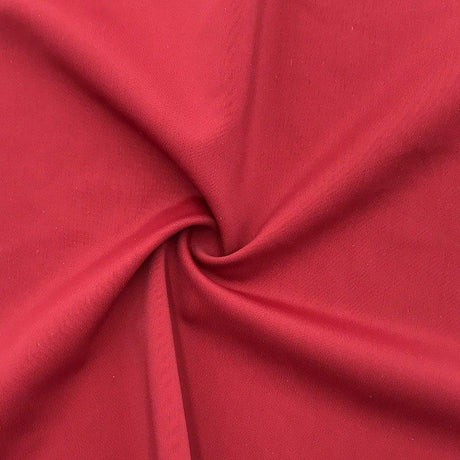
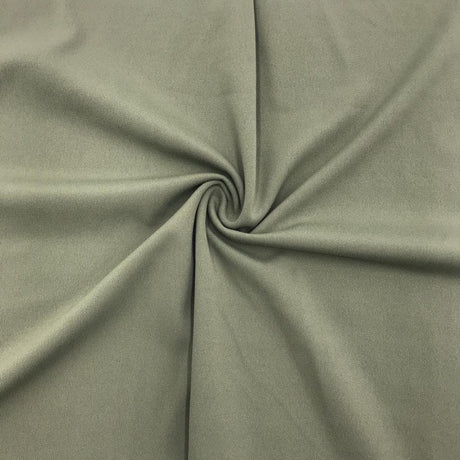
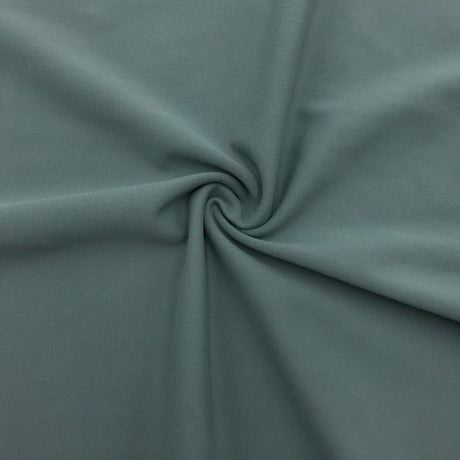
Bamboo-Based Stretch Jersey (Rayon/Spandex): Example: 95% rayon from bamboo / 5% spandex. Soft drape + stretch; recovery depends on knit and spandex %. Very soft, fluid, cool-to-touch feel (rayon-like). Best for hot sleepers, drapey jogger-style sets, and "luxury lounge." Softness + drape; breathable feel; midweight options exist. Rayon can lose strength when wet; can be more sensitive to laundering.
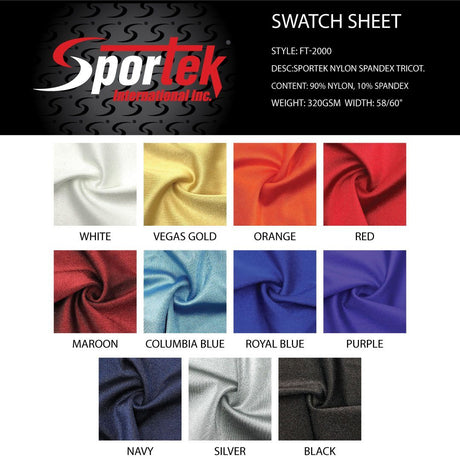
Nylon–Spandex Tricot (Active/Swim): Typically nylon + spandex; common for tricot swim/active. Strong 4-way stretch & recovery; "second-skin" feel. Smooth, slick, athletic hand; less "cotton cozy." Best for pajama camis, sleep bodysuits, travel-lounge, and silky sets. Durable feel, strong recovery, smooth finish; warp-knit stability benefits. Can feel less breathable/"sleepy-soft" than cotton/rayon for some sleepers.
Important labeling clarity (especially for brands): The FTC cautions that many "bamboo" textiles are actually rayon; products should be labeled/advertised using the proper generic fiber name (e.g., "rayon" or "rayon made from bamboo") unless the item is made directly from bamboo fiber.
Best Uses and Applications by Pajama Type
Classic pajama sets (top + pant/short): Midweight cotton-spandex is a strong default—soft, breathable, and stable when you choose the right knit structure and prewash correctly.
Active sleepers / movement-heavy lounge: Look for good recovery (spandex content + stable knit). If you're blending sleepwear with athleisure, moisture management spandex, functional jersey, and mesh/lining can support targeted features like wicking panels or ventilation zones.
Hot sleepers / summer pajamas: Bamboo-based rayon-spandex jerseys can feel cool and drapey. The 95/5 rayon from bamboo/spandex at 220 GSM is positioned as soft and breathable.
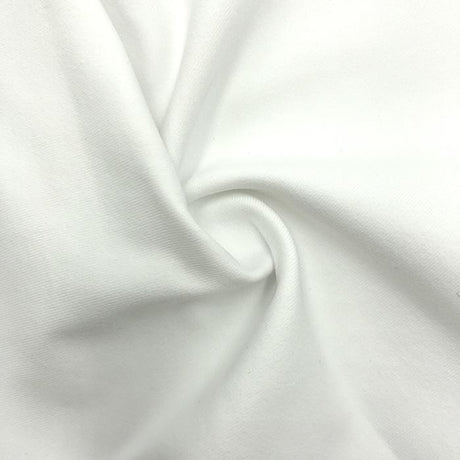
Printed pajama drops (brands) or statement DIY sets: If you're building a print-forward line, consider bases that accept printing cleanly. For sublimation workflows, a practical option is brushed tricot with a PFP (ready-to-print) white finish. Our sublimation page covers how sublimation printing bonds dye into polyester-spandex fibers to achieve permanent, saturated color, and our sublimation paper and sublimation transfer paper pages cover the complete printing workflow.
Cozy linings, robe interiors, pocket bags, sleep hoodies: Use a dedicated lining layer rather than forcing the main pajama body to do everything. Brushed tricot is specifically positioned for lining/pocketing use.
A Selection Framework That Prevents Twisting and Shrinking:
Start with your "sleepwear mission": "I want classic softness, stable fit, easy care." → Cotton-spandex comfort knit. "I want breathable drape, cool feel, luxury lounge." → Bamboo-based rayon-spandex. "I want sleek, durable, high-stretch, travel-friendly." → Nylon-spandex tricot or performance knit.
Control shrinkage: Prewash the fabric the way you'll launder the pajamas, and plan shrink allowances before cutting/grading.
Control twist (spirality): If seam rotation is a dealbreaker, prioritize balanced structures and avoid overly slack/torque-prone jerseys for the main body.
Our how to choose fabric guide covers what to evaluate when a physical swatch arrives, including stretch testing, opacity testing, and hand feel assessment.
Common Mistakes to Avoid
Using the Wrong Needle for Stretch Knits: If you sew knits with a sharp needle (meant for wovens), you can damage loops, cause skipped stitches, or weaken seams. For knits containing spandex, use a Stretch Needle (designed to reduce skipped stitches on highly elastic knits) and a ball point needle for knit fabrics generally. Our how to sew stretch fabric guide covers complete needle selection, stitch type, machine settings, and edge finishing guidance for all common knit construction scenarios.
Ignoring Recovery (Not Just Stretch): Stretchy pajamas that "grow" overnight often aren't a pattern issue—they're a fabric recovery issue. Spandex improves recovery, but knit construction and weight still matter.
Cutting Without Respecting Grain and Knit Alignment: If your fabric already has spirality/skew, careless cutting locks that distortion into the garment. True the fabric (steam/relax, align wales/courses) before cutting, and don't "muscle" a twisted fold into place.
Washing and Drying Too Aggressively: Laundering is a mechanical + thermal stress test. The hottest dryer setting is rarely your friend if you want long-term stability and recovery. Our spandex care guide and fabric care guide cover complete laundering protocols for all common spandex-blend fabric types, including why heat and harsh chemicals degrade elastane fibers over time.
Ready-to-Use Checklists
Pre-Cut Checklist: Stop Shrink and Twist Before They Start:
- Wash and dry a test swatch using your real care plan (machine wash? tumble dry?) to observe shrink and seam rotation risk
- Check fabric structure: if twist risk is unacceptable, avoid torque-prone jerseys and prioritize balanced knits (interlock/rib)
- Measure stretch and recovery on the cross-grain (and lengthwise if relevant) before choosing rib bands or cuffs
- True the grain: align wales/courses, let the fabric relax on a flat surface before cutting
- For prints: decide whether your print is directional; plan pattern placement accordingly (especially for legs and sleeve pairs)
Sewing Checklist: Pro Results on Home Machines or Factory Lines:
- Use a ballpoint or stretch needle for knits and elastane blends (avoid standard sharp needles)
- Use stretch-friendly seams (serger/overlock, coverstitch, or stretch stitch/zigzag as appropriate for your equipment)
- Don't stretch fabric through the machine—feed evenly (walking foot helps on slippery or high-stretch knits)
- Stabilize high-stress areas (waist seam, pocket openings) with knit tape or gentle stabilization if needed
- Press with care: avoid dragging knit out of shape; press and lift
Production/QC Add-Ons for Apparel Manufacturers:
- Define acceptable shrinkage tolerance and test methodology up front; knits are sensitive to processing variables
- Evaluate spirality/twist risk (structure, yarn twist, finishing). Single jersey can show more spirality than interlock/rib
- If marketing moisture management, reference recognized test methods (e.g., AATCC TM195) rather than vague "wicking" claims
Care, Longevity, and When to Choose an Alternative
Care Tips to Keep Pajamas Soft and Stable:
Washing: Wash in cool-to-warm water when possible; aggressive hot washing increases relaxation forces on knits. Wash inside out to reduce surface abrasion (especially for brushed finishes and prints).
Drying: Tumble drying amplifies mechanical action; if shrink is a concern, consider line drying or low heat after you validate results on a swatch.
Ironing/Pressing: Use medium heat and a press cloth when needed; avoid stretching the fabric while it's warm.
Print Care: If you're sublimating on PFP bases like brushed tricot, follow print-process best practices for wash-fastness and avoid harsh abrasion in laundering.
When to Consider an Alternative Fabric:
Choose bamboo-based stretch (rayon from bamboo/spandex) instead of cotton-spandex when you want more drape and a cooler handfeel, or you're building a luxury lounge silhouette (wide-leg pants, drapey tees). Rayon is readily penetrated by water (it swells and can lose strength when wet), so care and construction choices matter.
Choose nylon-spandex instead of cotton-spandex when you're designing a "sleep-to-street" set, travel lounge, or sleek cami/short set with a smoother, more athletic finish, or when you need high recovery and a very smooth surface. Our nylon-spandex fabric guide covers how nylon-spandex constructions compare to cotton-spandex in durability, recovery, and moisture management.
Choose brushed tricot as a layer/lining instead of a main pajama body when you need a lightweight lining, pocketing, or a sublimation-ready printed layer (100% polyester at 105 GSM, explicitly positioned for lining/pocketing).
Choose fleece (or a thermal second layer) when the pajama problem is warmth, not stretch; then you optimize for loft and anti-pilling rather than maximum drape.
Conclusion
The best fabric for stretchy pajamas is the one that meets your comfort goal and stays dimensionally stable after real-life laundering. For most makers and many pajama brands, that means starting with a cotton–spandex comfort knit in an appropriate midweight, then controlling the two main failure modes: shrinkage (knits naturally relax and change dimensions) and spirality/torque (some knit structures twist more than others).
When you choose by structure + specs (not just "softness"), and you sew with knit-correct tools (ballpoint/stretch needle, stretch-friendly seams), you can make pajamas that stay exactly what they're supposed to be: easy. Have questions along the way? Our expert help and advice page and FAQ are always available. Sign up for SpandexByYard Rewards to earn points on every purchase.
FAQ
Is cotton–spandex really the best fabric for stretchy pajamas? For many sleepers and most classic pajama styles, cotton–spandex is a top choice because cotton provides familiar softness and spandex provides stretch/recovery. Our cotton-spandex fabric guide covers how cotton-spandex blends compare to synthetic alternatives in stretch behavior and recovery for different end uses.
How do I stop pajama legs from twisting after washing? Twisting is often caused by spirality/torque in knit structures. Balanced knits like interlock and rib tend to show less spirality than single jersey, and seam displacement becomes more visible after laundering as fabric relaxes. Prewash your fabric, choose stable constructions, and cut with the knit alignment (wales/courses) in mind.
Will bamboo pajama fabric shrink or behave differently than cotton? Many "bamboo" apparel fabrics are actually rayon made from bamboo, and the FTC advises accurate labeling/advertising accordingly. Rayon is readily penetrated by water (it swells and can lose strength when wet), so laundering and construction choices matter. The bamboo stretch jersey example lists 95% rayon from bamboo / 5% spandex at 220 GSM.
What needle should I use to sew stretchy pajama knits? Use a ballpoint/jersey needle for knits and a stretch needle for highly elastic knits containing spandex. Our how to sew stretch fabric guide covers all needle selection and machine setup guidance for all common knit construction scenarios.
I want printed pajamas—what fabric works best? For print-forward builds, match your print method to your base. If you plan sublimation printing, consider a PFP, sublimation-ready polyester base like brushed tricot. Our sublimation page covers how sublimation printing works on polyester-spandex fabrics, and our sublimation paper and sublimation transfer paper pages cover the complete printing workflow.