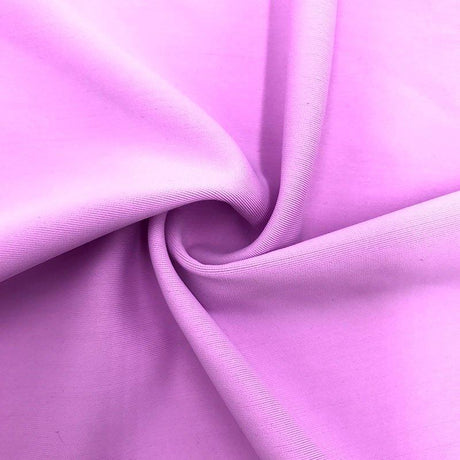
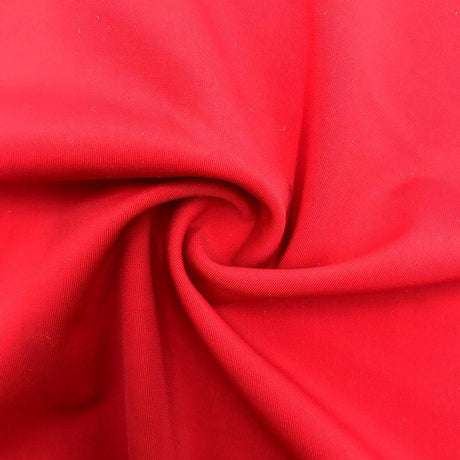
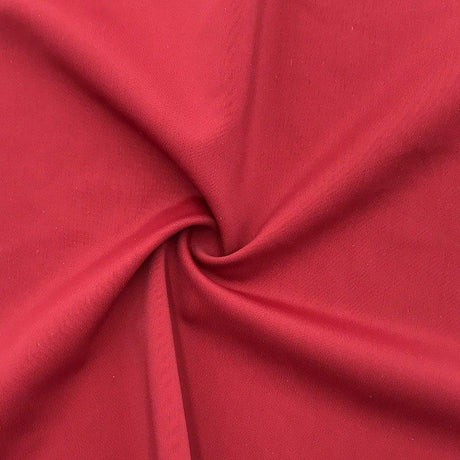
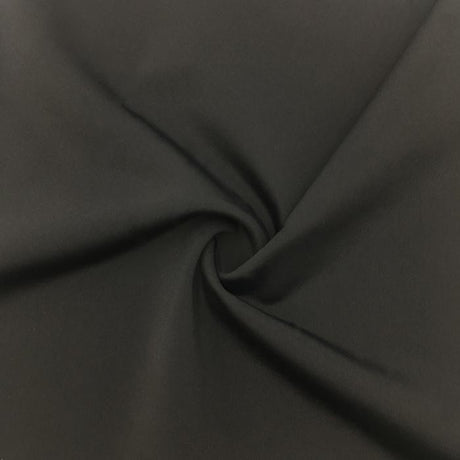
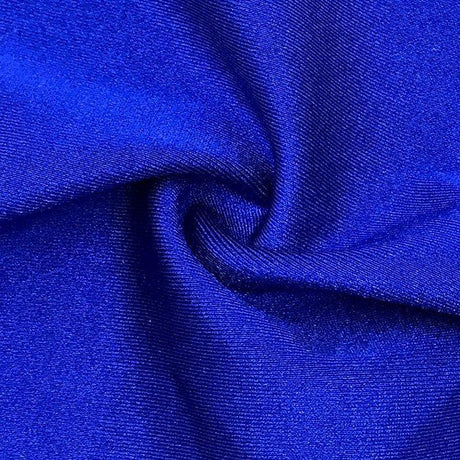
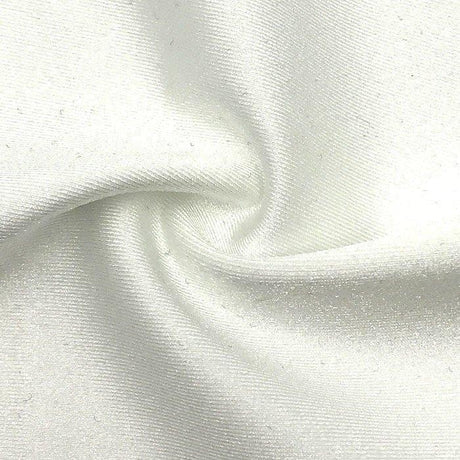
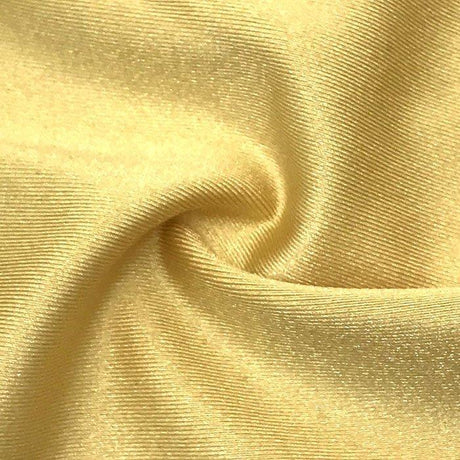
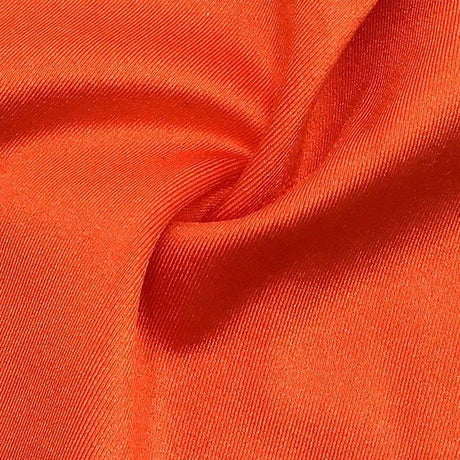
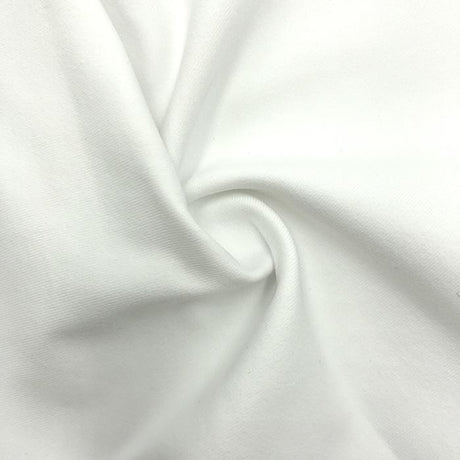
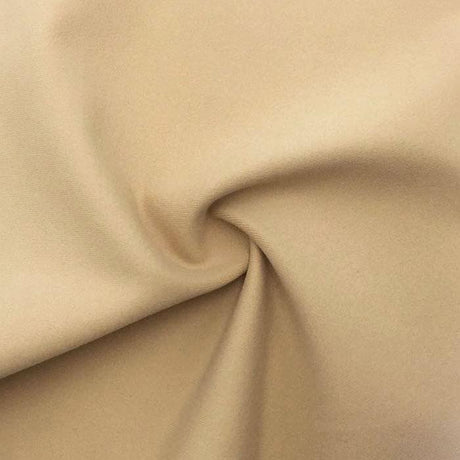
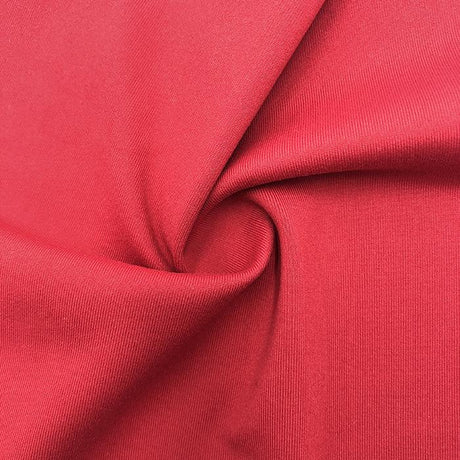
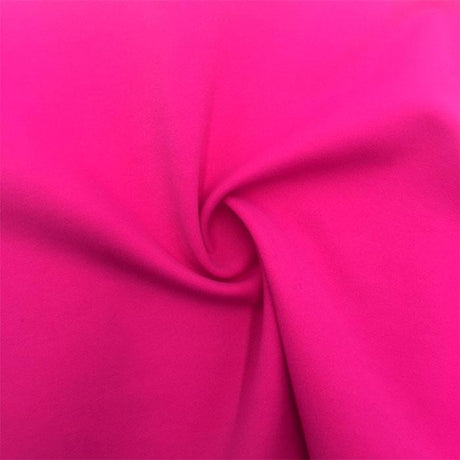
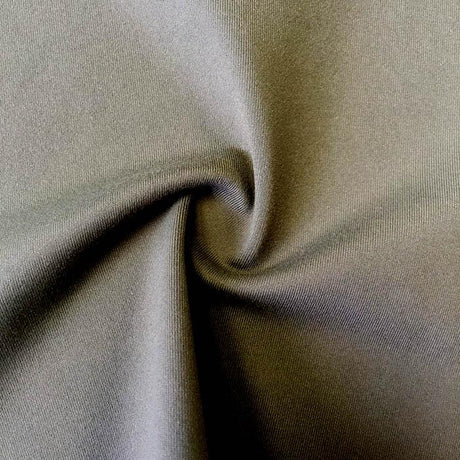
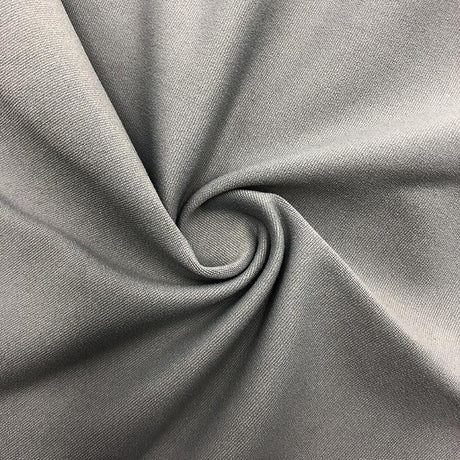
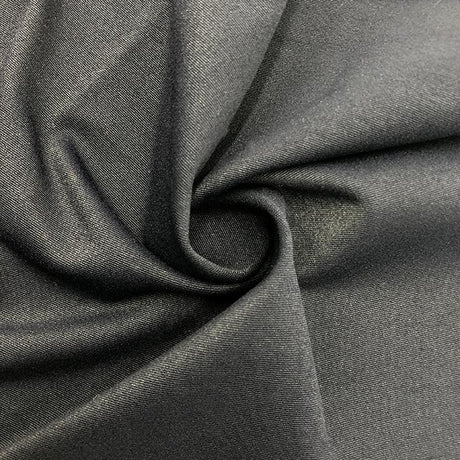
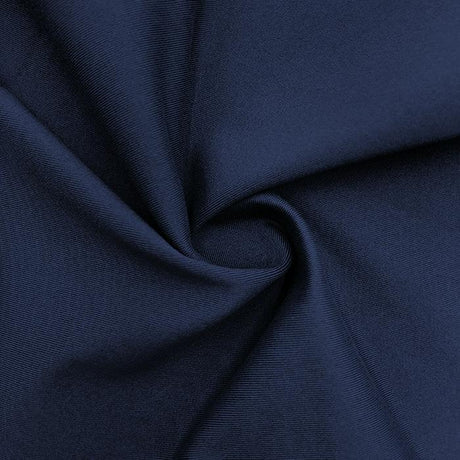
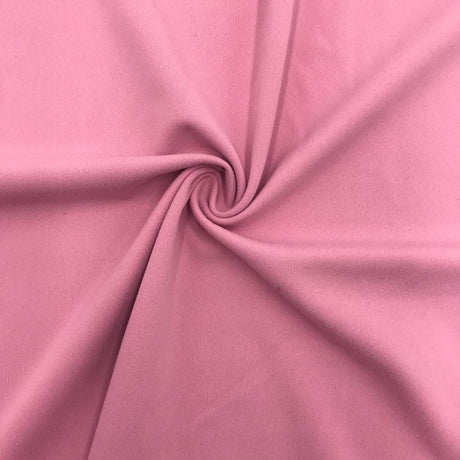
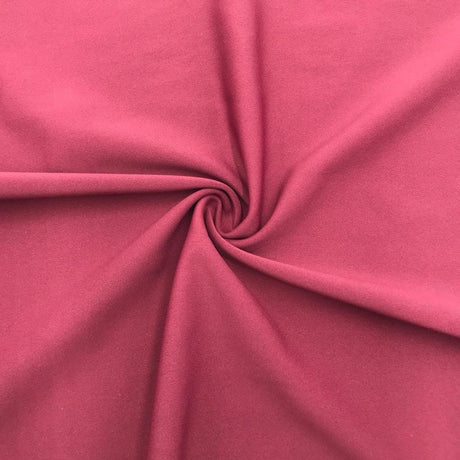
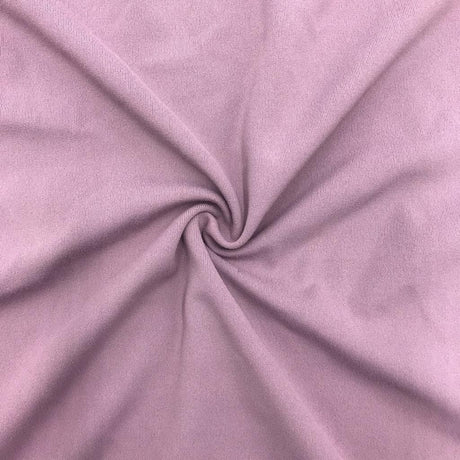
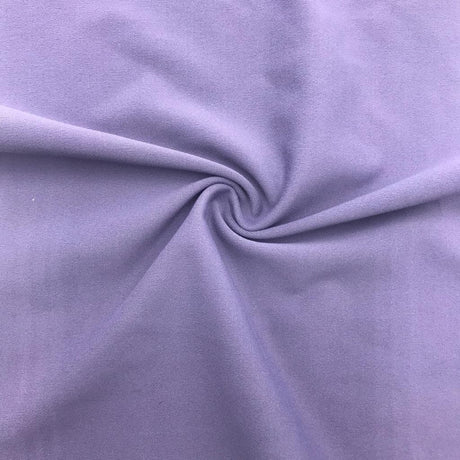
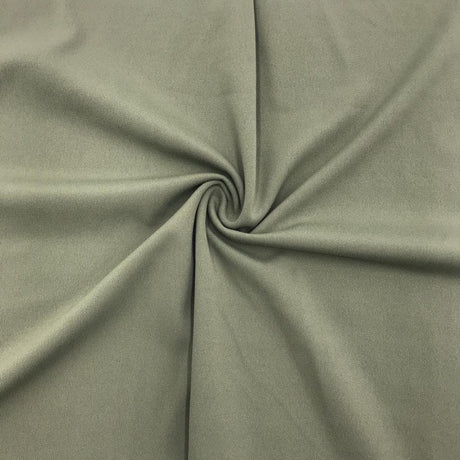
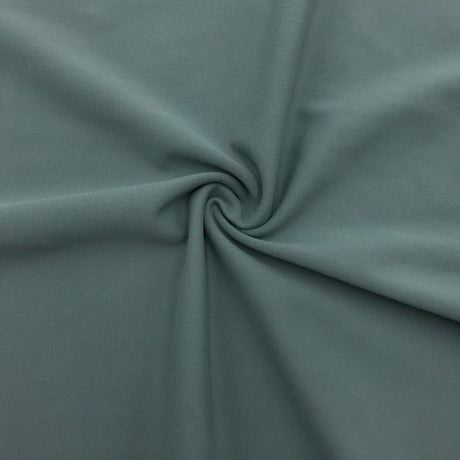
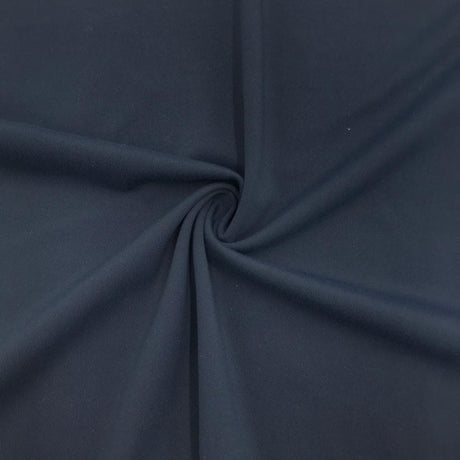
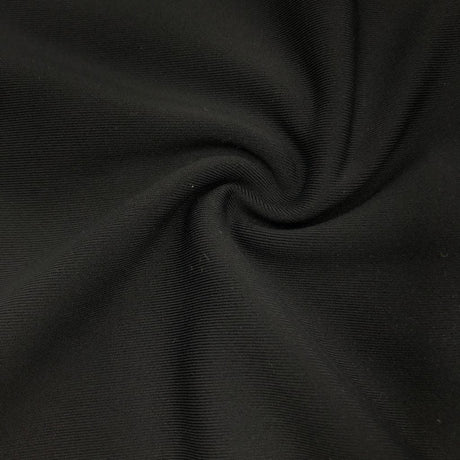
Picking fabric for compression leggings isn't just about stretch — it's about matching support level, weight, fiber blend, and recovery to how the leggings will actually be worn. This guide walks through that decision in order, step by step, so you land on the right fabric the first time instead of after a costly reprint or return.
Step 1: Define Your Compression Level First
Before comparing fibers or weights, decide what job the compression needs to do. Light compression (light shaping, everyday wear) needs less elastane and can use a lighter knit. Firm compression (running, training, post-workout recovery) needs a higher elastane percentage and a denser knit to hold consistent pressure through movement. Medical-grade or graduated compression sits at the top of that range and typically requires specialty construction beyond a standard jersey.
This decision drives everything that follows — it's the filter that narrows your fiber, weight, and spandex-percentage choices before you even look at a swatch.
Step 2: Choose Your Fabric Weight (GSM)
GSM (grams per square meter) determines how much support and opacity the fabric can deliver:
- 180–220 GSM — lighter compression, more breathability, best for everyday or low-impact leggings
- 220–280 GSM — the sweet spot for most performance compression leggings; squat-proof opacity plus real support
- 280+ GSM — heavy-duty compression for high-output training, recovery wear, or cold-weather layering
Heavier isn't automatically better — it also means less breathability and a warmer garment. Match the GSM to the intensity level you defined in Step 1.
Step 3: Choose the Fiber Blend — Nylon Spandex or Polyester Spandex
This is the step most buyers get stuck on, so treat it as a simple either/or based on priority:
Choose nylon spandex if: you want the softest hand feel, the smoothest body-hugging compression, and the strongest stretch recovery for premium, fitted leggings. Our nylon spandex fabric collection is built for exactly this — soft, high-recovery compression fabric that holds its shape rep after rep.
Choose polyester spandex if: your leggings need to handle heavy sweat, frequent washing, or printed designs. Polyester wicks moisture more aggressively, resists fading, and takes sublimation printing far better than nylon. Browse our polyester spandex fabric collection for performance-durability blends designed for exactly that kind of heavy use.
Neither fiber is universally "better" — nylon wins on feel and recovery, polyester wins on moisture management and print durability. Pick based on how the leggings will actually be worn and washed.
Step 4: Check the Spandex Percentage for Recovery
Spandex (elastane) content is what determines how well the fabric snaps back after being stretched — the single biggest factor in whether leggings bag out at the knees or sag at the waistband over time.
- 10–15% spandex — light, everyday leggings with moderate recovery
- 15–20% spandex — standard performance compression leggings
- 20%+ spandex — firm compression for training, running, or recovery wear
If a fabric's spandex percentage isn't listed, ask before buying — it matters more to long-term fit than almost any other spec.
Step 5: Consider Moisture Management
If the leggings are built for sweat-heavy activity — running, HIIT, cycling — moisture-wicking performance matters as much as compression. Polyester spandex is naturally hydrophobic and pulls moisture to the surface to evaporate quickly, which is why it's the standard choice for high-sweat training gear. Nylon spandex absorbs slightly more moisture and dries a bit slower, which is a fine trade-off for lower-intensity or fashion-forward pieces, but worth weighing carefully for serious performance apparel. Our activewear fabric collection includes both fiber types so you can compare wicking performance side by side.
Step 6: Run the Squat-Proof Opacity Test
No compression legging fabric passes muster if it goes sheer under stretch. Before committing to a bolt or roll:
- Stretch a swatch to about 50% over a light background
- Check for see-through spots, especially at the widest stretch points
- Confirm opacity holds at the GSM and spandex percentage you've chosen
A fabric that looks opaque flat but goes sheer under stretch will generate returns — this test takes thirty seconds and saves a lot of downstream headaches.
Step 7: Match Construction to the Finished Garment
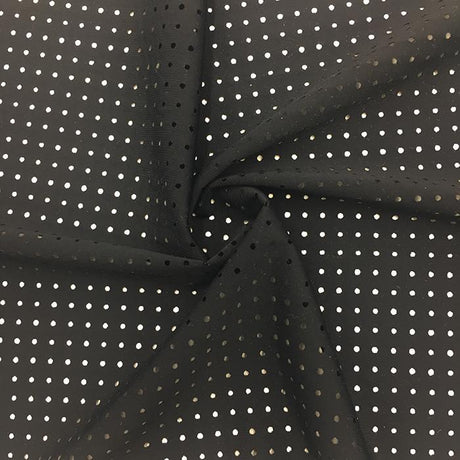
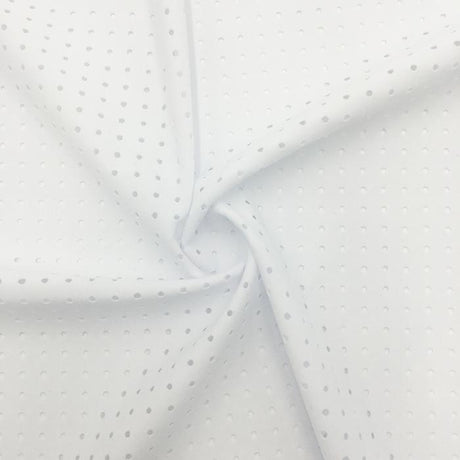
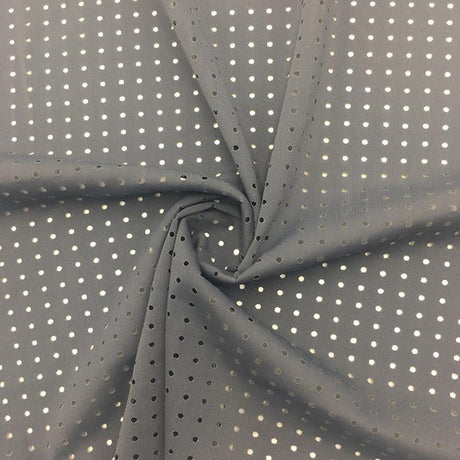
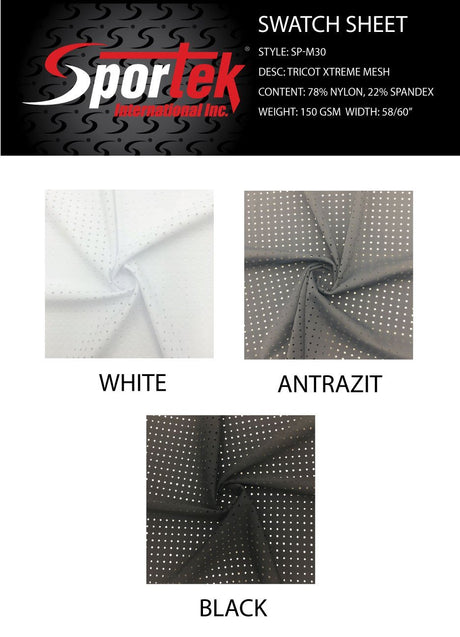
Not every compression legging needs to be built from a single fabric. Many designs use a supportive base fabric through the body with a dedicated compression fabric panel at the waistband or thigh for targeted support, or mesh ventilation panels behind the knee for breathability. Deciding this before you cut saves fabric and gives a more professional, purpose-built result than a single uniform fabric throughout.
Quick Reference: Nylon Spandex vs. Polyester Spandex for Compression Leggings
| Factor | Nylon Spandex | Polyester Spandex |
|---|---|---|
| Hand Feel | Softest, most luxurious | Slightly more textured |
| Stretch Recovery | Excellent — best in class | Very good |
| Moisture Wicking | Good | Excellent |
| Color/Print Retention | Good | Excellent, ideal for sublimation |
| Best For | Premium fitted leggings, studio wear | High-sweat training, printed designs |
Frequently Asked Questions
What GSM is best for compression leggings?
Most performance compression leggings fall in the 220–280 GSM range, balancing squat-proof opacity with real compressive support.
Is nylon or polyester spandex better for compression leggings?
Neither is universally better. Nylon spandex offers the softest feel and strongest recovery; polyester spandex offers better moisture-wicking and print durability. The right choice depends on intended use.
How much spandex should compression leggings fabric have?
Firm compression leggings typically use 15–25% spandex content. Higher percentages provide stronger recovery and support but can add weight and reduce breathability.
Can I test opacity before buying a full roll?
Yes — order a swatch or small cut, stretch it to about 50% over a light background, and check for sheerness at the stretch points before committing to a full order.
Ready to Choose Your Fabric?
Once you know your compression level, target GSM, and preferred fiber, choosing the right roll becomes straightforward. Start with our nylon spandex fabric for soft, high-recovery compression, our polyester spandex fabric for high-sweat performance builds, or our full activewear fabric collection to compare both side by side before you cut your first pattern.