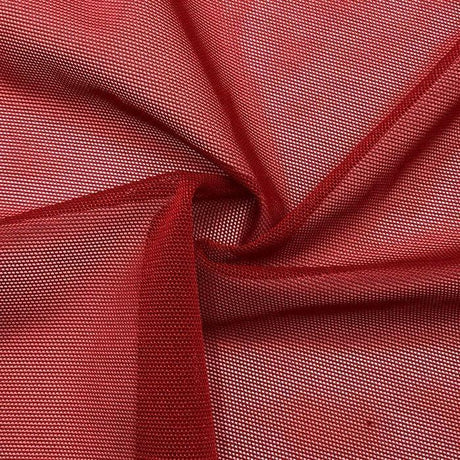
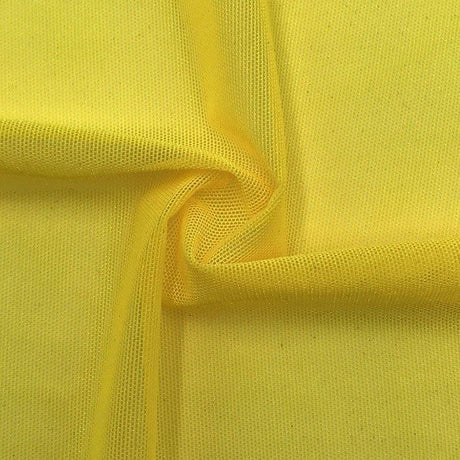
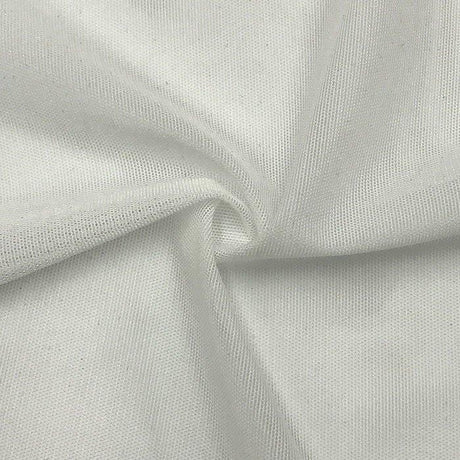
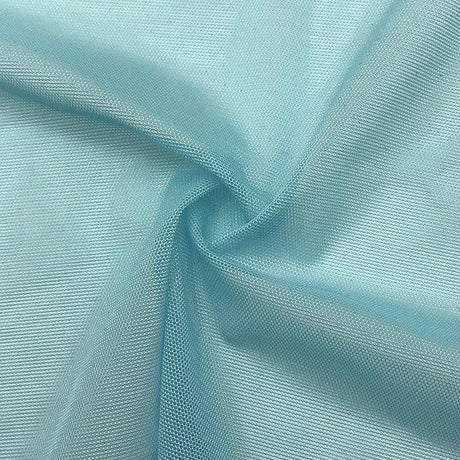
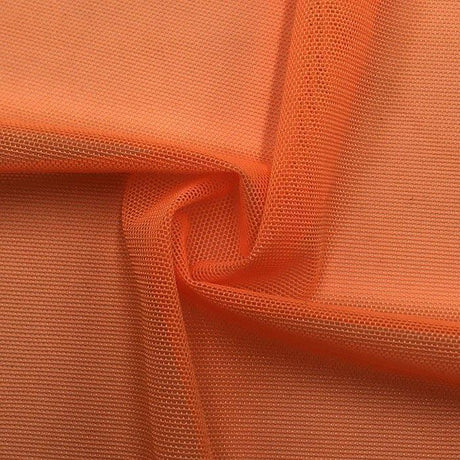
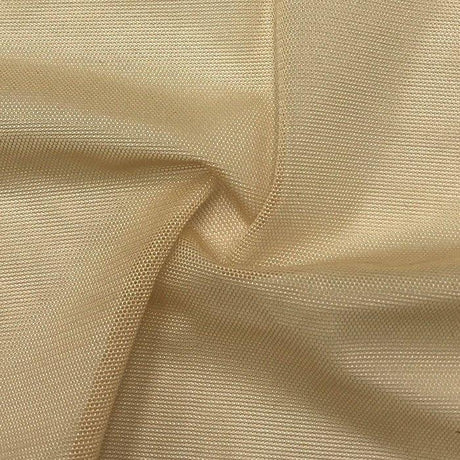
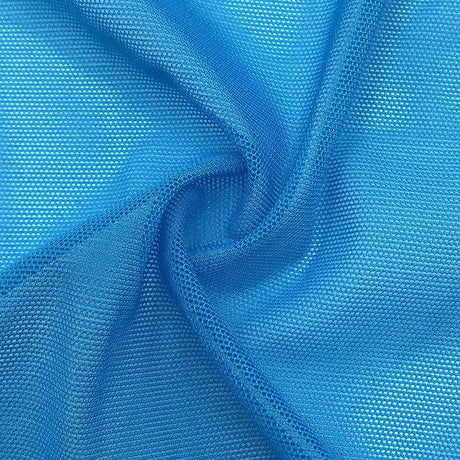
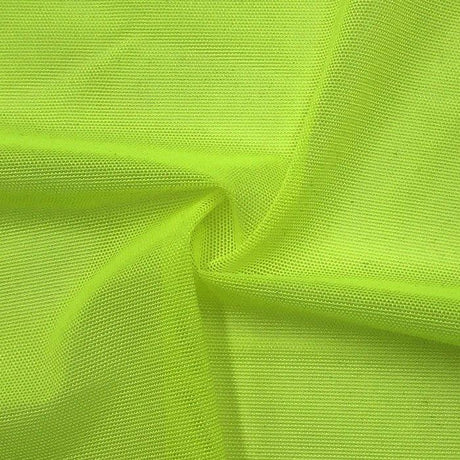
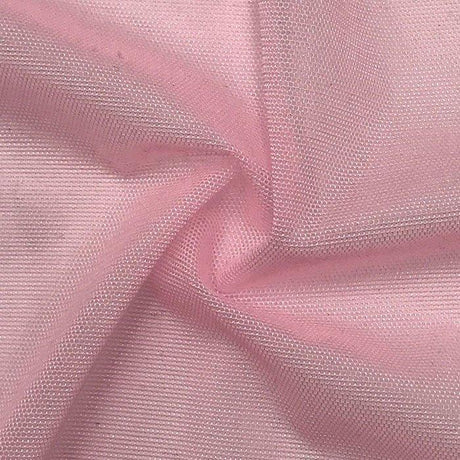
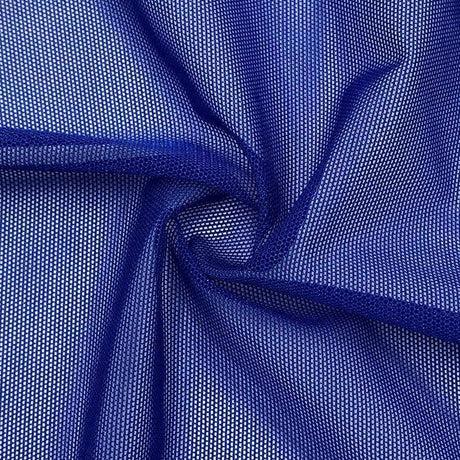
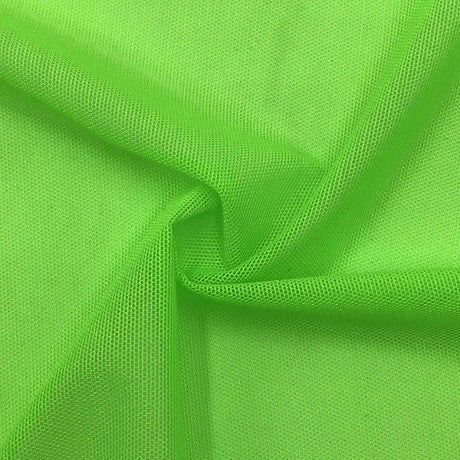
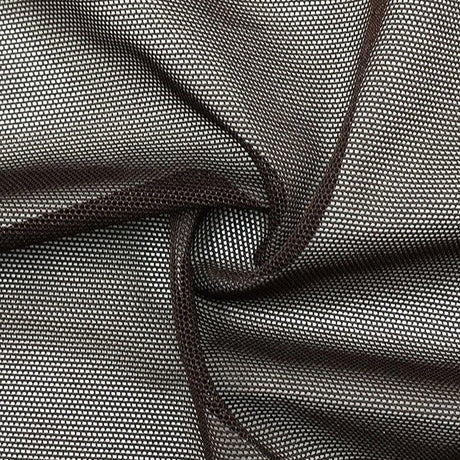
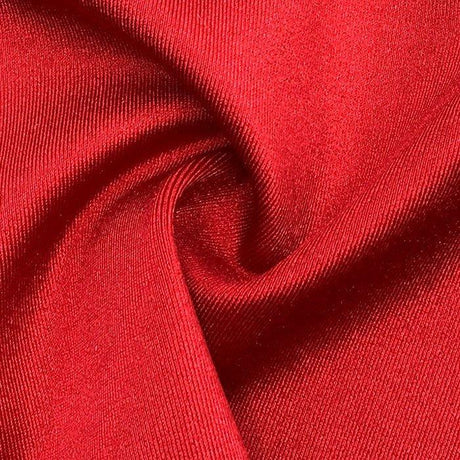
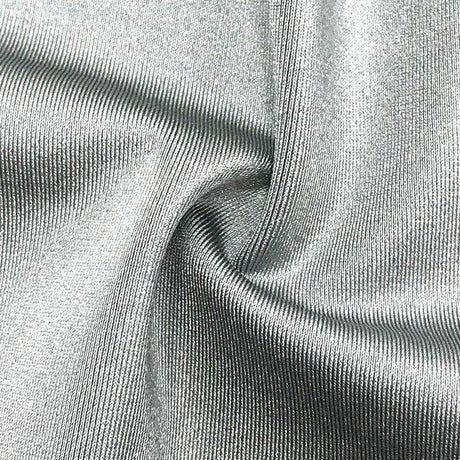
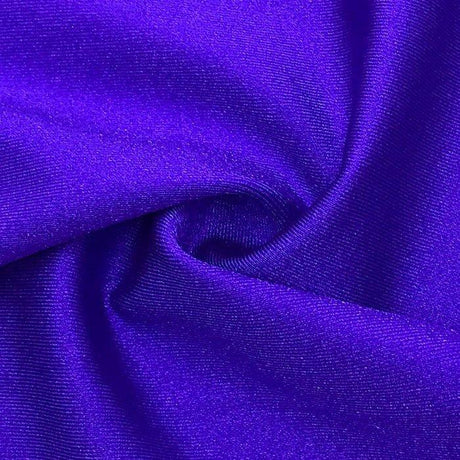
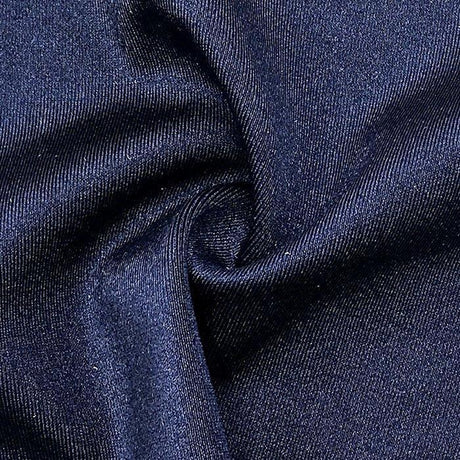
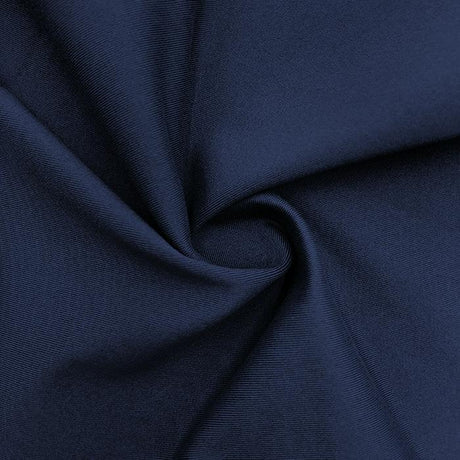
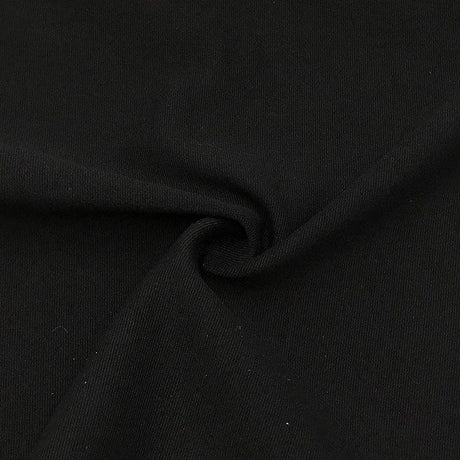
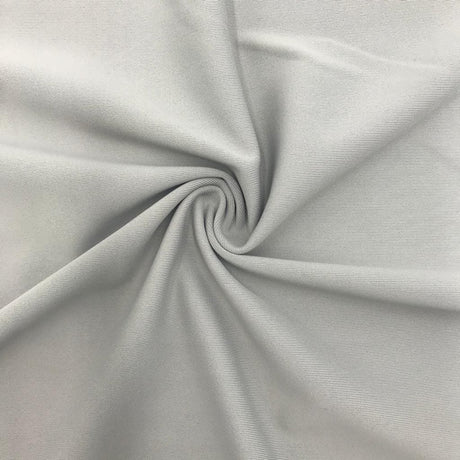
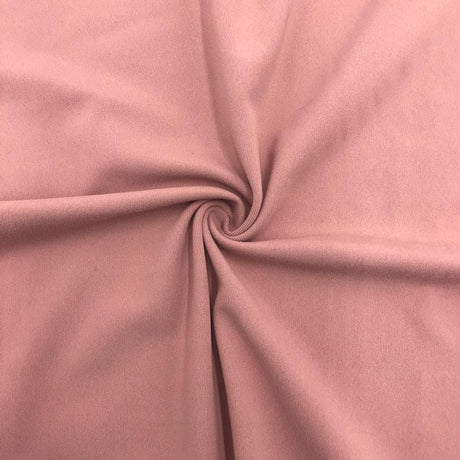
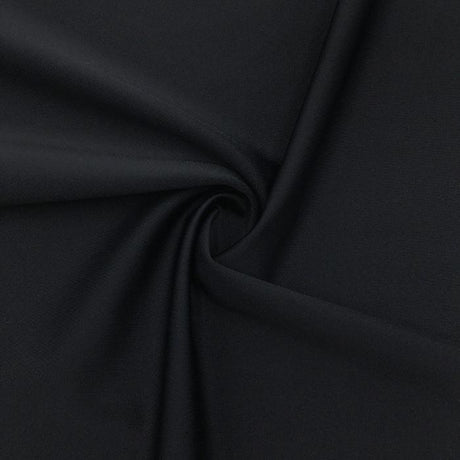
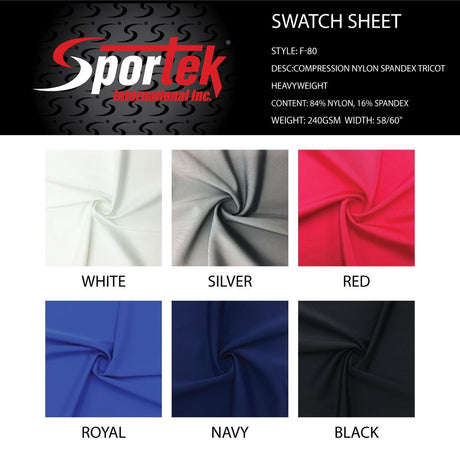
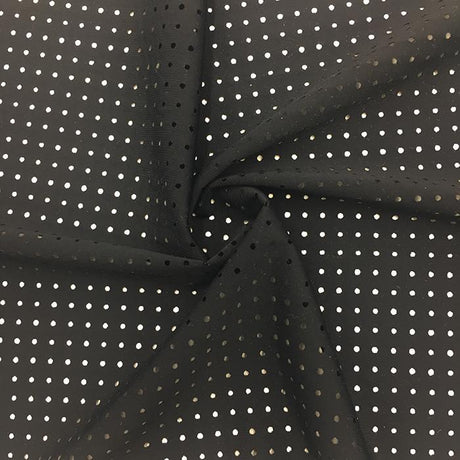
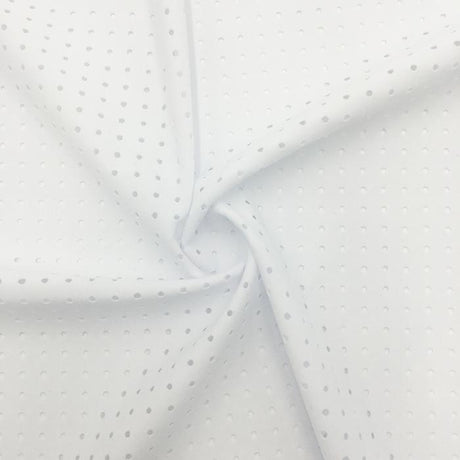
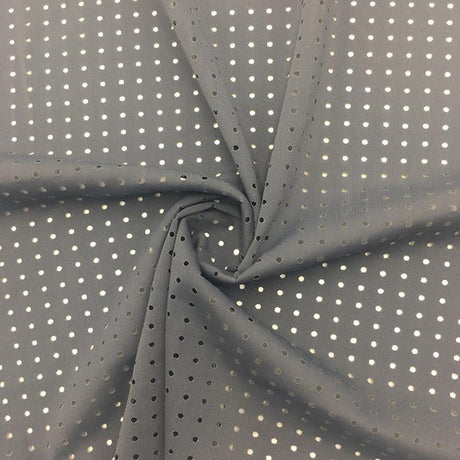
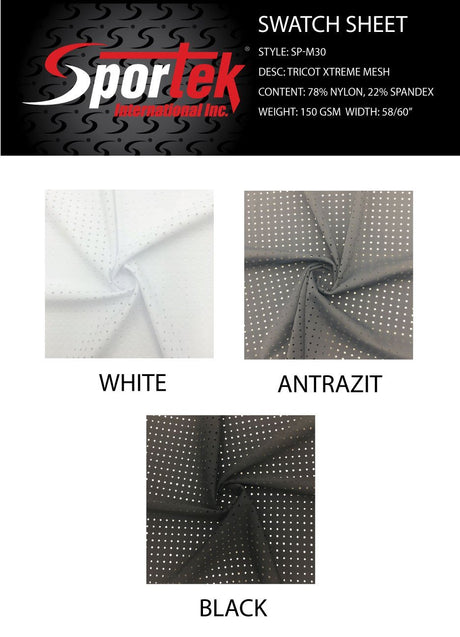
Before we can understand the solution, we must first grasp the core problem. Spandex is a polymer with a chain-like structure that gives it its incredible stretch and recovery. When knitted into a fabric, it creates a material with an open structure that is highly breathable and allows for full freedom of movement. This open structure, however, makes it highly susceptible to the elements. Water droplets can easily pass through, and cold wind can penetrate the fabric, leading to a rapid drop in body temperature.
Conversely, traditional protective fabrics like a waterproof "hard shell" jacket are made from tightly woven, non-porous materials. They work by creating a physical barrier between the wearer and the elements. While effective at blocking rain and wind, they are non-stretchy, rigid, and trap heat and moisture inside, leading to a clammy and uncomfortable feeling.
The challenge for textile engineers was to solve this paradox: how to create a fabric that is both open and protective, both stretchy and resistant to the elements. The answer was not to change spandex's core properties, but to add new technologies that work in perfect synergy with it. For a broader foundation before diving in, explore our activewear fabric guide or browse our full fabric guides hub.
Part 1: Spandex and Water-Resistant Technologies
Water resistance is a crucial feature for any activewear designed for outdoor use. It keeps the athlete dry during light rain and prevents the fabric from getting saturated and heavy. The industry has developed two primary methods to achieve this while maintaining stretch.
1. Durable Water Repellent (DWR) Coatings
This is the most common and widely used technology for water resistance. DWR is a chemical finish that is applied to the surface of a fabric, making it hydrophobic (water-repelling).
How it works: DWR coatings are made from long-chain polymers that create a microscopic surface texture on the fabric. When water droplets hit this surface, they are unable to spread out and instead bead up and roll off, just like water on a freshly waxed car.
The Role of Spandex: DWR coatings can be applied to spandex fabrics or to the nylon or polyester that it is blended with. The coating protects the fabric's surface while the spandex provides the core stretch and breathability. Our nylon-spandex fabric guide covers how DWR coatings interact with different nylon-spandex constructions and what to look for in treated performance fabrics.
Benefits: DWR provides excellent protection against light rain, mist, or snow. It is lightweight, does not affect the breathability of the fabric, and allows the wearer to stay dry and comfortable.
Limitations: DWR is a surface coating, so it is not a permanent solution. It can wear off over time with repeated washing, abrasion, and exposure to dirt. It needs to be reapplied periodically to maintain its effectiveness. It also does not make a fabric waterproof – it will eventually be overwhelmed by heavy rain or prolonged exposure to water. Our fabric finishes guide covers DWR coatings and other performance surface treatments in detail, including how to maintain them through proper laundering.
2. The Waterproof, Breathable Membrane
For a truly waterproof garment, a simple coating is not enough. The most advanced solution is a waterproof, breathable membrane – a technology that solves the core problem of a garment that traps moisture.
How it works: A waterproof, breathable membrane (like Gore-Tex® or similar proprietary technologies) is a thin, porous layer that is laminated to a spandex blend fabric. The membrane has microscopic pores that are too small for a water droplet to pass through but are large enough for water vapor (sweat) to escape.
The Role of Spandex: The spandex is either the face fabric or is part of a multi-layer laminate. A common construction is a three-layer laminate: a stretchy outer face fabric with a DWR coating, a waterproof, breathable membrane in the middle, and a soft, comfortable inner lining. The spandex provides the stretch, the membrane provides the protection, and the inner lining provides comfort. Our stretch fabric types page covers how laminated and membrane-bonded spandex constructions compare to standard knit constructions in stretch percentage and recovery.
Benefits: This technology provides complete waterproof protection from rain, while still allowing the fabric to breathe and let sweat vapor escape. This is crucial for high-intensity activities where the body is producing a lot of sweat, as it prevents the wearer from feeling clammy and cold.
Part 2: Spandex and Wind-Resistant Technologies
Wind can be just as dangerous as rain, especially in cold weather. The "wind-chill" effect can rapidly drop a person's body temperature, leading to hypothermia. Spandex fabrics have been engineered to block the wind while maintaining a high level of breathability.
1. Wind-Blocking Membranes
Similar to waterproof membranes, wind-blocking membranes are a thin, lightweight layer that is laminated to a spandex blend.
How it works: Wind-blocking membranes have a pore structure that is engineered to be much tighter than a breathable membrane. They are a near-solid barrier that prevents air from passing through, while still allowing a small amount of vapor to escape.
The Role of Spandex: The spandex provides the stretch and a comfortable fit, while the membrane provides a near-perfect barrier against the wind. Our fabric weight guide covers how laminate constructions affect total fabric weight and how to balance wind protection with the mobility requirements of different performance applications.
Benefits: This technology provides exceptional protection against the wind-chill effect, allowing athletes to stay warm and comfortable in cold and windy conditions. The fabric is also incredibly lightweight and packable, which is ideal for runners and cyclists who need to be able to carry an extra layer.
2. The Power of Construction: Denser Knits and Weaves
Not all wind-resistant spandex fabrics rely on a separate membrane. Some of the most advanced fabrics achieve wind resistance through their construction alone.
How it works: By using a very high-denier fiber and a very tight, dense knit or weave, textile engineers can create a fabric that is naturally wind-resistant. The lack of air pockets in the fabric's structure makes it difficult for wind to pass through.
The Role of Spandex: The spandex in the blend provides the core stretch, while the dense weave of the companion fiber (usually nylon or polyester) provides the wind resistance. Our nylon-spandex fabric guide covers how high-denier nylon constructions achieve wind resistance without a membrane, and how this affects stretch, weight, and breathability. Our fabric weight guide covers how GSM and knit density relate to wind resistance across different spandex-blend constructions.
Benefits: This approach provides a natural, breathable, and highly durable fabric that offers good protection against light to moderate wind without the need for a laminate. It is a great choice for all-around activewear in cooler weather.
Part 3: The Benefits for the Professional Athlete
These advanced spandex technologies provide a tangible, quantifiable advantage for the elite athlete.
1. Superior Thermoregulation
For a professional athlete, maintaining a stable body temperature is critical for peak performance.
Blocking the Cold: The wind-resistant and waterproof properties prevent the cold wind and rain from making contact with the skin, which helps the body to maintain its core temperature without expending extra energy.
Releasing Excess Heat: The breathable membranes and porous construction allow sweat vapor to escape, which prevents the athlete from overheating. Our activewear fabric guide covers moisture management and thermal regulation ratings across different spandex-blend constructions for performance applications.
2. Enhanced Performance and Endurance
Unrestricted Movement: The stretchy nature of the fabric ensures that the athlete has a full range of motion, which is crucial for optimizing form and preventing injury. Our stretch fabric types page explains how 4-way stretch constructions provide the full directional mobility required by elite performance garments.
Lightweight and Packable: The lightweight nature of these fabrics means that the athlete is not weighed down by bulky layers. They can be easily packed into a pocket or a small bag, which is ideal for long-distance runs or cycling trips.
3. Increased Safety and Comfort
Protection from the Elements: These fabrics provide a crucial layer of protection against the elements, which can help to prevent hypothermia and other weather-related injuries.
All-Weather Training: They allow athletes to train in any condition, which is crucial for maintaining a consistent training schedule. Our fabric finishes guide covers the full range of protective coatings and finishes – from DWR to UV-resistant treatments – that extend all-weather performance in spandex-blend activewear.
The Future of All-Weather Spandex
The innovations in spandex are a testament to the fact that textile science is not a static field. The future of all-weather spandex will continue to evolve, with a focus on sustainability and smart technology.
Sustainable DWR: The industry is moving away from chemical DWR coatings that use fluorocarbons (PFCs) and are developing more sustainable, eco-friendly alternatives. Our fabric finishes guide covers emerging eco-friendly DWR alternatives and how to identify them when sourcing performance fabrics.
Bio-Based Materials: New spandex fibers are being made from plant-based materials, which reduces reliance on petroleum. Our fabric guides hub covers sustainable fiber innovations and their performance characteristics across a range of activewear applications.
Smart Fabrics: The future of all-weather spandex will likely involve fabrics that can sense moisture and activate a cooling or heating effect, actively regulating the wearer's body temperature.
Frequently Asked Questions (FAQ)
Q1: What's the difference between water-resistant and waterproof? Water-resistant means the fabric can repel a light rain or mist – it will eventually get saturated in heavy rain. Waterproof means the fabric has a membrane that is completely impervious to water, providing full protection from the rain. Our swimwear fabric guide covers the related distinction between chlorine-resistant and chlorine-proof fabrics in aquatic applications.
Q2: Is a wind-resistant spandex fabric also waterproof? Not necessarily. A wind-resistant fabric is designed to block air but may not have the necessary membrane or coatings to block water. A waterproof fabric is typically also windproof, but the reverse is not always true. Our fabric finishes guide covers how different coatings and membranes can be layered to achieve both wind and water protection in a single construction.
Q3: Are these fabrics more expensive than regular spandex? Yes. The specialized fibers, membranes, and lamination processes are more expensive to produce than a regular spandex fabric. However, the cost is a direct result of the superior performance, durability, and protection that these fabrics provide. Our how to choose fabric guide walks through how to evaluate performance features against cost when selecting fabric for different applications.
Q4: How do I care for my all-weather spandex garment? You should follow the same care instructions as you would for regular spandex: wash in cold water, use a gentle detergent, and air-dry. You should also check the care label carefully, as some fabrics with special coatings or membranes may have specific instructions. Our spandex care guide and fabric care guide cover complete laundering protocols for all common spandex-blend garment types, including how to restore DWR coatings after repeated washing.
Have more questions about performance fabric specifications or sourcing? Our expert help and advice page connects you with knowledgeable staff, and our FAQ page answers common ordering and specification questions.
Conclusion
Spandex has transformed from a simple elastic fiber to a sophisticated, all-weather tool for professional athletes. By understanding the science behind water and wind-resistant technologies, you can see why these fabrics are a critical component of professional sports apparel. They provide a harmonious balance of stretch, comfort, and protection from the elements, allowing athletes to push their limits, regardless of the weather.
The future of sportswear is in intelligent, high-performance fabrics that work with the body, not just on it. By choosing gear that incorporates these cutting-edge innovations, athletes can gain a crucial competitive advantage, and consumers can enjoy apparel that is designed for superior comfort, durability, and performance.
Ready to explore a new generation of high-performance fabrics? Explore our activewear fabric guide for curated performance fabric recommendations, use our stretch fabric types page and fabric weight guide to compare construction options, and visit our fabric finishes guide for guidance on DWR coatings and protective treatments. Our spandex care guide and fabric care guide will keep your all-weather gear performing at its best. Sign up for SpandexByYard Rewards to earn points on every purchase – because the right performance fabric makes training in any condition possible.