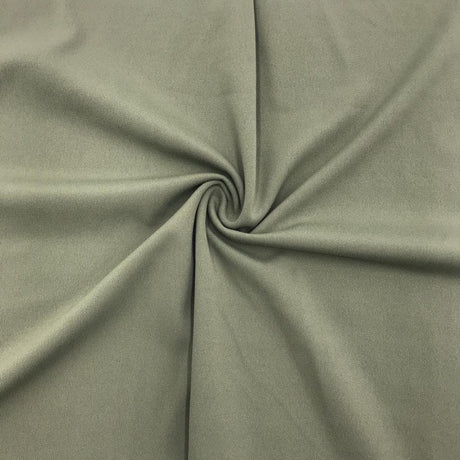
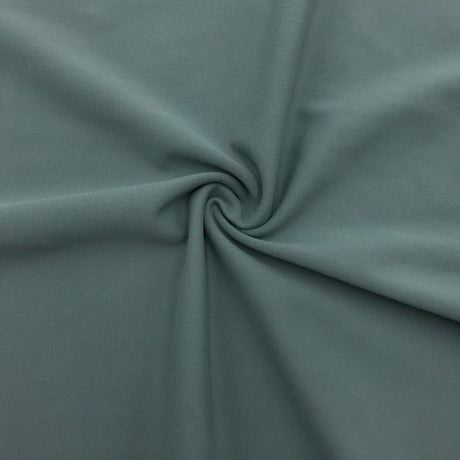
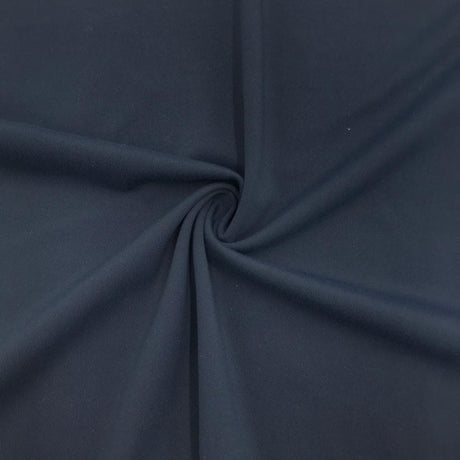
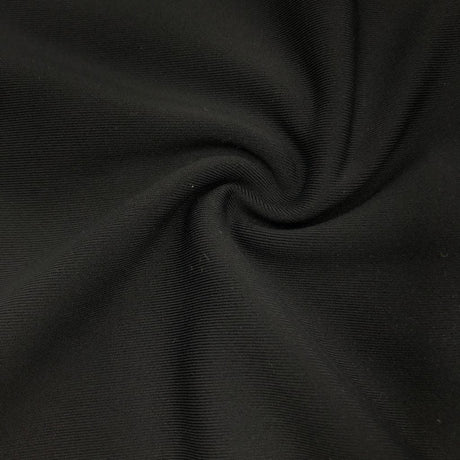
Spandex (also known as elastane) is the stretchy fiber that gives activewear, swimwear, and other apparel their snap-back fit. But traditional spandex is petroleum-based and notoriously difficult to recycle – it doesn't biodegrade and often ends up in landfills. Enter recycled spandex: an innovative, eco-friendly alternative offering the same performance stretch with a lighter environmental footprint. For a broader foundation on spandex fiber properties before diving in, explore our stretch fabric types page or browse our full fabric guides hub.
What Is Recycled Spandex?
Recycled spandex refers to elastane fibers produced from previously used materials (scraps or old garments) instead of fresh fossil fuel resources. Virgin spandex, by contrast, is made from new polyurethane-based polymers derived from petroleum. Modern recycled spandex is engineered to match the quality of virgin spandex, so manufacturers and consumers get the same stretch and recovery they expect. For example, The LYCRA Company's EcoMade™ spandex (which contains recycled pre-consumer content) delivers the same comfort, fit, and freedom of movement as standard Lycra® fiber. Our nylon-spandex fabric guide covers how the nylon companion fiber in stretch fabrics interacts with both virgin and recycled spandex content to determine overall performance and durability.
How Recycled Spandex Is Made
Producing recycled spandex can follow a couple of pathways depending on the source of the waste.
Pre-Consumer Waste: This is the most common source for recycled spandex today. It involves collecting post-industrial scraps – trimmings, off-cuts, and fiber waste from spandex manufacturing or textile production – before they ever reach consumers. Major fiber producers leverage pre-consumer recycling: Lycra® EcoMade spandex blends about 20% of pre-consumer spandex waste into new yarn without sacrificing performance. Similarly, Hyosung's creora® regen elastane uses 100% reclaimed production waste, diverting factory scrap from landfills.
Post-Consumer Waste: This refers to recycling spandex from used garments after consumer use – the "holy grail" of elastane recycling. Because spandex is almost always blended with other fibers (e.g. 90% nylon/10% spandex in swimwear), extracting it from old clothes is technically challenging. There is ongoing research into advanced techniques including selective dissolution (using special solvents to dissolve and recover spandex from blended fabrics) and chemical depolymerization.
Key players and technologies:
Lycra® EcoMade – The Lycra Company's first branded recycled spandex, made with about 20% pre-consumer elastane fiber waste blended with virgin polymer. It is Global Recycled Standard certified and delivers identical stretch and longevity to standard Lycra. This fiber is used in products like stretch denim and activewear to add sustainable stretch.
Hyosung creora® regen – A recycled spandex from Hyosung made from 100% reclaimed production waste. As a GRS-certified elastane, creora® regen eliminates the need for new raw material in its production. Hyosung reports that for every ton of recycled elastane produced, ~2 tons of non-renewable raw materials are saved from extraction.
Asahi Kasei ROICA™ EF – Launched in 2016, this was the world's first GRS-certified recycled spandex yarn, made with over 50% pre-consumer content. ROICA EF paved the way for commercial recycled elastane.
Technical Challenges in Recycling Spandex
Separation from Blends: Spandex is rarely used alone; it's almost always knit or woven with other fibers (polyester, nylon, cotton, etc.). Traditional recycling systems struggle with even small percentages of spandex – 1% elastane in fabric can ruin the recycling of the other 99%. The result is that today, many recyclers choose to eliminate spandex early just to efficiently recover the other fibers.
Mechanical Recycling Difficulties: Spandex's very properties – high elasticity and a low melting point – make it troublesome in mechanical recycling equipment. The stretchy fibers can wrap around shredder teeth or entangle into clumps, and the material can even melt and gum up machinery. Spandex is a "killer fiber" for standard textile recycling machines.
Chemical Recycling Challenges: Breaking the polyurethane-based spandex polymer into reusable chemical constituents is not easy. Elastane is designed to be durable and chemically stable, so it likewise resists intentional depolymerization. Researchers are investigating solvent systems that selectively target polyurethane without damaging other polymers, as well as enzymatic or biological methods to biodegrade spandex in a controlled way.
Economic Viability: Even when it's technically possible to recycle spandex, the economics can be unfavorable. Separating and reprocessing a fiber that is often only 5–10% of a garment is a lot of effort for a small yield. Current recycling innovations tend to be expensive and not yet industrialized. Using pre-consumer scrap (which is readily available in bulk at manufacturing sites) is much more cost-effective – which is why companies have focused there first.
Performance Comparison: Recycled vs. Virgin Spandex
Stretch & Elasticity: Virgin spandex is known for extremely high stretch and excellent elastic recovery. Recycled spandex, when produced through proper methods, offers comparable stretch. Lab and field tests by manufacturers show that garments made with recycled spandex can achieve the same degree of flexibility and stretch comfort as those with all-virgin spandex. Our stretch fabric types page covers how spandex percentage and polymer quality translate to real-world stretch percentages and recovery ratings across all common blend types.
Elastic Recovery (Snap-Back): Virgin spandex is prized for its ability to recover shape after countless stretches. Recycled spandex is designed to meet the same standard. Tests on fabrics with recycled spandex have shown retention of compression and shape that is virtually indistinguishable from virgin spandex fabrics even after many wear and wash cycles.
Durability & Strength: The durability of spandex in garments is expected to be similar for recycled vs. virgin, assuming comparable quality control. Commercial recycled spandex fibers like ROICA™ EF and creora® regen underwent extensive testing to ensure they meet industry standards for strength and fatigue resistance. Our spandex care guide covers the care protocols that preserve elastane recovery in both virgin and recycled spandex garments through proper laundering.
Resistance to Chlorine and UV: Recycled spandex, being the same base polymer, has essentially the same vulnerability to chlorine and UV as virgin spandex. It does not inherently resist chlorine or UV any better just because it's recycled. Currently, recycled spandex products on the market are largely equivalent to standard spandex in their chlorine/UV tolerance – meaning they need the same care (rinsing swimwear after use, avoiding prolonged UV exposure) to maximize lifespan. Our swimwear fabric guide covers chlorine resistance ratings and post-swim care protocols that apply equally to virgin and recycled spandex swimwear.
| Aspect | Virgin Spandex | Recycled Spandex |
|---|---|---|
| Raw Material Source | New petroleum-based polymers (fossil fuel derived) | Reclaimed spandex waste (e.g. factory scraps, possibly old garments) |
| Production Process | Synthesized from chemicals via energy-intensive processes | Made by reprocessing waste elastane; generally uses less energy and water |
| Stretch & Elasticity | Extremely high stretch with full recovery | Equally high stretch, engineered to match virgin spandex performance |
| Elastic Recovery | Excellent – snaps back to original length | Excellent – designed to snap back just like virgin spandex |
| Durability | Durable under normal wear; susceptible to heat, chlorine, UV over time | Comparable durability; not inherently more resistant to chlorine/UV |
| Environmental Impact | Higher impact: relies on virgin petrochemicals; not biodegradable | Lower impact: uses existing material; smaller carbon footprint; keeps waste out of landfills |
| Certifications | Not applicable (no recycled content) | Often GRS-certified to verify recycled content and responsible processing |
| Cost | Typically lower raw material cost | Currently somewhat higher cost due to additional recycling processes |
Overall, in terms of performance (stretch, comfort, durability), consumers and designers can expect recycled spandex to be virtually indistinguishable from virgin spandex.
Environmental Benefits of Recycled Spandex
Reduced Resource Consumption: Virgin spandex is made from non-renewable petrochemicals. Recycled spandex lessens the demand for new fossil fuel extraction. Hyosung estimates that every ton of its recycled elastane saves roughly two tons of raw petroleum-based material.
Lower Energy and Water Use: Manufacturing spandex from scratch is energy-intensive. By starting with already-made polymer (waste scraps), recycled spandex production generally uses significantly less energy and water than virgin fiber production. Lower energy usage directly translates to fewer greenhouse gas emissions.
Waste Diversion (Landfill Reduction): Recycled spandex keeps material out of landfills. Pre-consumer waste like trimmings and off-cuts are intercepted from the trash heap and looped back into the supply chain as new fiber. Given that spandex doesn't biodegrade and would sit in a dump for decades or centuries, every pound of elastane we recycle is a pound kept out of permanent waste.
Lower Overall Carbon Footprint: Combining less virgin material, lower energy needs, and reduced waste means recycled spandex generally comes with a smaller carbon footprint. This is increasingly important as brands and regulators look at the total emissions of textile products.
Supports Circular Economy: Recycled spandex is a step toward a more circular fashion system. Instead of the old linear model (produce → use → dispose), recycling elastane helps keep materials in circulation. It also complements recycled polyester, nylon, and other eco-friendly materials, enabling fully recycled-content stretch fabrics. Our fabric guides hub covers GRS and other sustainability certifications relevant to both recycled spandex and companion recycled fiber options.
Certifications and Standards for Recycled Spandex
Global Recycled Standard (GRS): The GRS is an international, voluntary certification that sets requirements for third-party verification of recycled content in a product, as well as environmental and social practices in its production. If a spandex fiber is labeled as GRS-certified, it means that a certified body has audited the supply chain to confirm that the claimed percentage of recycled content is indeed present. All the major recycled spandex fibers mentioned (Lycra EcoMade, creora regen, ROICA EF, etc.) carry GRS certification.
Other relevant standards include the Recycled Claim Standard (RCS), which focuses on verifying the recycled content. Additionally, products containing recycled spandex can also seek certifications like OEKO-TEX® Standard 100 to ensure that the final textile is tested free from harmful substances. Our fabric guides hub covers both OEKO-TEX® and GRS certifications and what to look for when evaluating supplier claims for recycled content.
For consumers and manufacturers, looking for labels such as "GRS-certified recycled spandex" provides assurance that the stretch in a sustainable garment is indeed eco-friendly. These standards help build trust and push the industry toward greater accountability.
Applications of Recycled Spandex in Apparel
Activewear and Athleisure: Perhaps the most prominent use of spandex is in activewear – leggings, yoga pants, sports bras, compression tops, and athletic shorts. Recycled spandex is making inroads here as sportswear brands pursue sustainability. It can be used in workout leggings and performance wear to provide the same level of stretch and compression. Our activewear fabric guide covers recycled fiber options and their performance characteristics across activewear applications.
Swimwear: Swimwear relies on spandex for stretch and shape retention, often in harsh conditions (chlorine, saltwater, sun). Recycled spandex can be used in swimwear fabrics to provide the same elasticity required for a comfortable, body-hugging fit. Many eco-friendly swimwear brands already use recycled nylon or polyester (like ECONYL® regenerated nylon) in their fabrics; pairing these with recycled spandex makes the entire material much "greener." Our swimwear fabric guide covers recycled fiber options for swim-specific applications and how they compare to virgin fiber constructions in chlorine resistance and opacity.
Stretch Denim and Casual Apparel: Stretch denim (jeans with 1–3% spandex for comfort stretch) is a huge market, and recycled spandex is stepping into this space. Denim mills are starting to offer stretch denim made with recycled elastane, often combined with organic or recycled cotton. Our cotton-spandex fabric guide covers cotton-spandex blend behavior and applications where recycled spandex can substitute for virgin elastane content.
Intimate Apparel and Hosiery: Bras, underwear, shapewear, and socks all rely on spandex for fit. Some lingerie makers are exploring recycled spandex in bra straps or lace trims, and hosiery companies can use it in elastic waistbands or the stretch in tights.
Outdoor and Performance Gear: Recycled spandex can find a role in stretchy softshell jackets, hiking pants, or gloves, as well as in medical textiles like athletic tape, bandages, and compression sleeves. As recycled spandex becomes more mainstream, it could extend into any field that uses elastic fibers.
Recycled Spandex and the Path to Circular Fashion
The rise of recycled spandex is a critical piece in the puzzle of making fashion more sustainable and circular. The athletic apparel industry has boomed on the popularity of yoga wear, leggings, and performance fabrics – all of which owe their stretch to spandex. By incorporating recycled elastane, manufacturers reduce the virgin inputs going into new activewear and also create a demand pull for recycling processes to develop further.
Knowing the difficulties spandex poses, some brands are exploring designs that either use less spandex, use spandex that can break down more easily, or switch to alternative stretch mechanisms. However, where spandex is indispensable for performance, using recycled spandex is a way to make those products as circular as currently possible.
Importantly, recycled spandex aligns with many brands' sustainable material goals. Big apparel companies have public targets to increase recycled content in their products by 2025 or 2030. Recycled polyester and cotton are common targets; now recycled elastane is joining the mix. As more mills and brands get comfortable with recycled spandex, we'll likely see it become a standard component of eco-friendly apparel collections.
Conclusion
Recycled spandex is helping stretch the boundaries of sustainable textiles. It transforms what was once waste into a valuable resource, all while maintaining the qualities that made spandex ubiquitous in the first place. With ongoing research, collaboration, and consumer support, recycled spandex and similar innovations will play a pivotal role in making fashion not only high-performance but also high-sustainability.
Ready to explore sustainable stretch fabric options for your next project? Use our stretch fabric types page and fabric weight guide to evaluate technical specifications, our nylon-spandex fabric guide and activewear fabric guide for curated fabric recommendations, and our swimwear fabric guide for swim-specific guidance. Our spandex care guide and fabric care guide keep every finished garment – recycled or otherwise – performing at its best. Have questions about specific recycled fiber options or certifications? Our expert help and advice page and FAQ are always available. Sign up for SpandexByYard Rewards to earn points on every purchase – because the era of eco-friendly performance stretch is just beginning.