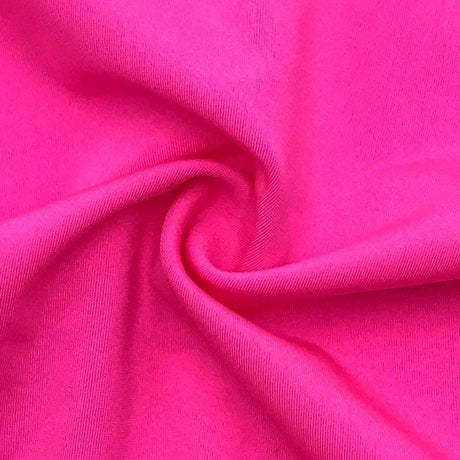
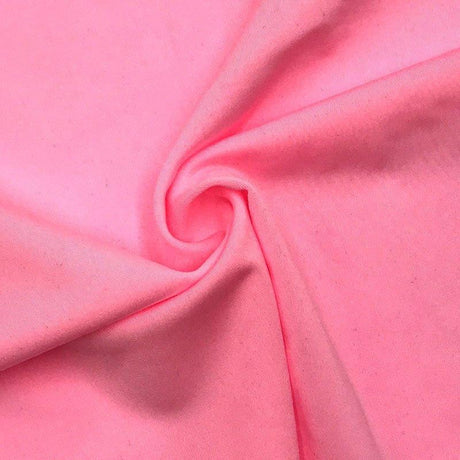
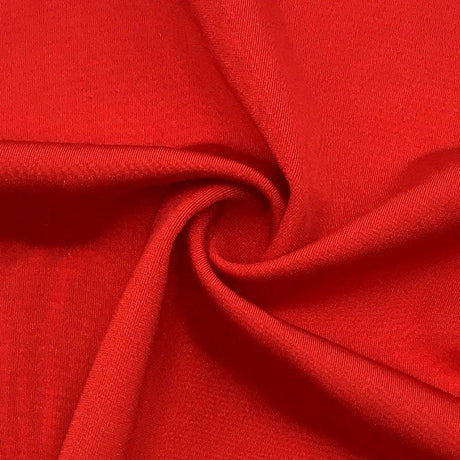
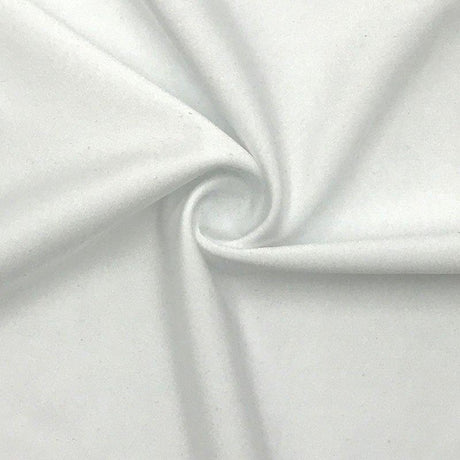
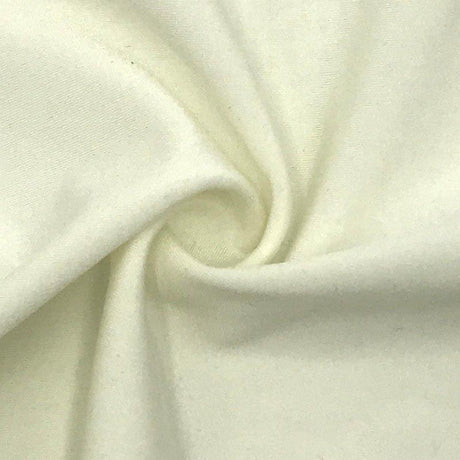
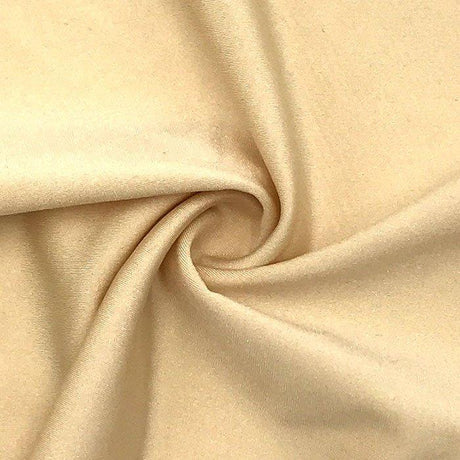
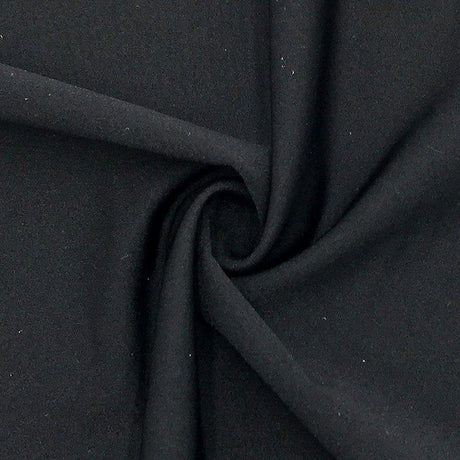
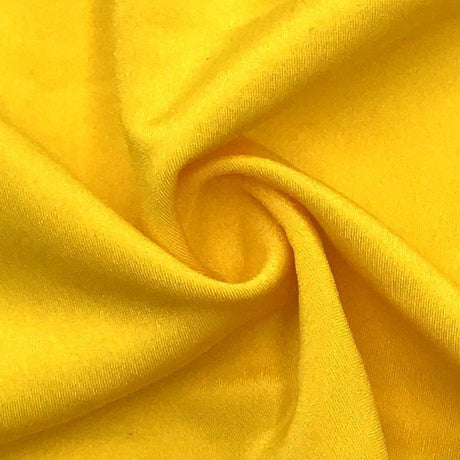
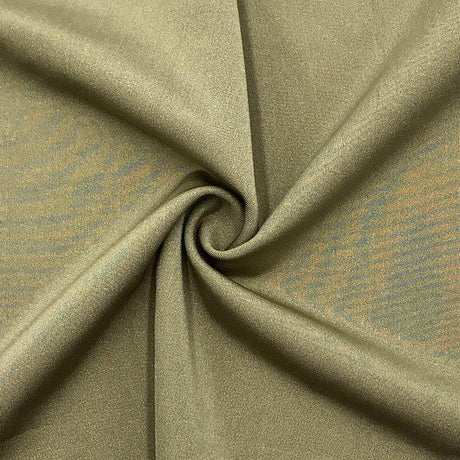
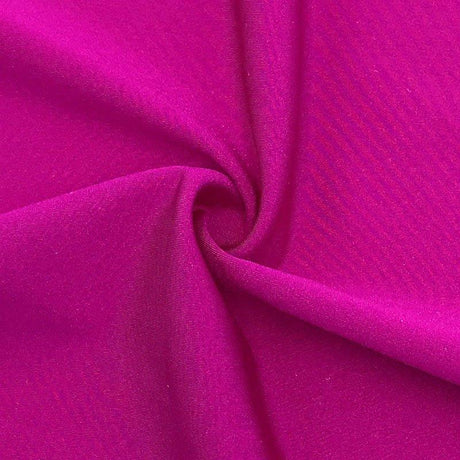
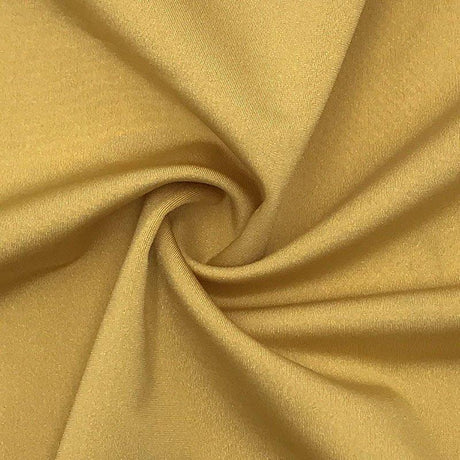
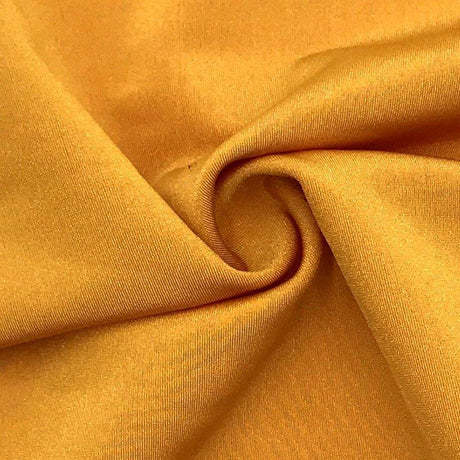
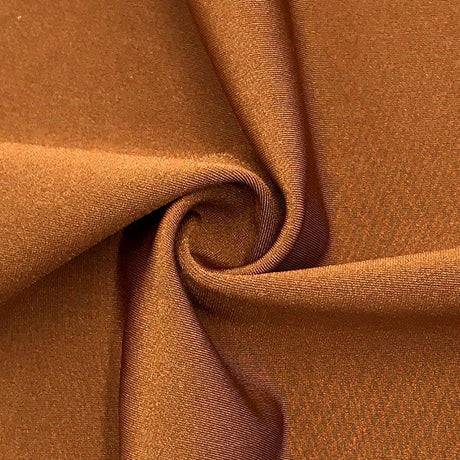
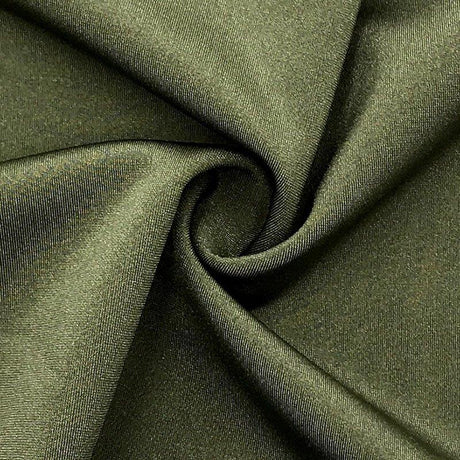
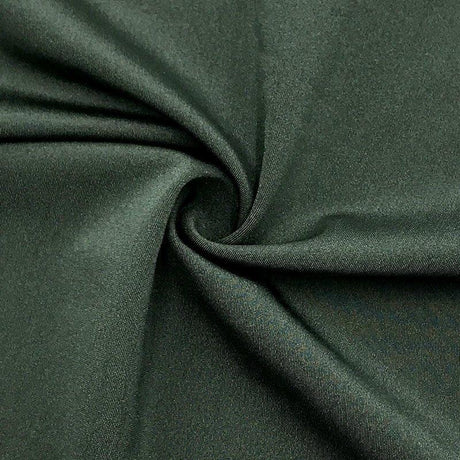
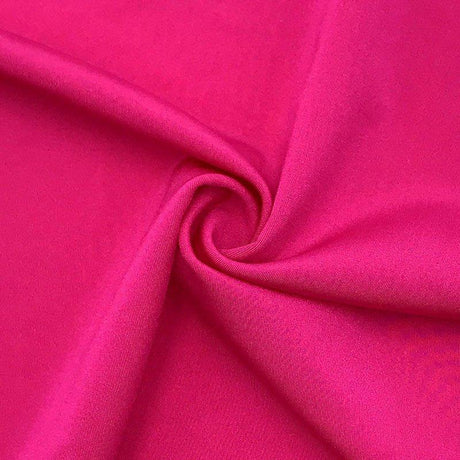
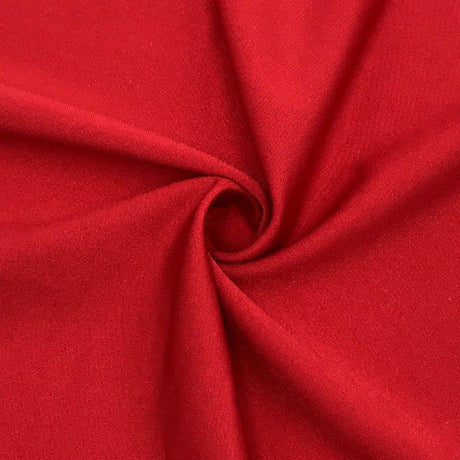
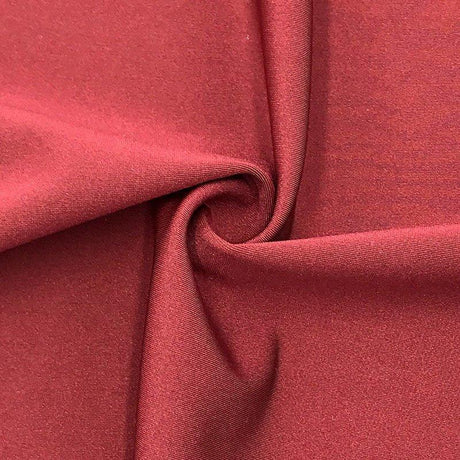
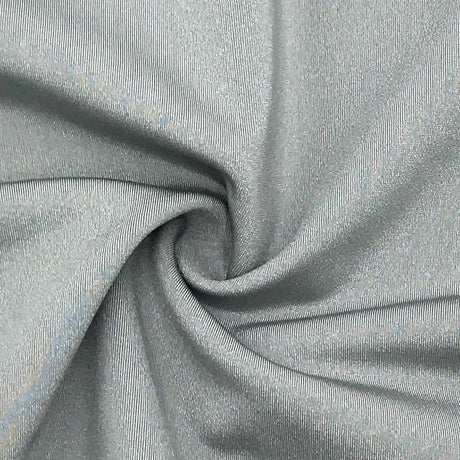
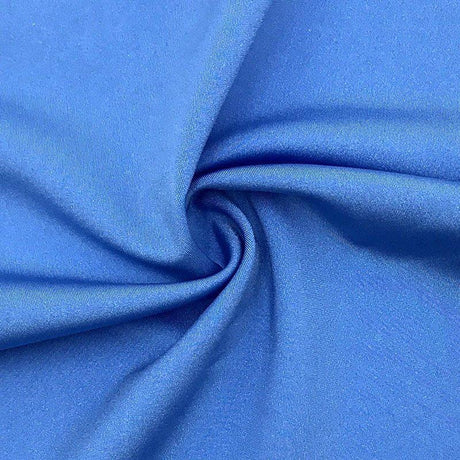
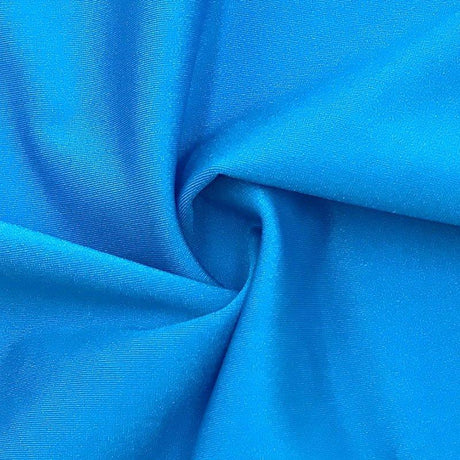
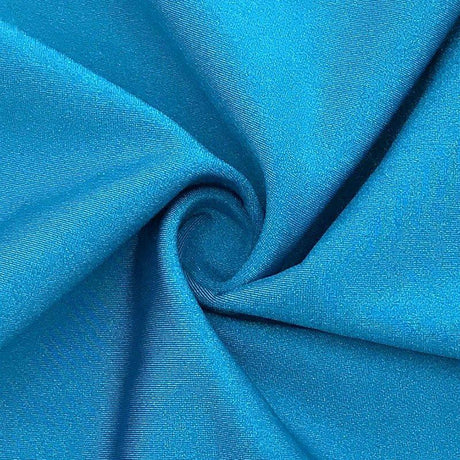
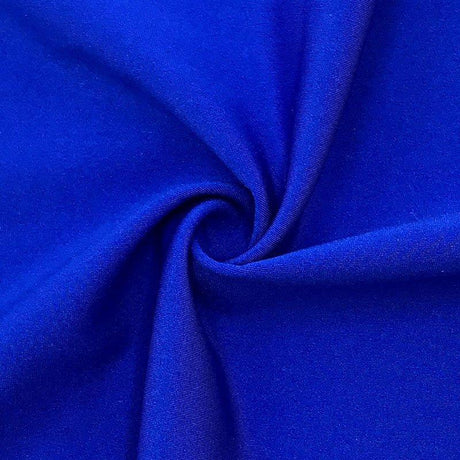
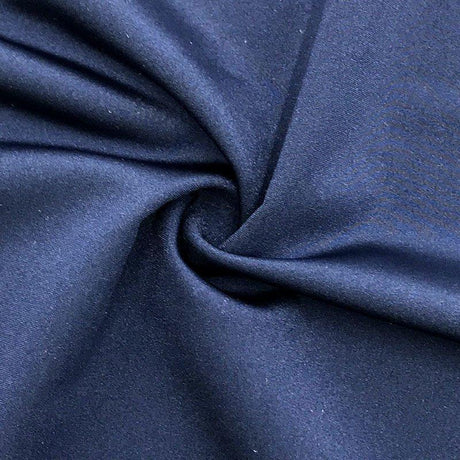
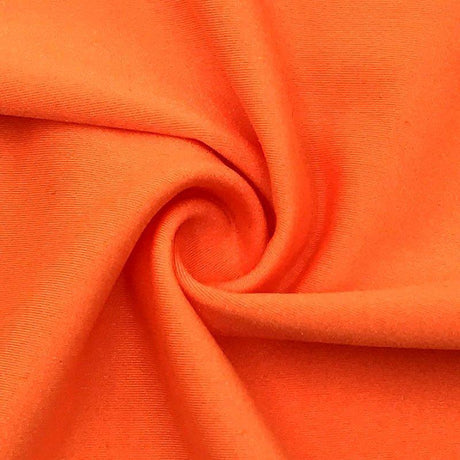
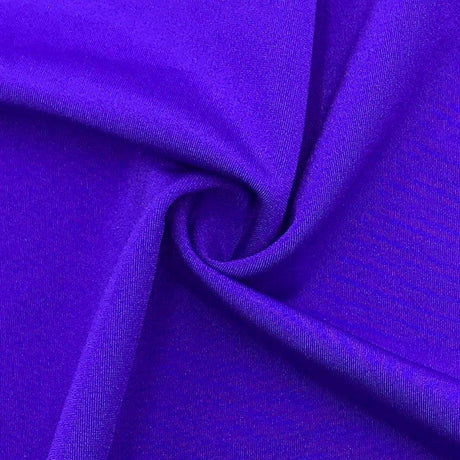
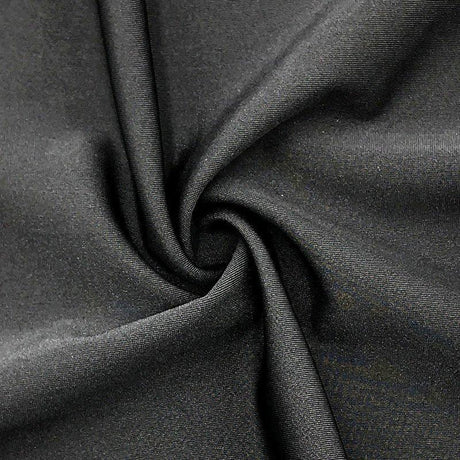
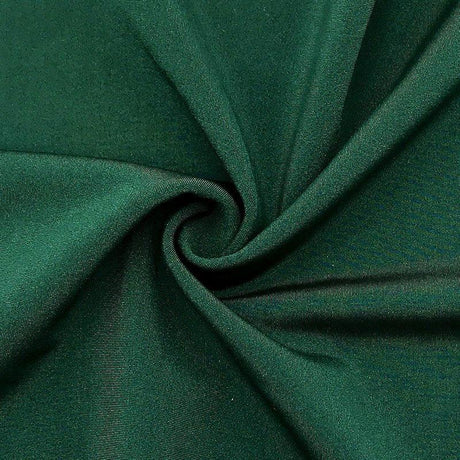
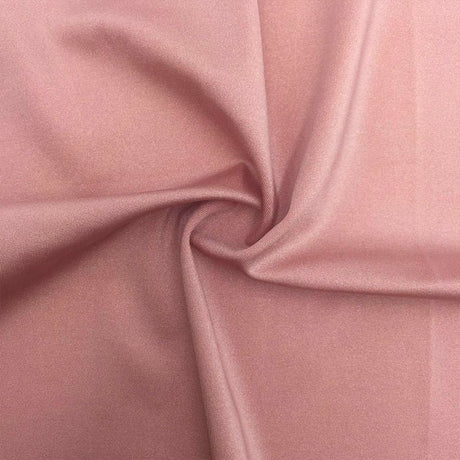
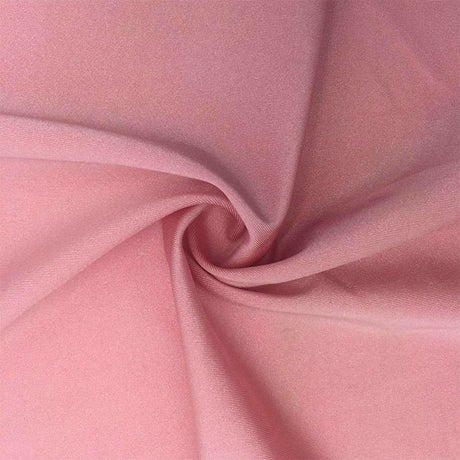
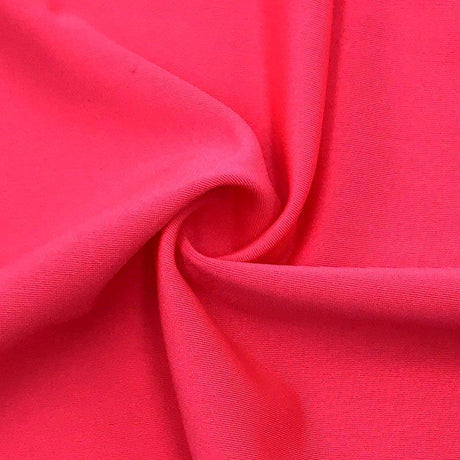
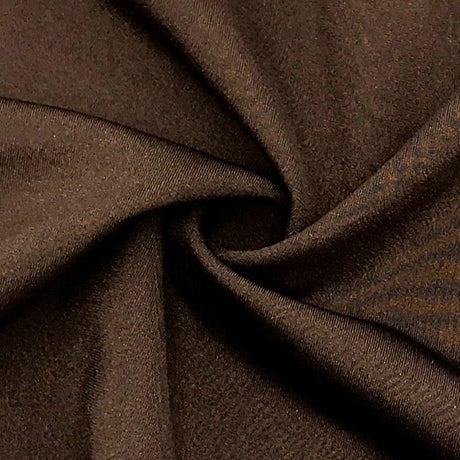
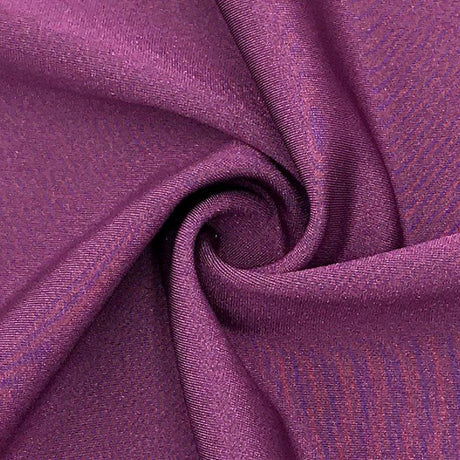
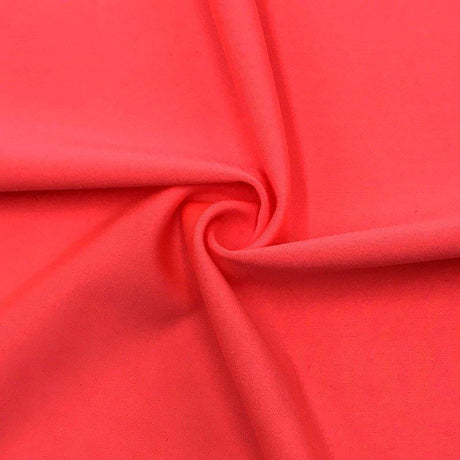
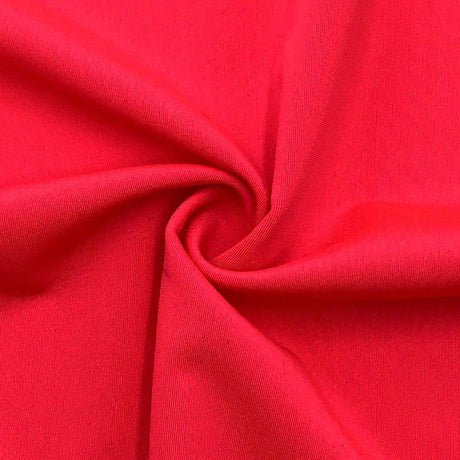
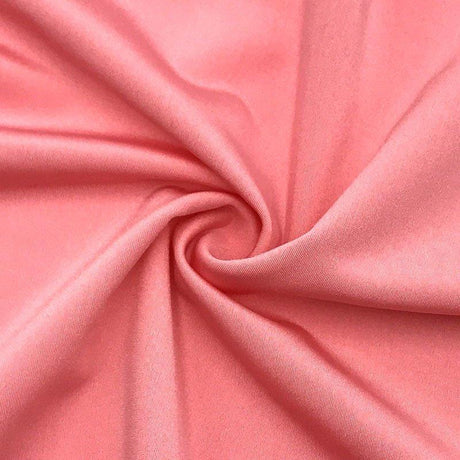
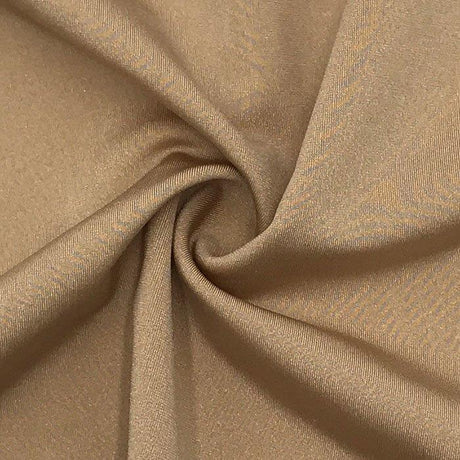
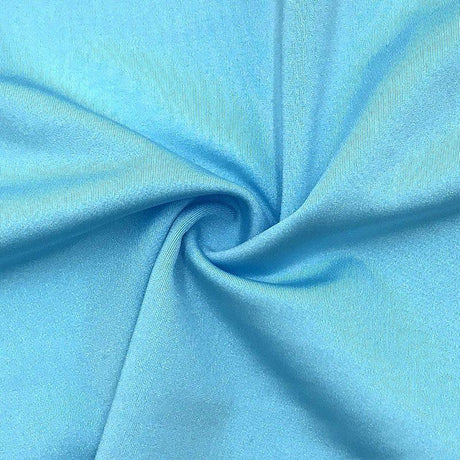
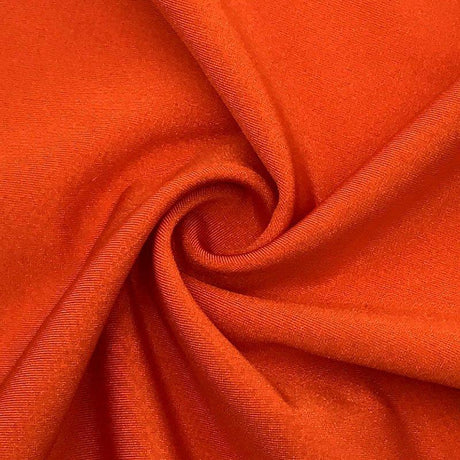
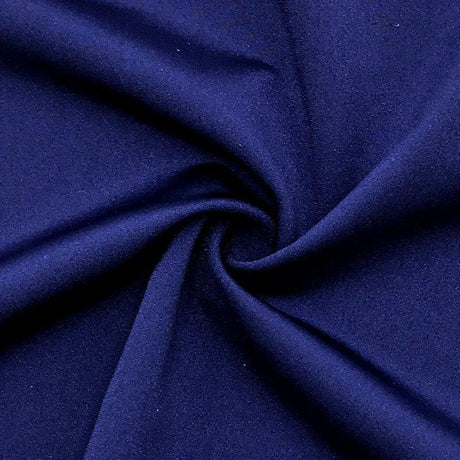
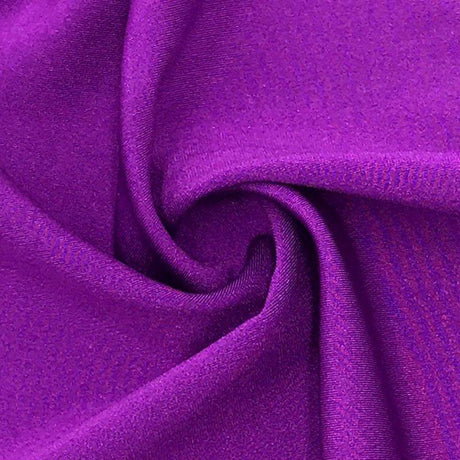
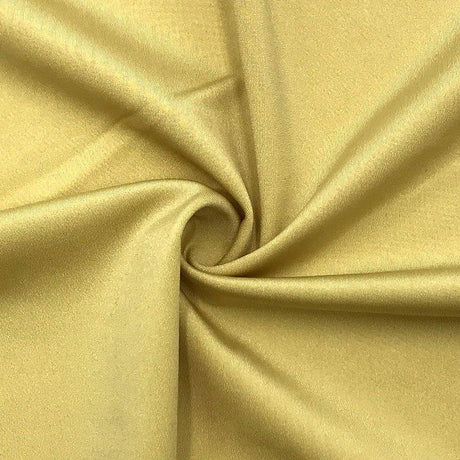
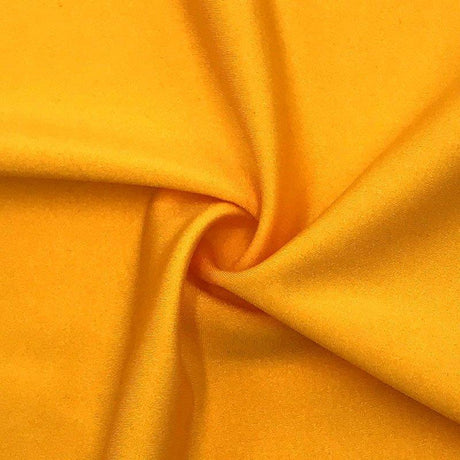
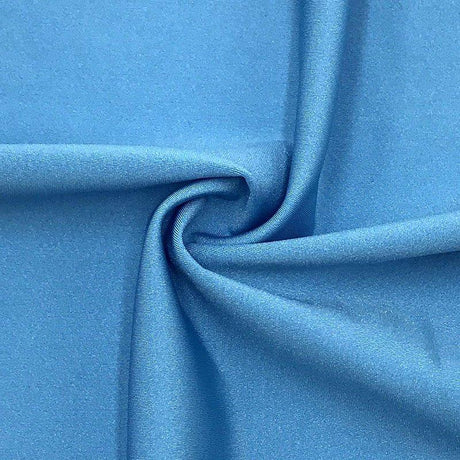
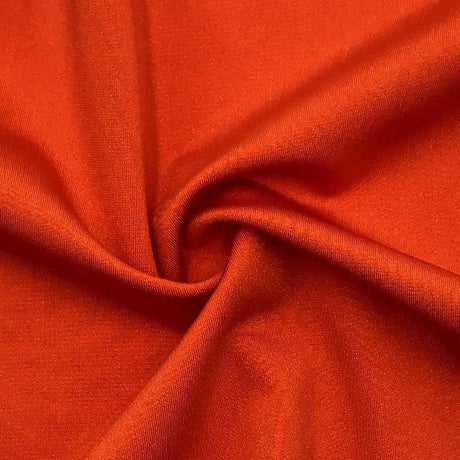
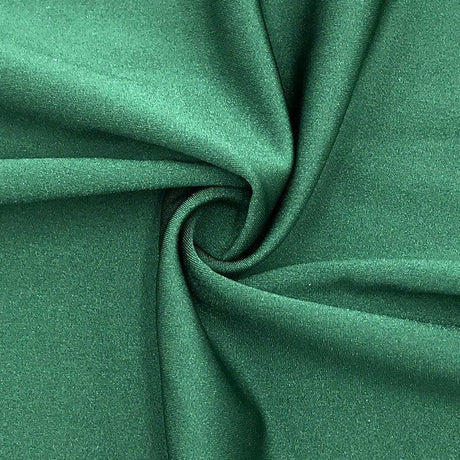
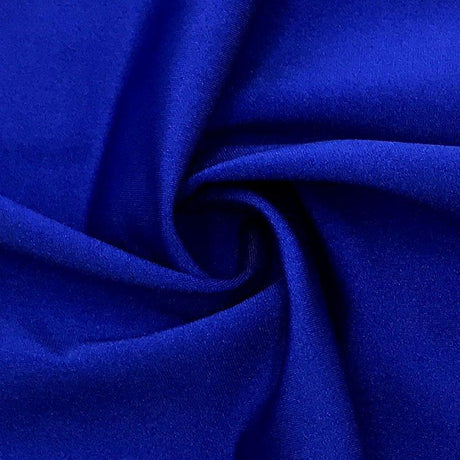
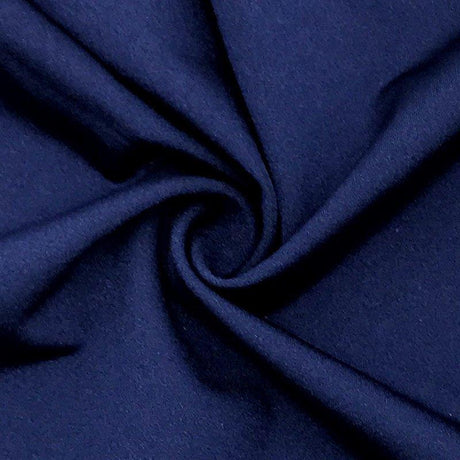
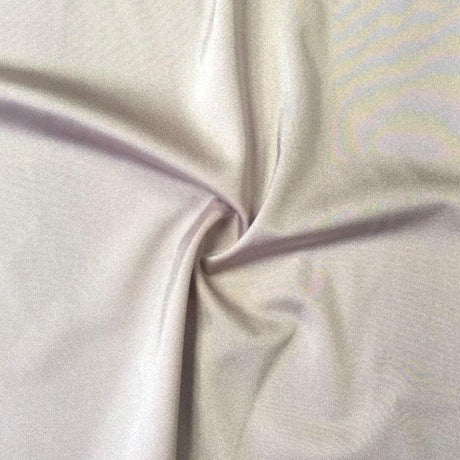
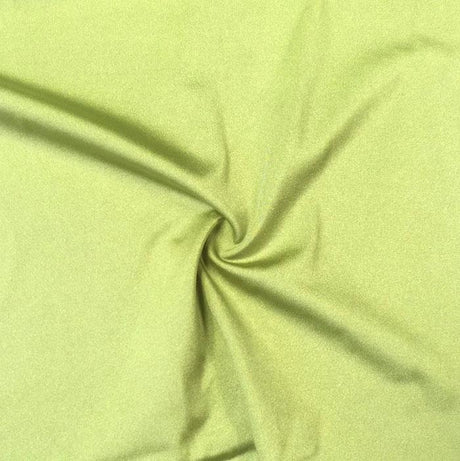
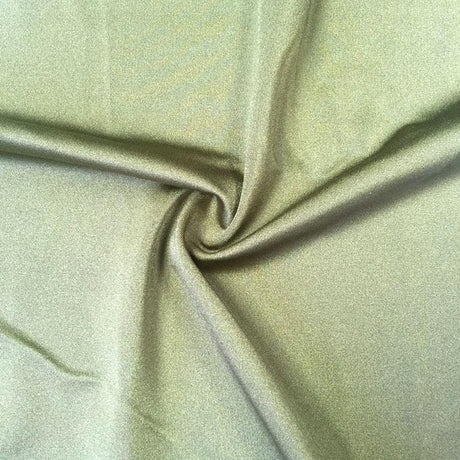
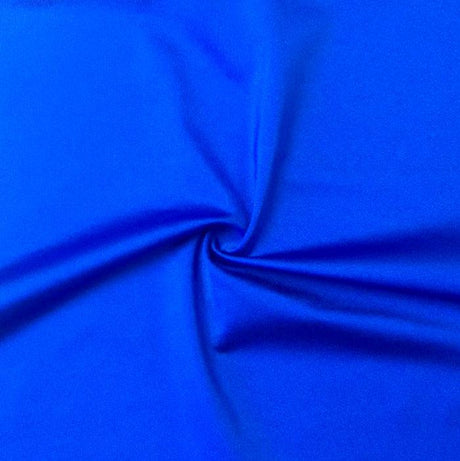
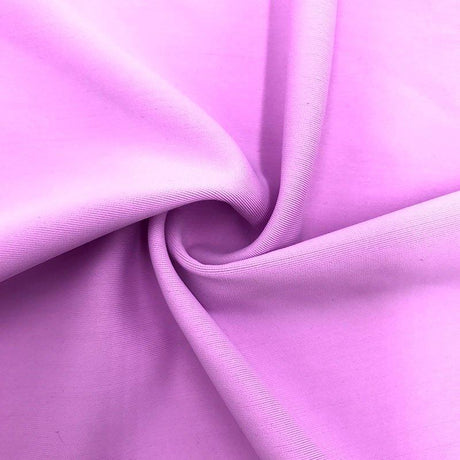
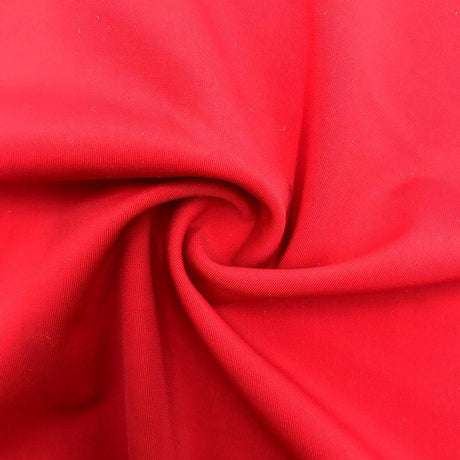
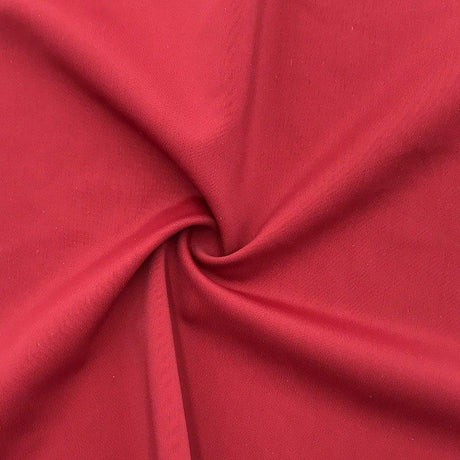
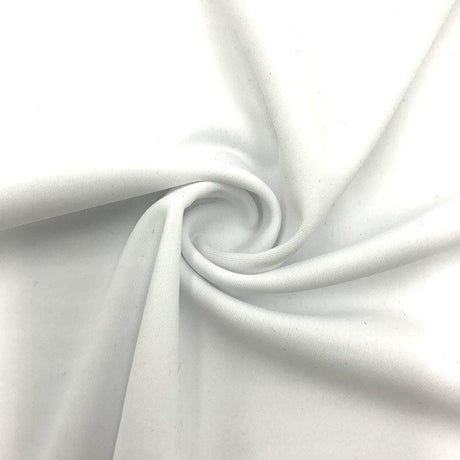
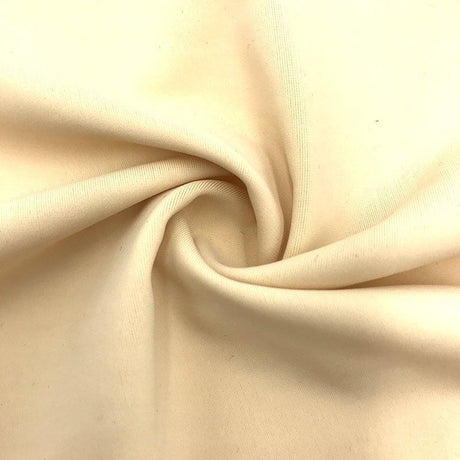
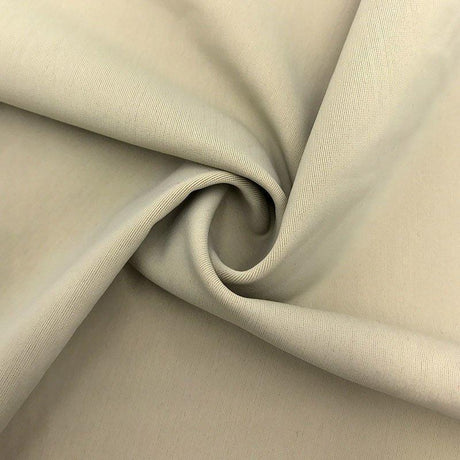
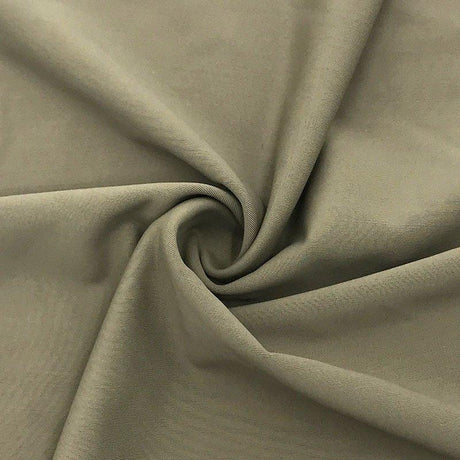
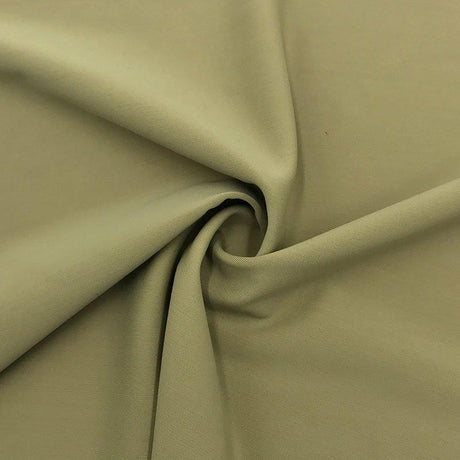
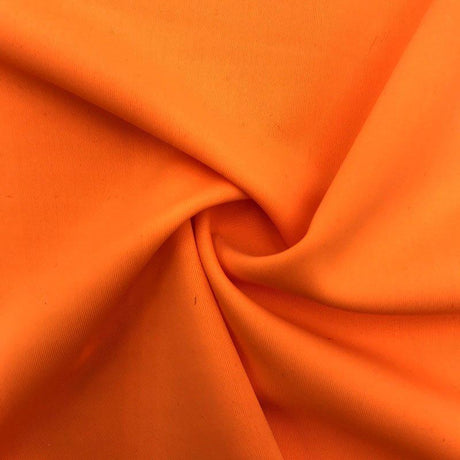
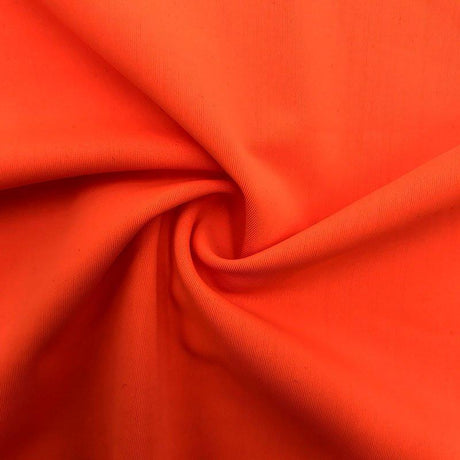
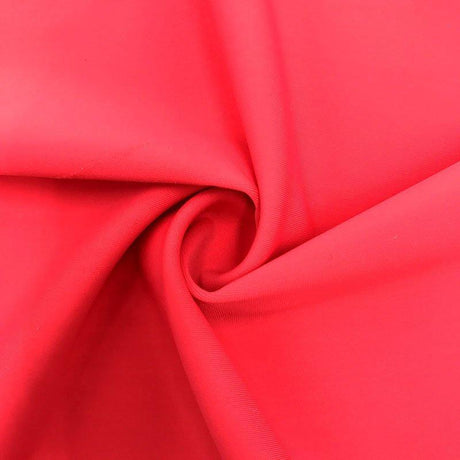
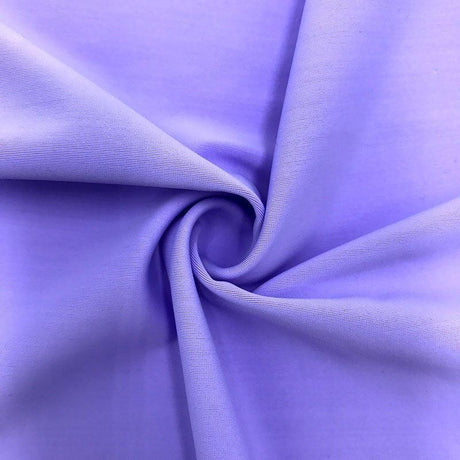
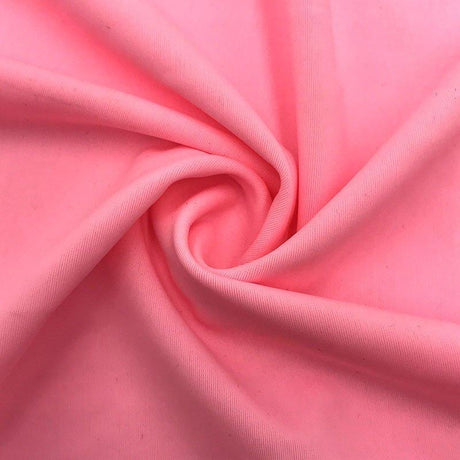
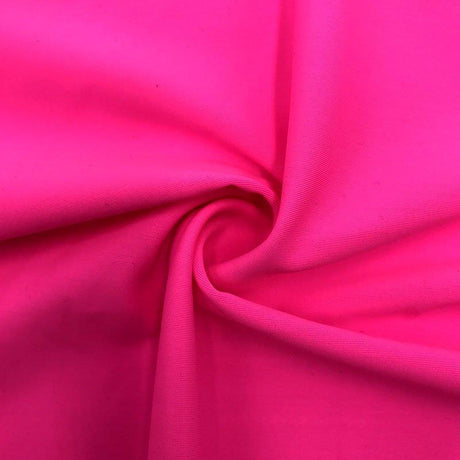
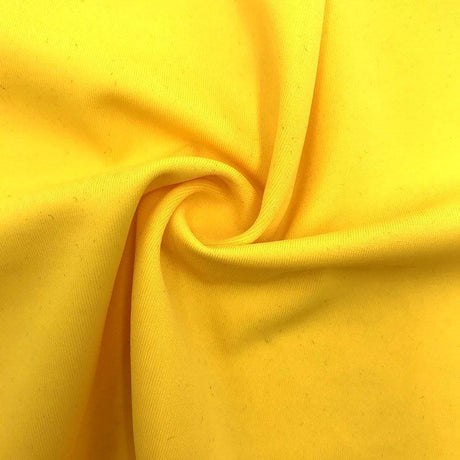
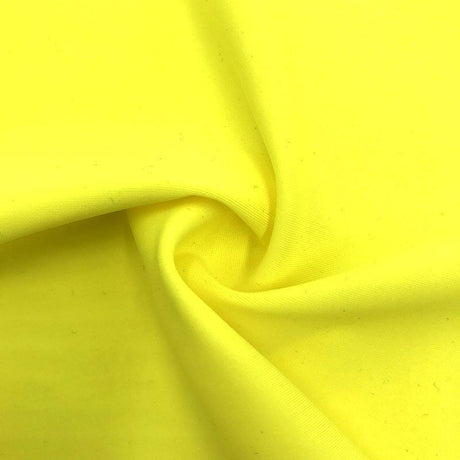
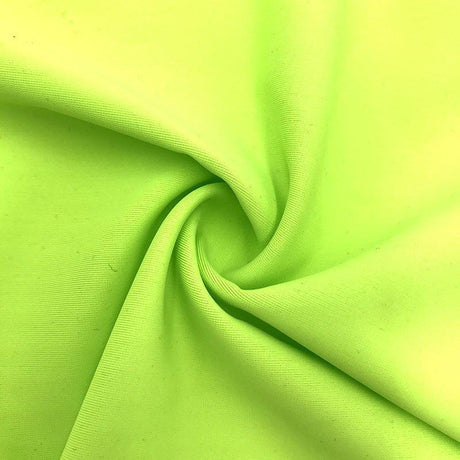
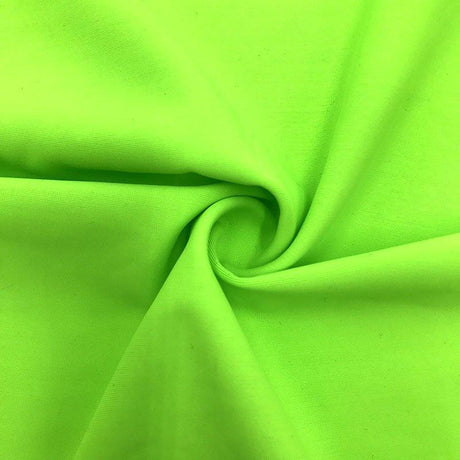
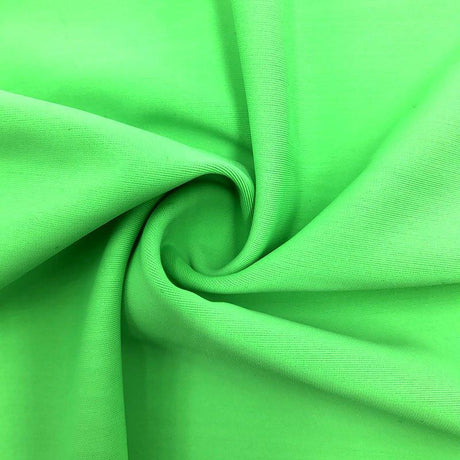
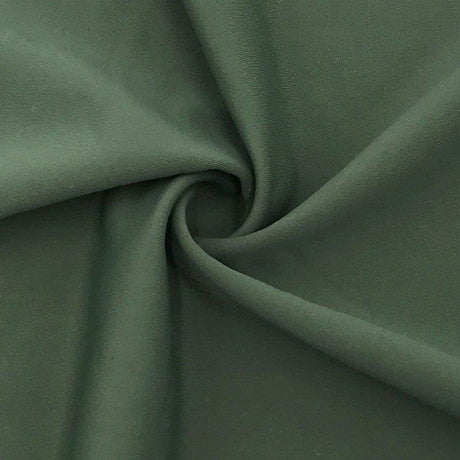
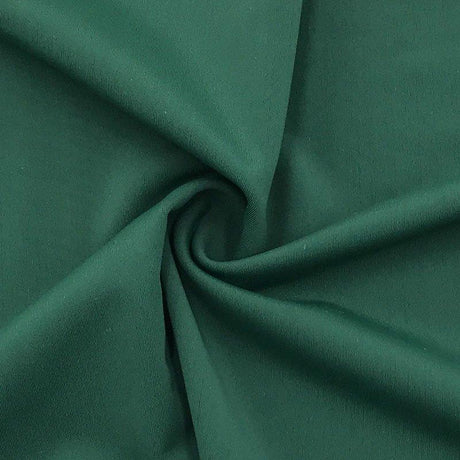
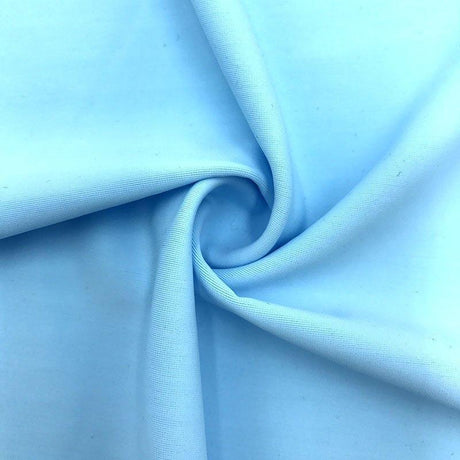
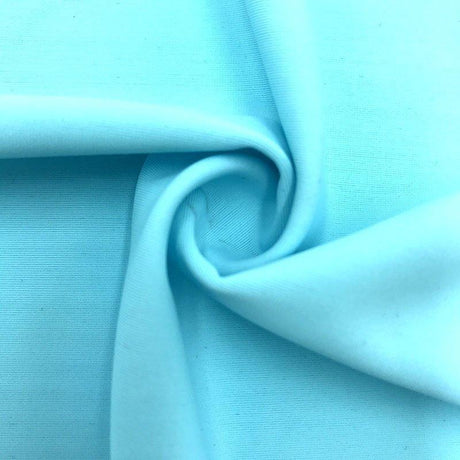
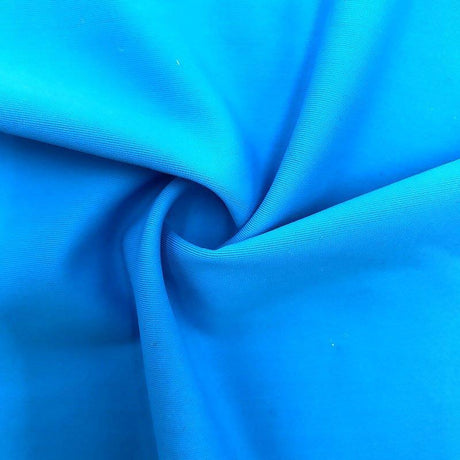
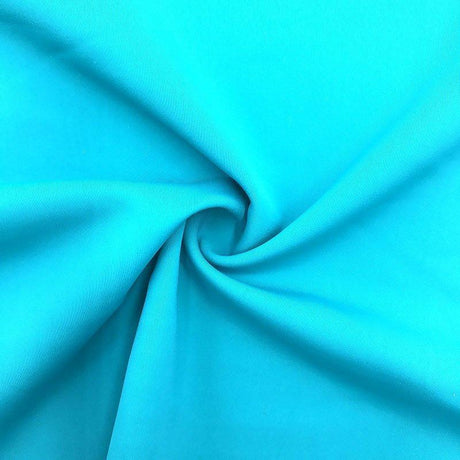
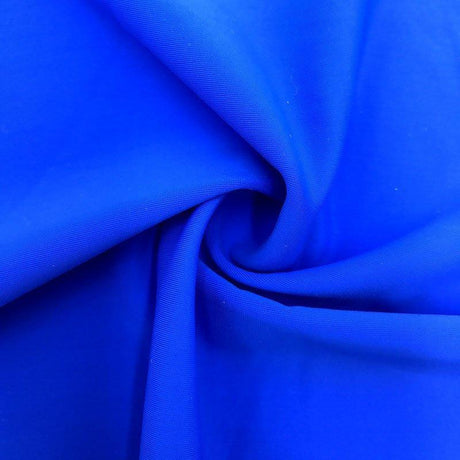
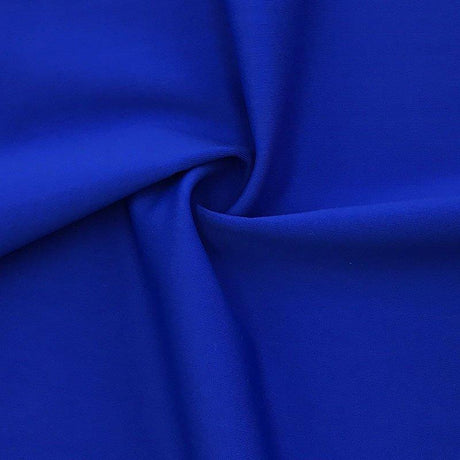
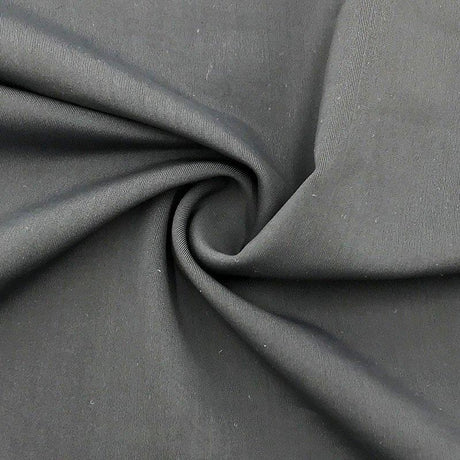
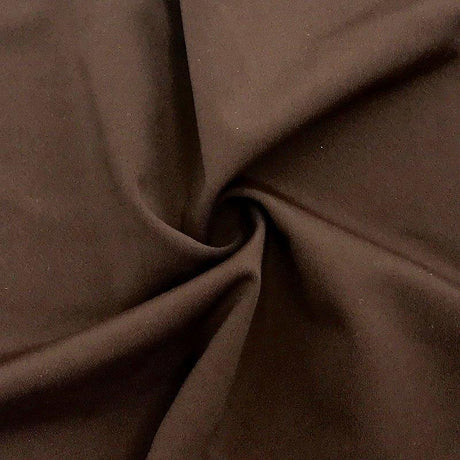
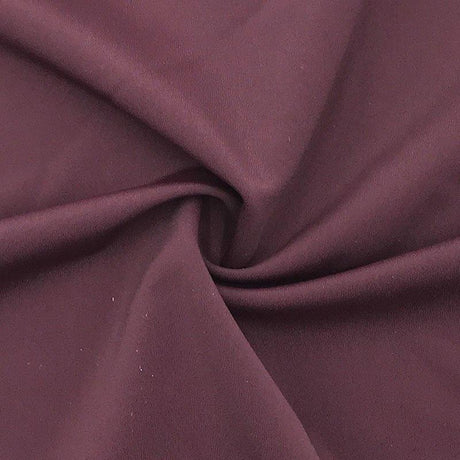
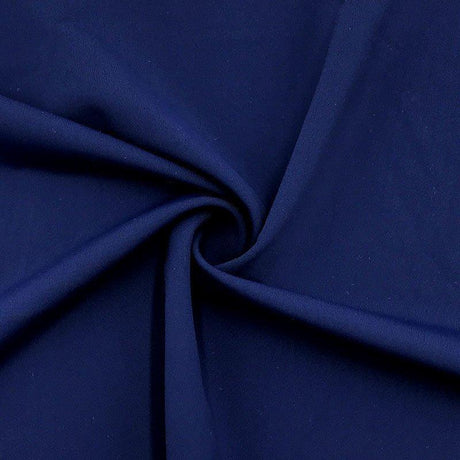
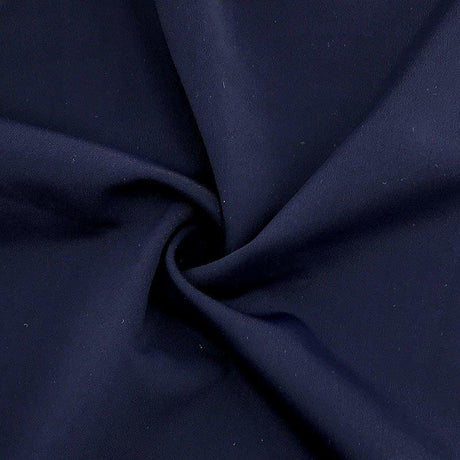
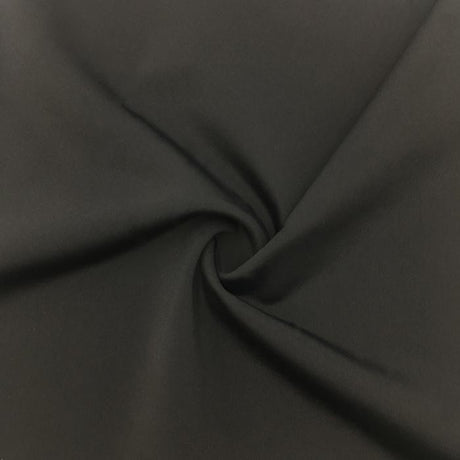
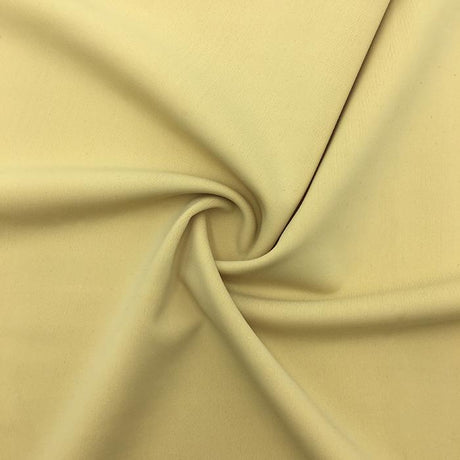
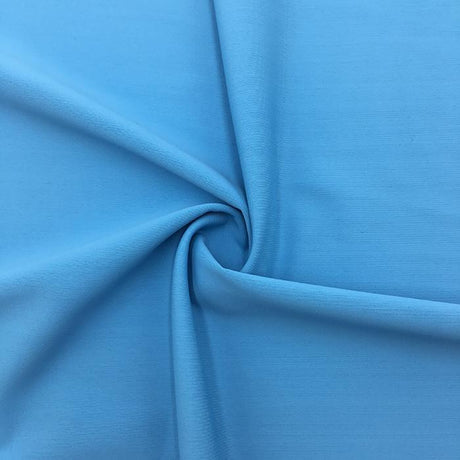
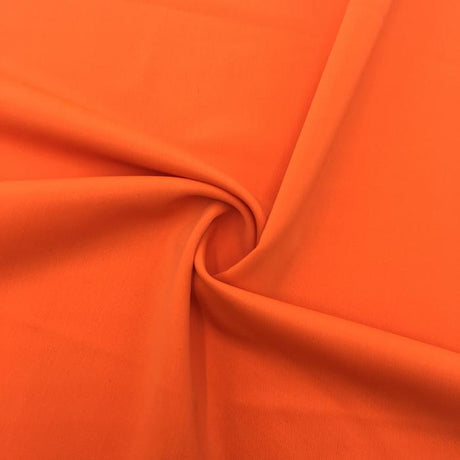
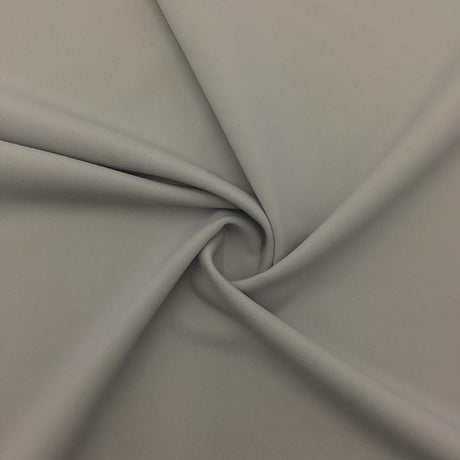
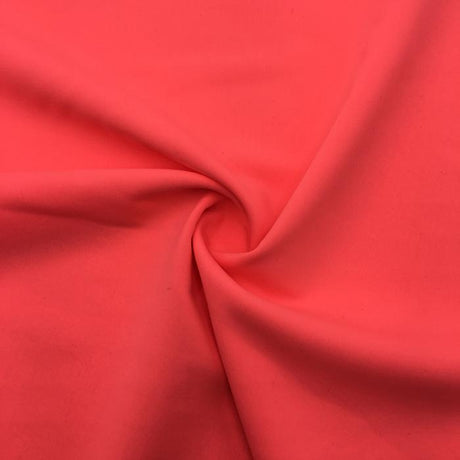
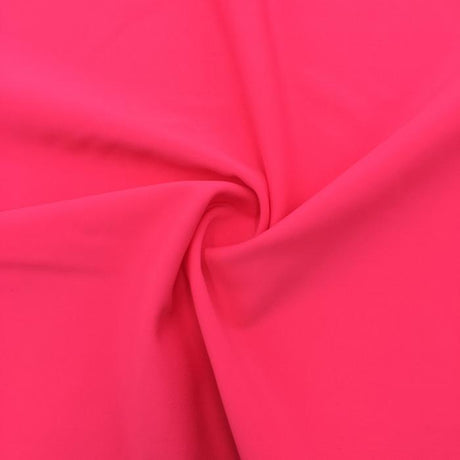
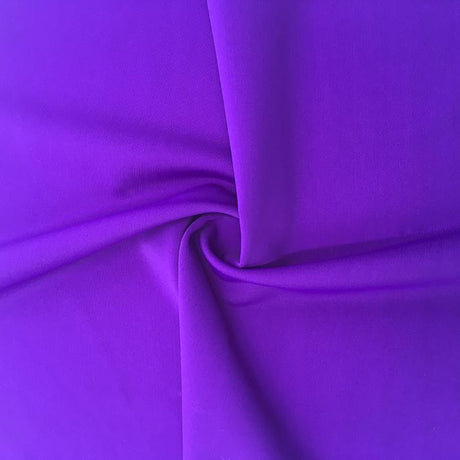
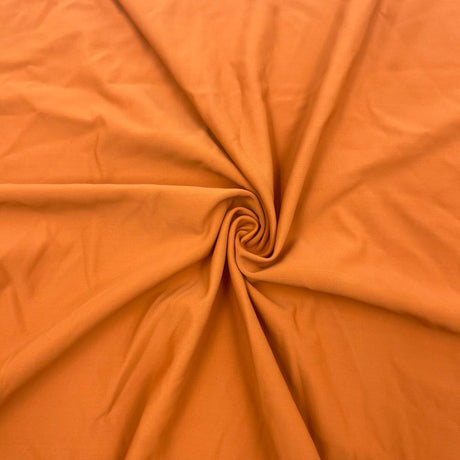
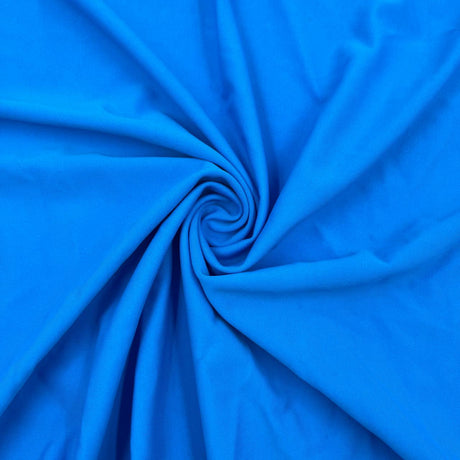
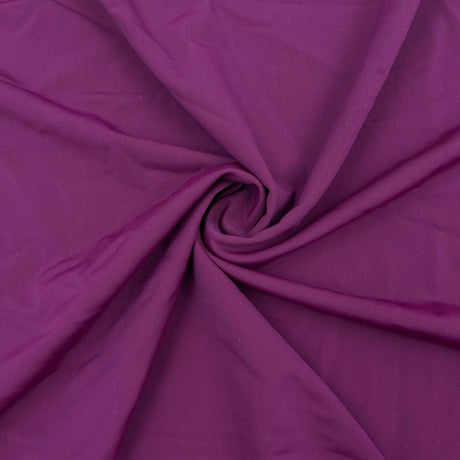
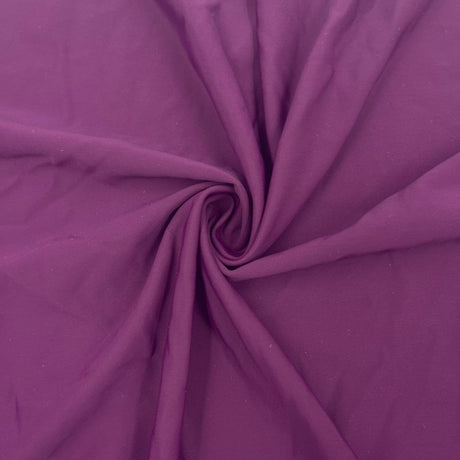
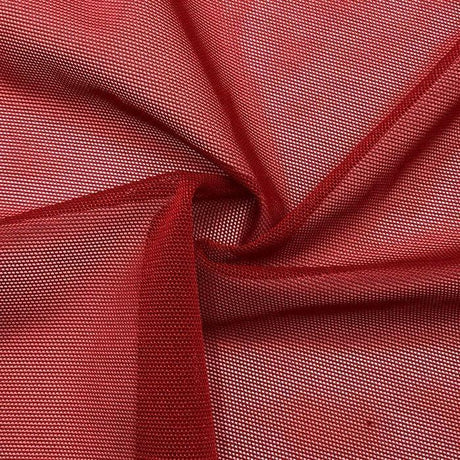
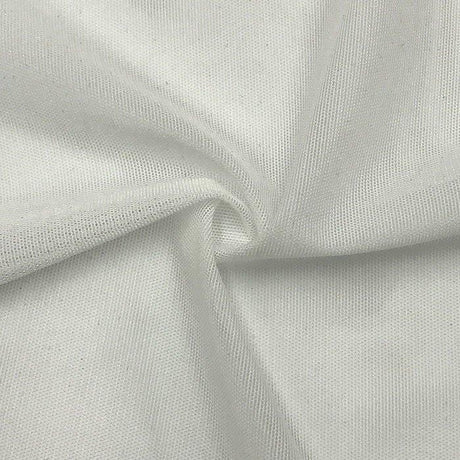
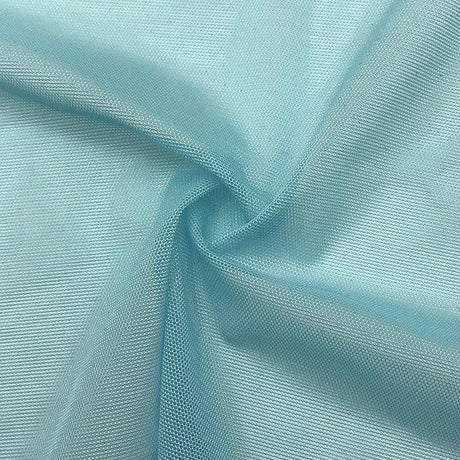
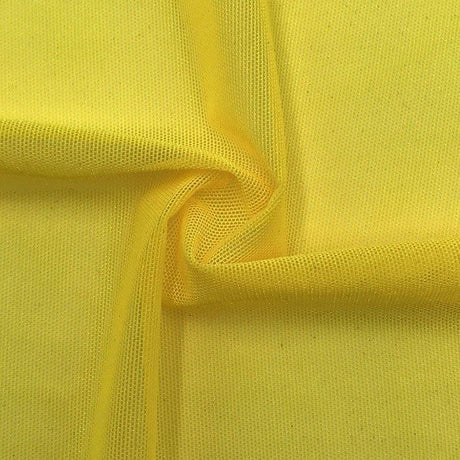
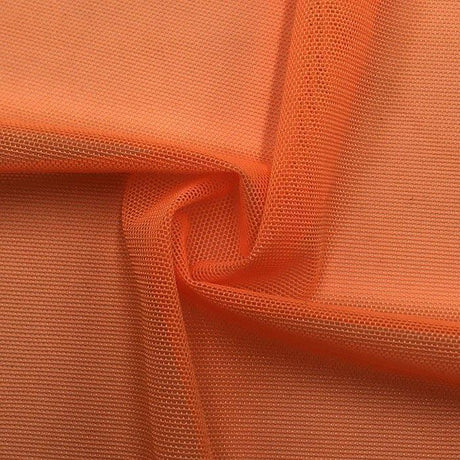
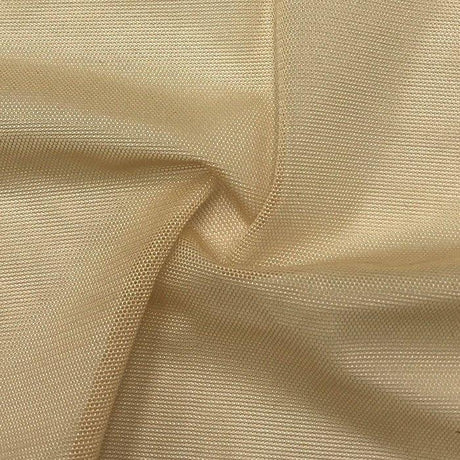
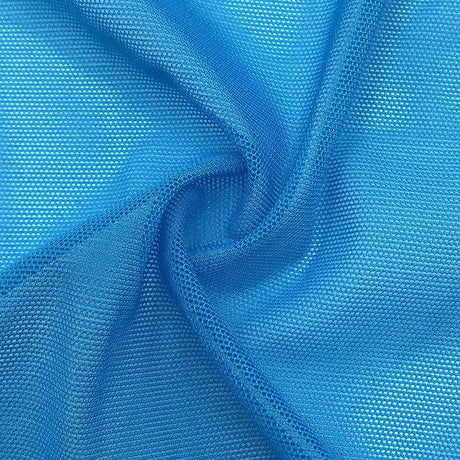
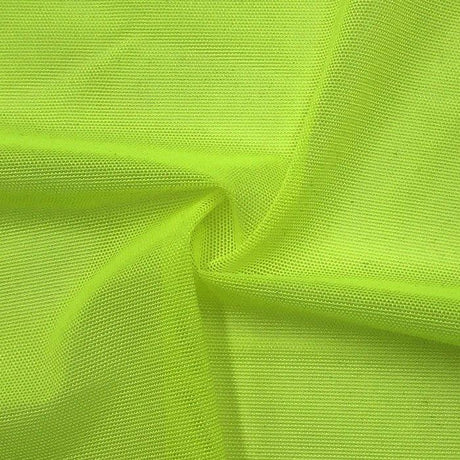
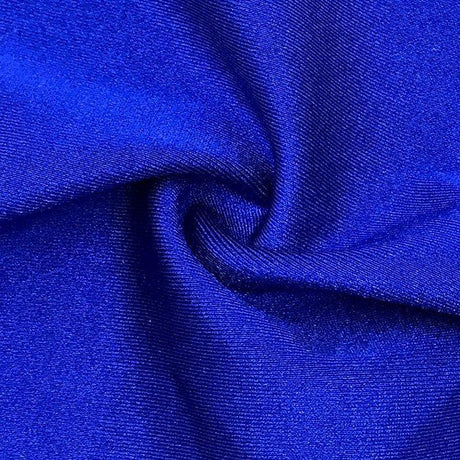
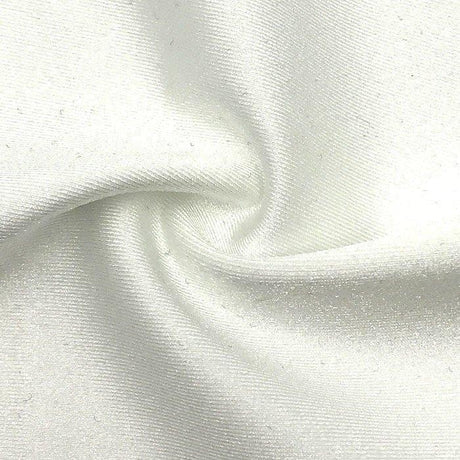
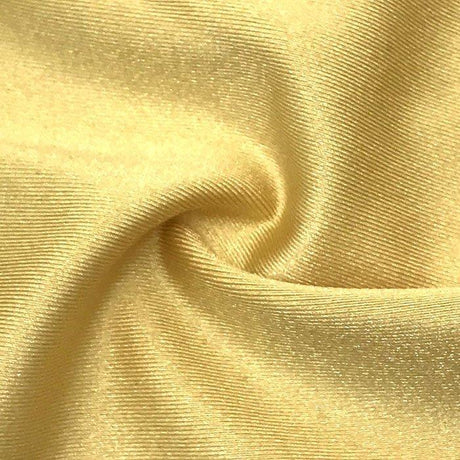
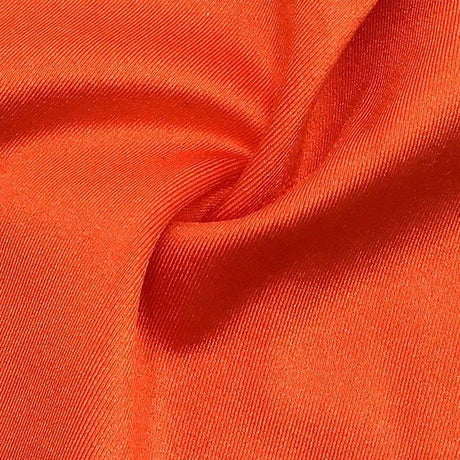
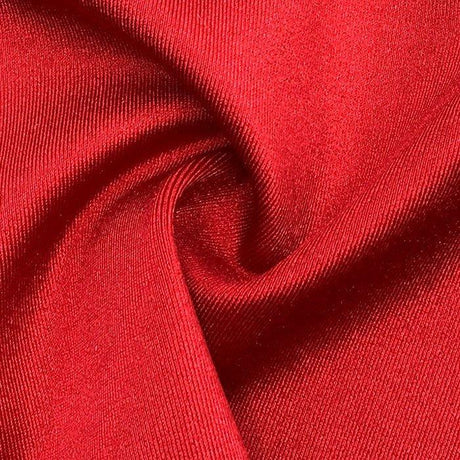
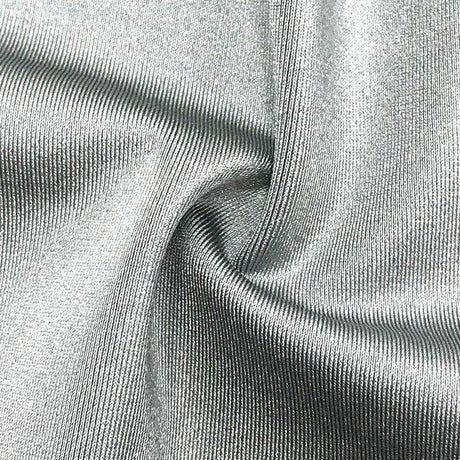
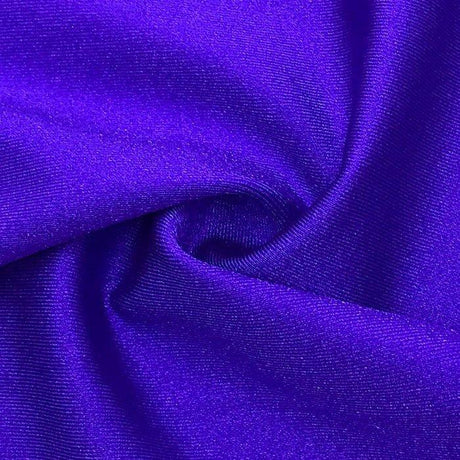
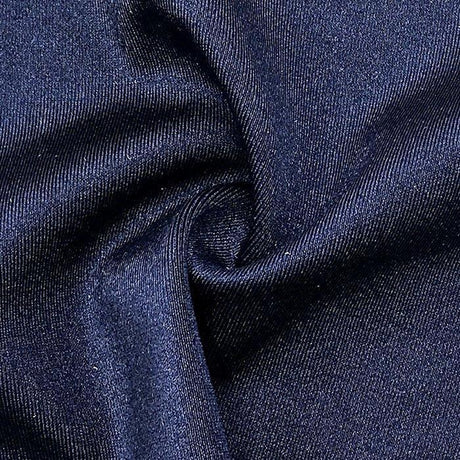
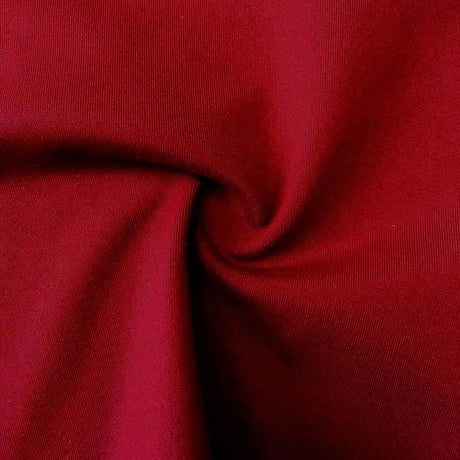
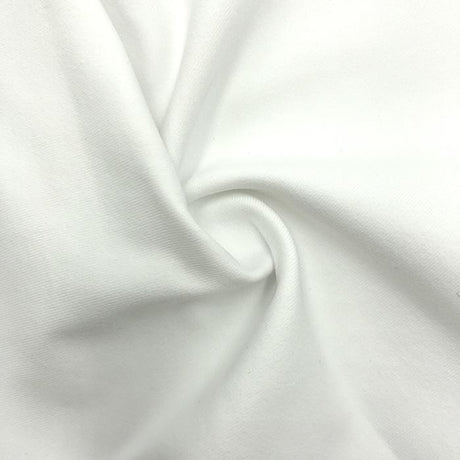
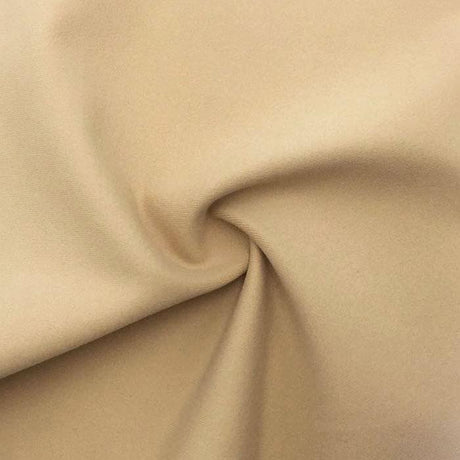
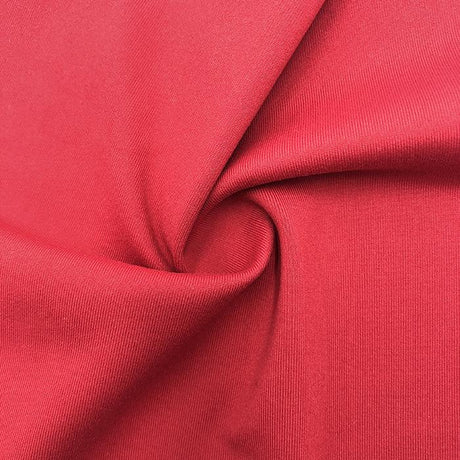
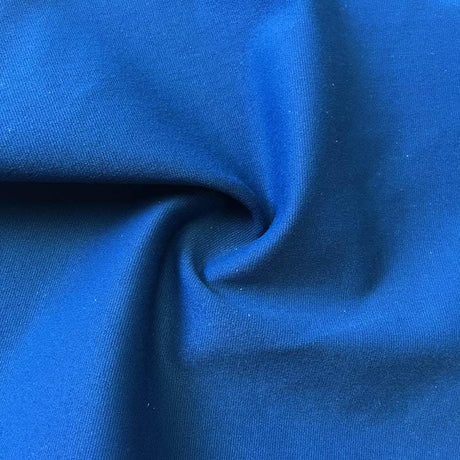
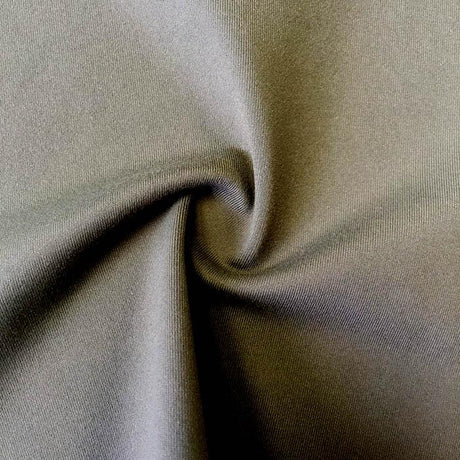
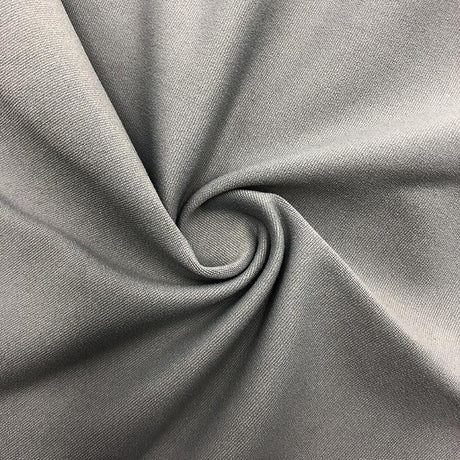
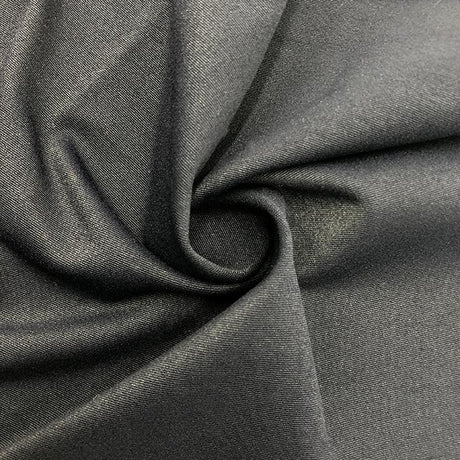
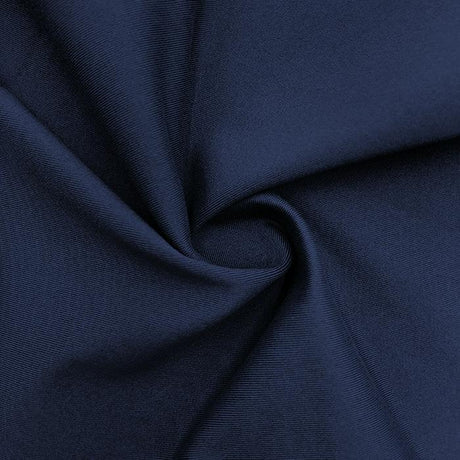
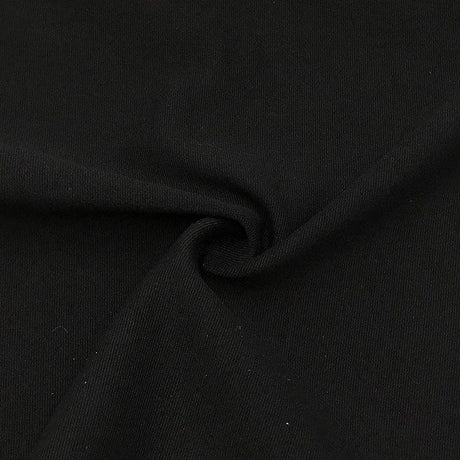
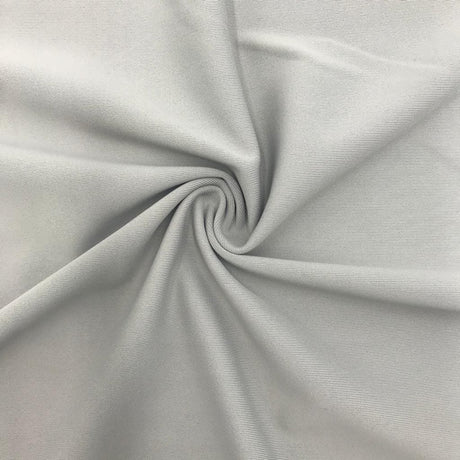
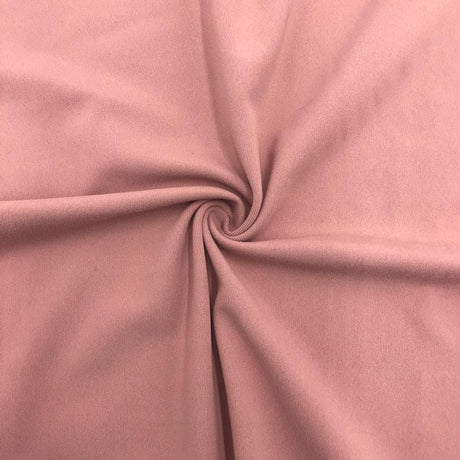
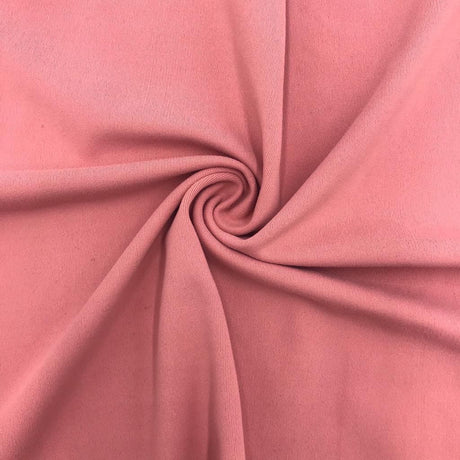
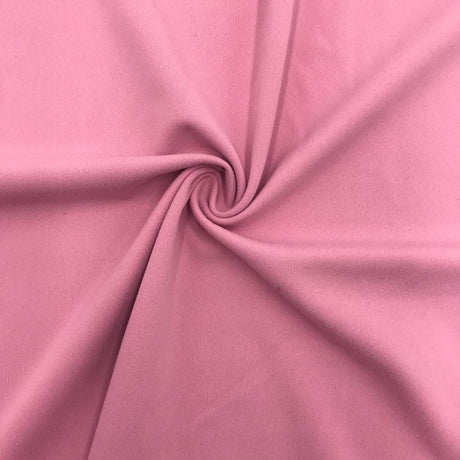
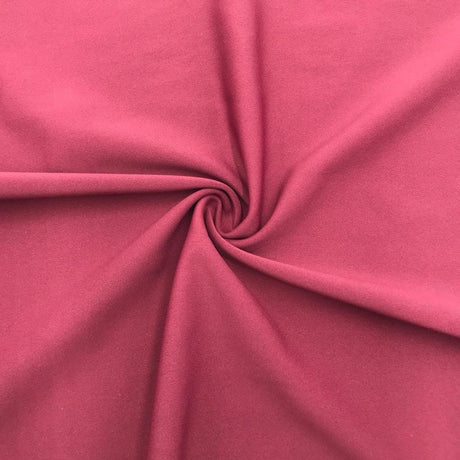
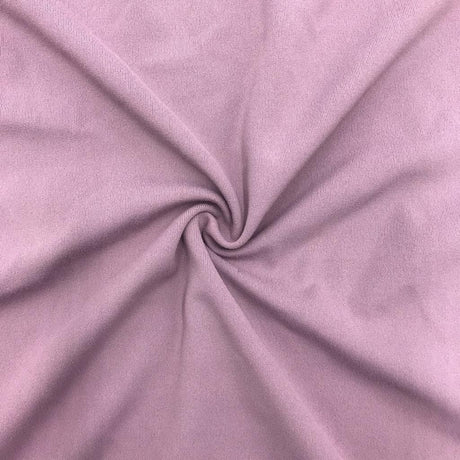
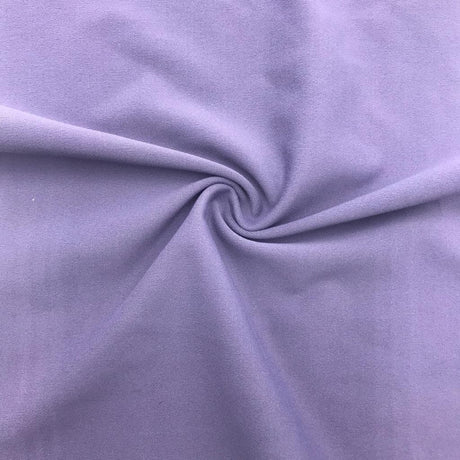
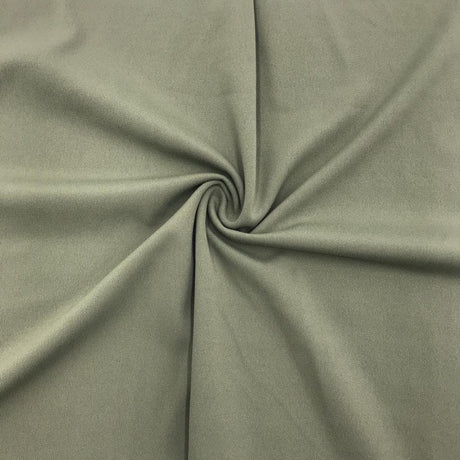
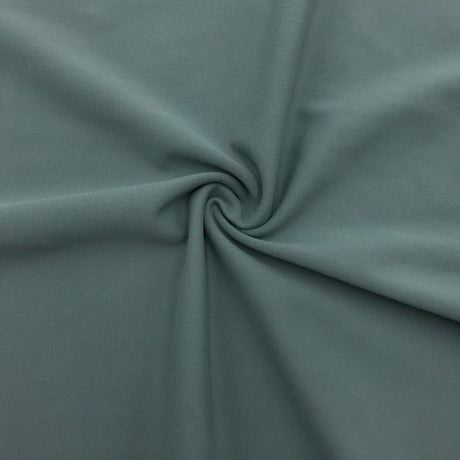
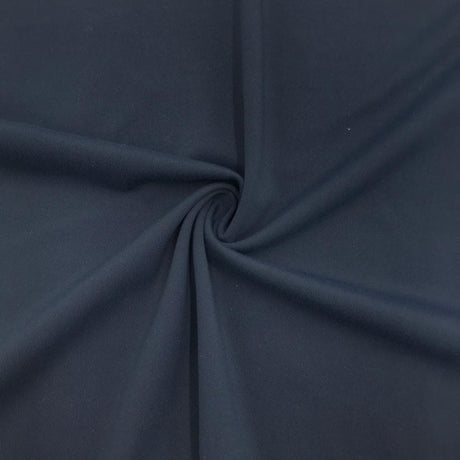
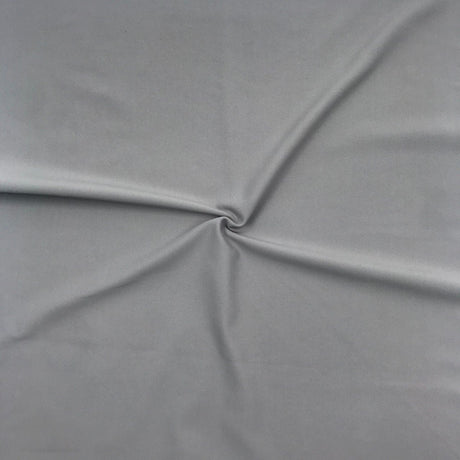
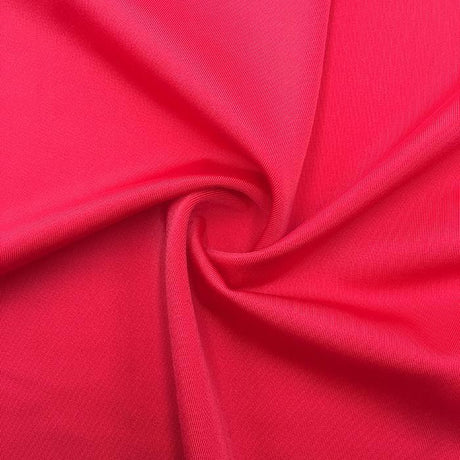
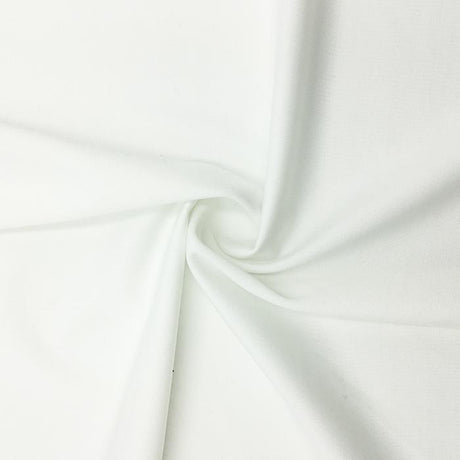
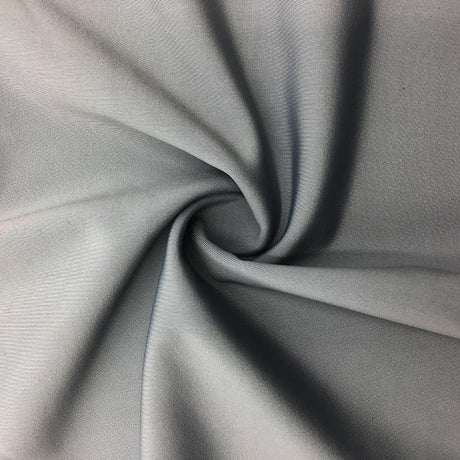
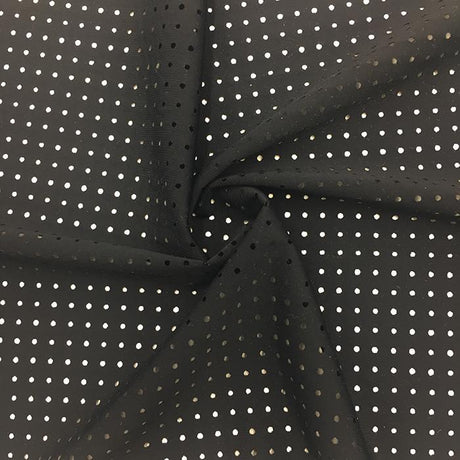
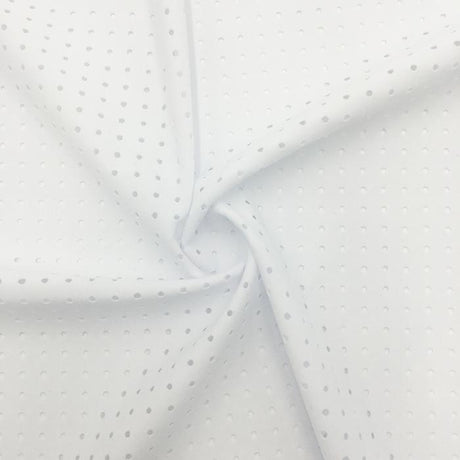
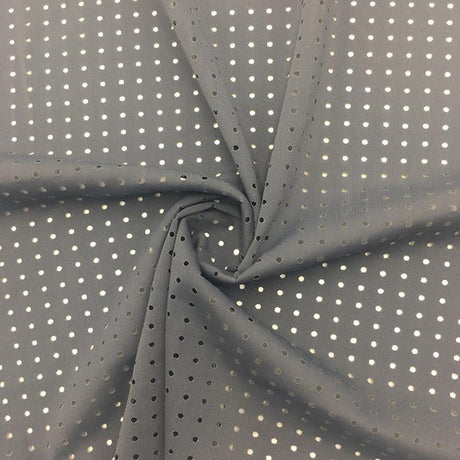
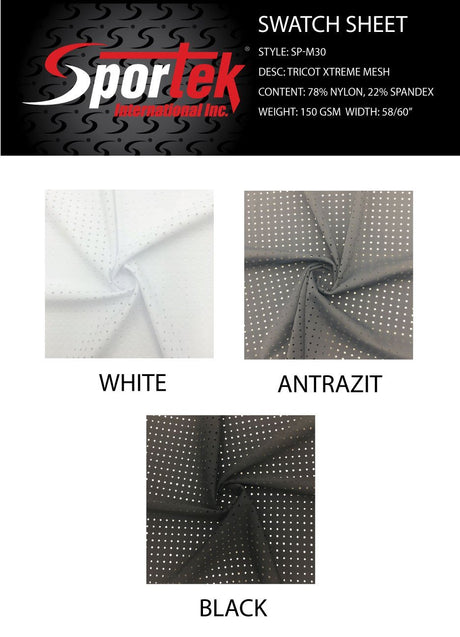
PBT fabric – short for Polybutylene Terephthalate – is making waves in the swimwear industry as a revolutionary chlorine-resistant rival to spandex. Essentially a type of polyester, PBT fabric offers a unique combination of stretch, durability, and chemical resistance that addresses a major weakness of traditional elastane (spandex) swimwear. Unlike standard spandex blends that can degrade and lose elasticity after only a few weeks of pool use, PBT-based swimwear can withstand hundreds of hours in chlorinated water while maintaining its shape, color, and fit. This makes PBT fabric an ideal spandex alternative for swimmers seeking suits that stay vibrant, supportive, and fast-drying season after season.
In this article, we will explore what gives PBT fabric its remarkable properties and why it’s seen as a game-changer for swimwear. We’ll dive into the molecular structure of PBT to understand how it delivers stretch without needing traditional spandex fibers. We’ll compare PBT vs. Spandex to see which performs better in pool environments, especially in terms of chlorine resistance and longevity. Then, we’ll outline the key mechanical properties of PBT – such as its high color fastness, shape retention, and dimensional stability. Finally, we’ll look at some specialized applications of PBT fabric, from competitive swimwear to other performance apparel, to understand where this innovative material truly shines.
Molecular Structure of PBT: Stretch Without Spandex?
What makes PBT fabric so special at the molecular level? PBT is part of the polyester family, but its polymer structure differs from standard PET polyester in a way that grants it both elasticity and chemical stability. Chemically, polybutylene terephthalate is a long-chain polymer derived from petroleum, and its special structure gives it great stretch and resistance to chemicals like chlorine. In practical terms, PBT is often produced as a textured polyester yarn with natural elasticity similar to spandex. Through texturizing (crimping the fibers) and the inherent flexibility of the polymer, PBT fibers can elongate and snap back to shape, essentially providing “stretch without spandex.”
One of the standout molecular advantages of PBT is its inertness towards chlorine. The polymer’s molecular structure actively repels chlorine molecules, preventing the degradation that is common in other synthetic fibers. Spandex (an elastane fiber) contains chemical bonds (like urethane links) that chlorine attacks and breaks apart, causing the fabric’s elasticity to be the first thing to go. PBT, by contrast, has chlorine-stable bonds; it does not readily react with chlorine or absorb it, which is why PBT fibers can endure pool chemicals without weakening or losing stretch. In fact, swimmers often describe PBT swimsuits as nearly “chlorine-proof” because the material remains intact and elastic even after extensive exposure to chlorinated water.
Crucially, PBT’s ability to stretch is not quite as extreme as spandex’s, but it is impressive given that it’s a non-elastomeric fiber. PBT fiber can elongate and recover its shape to provide a snug, compressive fit. Professional swimwear manufacturers note that PBT’s natural stretch provides muscle compression and support without any spandex content, and the material instantly springs back to shape after stretching. This means a well-designed PBT swimsuit can hug the body and allow free movement in the water, yet maintain its original form and fit over time. In essence, PBT’s molecular design enables it to mimic many of the functions of spandex (stretch and recovery) while avoiding spandex’s vulnerability to chlorine. It’s a polymer engineered for performance – offering swimmers the best of both worlds: stretch and durability.
PBT vs. Spandex: Which is Better for Pools?
When it comes to swimwear, the battle of PBT vs. spandex often boils down to a trade-off between maximum stretch and maximum durability in chlorine. Spandex (also known by brand names like Lycra or elastane) is renowned for its superior stretch – it can expand many times its resting length and still recover – giving swimsuits that second-skin fit and comfort. However, this stretch comes at a cost: chlorine in pools is notoriously harsh on spandex fibers. Chlorine (specifically hypochlorous acid in pool water) attacks the bonds in spandex fibers, causing them to snap and break down; as a result, a spandex-rich swimsuit will gradually lose its elasticity, begin to sag, and may even become discolored or thin with repeated pool use. It’s not uncommon for a traditional Lycra swimsuit to start losing its shape after just a few weeks of daily swimming, as chlorine turns the once-elastic material brittle and weak.
PBT fabric, on the other hand, sacrifices a bit of that extreme stretch in exchange for outstanding chlorine resistance and longevity. PBT/polyester swimwear is considered the “gold standard” for chlorine-resistant pool gear, with the material withstanding hundreds of hours in chlorinated water while maintaining shape and color. Tests and swimmer experiences have shown that a PBT-based suit can easily last 5+ times longer in pool conditions than a suit containing spandex. Because PBT fibers do not degrade in chlorine, the swimsuit stays tight and supportive over months of use, whereas an equivalent spandex suit might have turned baggy or lost its vibrancy in that time. In fact, many competitive and lap swimmers choose suits made from 100% polyester/PBT blends specifically so they don’t have to replace them frequently – these suits are often marketed as “chlorine-proof” or “Endurance” swimwear.
Does this mean PBT is universally better than spandex for swimwear? It depends on the priorities:
- Stretch & Comfort: Spandex still wins in pure elasticity and a soft, form-fitting feel. A fashion swimsuit or bikini may use 10–20% spandex to achieve a very flexible, body-hugging fit. PBT swimsuits have good elasticity (especially when blended with standard polyester), but they are generally a bit firmer and less stretchy than spandex-rich suits. That said, PBT’s stretch is “controlled” and it provides a compression effect on the body, which some athletes prefer for performance.
- Chlorine and UV Resistance: Here PBT is the clear winner. Spandex breaks down quickly in chemicals, even with newer chlorine-resistant treatments it can only extend the life so far. PBT and polyester are naturally chlorine-resistant and also resist UV fading, so they keep their integrity and color much longer. For anyone swimming daily or training in a pool, PBT-blend suits will retain their shape and vibrant color season after season.
- Longevity vs. Performance Fit: Competitive swimmers often own both types of suits – PBT/polyester ones for practice (to get longevity and save money) and high-spandex tech suits for racing (where maximum stretch and compression can improve speed, and those suits are replaced frequently). However, even many competition suits now incorporate PBT fiber panels in high-stress areas to extend the garment’s life.
In summary, for regular pool use, PBT fabric is generally better if your goal is a durable suit that won’t sag or fade. Spandex-inclusive suits might feel slightly more supple or easier to put on due to the extra stretch, but they require gentler care and have a shorter usable life in chlorinated water. The good news is that fabric technology is improving; some specialty elastanes (like Xtra Life Lycra® or Creora® HighClo™) are engineered to resist chlorine longer than standard spandex (claims of 5–10× longer life). Even so, those enhanced spandex fibers still can’t match the virtually chlorine-proof performance of a quality polyester/PBT blend. For swimmers and swimwear brands prioritizing longevity and durability, PBT is the material of choice.
Mechanical Properties of PBT Fabric: High Color Fastness & Shape Retention
Beyond chlorine resistance, PBT fabric boasts several mechanical properties that make it ideal for swimwear and activewear. These properties ensure that garments not only last longer but also look and feel good throughout their life. Here are the key performance traits of PBT:
- High Color Fastness: PBT fibers hold color exceptionally well, even under harsh conditions. The polymer itself is resistant to UV radiation and chemical fading, meaning colors on PBT fabric do not fade easily from sunlight or pool chemicals. In fact, PBT swimsuits are known to stay vibrant through multiple seasons of use, whereas other materials might bleach out. Manufacturers can even add UV-stabilizers to PBT fibers, further enhancing their ability to resist sunlight. Combined with chlorine stability, this gives PBT an edge in keeping prints and dyes looking fresh; as one source notes, its color retention surpasses standard polyester, keeping swimsuits bright and non-yellowed despite heavy pool use. For swimmers, this means a PBT-based suit will maintain those bold colors and patterns without dulling, even with regular outdoor swimming and sun exposure.
- Shape Retention and Dimensional Stability: PBT is celebrated for its ability to withstand stretch and recover repeatedly without losing form. It’s an extremely strong fiber that can both withstand and recover from stretch, giving it excellent dimensional stability. Even after many uses, a PBT garment resists permanent bagging or sagging – it “instantly springs back to shape” after being stretched. This is crucial for swimwear, which is subjected to constant motion and strain. PBT’s elastic recovery is comparable to spandex in practical wear, meaning a suit made from PBT will stay snug and supportive over time. Additionally, PBT fabric doesn’t shrink or distort easily with heat or water exposure; it can handle pool and washer/dryer temperatures better than many fabrics, all while keeping its original size and fit. In short, PBT offers reliable shape retention, so your swimsuit or sportswear maintains its fit and compression after countless uses and washes.
- Quick-Drying and Low Moisture Absorption: Like other polyesters, PBT is hydrophobic, meaning it absorbs very little water. In swimwear, this translates to fast drying times and less water weight dragging you down in the pool. PBT fabric actually retains less water than other synthetics and dries quickly once out of the water. This quick-dry property not only adds comfort (no one likes a soggy suit) but also has hygienic benefits: rapid drying prevents the growth of bacteria or mildew on the fabric between swims. For athletes, a fast-drying suit means you can hop out of the pool and not stay wet for long, reducing the chance of chafing or chill. PBT’s moisture management is also valued in activewear – it wicks sweat off the skin and lets it evaporate, keeping the wearer dry during workouts.
- Durability (Snag Resistance and Abrasion Resistance): PBT fibers are inherently tough. They are often described as tough and stiff for durability, yet soft and elastic in feel – a balance that helps prevent runs or tears. Swimsuits made of PBT tend to be snag-resistant and resist pilling even when rubbed against rough pool surfaces or lane ropes. The material can handle abrasion, sunscreen oils, sweat, and saltwater without breaking down, whereas weaker fibers might fray or thin out. This durability means PBT activewear can take the beating of regular use (whether it’s the friction of movement or contact with rough gym equipment) and still hold up. Combined with its other properties, PBT’s strength contributes to an overall longer lifespan for garments.
All these mechanical properties underscore why PBT fabric is considered a high-performance material. It doesn’t just last long; it maintains both its appearance (color and texture) and function (stretch and support) throughout that lifespan. A PBT swimsuit will feel and look almost as good on its 100th swim as it did on its first, provided it’s cared for properly. This level of reliability is a key reason why PBT is often the top choice for swim clubs, competitive swimmers, and anyone serious about their swimwear’s performance.
Specialized Applications of PBT Fabric
Thanks to its unique blend of stretch, durability, and chemical resistance, PBT fabric has found a home in a variety of specialized applications – particularly where long-term performance in harsh conditions is required:
- Competitive and Training Swimwear: The most prominent use of PBT is in performance swimwear. Competitive swimmers and swim teams opt for suits made from PBT or PBT/polyester blends for practice suits and competition training suits. These suits endure daily laps in chlorinated pools without losing their fit, making them cost-effective over time. For example, Speedo’s Endurance+ line uses a 50/50 PBT and polyester blend, advertised as 100% chlorine-resistant with maximum shape retention swim after swim. Swimmers report that such suits can last through multiple seasons of training. The slightly lesser stretch is often acceptable in exchange for not having a suit go baggy mid-season. Even water polo teams and aquatic fitness instructors, who spend hours in the pool, rely on PBT swimwear to avoid constantly replacing worn-out Lycra suits.
- Active Sportswear and Athleisure: PBT’s qualities are also leveraged in sports and fitness apparel beyond the pool. You can find PBT fibers in leggings, sports bras, competitive gymnastics or dance wear, and seamless compression garments. In these applications, PBT provides a supportive stretch that holds up to sweat and movement. Athletes appreciate that PBT-blend leggings or shorts will wick moisture and dry quickly, keeping them comfortable during intense workouts. Additionally, the shape retention means even form-fitting PBT clothing won’t easily lose its compression or start sagging at the knees or elbows. Some high-end activewear brands incorporate PBT to enhance longevity – the gear stays looking new longer, even with frequent use and washing.
- Outdoor and Endurance Gear: Because PBT fabric has UV resistance and robust weather durability, it’s sometimes used in outdoor textile applications. For instance, certain rash guards, surf swimsuits, or triathlon suits might use PBT blends to better resist saltwater and sun exposure. The material’s ability to remain strong under heat and pressure also leads to usage in items like backpack straps or camping gear that need to endure stress without stretching out. Its dimensional stability under varying conditions means it’s reliable for use in environments where other fabrics might deform.
- Industrial and Technical Uses: Beyond apparel, the strength and chemical resistance of PBT fiber lend it to some niche industrial uses as well. For example, PBT yarns are used in high-performance conveyor belts and filtration systems in industries where fabrics are exposed to chemicals, water, and constant tension. The same traits that make PBT great for swimwear – not absorbing water, resisting chemicals, and staying strong under load – are valuable in these technical contexts. While these applications are quite specialized, they highlight the material’s versatility. Not many textiles can transition from swimming pools to factory floors!
In summary, PBT fabric’s adoption in specialized applications underscores its reputation as a high-performance, resilient material. Its primary fame comes from revolutionizing swimwear by offering a chlorine-resistant, fast-drying, and long-lasting alternative to spandex, but its usefulness extends wherever a combination of stretch and durability is needed. From the pool lanes to the gym to industrial settings, PBT has proven itself as a fabric that can take the heat (and the chlorine) and keep on performing.
Conclusion
The emergence of PBT fabric has indeed been a revolution in chlorine-resistant swimwear. By combining many of the benefits of traditional spandex (stretchiness, comfort, fit) with the endurance of polyester (chlorine resistance, strength, color fastness), PBT bridges a crucial gap in textile performance. Swimmers no longer have to accept saggy, faded suits as an inevitability of frequent pool use – PBT fabric keeps swimwear looking new and fitting right even after countless swims. Its fast-drying nature and dimensional stability further enhance the wearing experience, ensuring that athletes and casual swimmers alike can trust their gear to support them over time.
While spandex still has its place – offering unparalleled elasticity for certain fashion and competitive needs – PBT has firmly established itself as the go-to solution for longevity and chlorine-heavy environments. It represents a smart material choice in an era where consumers value both performance and durability. Whether you’re a competitive swimmer aiming for a suit that can survive daily training, or an active individual looking for workout clothes that won’t lose their shape, PBT fabric offers a compelling option. In the ongoing evolution of textile technology for sports and swimwear, PBT stands out as a true innovation – a fabric that doesn’t force us to compromise between stretch and strength, but instead delivers a remarkable balance of both.
Ultimately, What is PBT fabric? It’s the answer to a long-standing problem, a material that says you can have a stretchy swimsuit that the pool won’t destroy. It’s the chlorine-resistant rival to spandex that is here to stay, keeping swimmers supported and swimsuits durable lap after lap, season after season.