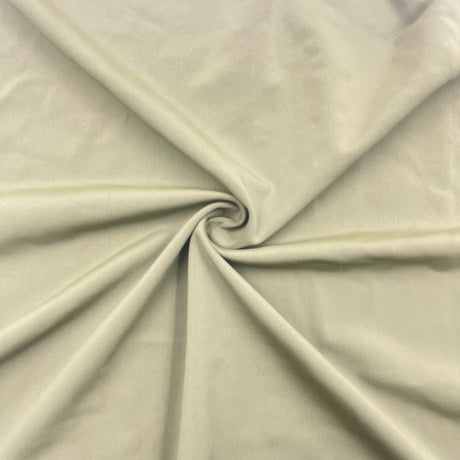
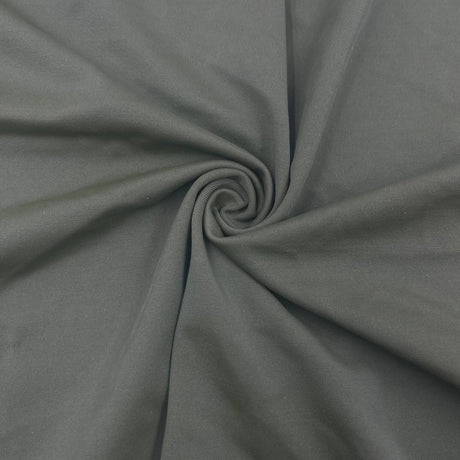
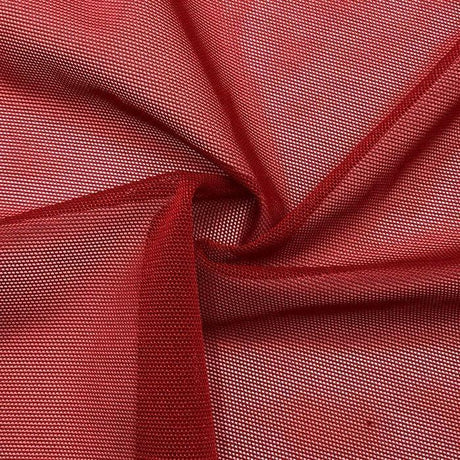
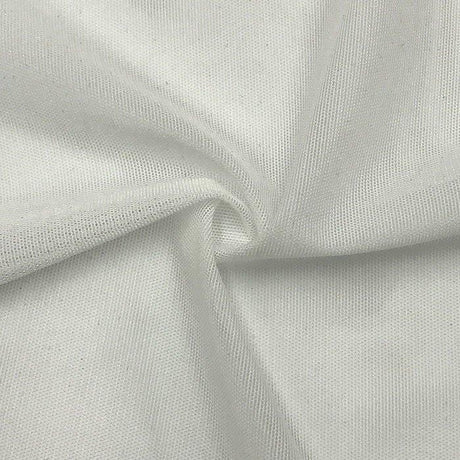
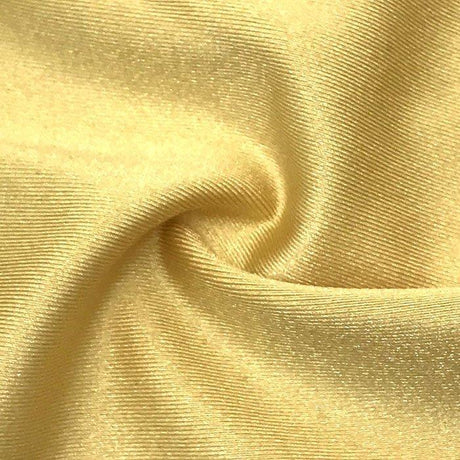
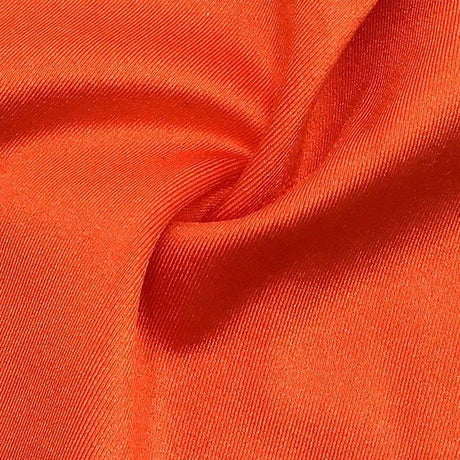
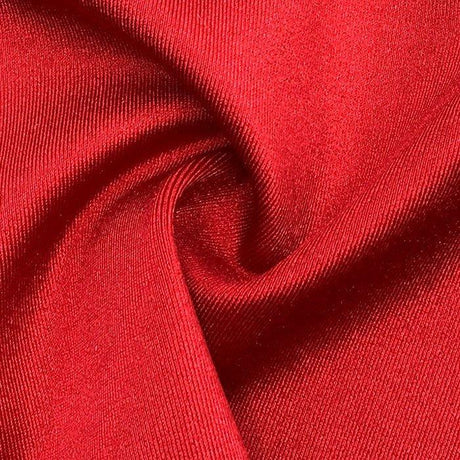
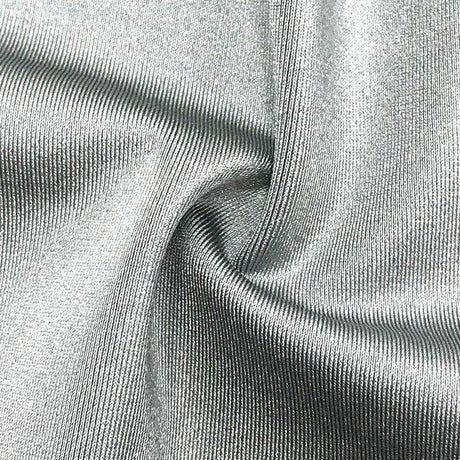
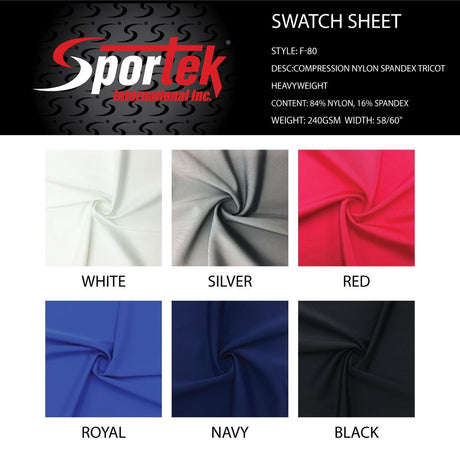
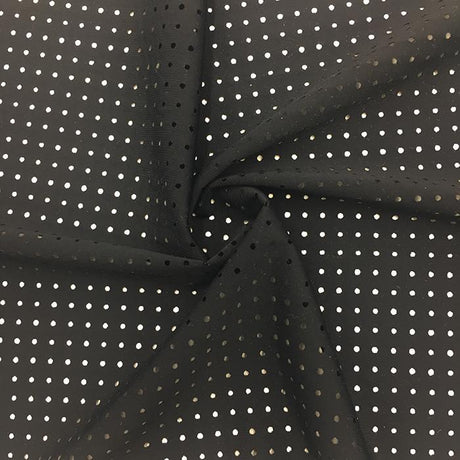
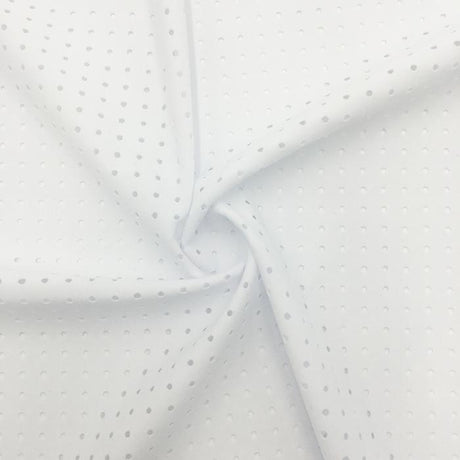
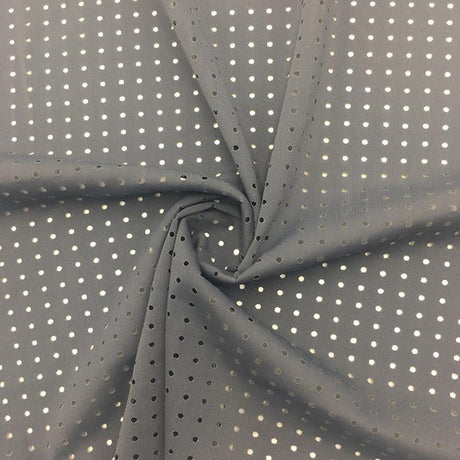
Hot, humid environments (coastal tropics, steamy gyms) put extra stress on swimwear fabrics. Heat accelerates fiber degradation while moisture invites mildew, causing swimsuits to weaken or smell if not cared for properly. Both professional swimwear makers and DIY hobbyists must address these climate-specific issues. For a broader foundation on swimwear fabric properties before diving in, explore our swimwear fabric guide or browse our full fabric guides hub.
This guide outlines how to care for swimsuit fabric under extreme heat and humidity, from technical fabric properties to smart storage. We'll compare material options, discuss selection criteria for tough climates, and share best practices so your swim fabrics stay strong, stretchy, and vibrant for longer.
Durability, Stretch, GSM, Recovery, UV/Chlorine Resistance
Durability in Heat & Moisture
Fiber Degradation: Prolonged high temperatures can make elastane (spandex) fibers brittle, causing permanent loss of elasticity. Likewise, constant humidity encourages fiber rot – chlorine or salt residues dry into crystals that slowly shred fibers and thin out material. Polyester-based swim fabrics generally hold up better under UV and chlorine stress than pure Lycra, extending suit lifespan. Our spandex care guide covers the science of heat, UV, and chemical degradation in elastane fibers and why climate conditions accelerate these effects.
Stretch & Recovery
Elastic Memory: Swim fabrics owe their stretch to spandex, but heat and storage method affect recovery. If stored stretched out or folded sharply, elastic "memory" degrades – suits won't snap back to shape. High heat or chemical exposure can also permanently relax the fibers, leading to a baggy, limp fit over time. Maintaining optimal stretch requires protecting the fabric from extreme heat and not overstressing it during storage or wear. Our stretch fabric types page covers how spandex percentage affects stretch and recovery ratings and why heat resistance varies across different elastane grades.
GSM (Fabric Weight) and Moisture
Weight vs. Breathability: Fabric weight (grams per square meter) influences performance. Heavier swim knits (~200–250 GSM, common for swimwear) are sturdier and more opaque, but they hold more moisture in humid air. Lighter fabrics (e.g. 150 GSM) dry faster and feel cooler – useful in tropical climates – but may provide less support and durability. Designers often balance this by using a mid-weight fabric for swimwear to ensure coverage while still allowing relatively quick drying. Our fabric weight guide provides a full breakdown of how GSM affects opacity, compression, breathability, and durability across all common swimwear fabric constructions.
Heat Retention: Dense, high-GSM fabrics can run warmer and trap heat. In hot climates, this means swimsuits might feel hotter on the body and take longer to dry, potentially fostering mildew if not thoroughly dried. A lighter or mesh-lined fabric increases airflow, but must still be opaque (often achieved with double lining instead of extra-heavy fabric).
UV & Chlorine Resistance
Sunlight Effects: UV exposure is the enemy of elastic fibers – standard spandex yellows and weakens under UV. Swim textiles with built-in UV protection (like UPF-rated polyester blends) better resist sun degradation. For instance, PBT polyester fiber is highly UV-stable and maintains color and strength even with intense sun and heat. Our fabric finishes guide covers UV-blocking surface treatments and how to evaluate their durability across performance swimwear constructions.
Chlorine Damage: Chlorine actively breaks down swim fabrics: a 100% Lycra suit may last only ~1 month of daily swims, whereas a 100% polyester suit can last 3–4× longer in the same pool conditions. Nylon-spandex blends offer a middle ground with decent chlorine tolerance. For heat and humidity, fabrics labeled "chlorine-resistant" (e.g. with specialty elastanes) will endure chemical and thermal stress much better, preserving stretch and color. Our nylon-spandex fabric guide covers how nylon-spandex constructions compare to polyester-spandex in stretch, recovery, softness, and chlorine durability.
How to Choose Swim Fabrics for Heat/Humidity
Fiber Content Matters: Favor high-performance synthetic blends designed for harsh conditions. For example, polyester/PBT blends or chlorine-resistant spandex (brands like Xtra Life Lycra) handle chemicals and heat far better than standard elastane. Our swimwear fabric guide covers chlorine resistance ratings across all common swimwear fabric constructions and how to choose between them for different use cases.
Quick-Dry & Moisture Wicking: In humid climates, quick-drying fabric is crucial. Look for hydrophobic fibers – polyester and PBT repel water and dry faster than nylon. A fabric that doesn't hold water helps prevent mildew (important for both swimwear and stored fabric rolls).
UV Protection & Colorfastness: Choose materials with built-in UV protection or dark/solution-dyed fibers less prone to sunfade. Polyester has excellent UV resistance naturally, making it ideal for tropical sun exposure. If using nylon-spandex, opt for ones with UV stabilizers.
Lining and Layering: Avoid absorbent linings (no cotton) in high-humidity environments. Use a synthetic swim lining (lightweight nylon or polyester tricot) that won't soak up water and will dry quickly. A removable or fast-drying lining can be beneficial in tropical swimwear designs. Our swimwear fabric guide covers lining fabric options and how to select and integrate them for different swimwear applications.
Optimal Stretch Ratio: A ~15–20% spandex content is usually a sweet spot for stretch vs. durability. High spandex (% > 30) can lose elasticity faster under heat and UV. If maximum longevity is a priority, select a fabric with a bit less elastane (or with special high-heat-resistant elastane) to reduce the risk of stretch breakdown.
Anti-Microbial Features: Some swim fabrics come with anti-microbial or anti-mildew treatments – useful for humid storage or for swim gear that stays damp (e.g. in a gym bag). These inhibit mold growth and odor. For tropical climates, it's worth considering such finishes. Our fabric finishes guide covers anti-microbial and moisture-wicking surface treatments and how to evaluate their durability across performance swimwear constructions.
Common Mistakes to Avoid (Washing, Drying, Storing)
Storing While Damp: Never leave wet swimsuits balled up or sealed in a bag, especially in humid weather. Trapped moisture quickly leads to mold and mildew, which cause stubborn odors and fiber damage. Always dry items completely in a cool, ventilated area before storage.
Hot Water & High Heat Drying: Avoid hot washes and machine dryers for swimwear. Excess heat can shrink or warp elastane fibers – even a single high-heat cycle can make a nylon-spandex suit lose its elasticity. Instead, hand wash in cool water and air-dry out of direct sun. Our spandex care guide and fabric care guide cover complete laundering protocols for all common swimwear fabric types.
Direct Sun or Heat Source: Don't dry or store swim fabrics under intense sunlight or near heat vents. UV rays and high heat will degrade spandex (causing brittleness and fading). Opt for shade or indoors drying; for long-term storage, choose a cool, dark spot away from any heat source.
Wringing & Rough Handling: Avoid twisting or wringing out swimsuits. The combination of stretch and wetness makes fibers vulnerable – pulling or wringing can snap elastic strands and distort shape. Gently squeeze out water instead and handle stretchy fabrics delicately.
Thin Hangers & Drag: Hanging heavy swim garments on flimsy hangers is a mistake. Thin hangers (or hanging a wet suit) can stretch straps and necklines out of shape. Use broad, padded hangers for lightweight suits, and consider flat drying or rolling storage for heavier pieces to maintain form.
Harsh Chemicals: Steer clear of bleach or strong detergents on swimwear. Chlorine bleach will rapidly deteriorate elastic fibers and ruin colors. Likewise, using fabric softeners can leave residue that actually traps bacteria. Stick to mild, chlorine-neutralizing detergents if needed, and always rinse thoroughly.
Skipping the Rinse: Failing to rinse a suit after pool use is a common error – residual chlorine continues to silently damage the fabric as it sits. Always rinse swimsuits in cool fresh water immediately after use to wash out chlorine, salt, or sweat. Our spandex care guide covers exactly why this step is so critical for preserving elastane fiber integrity.
When to Use Alternative Fabric (Extreme Heat or Humidity)
Polyester/PBT Swimsuits: In extremely harsh conditions (daily chlorinated swims, storing gear in tropical climates), consider suits made from 100% polyester or PBT blends with minimal spandex. PBT polyester is highly chlorine-proof and breathable, so it doesn't absorb moisture like spandex. These suits trade a bit of stretch for major gains in longevity – they resist UV, chlorine, and mildew far better than traditional Lycra-heavy fabrics. Our swimwear fabric guide covers PBT's role in competitive and recreational swimwear and how it compares to nylon-spandex for different aquatic applications.
Chlorine-Resistant Elastane: If stretch and comfort are non-negotiable, use swim fabrics that incorporate chlorine-resistant elastane (often marketed as Xtra Life Lycra or Creora HighClo). These specialized fibers are engineered to withstand heat and chlorine 5–10× longer than standard spandex, dramatically reducing fiber breakage over time. They're ideal for swim teams, competitive suits, or any application where regular spandex would deteriorate quickly.
No Natural Fibers in Core Fabric: For tropical or high-moisture use, avoid any swimwear material that includes cotton, rayon, or other natural fibers (except maybe in outer cover-ups). Natural fibers absorb water and foster mildew, losing shape and strength. The swim piece itself should be all-synthetic for quickest drying and longest life.
Use Case – Long-Term Storage: Manufacturers storing swim fabric rolls in non-climate-controlled warehouses might opt for alternative textiles as well. Warp-knitted polyester swim fabrics (with low spandex) can better handle a non-AC storeroom without yellowing or sticking. If standard spandex fabrics must be stored, invest in dehumidifiers and AC to keep conditions cool and dry, or expect decreased shelf-life.
Conclusion
Longevity Through Care: Heat and humidity don't have to spell doom for your swimwear materials. By understanding technical fabric limits and caring for them properly, both apparel makers and consumers can dramatically extend a swimsuit's usable life. Key takeaways include using climate-appropriate fabrics, rinsing out corrosive chemicals, and storing items in cool, dry, breathable conditions.
Material Selection & Maintenance: Pair the right material (e.g. a UV-protected poly blend) with the right maintenance routine (gentle wash, proper drying, mindful storage). This one-two punch is the recipe for swimwear that stands up to sizzling summer heat, tropical humidity, and chemical exposure without premature wear.
Ready to find the right climate-ready swimwear fabric for your next project? Use our swimwear fabric guide for curated recommendations across all swimwear applications, our nylon-spandex fabric guide for full performance profiles of nylon-spandex constructions, and our fabric weight guide and stretch fabric types page to evaluate technical specifications. Our spandex care guide and fabric care guide cover complete care protocols for all common swimwear fabric types. Have questions? Our expert help and advice page and FAQ are always available. Sign up for SpandexByYard Rewards to earn points on every purchase – your swim fabrics will thank you with continued snug fit, vibrant color, and resilient stretch, season after season.