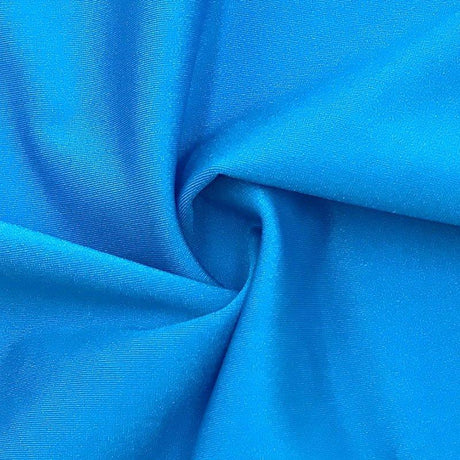
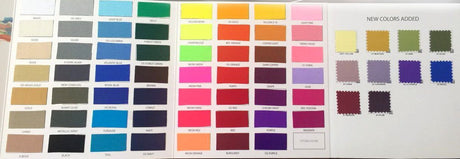
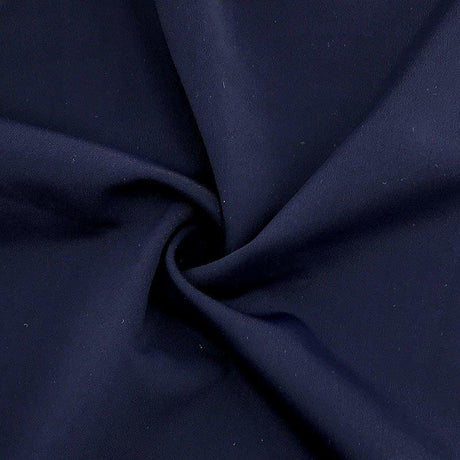
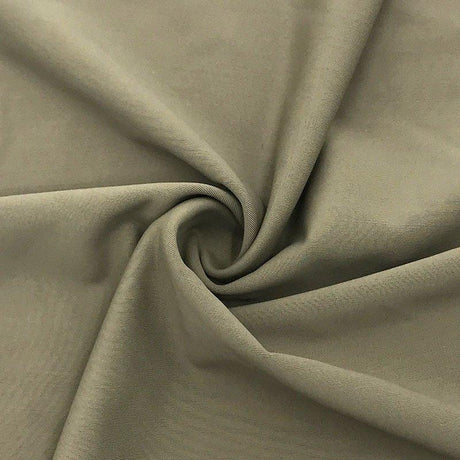
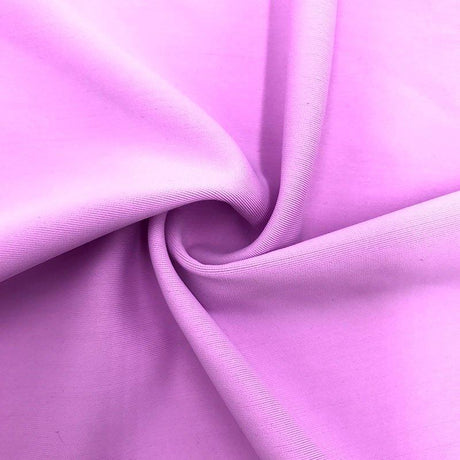
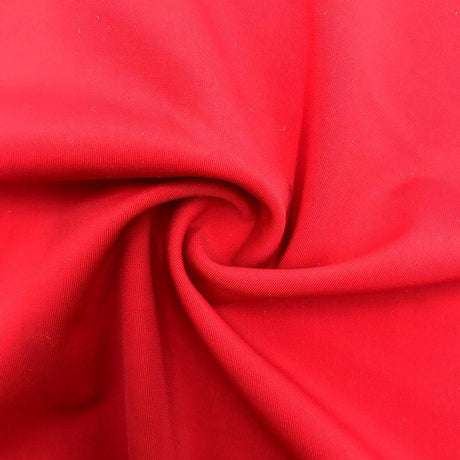
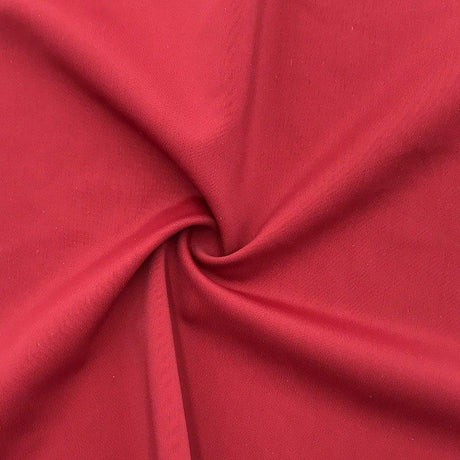
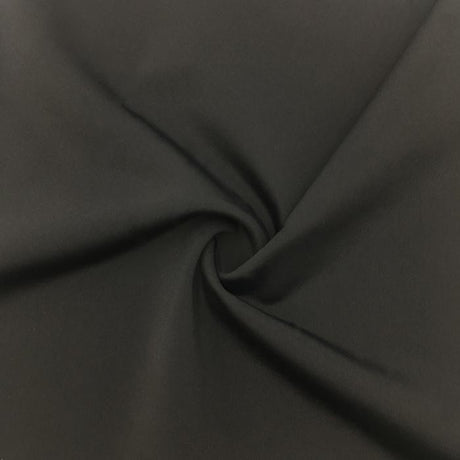
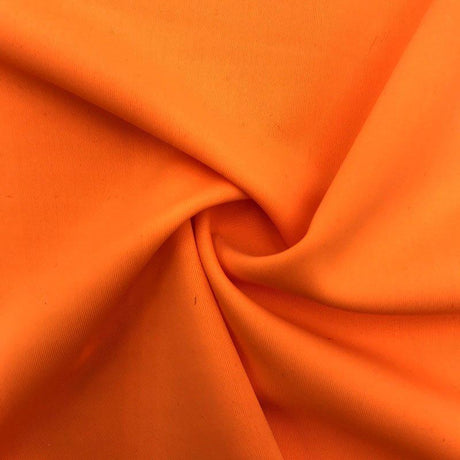
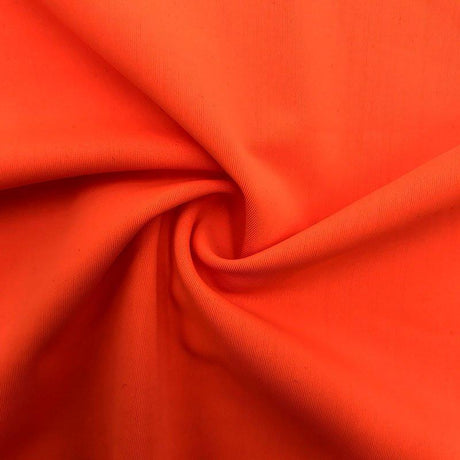
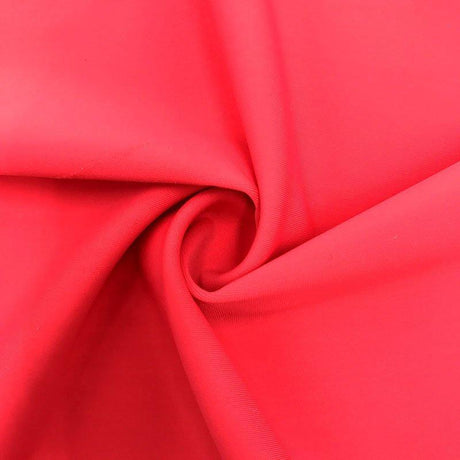
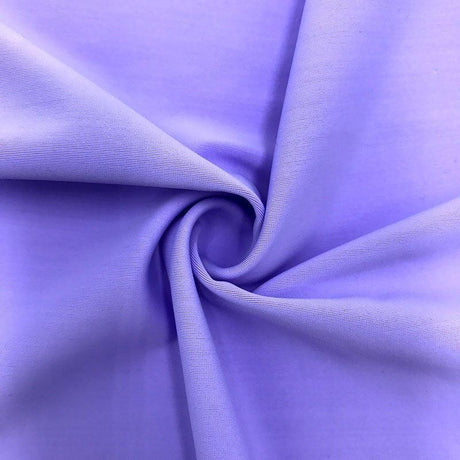
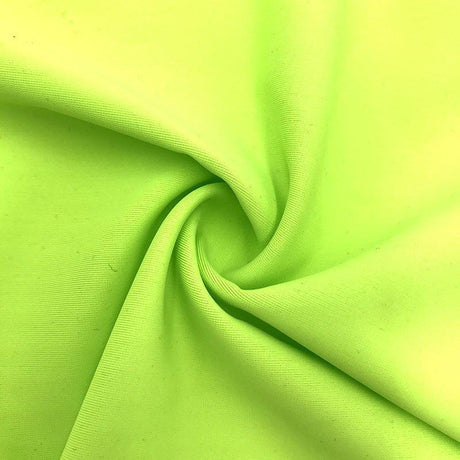
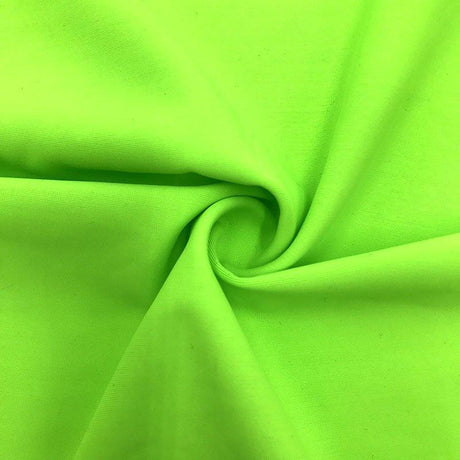
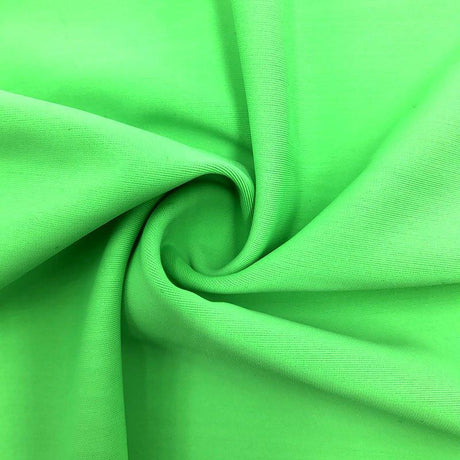
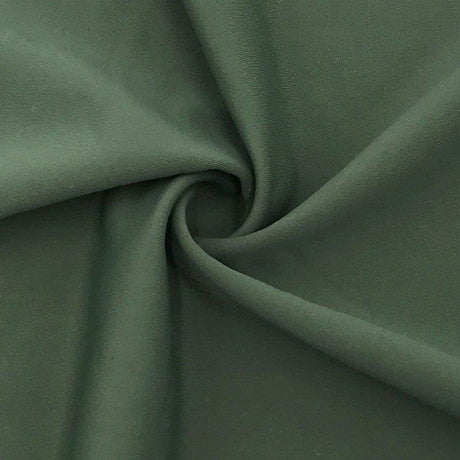
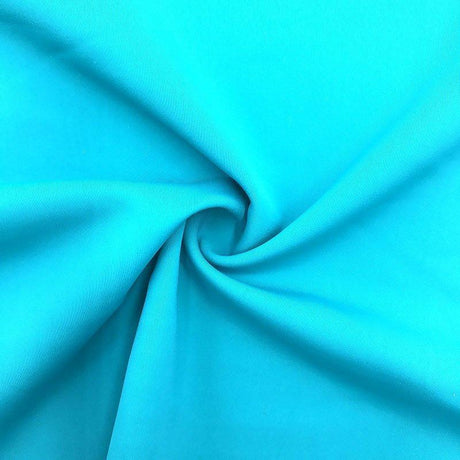
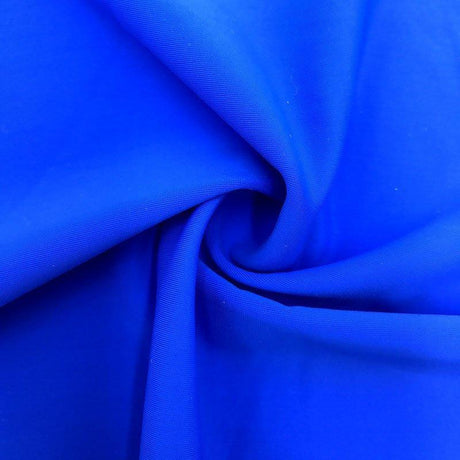
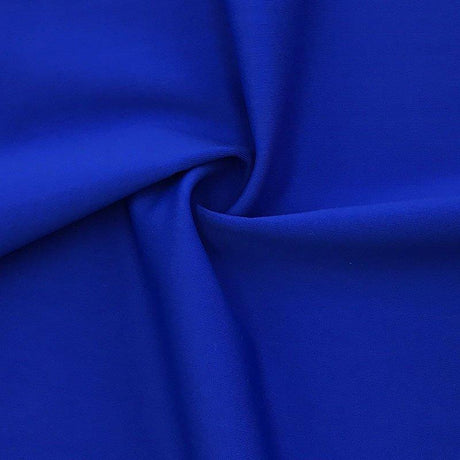
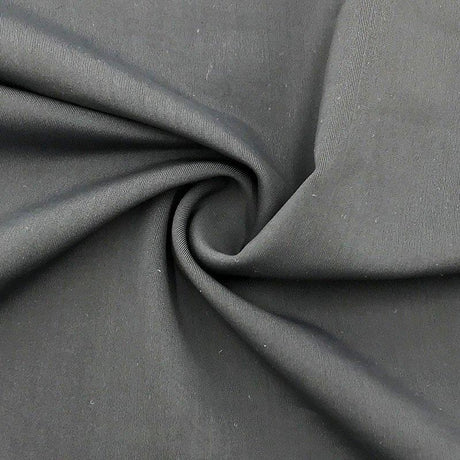
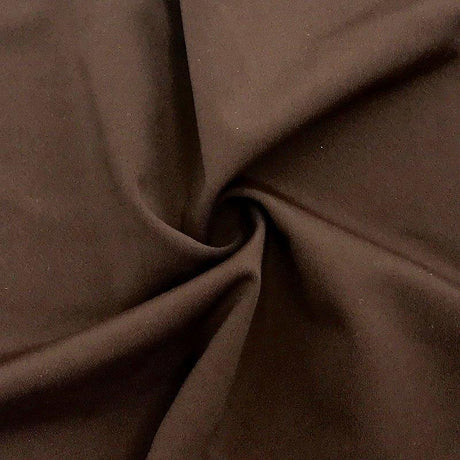
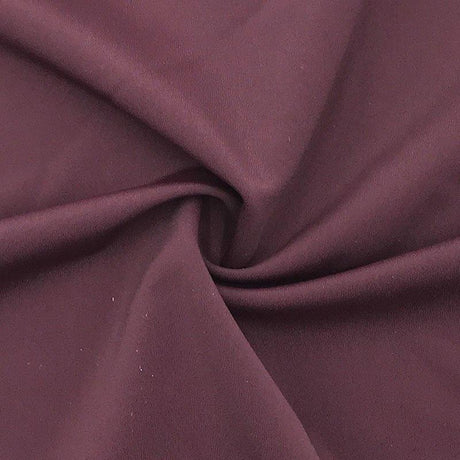
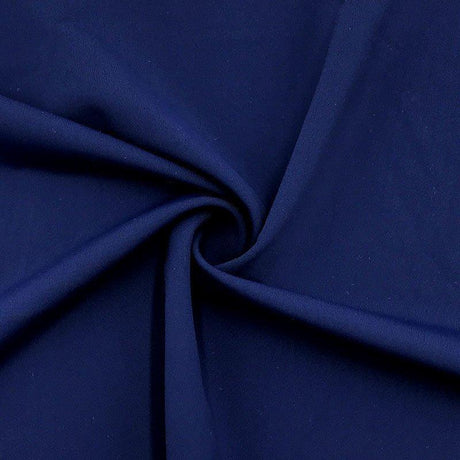
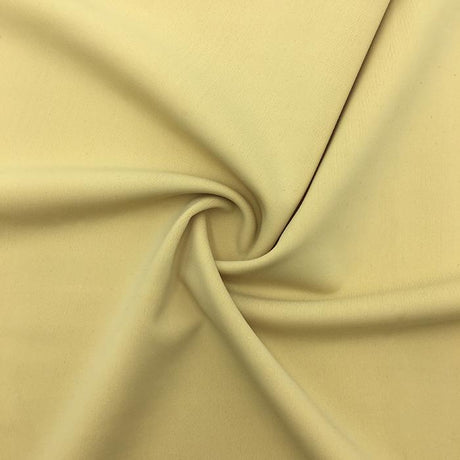
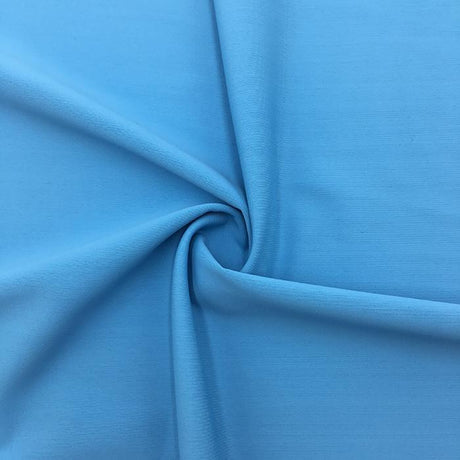
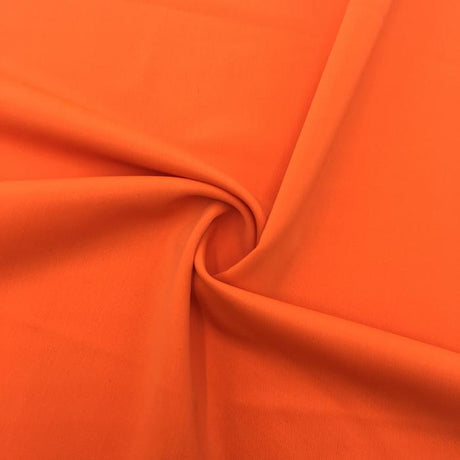
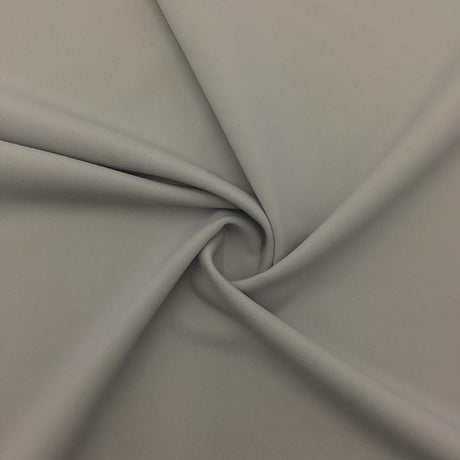
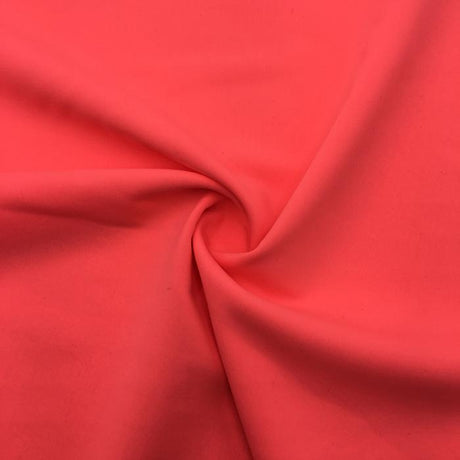
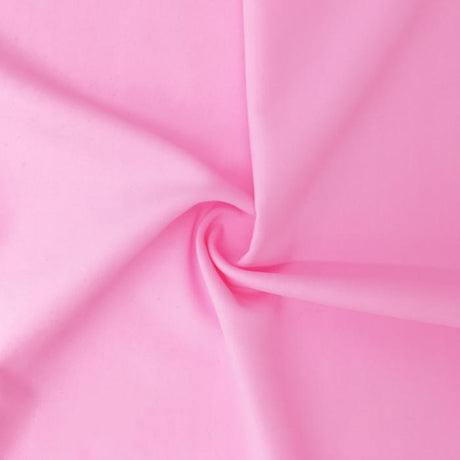
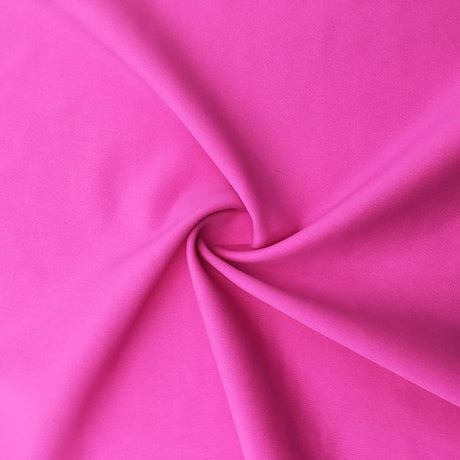
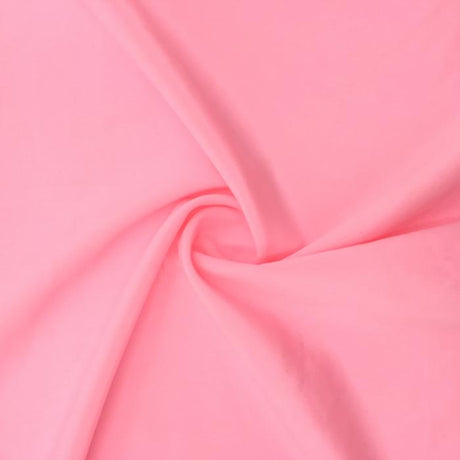
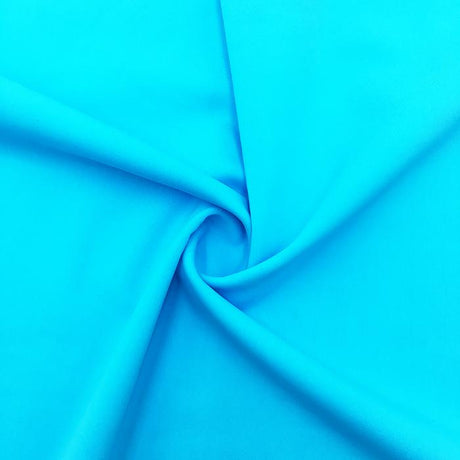
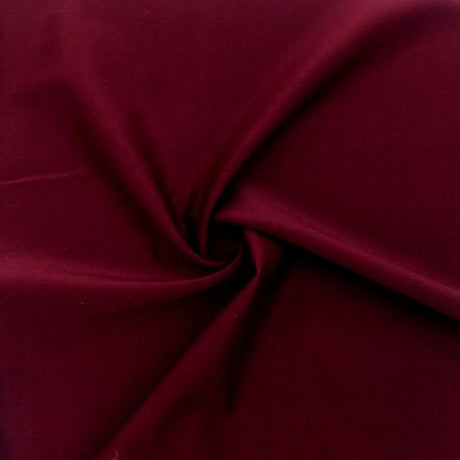
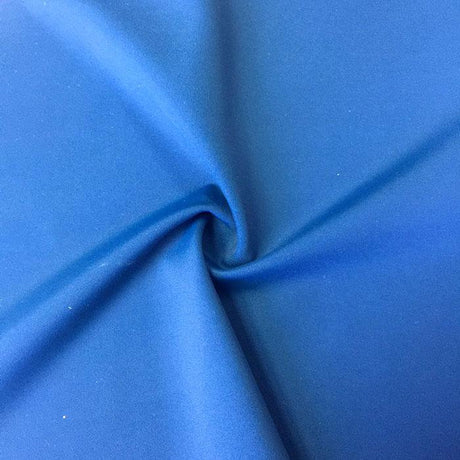
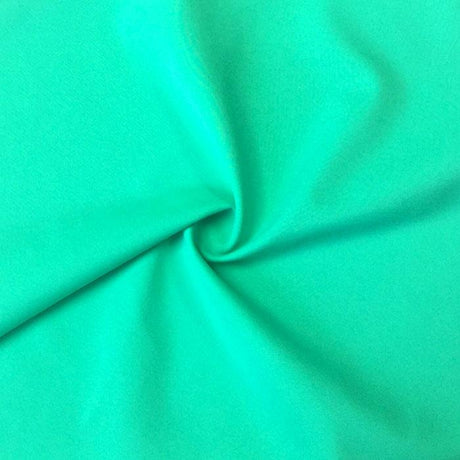
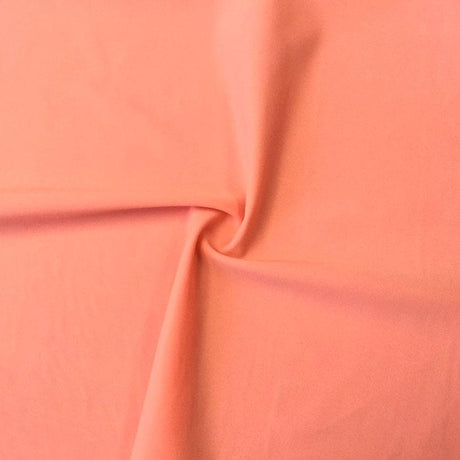
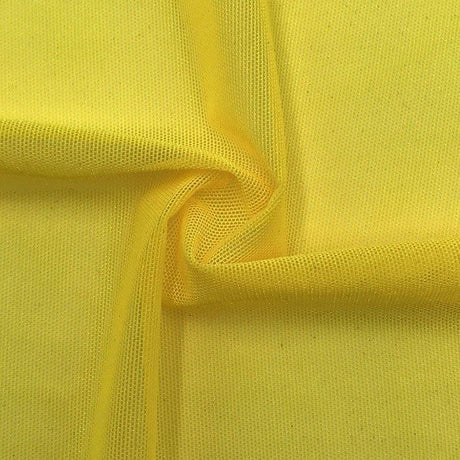
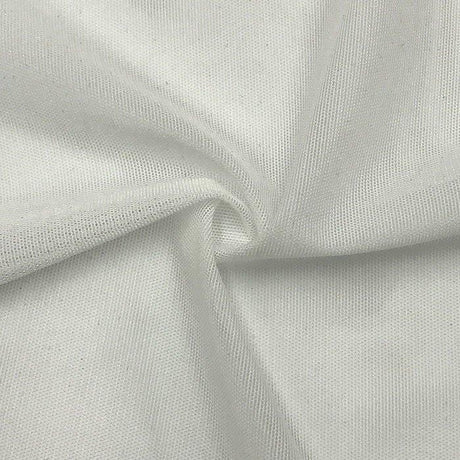
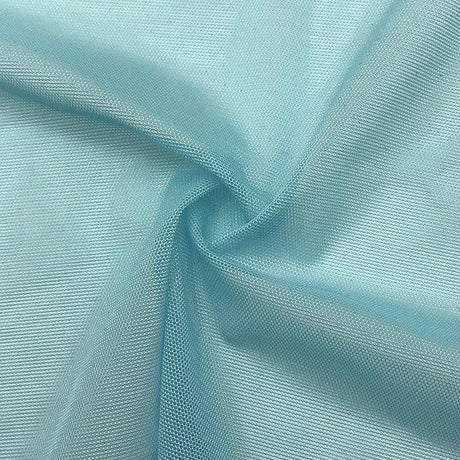
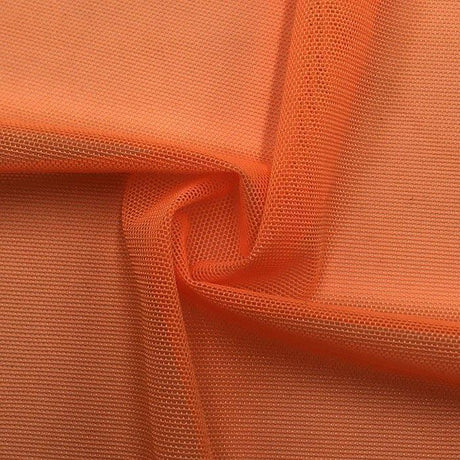
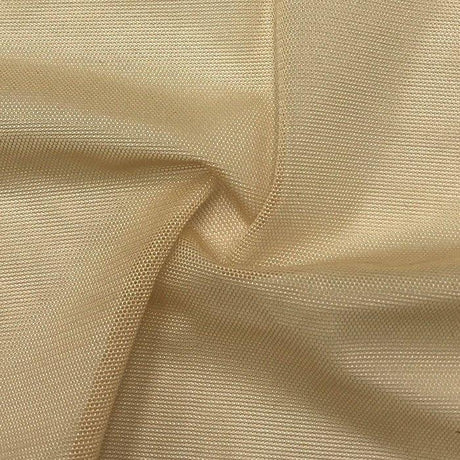
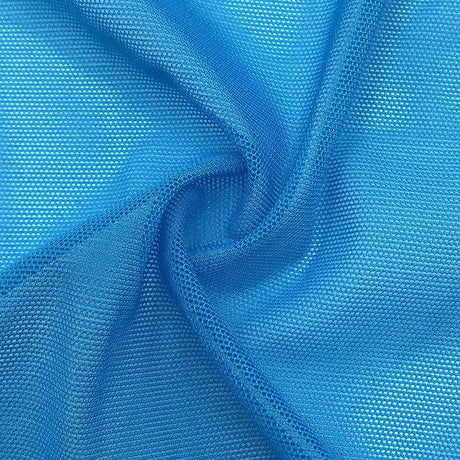
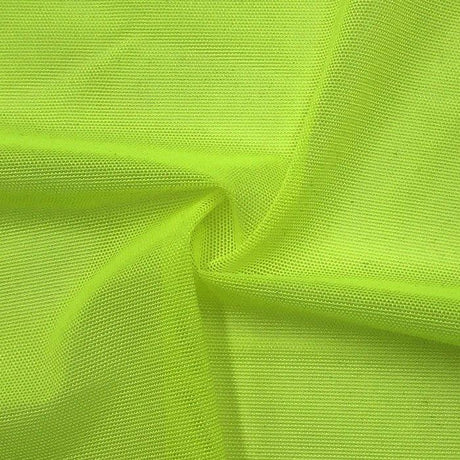
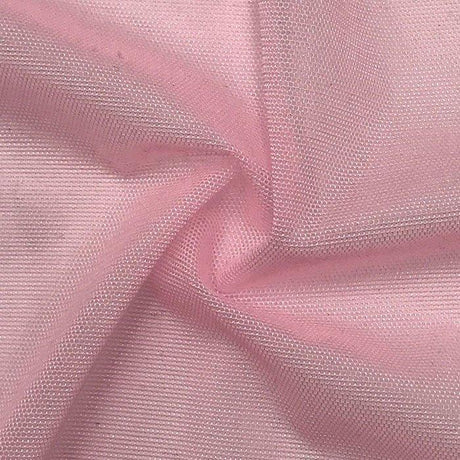
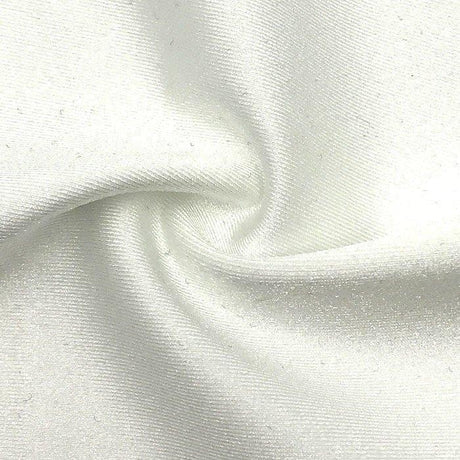
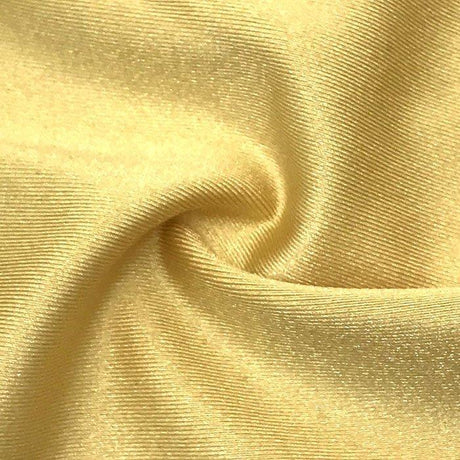
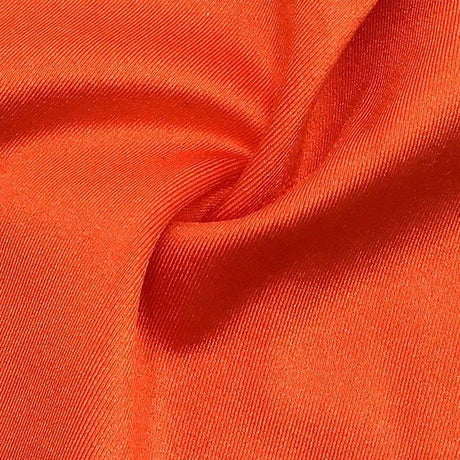
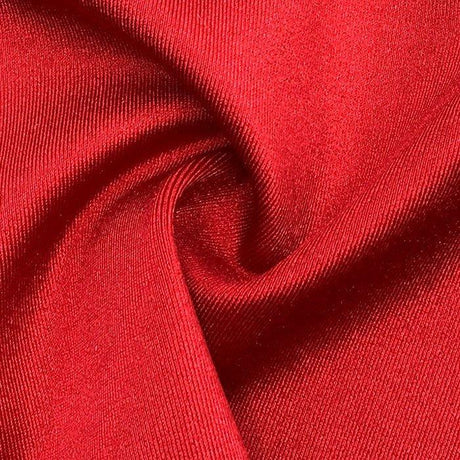
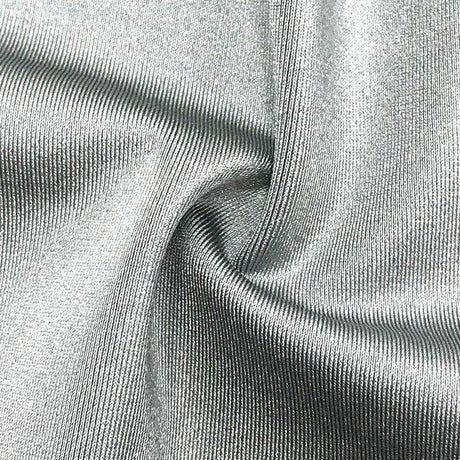
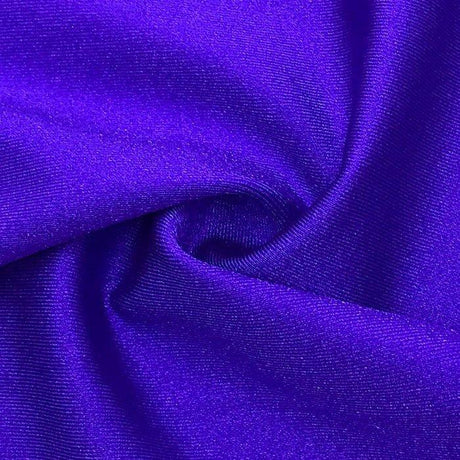
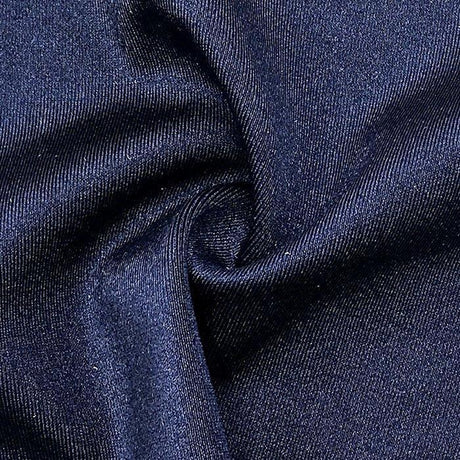
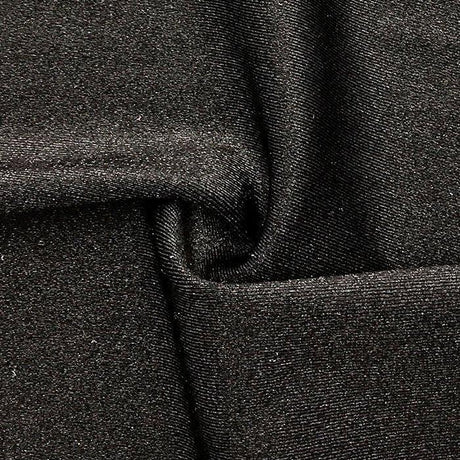
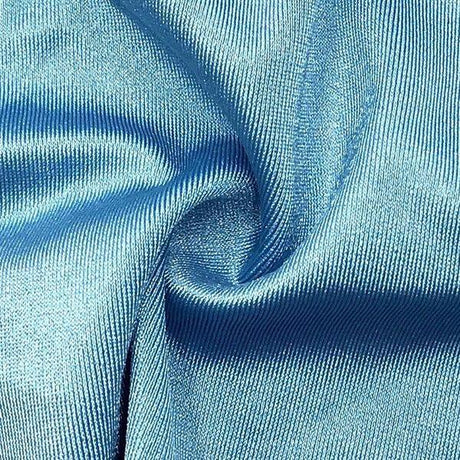
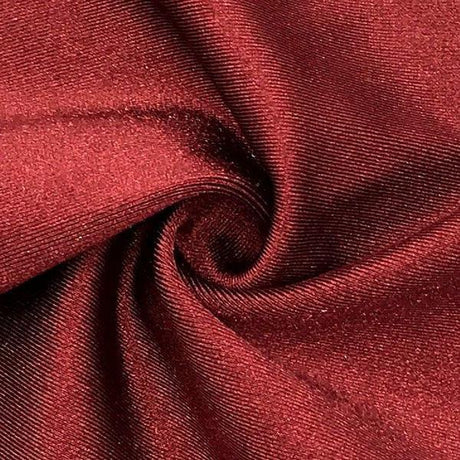
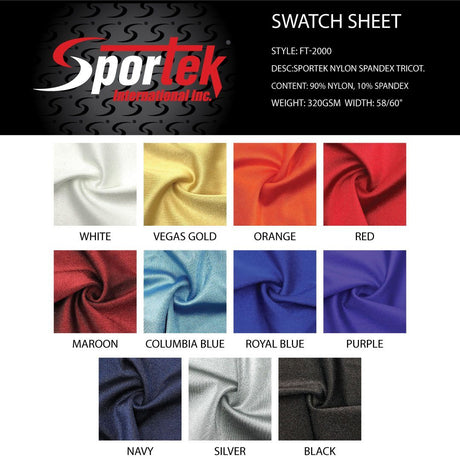
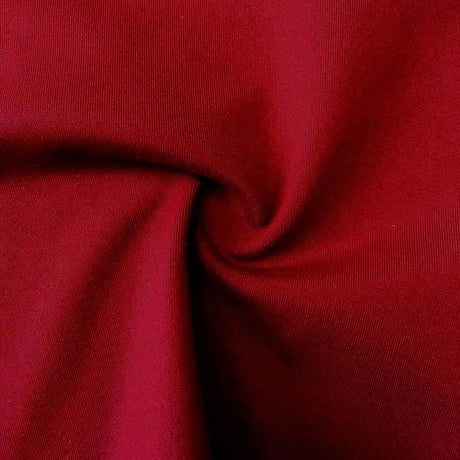
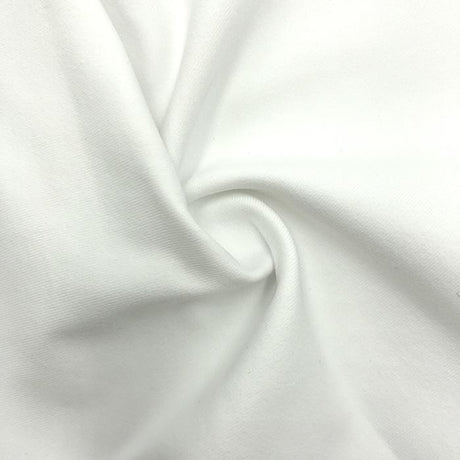
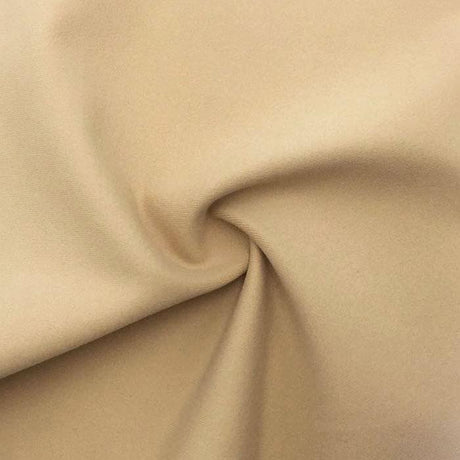
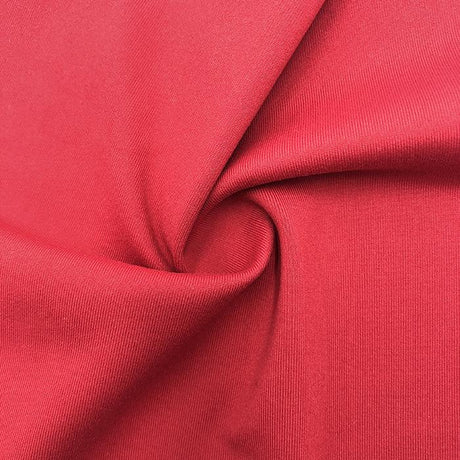
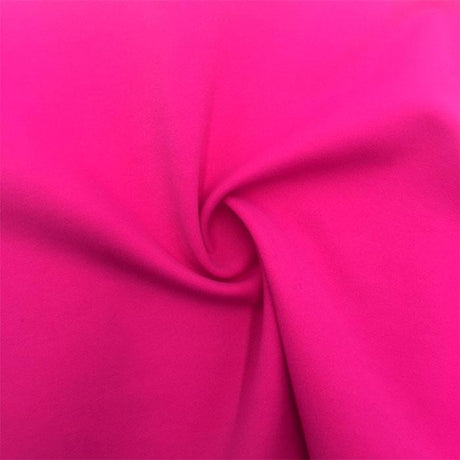
From bold activewear leggings to vibrant swimwear, printed spandex fabrics have become a staple in fashion and performance wear. Achieving high-quality prints on spandex (also known as Lycra or elastane) requires a printing method that can stretch with the fabric without cracking. Dye-sublimation printing has emerged as the ideal solution, allowing designers to create permanent, full-color designs on spandex that maintain the material's famous stretch and comfort. For a broader foundation on spandex fabric properties before diving in, explore our stretch fabric types page or browse our full fabric guides hub.
What is Sublimation Printing?
Sublimation printing is a high-resolution digital printing technique that uses heat to infuse dye into a substrate (such as fabric) at the molecular level. Special sublimation inks are first printed onto a transfer paper. Under high temperature and pressure, these inks sublimate – meaning they turn into gas – and bond with the polymer fibers of the fabric. The result is a design that becomes part of the material itself. Unlike traditional methods that lay ink on top of a fabric, sublimation dye permeates the fibers, producing vivid, photo-realistic images with sharp detail and vibrant colors. The print is permanent – it won't peel or crack over time. Our sublimation page covers the complete sublimation process overview, and our sublimation paper and sublimation transfer paper pages cover the consumables that determine print quality and color accuracy.
Why Sublimation is Ideal for Spandex Fabric
Spandex (elastane) is known for its exceptional stretch and recovery, which makes it popular for sportswear, dancewear, swimwear, and cosplay costumes. However, that same stretchiness can cause issues for many printing methods – inks may crack, peel, or distort when the fabric stretches. Sublimation printing solves this problem by infusing the colors into the material rather than layering on top. The dyes move with the fibers, so a sublimated design can stretch extensively with the spandex and spring back without damage.
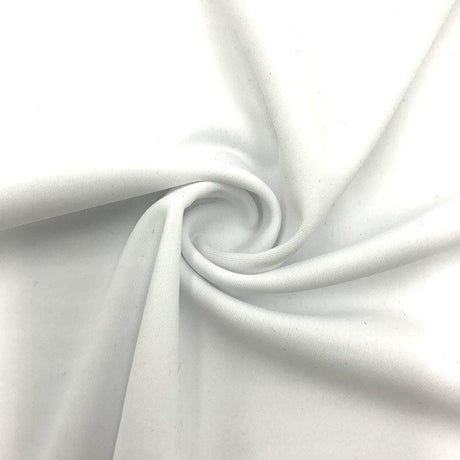
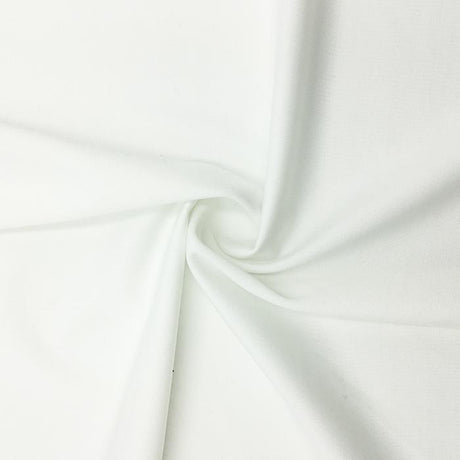
Another reason sublimation is ideal for spandex is that spandex is usually combined with synthetic fibers (often polyester). In fact, 100% spandex fabric is not commonly used for printing – it's typically blended with around 85–90% polyester and 10–15% spandex for most applications. These polyester-spandex blends are perfect for sublimation: the polyester content bonds with the sublimation dyes to create vibrant, long-lasting prints, while the spandex content provides the stretch and flexibility that the garment needs. Fabric labeled "PFP" (Prepared For Print) is produced in a white form specifically for sublimation printing. Our sublimation page covers polyester content requirements for optimal sublimation results and how to evaluate whether a spandex blend is sublimation-ready.
Importantly, sublimation is limited to synthetic materials – it won't work on natural fibers like cotton – which further explains why it's the go-to method for materials like polyester, spandex, nylon, and neoprene. By contrast, methods like direct-to-garment (DTG) printing excel on cotton but are not compatible with high-spandex synthetics.
The Technical Process of Sublimation Printing on Spandex
Design and Printing: First, create or choose your design using graphic design software. The design is printed in mirror image onto a sheet of sublimation transfer paper using a dedicated dye-sublimation printer with sublimation inks. It's important to use the correct ink and paper – regular inkjet inks won't work for sublimation. Our sublimation paper and sublimation transfer paper pages cover how to select the right paper for your printer, fabric, and design requirements.
Fabric Preparation: Ensure you're working with a sublimation-ready spandex material – typically a polyester/spandex blend (often 80%+ polyester) that is white or very light in color. Before printing, cut your fabric to size (leaving some extra margin, since a small amount of shrinkage can occur under heat). Pre-press the blank fabric for a few seconds in your heat press – without any design – to remove moisture and wrinkles.
Heat Transfer Process: Lay the printed transfer paper on the spandex fabric, with the printed side facing the fabric. Use heat-resistant tape at the edges if necessary to hold it in place. For spandex blends, a common recommendation is to press at around 350–400°F (177–204°C) for about 30–45 seconds with medium pressure. Many crafters find success around 360–380°F for ~40 seconds to avoid any scorching or excessive shrinkage. Spandex is somewhat heat-sensitive – our spandex care guide covers exactly why heat is so damaging to elastane fibers, which is directly relevant to setting safe sublimation press parameters.
Post-Press and Finishing: After time is up, lift the heat press and carefully peel away the transfer paper while it's hot. The printed spandex fabric can be allowed to cool for a minute. There's no further curing needed – the process is complete once it comes out of the press. The resulting print is permanent and embedded in the material. The fabric retains its original softness and stretch, as if it were always that color/pattern.
Sublimation vs. Other Printing Methods on Spandex
Screen Printing on Spandex: Screen printing pushes layers of ink through a stencil onto the fabric. While screen printing can produce vibrant results on many materials, it's challenging on spandex. The thick ink layers can crack or peel when the fabric stretches unless you use special additives and meticulous technique. By contrast, dye-sublimation is often recommended over screen printing for spandex because the print won't crack or distort when the spandex is pulled. Sublimation also easily handles multi-color, high-resolution designs in a single print.
Direct-to-Garment (DTG) or Other Methods: DTG printing is a digital inkjet method that sprays water-based inks onto a garment and is fantastic for cotton or cotton-blend shirts. However, DTG does not work well on spandex because the typical DTG inks need natural fibers or special pretreatments to adhere. Spandex and polyesters are hydrophobic, so DTG prints on them tend to be weak or easily rub off. In terms of durability, sublimation outperforms DTG – sublimation ink bonds with the material and essentially cannot crack or peel off. Sublimation can also do all-over prints (even printing an entire roll of fabric edge-to-edge with a pattern), which DTG cannot easily do.
Other methods like heat transfer vinyl (HTV) or direct-to-film (DTF) can be used on spandex to an extent, but they also place a polymer film or ink layer on the surface that can peel or restrict the fabric's elasticity. For polyester/spandex fabrics, dye-sublimation is generally the preferred method because it yields a print as stretchy and permanent as the fabric itself.
Benefits of Sublimation-Printed Spandex
Permanent, Vibrant Color: Sublimation produces exceptionally rich and vibrant colors. The dyes actually become part of the fiber, which means the color will not fade easily even after many washes. You can achieve photorealistic images and full-color gradients with ease.
No Cracking, Peeling, or Fading: Unlike screen prints or iron-on transfers that might crack or peel off when the material stretches or ages, sublimation prints will not crack, peel, or flake. The design stretches with the spandex as if it were part of the weave. Sublimated garments can endure the rigors of workouts, chlorine from pools, or daily wear and still look great.
Soft Hand and Breathability: Sublimation leaves no ink layer or added texture on the fabric's surface. The dyed areas feel just as soft as the unprinted areas. For athletic apparel and swimwear, the fabric retains its full breathability and smoothness. Our activewear fabric guide covers the moisture-wicking and breathability performance of polyester-spandex constructions that are commonly used as the base for sublimation printing.
Excellent Stretch & Recovery: Because the print doesn't inhibit the fabric's movement, sublimated spandex retains its full stretch and recovery properties. You can elongate the material to its limits and the print will elongate with it without breaking. This is critical for compression garments or swimwear that undergo a lot of stretching. Our stretch fabric types page covers how sublimation-ready polyester-spandex blends compare in stretch and recovery across all common activewear and swimwear applications.
Durability and Washability: Sublimation-printed spandex is highly durable. The colors and detail remain vibrant over countless wash cycles. The prints are also typically UV resistant and chlorine resistant to a good degree. Many athletic uniforms and swimsuits are sublimation printed for this reason. Our fabric care guide and spandex care guide cover complete laundering protocols for sublimated spandex-blend garments.
Popular Applications of Sublimation-Printed Spandex
Activewear & Sports Apparel: Perhaps the biggest arena for sublimated spandex is in activewear. Sports teams use sublimation to create multi-color team uniforms on stretch fabric, including esports jerseys, cycling jerseys, wrestling singlets, and more, because the prints are lightweight and won't impede performance. The stretch and moisture-wicking properties remain intact. Polyester-spandex fabrics printed via sublimation are perfect for sports uniforms, leggings, and athletic gear because the polyester yields vibrant prints and the spandex provides the needed flexibility. Our activewear fabric guide covers which polyester-spandex constructions work best as sublimation bases for different activewear applications.
Swimwear & Surf Wear: Swimwear is another field where printed spandex shines. Bikinis, one-piece swimsuits, rash guards, and board shorts often feature complex prints achieved through sublimation. The print doesn't add any weight or texture – essential for swimwear – and it withstands exposure to water, sun, and sand. Sublimation dyes are water-safe once transferred, meaning the colors won't bleed in the pool. Our swimwear fabric guide covers how to select the right polyester-spandex swim fabric base for sublimation printing.
Cosplay and Costuming: The cosplay community has embraced sublimation printing on spandex to create incredibly detailed costumes. By designing complex patterns digitally and printing onto spandex via sublimation, cosplayers can get movie-accurate looks with relative ease. The resulting fabric can be sewn into a bodysuit that fits like a glove and stretches as needed, all while displaying a complex design that would be nearly impossible to achieve with conventional sewing or screen printing.
Fashion and Dancewear: Sublimated spandex is used for things like printed leggings, bodycon dresses, or stretch mesh tops with artistic prints. In dancewear (figure skating costumes, gymnastics leotards, ballet unitards), unique prints can set a performance apart. The technology allows one-off or small batch production without huge setup costs. Our dancewear fabric guide covers fabric selection for performance costuming applications where sublimation printing is commonly used.
Custom Textile Panels & DIY Projects: Beyond apparel, anyone wanting a custom stretchy textile can use sublimation on spandex – custom pillow covers, cosplay prop components, accessories like headbands and scrunchies, or swim caps. Services exist that will print your design onto yards of polyester spandex fabric, enabling even a small Etsy shop to have signature fabric prints. The fact that sublimation has no minimum order means creators have a lot of freedom to experiment and make custom stretch fabrics for any project.
Tips for DIY Makers and Small Brands Using Printed Spandex
Use the Right Fabric: Start with a white (or light) polyester-spandex blend that is specifically made for sublimation. Look for descriptions like "PFP spandex" (Prepared For Print) or fabrics labeled "sublimation ready." Many fabric retailers offer sublimation-ready spandex fabrics by the yard, as well as printed spandex, so you can either print your own designs or buy fabric that already has a sublimated print on it. Our sublimation page covers polyester content requirements for optimal sublimation results.
Invest in Proper Equipment (or Find a Printing Partner): For DIY enthusiasts, a small-format sublimation printer and a heat press are the key tools. Printers like the Sawgrass SG series or converted Epson EcoTanks can handle letter to tabloid size paper, which is fine for smaller pattern pieces or isolated prints on pre-cut fabric. Our sublimation paper page covers paper selection for desktop and wide-format printers.
Color Considerations: Sublimation cannot print white color (since there is no white sublimation ink – white areas are simply the fabric showing through). Therefore, you need to design with a white/light background or incorporate the fabric's base color as "white" in the design. Many recommend slightly boosting saturation in your artwork, as some colors can subdue a bit after heat pressing. Testing is your friend.
Heat Press Technique: Always ensure your heat press reaches the correct temperature edge to edge – cold spots can cause uneven transfers. Use a medium pressure; too high pressure can imprint the paper's texture into the fabric or cause sheen changes on some spandex. Use protective paper layers to avoid any ink blow-out messing up your press.
Cutting and Sewing Printed Spandex: Once your fabric is printed, treat it like any other quality spandex material. Use sharp blades or rotary cutters, as dull tools can snag stretch fabric. Use appropriate stretch stitches or serging when sewing. Our how to sew stretch fabric guide covers needle selection, stitch type, and machine settings for all common spandex construction scenarios.
Sourcing and Inspiration: If you're not ready to print your own fabric, many suppliers offer pre-printed spandex by the yard in a variety of designs. Keep an eye on fabric companies that specialize in activewear or swim fabrics; they often release new print collections each season. Have questions about specific sublimation-ready fabrics or sourcing? Our expert help and advice page and FAQ are always available.
Care for Sublimated Spandex: Wash in cold or warm water (not hot) to protect both the fabric and the print colors. Avoid bleach or strong chemicals. Tumble dry on low or hang dry if possible. Do not iron directly on the spandex. Our spandex care guide and fabric care guide cover complete care protocols for sublimated spandex-blend garments.
Conclusion
Sublimation printing on spandex truly enables "perfect stretch prints" – it allows for unlimited creative expression on a fabric that can bend and flex every which way. By using heat to bond vibrant dyes into polyester/spandex fibers, sublimation ensures that your designs become one with the material, yielding printed spandex that retains all the qualities we love: stretchiness, softness, and strength. Whether you're producing athletic wear that needs to endure strenuous activity or fashion pieces that demand both comfort and flair, sublimation delivers on all fronts.
Ready to get started? Visit our sublimation page for a complete overview of the process, our sublimation paper and sublimation transfer paper pages for consumable selection guidance, and our activewear fabric guide and swimwear fabric guide for curated sublimation-ready fabric recommendations by end use. Our how to sew stretch fabric guide covers construction techniques for printed spandex projects. Our spandex care guide and fabric care guide keep every sublimated garment performing at its best. Have questions? Our expert help and advice page and FAQ are always available. Sign up for SpandexByYard Rewards to earn points on every purchase – because in the world of printed spandex, dye-sublimation is king.