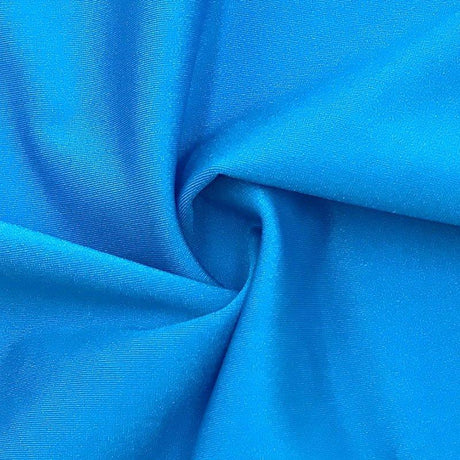
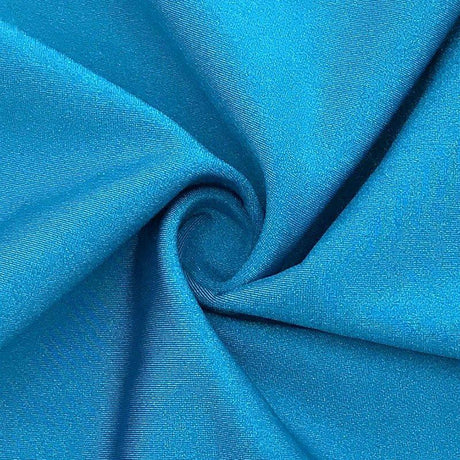
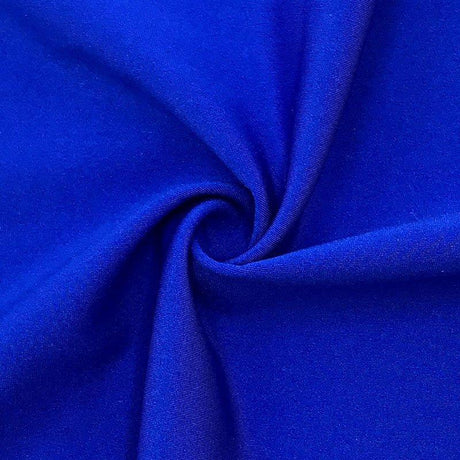
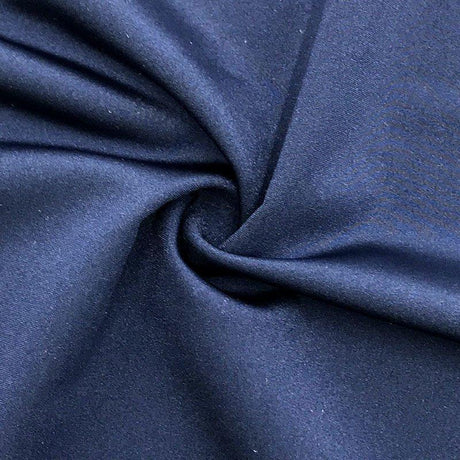
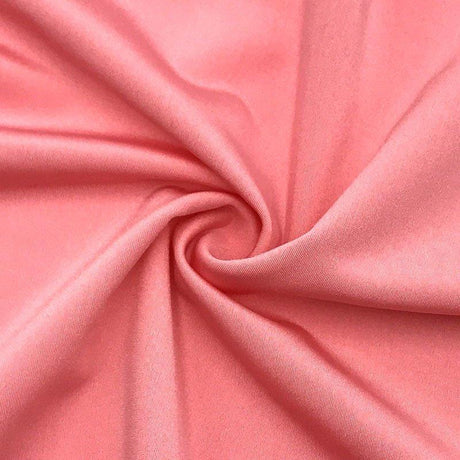
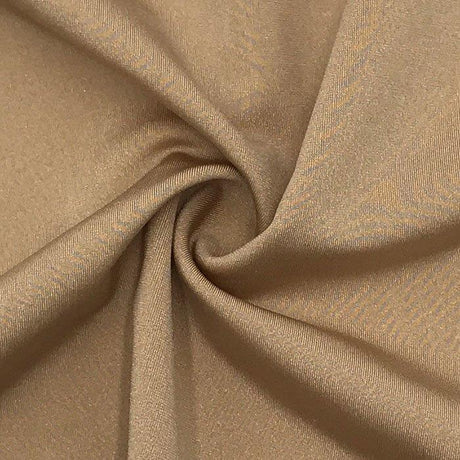
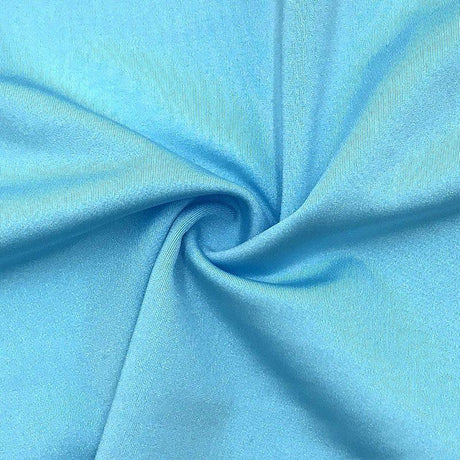
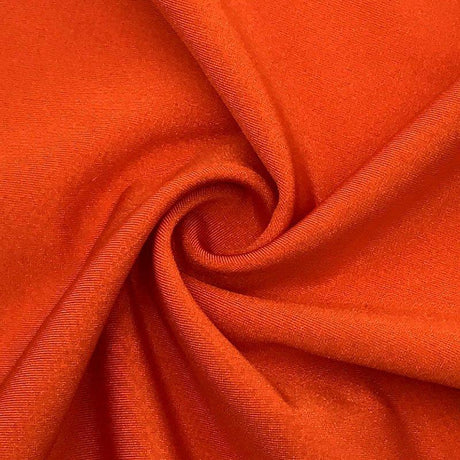
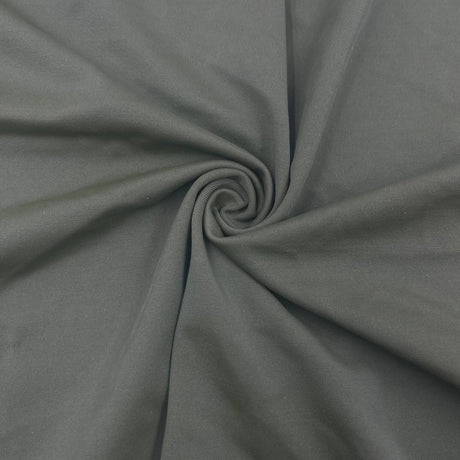
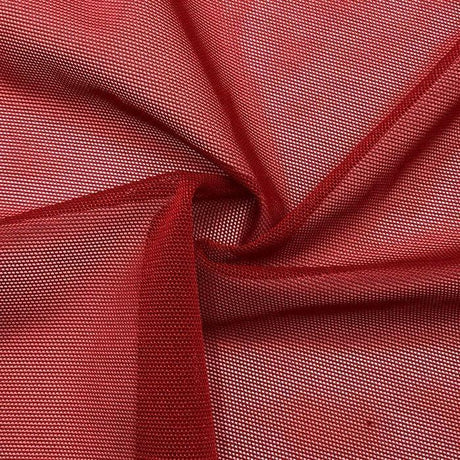
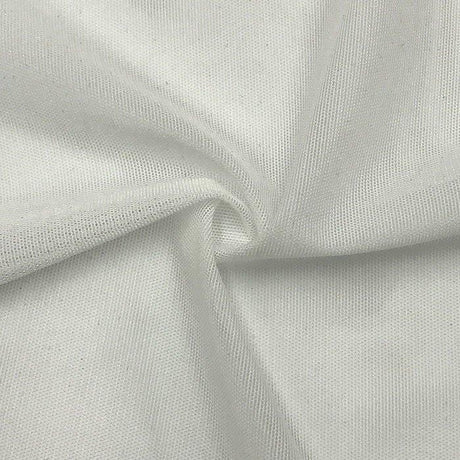
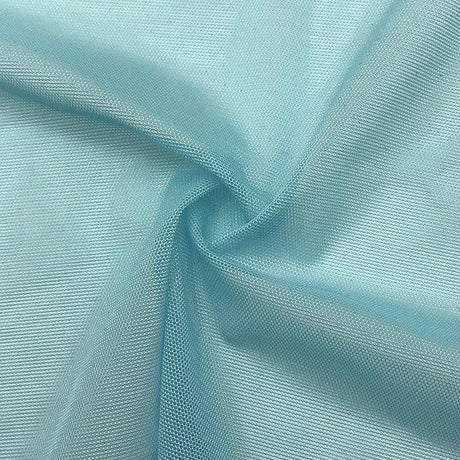
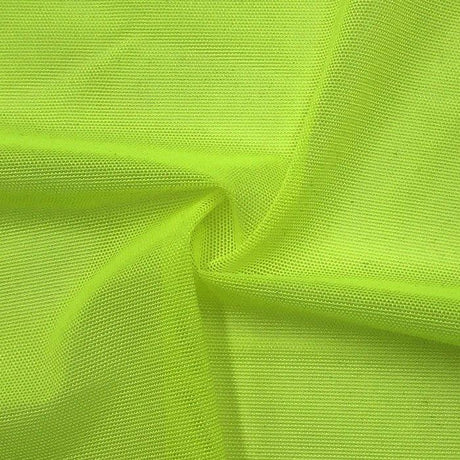
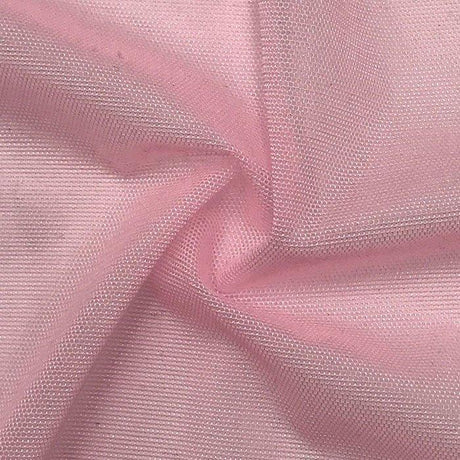
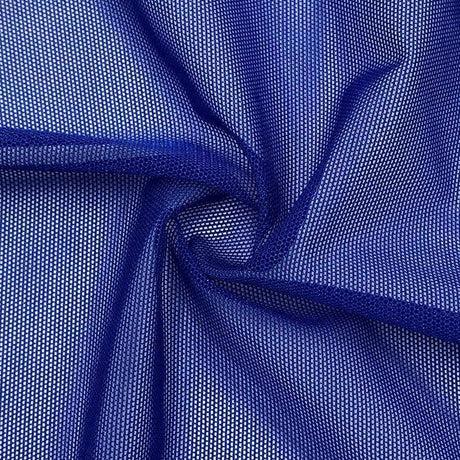
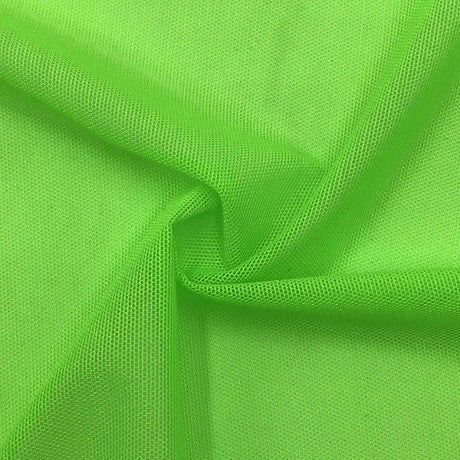
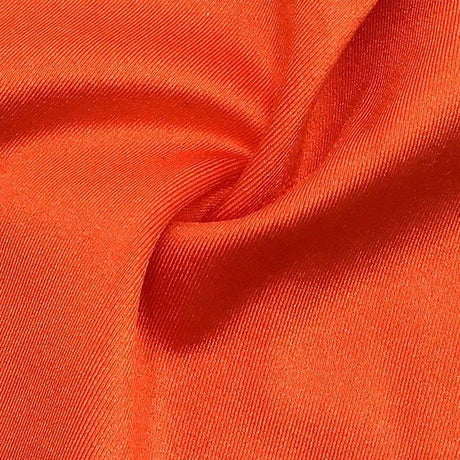
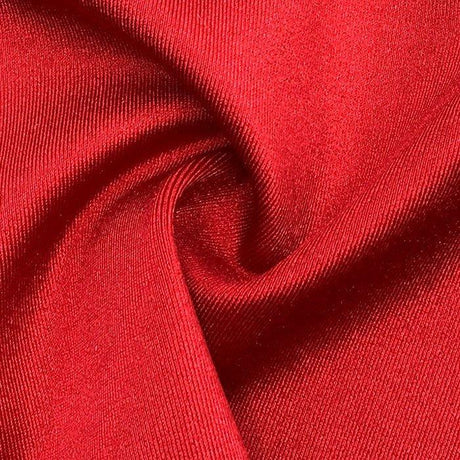
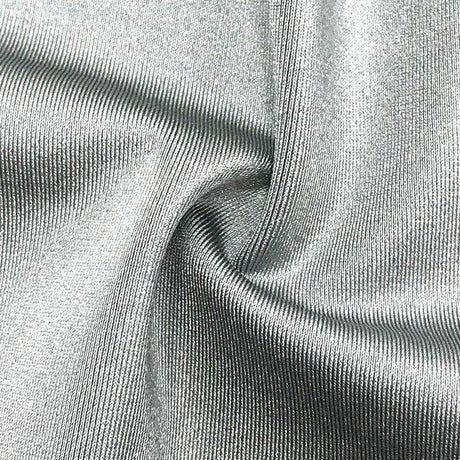
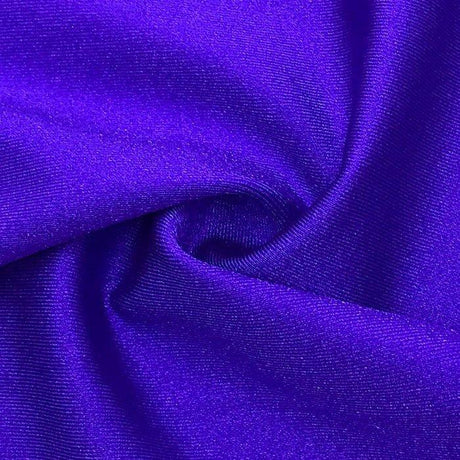
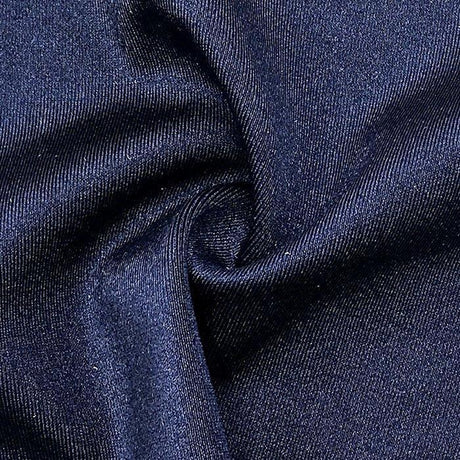
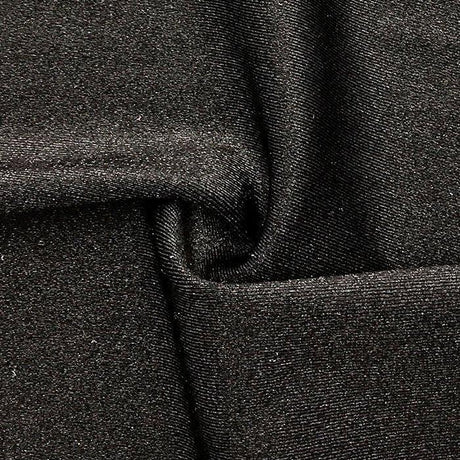
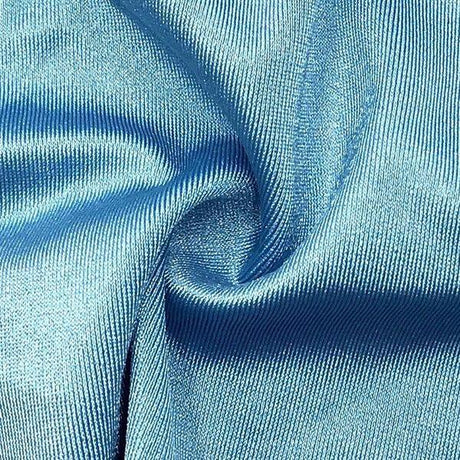
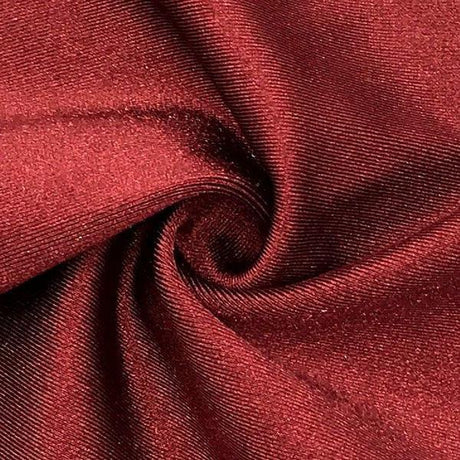
Stretch mesh is a lifesaver when you need a fabric that's both stretchy and breathable. Whether you're an apparel manufacturer designing activewear or a DIY sewist making dance costumes, stretch mesh offers a unique solution: it provides elasticity and ventilation where solid spandex might fall short. The challenge, however, is knowing which type of stretch mesh to use for a given project. Use it wrong, and you risk a garment that's either too flimsy or too restrictive. This guide will demystify stretch mesh from an expert perspective – no sales pitch, just practical knowledge. For a broader foundation before diving in, explore our stretch fabric types page or browse our full fabric guides hub.
What is Stretch Mesh?
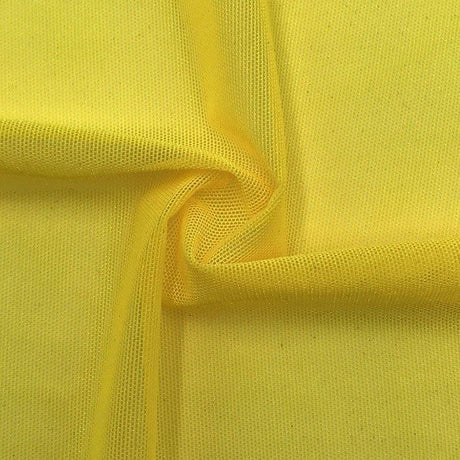
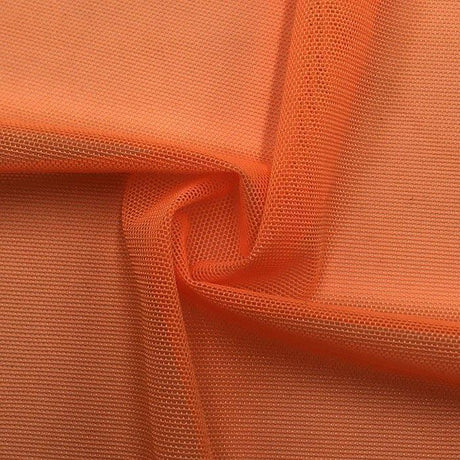
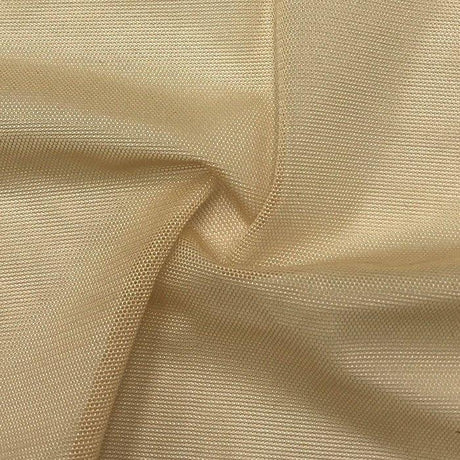
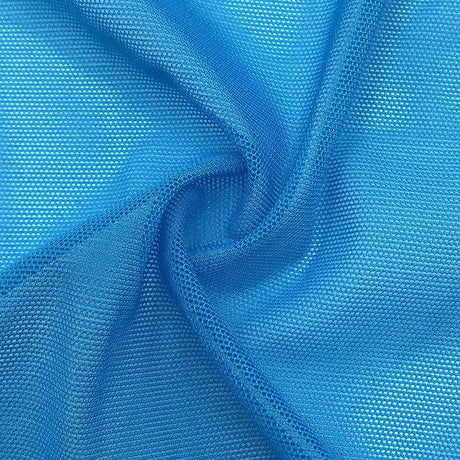
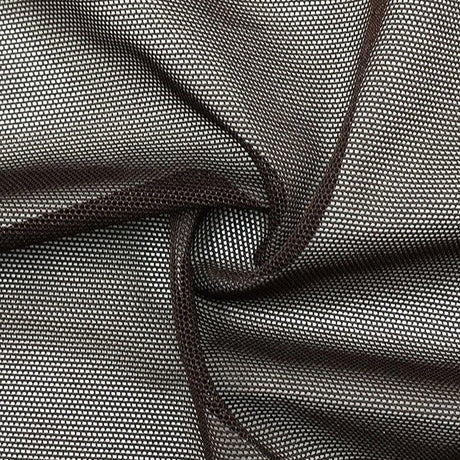
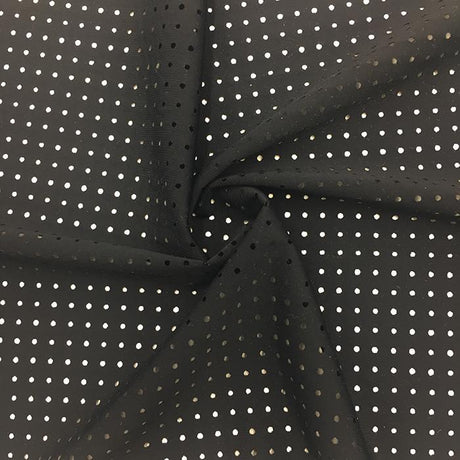
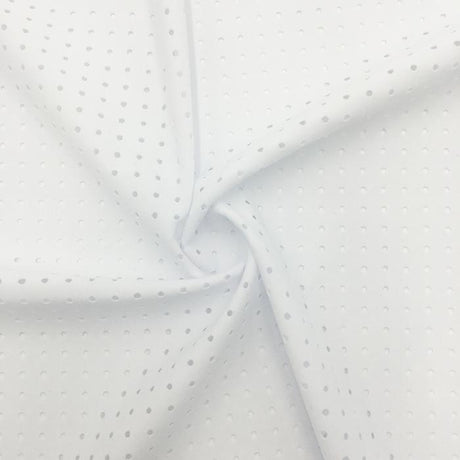
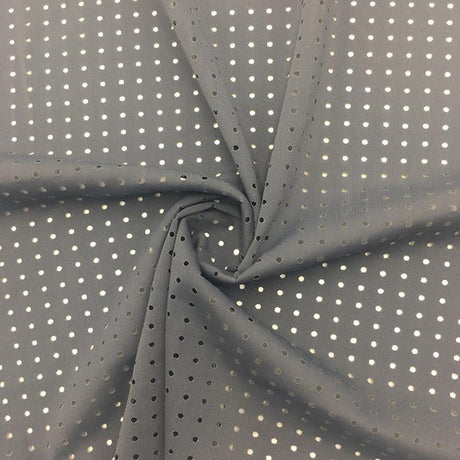
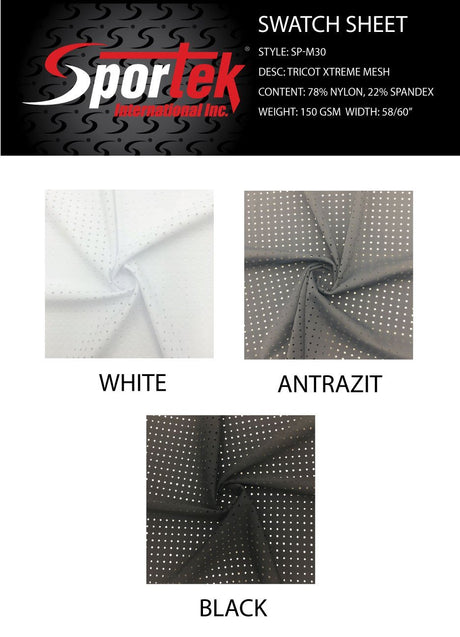
Stretch mesh refers to a family of lightweight, net-like fabrics that incorporate elastic fibers (like spandex) to make them stretchy. Unlike rigid tulle or netting, stretch mesh is knit to have give in multiple directions (often 4-way stretch), meaning it can flex both widthwise and lengthwise. The material is characterized by tiny holes that allow air to flow, giving it breathability and a semi-transparent look.
Key features of stretch mesh include:
Composition: Typically a blend of nylon or polyester with spandex, e.g. 80–90% nylon + 10–20% spandex. The spandex (elastane) content is what provides the stretch and recovery. Our nylon-spandex fabric guide covers how nylon-spandex mesh constructions compare to polyester-spandex in stretch, recovery, and durability for different applications.
Sheer and Lightweight: Stretch meshes are usually sheer to semi-sheer due to the hole structure. They range from ultra-fine illusion mesh (nearly transparent) to more substantial athletic mesh with visible perforations. Weight is measured in GSM (grams per square meter); most stretch meshes fall in the ~60 to 150 GSM range, depending on type. Our fabric weight guide provides a full breakdown of GSM ranges and how weight affects breathability, opacity, and support across all common mesh constructions.
2-Way vs. 4-Way Stretch: Many stretch meshes are 4-way stretch, meaning they extend in both directions. Some thinner meshes or those without much spandex might only have 2-way (crosswise) stretch. Always test both directions. Our stretch fabric types page explains how to verify stretch direction and compare stretch percentages across different mesh constructions.
Breathability: The mesh construction allows excellent airflow. This makes stretch mesh ideal for applications where you need to avoid heat buildup (sports jerseys, dancewear, etc.) while still fitting the body. Our activewear fabric guide covers breathability ratings across mesh and solid performance fabric constructions.
Types of Stretch Mesh
Not all stretch meshes are the same. They vary in weight, thickness, stretch percentage, and intended use. Below we break down the main types of stretch mesh you'll encounter.
Lightweight Stretch Mesh (Power Mesh – Light)
Characteristics: Sheer, featherlight, and very flexible. Typically 5–15% spandex with the rest polyester or nylon. Weights are around 60–100 GSM, making this mesh almost transparent in a single layer. It has a soft 4-way stretch that "gives" easily rather than providing firm resistance.
Uses: Because it's so light and breathable, this mesh is often used as a lining or for sheer inserts. Ballet skirts, dancewear overlays, or lingerie panels might use lightweight power mesh to add a translucent effect. It's also common in activewear linings – e.g. inside sports bra cups or as an inner short lining – where you want some support/coverage but minimal bulk. Our dancewear fabric guide covers lightweight mesh applications in performance costuming in detail.
Example Specs: 95% polyester/5% spandex power mesh at 90 GSM – very sheer and silky. Stretch percentage might be ~50% in each direction with gentle recovery. This won't "hold you in" much, but it will provide a beautiful drape and breathability.
Medium Weight Athletic Mesh (Sport Mesh)
Characteristics: Mid-weight and durable. Usually made of 100% polyester or a poly/spandex blend (~90/10 is common). Weight ranges ~80–130 GSM. This mesh often has a small perforation pattern (like tiny diamonds or eyelets) and can sometimes be a 2-way stretch if only poly, or 4-way if spandex is included. It's less transparent – you won't clearly see through a jersey mesh from a few feet away, though it's still porous.
Uses: The classic "sport mesh" for breathability in team uniforms and workout gear. Think basketball jerseys, football pinnies, soccer shirts, or the lining of swim trunks. It strikes a balance: light enough to vent sweat, but sturdy enough to endure contact and repeated washing. Our activewear fabric guide covers sport mesh constructions and how they compare to solid performance knits for ventilation panel applications.
Example Specs: A micro athletic mesh might be ~100 GSM, 100% poly, with mechanical stretch. True "sport mesh" often has about 10% spandex added for 4-way elasticity. For instance, a 90% poly/10% spandex mesh at 95 GSM is common in sports jerseys, providing modest stretch and excellent breathability.
Hexagon & 3D Spacer Mesh
Characteristics: Textured or padded mesh structures. Hexagon mesh (aka honeycomb mesh) features a hexagonal hole pattern, often giving a cool "tech" look. Some of these are built as 3D spacer meshes, meaning there are two layers connected by filament, creating a thin padding with airflow in between. Weights vary a lot: a flat hex mesh could be ~100 GSM, while a thick 3D spacer mesh can reach 200 GSM or more. They tend to be highly breathable due to larger openings, and a spacer mesh will feel springy or cushioned.
Uses: Hex meshes are common for ventilation zones and style elements. A running jacket might use a honeycomb mesh under the arms or on the back panel to dump heat quickly. They're also seen in sneaker uppers, backpacks, or caps – anywhere you want airflow and a bit of structure. The 3D spacer versions are used for padding and support, like the lining of helmet straps, backpack straps, or even bra cups where a little standoff from the skin is needed. Our fabric weight guide covers the GSM ranges for structured spacer meshes and how weight affects cushioning and airflow.
Example Specs: A 3D honeycomb spacer mesh might be ~200 GSM, polyester with maybe 5% spandex, about 3mm thick – great for structured inserts. A lighter hex mesh could be 94% poly/6% spandex at 100 GSM, used for a decorative yet functional jersey panel.
Heavy Power Mesh (Powernet – Strong Support)
Characteristics: Strong, tight, and supportive. Often called Powernet when used in high-compression garments, this is at the heavy end of stretch mesh. Expect 20–30% spandex or even more, with nylon (or sometimes polyester) as the rest. Weight can range from ~130 GSM up to 180+ GSM. The knit is very tight – the holes are small and hard to see until you stretch it. The feel is significantly firmer with less sheer stretch; when you pull it, you feel a strong rebound. This mesh often has 4-way stretch but with high tension (it's harder to stretch, by design).
Uses: This is the mesh for support and compression. You'll find powernet lining waistbands of leggings, sports bra backs, and shapewear panels, where it's used to provide extra hold. In dance costumes or evening gowns, a nude-colored power mesh might be used to hold an illusion cutout securely. It's also common in swimwear lining for tummy control. Our activewear fabric guide covers powernet applications in compression leggings and sports bras in detail.
Example Specs: A typical powernet might be ~75–80% nylon, ~20–25% spandex, weighing around 150 GSM. This provides serious resistance and "snap-back" stretch. Stretch percentage could be ~50% widthwise and 50% lengthwise, but it requires more force to stretch and strongly rebounds to shape. Our nylon-spandex fabric guide covers high-spandex nylon constructions like powernet and how they compare to standard power mesh for compression applications.
Stretch Mesh Comparison Table
| Fabric Type | Typical Composition | Weight (GSM) | Stretch | Best Uses |
|---|---|---|---|---|
| Lightweight Mesh | ~95% polyester / 5% spandex | ~70–90 GSM | 4-way, very high stretch | Linings, sheer panels, fashion inserts, lightweight breathability |
| Athletic Mesh | 100% polyester or ~90% poly / 10% spandex | ~90–120 GSM | 2-way or 4-way, moderate stretch | Sports uniforms, jerseys, breathable activewear panels |
| Hex Mesh (Spacer / Tech Mesh) | Polyester or poly/spandex blends | ~120–200 GSM | Limited to moderate stretch, structured | Ventilation zones, padding layers, backpacks, performance apparel |
| Power Mesh / Powernet | ~75% nylon / 25% spandex | ~130–170 GSM | Firm 4-way stretch, high recovery | Compression leggings, shapewear, waist panels, support zones |
| Stretch Tulle / Fine Mesh | Nylon or poly with spandex | ~40–70 GSM | 4-way, delicate stretch | Lingerie, overlays, lightweight fashion details |
| Compression Mesh | Nylon/spandex blends (varies) | ~180–250 GSM | Strong 4-way stretch, high compression | Performance leggings, medical or athletic compression wear |
For a full explanation of how these GSM ranges and stretch ratings translate to real-world performance, visit our fabric weight guide and stretch fabric types page.
How to Choose the Right Stretch Mesh (Selection Criteria)
Choosing the perfect stretch mesh comes down to matching the fabric's properties to your project's requirements. Our how to choose fabric guide walks through this decision framework for all common garment types.
Weight (GSM): Determine how heavy or light the mesh needs to be. Lighter meshes (~60–100 GSM) are good for breathable inserts and overlays, while heavier meshes (~130+ GSM) offer more support for things like waistbands. A simple rule: use lighter GSM for ventilation, heavier GSM for structure. Our fabric weight guide makes it easy to cross-reference GSM with end-use requirements.
Stretch & Power: Consider the stretch percentage and recovery. For high mobility (e.g. dance sleeves), choose a high-stretch mesh with excellent recovery (so it won't bag out). For control (e.g. compression garment), pick a mesh with firm stretch resistance (higher spandex content, powernet). Remember that 4-way stretch is usually preferable in athletic or fitted garments for full range of motion. Our stretch fabric types page explains how to evaluate and compare these specifications when selecting mesh.
Fiber Content (Nylon vs. Polyester): Nylon-spandex meshes generally have a softer handfeel and better recovery. Polyester-spandex meshes are often a bit stiffer but more chlorine-resistant (important for swimwear) and can be more durable against abrasion. Our nylon-spandex fabric guide covers this comparison in full detail, and our swimwear fabric guide covers chlorine-resistant mesh options for aquatic applications.
Hole Size & Appearance: The size of the mesh openings affects both look and function. Smaller holes (or a fine power mesh) will be more opaque and supportive; large holes (like athletic mesh or net) will be more breathable but also more see-through. Our fabric finishes guide covers how different mesh hole structures interact with stage lighting and photography.
Purpose & Placement: Identify where and how the mesh will be used in the garment. For insets in high-stress areas (sports bra backs, compression zones), lean toward heavy power mesh or double layers. For decorative or low-stress areas (ruffles, sleeves, pockets), a lighter stretch mesh will suffice. Match the mesh strength to the function.
Best Uses and Applications (Use Cases)
Activewear Panels & Inserts: Stretch mesh shines in fitness clothing. Leggings often have mesh panels behind the knees or along the thighs for cooling – a lightweight power mesh (~90 GSM) works great for these breathable panels. Sports bras frequently use heavy power mesh (powernet) to line the interior front or back, adding support and reducing bounce. Running tops and jerseys can be made entirely from athletic mesh or include honeycomb mesh zones for ventilation. Our activewear fabric guide covers mesh panel strategies and fabric combinations for managing breathability in performance garments.
Dancewear and Costumes: In dance costumes, stretch mesh (often called illusion mesh) is used for sleeves, yokes, or cutouts that need to appear sheer while moving with the dancer. A nude lightweight stretch mesh can create the effect of bare skin but with coverage. Because dancers move intensely, a 4-way stretch mesh with good recovery (nylon-based) is preferred so it doesn't sag. For ice skating dresses or gymnastics leotards, power mesh gives a sleek look and stays snug. Our dancewear fabric guide covers mesh applications in performance costuming in detail.
Lingerie: Stretch mesh is a staple in lingerie design. Bras and bralettes use power mesh in wings/back bands for support with flexibility. Panties and bodysuits might use lighter stretch mesh for sections to add breathability or a flirty sheer look. In shapewear or corsetry, strong powernet mesh can be used for compression panels (e.g., in a waist cincher). For bra-making, double-layering power mesh in opposite directions can increase support. Always consider using powernet for structure vs. regular mesh for aesthetics in lingerie design.
Casual and DIY Projects: Home sewists find creative uses for stretch mesh too. It can serve as pockets in backpacks or jackets, or as laundry bags for washing delicates. Stretch mesh fabric can be used to make beach cover-ups or inserts in summer tops where you want airflow. Because it doesn't fray badly and edges can be left raw (they won't unravel due to knit structure), some DIY enthusiasts use mesh for no-sew projects. Our how to sew stretch fabric guide covers edge finishing and construction techniques for all common stretch mesh types.
Medical and Specialty Uses: Some stretch meshes (especially high-spandex powernet or spacer meshes) are used in medical braces or supports. A knee brace might have stretch mesh behind the knee for flexibility, or a back support belt might be mostly power mesh to be breathable yet snug. These applications require high durability and consistent compression, so look for industrial-grade powernet (often heavier weight, possibly with silicone or rubber traction threads).
Common Mistakes to Avoid (Pitfalls)
Choosing the Wrong Mesh Type: A frequent error is using a mesh that doesn't match the required support. Using a flimsy stretch mesh for a compression job will result in sagging or failure. Match the mesh to the function (review the Types section above). When in doubt, err on the side of a bit more support. Our stretch fabric types page helps you identify the right construction for your specific support or ventilation requirements.
Ignoring Stretch Direction: Some stretch meshes have more stretch one way than the other. If you cut your pattern pieces without noting the direction of greatest stretch (DOGS), the garment might end up not fitting well. Always test which way the fabric stretches most and align the garment's needs (usually horizontal needs more stretch). Our how to sew stretch fabric guide covers grain alignment and cutting techniques for stretch mesh fabrics.
Improper Sewing Techniques: Mesh can be tricky to sew if you're not prepared. Using a regular straight stitch can cause seams to pop once the mesh is stretched. Use a narrow zigzag or a stretch stitch for seams, and consider a longer stitch length to avoid perforating the mesh. Also, lightweight mesh can get eaten by the machine – using tissue paper underneath or a finer needle (like ballpoint 70/10) helps. For heavy power mesh, ensure your needle is sturdy (75/11 or 80/12 ballpoint). Our how to sew stretch fabric guide covers needle selection, stitch settings, and feeding techniques for all common mesh types.
Not Finishing or Stabilizing Edges: While stretch mesh doesn't fray like a woven, cut edges on a garment can stretch out or roll if left raw in high-stress areas. Use fold-over elastic or binding to cover mesh edges (common in lingerie to both finish and add support). For thick power mesh seams, you might fuse a thin strip of tricot interfacing along the seam line to prevent distortion before stitching. Our fabric finishes guide covers interfacing and stabilization options compatible with stretch mesh fabrics.
Overlooking Care Instructions: Synthetic mesh fabrics are generally easy-care, but high-spandex mesh can be sensitive to heat. Don't toss your power mesh garments in a hot dryer – it can degrade the elasticity over time. Likewise, avoid chlorine bleach on anything with spandex. Always default to cold wash, line dry for longevity. Our spandex care guide covers heat sensitivity and laundering best practices for elastane-blend mesh fabrics, and our fabric care guide provides complete care protocols for all common stretch mesh garment types.
When to Use Powernet Instead (Alternative Fabric)
What is Powernet? It's essentially an extra-strong version of stretch mesh – typically a nylon-spandex knit with 20% or more elastane. Powernet fabric has a tighter knit and smaller holes, making it firm and supportive. It trades a bit of breathability and softness for much greater support. Think of powernet as the "industrial strength" mesh. Our nylon-spandex fabric guide covers powernet construction and how it compares to standard power mesh across compression, breathability, and recovery specifications.
When to choose Powernet:
Shapewear or Corsetry: For waist cinchers, tummy-control panels, or post-surgery compression garments, powernet is preferred. A regular stretch mesh would stretch out or not provide enough hold in these cases, whereas powernet can comfortably shape and hold the body.
Plus-size or Structured Activewear: When designing activewear for plus sizes or high-impact activities, you might line the garment with powernet to ensure it doesn't deform. A sports bra for high-impact exercise could use a layer of powernet in the front shelf to minimize bounce far more than a standard mesh could. Our activewear fabric guide covers high-compression lining strategies for structured activewear applications.
Long-term Durability: Powernet generally holds elasticity longer under stress. If you anticipate a lot of wear-and-tear or strain (a dance costume that needs to endure a whole season of performances, or a competitive swimwear piece), using powernet in critical areas keeps the garment performing longer. Our swimwear fabric guide covers powernet applications in competitive swimwear and their durability advantages over standard mesh.
When Stretch Mesh Isn't Holding Up: If you tried a regular power mesh and the result was too flimsy, that's a clear sign to upgrade to powernet. It's common in bra-making: if one layer of 100 GSM power mesh isn't strong enough for a band, using a 150 GSM powernet will do the trick. Our fabric weight guide helps you identify the right GSM threshold for moving from standard mesh to powernet in high-support applications.
In summary, use powernet instead of stretch mesh when you need support over sheerness. Many designers actually use them in tandem: a layer of powernet for structure, covered by a prettier stretch mesh for aesthetics. Knowing when to swap in powernet is a mark of savvy fabric selection.
Conclusion
Stretch mesh is a remarkable fabric category that marries the best of two worlds: the stretch and recovery of spandex, with the breathability and lightness of mesh. The key to mastering stretch mesh is understanding these differences and applying that knowledge to your project's needs. With this guide, you should feel equipped to select the right type of stretch mesh, gauge the needed stretch percentage, and use it to its full potential in your designs.
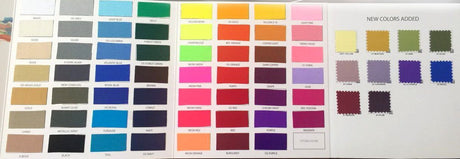
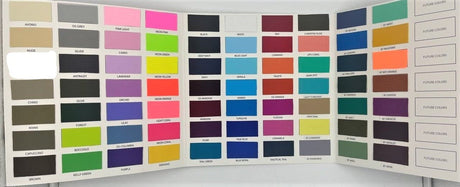
In practice, always start by defining what you need: Is it more about ventilation or support? Once you answer that, the choice becomes clearer. And don't forget the creative side – stretch mesh comes in a variety of colors, patterns, and even prints, so you can have fun with it while solving technical challenges.
Ready to find the right mesh for your project? Explore our stretch fabric types page and fabric weight guide to compare your options, use our how to choose fabric guide to narrow down the field, and visit our how to sew stretch fabric guide for step-by-step construction techniques. Our spandex care guide and fabric care guide will keep your finished garments performing at their best. Have questions about which mesh is right for your specific application? Our expert help and advice page and FAQ are always available. Sign up for SpandexByYard Rewards to earn points on every purchase – happy sewing, and may your mesh always have the perfect stretch!