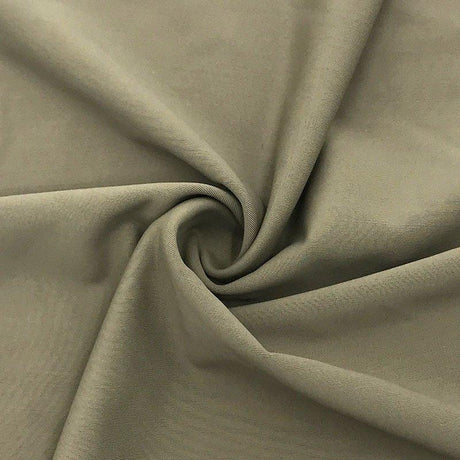
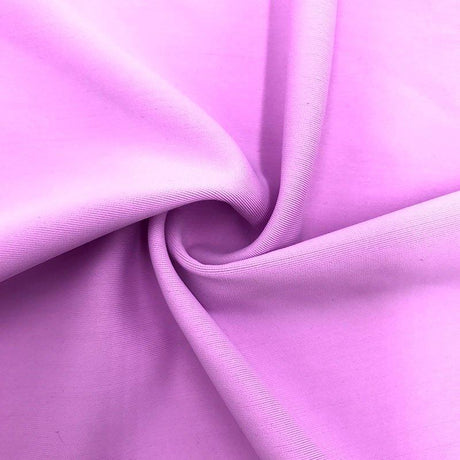
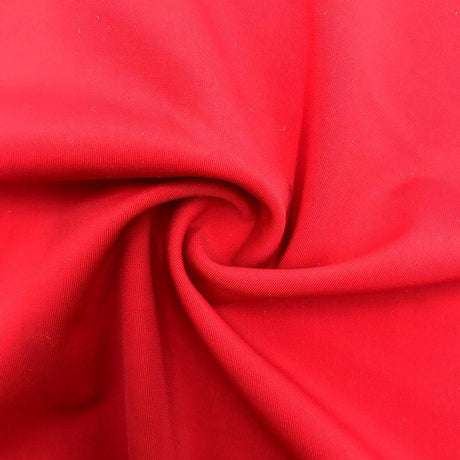
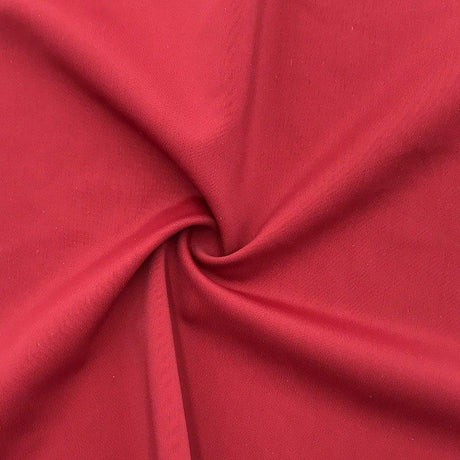
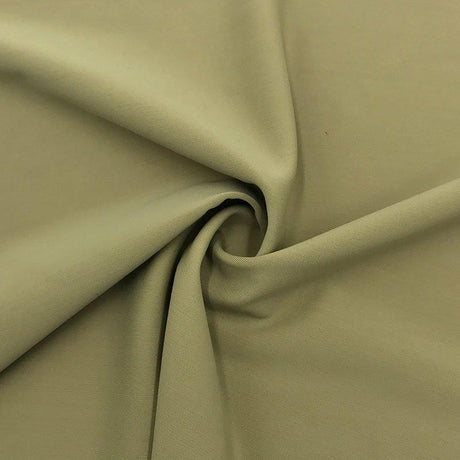
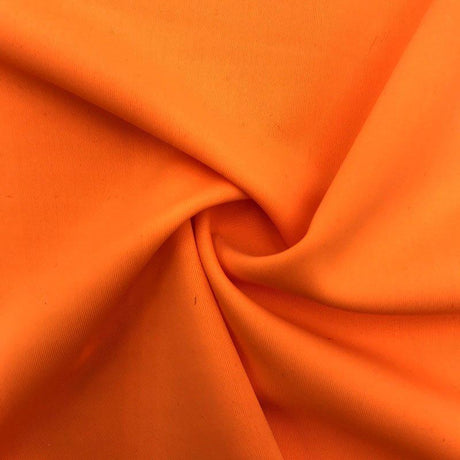
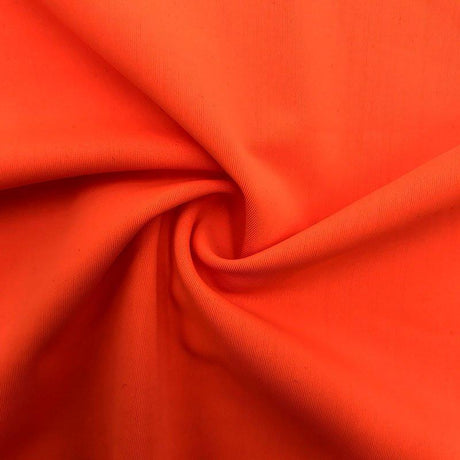
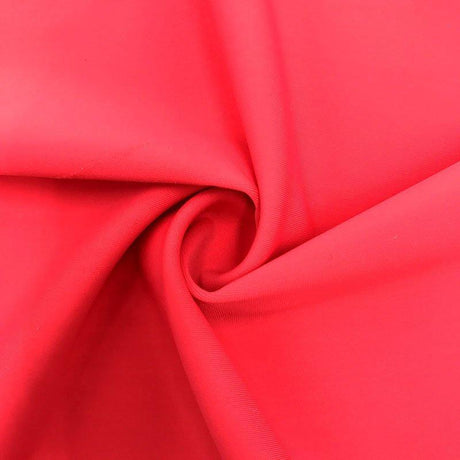
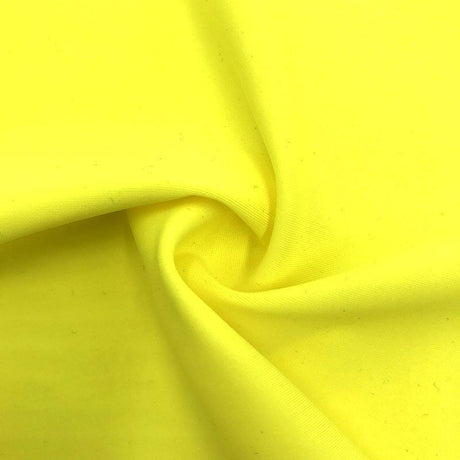
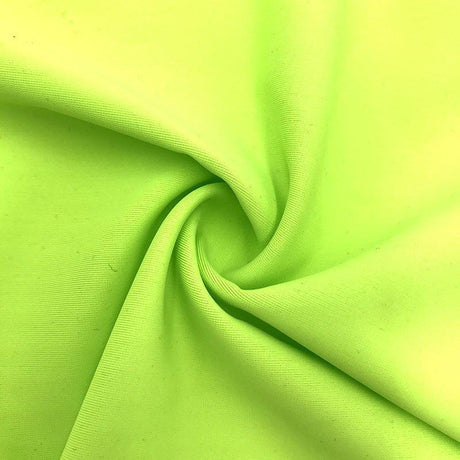
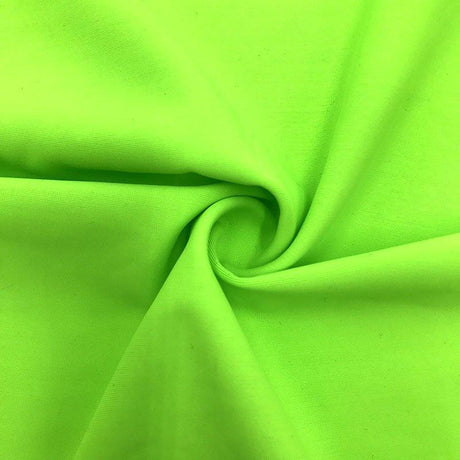
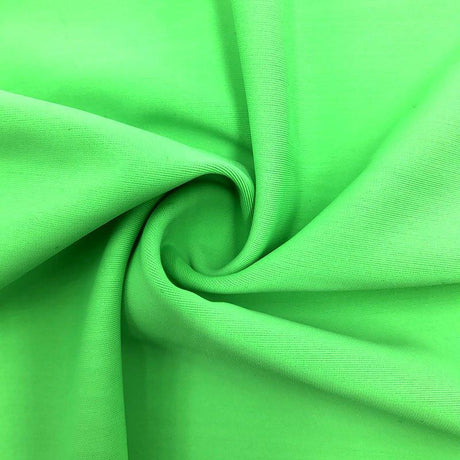
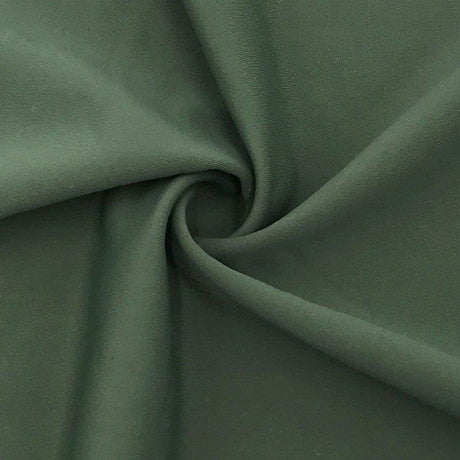
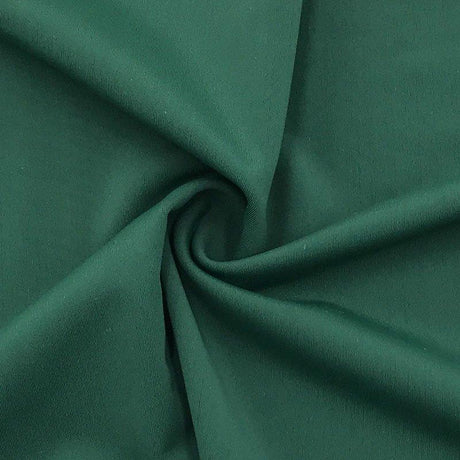
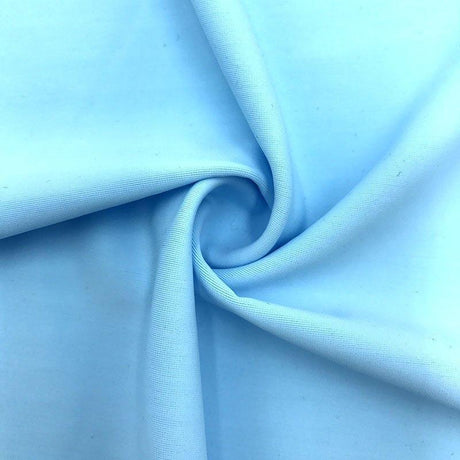
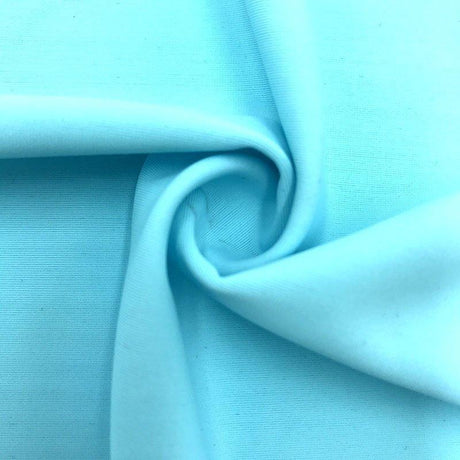
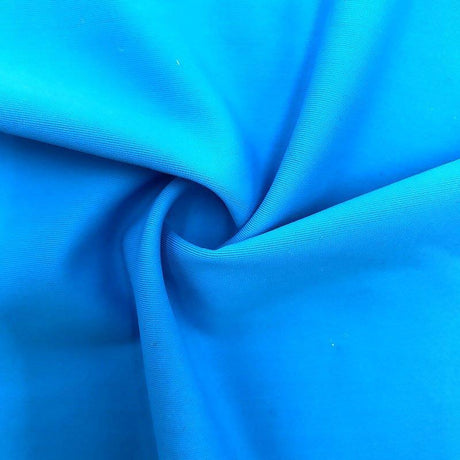
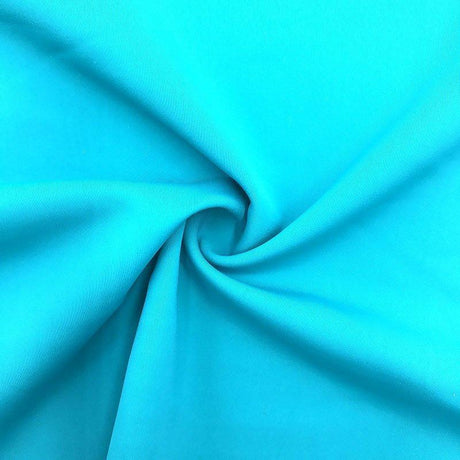
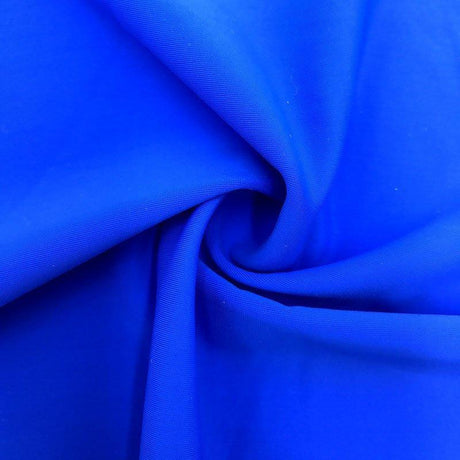
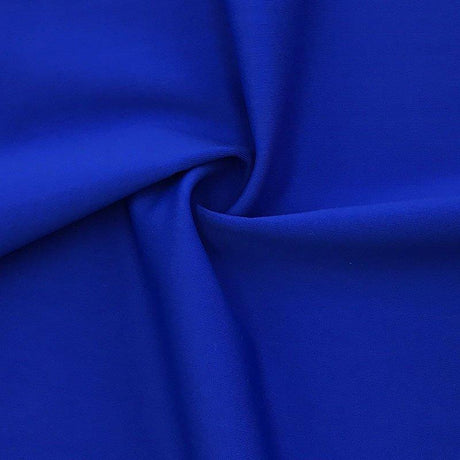
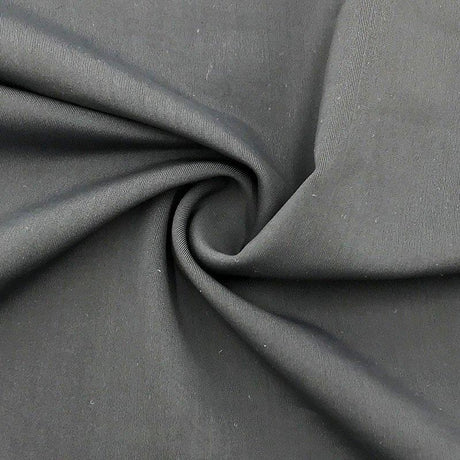
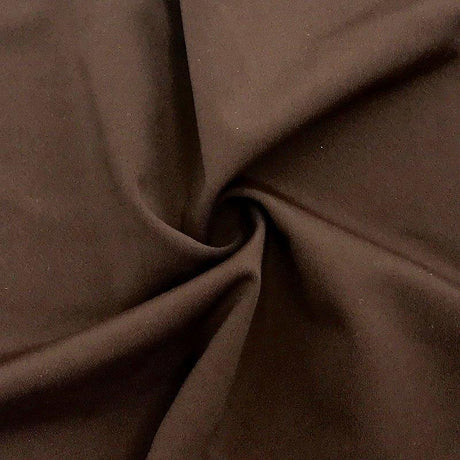
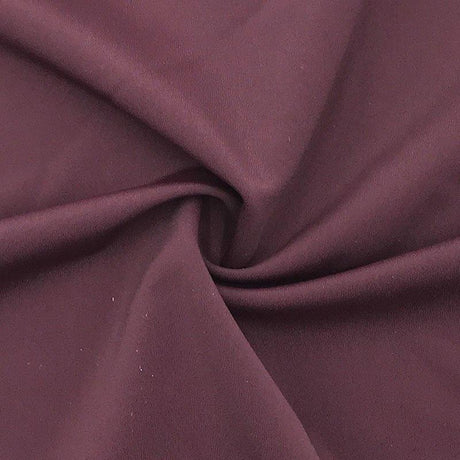
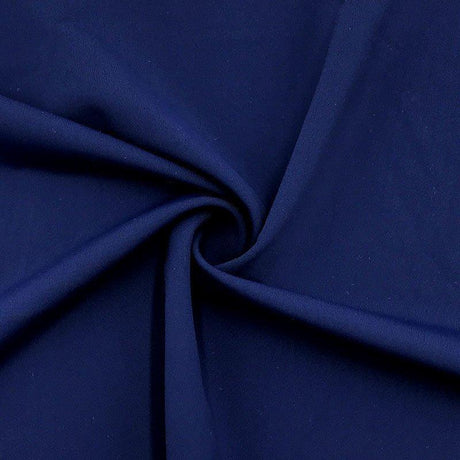
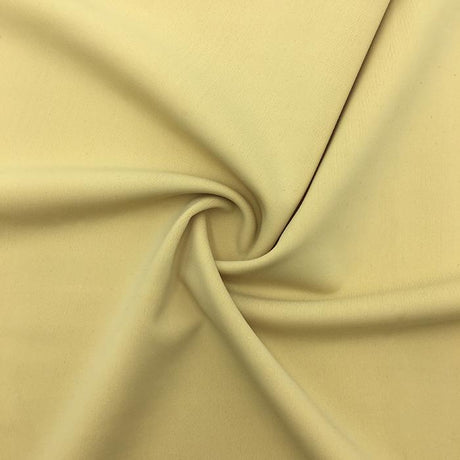
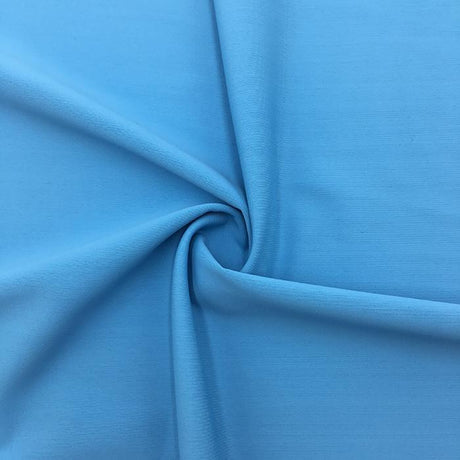
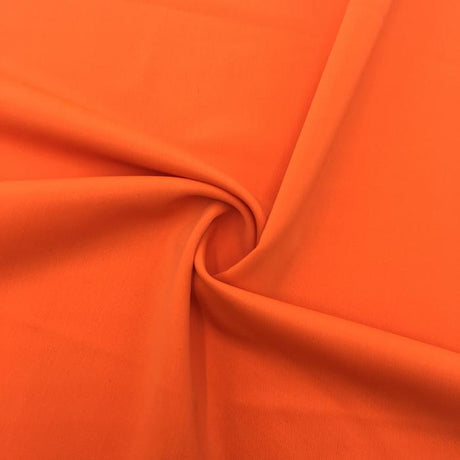
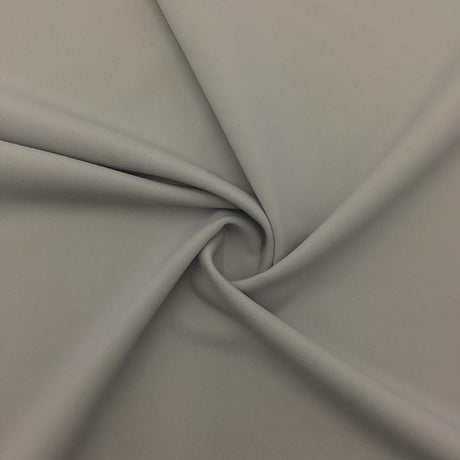
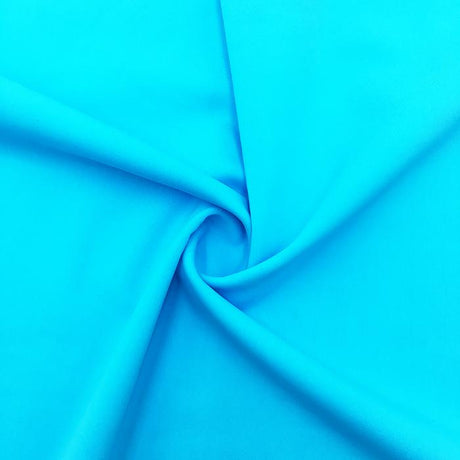
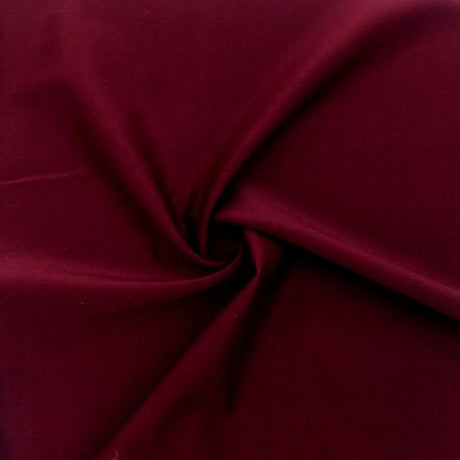
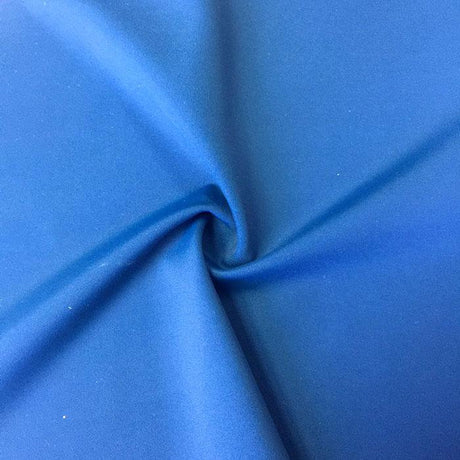
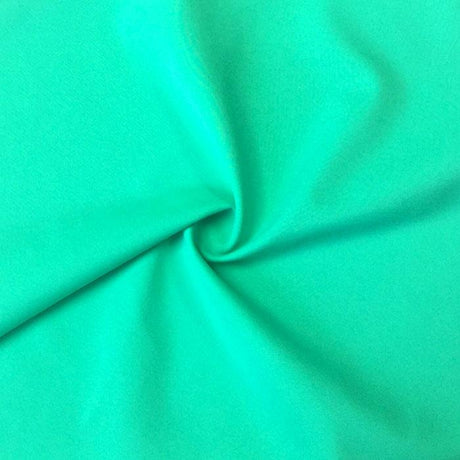
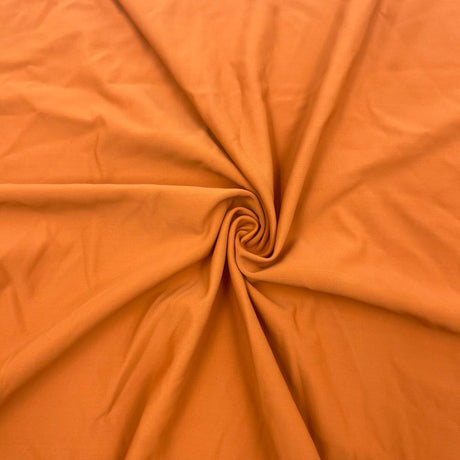
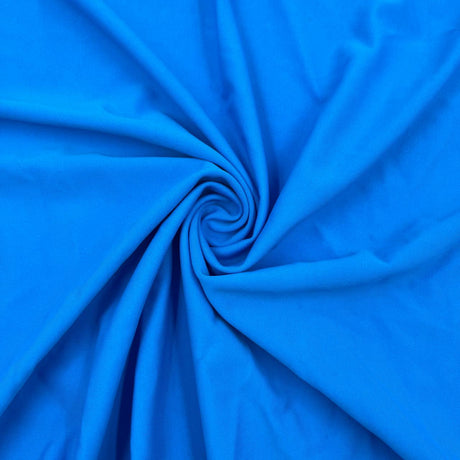
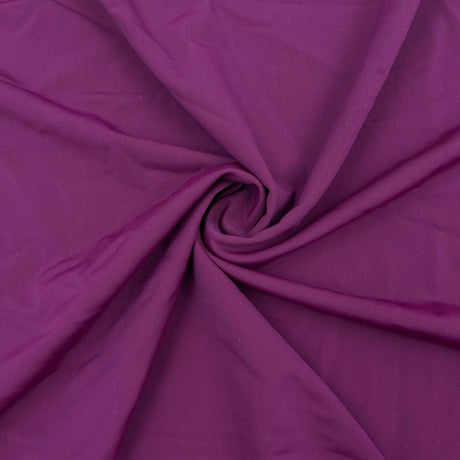
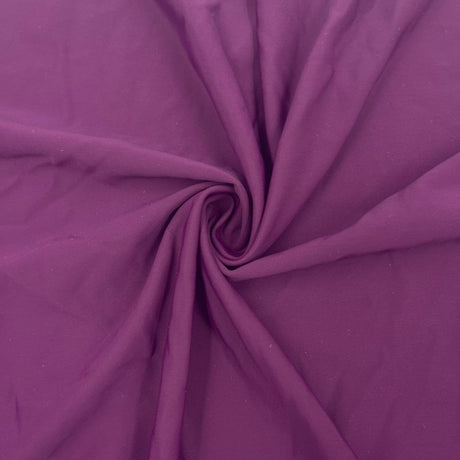
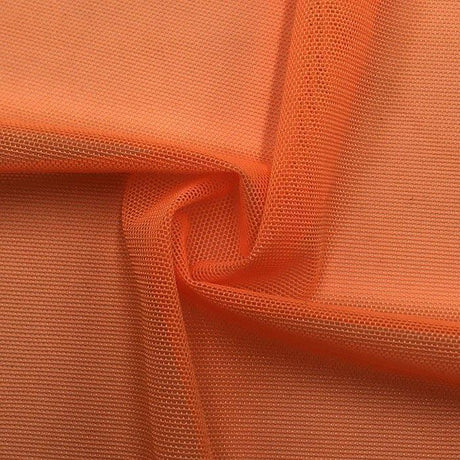
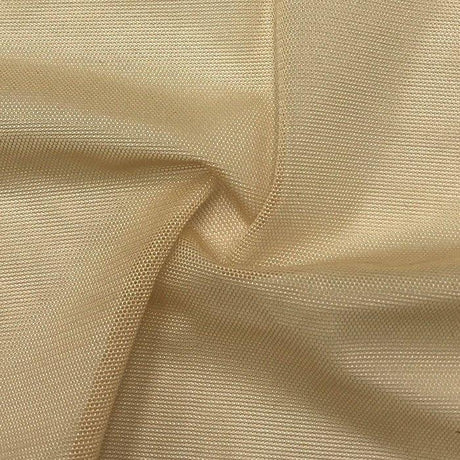
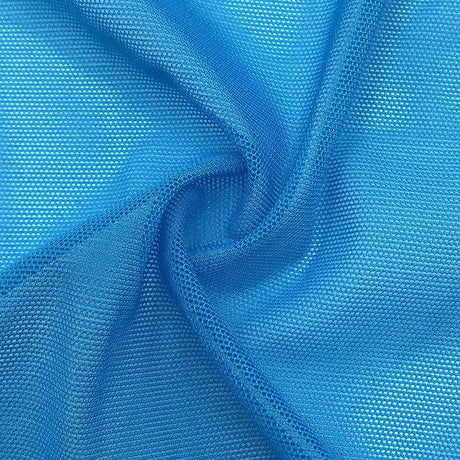
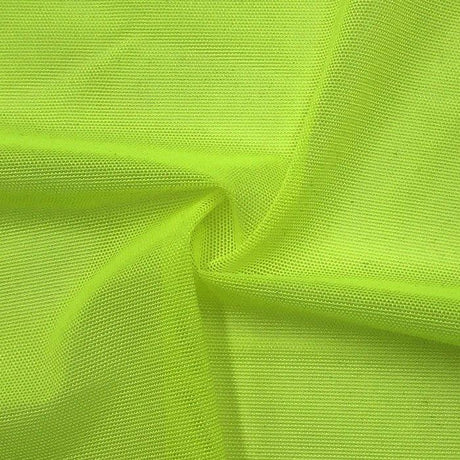
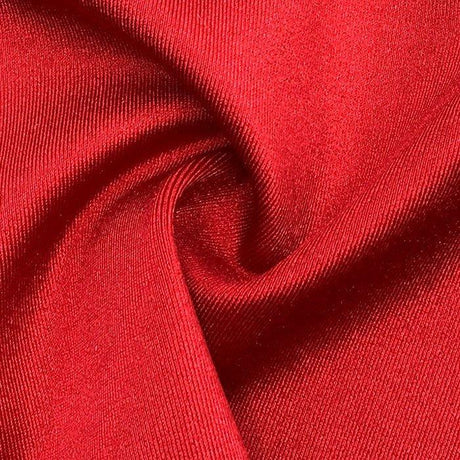
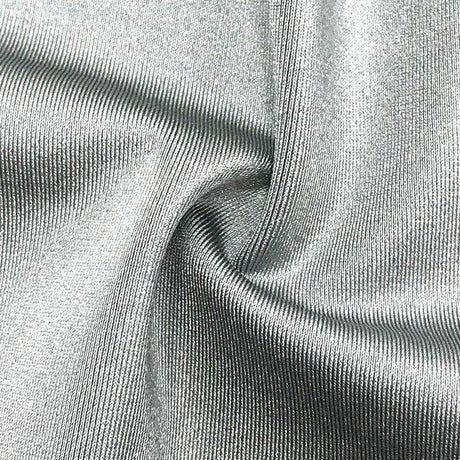
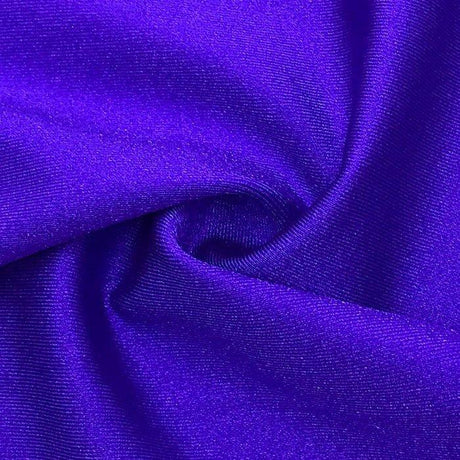
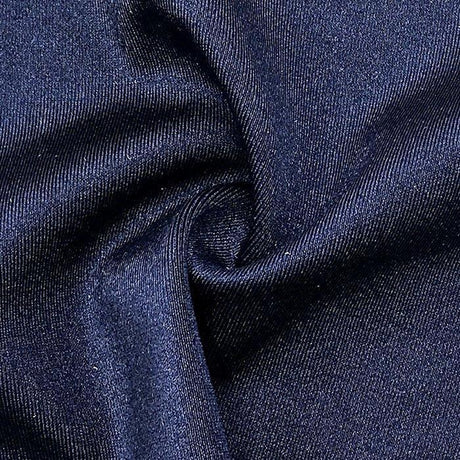
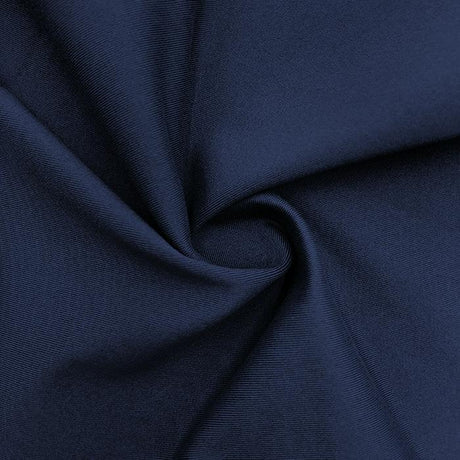
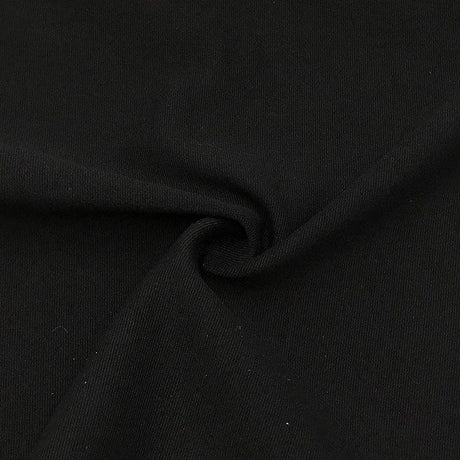
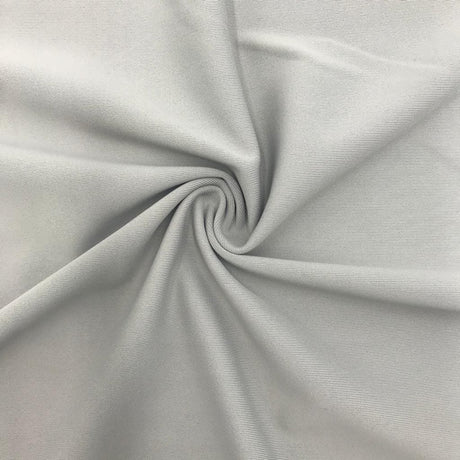
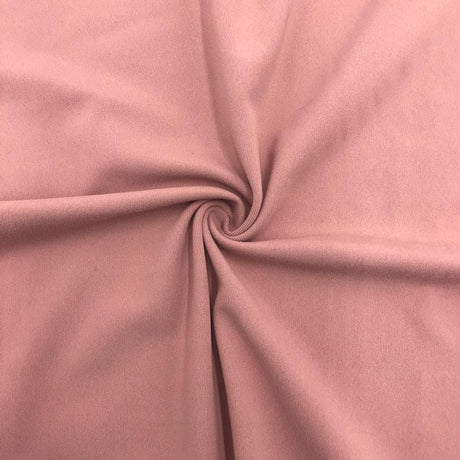
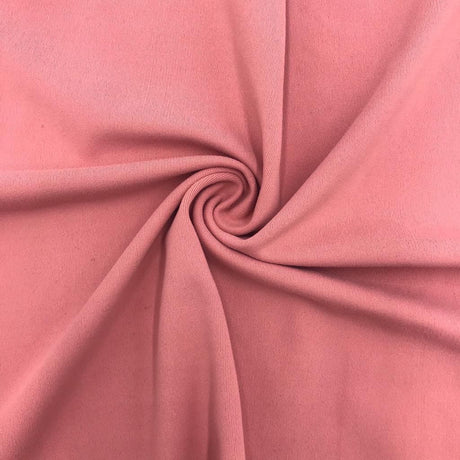
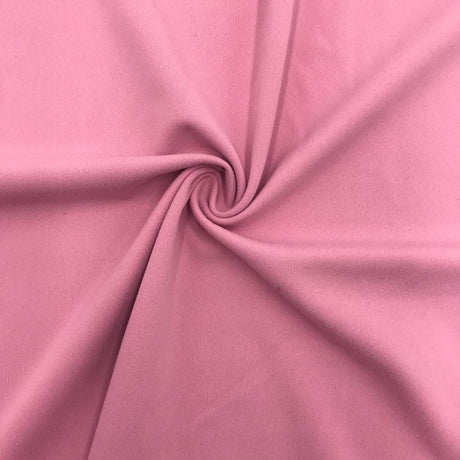
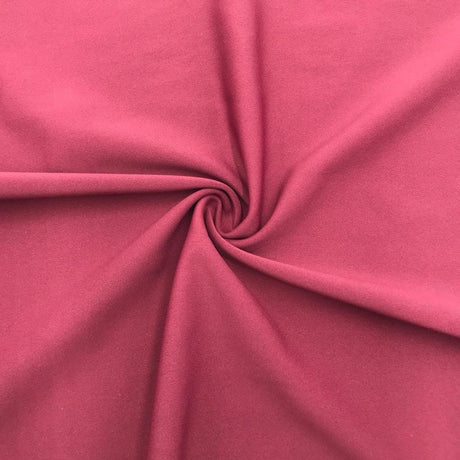
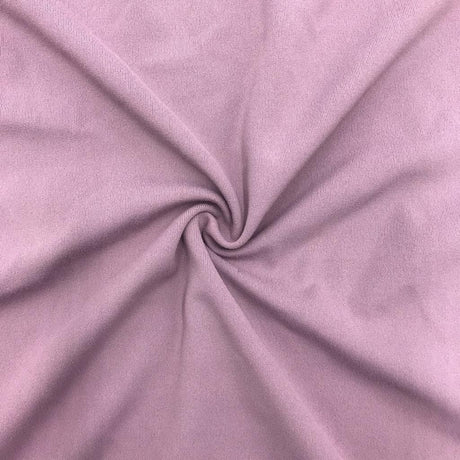
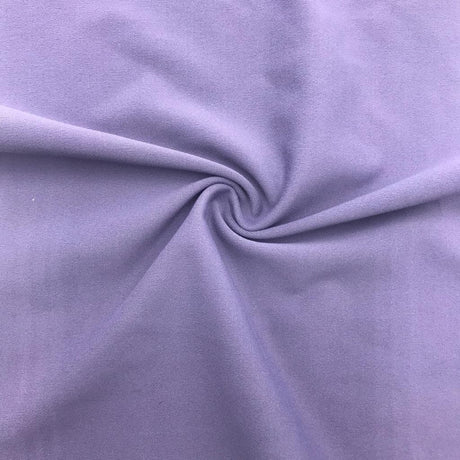
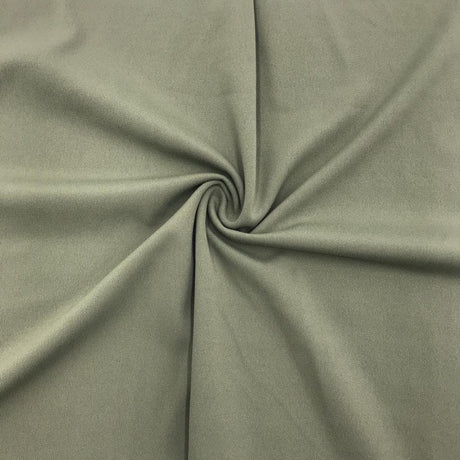
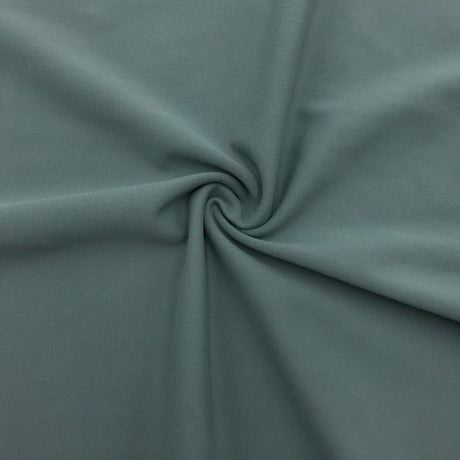
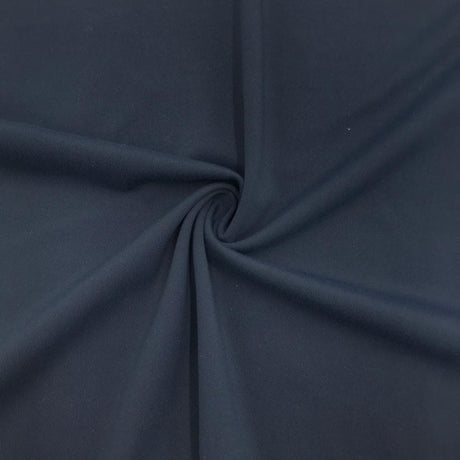
Sewing stretchy knit fabrics (like jersey, Lycra®, and spandex blends) can be rewarding but also challenging if you don't use the right techniques. Many sewists – beginners and seasoned alike – have experienced wavy seams, popped threads, or skipped stitches when working with stretch materials. In this article, we'll explore the top five sewing stretch fabric mistakes and explain how to avoid them for professional-looking results. For a broader foundation on stretch fabric properties before diving in, explore our stretch fabric types page or our full how to sew stretch fabric guide.
1. Using the Wrong Needle Type
One of the biggest mistakes in sewing stretch fabrics is using a standard universal needle instead of a ballpoint or stretch needle. A regular sharp needle is designed for tightly woven fabrics; when used on knits, it can snag or cut through the fibers, causing skipped stitches and even tiny holes in the fabric.
Why it's a problem: Stretchy knit fabrics are made of interlocking loops, not straight threads. A sharp needle will pierce and break these loops instead of sliding between them. This often prevents the machine from forming proper stitches (hence the skipped stitches) and can create runs or holes in the material.
How to fix or avoid it:
Use a ballpoint or stretch needle every time. These needles have a rounded tip that pushes aside the fabric fibers rather than tearing them. Ballpoint needles work well for most knit fabrics, while stretch needles are a special type of ballpoint designed for highly elastic fabrics like spandex and Lycra. If you're sewing a swimsuit or activewear with 50%+ stretch, a stretch needle is the best choice for a professional, skip-free finish.
Choose the correct size. Match the needle size to your fabric's weight. Common sizes are 75/11 or 80/12 for light to medium knits, and 90/14 for heavier or thick stretch fabrics. Our fabric weight guide covers how to identify fabric weight by GSM, which directly informs needle size selection across all common spandex-blend constructions.
Change needles regularly. Even the proper type of needle can get dull or bent after extensive use. Start each new knit project with a fresh needle. If you ever notice skipped stitches partway through sewing, try changing the needle first.
By choosing the right needle for your stretch fabric, you'll immediately eliminate one of the main causes of skipped stitches and holes.
2. Choosing the Wrong Thread
The thread you use is just as crucial as the needle. A common sewing stretch fabric mistake is using 100% cotton or other non-elastic thread on a project that needs to stretch. Standard cotton thread has virtually no give – so once you pull a knit garment seam, the thread can't stretch with the fabric and will snap. This leads to the infamous "popped seams": you hear threads breaking as soon as the garment is worn or stressed.
Why it's a problem: Stretch fabrics like spandex or jersey require seams that can expand and rebound with the fabric's movement. If the thread is too rigid (like cotton), it puts all the strain on the thread when the fabric stretches. The result is often broken stitches and open seams even if your stitch type was correct.
How to fix or avoid it:
Use polyester thread for knit projects. Polyester all-purpose thread is the go-to for stretch fabrics because polyester has a slight inherent stretch and high tensile strength. It will give a little when the seam is stretched and is less likely to break. Polyester is "the clear winner for stretch fabrics and activewear – it flexes with the fabric, preventing popped seams."
Avoid 100% cotton thread on high-stretch seams. Cotton thread is strong but has no elasticity, so it's prone to snapping under tension. Reserve cotton thread for quilting or sewing crisp wovens.
Consider specialty stretch threads for extra elasticity. There are innovative threads like woolly nylon (used in serger loopers or bobbin) and stretch threads (e.g. Seraflex or Maraflex) which are designed to stretch significantly. Woolly nylon is a textured nylon thread that can expand and contract, making it great for seams that need maximum stretch and a soft finish (often used in swimwear or lingerie). Our swimwear fabric guide covers thread and construction requirements specific to swimwear applications where woolly nylon is most commonly used.
Use fresh, quality thread. Old thread becomes brittle over time. For critical seams on stretch fabric, make sure your thread isn't ancient or cheap/fluffy.
3. Using a Straight Stitch Instead of a Stretch Stitch
It may be tempting to sew knits with the same straight stitch used on woven fabrics, especially since a straight seam looks clean. However, a standard straight stitch has no flexibility – and on stretch fabrics, that's a big mistake. If you sew a stretchy garment with a regular straight stitch, the first time the fabric stretches, the stitches are likely to crack and pop open.
Why it's a problem: Stretch fabrics "need your stitches to stretch, too." A straight stitch forms a locked, inflexible seam. Think of it like using a non-stretch rope on a bungee cord – as the bungee (fabric) extends, the rope (stitch) doesn't, so it snaps.
How to fix or avoid it:
Use a stretch-friendly stitch for construction seams. The easiest solution on a standard sewing machine is to use a zigzag stitch. A common setting is about 0.5 mm width by 2.5 mm length for a very narrow zigzag if you want it to appear almost straight but still stretch. You can also use your machine's built-in stretch stitch (sometimes called a lightning bolt stitch), which was designed to stretch without breaking and is excellent for knit seams. Another option is the triple straight stitch, which goes forward-back-forward, creating a strong seam with some give.
Finish seams with a serger if you have one. A serger (overlock) machine is the ultimate tool for knit fabrics – it sews an elastic, very durable seam and trims the excess in one step. Sergers use looped threads that naturally stretch a lot. "A serger creates a professional-looking, highly durable, and incredibly stretchy seam that will never pop." Our how to sew stretch fabric guide covers serger settings, differential feed adjustments, and all stitch type options for all common spandex-blend constructions.
Hems and special areas: For hemming stretch fabrics, a popular method is to use a twin needle on your regular machine to mimic a coverstitch hem. A twin needle creates two parallel straight stitch lines on top and a zigzag on the underside, giving a stretchy hem finish. Just remember to use a stretch twin needle (they come in ballpoint form) so you don't puncture the knit fibers.
In summary, don't use a straight stitch for seams on stretch fabric. Opt for any stitch that looks zigzagged or otherwise built to stretch. By doing so, you'll ensure your seams can expand and recover with the garment.
4. Stretching or Pulling the Fabric While Sewing
Another very common mistake is manhandling the fabric – stretching, pulling, or pushing it as it goes through the machine. If you tug on the fabric (either pulling it from behind or holding it taut in front), you're likely to distort it under the presser foot, resulting in wavy, ripply seams and stretched-out garment pieces. This can turn your hem or seam into a "lettuce edge" unintentionally – wavy and fluted. Overhandling can also cause the garment to end up larger or misshapen because it was stretched during construction.
Why it's a problem: The feed dogs on your sewing machine are designed to pull the fabric through at the right pace. When you apply extra tension by pulling, you override that control and stretch the fabric out of shape. Knit and spandex materials have elastic fibers that easily stretch with even mild pressure, so it doesn't take much to deform them during sewing. Our stretch fabric types page covers the polymer chain structure that creates spandex's elastic memory – and why even mild tension during construction can cause permanent distortion.
How to fix or avoid it:
Follow the "no-pull" rule. Let the machine do the work of feeding the fabric. Do not push or pull the fabric from either direction as you sew. You can gently guide it to keep it straight, but your hands should be there for guidance only, not to apply tension.
Support the fabric's weight. If you're sewing something heavy or large (like a long knit gown or a length of spandex fabric), make sure the part not under the needle is supported. Letting it drape off your sewing table will cause it to stretch from its own weight. Arrange your workspace so that the fabric is mostly on the table or in your lap at the same height as the machine.
Adjust presser foot pressure if possible. Many modern machines allow you to reduce the presser foot pressure. Heavy pressure can stretch knit fabric as it's being sewn, contributing to that wavy look. If your seams are consistently wavy, try dialing down the presser foot pressure. A setting of 1 or the lowest setting is often recommended for knits.
Use a walking foot for tricky fabrics. A walking foot (also known as an even feed foot) has its own set of feed dogs to pull the top layer of fabric. It works in sync with the machine's lower feed dogs, so both layers of fabric are fed evenly. This can be a lifesaver on very stretchy or slippery knits because it prevents the bottom layer from outpacing the top layer.
After-sewing fixes: If a seam comes out a bit wavy, often a good press with steam can shrink a stretched seam back into shape. Hover the iron above the seam and let the steam relax the fibers, then gently press. (Just be careful with synthetic spandex; use a pressing cloth and appropriate heat.) Our spandex care guide covers exactly what heat settings are safe for elastane fibers during pressing.
5. Not Stabilizing Seams or Hems Properly
Stretch fabrics by nature like to stretch! While that's great in wear, certain areas of a garment actually benefit from being stabilized so they don't stretch out of shape over time or during construction. A common mistake is to sew areas like shoulder seams, necklines, zippers, or hems on knits without adding any form of stabilizer, resulting in distorted or sagging openings and seams.
Why it's a problem: Some parts of a stretch garment are under stress or need to maintain a particular shape. Shoulder seams carry the weight of the garment, waist seams in stretch skirts/pants hold the garment's shape, necklines and buttonholes need to remain stable to function, and hems can easily ripple if stretched while sewing. A classic example is a knit shoulder seam that starts on the shoulder and after a day of wearing ends up halfway down your arm because it "grew."
How to fix or avoid it:
Use stabilizing materials on key areas. For shoulders, necklines, and waist seams, a common solution is to sew in a strip of clear elastic, twill tape, or stay tape along the seam as you stitch it. For instance, when sewing a shoulder seam on a knit top, you can lay a 1/4″ clear elastic strip in the seam allowance and stitch it in – the elastic prevents the shoulder from stretching out. Another approach is using a small piece of interfacing: a lightweight fusible knit interfacing can be ironed onto areas like a neckline facing, pocket opening, or even hem, to add structure. Make sure to use stretch-compatible interfacing (often labeled tricot interfacing) so it doesn't completely eliminate the fabric's stretch. Our how to sew stretch fabric guide covers all stabilization techniques, including clear elastic application, stay tape insertion, and fusible interfacing selection for all common spandex-blend garment types.
Stabilize when inserting zippers or buttonholes. A strip of fusible knit interfacing on the zipper seam allowances works wonders by preventing distortion. Iron a small square of interfacing on the wrong side of the fabric where a buttonhole will go to give the fabric just enough firmness to be cleanly cut and not tear.
Use stay tapes or binding on seams that shouldn't stretch. Many patterns for knit tops instruct you to stay-tape the shoulder. You can buy thin knit stay tape, or simply cut a narrow strip of interfacing or selvage of a stable woven fabric, and sew it into the shoulder seam.
Know when not to stabilize: You don't need to stabilize every seam – only those that benefit from extra support. Side seams, sleeve seams, etc., usually don't need it because you want them to stretch with the body. Focus on areas that carry weight or where stretching would ruin the fit.
By properly stabilizing critical seams and hems, you ensure that your stretch garment holds its intended shape. Necklines will lie flat, shoulder seams will sit on the shoulder, and hems will look smooth and professional.
Conclusion
Sewing with stretch fabrics can seem intimidating, but once you know what pitfalls to avoid, it gets a whole lot easier. By sidestepping these top five mistakes – wrong needle, wrong thread, straight stitches, pulling fabric, and lack of stabilization – you'll set yourself up for success. Always remember that the fabric needs special handling and tools: a ballpoint or stretch needle to prevent skips, a polyester thread that won't snap, a stretchy stitch that moves with the material, gentle hands (no pulling!) for smooth seams, and strategic stabilizers to keep your garment in shape.
Ready to put these techniques into practice? Our how to sew stretch fabric guide covers all of these topics in comprehensive detail, including machine settings, serger guidance, and hem finishing for all common spandex-blend constructions. Use our stretch fabric types page and fabric weight guide to select the right fabric for your project, and our activewear fabric guide, swimwear fabric guide, or dancewear fabric guide for end-use specific guidance. Our spandex care guide and fabric care guide keep every finished garment performing at its best. Have questions? Our expert help and advice page and FAQ are always available. Sign up for SpandexByYard Rewards to earn points on every purchase – happy sewing, and enjoy the stretch!