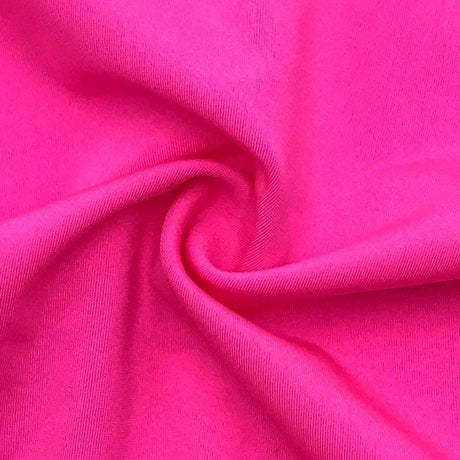
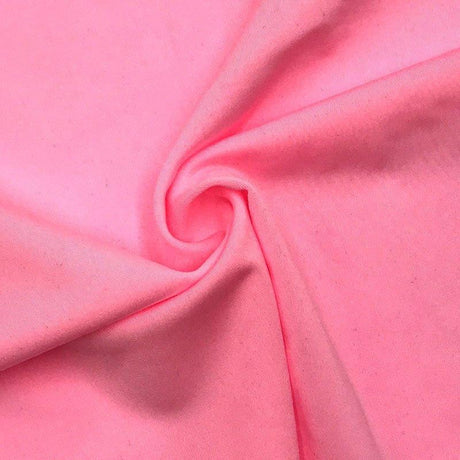
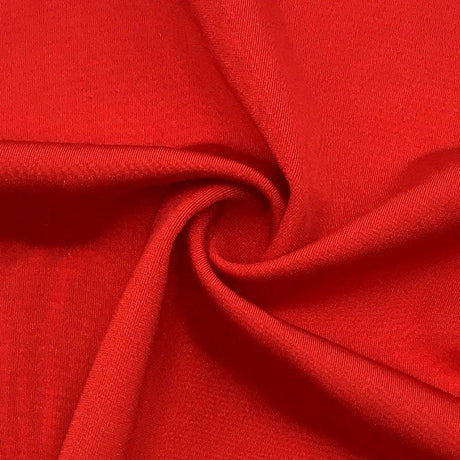
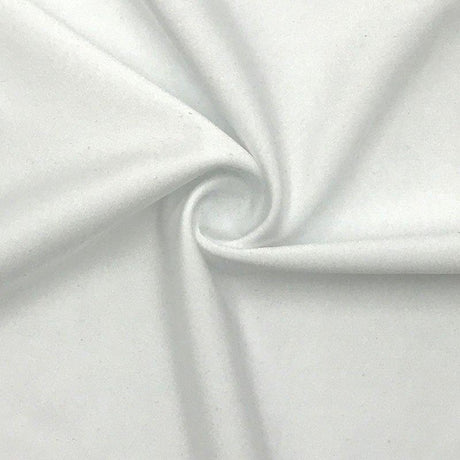
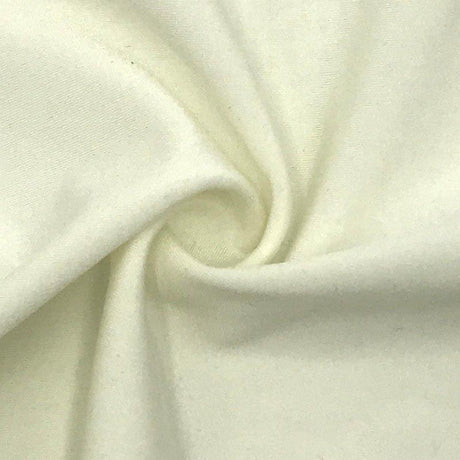
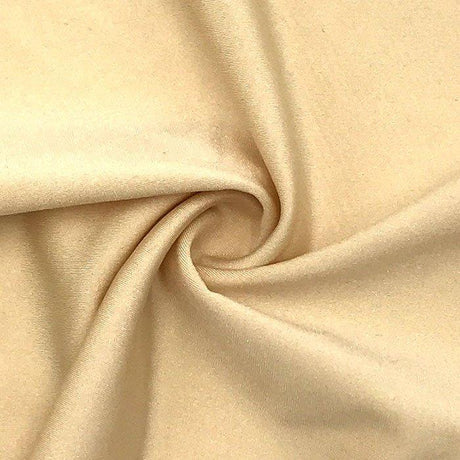
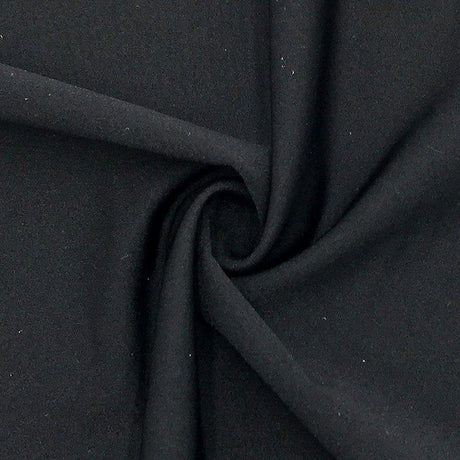
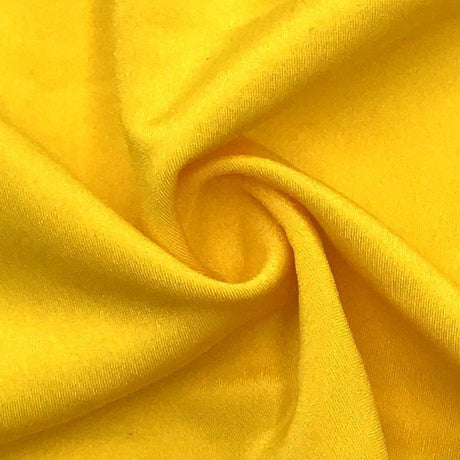
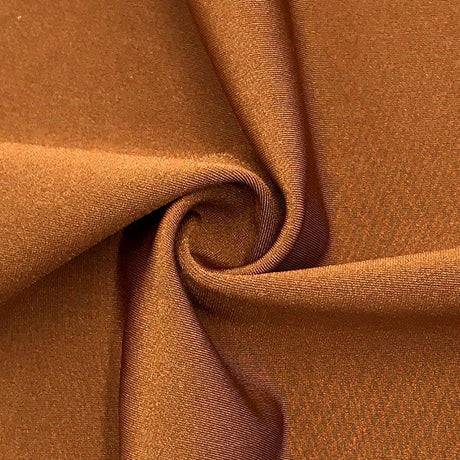
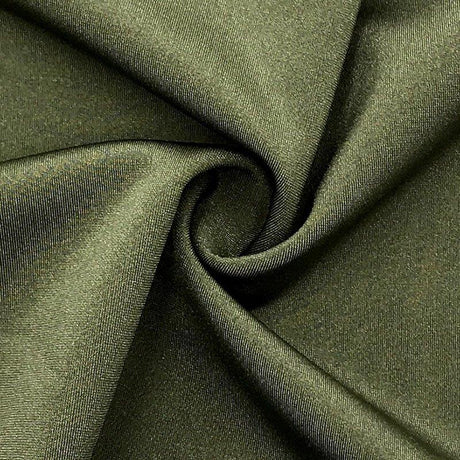
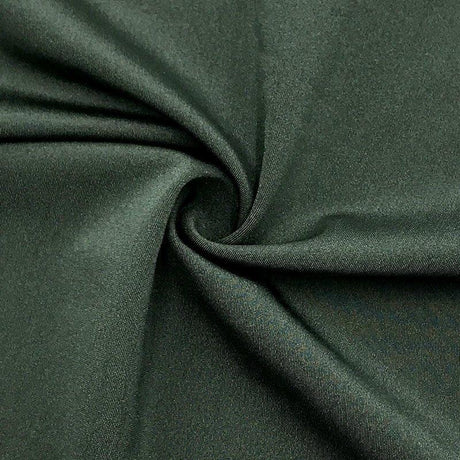
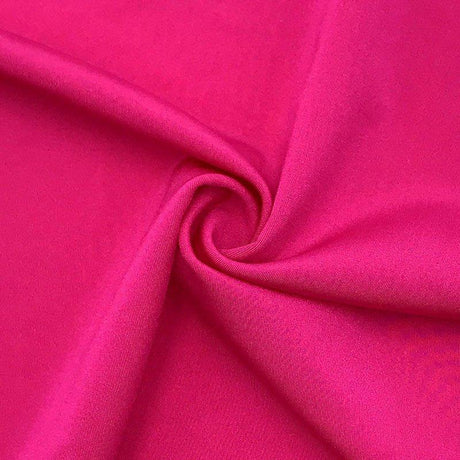
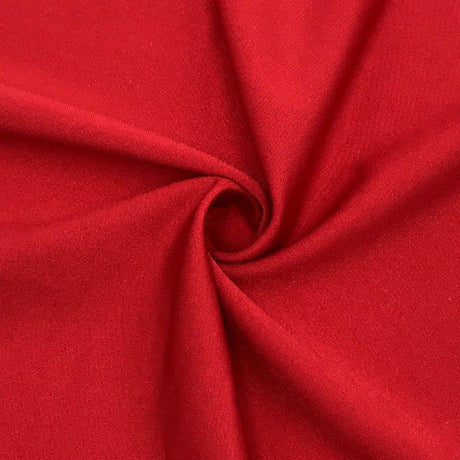
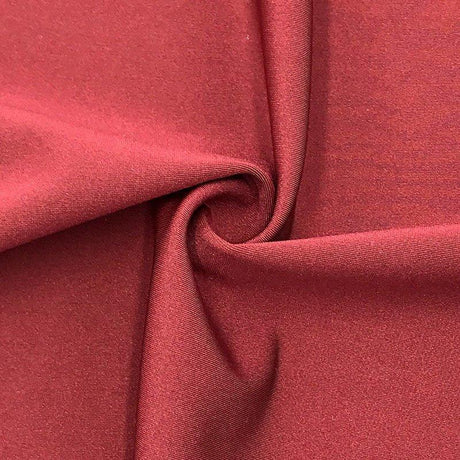
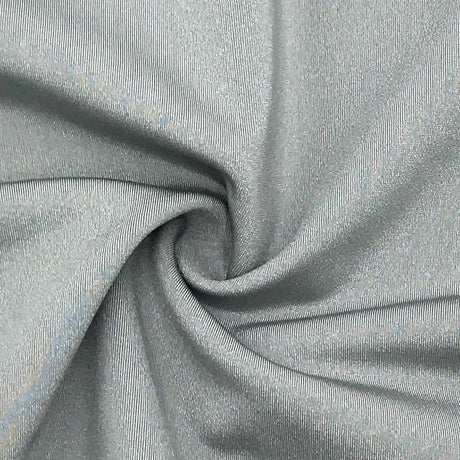
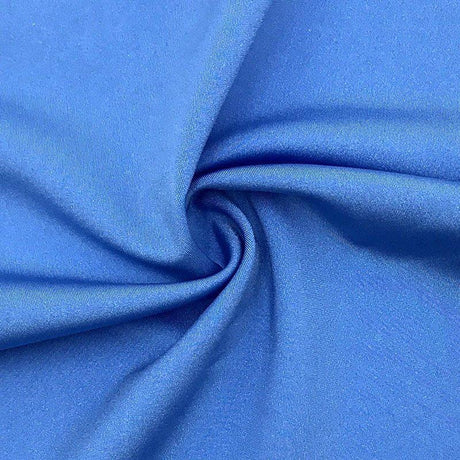
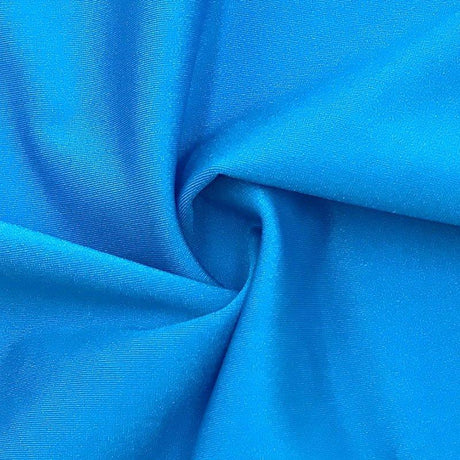
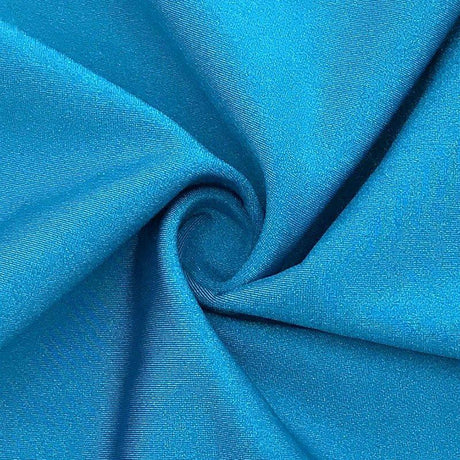
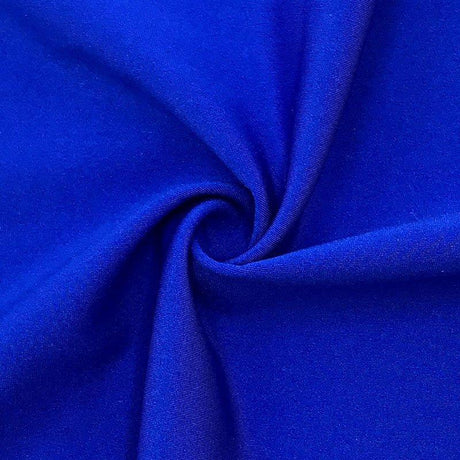
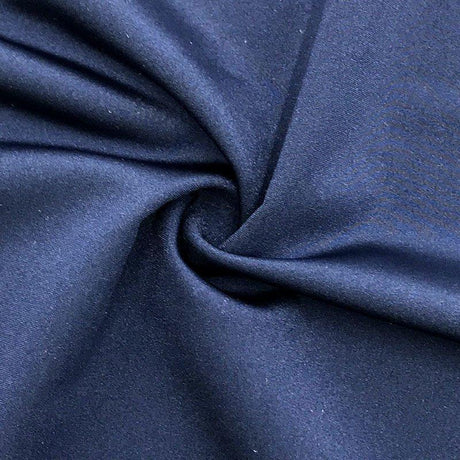
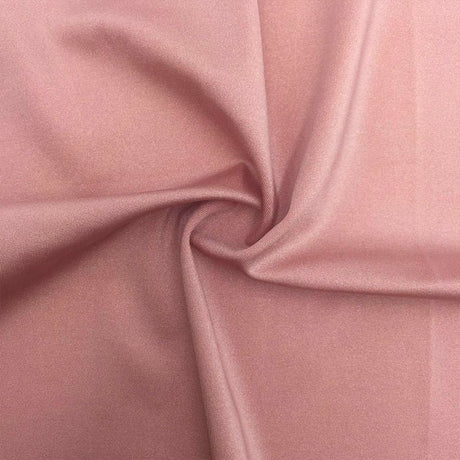
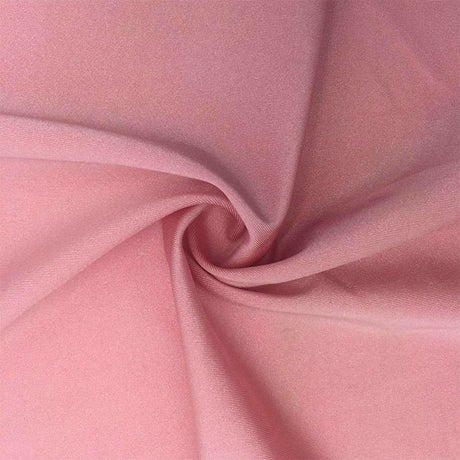
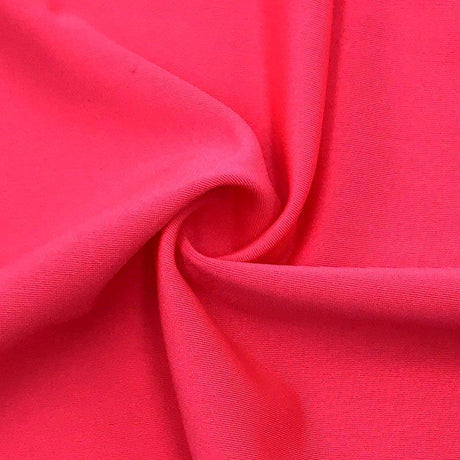
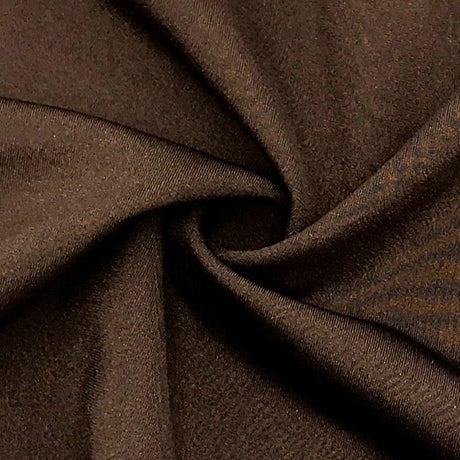
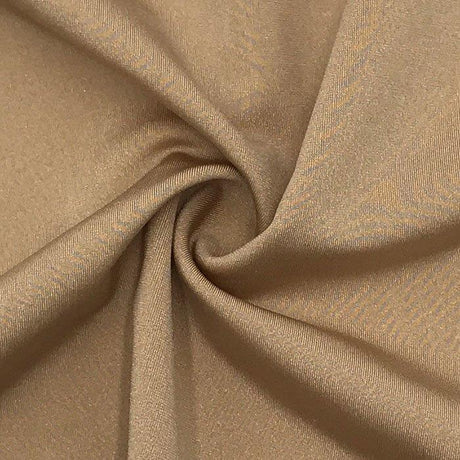
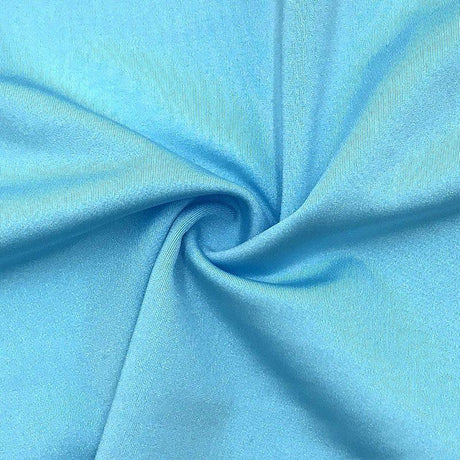
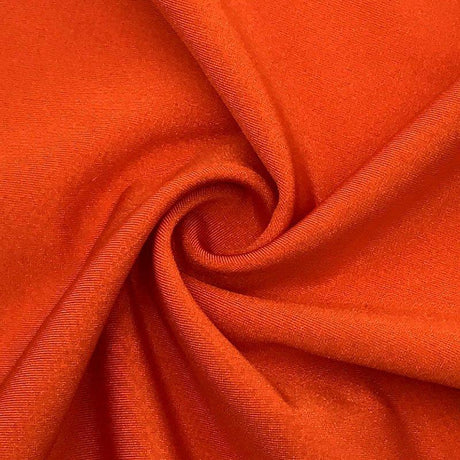
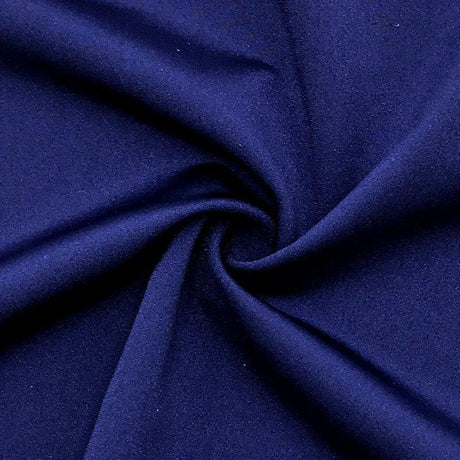
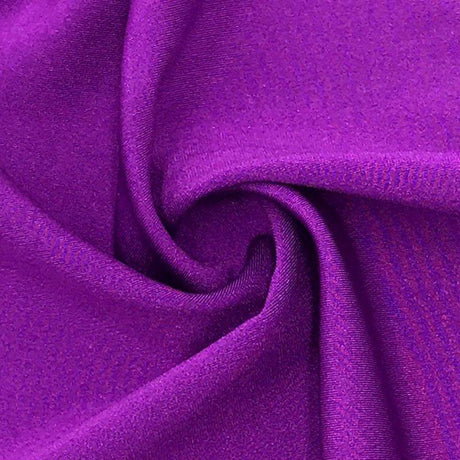
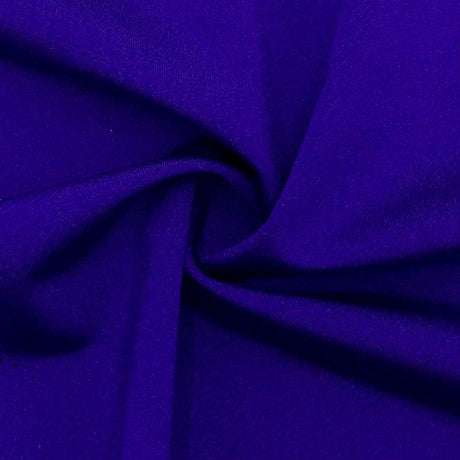
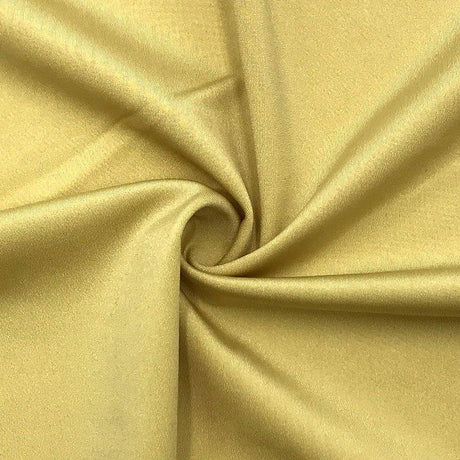
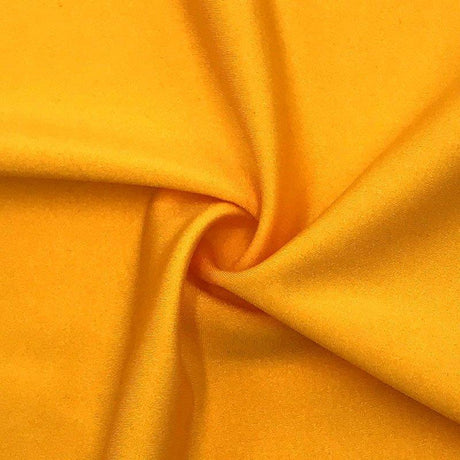
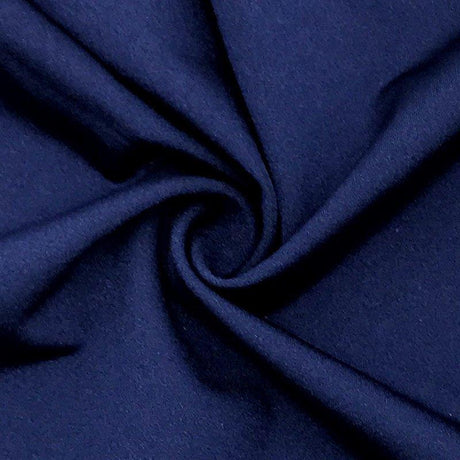
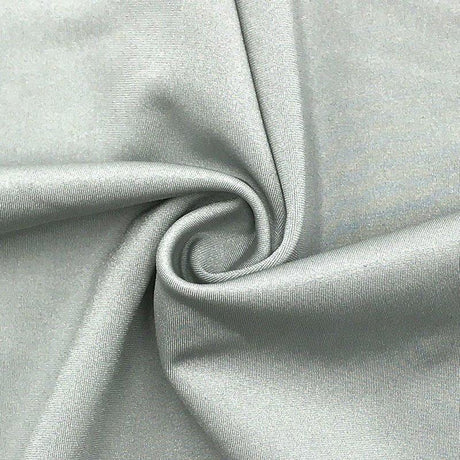
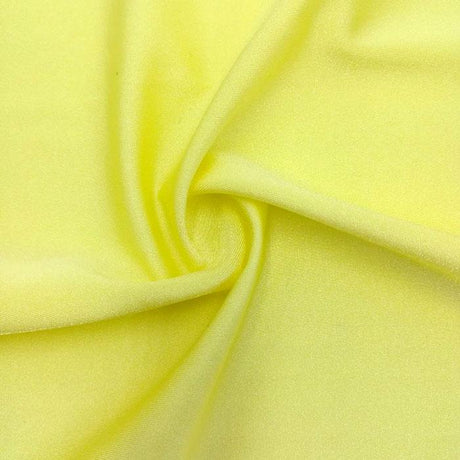
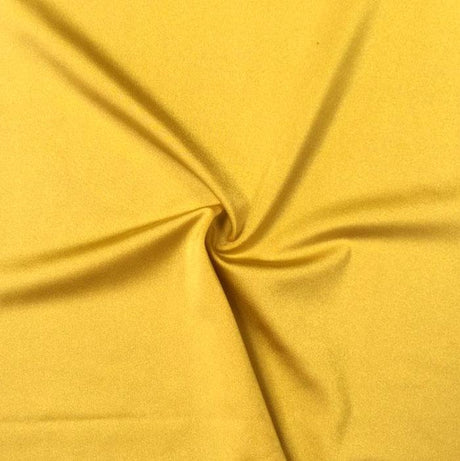
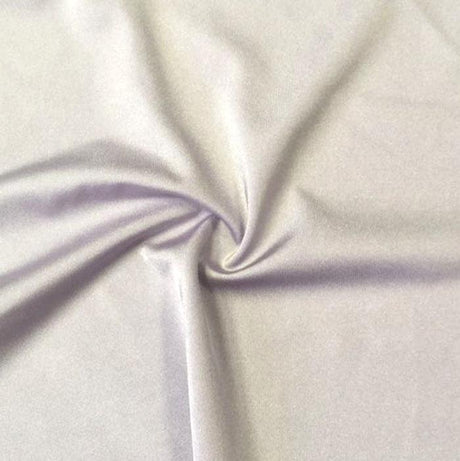
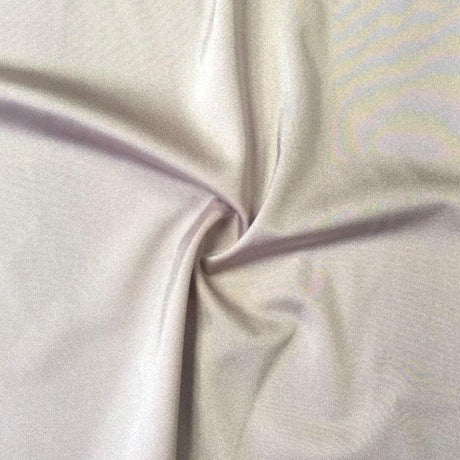
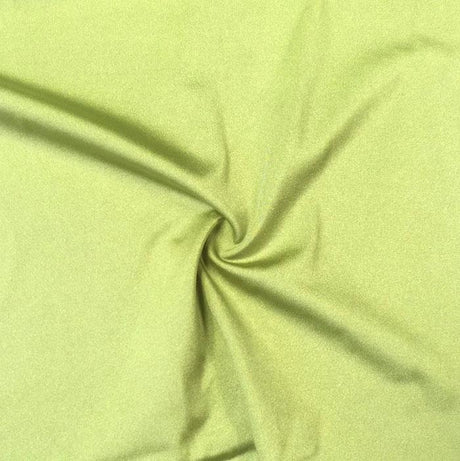
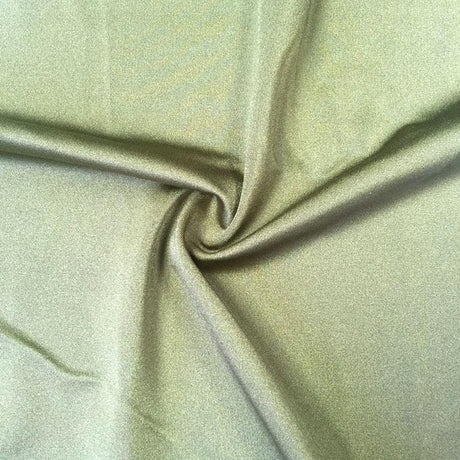
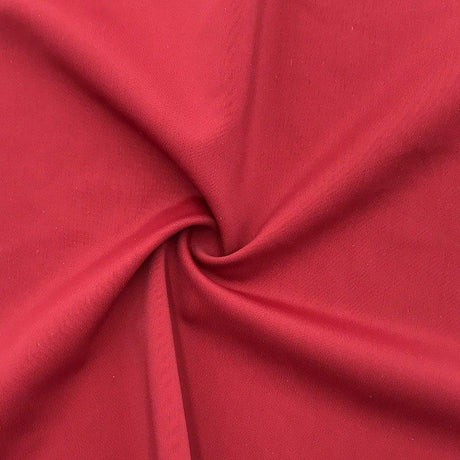
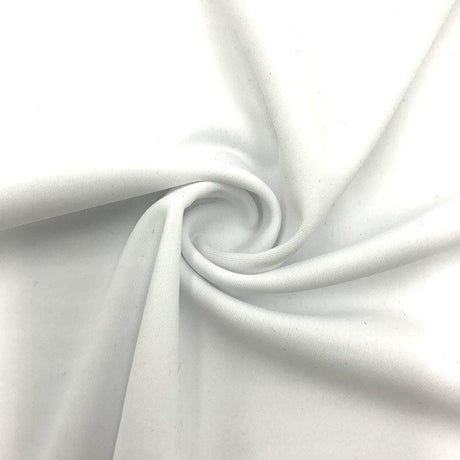
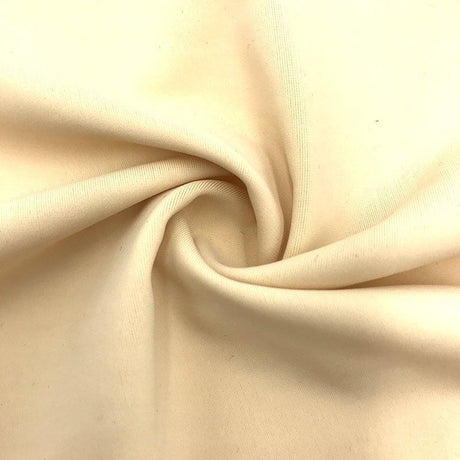
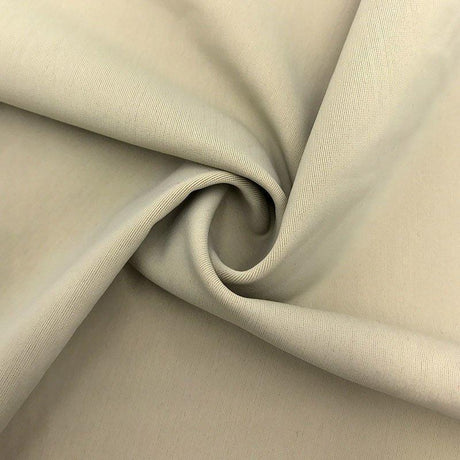
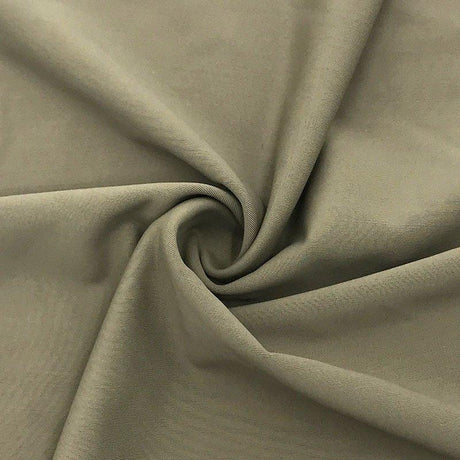
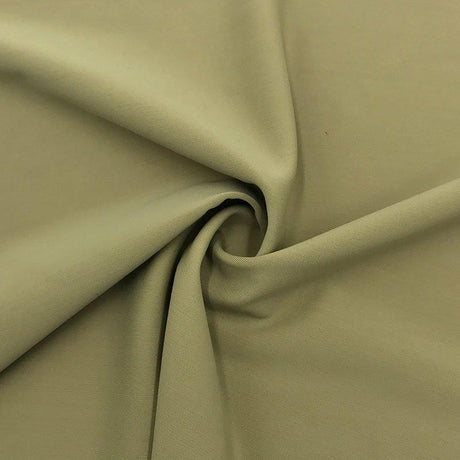
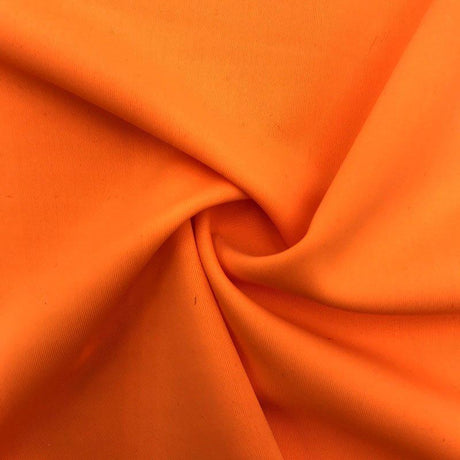
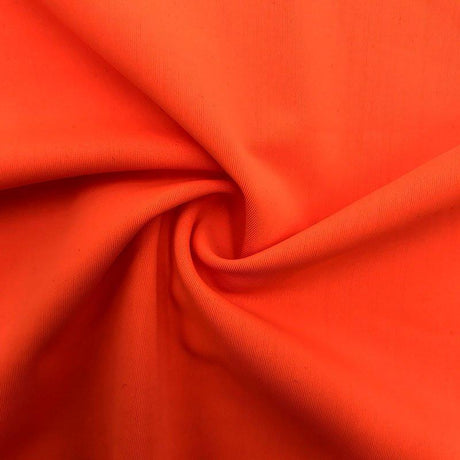
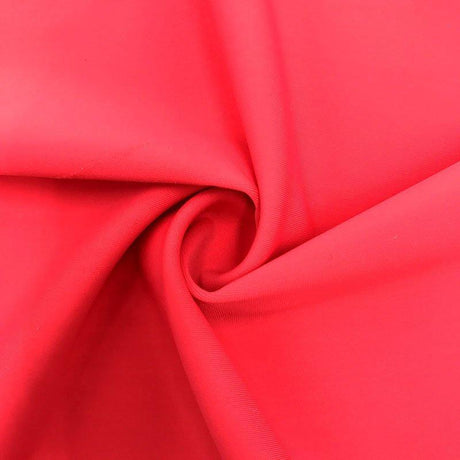
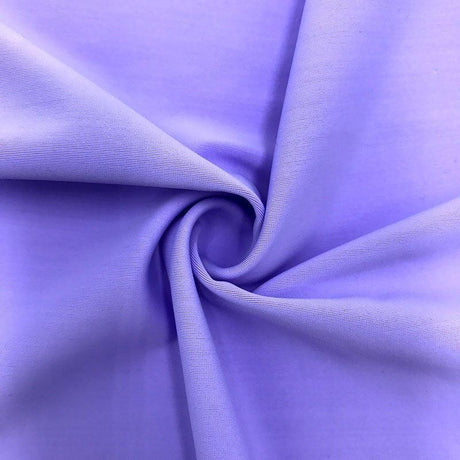
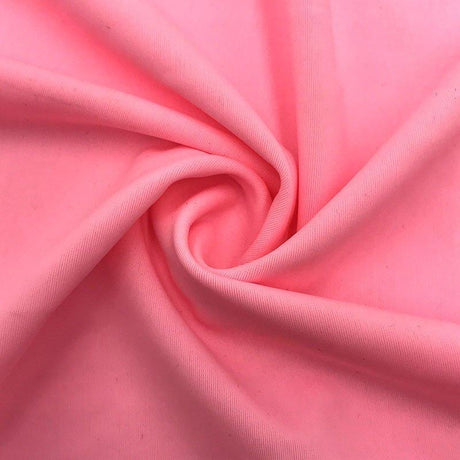
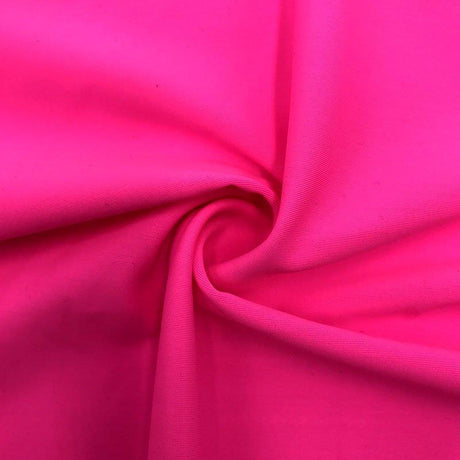
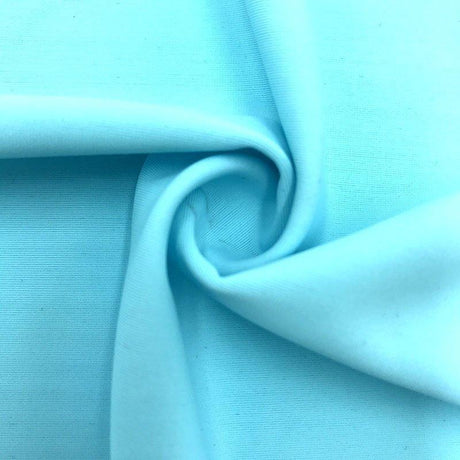
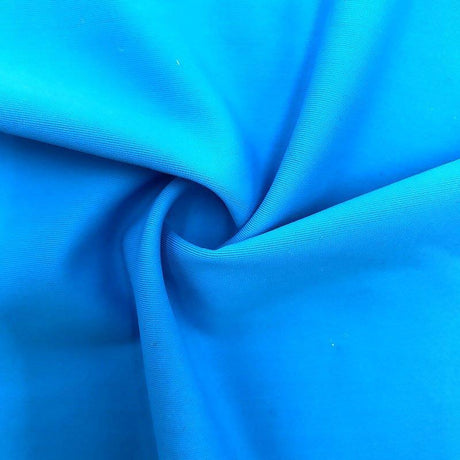
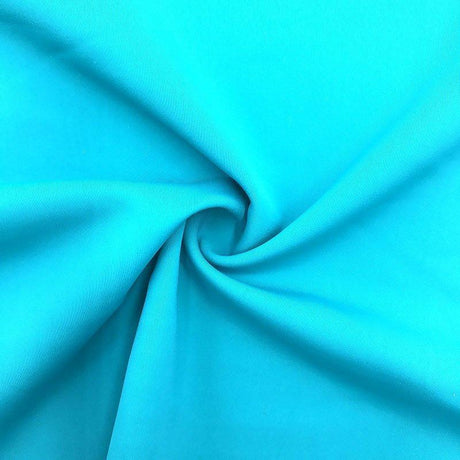
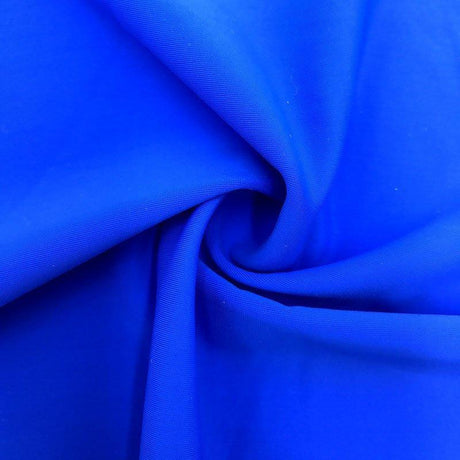
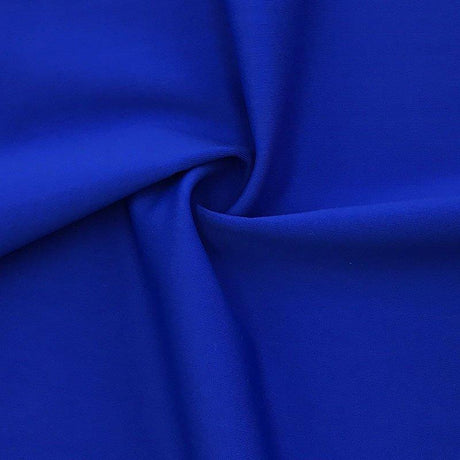
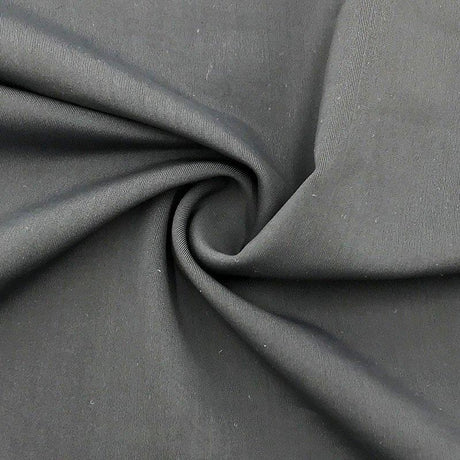
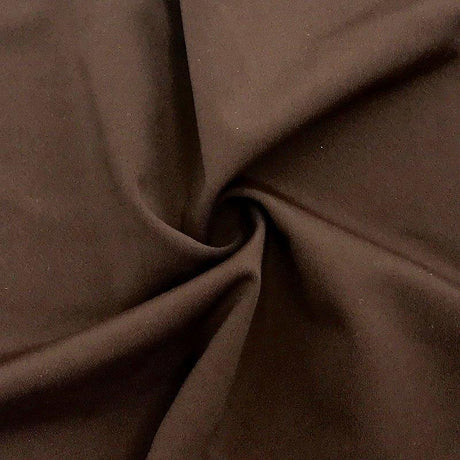
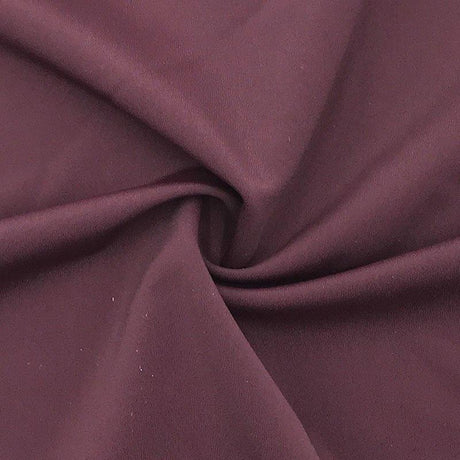
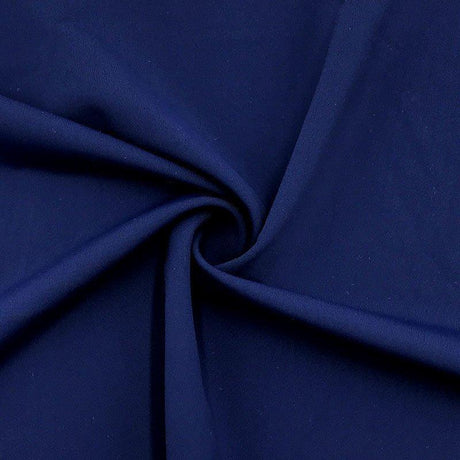
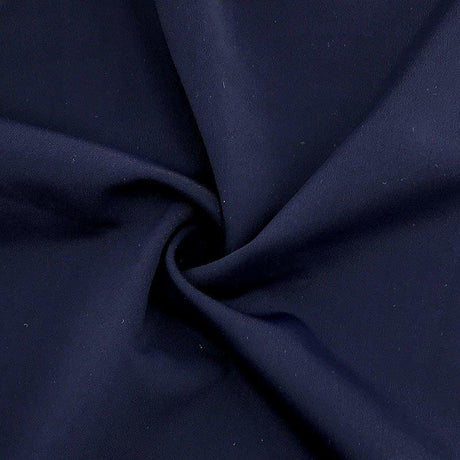
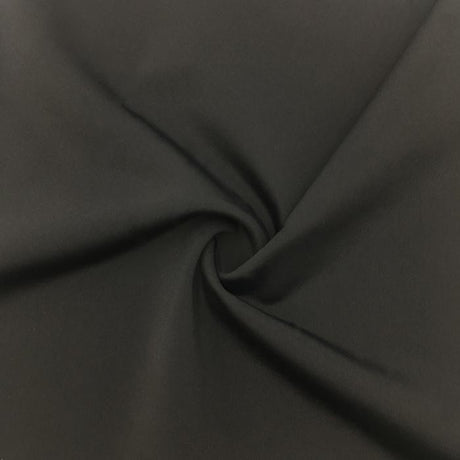
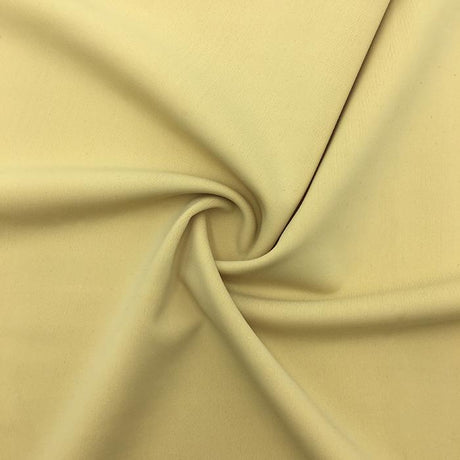
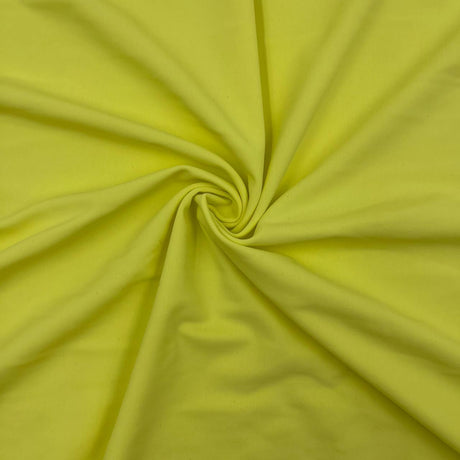
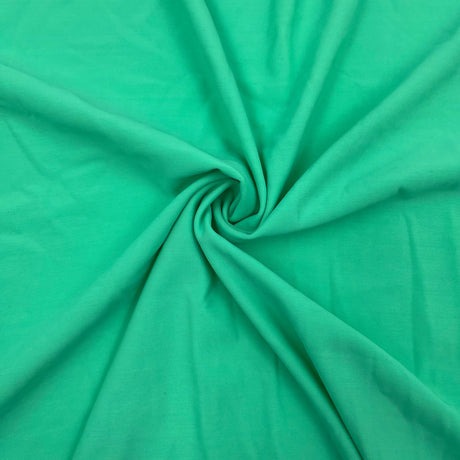
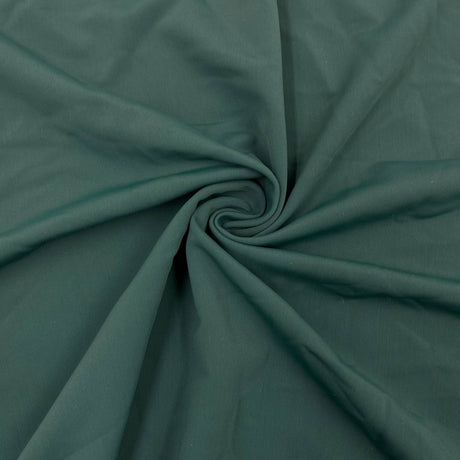
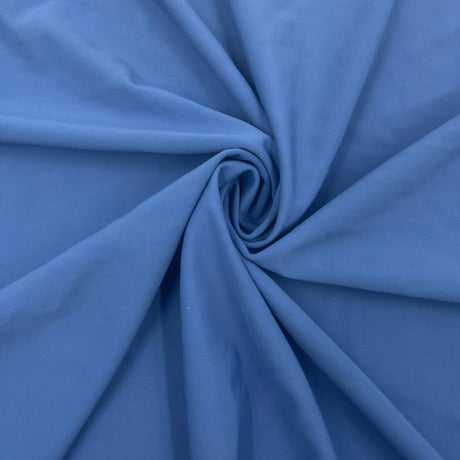
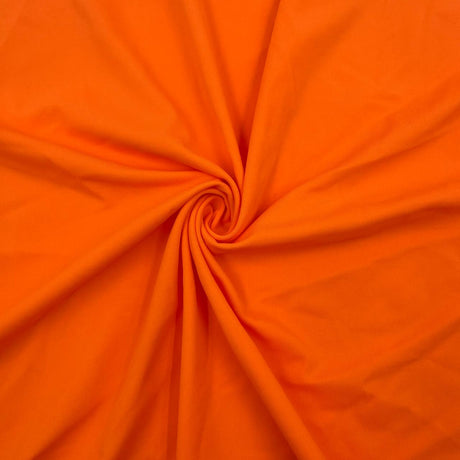
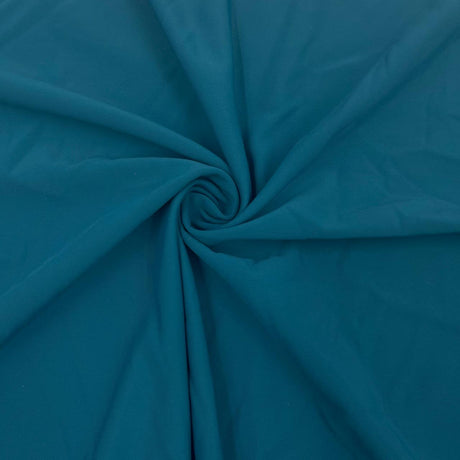
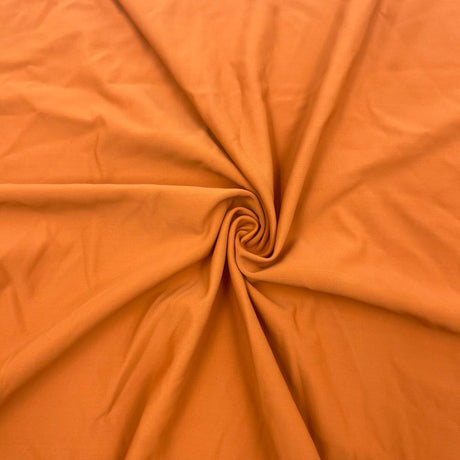
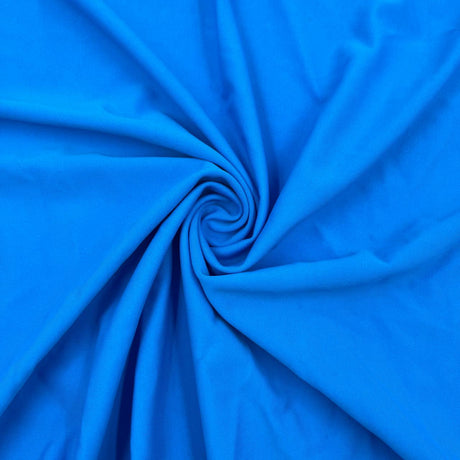
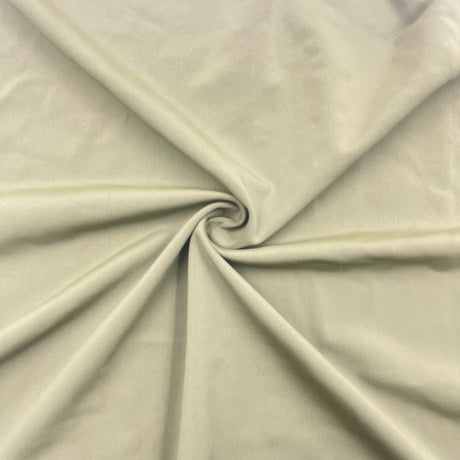
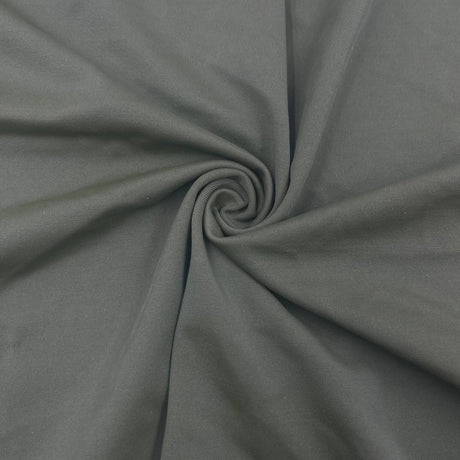
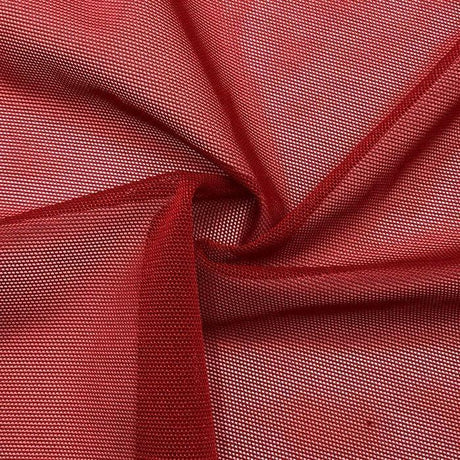
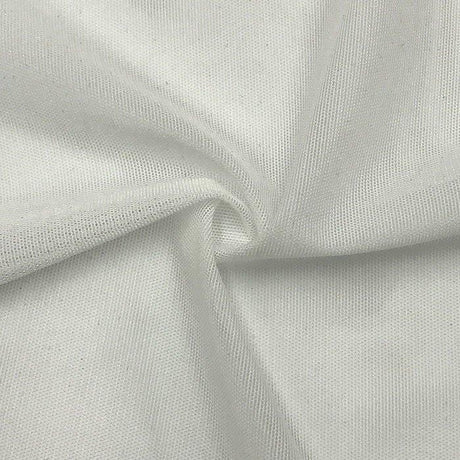
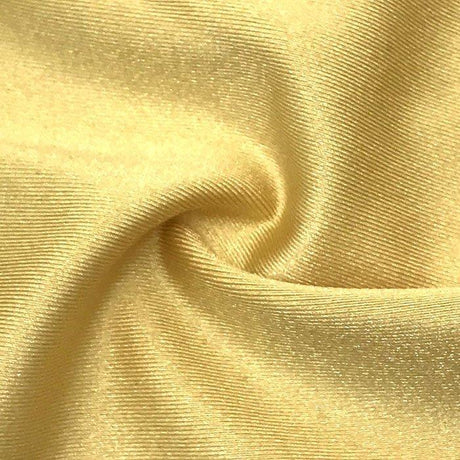
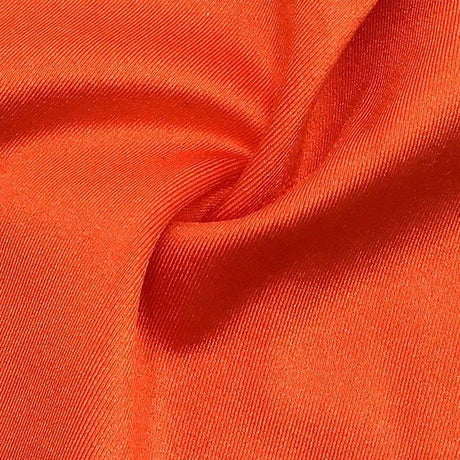
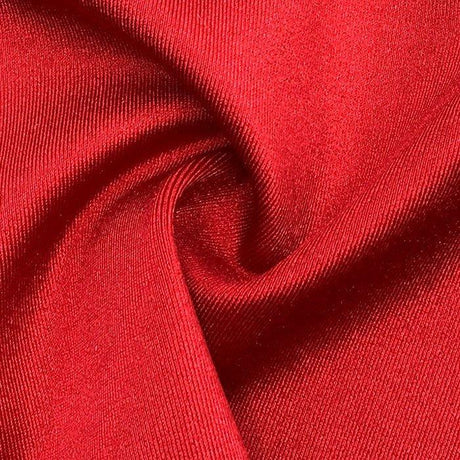
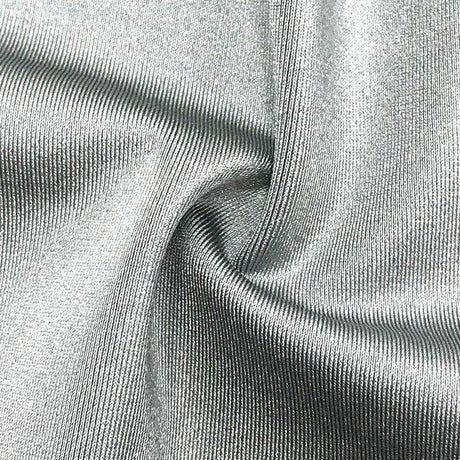
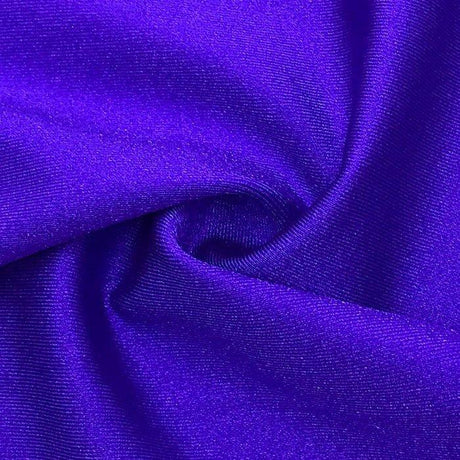
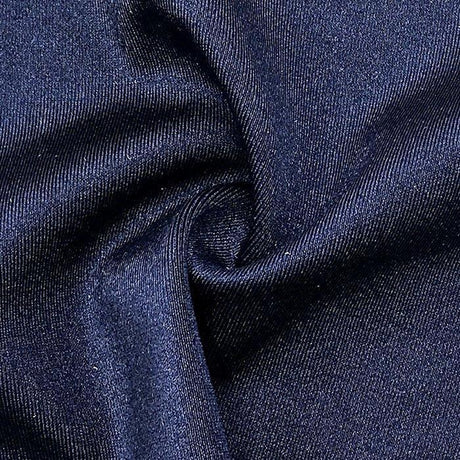
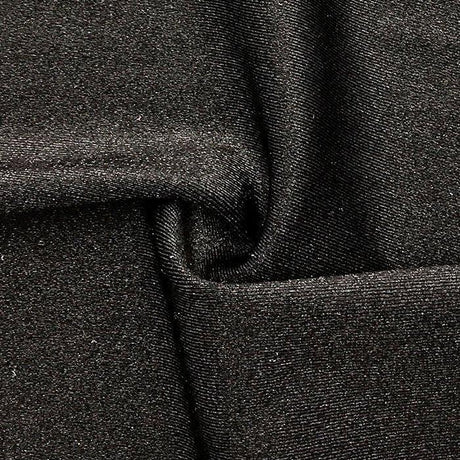
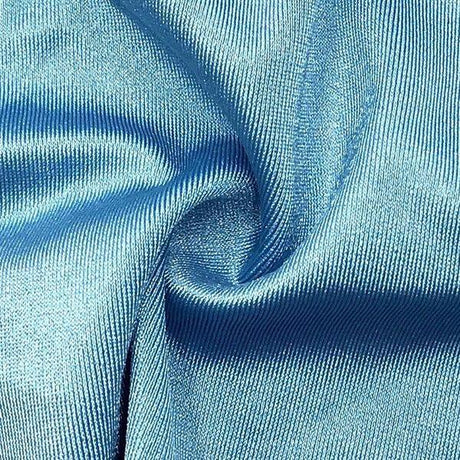
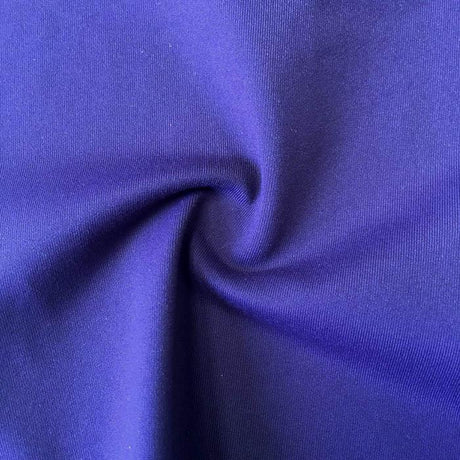
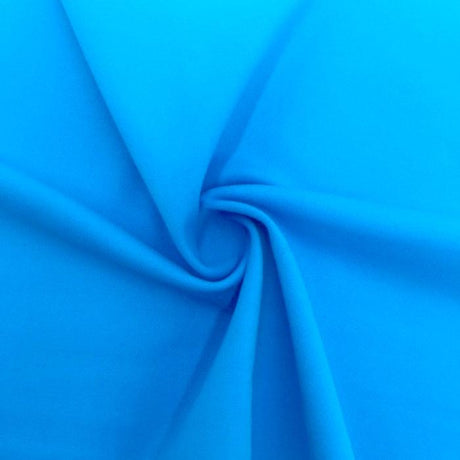
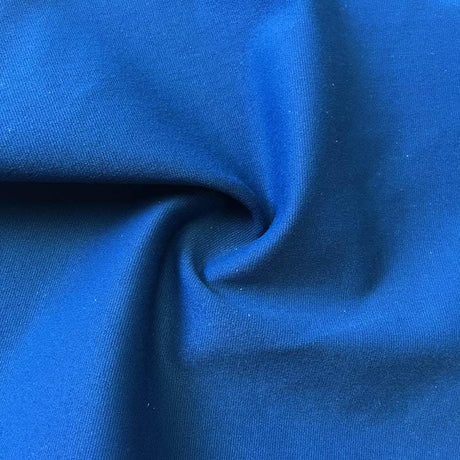
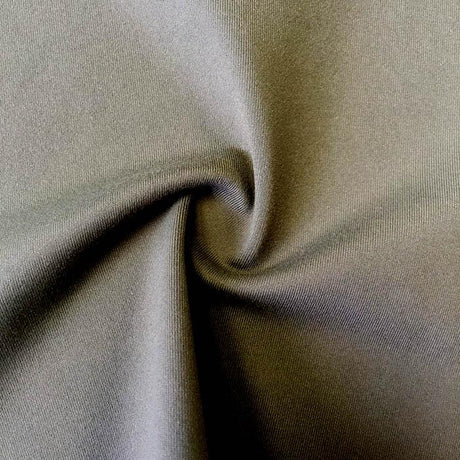
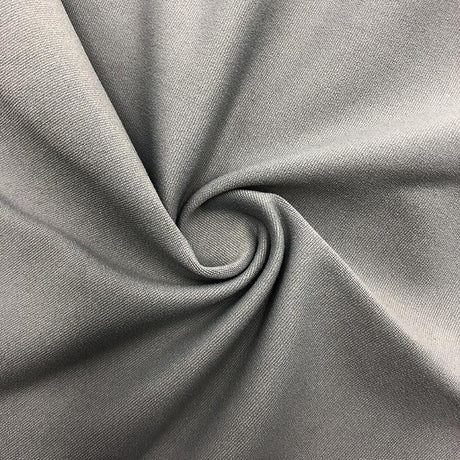
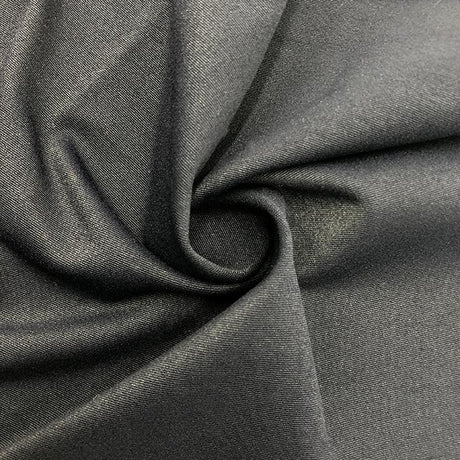
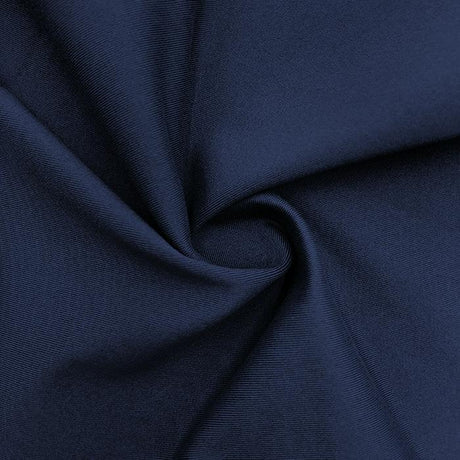
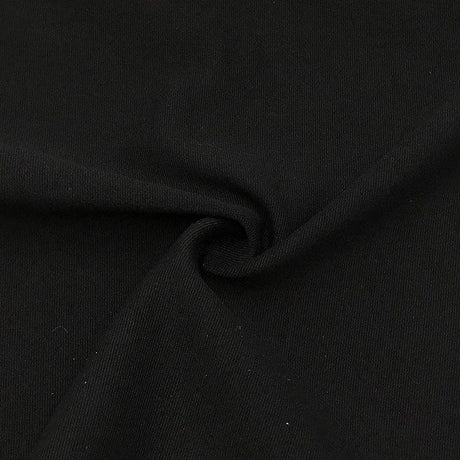
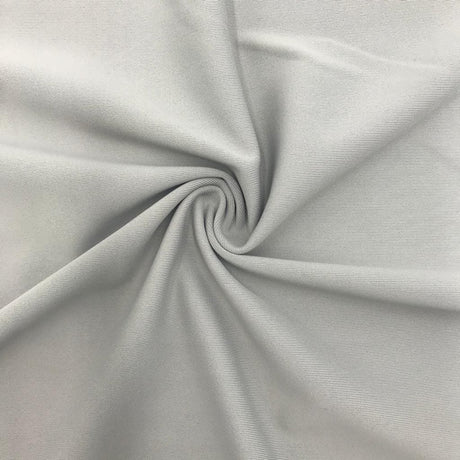
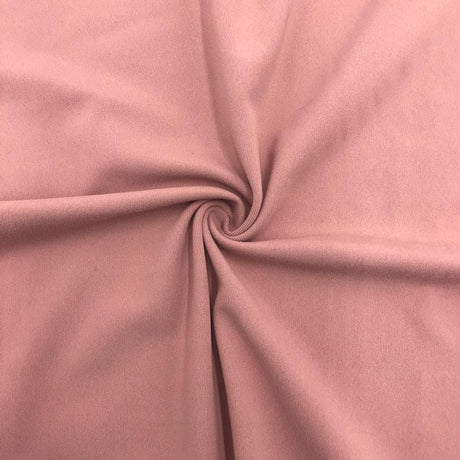
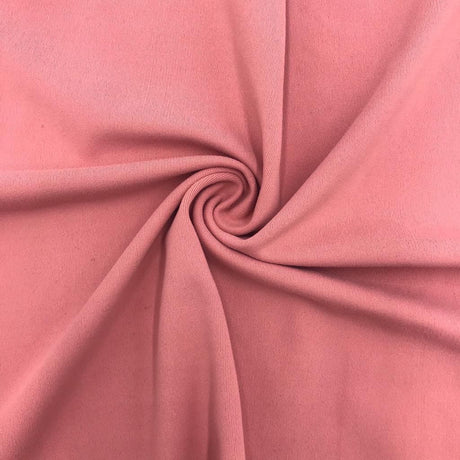
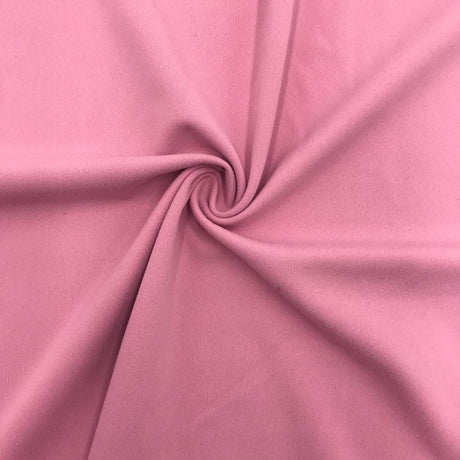
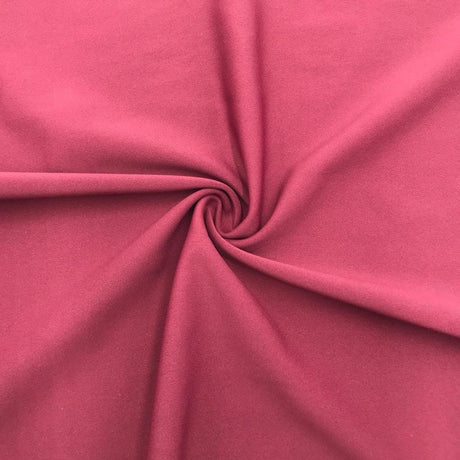
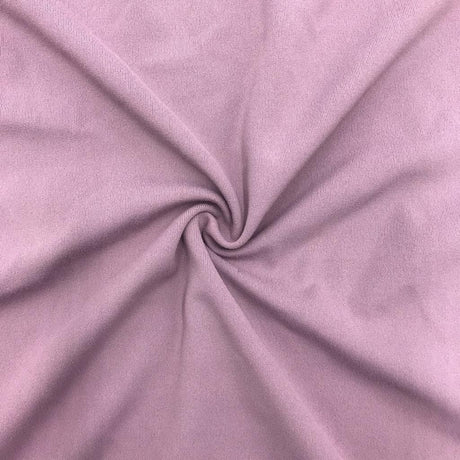
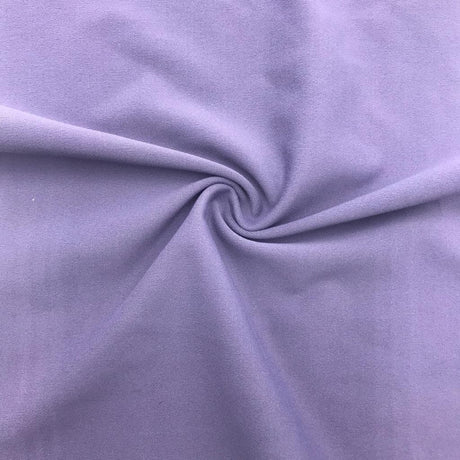
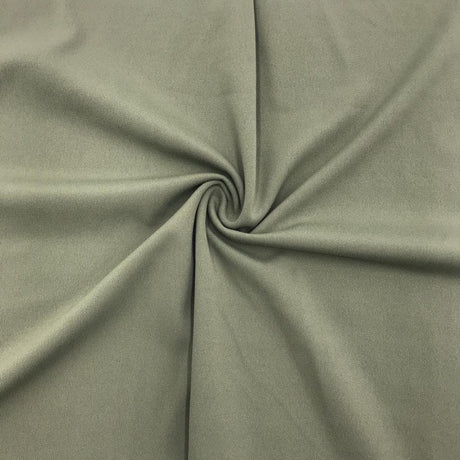
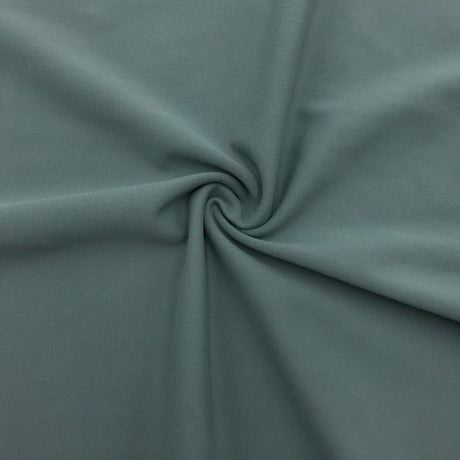
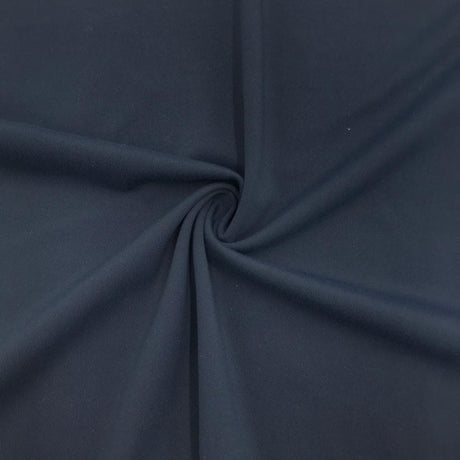
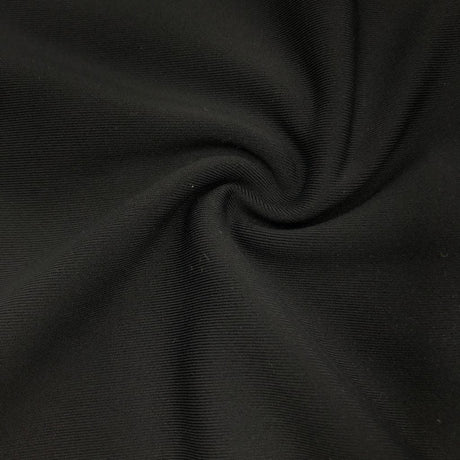
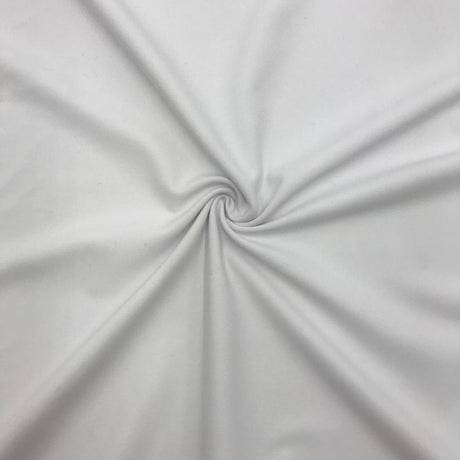
Comfort Meets Performance: Modern consumers (from athletic wear brands to DIY sewists) seek materials that feel great against the skin while supporting an active lifestyle. The growing demand for fabrics that are soft, breathable, and eco-friendly yet also offer stretch and durability has reshaped how apparel makers approach fabric selection. For a broader foundation before diving in, explore our activewear fabric guide or browse our full fabric guides hub.
Need for Breathable Stretch: Traditional synthetic stretch fabrics (like poly-spandex) can lack breathability or feel artificial. Bamboo stretch fabric bridges comfort and technical performance – providing moisture management, flexibility, and natural softness without the artificial feel. Our stretch fabric types page covers bamboo-spandex constructions and how they compare to synthetic alternatives in stretch percentage and recovery.
Eco-Forward Appeal: Bamboo-based fabrics appeal to those wanting comfort and technical features in performance apparel with a lower environmental footprint, aligning with the growing market trend toward sustainable textiles.
Bamboo Stretch Fabric Benefits & Qualities
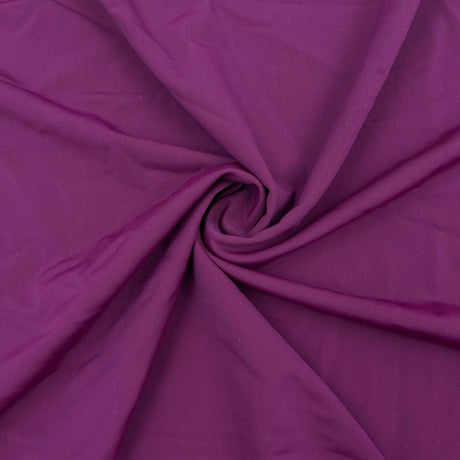
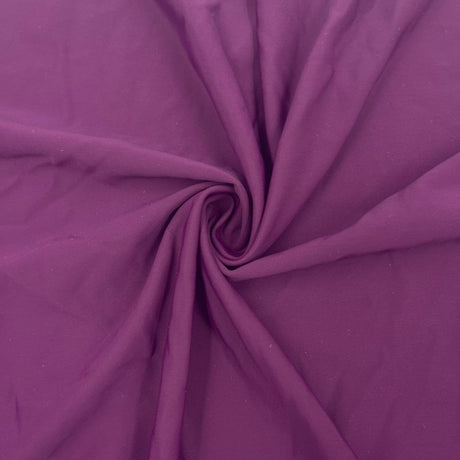
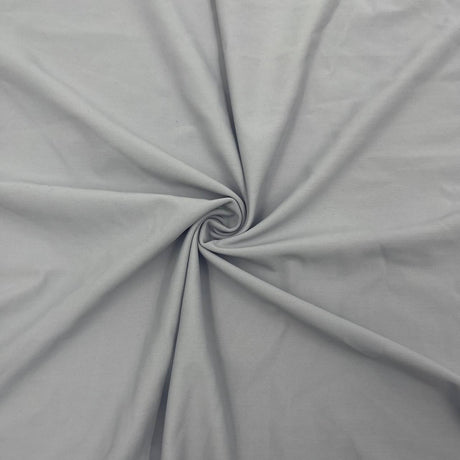
What It Is: Bamboo stretch fabric is a textile made from bamboo-derived fibers (usually bamboo viscose/rayon) combined with a small percentage of elastane (spandex) for elasticity. Often produced as a knit jersey, it offers a unique blend of natural fiber softness and stretch recovery. Common variants include 95% bamboo viscose + 5% spandex knits. Our cotton-spandex fabric guide covers how bamboo-spandex blends compare to cotton-spandex across stretch, breathability, and care requirements.
Unmatched Softness: Bamboo fibers have a smooth, round structure that lacks sharp spurs, making bamboo fabrics non-irritating and ideal for sensitive skin. This softness sets it apart from cotton or polyester blends and is a key reason bamboo-spandex is popular for next-to-skin applications like loungewear, intimates, and baby clothing.
Breathability & Moisture Wicking: Bamboo viscose is highly breathable and absorbent – it can wick moisture away from the skin and allow it to evaporate, keeping wearers cool and dry. Bamboo stretch jerseys often feel cool to the touch and help regulate body temperature, which is valuable in active or warm-weather wear. They are also naturally thermo-regulating, offering comfort in both hot and cool conditions. Our activewear fabric guide covers moisture management ratings across bamboo and other performance fabric types.
Eco-Friendly & Sustainable: The bamboo plant grows rapidly with little water and no pesticides, making its fiber a sustainable resource. Overall, bamboo fabrics appeal to eco-conscious brands as a greener choice compared to conventional cotton or synthetics. Our fabric guides hub covers sustainable fiber options and their performance characteristics across a range of apparel applications.
Additional Perks: Bamboo fibers are hypoallergenic (gentle on sensitive skin) and have antibacterial/odor-resistant properties (helping fabrics stay fresh longer). They also provide some UV protection. These features make bamboo stretch materials attractive for apparel worn close to the skin. Our fabric finishes guide covers how anti-microbial properties are retained through laundering and how to preserve them through proper care.
Blends and Variations: Bamboo stretch fabrics come in various blends – some are pure bamboo+spandex, while others are bamboo-cotton stretch blends that combine bamboo's softness with cotton's structure. These blends can slightly adjust fabric weight, feel, and cost, giving manufacturers options for different applications. Our cotton-spandex fabric guide covers bamboo-cotton blend options and how fiber ratios affect feel, structure, and care requirements.
Bamboo vs. Cotton vs. Polyester: A Technical Comparison
Fiber Content & Feel: Bamboo stretch jersey (≈95% bamboo rayon + 5% spandex) vs. a cotton-spandex jersey (≈95% cotton + 5% spandex) vs. a polyester-spandex blend (e.g. 90/10). Bamboo and cotton are natural fibers (bamboo is regenerated cellulose, cotton is natural cellulose) and thus tend to feel softer and more breathable on skin than synthetic polyester, which can feel slick or warming.
Softness: Bamboo is typically the softest, with a silky hand and fluid drape; cotton has a comfortable, familiar softness but a slightly coarser hand in comparison; polyester-spandex can be smooth but often lacks the cozy softness of natural fibers (and can develop static). Our nylon-spandex fabric guide covers how synthetic blends compare to natural fiber alternatives in handfeel and next-to-skin comfort.
Breathability & Moisture Management: Bamboo viscose can absorb moisture up to ~3× its weight, then release it, making it more moisture-wicking than cotton (which absorbs but holds moisture longer). Polyester doesn't absorb moisture (it wicks sweat along the surface to evaporate), so poly-spandex dries fastest but can feel less breathable. Bamboo's approach keeps skin comfortable and is naturally odor-resistant, while poly can trap odors without antimicrobial treatments. Our activewear fabric guide covers breathability and moisture management ratings across all three fiber types.
Stretch & Recovery: All three fabrics use spandex for stretch. A typical bamboo or cotton jersey with 5% spandex offers moderate 4-way stretch (e.g. ~40–60% stretch in width). Polyester-spandex athletic knits often include 10–20% spandex, yielding high stretch (50–100%) and excellent recovery. Bamboo and cotton blends have good stretch but may recover a bit less firmly than high-spandex polyester knits. Our stretch fabric types page covers how to compare stretch percentages and recovery ratings across all three fabric types.
Weight (GSM) & Drape: Bamboo jerseys often range ~180–240 GSM for a quality opaque knit, cotton-spandex jerseys ~150–200 GSM, and poly-spandex athletic fabrics can vary widely (~150 GSM for thin wicking tops to 250+ GSM for leggings). Drape differs: bamboo fabrics have a fluid, flowing drape (great for styles with movement), cotton has a bit more structure and body, while polyester can be engineered to either drape or hold structure depending on knit. Our fabric weight guide provides a full breakdown of how GSM affects drape, opacity, and performance across all three fabric types.
Durability & Care: Bamboo viscose fibers are strong but can be sensitive – they may weaken with high heat and can shrink more than cotton if not laundered properly. Cotton is reasonably durable but can fade or pill over time. Polyester is very durable, wrinkle-resistant, and shrink-proof, giving it an edge for intense use garments. Our fabric care guide covers laundering protocols for all three fiber types, and our spandex care guide addresses heat sensitivity in the elastane component of each blend.
Sustainability: Bamboo (if processed responsibly) is considered more sustainable than conventional cotton (which uses heavy water and pesticides) and far greener than polyester (a petroleum-based plastic fiber). Bamboo's fast growth and renewability give it an eco-advantage among stretch fabrics, making it a notable option for eco-conscious manufacturers seeking cotton stretch alternatives that are kinder to the planet.
Best Use-Cases for Bamboo Stretch Fabric
Activewear & Athleisure
Yoga, Gym & Sports: Bamboo-spandex blends work well for light to moderate activewear like yoga pants, gym leggings, and workout tops. The fabric's 4-way stretch allows free movement, and its breathability and moisture-wicking keep the wearer comfortable during exercise. Bamboo's softness also helps prevent chafing during activities. For high-sweat, intense workouts, pure polyester-spandex might dry faster – some performance brands mix bamboo with quick-dry synthetics for balance. Our activewear fabric guide covers bamboo blend recommendations for different activity levels and intensity ranges.
Everyday Athleisure: Bamboo stretch is popular for all-day athleisure wear – ideal for leggings, hoodies, and athleisure tees that transition from workouts to casual outings. The fabric provides a casual luxe comfort that looks stylish and feels cozy for travel, errands, or lounging, all while performing better than plain cotton. Use mid-weight bamboo jersey for leggings or thicker French terry for hoodies to ensure coverage and shape. Our fabric weight guide covers the GSM ranges suited to different athleisure applications.
Loungewear & Sleepwear
Pajamas and Loungewear: Bamboo fabric's ultra-soft touch and breathability make it perfect for sleepwear and lounging. It keeps the body cool and dry at night, reducing overheating. Use it in pajama sets, nightgowns, robes, and lounge pants – garments where comfort is top priority. The gentle stretch adds extra ease, ideal for relaxing at home. A lighter-weight bamboo jersey or a bamboo knit with a looser structure can enhance drape and comfort in PJs.
Underwear & Intimates: Bamboo stretch knits are also great for underwear, bralettes, and camisoles. The fabric's antimicrobial and moisture-wicking properties keep intimates fresh, and its softness prevents irritation in sensitive areas. DIY enthusiasts can use bamboo-spandex jersey for sewing their own underwear patterns with comfort comparable to high-end brands. Our how to sew stretch fabric guide covers needle selection, stitch settings, and construction techniques for bamboo knit intimates.
Baby & Children's Clothing
Baby Apparel: Bamboo stretch fabric is a favorite for baby clothes, blankets, and accessories. Its hypoallergenic nature means it won't irritate a baby's delicate skin, and the softness is ideal for onesies, swaddling blankets, beanies, and bibs. The breathable quality keeps babies comfortable and cool, reducing rashes from sweating. Stretch in the fabric also makes baby garments easy to put on and move in. Choose certified bamboo fabric to ensure no harsh chemicals. A mid-weight interlock knit or jersey provides durability for baby items while remaining soft.
Kids' Activewear & PJs: For older children's clothes – like toddler playwear or kids' pajamas – bamboo stretch fabrics offer the comfort and flexibility kids need. The material can handle active play (stretch for movement) and feels nice for sleepwear too. It's a nice alternative to synthetic kids' athletic wear for parents preferring natural fibers. Plus, bamboo's easy-care (machine washable if done gently) suits busy parents. Our fabric care guide covers gentle laundering protocols for bamboo children's garments that see heavy use and frequent washing.
Care and Sewing Tips (Avoiding Common Mistakes)
Care & Maintenance Guidelines
Gentle Washing: Wash bamboo fabrics in cold water on a gentle cycle. High heat can cause bamboo fibers to shrink significantly and lose strength. Use a mild detergent; avoid bleach and fabric softeners (bleach can damage fibers, and softeners can coat the fabric, reducing breathability). Our fabric care guide covers complete gentle laundering protocols for bamboo-spandex blends.
Drying & Ironing: Line dry or tumble dry on low heat. Excessive dryer heat will shrink or warp bamboo garments. If ironing is needed, use a low temperature setting; place a press cloth over the fabric to avoid direct heat scorch marks. Bamboo wrinkles can be steamed out gently. Our spandex care guide covers heat sensitivity in the elastane component of bamboo-spandex blends and how to preserve stretch recovery through drying.
Prevent Stretch-Out: Lay heavy bamboo knits flat to dry to prevent them stretching out of shape – the weight of water can stretch a wet bamboo garment. Also, wash bamboo items with like fabrics; rough items like denim can cause pilling or abrasion on the softer bamboo material.
Longevity: Following these care steps keeps bamboo stretch fabrics soft and vibrant. Proper care prevents common issues like excess shrinkage, pilling, or loss of elasticity, ensuring the investment in quality fabric pays off over many uses.
Sewing with Bamboo Stretch: Mistakes to Avoid
Skipping Pre-Wash: Always pre-wash bamboo stretch fabric (even twice, as it can shrink more on the first washes). Cutting and sewing without pre-shrinking can result in a finished garment that shrinks down or distorts after the first wash. Our fabric care guide covers pre-washing protocols for bamboo and bamboo-blend fabrics.
Wrong Needles or Stitches: Bamboo stretch knits require a ballpoint or stretch needle when sewing; using a sharp regular needle can cause snags or skipped stitches. Similarly, use a stretch stitch or narrow zigzag (or a serger) for seams – a common mistake is using a straight stitch, which will pop as soon as the fabric stretches. Our how to sew stretch fabric guide covers needle selection, stitch settings, and machine setup for bamboo knit construction.
Stretching the Fabric While Sewing: Bamboo knit can be very drapey and slightly slippery. Avoid pulling or stretching the fabric under the presser foot; this can lead to wavy, distorted seams. Instead, use an even-feed presser foot (walking foot) or lots of pinning/clips to stabilize. Let the machine feed naturally to avoid stretching the seam. Our how to sew stretch fabric guide covers differential feed adjustment and presser foot recommendations for clean, flat seams on drapey bamboo knits.
Not Stabilizing Where Needed: For areas that tend to stretch out (like shoulder seams in a bamboo knit shirt or neckline seams), reinforce with stay tape or clear elastic. A common mistake is treating bamboo exactly like cotton – but its greater stretch and drape mean some seams need support to retain shape over time. Our fabric finishes guide covers stabilization treatments and interfacing options compatible with bamboo stretch fabrics.
Handling & Cutting Errors: Use sharp shears or rotary cutter and take time when cutting bamboo fabric. Its softness means layers can shift. Bamboo jersey edges can roll – use pattern weights or extra pins to keep the pattern flat.
Quick Checklist – Do's & Don'ts for Bamboo Stretch Fabric:
- ✓ Pre-wash at least once (cold, gentle) before cutting – see fabric care guide
- ✓ Use a ballpoint or stretch needle
- ✓ Use zigzag, stretch stitch, or serger for all seams – see how to sew stretch fabric guide
- ✓ Wash cold, gentle cycle; tumble dry low or air dry – see spandex care guide
- ✓ Stabilize shoulder and neckline seams with stay tape
- ✗ No hot wash or high-heat drying
- ✗ No bleach or fabric softener
- ✗ No straight stitches on seams
- ✗ No sharp needles on bamboo knit
Alternative Fabric Comparison
Bamboo vs. Polyester-Spandex Blends
Performance: Polyester-spandex excels in high-intensity athletic performance due to its excellent stretch and recovery, and it dries very quickly (doesn't absorb sweat). However, it can feel less breathable and often requires chemical finishes to manage odor. Bamboo stretch fabric offers natural breathability and odor resistance – keeping the wearer feeling fresh – albeit it holds some moisture so it dries a bit slower than pure polyester. Our activewear fabric guide covers polyester-spandex performance ratings for high-intensity applications where quick-dry is critical.
Comfort: Bamboo has the clear edge in next-to-skin comfort and softness. Poly-spandex fabrics can sometimes feel plasticky or too slick, whereas bamboo feels cozy and cool. For activities like yoga, lounging, or casual wear, bamboo's comfort may outweigh poly's quick-dry advantage.
Durability: Polyester-spandex is very durable, resisting many washes without losing shape, and is less prone to shrinking. Bamboo stretch fabrics, while reasonably durable, require a bit more care (gentle washing, etc.) to avoid shrinkage or wear. For garments that see heavy wear and wash (like sports uniforms or swimwear), poly might be chosen for longevity. Our nylon-spandex fabric guide covers how synthetic blends compare to bamboo in long-term durability and shape retention.
Sustainability Factor: Bamboo is a renewable resource and bamboo fabric is biodegradable (given the right conditions), making it a more sustainable choice long-term. Polyester is derived from petroleum and contributes to microplastic pollution when washed. From a sustainability and biodegradability perspective, bamboo stretch fabrics are far superior for companies and consumers trying to reduce environmental footprint.
When to Choose What: Use poly-spandex for extreme performance needs (e.g. marathon running gear, compression tights) or when you need maximum resilience. Opt for bamboo stretch fabric for everyday activewear, yoga, leisure outfits, or any time softness and natural feel are priorities. In many cases, bamboo can successfully replace or outperform traditional materials as one of the best cotton stretch alternatives and a comfortable swap for synthetic activewear fabrics, especially for those prioritizing eco-friendly choices. Our how to choose fabric guide walks through this trade-off framework systematically for all common garment types.
Conclusion
Recap Key Benefits: Bamboo stretch fabrics uniquely blend comfort and performance – offering supreme softness, breathability, and flexibility alongside an eco-friendly story. These fabrics demonstrate that one doesn't have to sacrifice comfort for functionality in modern textiles.
Versatility for Makers: Both professional apparel makers and DIY hobbyists can find value in bamboo stretch materials. From high-quality yoga lines to homemade baby clothes, bamboo-based knits cater to a wide range of projects where comfort and quality are paramount.
Ready to incorporate bamboo stretch fabric into your next project? Explore our activewear fabric guide for curated bamboo blend recommendations, use our stretch fabric types page and fabric weight guide to compare your options, and visit our how to sew stretch fabric guide for step-by-step construction techniques. Our fabric care guide and spandex care guide will keep your finished bamboo pieces soft, fresh, and performing beautifully wash after wash. Have questions? Our expert help and advice page and FAQ are always available. Sign up for SpandexByYard Rewards to earn points on every purchase – in a market craving comfy yet technical fabrics, bamboo stretch is a smart, forward-thinking choice for any project.