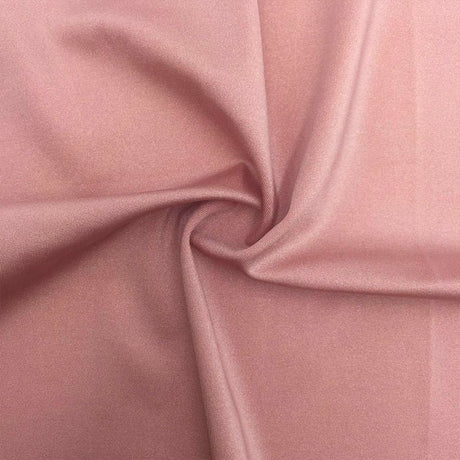
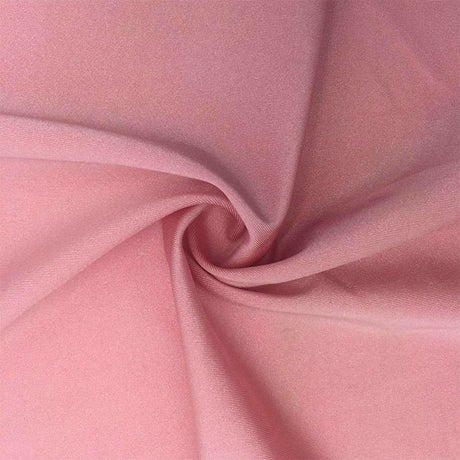
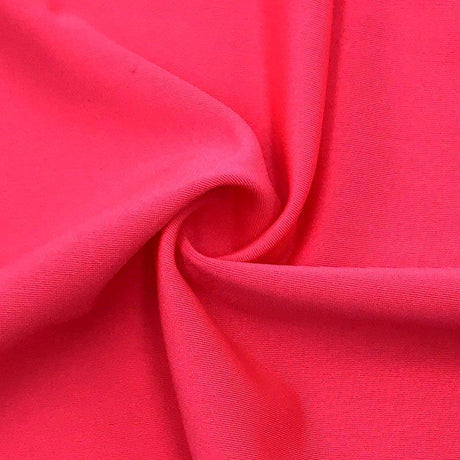
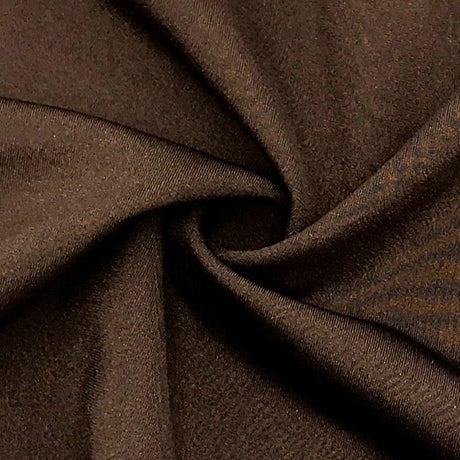
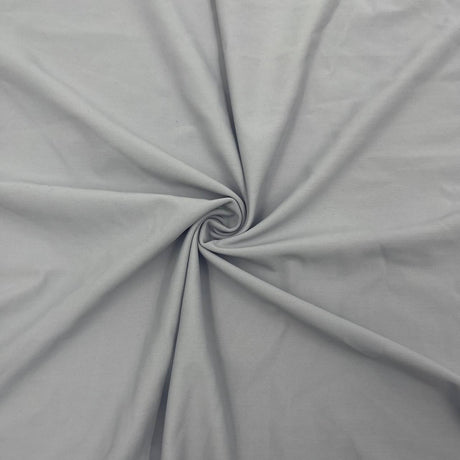
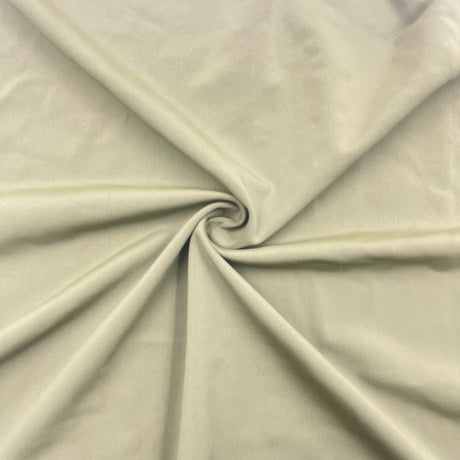
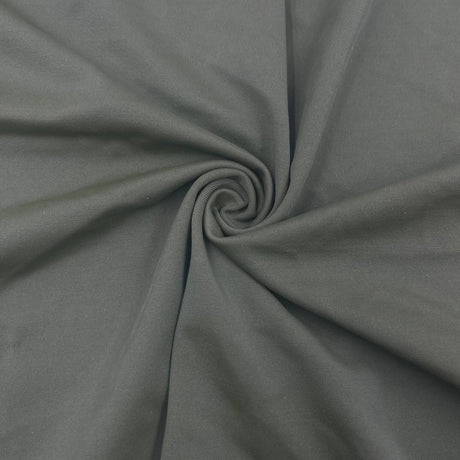
Sun-protective clothing has become a key strategy for shielding skin against harmful ultraviolet (UV) radiation. Among these garments, UPF spandex apparel – from swimwear to athletic wear – offers a blend of stretch comfort and UV protection. For a broader foundation on spandex fiber properties before diving in, explore our stretch fabric types page or browse our full fabric guides hub.
SPF vs. UPF: What's the Difference?
Both SPF and UPF measure protection against UV exposure, but they apply to different contexts. SPF is the rating for sunscreens and skin-applied products, indicating how much longer the product allows you to stay in the sun without burning (primarily from UVB rays). In contrast, UPF is the rating for fabrics and clothing, indicating what fraction of UV radiation penetrates the material. A UPF 50 fabric allows only 1/50th (2%) of UV rays to pass through, blocking about 98% of UVA and UVB. UPF protection is continuous as long as you wear the garment, while SPF protection depends on proper application and can diminish with time, sweat, or water. In summary, UPF-rated clothing (covering UVA + UVB) complements SPF-rated sunscreen as part of a comprehensive sun safety approach.
The Role of Spandex in Sun-Protective Garments
Spandex, also known as Lycra or elastane, is a synthetic fiber prized for its exceptional elasticity. In sun-protective apparel – think rash guards, swim leggings, or athletic shirts – spandex enables form-fitting garments that move with the body while staying in place during activities. This close fit can enhance coverage (the garment won't gape or slip), but it also means the fabric is frequently stretched on the body. Notably, when a fabric stretches, the knit or weave opens up slightly, allowing more UV to pass through. A material which might test at UPF ~85 in the lab can drop to about UPF 8 when worn and fully stretched. Our stretch fabric types page covers the knit constructions and spandex percentages that help designers balance stretch and UV protection in performance fabrics.
Despite that challenge, spandex-based fabrics can be highly protective if engineered correctly. The polyurethane segments in spandex fibers are vulnerable to UV degradation over time – prolonged exposure to sunlight can break down spandex's chemical bonds, causing loss of elasticity and fiber damage. This is why spandex swimsuits may fade or lose stretch after extensive sun and chlorine exposure. To counteract this, manufacturers often use UV inhibitors or stabilizers in spandex fibers or blends. Specialty swimwear elastanes (like Lycra® Xtra Life) are formulated to better resist chlorine and UV, extending garment life and maintaining stretch. Our spandex care guide covers the science of UV degradation in elastane fibers and the care protocols that maximize garment lifespan.
How UPF is Determined in Spandex-Containing Fabrics
UPF ratings are established through laboratory testing of fabrics. In a typical test (such as AATCC 183 in the US or AS/NZS 4399 in Australia), a sample of the textile is exposed to a broad-spectrum UV light source, and instruments measure how much UVA and UVB pass through. Standard tests are often done on new, dry, unstretched fabric samples. Many spandex-blend fabrics achieve high UPF scores when tested this way; for instance, a nylon/spandex swimwear textile might test at UPF 50+ in the lab while dry and not under tension.
However, real-world conditions can alter performance. Moisture, wear, and stretch can all lower a fabric's effective UPF. The Australia/New Zealand standard (AS 4399) was updated to consider garment stretch and to require labeling warnings. It specifies that the UPF rating applies to the fabric in new condition, and that protection may be reduced if the material is wet, stretched, or worn out. Our swimwear fabric guide covers how nylon-spandex and polyester-spandex constructions compare in UPF performance under both lab and real-world swim conditions.
To determine UPF in spandex fabrics accurately, some labs and apparel companies test under multiple conditions – including stretched and wet states. High-quality UPF spandex garments mitigate protection loss by using robust fabric construction (dense knits) and sometimes by testing with a bit of intended stretch to ensure a reliable minimum protection level. Our fabric weight guide covers how GSM affects the fabric density that directly determines UV blockage in stretch fabrics.
Enhancing UPF in Spandex Fabrics
Fiber Blends and Composition: Blending spandex with inherently UV-blocking fibers improves protection. Synthetic fibers like polyester and nylon have molecular structures (e.g. aromatic rings in polyester) that absorb or disrupt UV radiation, often yielding higher UPF than cotton or rayon. Most UPF spandex garments are actually spandex-polyester or spandex-nylon knits that marry stretch with sun protection. Our nylon-spandex fabric guide covers how nylon companion fibers affect UV performance across all common swimwear and activewear fabric constructions.
Fabric Construction (Tight Knit/Weave and Thickness): The tighter and more opaque the fabric, the higher the UPF. Spandex swimwear and activewear fabrics are often warp-knitted tricot or interlock knits with very little space between yarns. A dense construction means fewer "holes" for UV to penetrate. Heavier weight or double-layer fabrics also increase UV blockage. Our fabric weight guide provides a full breakdown of GSM ranges and how weight affects UV blocking across all common spandex-blend swimwear and activewear constructions.
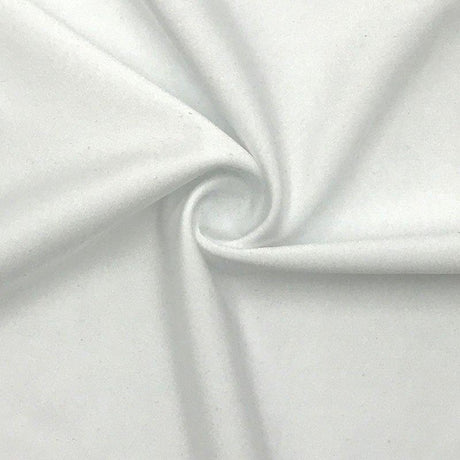
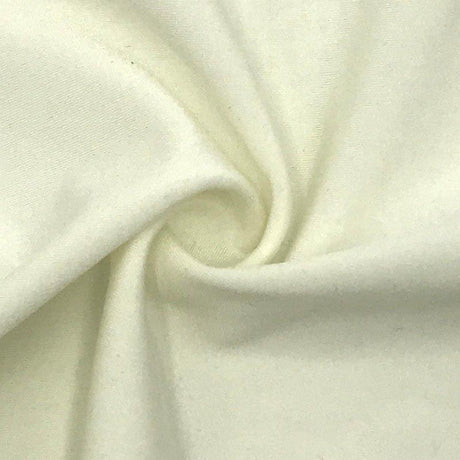
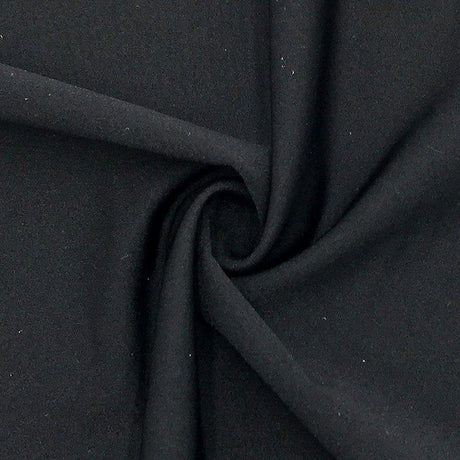
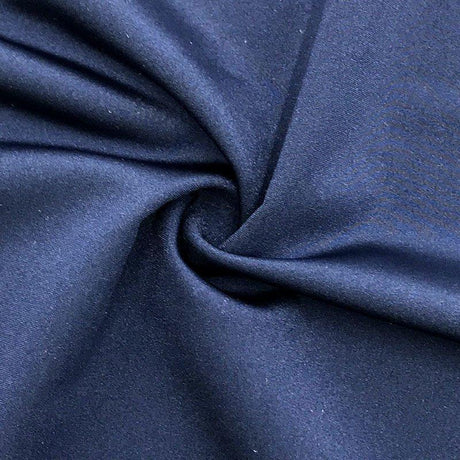
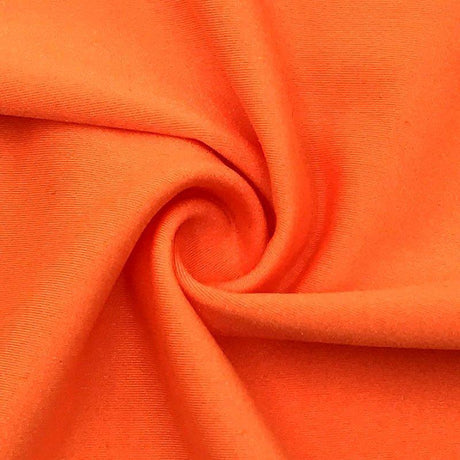
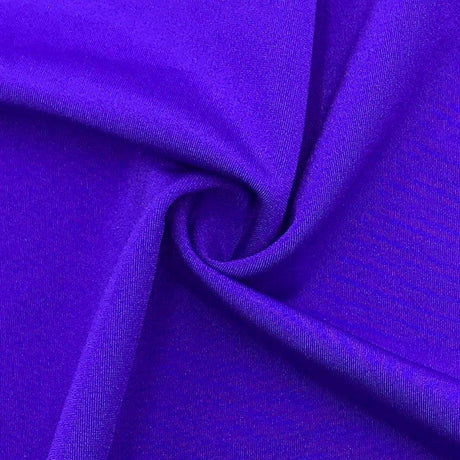
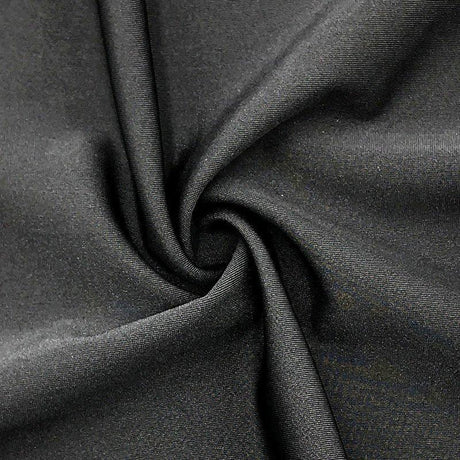
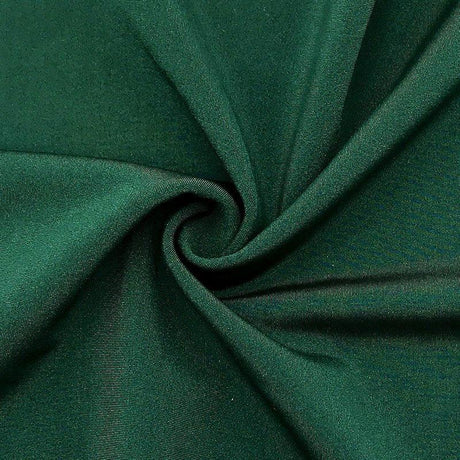
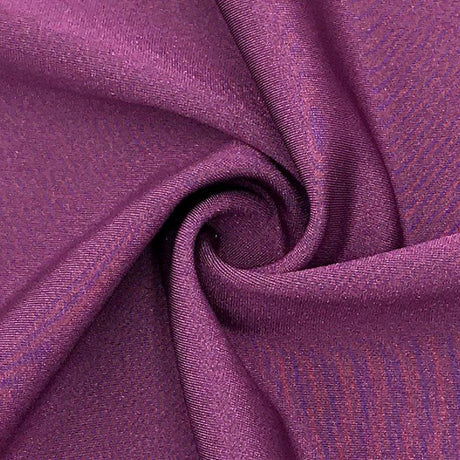
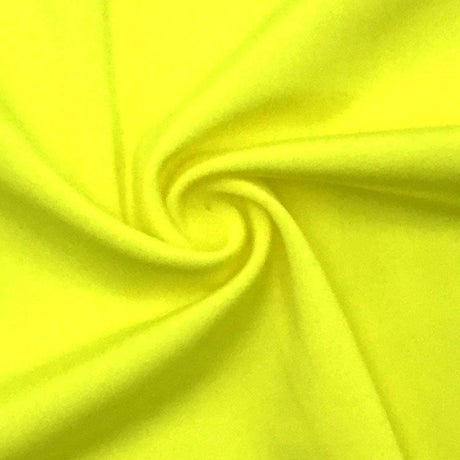
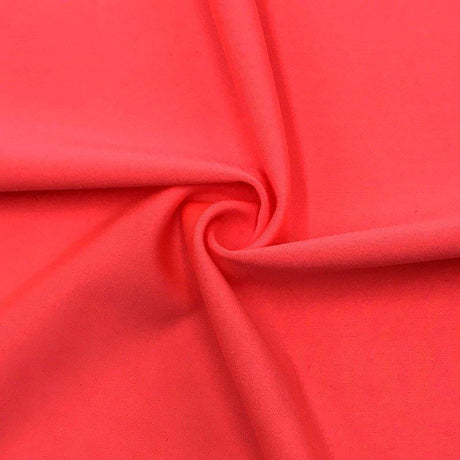
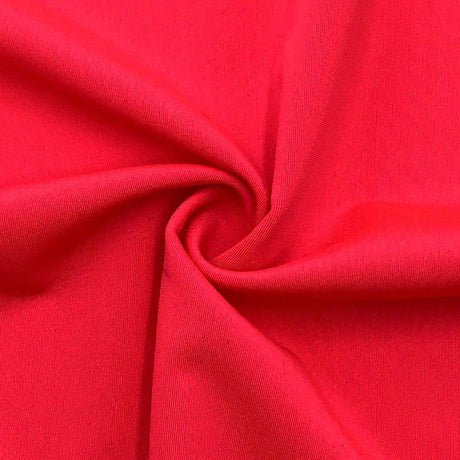
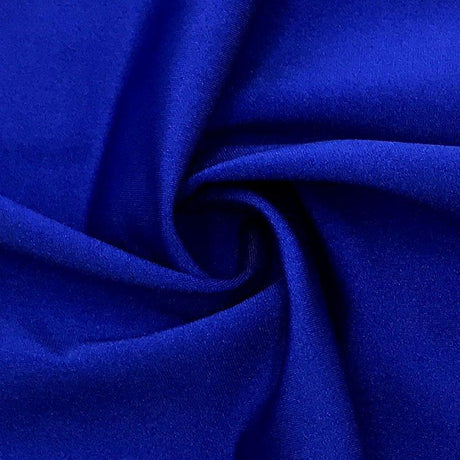
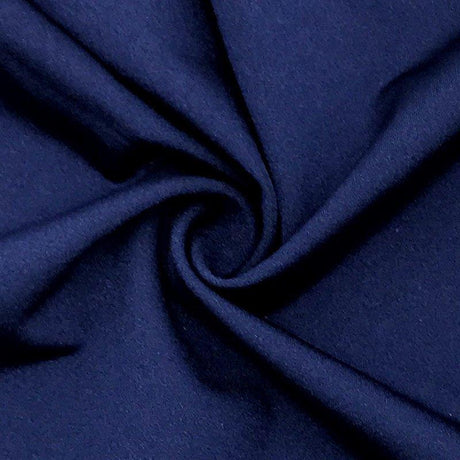
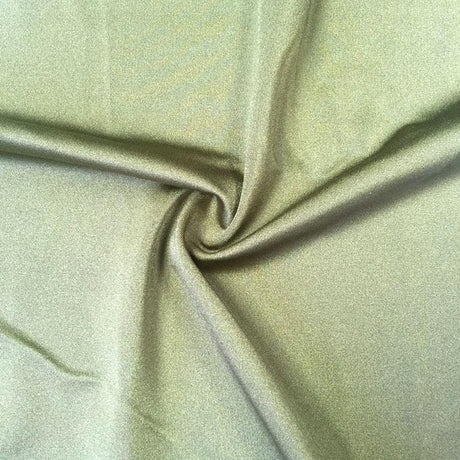
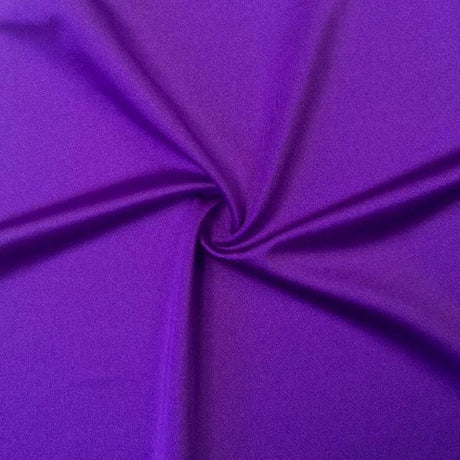
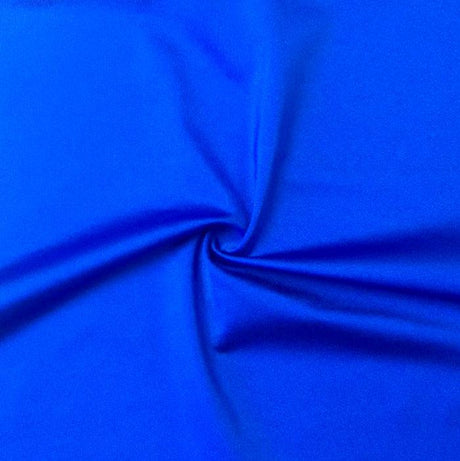
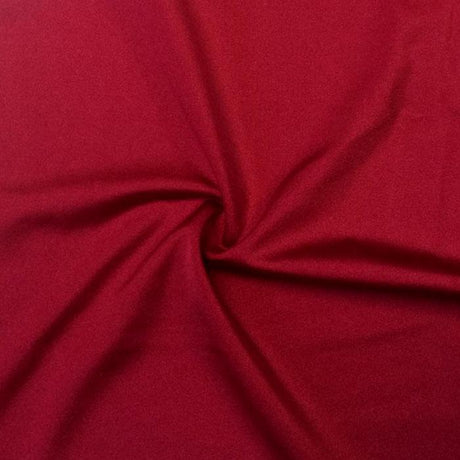
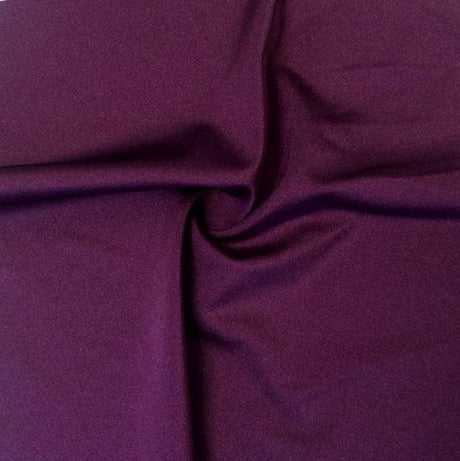
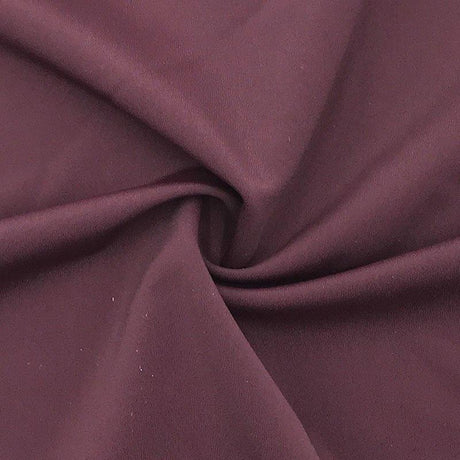
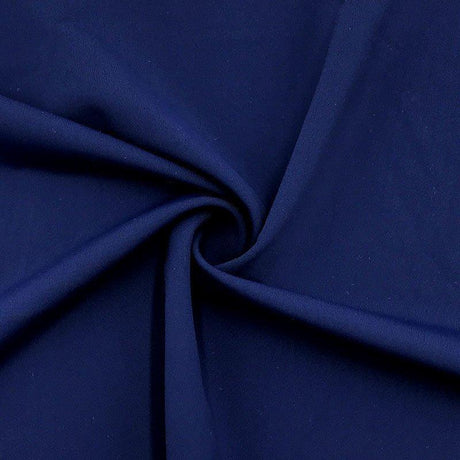
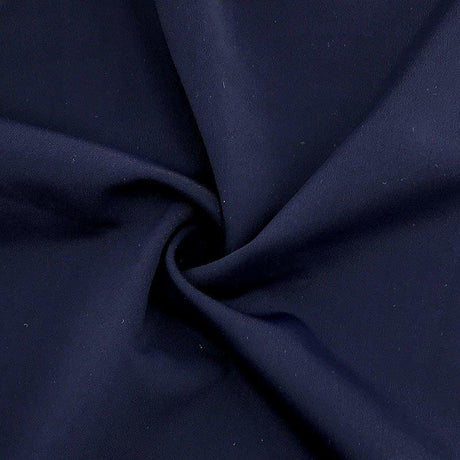
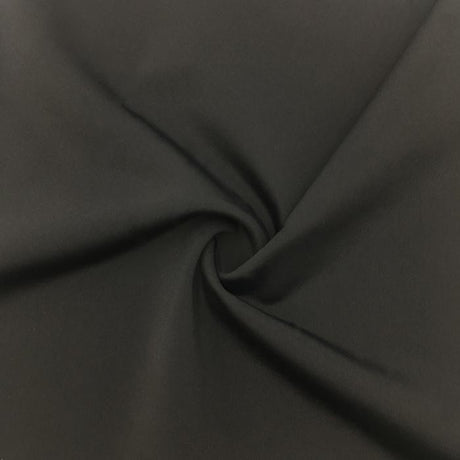
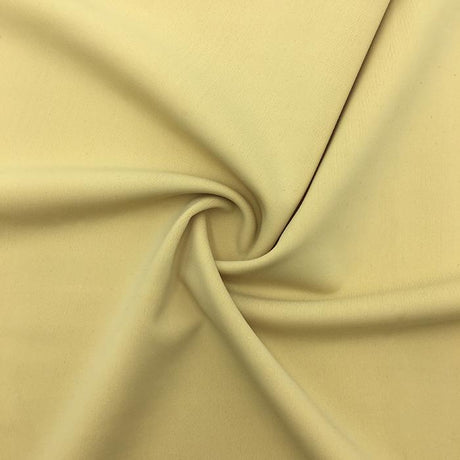
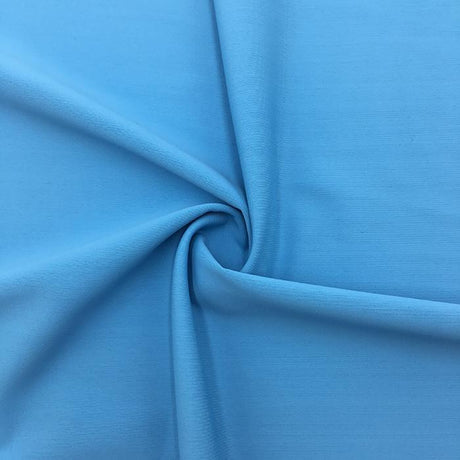
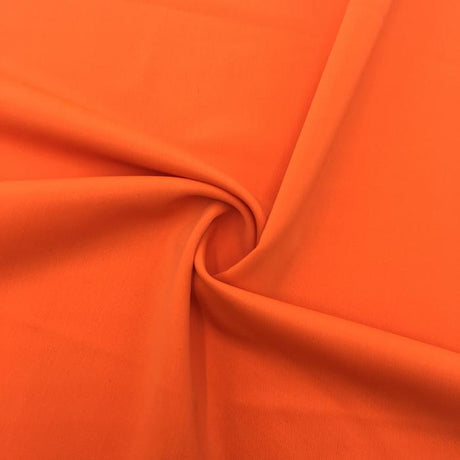
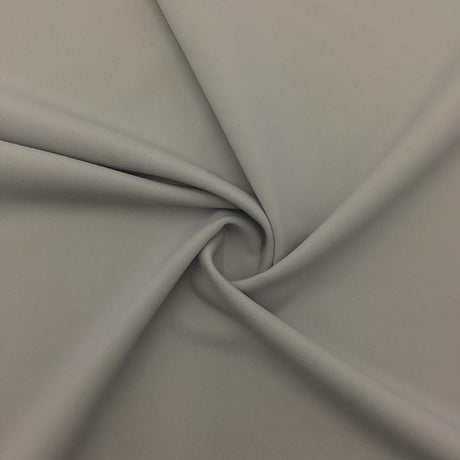
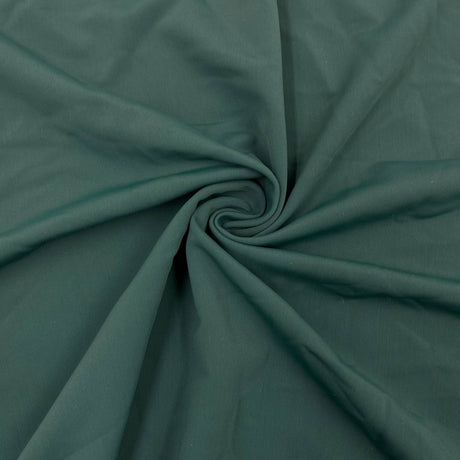
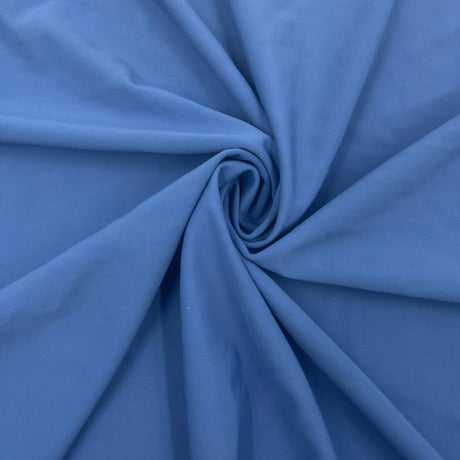
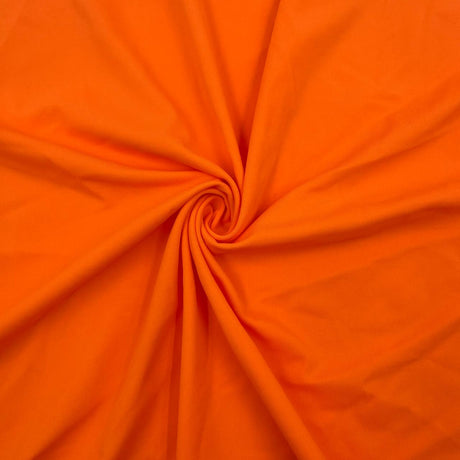
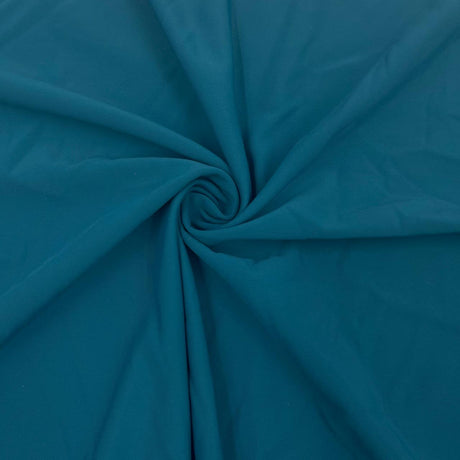
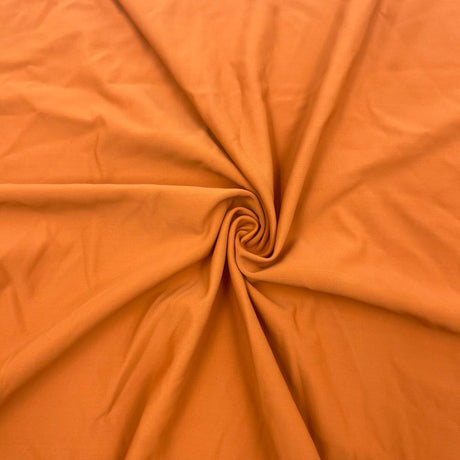
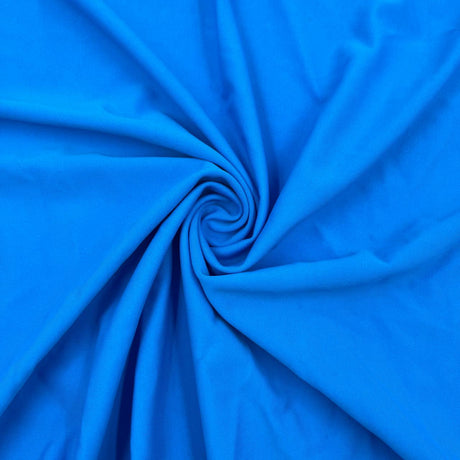
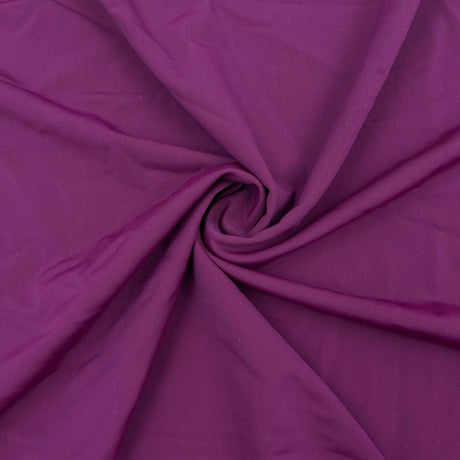
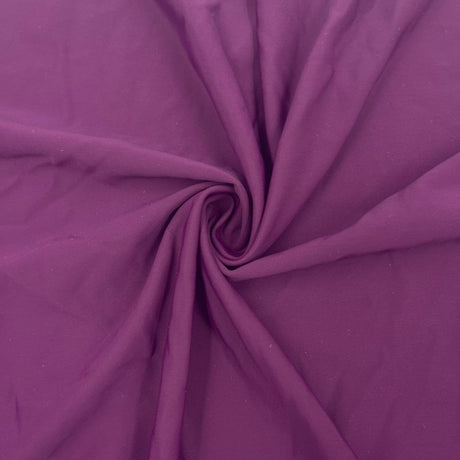
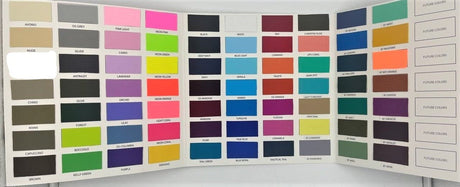
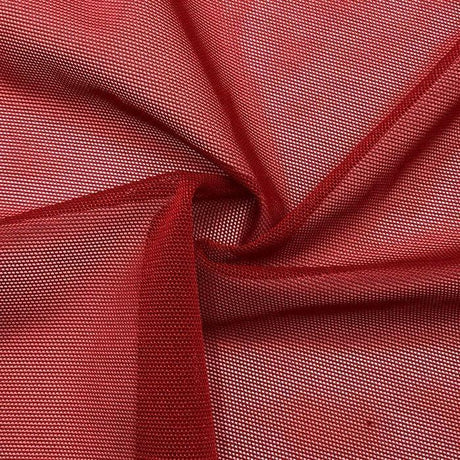
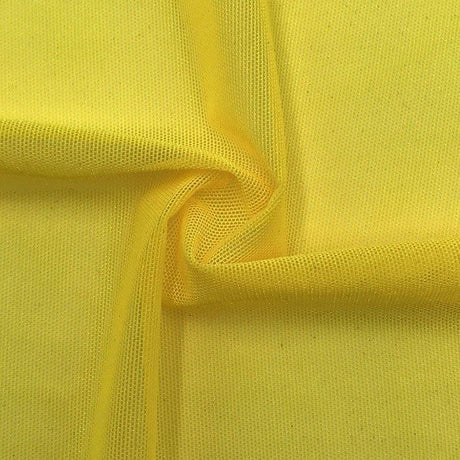
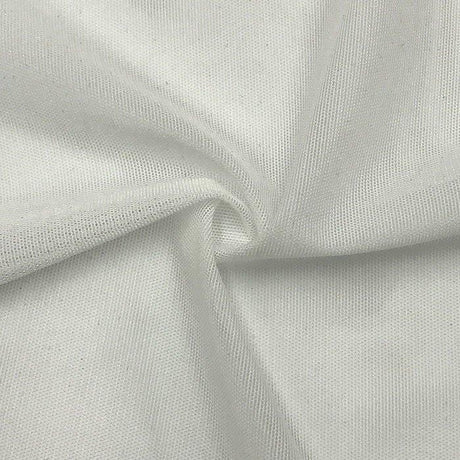
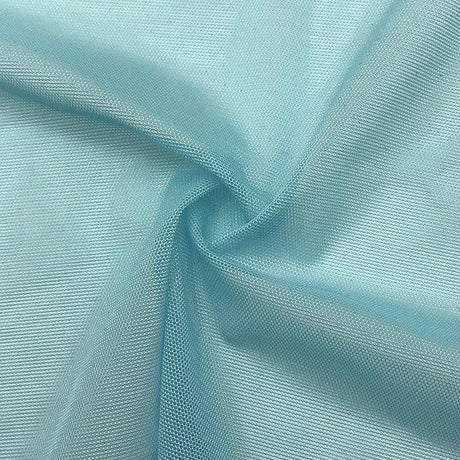
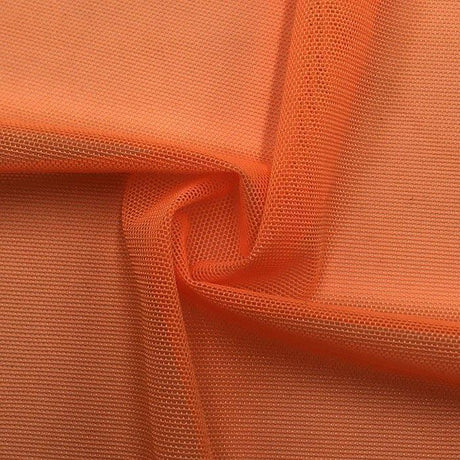
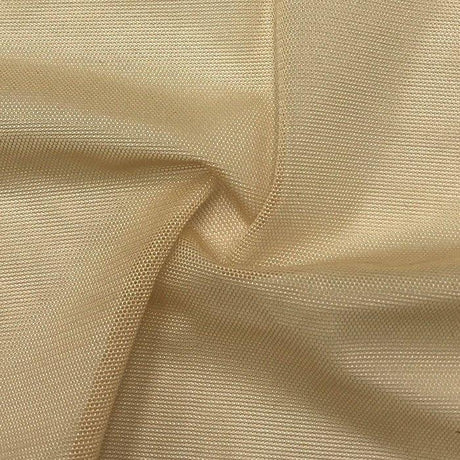
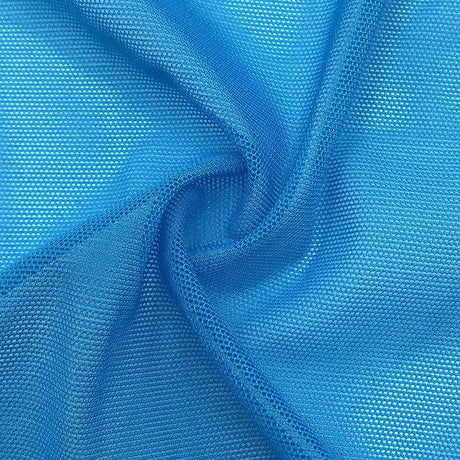
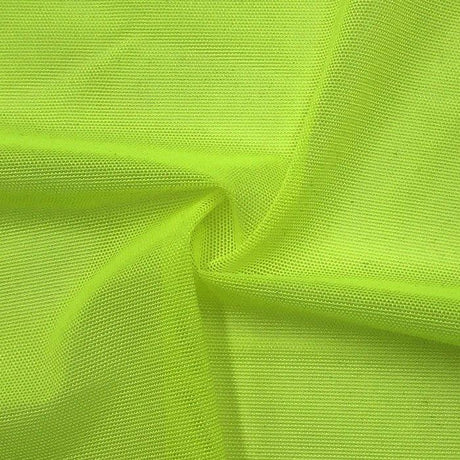
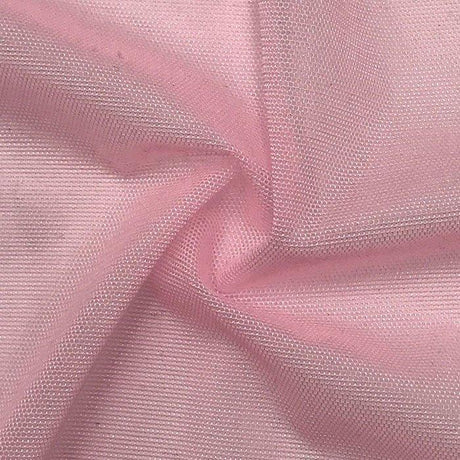
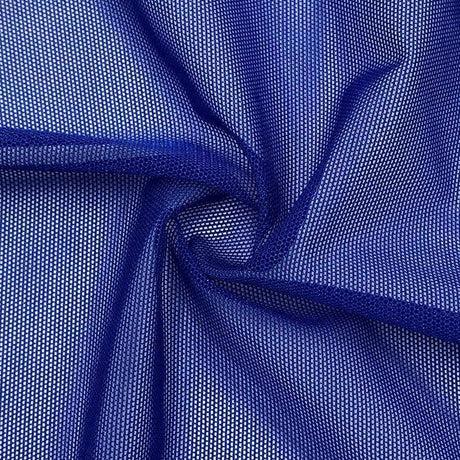
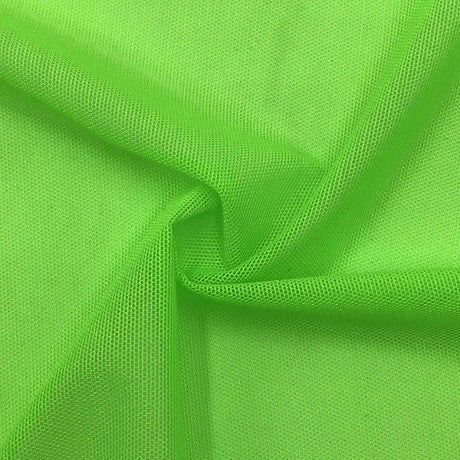
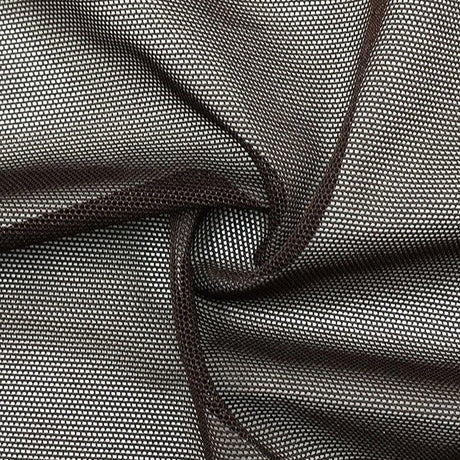
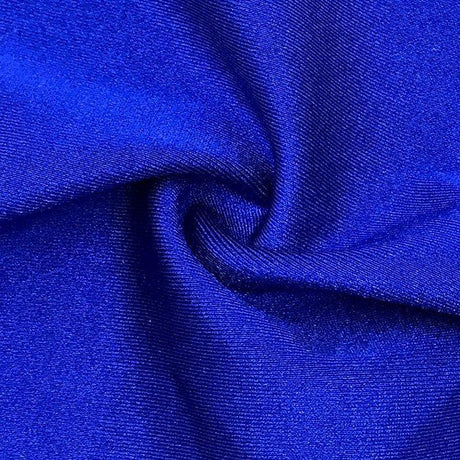
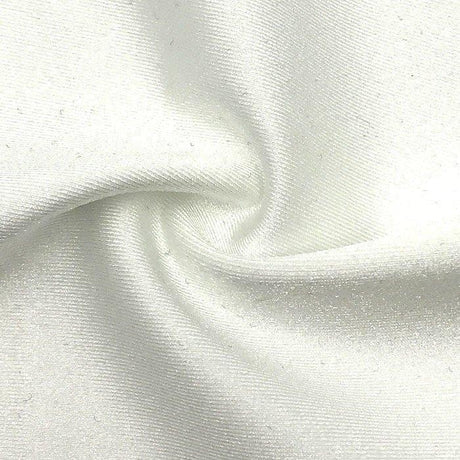
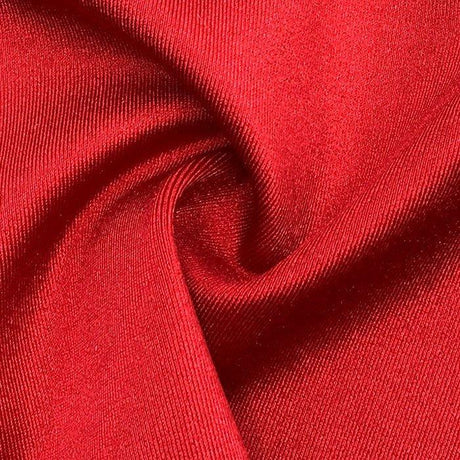
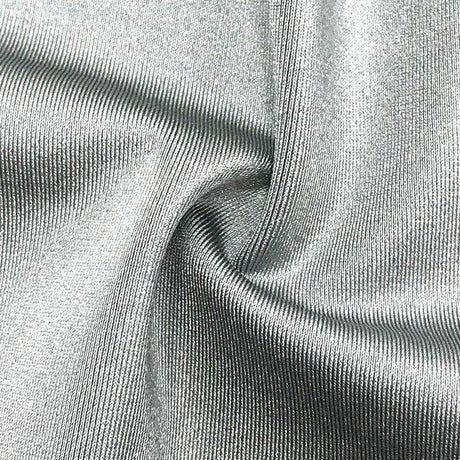
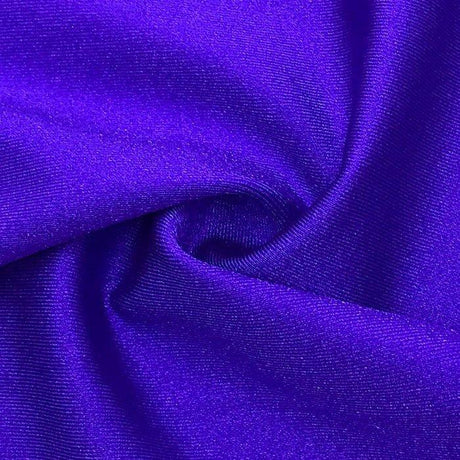
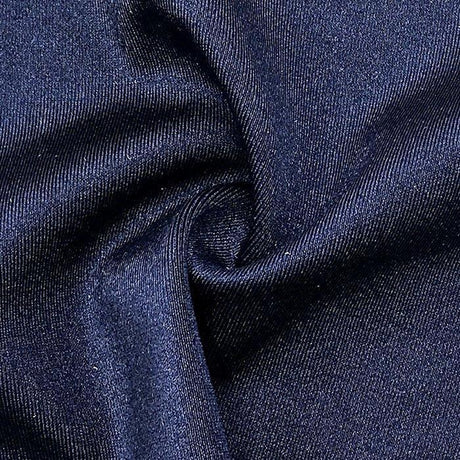
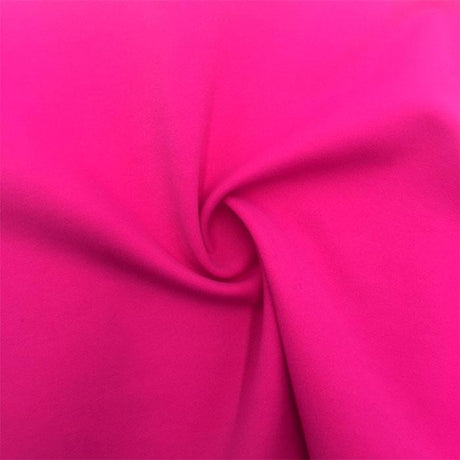
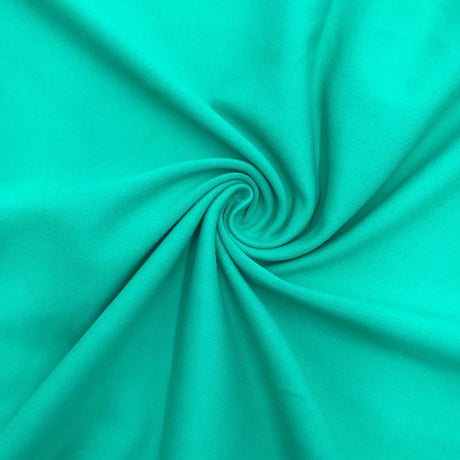
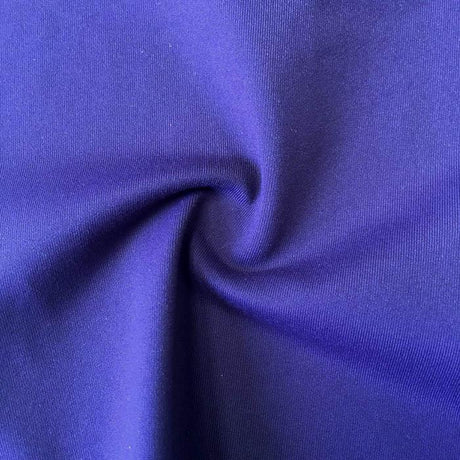
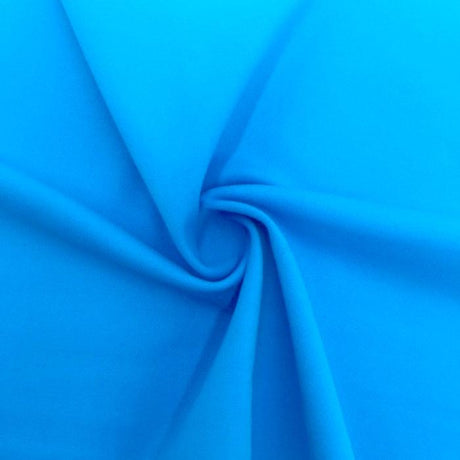
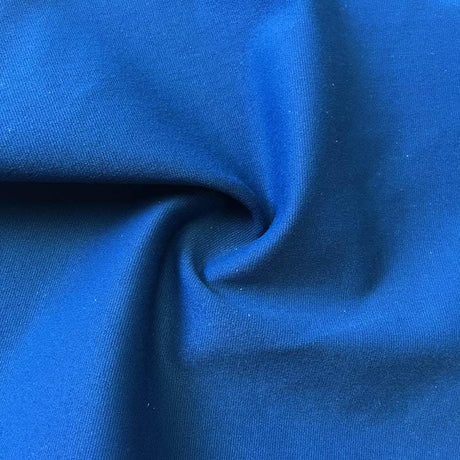
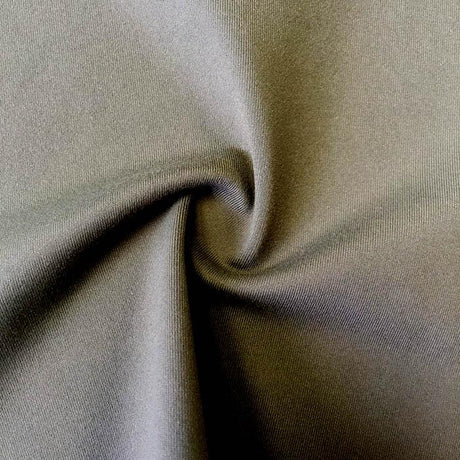
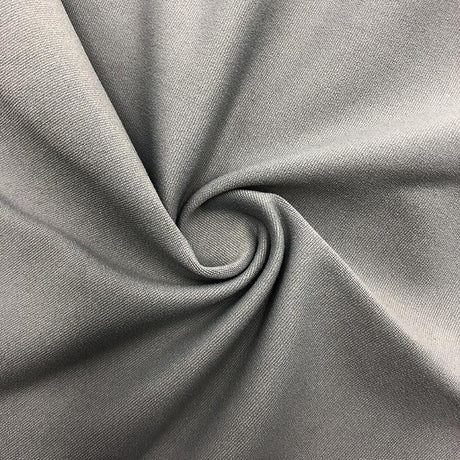
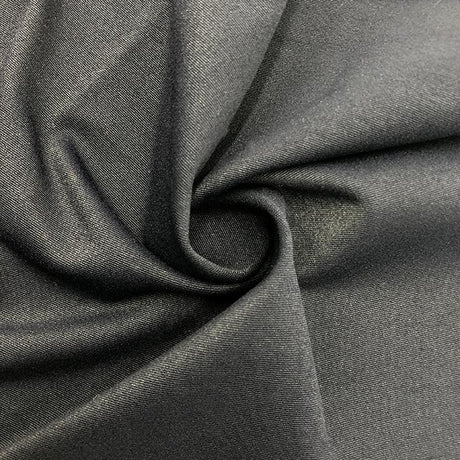
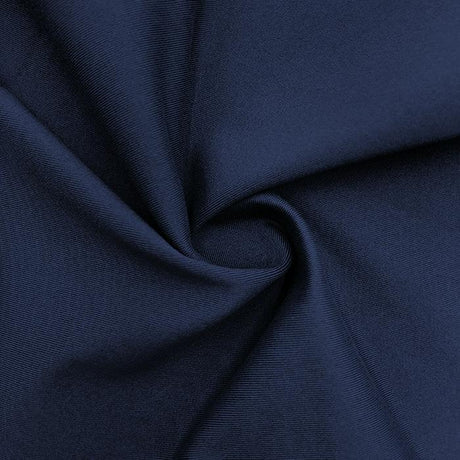
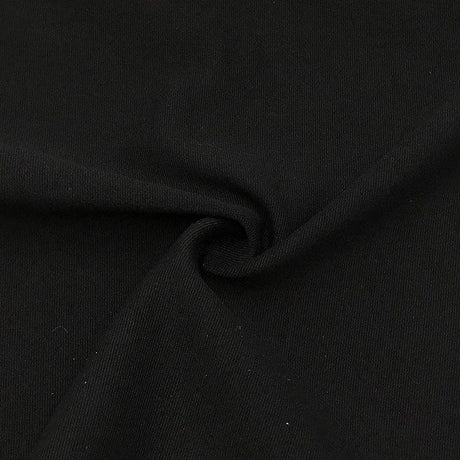
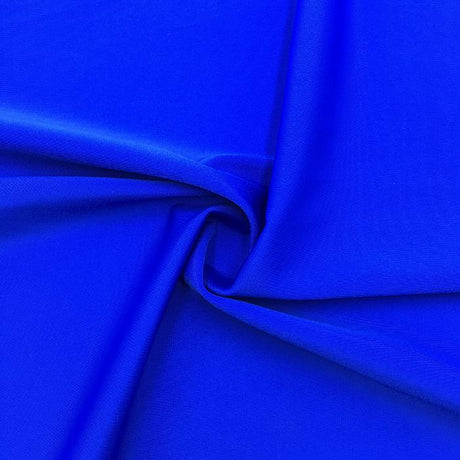
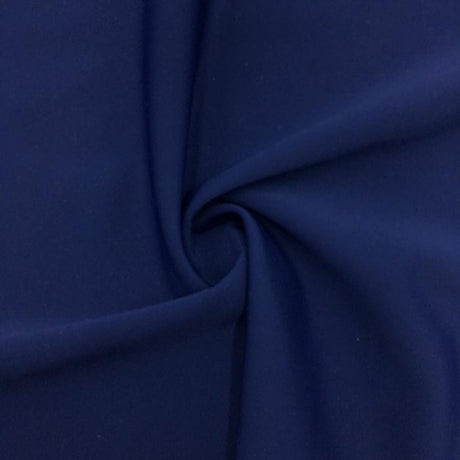
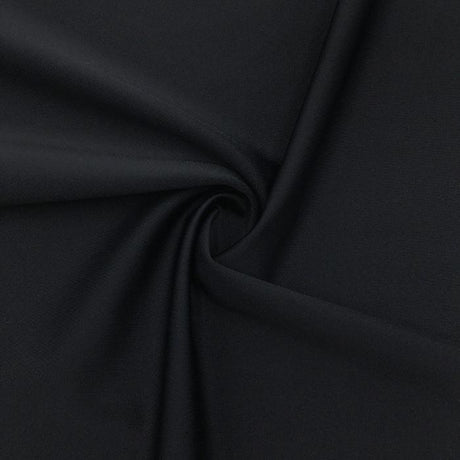
Color and Dyes: Dark and vivid colors absorb more UV rays, preventing transmission to the skin. A black or navy blue spandex swimsuit will generally have a higher UPF than an identical white one. The benzene rings in many dye molecules are what absorb UV energy, meaning simply using a deeper color can boost a fabric from UPF 10 to UPF 20 or more. Dark, richly dyed spandex fabrics tend to have excellent UPF – one reason most certified sun-protective swimwear comes in darker or bright colors.
Chemical Finishes and UV Absorbers: Fabrics (including spandex blends) can be treated with UV-protective finishes. Examples include titanium dioxide or zinc oxide coatings applied to textiles. Such treatments can elevate a mediocre UPF fabric to UPF 50+. However, coatings may wash out or wear off over time, so wash-resistant UV finishes are especially important for spandex garments that are regularly laundered. Our fabric finishes guide covers UV-blocking surface treatments and how to evaluate the durability of different application methods.
Specialized UV-Stable Spandex Fibers: Certain elastane fibers are engineered for UV resistance. These have additives in the polymer or a protective sheath that not only guard the spandex from UV degradation but also contribute to UV blocking for the textile. Incorporating such fibers means the UPF spandex fabric has protection at the fiber level, not just from dyes or finishes.
By combining these approaches – using supportive fibers (poly/nylon), knitting tightly, choosing optimal colors, and adding chemical UV shields – manufacturers can create spandex-blend fabrics that achieve UPF 50+ ratings while remaining lightweight and comfortable. On the consumer side, following garment care instructions helps maintain the advertised UPF over time. Our spandex care guide and fabric care guide cover complete care protocols for all common UPF spandex-blend garment types.
UPF Spandex vs. Other Sun-Protective Textiles
UV Protection Performance: Synthetic fabrics are generally the best UV blockers. Polyester is often top-rated, with some polyester garments achieving UPF 100+ naturally. Nylon is also highly protective when tightly woven. Spandex by itself is not as UV-resistant as polyester/nylon, but UPF spandex blends leverage those stronger fibers. Compared to natural fibers, spandex blends far outperform materials like cotton or linen in UV blocking. A thin cotton T-shirt might be only UPF 5 (allowing ~20% UV through), whereas a quality spandex athletic shirt could be UPF 50 (2% or less UV through). Our activewear fabric guide covers how polyester-spandex and nylon-spandex constructions compare in UV protection across common activewear applications.
Flexibility and Fit: The inclusion of 5–20% spandex gives garments four-way elasticity and recovery. This flexibility means UPF spandex clothing can be styled in slim, athletic cuts without restricting movement – ideal for swimmers, surfers, runners, etc. A UPF 50 long-sleeve Lycra surf shirt will move with your arms as you paddle, something a stiff woven shirt couldn't do. Our stretch fabric types page covers how spandex percentage affects the stretch and recovery needed for athletic sun-protective applications.
Comfort and Breathability: Spandex garments tend to be snug, which can mean they are warmer in hot weather compared to loose, breathable fabrics. Some manufacturers address this by using moisture-wicking synthetics and adding mesh panels or ventilation in high-heat areas. Our activewear fabric guide covers moisture-wicking and breathability ratings across all common spandex-blend constructions for athletic and outdoor applications.
Durability: Repeated UV, chlorine, sunscreen chemicals, and high heat (dryer, hot water) will degrade spandex fibers over time. This is why UPF spandex clothing often comes with care instructions: rinse after use, hand wash cold, no bleach, no high heat drying. If cared for, a quality spandex-based UPF garment can last a long time (100+ wearings). Our swimwear fabric guide covers chlorine resistance ratings and care protocols that directly affect UPF garment longevity.
In summary, spandex blends dominate in the athletic and swim category for sun protection because they uniquely provide a combination of high UPF, stretch fit, and hydrophobic quick-dry performance. Consumers have options: from a stretchy UPF 50 rashguard for surfing, to a loose UPF 50+ polyester hiking shirt, to a breathable UPF 30 linen hat – all can coexist in a sun-safe wardrobe.
Standards and Certifications for UPF Labeling
United States (ASTM/AATCC Standards): In the U.S., testing is often done per AATCC 183, and labeling follows ASTM D6603. Garments with UPF below 15 are not considered sun-protective and shouldn't be marketed as such. Labels typically must state the UPF rating and note that protection may be reduced if the fabric is wet, stretched, or old. The Skin Cancer Foundation offers a well-known voluntary Seal of Recommendation for sun-protective products – to earn this seal for clothing, the fabric must have a UPF of 50 or greater as tested by an independent lab.
Australia/New Zealand: Australia was a pioneer in UV clothing standards, with AS/NZS 4399 widely used for labeling UPF clothing globally. Under AS 4399:2020, fabrics are classified into three protection categories: Minimum (UPF 15), Good (UPF 30), and Excellent (UPF 50 and 50+). The standard also requires specific labeling reminding consumers that protection may be reduced when the material is wet or stretched. ARPANSA (the Australian Radiation Protection and Nuclear Safety Agency) runs a certification scheme where manufacturers can submit products for testing and then use an official swing tag with the UPF rating.
Europe (EN 13758 & UV Standard 801): Europe has a standard EN 13758-1 for testing fabric UV performance and EN 13758-2 for labeling requirements. Europe also has the UV Standard 801, an independent certification that takes a more stringent approach by testing fabrics in worst-case conditions (wet, stretched, and after simulated use). A garment certified under UV Standard 801 carries a UV Protection Factor that is guaranteed even in those conditions – this is considered the most conservative measure.
Asia and Other Regions: Countries like China (GB/T 18830), Japan (JIS L 1925), and South Korea (KS K 0850) have their own standards. China's standard requires a fabric to have UPF 40+ and UVA transmission <5% to even be labeled as UV-protective. Japan and Korea's standards test fabrics in both dry and wet states to reflect actual usage.
With these standards and certifications in place, consumers can trust that UPF spandex garments have been objectively evaluated. Always read the care instructions – maintaining the garment according to recommendations will help preserve its UV protective qualities as certified. Our spandex care guide and fabric care guide cover complete care protocols for all common UPF spandex-blend garment types. Have questions about specific UPF fabric specifications? Our expert help and advice page and FAQ are always available.
Conclusion
Spandex-based sun protective clothing marries the science of UV shielding with the practicality of stretch and comfort. UPF spandex garments leverage elastane's flexibility to offer form-fitting coverage, while employing thoughtful fabric engineering – from fiber blends and tight knits to special dyes and finishes – to achieve high UV blockage. These innovations mean that today's swim shirts, leggings, and activewear can reach UPF 50+ excellence without sacrificing style or mobility.
In essence, SPF and UPF are complementary guardians against the sun: use broad-spectrum sunscreen on exposed skin and rely on well-designed UPF clothing to cover the rest. Spandex-based UPF clothing adds the bonus of comfort and fit to this equation, helping you stay protected without hindering your active lifestyle.
Ready to find high-quality UPF spandex fabric for your next project? Use our nylon-spandex fabric guide and swimwear fabric guide for curated swim fabric recommendations, our fabric weight guide and stretch fabric types page to evaluate technical UV and stretch specifications, and our fabric finishes guide for details on UV-blocking surface treatments. Our activewear fabric guide covers UPF performance across land-based athletic applications. Our spandex care guide and fabric care guide will keep every UPF garment performing at its best. Sign up for SpandexByYard Rewards to earn points on every purchase – because great sun protection starts with the right fabric.