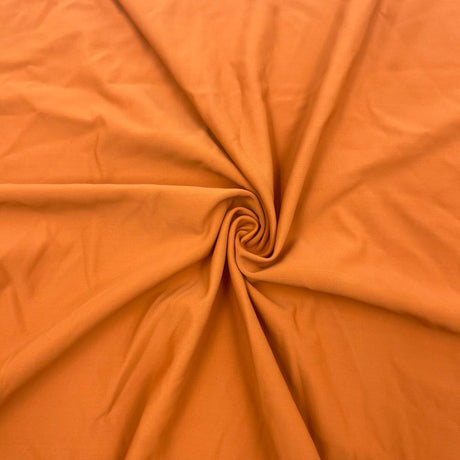
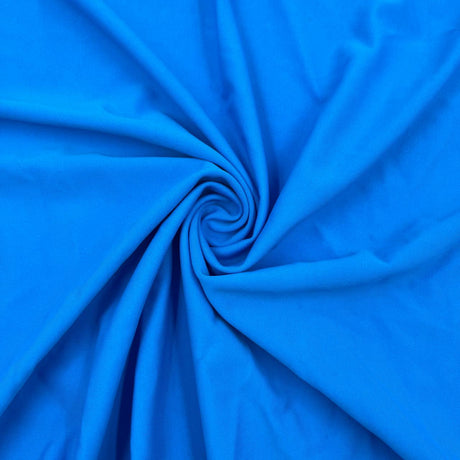
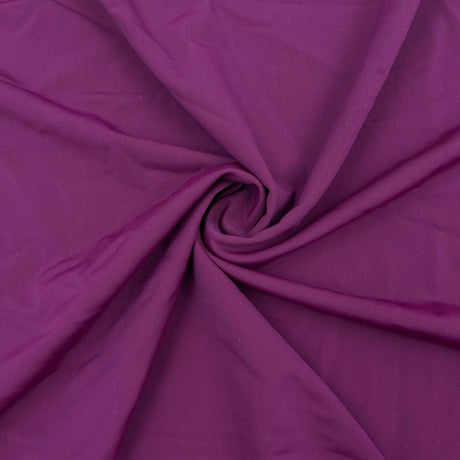
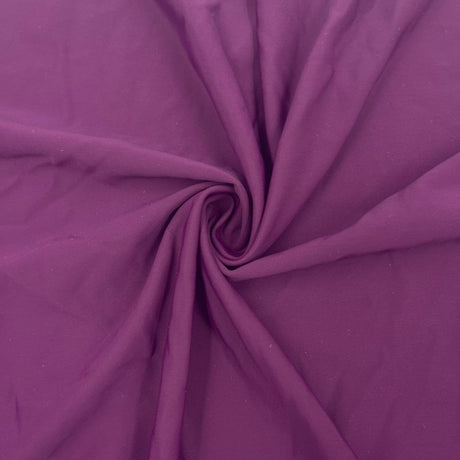
Have you ever wondered why some spandex garments lose their stretch and shape after a few washes, while others maintain their integrity for years? The difference often lies not in the final design or the care instructions, but in the unseen foundation of the fabric itself: the quality of the yarn. For a broader foundation before diving in, explore our stretch fabric types page or browse our full fabric guides hub.
While the general composition – be it nylon-spandex, polyester-spandex, or cotton-spandex – is a critical factor, it's the quality of the individual fibers that make up that blend that truly dictates the fabric's ultimate performance, durability, comfort, and price. Understanding the importance of high-quality yarn is the key to making informed decisions that pay off in the long run.
What Defines Yarn Quality? The Unseen Foundation
Before we get into the details, let's establish what "yarn quality" means in the context of spandex and its blended fibers. It's a multi-faceted concept that goes beyond just the fiber type.
Consistency (Uniformity): High-quality yarn has a consistent diameter (measured in denier or dtex), twist, and strength throughout its entire length. Inconsistent yarn can lead to defects like uneven dyeing, streaking, and weak spots in the final fabric.
Purity: The yarn is free of impurities, knots, or broken filaments that could cause imperfections, pilling, or weak points in the fabric.
Strength & Durability: The individual filaments of the yarn, both the spandex and its partner fiber (e.g., nylon), must be strong and resilient to withstand the rigors of knitting, dyeing, and stretching without breaking. Our nylon-spandex fabric guide covers how yarn quality in nylon-spandex constructions translates to real-world abrasion resistance, stretch recovery, and long-term durability.
Thermal and Chemical Resistance: High-quality yarn is engineered to withstand the high temperatures of dyeing and the chemicals used in finishing processes, preventing degradation of the spandex and ensuring the fabric's properties remain intact.
Consistent Elasticity: For spandex specifically, quality means a consistent stretch and recovery profile. A low-quality spandex yarn might lose its elasticity permanently after being stretched, leading to baggy knees or a stretched-out waistband. Our spandex care guide covers how to preserve elastane recovery through proper laundering so that even premium-yarn garments maintain their performance over time.
These seemingly small details in the yarn's production have a cascading effect, influencing every stage of the garment's life cycle.
From Polymer to Yarn: The Production Process
The quality journey begins long before the yarn is knitted into fabric. The manufacturing process of both spandex and its companion fibers is a highly technical and precise one.
The Birth of Spandex Yarn
Spandex is a synthetic polymer called polyurethane. Its creation involves a dry-spinning method where the liquid polymer is extruded through a spinneret and solidified into filaments.
High-Quality Production: Top-tier manufacturers carefully control every step, from the purity of the raw chemicals to the temperature and speed of the spinning process. This results in spandex filaments with a perfectly uniform denier, superior strength, and a consistent, long-lasting elasticity.
Low-Quality Production: Cutting corners in this process can lead to weak, brittle filaments, inconsistent thickness, and a weaker polyurethane polymer chain. This low-grade spandex yarn is cheaper to produce but will inevitably result in a fabric that loses its stretch and shape prematurely.
The brand name Lycra™ is a testament to this quality. As a premium spandex, Lycra has become a benchmark for its superior and consistent elasticity, strength, and resilience, which is why it commands a higher price and is sought after by performance brands. Our stretch fabric types page explains how to identify and evaluate branded vs. generic spandex content when reading fabric specifications.
The Role of Companion Yarns (Nylon & Polyester)
Spandex is a delicate fiber, and its performance is only as good as the partner it's blended with. The quality of the nylon or polyester yarn is equally important.
High-Quality Nylon/Polyester Yarn: These yarns are produced from high-purity polymers, resulting in filaments that are strong, fine, and consistent. This leads to a fabric that is less prone to pilling, has a smooth hand feel, and provides a stable structure for the spandex to perform its work.
Low-Quality Nylon/Polyester Yarn: Cheaper, lower-grade companion yarns can be uneven in thickness, weaker, and more prone to breakage. When a garment made with these yarns is stretched, the weaker partner yarn can break, leaving the spandex filament exposed and leading to a loss of the fabric's integrity.
In most activewear, the spandex is often wrapped around the core yarn (nylon or polyester) in what's known as a covered yarn. The quality of both the core and the covering yarn must be high to create a durable, performing fabric. Our nylon-spandex fabric guide and cotton-spandex fabric guide cover how companion fiber quality affects performance across the two most popular blend types.
From Yarn to Fabric: The Manufacturing Impact
Once the yarn is created, its quality dictates what happens during the knitting, dyeing, and finishing stages.
Knitting & Weaving
High-Quality Yarn: Uniform yarn runs smoothly through high-speed knitting machines without breaking. This results in a fabric with a consistent stitch count, even texture, and no defects.
Low-Quality Yarn: Inconsistent or weak yarn is prone to breaking, causing machine downtime and leaving defects in the fabric. The resulting fabric often has uneven tension, leading to a wavy or puckered appearance. Our how to sew stretch fabric guide covers how fabric defects from inconsistent yarn affect construction quality and how to work around them.
Dyeing & Finishing
The dyeing process subjects fabrics to high temperatures and harsh chemicals. This is a critical stress test for yarn quality.
High-Quality Yarn: The yarn is designed to withstand these conditions without losing its strength or elasticity. The consistent purity of the yarn allows for even absorption of dye, resulting in a vibrant, colorfast fabric with no streaks or splotches. Our fabric finishes guide covers how dyeing and finishing processes interact with yarn quality across different spandex-blend constructions.
Low-Quality Yarn: The high temperatures can cause low-grade spandex to lose its stretch permanently, or the yarn itself can break down, weakening the fabric. Inconsistent yarn thickness leads to uneven dye absorption, resulting in a mottled or streaky appearance.
This is a key reason why a seemingly identical fabric from a low-cost supplier can look vibrant at first but quickly fade or lose its properties after a few washes. Our fabric care guide covers how colorfastness and elasticity retention are both affected by yarn quality from the very first wash.
The Impact of Yarn Quality on the Final Product and Consumer Experience
1. Durability and Longevity
High-Quality Yarn: A fabric made with strong, consistent yarn is highly resistant to abrasion, pilling, and tearing. The superior recovery of the spandex ensures the garment holds its shape, preventing sagging at the knees, elbows, or waistline. Our fabric weight guide covers how GSM and yarn quality interact to determine overall durability across different spandex-blend constructions.
Low-Quality Yarn: Garments made from low-quality yarn will likely start pilling quickly. The weaker fibers break down with each wash and wear cycle, leading to a loss of elasticity, a faded appearance, and a shorter lifespan.
2. Performance and Functionality
High-Quality Yarn: In performance activewear, the yarn's quality directly impacts functionality. Superior yarn provides consistent compression, effectively supporting muscles and aiding in recovery. The uniform tension and stretch provide a comfortable, second-skin fit that moves with the body, not against it. Our activewear fabric guide covers how to evaluate performance-grade yarn quality in activewear fabric specifications.
Low-Quality Yarn: Inconsistent stretch and recovery means the garment will not provide reliable support. The unevenness in the fabric can lead to discomfort and a feeling of looseness in key areas.
3. Hand Feel and Aesthetics
High-Quality Yarn: A fabric made with fine, uniform yarn feels incredibly smooth and soft against the skin, often described as "buttery" or "silky." The consistent dyeing results in a rich, even color and a premium appearance.
Low-Quality Yarn: The presence of thicker, uneven filaments or broken fibers can give the fabric a coarse, rough, or "scratchy" feel. The uneven dyeing leads to a dull or streaky look, which can make the garment look cheap and poorly made.
4. Cost and Value
High-Quality Yarn: Fabrics made with premium yarn are undeniably more expensive. However, this higher cost is a direct result of superior raw materials, advanced production technologies, and rigorous quality control. This cost translates into a garment with superior durability, performance, and comfort, offering excellent long-term value.
Low-Quality Yarn: The low cost of these fabrics is often a trap. While the initial price is attractive, the poor performance, short lifespan, and quick deterioration of the garment mean the consumer must replace it more often, leading to a higher cost over time and creating more textile waste.
How to Identify High-Quality Yarn and Fabrics
Check for Branded Yarns: Look for fabrics that explicitly state the use of premium branded yarns like Lycra (for spandex), Cordura (for nylon), or Tencel (for other blends). This is a strong indicator that the manufacturer has invested in high-quality raw materials.
Feel the Fabric: A simple touch can reveal a lot. High-quality fabrics feel smooth, soft, and consistent. Avoid fabrics that feel rough, uneven, or have a stiff, plastic-like hand feel.
Test the Stretch & Recovery: Gently stretch the fabric and then release it. A high-quality fabric will snap back quickly and completely to its original shape. If it stays stretched or looks distorted, the spandex and/or the companion yarn are likely of poor quality. Our stretch fabric types page explains how to measure and interpret stretch and recovery results when evaluating fabric samples.
Look for Consistency: Examine the fabric for any visual defects like streaking, uneven dyeing, or visible knots. A consistent, even color and texture are signs of a high-quality yarn and manufacturing process.
Consider the Price: While a higher price doesn't always guarantee quality, a fabric that is significantly cheaper than similar products on the market should be a red flag. The cost of premium yarn is a major component of the final price.
The Sustainable Connection: Yarn Quality and Environmental Impact
The quality of the yarn also plays a significant role in sustainability.
Durability Reduces Waste: A garment made from high-quality yarn lasts longer, reducing the frequency of replacement and minimizing textile waste that ends up in landfills.
Efficient Production: High-quality yarn leads to fewer production defects and less machine downtime, resulting in a more efficient manufacturing process with less material waste.
Recycled Options: The growing market for recycled spandex, nylon, and polyester yarns is a promising step. High-quality recycled yarns maintain the performance standards of their virgin counterparts, providing a sustainable choice without compromising on durability or function. Our fabric guides hub covers GRS-certified recycled yarn options and how they compare to virgin fiber constructions across key performance metrics.
By choosing high-quality yarn, brands and consumers are not just investing in a better product; they are also making a choice that is more sustainable and responsible in the long run.
Frequently Asked Questions (FAQ)
Q1: What is the denier of a yarn, and why is it important? Denier is a unit of measurement for the linear mass density of a yarn – a measure of the yarn's thickness or fineness. A higher denier number indicates a thicker, heavier yarn, while a lower denier indicates a finer, lighter yarn. Consistent denier is crucial for ensuring the fabric has a uniform texture, strength, and drape. Our fabric weight guide covers how denier relates to GSM and overall fabric weight across different spandex-blend constructions.
Q2: How can I tell if a fabric has high-quality spandex? The best way to tell is to test its stretch and recovery. High-quality spandex will provide a strong, consistent stretch and snap back into shape almost instantly. Another indicator is to look for a fabric that explicitly uses branded spandex like Lycra, which has a reputation for superior quality and longevity. Our stretch fabric types page covers how to evaluate and compare recovery ratings across different spandex-blend constructions.
Q3: Does the quality of the companion yarn (nylon/polyester) matter as much as the spandex? Yes, absolutely. The companion yarn provides the fabric's structure and bulk. If the companion yarn is weak or inconsistent, it will break down, leading to pilling and a loss of fabric integrity, even if the spandex is high-quality. Our nylon-spandex fabric guide covers how nylon companion fiber quality affects durability, abrasion resistance, and long-term shape retention in activewear applications.
Q4: Is it always more expensive to use high-quality yarn? Yes, high-quality yarn made from premium raw materials and rigorous production processes is inherently more expensive. However, this cost is an investment in the final product's durability, performance, and longevity, which offers a better long-term value for the consumer and enhances a brand's reputation.
For additional questions about specific fabric specifications, yarn quality indicators, or sourcing, our expert help and advice page connects you with knowledgeable staff, and our FAQ page answers common ordering and specification questions.
Conclusion
The quality of a spandex fabric is an intricate tapestry woven from many threads, but none are more important than the quality of the yarn itself. From the precise spinning of the filaments to the resilience they demonstrate during dyeing and finishing, the yarn is the fundamental determinant of a garment's strength, performance, comfort, and lifespan.
For brands, investing in high-quality yarn is not just a cost; it's a commitment to creating products that stand out from the competition and build customer loyalty. For consumers, understanding the signs of quality yarn allows you to move past deceptive price points and choose garments that offer genuine long-term value.
Ready to find the right fabric built on quality yarn? Use our stretch fabric types page and fabric weight guide to evaluate technical specifications, our nylon-spandex fabric guide and activewear fabric guide for curated fabric recommendations, and our how to choose fabric guide to match quality specifications to your project requirements. Our spandex care guide and fabric care guide will help you preserve every quality investment through proper laundering. Sign up for SpandexByYard Rewards to earn points on every purchase – because the difference that true yarn quality makes is one you'll feel in every wear.