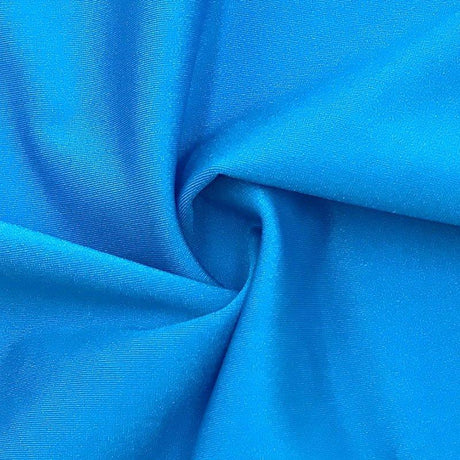
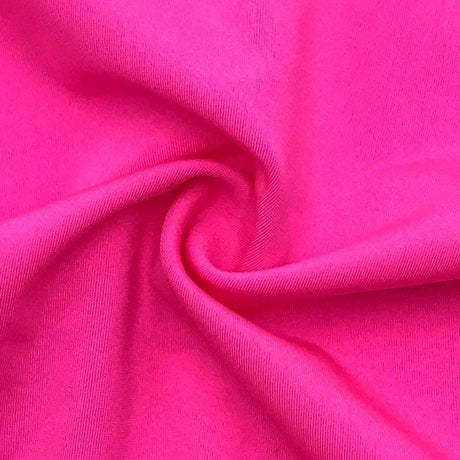
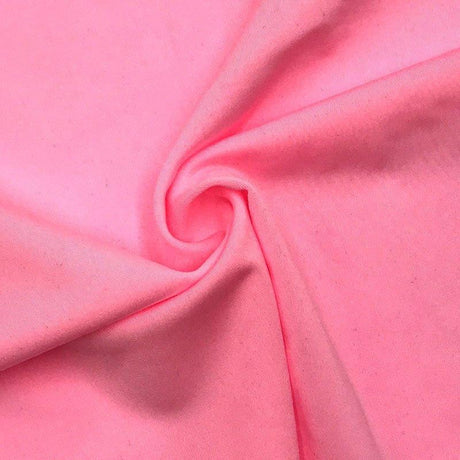
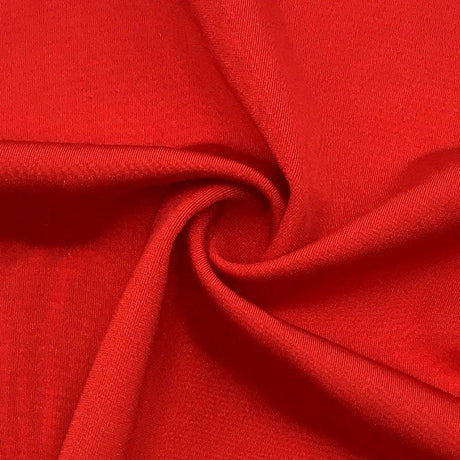
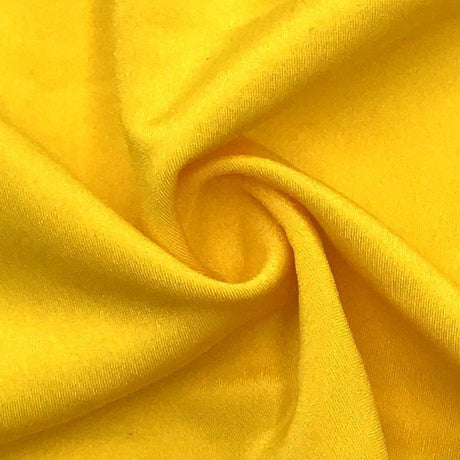
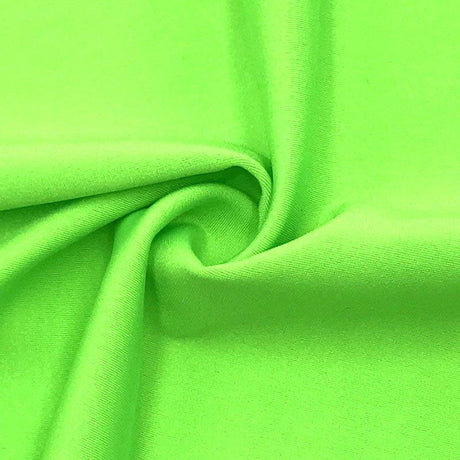
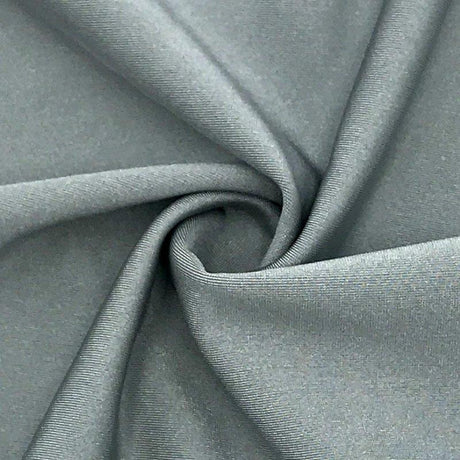
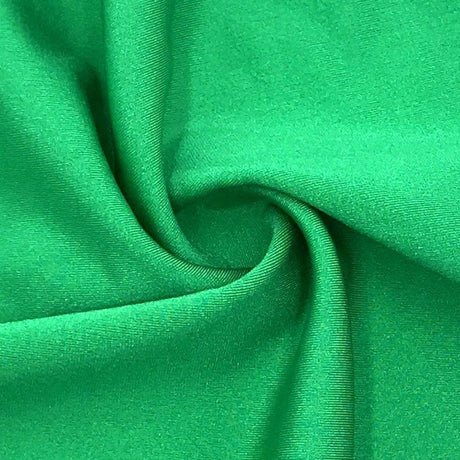
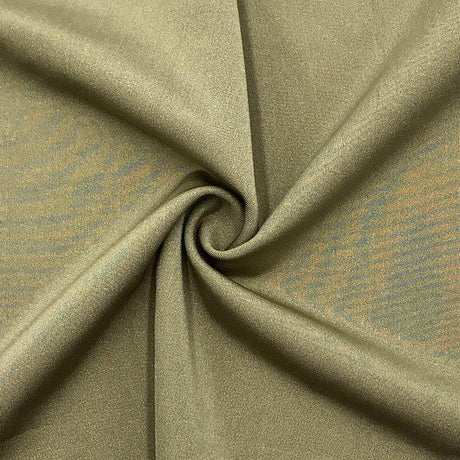
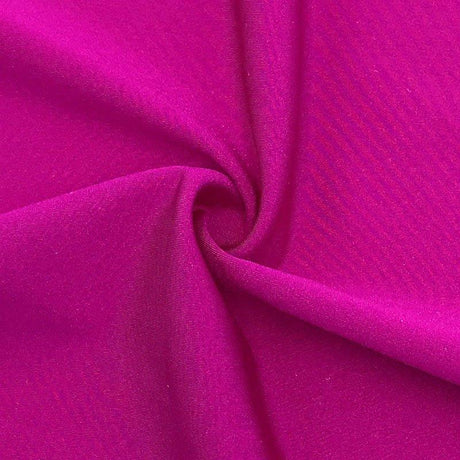
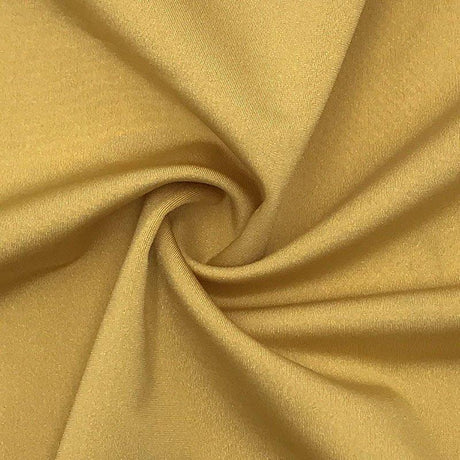
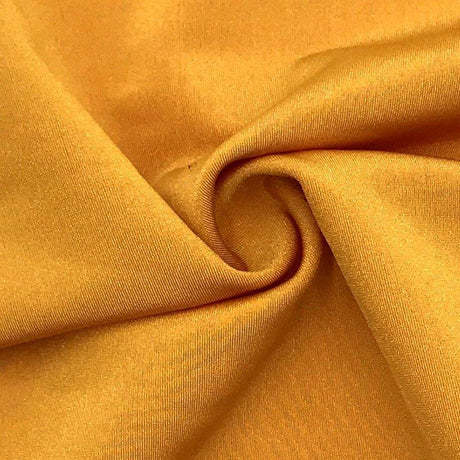
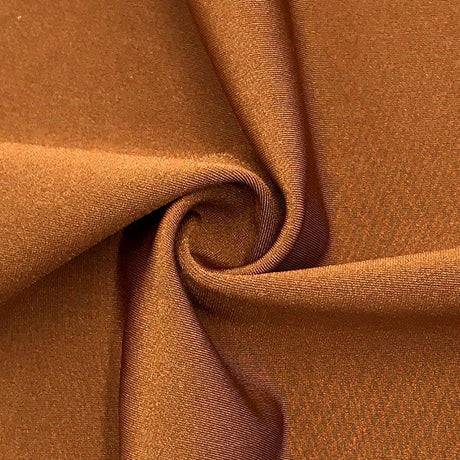
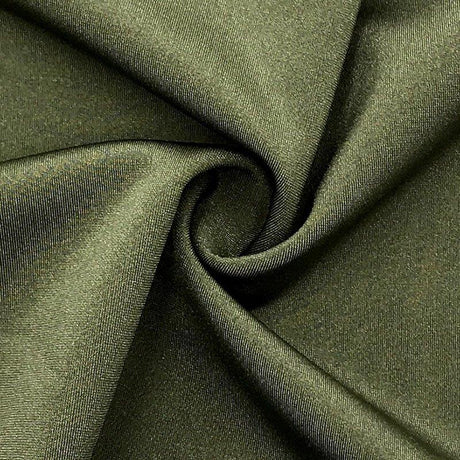
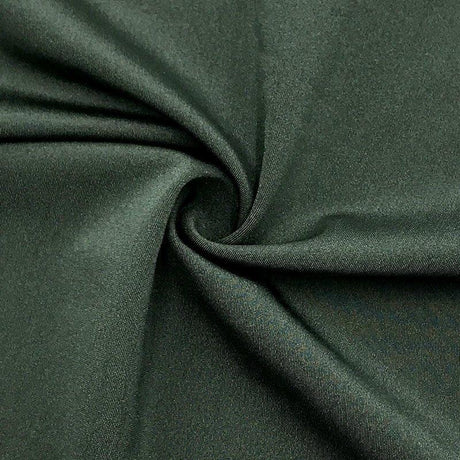
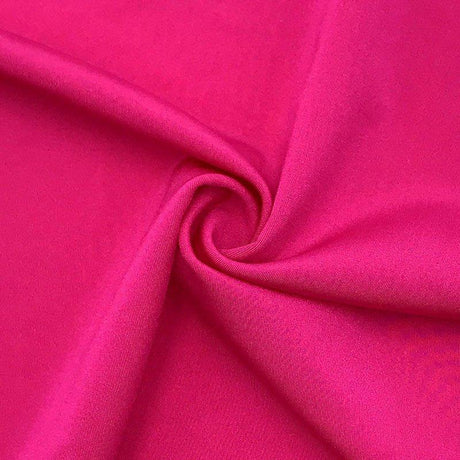
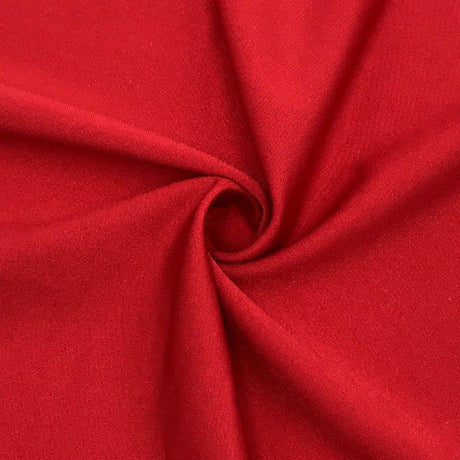
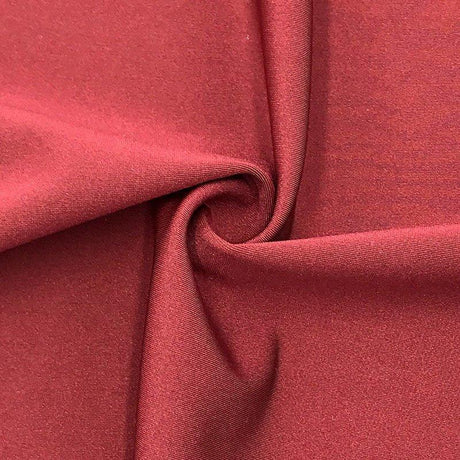
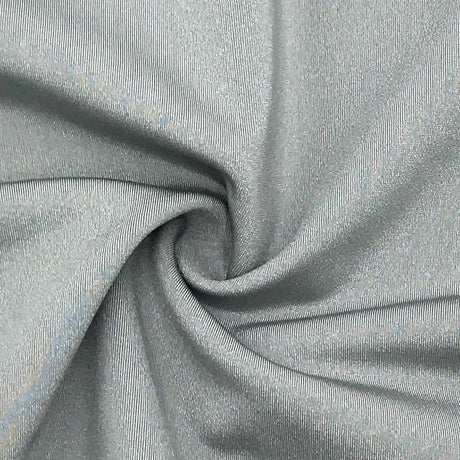
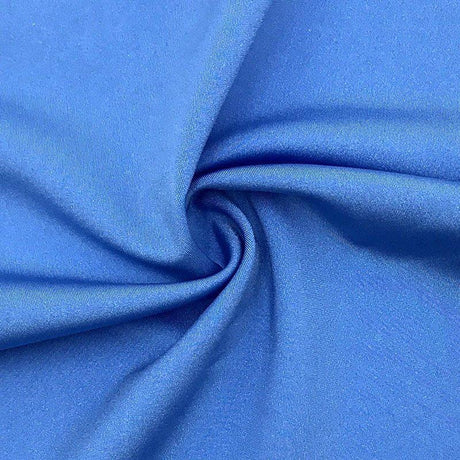
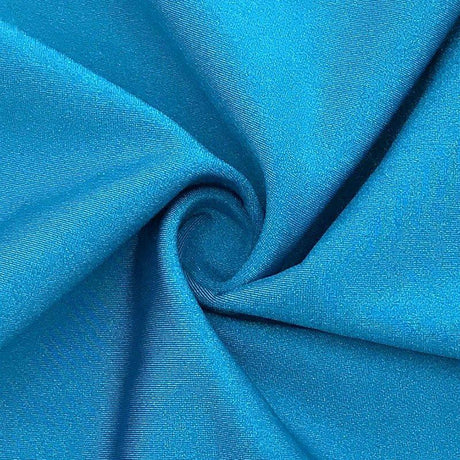
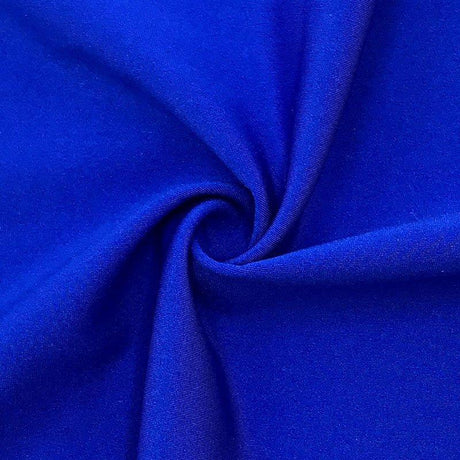
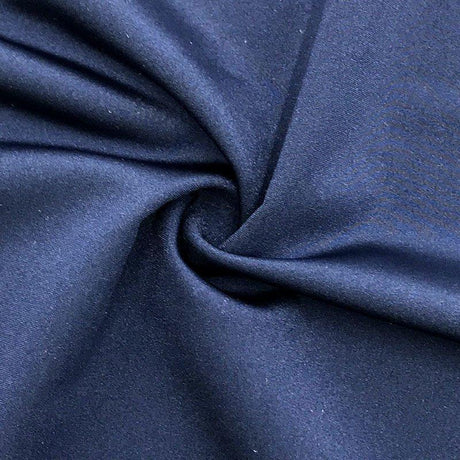
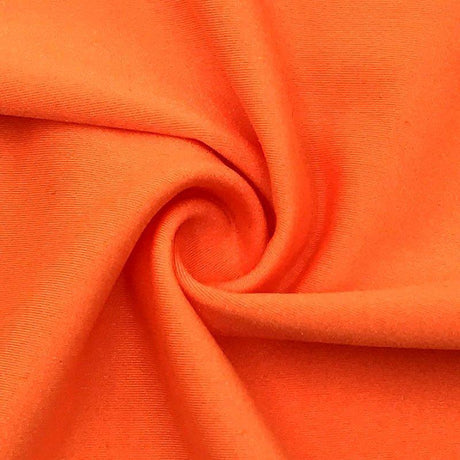
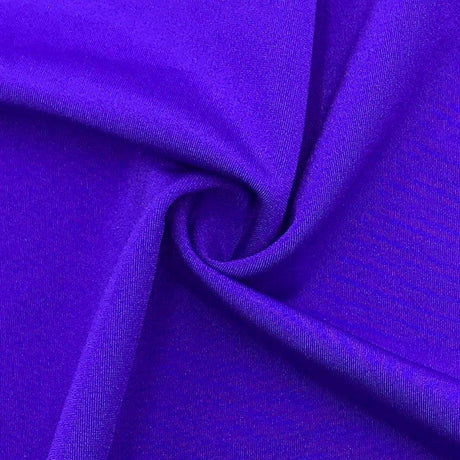
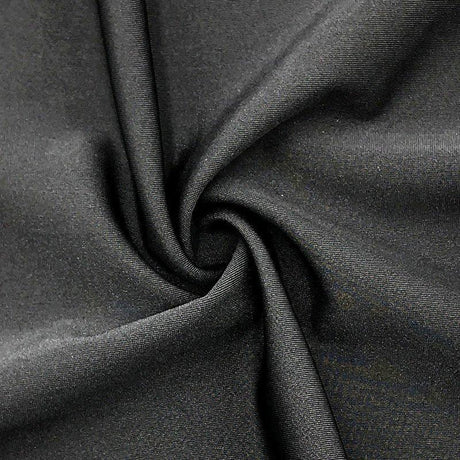
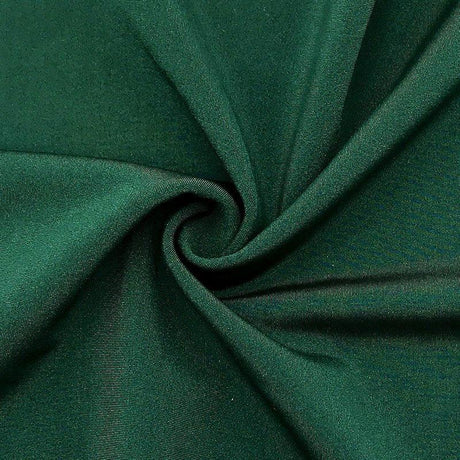
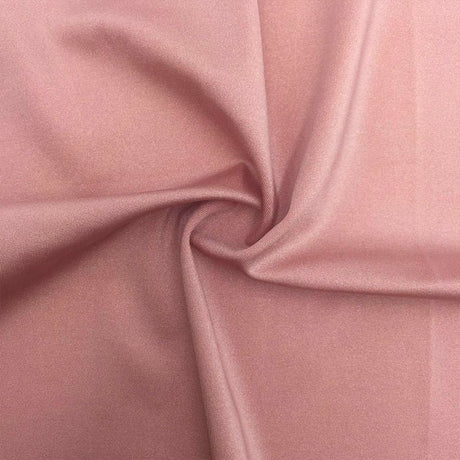
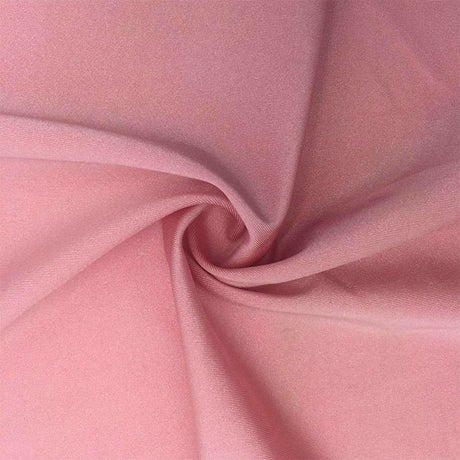
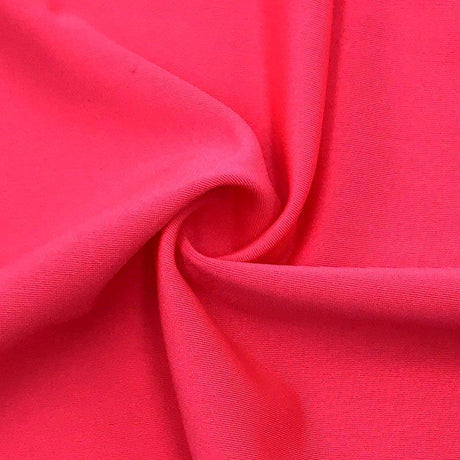
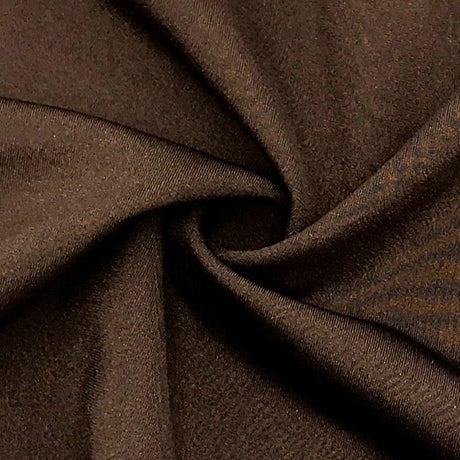
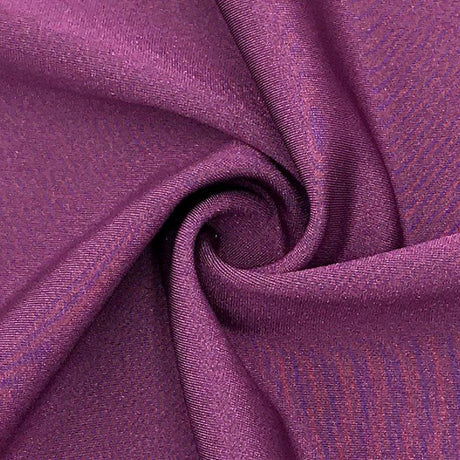
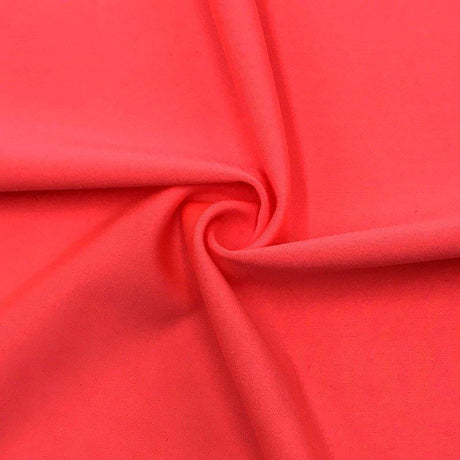
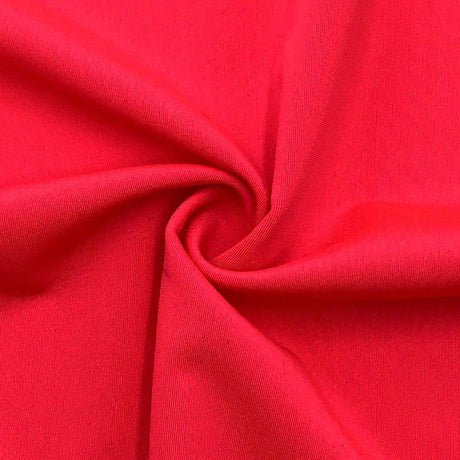
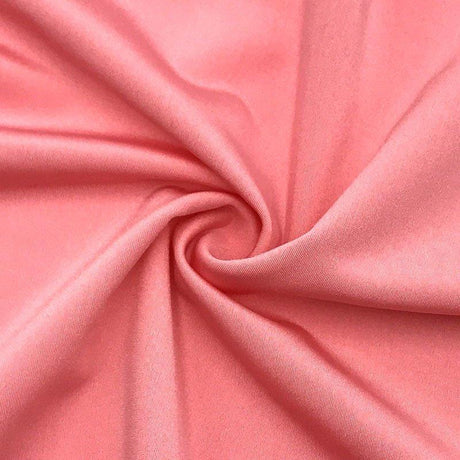
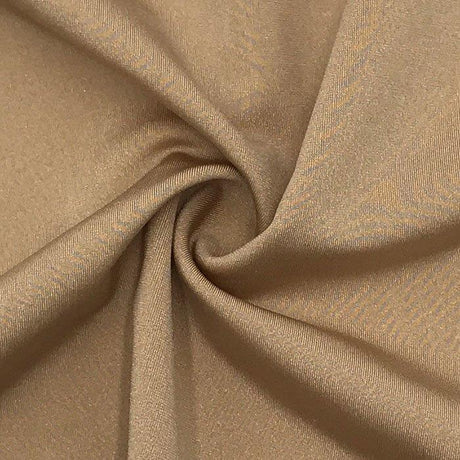
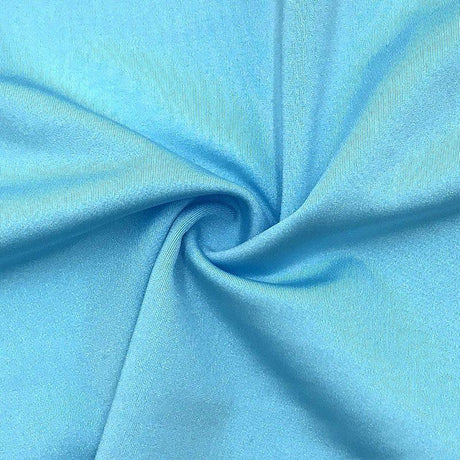
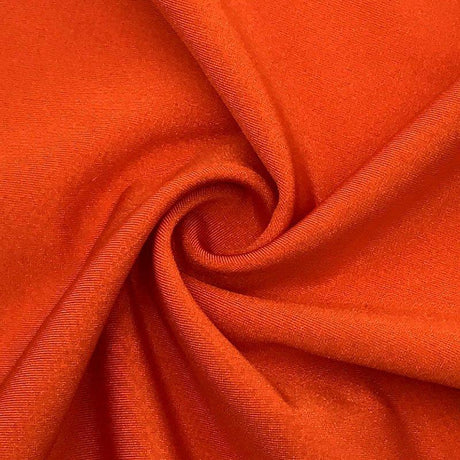
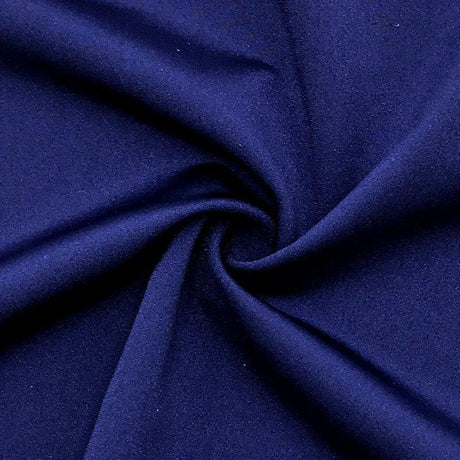
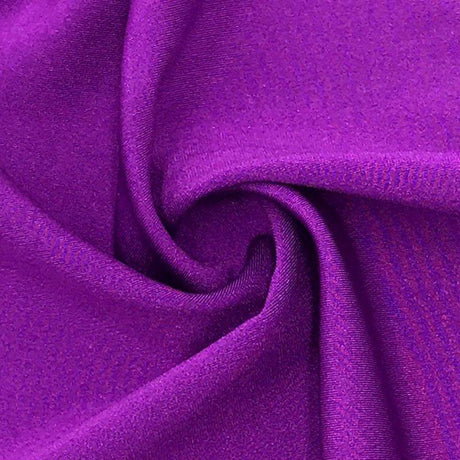
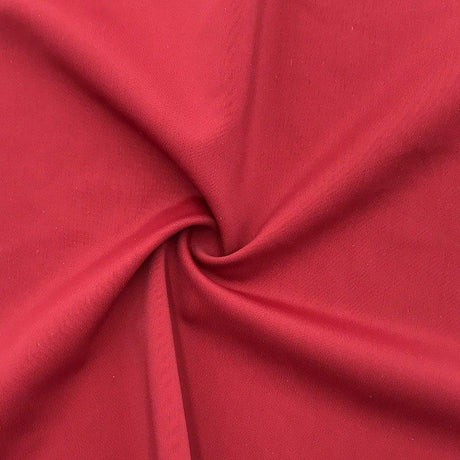
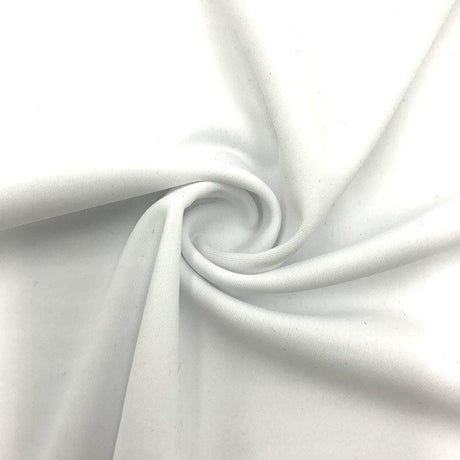
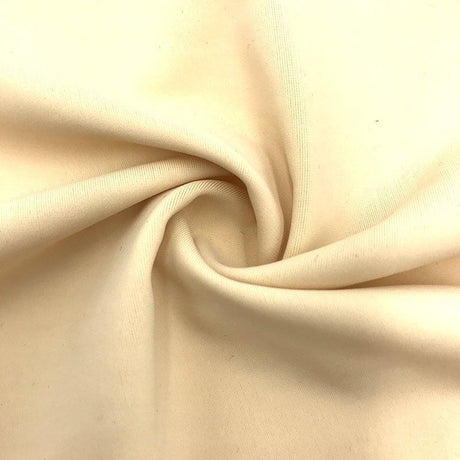
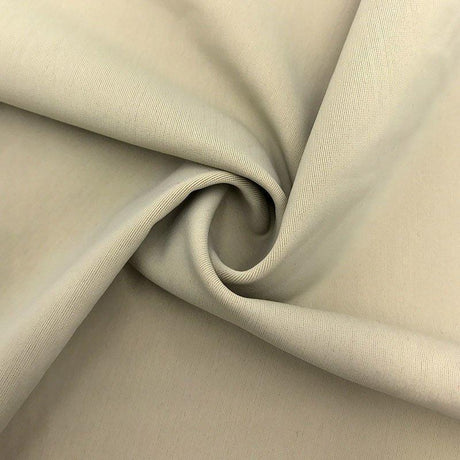
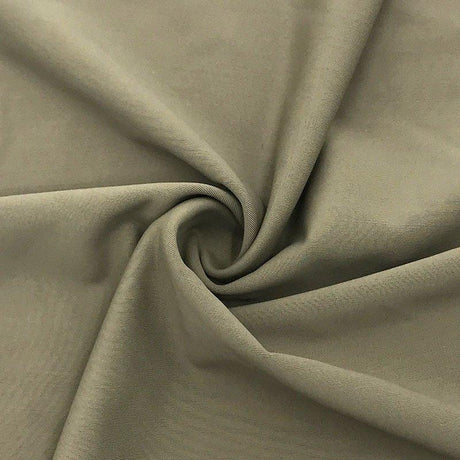
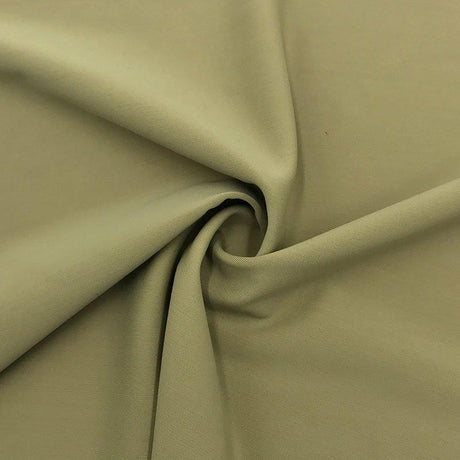
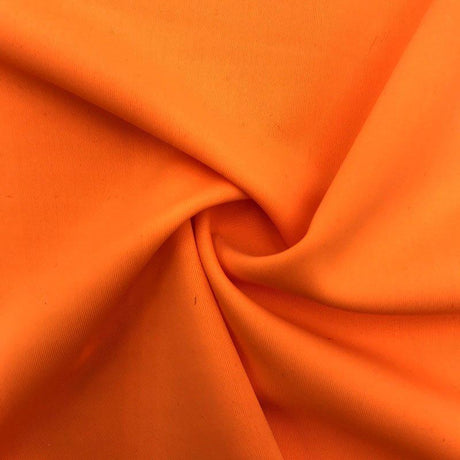
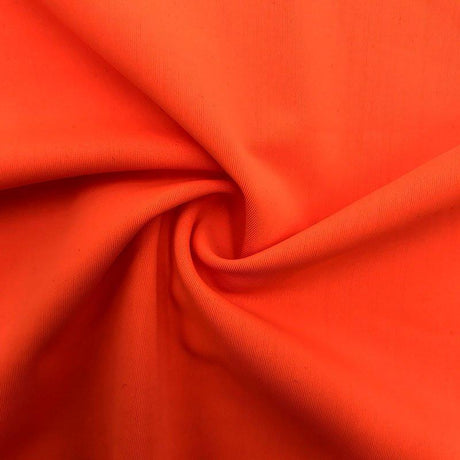
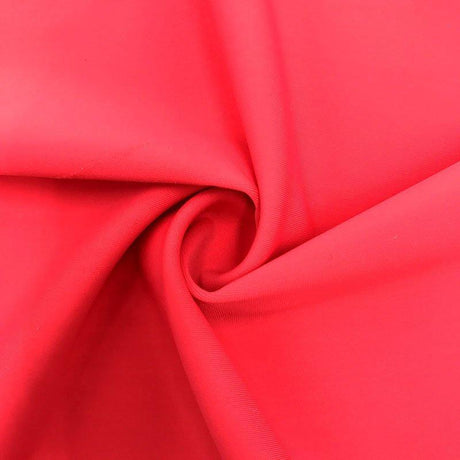
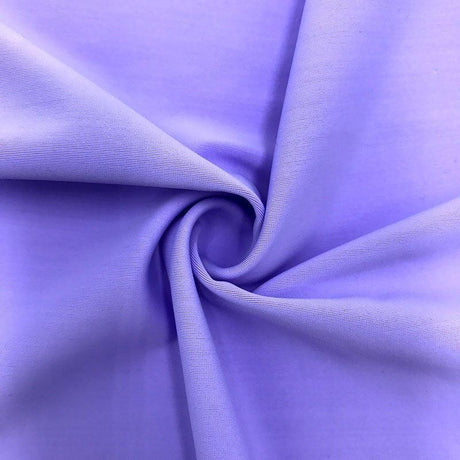
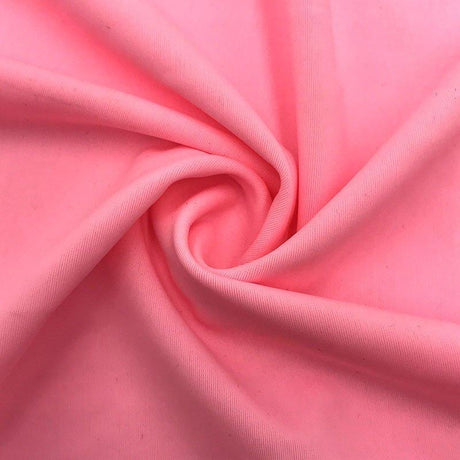
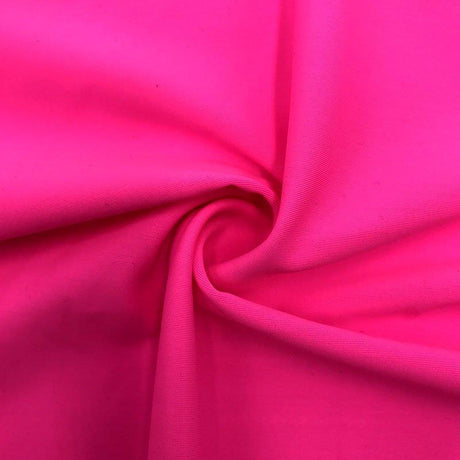
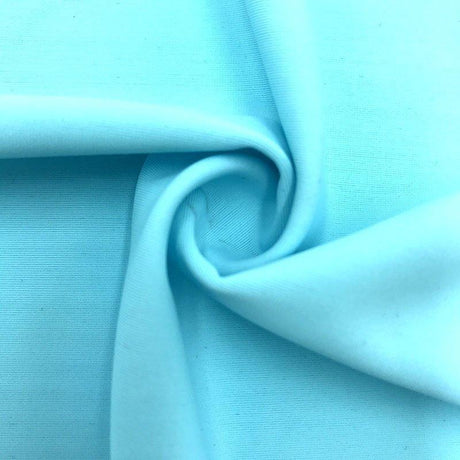
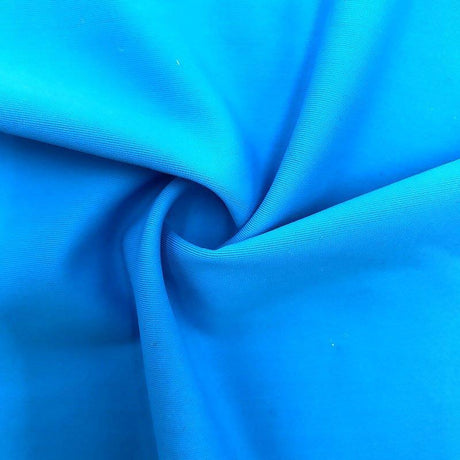
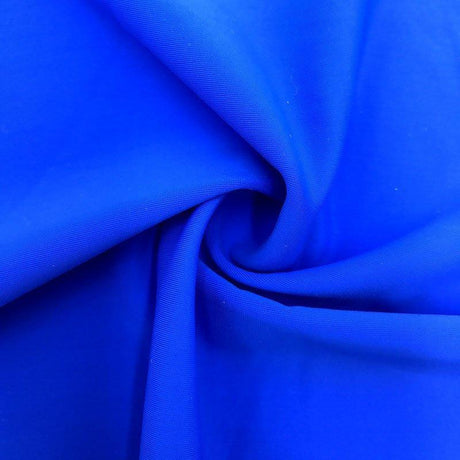
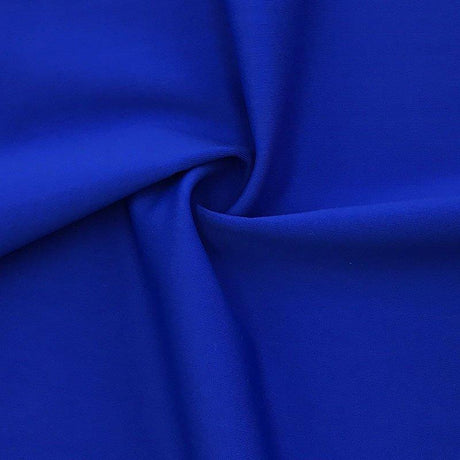
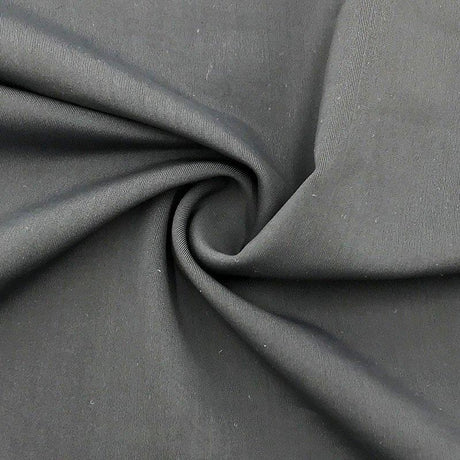
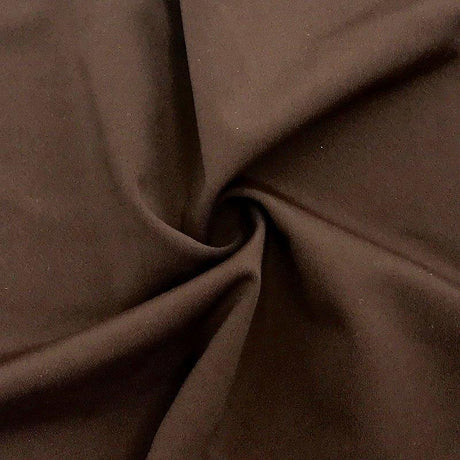
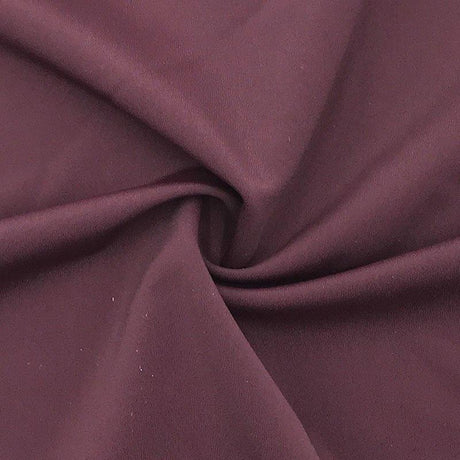
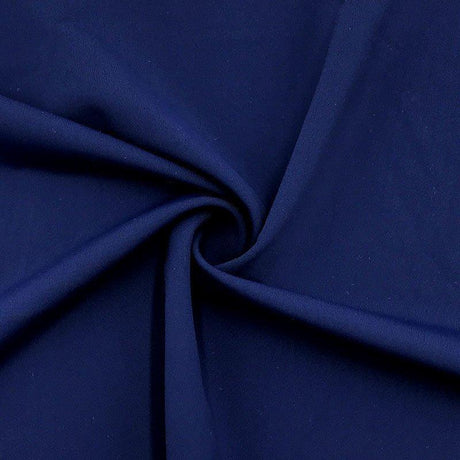
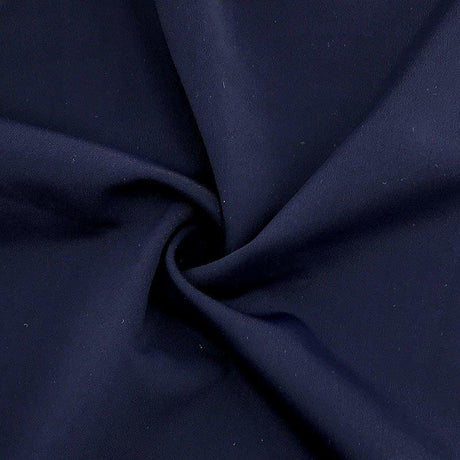
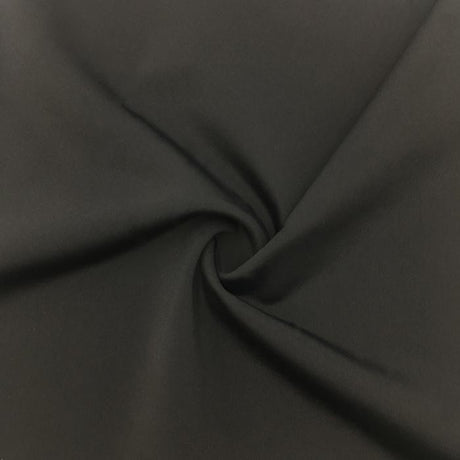
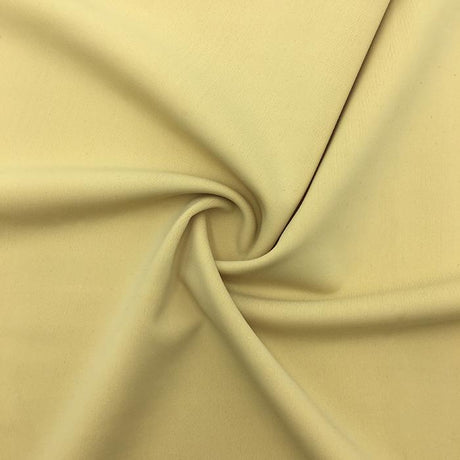
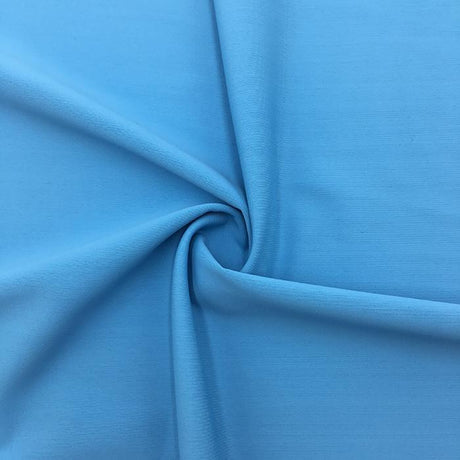
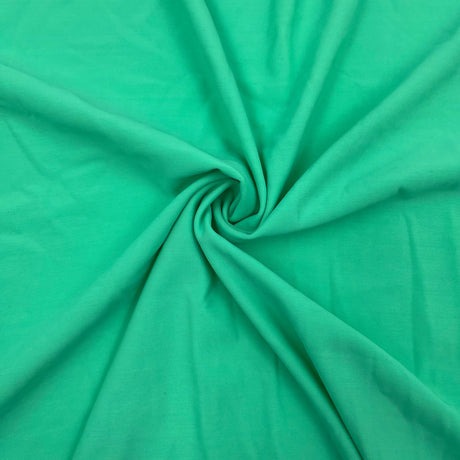
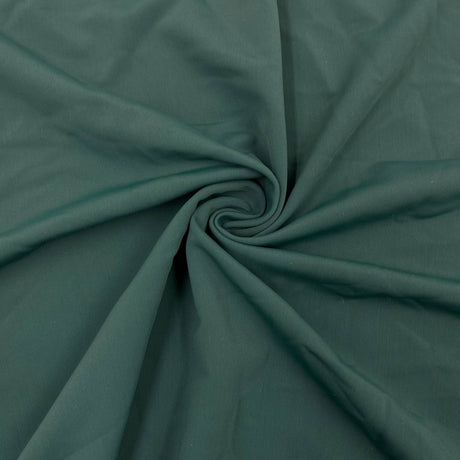
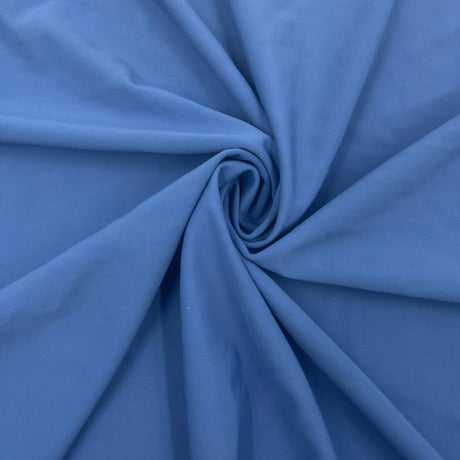
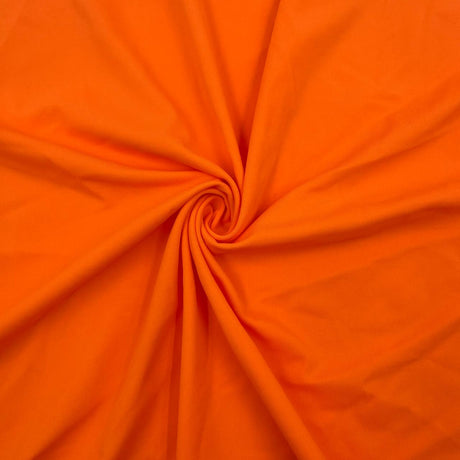
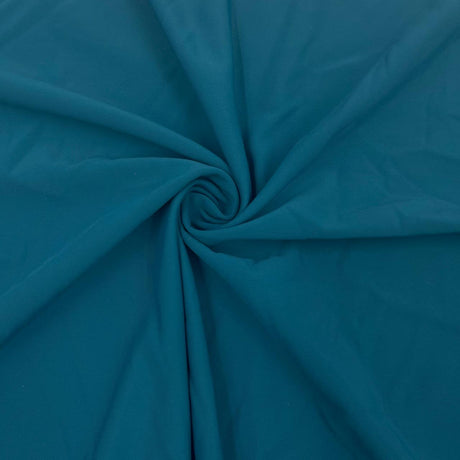
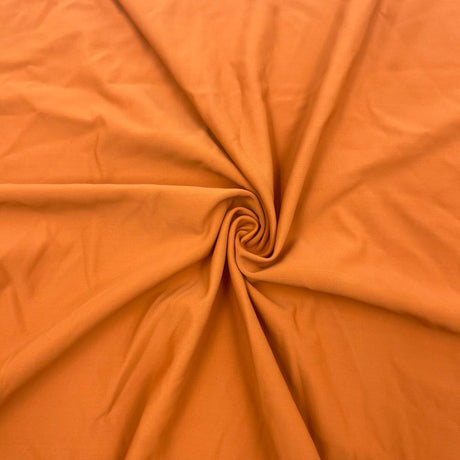
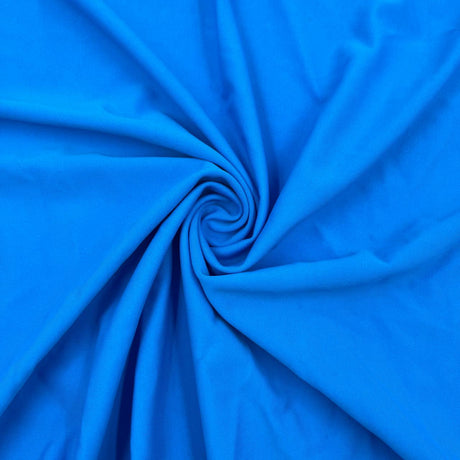
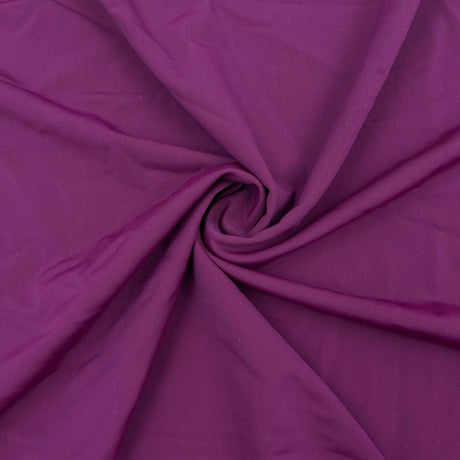
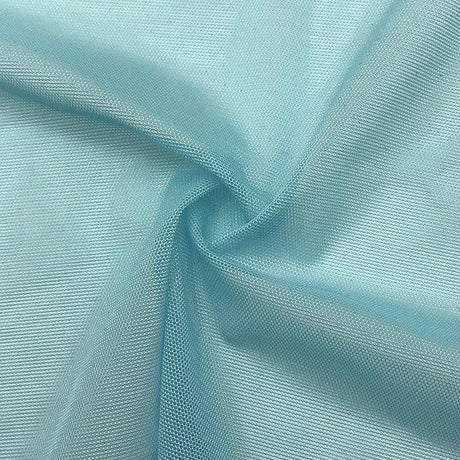
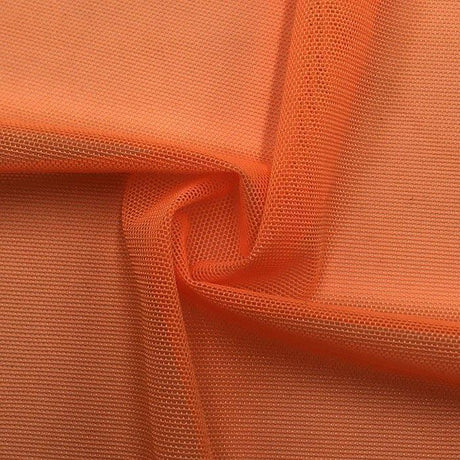
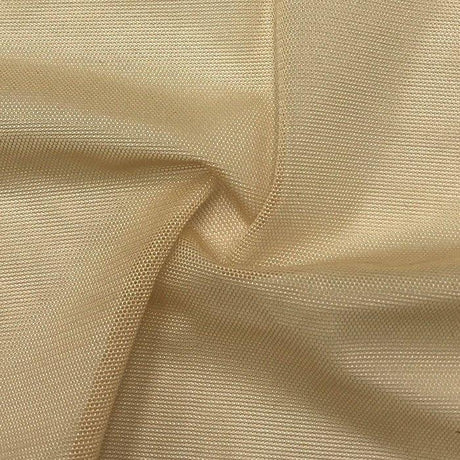
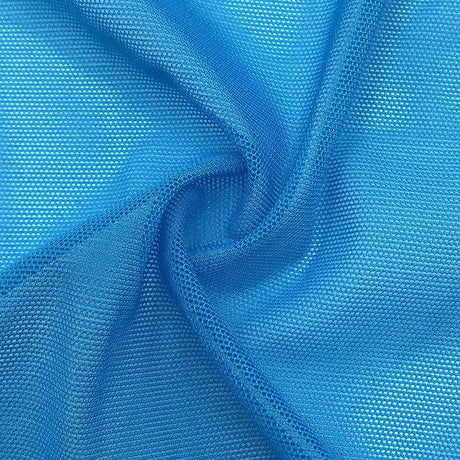
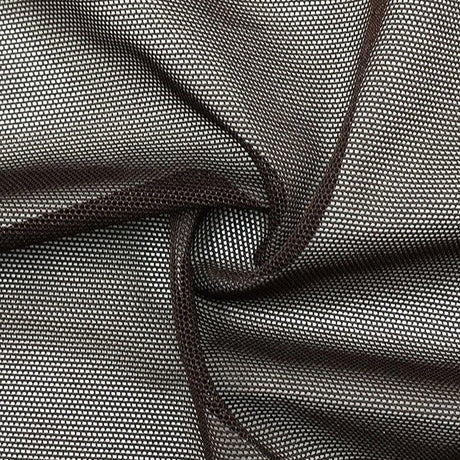
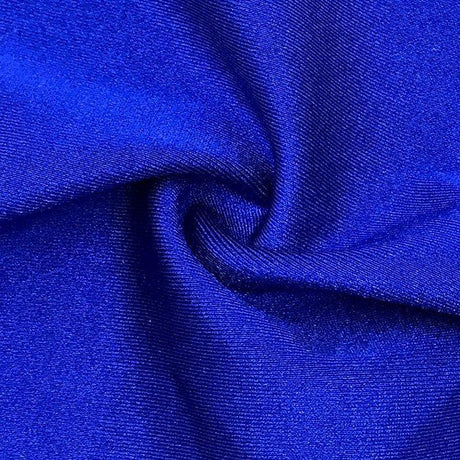
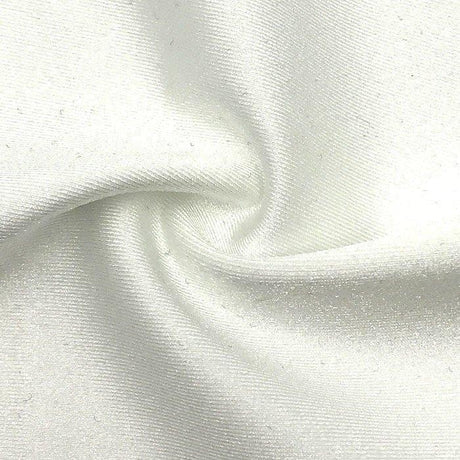
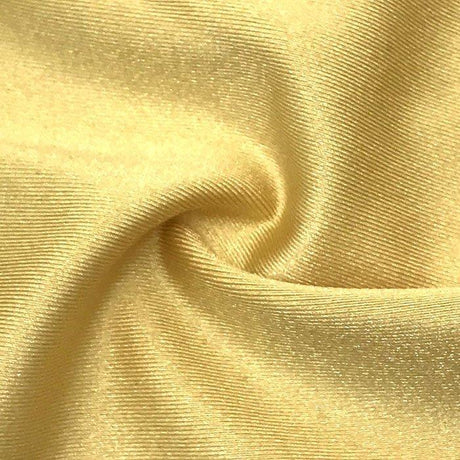
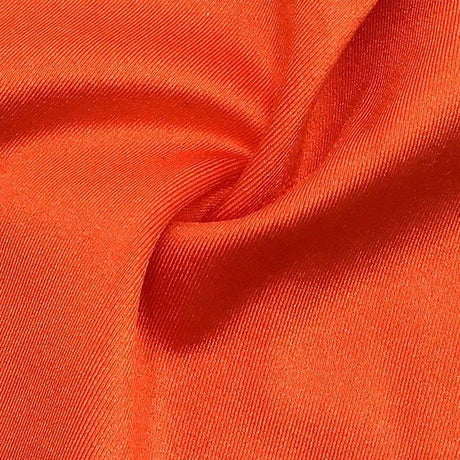
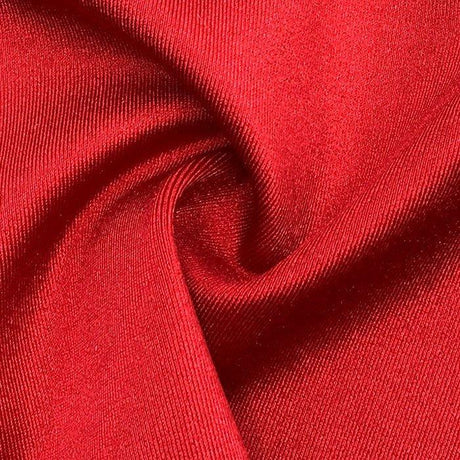
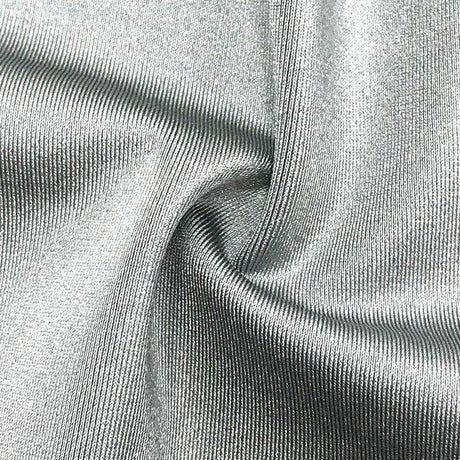
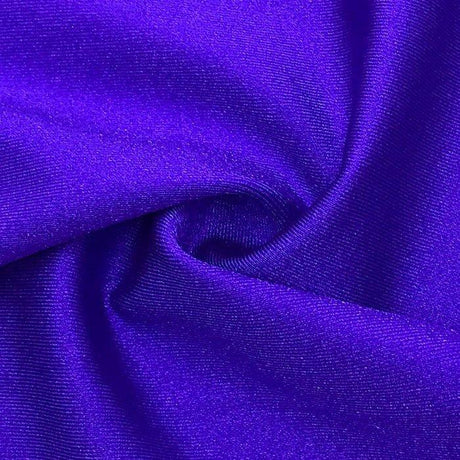
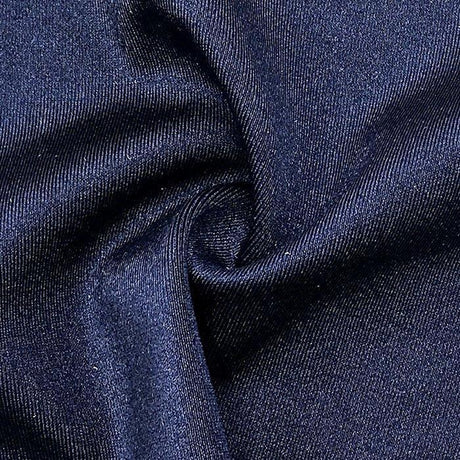
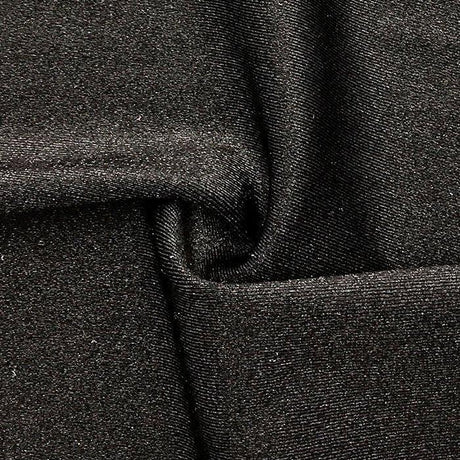
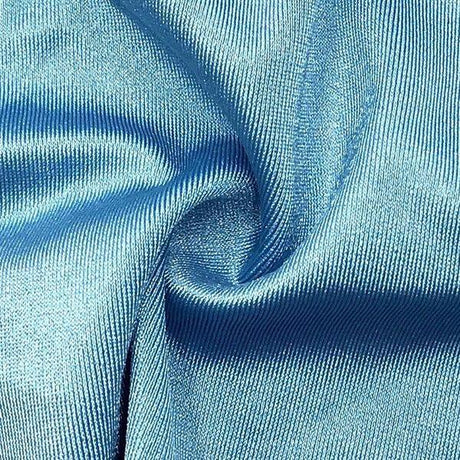
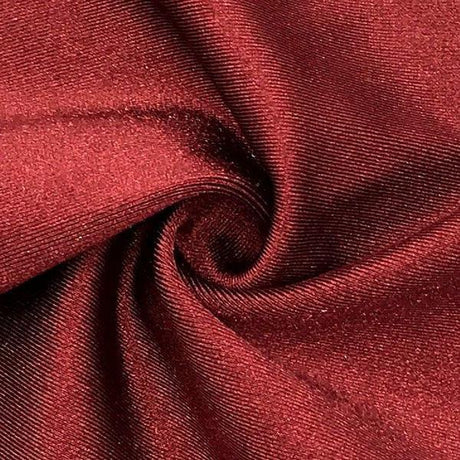
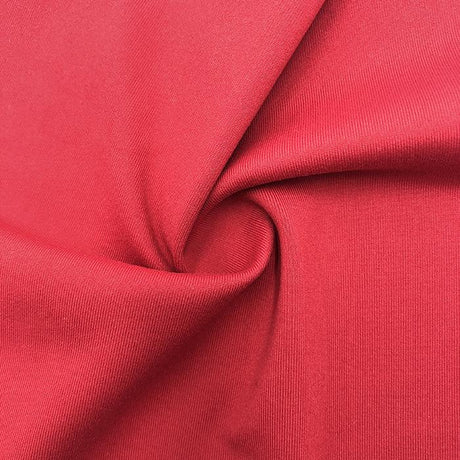
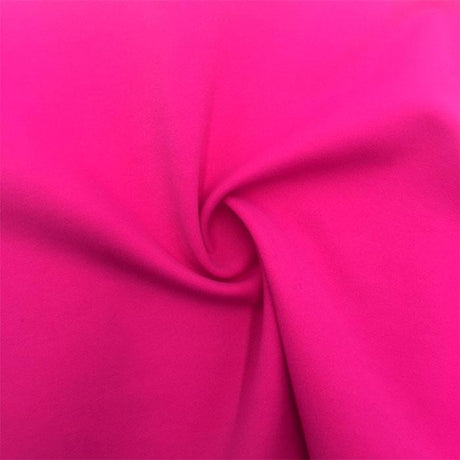
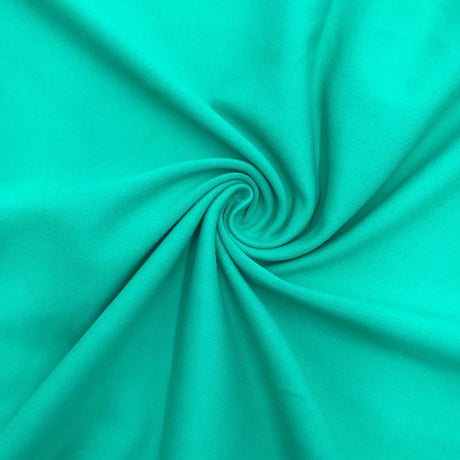
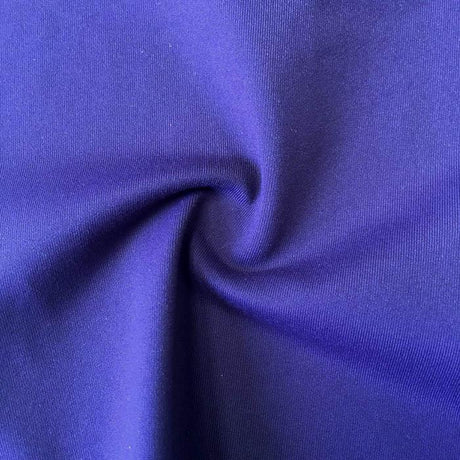
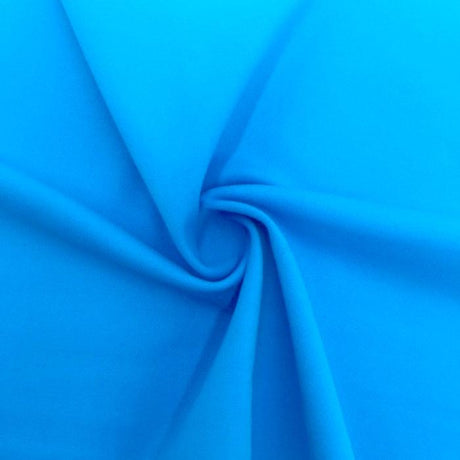
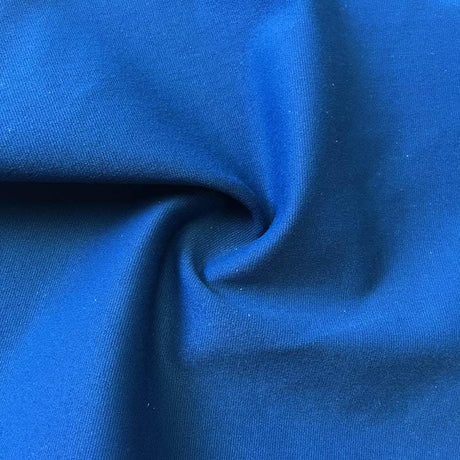
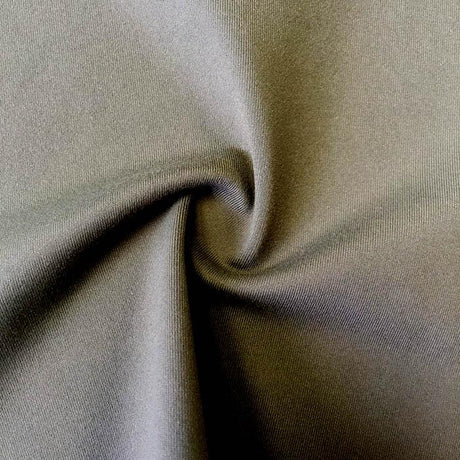
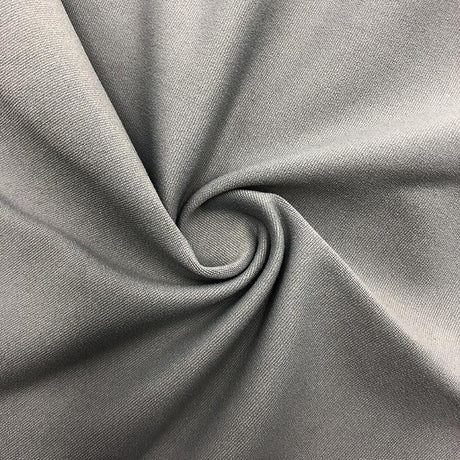
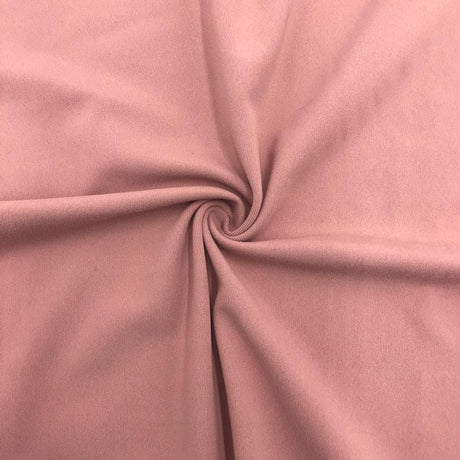
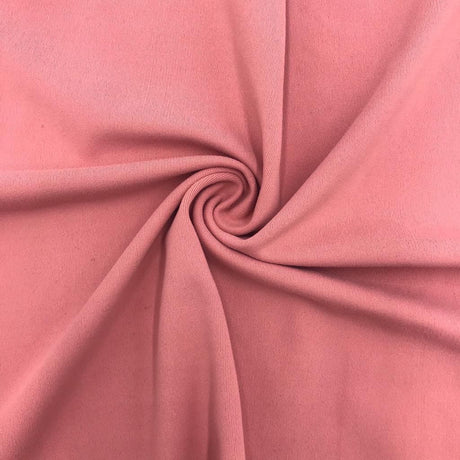
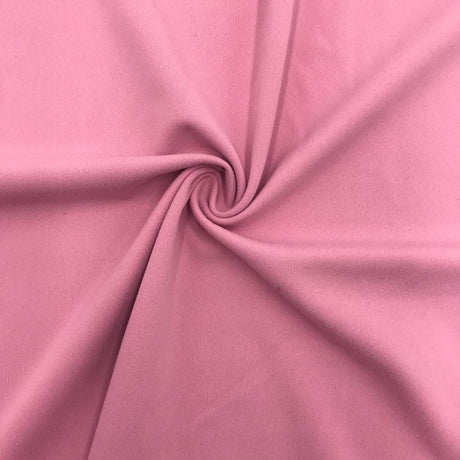
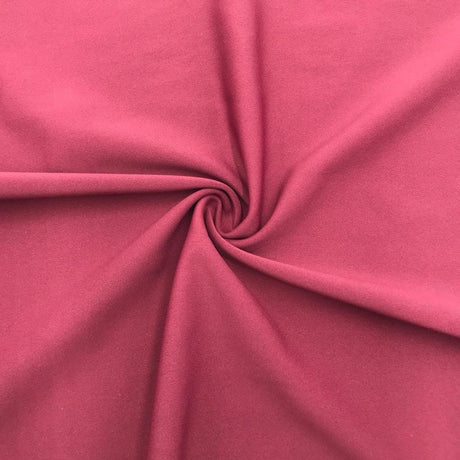
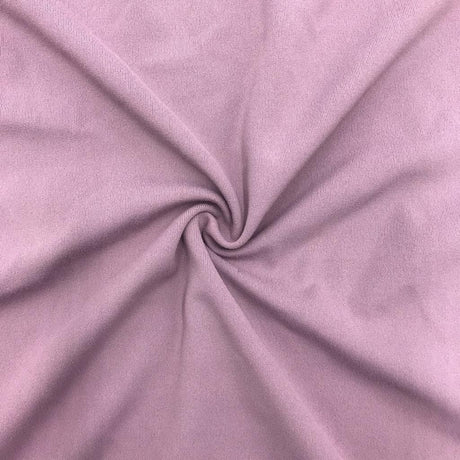
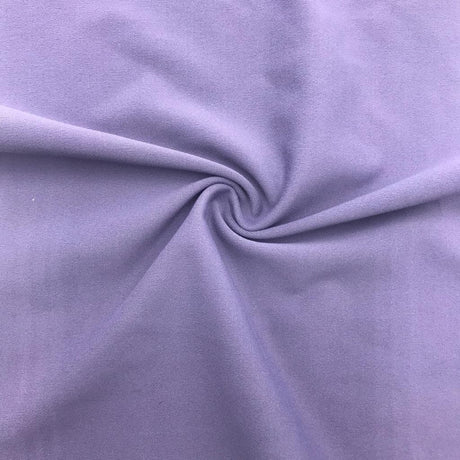
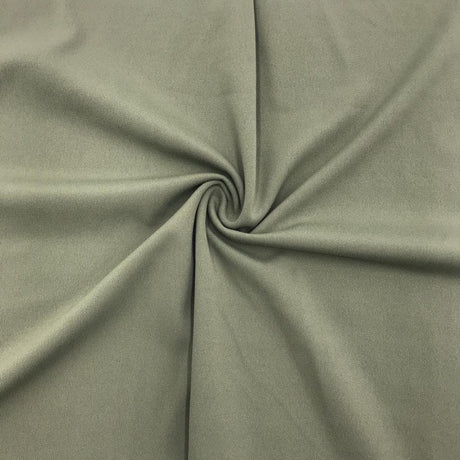
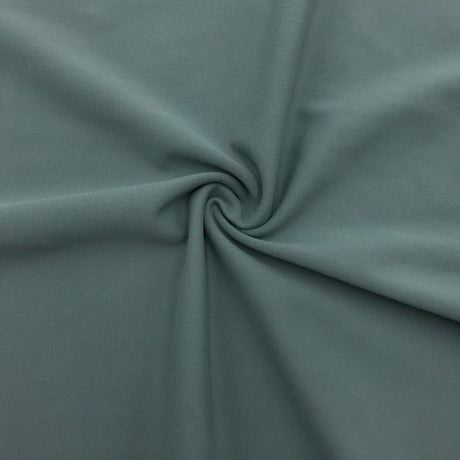
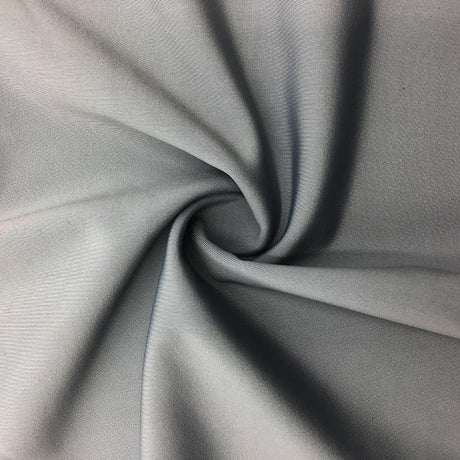
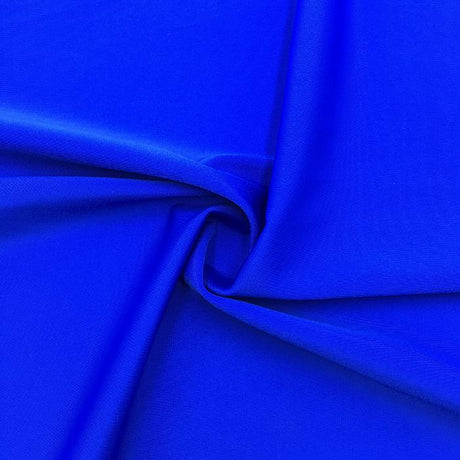
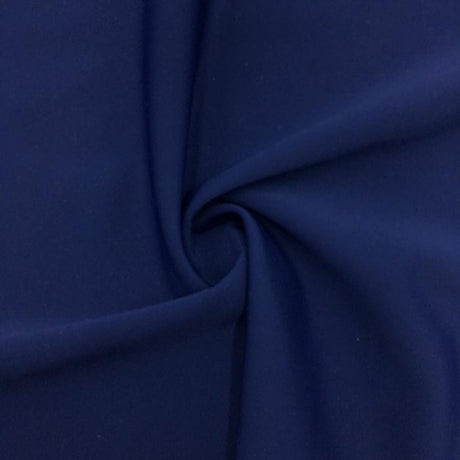
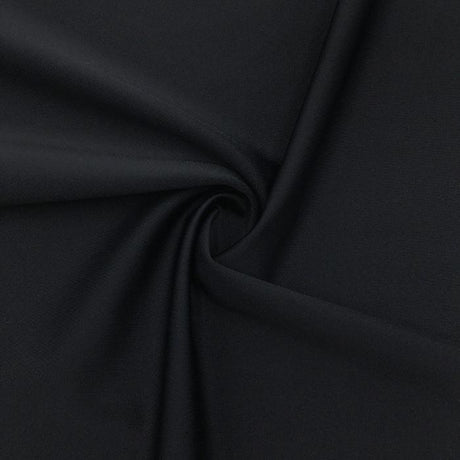
What makes your favorite pair of underwear or that go-to loungewear set so comfortable you never want to take it off? While design and style play a part, the real secret is the fabric. For garments worn closest to the skin for hours on end, the choice of material is paramount. And for ultimate comfort, stretch, and durability, there's one key ingredient that's become indispensable: spandex. For a broader foundation before diving in, explore our stretch fabric types page or browse our full fabric guides hub.
Spandex has revolutionized the way we think about comfort. However, not all spandex fabrics are created equal. The companion fiber it's blended with fundamentally changes the fabric's properties, from its softness and breathability to its moisture management and longevity. This comprehensive guide will walk you through the essential features to look for when choosing spandex for intimates and loungewear.
Key Features to Look for in Underwear and Loungewear Fabrics
When a fabric is in constant, direct contact with your skin, its properties become more important than ever. Here are the four key features that define a great fabric for intimates and loungewear.
1. Softness and Hand Feel: This is a non-negotiable feature. The fabric must be gentle and soft against the skin to prevent irritation and ensure comfort throughout the day or night. Garments for intimates and loungewear are meant to be worn for extended periods – a rough or stiff fabric can cause chafing, itching, and general discomfort, regardless of its other properties.
2. Breathability and Moisture Management: A fabric must allow the skin to breathe and effectively manage moisture to maintain a comfortable and hygienic microclimate. Trapped moisture can lead to irritation, a clammy feeling, and the growth of bacteria. Breathability is key for preventing overheating, especially in sleepwear. Our activewear fabric guide covers moisture-wicking ratings across all common spandex-blend constructions – the same properties that make these fabrics so valuable in next-to-skin applications.
3. Stretch and Recovery: A garment for intimates needs to move with your body without being restrictive, and it must snap back into shape to prevent sagging. Excellent recovery is vital for preventing the dreaded "baggy bottom" in underwear or the stretched-out waistband in your favorite loungewear pants. Our stretch fabric types page covers how spandex percentage and knit construction affect recovery ratings across all common blend types.
4. Durability and Wash Resistance: Underwear and loungewear are washed frequently. The fabric must be durable enough to withstand repeated cycles without losing its shape, color, or softness. Our fabric care guide and spandex care guide cover complete laundering protocols to preserve softness and elasticity through repeated washing.
The Best Spandex Blends for Underwear and Loungewear
Spandex is rarely used on its own. Its elastic properties are combined with other fibers to create blends that possess the perfect balance of comfort, durability, and functionality. Here are the most popular and effective blends.
1. Cotton-Spandex: The All-Natural Favorite
Composition: Typically 90–95% Cotton, 5–10% Spandex (Elastane/Lycra)
What it is: This is perhaps the most classic blend for underwear. It combines the natural softness and breathability of cotton with the stretch and recovery of spandex. Our cotton-spandex fabric guide covers this blend's full performance profile, including stretch behavior, moisture management, and care requirements for intimate and loungewear applications.
Key Features:
- Soft and Breathable: Cotton is renowned for its natural comfort and ability to allow air to circulate, making it ideal for everyday wear and sensitive skin.
- Absorbent: Cotton is highly absorbent, which is both a pro and a con. It feels soft and comfortable when absorbing sweat, but it also retains moisture, making it slow to dry.
- Hypoallergenic: Natural cotton is less likely to cause skin irritation than some synthetic fibers.
- Good Stretch: The addition of spandex provides enough stretch for a comfortable, non-restrictive fit that moves with the body.
- Moderate Durability: While cotton is durable, it can be prone to shrinking and fading over time, and its recovery is not as strong as synthetic blends.
Ideal For: Everyday underwear, comfortable loungewear and sleepwear where softness is the main priority.
Pros: Superior softness and breathability; hypoallergenic and gentle on the skin; widely available and often affordable.
Cons: Absorbs and retains moisture, making it slow to dry; can lose shape or "bag out" more easily than synthetic blends; less durable for high-performance applications.
2. Modal-Spandex: The Luxurious Sensation
Composition: Typically 90–95% Modal, 5–10% Spandex (Elastane/Lycra)
What it is: Modal is a type of rayon (a semi-synthetic cellulose fiber made from beech tree pulp). It's celebrated for its incredible softness and silky texture, which is even softer than cotton. When blended with spandex, it creates a fabric that feels luxurious and moves beautifully.
Key Features:
- Exceptional Softness: Often described as having a silky, "buttery" feel. Modal has a smooth surface that resists mineral deposits from hard water, so it remains soft and luxurious even after many washes.
- Enhanced Breathability and Moisture Wicking: Modal is more breathable and wicks moisture better than cotton. It can absorb 50% more water than cotton, but it also pulls it away from the body more effectively.
- Durable and Colorfast: Modal is strong and resistant to shrinking, fading, and pilling, making it more durable than cotton for frequent washing. Our fabric care guide covers gentle laundering protocols that preserve Modal's signature softness through repeated washing.
- Beautiful Drape: It has a natural fluid drape, which looks elegant and feels light on the body.
Ideal For: High-end loungewear and sleepwear where a luxurious, silky feel is paramount; premium underwear that offers superior softness and breathability.
Pros: The softest hand feel on the market; excellent breathability and moisture absorption; durable, colorfast, and resistant to shrinking; environmentally friendlier than other synthetics.
Cons: Generally more expensive than cotton or nylon blends; may not be as durable as nylon-spandex for high-abrasion activities.
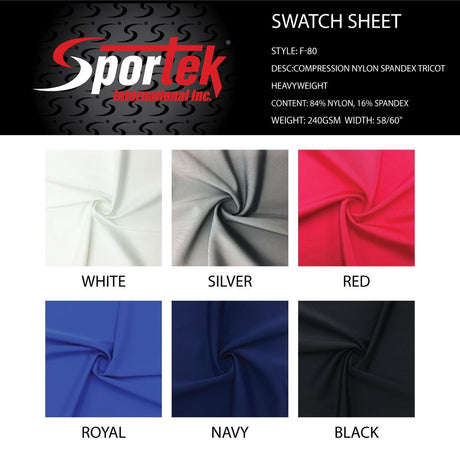
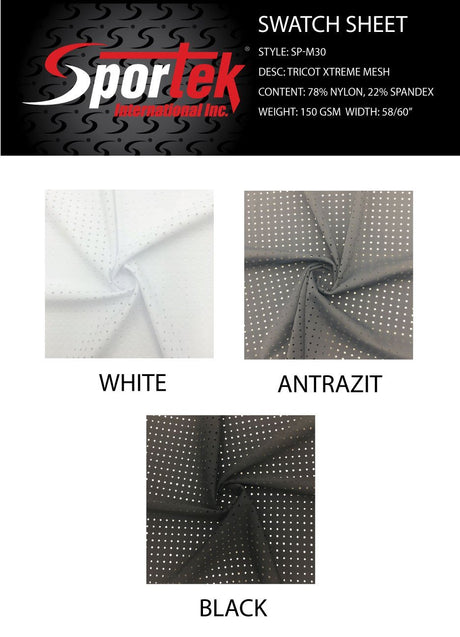
3. Nylon-Spandex: The High-Performance Powerhouse
Composition: Typically 80–90% Nylon, 10–20% Spandex (Elastane/Lycra)
What it is: This blend combines the exceptional strength and moisture-wicking properties of nylon with the powerful stretch and recovery of spandex. Our nylon-spandex fabric guide covers this blend's full performance profile – including how it compares to polyester-spandex in softness, moisture management, and durability for intimate and performance applications.
Key Features:
- Superior Durability: Nylon is incredibly strong and abrasion-resistant, making this blend highly durable for frequent wear and washing.
- Excellent Moisture Management: Nylon wicks sweat away from the body effectively and dries much faster than cotton or modal.
- Fantastic Stretch and Recovery: This blend provides powerful stretch and "snap-back," ensuring garments maintain their shape and fit flawlessly.
- Smooth Hand Feel: High-quality nylon-spandex can have a very smooth, sleek, and cool hand feel.
Ideal For: Performance underwear for workouts or high-activity days; shapewear and compression garments; lightweight and durable sleepwear for those who prioritize moisture-wicking.
Pros: Extremely durable and long-lasting; excellent moisture wicking and fast drying; great stretch and shape retention.
Cons: May not be as soft as cotton or modal; less breathable than natural fibers; can be more prone to static electricity.
4. Polyester-Spandex: The All-Around Workhorse
Composition: Typically 80–90% Polyester, 10–20% Spandex (Elastane/Lycra)
What it is: Polyester-spandex is another synthetic blend known for its durability, moisture management, and wrinkle resistance. It's an effective and often more affordable alternative to nylon-spandex.
Key Features:
- Outstanding Moisture Wicking: Polyester is a leader in wicking moisture and drying quickly, making it a great choice for keeping dry.
- High Durability and Colorfastness: Polyester is very strong and holds color exceptionally well, so garments won't fade with washing.
- Wrinkle-Resistant: Naturally resistant to wrinkles, which is great for travel or casual loungewear.
- Less Soft than Nylon: Historically, polyester was considered less soft than nylon, but modern microfibers and brushing techniques have made it competitive in hand feel. Our fabric finishes guide covers how brushing and other surface treatments can improve the hand feel of polyester-spandex for next-to-skin applications.
Ideal For: Performance underwear as a great, affordable alternative to nylon-spandex; durable loungewear for pieces that need to withstand frequent wear and washing.
Pros: Superior moisture wicking and quick drying; very durable and resistant to fading; more affordable than nylon or modal.
Cons: Can feel less soft than other blends (though this is improving); can sometimes retain odors if not treated with an anti-microbial finish.
Choosing Fabric Based on Garment Type: A Practical Guide
The best spandex blend isn't a one-size-fits-all solution. It's about matching the fabric's properties to the garment's intended use. Our how to choose fabric guide walks through this decision framework systematically for all common intimate and loungewear applications.
For Everyday Underwear: Best Choice: Cotton-Spandex or Modal-Spandex. For daily wear, softness and breathability are the most important factors. Modal is the premium choice for its superior softness and durability, while cotton is the classic, affordable option.
For Performance Underwear (Workout Gear): Best Choice: Nylon-Spandex or Polyester-Spandex. When you're exercising, you need a fabric that wicks moisture away from the body and dries quickly to prevent chafing and discomfort. Nylon offers a smoother, more luxurious feel and superior abrasion resistance, while polyester is a great, durable, and often more affordable alternative.
For Loungewear: Best Choice: Modal-Spandex or Cotton-Spandex. Modal provides an incredibly soft, silky, and elegant feel with a beautiful drape. Cotton is a classic for its familiar softness and breathability. Our fabric weight guide covers the GSM ranges best suited to loungewear applications for both blend types.
For Sleepwear: Best Choice: Modal-Spandex or Cotton-Spandex. Similar to loungewear, sleepwear prioritizes comfort and breathability. Both of these blends are excellent choices, with modal being the more luxurious option.
Important Considerations for Home Sewers and Manufacturers
If you're creating your own garments, a few extra details can make all the difference.
Fabric Weight (GSM): For underwear and loungewear, a light to mid-weight fabric (150–220 GSM) is ideal. Anything too heavy will feel bulky and warm, while anything too light might be sheer. Our fabric weight guide provides a full breakdown of GSM ranges and how weight affects drape, coverage, and comfort in intimate and loungewear applications.
4-Way Stretch: Always look for a 4-way stretch fabric. This is essential for intimates and loungewear to ensure the garment moves with your body in all directions. Our stretch fabric types page explains how to verify true 4-way stretch and compare stretch percentages across different constructions.
Quality Spandex: The quality of the spandex (e.g., using Lycra) is crucial for ensuring the fabric has excellent recovery and won't bag out over time. This is especially important for waistbands and leg openings.
Proper Sewing Techniques: Use a ballpoint needle, a serger or zig-zag stitch, and a thread that has some stretch to ensure your seams are durable and won't pop. Our how to sew stretch fabric guide covers needle selection, stitch settings, and machine setup for all common intimate and loungewear fabric types.
Frequently Asked Questions (FAQ)
Q1: What is the ideal spandex percentage for underwear? For underwear and loungewear, a spandex content between 5% and 10% is usually ideal. This provides enough stretch for comfort and a good fit without making the fabric feel too tight or synthetic. For high-performance sports underwear, a slightly higher percentage (10–15%) might be used for extra support. Our stretch fabric types page covers how spandex percentage translates to stretch and recovery ratings across all common blend types.
Q2: Is spandex breathable? Spandex itself is not highly breathable. The breathability of a spandex blend comes from the companion fiber. Cotton and Modal blends are highly breathable, while Nylon and Polyester blends are known for their moisture-wicking and quick-drying properties. Our cotton-spandex fabric guide covers breathability ratings for natural fiber blends, and our nylon-spandex fabric guide covers moisture-wicking ratings for synthetic blends.
Q3: Is modal a natural fiber? Modal is a semi-synthetic fiber. It is made from natural cellulose from beech trees, but it undergoes a chemical process to be turned into a fiber. It is often considered more sustainable and eco-friendly than many fully synthetic fibers.
Q4: Can I use activewear fabric for underwear? Yes, you can. Many of the same blends (like nylon and polyester-spandex) are used for both. However, activewear fabrics are often heavier and more compressive. For everyday underwear, you might prefer a lighter, softer fabric with a lower spandex percentage. For sports underwear, activewear fabrics are an excellent choice. Our activewear fabric guide covers how to evaluate activewear fabric specifications for intimate applications.
Q5: Which spandex blend is best for sensitive skin? Cotton-spandex and Modal-spandex are generally the best choices for sensitive skin. They are made from natural or semi-synthetic fibers that are soft, breathable, and less likely to cause irritation compared to some fully synthetic materials. Our cotton-spandex fabric guide covers hypoallergenic properties and care considerations for sensitive skin applications.
For additional questions about specific fabric options or sourcing, our expert help and advice page connects you with knowledgeable staff, and our FAQ page answers common ordering and specification questions.
Conclusion
Choosing the right spandex for your underwear and loungewear is an investment in your daily comfort and well-being. It's about selecting a fabric that not only feels great but also performs, lasts, and fits your specific needs. By understanding the unique properties of different spandex blends – from the all-natural comfort of cotton to the luxurious softness of modal and the high-performance durability of nylon – you can move beyond a generic "stretch fabric" and make a deliberate choice.
Whether you're creating a new line of garments or simply seeking the ultimate in personal comfort, the right fabric is the foundation of a great piece.
Ready to find the perfect blend? Explore our cotton-spandex fabric guide and nylon-spandex fabric guide for full performance profiles on each blend, use our fabric weight guide and stretch fabric types page to compare your options, and visit our how to sew stretch fabric guide for construction best practices. Our fabric care guide and spandex care guide will keep every finished piece soft and performing beautifully. Sign up for SpandexByYard Rewards to earn points on every purchase – because the right fabric truly makes all the difference in how you feel every day.