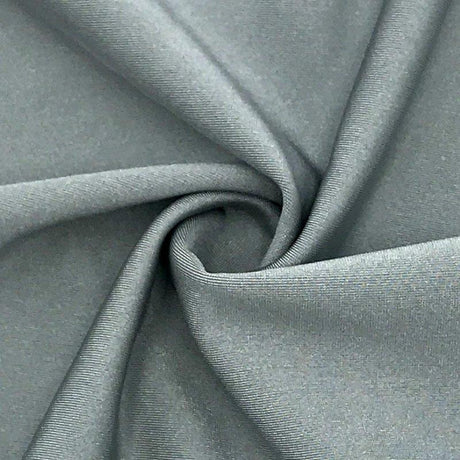
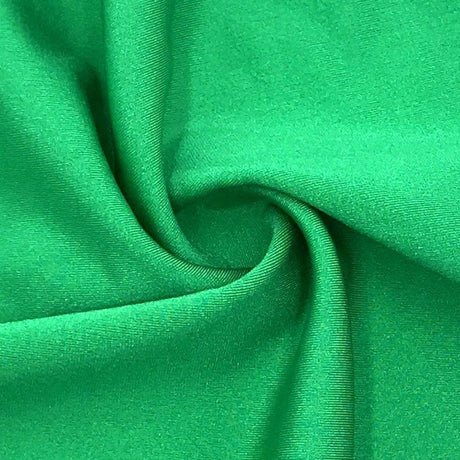
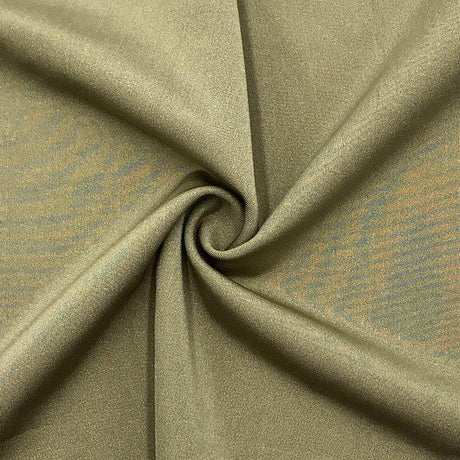
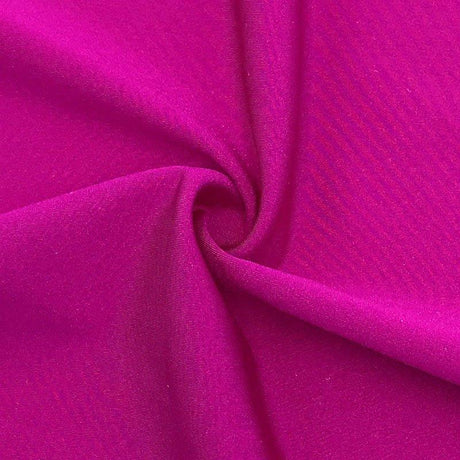
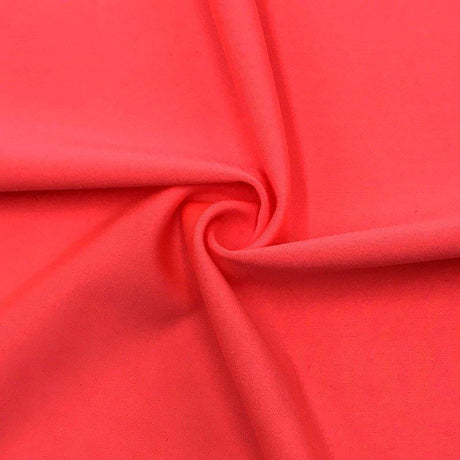
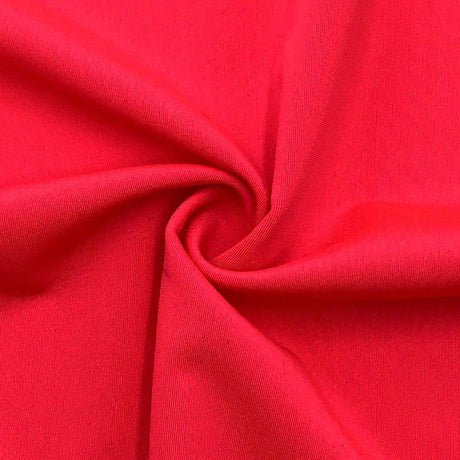
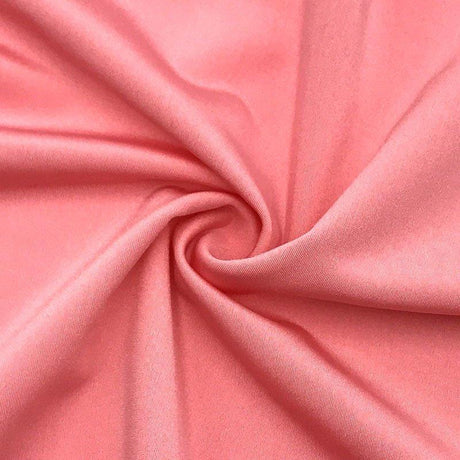
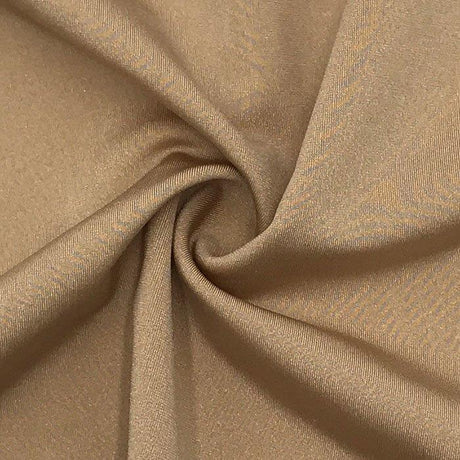
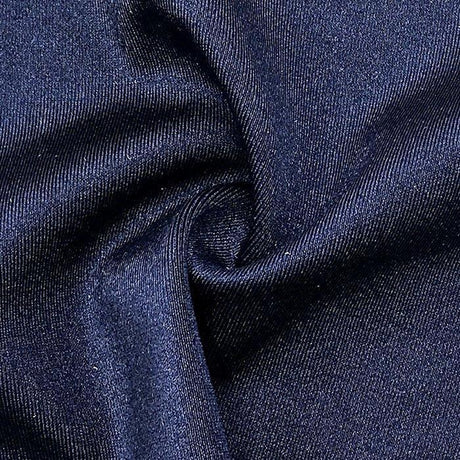
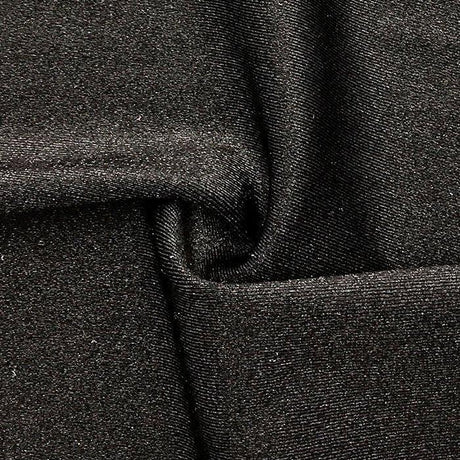
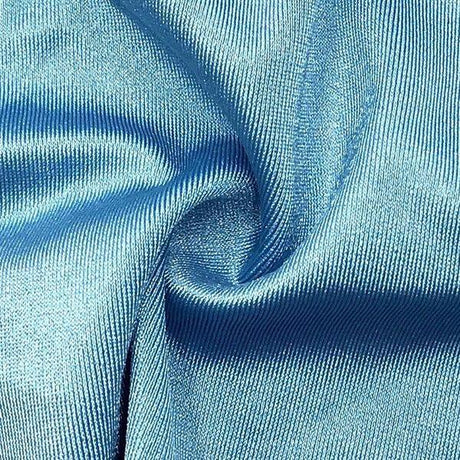
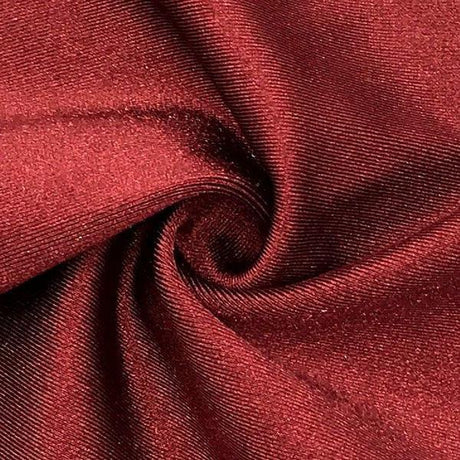
You've invested in a great pair of spandex leggings or a supportive sports bra, and you want them to be a lasting part of your activewear wardrobe. But how long should they really last? The lifespan of a spandex garment isn't a fixed number; it's a dynamic variable influenced by everything from the quality of the fabric to how you care for it. While a cheap pair of leggings might only last a few months, a high-quality, well-cared-for garment can stay in top condition for years.
In an era of fast fashion, where clothes are often designed to be disposable, understanding the factors that affect garment longevity is more important than ever. For spandex, its remarkable stretch and recovery are both its greatest strength and its most significant vulnerability. Improper care can quickly degrade these properties, turning a supportive, form-fitting garment into a loose, saggy piece of clothing. For the complete picture of how to care for spandex-blend garments, visit our spandex care guide or explore our full fabric guides hub.
What Is the Average Lifespan of Spandex Garments?
Defining an "average" lifespan for spandex can be tricky because it's a component of a blend, and its durability is directly tied to the companion fiber, the fabric's quality, and, most importantly, the user's habits. A quality spandex garment, with proper care, can last:
- 2 to 3 years of regular, consistent use (1–2 times per week).
- 100+ wears while still retaining its original shape and performance.
This is a stark contrast to low-quality garments that might only last a dozen wears before showing signs of irreversible damage. The difference is not a matter of luck; it's a direct result of several key factors that you, as a consumer, can control. Understanding what your garments are made of is the first step – our stretch fabric types page covers how spandex percentage and knit construction affect stretch, recovery, and long-term durability across all common blend types.
The Key Culprits of Spandex Degradation
To extend the life of your spandex garments, you must first understand what shortens it. The enemies of spandex are often invisible and insidious, slowly degrading the elastic fibers until the garment's performance is compromised.
1. High Heat: Spandex's Kryptonite
Heat is the single most destructive force against spandex. The polyurethane polymer that gives spandex its stretch is highly sensitive to high temperatures.
The Machine Dryer: The heat from a machine dryer can cause the spandex fibers to melt or become brittle, which permanently damages the fabric's elastic memory. This is the number one cause of a garment losing its shape and becoming loose or saggy.
Hot Water: Washing with hot water can also weaken the spandex fibers, contributing to a gradual loss of elasticity over time.
Direct Sunlight: Prolonged exposure to UV rays from direct sunlight during drying can break down the chemical bonds in spandex, leading to a loss of stretch and faded colors.
Our spandex care guide covers exactly how different heat sources affect elastane fiber integrity and what temperature thresholds to stay within for washing and drying.
2. Harsh Chemicals: The Silent Saboteurs
The chemicals found in many common laundry products can be just as damaging as heat.
Fabric Softeners: This is a major culprit. Fabric softeners leave a waxy coating on the fibers that clogs the pores of the fabric. This not only traps odor and bacteria but also degrades the spandex, causing it to lose its elasticity over time.
Chlorine Bleach: Chlorine is a powerful oxidizer that permanently breaks down the polyurethane in spandex, causing the fibers to lose their stretch and turn yellow. This is especially important to note for swimwear – our swimwear fabric guide covers chlorine-resistant spandex options that are engineered to withstand pool exposure better than standard elastane blends.
Aggressive Detergents: Many all-purpose detergents contain strong enzymes and harsh chemicals designed to break down tough stains on cotton. These same chemicals can be too aggressive for delicate synthetic fibers like spandex, slowly weakening their structure. Our fabric care guide covers which detergent types are safe for spandex-blend garments and what to look for on labels.
3. Friction and Abrasion: The Wear and Tear
The physical forces a garment experiences, both in and out of the laundry, also play a significant role in its lifespan.
The Washing Machine: Washing spandex with rough items like denim, jackets with zippers, or towels can cause friction that leads to pilling and snagging on the fabric surface. The high-speed spin cycle can also put undue stress on the elastic fibers.
Physical Activity: For activewear, the abrasion from a barbell, gym floor, or contact in a team sport can cause physical damage to the fabric. This is where the durability of the companion fiber (like nylon) becomes a crucial factor. Our nylon-spandex fabric guide covers how nylon-spandex compares to polyester-spandex in abrasion resistance and long-term durability for high-use activewear.
Rough Surfaces: Sitting on rough surfaces or leaning against a wall can cause friction that wears down the fabric and leads to pilling. Our fabric finishes guide covers anti-pilling treatments that can extend the surface life of spandex-blend fabrics.
A Definitive Guide: How to Extend the Life of Your Spandex Garments
The good news is that with a few simple and consistent changes to your routine, you can combat these destructive forces and dramatically increase the lifespan of your spandex.
Step 1: Smart Washing Habits
Your washing routine is the most critical factor in preserving your spandex. Our spandex care guide and fabric care guide cover complete laundering protocols for all common spandex-blend garment types.
Wash in Cold Water: Always, without exception, wash spandex garments in cold water. This protects the elastic fibers from heat degradation.
Use a Gentle Cycle: Opt for the delicate or gentle cycle on your washing machine. This reduces the mechanical agitation and friction that can damage the fabric.
Choose the Right Detergent: Use a mild, gentle detergent that is free of harsh enzymes, optical brighteners, and bleach. A sports-specific detergent is the best choice as it's designed to remove odor-causing bacteria without damaging the spandex.
Never Use Fabric Softener: Avoid fabric softeners completely. They will clog your fabric's pores and compromise its performance and longevity.
Turn Garments Inside Out: Turn your spandex clothes inside out before washing to protect the outer surface from friction and pilling.
Use a Mesh Laundry Bag: For added protection, place delicate items like sports bras and leggings in a mesh laundry bag to prevent them from getting tangled with other clothes or damaged by zippers.
Wash Immediately: Try to wash your activewear as soon as possible after a workout. Allowing sweat to sit in the fabric creates a breeding ground for bacteria, which can be harder to wash out and can degrade the fibers.
Step 2: Smart Drying Habits
This is where you can make the biggest difference in your garment's lifespan.
Air-Dry is Best: Always air-dry your spandex garments. This is the single most effective way to protect the elastic fibers from heat damage.
Shade Dry: When air-drying, hang your clothes in a well-ventilated area, away from direct sunlight. UV rays can break down spandex and fade colors.
Do Not Tumble Dry: Never put spandex in a machine dryer, even on a low heat setting. The heat will cause irreversible damage to the elastic fibers.
Do Not Wring: After washing, gently squeeze or roll the garment in a towel to remove excess water. Wringing or twisting can stretch and damage the fabric. Our spandex care guide covers the complete post-wash handling protocol to prevent unnecessary fiber stress.
Step 3: Smart Wearing and Storage Habits
How you treat your garments outside of the laundry also impacts their longevity.
Rotate Your Gear: If you have a few favorite activewear pieces, rotate them. This gives the spandex fibers time to rest and recover between uses, which helps them maintain their elasticity for longer.
Avoid Rough Surfaces: Be mindful of where you sit or lean. Rough surfaces can cause pilling and wear down the fabric.
Store Properly: Fold your spandex garments neatly and store them in a cool, dry place. Avoid hanging them for long periods, as the weight of the garment can cause it to stretch out over time.
The Role of Quality: An Investment in Longevity
While proper care can extend the life of any spandex garment, the quality of the fabric itself is a foundational factor.
High-Quality Spandex: Fabrics made with premium spandex fibers (like Lycra) are inherently more resilient. They are engineered to have superior stretch and recovery, and they are more resistant to the stressors of heat and chemicals. This means they are more forgiving of mistakes and will simply last longer.
High-Quality Companion Fibers: The durability of a spandex garment is directly tied to its companion fiber. A nylon-spandex blend is incredibly abrasion-resistant and durable, while a polyester-spandex blend is highly resistant to shrinking and fading. Our nylon-spandex fabric guide covers how to compare these two popular companion fibers across durability, recovery, and long-term performance. Our cotton-spandex fabric guide covers when cotton blends are appropriate and what longevity trade-offs they involve.
Fabric Weight (GSM): A heavier, denser fabric (with a high GSM) is generally more durable and less prone to pilling and snagging than a lightweight, flimsy fabric. Our fabric weight guide provides a full breakdown of GSM ranges and how weight affects durability, compression, and longevity across all common activewear fabric types.
An investment in a high-quality, well-made spandex garment is an investment in longevity. When you pair a premium fabric with a smart care routine, you can easily double or triple the life of your gear. Our activewear fabric guide covers performance-grade spandex-blend constructions that are specifically engineered for durability under repeated high-intensity use and frequent laundering.
Frequently Asked Questions (FAQ)
Q1: Will my spandex clothes shrink if I wash them in hot water? Spandex itself is not prone to shrinking. However, it can lose its elastic properties when exposed to high heat, causing the garment to become loose and saggy. If your spandex is blended with cotton, the cotton can shrink, which may cause the garment to feel tighter. Our cotton-spandex fabric guide covers shrinkage behavior in cotton-spandex blends and how pre-washing affects fit.
Q2: How can I tell if my spandex has lost its elasticity? A garment that has lost its elasticity will feel loose and less supportive. If you stretch the fabric and it doesn't snap back to its original shape, or if it feels thin and transparent in high-stress areas like the knees, it's a sign that the spandex has been damaged and the garment is nearing the end of its useful life. Our stretch fabric types page explains how to evaluate and compare recovery ratings so you know what healthy snap-back should feel like.
Q3: Can I restore the elasticity of a damaged spandex garment? Unfortunately, no. Once the polyurethane fibers are damaged by heat or chemicals, the damage is irreversible. The best strategy is prevention through the care practices outlined in our spandex care guide.
Q4: Should I wash my new spandex clothes before wearing them? Yes. It's always a good idea to wash new clothes before wearing them. This can help set the color, remove any manufacturing residue, and prevent skin irritation. Our fabric care guide covers pre-washing protocols for all common spandex-blend fabric types.
Have more questions about caring for or sourcing spandex garments? Our expert help and advice page connects you with knowledgeable staff, and our FAQ page answers common questions about fabric specifications and ordering.
Conclusion
The average lifespan of a spandex garment is not predetermined; it is a direct result of your choices. While the quality of the fabric provides the foundation for durability, your care habits are the most powerful tool you have to protect your investment. By avoiding the destructive forces of heat and harsh chemicals, and by embracing simple, gentle washing and drying routines, you can ensure your spandex garments retain their stretch, shape, and vibrant color for years.
This commitment to proper care is a sustainable choice that saves you money, reduces textile waste, and allows you to enjoy your favorite activewear and loungewear to their fullest.
Ready to explore a world of durable, high-quality spandex? Use our activewear fabric guide to find fabrics built for longevity, our nylon-spandex fabric guide to compare premium blend options, and our fabric weight guide to match GSM to durability requirements. Keep our spandex care guide and fabric care guide handy as your everyday reference. Sign up for SpandexByYard Rewards to earn points on every purchase – because the right fabric, cared for the right way, is a garment that truly lasts.