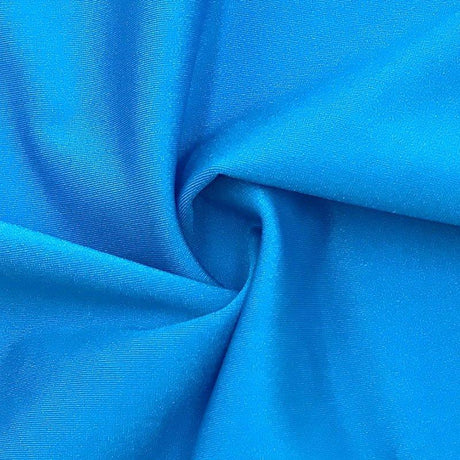
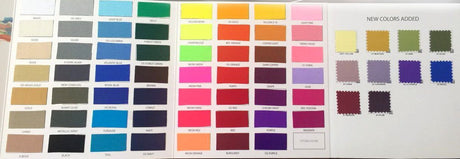
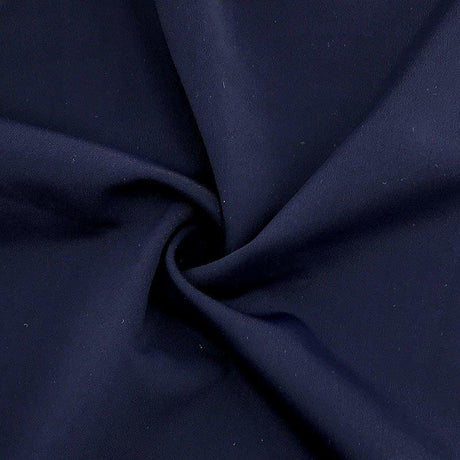
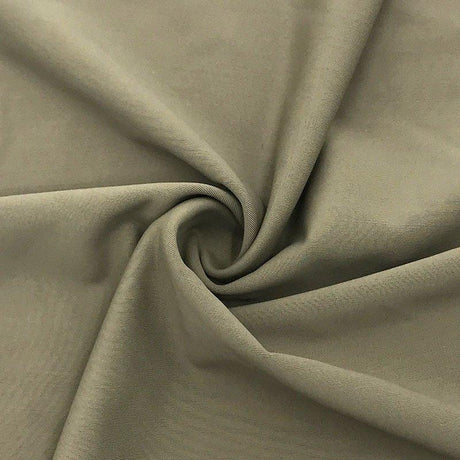
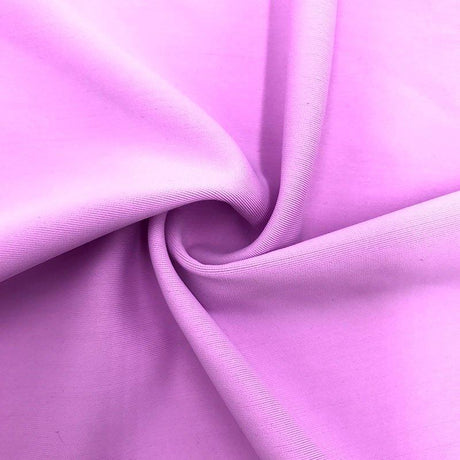
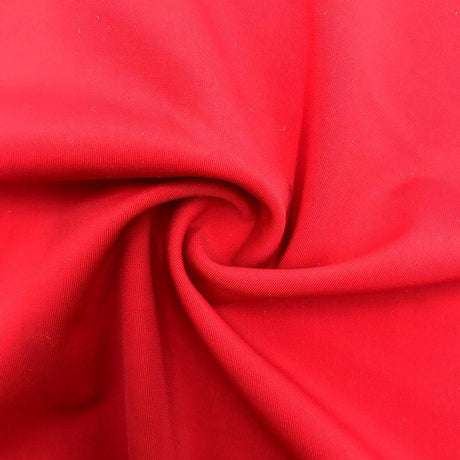
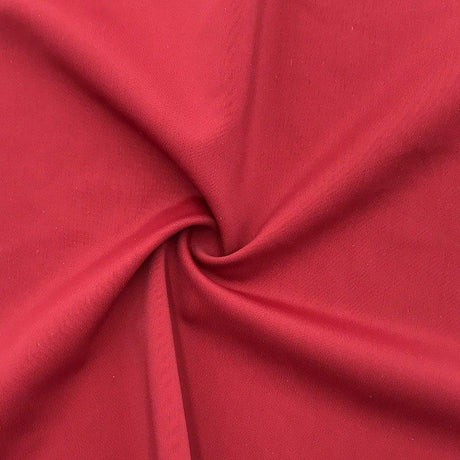
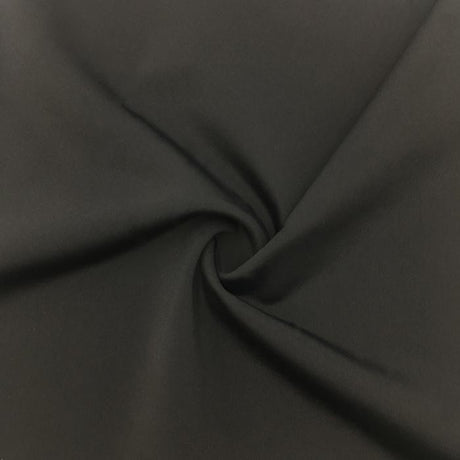
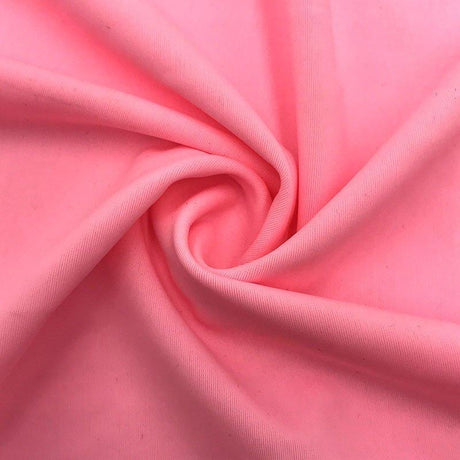
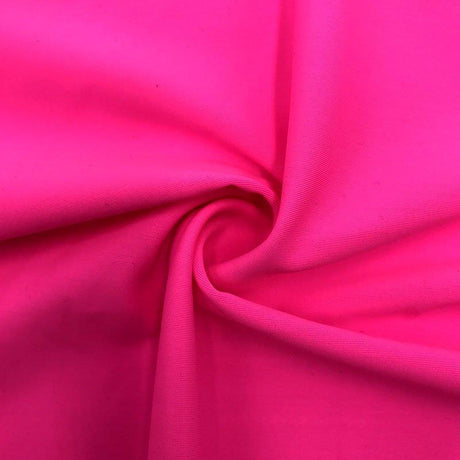
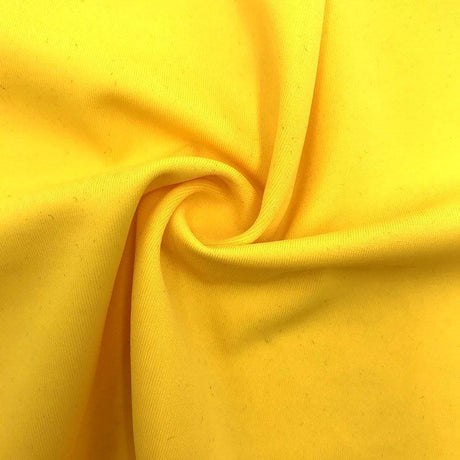
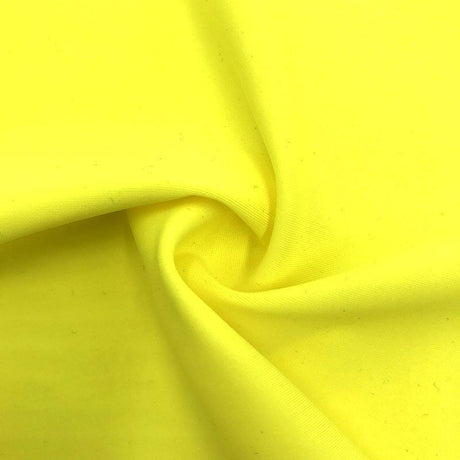
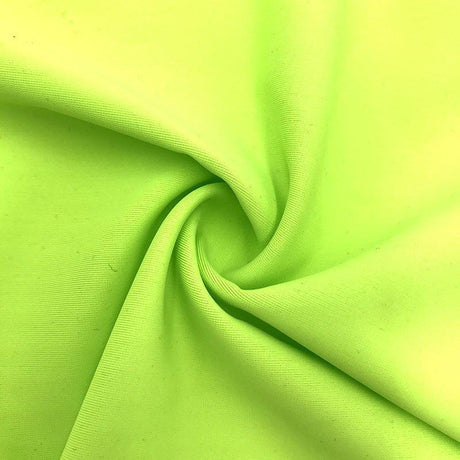
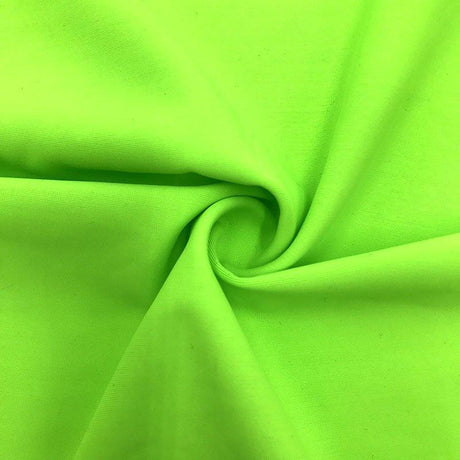
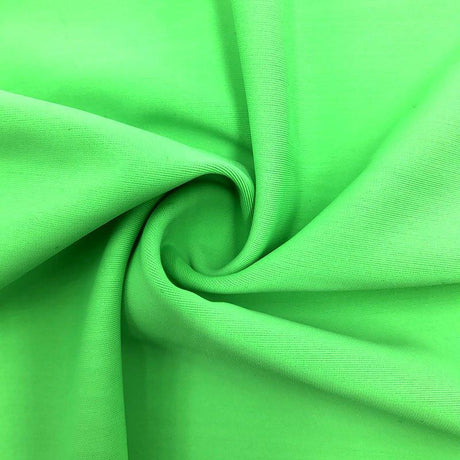
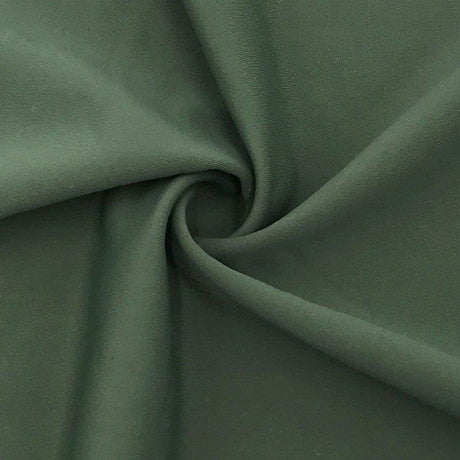
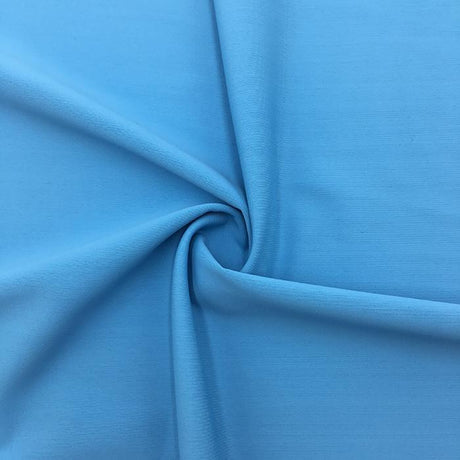
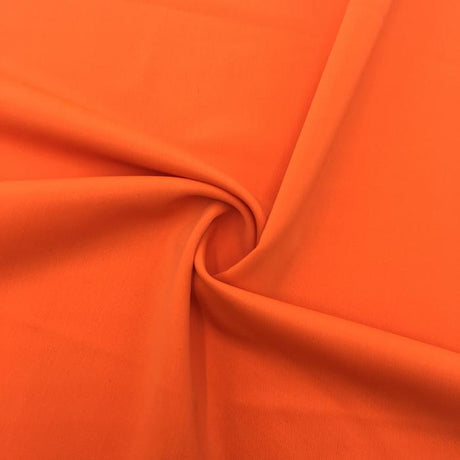
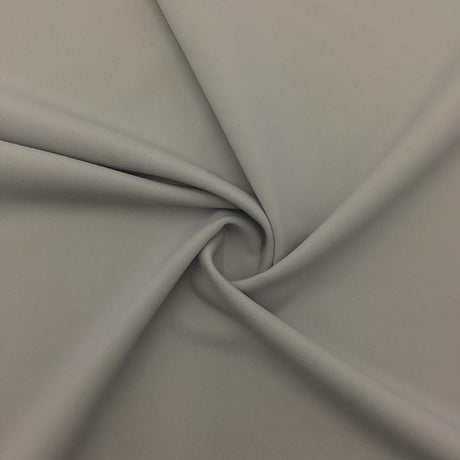
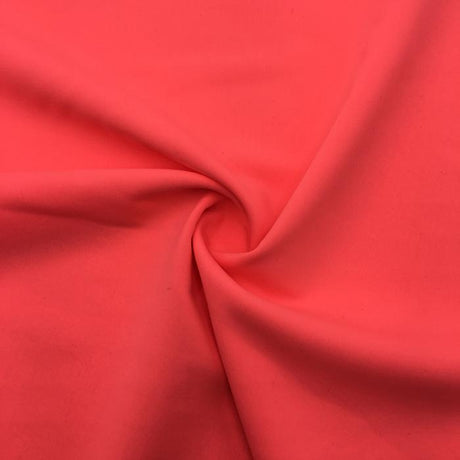
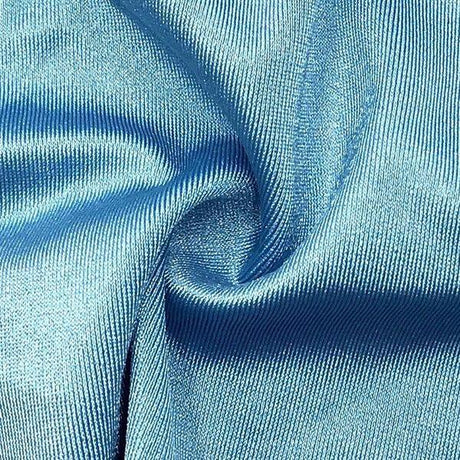
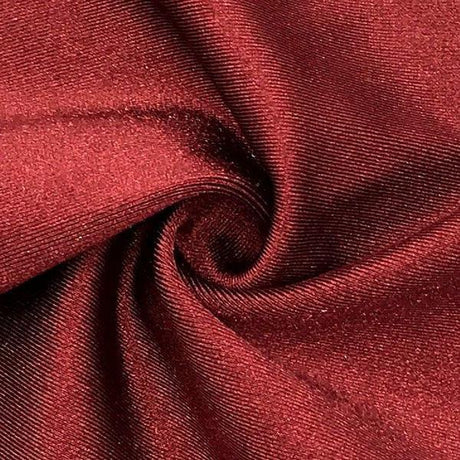
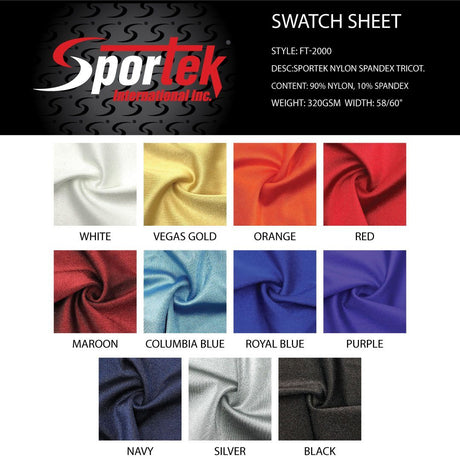
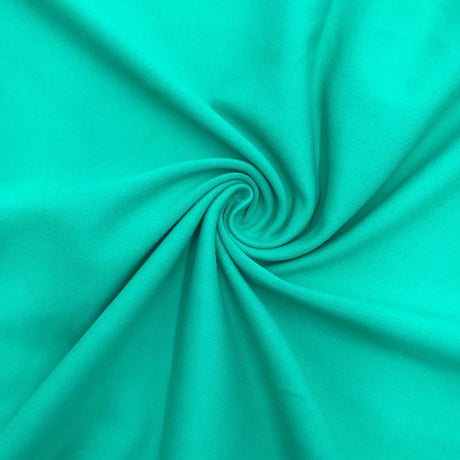
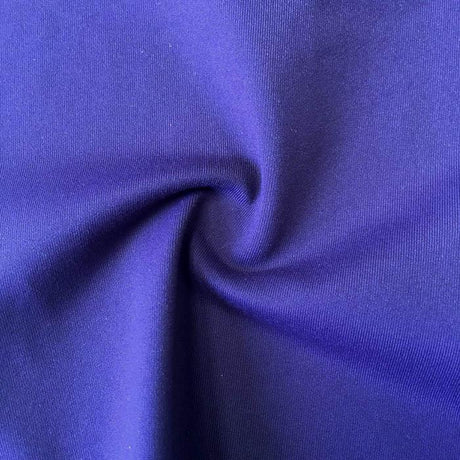
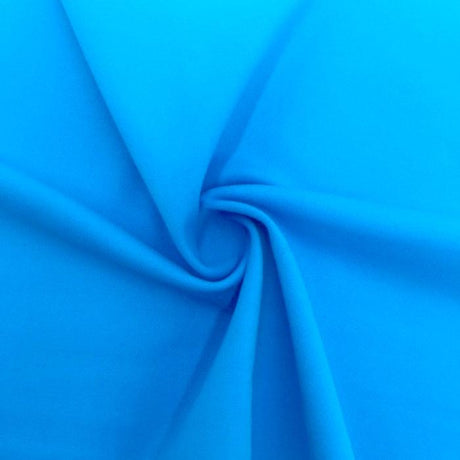
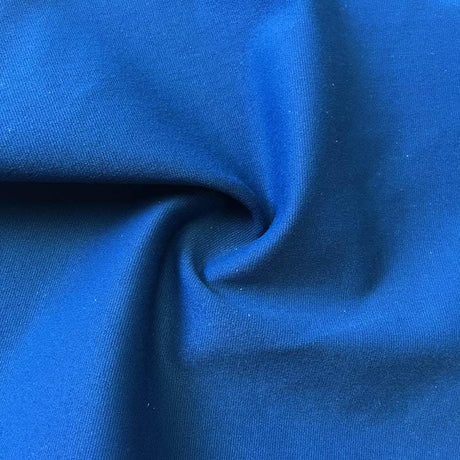
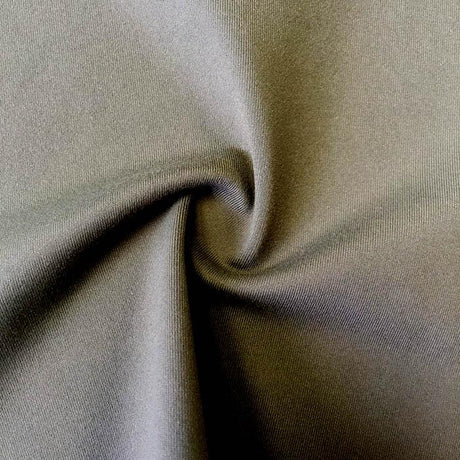
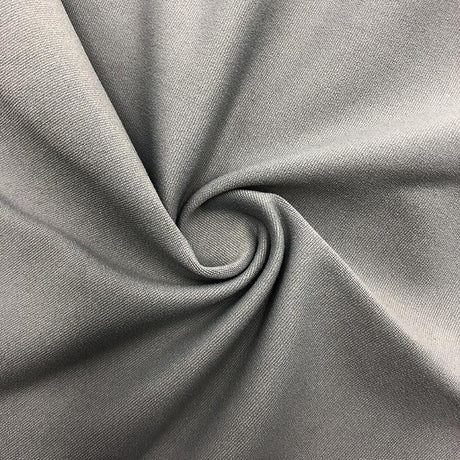
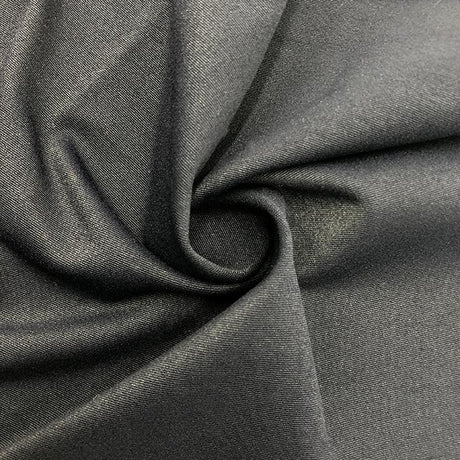
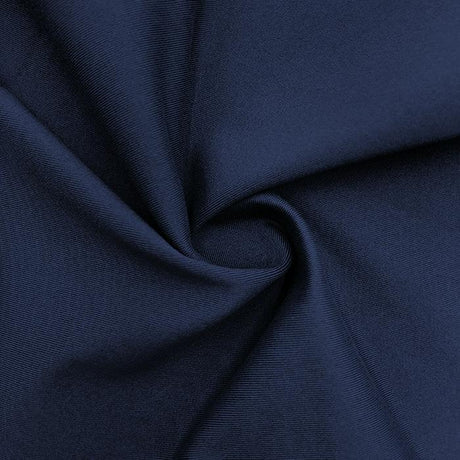
You've just finished a workout and tossed your sweaty gear into the wash. A few hours later, you hang your leggings or sports bra out on the line to air-dry, confident you're doing the right thing by avoiding the harsh heat of a machine dryer. But what you might not realize is that even this seemingly harmless act could be slowly damaging your favorite activewear. The sun, a source of life for us, can be an enemy to spandex.
While air-drying is a far better choice than machine drying, the location where you hang your clothes is just as important as the method itself. Exposing spandex garments to direct sunlight, even for a short period, can silently degrade their core properties. It's a common mistake that leads to lost elasticity, faded colors, and a shorter lifespan for your gear.
This comprehensive guide will uncover the scientific reasons why direct sunlight is so harmful to spandex. We'll explain the simple yet powerful benefits of shade drying and provide you with a practical guide on how to protect your investment. For the complete picture of how to care for spandex-blend garments, visit our spandex care guide or explore our full fabric guides hub.
The Science of Degradation: Why Sunlight is Harmful to Spandex
The damage caused by direct sunlight isn't a myth; it's a measurable chemical process. Spandex is a synthetic fiber made from a polymer called polyurethane. This unique, chain-like structure is what gives it its incredible elasticity and "snap-back" memory. However, it's also highly sensitive to one specific element: ultraviolet (UV) radiation.
1. UV Rays Break Down Elasticity
Think of the polyurethane chains as tiny, spring-like structures. When exposed to the UV radiation in direct sunlight, these chemical bonds begin to break down and weaken. This is a process known as photodegradation. Over time, the springs lose their tension and their ability to snap back. This leads to:
Permanent Loss of Stretch: The fabric becomes loose, baggy, and loses its form-fitting shape. Our stretch fabric types page explains how spandex percentage and knit construction affect recovery – and why protecting that recovery is so critical to long-term garment performance.
Loss of Recovery: The garment loses its ability to return to its original size after being stretched, leaving you with saggy knees in your leggings or a stretched-out waistband.
Reduced Performance: For compression gear, this loss of elasticity means a loss of muscle support and circulation benefits, rendering the garment less effective for its intended purpose. Our activewear fabric guide covers how spandex content and recovery ratings translate to real-world compression performance.
2. UV Rays Cause Color to Fade
The vibrant colors in your spandex garments are created by dye molecules that are bonded to the fabric's fibers. Just as UV radiation can break down the polyurethane, it can also break down these dye molecules. This process changes the way the fabric absorbs and reflects light, causing the color to appear dull and faded.
Impact on Dark and Bright Colors: Dark colors absorb more UV radiation, making them more susceptible to fading. Similarly, bright, saturated colors are often more prone to losing their intensity when exposed to direct sunlight. Our fabric finishes guide covers UV-resistant coatings and finishes that can provide additional protection for garments regularly exposed to sunlight.
Uneven Fading: If your garment is left in the sun for an extended period, it may fade unevenly, leaving a splotchy or streaky appearance that ruins its look.
3. The Damage is Not Always Visible at First
One of the most dangerous aspects of sun damage is that it's often not immediately noticeable. The damage accumulates over time, with each exposure to direct sunlight contributing to a gradual breakdown of the fibers. You might not see a problem after the first or second time, but after a few months, you'll suddenly notice that your once-snug leggings are now loose, and their color is no longer as vibrant. By then, the damage is irreversible.
The Three Main Reasons to Shade Dry Spandex
Understanding the science behind sun damage makes the case for shade drying a simple, non-negotiable step in your care routine.
1. Preserve Elasticity and Fit
This is the most critical reason. By drying your spandex in the shade, you protect the polyurethane fibers from the destructive effects of UV radiation. The fabric can dry slowly and naturally, allowing its elastic structure to remain intact. This simple act ensures that your garments retain their original fit and supportive properties, extending their functional life. Our spandex care guide covers the full range of care practices – from washing temperature to drying methods – that work together to preserve elastane recovery over the long term.
2. Protect Vibrant Colors
Shade drying shields your garments from the sun's fading rays, allowing them to maintain their rich, saturated colors for a much longer period. This is especially important for dark or brightly colored activewear that you want to keep looking new. Our fabric care guide covers colorfastness best practices and laundering protocols that work alongside shade drying to keep garment colors vibrant through repeated washing.
3. Increase Overall Garment Lifespan
By preventing the degradation of the spandex fibers, shade drying helps the entire garment last longer. A garment with a healthy elastic core is more durable and resistant to wear and tear. It won't get stretched out of shape or pill as easily, meaning you won't have to replace your gear as often. Our nylon-spandex fabric guide covers how different spandex-blend constructions respond to UV exposure and what fiber choices naturally offer better UV resistance.
Practical Guide: How to Properly Shade Dry Your Spandex Garments
This is one of the easiest and most effective changes you can make to your laundry routine.
Step 1: Preparation is Key
After washing your garments, gently squeeze out the excess water. Do not wring or twist the fabric, as this can stretch and damage the fibers. Instead, you can roll the garment in a clean towel to absorb the moisture. Our spandex care guide covers the complete post-wash handling protocol for spandex-blend garments to prevent unnecessary fiber stress.
Step 2: Choose the Right Location
Hang your spandex to dry in a location where there is good airflow but no direct sunlight. Ideal spots include:
- Indoors: In a well-ventilated room, hung on a drying rack.
- In a Shady Area: Under a covered porch, in a garage, or in a spot on your balcony that doesn't get sun.
- In a Breezy Spot: A spot with good air circulation will help your garments dry faster without the need for direct heat.
Step 3: Hang or Lay Flat
For Tops and Leggings: Hang them on a clothesline or drying rack. Using a hanger can also work, but be sure it's a gentle hanger that won't leave a mark on the fabric.
For Delicate Items: For delicate items like sports bras or underwear, it's best to lay them flat on a clean, dry towel to prevent the weight of the water from stretching the fabric. Our activewear fabric guide covers fabric-specific care considerations for sports bras and compression garments that are particularly sensitive to drying method.
The Big Mistake: The Tumble Dryer
We've already established that direct sunlight is a major enemy of spandex, but the machine dryer is arguably even worse. The high heat and mechanical agitation of a tumble dryer are a double-whammy of damage for elastic fibers.
Heat Damage: The temperature inside a dryer, even on a low setting, is often hot enough to permanently damage spandex fibers. This leads to a loss of elasticity and can even cause the fabric to shrink or become brittle.
Mechanical Damage: The constant tumbling and friction can cause pilling and weaken the garment's seams, shortening its life. Our how to sew stretch fabric guide covers how seam construction affects durability – and why protecting those seams from dryer stress matters.
Residue Damage: Dryer sheets can leave a waxy residue on the fabric that clogs its pores, reducing its moisture-wicking and breathability properties. As our fabric care guide explains, fabric softeners and dryer sheets are among the most common avoidable causes of reduced activewear performance.
Why Shade Drying is an Eco-Friendly Habit
Making the switch to shade drying isn't just good for your clothes; it's also a win for the planet.
Reduced Energy Consumption: Air-drying your clothes requires zero electricity. By avoiding the energy-guzzling tumble dryer, you significantly reduce your home's energy consumption and lower your carbon footprint.
Less Textile Waste: When your clothes last longer, you don't need to replace them as often. This simple act reduces the demand for new textiles and helps minimize the amount of textile waste that ends up in landfills. It's a small change that can have a big impact on your personal environmental footprint. Our fabric guides hub covers sustainable fabric options and how choosing quality materials designed for longevity further reduces textile waste.
Preserving Water-Repellent Finishes: Many outdoor activewear garments have a water-repellent (DWR) finish. High heat from a dryer can degrade this finish, but air-drying in the shade helps to preserve it, ensuring your gear continues to perform as it was designed. Our fabric finishes guide covers DWR coatings and other performance surface treatments and how different care methods affect their longevity.
Frequently Asked Questions (FAQ)
Q1: How long does it take to shade dry spandex? Spandex blends, especially with synthetic fibers like nylon or polyester, dry relatively quickly. In a well-ventilated area, your garments should be dry within a few hours. Cotton blends may take a bit longer. Our cotton-spandex fabric guide covers how cotton content affects drying speed compared to fully synthetic blends.
Q2: Will my clothes still get a fresh smell if I don't use the sun? Yes. The fresh smell that comes from drying clothes outside is primarily due to the fresh air, not the sun's heat. As long as you dry your clothes in a breezy, well-ventilated area, they will still feel fresh and clean.
Q3: What if I have no choice but to use a machine dryer? If a machine dryer is your only option, use the air-dry or no-heat setting only. If your dryer doesn't have this, use the lowest possible heat setting for a very short, timed cycle and remove the garments while they are still slightly damp to finish drying them on a rack. Our spandex care guide covers how different heat levels affect elastane fiber integrity and what settings to use as a last resort.
Q4: Does this apply to all stretch fabrics, not just spandex? Yes. The same principles apply to virtually all elastic fibers, including elastane and Lycra. They are all sensitive to heat and UV radiation, and shade drying is the best way to preserve their integrity and longevity. Our stretch fabric types page covers how UV sensitivity varies across different spandex-blend constructions.
Q5: Will my dark-colored clothes still fade in the shade? While shade drying significantly slows down the fading process, all fabrics will experience some degree of color change over a very long period. However, shade drying prevents the rapid, noticeable fading caused by direct sun exposure.
Have more questions about caring for your spandex garments? Our expert help and advice page connects you with knowledgeable staff, and our FAQ page answers common questions about fabric care and ordering.
Conclusion
The simple act of hanging your spandex clothes to dry in the shade is one of the most effective and effortless ways to protect your investment. By understanding the science behind why UV radiation and heat are so damaging, you can easily make a change to your laundry routine that pays off in a big way. This small habit preserves the elasticity that is the heart of your spandex garments, protects their vibrant colors, and extends their functional life.
Shade drying is a commitment to quality, a choice for sustainability, and a key to making your favorite gear last longer. It's a simple, powerful secret that ensures your spandex continues to perform at its best, wash after wash.
Ready to explore a world of durable, high-quality spandex? Pair premium fabrics with smart care habits for gear that lasts for years. Use our spandex care guide and fabric care guide as your everyday reference, explore our activewear fabric guide for fabric recommendations built for longevity, and sign up for SpandexByYard Rewards to earn points on every purchase – because the right fabric, cared for the right way, makes all the difference.