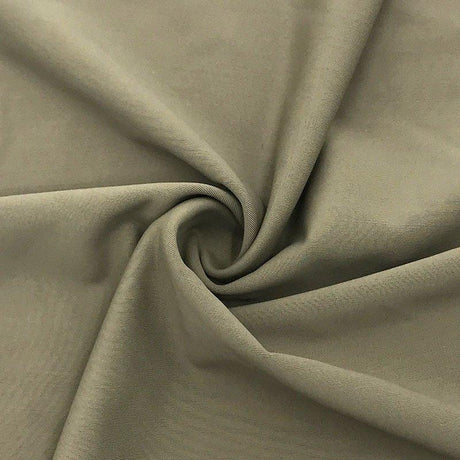
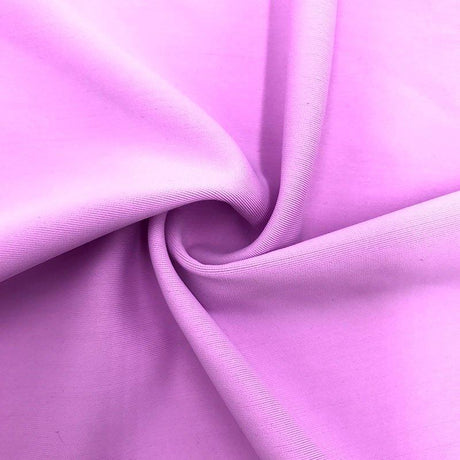
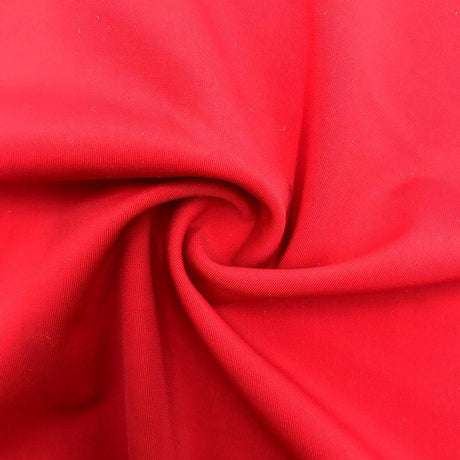
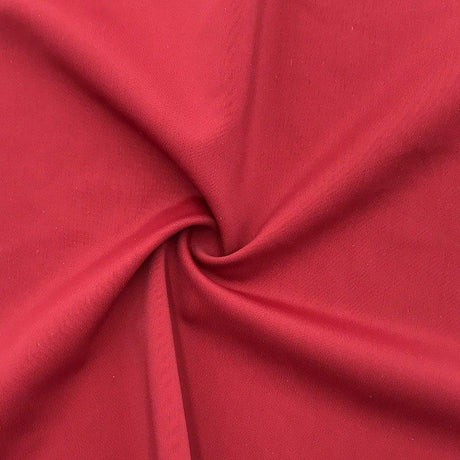
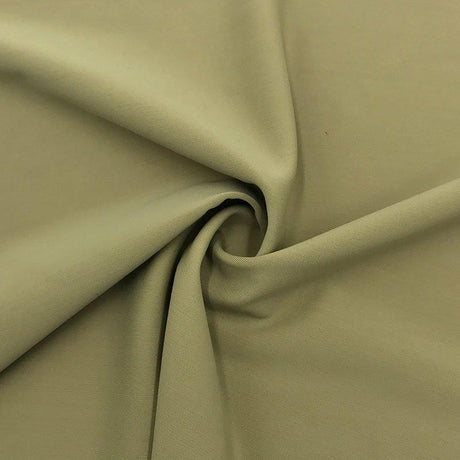
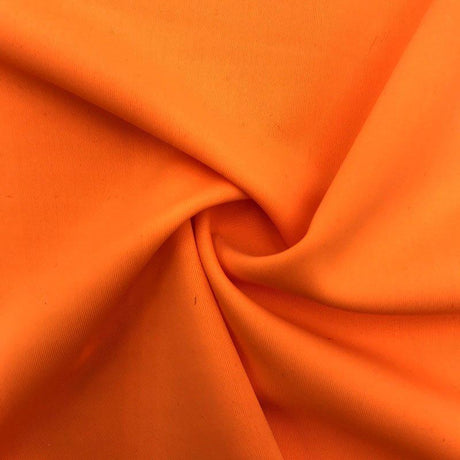
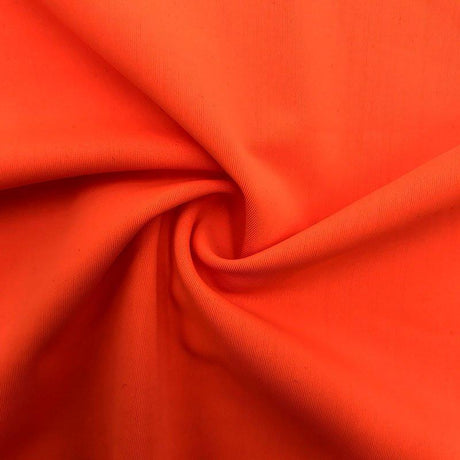
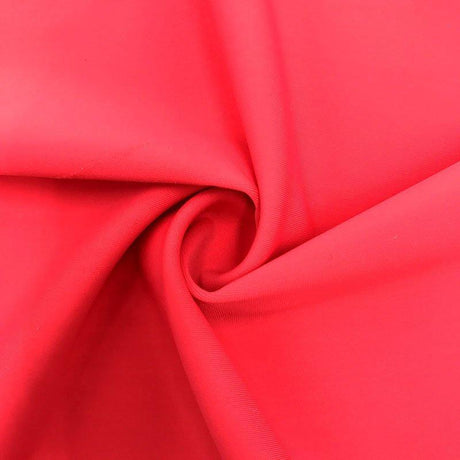
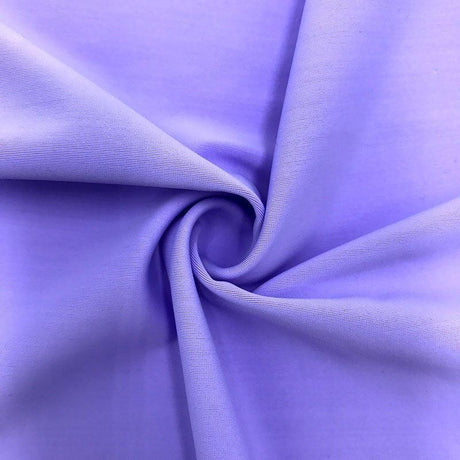
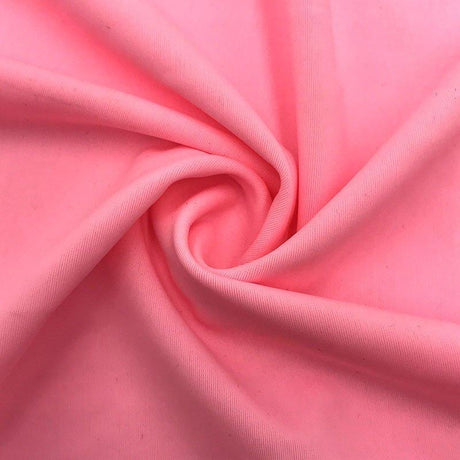
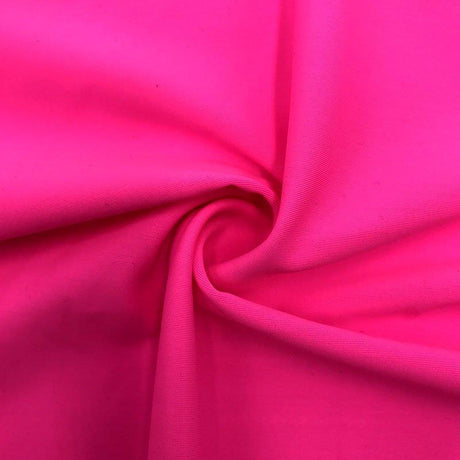
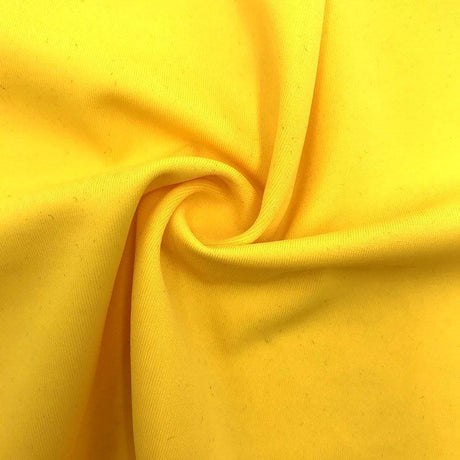
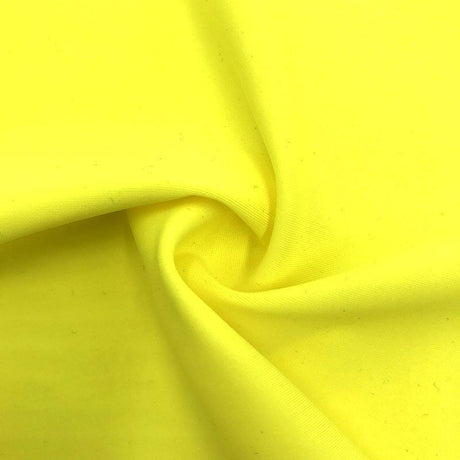
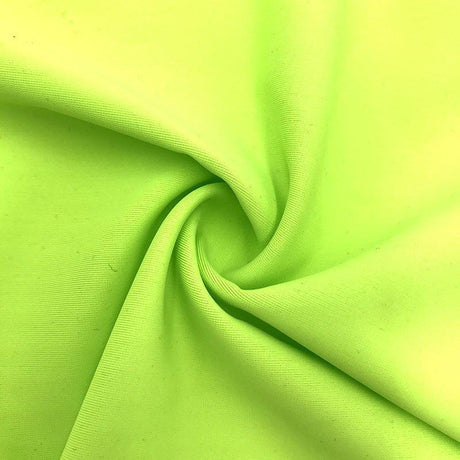
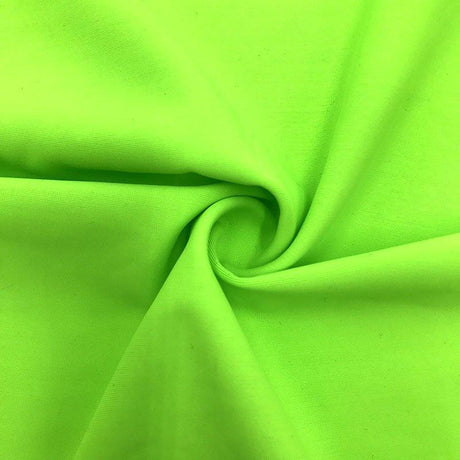
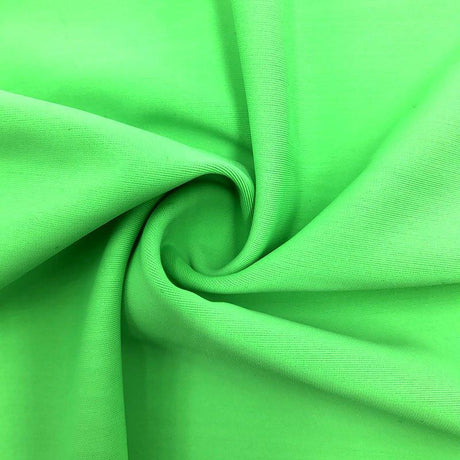
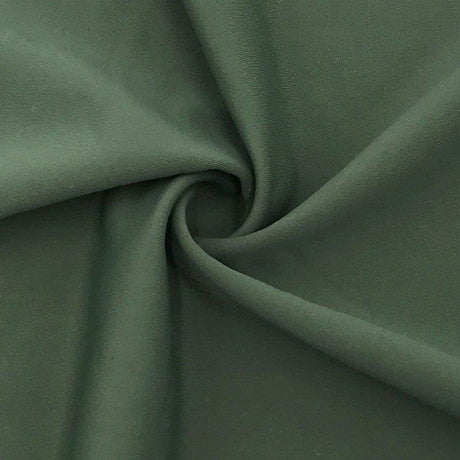
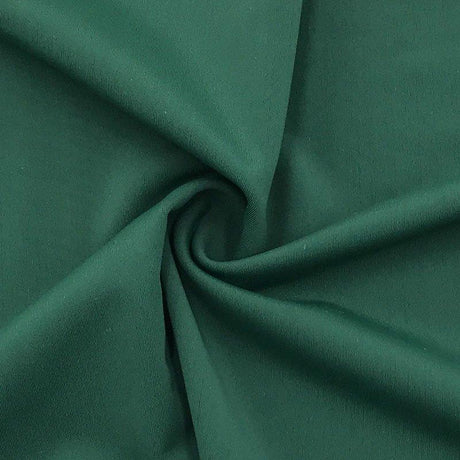
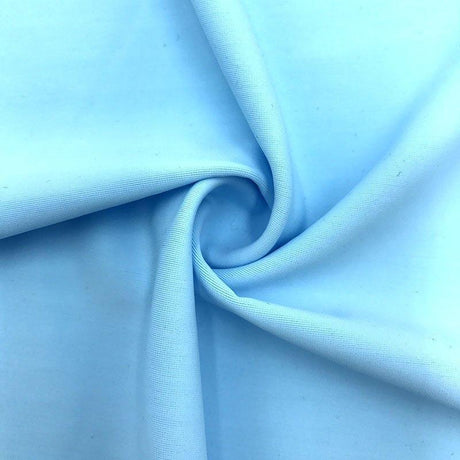
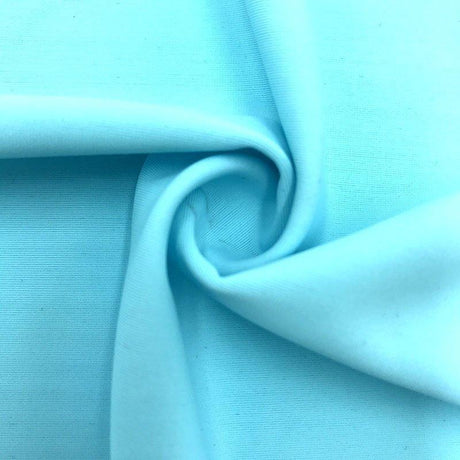
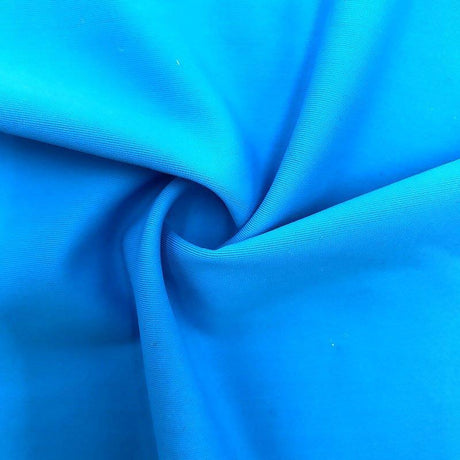
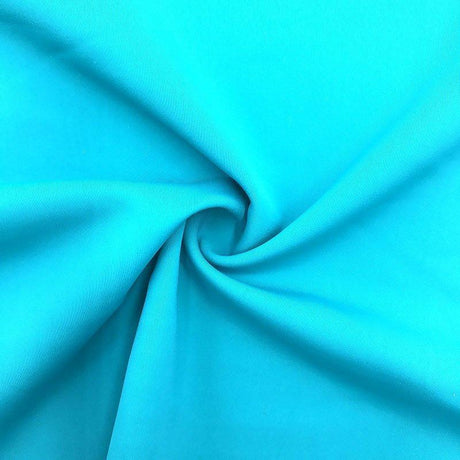
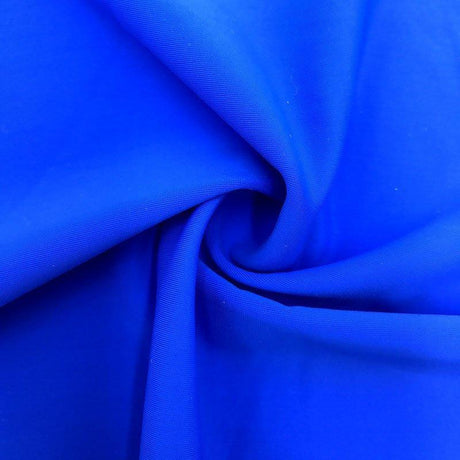
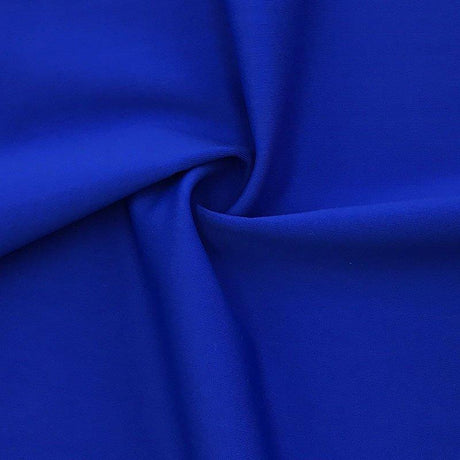
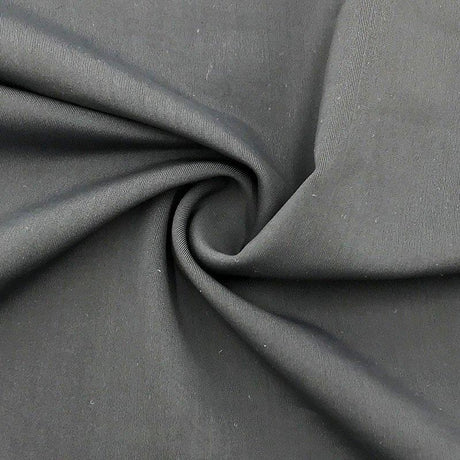
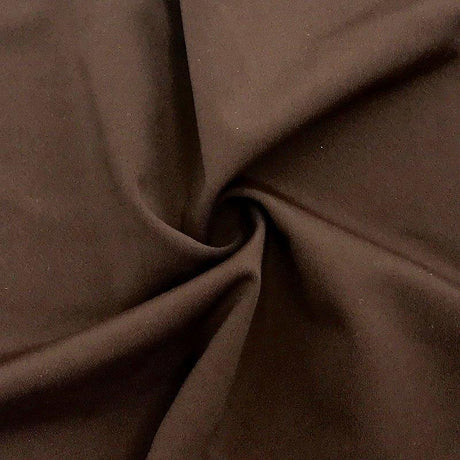
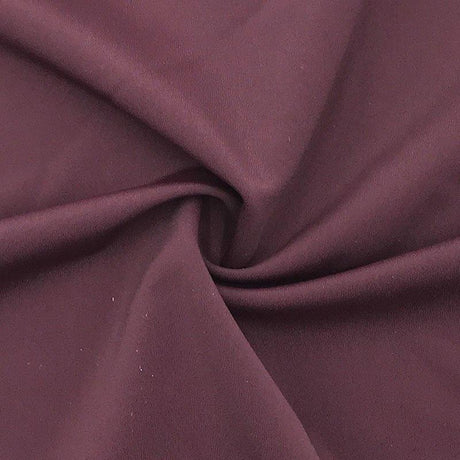
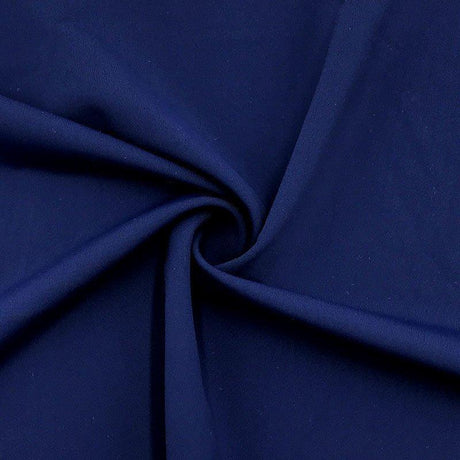
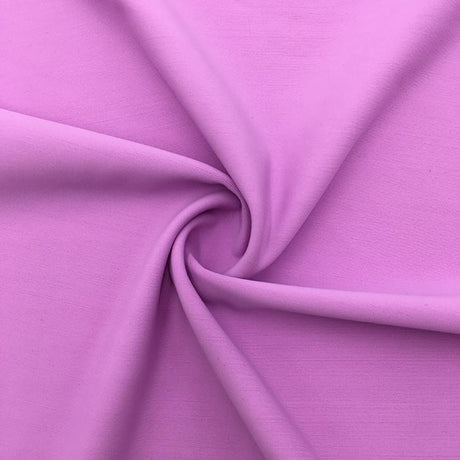
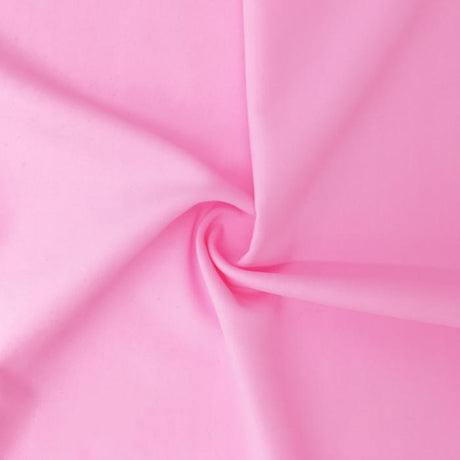
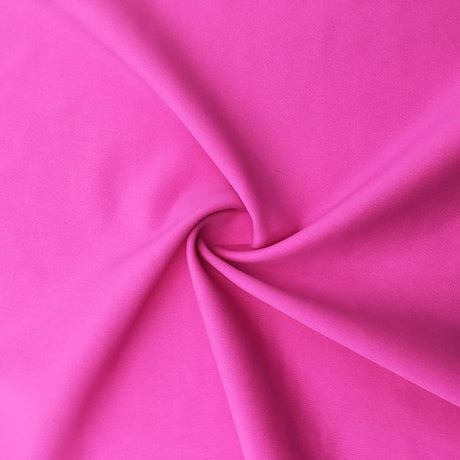
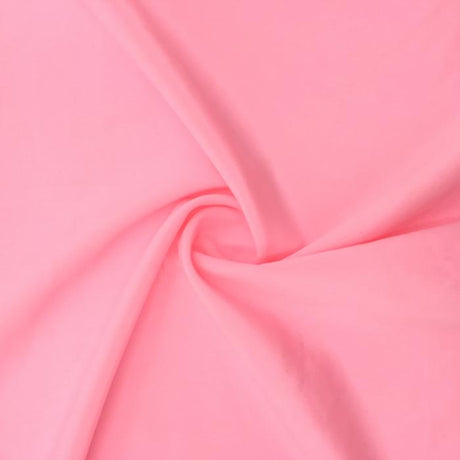
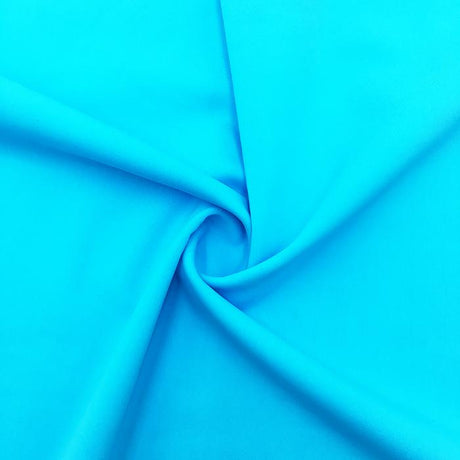
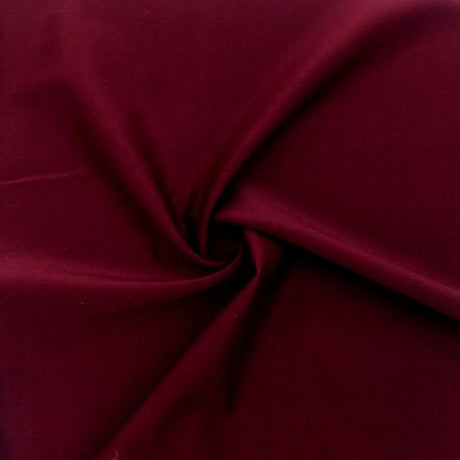
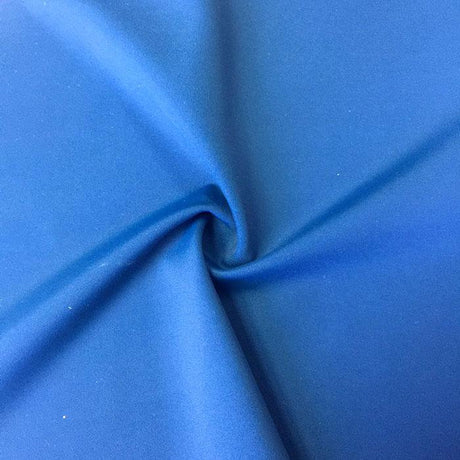
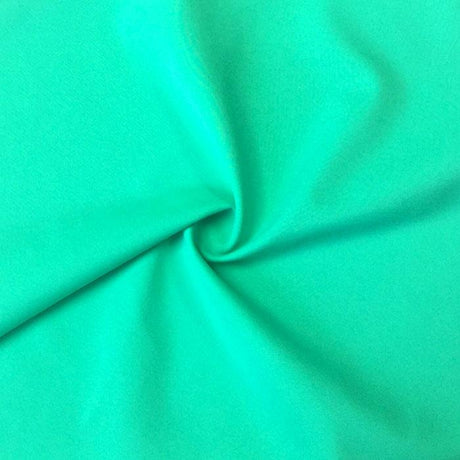
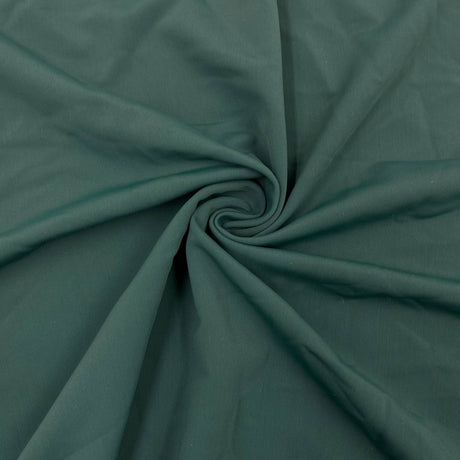
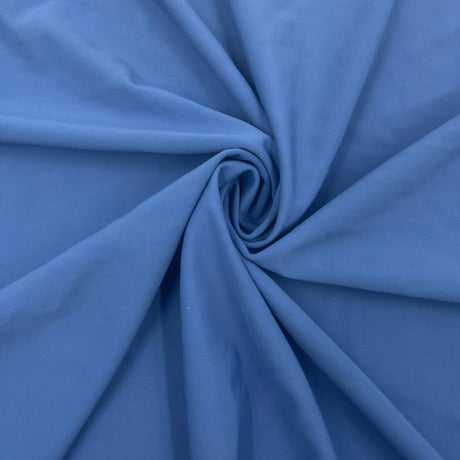
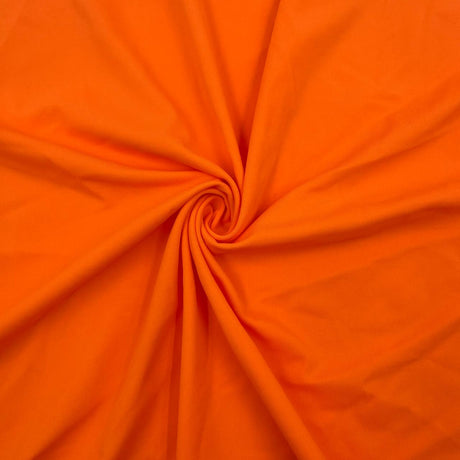
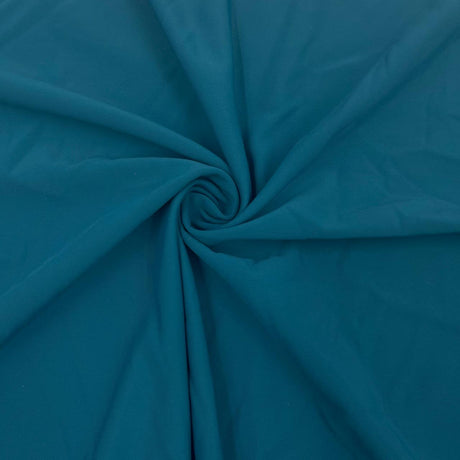
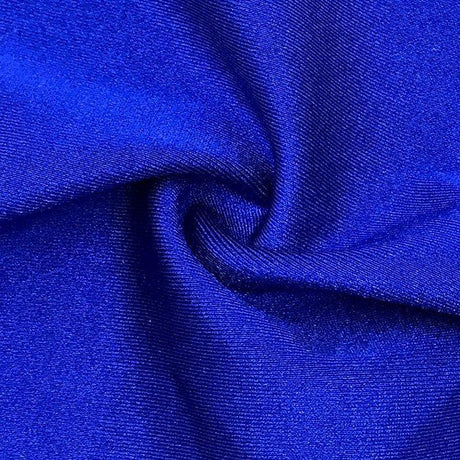
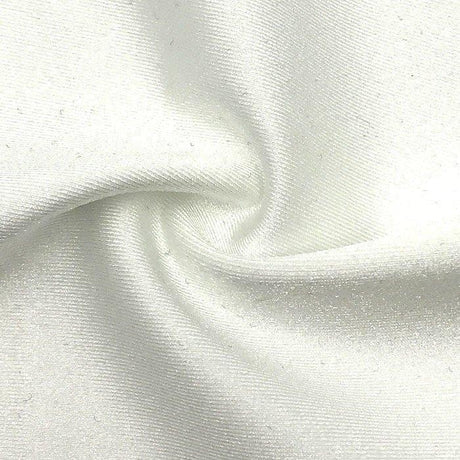
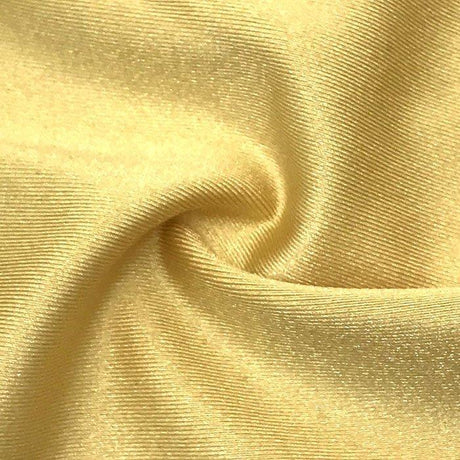
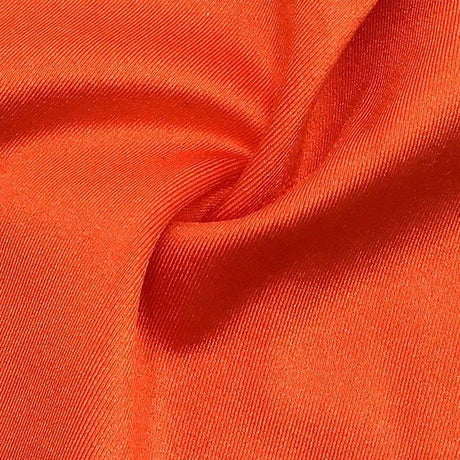
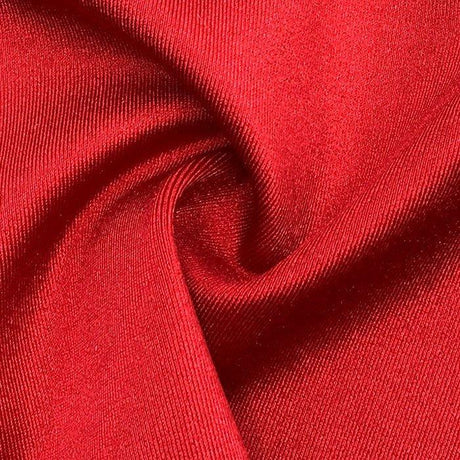
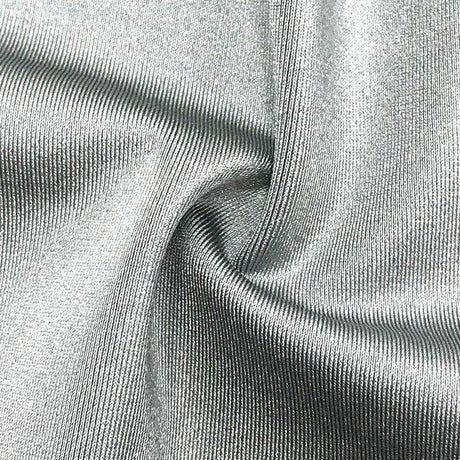
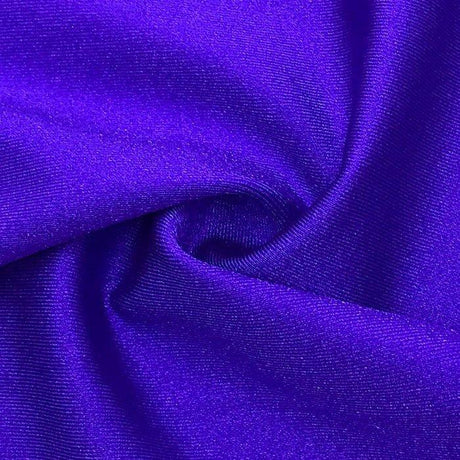
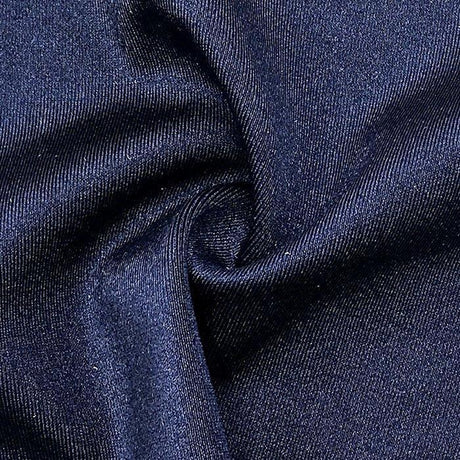
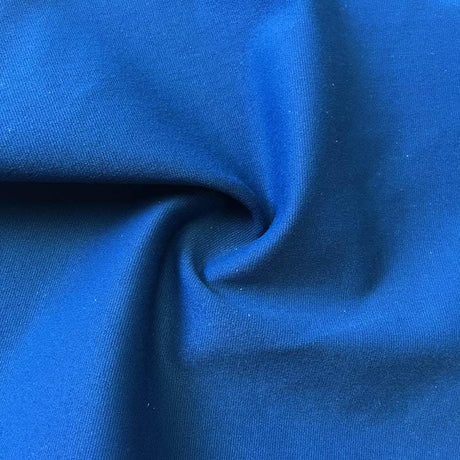
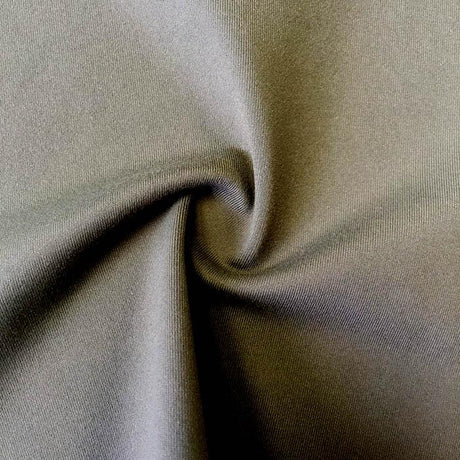
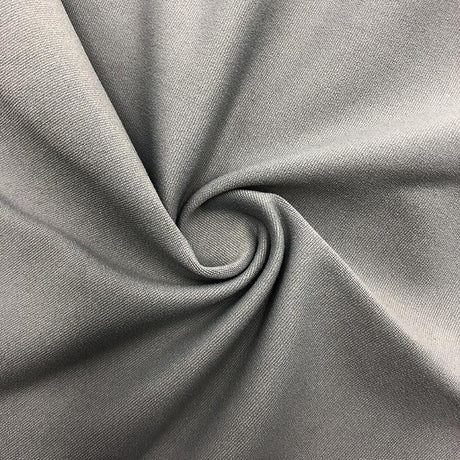
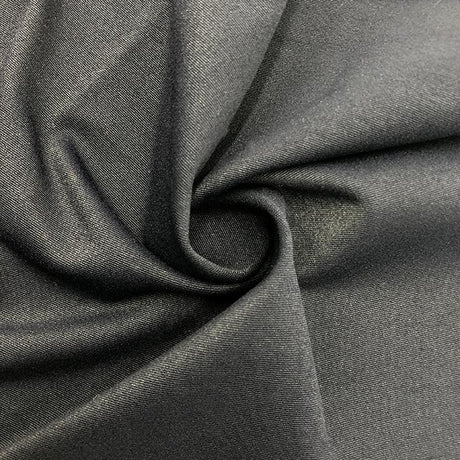
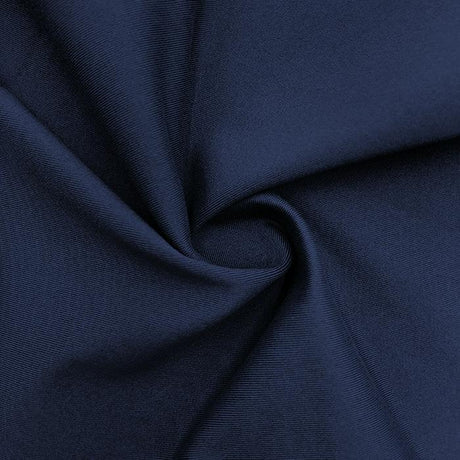
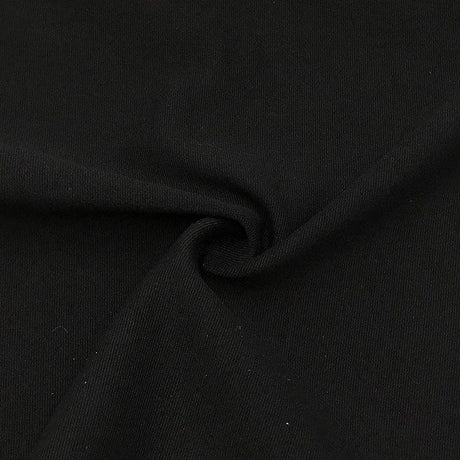
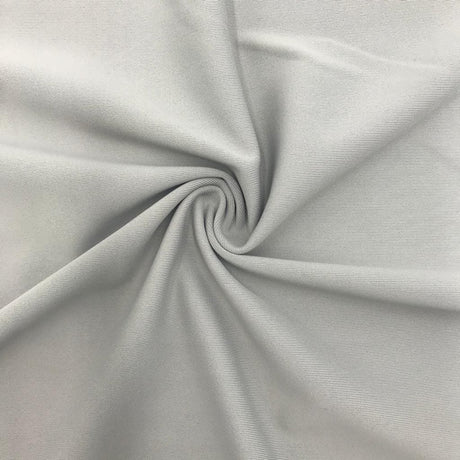
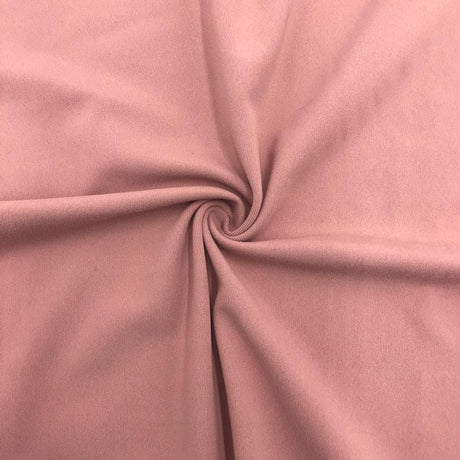
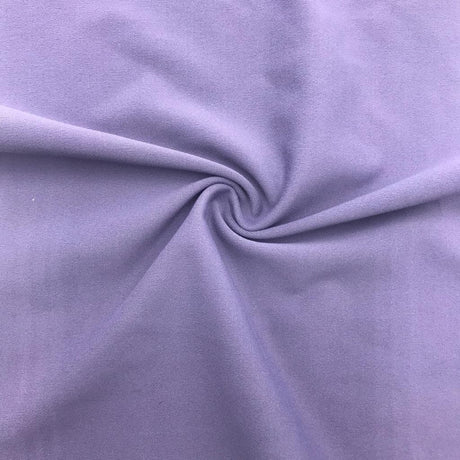
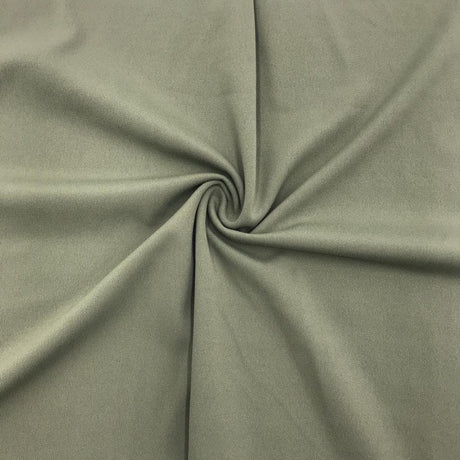
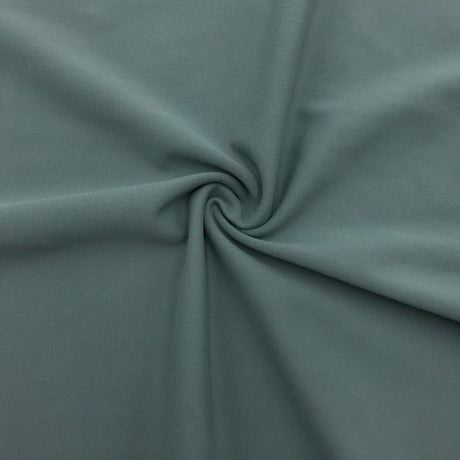
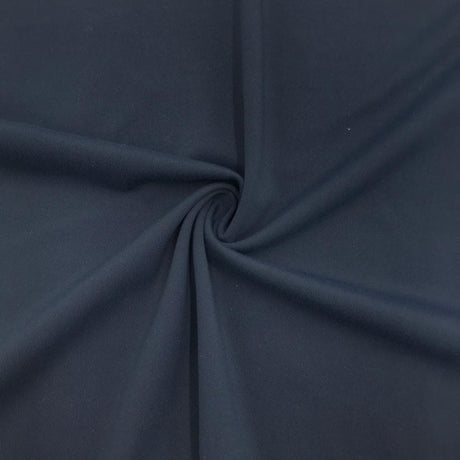
In the world of performance textiles, selecting the right stretch fabric can make all the difference. Nylon, Supplex, and PBT are three popular options used in activewear, swimwear, and athletic apparel, each with unique strengths. For a broader foundation on stretch fabric properties before diving in, explore our stretch fabric types page or browse our full fabric guides hub.
Understanding the Fibers
Nylon (Polyamide)
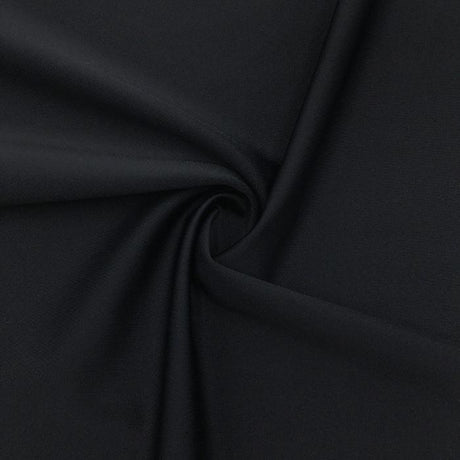
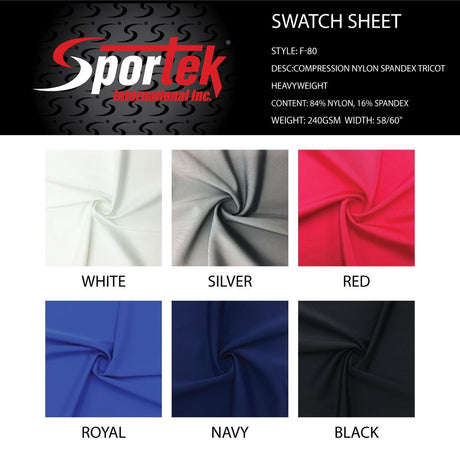
Nylon was the first true synthetic fiber, developed by DuPont in the 1930s. Chemically a polyamide, nylon fibers are lightweight yet exceptionally strong and abrasion-resistant. In apparel, nylon is often blended with elastane (spandex) to create highly stretchable fabrics. It provides a smooth, sleek feel and excellent inherent resilience. Our nylon-spandex fabric guide covers this blend's full performance profile, including how it compares to polyester-spandex in stretch, recovery, softness, and durability across all common activewear and swimwear applications.
Supplex (Engineered Nylon)
Supplex is a branded type of nylon developed in the mid-1980s by DuPont (now Invista) to improve nylon's comfort and versatility. Supplex is made from ultra-fine nylon filaments – thousands of microscopic fibers are spun together – yielding a fabric that looks and feels more like cotton while retaining nylon's strength. Supplex is often knit with spandex to produce 4-way stretch fabrics that are buttery-soft on the skin. This combination of cotton-like comfort and synthetic performance has made Supplex popular in yoga wear, leggings, and sports bras.
PBT (Polybutylene Terephthalate Polyester)
PBT is a member of the polyester family – a thermoplastic polymer that emerged as a performance fiber for stretch applications. PBT fibers have a natural elasticity (though not as high as Lycra) and exceptional elastic recovery. PBT gained prominence in competitive swimwear and sports uniforms due to its ability to provide stretch without needing much spandex, and its remarkable resistance to chlorine and chemicals. A PBT fabric can endure hundreds of hours in chlorinated water while maintaining its strength and shape. Our swimwear fabric guide covers PBT's role in competitive and recreational swimwear and how it compares to nylon-spandex for chlorine resistance and shape retention.
Performance Comparison: Key Characteristics
Stretch and Recovery
Nylon: When combined with elastane in a knit, nylon provides excellent 4-way stretch and recovery. Nylon-spandex fabrics can stretch to accommodate dynamic movement and then "bounce back" to their original shape without sagging. Our stretch fabric types page covers how spandex percentage affects stretch percentage, recovery ratings, and compression level across all common nylon-spandex constructions.
Supplex: Supplex fabrics (typically with Lycra added) are engineered for flexibility. They offer the same degree of stretch as regular nylon blends, but with superior recovery and shape retention over time. Supplex was designed to hold its shape even after repeated stretching, so garments won't bag out.
PBT: PBT fibers have inherent stretchiness and can return to form with >95% elastic recovery even after many stretch cycles. PBT won't stretch quite as far as a Lycra-blend fabric, but it excels at not losing its elasticity. Athletic swimwear made with PBT keeps its tight fit and doesn't become baggy over time.
Durability (Wear & Tear)
Nylon: One of nylon's greatest strengths is its toughness. It has high tensile strength and is highly resistant to abrasion. However, nylon's durability can be compromised by environmental factors: it is vulnerable to chlorine damage and UV weathering. Our spandex care guide covers the science of chlorine and UV degradation in synthetic fibers and why rinsing after pool use is so important for preserving nylon-spandex garments.
Supplex: Supplex was crafted to retain nylon's legendary strength while improving other aspects. It is exceptionally durable, easily resisting abrasions, scuffs, and even small tears during use. The fine filaments also reduce pilling tendency. Manufacturers often note that Supplex "combines the comfort of cotton with the durability of nylon."
PBT: Durability is where PBT truly shines, especially in harsh conditions. PBT fabrics resist pilling, snagging, and abrasion even when rubbed against rough surfaces (like pool decks). This fiber can withstand repeated exposure to sweat, saltwater, sunscreen oils, and chlorine without breaking down. In competitive swimwear, PBT outlasts nylon by a wide margin.
Moisture-Wicking and Drying
Nylon: Nylon-spandex textiles tend to dry very quickly, often faster than equivalent polyester blends. The material manages perspiration well, preventing that heavy, clammy feeling by dispersing moisture efficiently. Our activewear fabric guide covers moisture-wicking ratings across all common spandex-blend constructions for performance applications.
Supplex: Supplex fabric was specifically designed with moisture management in mind. It is highly moisture-wicking, pulling sweat off the body and spreading it across the fabric for rapid evaporation. In addition, Supplex is renowned for its quick-drying capability – it can dry far faster than cotton would.
PBT: PBT is extremely hydrophobic. Any moisture on a PBT garment tends to roll off or dry rapidly. In swimwear, this is ideal – a PBT racing suit feels light in the water (minimal water absorption) and dries soon after exiting the pool. The flip side is that, without a wicking treatment, PBT might not disperse sweat as evenly as nylon does.
Breathability
Nylon: Nylon-based activewear is known for being breathable and comfort-driven. Runners and yogis often describe nylon leggings or tops as feeling less suffocating than some heavier polyester ones. In stretch knit applications, nylon performs well at allowing your skin to "breathe."
Supplex: Supplex excels in breathability for a synthetic fabric. The fine filament construction yields tiny gaps that let moisture vapor escape. By marrying breathability with wicking, Supplex keeps you cool and dry. It offers breathability approaching that of a natural fiber, making it comfortable for tough workouts.
PBT: PBT provides a middle ground in comfort: it doesn't breathe as freely as a cotton or a Supplex nylon, but it also doesn't become clammy because it stays dry. Many competitive athletic garments use poly/PBT blends that trade a bit of breathability for aerodynamic fit and durability.
Comfort and Texture
Nylon: Standard nylon-spandex fabrics are smooth and slightly silky to the touch. Compared to polyester, nylon is generally softer and more supple. The high-end "second skin" feel of many leggings often comes from high nylon content. Our nylon-spandex fabric guide covers the hand feel benchmarks that distinguish nylon-spandex from polyester-spandex constructions.
Supplex: Supplex is all about comfort. It was engineered to provide a "cotton-like" softness that traditional nylon lacked – measured to be about 26–36% softer than regular nylon by handfeel tests. The texture is matte or slightly brushed, lacking the shiny slickness of regular nylon – people often describe it as buttery, soft, and natural on the skin. Supplex retains this softness wash after wash.
PBT: PBT's texture is smooth, flat, and somewhat firm. It does not have the fuzzy softness of Supplex nor the silkiness of nylon – instead it feels more like a traditional polyester, with a crisp hand. Many competitive swimsuits using PBT have a slippery, streamlined exterior and a tight, compressive feel on the body. Few would call PBT more comfortable than Supplex; it's usually chosen for its performance merits rather than tactile comfort.
Colorfastness
Nylon: Nylon fibers accept dye very readily, yielding rich colors – however, nylon's weakness is colorfastness to UV and chlorine. Over time, nylon garments (especially bright colors) can fade with repeated exposure to sunlight or pool water. Nylon swim fabric may retain only ~60% of its color intensity after extensive chlorine exposure. Our fabric care guide covers how to preserve color in nylon-spandex garments through proper laundering and post-swim rinsing.
Supplex: Supplex fabrics are often advertised as fade-resistant. They hold dye very well even through many wash cycles and extended sun exposure. A Supplex shirt will keep its color saturation better than a comparable cotton shirt or a standard nylon that might yellow.
PBT: PBT is exceptional when it comes to keeping color. This fiber not only resists chemical degradation, which protects colorants, but also often uses high-energy disperse dyes that are very wash-fast. In swimwear applications, PBT fabrics have been observed to stay vibrant through multiple seasons of heavy use. For any application where color longevity is critical (team uniforms, swim team suits, etc.), PBT is often the recommended fiber.
UV Resistance
Nylon: UV radiation can break the molecular bonds in nylon, leading to fiber degradation and loss of strength. Nylon may develop a yellowish tint with prolonged sun exposure unless UV stabilizers are added. Many nylon garments are not UPF rated unless specifically treated or tightly woven. Our swimwear fabric guide covers UV protection ratings for swim and outdoor fabrics and how nylon compares to polyester in natural UV resistance.
Supplex: Despite being a form of nylon, Supplex is often rated for better UV performance. The fabric can be made with built-in UV blockers or dense constructions that achieve high UPF ratings (UPF 40+ is common for Supplex). Supplex garments tend to be more UV-resistant, both in not degrading and in protecting skin. It's a smart choice for outdoor activewear in sunny climates.
PBT: Polyester is known for its excellent UV resistance, and PBT shares that trait. Polyester fibers are far more UV-stable than nylon fibers. A PBT/polyester swimsuit or sports jersey can handle long hours in the sun with negligible loss of integrity. For UV-intensive environments, PBT is a reliable fabric choice.
Use Cases in Activewear, Swimwear, and Yoga
Activewear & High-Impact Sports: For activities like running, cross-training, HIIT, or team sports, the fabric must handle sweat, friction, and frequent movement. Nylon-spandex blends (including Supplex-based fabrics) are popular in general activewear because they offer a combination of stretch, softness, and sufficient durability. Many premium leggings, compression shorts, and sports bras use a high nylon content for that flexible, second-skin feel. Supplex in particular shines in gym wear or running tights where comfort and stretch are paramount. For extremely intense or extended outdoor use, polyester-based fabrics (like those with PBT) might be chosen for their absolute durability and sweat management. Our activewear fabric guide covers fabric selection across all common high-impact sport categories.
Swimwear (Pool & Beach): For fashion swimwear or occasional beach use, nylon-spandex blends are common – they give a very smooth, form-fitting appearance and can be printed with vibrant designs. However, for competitive swimmers or anyone swimming daily in chlorinated pools, PBT polyester fabrics dominate performance swimwear. A PBT-containing suit will retain its shape (no sagging or thinning) and color far longer than a Lycra-heavy suit. For recreational swimmers who want longevity, many brands offer "chlorine-resistant" swimwear lines using PBT as well. Our swimwear fabric guide covers the full range of nylon-spandex and PBT swimwear fabric options and how to choose between them for different aquatic applications.
Yoga, Pilates & Athleisure: Yoga apparel prioritizes stretch, comfort, and a soft touch, making this a perfect domain for Supplex and similar nylon blends. Yoga pants and leggings almost always use a Nylon-Spandex mix because it provides 4-way stretch for bending and posing, along with a gentle, non-restrictive feel. In particular, Supplex is a favorite for yoga wear – yogis love that it feels as cozy as cotton leggings but performs much better by wicking sweat and holding its shape through stretches. The fabric's breathability and softness enhance comfort during practices in a heated studio. For yoga and lifestyle activewear, Supplex (or quality nylon-spandex) is arguably the best choice because it offers the needed flexibility and an indulgently soft, breathable touch. Our activewear fabric guide covers fabric weight and spandex percentage recommendations for yoga and low-impact applications specifically.
Conclusion and Expert Recommendation
Choosing between nylon, Supplex, and PBT ultimately comes down to your performance priorities and end-use.
For Swimwear: PBT (or polyester/PBT blends) is the top recommendation if longevity and chlorine-resistance are your main concerns. Nylon-spandex swimwear, while luxuriously smooth, is best reserved for occasional wear or fashion pieces where maximum durability isn't critical. Our swimwear fabric guide covers how to evaluate and source both nylon-spandex and PBT swimwear fabrics.
For High-Impact Sports & Intense Training: Supplex (nylon) blends are often favored for high-impact gym workouts, running, and sports because they offer superior comfort and excellent flexibility. If your priority is extreme durability or dealing with harsh elements (sun, constant sweat, heavy washing), polyester/PBT fabrics could edge out nylon. Our nylon-spandex fabric guide covers the performance specifications most relevant to high-impact sport applications.
For Yoga, Pilates & Athleisure: Supplex nylon is the hands-down winner for activities where comfort, gentle support, and breathability are key. The softness and flexibility of Supplex make it perfect for yoga pants and leggings, allowing deep stretches without any restriction or scratchy sensation.
In summary, PBT is unparalleled for chlorine-heavy, endurance applications (like competitive swimwear), Supplex nylon is superb for softness and all-around athletic comfort (ideal for yoga and everyday activewear), and standard nylon (with spandex) is a reliable workhorse for general sports apparel. By understanding the nuances detailed above, you can choose the stretch fabric that aligns with your specific performance needs. Our how to choose fabric guide walks through this decision framework systematically for all common garment types, and our fabric weight guide covers how GSM affects performance, breathability, and durability across all three fiber types.
Ready to find the right fabric for your project? Explore our nylon-spandex fabric guide, activewear fabric guide, and swimwear fabric guide for curated recommendations. Our stretch fabric types page and fabric weight guide will help you evaluate technical specifications. Our spandex care guide and fabric care guide keep every finished garment performing at its best. Have questions? Our expert help and advice page and FAQ are always available. Sign up for SpandexByYard Rewards to earn points on every purchase – because the right fiber is the foundation of every great performance garment.