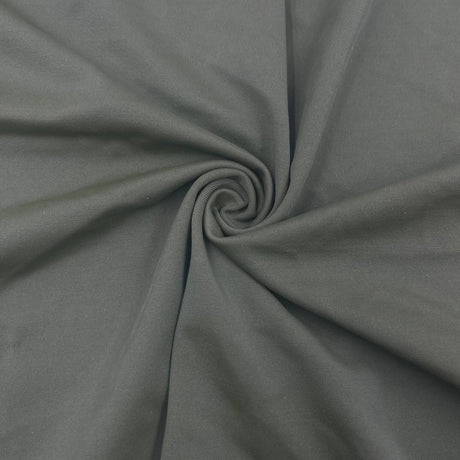
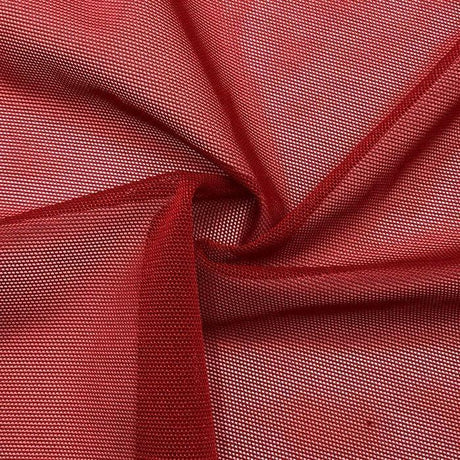
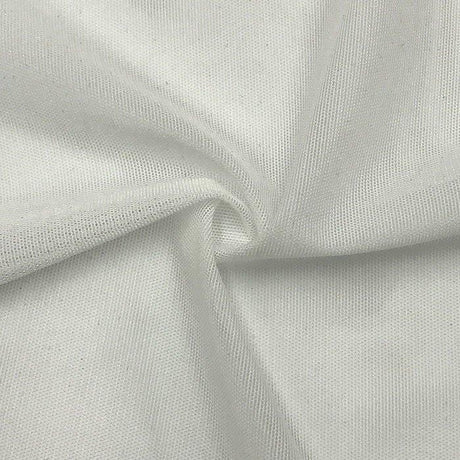
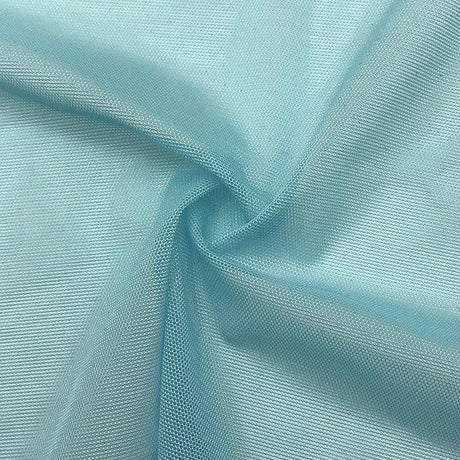
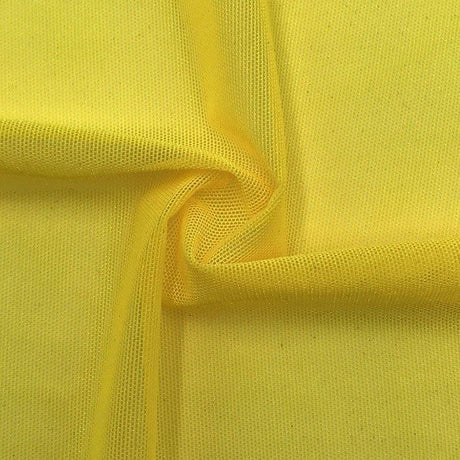
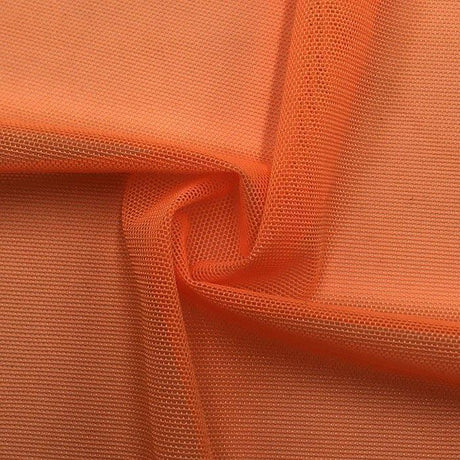
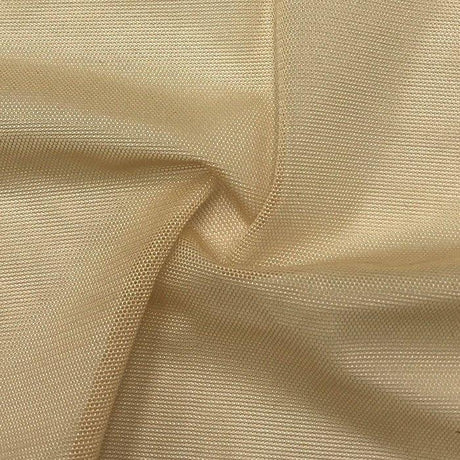
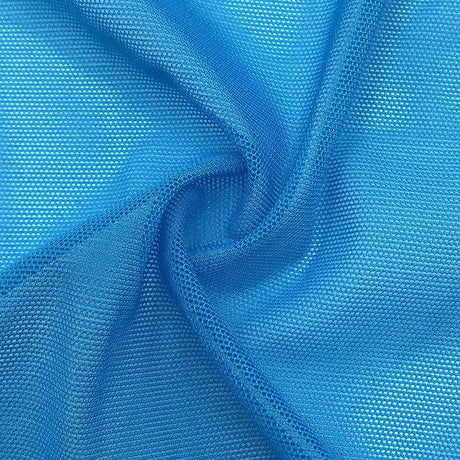
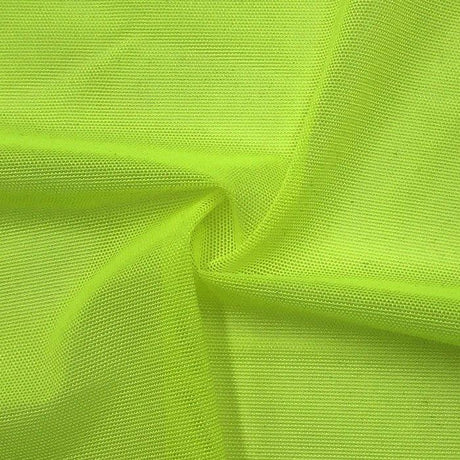
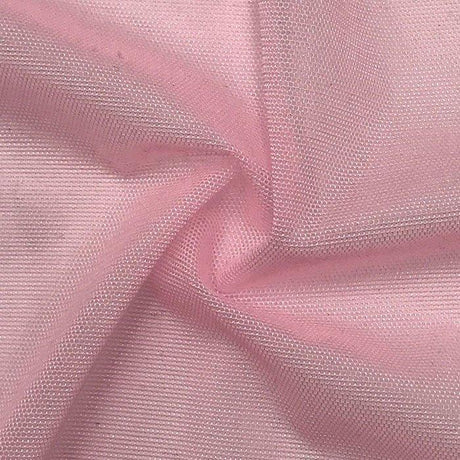
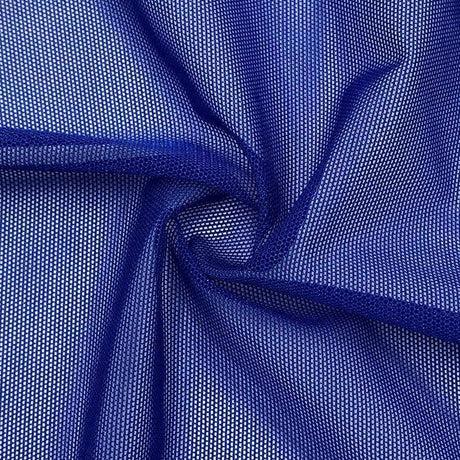
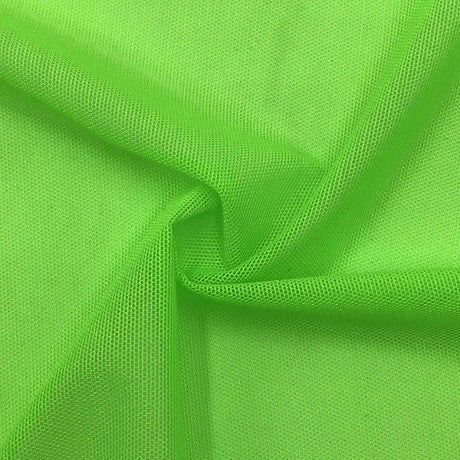
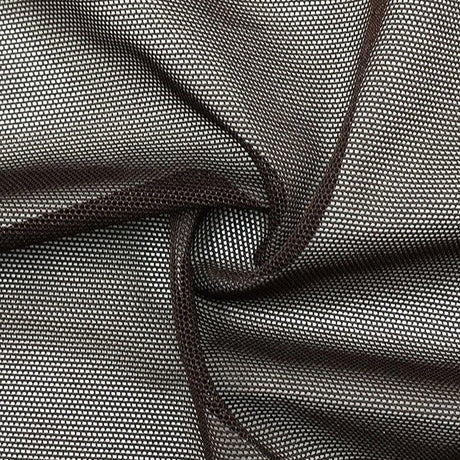
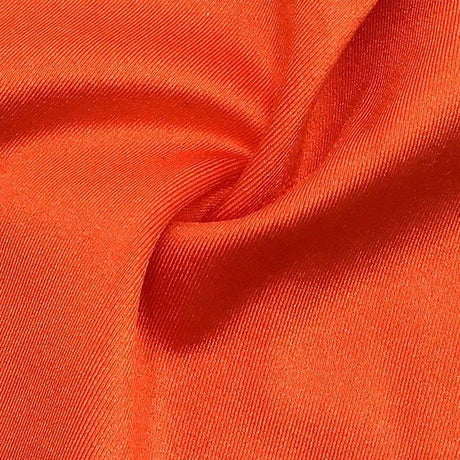
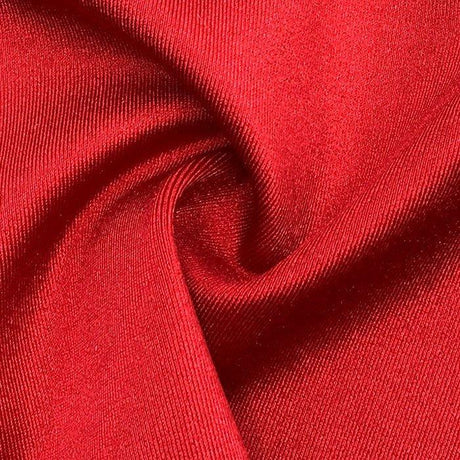
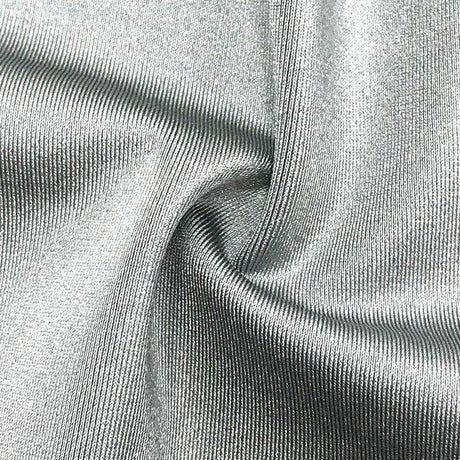
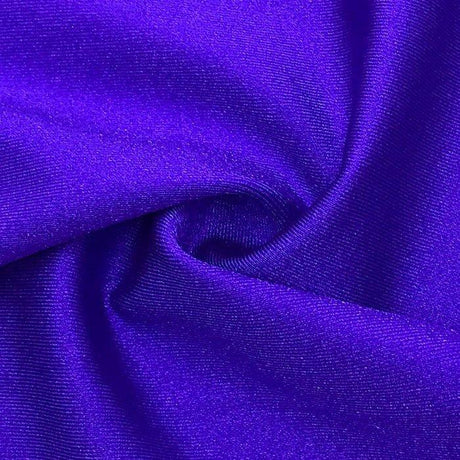
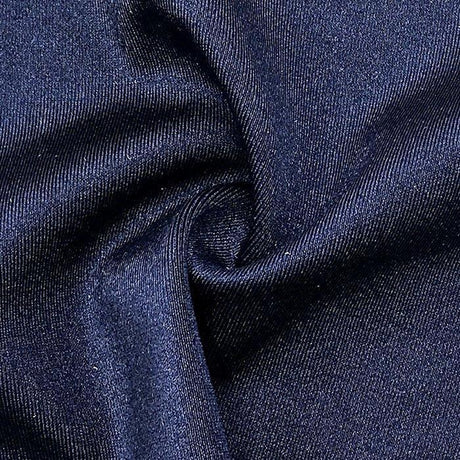
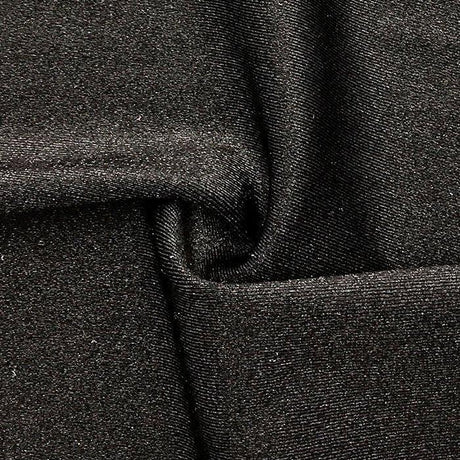
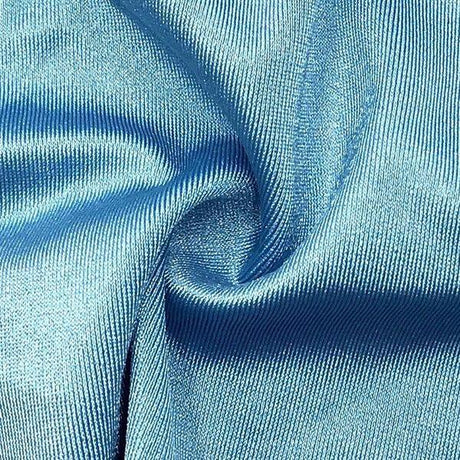
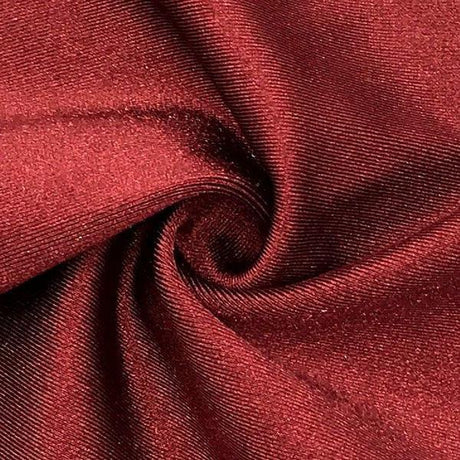
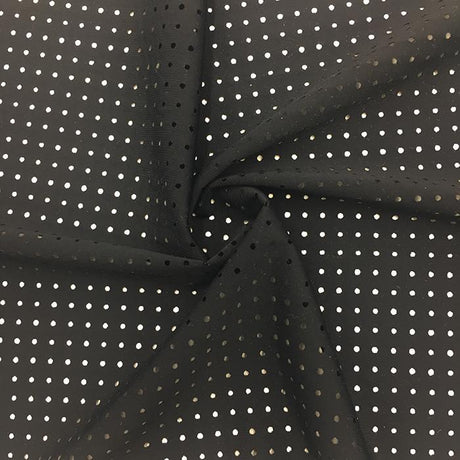
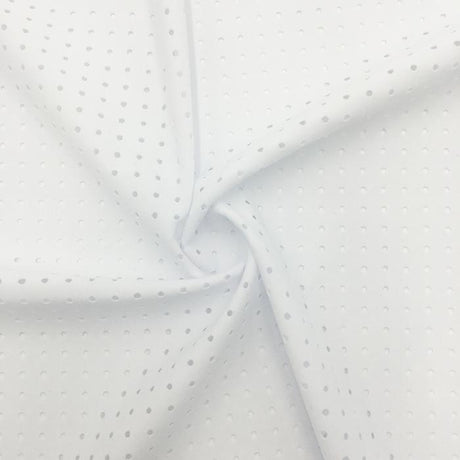
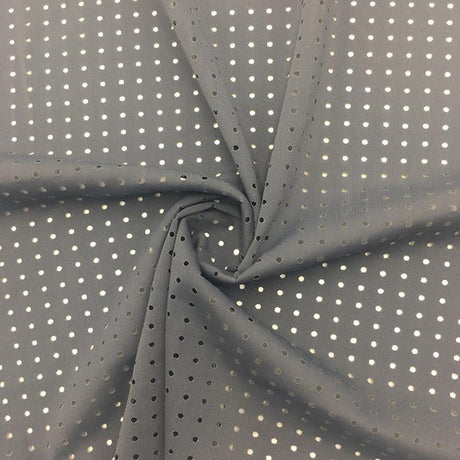
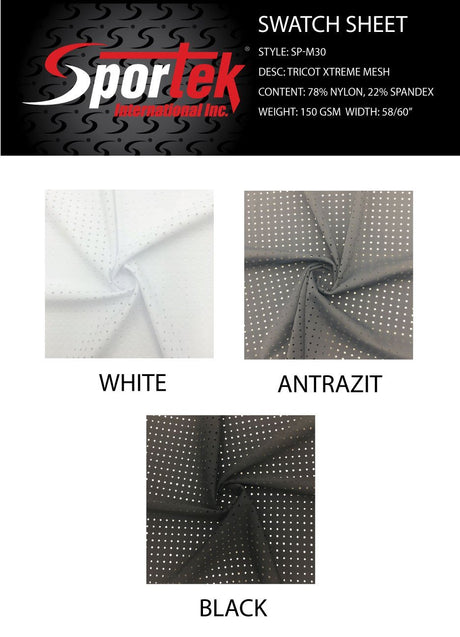
Mesh fabric has become a staple in modern sportswear due to its exceptional breathability and lightweight comfort. Unlike solid textiles, mesh is characterized by thousands of tiny openings that promote air circulation, helping athletes stay cool and dry during intense workouts. Most athletic mesh fabrics are very light (often only 80–130 GSM, roughly half the weight of a cotton T-shirt), which means less bulk on the body and faster drying times – a crucial advantage when layering garments or sweating heavily. Additionally, the porous structure of mesh allows sweat vapor to escape easily, while synthetic fibers like polyester or nylon wick moisture and dry quickly, preventing that clammy feeling. By strategically using mesh panels in high-heat zones (such as the back or underarms), sportswear designers create apparel that keeps athletes cooler and drier. In short, mesh fabrics manage to keep sportswear light, breathable, and flexible without sacrificing durability or support.
Why is Mesh Popular? (Lightweight & Breathable)
Mesh is popular in active apparel because it addresses the core needs of athletes: staying cool, dry, and unencumbered. The open-hole structure of mesh fabric provides superior airflow (ventilation), which naturally cools the body by letting heat escape and fresh air circulate. This continuous air exchange helps prevent the buildup of heat and humidity inside clothing, reducing the risk of overheating. At the same time, mesh aids in moisture management – it pulls sweat away from the skin and allows it to evaporate quickly. For example, a breathable mesh can dry significantly faster than an equivalent solid fabric. One test showed a mesh fabric drying in just 22 minutes, versus 58 minutes for a solid polyester knit (a 62% faster drying time). Such quick-drying performance means athletes experience less of the heavy, sticky feeling of soaked clothing.
Another reason for mesh’s popularity is its lightweight feel. Because so much of the material’s surface is open space, mesh garments tend to weigh much less than regular fabrics of similar thickness. This reduction in weight translates to less fatigue and greater comfort, especially during long workouts or competitions. Lightweight mesh also doesn’t sacrifice flexibility – in fact, many mesh fabrics include spandex or elastane fibers, giving them 4-way stretch for unrestricted movement. In summary, mesh has become essential in performance wear by keeping athletes cool, dry, and comfortable. It provides ventilation and wicks sweat (for cooling and dryness), while remaining featherlight and stretchable for optimal freedom of motion.
Types of Mesh Knits
Not all mesh fabrics are the same. There are various ways to knit mesh, each yielding a different structure and performance. The two primary knit methods for mesh are warp knitting (including Tricot and Raschel knits) and weft knitting (circular knits). Warp-knit meshes are very common in sportswear because they are stable and run-resistant, meaning the holes won’t easily unravel or tear. Below we outline a few important types of mesh knits used in athletic apparel:
Tricot Mesh
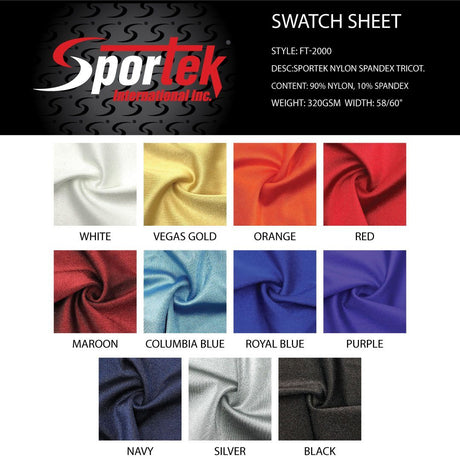
Tricot mesh is a warp-knit mesh fabric made on tricot knitting machines. It’s known for a smooth, stable structure and is often described as run-resistant (it doesn’t easily snag or unravel). Tricot mesh tends to be relatively stiff or firm compared to other meshes, which helps it hold its shape. This makes it ideal for applications that need durability and shape retention. In fact, tricot mesh is the classic material for many team uniforms – it’s commonly used in basketball jerseys, soccer jerseys, training pinnies, and sports shorts. The small diamond or hexagonal holes in a tricot sports mesh provide breathability while the fabric itself remains strong and non-stretch in one direction (giving the garment some stability). Tricot mesh is also frequently used as a mesh lining inside sports jackets, shorts, or swim trunks, adding a breathable layer that keeps the wearer ventilated. Overall, tricot mesh (sometimes just called “sports mesh”) is prized for being lightweight, breathable, and run-proof, making it a go-to for athletic uniforms and linings.
Raschel Mesh
Raschel mesh is another warp-knit fabric, made on Raschel knitting machines, which allows for more open and intricate knit patterns. Unlike the uniform grid of tricot, a raschel knit can create net-like structures with larger holes or decorative designs. Raschel mesh often has a thicker, more textured feel and can incorporate complex patterns (it’s the technique behind many lace fabrics as well as mesh). In sports and outdoor gear, raschel-type meshes appear in items that need robust ventilation and strength – for example, the coarse mesh used in scrimmage vests (training pinnies) or durable equipment pockets may be a raschel knit. This knit style is generally less stretchy than tricot, unless elastic fibers are added. However, raschel mesh is very durable and can handle stress without tearing. Its ability to form stable open holes makes it useful for anything from breathable panels on bags and shoes to decorative mesh inserts on apparel. In summary, Raschel mesh produces sturdy netted fabrics with excellent airflow. It’s chosen when a design calls for a strong mesh with either large open holes or an ornamental pattern, without much need for four-way stretch.
Power Mesh
Power mesh (also known as powernet) is a specialized type of mesh fabric valued for its combination of high stretch and strong compression. Unlike the airy meshes used purely for ventilation, power mesh is engineered to provide support. It’s typically made of a nylon or polyester base with a significant percentage of spandex (often 15–30% elastane), knitted in a fine mesh structure. This results in a mesh that is strong and firm in hold despite being sheer. Power mesh fabrics are heavier in weight (commonly around 130–200 GSM) with smaller, less visible holes and a somewhat silky yet resilient feel. They excel at stretching to accommodate movement, then snapping back to provide compression. In sportswear, power mesh is often used in places where extra support or stability is needed: for instance, as an inner lining in sports bras to reduce bounce, or as shaping panels in compression leggings and shorts. It’s also the mesh of choice for waistbands (to give a snug, elastic fit) and for shapewear or dancewear where contouring is desired. Even some medical braces incorporate power mesh for its balance of stretch and support. In short, power mesh is a performance mesh that provides significant support and compression while still being breathable. It allows athletes to have targeted muscle support (or clothing that stays in place firmly) without completely sacrificing ventilation.
Sewing and Usage Tips
Working with mesh fabric requires a few special considerations, both in garment construction and in design usage. Here are some technical tips to successfully sew with mesh and make the most of its unique properties in your projects:
- Use the Right Needle & Thread: When sewing mesh (especially mesh that contains spandex), always use a ballpoint needle. A ballpoint or stretch needle (e.g. size 75/11 for light mesh and 90/14 for heavier power mesh) will slide between the knit fibers instead of piercing them, which prevents damage to the yarns. A regular sharp needle can cut the elastic fibers and lead to holes or runs in the mesh. Also use a quality polyester thread with some stretch; polyester thread is strong and has a bit of give, making it suitable for knit fabrics.
- Choose Stretch-Friendly Stitches: Mesh knit fabrics will often be under tension when worn, so your seams need to stretch as well. On a regular sewing machine, opt for a stretch stitch or a narrow zig-zag stitch for seams. For example, a small zig-zag (about 0.5–1 mm width by 2.5 mm length) works well, providing elasticity without breaking. If you have a serger (overlock machine), even better – a 3- or 4-thread overlock stitch will naturally stretch and is excellent for quickly sewing mesh seams with a soft finish. These stitches prevent seam threads from snapping when the mesh is stretched during wear.
- Stabilize While Sewing: Lightweight and stretchy meshes can sometimes shift or stretch out under your sewing machine’s presser foot, leading to wavy or distorted seams. To combat this, use a temporary stabilizer. Placing a strip of lightweight tear-away stabilizer (or even tissue paper) under the mesh as you sew can prevent the fabric from being pulled by the feed dogs. After sewing the seam, you simply tear away the stabilizer. This trick helps keep your stitching straight and prevents the mesh from stretching out of shape during construction. For very stretchy power mesh, some sewists use a heat-soluble stabilizer or spray starch to add temporary firmness. Just ensure that any stabilizer is removed or washed out afterward so the mesh regains its full flexibility.
- Cut Carefully: Mesh, especially those with slippery synthetics, can be tricky to cut accurately. Use sharp fabric scissors or a rotary cutter to get clean cuts through the material. It’s often helpful to cut mesh as a single layer (not folded) since the open holes can cause layers to misalign slightly. If the mesh is very sheer or shifty, laying it on top of a layer of paper while cutting can improve accuracy. Precise cutting will make your pieces easier to sew and ensure the holes line up neatly in the finished garment.
- No-Fray Edges (Finishing): One convenient aspect of knit mesh is that it generally does not fray or unravel at cut edges, unlike woven fabrics. The warp-knit structure (in tricot or raschel mesh) is run-resistant, so you can leave some edges raw without worry of fraying threads. This is great for areas like overlay panels or seam allowances that you want to keep thin. However, raw mesh edges can be rough against the skin, so for comfort you might finish them with a binding or fold-over elastic (this is common in mesh lingerie or sports bra seams to cover the edge). If aesthetics require a hem (for example, on a mesh jersey tank top), a simple turned-under hem with a zig-zag stitch, or a band of stretch trim, will do – but you don’t need elaborate overlocking to prevent fraying.
- Layer for Support or Opacity: If your mesh fabric is too sheer or not supportive enough on its own, consider doubling it. Using two layers of mesh can significantly increase support and modesty while still maintaining breathability. For instance, lightweight power mesh is often layered two-ply in sports bras or compression shorts to add strength without bulk. Even a very transparent mesh will look more opaque when self-lined (two layers of fine mesh netting offset the holes of each other). When layering mesh, you can treat the two layers as one piece of fabric for sewing, or let them hang separately (e.g. a free-hanging mesh lining inside running shorts). Doubling up is a handy trick to get a bit more coverage or support from an otherwise delicate mesh.
- Strategic Placement: Finally, make the most of mesh’s performance benefits by using it strategically in your apparel designs. Mesh panels are most effective in areas that build up heat and sweat – common zones include the underarms, sides of the torso, upper back, or behind the knees. By placing mesh in these high-heat areas, you greatly boost ventilation and comfort for the wearer. Many jackets and shorts also use a mesh lining for this reason: the mesh lining creates an air gap and allows airflow inside the garment, helping the item breathe. When designing, think about where the body could use extra cooling or flexibility, and use mesh in those spots (while using solid fabric where more coverage or wind-blocking is needed). This targeted use of mesh will provide cooling and ventilation exactly where it’s needed, without compromising the garment’s structure or style.
Mesh fabric offers an unbeatable combination of breathability and performance in modern apparel. By understanding the different types of mesh and their properties – from airy tricot sports mesh to supportive power mesh – you can choose the right material for each application. With proper sewing techniques, mesh is quite user-friendly and can elevate the functionality of sportswear dramatically. Whether it’s keeping an athlete cool with ventilated mesh panels or adding power mesh for a supportive compression fit, this fabric has proven itself as a game-changer in sportswear design. Embrace mesh textiles in your projects to achieve lightweight, breathable garments that don’t compromise on performance or comfort.