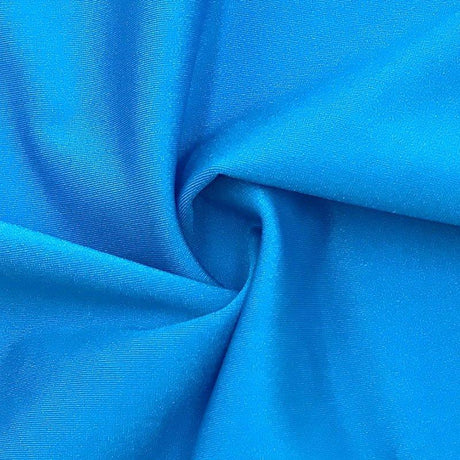
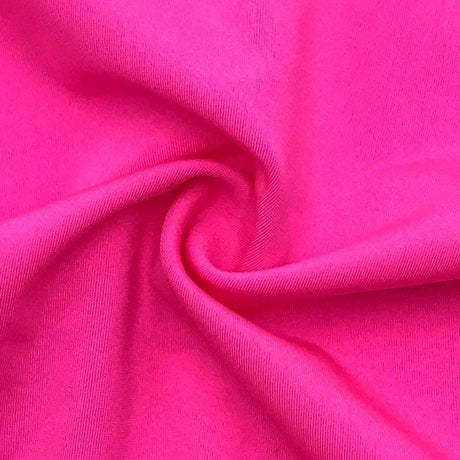
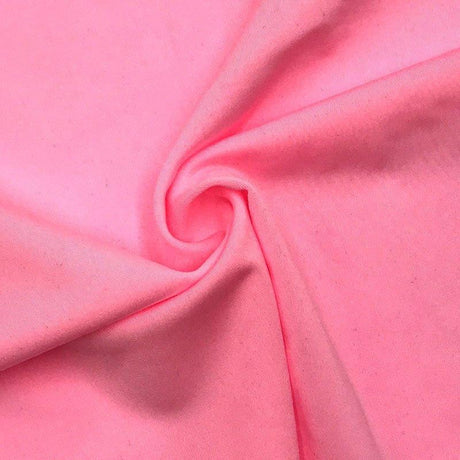
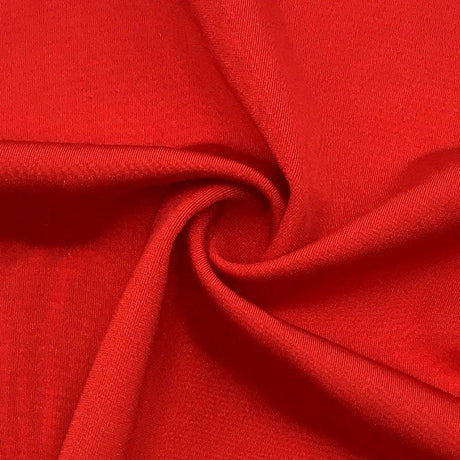
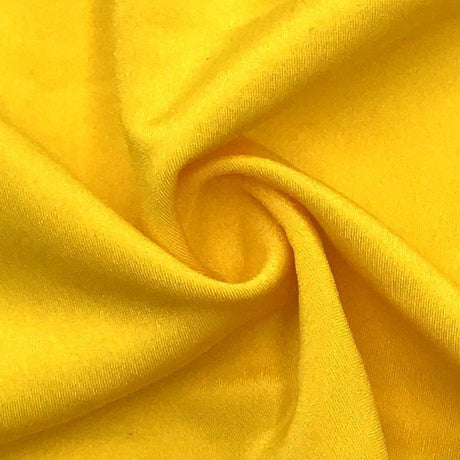
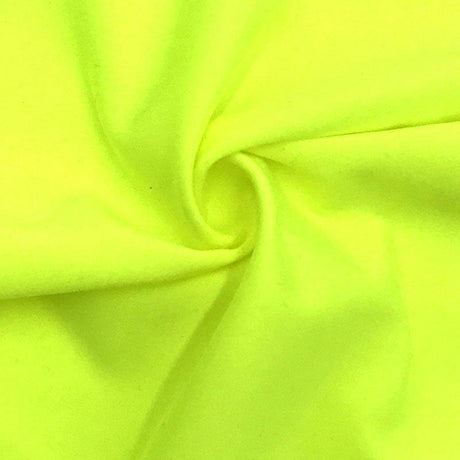
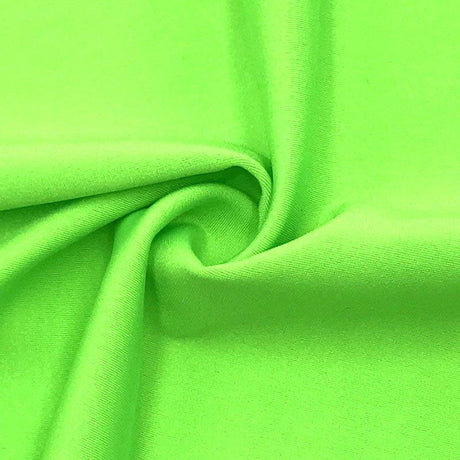
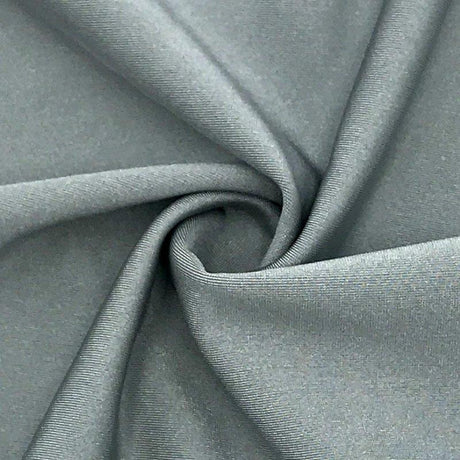
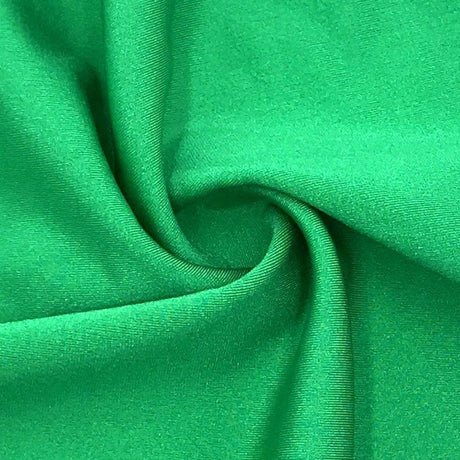
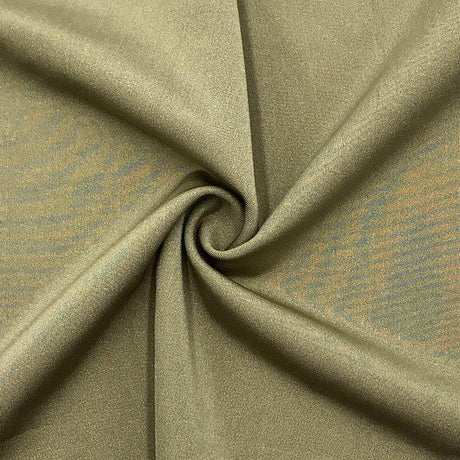
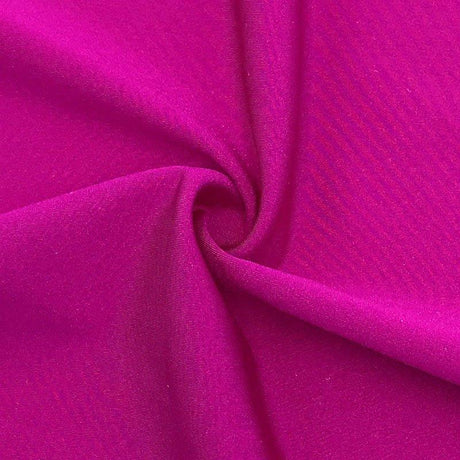
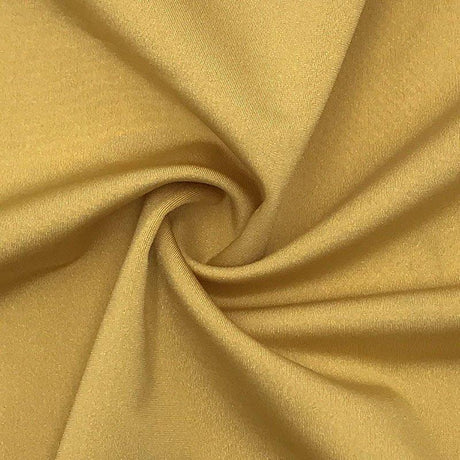
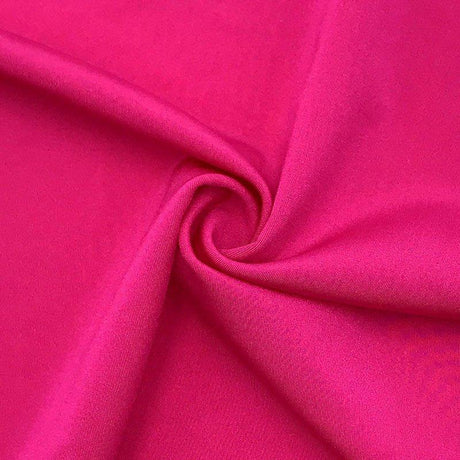
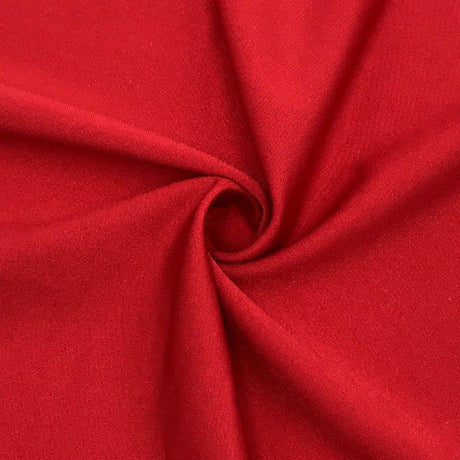
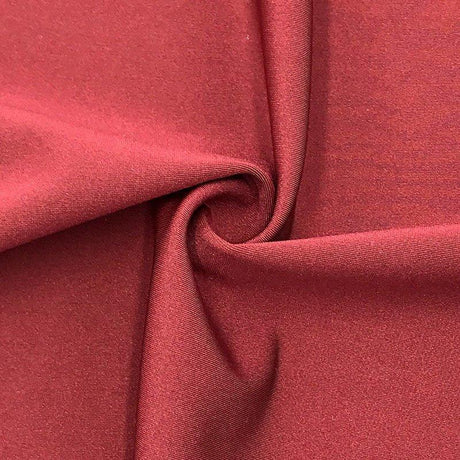
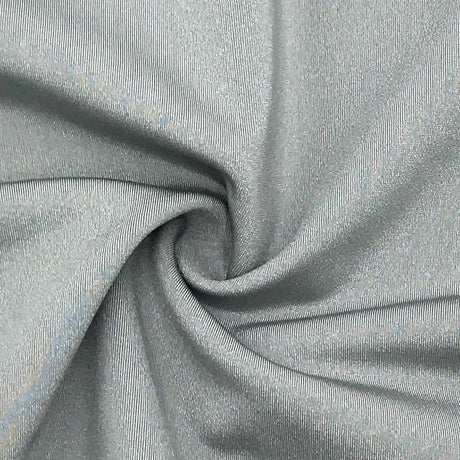
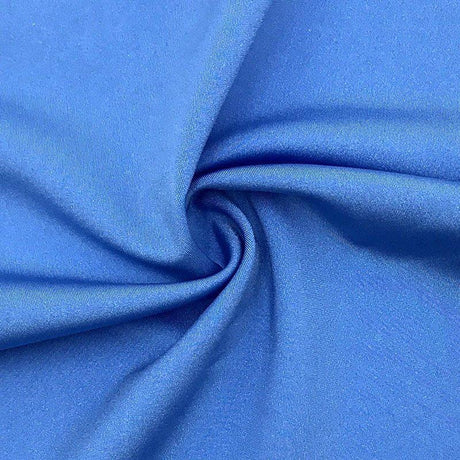
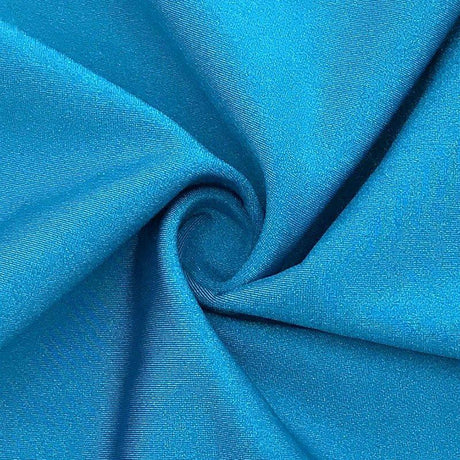
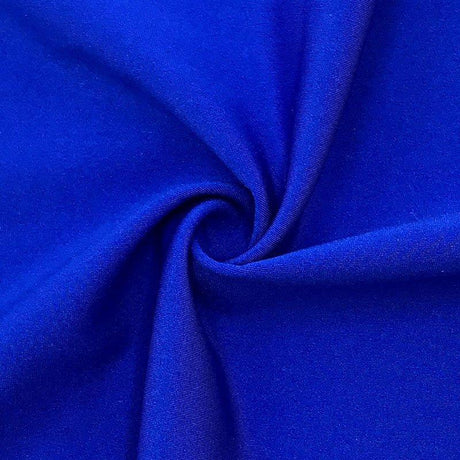
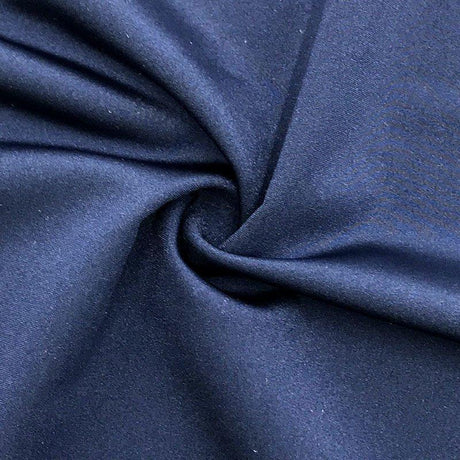
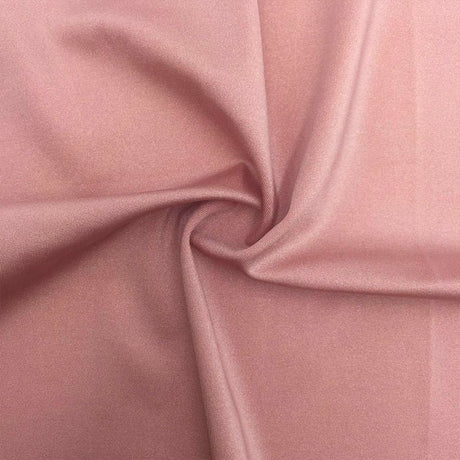
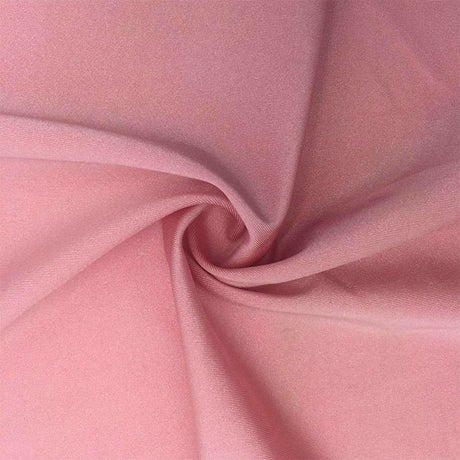
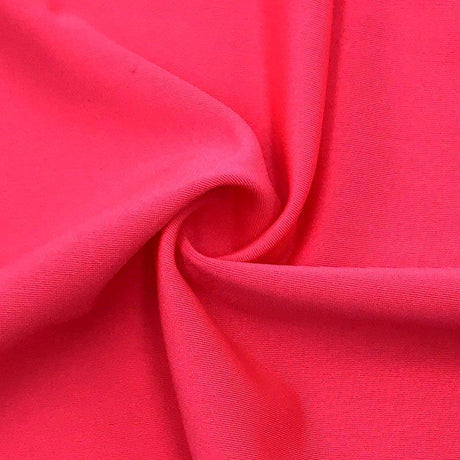
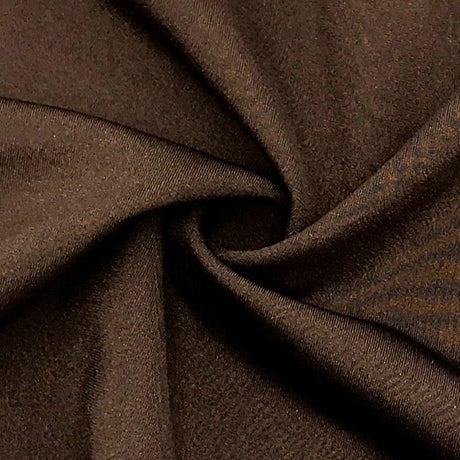
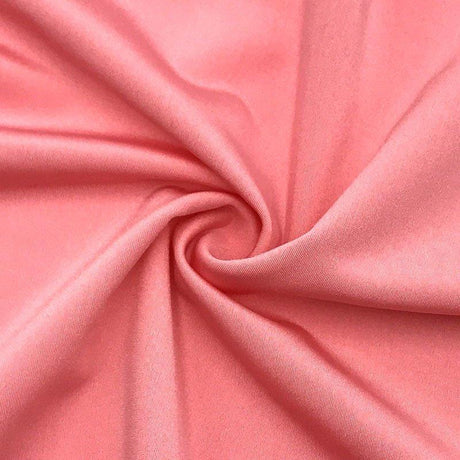
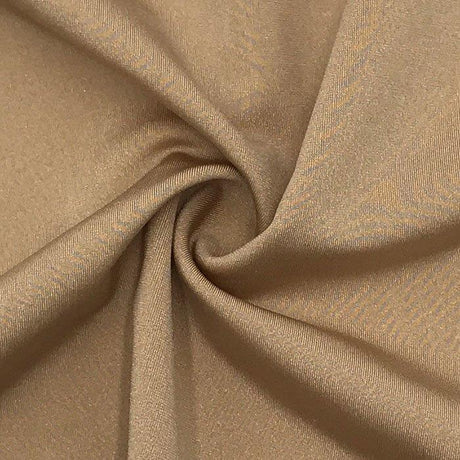
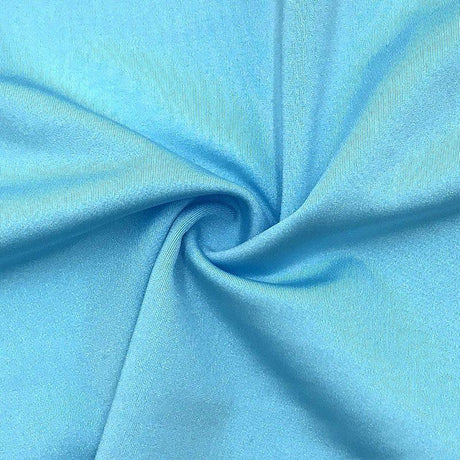
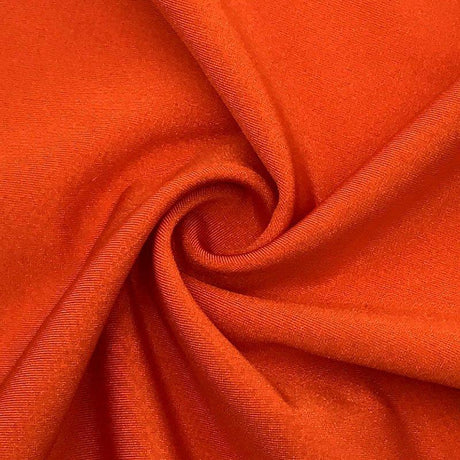
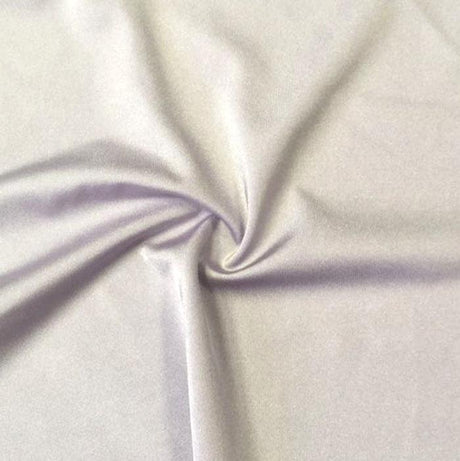
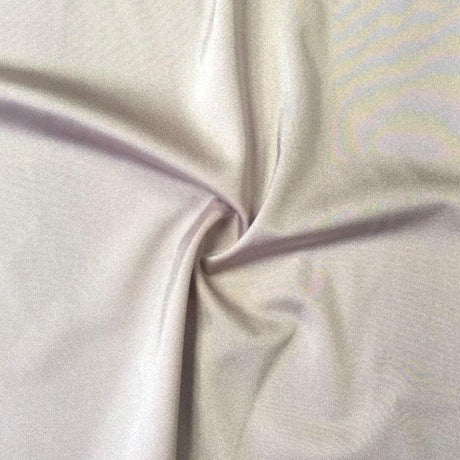
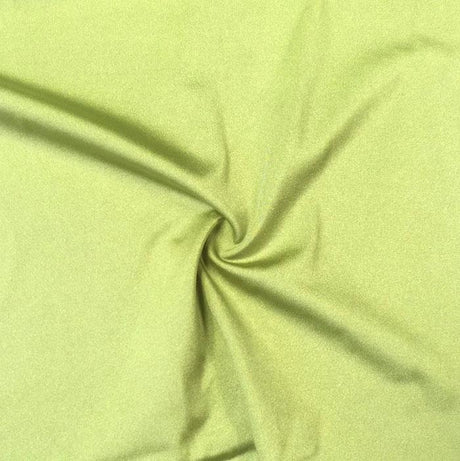
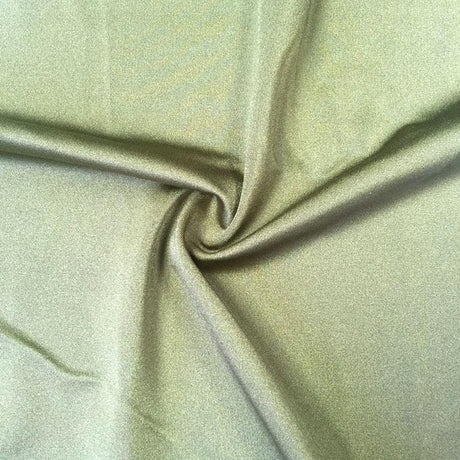
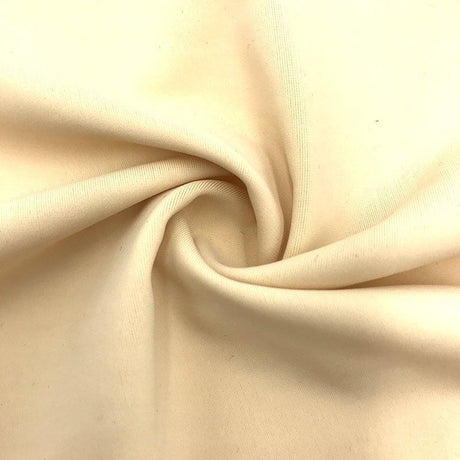
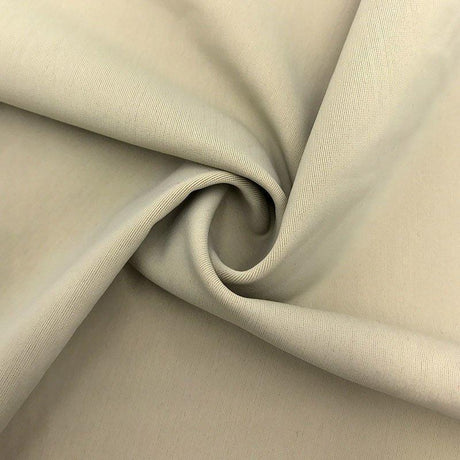
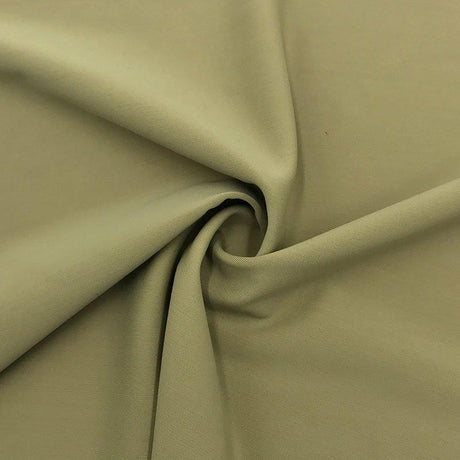
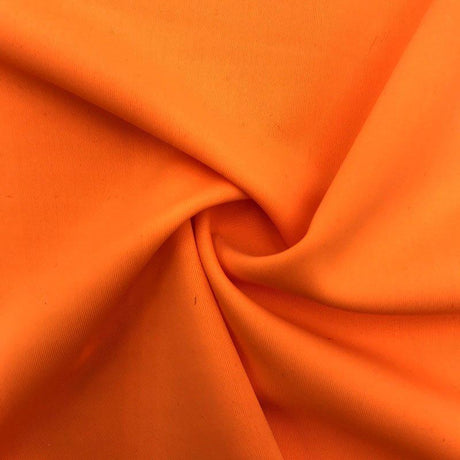
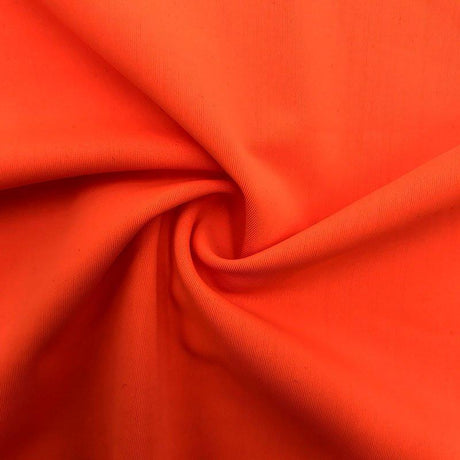
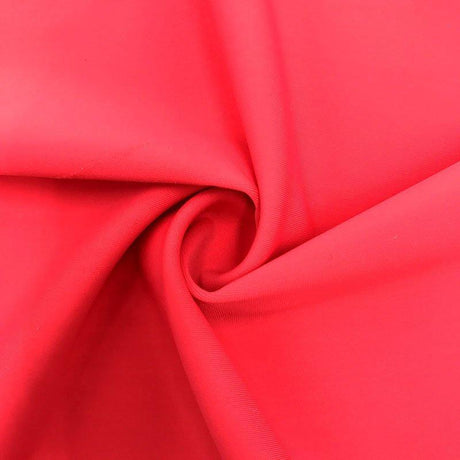
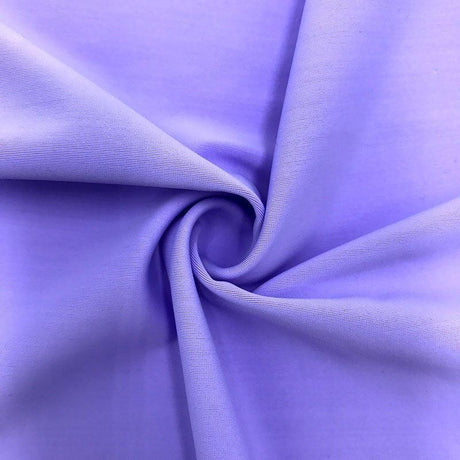
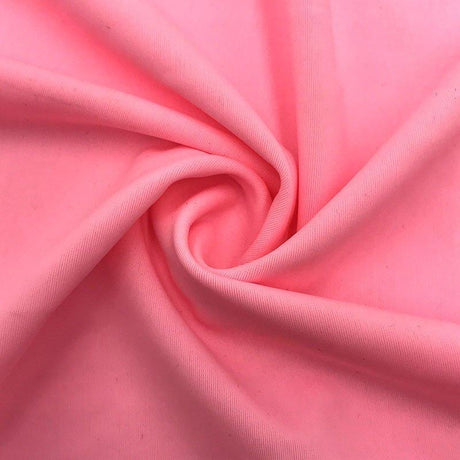
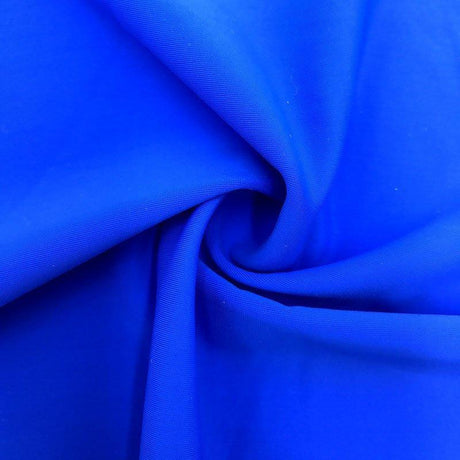
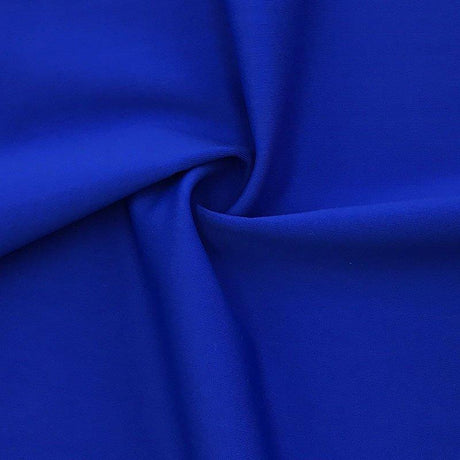
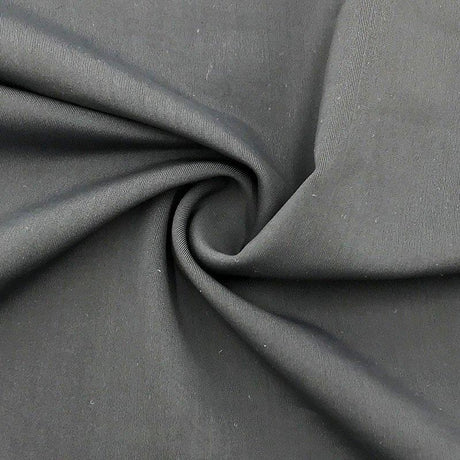
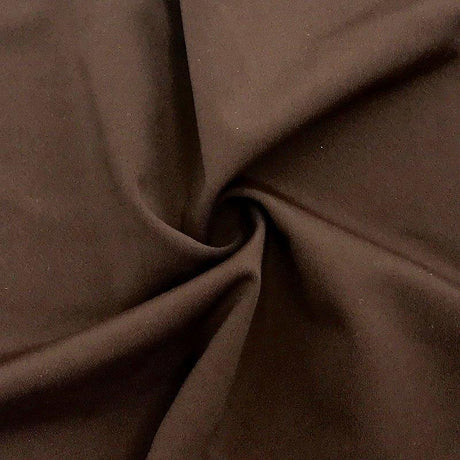
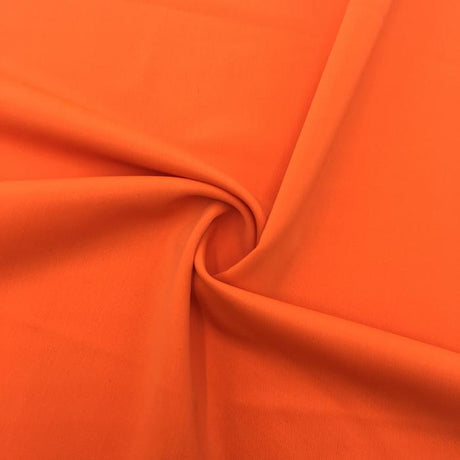
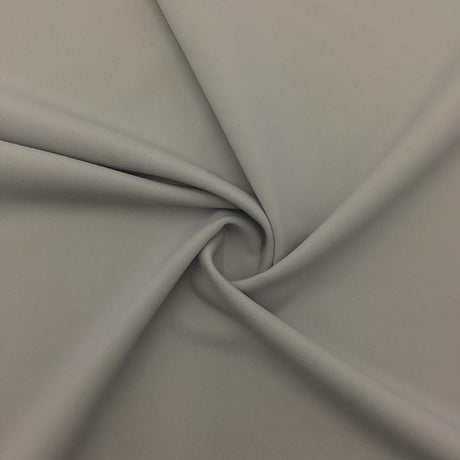
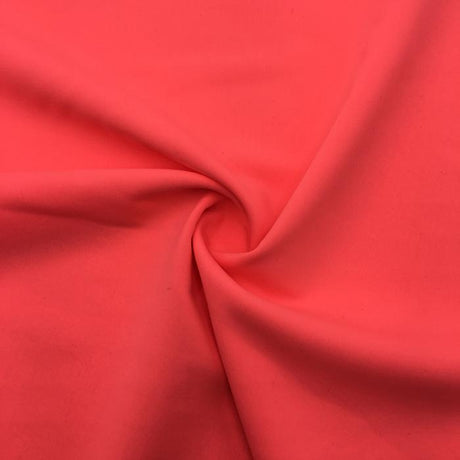
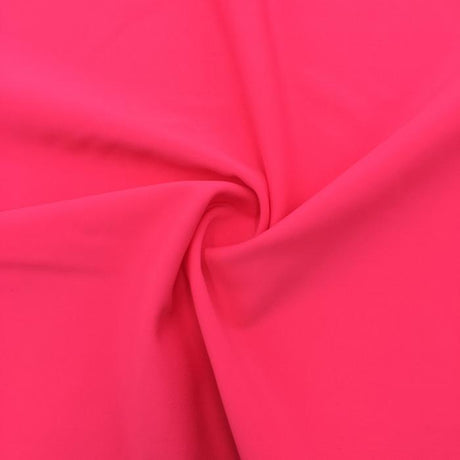
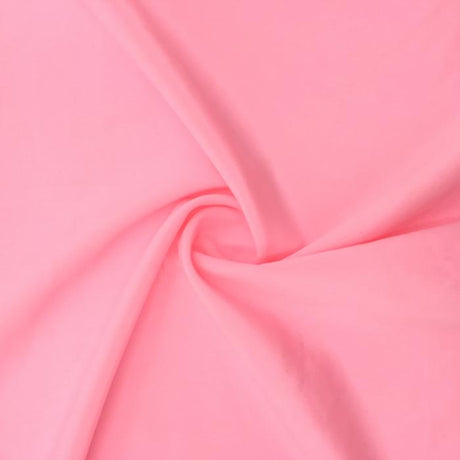
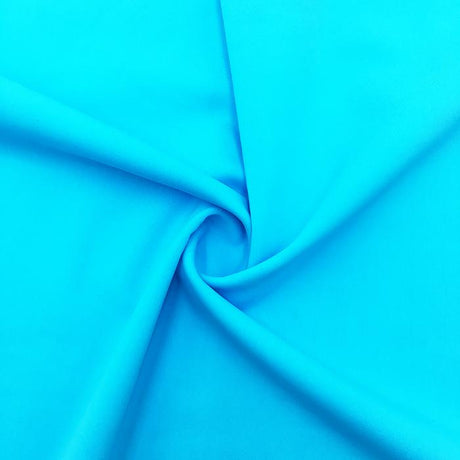
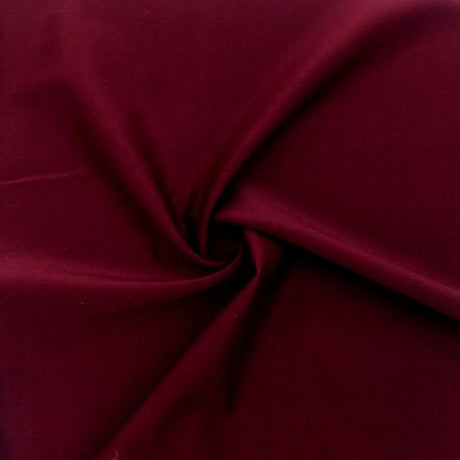
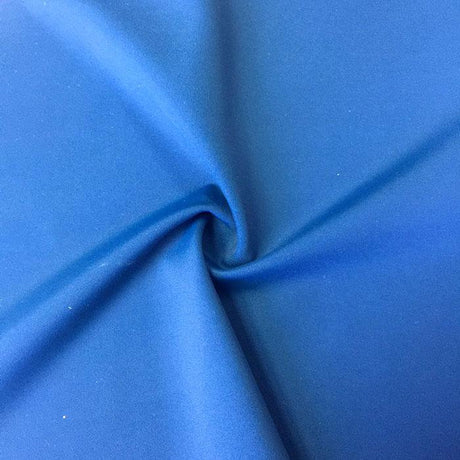
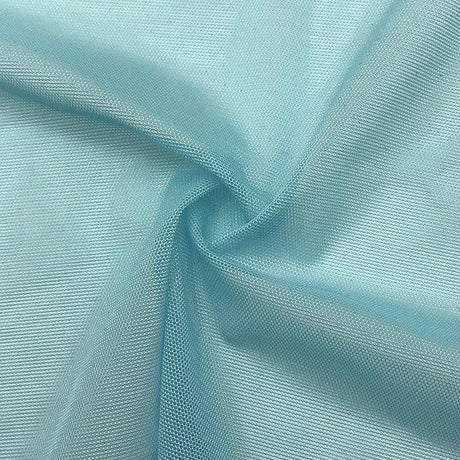
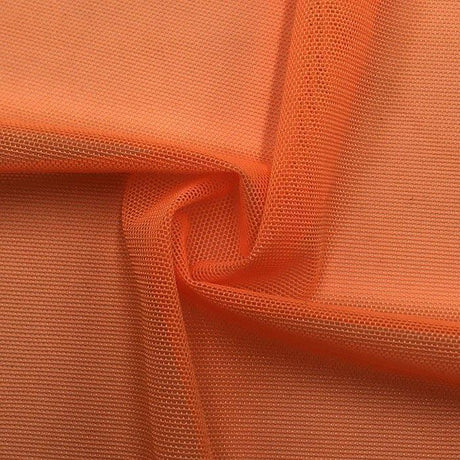
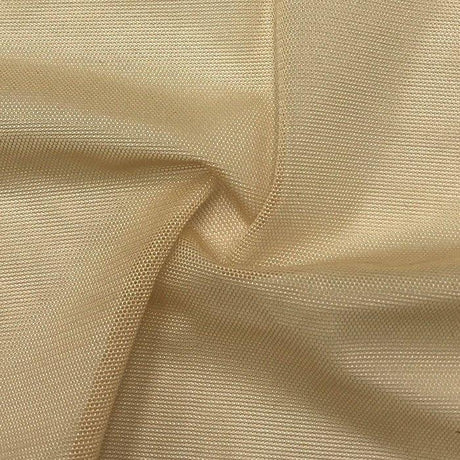
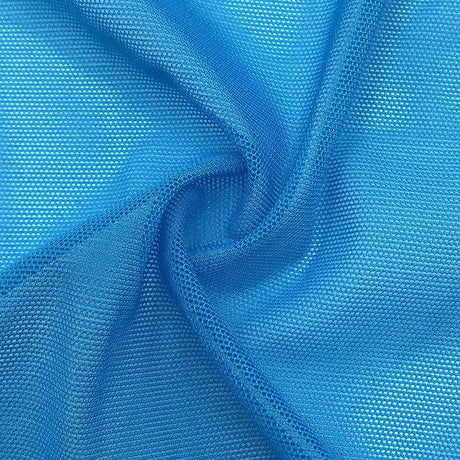
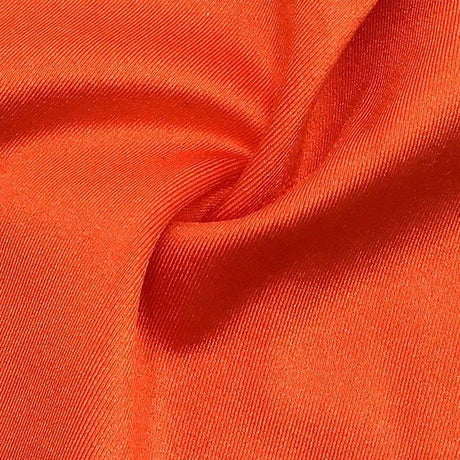
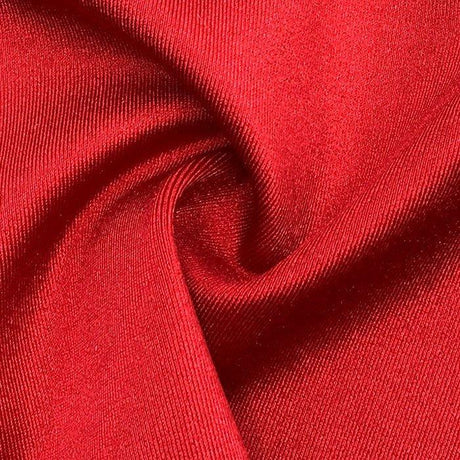
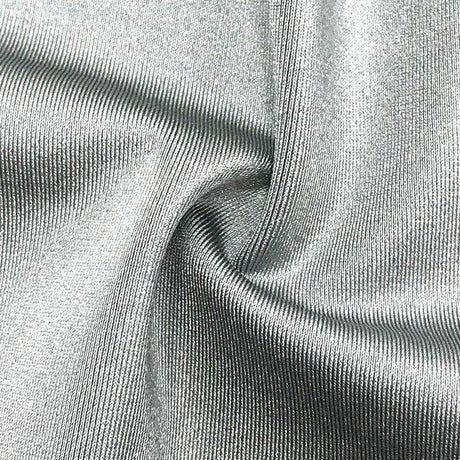
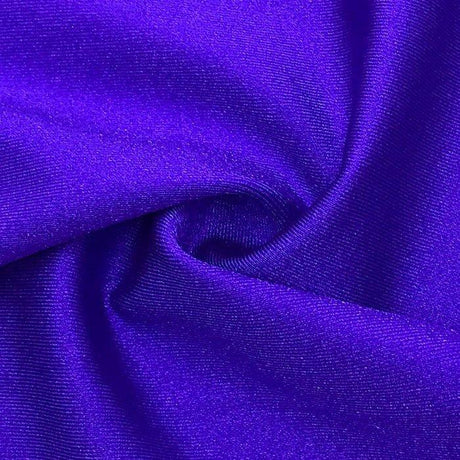
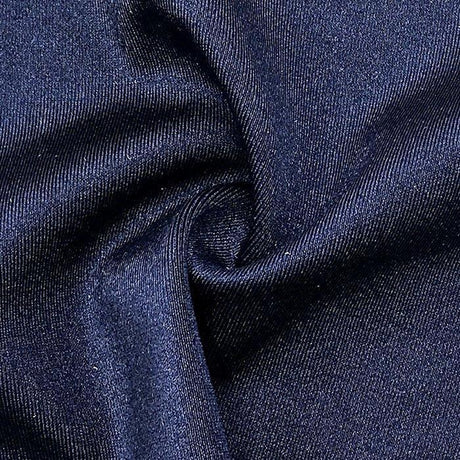
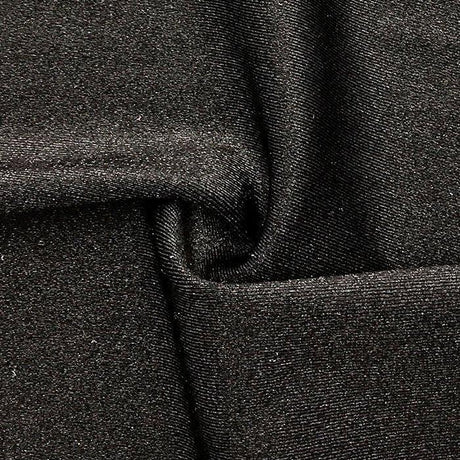
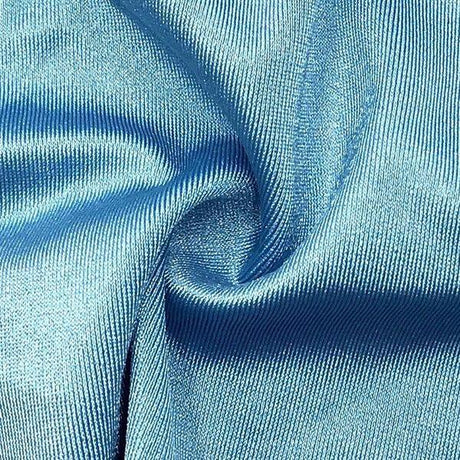
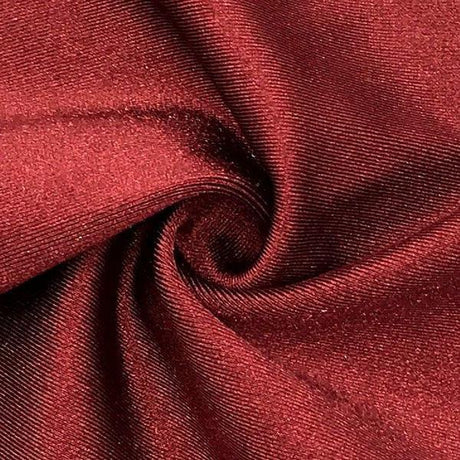
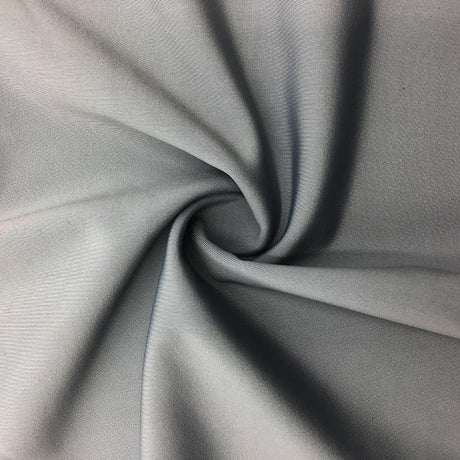
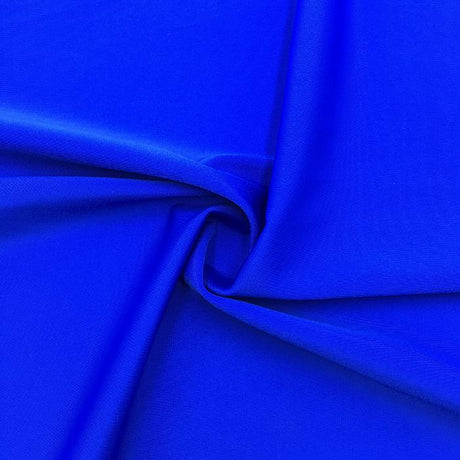
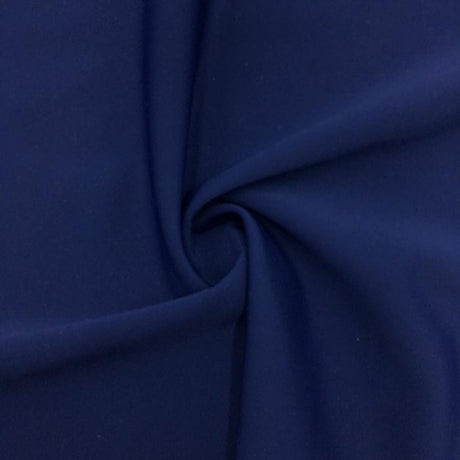
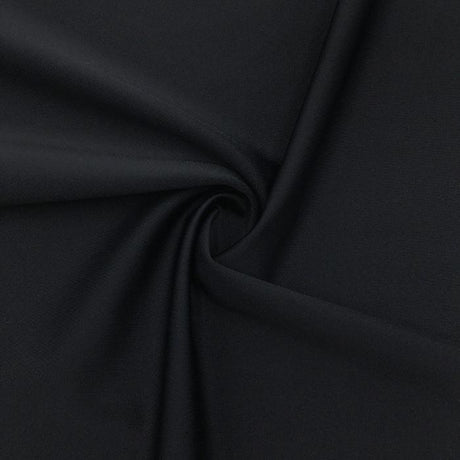
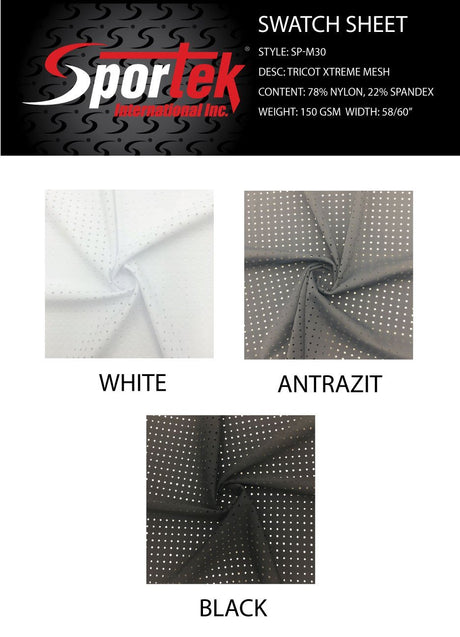
Swimwear faces a harsh environment in pools and oceans. Chlorine from pools acts like a mild bleach, salt from the sea leaves abrasive crystals, and even sunscreen lotions can cling to material – all quietly shortening a swimsuit's lifespan. This guide explains why these issues occur and how chlorine-resistant swim fabrics combat them. For a broader foundation on swimwear fabric properties before diving in, explore our swimwear fabric guide or browse our full fabric guides hub.

How Chlorine, Salt, and Sunscreen Damage Swimwear Fabrics
Chlorine – the "Bleach" in Pool Water: Chlorine is added to pools to kill bacteria, but it also chemically attacks swim fabrics. In water, chlorine transforms into hypochlorous acid – essentially a diluted bleach. This oxidizes fibers and dyes, leading to elastic fiber breakdown (chlorine targets elastane/spandex first, snapping its molecular bonds), color fading (chlorine oxidizes dyes, causing vibrant colors to dull or take on a yellowish tint), and fiber brittleness (as chlorine weakens material, the fabric becomes prone to snagging and pilling). Studies show a standard swim fabric can lose over 60% of its tensile strength after ~300 hours in chlorinated water if it's not chlorine-resistant. Our spandex care guide covers the science of chlorine degradation in elastane fibers and why rinsing after pool use is so important.
Salt Water – Abrasion and Drying Out: When ocean water dries, it leaves behind salt crystals in the material. These tiny crystals act like sandpaper inside the fibers, causing abrasion each time the fabric moves. Always rinse swimwear after ocean swims to flush out salt and prevent those abrasive salt deposits.
Sunscreen & Oils – Chemical Stains and Elastic Damage: Many sunscreen lotions (and natural body oils) are petroleum or mineral-based, which cling to fibers and may weaken them over time. Oils left on elastane fibers can lead to loss of stretch or a slimy texture if not washed out. The best practice is to apply sunscreen well before putting on your suit and to rinse swimwear soon after use. Use mild soap and cool water to remove lotions after wearing – harsh detergents or bleach (never use bleach on swimwear!) will do more harm.
UV Sunlight – The Silent Fader: UV exposure degrades spandex fibers similar to chlorine's effect, and it can fade colors as well. Many high-performance swim fabrics include UV inhibitors or use special dyes to resist fading. Still, it's wise to dry suits in the shade. Our fabric finishes guide covers UV-blocking surface treatments and how to evaluate their durability across performance swimwear constructions.
Materials and Technical Comparison of Swim Fabrics
Understanding GSM (Fabric Weight): Swimwear fabrics tend to be on the heavier side for stretch materials – usually 250–320 GSM – to ensure good coverage and shape retention when wet. A heavier fabric (higher GSM) is generally more durable: it's thicker, more opaque, and resists wear and sagging better than a thin fabric. Our fabric weight guide provides a full breakdown of how GSM affects opacity, compression, and durability across all common swimwear fabric constructions.
Stretch and Recovery (% Elastane): Most quality swimwear fabrics are 4-way stretch, meaning they extend both widthwise and lengthwise – crucial for movement and a snug fit. Typically, swim fabrics contain 15–20% spandex (elastane) to achieve this. Strong recovery means the suit won't stay stretched out. However, elastane is the part most vulnerable to chlorine, so there's a trade-off: more spandex gives great stretch, but can reduce chlorine resistance unless it's a special chlorine-resistant elastane (like Lycra® XTRA LIFE or Creora® HighClo). Our stretch fabric types page covers how spandex percentage translates to real-world stretch percentages and recovery ratings across all common blend types.
Fiber Composition and Chlorine Resistance:
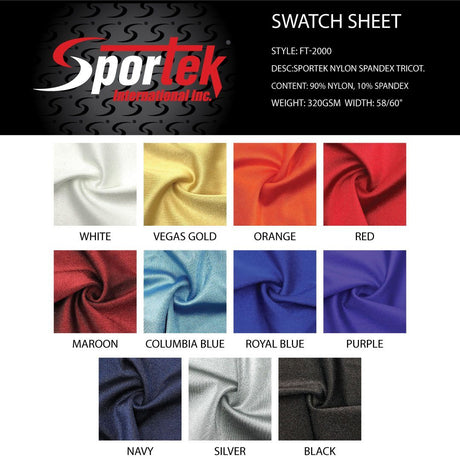
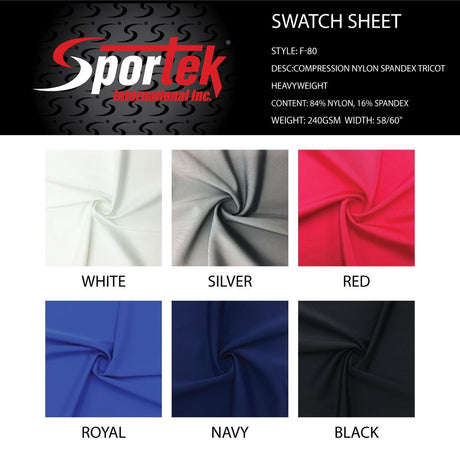
Nylon (Polyamide) Spandex: Often ~80% nylon, 20% spandex. Soft and silky, with excellent stretch and a smooth handfeel. Chlorine Resistance: Nylon is less chlorine-resistant than polyester – it will wear out faster in pool water. Best for occasional use or fashion swimwear. Our nylon-spandex fabric guide covers how nylon-spandex constructions compare to polyester-spandex in stretch, recovery, softness, and chlorine durability.
Polyester Spandex: Often ~80% poly, 20% spandex. Durable and chlorine-tough. Polyester fibers resist chlorine damage far better, and when paired with quality spandex (especially chlorine-resistant spandex fiber), the suit lasts much longer. Ideal for frequent swimmers, competitive swimwear, or any situation where longevity is key.
Polyester PBT (Chlorine-Proof): Typically a blend of standard polyester and PBT polyester (e.g. 50/50). Suits labeled "100% chlorine resistant" or "chlorine proof" often use poly/PBT and contain 0% spandex. PBT fibers can be spun to have a natural stretch. Chlorine Resistance: Very High. A PBT/poly suit can endure hundreds of hours of pool time with minimal degradation. Colors stay vivid and the fabric won't sag, even after seasons of use.
Cotton or Cotton Blends: Cotton is a natural fiber that holds water, stretches out when wet, and has almost no chlorine tolerance. Chlorine Resistance: Virtually none. Cotton-blend fabrics are best kept for non-swim projects.
Comparison Table: Swim Fabric Options
| Fabric Type | Typical GSM | Stretch (4-way) | Composition | Chlorine Resistance |
|---|---|---|---|---|
| Nylon-Spandex | ~180–200 GSM (plus lining) | ~80–90% elongation (excellent) | Nylon (polyamide) + 15–20% spandex | Moderate – prone to faster breakdown. Best for occasional use. |
| Polyester-Spandex | ~200–250 GSM | ~70–90% elongation (excellent) | Polyester + ~15–20% spandex | High – designed to be chlorine-resistant. Great longevity, minor fading. |
| Polyester/PBT Blend | ~200–300 GSM (warp knit) | ~20–50% elongation (moderate 2-way) | 50% polyester, 50% PBT (no spandex) | Very High – virtually chlorine-proof. Endures intensive pool use. |
| Cotton-Spandex Blend | ~220 GSM (varies) | ~50% elongation (good when dry, poor when wet) | Cotton + spandex (varied %) | Very Low – not suitable for swim. Chlorine will rapidly degrade it. |
What to Look For in a Chlorine-Resistant Swim Fabric
High Polyester or PBT Content: Fabrics marketed as chlorine-resistant usually have a high percentage of polyester or include PBT (check labels for terms like "Endurance," "PBT blend," or Xtra Life Lycra). Specialized elastanes (e.g. Creora® HighClo or Lycra® XTRA LIFE) also indicate the fabric's stretch component is built to withstand chlorine longer than standard spandex.
Adequate Fabric Weight (GSM): Opt for mid- to heavyweight swim fabrics, roughly 200 GSM or above for the outer fabric. A heavier warp-knit tricot in the 250–300 GSM range is ideal for competitive or high-use swimwear since it will resist sagging and hold up to vigorous use. Don't forget a proper lining fabric as well (usually a lightweight 100–120 GSM tricot) to add support and opacity. Our fabric weight guide covers how to select the right GSM for your specific swimwear application.
Stretch & Recovery: Ensure the fabric offers 4-way stretch with strong recovery so it snaps back after stretching. Look for at least 50% stretch in both directions. Test a swatch if possible: stretch it and see if it returns to shape quickly.
UV and Salt Resistance: Many chlorine-resistant fabrics also tout UV protection (UPF rating) and resistance to salt or sunscreen. UV-resistant fabrics won't degrade as quickly under sun and will protect skin (common in surf shirts and rashguards, e.g. UPF 50+ fabrics).
Supplier Reputation: Source from a reputable supplier who provides detailed specs. Good vendors will list the exact composition (e.g. 80% poly / 20% Xtra Life Lycra), chlorine resistance rating if available, and other specs. Don't hesitate to ask for samples if you're bulk ordering for manufacturing. Our expert help and advice page connects you with knowledgeable staff for personalized fabric sourcing guidance.
Buyer's Guide: Best Fabric by Project Type
Activewear (Gym & Athletic Apparel)
For gym leggings, sports bras, or athleisure that won't be submerged in chlorine, comfort and breathability become as important as chlorine resistance. A nylon-spandex or polyester-spandex fabric in the mid-weight range (180–250 GSM) works well for most activewear. If there's a chance the activewear will see pool use (e.g. a triathlon suit or aerobics class outfit), opt for a poly-spandex fabric so it's more chlorine-proof. Our activewear fabric guide covers polyester-spandex and nylon-spandex constructions across all common activewear categories, including moisture-wicking ratings and compression performance benchmarks.
For casual activewear (like joggers or a sweatshirt where chlorine isn't a concern), you might consider a cotton-spandex French terry or jersey for comfort. Our cotton-spandex fabric guide covers how cotton-spandex blends achieve the soft-touch stretch ideal for casual and low-impact applications.
Swimwear (Bathing Suits & Rash Guards)
For actual swimwear – whether it's a bikini, one-piece, swim trunks, or a sun-protective rash guard – chlorine and salt resistance jumps to the top of your list.
Best Fibers for Swim: As discussed, polyester or PBT-based fabrics are the champions for long-term swim use. For recreational or fashion swimwear that sees occasional dips, a polyester-spandex blend is usually sufficient. You can also use nylon-spandex for luxury feel or print vibrancy, but expect a shorter useful life if used heavily in pools.
Technical Specs for Swim Projects: Aim for a high GSM fabric (200–300 GSM) for the outer layer. Pair it with a proper swim lining fabric (often a lighter, ~100 GSM nude or matching color tricot) for areas that need extra coverage. Check the stretch: you want 4-way stretch so the suit can hug the body and move. UV protection (UPF) is a bonus feature especially for rash guards, swim leggings, and kids' swimwear. Our swimwear fabric guide covers how to evaluate and source all these construction types for different swimwear applications.
Use Case Examples:
- Competitive/Training Swimsuit: Use a poly/PBT fabric, unlined or front-lined, for maximum durability.
- Fashion Bikini or One-Piece: A poly-spandex tricot (e.g. 80/20) with a soft hand can work nicely. Ensure it's at least 200 GSM and lined.
- Rash Guard or Swim Shirt: A poly-spandex with UPF rating is ideal. These often have a higher polyester content (90–100% poly with spandex) for UV and chlorine stability.
Outdoor & Upholstery Projects (Poolside Use)
For outdoor cushion covers by a pool, waterproof or highly water-resistant fabric is ideal. If stretch is required, use the toughest performance stretch fabric you can find (high poly content, possibly a PBT blend or thick spandex knit). These projects are often investments, so choosing an appropriate material will ensure your work holds up.
Common Mistakes to Avoid (Sewing & Care)
Using the Wrong Thread: Always use 100% polyester thread for swim or outdoor projects. Polyester thread can withstand chlorine, salt, and UV without weakening. Using cheap all-purpose (cotton-blend) thread is a recipe for popped seams after a few uses in the pool. Choose chlorine-resistant elastic for waistbands/leg holes – clear swim elastic or rubber elastic is preferable over standard braided elastic.
Improper Stitching Technique: Avoid straight stitches for construction seams – a straight stitch will snap as soon as the fabric stretches. Instead, use a zigzag stitch or stretch stitch, or a serger/overlock stitch. Use a stretch needle or ballpoint needle to prevent skipped stitches. Our how to sew stretch fabric guide covers complete needle selection, stitch type, machine settings, and edge finishing guidance for all common swimwear construction scenarios.
Skipping the Rinse: After each use, rinse the swimsuit in cool tap water as soon as possible. This removes most of the residual chemicals and grit that would otherwise linger and break down fibers. Do NOT use hot water – heat can set chlorine and make fibers brittle.
Harsh Washing and Drying: Use a mild detergent or a specialty swimwear cleaner. Hand washing is preferred. Never use fabric softener on stretch fabrics – softeners leave residues that can actually degrade elastane. When it comes to drying, air dry flat in the shade. The dryer's heat will ruin elasticity, and hanging in direct sun can cause additional UV damage and color fade. Our spandex care guide and fabric care guide cover complete laundering protocols for all common swimwear fabric types.
Storing or Using Improperly: Don't leave a used wet swimsuit balled up in a bag for hours. Rinse and dry it as soon as you can. When storing off-season, make sure swimwear is completely clean and dry. Always pre-wash your fabric before sewing.
When to Use Cotton Blends Instead
Non-Swim Activewear & Casual Apparel: If you're making leggings, tops, or loungewear that are for dry use (yoga, everyday wear, etc.), cotton-spandex fabrics can be wonderful. Cotton is breathable, soft on the skin, and absorbs moisture. As long as the garment won't go in a pool or ocean, you don't need chlorine resistance.
Budget or Disposable Projects: If you're sewing something with a short intended lifespan or for a one-off event, using a less expensive cotton blend might make sense. Cotton blends are generally cheaper per yard.
Home Décor (Indoor): For indoor upholstery or décor that doesn't see moisture, cotton blends are often used (curtains, cushions, etc.). For outdoor décor, revert to solution-dyed acrylic or marine vinyl, since cotton will mildew and rot outside.
In summary, choose cotton blends for non-swim projects where comfort and natural feel trump the need for extreme durability. Do not use cotton for swimwear.
Conclusion & Key Takeaways
Chlorine, Salt, and Sunscreen Are Fabric Killers: Chlorine-resistant fabrics are specifically engineered to survive these conditions and are worth the investment for swimwear or poolside gear.
Fiber Content is Key: Polyester and PBT blends reign supreme in chlorine resistance. Nylon/spandex can work for occasional wear, but heavy pool use demands high-poly content or special chlorine-proof fibers. Our nylon-spandex fabric guide and swimwear fabric guide cover chlorine resistance ratings across all common swimwear constructions.
Check the Technical Specs: Look at GSM (weight) to ensure the fabric is robust enough (around 200+ GSM for swimwear). Ensure it has 4-way stretch with good recovery (usually 15–20% spandex or equivalent). Our fabric weight guide and stretch fabric types page cover all the technical benchmarks.
Match Fabric to Project: Use our guide above to pick the right tool for the job. Activewear can prioritize comfort and stretch, but stick to synthetics if there's any chance of moisture. Swimwear absolutely needs chlorine/salt-resistant fabric if it's going in pools or oceans regularly.
Sewing and Care Matter: Even top-notch fabric can fail if sewn with the wrong thread or cared for poorly. Use polyester thread and the proper stitches for assembly. Our how to sew stretch fabric guide and spandex care guide cover all the practices that maximize your finished garment's lifespan.
Have questions about specific fabric specifications? Our expert help and advice page and FAQ are always available. Sign up for SpandexByYard Rewards to earn points on every purchase – because the right fabric choice means your creation will go the distance, splash after splash!