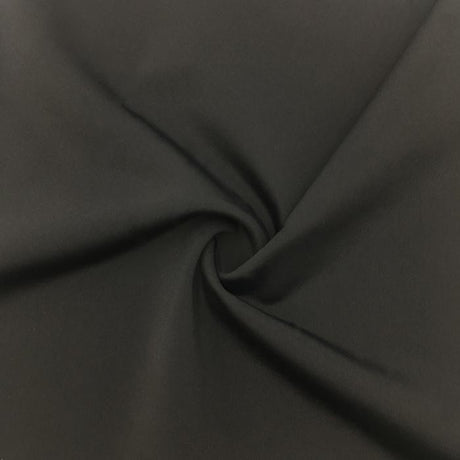
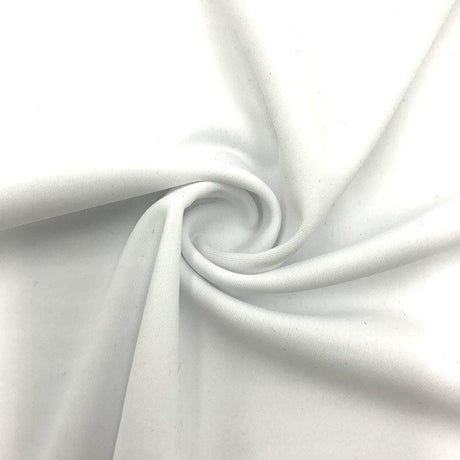
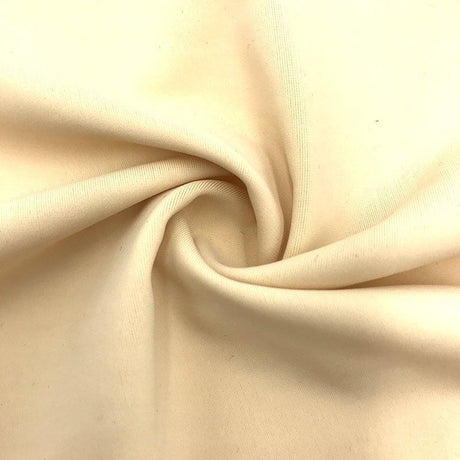
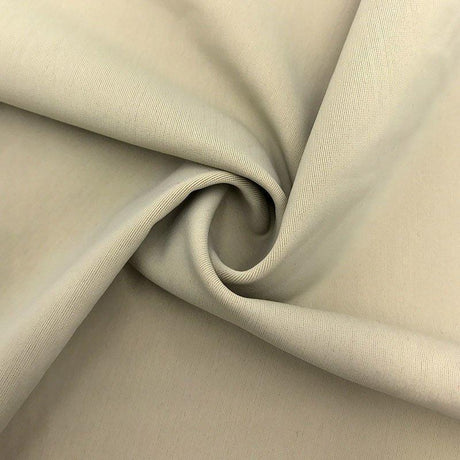
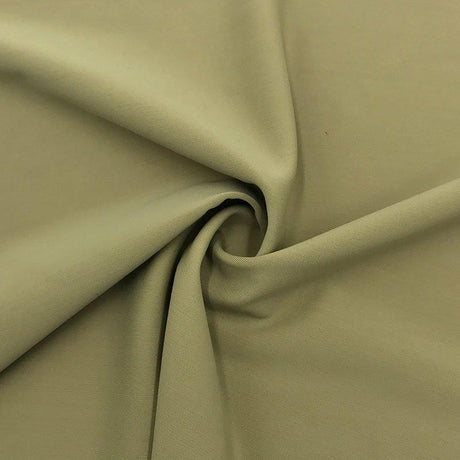
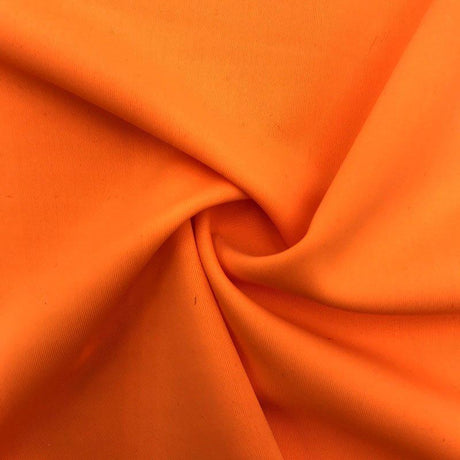
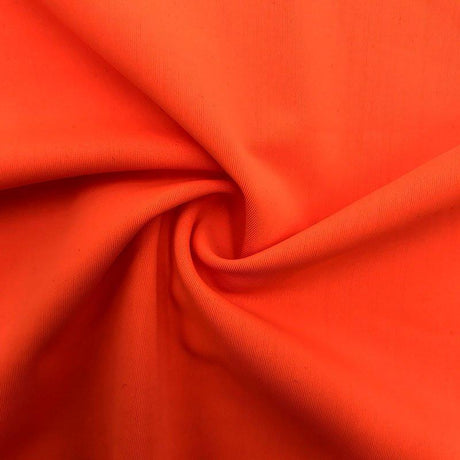
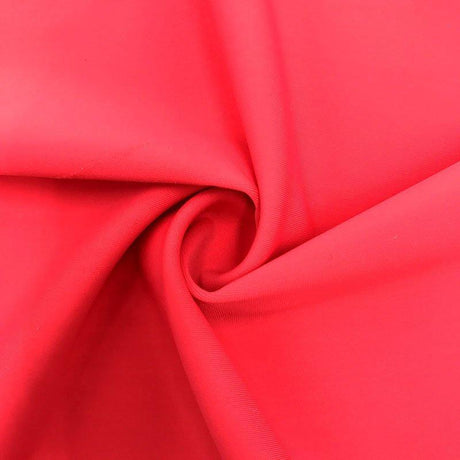
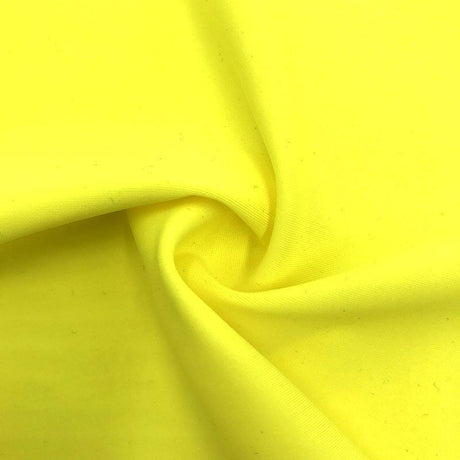
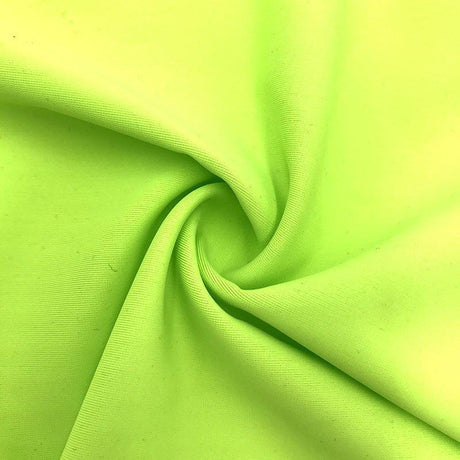
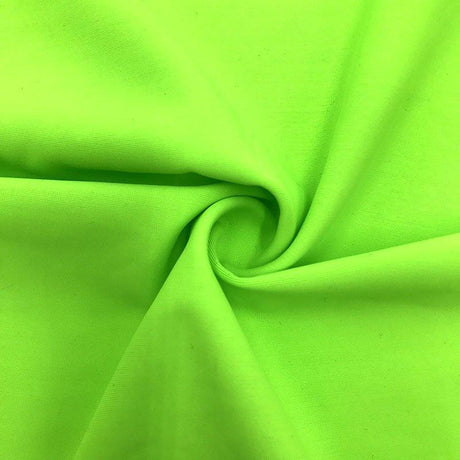
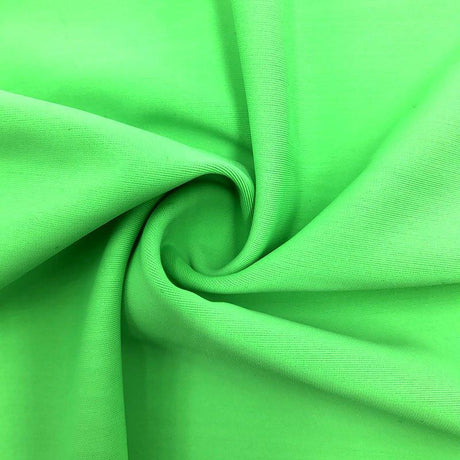
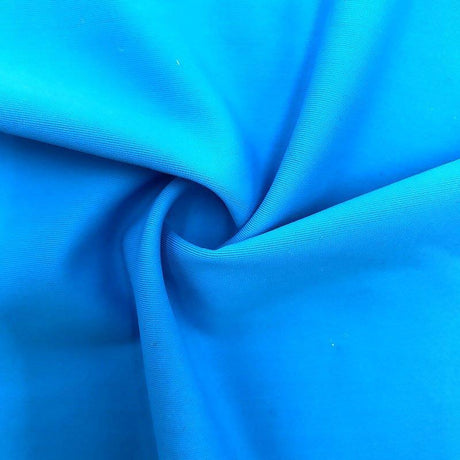
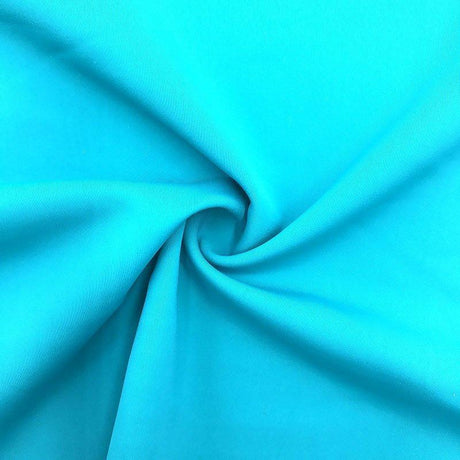
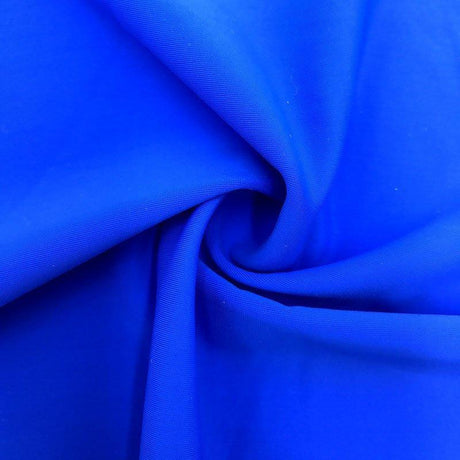
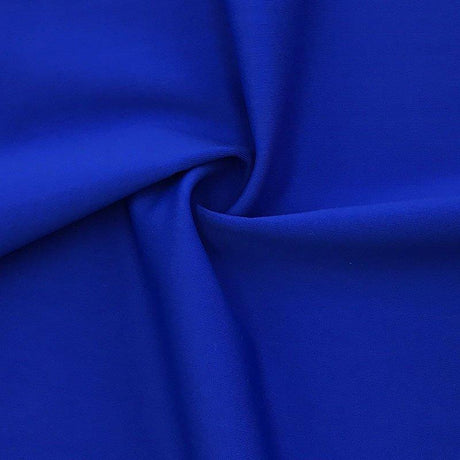
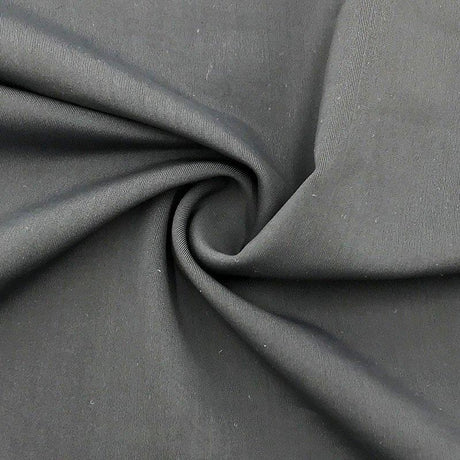
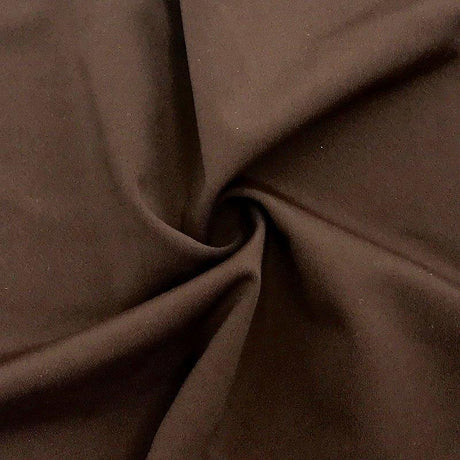
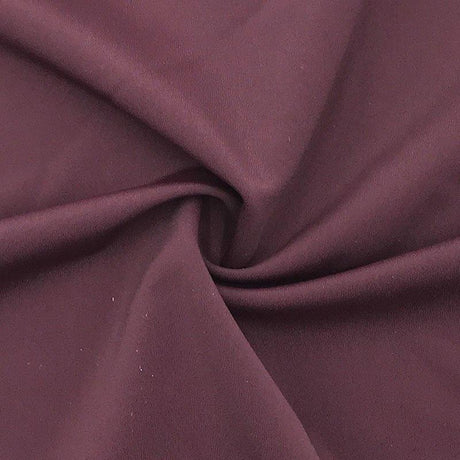
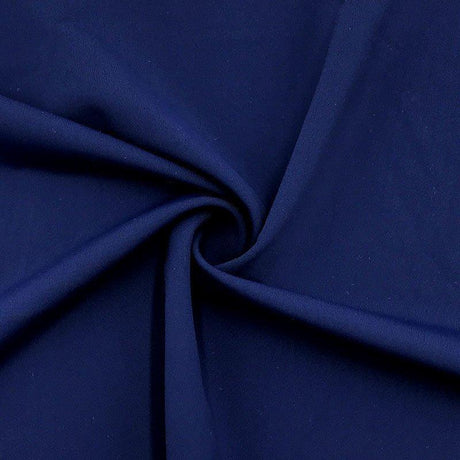
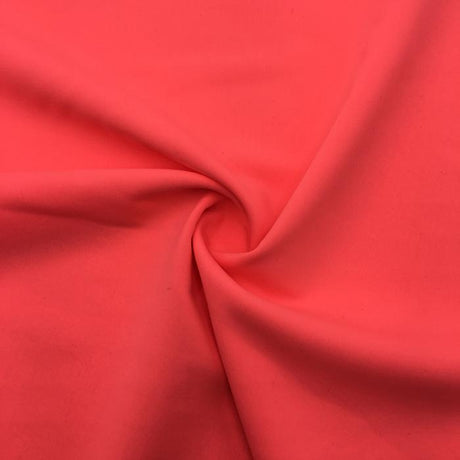
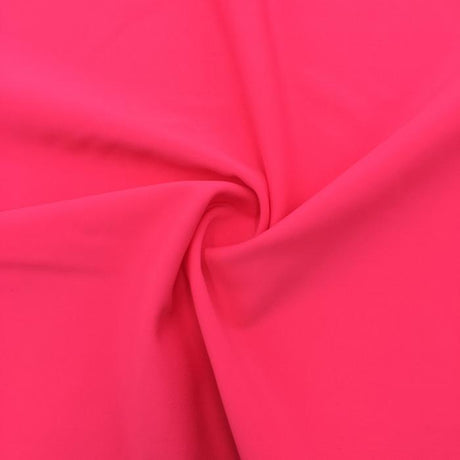
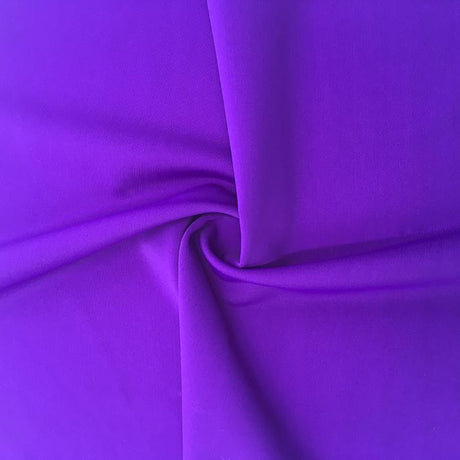
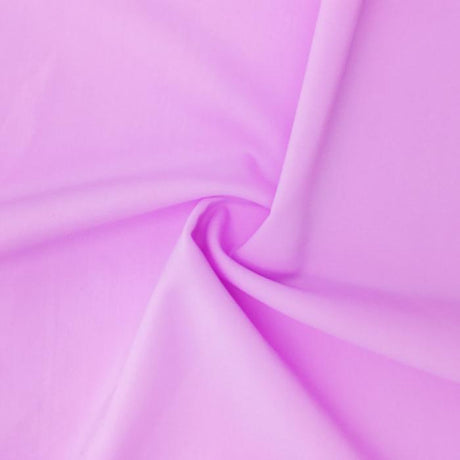
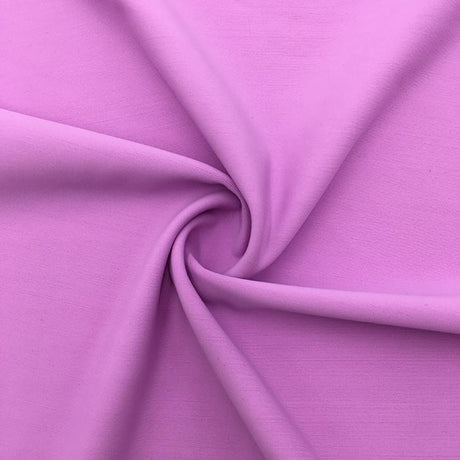
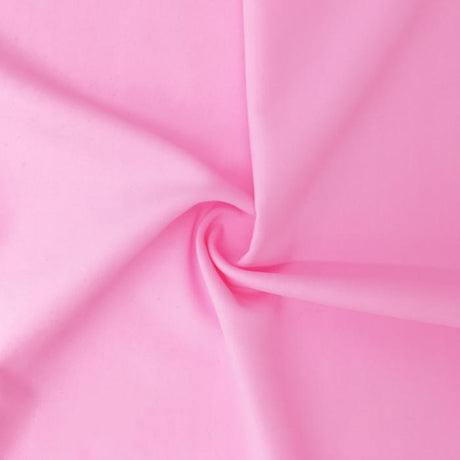
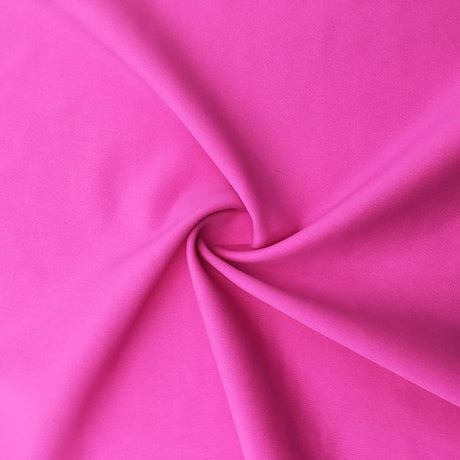
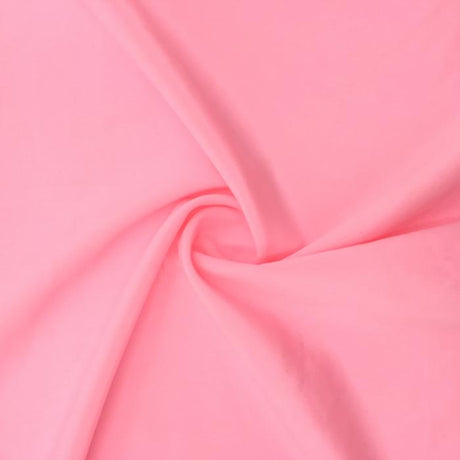
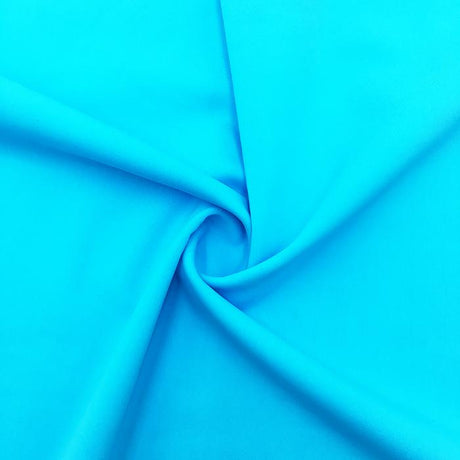
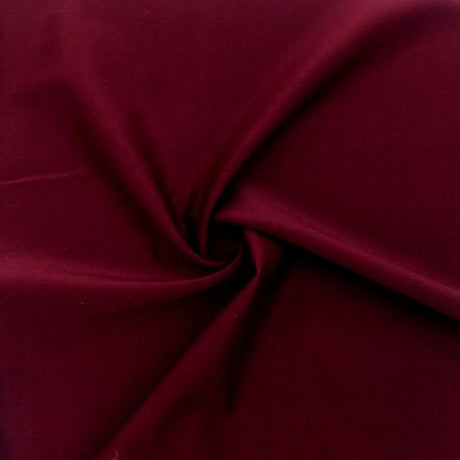
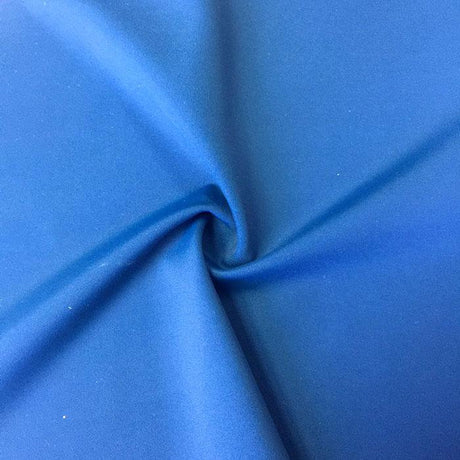
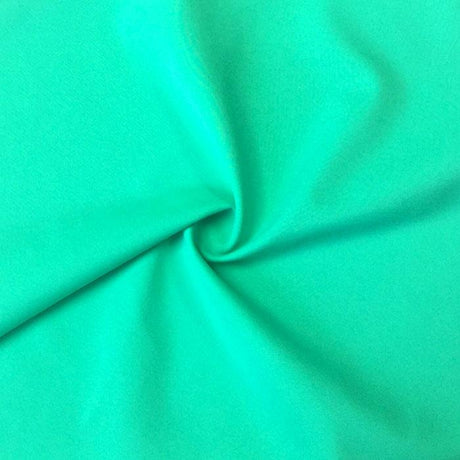
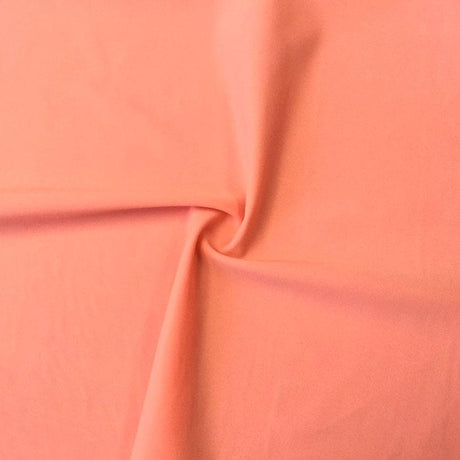
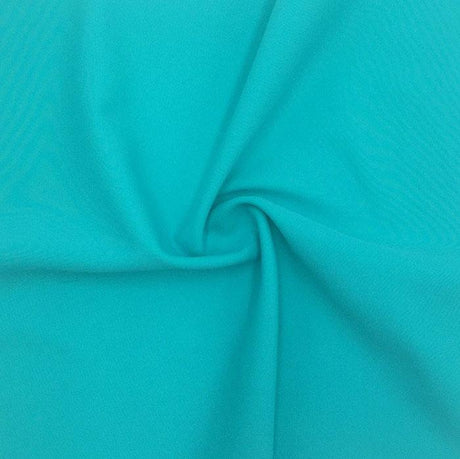
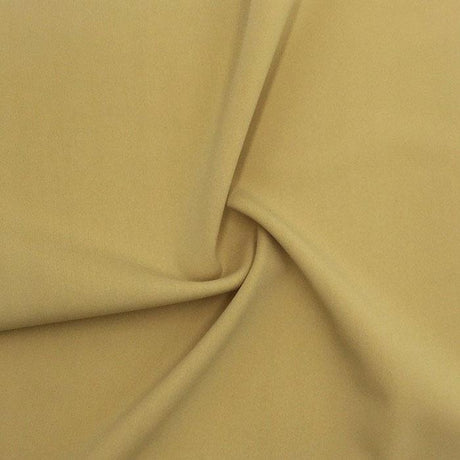
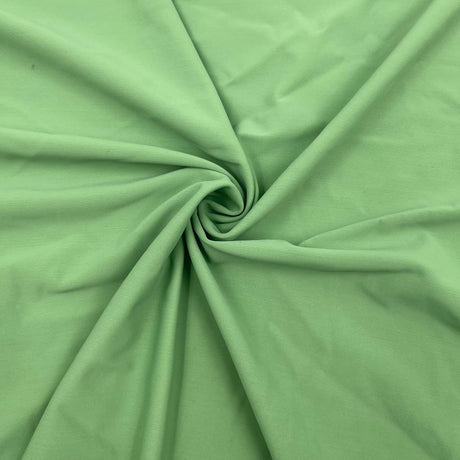
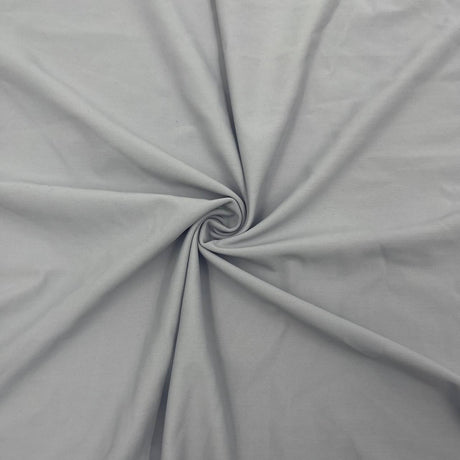
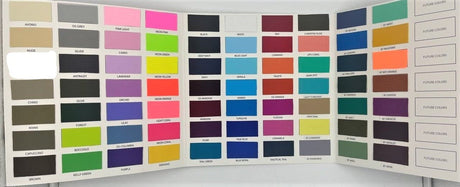
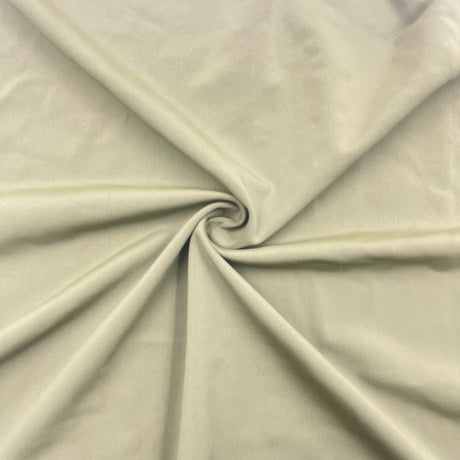
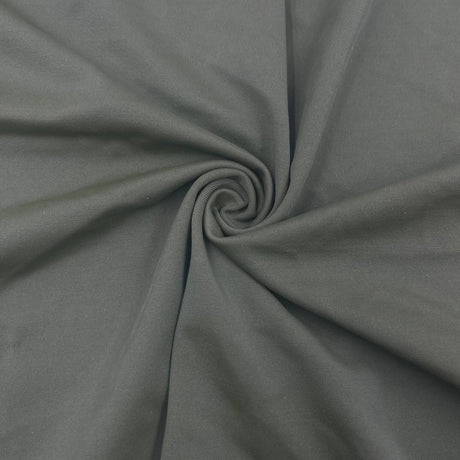
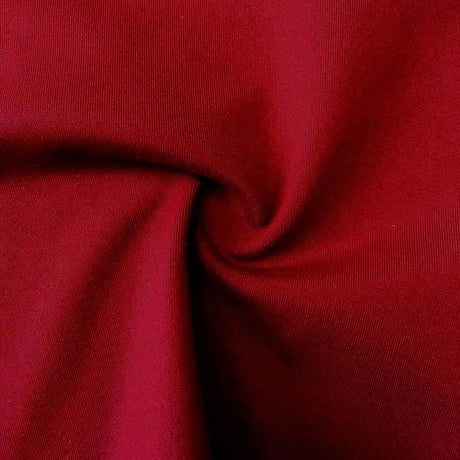
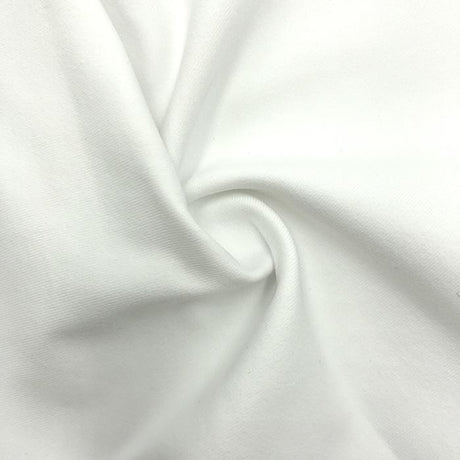
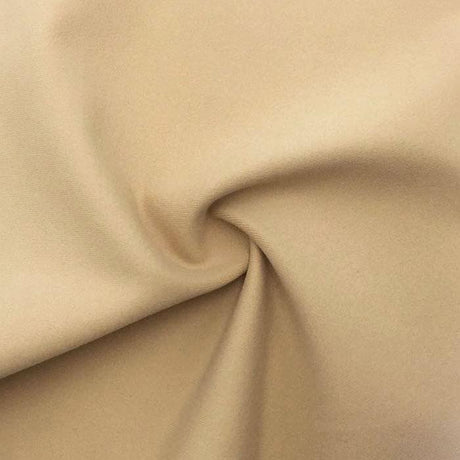
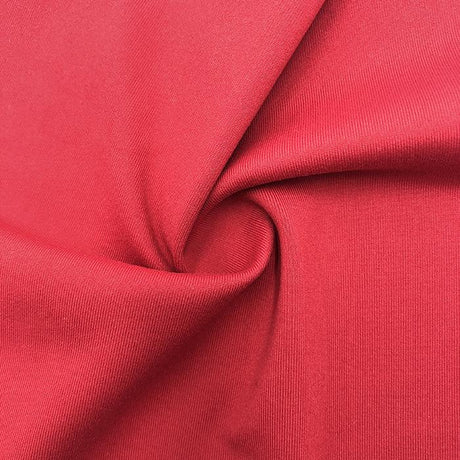
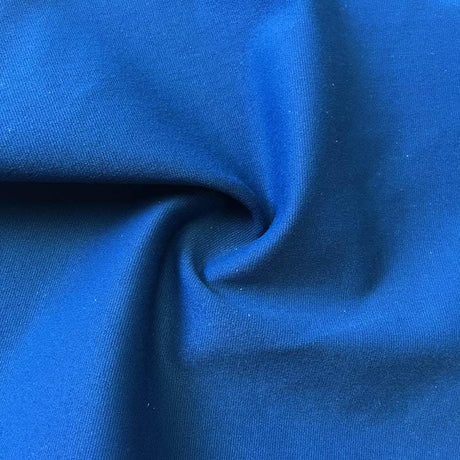
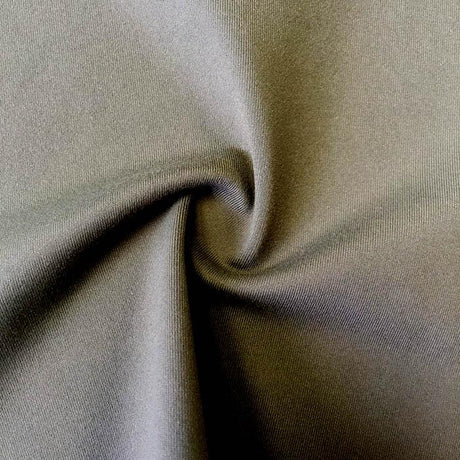
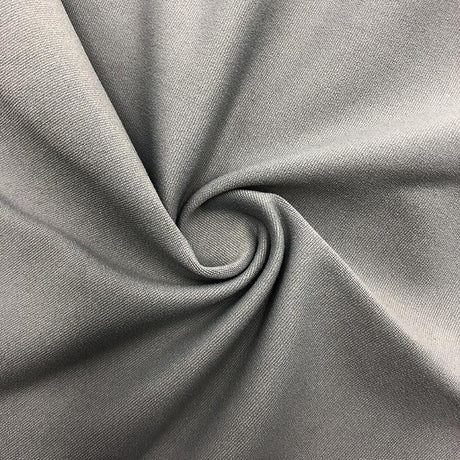
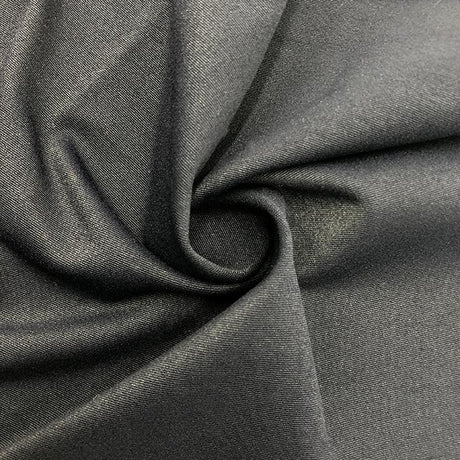
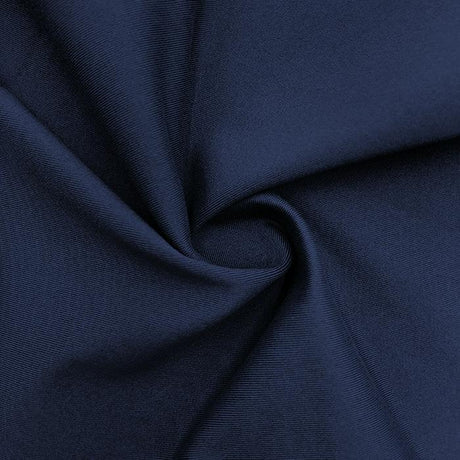
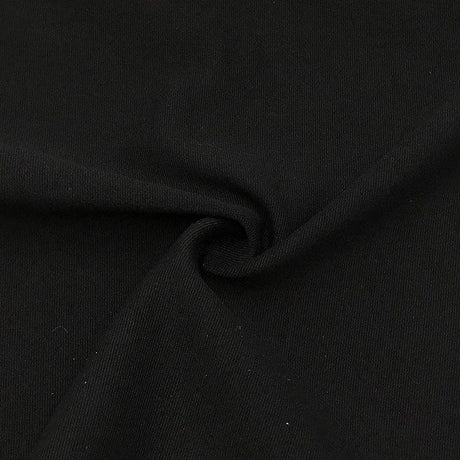
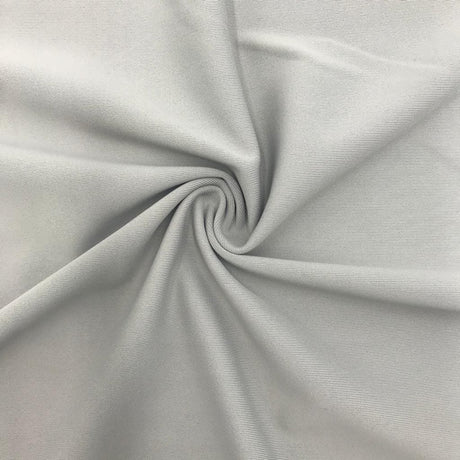
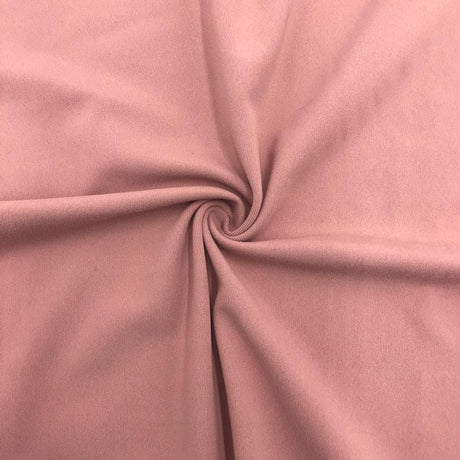
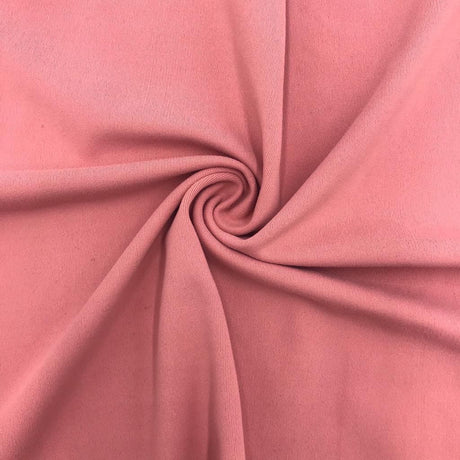
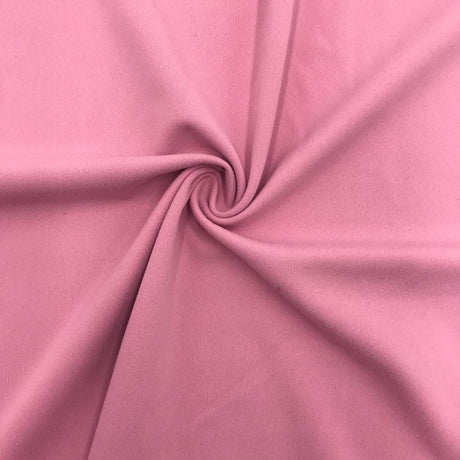
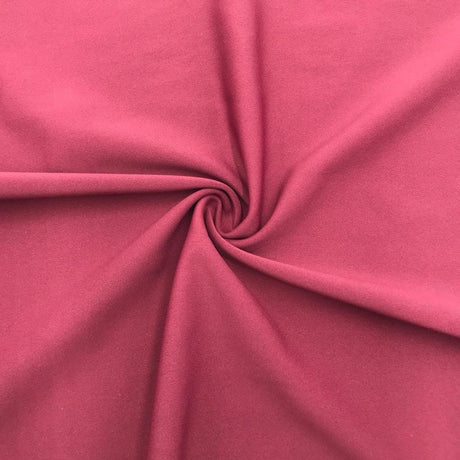
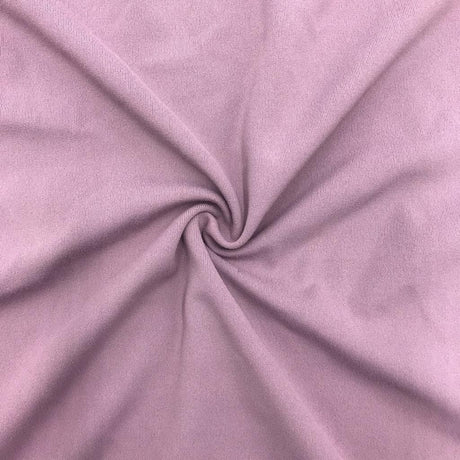
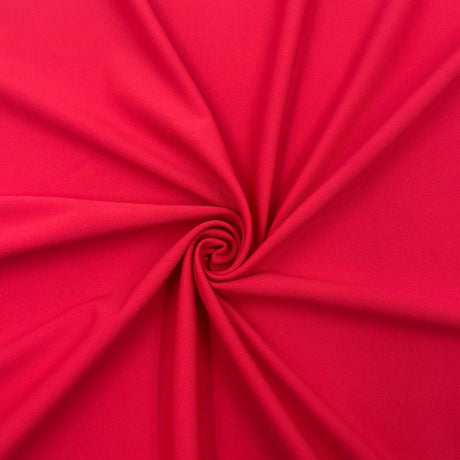
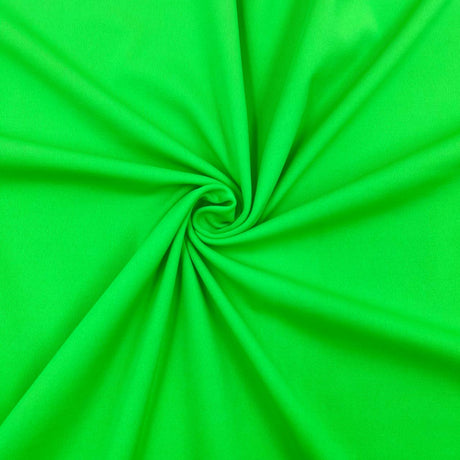
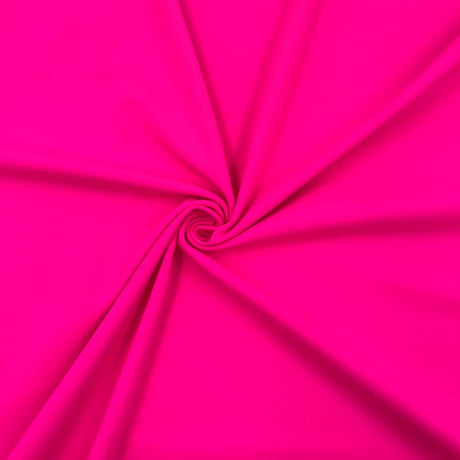
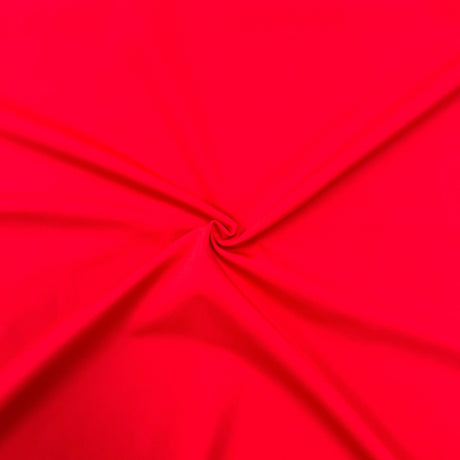
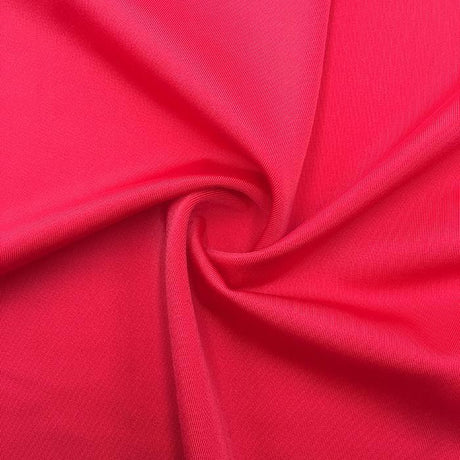
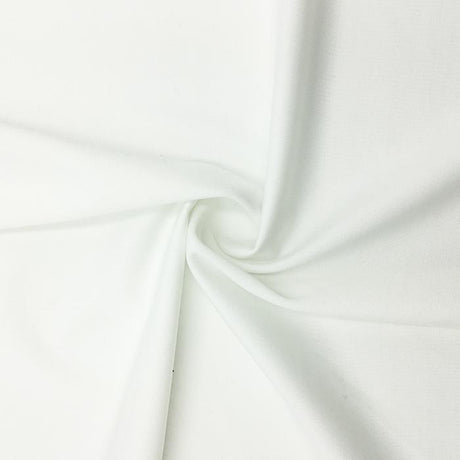
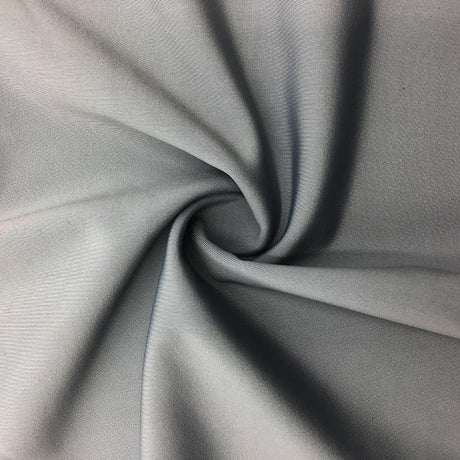
Selecting the ideal fabric for competitive cheerleading uniforms and dance costumes requires balancing performance, comfort, and visual impact.
Why It Matters: The right fabric affects flexibility, durability, and athlete comfort. A poor choice can restrict movement or wear out quickly, while a smart choice enhances performance and confidence. For a broader foundation before diving in, explore our dancewear fabric guide or browse our full fabric guides hub.
Educational Foundation
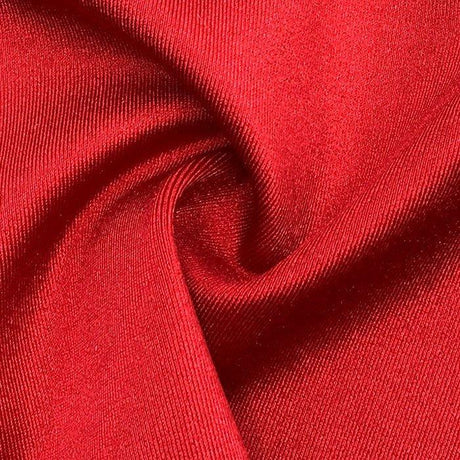
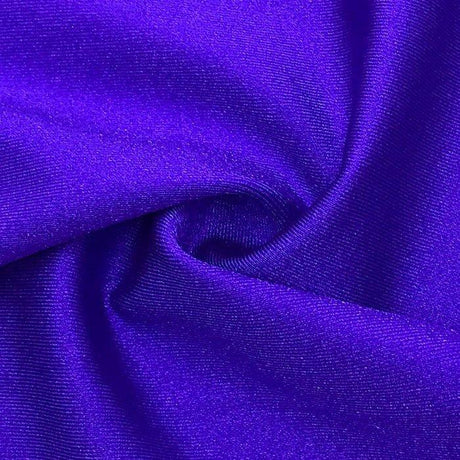
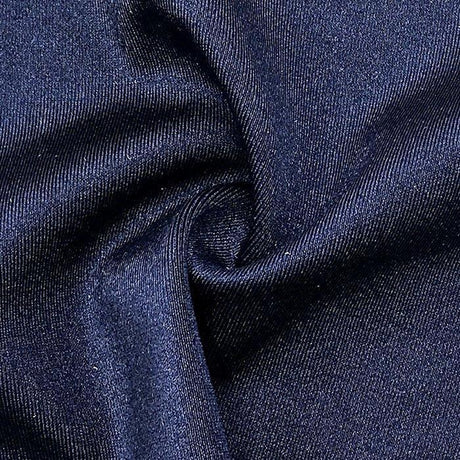
Common Fabrics in Cheer/Dance: Modern uniforms use polyester-spandex blends for stretch, often with specialty accents (mesh, sequins, metallic foils). Traditional school uniforms used heavier polyester double-knit (stiff but durable), whereas all-star teams favor Lycra/spandex for flexibility. Our stretch fabric types page covers the full range of spandex-blended constructions used in competitive performance costuming.
Stretch Basics: Understand 2-way vs. 4-way stretch. 2-way stretch (often only horizontal) can suffice for simple moves, but 4-way stretch (horizontal and vertical elasticity) is ideal for tumbling and dance leaps, providing full range of motion. Most competitive uniforms use 4-way stretch fabrics (e.g., spandex knits) so athletes can move freely. Our stretch fabric types page explains how to compare stretch percentages and recovery ratings across all common uniform fabric constructions.
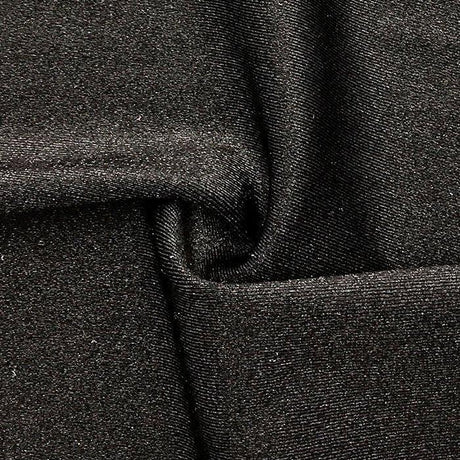
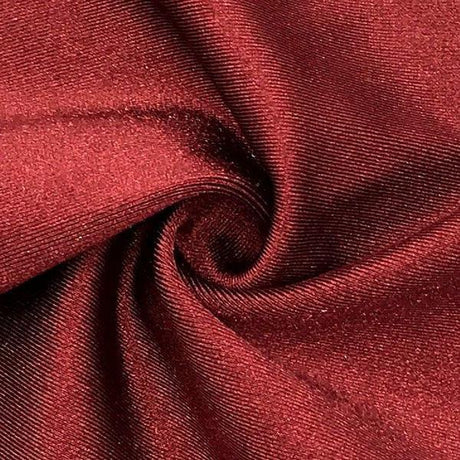
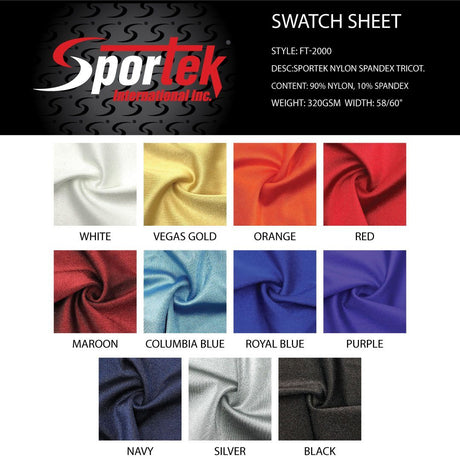
Fiber Content: Typical competition fabric blends are nylon/spandex or polyester/spandex. Nylon-spandex (e.g., tricot) offers a soft hand and intense color saturation, while polyester-spandex can be more budget-friendly and moisture-wicking. For example, many all-star uniforms are 88% polyester, 12% spandex for stretch with moisture management. Our nylon-spandex fabric guide covers how nylon-spandex compares to polyester-spandex in stretch, recovery, handfeel, and color saturation for performance applications.
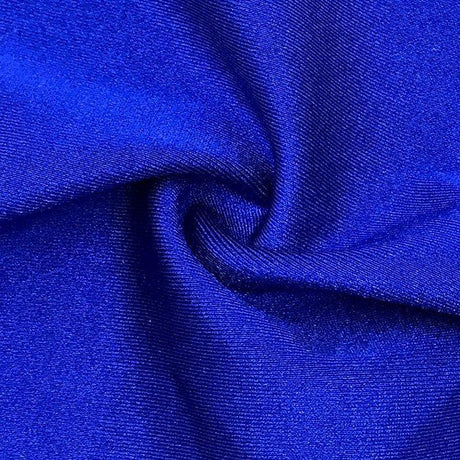
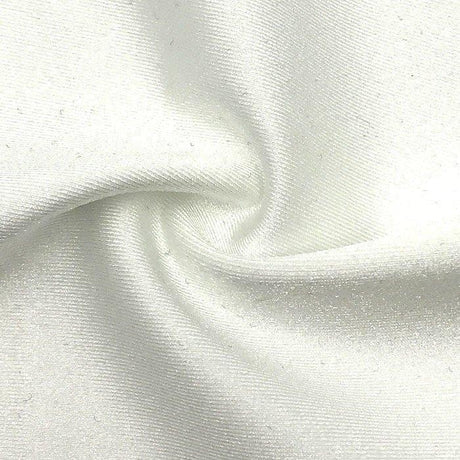
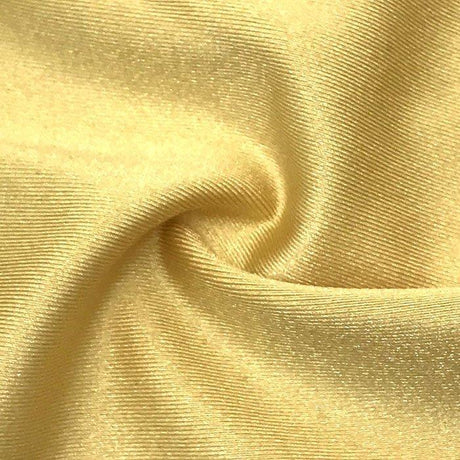
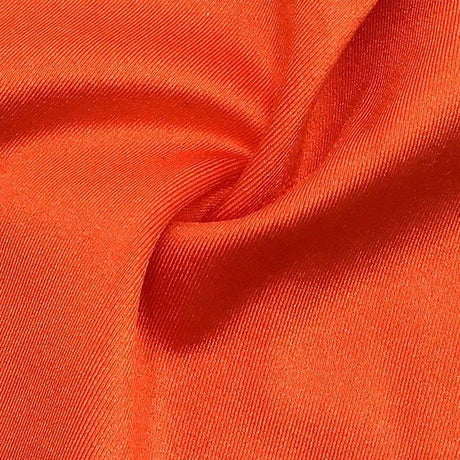
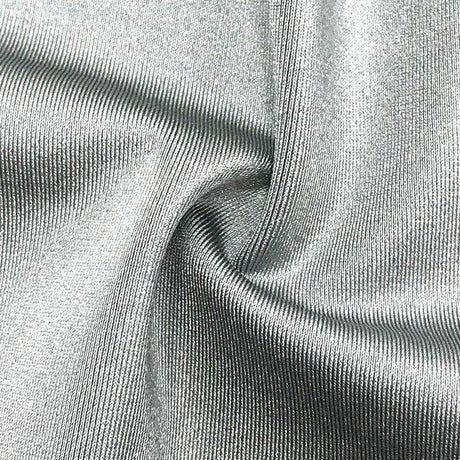
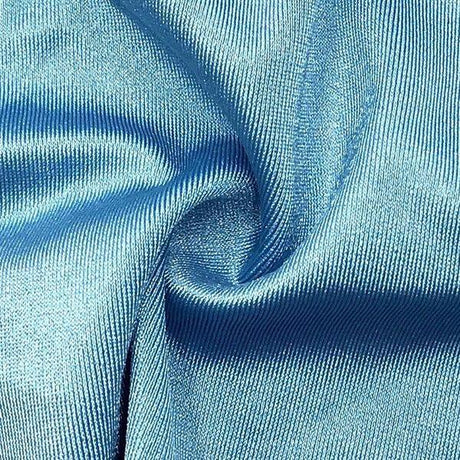
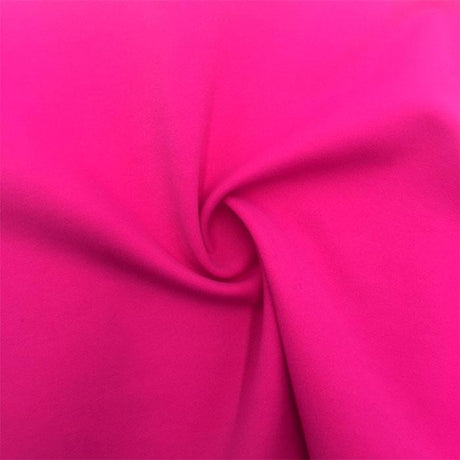
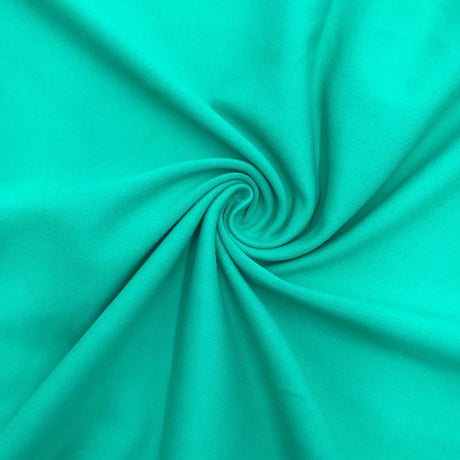
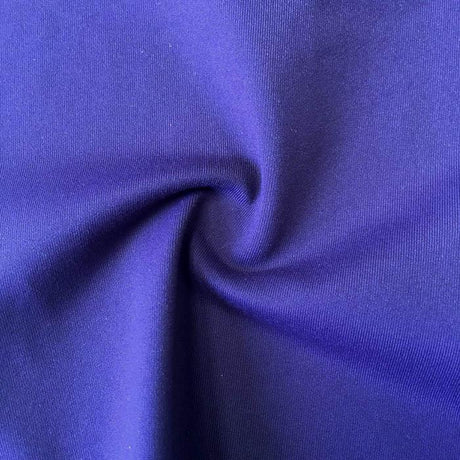
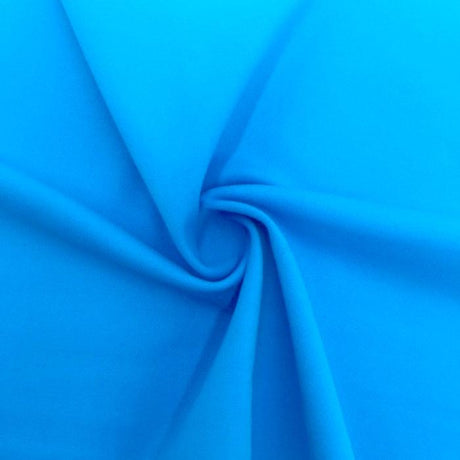
Finish & Appearance: Fabrics come in matte vs. shiny finishes. Matte spandex offers a clean, collegiate look; shiny or foil fabrics add sparkle under lights. Choose based on the team's style and avoid overuse of shine unless it fits the theme. Balance aesthetics with professionalism. Our fabric finishes guide covers the full range of surface treatments – from matte tricot to metallic foil and holographic finishes – and how they interact with stage lighting.
Moisture & Breathability: Look for moisture-wicking materials, especially in warm climates or long routines. Performance knits that pull sweat away keep athletes comfortable. Incorporating mesh inserts for airflow in high-sweat zones (under arms, back cut-outs) helps ventilate and cool during intense performances. Our activewear fabric guide covers moisture management ratings and breathability across common performance fabric constructions.
Technical Comparison
Fabric Technical Specs Matter: Key properties include weight, stretch percentage, and fiber composition. These factors determine how a uniform feels and performs. A 90% poly/10% spandex knit at 200 GSM will feel very different from a 250 GSM 80% nylon/20% spandex – affecting support and opacity. Our fabric weight guide provides a full breakdown of GSM ranges and how weight affects coverage, compression, and breathability in cheer and dance uniform applications.
| Fabric Type | Typical GSM (Weight) | Stretch % (Horizontal × Vertical) | Composition |
|---|---|---|---|
| Polyester Double-Knit | ~300 GSM | Minimal stretch (mechanical 2-way, ~10–15% width only) | 100% Polyester (stiff hand, very durable, high structure) |
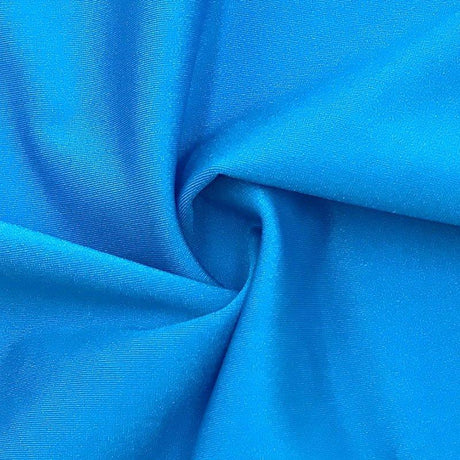
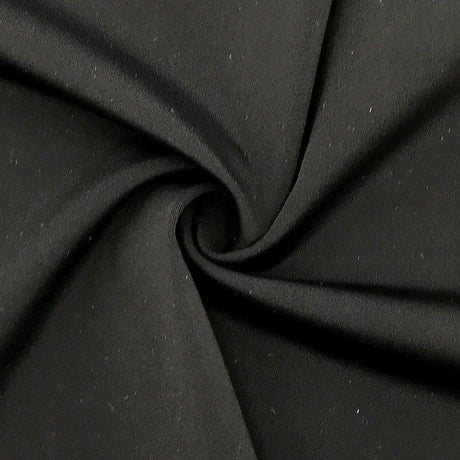
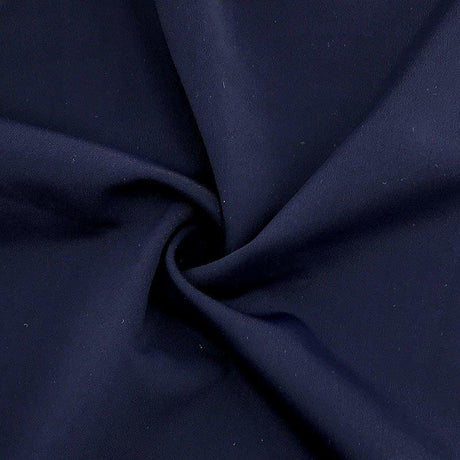
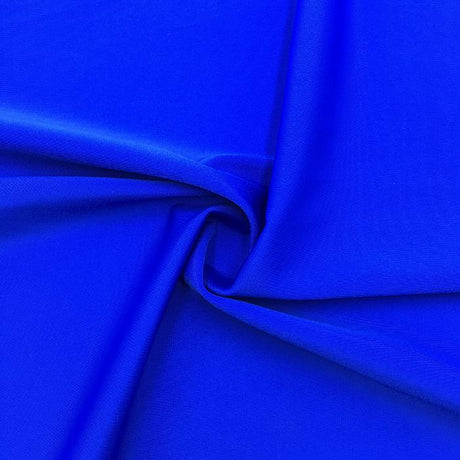
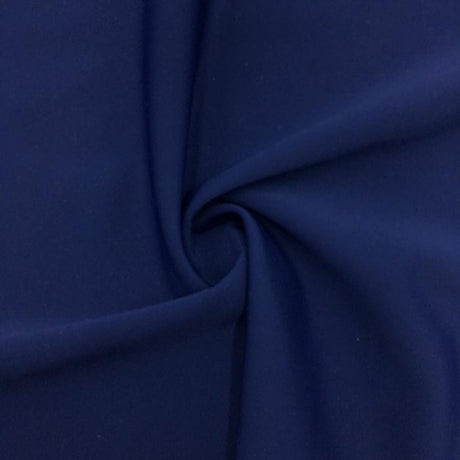
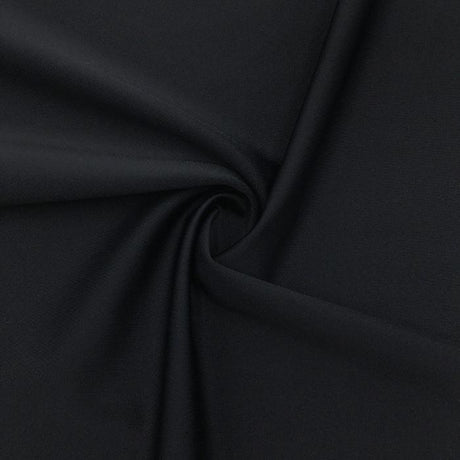
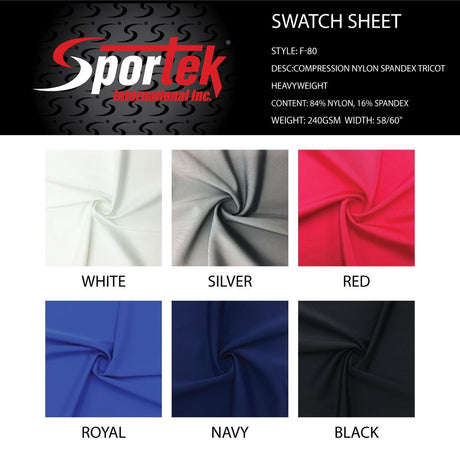
| Matte Nylon Spandex (Tricot) | ~190–220 GSM | 4-way stretch (~70–80% × ~70–80%) | ~80% Nylon / 20% Spandex (smooth surface, high recovery, opaque) |
| Metallic Foil Spandex | ~180–200 GSM | 4-way stretch (~45–55% × ~45–55%, reduced by foil) | Nylon/Spandex base with foil finish (high visual impact, slightly restricted stretch) |
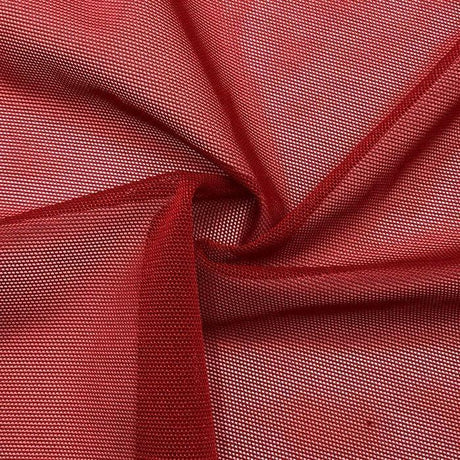
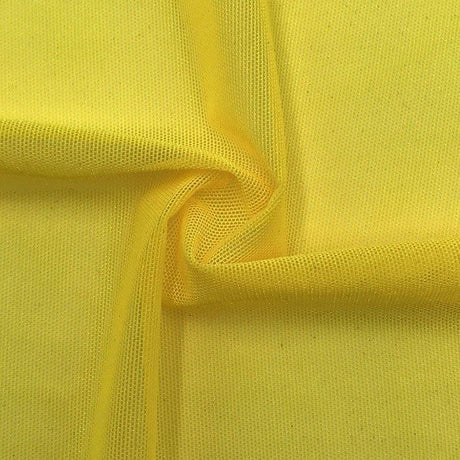
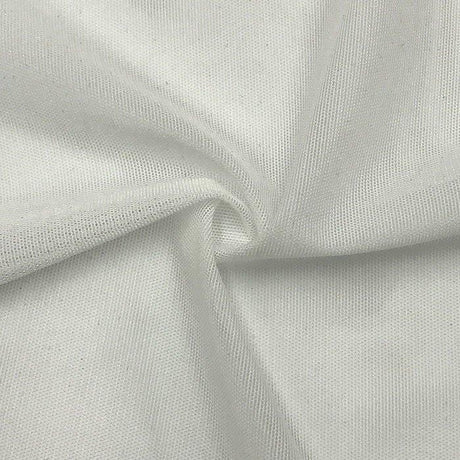
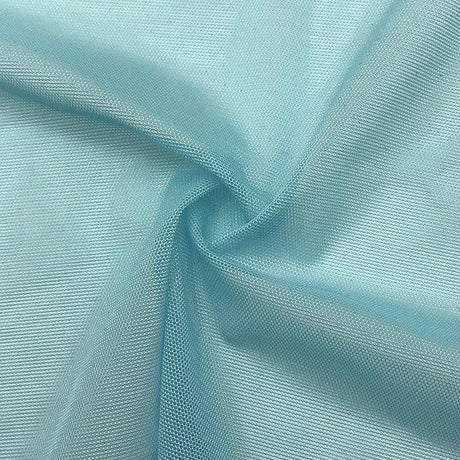
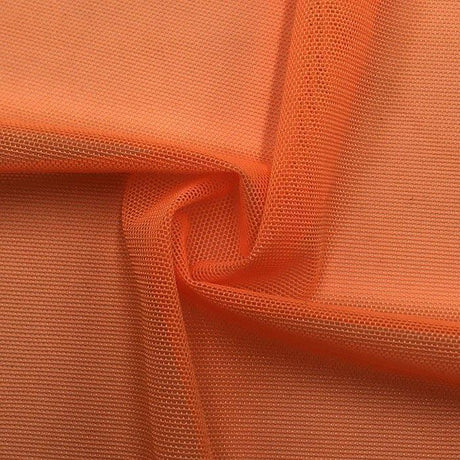
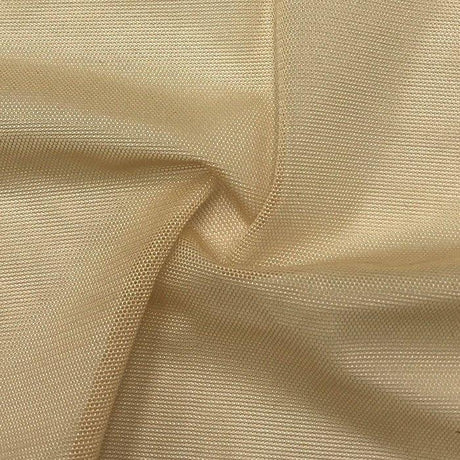
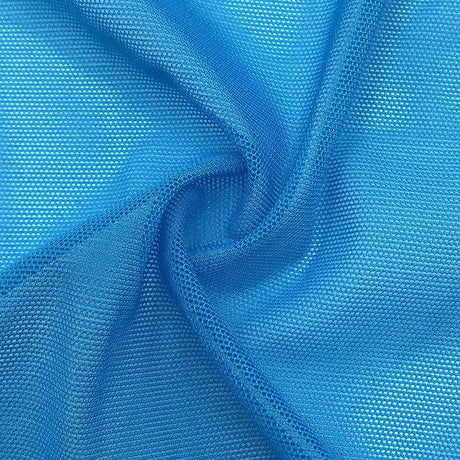
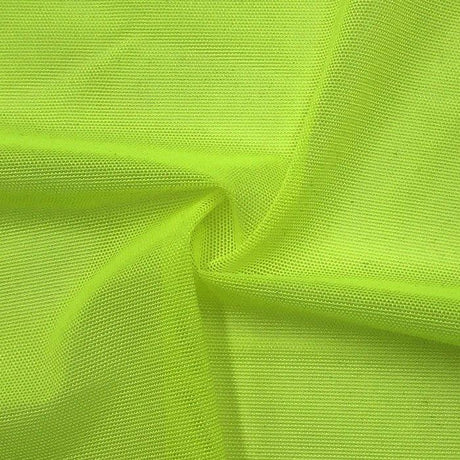
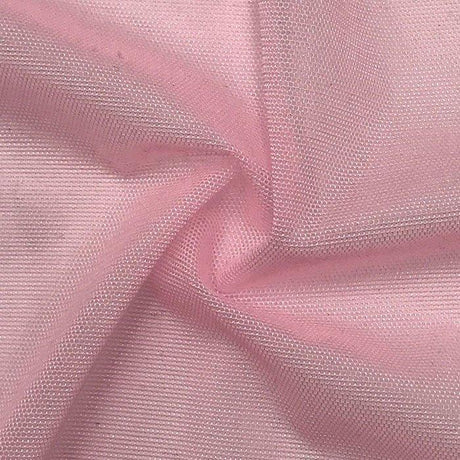
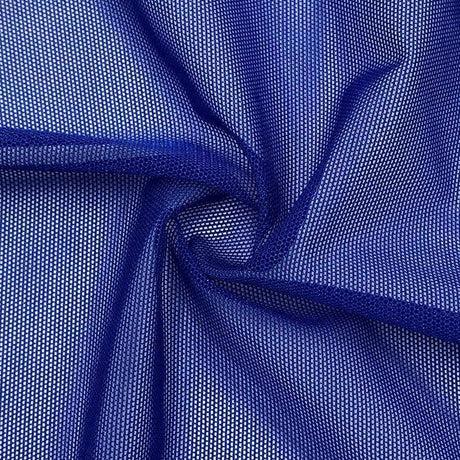
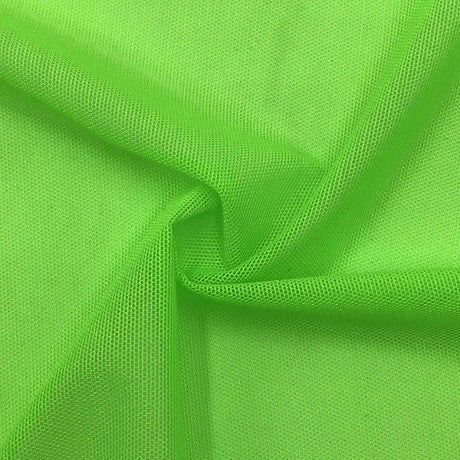
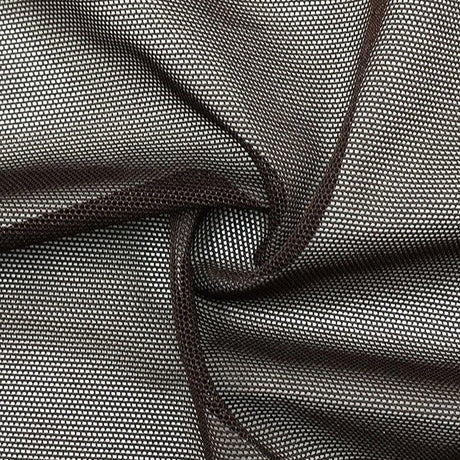
| Mesh Fabric (Power Mesh) | ~110–130 GSM | 4-way stretch (~65–75% × ~65–75%) | 80–90% Nylon or Polyester / 10–20% Spandex (sheer, breathable, supportive when layered) |
How to Choose the Right Fabric
Stretch & Flexibility: Prioritize 4-way stretch performance fabrics for competition uniforms. The material must accommodate jumps, splits, and tumbling without splitting seams or restricting movement. Test stretch by pulling a swatch – it should easily expand and recover. Our stretch fabric types page explains how to evaluate and compare stretch percentages and recovery ratings before purchasing.
Weight & Support: Match fabric weight (GSM) to activity intensity. High-flying cheer routines benefit from mid-weight compression fabric (~220–260 GSM) to hold everything in place during stunts, whereas a dance team doing lyrical routines might prefer lighter fabric for flow. Ensure the fabric isn't so thin that it's see-through under stage lights – do a squat test or backlight test with a swatch. Our fabric weight guide makes it easy to cross-reference GSM with activity type and coverage requirements.
Durability vs. Comfort: Evaluate durability (will it last a season of wear and washes?) versus comfort (softness, stretch). Strike a balance: a fabric should endure rigorous routines without causing chafing or overheating the athlete. Our fabric care guide covers how different fabric types hold up through repeated laundering and what care adjustments preserve performance over a full competition season.
Moisture Management: Moisture-wicking and breathability are essential for athlete comfort. Fabrics that dry quickly and vent heat will keep performers focused. Look for athletic textiles labeled "moisture-wicking" or incorporate design elements like mesh inserts for airflow to prevent overheating. Our activewear fabric guide covers moisture management ratings and breathability across all common competition uniform fabric types.
Aesthetics & Design: Consider the visual impact. If you want to make a bold statement, vibrant printed spandex can wow judges and audience – just ensure prints are high-quality and colorfast. For custom sublimated designs, our sublimation guide covers the full process, and our sublimation transfer paper and sublimation paper pages walk through the consumables needed for professional results. Decide if the routine calls for matte elegance or shimmering holographics, and use specialty finishes strategically so they complement rather than overwhelm.
Ease of Sewing & Availability (for DIY): If you are sewing yourself, factor in how easy the fabric is to work with. Medium-weight tricot spandex is generally easier for home sewers than ultra-thin or very thick fabrics. Ensure your sewing machine can handle it (use proper needles and stitches – see Common Mistakes below). Our how to sew stretch fabric guide covers needle selection, stitch settings, and feeding techniques for all common cheer and dance uniform fabric types.
Care Requirements: Uniforms will need frequent cleaning, so pick a fabric that fits your maintenance capacity. Some high-gloss or specialty fabrics require hand-washing and air drying (to protect finishes), whereas others are machine-washable. Our spandex care guide covers heat sensitivity and laundering best practices for elastane-blend uniform fabrics, and our fabric care guide addresses specialty finishes like foil and sequins.
Checklist: Key Features to Evaluate When Selecting Competition Fabric
Stretch Type & Percentage: Confirm whether the fabric offers 4-way or 2-way stretch and assess the stretch percentage. It should comfortably support all required movements (splits, jumps, lifts, tumbling) without restriction or distortion. See our stretch fabric types page for a full comparison.
Fabric Weight (GSM): Evaluate whether the weight provides enough support and coverage without causing overheating. Heavier fabrics offer structure and compression; lighter fabrics enhance mobility but may require lining. See our fabric weight guide for GSM recommendations by activity type.
Opacity: Ensure the fabric is not see-through under strain or bright stage lighting. Always perform a stretch and light test, especially for lighter colors or mesh-based materials.
Moisture-Wicking Performance: Check if the fabric efficiently moves sweat away from the body to keep athletes dry and comfortable during high-intensity routines. See our activewear fabric guide for moisture management ratings.
Durability & Recovery: Assess resistance to abrasion, repeated stretching, and frequent washing. High-quality fabrics should retain elasticity and shape over time. Our spandex care guide covers how to preserve recovery through repeated laundering.
Comfort & Texture: Fabric should feel smooth and soft against the skin, with no scratchy fibers, stiff finishes, or seam irritation – especially important for long wear times.
Aesthetic Suitability: Confirm that the color, print, sheen, or finish aligns with team branding, choreography theme, and on-stage visual impact. See our fabric finishes guide for a full overview of finish types and their stage behavior.
Care & Maintenance: Review cleaning requirements and confirm the fabric maintains color, stretch, and finish after laundering. See our fabric care guide for garment-specific laundering guidance.
Use Cases and Scenarios
High-Intensity All-Star Routine: For all-star cheer teams with acrobatic, high-energy routines, choose compression stretch fabric. A nylon-spandex blend around 250 GSM for a competition bodysuit provides both support and coverage. These routines involve lots of sweat and movement, so moisture-wicking properties and mesh inserts under arms or on the back are ideal to keep athletes cool. Our nylon-spandex fabric guide covers high-compression nylon-spandex constructions suited to all-star performance demands.
Sideline Cheer / School Team: Sideline squads might opt for traditional double-knit uniforms or medium-weight stretch fabrics. Many schools now incorporate some spandex for comfort – using a poly-spandex material for a bit of give. For colder weather games, fabrics that layer well or slightly thicker knits keep cheerleaders warm. Our fabric weight guide covers GSM recommendations for sideline uniform applications across different climate conditions.
Dance Team – Jazz or Hip-Hop: Dance teams performing athletic jazz or hip-hop routines benefit from sleek, stretchy fabrics that allow dynamic moves. A shiny "liquid" spandex or a matte interlock could both work, depending on aesthetic. These fabrics should have 4-way stretch so dancers can execute splits, high kicks, and floor work comfortably. Durability is key too, as dance costumes may endure long rehearsals. Our dancewear fabric guide covers fabric recommendations for jazz and hip-hop dance applications in detail.
Dance – Lyrical or Contemporary: For more flowing routines (lyrical, contemporary dance), lightweight stretch fabrics with great drape (e.g., stretch mesh overlays, chiffon-like layers over a spandex base) create ethereal movement. A common approach is layering – a base leotard of moderate weight for coverage (say 180 GSM matte spandex) with lighter stretch mesh skirts or sleeves for flow. Our fabric weight guide covers lightweight fabric options suited to lyrical and contemporary dance applications.
Warm-Ups and Practice Wear: For serious training, teams use the same types of poly-spandex athletic fabrics as uniforms to get athletes used to the feel. Warm-up jackets/pants might be made of stretch fleece or knit for warmth and flexibility. Always ensure practice fabrics have similar stretch so there's no surprise on competition day. Our activewear fabric guide covers practice and warm-up fabric recommendations that replicate competition conditions.
Budget-Conscious Choices: A solid-color polyester spandex with a matte finish is usually more affordable than custom sublimated or specialty fabrics, yet it provides the needed stretch. You can add pop with inexpensive additions like contrast-color panels or small metallic appliqués rather than using expensive all-over metallic fabric. Always get a sample to test stretch and opacity before committing. Our how to choose fabric guide walks through budget-conscious fabric evaluation systematically.
Alternatives – When to Use Different Fabrics
When to Use Traditional Polyester Shells: Old-style cheer uniforms made of heavyweight polyester (little to no spandex) still have a place for sideline or parade uniforms when durability and a structured look trump extreme flexibility. They give that classic "preppy" cheer look and withstand rough outdoor conditions well. Caution: these can feel restrictive and warm, so not ideal for high-performance competitive cheer.
When to Use Sublimated Fabric Designs: Dye-sublimation prints allow complex, multi-color designs printed directly onto fabric. Choose sublimated fabrics when you need intricate graphics or team logos without the bulk of sewn-on layers. The base fabric for sublimation is usually white poly/spandex – ensure it's a good weight (200+ GSM) so the result isn't see-through. Our sublimation guide covers everything from base fabric requirements to press settings for professional sublimated uniform graphics.
When to Use Stretch Velvet or Specialty Textures: Fabrics like stretch velvet or lace overlays can add elegance and depth to a costume. Consider them for dance routines where visual texture is desired – a lyrical dance piece might use velvet for a rich, dramatic look. Use these alternatives sparingly for impact, as velvet is heavier and less breathable. Always line sheer alternatives appropriately and test stretch. Our fabric finishes guide covers specialty surface textures and how they interact with movement and stage lighting.
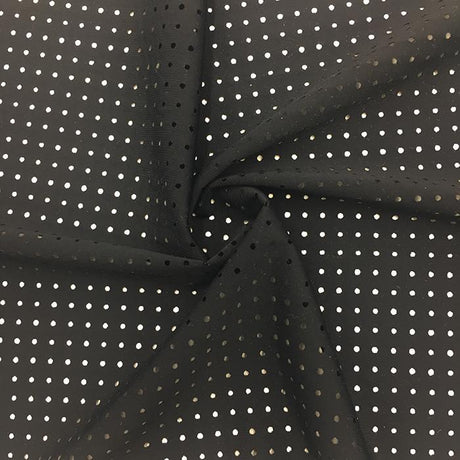
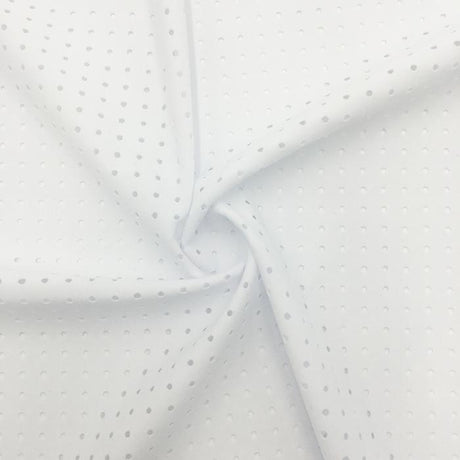
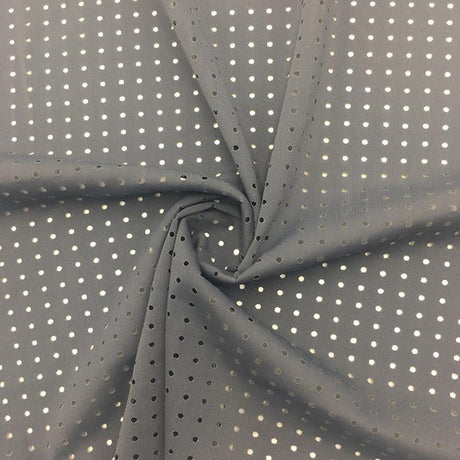
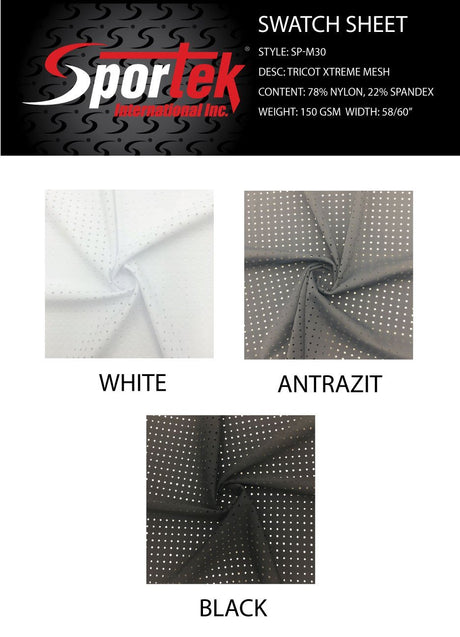
When to Use Mesh Paneling vs. Solid Fabric: If your routine or climate calls for extra cooling, swap some solid fabric areas with athletic mesh. Use breathable mesh fabric in areas like the back, midriff, or sleeves when airflow is a priority (outdoor competitions, long routines under hot lights). Just ensure the mesh is durable (won't snag easily) and appropriately placed. Our stretch fabric types page covers power mesh constructions and how they compare to solid performance knits for panel and ventilation applications.
When to Use Cotton or Natural Fibers: Generally, cotton is not used in competitive cheer/dance attire due to poor stretch and moisture retention. However, there are limited cases: team t-shirts for events, or under-uniform pieces like briefs or lining might use cotton for comfort. Use cotton blends only for low-impact, non-stunt activities. Our cotton-spandex fabric guide covers when cotton blends are appropriate and what performance trade-offs they involve.
Common Mistakes to Avoid
Ignoring Stretch Needs: Avoid fabrics with inadequate stretch or wrong stretch direction. Choosing a 2-way stretch or a fabric with too little spandex for a garment that really needs 4-way elasticity can lead to restricted movement or even torn seams during a routine. Always test that the fabric stretches sufficiently in all directions required by the uniform design. Our stretch fabric types page explains how to verify stretch compatibility before purchasing.
Choosing Style over Function: That holographic sequin fabric might look stunning, but if it's scratchy, heavy, or only stretches 10%, it will impair performance. Ensure the fabric is engineered for athletic use. Use shiny fabrics as accents, and line them with smooth spandex where they touch the skin, so athletes get the wow-factor without the itch. Our fabric finishes guide covers how to evaluate specialty finishes for both visual impact and wearability.
Not Checking Opacity: A fabric that looks opaque in hand may turn sheer when stretched or under flashlights. Prevent this by choosing appropriate GSM and lining where needed. White or yellow uniforms often need a double layer of spandex to avoid show-through. Our fabric weight guide covers GSM thresholds for reliable opacity under stage lighting conditions.
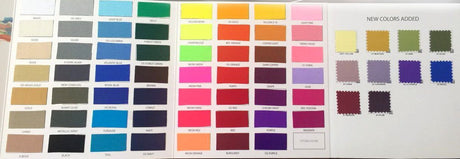
Skipping Fabric Samples: Especially for team orders, never rely solely on photos or descriptions. Always request swatches before finalizing choices – this lets you test how the fabric handles stretching, washing, and color accuracy. Our expert help and advice page can connect you with knowledgeable staff who can help evaluate samples and specifications before you commit to a full order.
Sewing Mistakes with Spandex: Common errors include using a regular sharp needle instead of a ballpoint/stretch needle, or using a straight stitch instead of a zigzag/stretch stitch. These mistakes cause popped seams as soon as the fabric stretches. Also, using all-cotton thread (which has no give and will snap under tension) is a big mistake. Our how to sew stretch fabric guide covers needle selection, stitch settings, and thread pairing for all common cheer and dance uniform fabric types.
Applying High Heat: Spandex and many synthetic embellishments can be ruined by excessive heat. Avoid ironing a spandex uniform on high or tossing it in a hot dryer – you risk melting fibers or foils and reducing elasticity. Always use cool iron with a press cloth if needed, or better yet, steam gently. Our spandex care guide covers heat sensitivity across different elastane blends and how to press and launder specialty uniform fabrics safely.
Neglecting Care Instructions: Even the best fabric won't last if not cared for properly. Washing a sequin-embellished or metallic uniform in a rough cycle can lead to peeling foil or detached sequins. Educate the squad or clients on proper care – a briefing on do's and don'ts (no fabric softener on moisture-wicking fabrics, no iron on vinyl lettering, etc.) will greatly extend the life of the outfits. Our fabric care guide covers garment-specific laundering protocols for all common cheer and dance uniform fabric types.
Forgetting Fit and Recovery: A fabric with poor recovery will start sagging at the knees or elbows after repeated wear. Always check that the material bounces back to shape immediately. It's better to use a fabric that stretches and conforms, allowing a snug fit that moves with the body. Our spandex care guide covers how to preserve elastane recovery through repeated washing and care.
Conclusion
Choosing the right fabric for cheer and dance competition outfits is a multi-faceted decision. It involves balancing technical requirements (stretch, GSM, durability) with aesthetic goals (color, shine, design) and practical concerns (comfort, care, cost). Professionals and DIY enthusiasts alike must do their homework – from reviewing material specs to testing swatches – to ensure the final uniforms not only look amazing but also perform under pressure.
By understanding textile properties and leveraging industry best practices, you bring expertise to the uniform selection process. This ensures safe, high-quality outfits that withstand the rigors of competition, reflecting well on both the team's image and your credibility as a maker. Always plan fabric choices in context – think about the routines, the athletes, and the conditions. A well-chosen fabric will allow every cheer jump and dance turn to shine.
Ready to get started? Explore our dancewear fabric guide for curated uniform fabric recommendations, use our stretch fabric types page and fabric weight guide to compare your options, and visit our how to sew stretch fabric guide for step-by-step construction techniques. Our fabric care guide and spandex care guide will keep finished uniforms looking and performing their best all season. Have questions about fabric selection or bulk ordering? Our expert help and advice page and FAQ are always available. Sign up for SpandexByYard Rewards to earn points on every purchase – because the right fabric sets your team up for success on the mat and the stage.