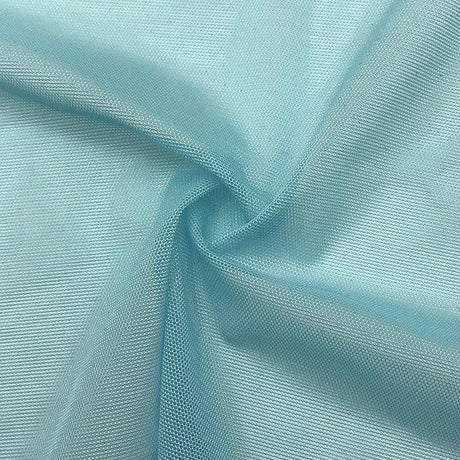
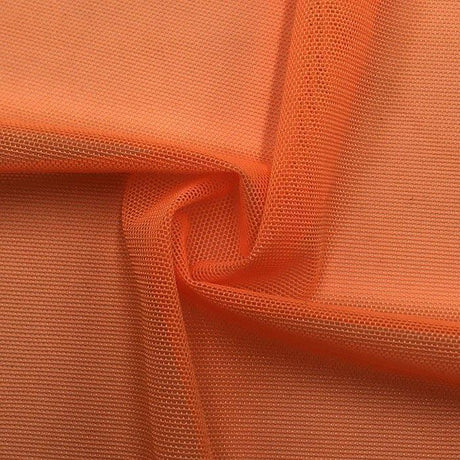
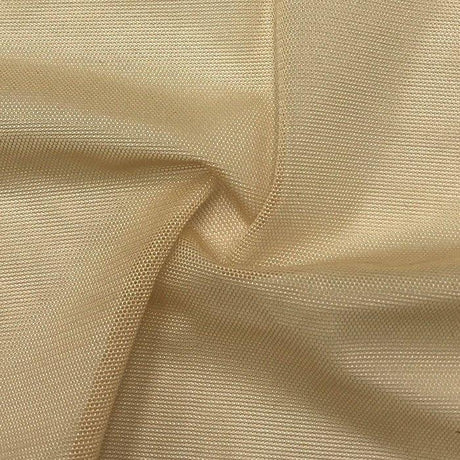
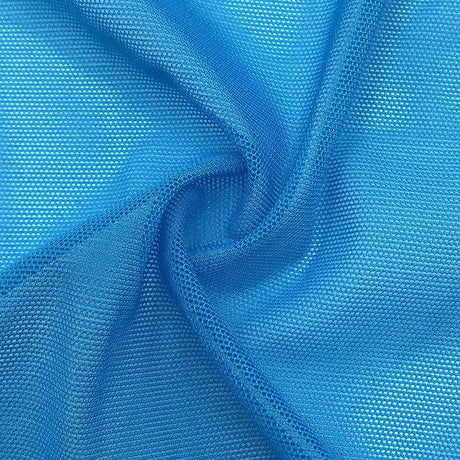
Spandex care is essential if you want your favorite leggings, swimsuits, sports bras, and other stretchy garments to last. Spandex (also known as Lycra or elastane) is prized for its exceptional elasticity and comfort. From activewear and swimwear to underwear and shapewear, many everyday clothes contain spandex. However, improper care can cause spandex fibers to break down, leading to saggy, faded, or less supportive clothes. For a technical foundation on why spandex is so sensitive to heat and chemicals before diving in, explore our stretch fabric types page or browse our full fabric guides hub.
The good news is that with the right washing and drying techniques, you can keep your spandex garments in great condition for years. In this guide, we'll cover practical washing tips (hand vs. machine washing, detergents, temperature, stain removal) and drying tips (air-drying vs. tumble-drying, heat precautions, reshaping, storage) to help you preserve the stretch and lifespan of your spandex apparel.
Washing Spandex Garments
Gentle washing is key to spandex care. Harsh washing can damage the elastic fibers that give spandex its stretch. Always start by checking the care label on your garment for any specific instructions. Our fabric care guide covers complete care protocols and detergent recommendations for all common spandex-blend garment types.
Separate Colors: Sort your spandex garments by color (lights vs. darks) to avoid dye bleeding. This keeps your neon workout leggings or printed swimsuits from staining lighter items.
Hand Wash Delicate Items: Delicate spandex pieces (like lace-trimmed lingerie, shapewear, or swimsuits) last longest with hand washing. Fill a sink or basin with cool water and a small amount of mild detergent, then gently swirl the garment. Avoid scrubbing or wringing, which can stretch or damage fibers. Hand washing is especially recommended for swimsuits – chlorine and salt water can be harsh, so rinse and hand wash soon after use. Our swimwear fabric guide covers how chlorine and saltwater interact with different spandex-blend swimwear constructions and why prompt rinsing is so important.
Machine Wash Sturdy Items on Gentle: Turn spandex garments inside out before washing (this protects the outer fabric finish and color). Place them in a mesh laundry bag if possible, especially for items like sports bras or leggings, to prevent tangling or snagging on zippers. Use your washer's gentle or delicate cycle with a cold water setting. Cold water is ideal for spandex – hot water can weaken and degrade the elastic fibers over time.
Choose a Mild Detergent: Use a mild, delicate-friendly detergent when washing spandex. Harsh detergents with strong chemicals or enzymes can slowly break down elastane fibers. Avoid chlorine bleach entirely – bleach is a spandex killer that can permanently damage fibers and even cause white fabrics to yellow. Skip regular fabric softeners as well; they leave residues that break down elasticity and trap odors in the fabric. Instead of fabric softener, you can add a small splash of white vinegar in the rinse cycle to naturally soften and deodorize spandex without harm.
Don't Overload & Don't Overdo Detergent: Wash spandex with like fabrics and avoid throwing them in an overloaded machine. Use only the recommended amount of detergent (often just a couple of teaspoons for a small load of activewear). Using more detergent than needed leaves soap residue in the fibers, which can attract bacteria and cause odors or skin irritation.
Pre-Treat Stains Gently: If your spandex garment has a stain, apply a bit of mild detergent or a diluted vinegar solution to the stain and blot it gently with a clean cloth. Do not use harsh stain removers or bleach on spandex. For oil-based stains (like body oil or sunscreen on swimwear), a little dish soap on the spot before washing can help, but test in an inconspicuous area first. Our spandex care guide covers stain removal protocols specific to different spandex-blend fabric types.
Wash After Sweaty Use: Ideally, wash spandex activewear after each use if the item was sweated in heavily (sports bras, gym leggings, swimsuits). Spandex activewear tends to pick up sweat, body oils, and bacteria, which can lead to odors and fiber degradation if left too long. For everyday spandex-blend garments that aren't drenched in sweat, you can wash after a couple of wears. Our activewear fabric guide covers how different spandex-blend constructions respond to sweat accumulation and why washing frequency matters for fabric longevity.
Common Washing Mistakes to Avoid: Don't use hot water (it can lead to shrinkage or loss of elasticity). Never use bleach or strong chemicals on spandex. Skip fabric softener and dryer sheets – the waxy coating they leave causes elastane to deteriorate and can lock in bad smells. And be careful about washing spandex alongside rough items like denim with zippers or Velcro – the friction can cause pilling or snags on the delicate spandex material.
Drying Spandex Garments
Once your spandex clothes are washed, drying them correctly is crucial. The number one rule for drying spandex is to avoid high heat. Heat is spandex's worst enemy – it can melt, warp, or weaken the elastic fibers, leading to that baggy, stretched-out look we all want to avoid.
Air-Dry Whenever Possible: The best way to dry spandex is simply to let it air dry naturally. After washing, do not wring or twist the garment to remove water. Instead, gently squeeze out excess water, lay the item flat on a clean dry towel, then roll the towel up with the garment inside. Press the rolled towel to blot out moisture. Unroll it, reshape the item to its original shape, and lay it flat on another dry towel or hang it up to air dry. Make sure to keep it out of direct sunlight while drying – UV rays can break down spandex fibers and also fade colors. A well-ventilated indoor area or a shady spot outside is ideal.
Hanging is okay for some items (like hanging leggings by the waistband), but avoid hanging heavy spandex garments by their straps because the weight of water can stretch them out. Laying such items flat is better to maintain their shape. Our spandex care guide covers shade drying and UV degradation in detail, including why UV exposure is a significant long-term threat to elastane integrity even during the drying process.
Skip the Hot Dryer: Never put spandex in a hot dryer. High heat from a dryer can cause elastic fibers to become brittle or even melt, leading to a loss of stretch that cannot be repaired. If you absolutely must use a dryer, use the lowest heat or "air fluff" setting and remove the items as soon as they are dry (or even slightly damp). Keep the drying time short. Air-drying is by far the safest option and is highly recommended for anything with a high spandex content.
No Ironing (Unless Absolutely Necessary): Generally, you should avoid ironing spandex fabrics. The direct high heat of an iron can scorch or melt spandex fibers almost instantly. Usually spandex garments don't wrinkle much; if you promptly smooth them out when air-drying, they should look fine. If you must iron, turn the item inside out, use the lowest temperature setting on the iron, and place a thin press cloth between the iron and the fabric. Never leave the iron in one spot – keep it moving quickly.
Reshape and Smooth: Right after washing, take a moment to reshape your spandex garments. Gently tug them back to their proper shape and smooth out any wrinkles with your hands. For example, straighten out the legs of leggings and align seams, or reshape swimsuit cups. Spandex can form creases if left bunched up, so smoothing it ensures it dries in the correct shape.
Proper Storage: Make sure the garments are completely dry before storing to prevent mildew or odor. It's best to fold spandex garments for storage rather than hanging them on hangers for long periods. Folding (or storing flat) avoids stretching out the fibers that can happen if a heavy garment hangs and pulls downward over time. Store your spandex clothes in a cool, dry place away from direct sunlight. Prolonged exposure to heat or UV light even in storage can degrade the elastic fibers and fade colors. Our fabric care guide covers storage best practices for all common spandex-blend garment types, including how different fiber blends respond to long-term storage conditions.
Prolonging Spandex Elasticity and Lifespan
Everyday habits beyond just washing and drying can affect how long your spandex clothes retain their stretch.
Keep Heat in Check: Always wash in cold water and air-dry whenever possible. Avoid hot water washes and high dryer heat. Also be mindful when wearing spandex in hot environments – frequent hot tub or sauna use in your spandex swimwear will deteriorate the elastic quickly (chlorine + hot water = bad for spandex). Our nylon-spandex fabric guide covers how nylon-spandex constructions respond to heat exposure and chlorine compared to polyester-spandex blends, and which constructions offer better long-term durability under repeated thermal stress.
Avoid Harsh Chemicals: Steer clear of chemicals that degrade spandex. Chlorine bleach is the worst – it can permanently break down elastane fibers and cause discoloration. Fabric softeners and dryer sheets deposit a waxy film that breaks down elasticity over time. Even strong all-purpose detergents can be too harsh – opt for gentle detergents without optical brighteners or strong enzymes.
Rinse After Chlorine or Saltwater: Chlorine from swimming pools and salt from the ocean can both degrade spandex fibers and dull the material. Rinse your swimwear with fresh water immediately after swimming – even before you get around to a full wash. This removes a lot of the chemicals and prevents them from setting into the fabric. Our swimwear fabric guide covers how chlorine resistance varies across different spandex-blend swimwear constructions and why post-swim rinsing is essential for extending garment lifespan.
Rotate Your Favorites: Spandex fibers actually benefit from a small rest period to revert to their original shape. Rotate between multiple garments so that no single item gets worn (and washed) on consecutive days. Have a couple of sports bras and alternate them, or two swimsuits if you swim daily. By rotating, you'll avoid over-taxing the elastic in one garment and they'll all last longer. Our stretch fabric types page covers the science behind elastane recovery and why rest periods matter for long-term stretch retention.
Be Gentle During Wear: Try not to overstretch your spandex clothing when putting it on or taking it off. Be mindful of friction and abrasion: constant rubbing against rough surfaces can thin out and weaken spandex. If you're doing floor exercises, using a yoga mat can protect your spandex leggings from friction with the ground. Avoid sitting on rough concrete or rock in your spandex shorts as it can cause pilling or tears.
Cool, Dry Storage: Storing spandex in a cool, dry place away from sunlight prevents sneaky damage. High humidity environments can encourage mildew or make elastic fibers age faster. A drawer or closet is the best home for your spandex gear when it's not in use.
Dealing with Odor in Spandex Clothing
One common issue with spandex (especially in workout gear) is that odors can linger. Spandex and other synthetic fabrics can trap oils and bacteria, so spandex care includes tackling those odors effectively.
Wash Immediately or Rinse After Use: Try to wash activewear after every workout. If you can't do a full wash, at least rinse items in cool water and let them dry out rather than balled up damp. This simple step prevents a lot of odor buildup.
Turn Garments Inside Out to Wash: Odor-causing bacteria and body soils accumulate on the inside of your clothes. Washing inside-out allows water and detergent to more directly contact these residues.
Use White Vinegar Soaks: White vinegar is a secret weapon against persistent smells. The acetic acid in vinegar kills bacteria and neutralizes odors. If your spandex items are especially smelly, pre-soak them in a solution of one part distilled white vinegar to four parts cold water for 15–30 minutes before washing as usual.
Baking Soda for Odor Removal: Baking soda helps neutralize acidic sweat odors and freshens fabrics. You can dissolve half a cup of baking soda in water and soak the clothes, or add the baking soda to the wash along with detergent. Just be sure to rinse thoroughly so no powdery residue remains.
Use Specialty Detergents (but Don't Overdo It): There are detergents made specifically for activewear that target odor and oils. Whichever detergent you use, do not use more than the recommended amount. Excess detergent often worsens odor by leaving residue that bacteria cling to. Our activewear fabric guide covers why polyester-spandex blends in particular are prone to odor retention and what detergent choices best address this property.
Avoid Fabric Softeners and Dryer Sheets: Fabric softeners coat the fibers and can lock in sweat and bacteria inside that coating, making odors hard to remove. Softener fragrance might mask odor temporarily, but it also impedes proper cleaning and can accelerate elastane degradation.
Thorough Drying = Odor Prevention: Make sure your spandex items dry completely after washing. Any dampness can lead to a musty smell or mildew. Air-drying in a well-ventilated area not only protects elasticity but also ensures that bacteria don't have a moist environment to regrow.
When to Replace Spandex Garments (Signs of Wear)
No matter how diligent you are with spandex care, these elastic fibers won't last forever. Here are signs that your spandex clothing is wearing out and it may be time to replace it.
Loss of Elasticity: The most obvious sign is when the garment no longer has the same stretch or "snap-back" as when new. If you stretch the fabric and it doesn't spring back to its original shape, the elastic fibers have degraded. Our stretch fabric types page covers how to test stretch and recovery at home to compare current garment performance against what it should be when fresh.
Sagging or Loose Fit: Sagging, baggy areas that stay even after washing and drying indicate the spandex fibers are overstretched and worn out. If a swimsuit's backside is no longer snug or a bra's band is riding up because it's not tight, the elastic is failing.
Thinning or Transparencies: A classic example is workout leggings becoming a bit see-through when stretched during a squat – that often means the material is worn down. Our fabric weight guide covers how GSM and fabric density relate to opacity, which helps you understand why thinning fabric becomes see-through in high-stress areas.
Permanent Stretching: When spandex is stretched past its limit repeatedly, it can reach a point of no return. Constantly loose fabric that never regains its shape – such as baggy legging knees that stay baggy even after washing – is a sure sign the elastic fibers have given up.
Destroyed Elastic Bands or Seams: In items like underwear or sports bras, the elastic bands might start to feel crunchy, twisted, or overly slack. If you hear crackling when stretching an old elastic band, that's the sound of the elastic breaking. Seams that contain spandex may also lose stretch, causing threads to show or even break.
If you notice a combination of these issues and the garment just isn't comfortable or functional anymore, it's time to retire it. There's no real way to restore spandex that has lost its elasticity – once those fibers are damaged or overstretched, it's irreversible.
Tip: Instead of throwing away old spandex clothing, see if you can repurpose or recycle them. Some organizations accept textile recycling, and certain brands have take-back programs for activewear. You can also repurpose old spandex leggings as cleaning rags or cut them into hair ties.
Conclusion
Caring for spandex fabrics might require a bit of extra attention, but it's well worth it to keep your clothes looking and feeling great. By following these washing and drying tips for spandex care – using cold water and gentle cycles, avoiding harsh chemicals, air-drying away from heat, and storing items properly – you'll significantly extend the lifespan of your stretch clothing. Your leggings will stay supportive, your swimsuits will retain their shape and color, and your sports bras will continue to hold everything in place workout after workout.
Ready to find high-quality spandex that's built to last? Use our stretch fabric types page and fabric weight guide to evaluate technical specifications, our nylon-spandex fabric guide and activewear fabric guide for curated fabric recommendations, and our swimwear fabric guide for swim-specific care considerations. Our spandex care guide and fabric care guide are your everyday laundry references for all common spandex-blend garment types. Have questions? Our expert help and advice page and FAQ are always available. Sign up for SpandexByYard Rewards to earn points on every purchase – because proper care starts with quality fabric, and quality fabric deserves proper care.