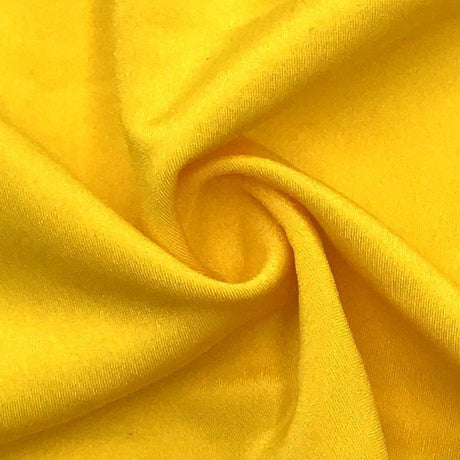
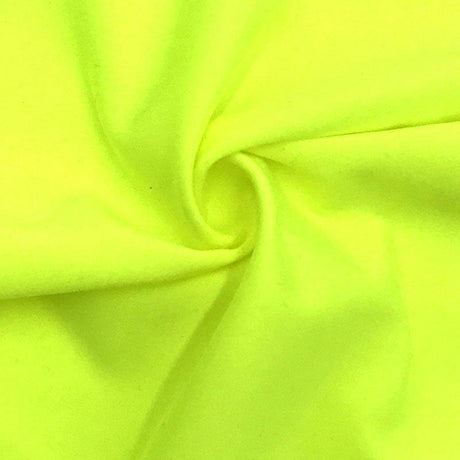
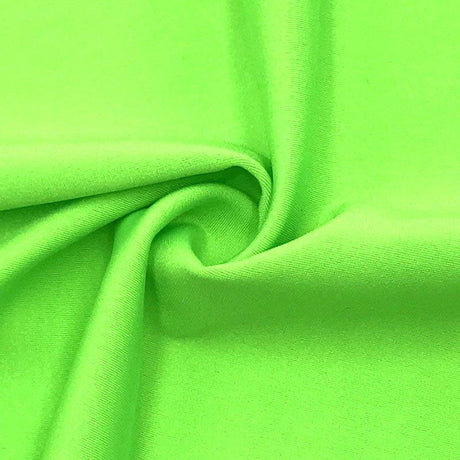
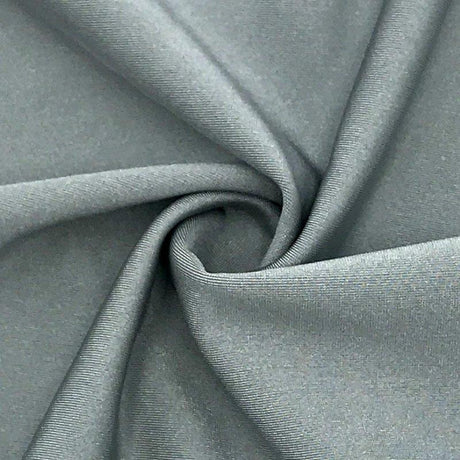
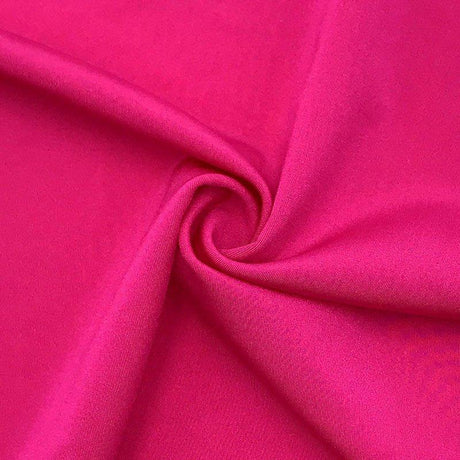
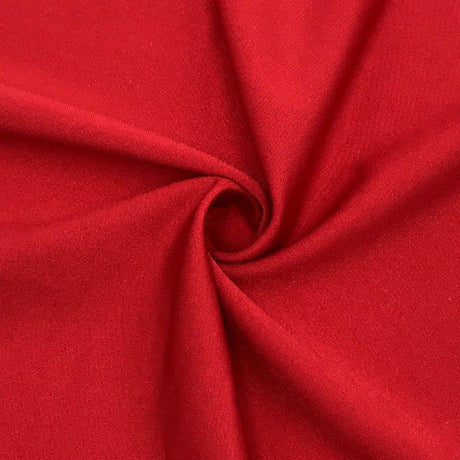
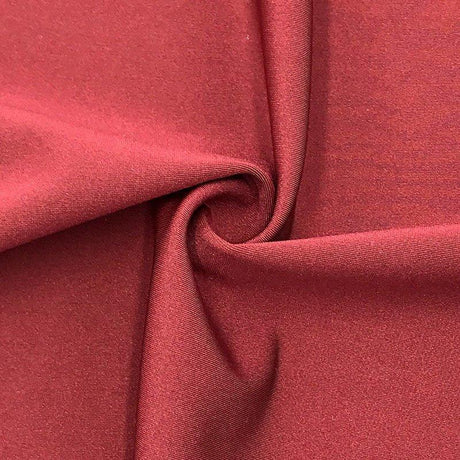
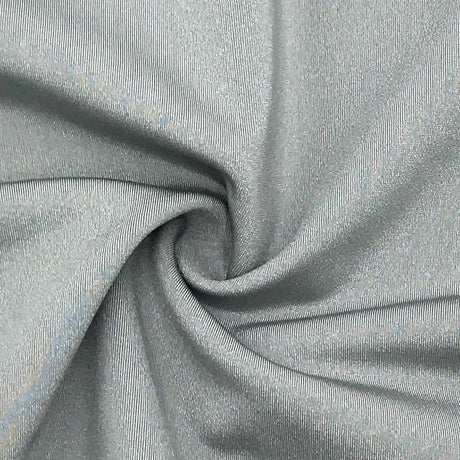
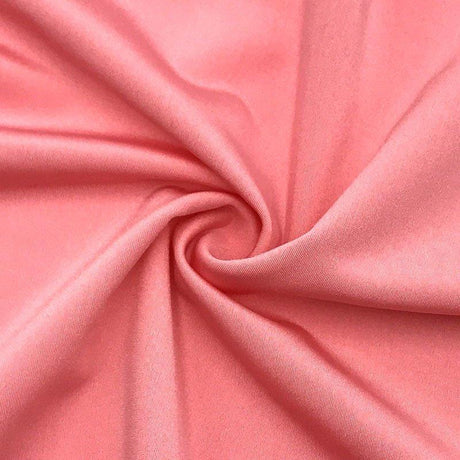
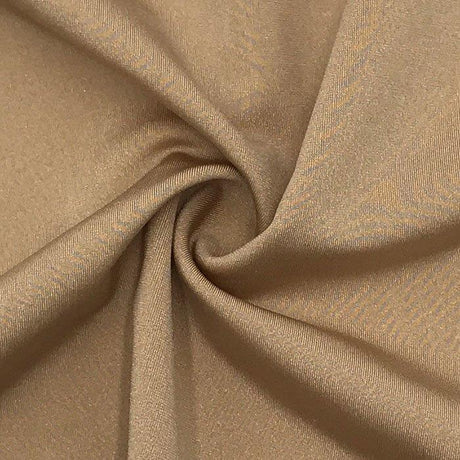
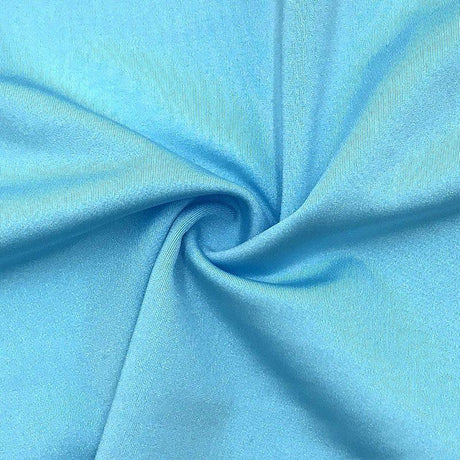
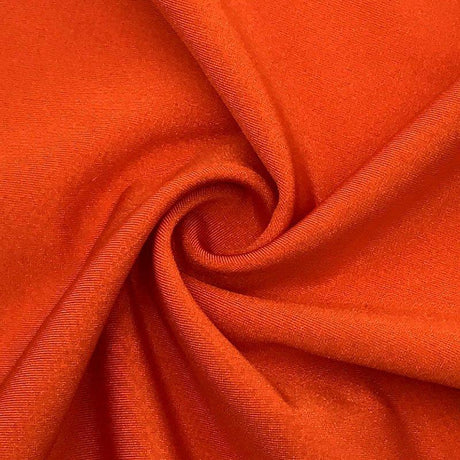
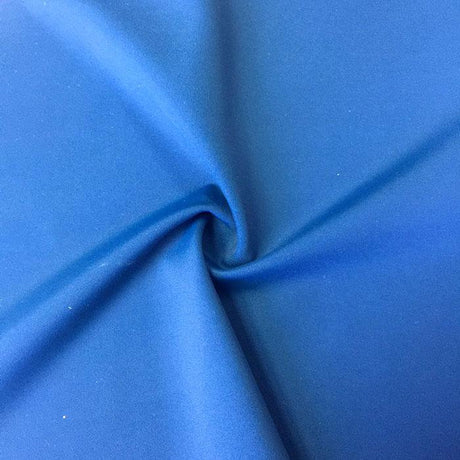
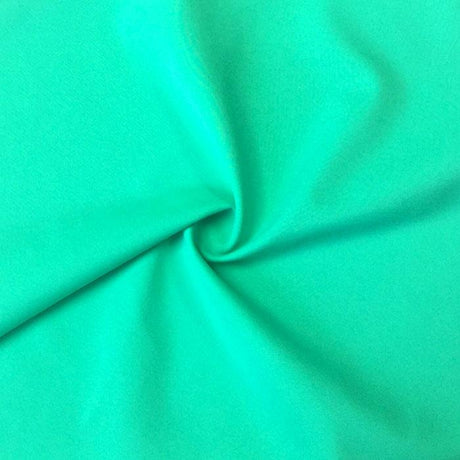
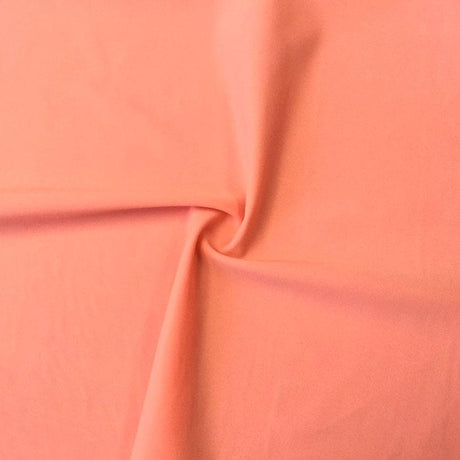
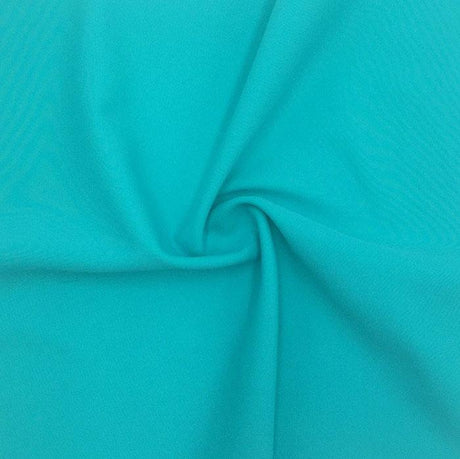
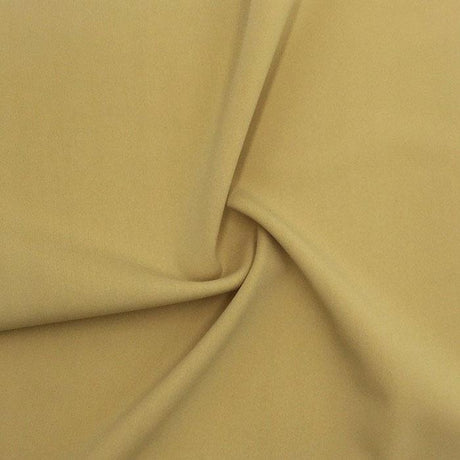
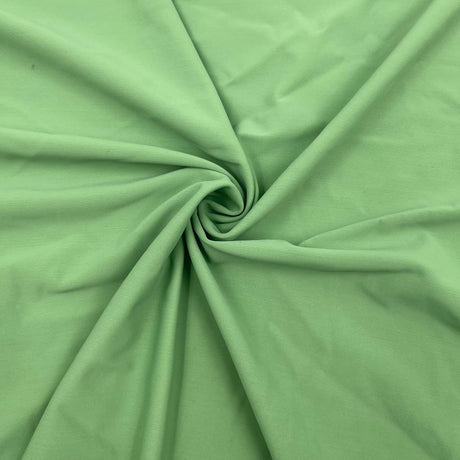
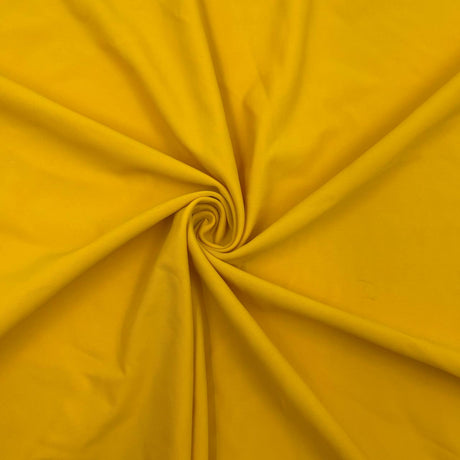
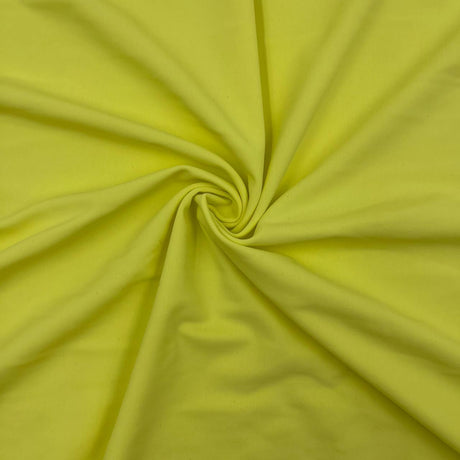
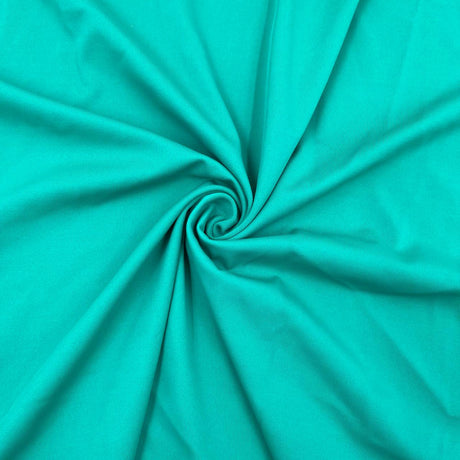
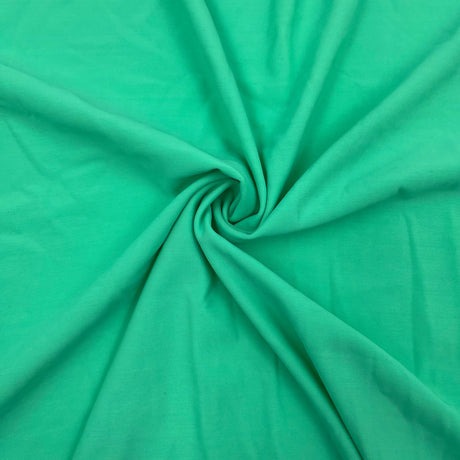
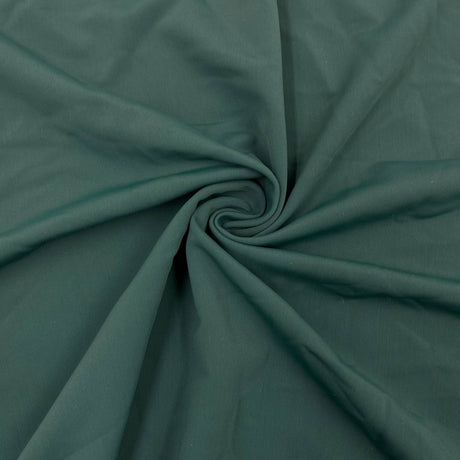
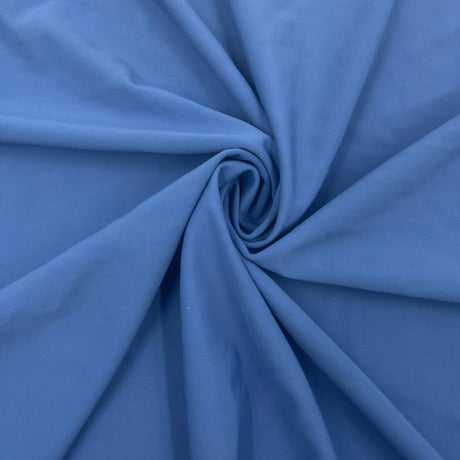
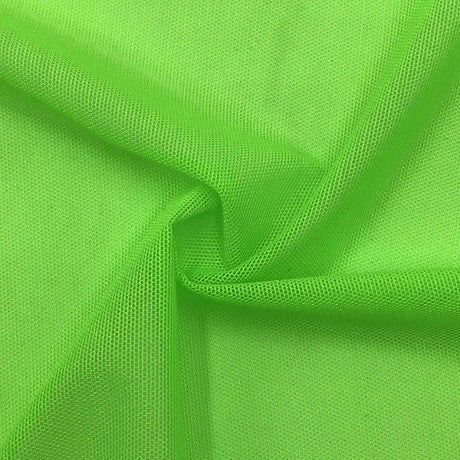
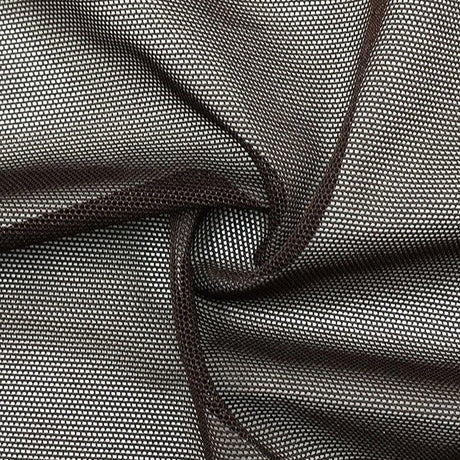
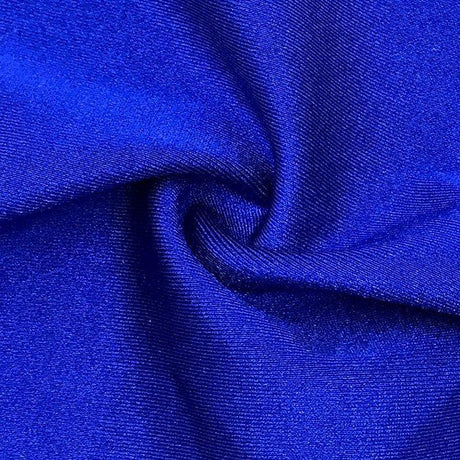
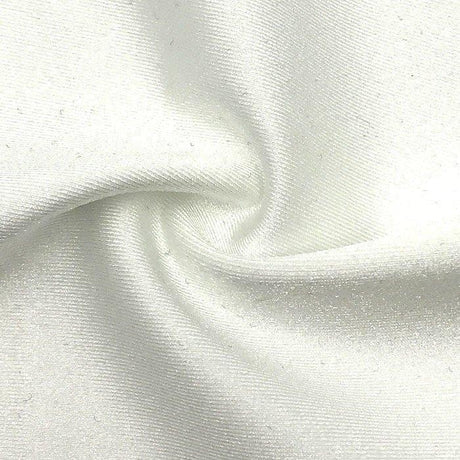
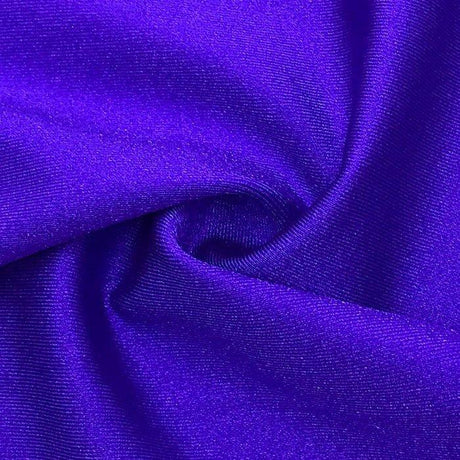
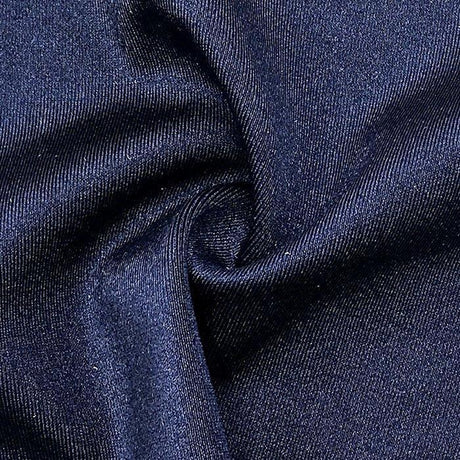
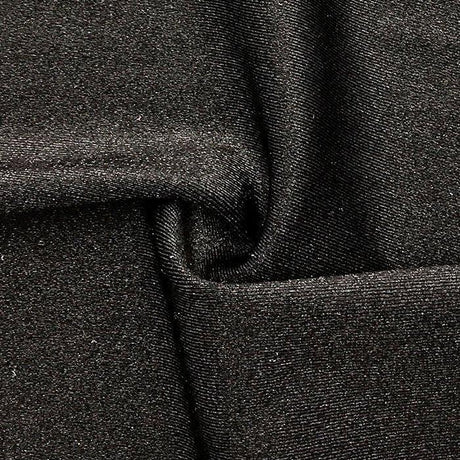
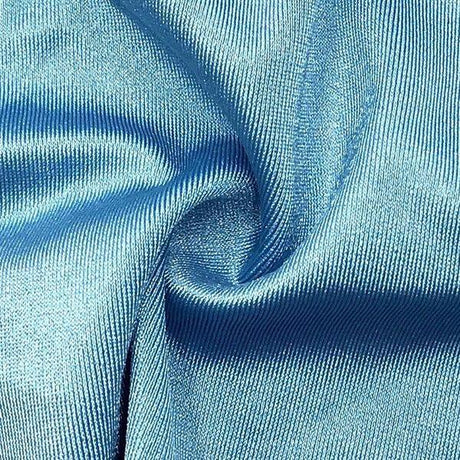
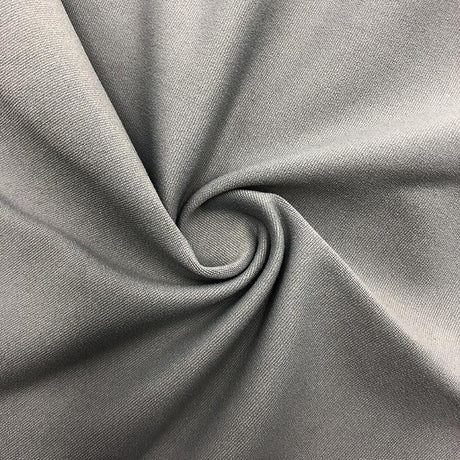
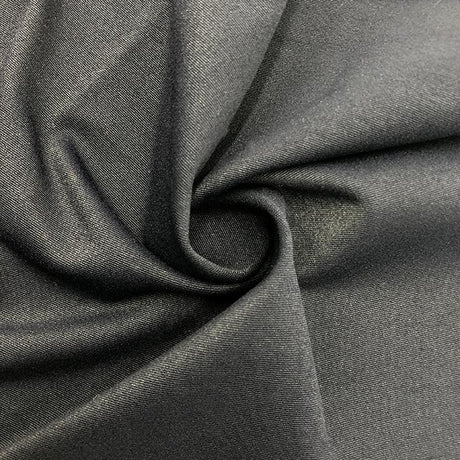
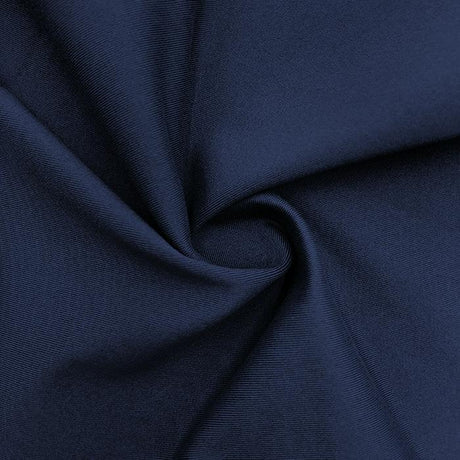
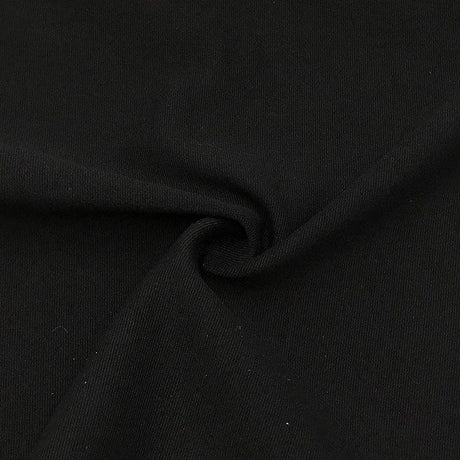
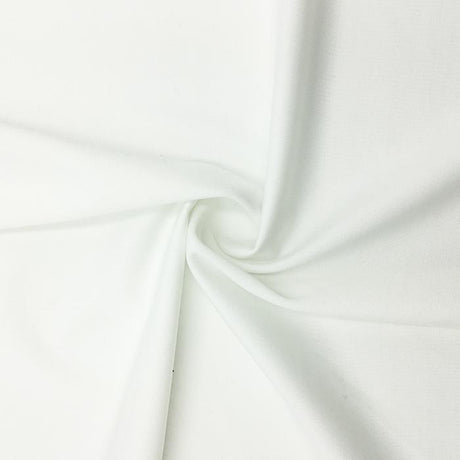
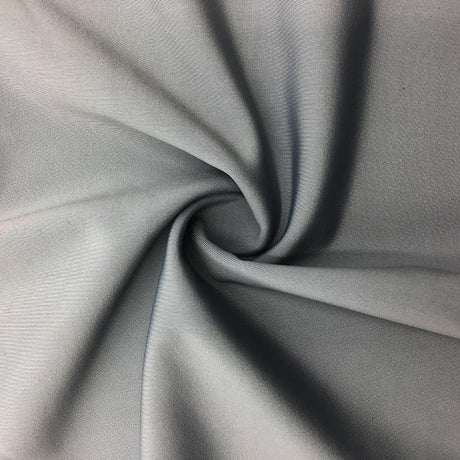
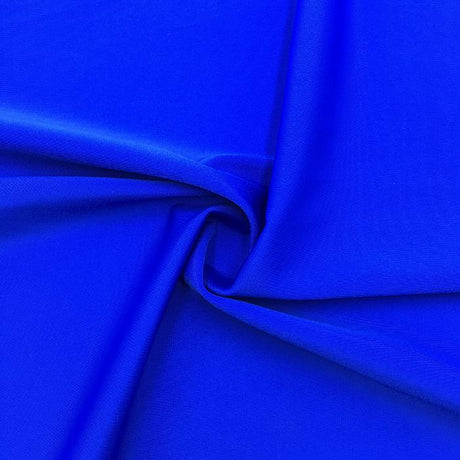
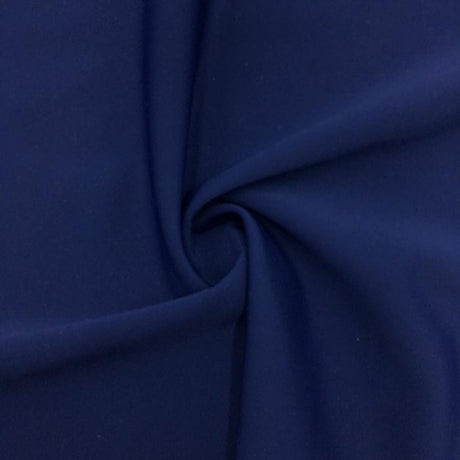
Swimwear isn’t just about style – it’s about science. High-performance swimwear material blends fashion with function, protecting your skin from sun damage and withstanding harsh pool chemicals. Whether you’re a swimmer, designer, or just a beach lover, understanding the material science behind swimsuits can help you choose gear that lasts and protects. In this article, we dive into how swimsuit fabrics achieve UV protection and chlorine resistance, and how to test your fabric’s durability.
UPF 50+ Ratings: How Fabric Protects Skin

UV protection in fabrics is measured by UPF, not SPF. UPF (Ultraviolet Protection Factor) indicates how much UV radiation a fabric blocks, whereas SPF refers to sunscreen efficacy on skin. For example, a UPF 50 fabric allows only 1/50th of the sun's UV rays through – that's just 2%, meaning it blocks 98% of harmful UVA and UVB radiation. In contrast, a regular cotton T-shirt might be only about UPF 5 (allowing ~20% of UV through), so specialized UPF 50+ swimwear offers dramatically better protection. For a broader foundation on swimwear fabric properties before diving in, explore our swimwear fabric guide or browse our full fabric guides hub.
What gives a fabric a high UPF rating? It comes down to the material and construction. Synthetic fibers like polyester or nylon tend to block UV better than untreated cotton. A tight knit or dense weave prevents sunlight from penetrating. Fabric color matters too: darker or bright colors absorb more UV rays, increasing protection compared to light colors. Some swimwear materials also have special UV-absorbing treatments or dyes added to boost their sun protection. Our fabric finishes guide covers UV-blocking surface treatments and how to evaluate their durability across performance swimwear constructions.
It's important to note that wet or stretched fabric can lose some UV protection. A garment that is UPF 50 when dry may effectively drop in rating when saturated with water or stretched over your body. High-performance swimwear material is designed to maintain protection even in these conditions – quality rashguards, for instance, are tested to ensure they remain UPF 50+ when worn during swimming. Our fabric weight guide covers how GSM affects UV blocking performance, opacity, and durability across all common swimwear fabric constructions – a heavier, denser construction generally maintains UPF ratings better under stretch and when wet.
Chlorine Resistant Materials: PBT vs. Standard Spandex
Chlorine is the silent swimsuit killer. Pool water contains chlorine (as hypochlorous acid) which acts like a mild bleach – over time it can weaken fibers, fade colors, and destroy elasticity. The culprit is usually the spandex (elastane) in the material. Standard spandex fiber is very sensitive to chlorine, which breaks its molecular bonds and causes the material to lose stretch and snap. Our spandex care guide covers the science of chlorine degradation in elastane fibers and why rinsing after pool use is so important for preserving swimwear longevity.
Enter PBT. PBT stands for polybutylene terephthalate, a form of polyester engineered for exceptional chlorine resistance. Unlike spandex (or even standard nylon), PBT fibers are almost impervious to the bleaching effect of chlorinated water. A prime example is Speedo's Endurance+ fabric, which is 50% PBT polyester and 50% standard polyester – this blend is known to survive hundreds of hours in chlorinated pools with minimal degradation. PBT's molecular structure actively repels chlorine molecules, so it retains strength and color even after extensive exposure.
Chlorine Resistance: PBT is the clear winner. Tests show PBT/polyester suits can last multiple seasons of daily swimming with negligible loss of integrity. Polyester fibers simply don't break down as quickly, whereas a typical spandex blend suit might lose over half its tensile strength after 300 hours in the pool. Standard spandex (as found in Lycra) is usually the first to go – chlorine attacks the elastane, leading to fibers that snap and a suit that sags. By contrast, PBT-based fabrics maintain their stretch and tightness; they're often labeled "100% chlorine resistant" for this reason. Our nylon-spandex fabric guide covers how nylon-spandex constructions compare to polyester-spandex and PBT blends in chlorine durability, stretch, and recovery across all swimwear applications.
Stretch & Fit: Spandex is known for its superb 4-way stretch and form-fitting elasticity, giving swimwear that second-skin feel. PBT fabrics achieve stretch a bit differently – PBT yarns can be textured during manufacturing to provide a natural stretch (often 2-way stretch) without needing much spandex. The result is a suit that is slightly firmer and less stretchy than a high-spandex fashion bikini, but still elastic enough to be comfortable and supportive. Our stretch fabric types page covers how PBT's stretch and recovery compare to spandex-blend constructions across all common swimwear applications.
Durability & Colorfastness: Because PBT and polyester resist chlorine and UV, they also tend to hold color better. PBT in particular has excellent color retention, keeping swimsuits looking bright through countless swim sessions. Standard spandex blends, especially with nylon, are more prone to UV fading and yellowing when exposed to pool chemicals and sun. Additionally, polyester/PBT fabrics don't pill or snag easily and often have quick-drying properties (they absorb less water), whereas fabrics with high spandex or nylon content can feel heavier when wet and take longer to dry.
In summary, traditional spandex (elastane) gives unbeatable stretch and comfort, but is vulnerable to chemical attack, making it better suited for occasional beachwear or styles where feel and flexibility are top priority. PBT and heavy-polyester blends sacrifice a bit of that stretch-for-comfort in exchange for dramatically longer life and shape retention in pool conditions – perfect for competitive swimmers, swim teams, or anyone tired of replacing suits frequently. Our swimwear fabric guide covers chlorine resistance ratings across all common swimwear constructions and how to choose between PBT, polyester-spandex, and nylon-spandex for different aquatic applications.
Testing Your Material for Colorfastness
Even the best material won't impress if its colors fade or bleed. Colorfastness refers to a fabric's resistance to color fading or running when exposed to conditions like water, sunlight, chlorine, or sweat. Swimwear is constantly exposed to two big color villains: chlorine (which can bleach dyes) and UV radiation (which can photodegrade pigments). High-quality modern dyes and synthetic fibers (polyester, PBT) are generally very colorfast. However, it's wise to test any new swimwear material, especially if you're unsure of its source or dye process, before relying on it for a long-lasting project or product line.
For custom-printed swimwear fabrics, our sublimation page covers how sublimation printing bonds dye into polyester-spandex fibers to achieve permanent, saturated color that resists both chlorine and UV fading, and our sublimation paper and sublimation transfer paper pages cover the complete printing workflow that determines long-term colorfastness.
Soak Test for Dye Bleeding: Cut a small swatch of the fabric and submerge it in a bowl of lukewarm water. Let it soak for about 30 minutes. You can mix in a teaspoon of chlorine bleach in a quart (~1 liter) of water to simulate pool water. After soaking, check the water for any tint – if you see dye bleeding into the water, the color is not fully set. Gently squeeze the swatch on a white paper towel as well, to see if any color transfers. A colorfast material should leave the water clear and the white towel unstained.
Sunlight Exposure Test: Wet a swatch of the fabric and pin it to a piece of cardboard. Cover half of the swatch with opaque paper or aluminum foil, and place it in direct sunlight for a day or two. Afterward, compare the exposed side to the covered side. Ideally, a high-quality swimwear material will show little difference – vibrant prints and colors should remain nearly as rich as before. Significant fading or dulling on the exposed half means the fabric's dyes are not very UV-stable.
Stretch and Recovery Check (Bonus): Mark a small section of the fabric with a pen line, measure a 10 cm length, then stretch it out and release. See if it returns to its original length. This tests the elastic recovery – a key factor so your swimsuit doesn't bag out. Do this a few times and also observe if repeated stretching causes any whitening or loss of color along the stretch lines. Our stretch fabric types page covers the step-by-step stretch and recovery testing methodology in detail.
In laboratory settings, there are standardized tests for these properties (for example, AATCC Test Method 162 for colorfastness to chlorinated pool water). Remember that "everything fades" eventually – prolonged sun and chlorine will have some effect on any textile over time. The goal is to pick materials that fade slowly and evenly, and to care for your swimwear properly. Our spandex care guide and fabric care guide cover the complete post-swim rinsing and drying protocols that preserve both color vibrancy and elastane integrity through repeated pool and saltwater exposure.
By understanding UPF ratings, choosing chlorine-resistant fibers like PBT, and verifying colorfastness, you can ensure the swimwear materials you select are truly high-performance. High-quality fabric science ultimately means swimwear that not only looks great, but also protects your skin and endures the elements – from blazing sun to chlorinated pools – season after season.
Ready to find the right fabric for your swimwear project? Use our swimwear fabric guide for curated recommendations across all swimwear applications, our nylon-spandex fabric guide for full performance profiles of nylon-spandex constructions, and our fabric weight guide and stretch fabric types page to evaluate technical specifications. Have questions? Our expert help and advice page and FAQ are always available. Sign up for SpandexByYard Rewards to earn points on every purchase – here's to swimwear that keeps its color, shape, and protection season after season!