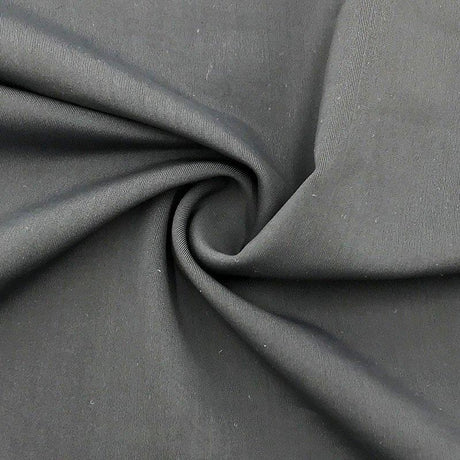
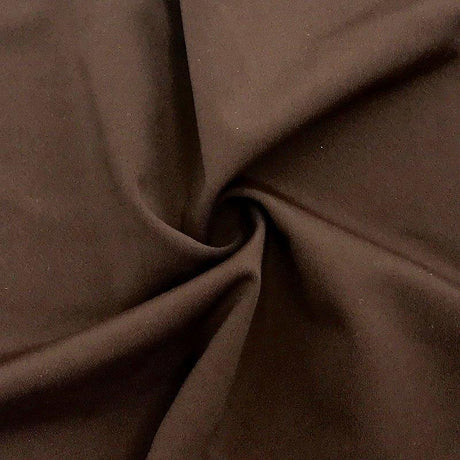
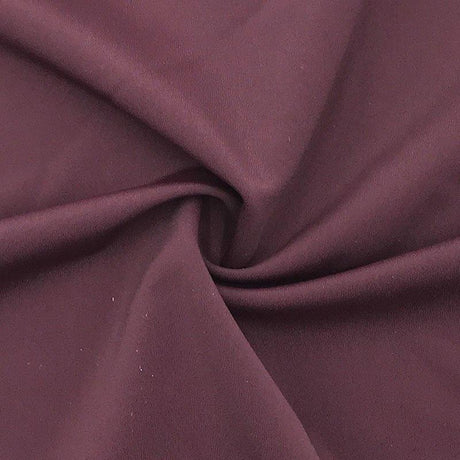
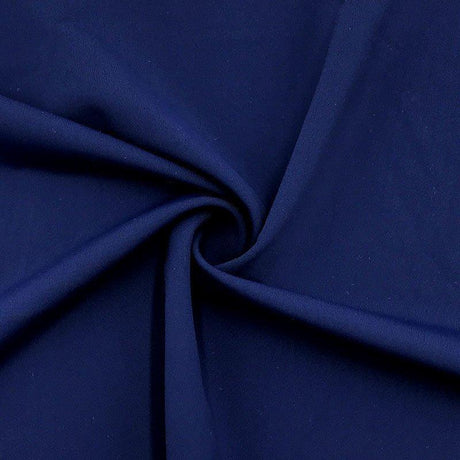
Many makers struggle to compare fleece weights and pick the right one for their project. This guide addresses that problem by breaking down fleece fabric weights and when to use each. Choosing the wrong weight can lead to garments that are too cold, too bulky, or hard to sew. For general fabric weight guidance that complements this article, explore our fabric weight guide or browse our full fabric guides hub.
Understanding Fleece Fabric Weight
What "Weight" Means: Fleece fabric weight refers to thickness and warmth, measured in grams per square meter (GSM). A higher GSM means a denser, warmer fabric. Weight impacts insulation, breathability, and fabric feel.
Weight Categories: Fleece comes in three broad weight classes: lightweight, midweight, and heavyweight. Each offers a different balance of warmth vs. breathability – designed for different layering strategies and seasonal uses.
Performance Implications: Heavier fleeces generally trap more heat but are bulkier; lighter fleeces breathe well but offer less warmth. Understanding this trade-off is key for matching fabric to purpose. Our fabric weight guide provides a full breakdown of how GSM affects compression, breathability, and durability across all common fabric constructions.
Technical Note: Key terms include GSM, pile (fleece's plush surface), and loft. These factors contribute to a fleece's insulating performance and comfort level.
Technical Specifications of Fleece Weights
GSM Ranges: Approximate GSM for each category – lightweight ~100–200 GSM, midweight ~200–300 GSM, heavyweight 300+ GSM. (E.g. microfleece jackets often ~150 GSM, heavy winter fleece blankets 320 GSM.)
Stretch & Recovery: Fleece is a knit, so it has some mechanical stretch. Lightweight fleeces tend to stretch the most (thinner knit) but might not fully recover shape; mid/heavy fleeces are more stable. Some fleeces include spandex for improved stretch recovery (common in performance or "stretch fleece" blends). Our stretch fabric types page covers how spandex percentage affects stretch and recovery properties in knit constructions – directly relevant to evaluating whether a stretch fleece is well-engineered for active use.
Durability: Density and fiber quality affect longevity. Tighter, heavier fleeces resist abrasion and pilling better than loose knits. High-quality fleece (often with anti-pill treatment) will last through many washes; low-end fleece may shed or pill quickly. Our fabric finishes guide covers how anti-pill and other surface treatments are applied to fabrics and how to evaluate their durability.
Moisture Performance: All-polyester fleece is hydrophobic, meaning it repels water and dries quickly. However, none of these weights are windproof or waterproof on their own. A separate windbreaking layer is needed for true weather protection.
Lightweight vs Midweight vs Heavyweight Fleece
Lightweight Fleece (100–200 GSM)
Characteristics: Thin and very breathable with a short pile. Often called microfleece at the lower end of this range. Feels light and flexible, making it ideal for layering.
Warmth & Comfort: Provides mild insulation – enough for cool weather or high activity, but not for freezing temperatures on its own. The trade-off for less warmth is excellent breathability and quick drying.
Best Uses: Base layers or thin mid-layers in outdoor gear, activewear pullovers, lightweight hoodies, or lining material. Perfect for soft inner layers in jackets or as a standalone for aerobic activities (running, hiking) where overheating is a concern.
Pros/Cons: Easiest to pack and sew (low bulk), and often the most stretchy. However, offers the least warmth and can feel flimsy for heavy-duty use.
Midweight Fleece (200–300 GSM)
Characteristics: Versatile and balanced. Medium thickness with a plush feel. Often the "standard" fleece weight used in all-purpose jackets and hoodies.
Warmth & Comfort: A good balance of warmth and breathability. Midweight fleece keeps you warm in chilly weather while still venting moisture. It's the go-to for general-purpose mid-layers or casual outerwear.
Best Uses: All-around jackets, zip-up sweaters, and vests. Great as a mid-layer under a coat in winter or an outer layer in spring/fall.
Pros/Cons: More insulation than lightweight without too much bulk. It layers well and is durable for frequent wear. On the downside, it's not as packable as microfleece.
Heavyweight Fleece (300+ GSM)
Characteristics: Thick, lofty, and super cozy. Heavyweight fleece has a deep pile and substantial feel – sometimes comparable to wool in warmth.
Warmth & Comfort: Maximum insulation – ideal for freezing temperatures or low-activity situations where retaining heat is critical. The fabric feels plush and can serve as an outer jacket in dry, cold conditions. Breathability is lower (the fabric's density traps heat).
Best Uses: Winter outerwear, expedition-weight mid-layers, and outerwear pieces like heavy hoodies or fleece coats. Also popular for blankets, pet beds, or even upholstery projects that demand warmth and thickness.
Pros/Cons: Very warm, wind resistance slightly better due to thickness, and very durable. Can be bulky and heavy to wear; not suitable for high-exertion sports; more difficult to sew.
How to Choose the Right Fleece Weight
General Selection Criteria: Match the fleece weight to your project's needs by considering:
- Climate/Temperature: For cold winter conditions, lean toward heavy; for mild or variable weather, light or midweight may suffice
- Activity Level: High-activity or sport garments benefit from lighter, more breathable fleece; stationary or casual wear can use heavier fleece for warmth
- Layering & Fit: If the fleece will be layered under other jackets, a thinner or midweight fabric avoids bulk. Heavy fleece is best as a top layer or single layer piece
- Sewing Practicality: Lightweight fleece is easier to sew and handle; heavyweight can require stronger machines/needles and produces more lint
Our how to choose fabric guide walks through the decision framework for matching fabric specifications to garment function across all common garment types.
Activewear & Performance Gear
Recommended Weight: Lightweight or thinner midweight fleece. Prioritize breathability and stretch – e.g. microfleece or cozy stretch blends with spandex that move with the body.
Why: Athletes generate heat; a lighter fleece keeps them warm without overheating. Many athletic fleeces (~100–200 GSM) have quick-dry and moisture-wicking features. Our activewear fabric guide covers moisture-wicking and breathability ratings across all common activewear fabric constructions.
Examples: Running tops, yoga jackets, hiking mid-layers, fleece-lined leggings. A 150 GSM microfleece quarter-zip is a common choice for runners.
Outerwear & Winter Garments
Recommended Weight: Midweight to heavyweight fleece. Opt for thicker fleece when maximum warmth is needed, often as a mid-layer under a shell or even as the outer layer on dry days.
Examples: Ski mid-layers (200 GSM fleece under a ski shell), heavyweight fleece parkas for camping, or double-layer fleece jackets.
Casualwear & Everyday Apparel
Recommended Weight: Midweight fleece is the sweet spot for everyday comfort. Heavyweight can be used for ultra-cozy loungewear, and lightweight for fleece pajamas or shirts.
Examples: 250 GSM hoodie for daily wear, lightweight fleece cardigan for layering at work, or a heavy fleece pullover as a winter evening sweatshirt.
Upholstery, Blankets & DIY Home Projects
Recommended Weight: Heavyweight fleece (or specialized upholstery fleece) for most home applications.
Examples: No-sew tie blankets made from 320 GSM anti-pill fleece, fleece couch throws, or car seat covers. For upholstery-type uses, always choose anti-pill varieties.
Common Mistakes to Avoid with Fleece
Using the Wrong Needle/Stitch: Fleece is a stretch knit; using a regular sharp needle or a straight stitch can cause skipped stitches or fabric damage. Use a ballpoint needle and a slight zigzag or stretch stitch for seams. Our how to sew stretch fabric guide covers complete needle selection, stitch type, and machine settings for all common stretch knit constructions.
Ignoring Fabric Grain/Nap: Fleece has a directional nap (the fibers lie one way). Cutting pieces without aligning the nap can result in panels that look or feel different. Always cut all pieces in the same orientation, and pay attention to stretch direction as well.
Excessive Heat Application: Never iron fleece directly – it can melt or scorch. Similarly, avoid high-heat drying; it can cause shrinkage or damage finishes. Use a pressing cloth on low heat if you must press seams, and tumble dry low or air-dry. Our spandex care guide covers why heat is so damaging to elastane fibers – directly relevant for any stretch fleece containing spandex content.
Poor Laundry Choices: Using bleach, fabric softener, or dryer sheets will damage fleece fibers and reduce performance. Wash fleece in cold water with mild detergent; avoid harsh chemicals and high heat in the dryer. Our fabric care guide covers complete laundering protocols for all common synthetic and blended fabric types.
Not Preventing Pilling: Lower-quality fleece will pill over time, especially with friction. Wash inside-out on gentle cycle and consider an anti-pill fleece if longevity is important.
Sewing Mishaps: Common errors include not using enough pins (fleece layers can shift), forgetting to clean lint from the machine, and not adjusting tension for thicker seams. Use a walking foot for thick layers and clean your machine during and after sewing.
When to Use Alternative Fabrics Instead of Fleece
For High Breathability or Base Layers: If you need something even more breathable or moisture-wicking next to skin, consider merino wool or thermal knits instead of fleece.
For Wind/Weather Protection: In very windy or wet conditions, a windproof softshell or insulated jacket is better than standard fleece. Fleece has no wind resistance on its own.
For Natural Fiber Preference: Cotton fleece (sweatshirt fleece) or flannel can be used for a cozy feel without polyester. Cotton-blend "fleece" (like French terry) is breathable and soft but not as warm when wet.
For Maximum Stretch & Drape: If your project needs a lot of stretch or a flowing drape, look into cozy stretch blends like rayon-blend sweater knits or spandex-blend French terry. Our stretch fabric types page covers how different knit constructions compare in stretch, recovery, and drape.
Sustainability Considerations: Recycled polyester fleece is an option to keep using fleece with lower environmental impact.
Conclusion
Light vs Mid vs Heavy Recap: Lightweight fleece is best for breathability and active pursuits, midweight is the all-purpose workhorse balancing warmth and comfort, and heavyweight delivers serious warmth for winter or lounge use. Remember: higher GSM means thicker and warmer, but also bulkier.
Match Fabric to Project: Think about the end use – an activewear jacket will perform best in lightweight fleece, while an outdoor camping sweater might need heavy fleece for warmth. For casual indoor wear, midweight often hits the sweet spot.
Technical Confidence: Now you know the technical specs – GSM ranges, stretch behavior, durability factors – behind each fleece weight. Our fabric weight guide and stretch fabric types page provide the reference benchmarks you need to evaluate any fleece fabric against these specifications.
Avoiding Pitfalls: By keeping in mind common mistakes (from sewing techniques to care), you'll ensure your fleece project comes out professional and lasts longer. Our how to sew stretch fabric guide and fabric care guide cover all the construction and care protocols that maximize fleece garment lifespan.
Have questions? Our expert help and advice page and FAQ are always available. Sign up for SpandexByYard Rewards to earn points on every purchase – enjoy the process, armed with this fleece fabric weight guide!