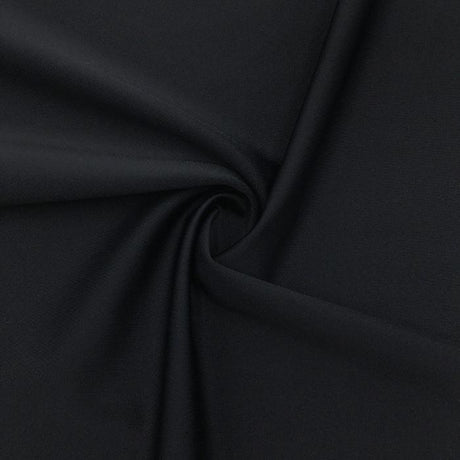
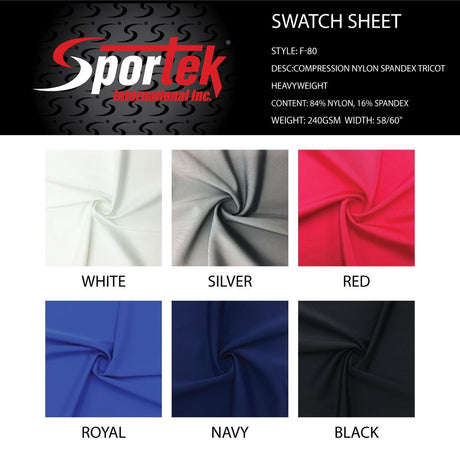
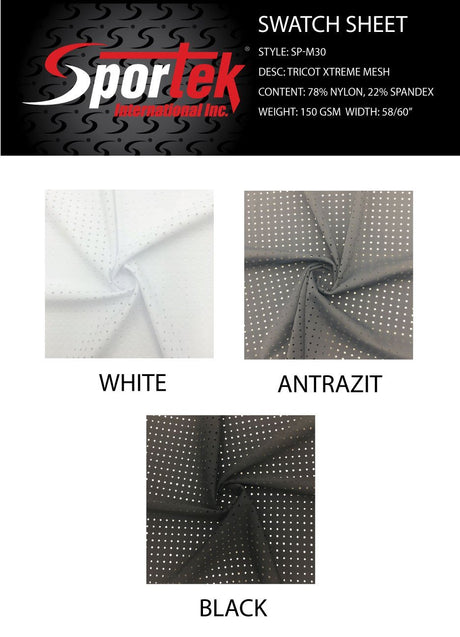
Many people use the terms elastane and spandex interchangeably when referring to stretchy fabrics. Is there a real difference between them, or are they just two names for the same thing? In this article, we’ll unravel the facts behind elastane vs. spandex, explore why North America and Europe use different words, and explain how Lycra fits into the picture. The short answer, as we’ll see, is that elastane and spandex are essentially the same fiber – but the terminology varies by region and context.
Etymology Wars: US vs. Europe
The word “spandex” was famously coined in the United States around 1959 as a playful anagram of the verb “expands”. This name caught on in North America as the common term for the stretchy synthetic fiber. In continental Europe, however, the fiber has always been referred to as “elastane,” a name derived from its elastic properties. Essentially, both words point to the same material, but different sides of the Atlantic chose different nomenclature.
Importantly, these naming differences aren’t just colloquial – they appear on clothing labels and even in legal standards. In the U.S. and Canada, you’ll typically see spandex listed on garment composition tags (e.g., “95% cotton, 5% spandex”). Europe (and much of the world) follows the International Organization for Standardization (ISO) term elastane, so a similar garment’s label would read “5% elastane”. In fact, European Union textile regulations require using the word “elastane” on fiber content labels, not spandex. A U.S. brand exporting to Europe might have to change “spandex” to “elastane” on its labels to comply with EU law. Despite the terminology tug-of-war, it’s crucial to remember that both terms describe the same stretchy polymer fiber.
Is There a Technical Difference? (Definitive Answer: No)
From a technical and chemical standpoint, there is no difference between elastane and spandex – they are identical fibers. Both names refer to a category of synthetic elastomeric fibers made of long-chain polyurethane molecules that can stretch extensively and snap back to their original shape. By definition, an elastane/spandex fiber is composed of at least 85% polyurethane by weight, which is what gives it such extraordinary stretch and recovery properties. In fact, these fibers can be stretched five to six times (500–600%) their resting length without breaking, and will quickly return to original length once tension is released. This high elasticity classifies spandex/elastane as an “elastomeric” fiber, similar in function to rubber (which it largely replaced in clothing due to better durability).
Both elastane and spandex are the same polyether-polyurea copolymer invented in 1958 by DuPont chemist Joseph Shivers. DuPont’s development of this fiber revolutionized stretch fabrics, offering a lightweight, resilient alternative to natural rubber threads. So if you’re wondering whether garments labeled elastane are stretchier or different in quality than those labeled spandex, the answer is no – the fiber content is the same. The only differences come from branding or manufacturing quality, not from any inherent distinction between “spandex” and “elastane” themselves.

Spandex Fiber Spools: White spools of raw spandex (elastane) fiber, which will be spun into yarn for elastic textiles. Both terms refer to this same polyurethane-based stretch fiber.
Where Does Lycra Fit In?
Many people also encounter the term Lycra when talking about stretch fabric. Lycra is simply a brand name – it’s the trade name that DuPont (now Invista/The Lycra Company) gave to their particular type of spandex fiber back in the 1960s. Think of Lycra as the “Coke” of spandex: a trademarked product name that became so popular, it’s often used generically to mean any spandex/elastane. In fact, in the UK, Australia, and some other countries, consumers commonly say “Lycra” for any stretch fabric, much like Americans say “Kleenex” for tissue or “Band-Aid” for adhesive bandages. But technically, Lycra = spandex = elastane – the key difference is that Lycra denotes a specific high-quality brand of the fiber.
Because it’s a premium brand, Lycra fibers are produced to meet certain quality standards for stretch and recovery. All Lycra is spandex/elastane, but not all spandex is Lycra. In practical terms, a pair of yoga pants made with Lycra spandex may have slightly better longevity or stretch retention than one made with a generic spandex, due to Lycra’s quality controls. However, if we’re speaking generically, Lycra doesn’t denote a different material – it’s the original branded spandex fiber and has become synonymous with elastane in many places.
To summarize, elastane vs. spandex is purely a matter of naming convention, and Lycra is a brand within that same family of fibers. Below is a quick comparison to highlight these points:
Comparison Table (Optimized for Featured Snippet)
|
Aspect |
Elastane (EU/Intl. Term) |
Spandex (US Term) |
|
Name Origin |
Derived from “elastic” (international generic name) |
Anagram of “expands,” coined by DuPont in 1959 |
|
Regional Usage |
Standard term in Europe, Asia, and most countries (appears on fabric labels as elastane) |
Standard term in North America (appears on fabric labels as spandex) |
|
Fiber Type |
Synthetic elastomeric fiber (polyurethane) – identical to spandex |
Synthetic elastomeric fiber (polyurethane) – identical to elastane |
|
Also Known As |
Sometimes informally called Lycra (though Lycra is a brand name) |
Sometimes referred to by the generic term elastane outside North America |
|
Usage Example |
Clothing label: “95% Cotton, 5% Elastane” (common in European brands) |
Clothing label: “95% Cotton, 5% Spandex” (common in American brands) |
As the table shows, elastane and spandex truly have no real difference beyond the words themselves. Whether a garment tag says elastane or spandex, it’s indicating the same stretchy polymer that gives your gym clothes or jeans that comfortable stretch. And if you see Lycra on a label, know that it’s a trademarked brand of elastane/spandex known for quality, not a distinct fiber. In the end, elastane vs. spandex is a labeling and language difference, while the “real” difference is nil – they expand (or should we say “spandex”?) just the same!.